Women's Safety Shoes For Warehouse

Find women’s safety shoes for warehouse work by starting with your workplace’s footwear requirements. Browse the selection of women’s work shoes, then check each pair’s listed safety ratings, fit, and sizing to help narrow down the right option for your shift.

Read More

Shop Your Store: Shop Your Store: Find a Store

(Turn off Shop Your Store to see all items)

(Turn off Shop Your Store to see all items)

close
  • Recommended
  • Lowest Price
  • Highest Price
Skip pass products
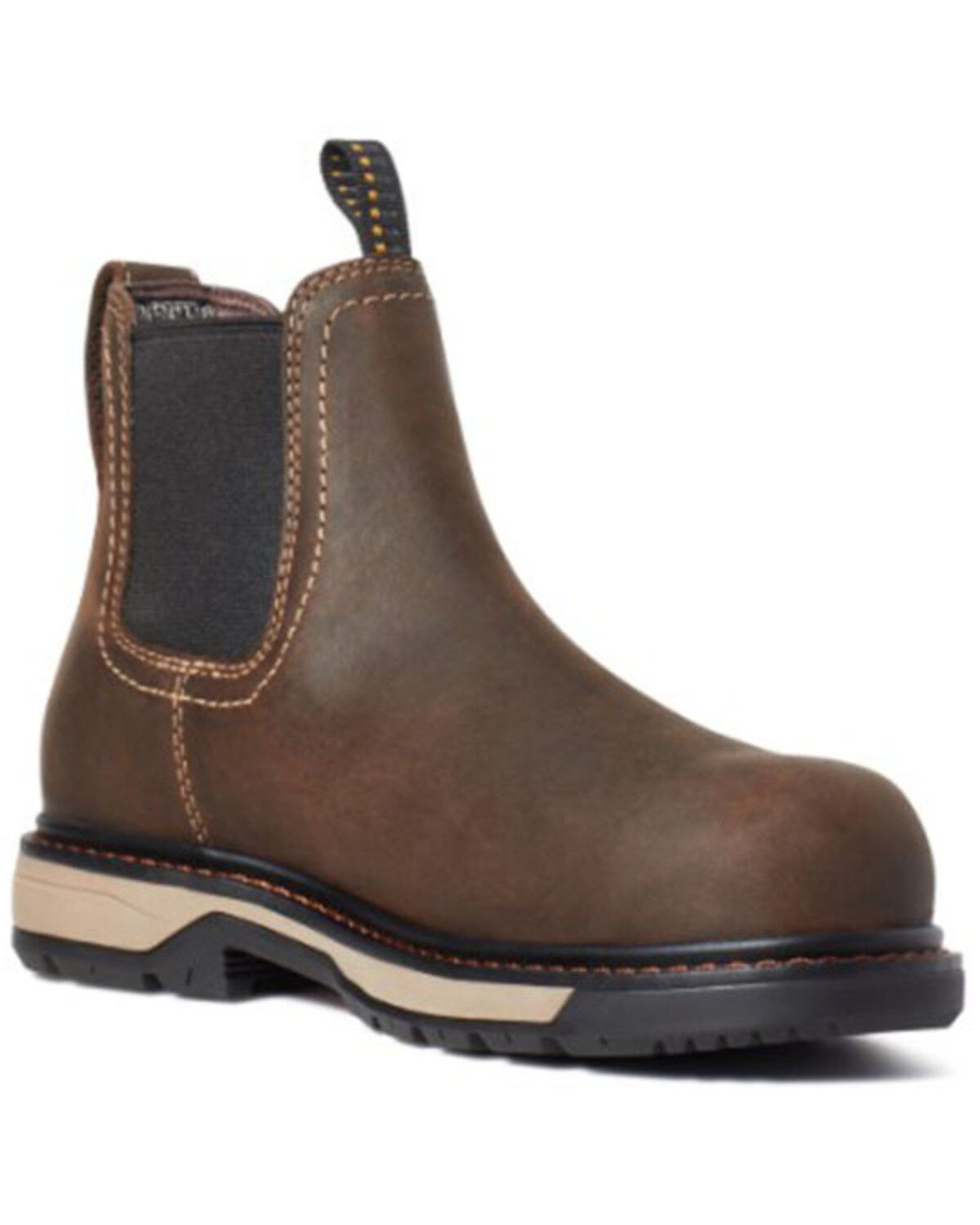
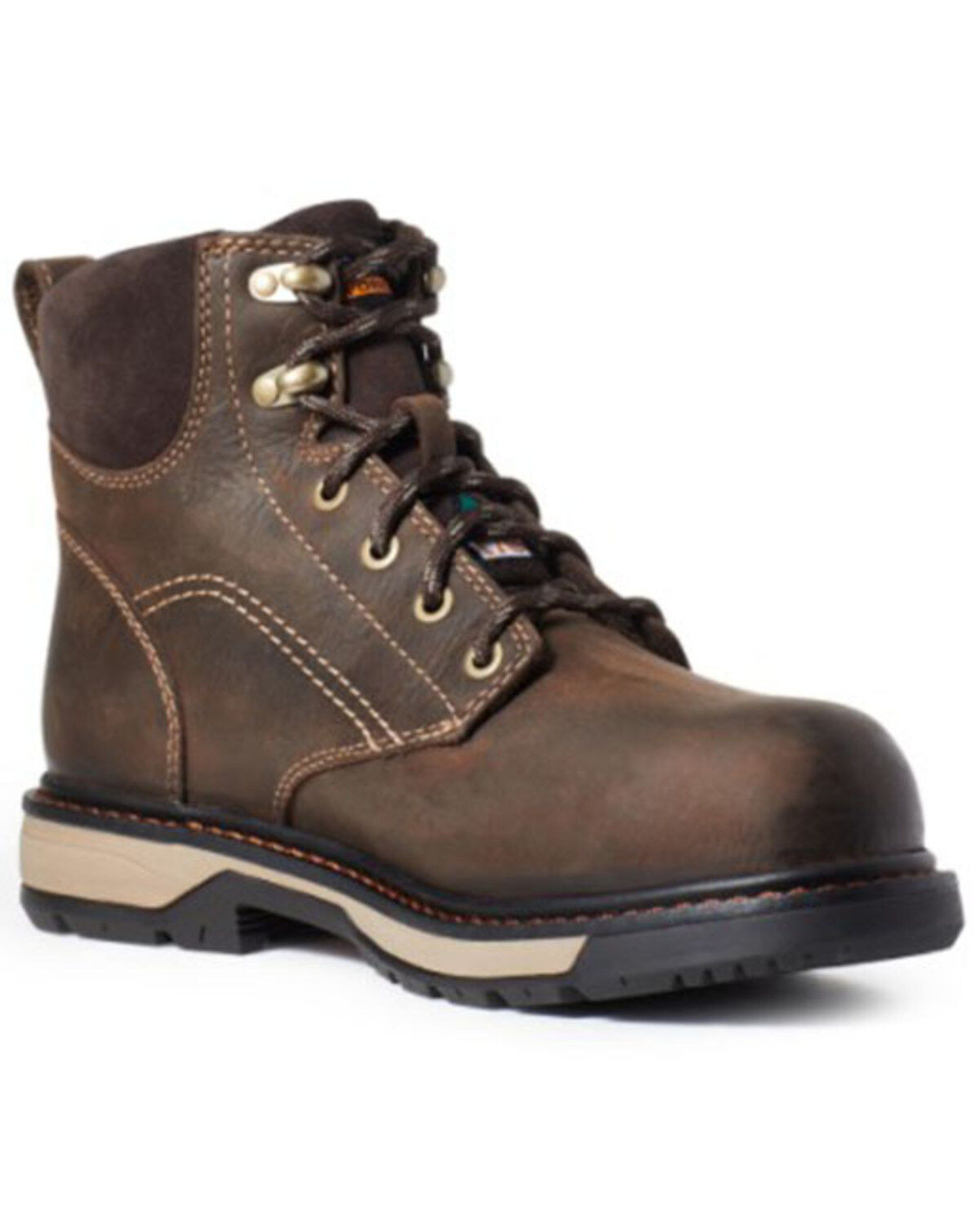
  • Women's Hawx 5" Lace-Up Work Boots - Composite Toe
    Original Price $144.99 $99.00
    32% Total Savings
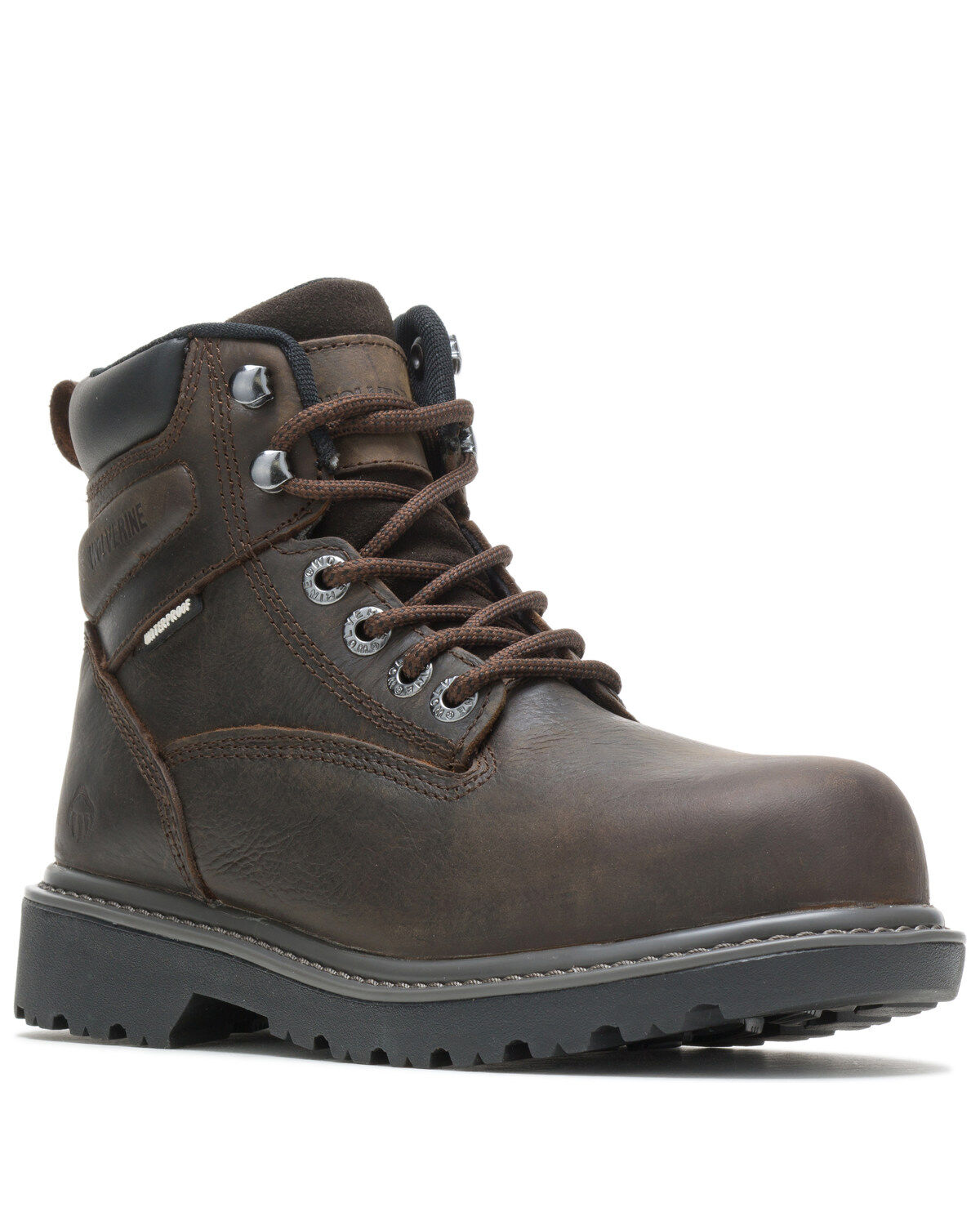
  • Women's Hawx 6" Trooper Work Boots - Composite Toe
    Original Price $149.99 $99.00
    34% Total Savings

End of products

Women's Safety Shoes For Warehouse

Women’s safety shoes for warehouse work combine protective construction with the flexibility needed for a job that rarely stays in one place. A shift may include walking concrete aisles, standing at a packing station, pushing a cart, or moving between receiving and shipping areas. Each task puts different demands on footwear. Protective toe caps help address impact and compression hazards from dropped cartons, shifting materials, and equipment, but the required protection depends on the workplace. Steel, alloy, and composite toe designs differ in weight, shape, and construction; the safety rating matters more than the toe material alone. Warehouse footwear should match the employer’s requirements, including any need for puncture resistance, electrical hazard protection, or other features. Electrical hazard protection and static-dissipative construction serve different purposes and are not interchangeable. Neither replaces workplace procedures or other required protective equipment. Underfoot, outsole design matters on smooth concrete, loading areas, and floors where dust or spills may affect traction. Slip-resistant footwear can help improve grip under the conditions it is designed for, though no sole prevents every slip. A stable heel and an outsole that bends naturally through the forefoot can support the mix of standing, walking, and turning common to warehouse jobs. Low-cut safety shoes offer freedom of movement around the ankle, while some work areas require taller footwear or additional protection. Leather uppers provide a substantial surface that can stand up to repeated contact with pallets, cartons, and equipment. Textile and synthetic panels may offer more flexibility or airflow, depending on their construction. Reinforced toe overlays can limit wear where shoes brush against shelving or the edge of a pallet. These details matter to order pickers, packers, receiving crews, shipping teams, and supervisors who spend much of the day on the floor. The right construction is tied to the actual work: frequent kneeling calls for forefoot flexibility, repeated cart handling calls for dependable footing, and long walking routes make footwear weight an important consideration.

Fit has a direct effect on how safety shoes feel over a full shift. A protective toe cap does not stretch like the upper around it, so adequate room at the front is important from the start. Toes should have space to move without pressing against the cap when standing, walking, or bending down to reach a lower shelf. Extra length is not a reliable fix for a shoe that is too narrow; it can leave the heel loose while the forefoot still feels crowded. Women’s footwear can have different proportions through the heel, arch, and forefoot than other sizing categories, but individual foot shape still determines the best fit. A secure heel, comfortable width, and even pressure across the instep help keep the foot from sliding inside the shoe. Laces allow adjustment along the upper, which can be useful when one foot needs slightly more room than the other. The socks worn on the job also affect fit, particularly around the toe box and heel. Trying footwear with those socks provides a more useful sense of space than trying it with a much thinner pair. Feet may swell over the course of a shift, making a fit check later in the day worthwhile. For workdays built around extended standing and repeated walks across the building, women’s safety shoes for long shifts address many of the same comfort needs. Cushioning can soften the feel of hard floors, while a supportive footbed and stable midsole help maintain a consistent base underfoot. More padding does not always mean better support. A shoe that feels soft for a few minutes may feel less steady after hours of carrying cartons or standing at a conveyor. Removable footbeds can accommodate suitable replacement insoles or orthotics when the shoe’s fit and safety requirements allow. Any change should leave enough toe clearance and avoid lifting the heel out of its secure position. Breathable linings and moisture-managing materials may also improve comfort during active work, especially when paired with socks that stay smooth rather than bunching beneath the foot.

Durability in warehouse safety footwear comes from the whole construction, not just a thick outsole or a reinforced toe. Uppers, seams, lace attachments, midsoles, and tread all take repeated strain as the wearer crouches, steps around equipment, and walks between workstations. An abrasion-resistant upper is useful where shoes regularly scrape against pallet boards or cart frames. Secure stitching and well-supported lace openings help the shoe hold its shape through daily adjustments. Outsole compounds vary, and resistance to oil or other substances should be based on the stated rating rather than appearance. A deep tread pattern is not automatically the best choice for every floor; the rubber compound, contact area, and floor conditions all influence traction. Warehouse work can also leave fine debris packed into the tread, reducing the sole’s contact with the floor. Regular cleaning helps keep those channels clear and makes damage easier to spot. Loose dirt can usually be brushed away, while surface cleaning and conditioning should follow the footwear’s care directions. Leather may benefit from a compatible conditioner, but textile panels, coated materials, and specialized finishes can need different treatment. Shoes that become damp should dry naturally away from direct heat, which can damage materials and adhesives. Giving the interior time to dry between wears also helps maintain comfort. Care preserves footwear, but it does not restore worn traction or damaged protective components. Flattened tread, separating soles, torn uppers, and a heel that no longer holds its shape can affect performance even when the shoes still look serviceable from above. A significant impact or compression event may require replacement according to the manufacturer’s guidance, even if damage is not obvious. Different warehouse assignments can also call for different footwear: a packing station, a maintenance area, and a receiving dock do not necessarily share the same hazards. Women’s warehouse safety shoes are most useful when their protection, fit, and construction match the job, with enough comfort for steady movement and enough durability for repeated wear.
Read More

FAQs