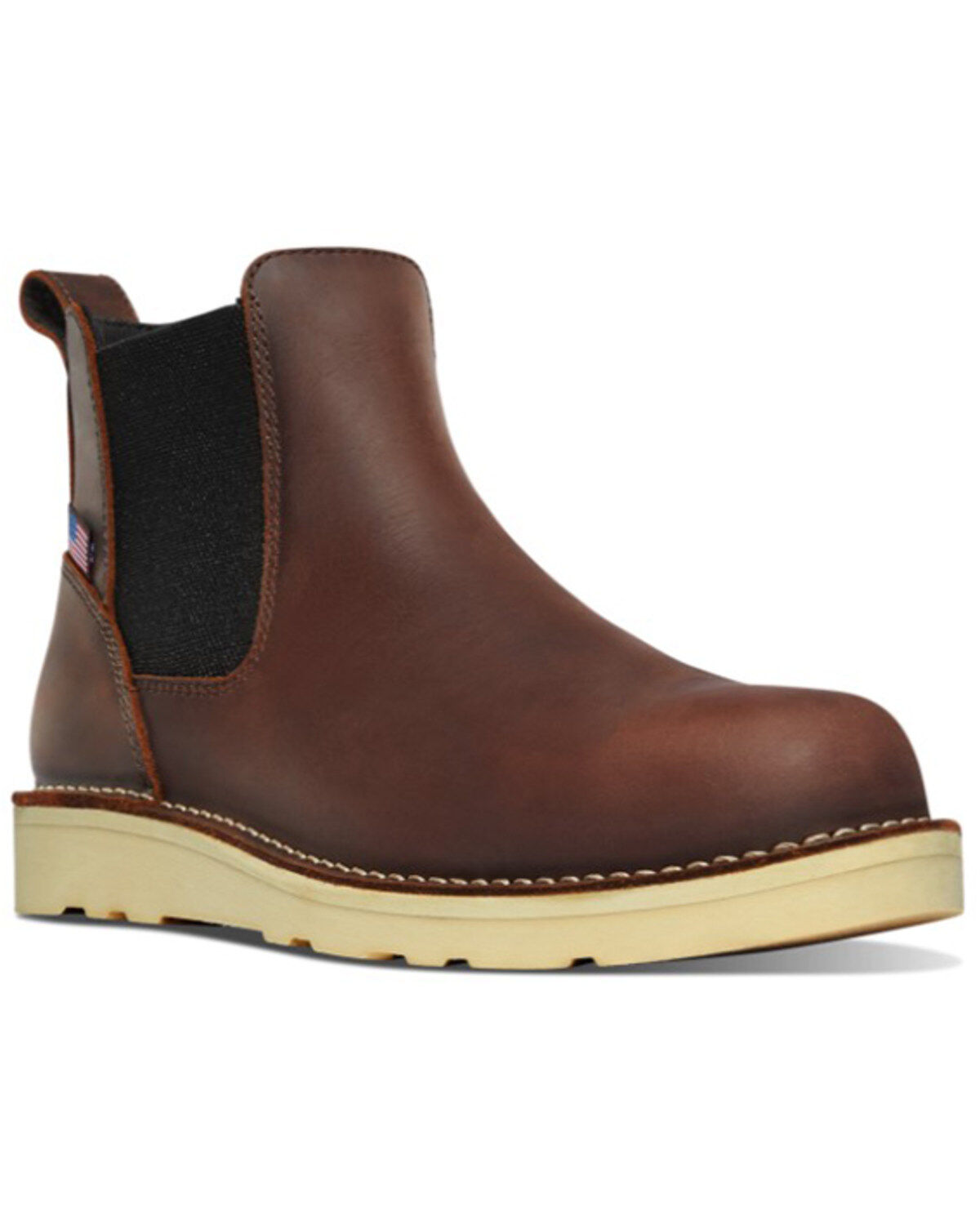
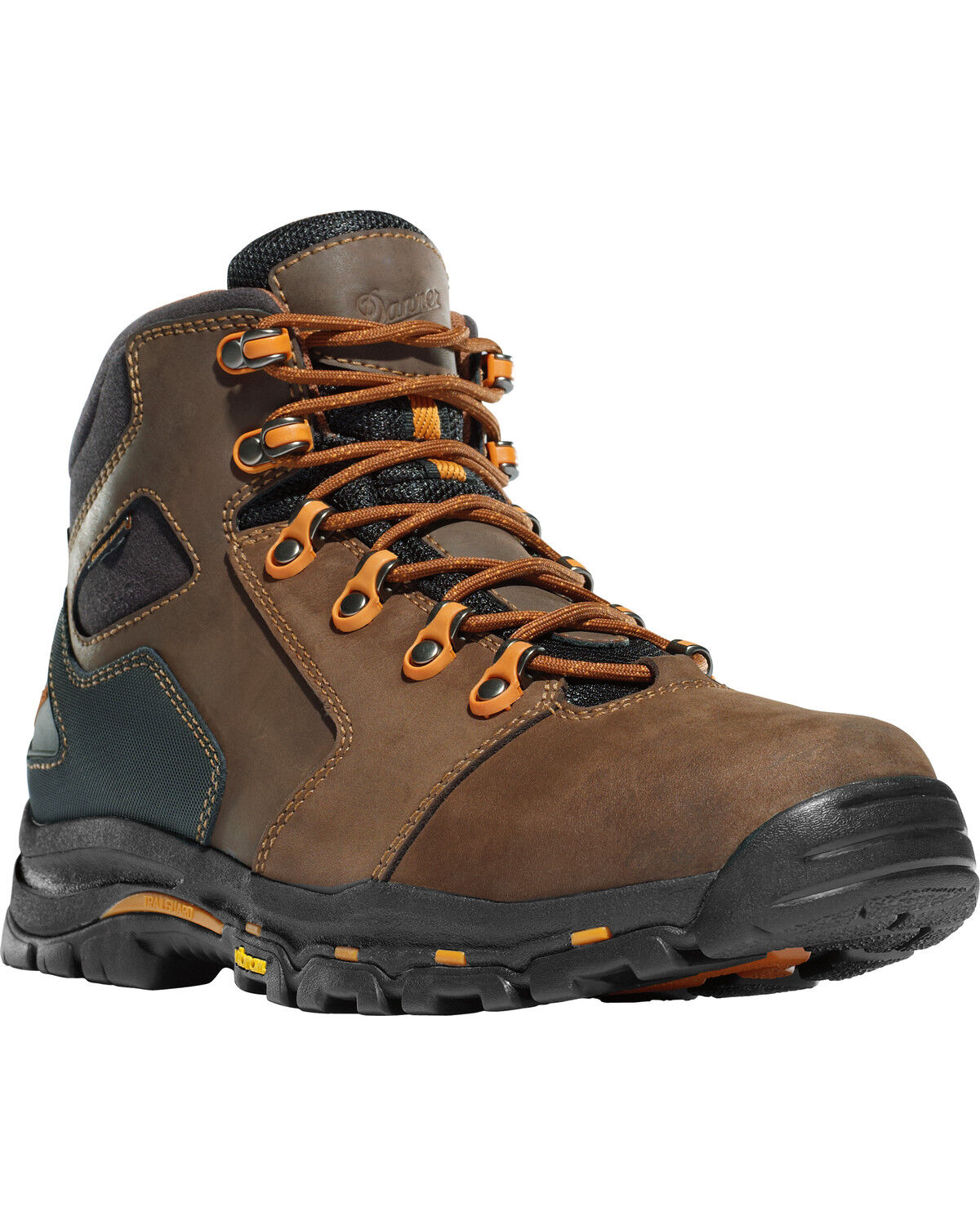
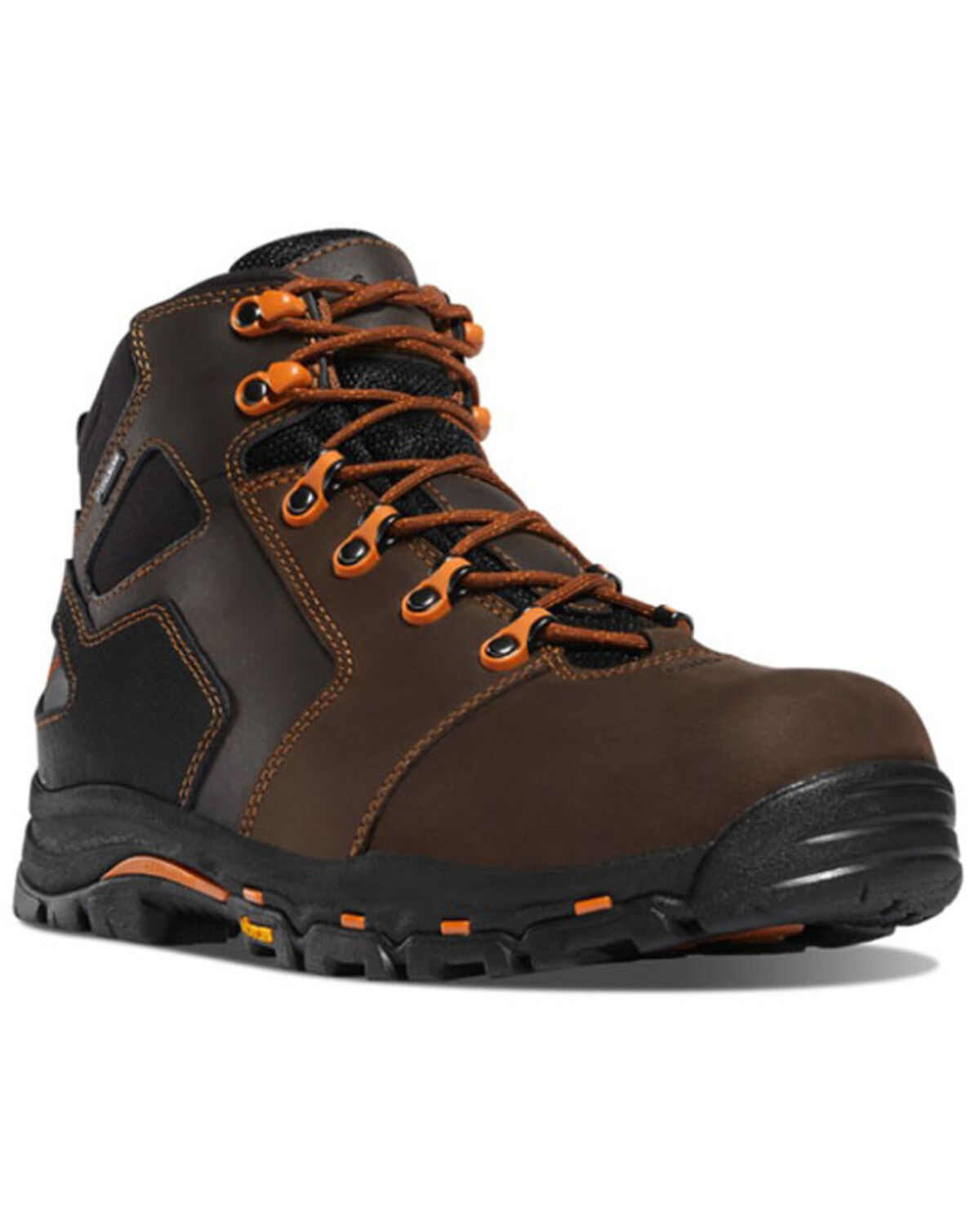
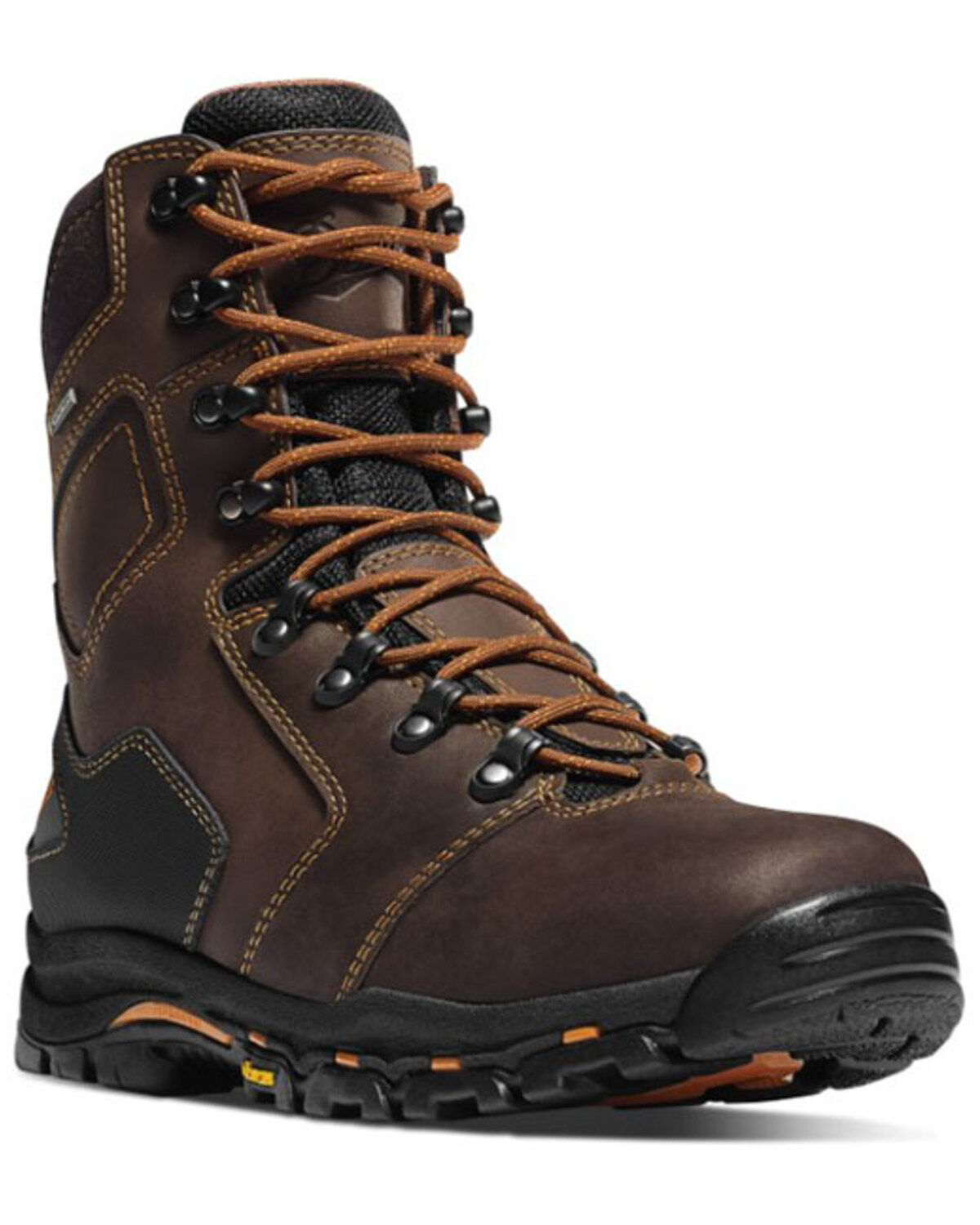
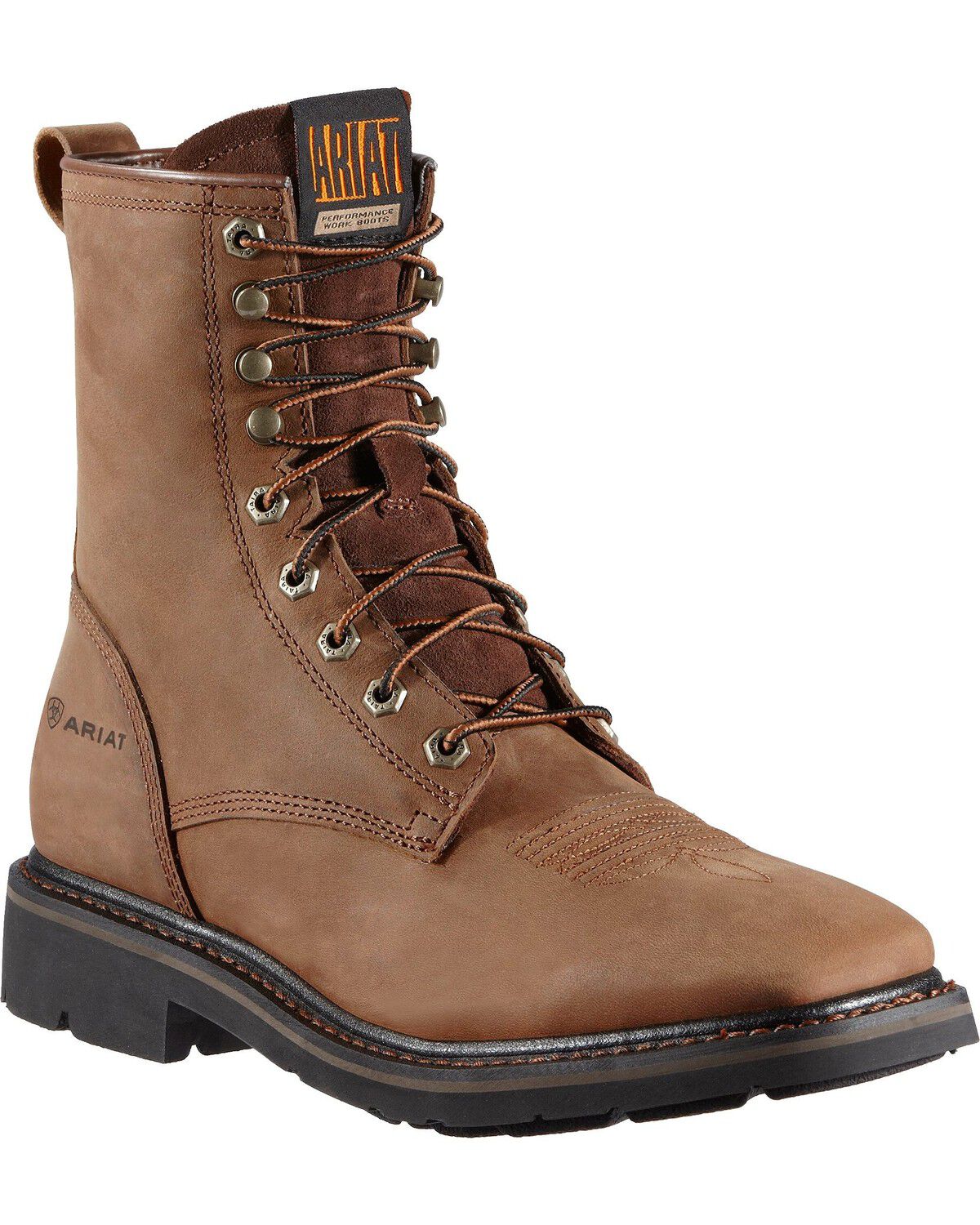
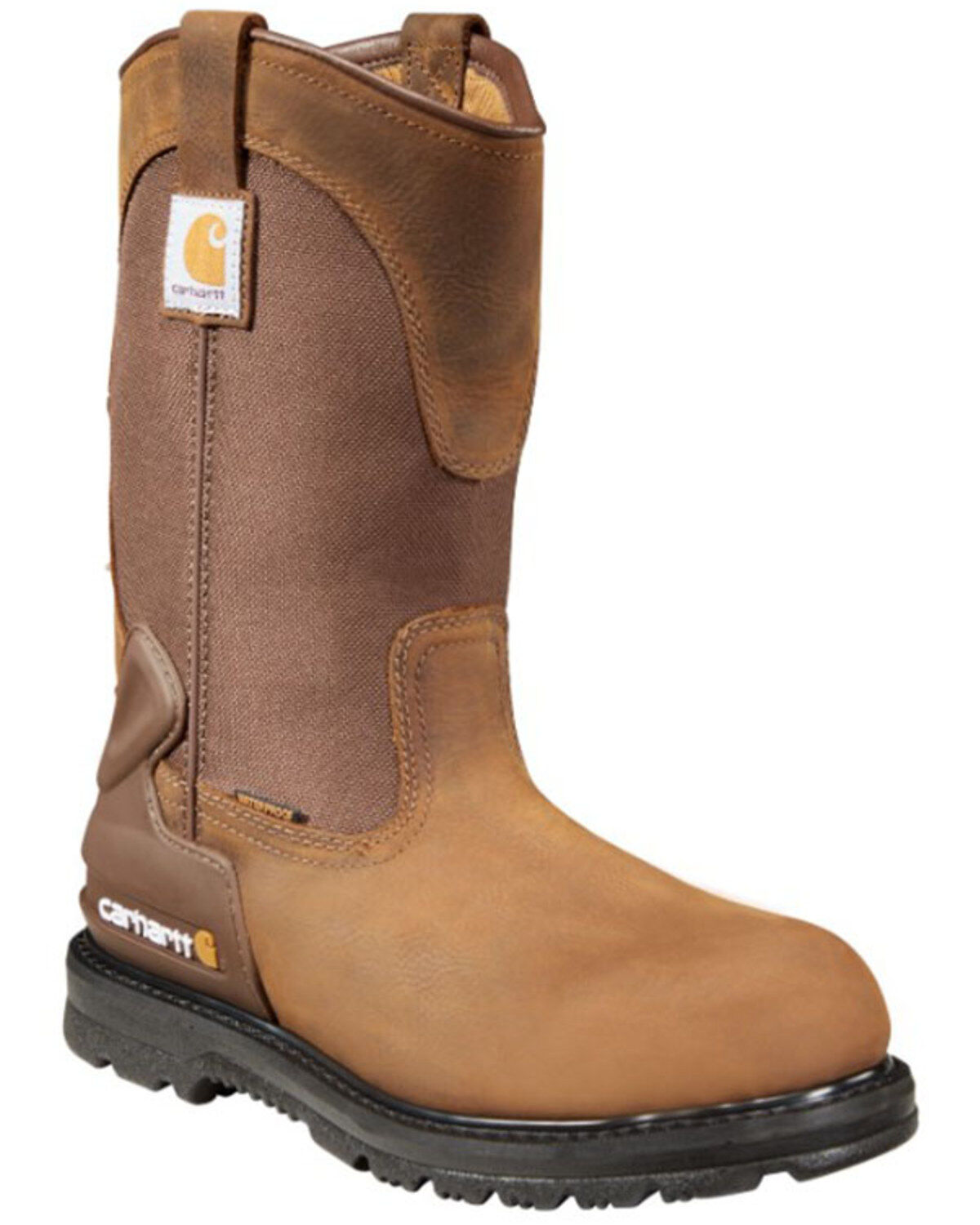
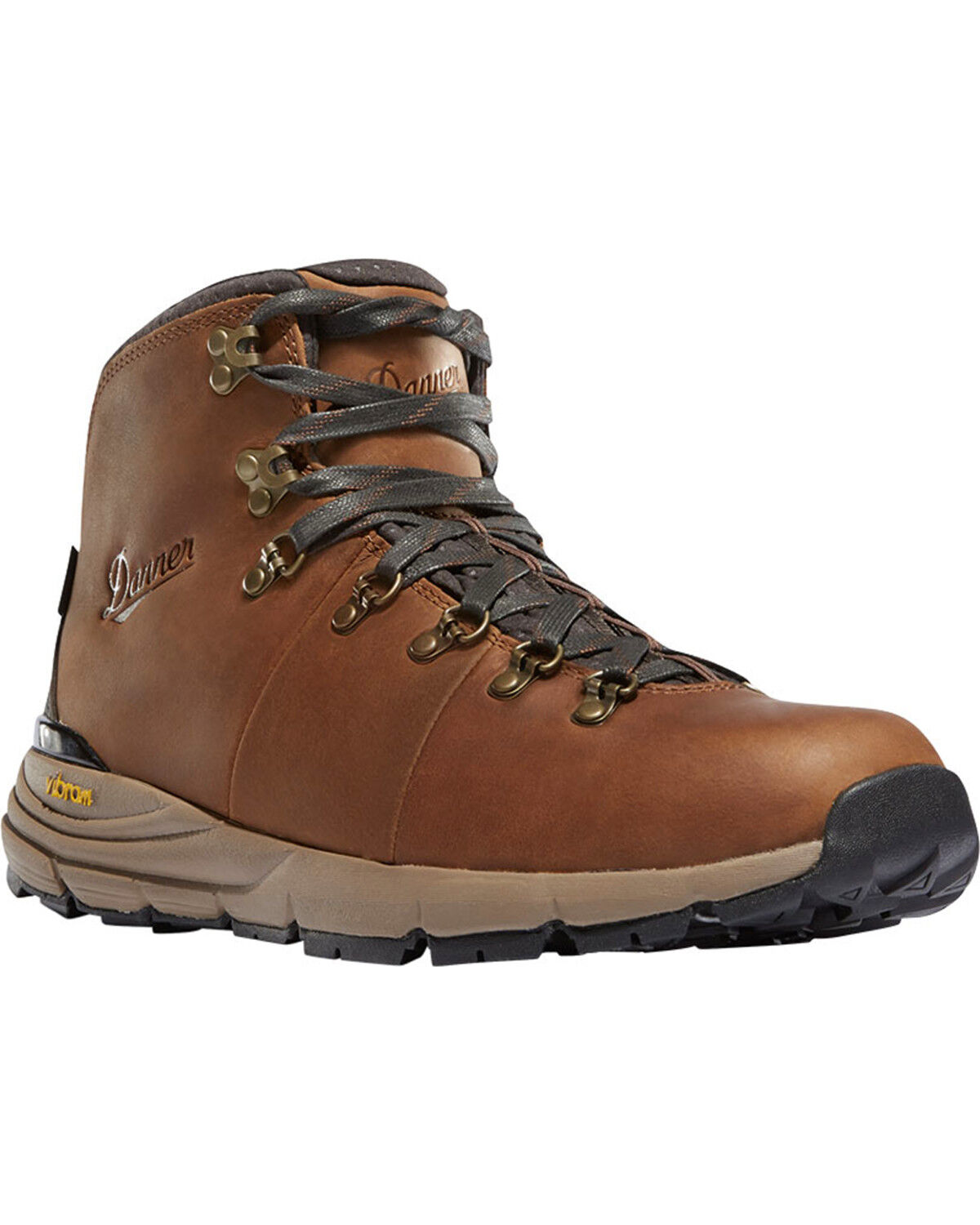
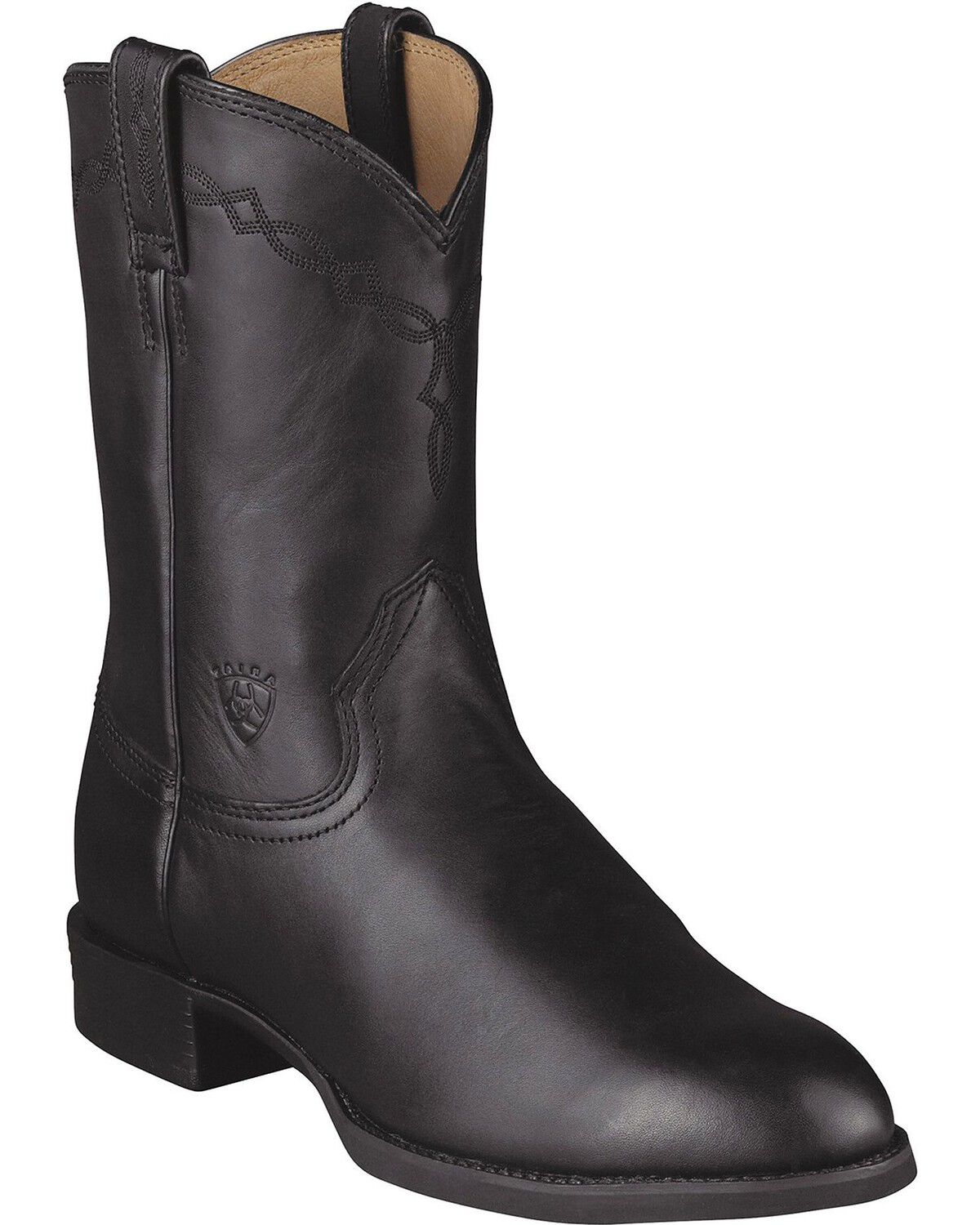
Electrician Work Boots

Find electrician work boots suited to your jobsite requirements and long days on your feet. As you compare work boots, check each pair’s listed safety ratings, toe protection, and fit. If your job requires electrical hazard protection, confirm that the pair meets the required rating before you buy.

Read More

Shop Your Store: Shop Your Store: Find a Store

(Turn off Shop Your Store to see all items)

(Turn off Shop Your Store to see all items)

close
  • Recommended
  • Lowest Price
  • Highest Price
Skip pass products

End of products

Electrician Work Boots

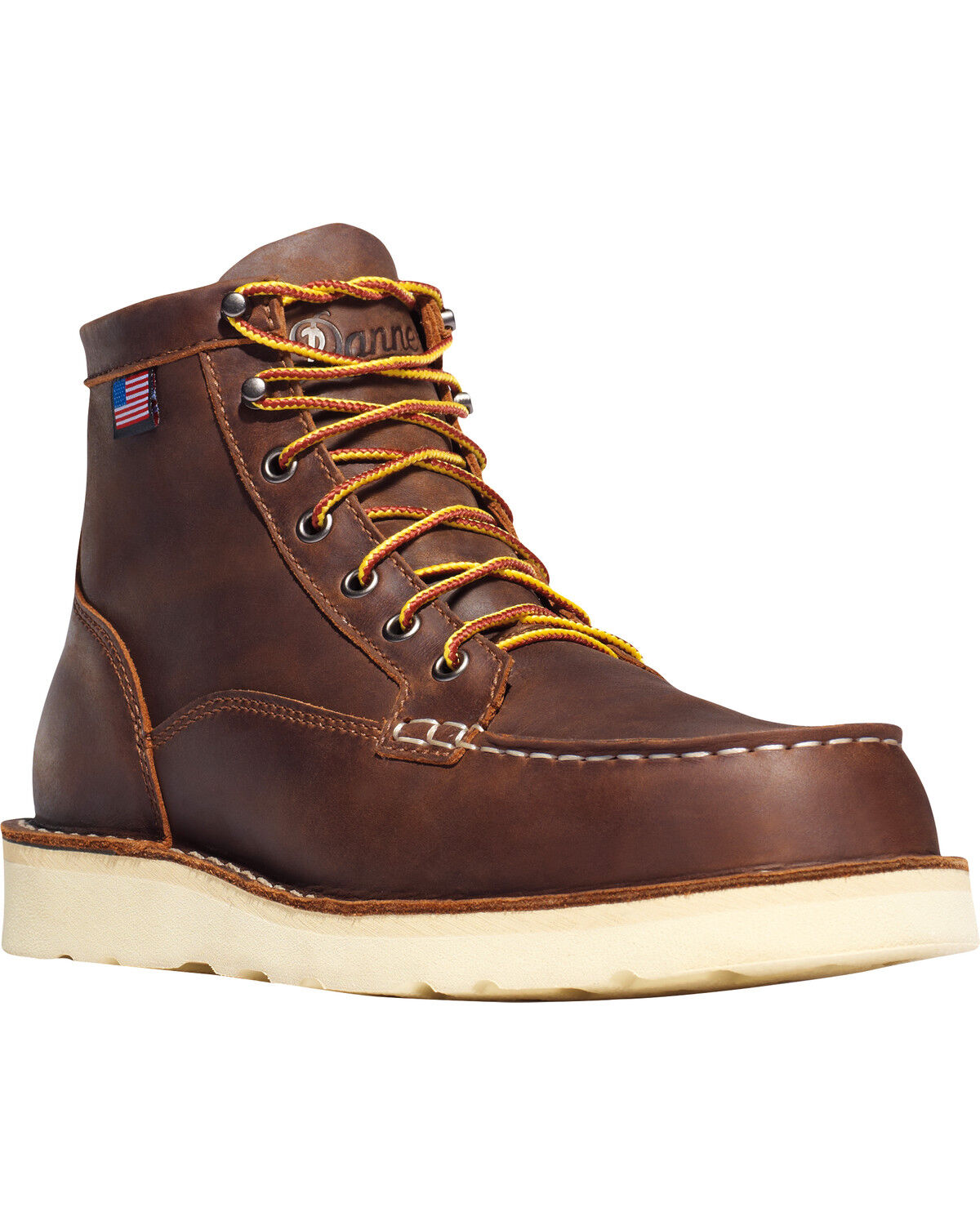
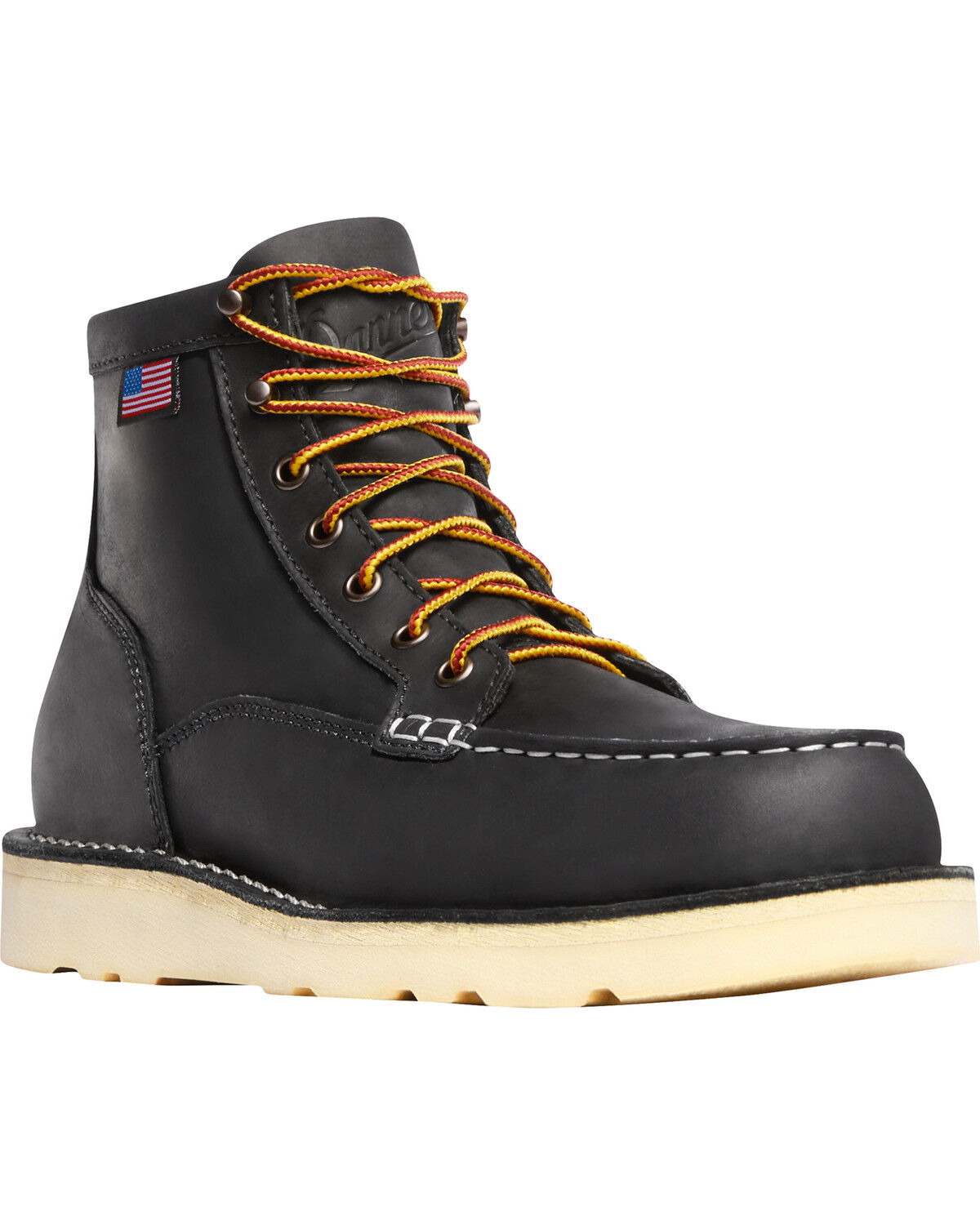
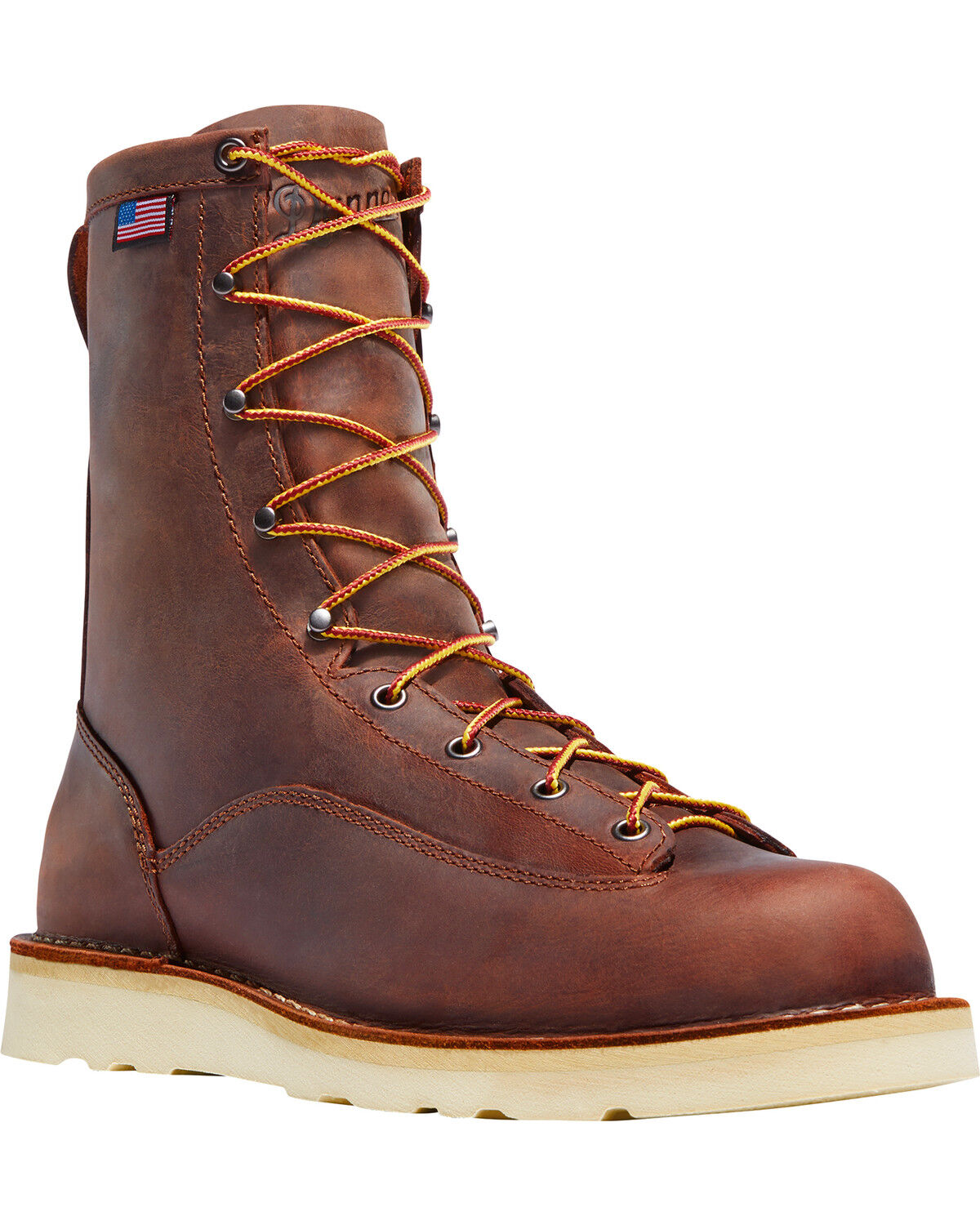
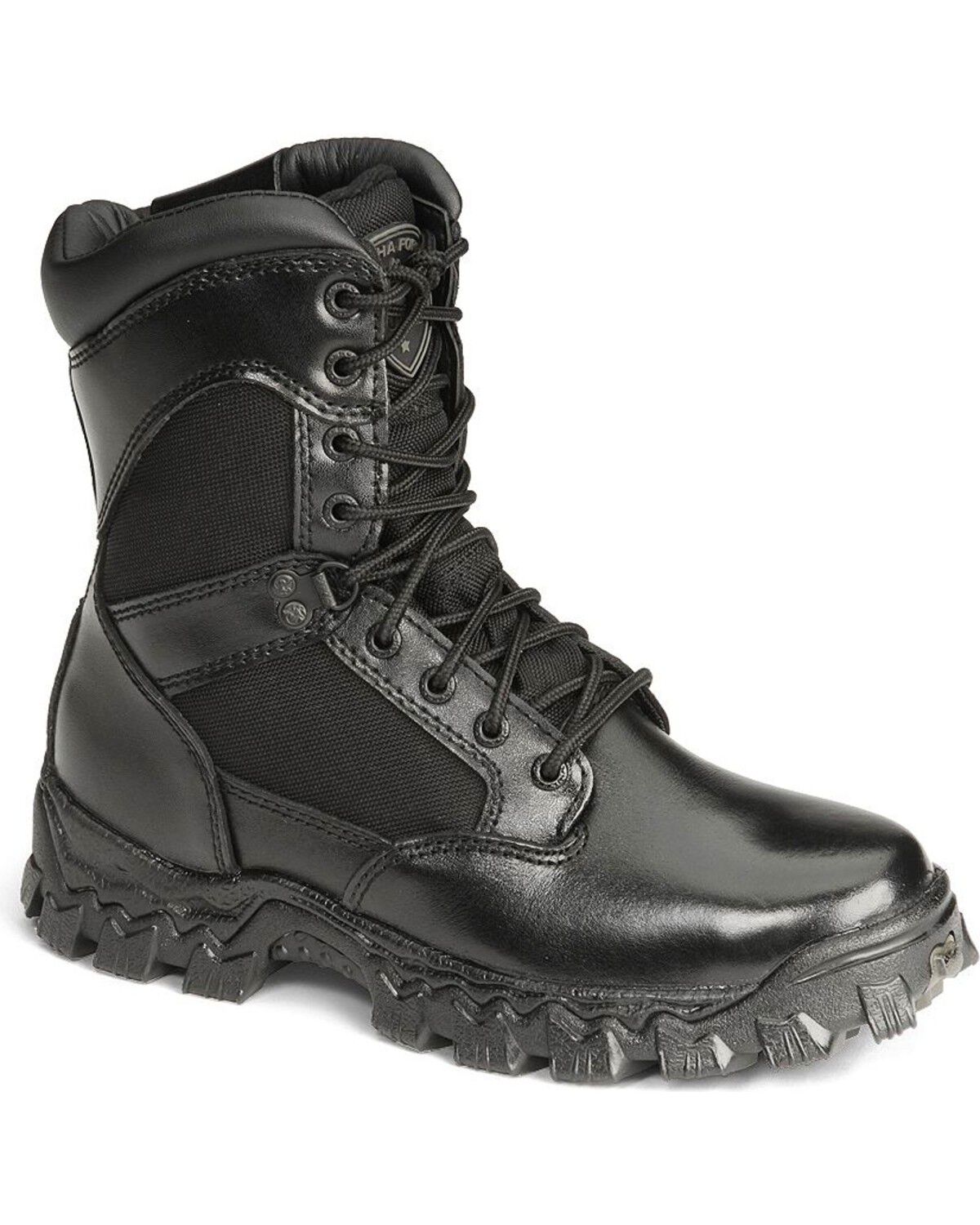
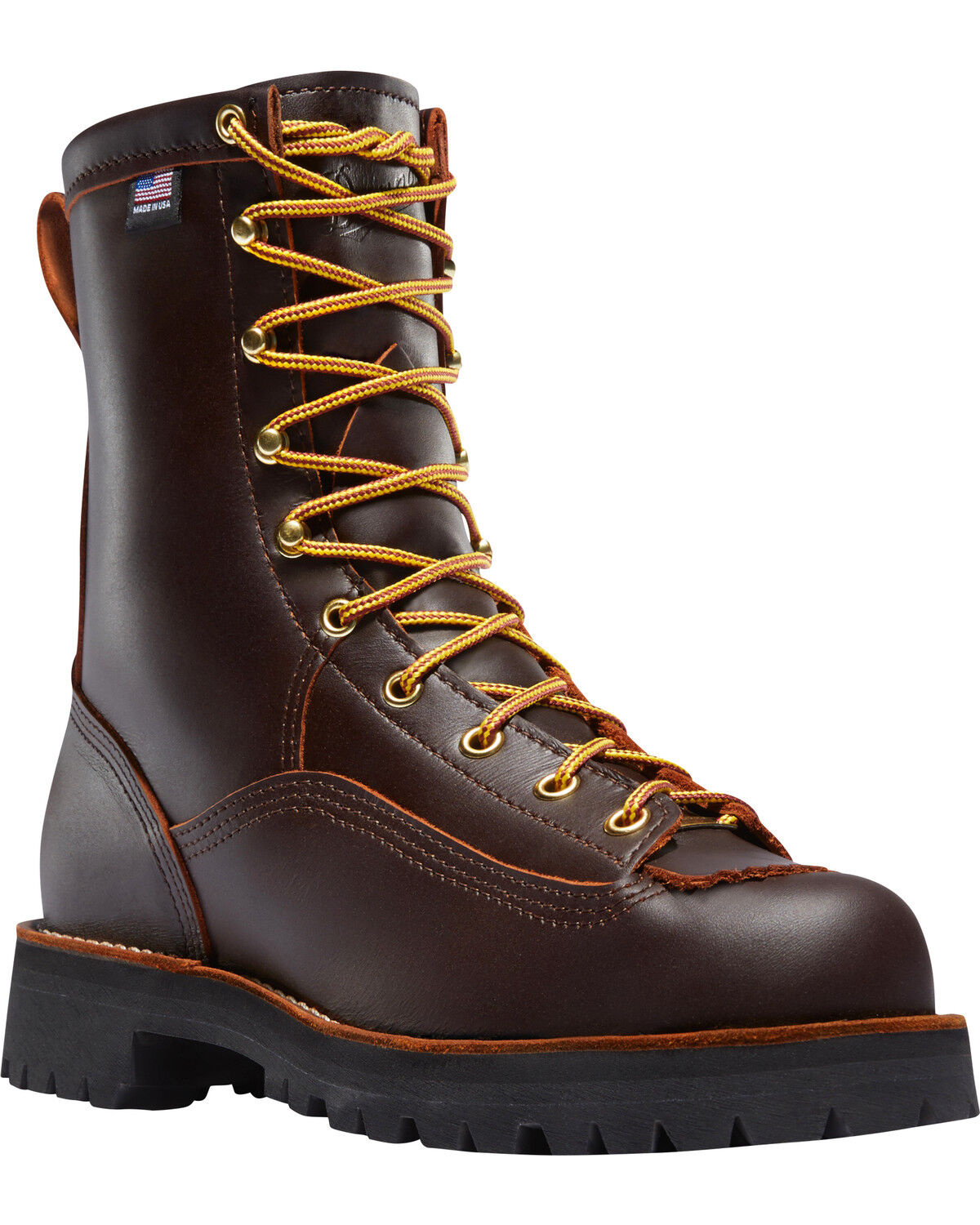
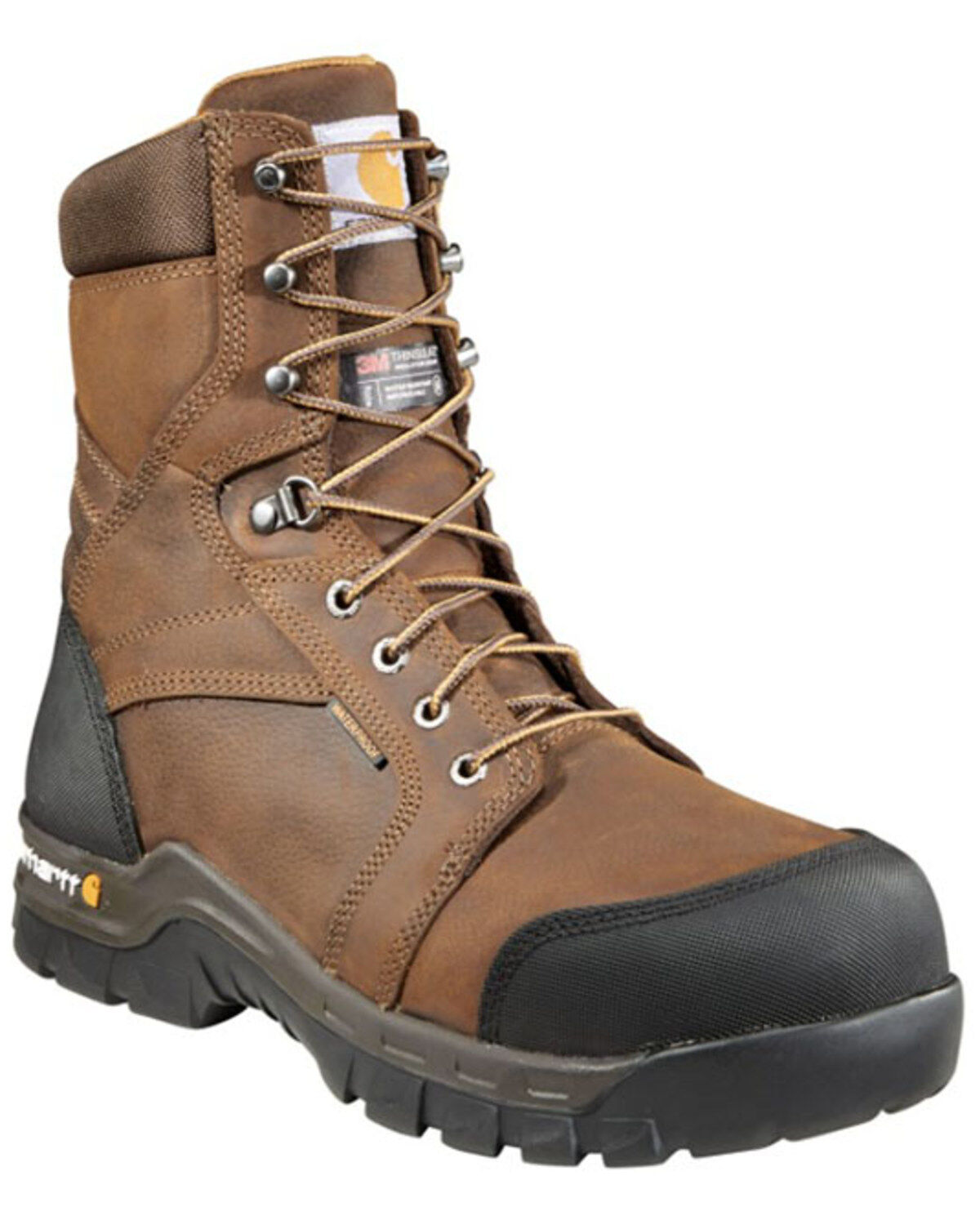
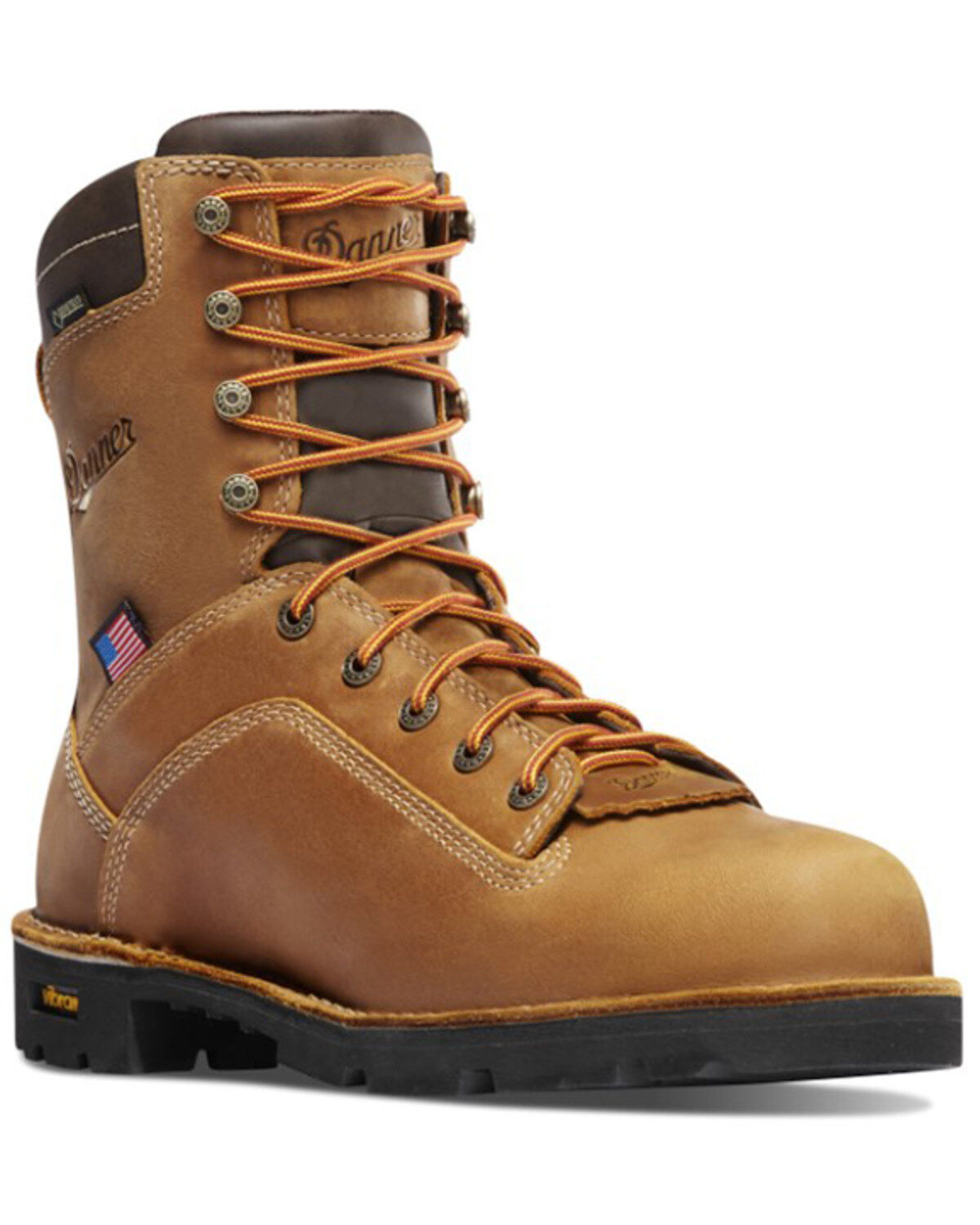
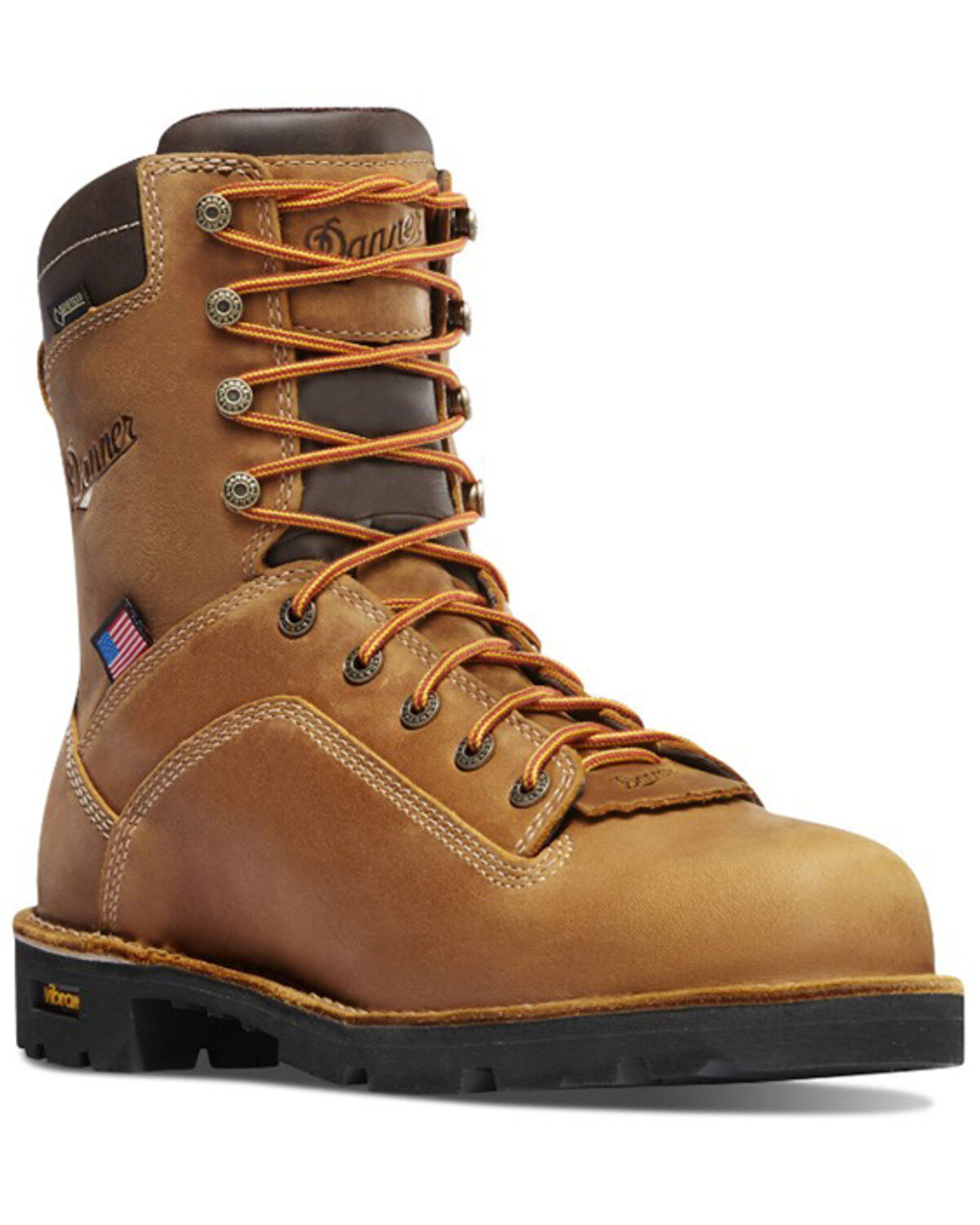
Electrician work boots are built for jobs that combine electrical hazards with long hours on hard floors, ladders, and unfinished construction surfaces. Electrical hazard (EH) rated work boots provide secondary protection against accidental electrical contact through the soles under specified dry conditions. They do not replace required electrical protective equipment, safe work practices, or procedures for de-energizing equipment. For electricians, apprentices, maintenance technicians, and electrical contractors, the starting point is the protection required by the employer and the jobsite. Look for the EH designation on the footwear’s safety label rather than assuming that a thick rubber sole or a nonmetallic toe provides electrical hazard protection. Protective-toe footwear may carry ASTM F2413 markings that identify its tested protections, including EH when applicable. The electrical hazard test uses 18,000 volts under controlled, dry laboratory conditions; that number is a test requirement, not a safe working voltage. Water, wear, contamination, and damage can compromise protection. Toe protection is a separate consideration. A safety toe helps protect against specified impact and compression hazards, such as dropped materials or equipment contacting the front of the boot. Composite safety toes use nonmetallic materials and can reduce weight compared with some steel-toe designs, though the weight and fit of the complete boot matter more than the toe material alone. Steel-toe boots can also meet EH requirements when properly constructed and tested. A composite toe does not automatically make a boot EH rated, and an enclosed steel toe does not automatically rule it out. Soft-toe work boots may suit jobs that do not require protective toes, but the jobsite’s rules still determine what is appropriate. Electrical hazard footwear is also different from conductive or static-dissipative footwear, which serves other workplace needs. These designations are not interchangeable. Matching the label to the actual hazard is more useful than choosing by appearance, boot height, or a general description such as “work ready.”

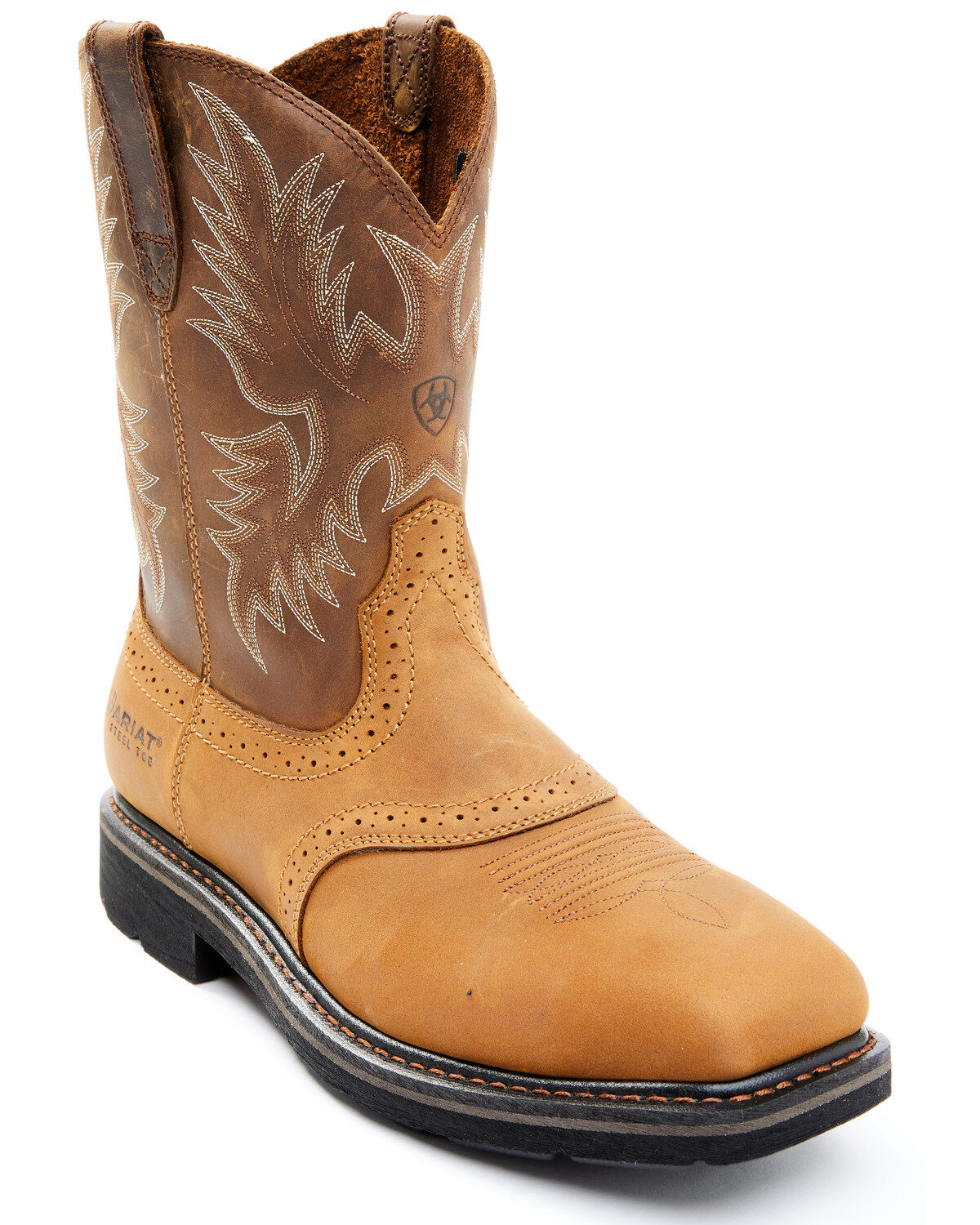
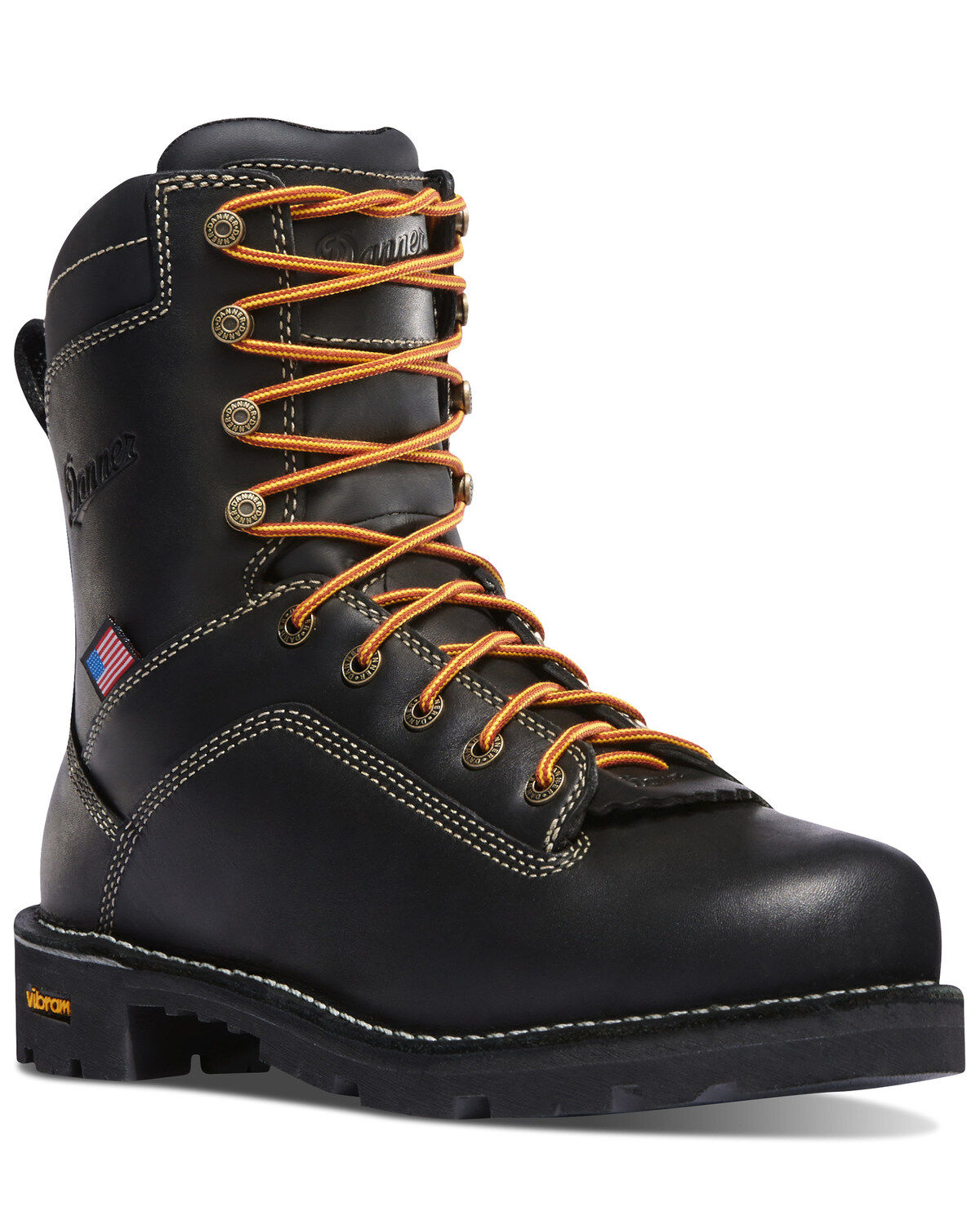
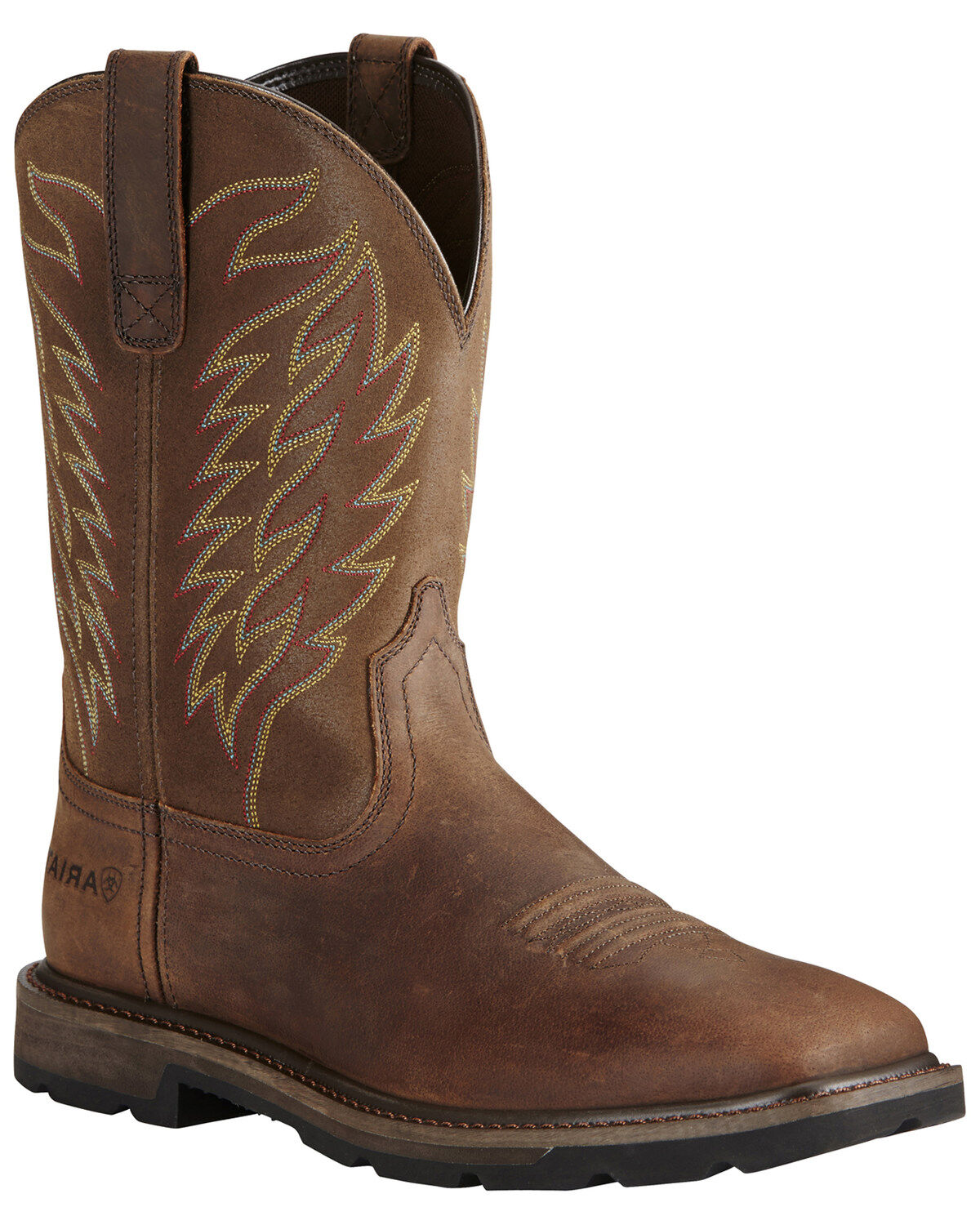
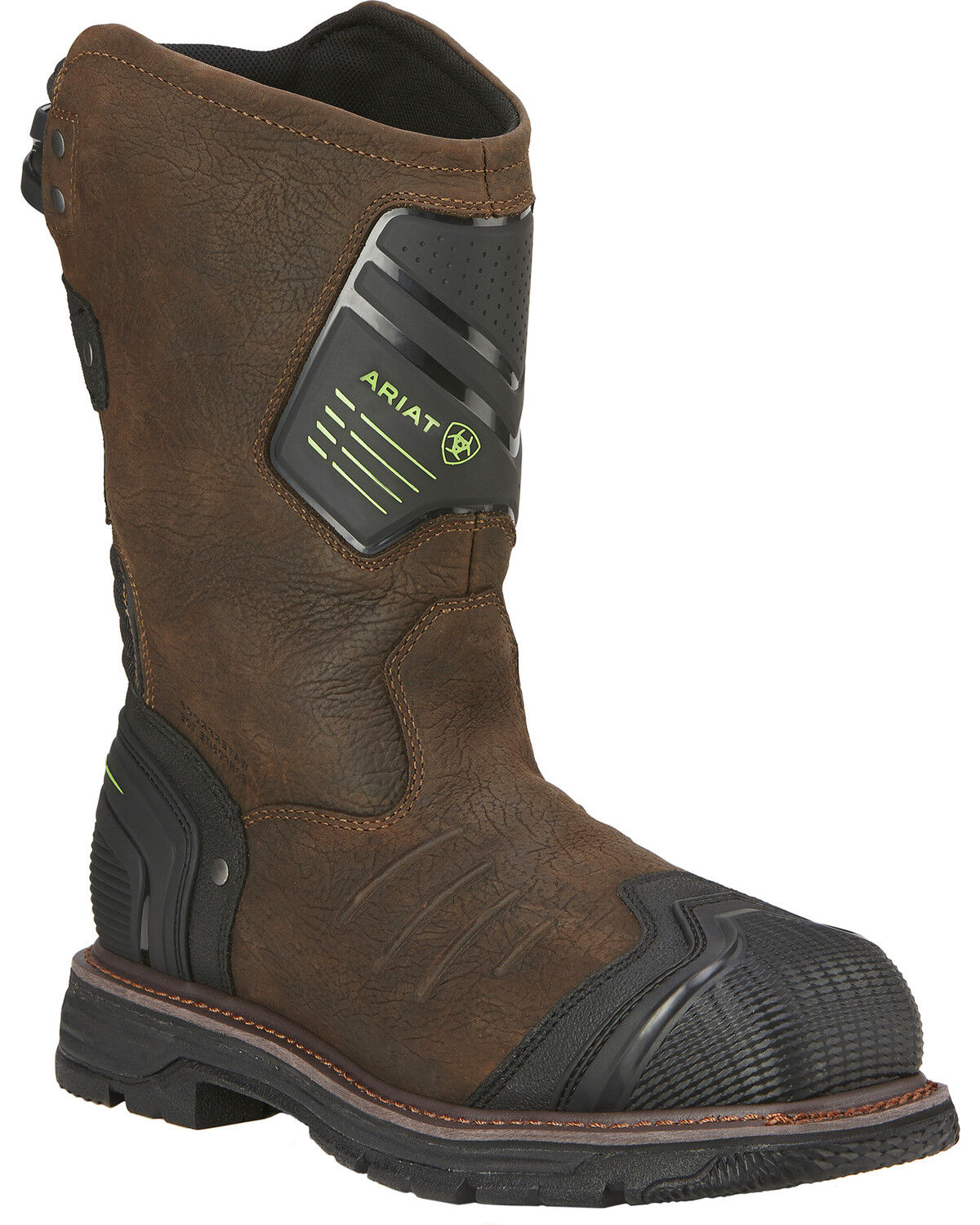
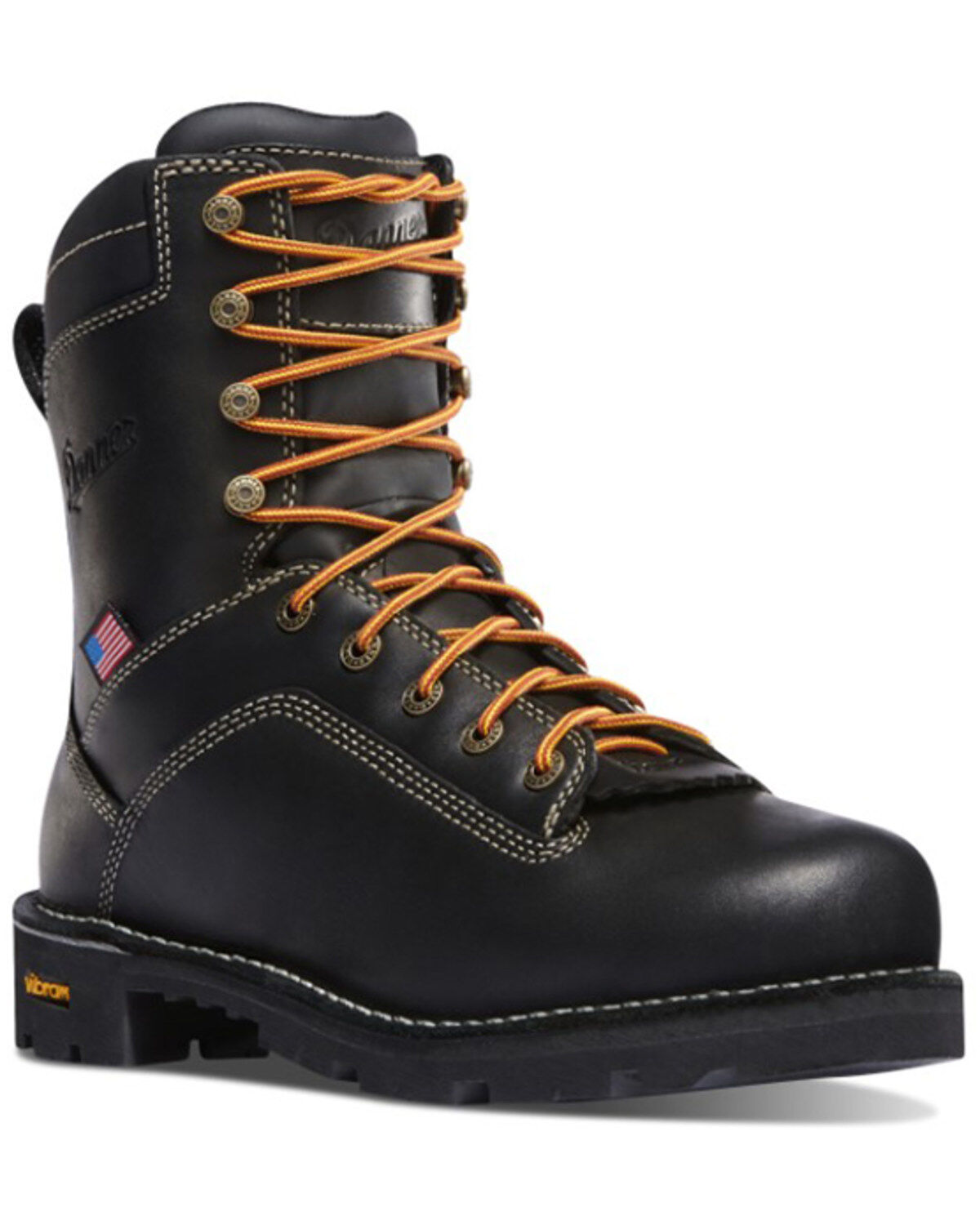
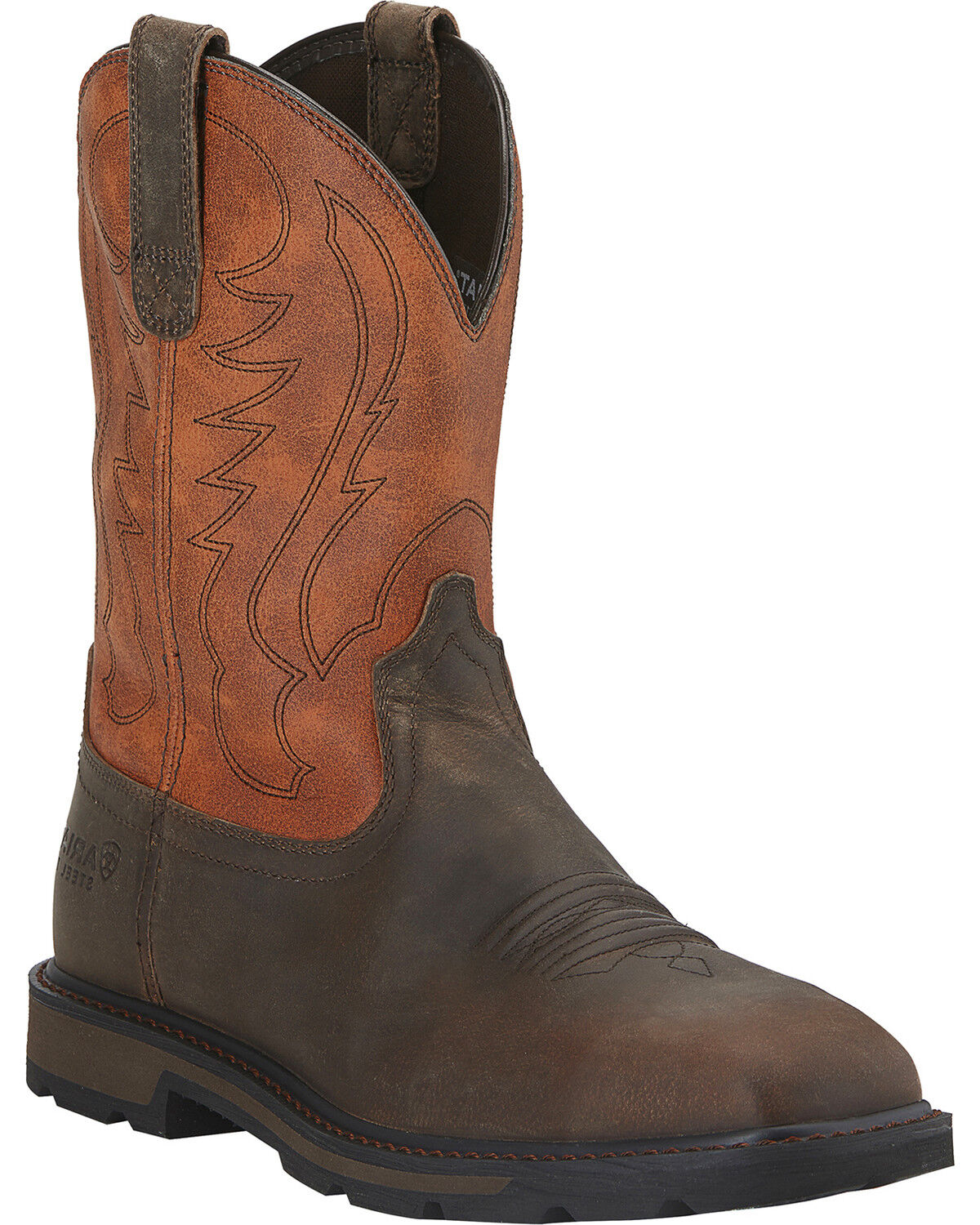
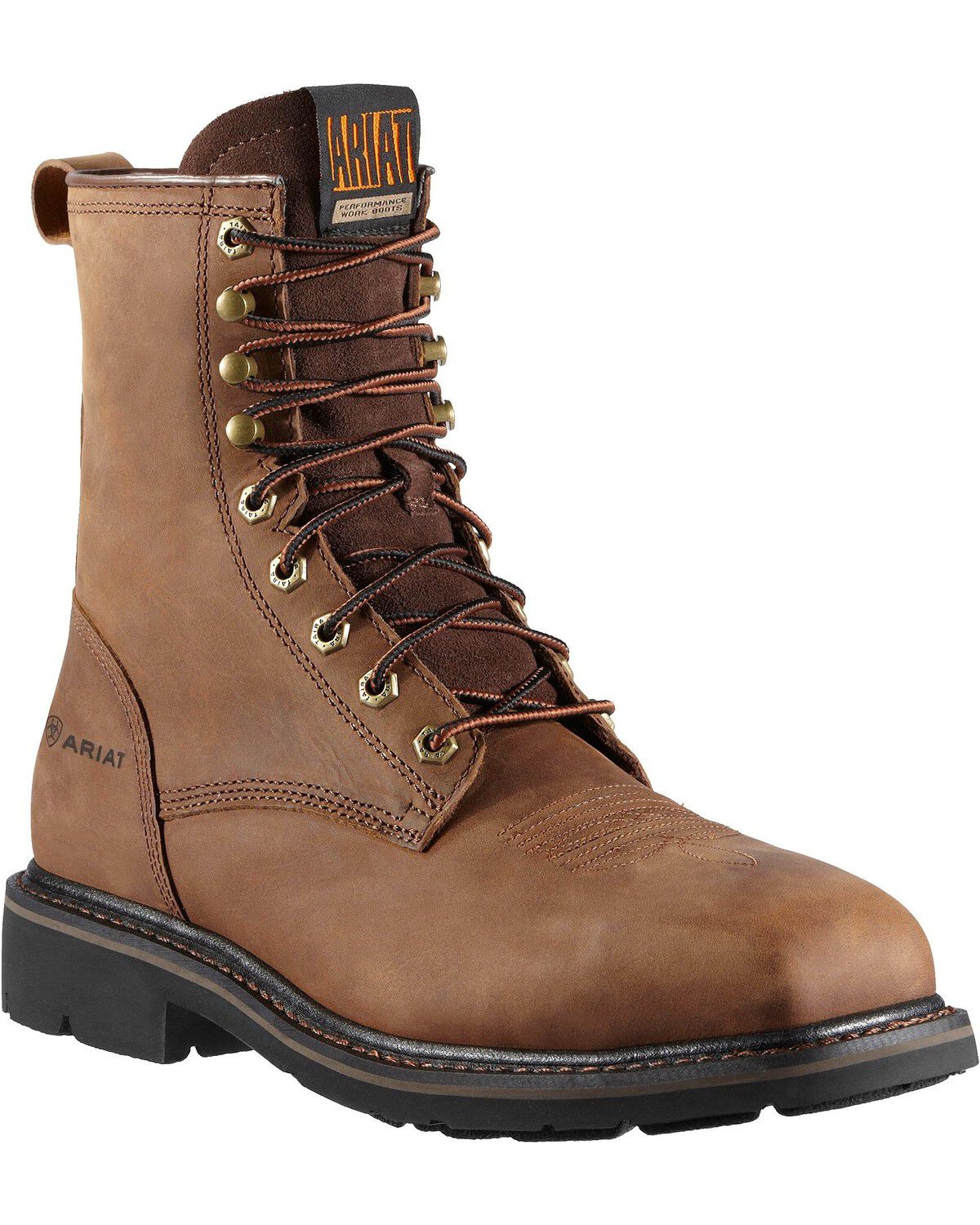
Comfort and footing matter when the work moves from a concrete equipment room to a ladder, then into a space where kneeling and crouching are part of the job. Electrician work boots should hold the heel securely while leaving enough room for the toes to move without pressing against the front or sides. A safety toe should not pinch when standing, walking, or bending, and its rigid shape will not stretch to fix a poor fit. Try boots with the work socks normally worn on the job, preferably after being on the feet for several hours. Check both feet, since size and shape can differ, and allow room for any required orthotics without crowding the instep. Lace-up boots offer adjustable tension through the foot and ankle, which can help maintain a secure fit during repeated ladder trips. Pull-on work boots eliminate laces but depend on the right balance of instep hold, shaft fit, and heel movement. Underfoot cushioning can ease the feel of prolonged standing, while a supportive footbed and stable midsole help keep the foot from shifting during movement. More padding is not always better if it makes the boot unstable or takes up needed space. Outsole design should match the surfaces encountered most often. Wedge soles spread contact across a broad area and can feel comfortable on concrete and other flat floors. Lugged soles provide deeper tread for loose ground and uneven surfaces, while a defined heel may be useful where ladder requirements call for it. Slip-resistant outsoles can improve traction on certain surfaces, but no tread prevents every slip, especially around oil, water, or loose debris. Leather uppers offer abrasion resistance and can soften with use; textile panels may reduce weight and improve flexibility. Waterproof construction can help when the job involves water exposure, but it does not make electrical hazard protection effective in wet conditions. Breathable linings and moisture-managing socks support comfort during active work without changing the boot’s safety rating.

Durability depends on construction, the demands of the job, and the condition of the boots over time. An electrician routing conduit through unfinished rooms may encounter abrasive concrete, sharp debris, and repeated contact at the toe, while a maintenance technician may spend most of the day moving between hard floors and equipment platforms. Reinforced toe areas can help limit scuffing from kneeling, and sturdy seams help uppers withstand repeated flexing. Welted construction can offer a durable connection between the upper and sole, while cemented construction often supports a lighter, more flexible feel. Neither method alone establishes electrical protection, traction, or service life; the complete design and its stated ratings matter. For jobs that share the demands of a building site, Construction Work Boots provide a related category to consider, with the same attention to required safety markings, fit, and underfoot stability. Daily care starts with removing dust and debris so they do not grind into leather, seams, and tread. Wipe uppers as directed by the manufacturer, use suitable leather-care products when recommended, and let damp boots dry naturally away from direct heat. Excessive heat can damage leather, adhesives, and other components. Clean tread also makes it easier to spot embedded metal, cuts, and worn areas. Check for cracked outsoles, separation between the upper and sole, exposed safety-toe components, damaged stitching, and cushioning that no longer provides comfortable support. Boots with damage that could affect protection should be taken out of service according to workplace requirements and manufacturer guidance. Resoling or other repairs should not be assumed to preserve an EH rating; confirm what the manufacturer permits before relying on repaired footwear. Rotating suitable pairs can allow more drying time between shifts, but it does not remove the need for inspection. Work boots can be a practical gift for someone entering an electrical apprenticeship or replacing a worn pair, provided their size, fit preferences, and jobsite requirements are known. The right pair supports the work without distracting from it: secure on the foot, appropriate for the surface, and clearly rated for the protection the job requires.
Read More

FAQs