Best Boots For Work

The best boots for work depend on your job, fit, and daily demands. Browse work boots at Boot Barn, and compare each pair’s listed features with your workplace requirements. Check sizing and safety details to find the right boots for the work you do.

Shop Your Store: Shop Your Store: Find a Store

(Turn off Shop Your Store to see all items)

(Turn off Shop Your Store to see all items)

close
  • Recommended
  • Lowest Price
  • Highest Price
Skip pass products

End of products

Best Boots For Work

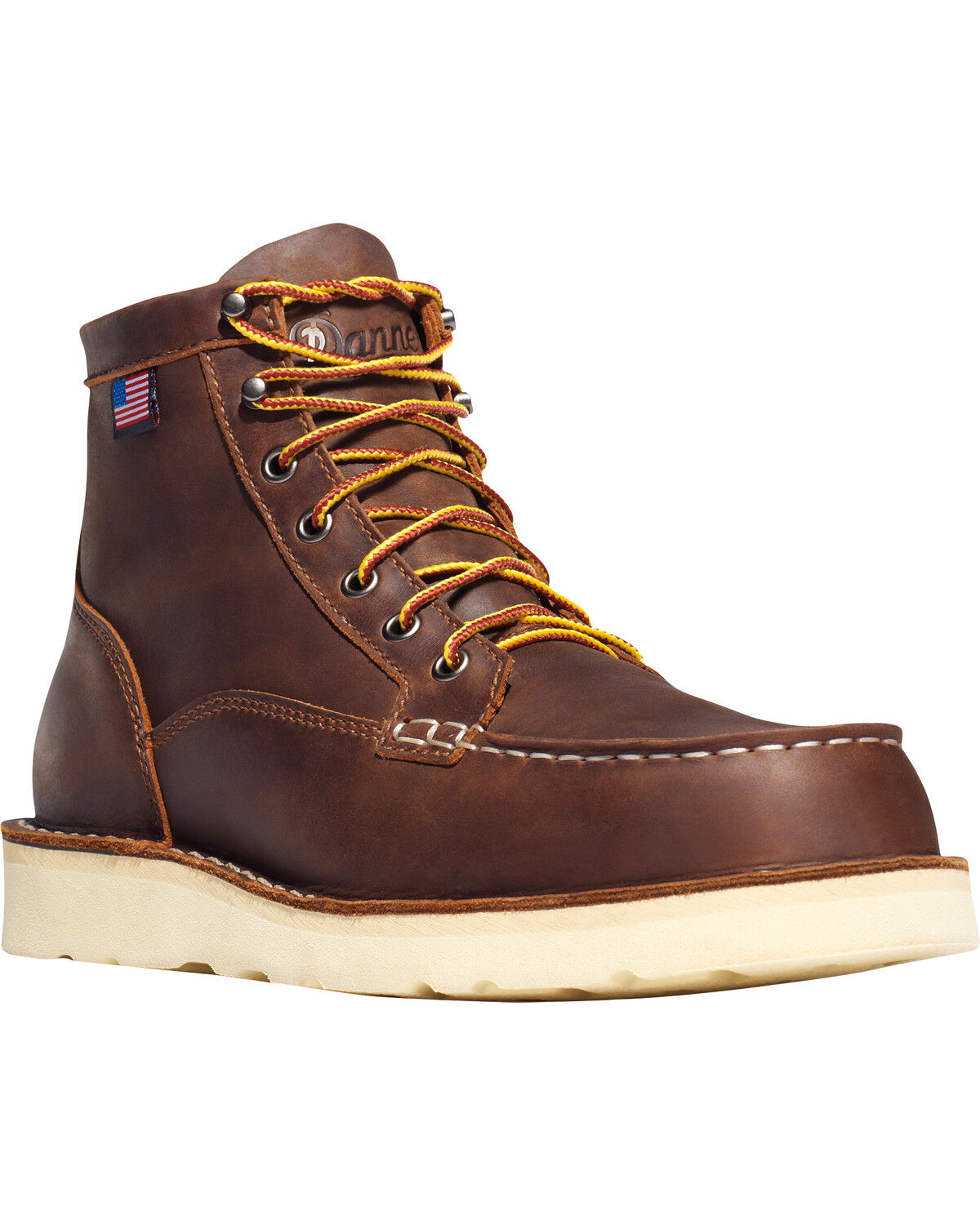
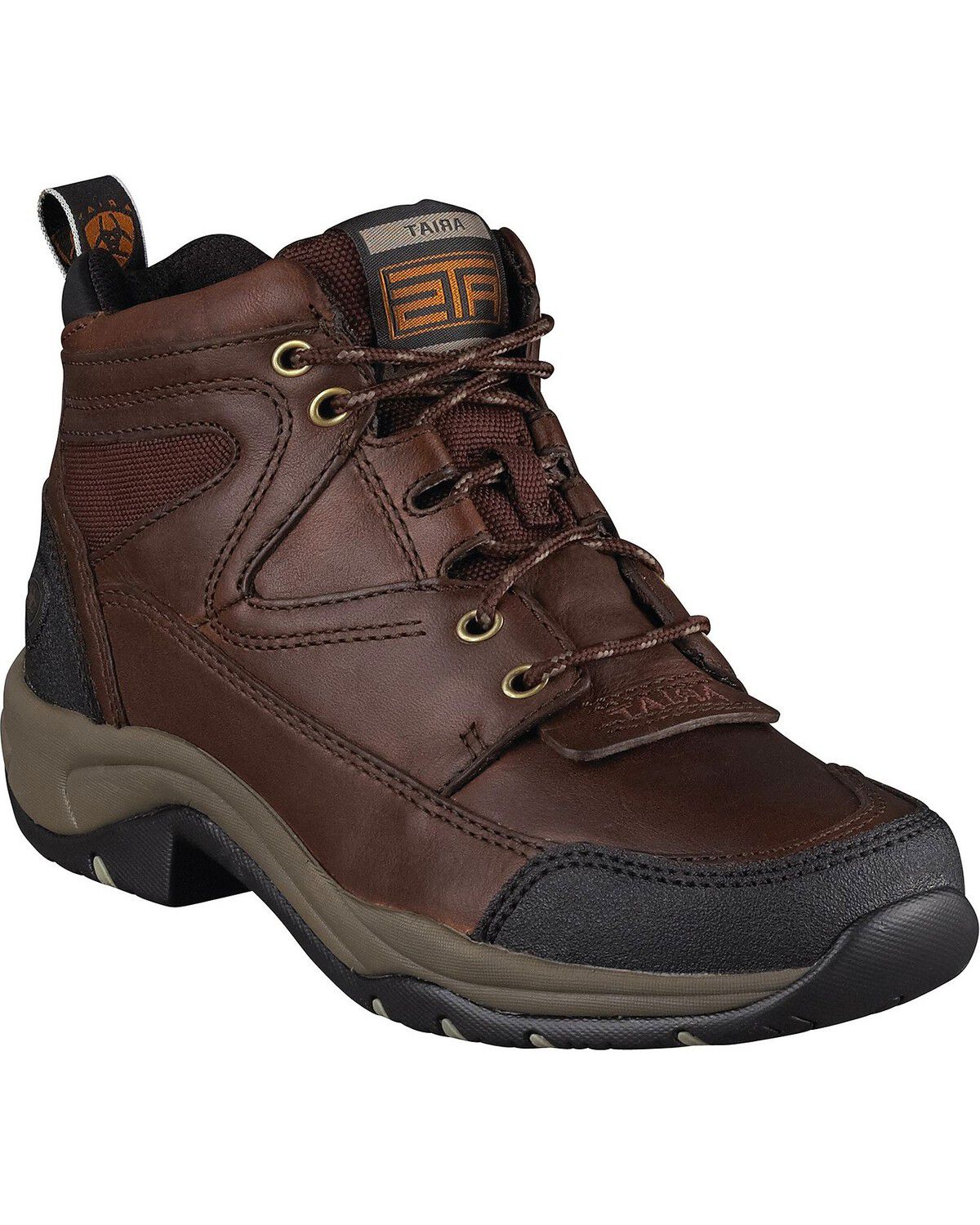
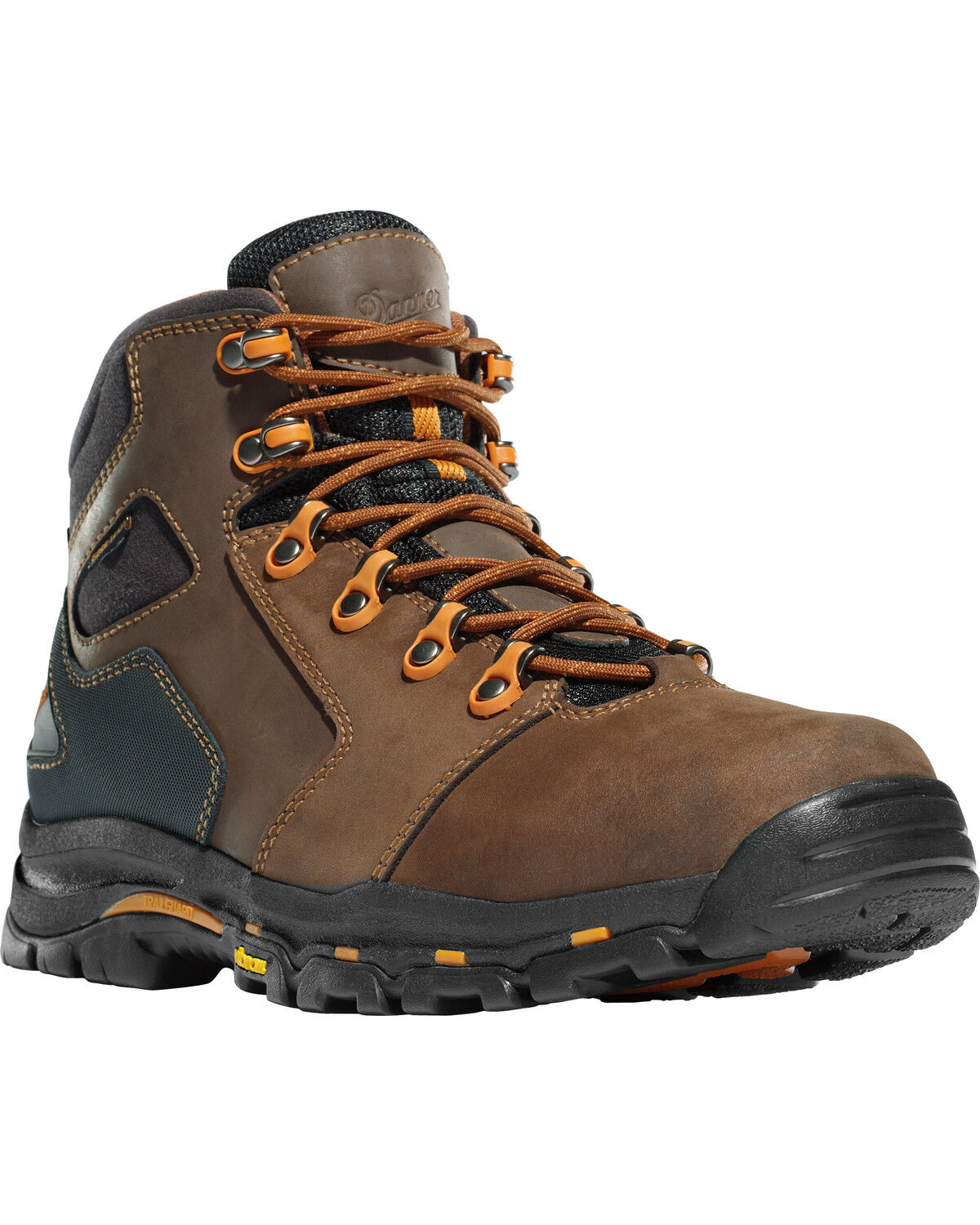
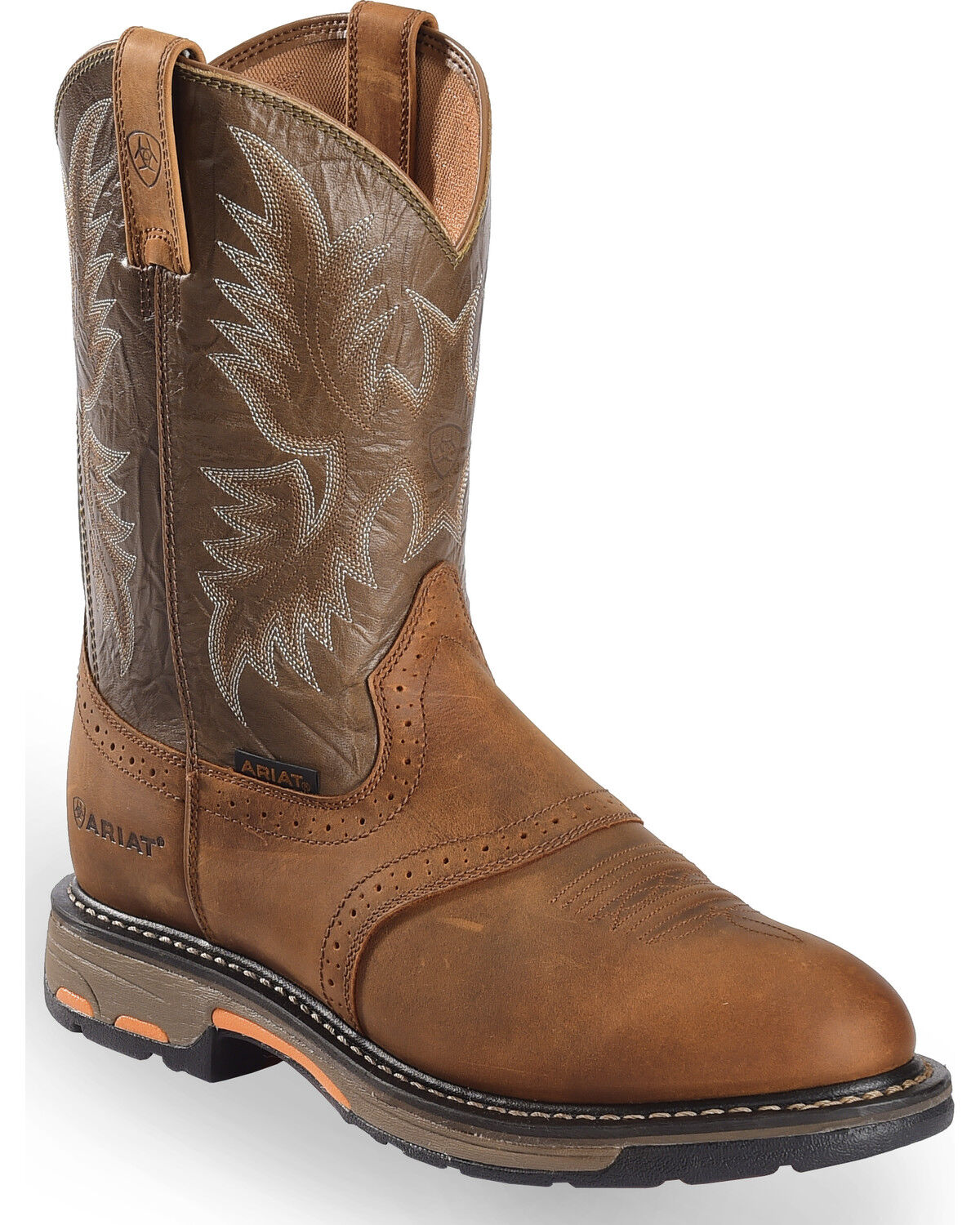
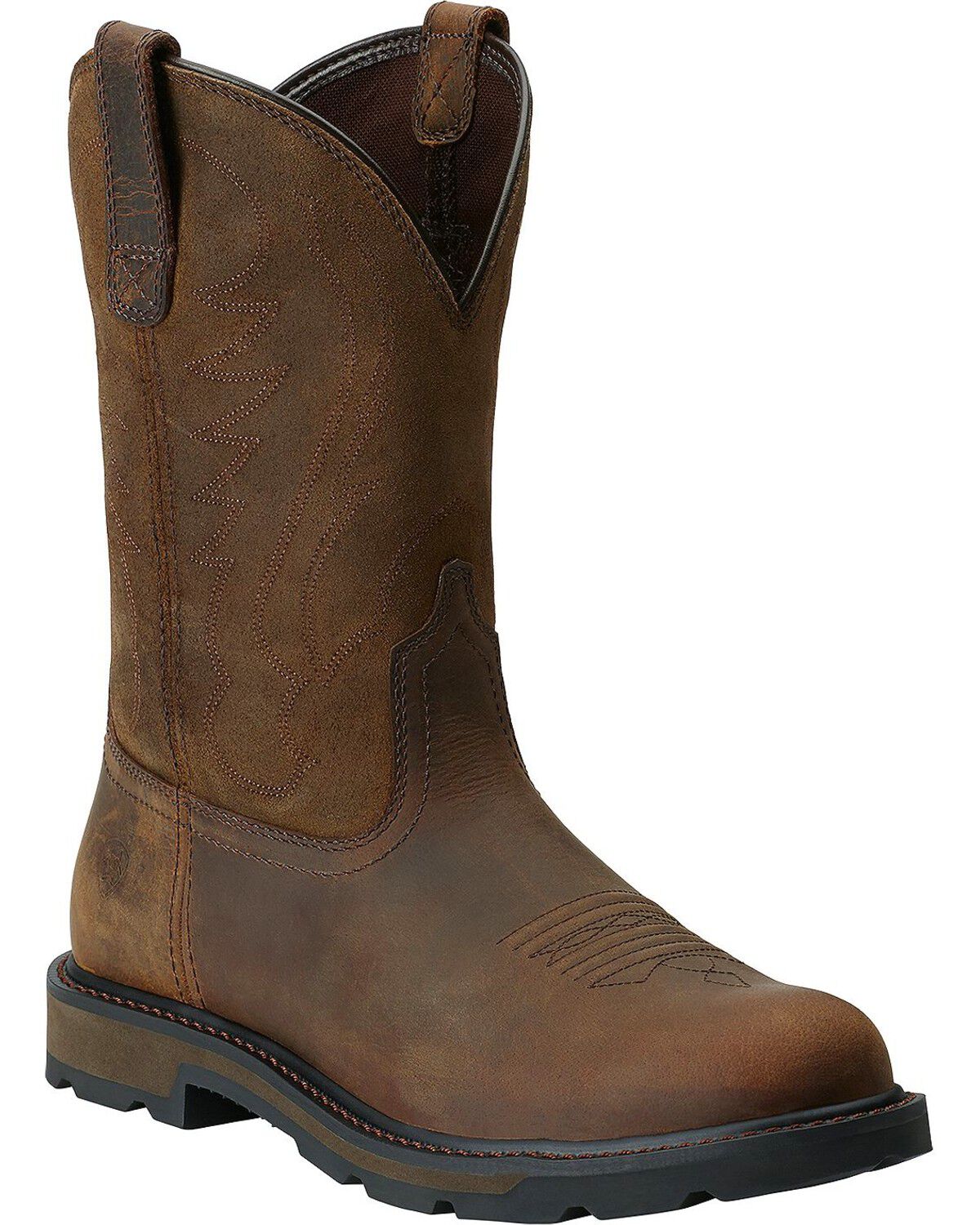
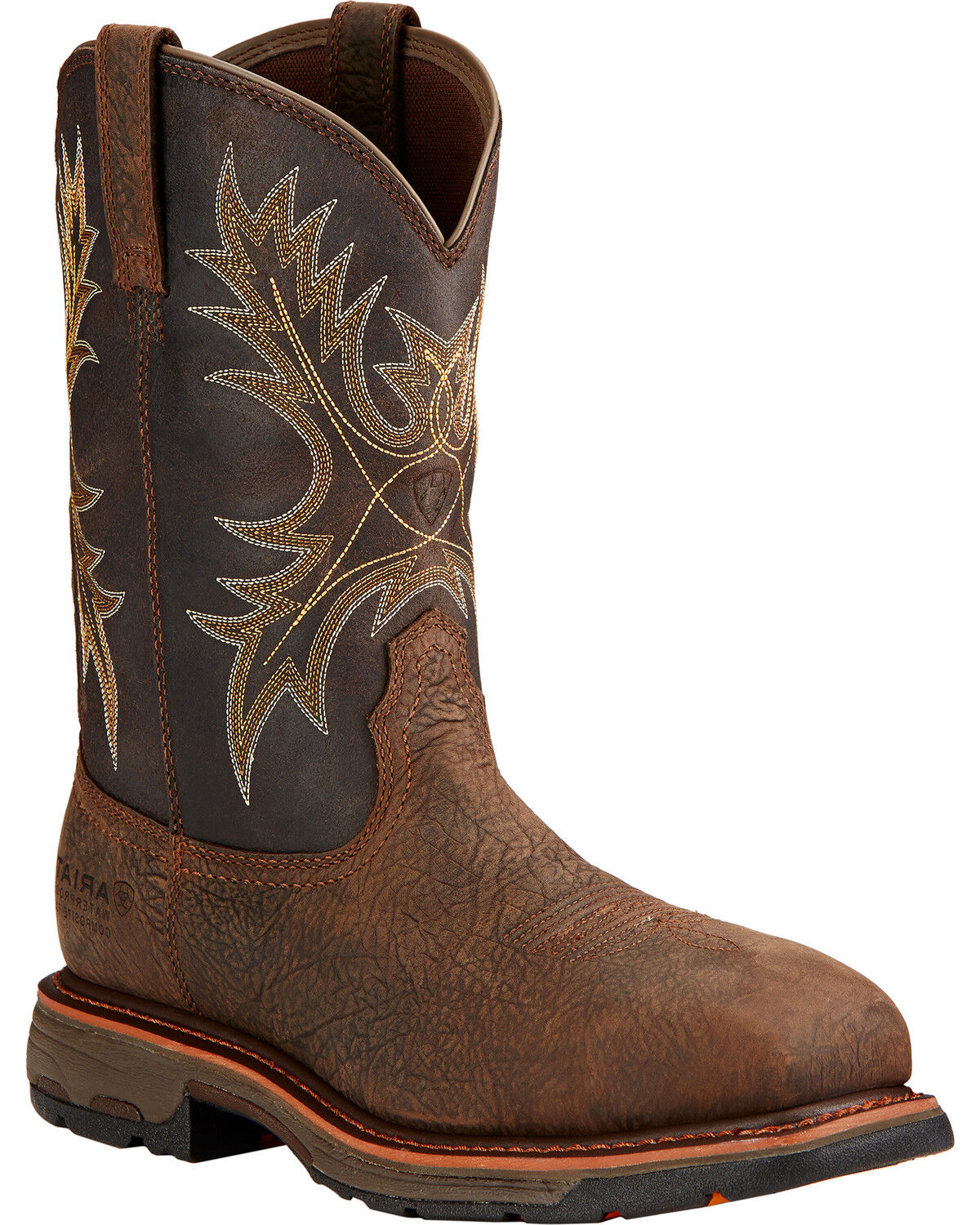
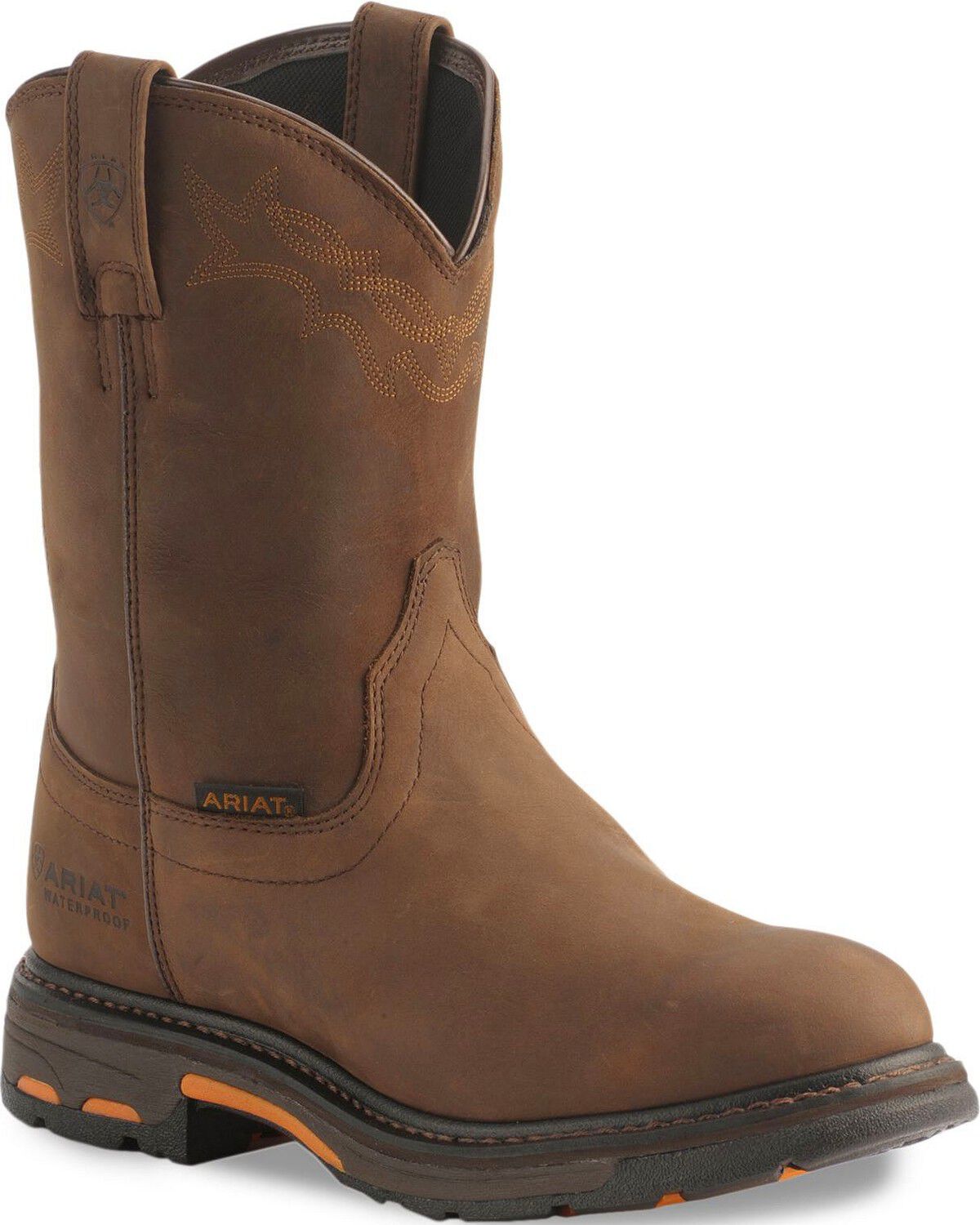
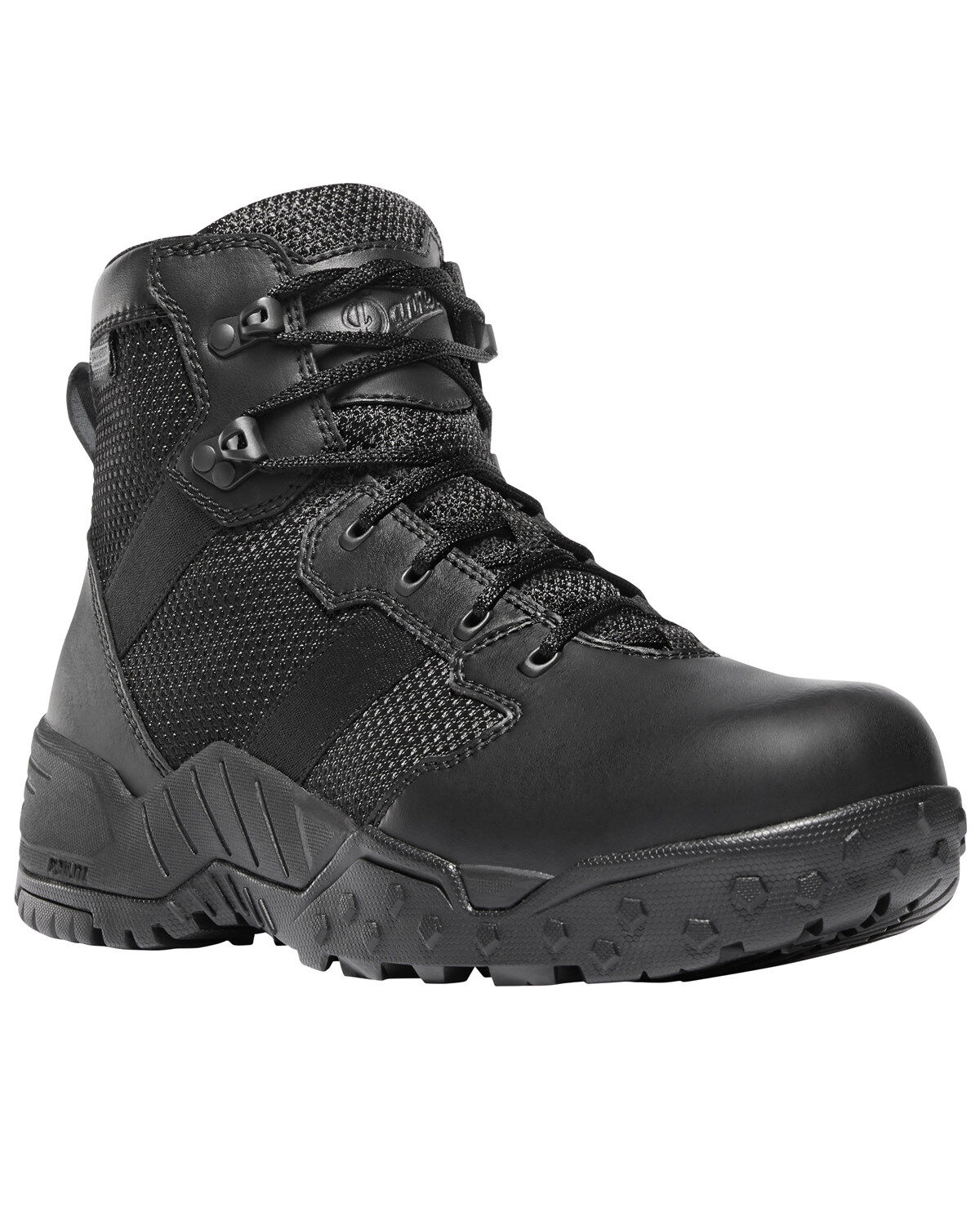
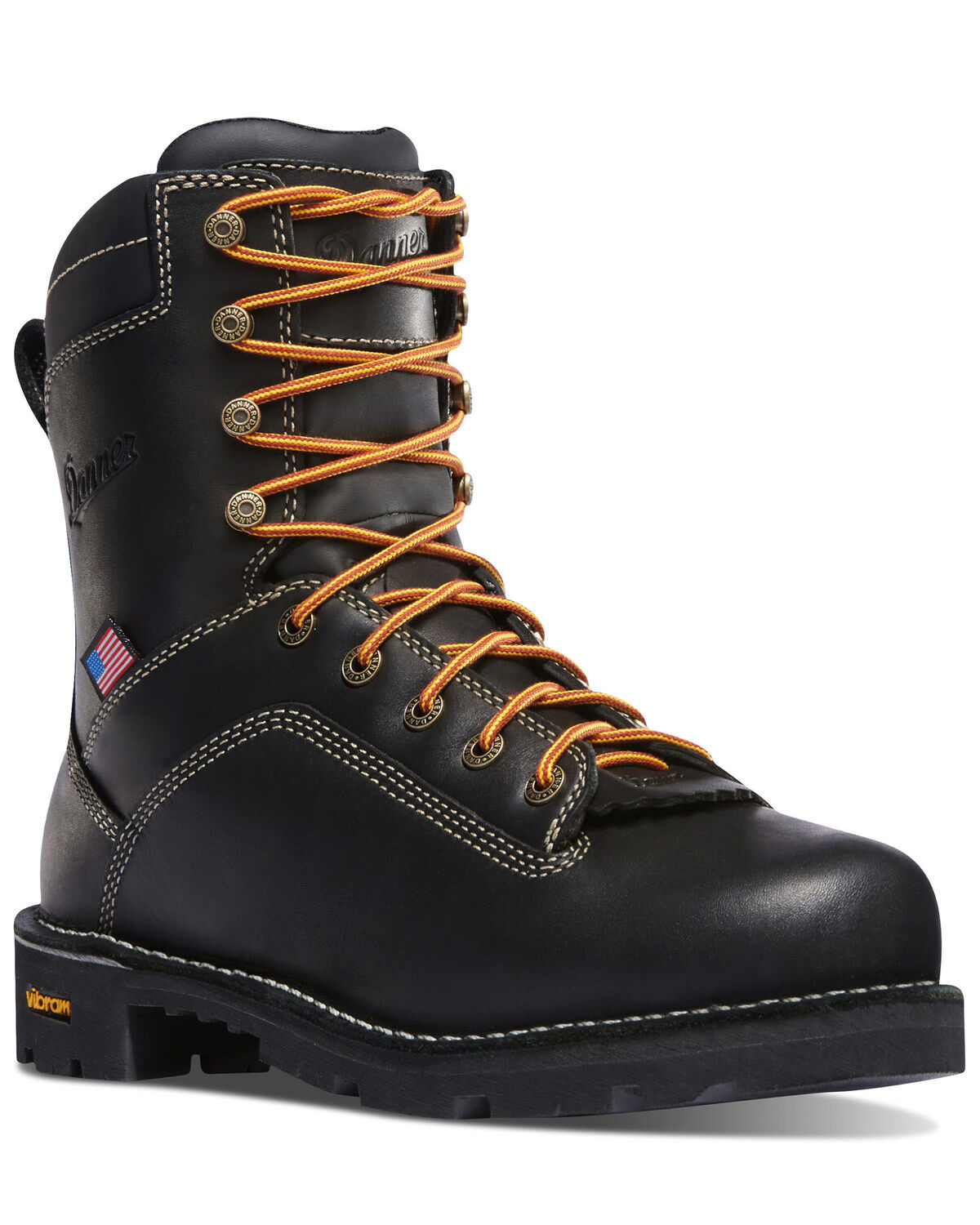
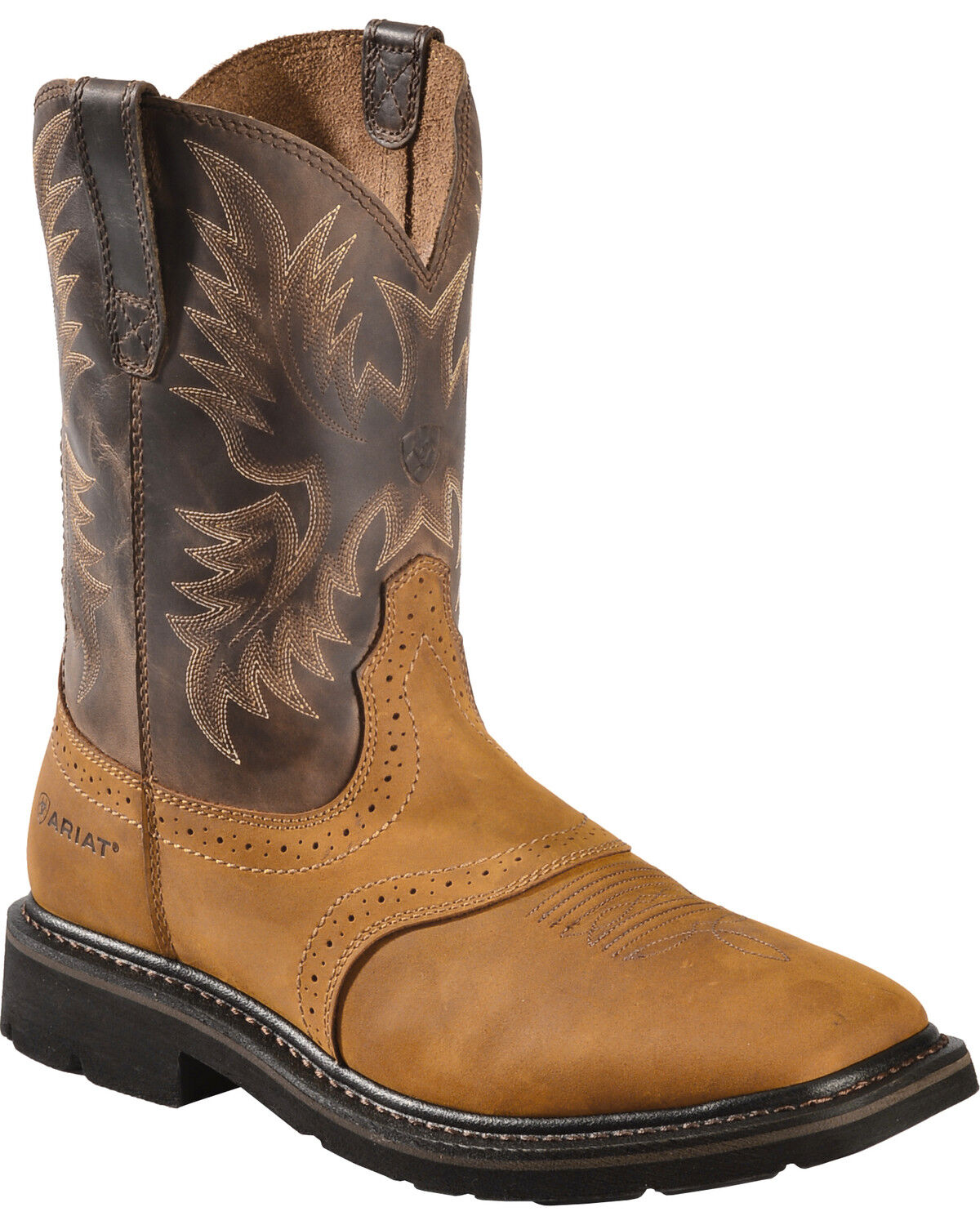
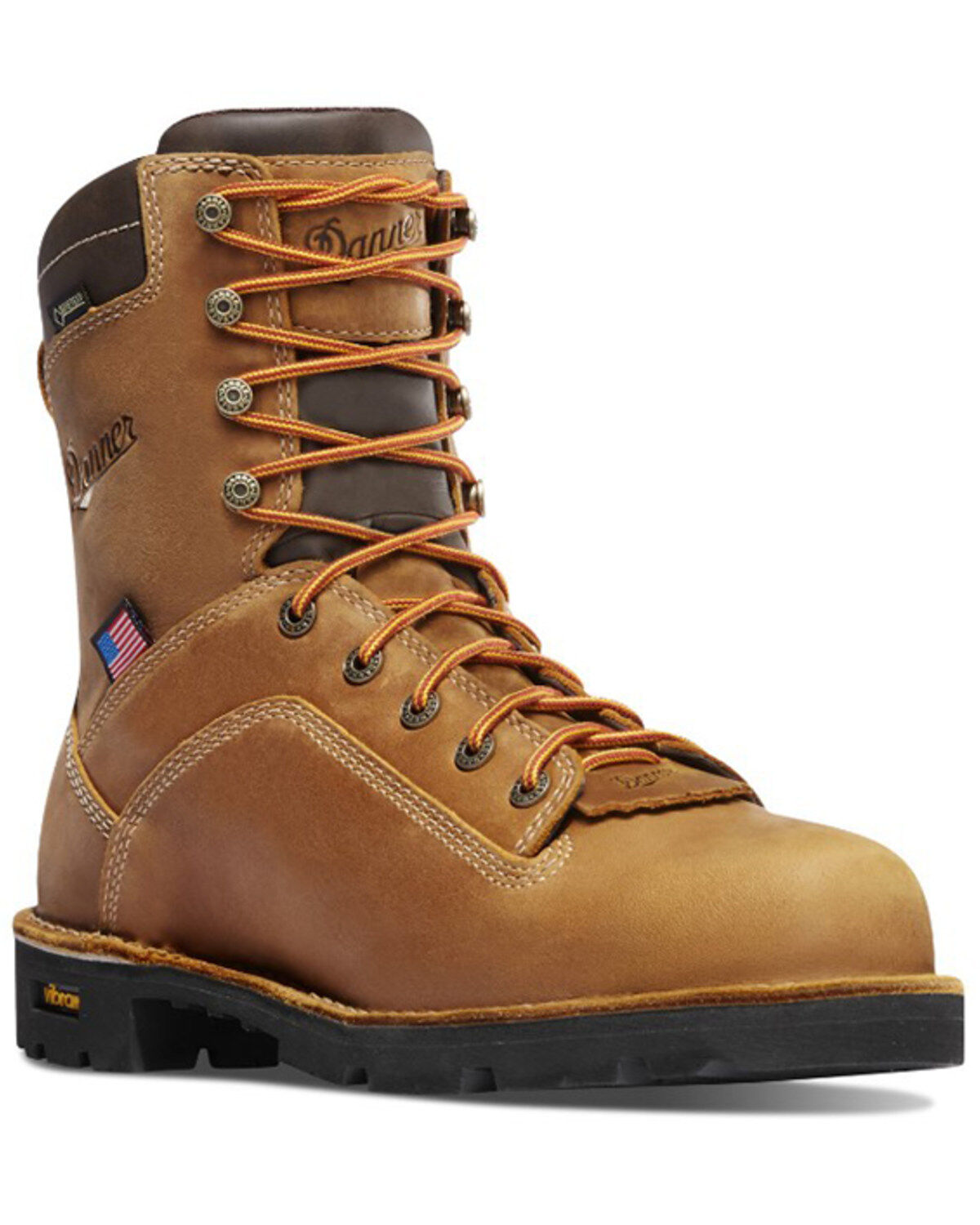
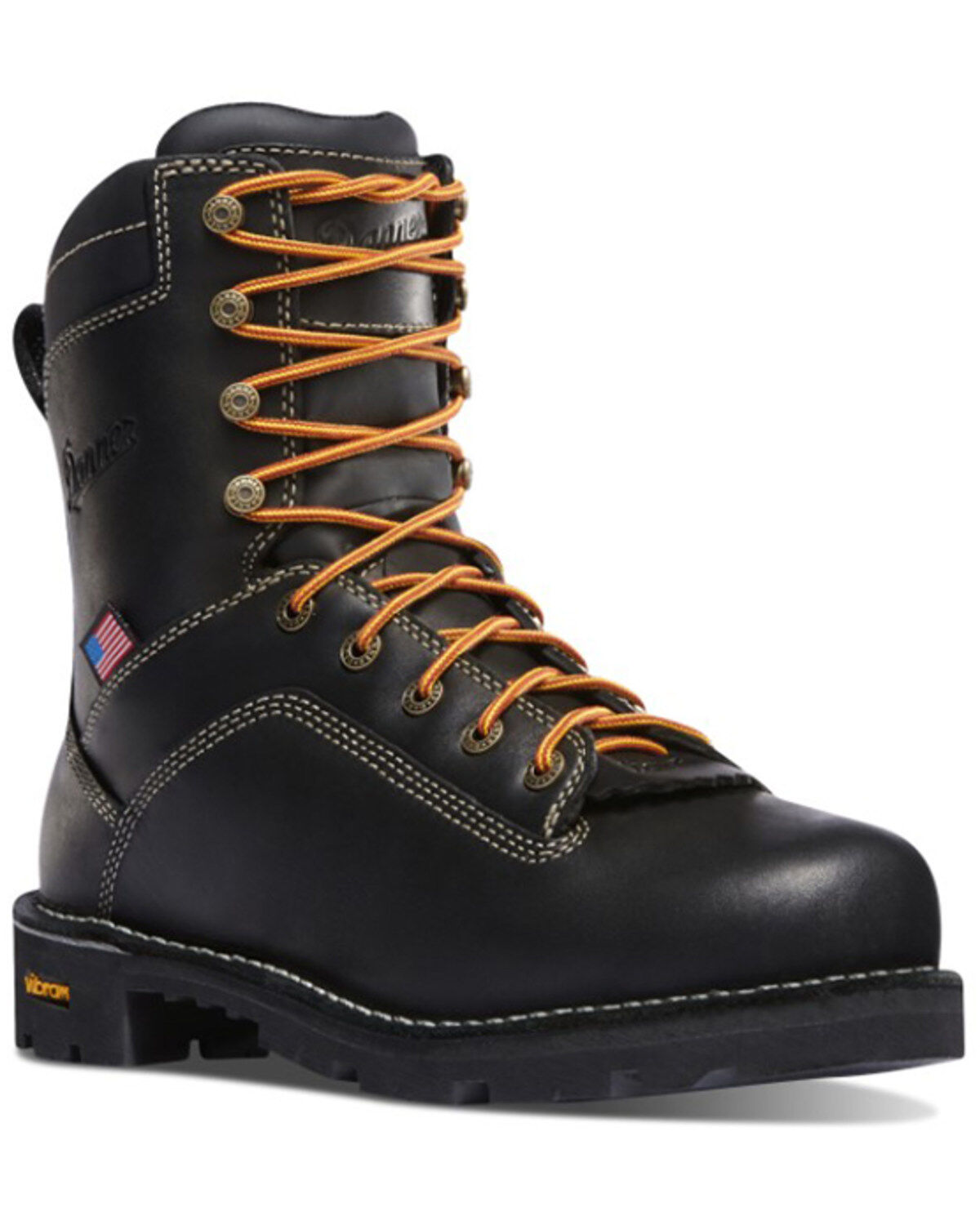
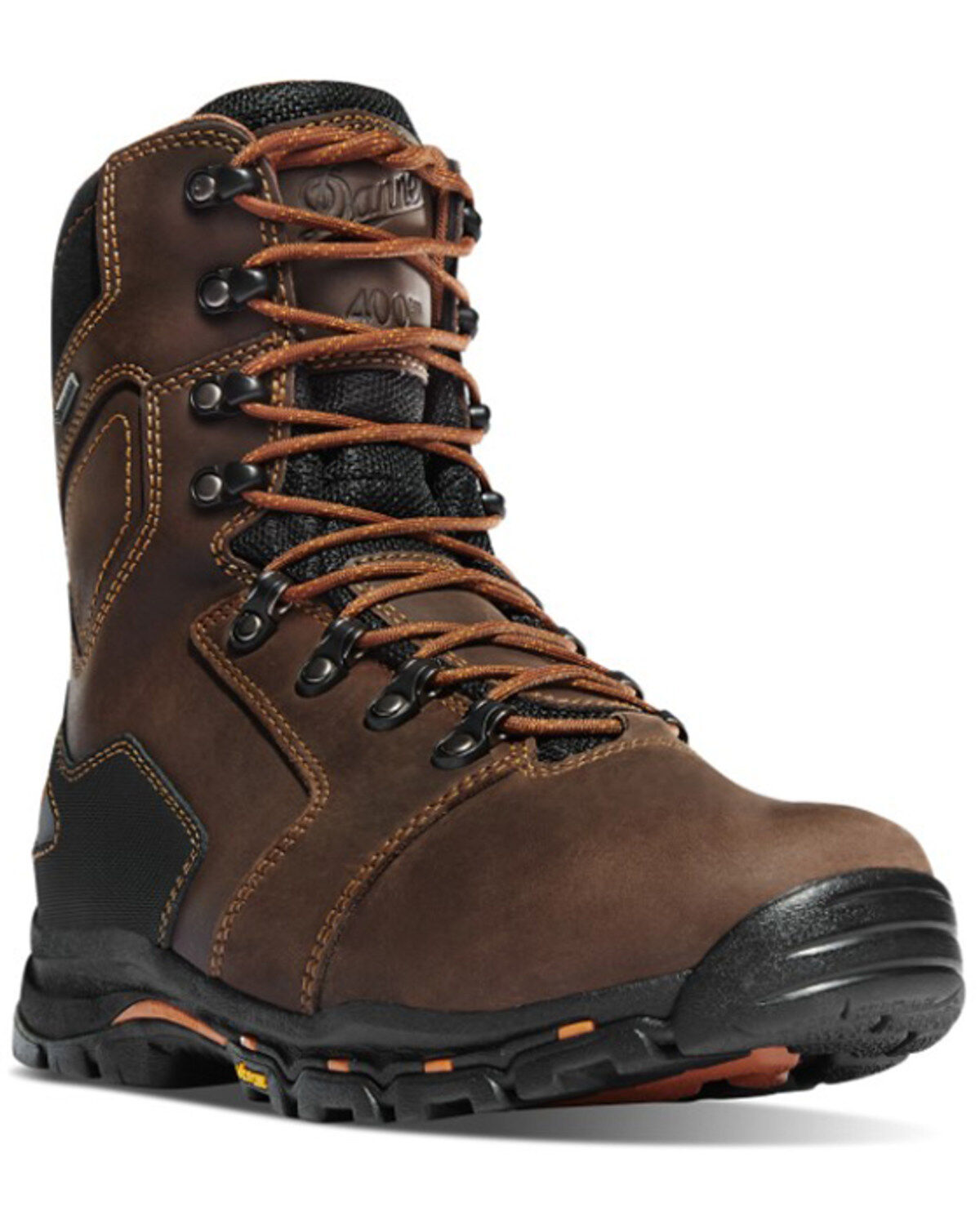
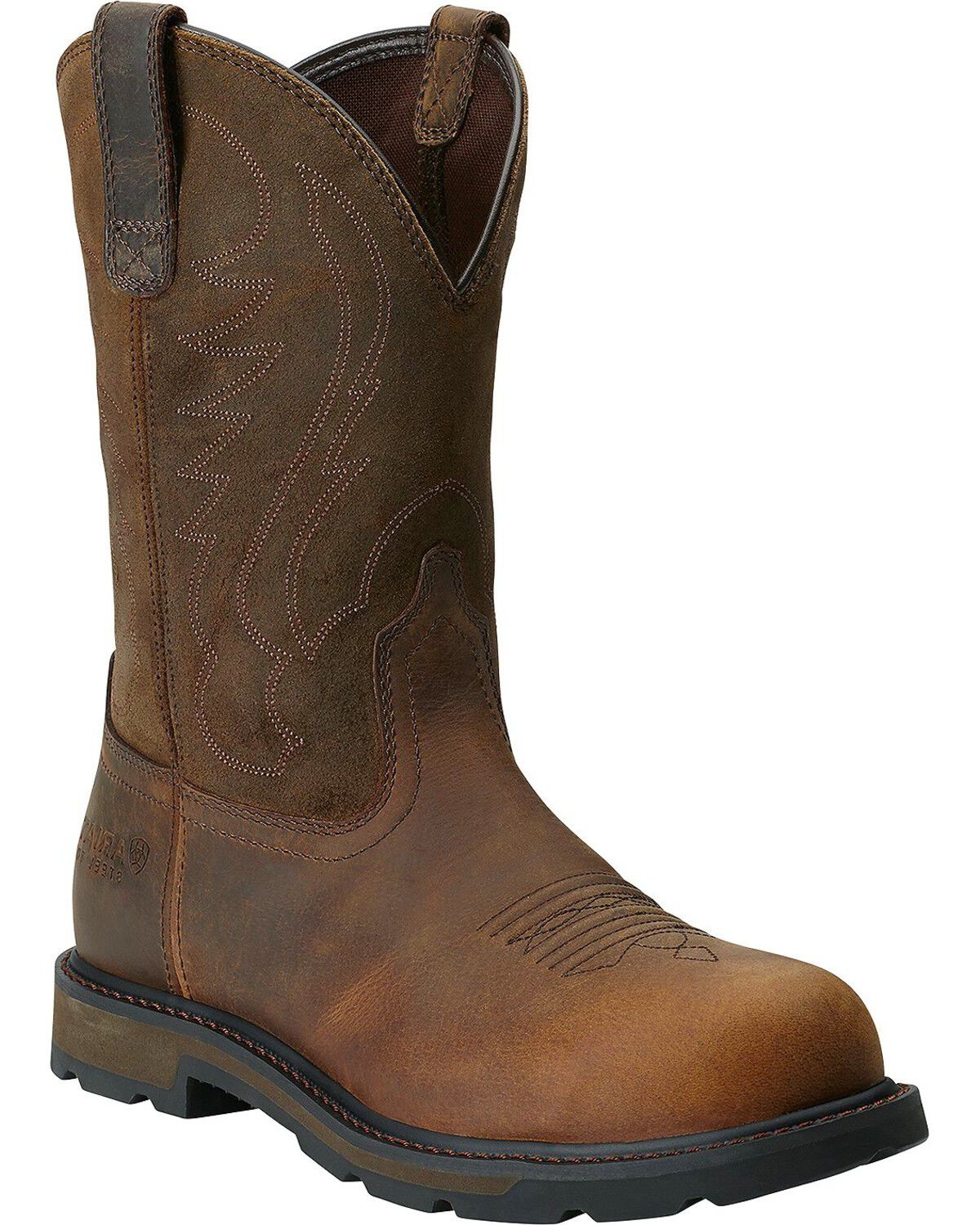
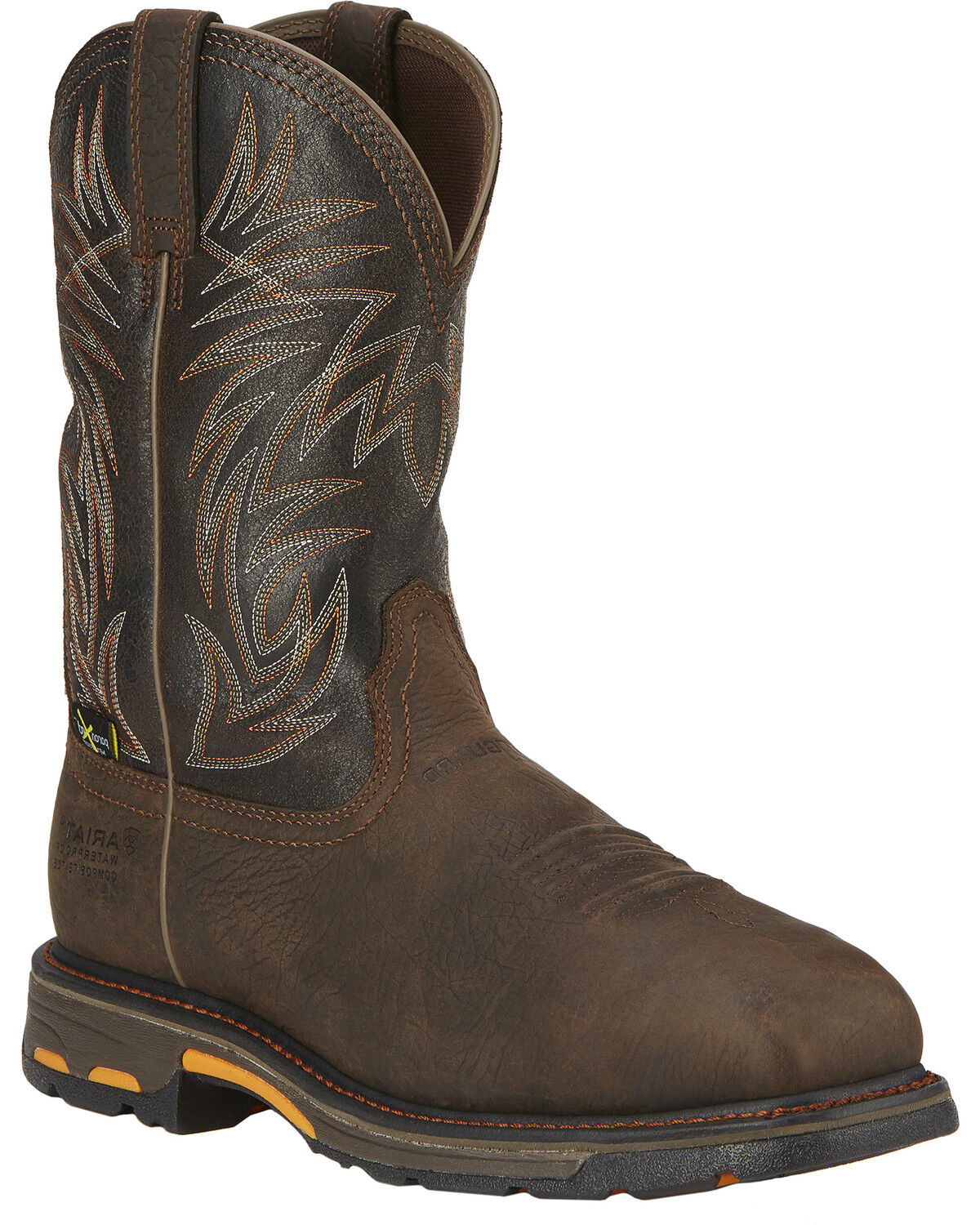
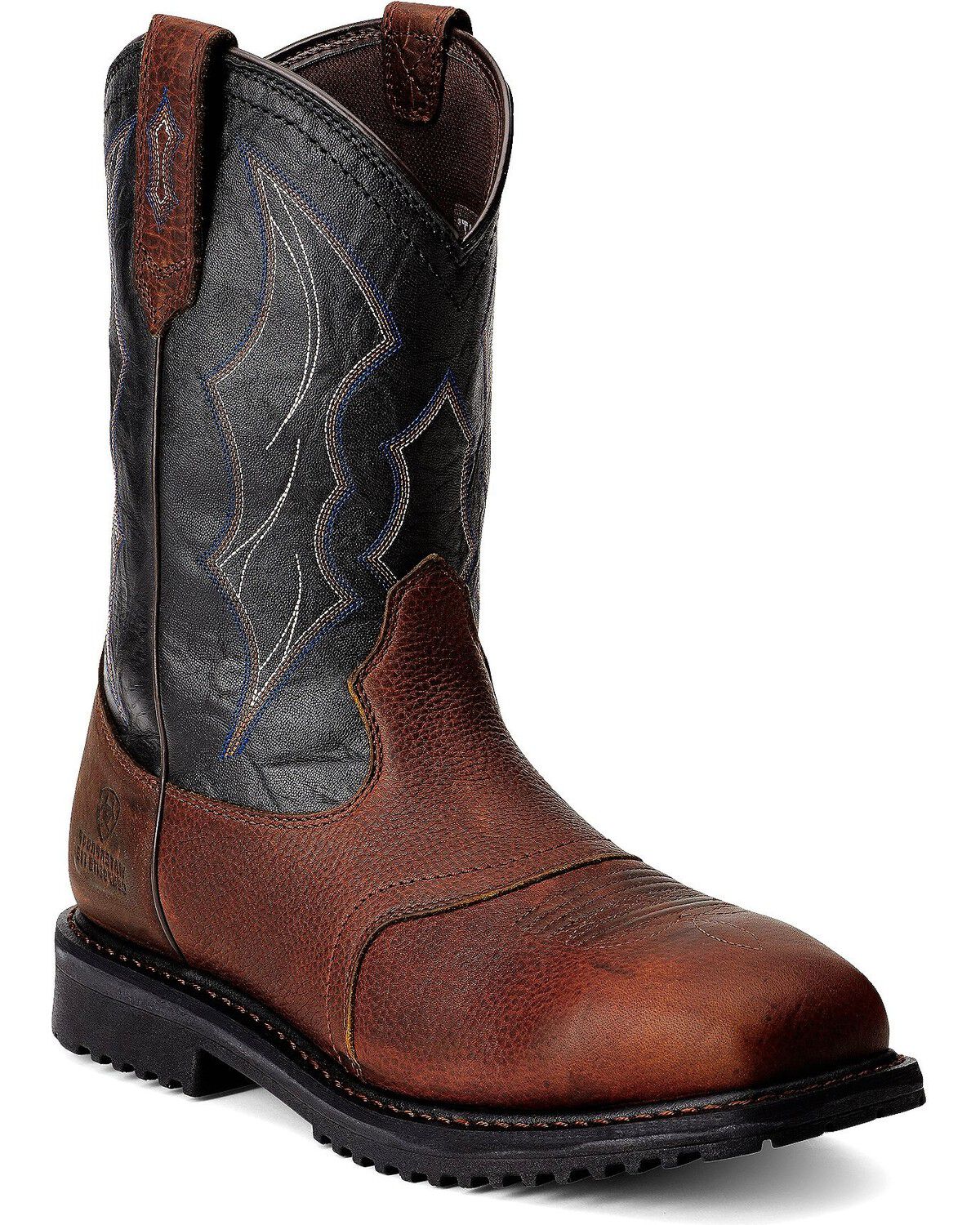
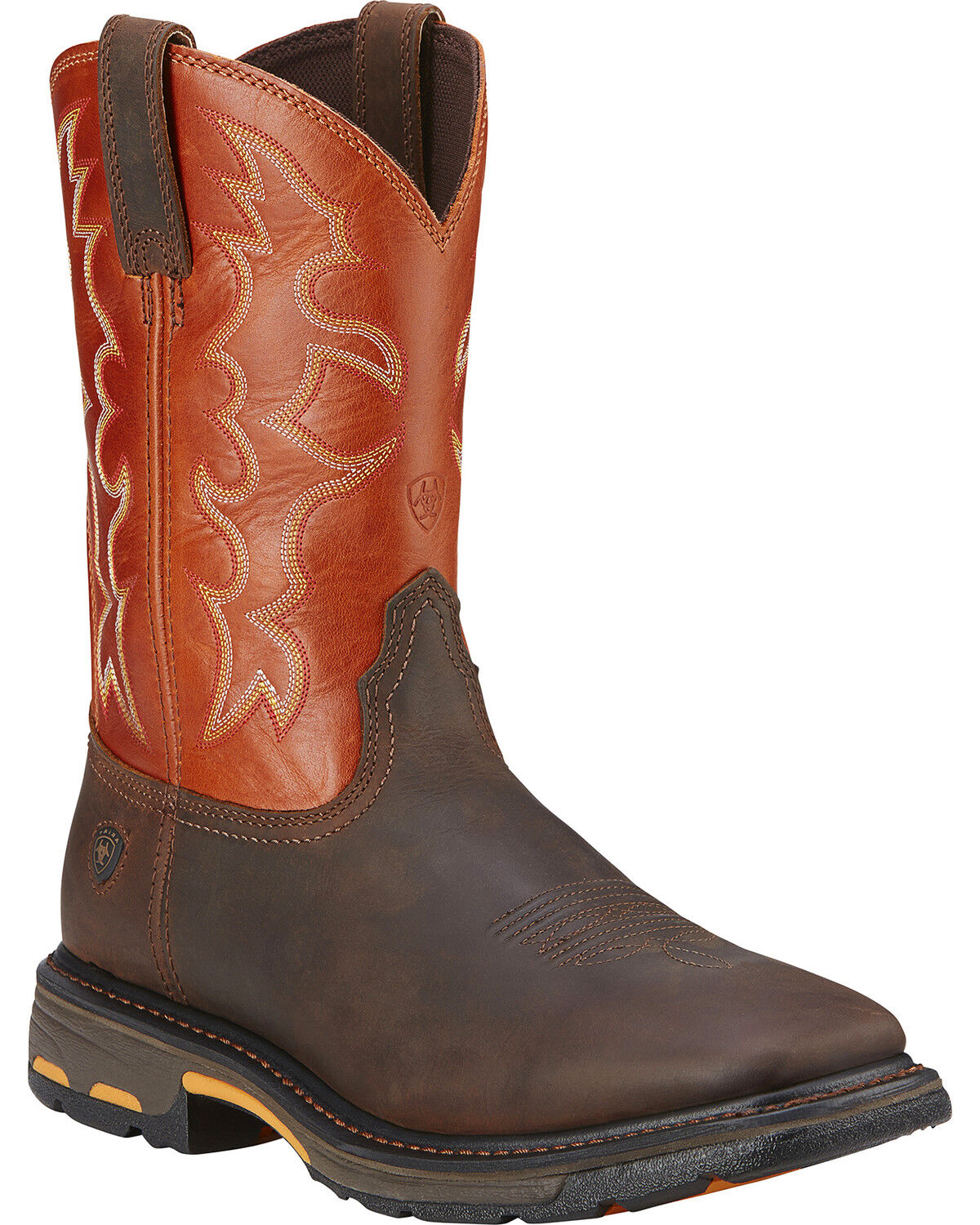
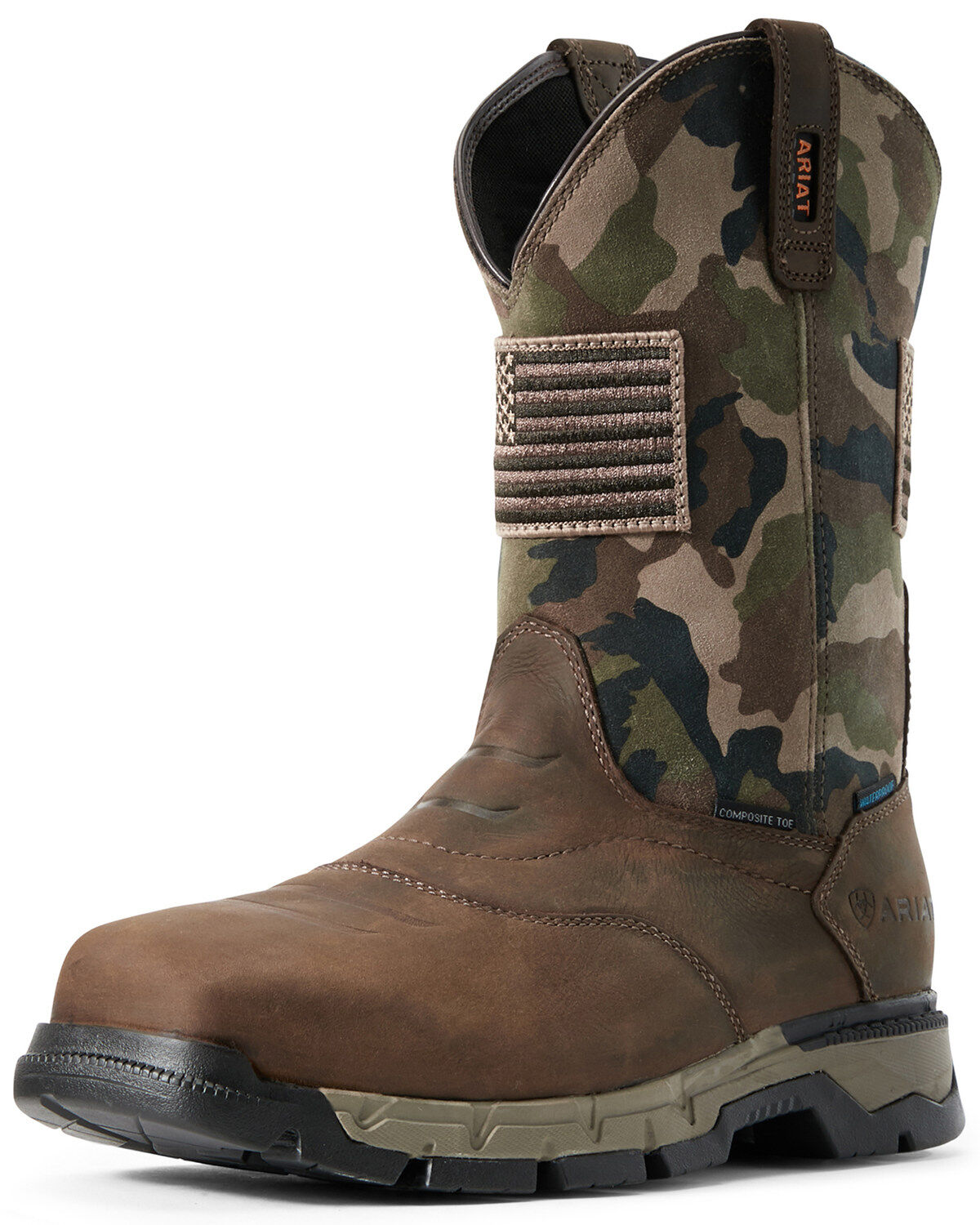
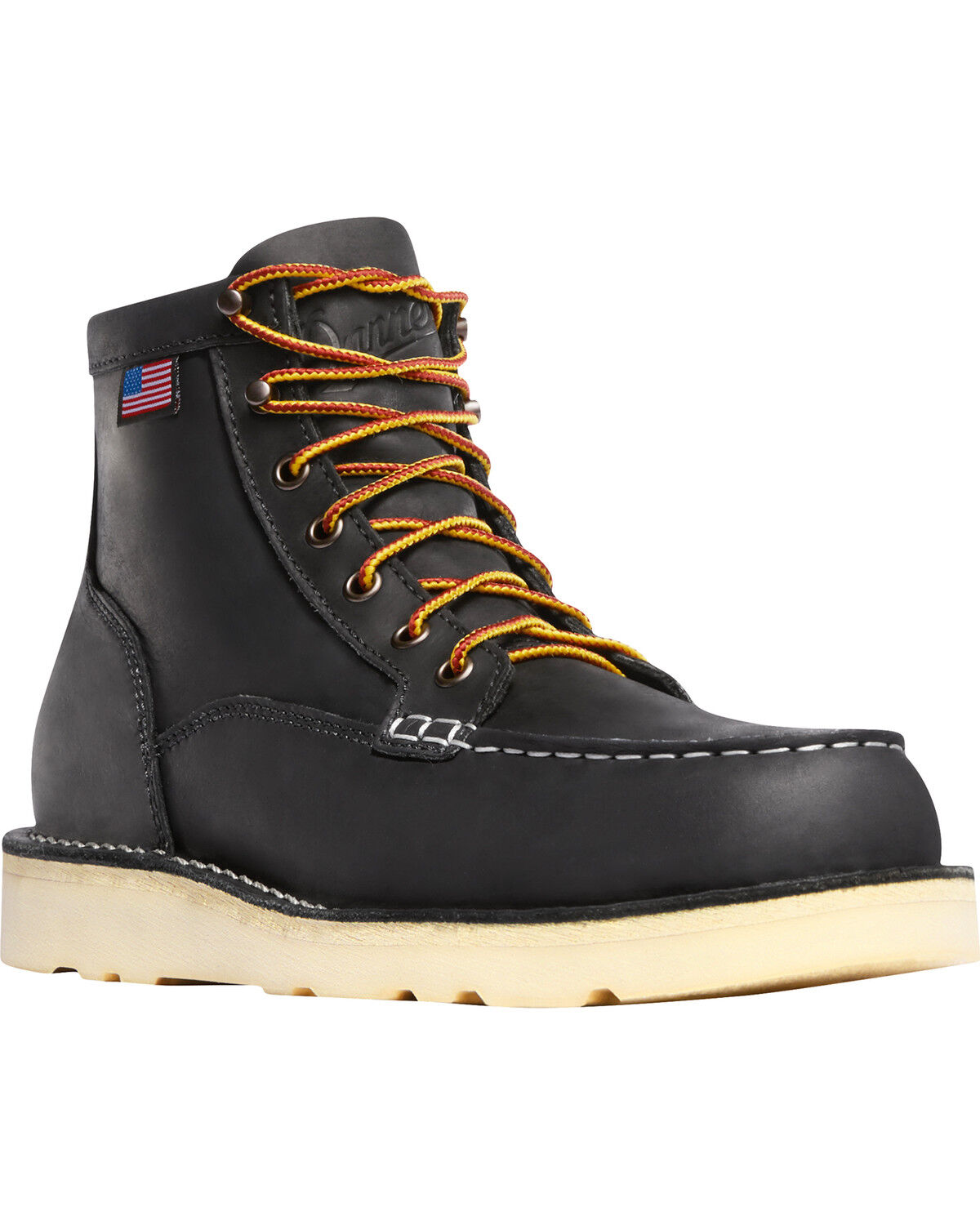
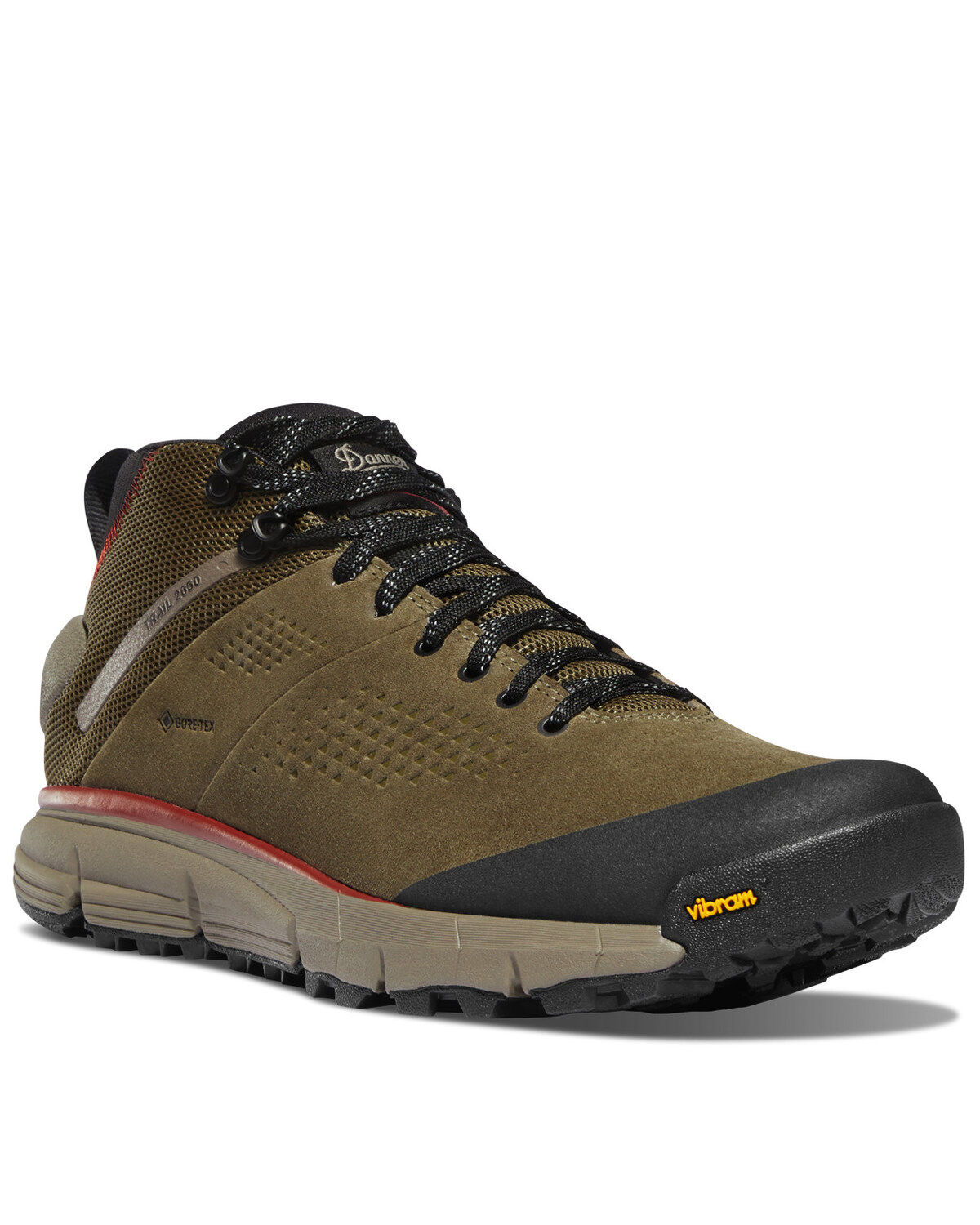
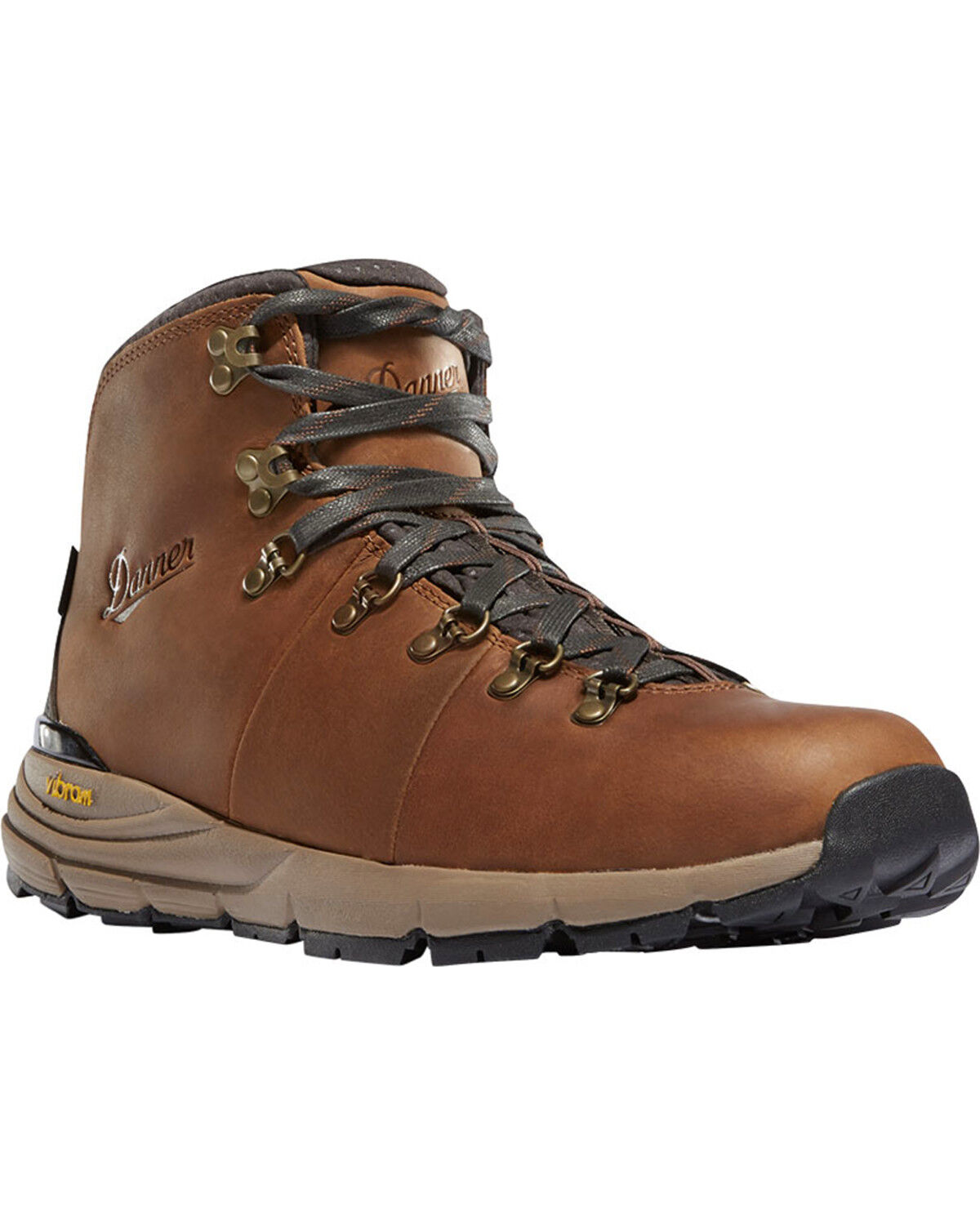
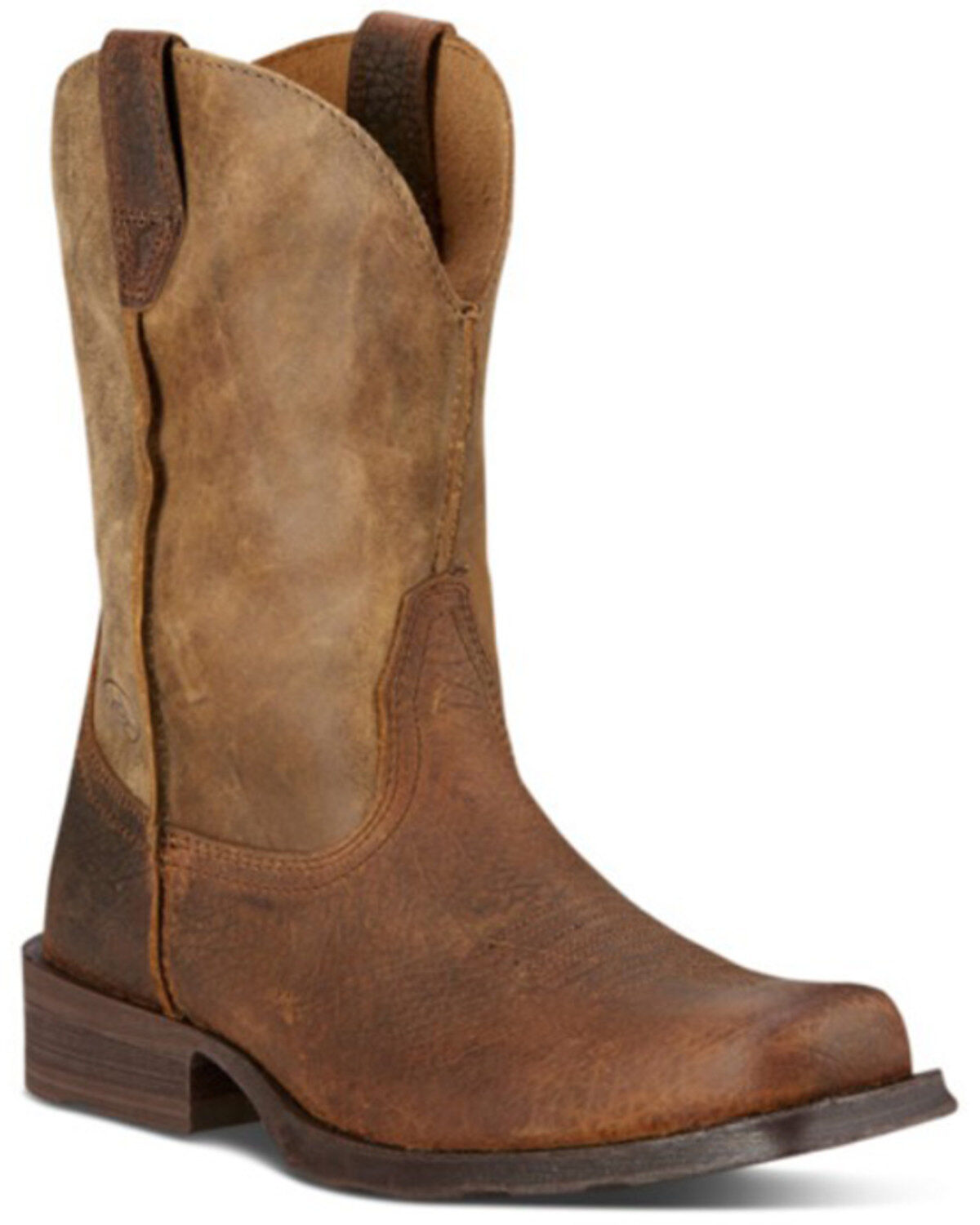
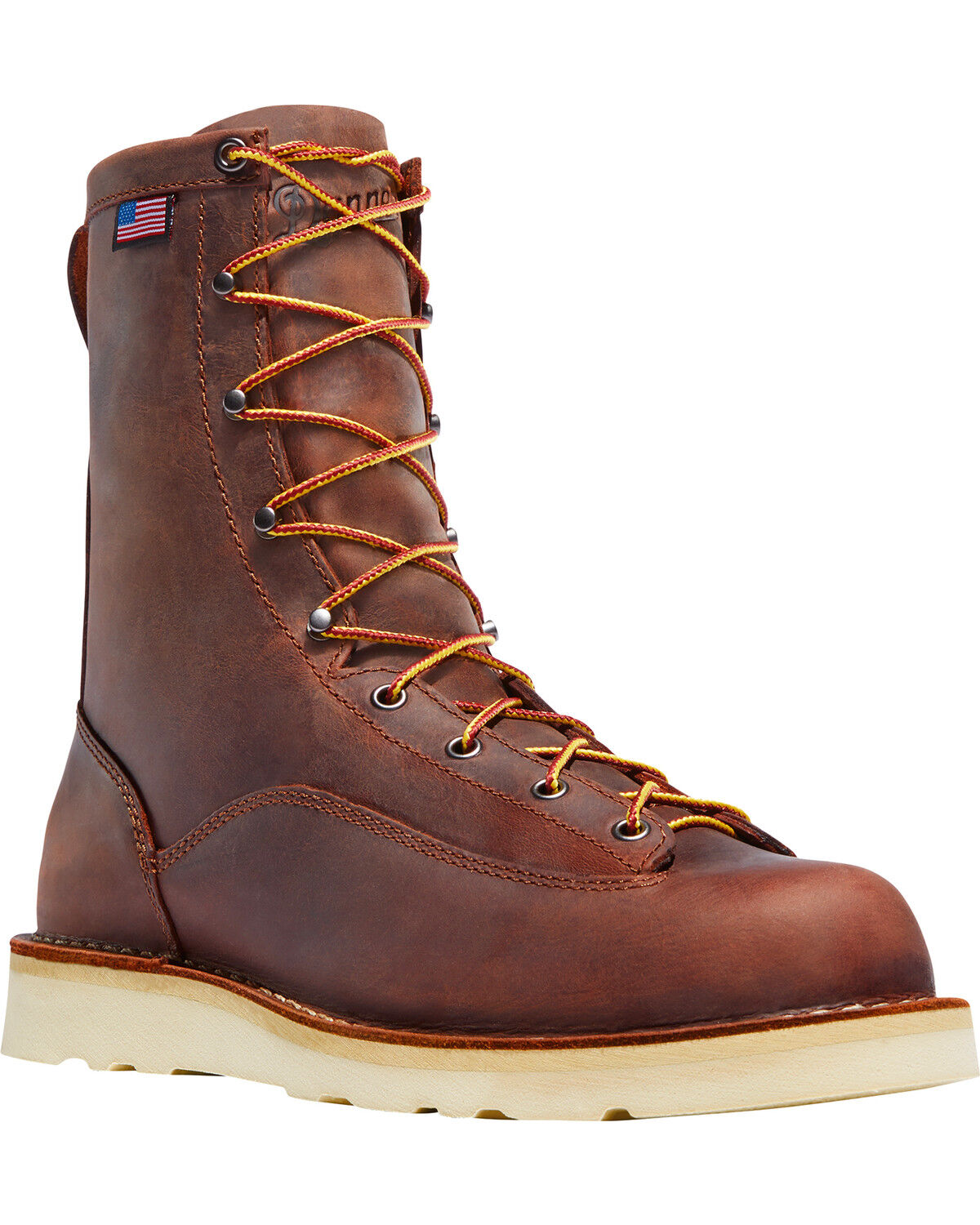
The best boots for work match the demands of the job: required protection, dependable traction, a secure fit, and support that stays comfortable through a full shift. A warehouse employee walking concrete aisles needs something different from a carpenter moving between framing, ladders, and unfinished ground. Mechanics, equipment operators, ranch workers, and tradespeople also put different demands on their footwear. Work boots bring those needs together through their toe construction, outsole design, upper materials, and underfoot support. Safety-toe boots are important where falling objects or compression hazards are present, but the toe material alone does not establish the level of protection. Steel, composite, and alloy toes can meet protective footwear standards when properly tested and labeled. Check the stated rating against workplace requirements rather than assuming every safety toe offers the same protection. Soft-toe work boots may suit jobs without a protective-toe requirement, provided they meet any other rules for the worksite. Electrical-hazard protection, puncture resistance, and static-dissipative properties are separate features, not standard equipment on every pair. Electrical-hazard and static-dissipative footwear serve different purposes and should not be treated as interchangeable. The outsole deserves just as much attention as the upper. Many wedge soles provide a broad contact area suited to standing and walking on hard, relatively even surfaces. Lugged soles have deeper tread that can help grip loose ground, while a defined heel may matter for certain ladder or equipment tasks. The right choice depends on the surface and the work being performed. Slip-resistant does not mean slip-proof; oil, dust, debris, and worn tread can all affect footing. Cushioning can soften the feel of concrete underfoot, while a supportive midsole and shank help give the boot structure. A heavily padded boot is not automatically the most comfortable one. For long shifts, the better match balances cushioning with stability, manageable weight, and enough room to move naturally. These details matter when carrying tools across a shop floor, stepping off equipment, or spending hours at a workbench.

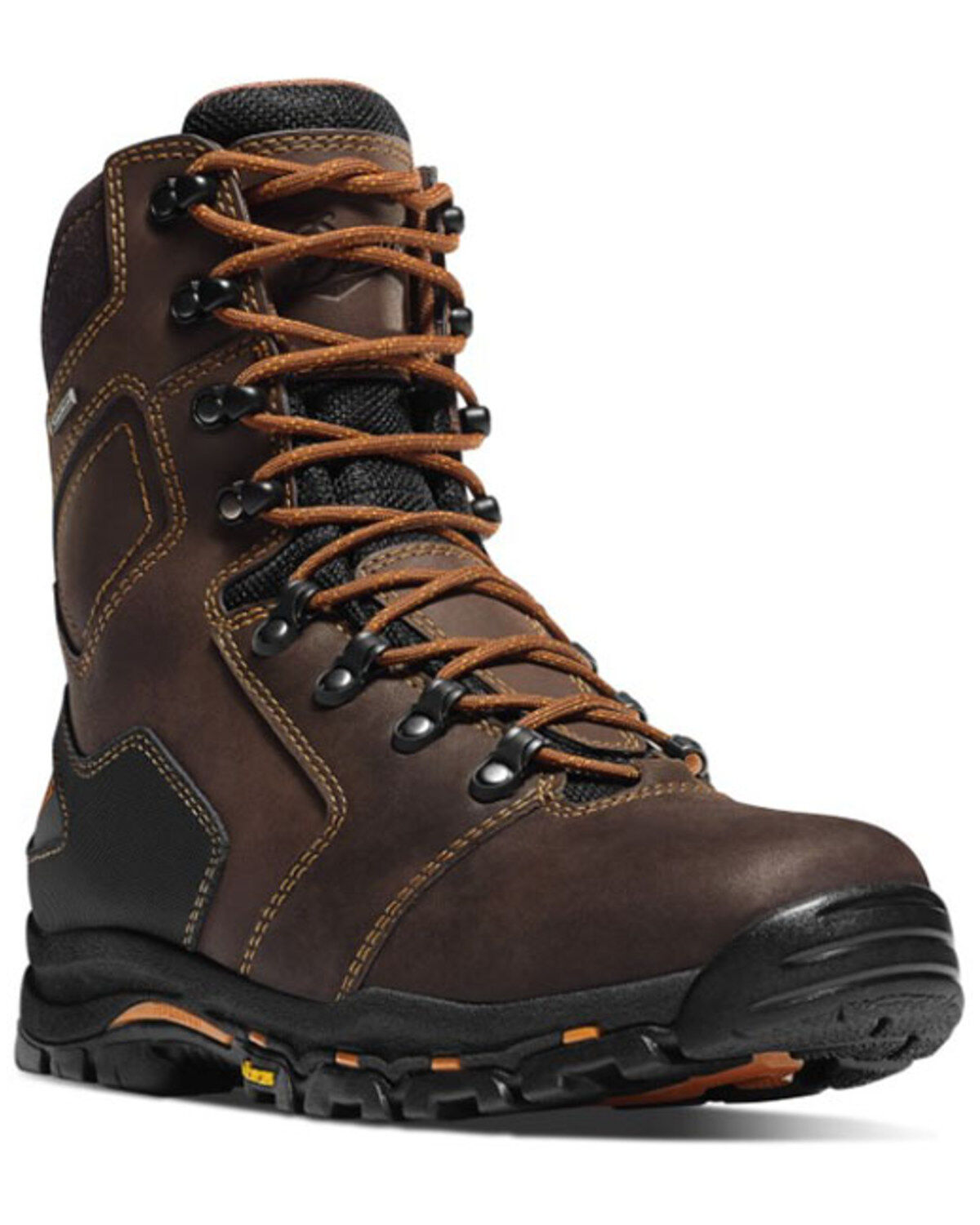
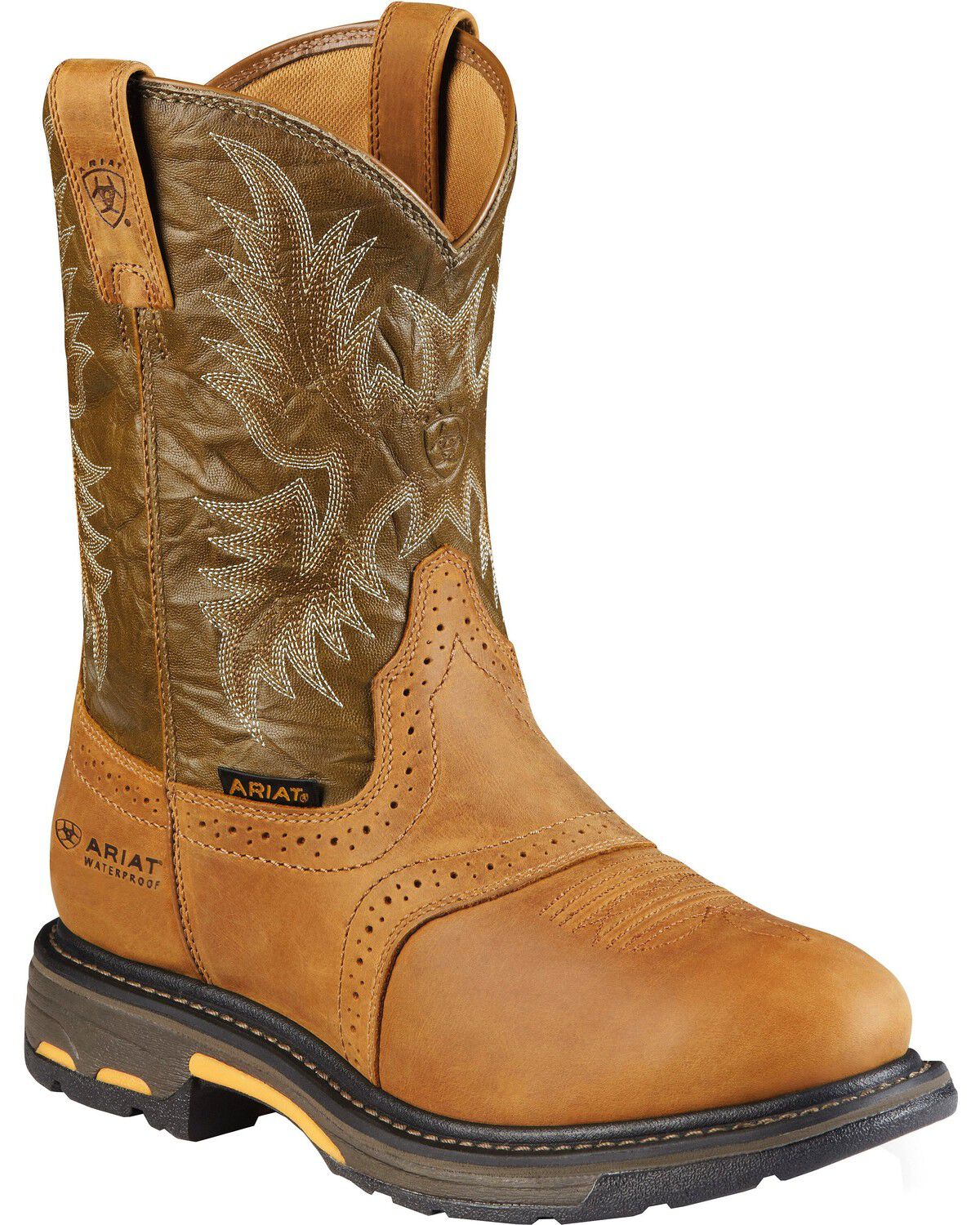
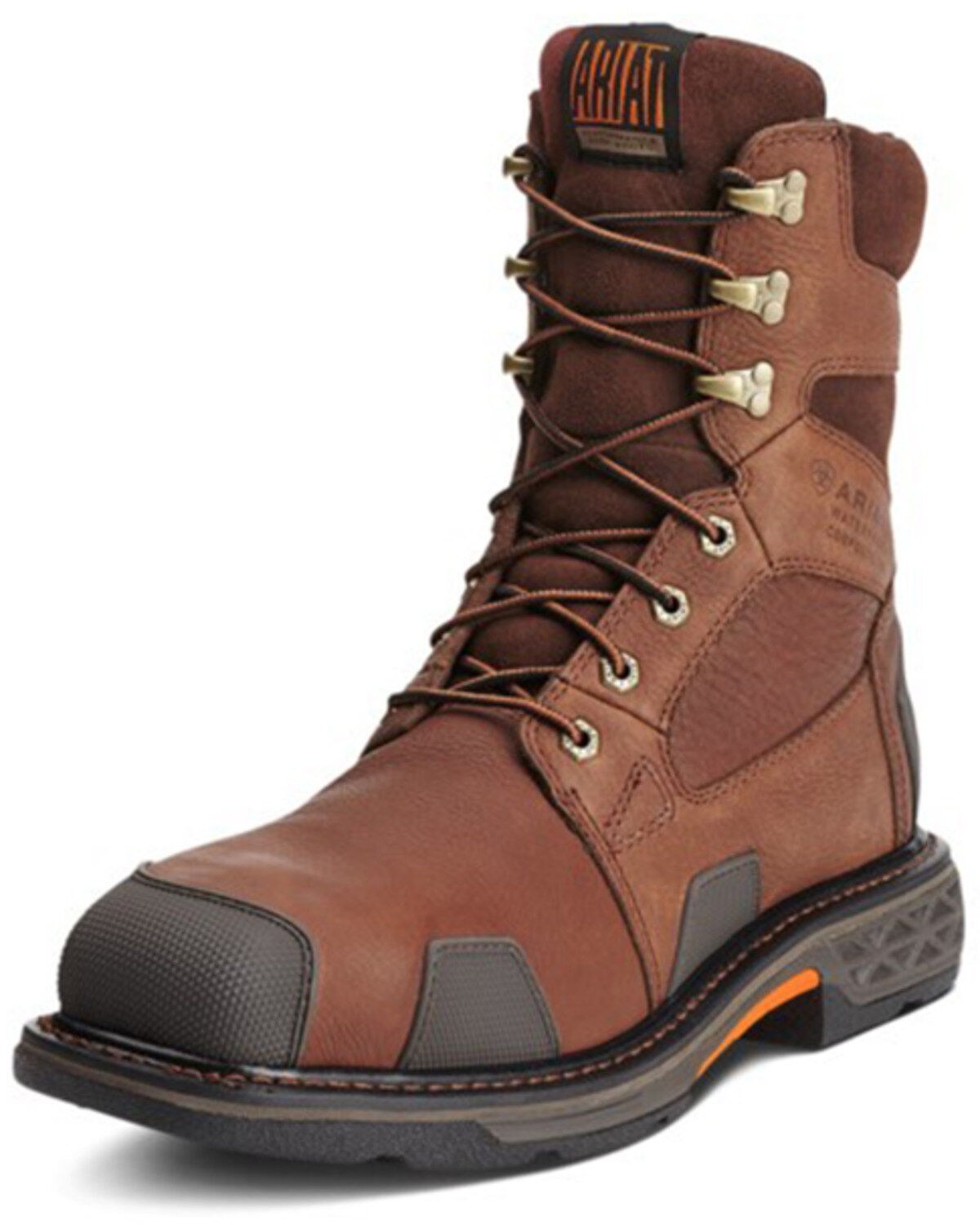
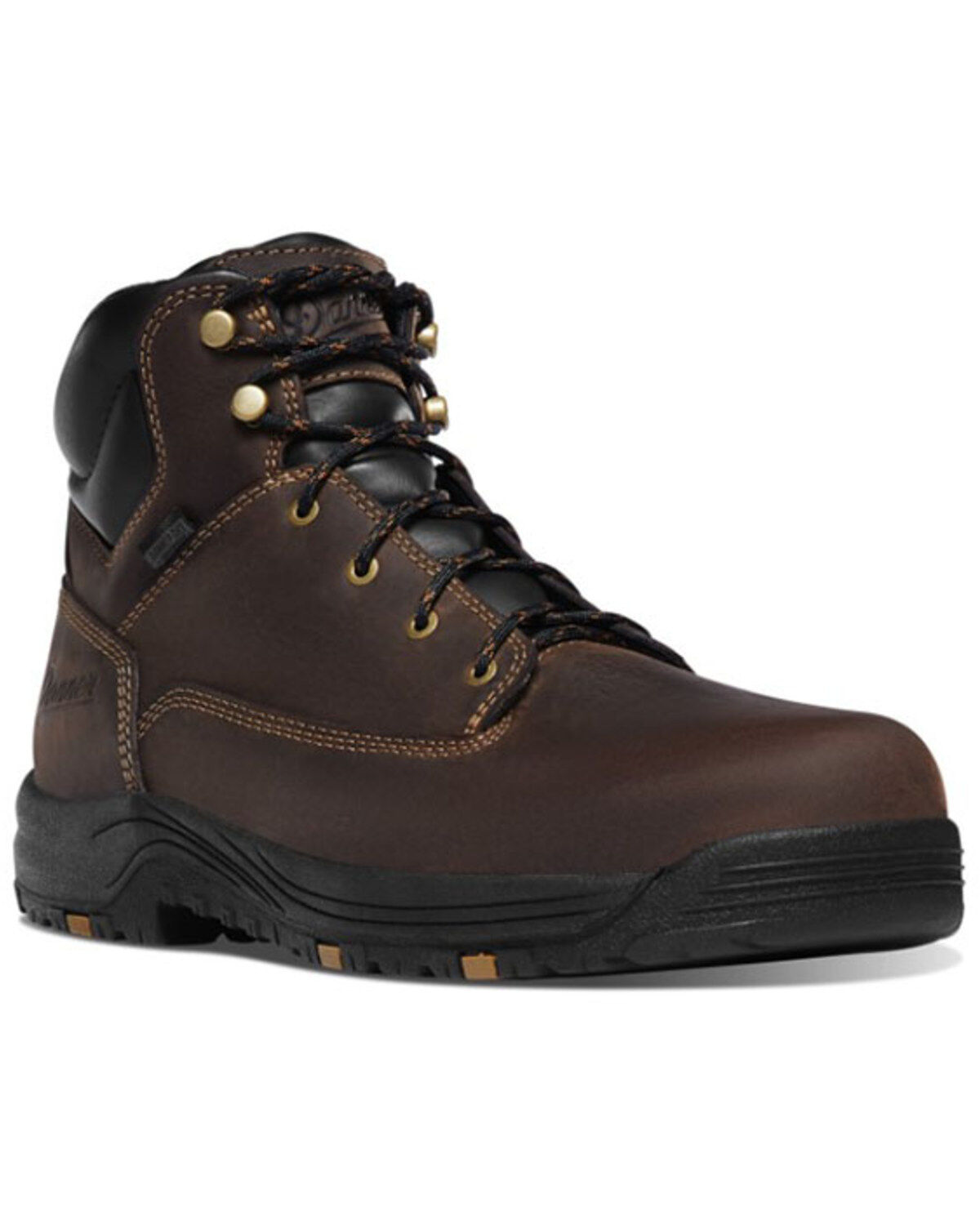
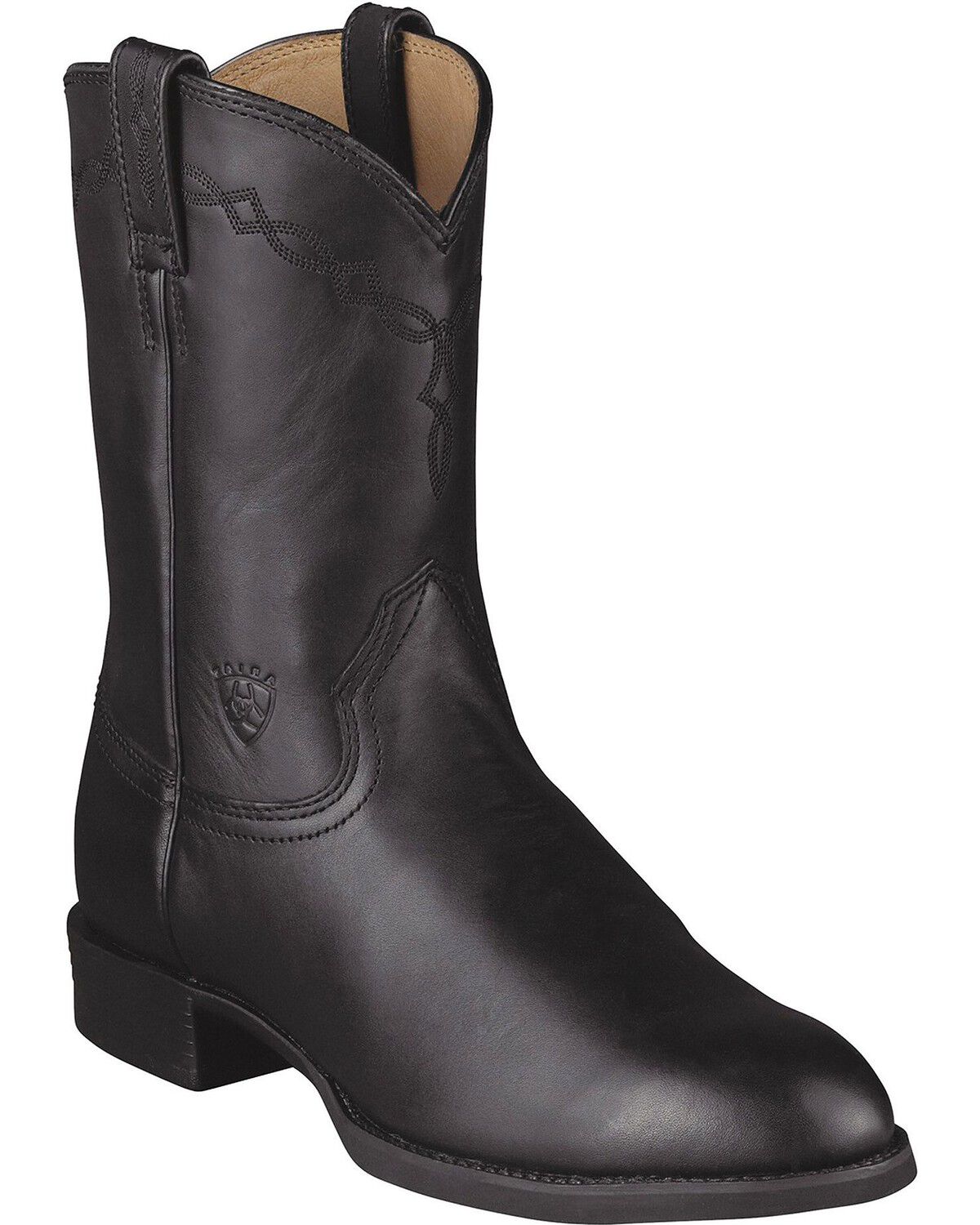
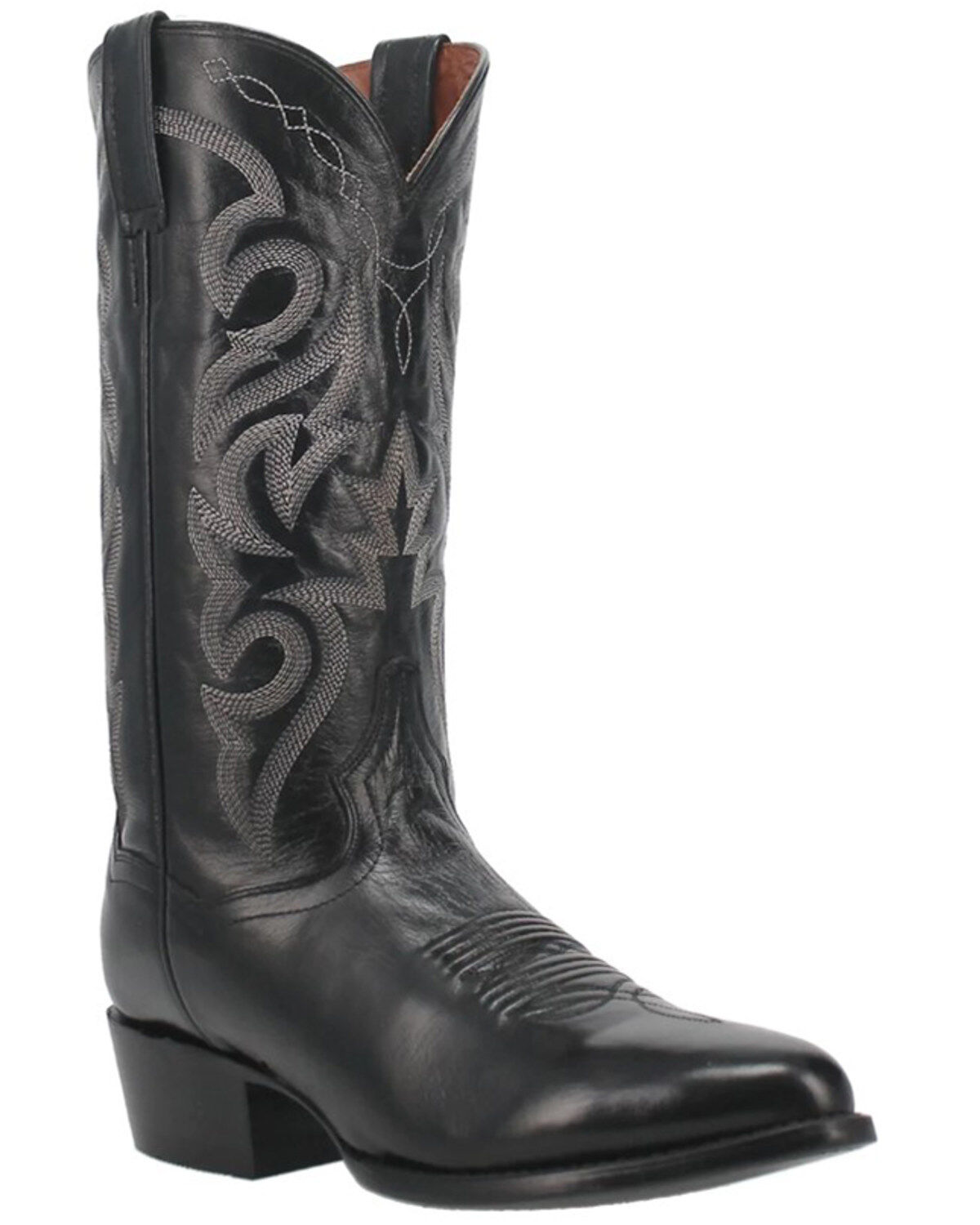
Materials and construction influence how work boots feel and how well they hold up to repeated use. Full-grain leather is valued for its strength and ability to conform with wear, though its thickness, finish, and construction affect flexibility. Leather uppers can handle demanding work when properly maintained, while textile panels and synthetic materials may reduce weight or improve flexibility in certain designs. Reinforced toe areas can help limit wear from kneeling, scraping, and contact with equipment. Waterproof construction can be useful for jobs involving puddles, washdowns, or repeated contact with water, but waterproofing is not the same as protection from workplace chemicals. A waterproof membrane, sealed seams, and upper design work together, and water can still enter over the boot opening. For work involving oils or other substances, check the manufacturer’s stated resistance and the employer’s footwear requirements. Construction also affects the boot’s character. Welted designs may offer sturdy construction and, in some cases, the option of resoling. Cemented designs often allow a lighter, more flexible feel. Neither method makes a boot the right choice for every worker. Fit should be judged with the socks worn on the job and any required inserts in place. Toes need room without striking the front or pressing against the sides, especially beneath a protective toe cap that will not stretch to create extra space. The heel should feel secure without repeated rubbing, and the widest part of the foot should sit comfortably within the boot. Trying boots after several hours on the feet can help account for normal swelling. Lace-up work boots allow adjustment across the instep and ankle, which can be useful when securing the fit around different foot shapes. Pull-on work boots offer straightforward entry without laces, but their fit depends closely on the heel, instep, and shaft. Some initial firmness is normal with certain leather boots. Persistent pinching, numbness, or toe pressure is not a reasonable break-in expectation.

Durability comes from choosing work boots for the actual task, then giving them regular attention. A boot used mainly on a clean warehouse floor faces different wear than one exposed to abrasive concrete, metal edges, or daily kneeling. Dragging the toe while working close to the ground can wear through an upper before the outsole is spent. Frequent ladder use, heavy walking, and repeated bending can place stress on different parts of the boot. After a shift, remove loose dirt and inspect the tread, seams, toe area, and laces. Clean leather with products suited to its finish, and use conditioner according to the manufacturer’s directions rather than applying the same treatment to every material. Suede, nubuck, textiles, and waterproof membranes may need different care. Let damp boots dry naturally away from direct heat, and remove removable insoles when appropriate to help the interior dry. Rotating between pairs can give each pair more time to dry between shifts. Routine checks matter because a familiar, comfortable boot can still have worn tread, damaged stitching, or a compromised protective component. Replace boots when their condition no longer supports the job’s safety requirements. Repair or resoling may be possible for some constructions, but it should not be assumed to restore every protective rating. Workers whose duties regularly extend beyond the shop or warehouse can also find job-focused options among Best Boots for Outdoor Workers, with surface demands and required protection still guiding the choice. Work boots can make a useful gift for someone starting a trade, moving into a new role, or replacing a well-worn pair. Confirm their size, preferred fit, and workplace requirements first. The details that matter are practical: room for the toes, a secure heel, traction suited to the ground, and construction suited to repeated wear. A dependable pair should let the worker focus on the task instead of adjusting footwear throughout the day.

FAQs