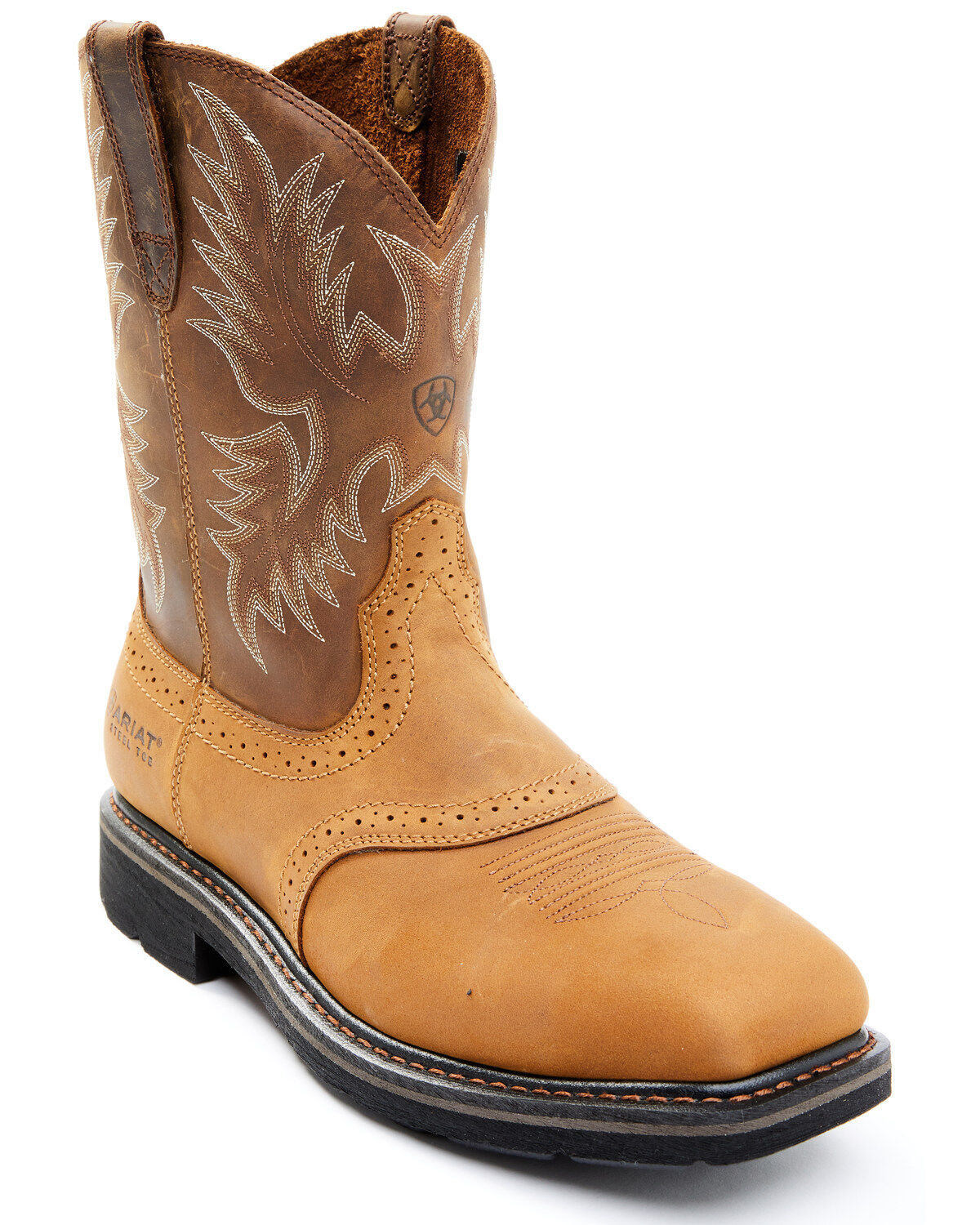
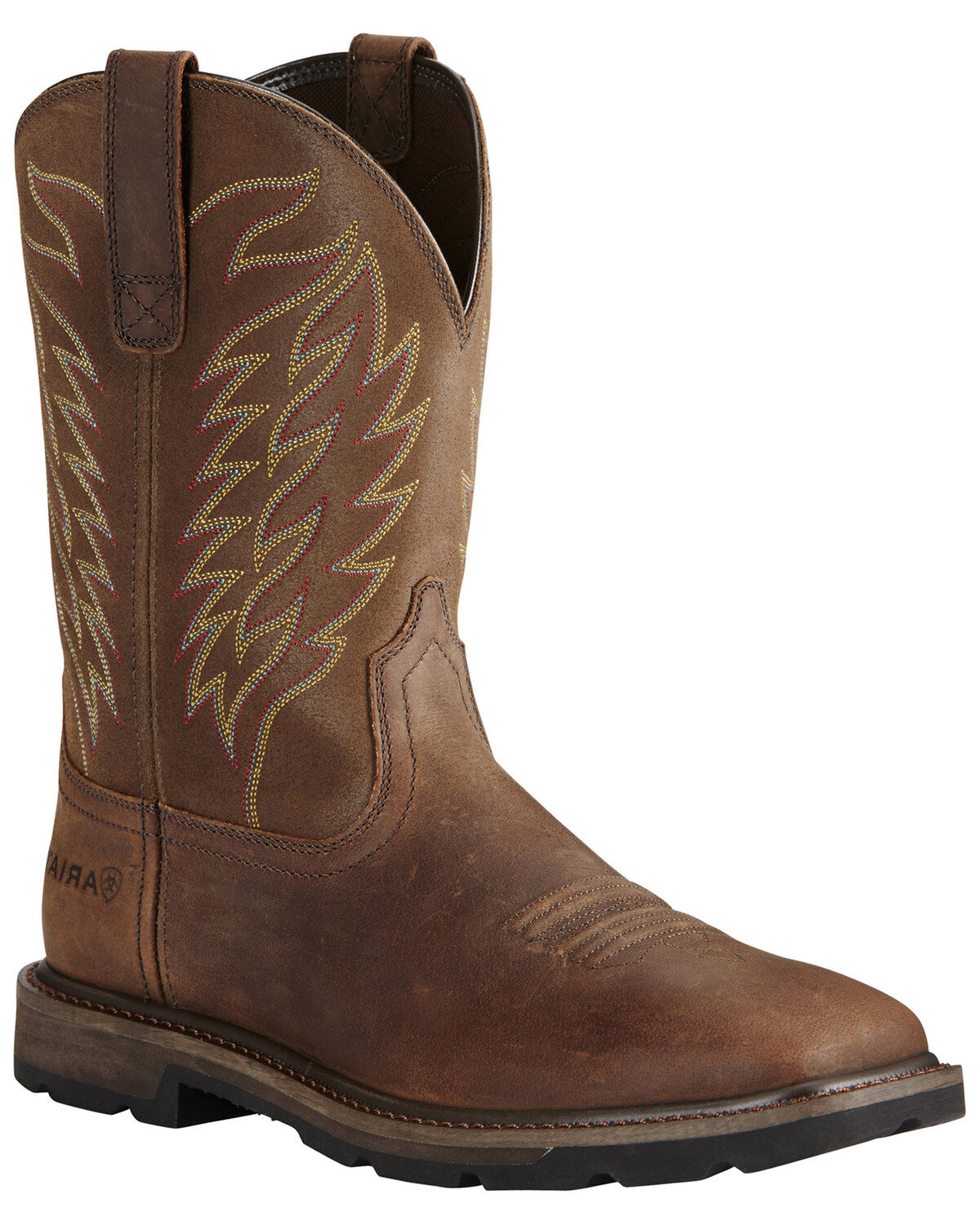
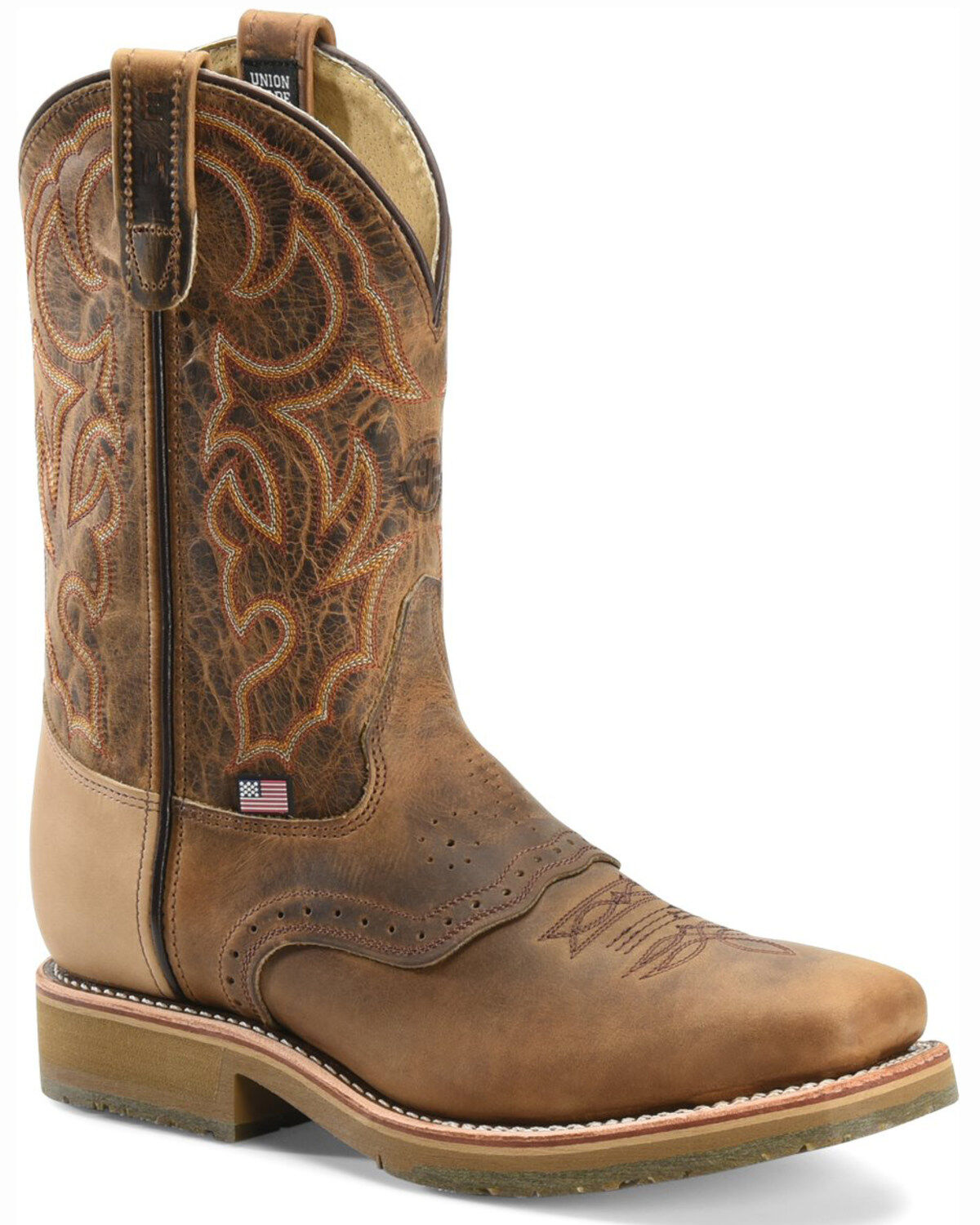
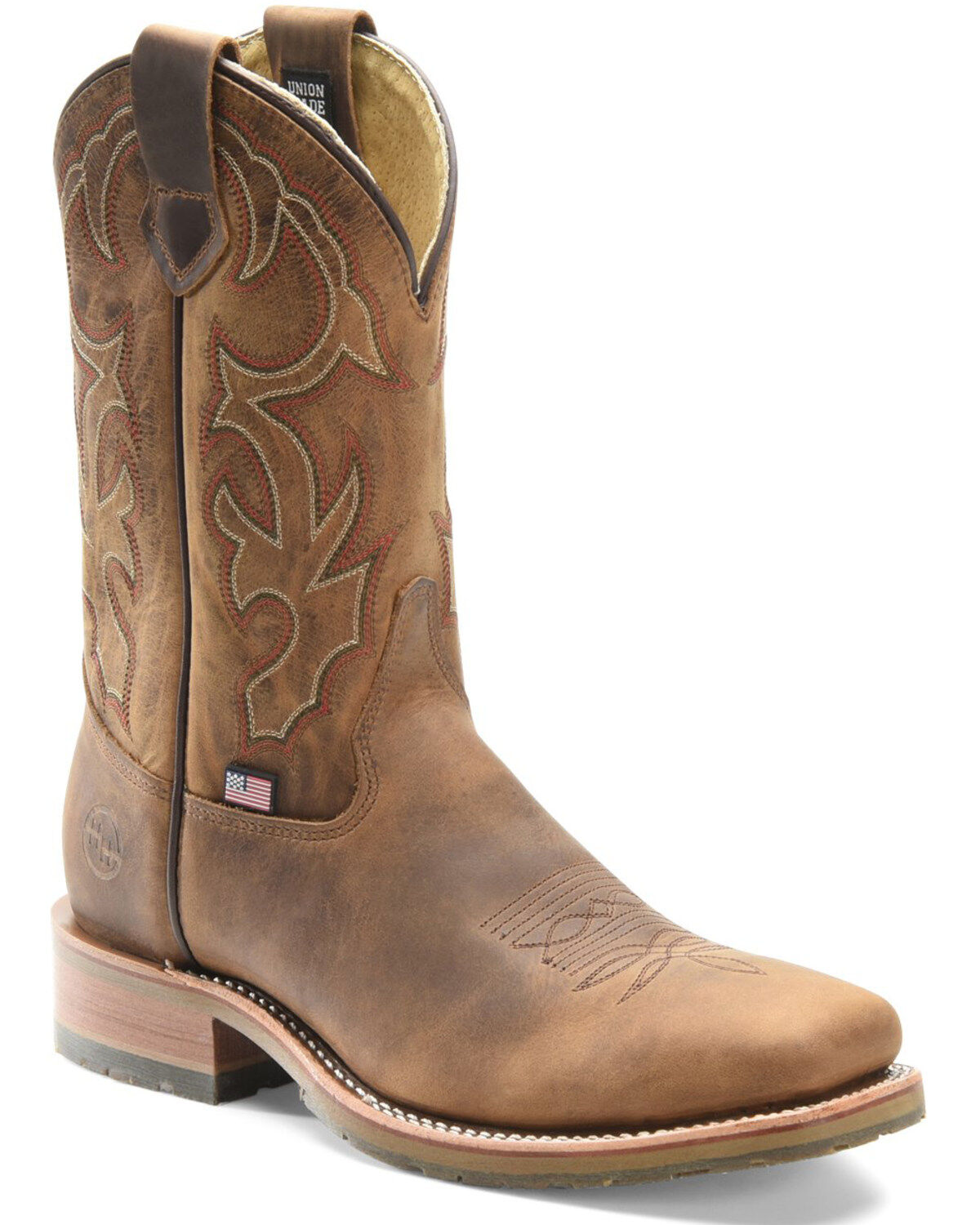
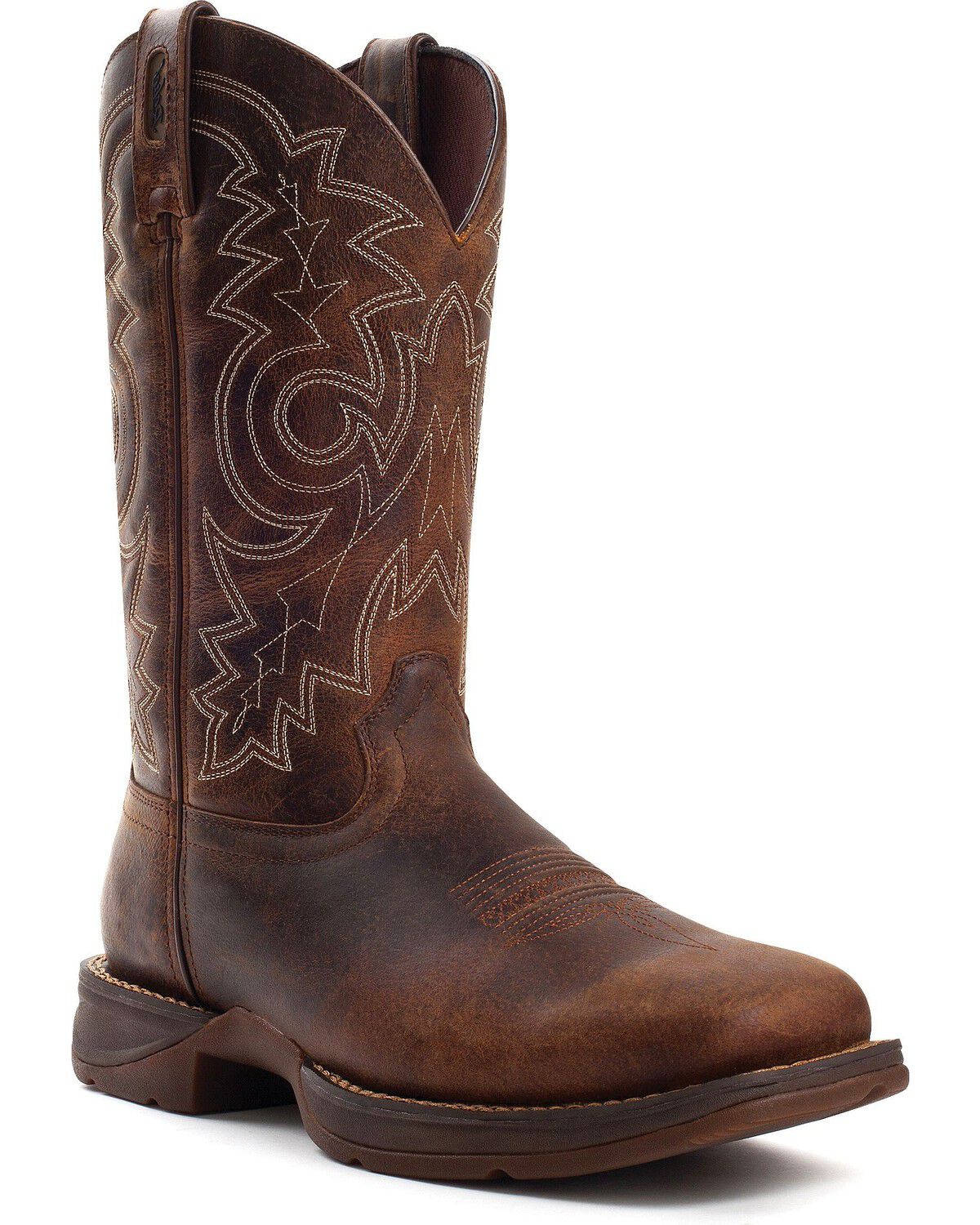
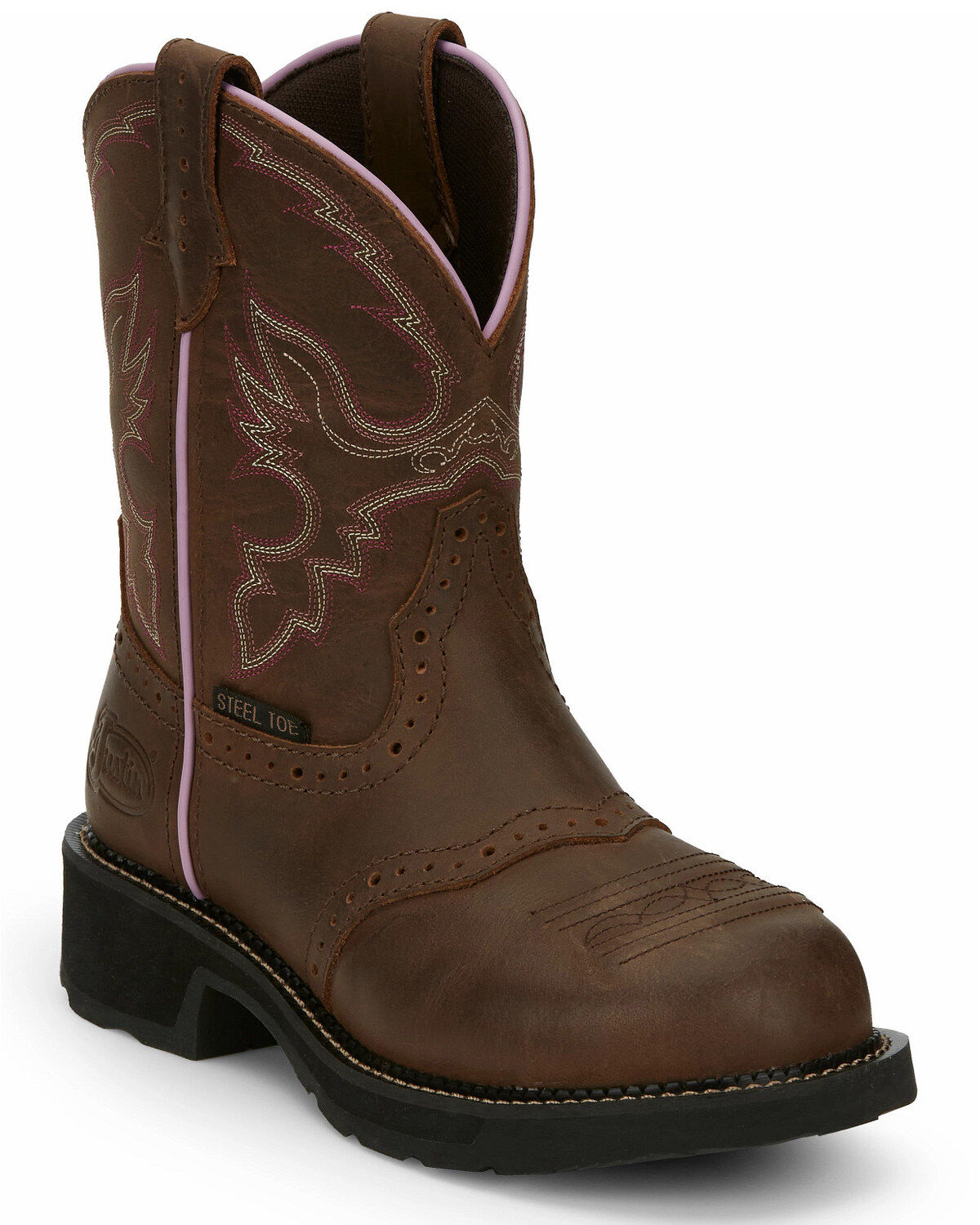
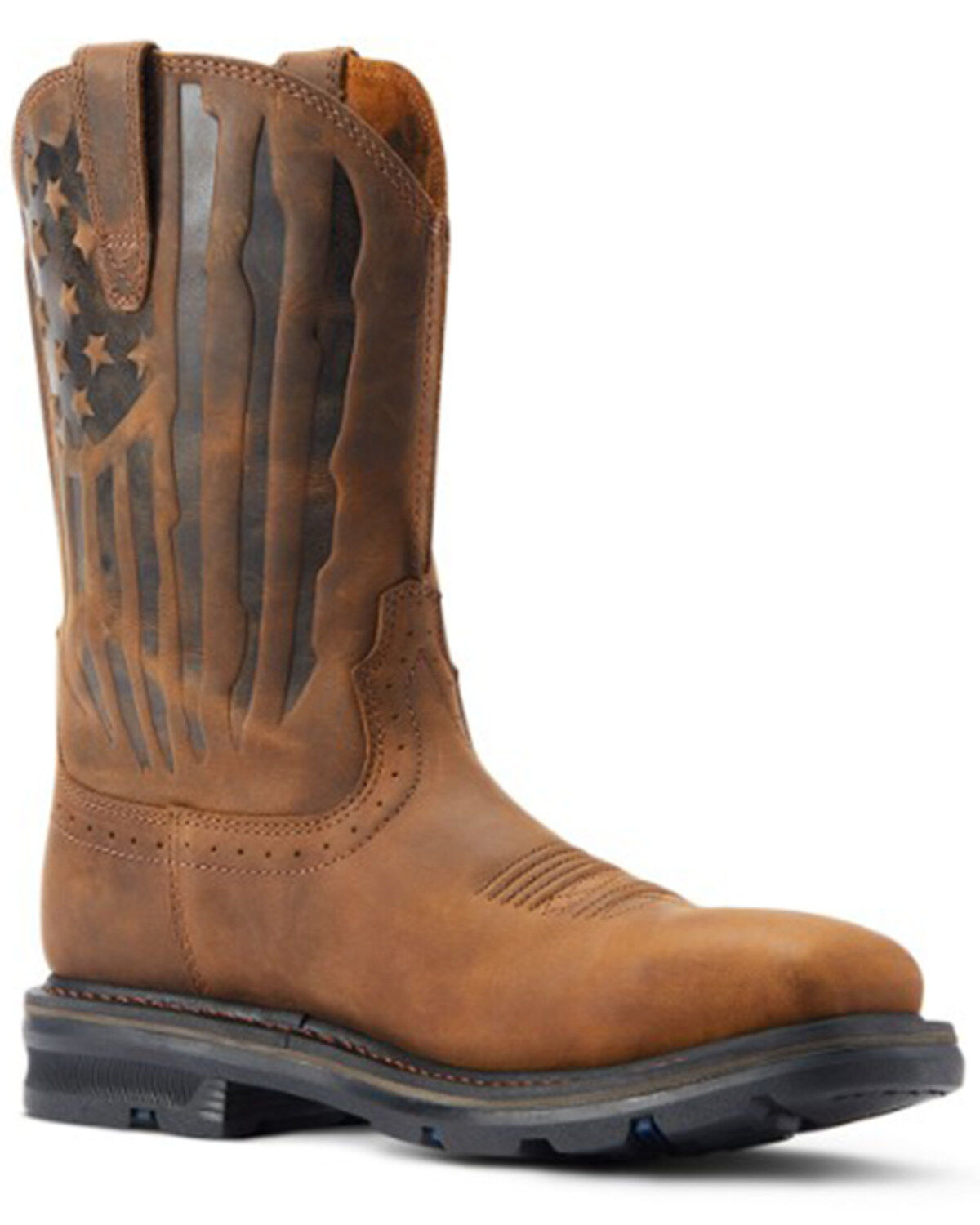
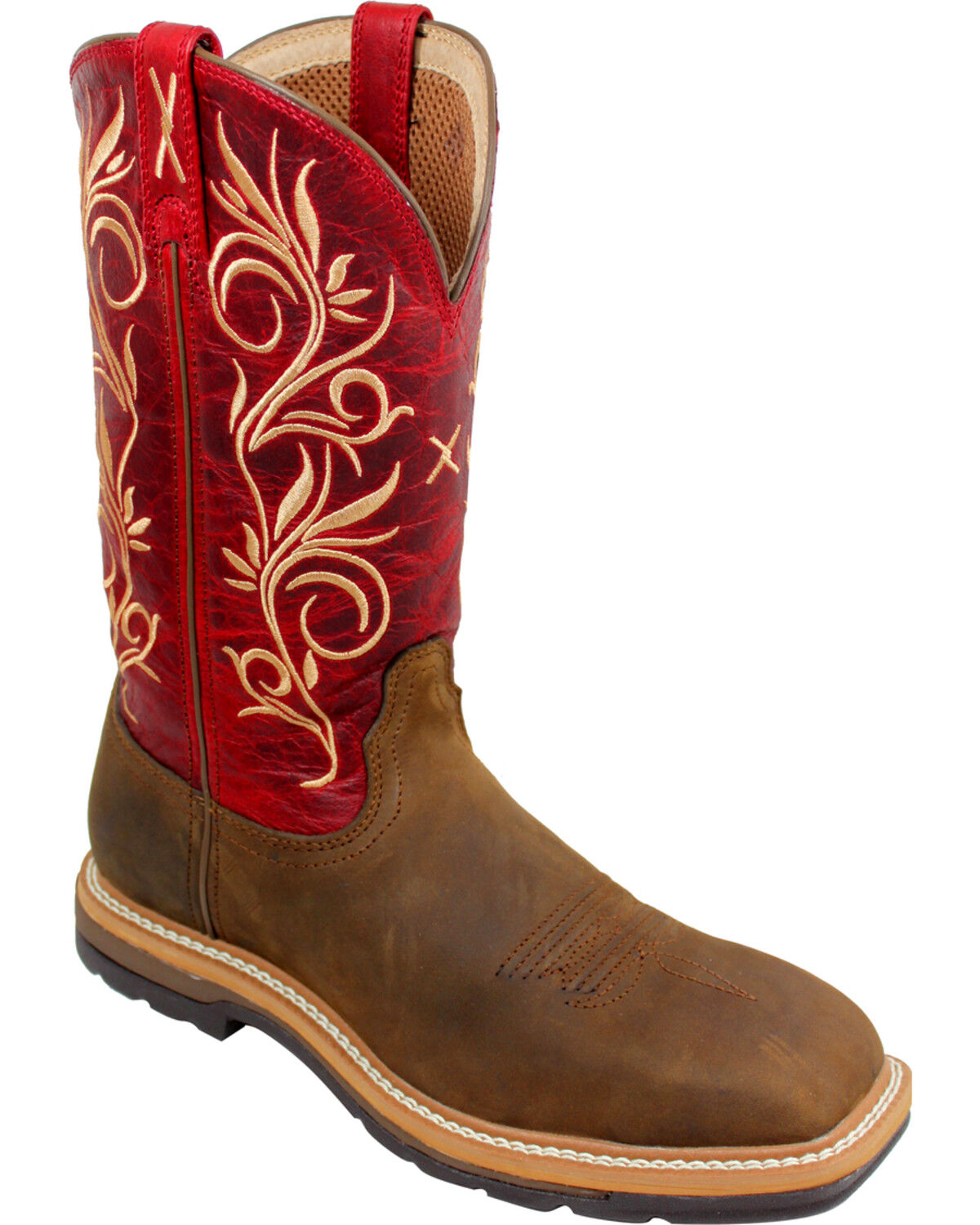
Cowboy Steel Toe Boots

Cowboy steel toe boots combine western style with toe protection for work. Browse steel toe western boots with the look of a cowboy boot, and compare each pair’s fit, features, and listed safety ratings to find an option that meets your job requirements.

Shop Your Store: Shop Your Store: Find a Store

(Turn off Shop Your Store to see all items)

(Turn off Shop Your Store to see all items)

close
  • Recommended
  • Lowest Price
  • Highest Price
Skip pass products

End of products

Cowboy Steel Toe Boots

Cowboy steel toe boots bring a familiar western shape to work that calls for protective footwear. A steel cap sits inside the toe to help protect against impact and compression, while the pull-on shaft, stitched upper, and defined heel keep the look grounded in traditional cowboy boots. That combination makes sense for people moving feed sacks, handling lumber, working around machinery, or spending long hours on a warehouse floor. The western profile does not tell the whole story, though. Safety requirements depend on the job, and a steel toe alone does not establish that a boot meets every workplace standard. The marked safety rating and the employer’s footwear requirements matter more than appearance. Toe protection, traction, puncture resistance, and electrical hazard protection are separate features, each with its own purpose. Underfoot construction deserves just as much attention as the toe. An outsole suited to a shop floor may have a different tread pattern from one intended for loose dirt or uneven ground. Deep lugs can provide purchase on rough surfaces, while a less aggressive tread may collect less debris. Slip-resistant soles can help with footing, but they do not eliminate the risks of oil, spills, or worn walking surfaces. Heel shape also changes how a boot feels through a shift. A broad heel offers a different standing surface from a taller, narrower western heel, especially when moving between concrete floors, steps, and equipment. Leather is common in cowboy steel toe boots because it offers structure, flexibility, and a finish that develops character with wear. Full-grain leather retains the hide’s natural surface, while other leather finishes can create a more uniform appearance. Upper materials, lining, stitching, and sole construction all influence how a boot handles repeated bending and daily use. Decorative shaft stitching and traditional pull tabs give these boots their western identity without replacing the practical details that make them work footwear. The right combination depends on where the boots will be worn and what the wearer needs them to do.

Fit is especially important in steel toe footwear because the protective cap will not stretch like leather. The foot needs enough room inside that fixed space without sliding forward into it. Toe shape affects both appearance and feel, but the shape seen from the outside does not guarantee the amount of room inside. For shoppers who prefer a rounded profile, Round Toe Steel Toe Cowboy Boots offer a traditional silhouette worth considering alongside width, arch support, and overall fit. A broad-looking toe can still feel tight if the boot’s internal shape does not suit the foot, and extra length is not a dependable substitute for the correct width. In a well-fitting pull-on boot, the instep holds the foot securely, the widest part of the foot aligns with the boot’s flex point, and the toes have room without pressing against the cap. A small amount of heel movement can occur in new western boots, but excessive slipping or repeated rubbing is not a useful break-in strategy. Leather may soften through wear; pressure from the steel cap is a different issue. Work socks also affect fit, particularly when their thickness differs from the socks worn for everyday shoes. The same pair of boots can feel noticeably different with a heavier cushioned sock or an added insole. Removable footbeds, where included, make replacement easier, but a thicker insert can reduce the space above the foot and around the toes. Comfort comes from the whole boot rather than cushioning alone. A supportive footbed, stable heel, flexible forefoot, and suitable sole can make a meaningful difference when a shift includes both walking and standing. Someone carrying materials across a yard has different demands from someone stationed at a workbench, even when both need steel toe protection. Shaft height and opening size matter as well, particularly for easy pull-on access and comfortable movement around the calf. Jeans worn over the shaft should fall naturally rather than bunch tightly around it. A secure fit should feel steady through ordinary movement, without requiring the wearer to grip with the toes to keep the boot in place.

Durability comes from sound construction and care that matches the materials. The connection between the upper and outsole takes repeated stress each time the foot bends, while the toe and heel often receive the first scuffs from equipment, concrete, and daily work. Welted construction may allow resoling when the rest of the boot remains sound, although repair options depend on the design and condition. Other construction methods can offer flexibility or a lighter feel, so the best choice is not determined by one detail alone. Leather uppers benefit from regular removal of dirt and grit, especially along seams and where the upper meets the sole. A soft brush or damp cloth is often enough for routine surface cleaning, followed by drying away from direct heat. Leather conditioner should suit the finish and be used according to the care directions; too much can alter the appearance or leave residue. Suede and roughout leather need different treatment from smooth leather, and household cleaners can damage either the finish or the stitching. Inside the boot, allowing the lining and footbed to dry between wears helps manage moisture from daily use. Rotating pairs can give each pair more drying time when boots are worn through long shifts. Regular inspection is part of owning protective footwear. Worn tread, separating soles, split uppers, or damage near the protective toe can affect performance even when the boots still look presentable from a distance. A boot that has taken a significant impact needs assessment rather than an assumption that the hidden cap remains intact. Cowboy steel toe boots can also be a practical gift for someone whose work calls for them, but fit and required safety features should lead that decision. Knowing the recipient’s size, preferred width, usual work socks, and workplace requirements is more useful than choosing by shaft stitching alone. For everyday wear on the job, the strongest choice is a boot that combines appropriate protection, dependable footing, comfortable support, and a western profile the wearer feels at home in.

FAQs