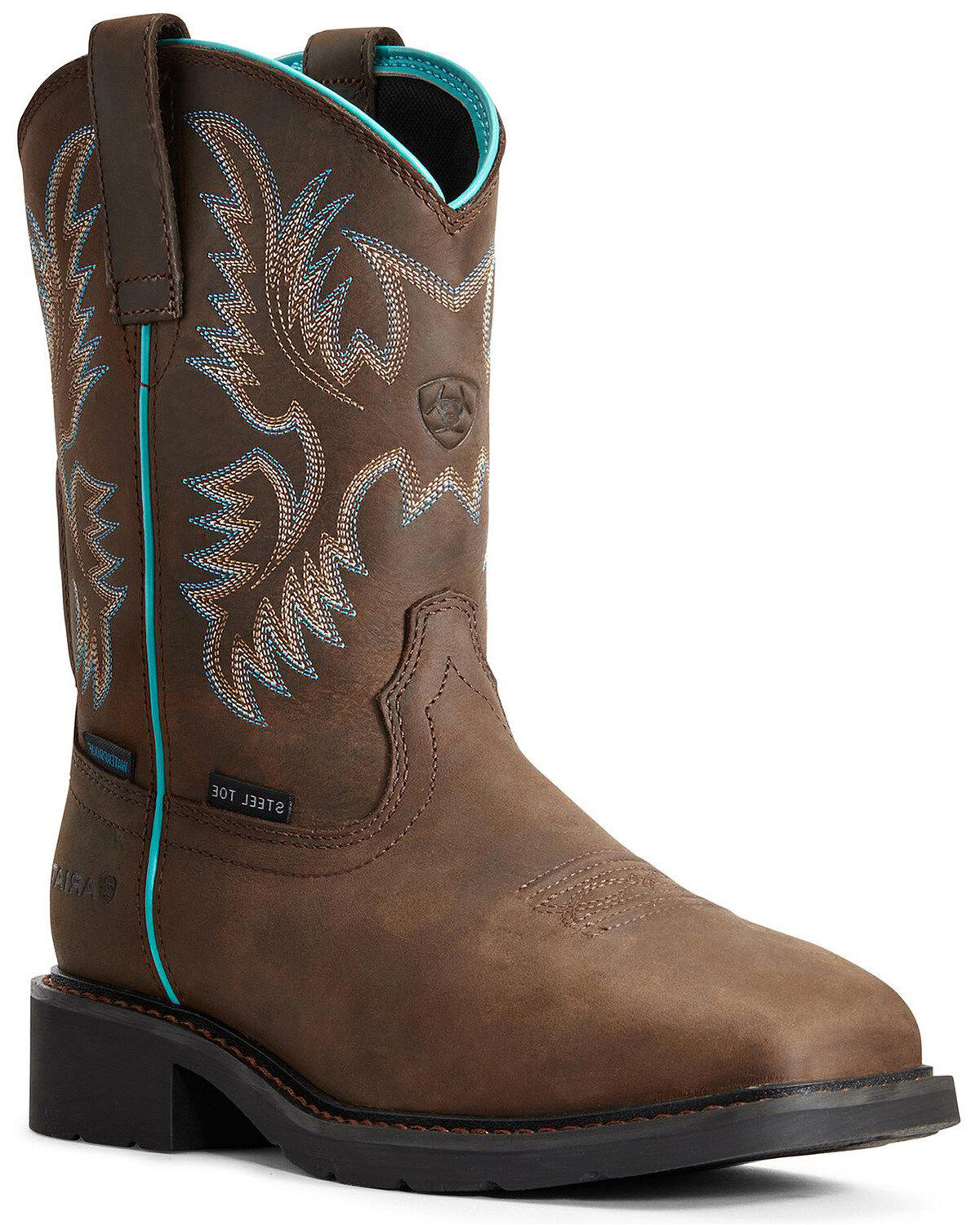
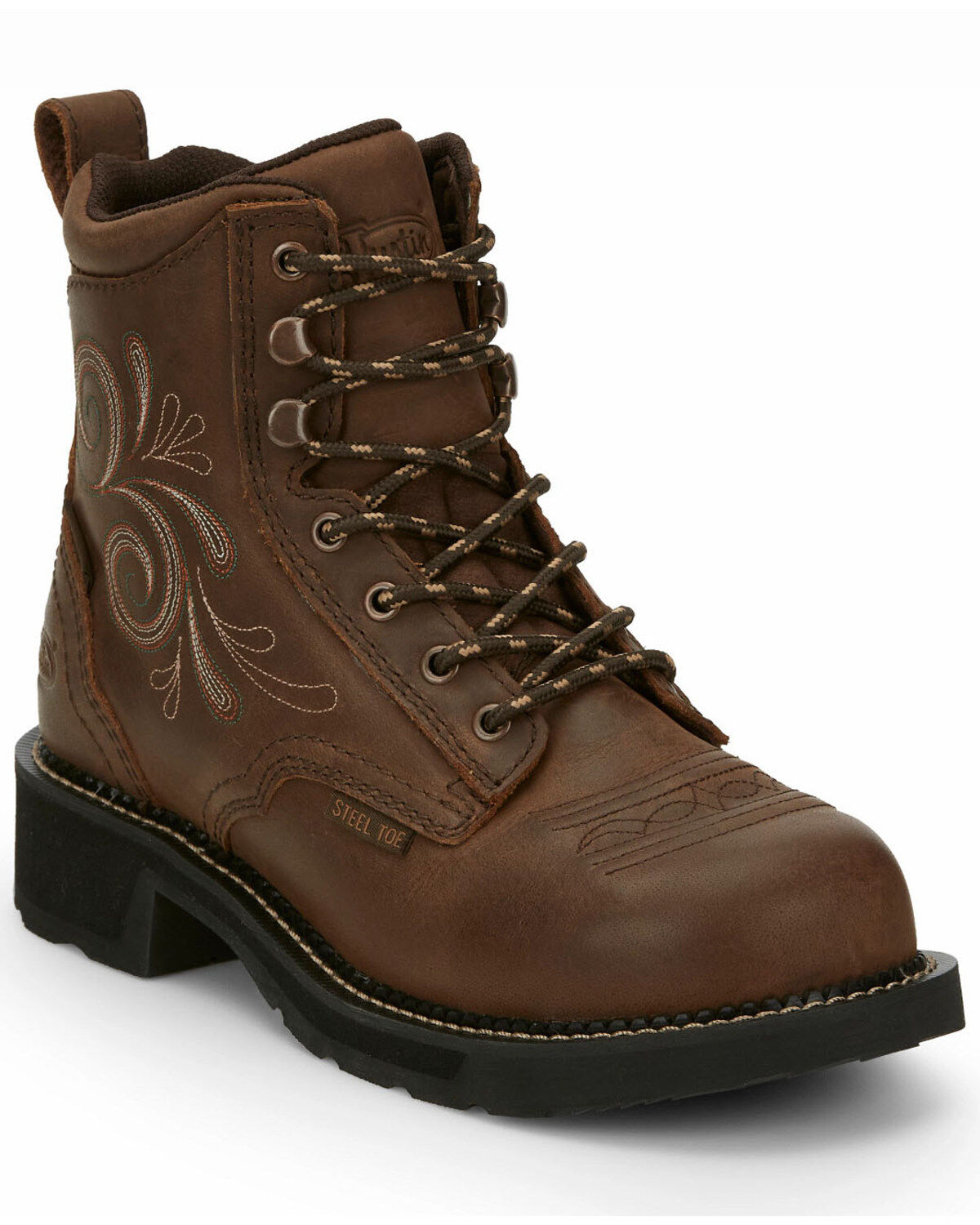
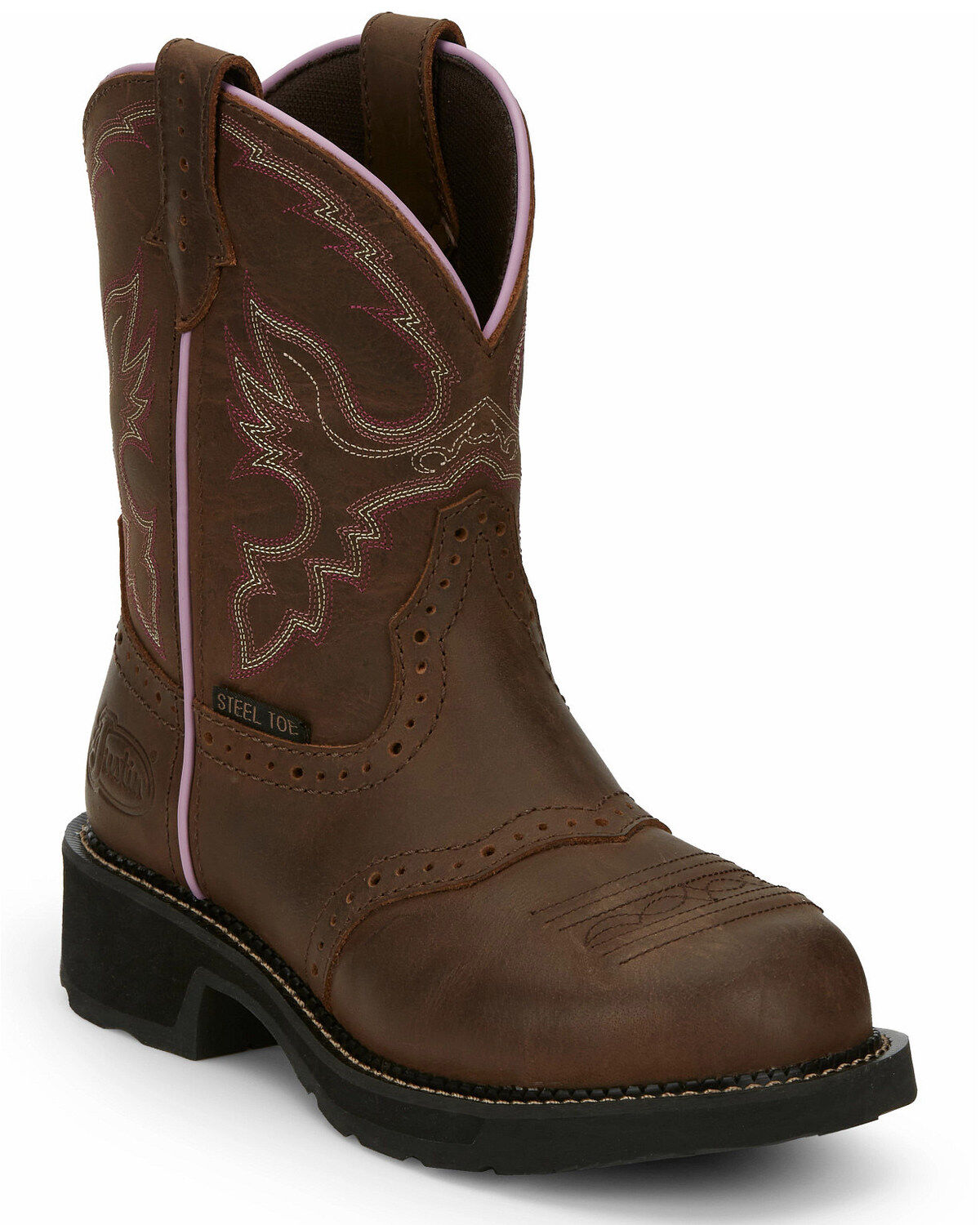
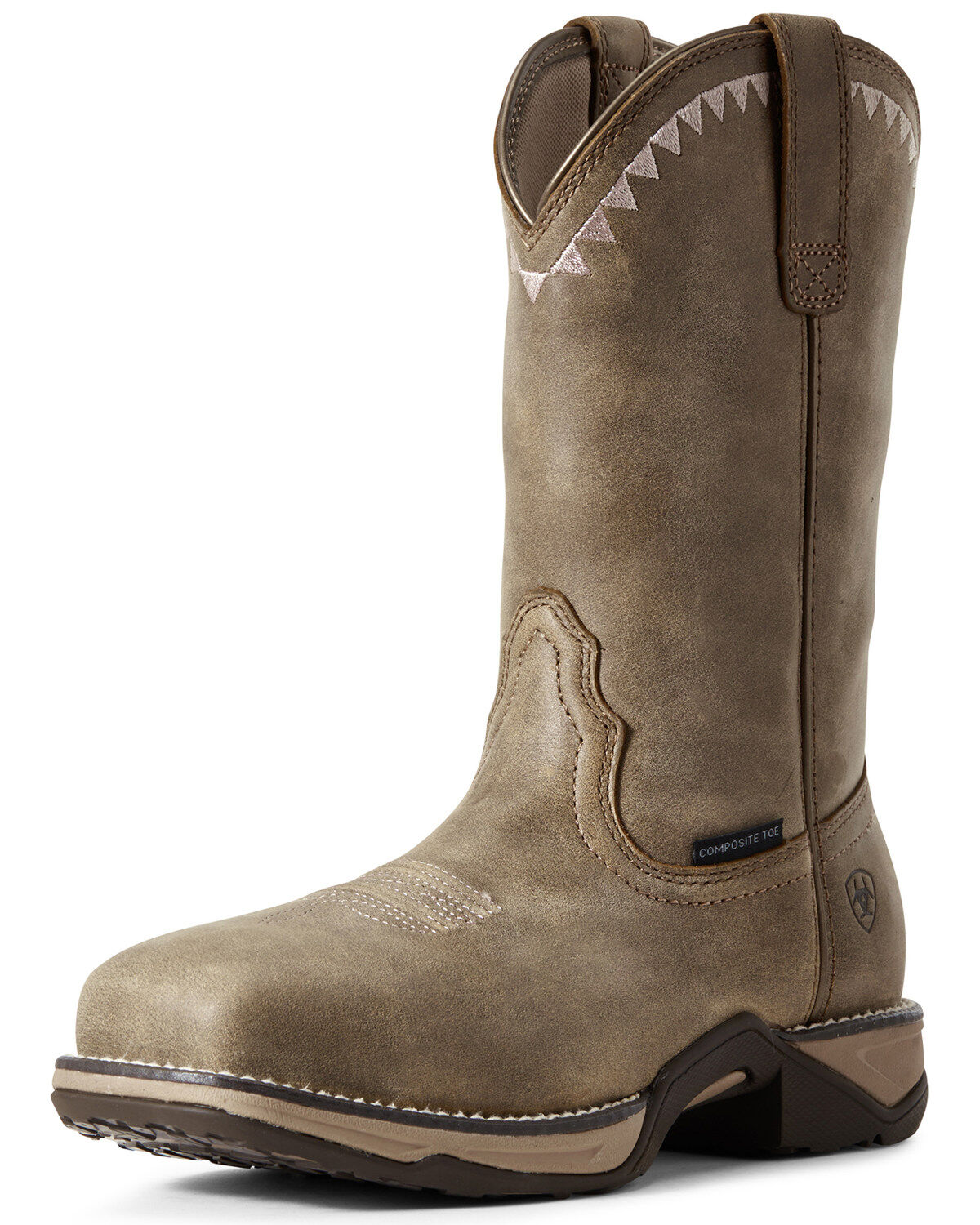
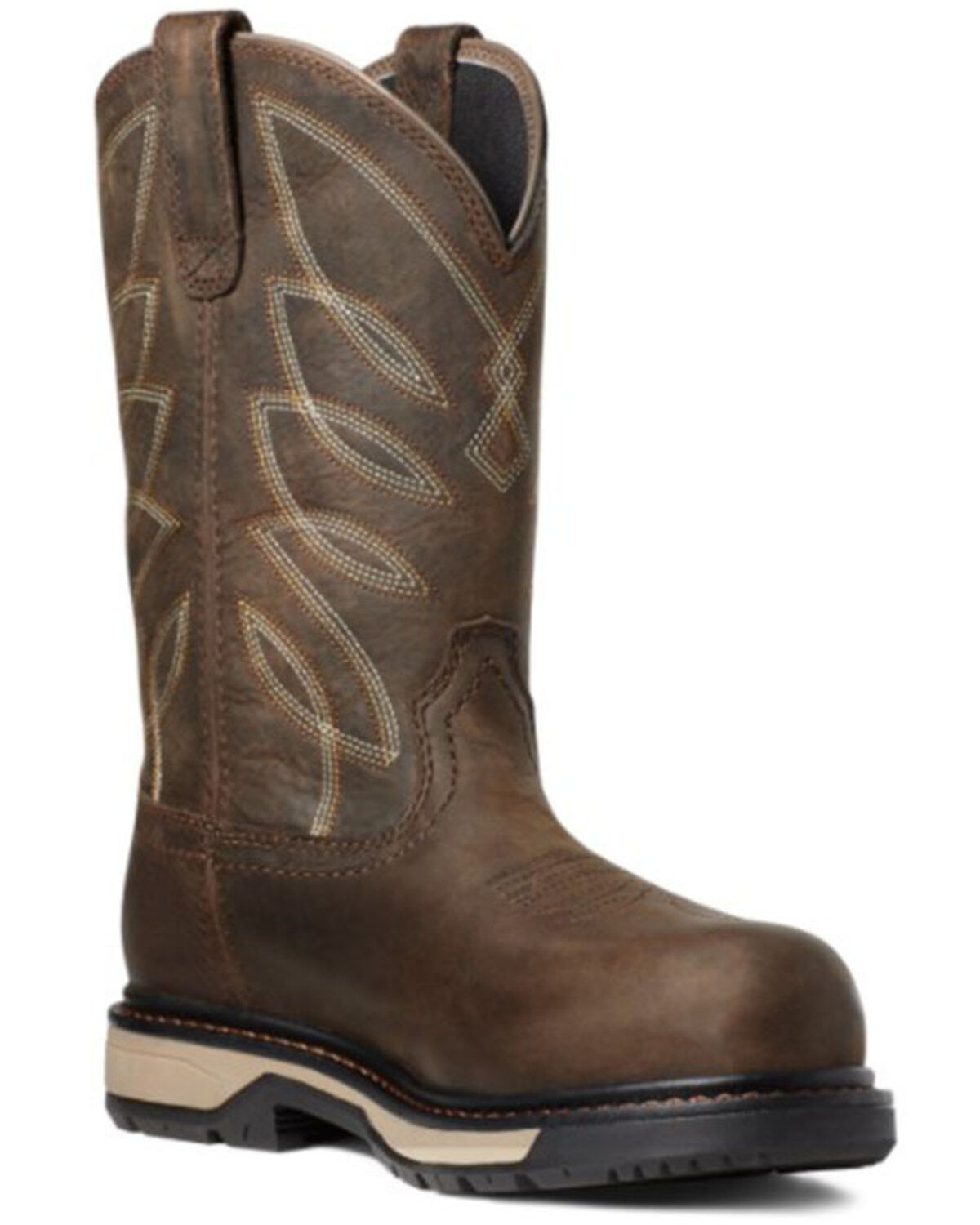
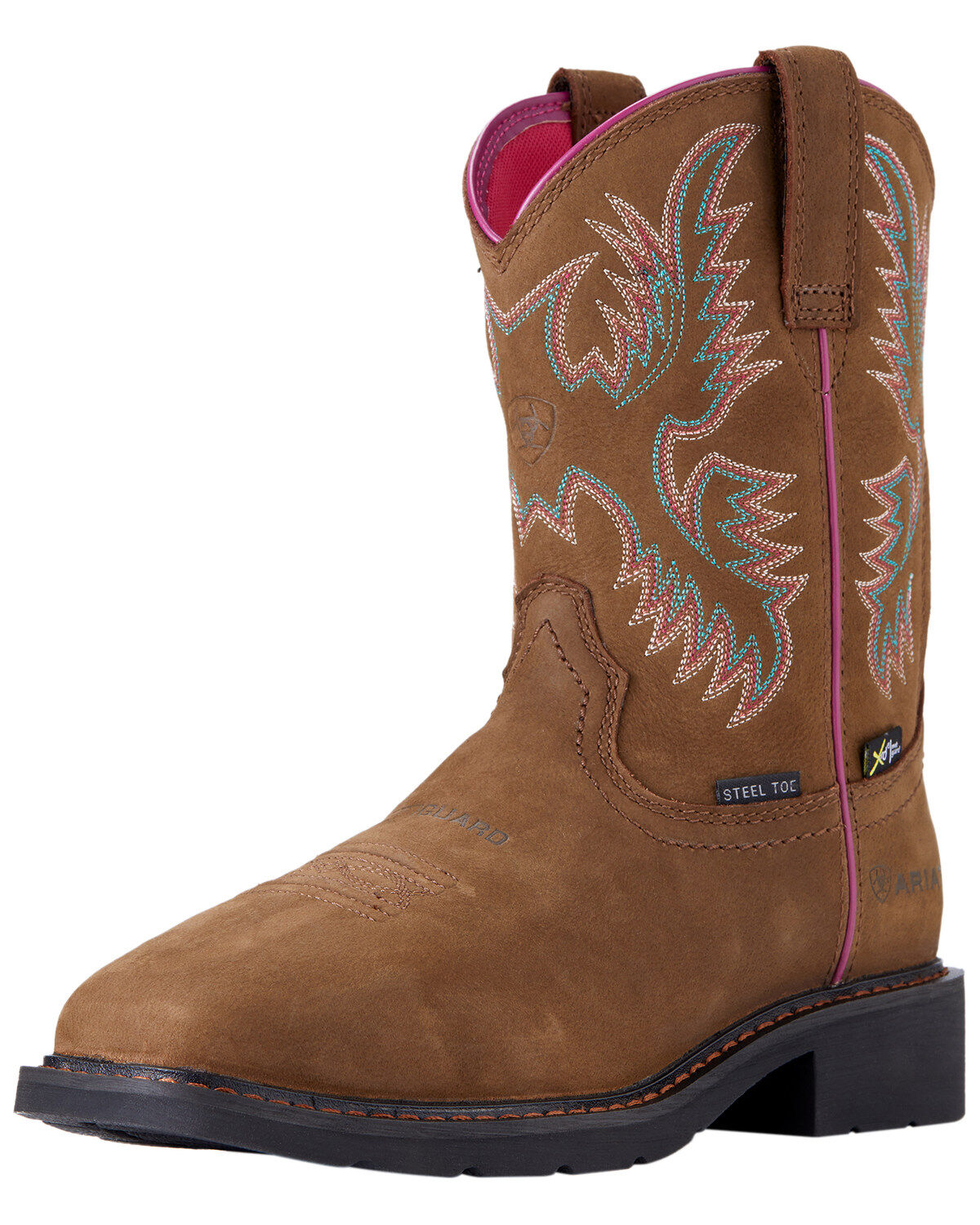
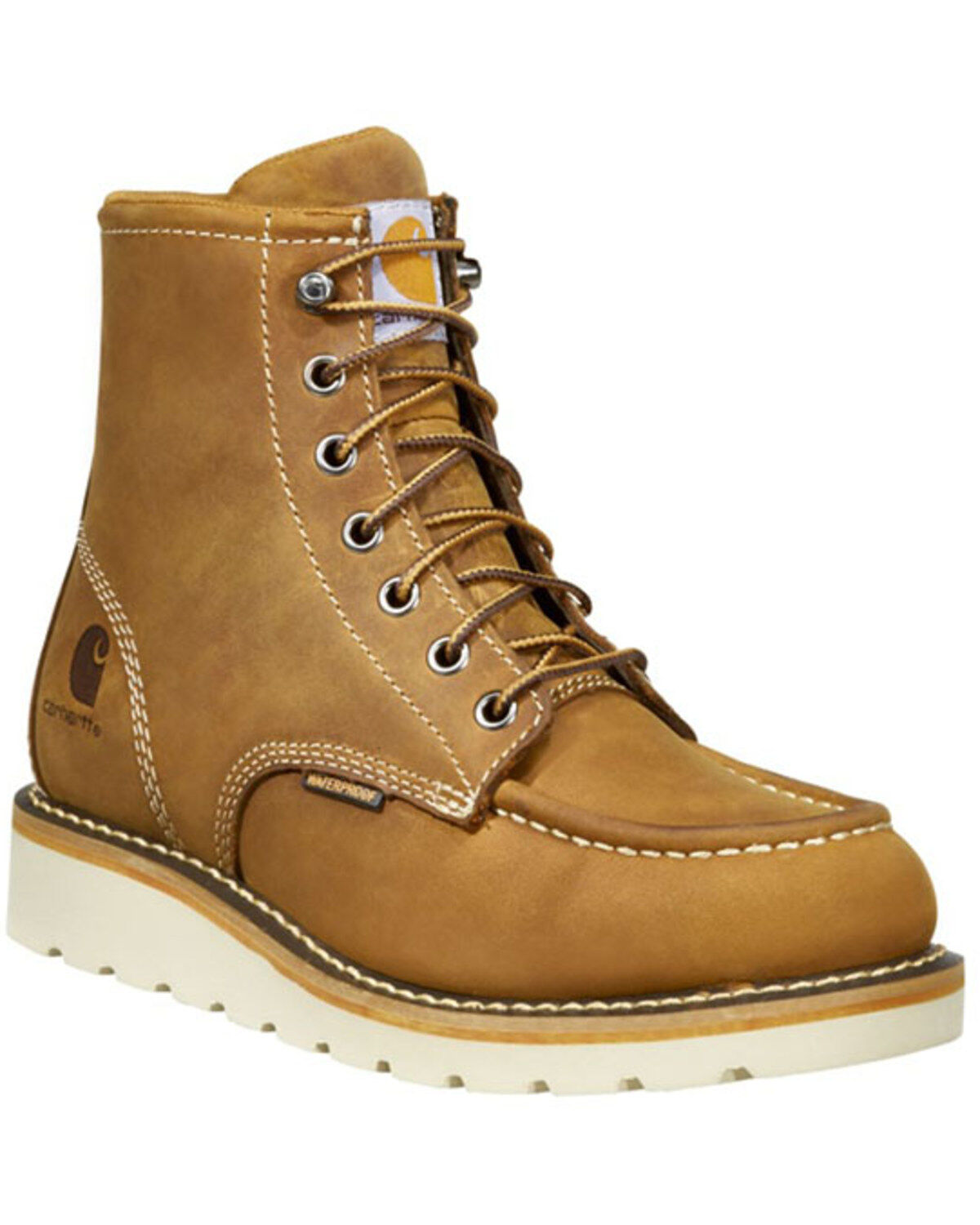
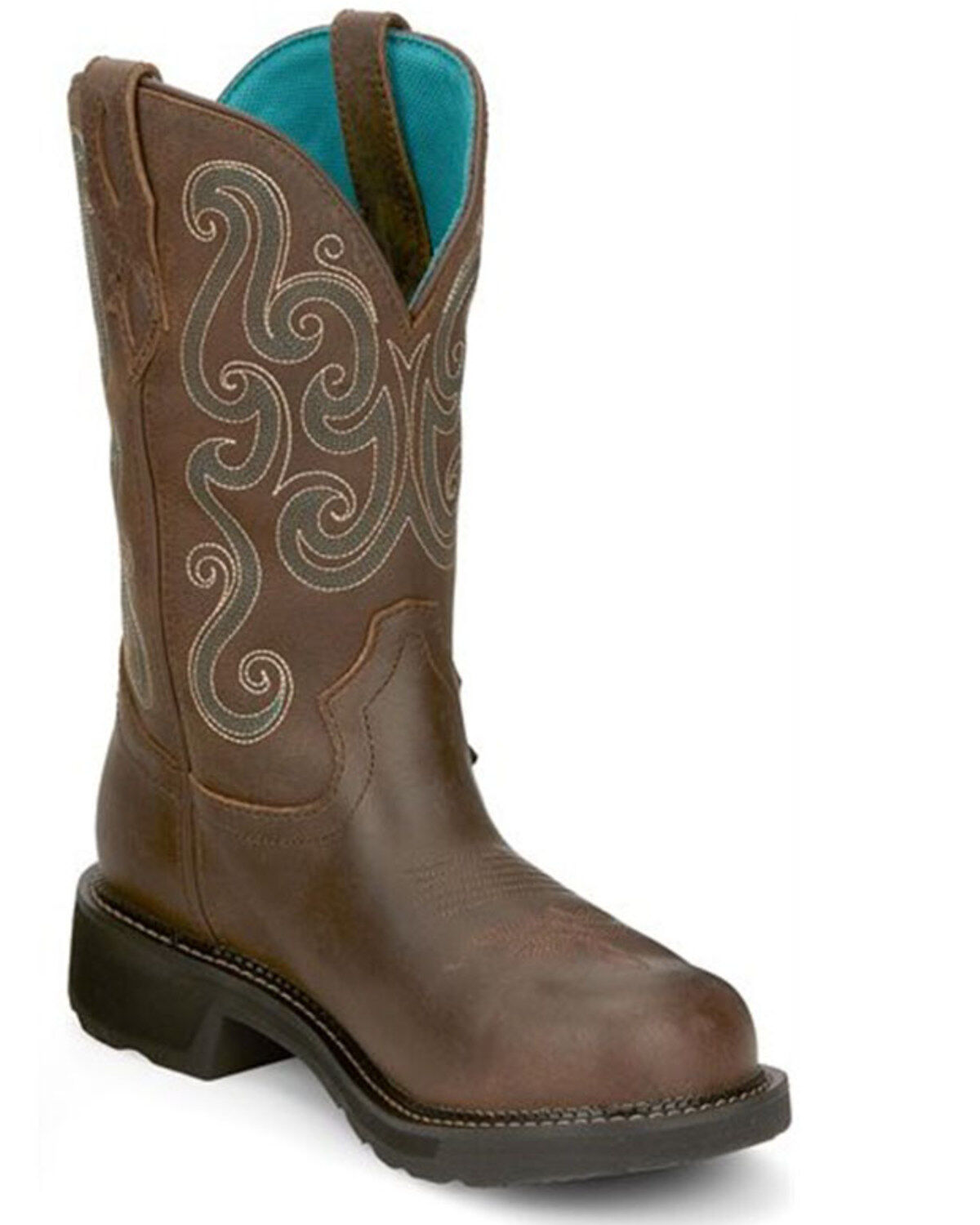
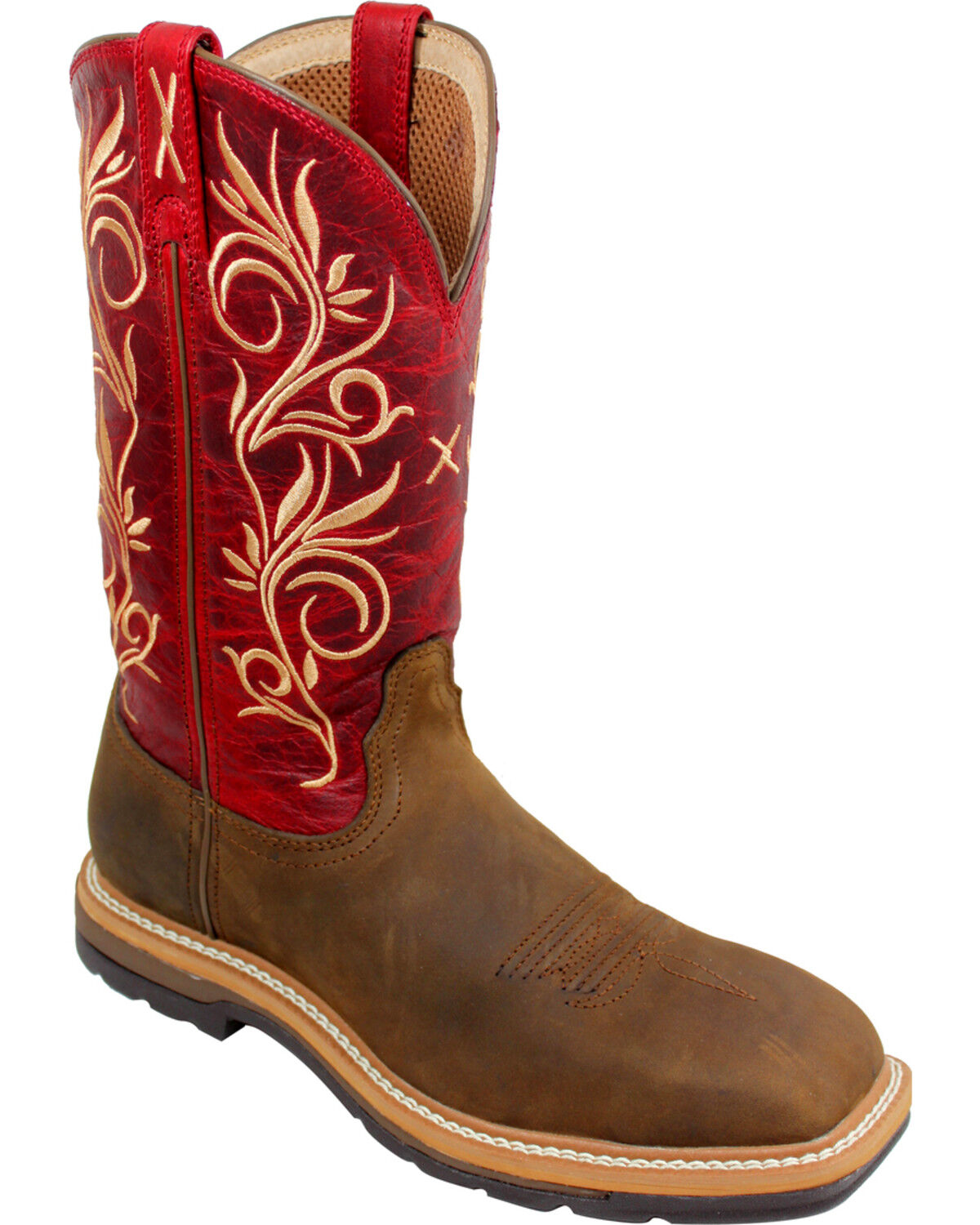
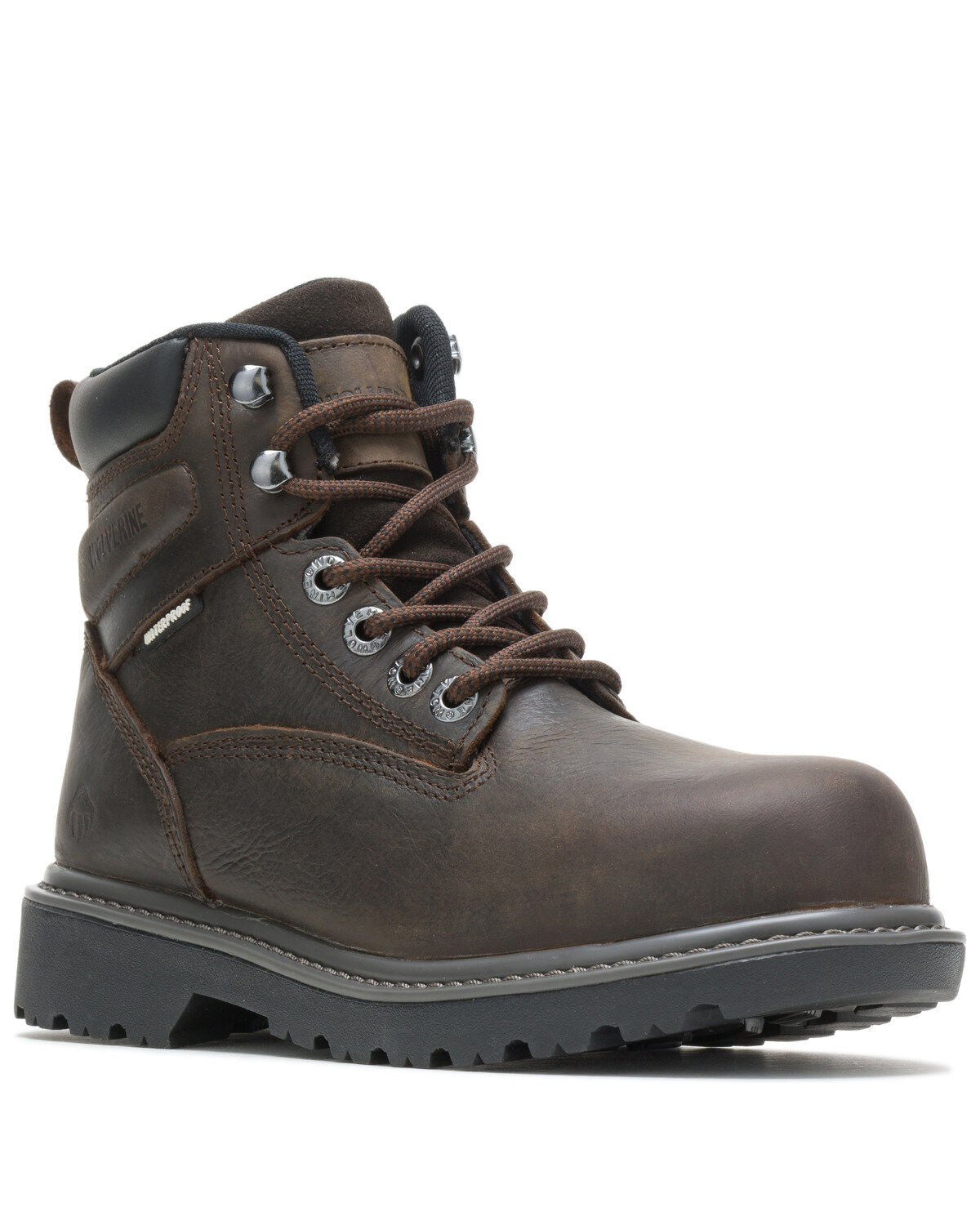
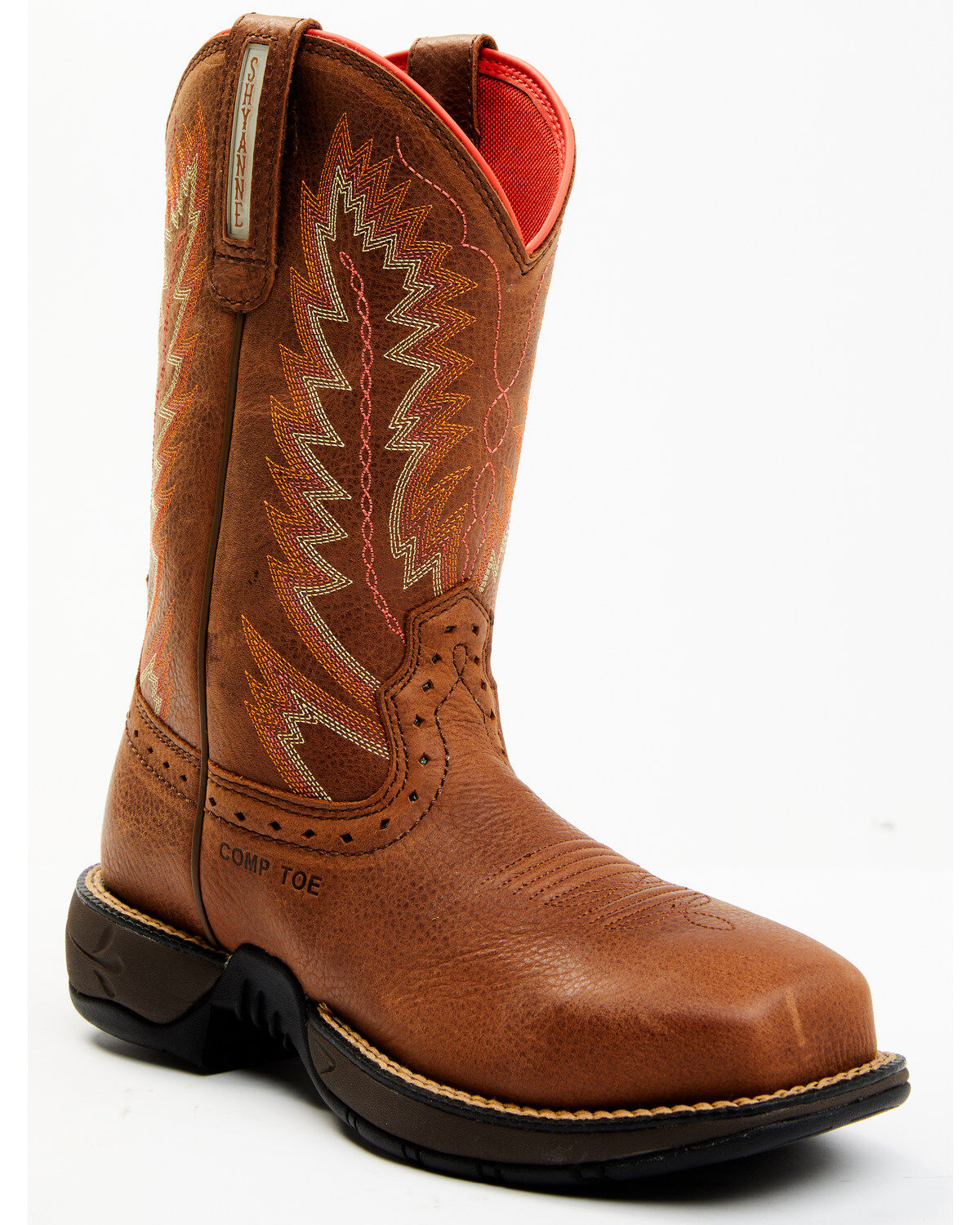
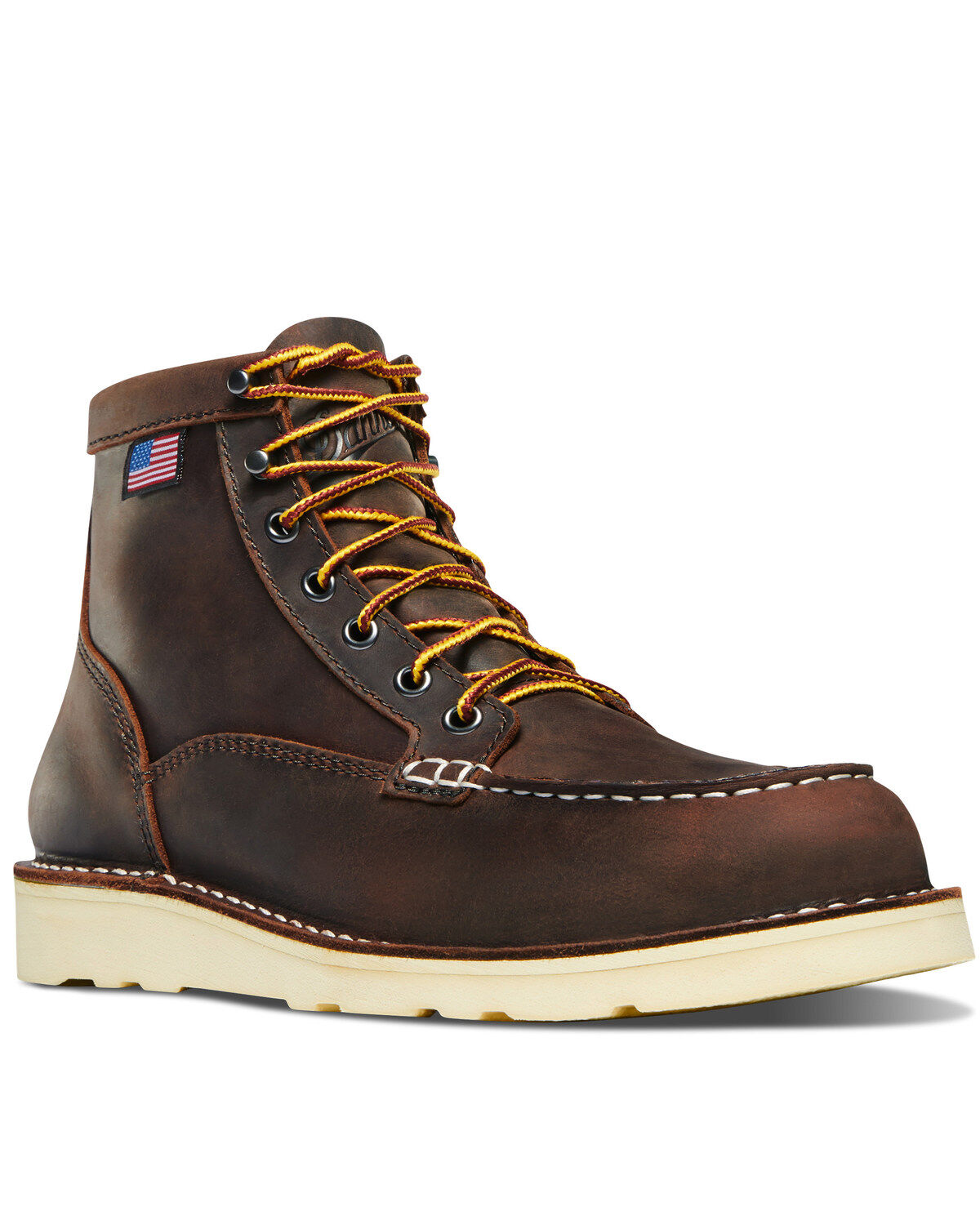
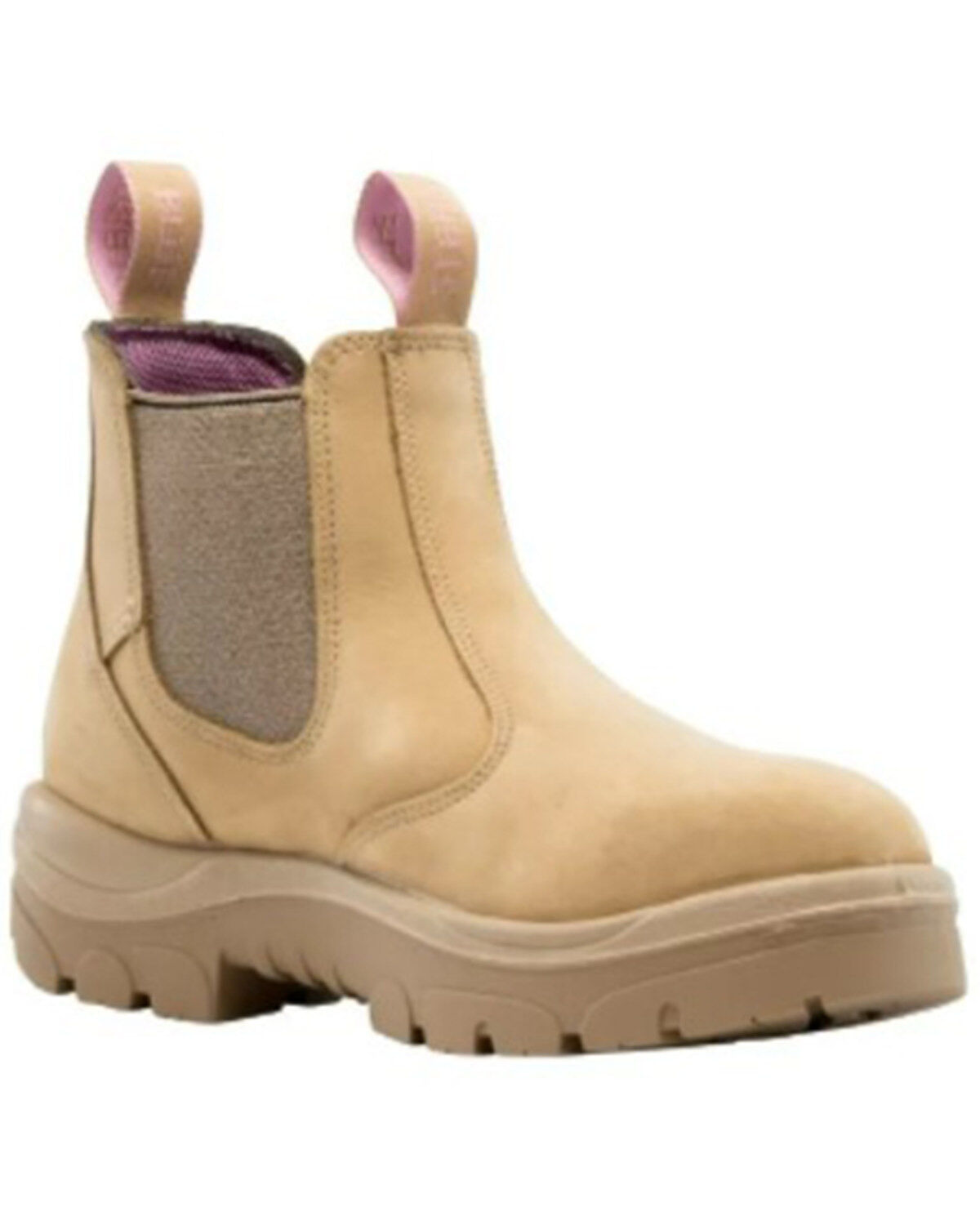
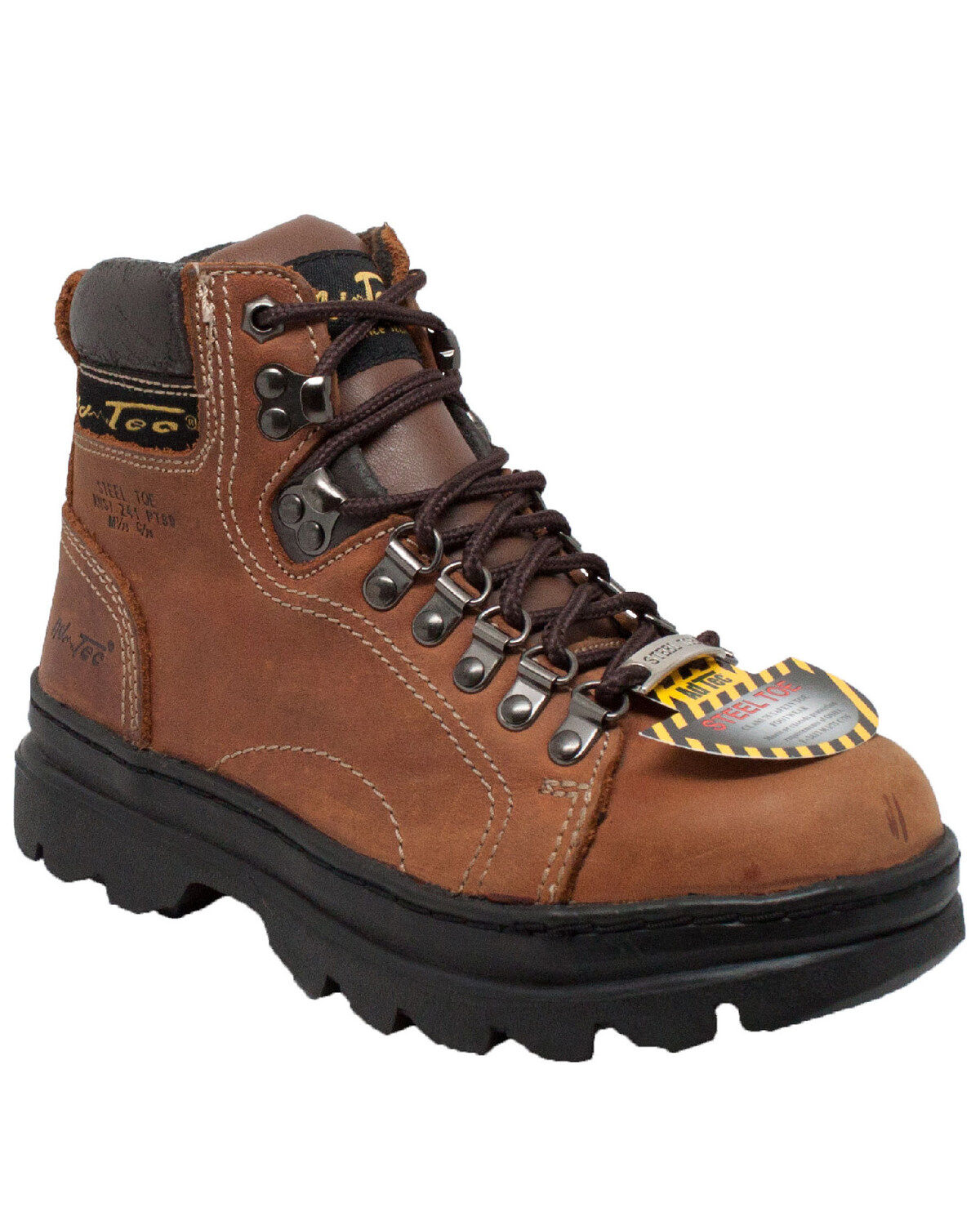
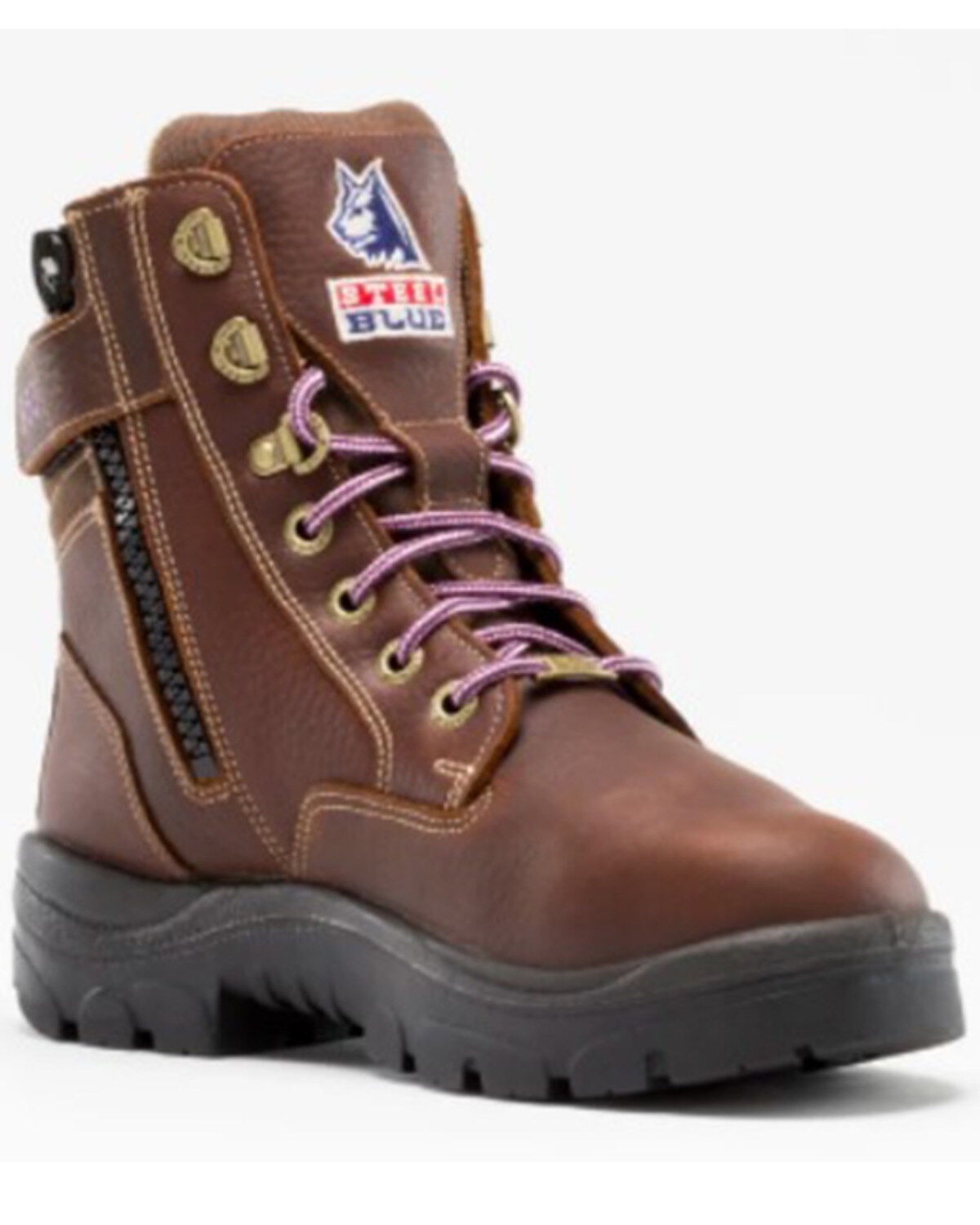
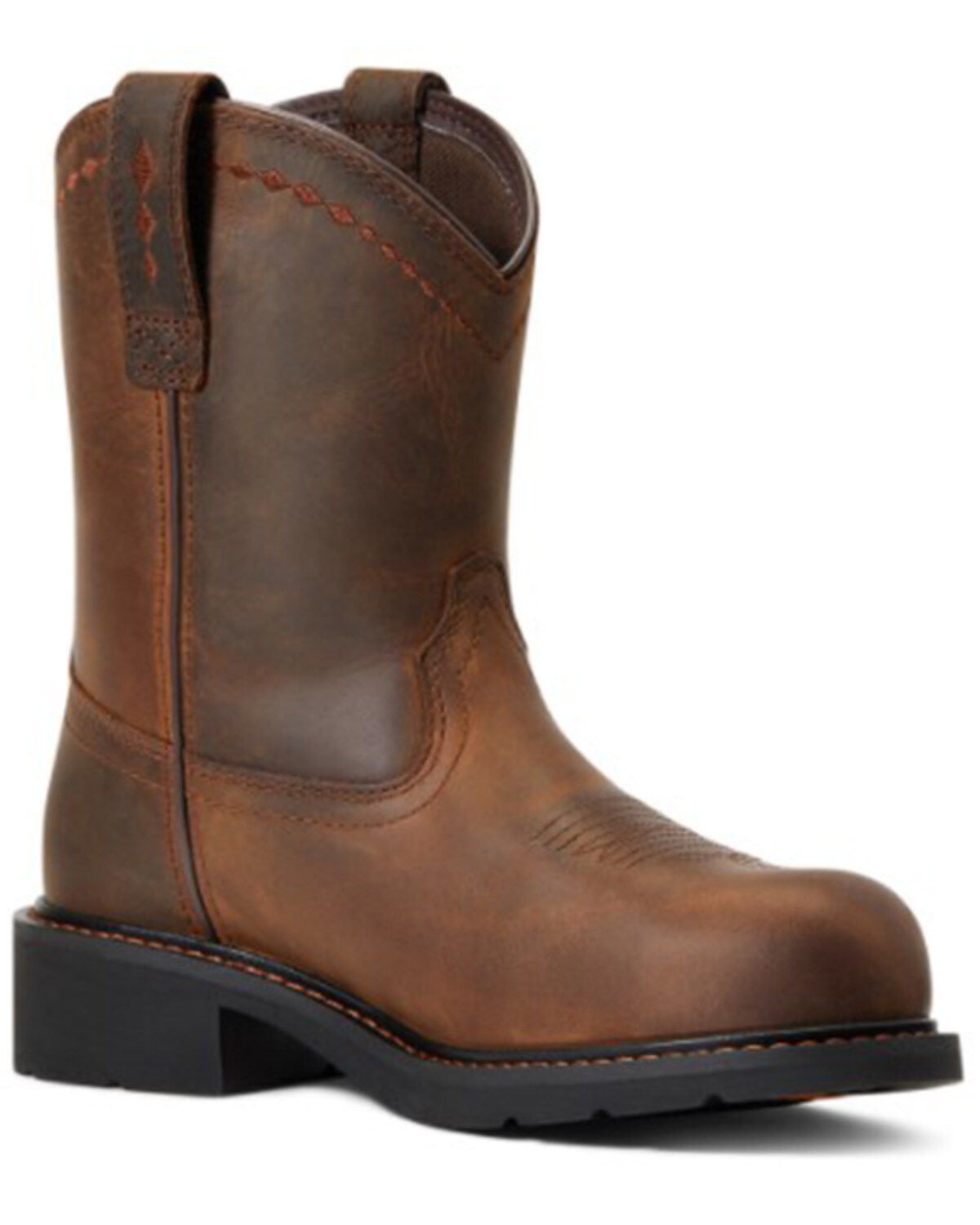
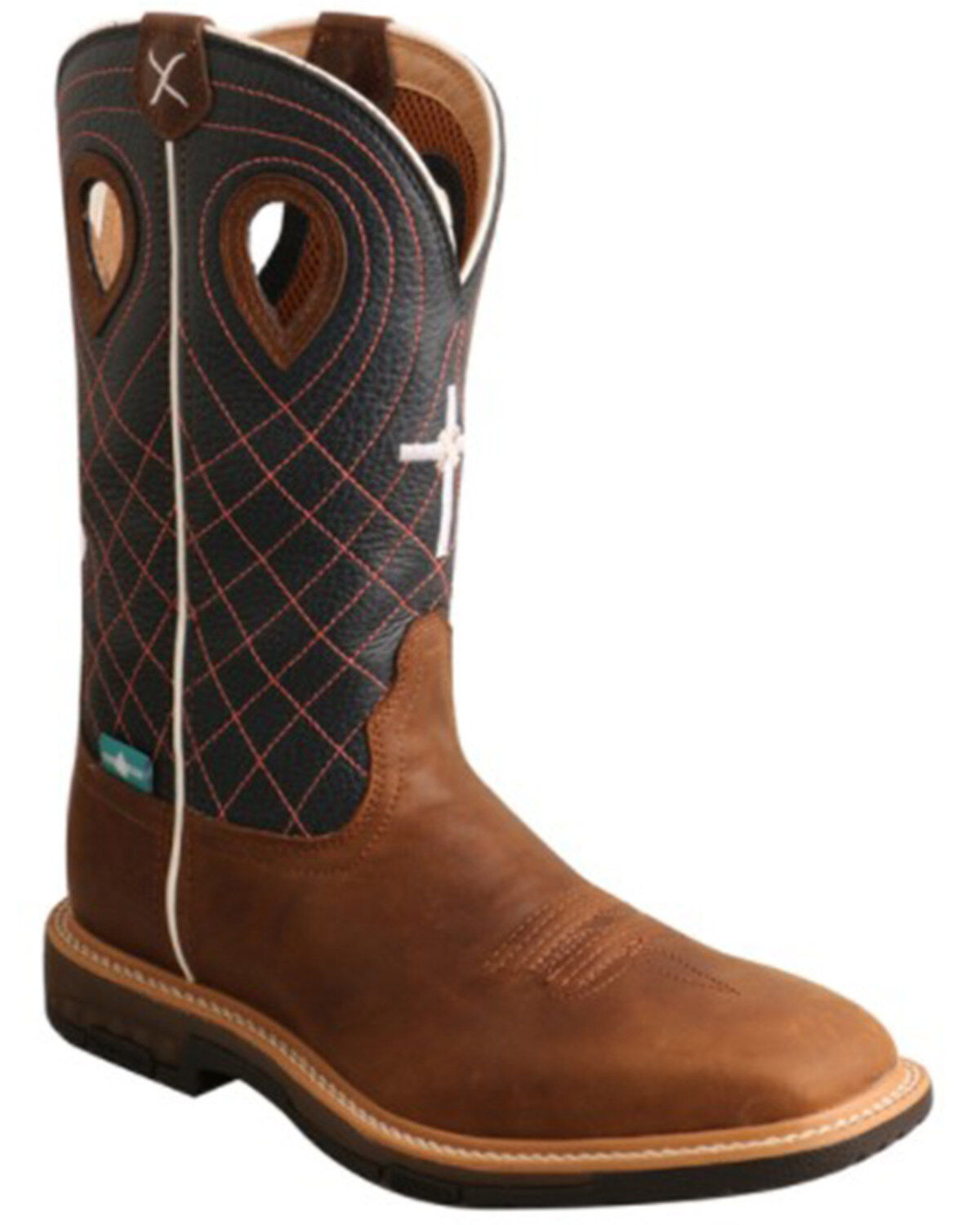
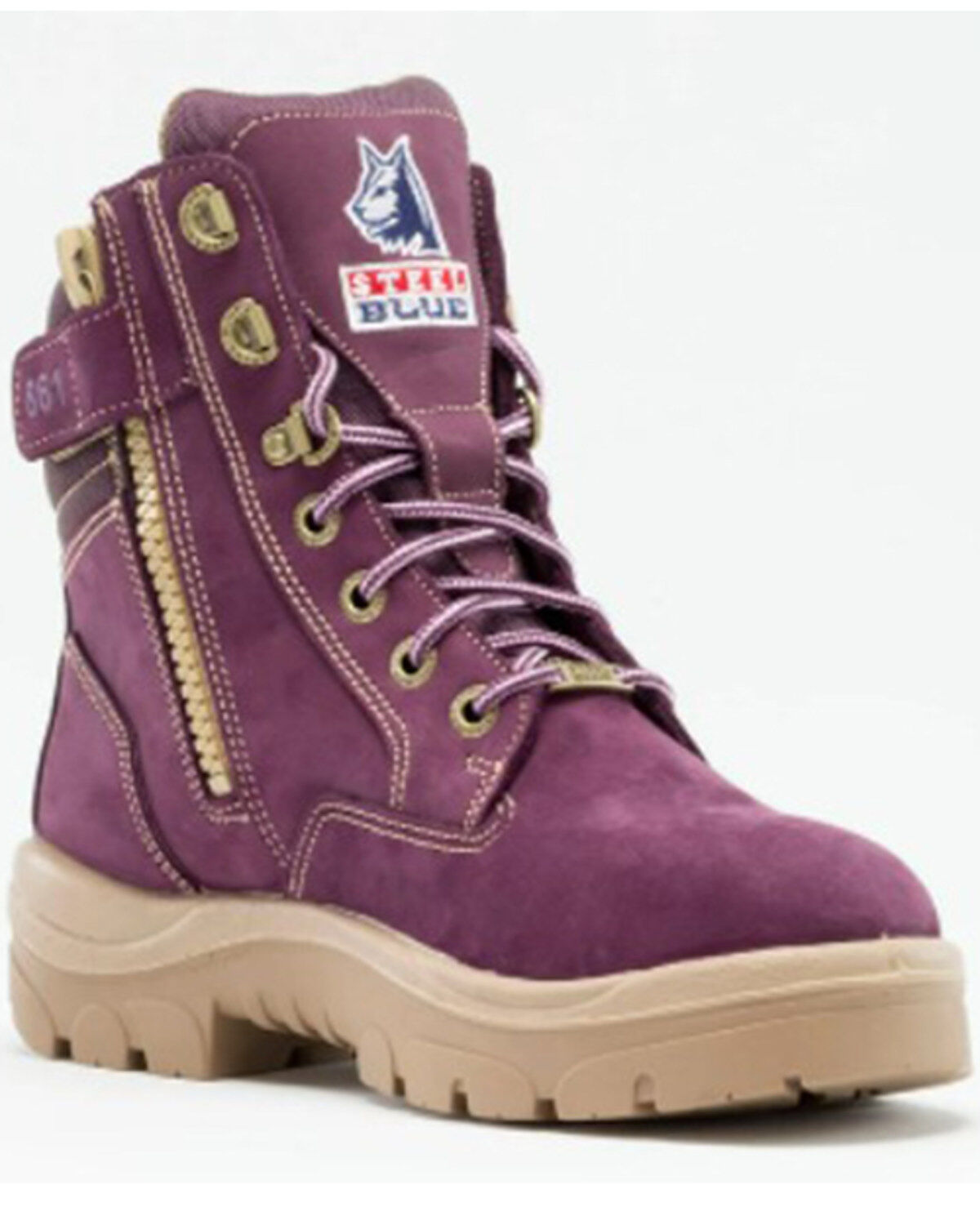
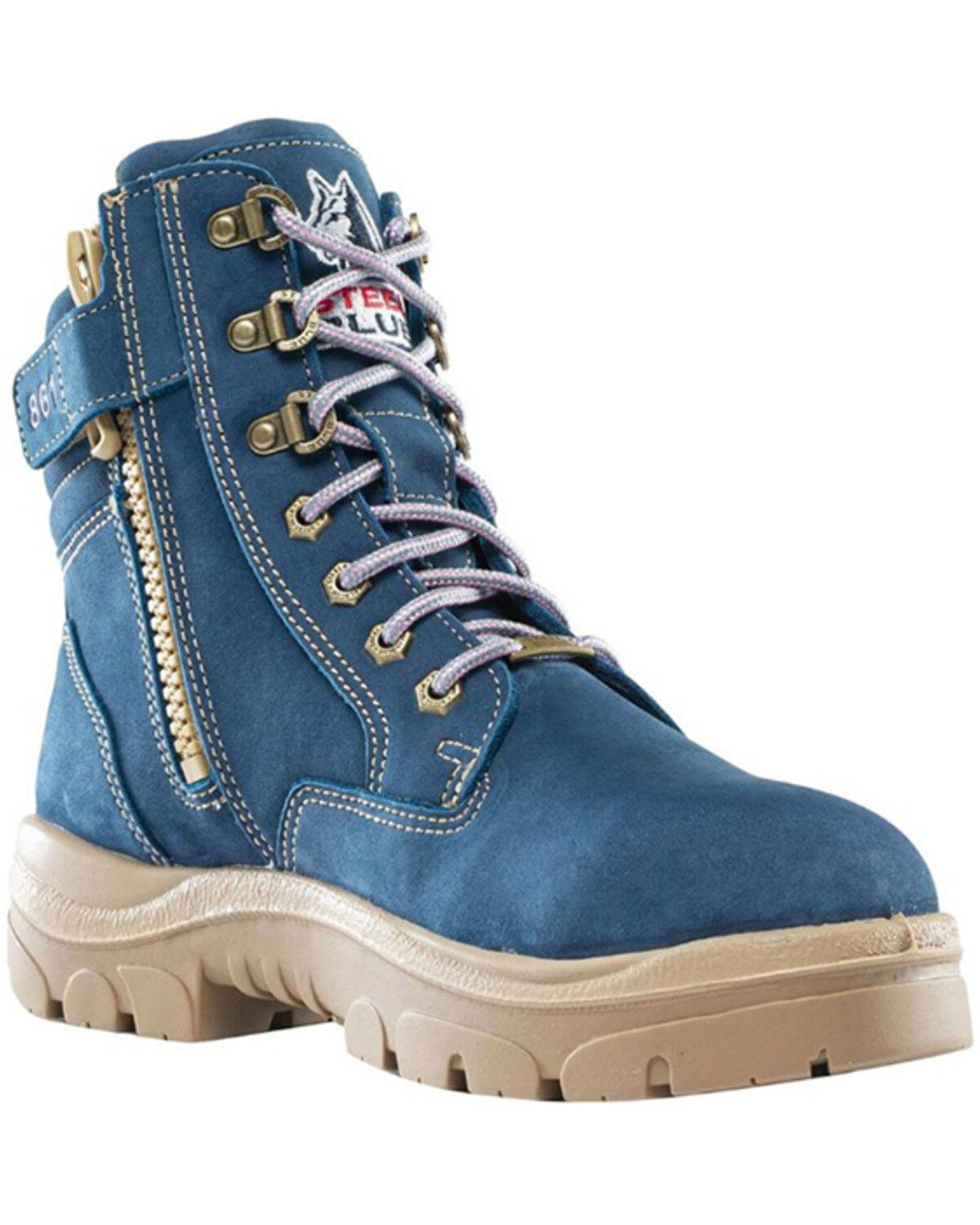
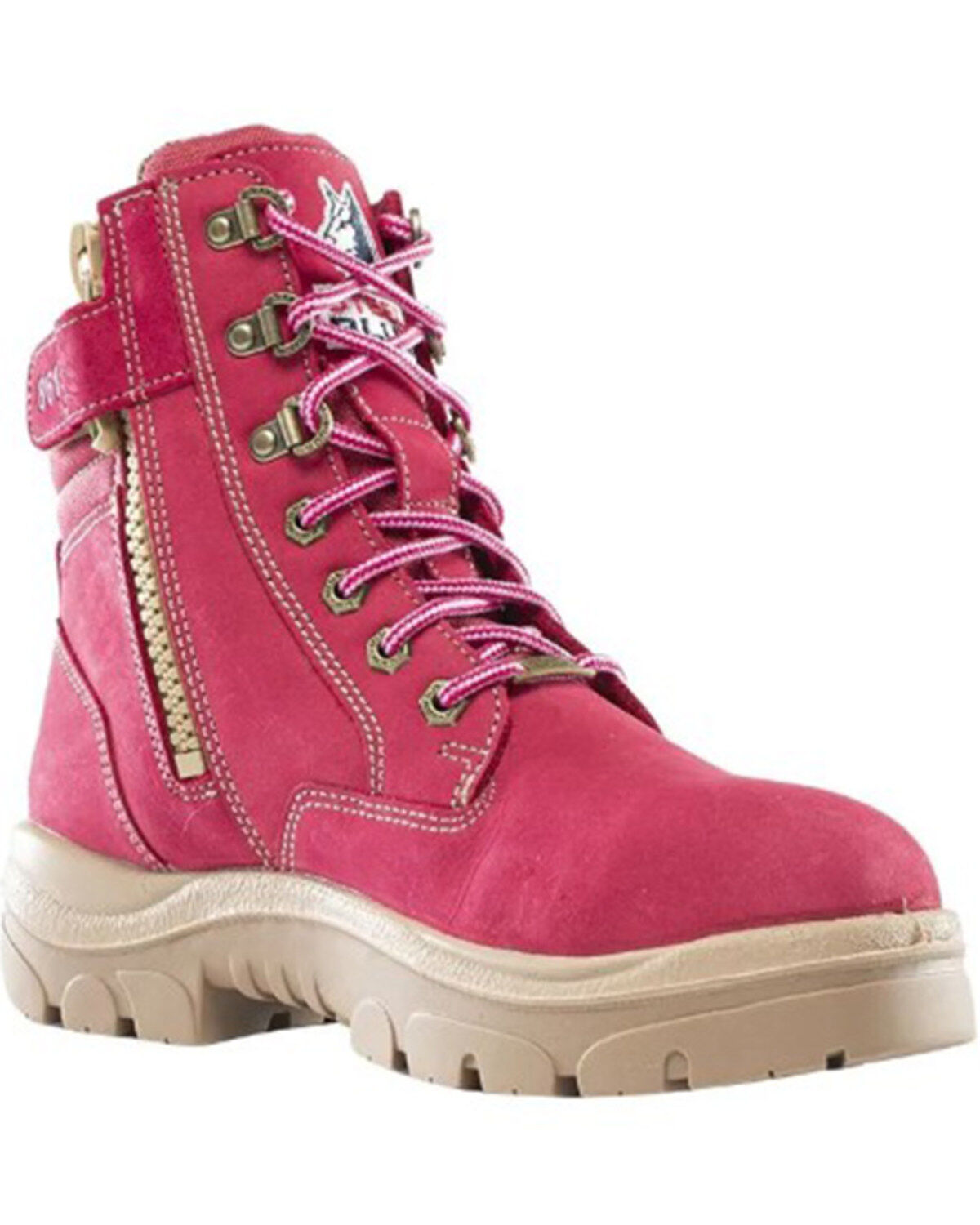
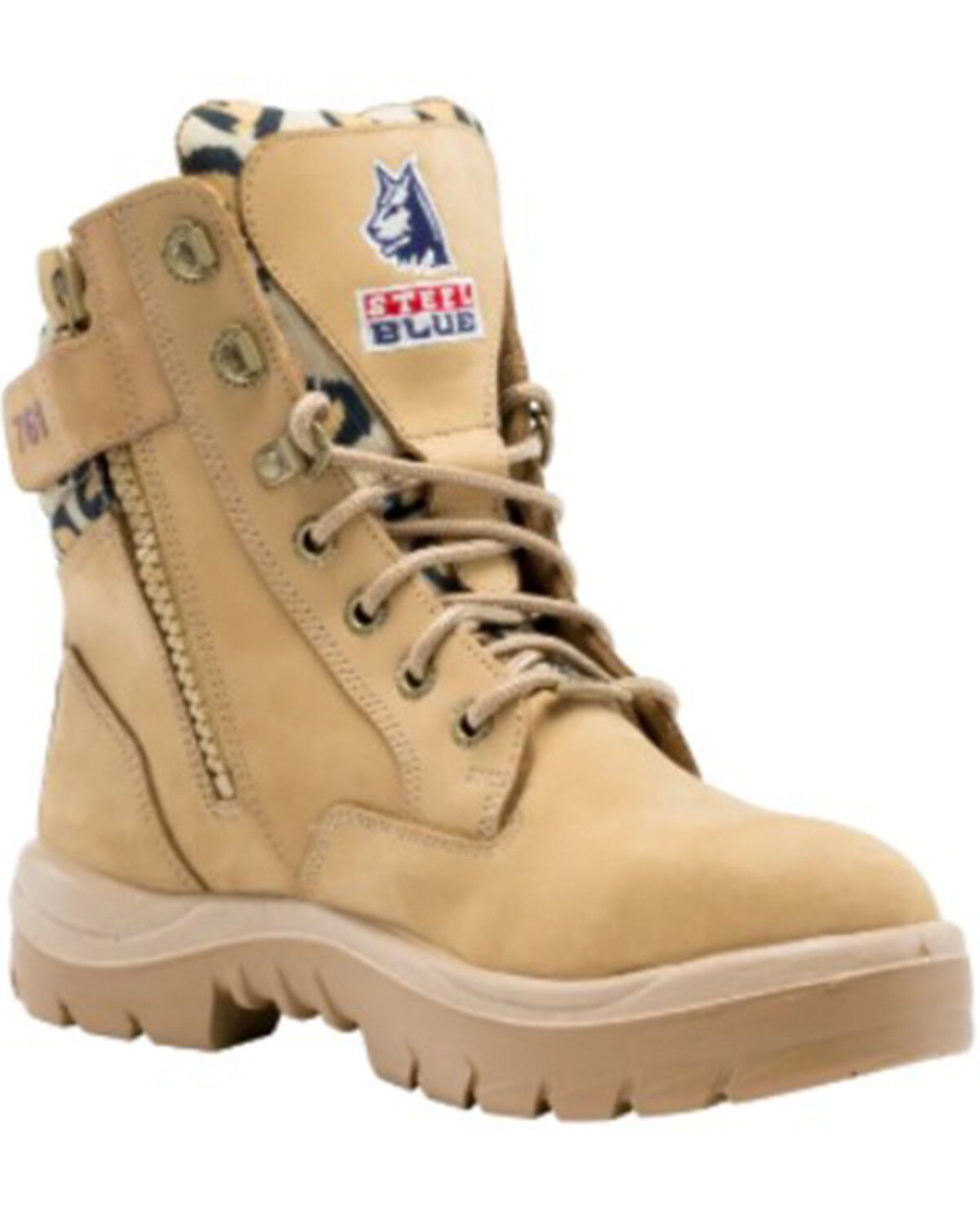
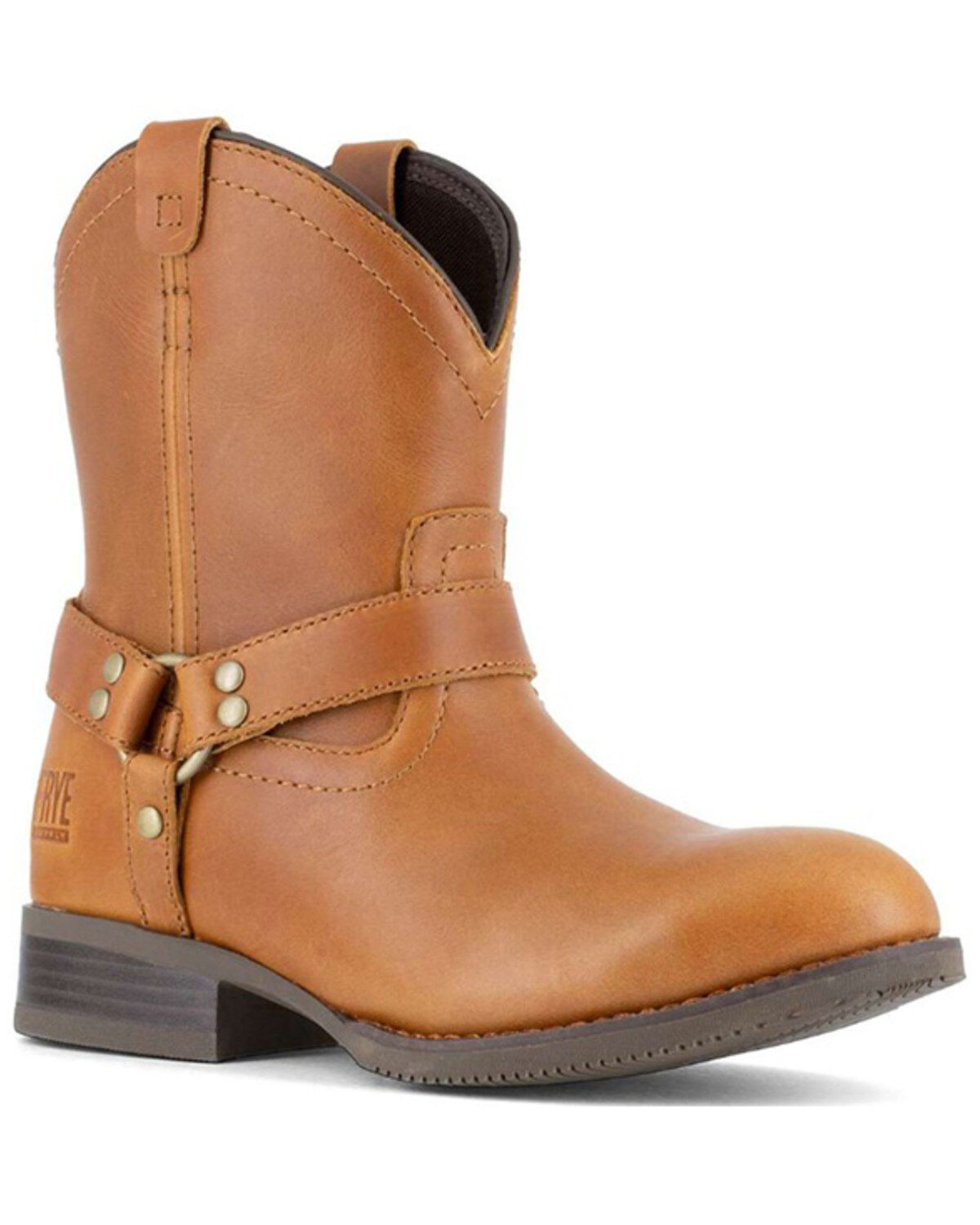
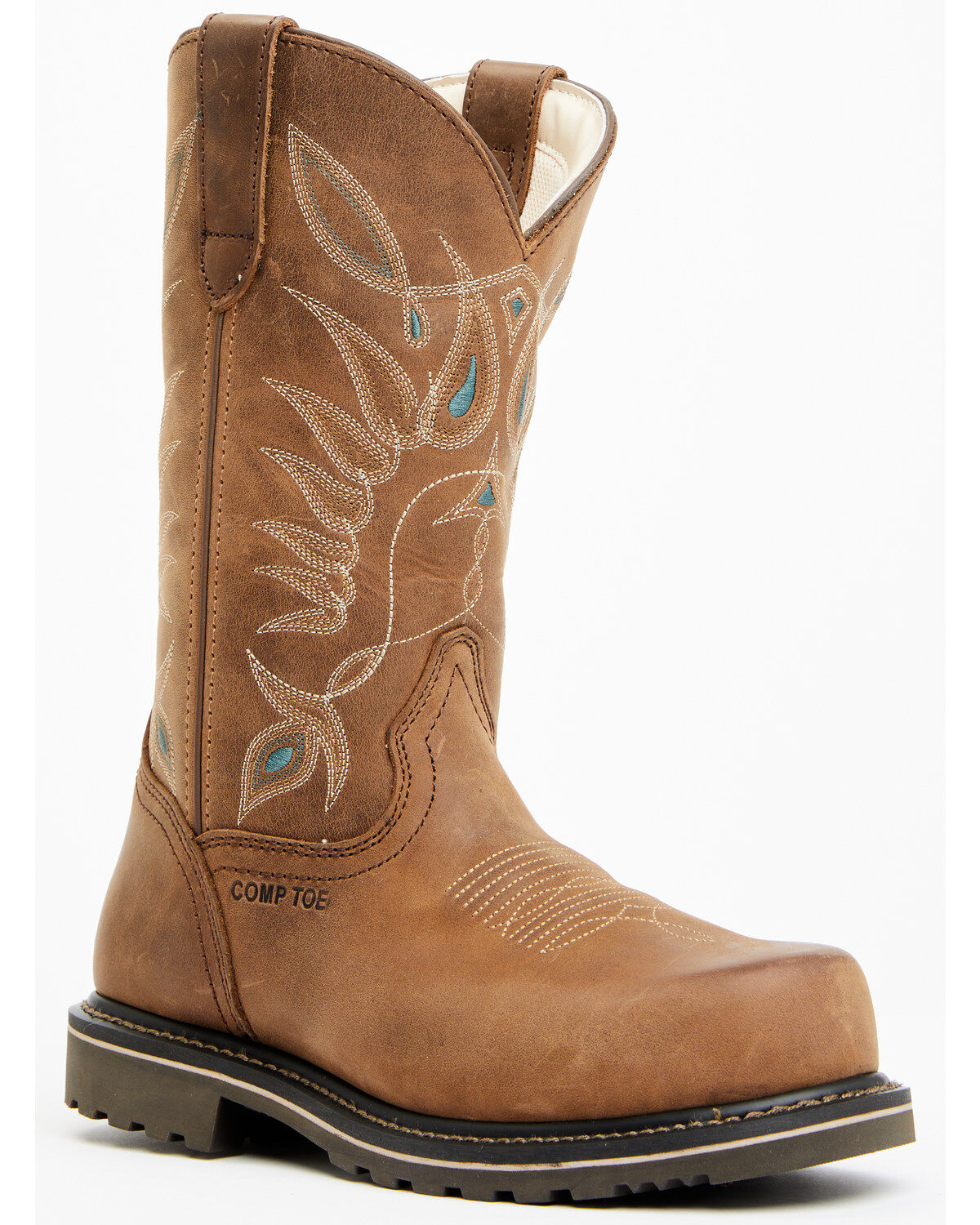
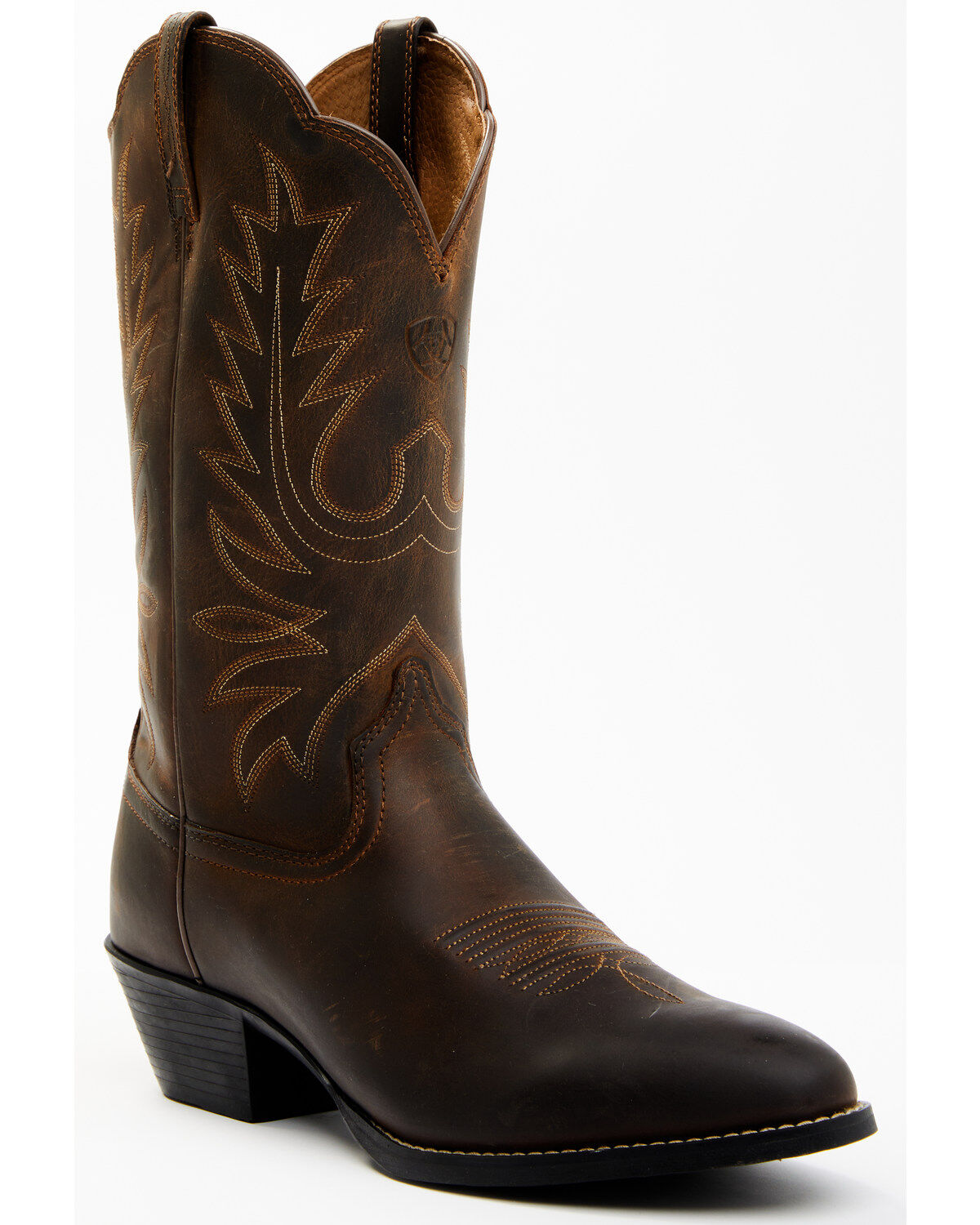
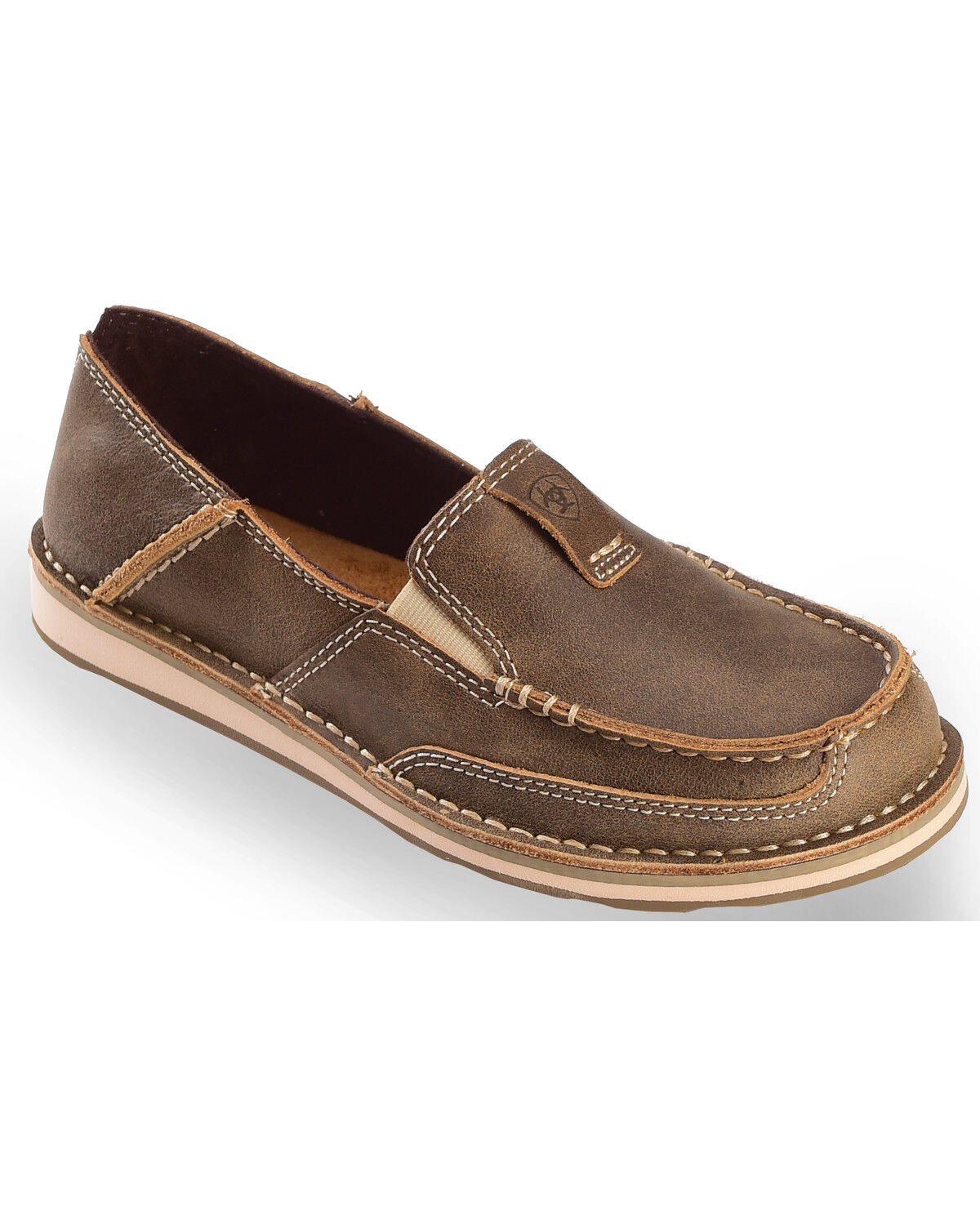
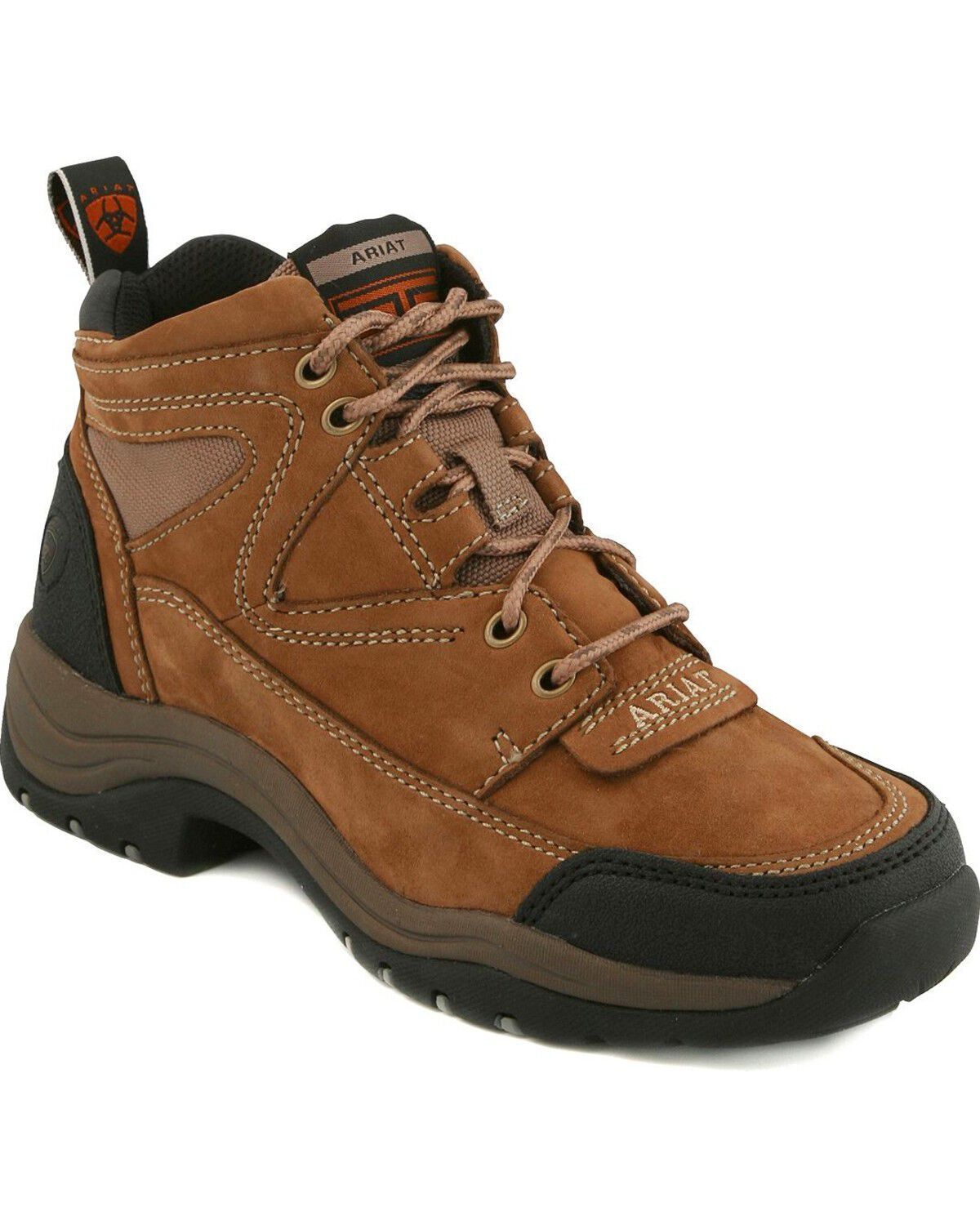
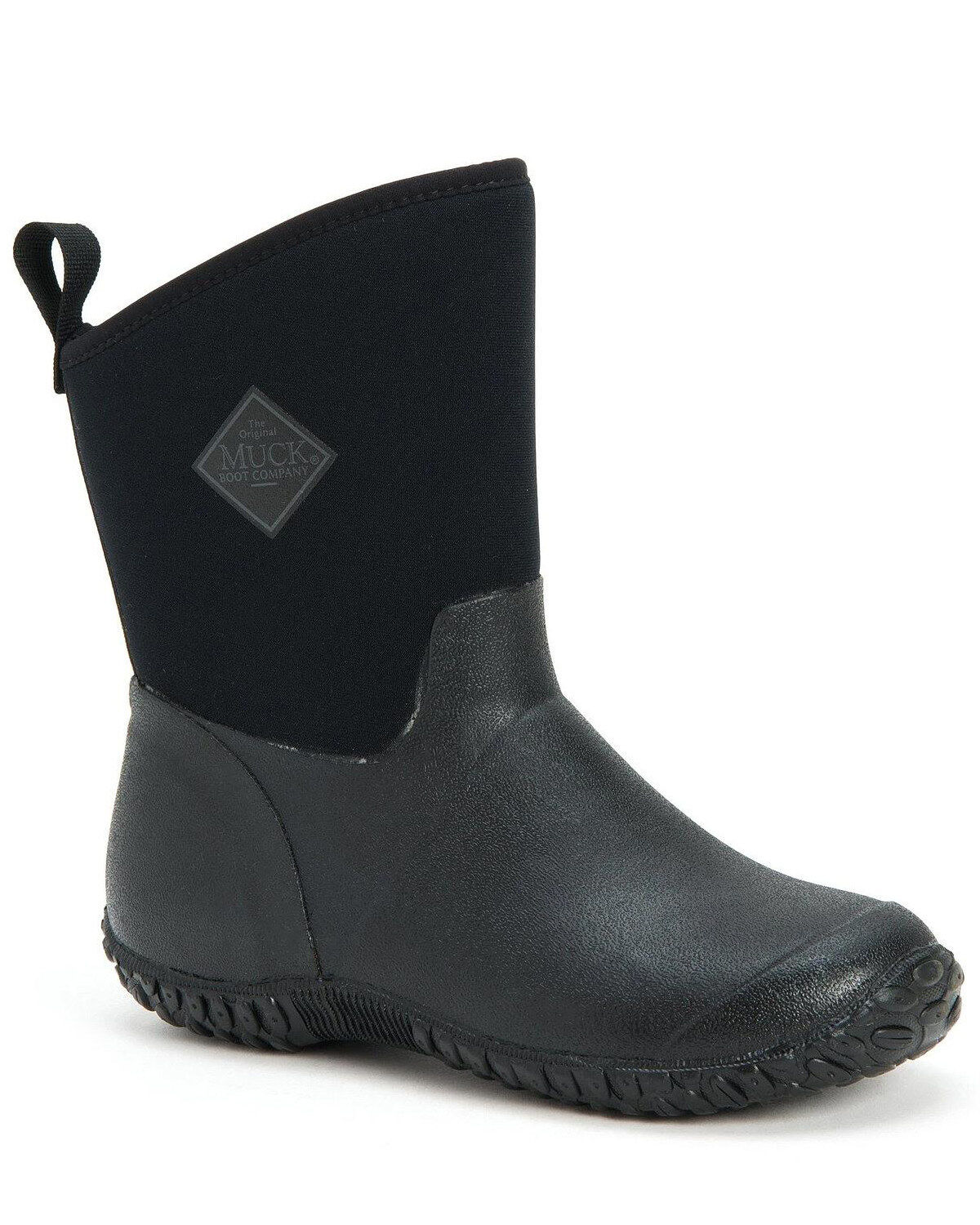
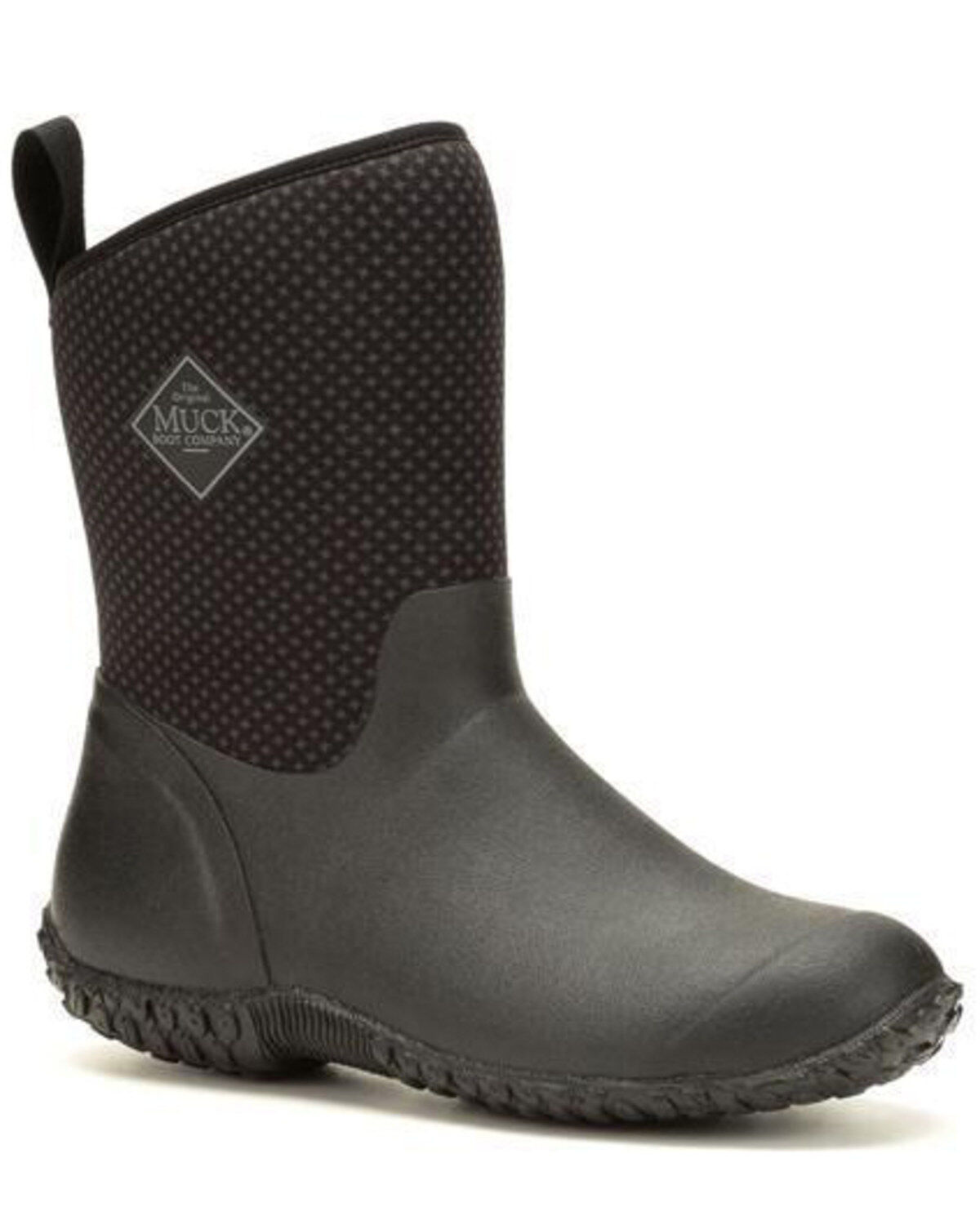
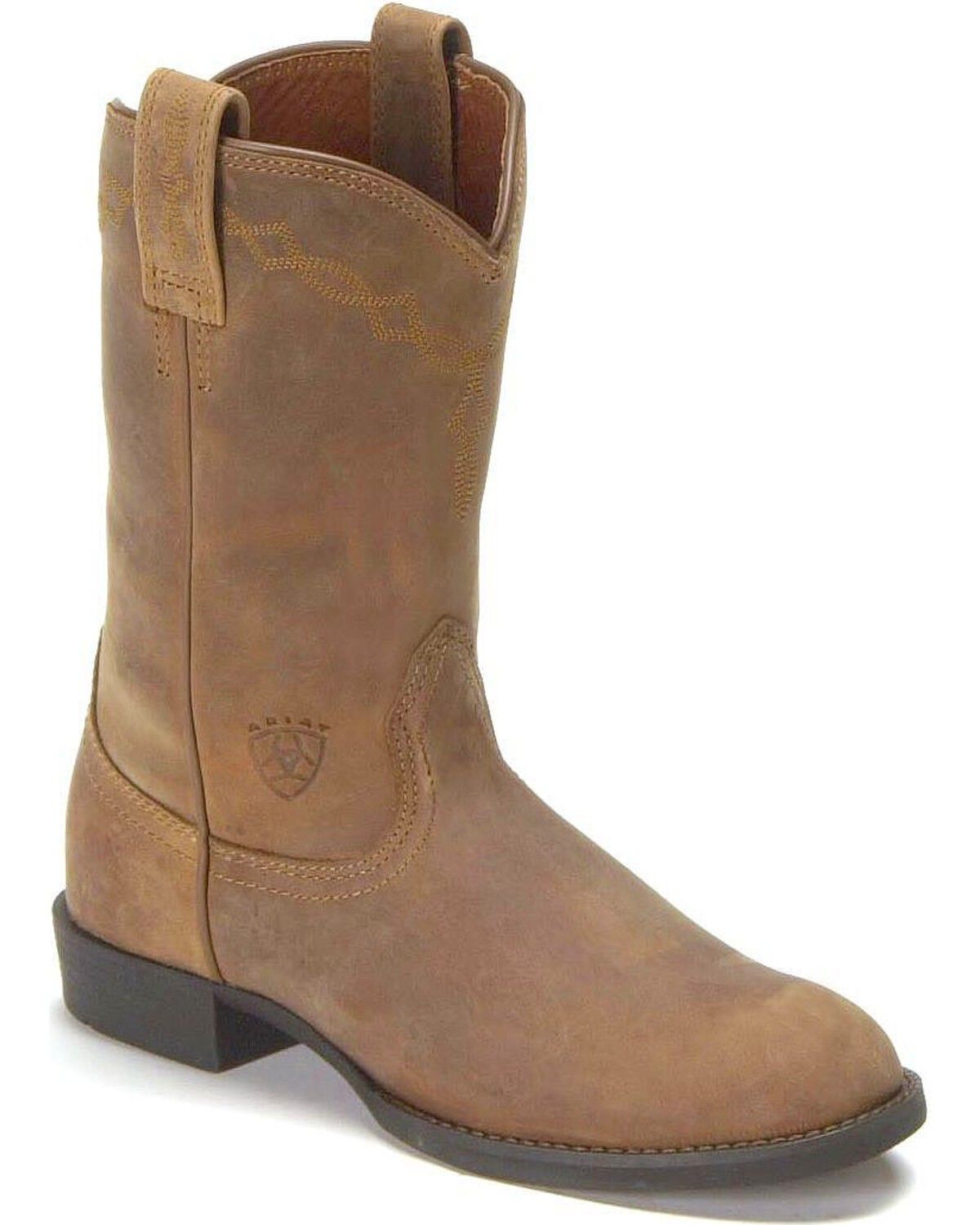
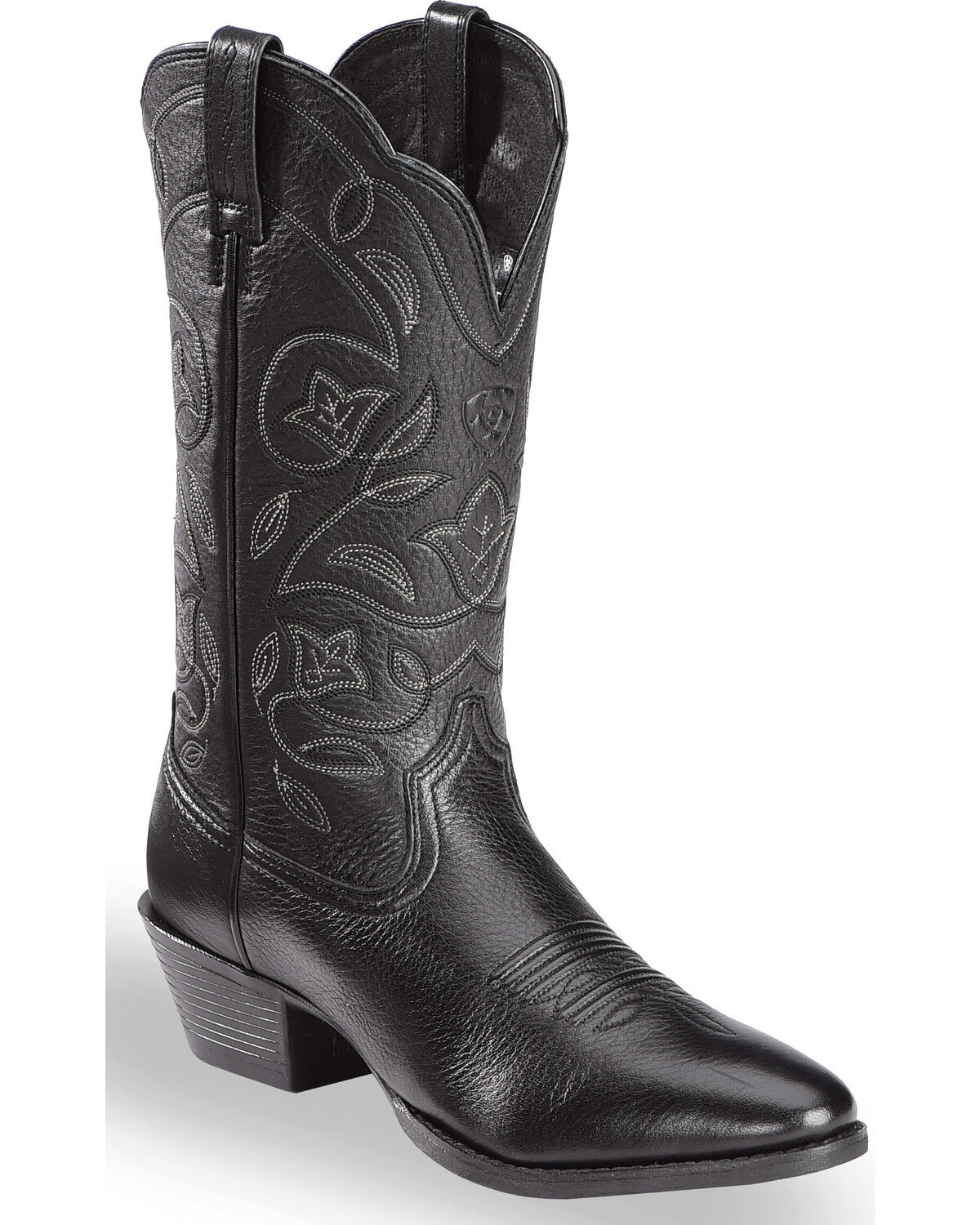
Women's Steel Toe Cowboy Work Boots

Shop women’s steel toe cowboy work boots that pair western style with protective toe construction. Browse the selection for your workday, and compare each pair’s fit, materials, and listed safety features to find boots that meet your job’s requirements.

Read More

Shop Your Store: Shop Your Store: Find a Store

(Turn off Shop Your Store to see all items)

(Turn off Shop Your Store to see all items)

close
  • Recommended
  • Lowest Price
  • Highest Price
Skip pass products

End of products

Women's Steel Toe Cowboy Work Boots

Women’s steel toe cowboy work boots bring western construction and protective work features together in a boot built for demanding routines. The familiar pull-on shaft, stitched leather, and defined heel give them the character of cowboy boots, while a steel toe cap adds protection against specified impact and compression hazards when the footwear meets the applicable safety standard. That combination can make sense for women working around tools, equipment, building materials, or livestock, provided the boot meets the requirements of the job. A morning spent moving feed bags and an afternoon on a shop floor put different demands on footwear, even when both call for toe protection. The right construction depends on those daily tasks, not appearance alone. Steel toes do not automatically make a boot suitable for every workplace, and they do not establish electrical hazard protection, puncture resistance, or slip resistance. Those features need their own verification in the product details and safety markings. Western work boots also vary in shaft height, heel shape, toe profile, and outsole design. A broad heel can provide a different feel underfoot than a taller riding-style heel, while the shaft helps determine how the boot sits against the calf and beneath work pants. Decorative stitching and leather finishes offer room for personal preference without changing the need for a sound fit and appropriate protection. Related women’s steel cap work boots use another common name for steel toe footwear; the terminology alone does not indicate a different level of protection. For time in a saddle, heel and sole compatibility with the stirrup matter, and a work boot should not be assumed suitable for riding simply because it has a western shape. On the ground, the priorities remain straightforward: secure footing, adequate room around the toes, and support that holds up through the tasks at hand. A boot should earn its place through how it fits and performs, with western styling as part of the package.

Materials and construction influence how women’s steel toe cowboy work boots feel during a shift and how they stand up to repeated wear. Leather uppers are common for their structure and ability to develop a more flexible feel with use, though leather type, thickness, and finish all affect that process. Full-grain leather can retain natural markings, while other finishes create a more uniform surface. Neither appearance alone nor a heavy feel proves that a boot will last longer. Look at the full construction, including stitching, the connection between the upper and sole, and reinforcement around areas that take repeated stress. Welted construction may allow resoling, depending on the boot and its condition, while cemented construction bonds the sole to the upper and can offer a different balance of flexibility and weight. Beneath the foot, cushioning helps soften contact with hard surfaces, and the shank helps support the boot through the arch. These components serve different purposes; a soft footbed does not replace structural support. Outsoles deserve equal attention. Rubber compounds, tread depth, and channel spacing influence how a sole interacts with the ground. Deep tread may help on loose surfaces but can collect packed dirt, while a less aggressive pattern may be easier to clear of debris. Any slip-resistance claim should be considered alongside the surfaces and substances encountered at work. Smooth concrete near a wash area presents a different challenge from gravel beside a loading area. Oil resistance also does not mean a sole will prevent slipping on oil. For tasks involving water exposure, check whether the boot has a stated waterproof construction rather than assuming leather keeps water out. Linings, seams, and membranes affect that performance. The most useful features are the ones that address actual working conditions, whether that means frequent kneeling, repeated steps onto equipment, or long stretches standing at a bench. Extra features add little value when they do not match the work.

Fit deserves particular attention with a steel toe because the protective cap will not stretch to create more room. Toes should have space to rest naturally without pressing against the front, sides, or upper edge of the cap. A wide-looking toe shape does not necessarily mean the interior is wide enough, and sizing up is not always the answer to a width problem. The ball of the foot should align with the boot’s natural flex point, while the instep should feel secure without painful pressure. Some heel movement can occur in a new pull-on boot, but excessive lifting, rubbing, or a foot sliding forward signals a fit issue worth addressing. Trying boots with the socks intended for work gives a more useful sense of fit than using a much thinner pair. Walking, turning, and bending can reveal pressure that is not obvious while standing still. Any permitted orthotic or replacement footbed also changes the space inside the boot; follow the footwear manufacturer’s guidance, especially where safety properties may be affected. Leather may soften with wear, but persistent pinching or contact with the steel cap should not be dismissed as part of breaking boots in. Once the fit is right, regular care helps protect that investment in daily comfort. Brush away dry dirt, wipe off residue with a cleaner suited to the material, and use leather conditioner according to the manufacturer’s directions. Suede and nubuck need care intended for those finishes rather than standard smooth-leather treatments. Let damp boots dry naturally away from direct heat, which can damage leather and other components. Clear embedded debris from the tread and inspect the soles, seams, and interior for wear. A worn heel, separating sole, exposed lining, or damaged toe area can affect function even when the upper still looks serviceable. After a significant impact or compression event, follow workplace and manufacturer replacement guidance rather than relying on appearance. Well-chosen women’s steel toe cowboy work boots balance protective requirements, dependable construction, and western character, with fit and upkeep supporting every working day.
Read More

FAQs