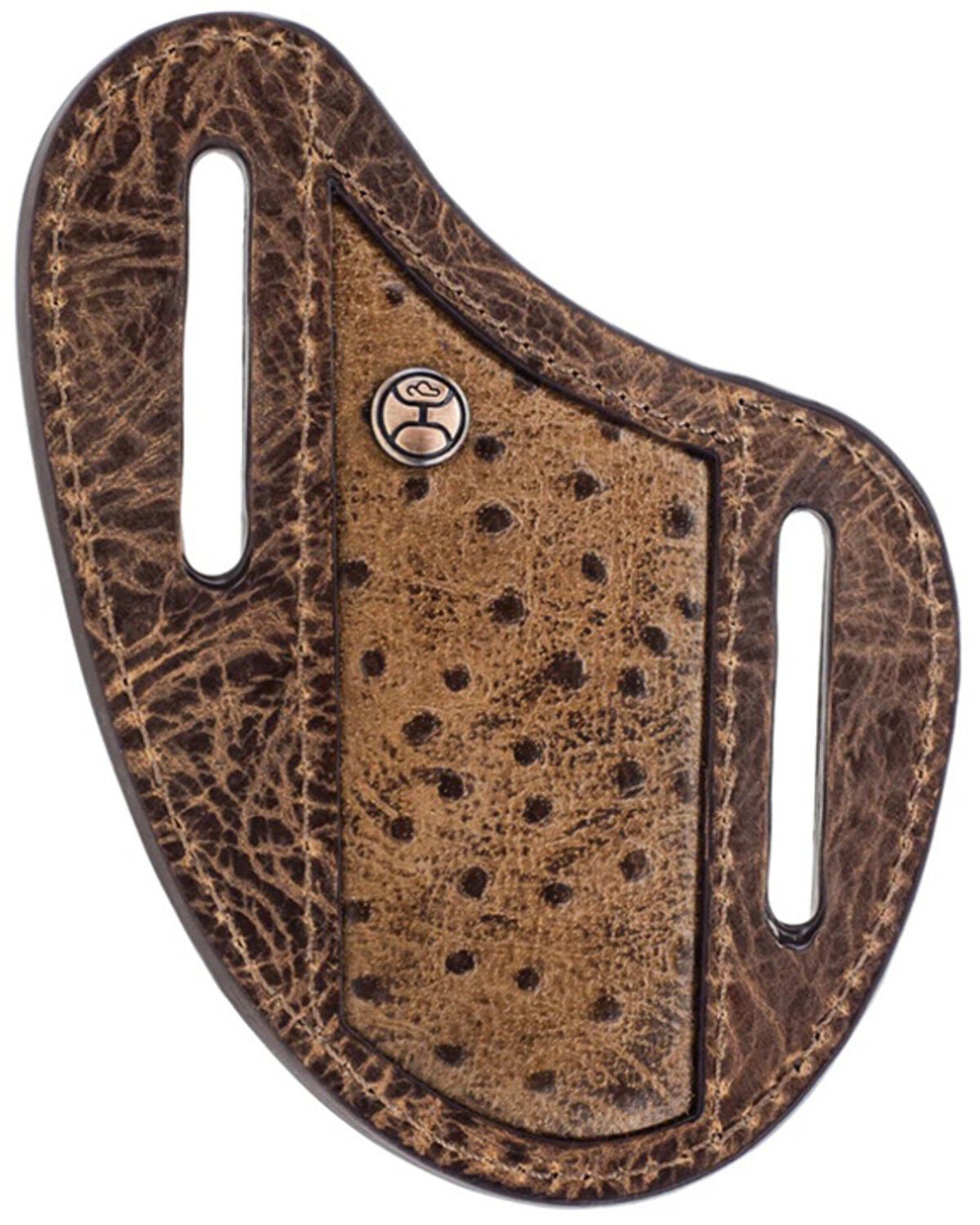
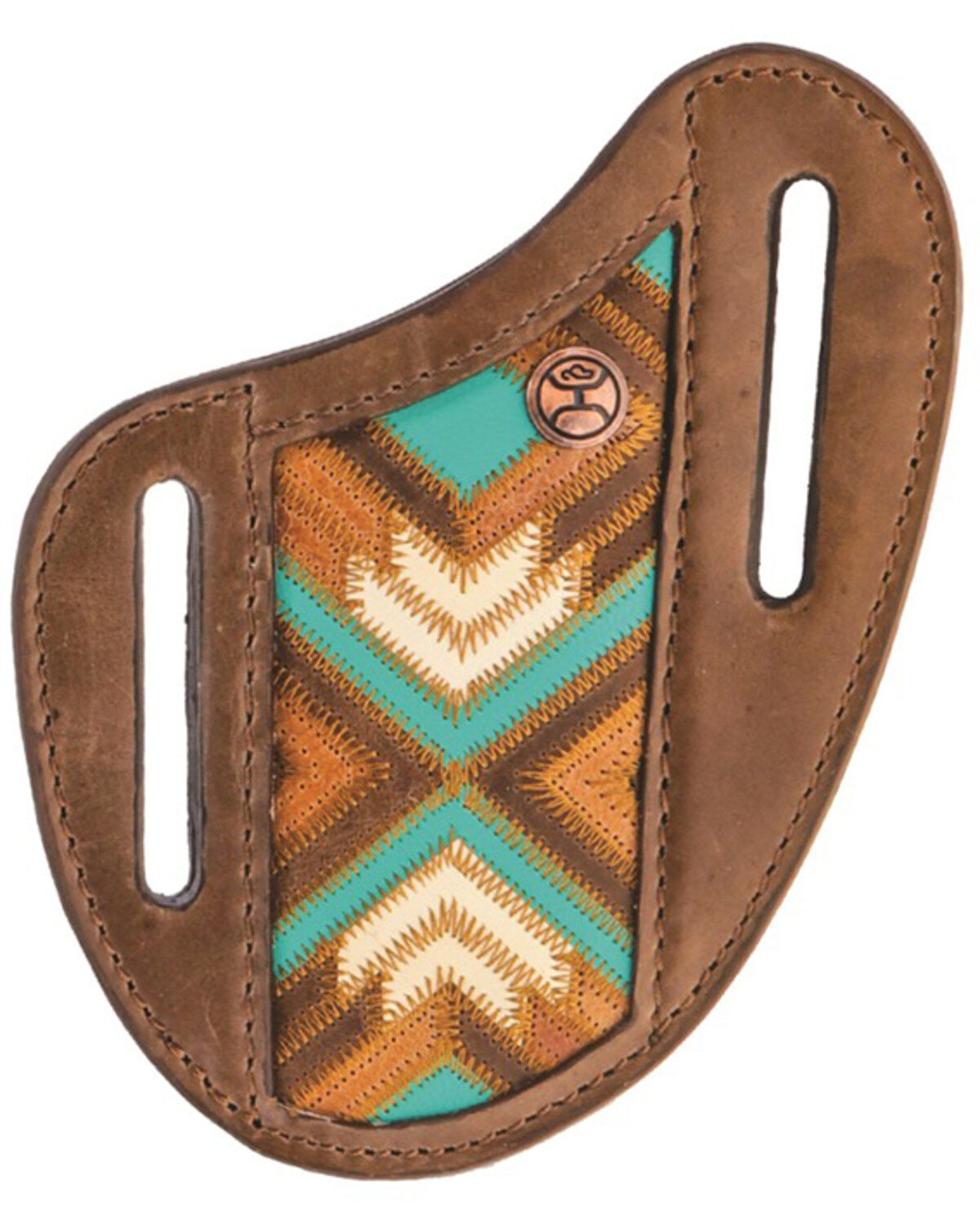
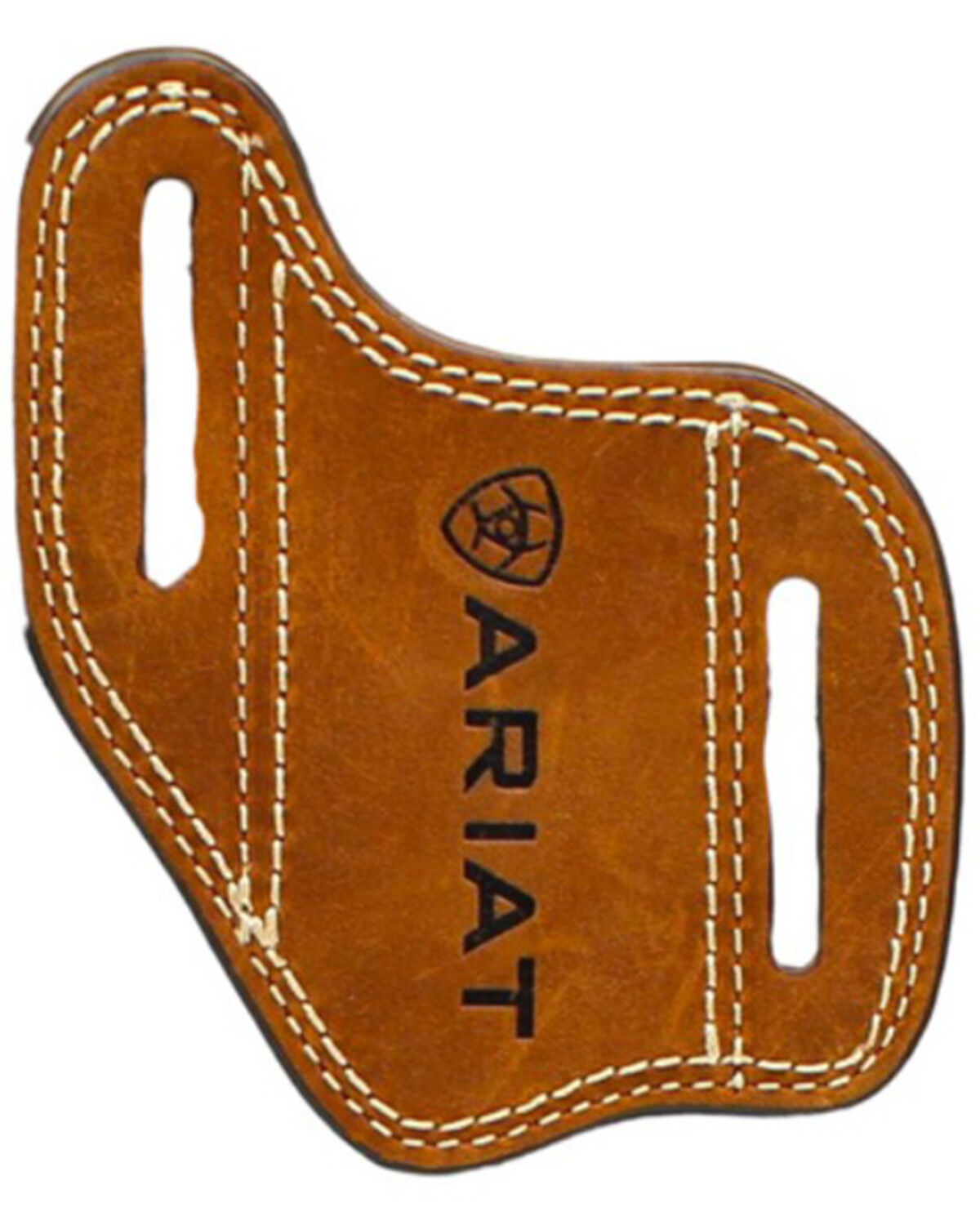
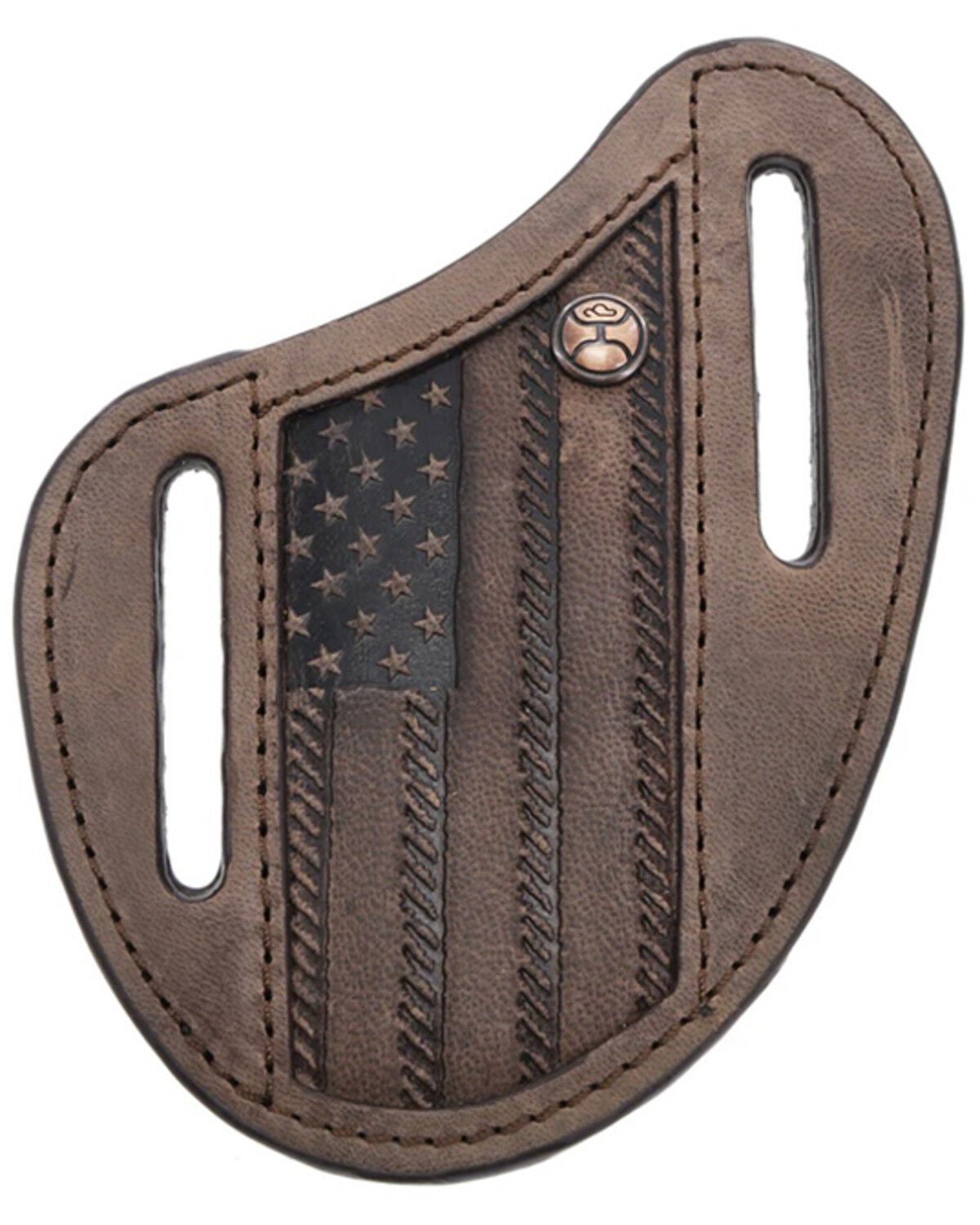
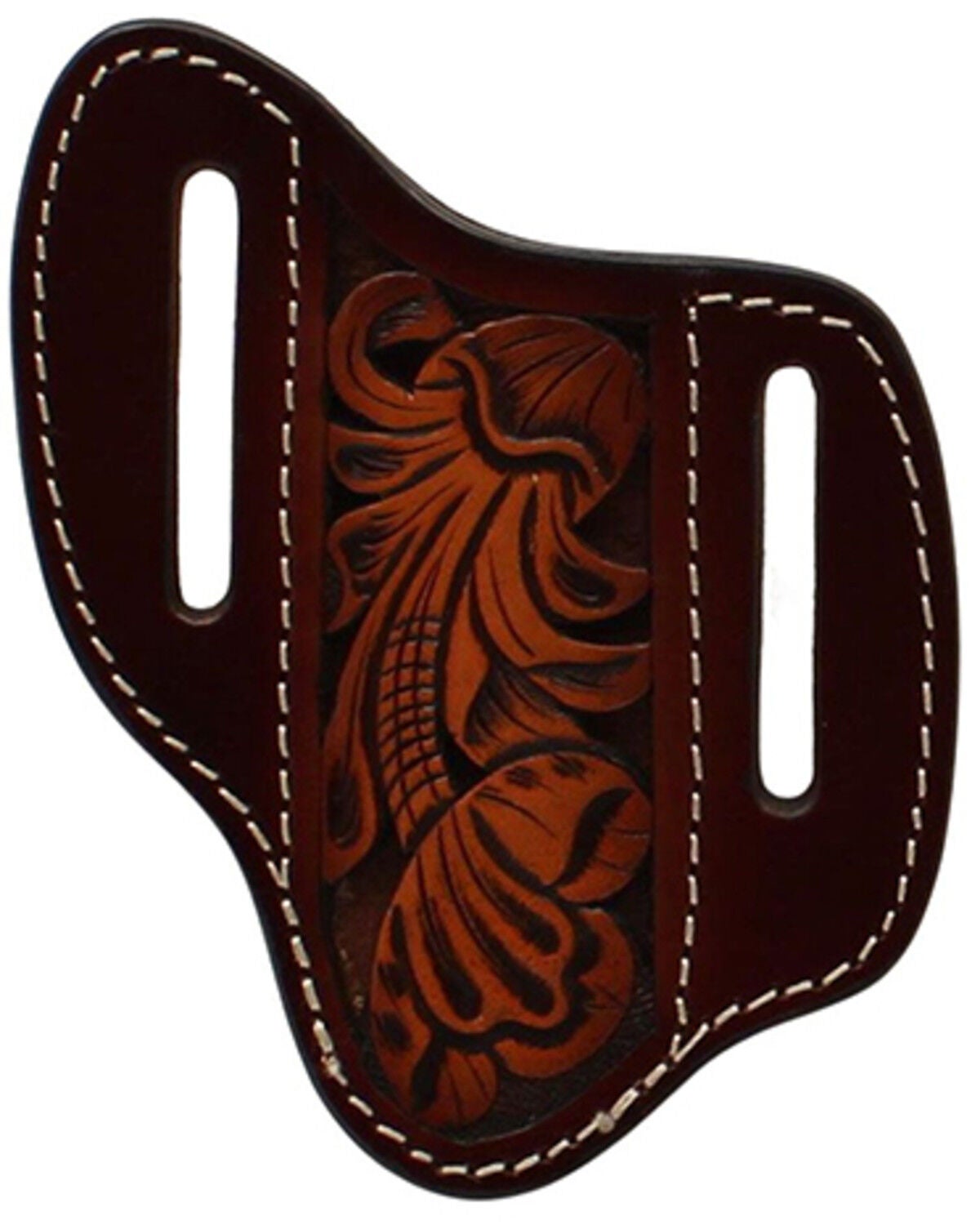
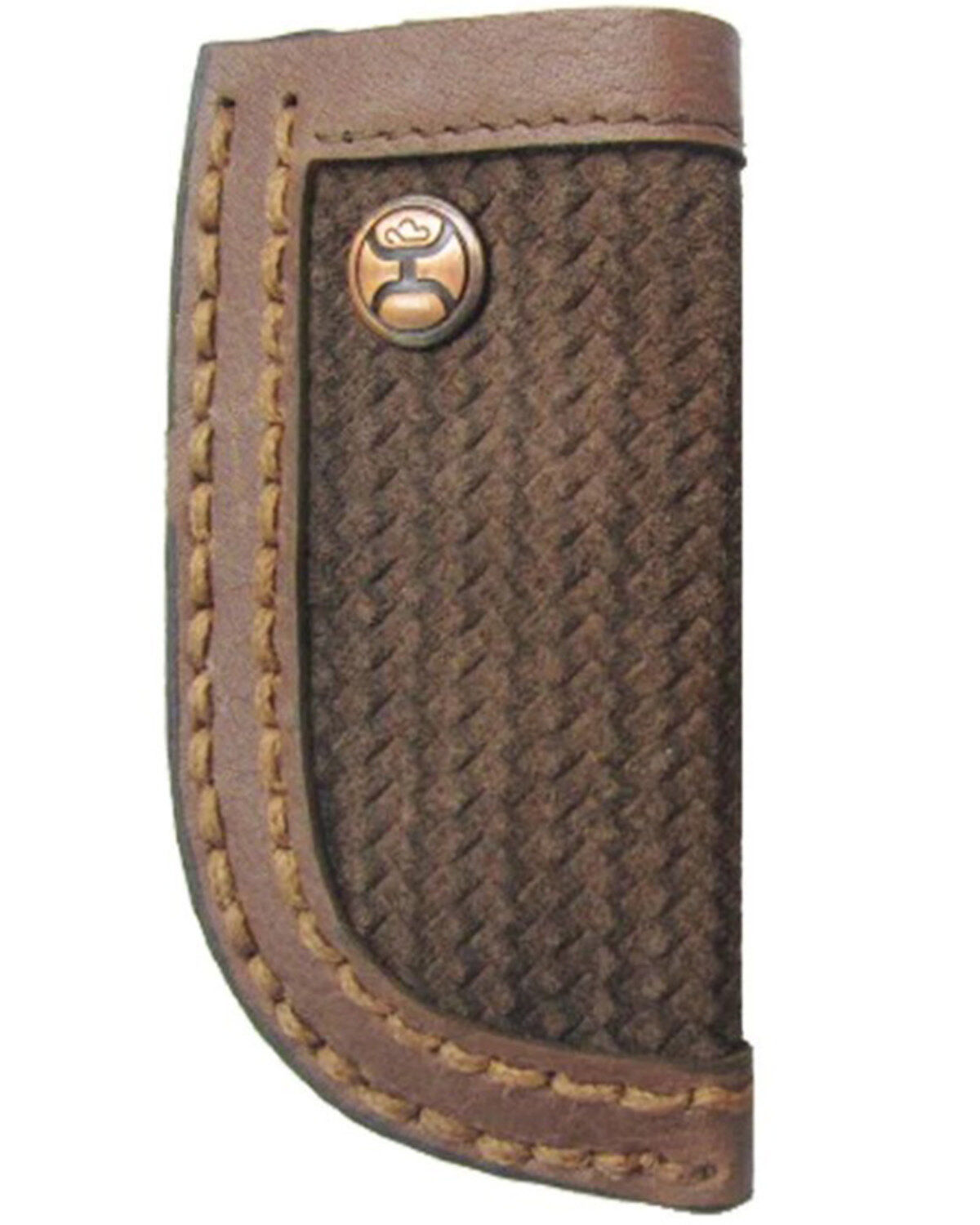
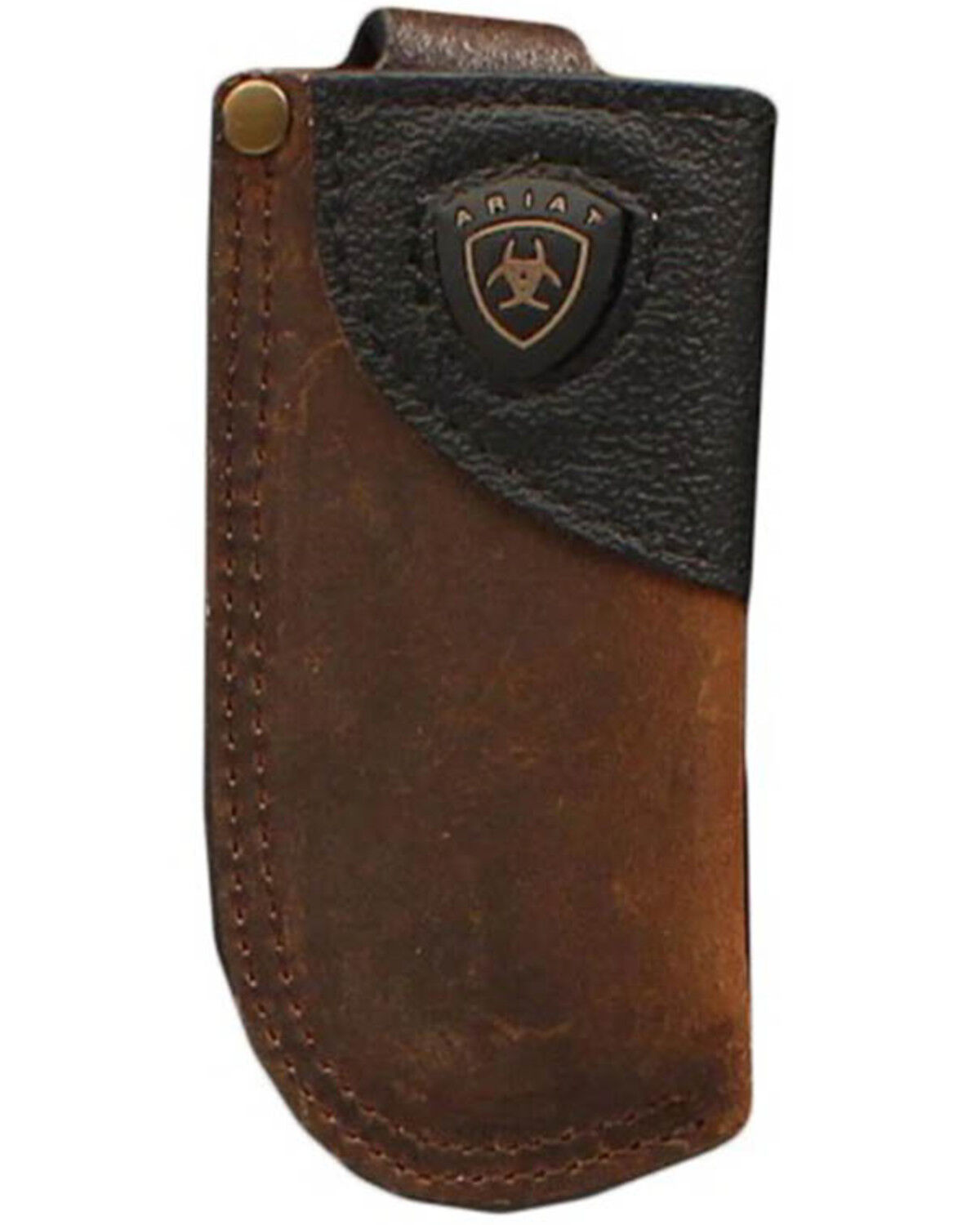
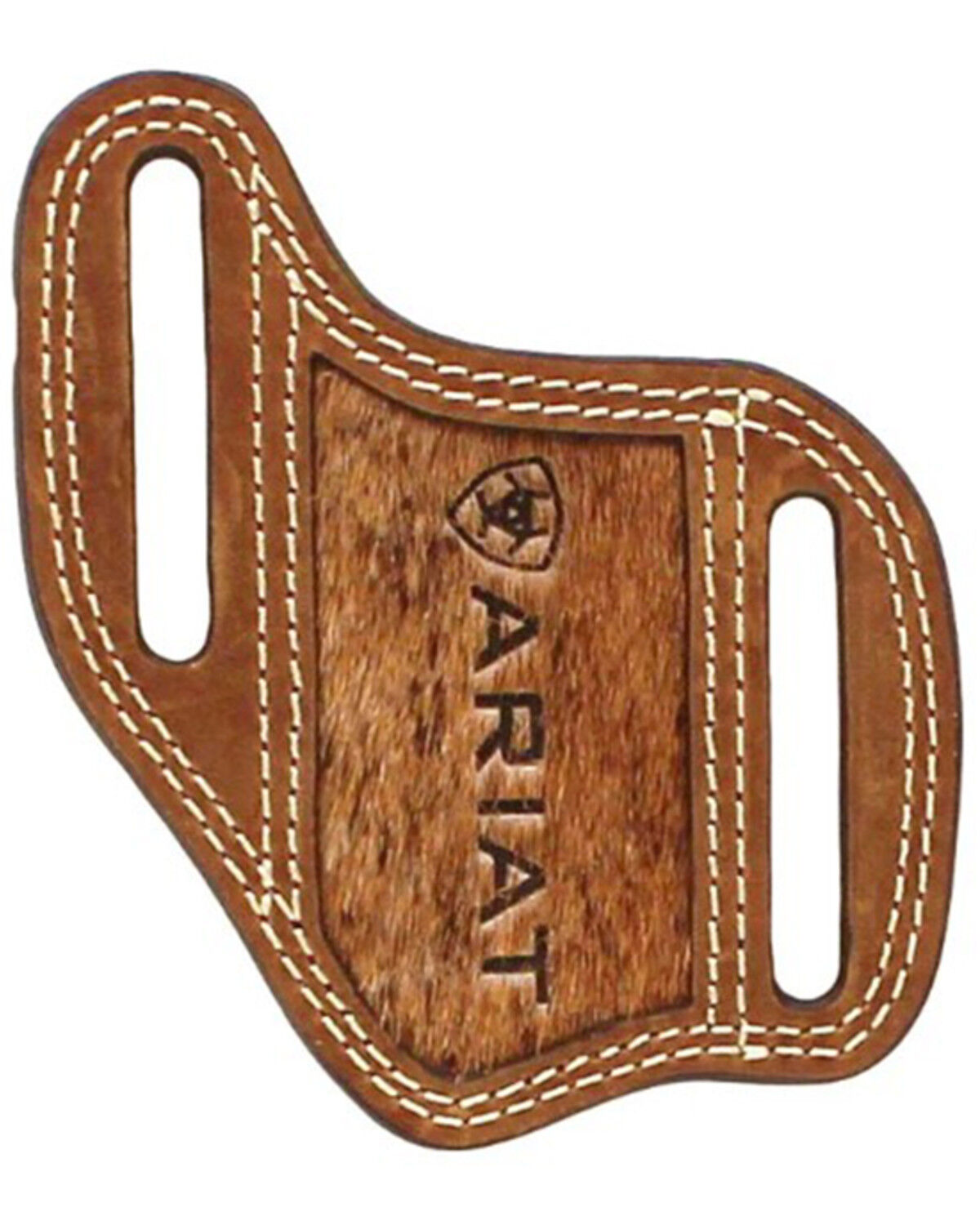
Cowboy Belt Knife Sheath options are essential accessories for anyone looking to keep their knife secure and within easy reach. Designed to complement... western attire, these sheaths add both practicality and classic style to your everyday gear. Whether you're out on the ranch or heading into town, a reliable Cowboy Belt Knife Sheath ensures your knife is always close at hand while enhancing your authentic cowboy look. Explore a variety of designs crafted to fit seamlessly with your favorite belt and boots.
Read more
Cowboy Belt Knife Sheath
Cowboy Belt Knife Sheath options are essential accessories for anyone looking to keep their knife secure and within easy reach. Designed to complement... western attire, these sheaths add both practicality and classic style to your everyday gear. Whether you're out on the ranch or heading into town, a reliable Cowboy Belt Knife Sheath ensures your knife is always close at hand while enhancing your authentic cowboy look. Explore a variety of designs crafted to fit seamlessly with your favorite belt and boots.
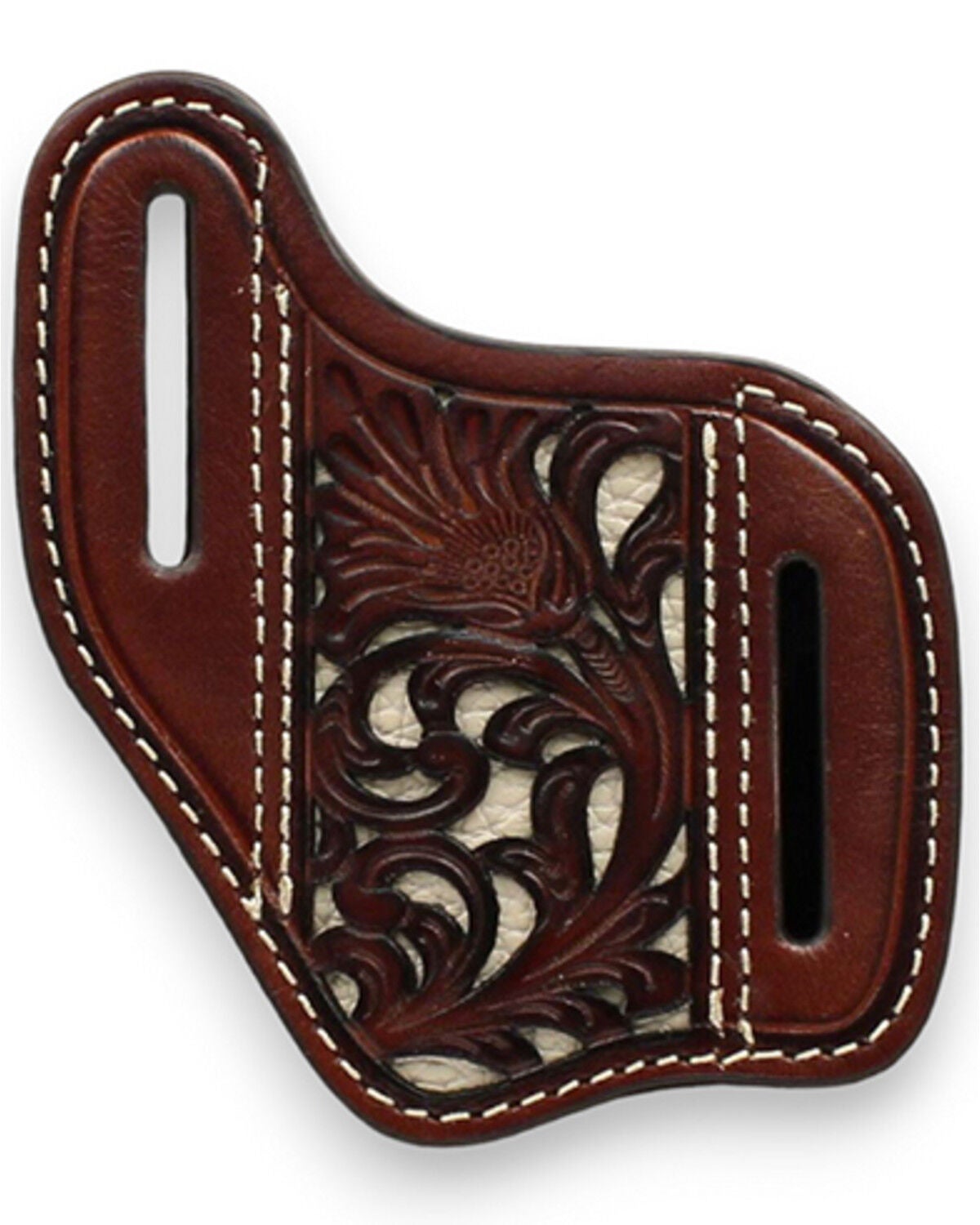
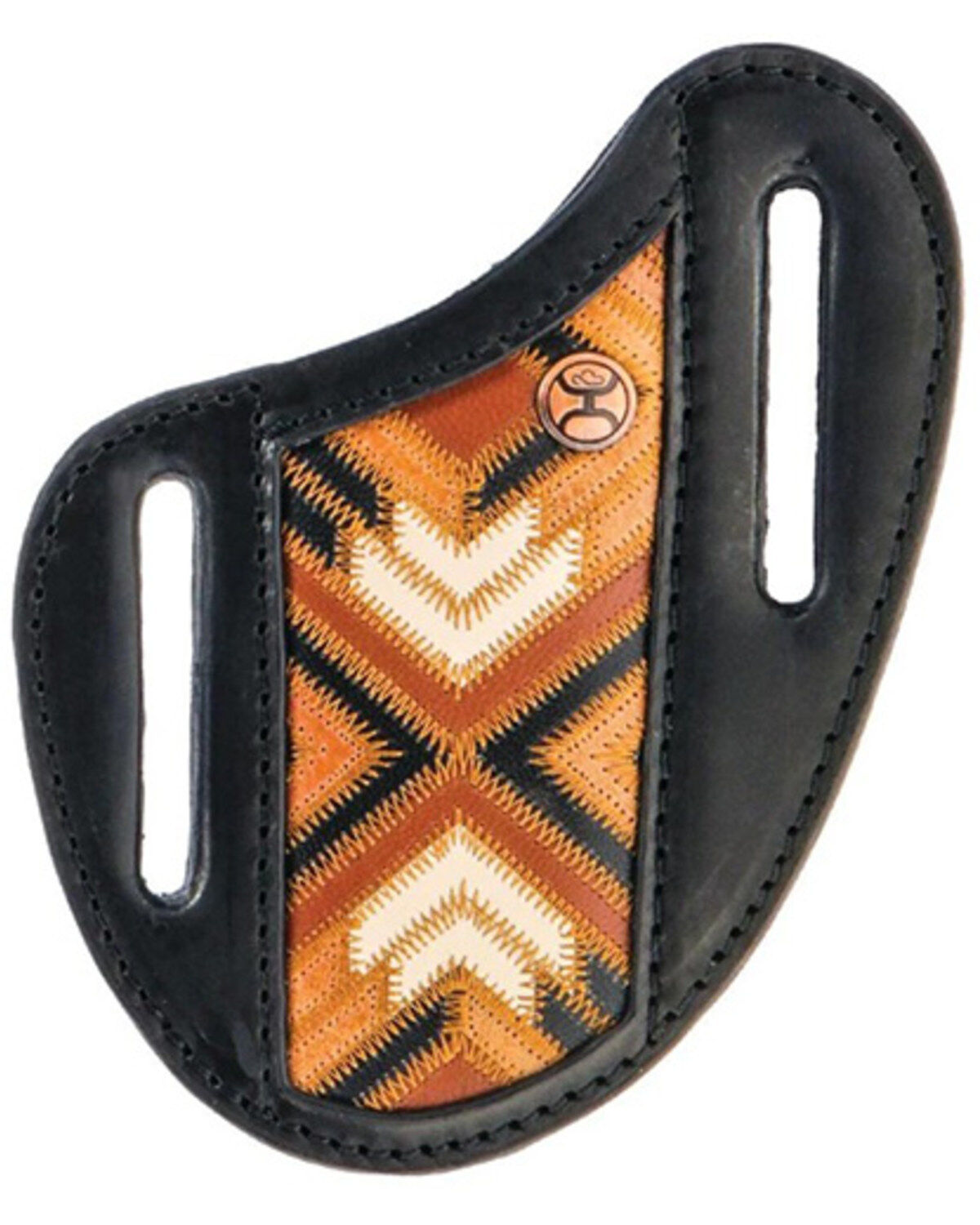
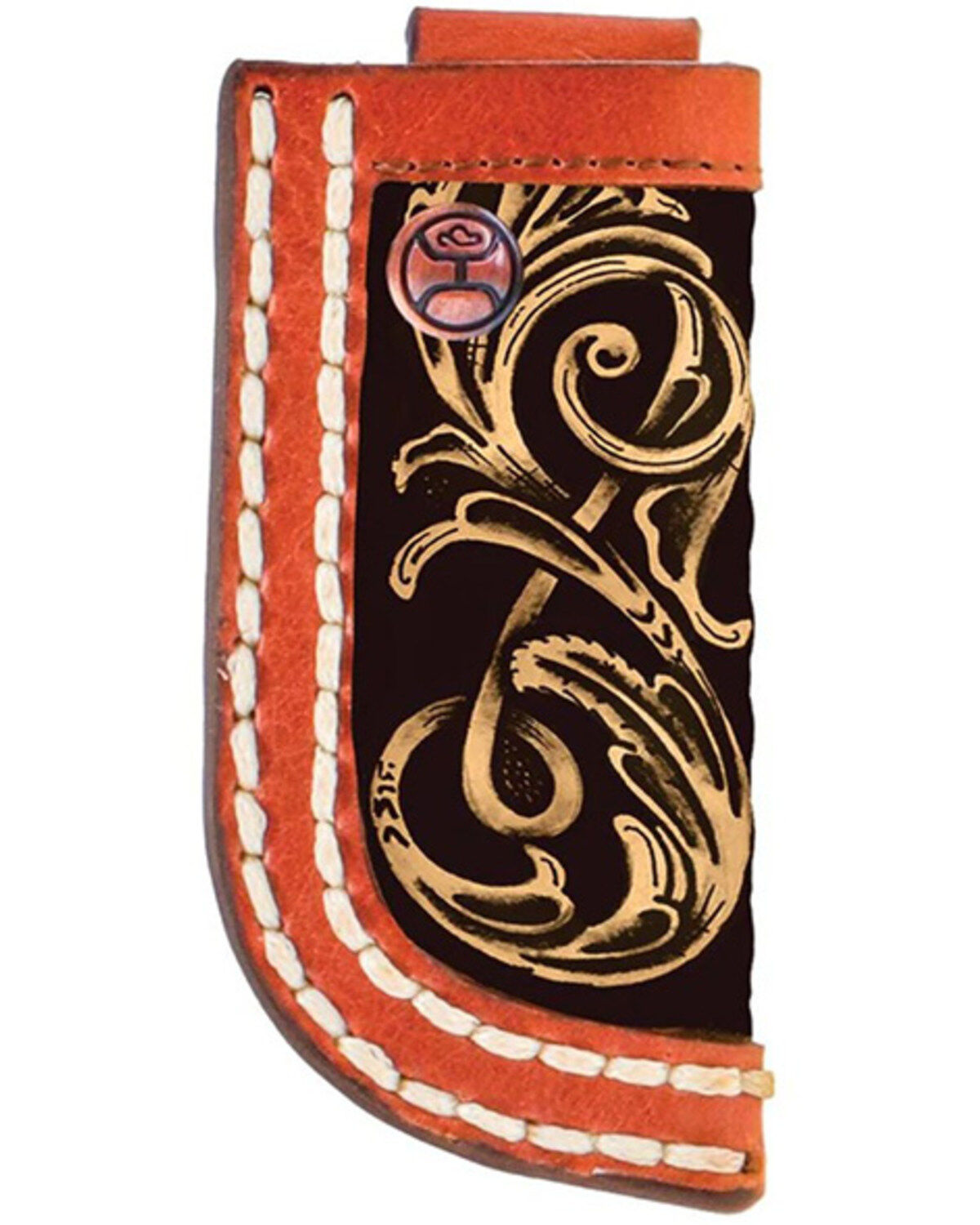
A cowboy belt knife sheath gives a working tool a dedicated place on a western belt, keeping it separate from keys, loose change, and everything else carried in a pocket. For ranch hands, tradespeople, horse owners, and anyone who regularly uses a utility knife, that simple arrangement can make daily carry more comfortable and consistent. A sheath also becomes part of the belt itself, so its shape, leather finish, and placement matter alongside its ability to hold the knife securely. Smooth leather has a clean look that works with plain belts and understated buckles, while tooled leather brings texture that fits naturally with traditional western accessories. Dark finishes tend to create a more uniform appearance; lighter leather can develop visible character through handling and regular use. Natural grain variation gives leather its individual appearance without changing the basic job the sheath needs to do. The strongest match is not necessarily the most detailed design. It is the one that suits the knife, sits comfortably on the belt, and makes sense for the work at hand. Someone opening feed sacks around a barn may have different carry needs than someone who keeps a small folding knife for cutting twine or breaking down boxes. Time spent sitting in a truck, walking fence lines, or bending over a workbench also affects which shape feels practical. A compact profile can reduce bulk, while a more structured pouch may provide additional coverage around the handle of a closed folding knife. Across Belt Knife Sheaths, differences in construction, closure, and belt attachment deserve as much attention as color and tooling. Western character gives the accessory its look, but dependable fit gives it a reason to be worn every day. A sheath should feel like a useful part of the outfit rather than something that constantly needs adjusting.
Leather is a natural choice for a cowboy belt knife sheath because it combines structure with a surface that develops character through use. Full-grain leather retains the hide’s natural surface, while other leather finishes can offer a smoother or more uniform appearance. Leather thickness contributes to the feel of the sheath, but thickness alone does not establish quality. Even stitching, neatly finished edges, a well-supported belt loop, and secure hardware all influence how the piece holds up to repeated movement. Reinforcement matters most where the sheath bends, where the belt passes through, and where the knife makes repeated contact with the opening. Fit begins with the knife’s actual dimensions, not simply whether it is described as small or large. For a folding knife, the closed length, handle width, and overall thickness determine how it sits inside the pouch. A pocket clip or a broad handle can change that fit even when two knives have the same listed length. A fixed-blade knife requires a sheath designed for its blade shape and dimensions, with full coverage of the cutting edge and a construction intended for that purpose. Folding-knife pouches and fixed-blade sheaths are not interchangeable. Retention should keep the knife seated during ordinary movement without depending on a fit so tight that removing it strains the seams. A flap and snap add coverage, while an open-top design relies more directly on shaping and fit. Belt width is another practical consideration. A loop that matches the belt helps limit shifting; an oversized loop may let the sheath move more than expected. Carry orientation also changes how the accessory feels against the body. Vertical designs generally keep the knife aligned with the leg, while horizontal designs position it along the belt. Either arrangement needs enough clearance from belt loops, buckles, and other gear to remain comfortable through a full range of normal movement.
A well-chosen sheath earns its place through small details noticed over a long day. An edge that feels smooth against the hand, a closure that fastens without forcing it, and a loop that holds its position all matter more after hours of wear than they do at a glance. For someone who spends much of the day driving, the sheath’s position should not press against the seat or interfere with the seat belt. Around tools and equipment, a close-fitting profile helps keep extra bulk to a minimum, though workplace rules should always determine whether belt carry is appropriate. A cowboy belt knife sheath can complement work jeans and boots just as naturally as a western shirt and a finished leather belt. Matching every shade exactly is not necessary; similar tones and hardware finishes can give the outfit a consistent look without making the sheath the center of attention. Care helps preserve both that appearance and the structure that makes the sheath useful. Dust and grit can be removed with a soft cloth, and leather care products should be suited to the particular finish. Too much conditioner can soften leather more than intended, which is a concern when the sheath depends on a formed shape for retention. Damp leather should dry naturally away from direct heat, with the knife removed so trapped moisture does not remain against the metal. Periodic attention to stitching, snaps, and belt loops can reveal wear before it becomes a carry problem. Leather may gain marks and soften with use, but loosened retention, broken stitches, or damaged hardware call for more than surface care. As a gift, a sheath makes the most sense for someone who already carries a knife and appreciates practical western accessories. Knowing that person’s knife dimensions, belt width, and preferred carry position makes the choice more personal and more useful. Whether chosen for daily chores, time around horses, or ordinary utility tasks, the right sheath balances western style with secure fit, sound construction, and straightforward care.