Cowboy Buckle Belts

Find cowboy buckle belts to finish your western outfit, whether for everyday wear or a night out. Browse with your preferred fit and buckle style in mind, and check each belt’s sizing and buckle details to find the right match for your jeans and boots.

Shop Your Store: Shop Your Store: Find a Store

(Turn off Shop Your Store to see all items)

(Turn off Shop Your Store to see all items)

close
  • Recommended
  • Lowest Price
  • Highest Price
Skip pass products

End of products

Cowboy Buckle Belts

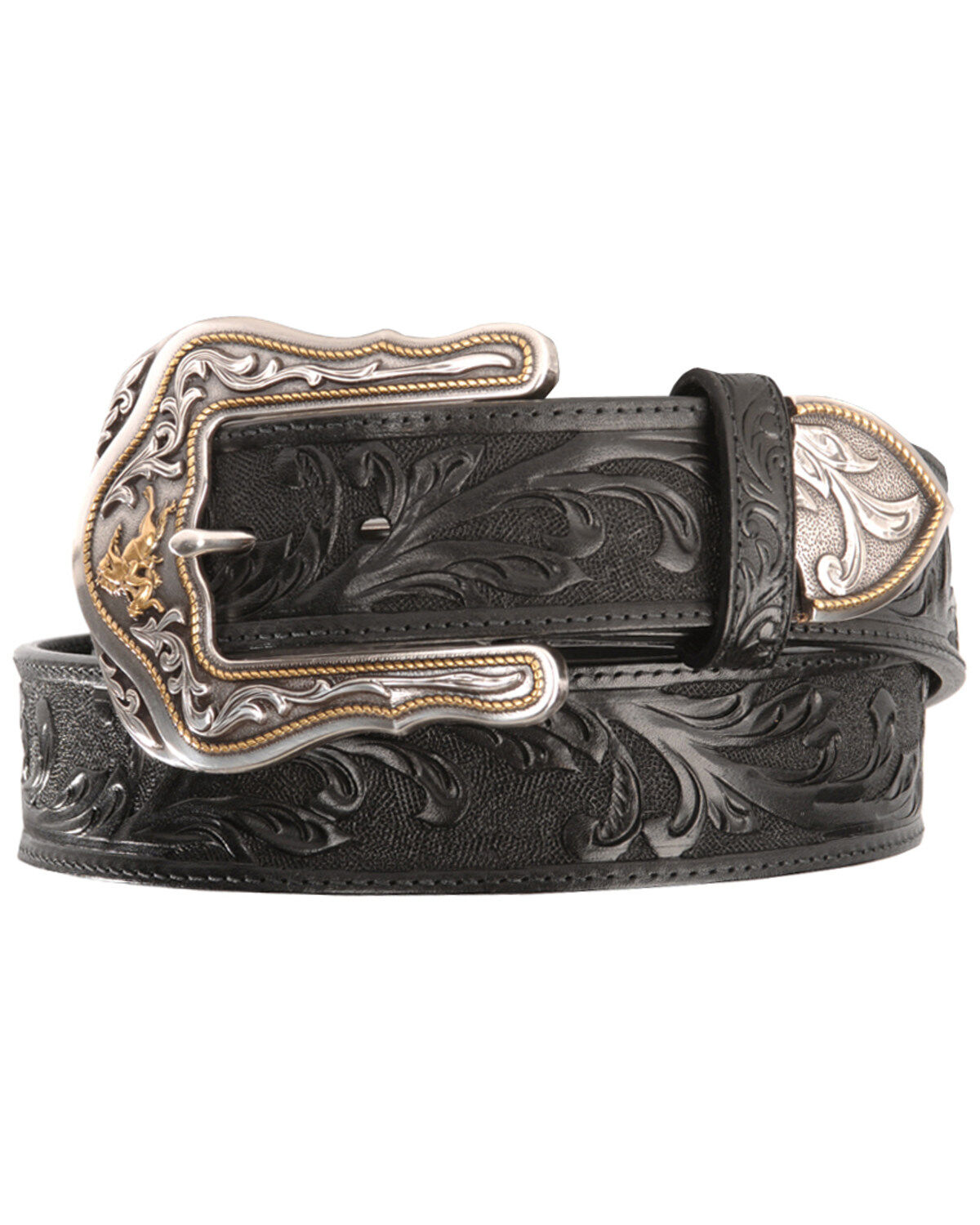
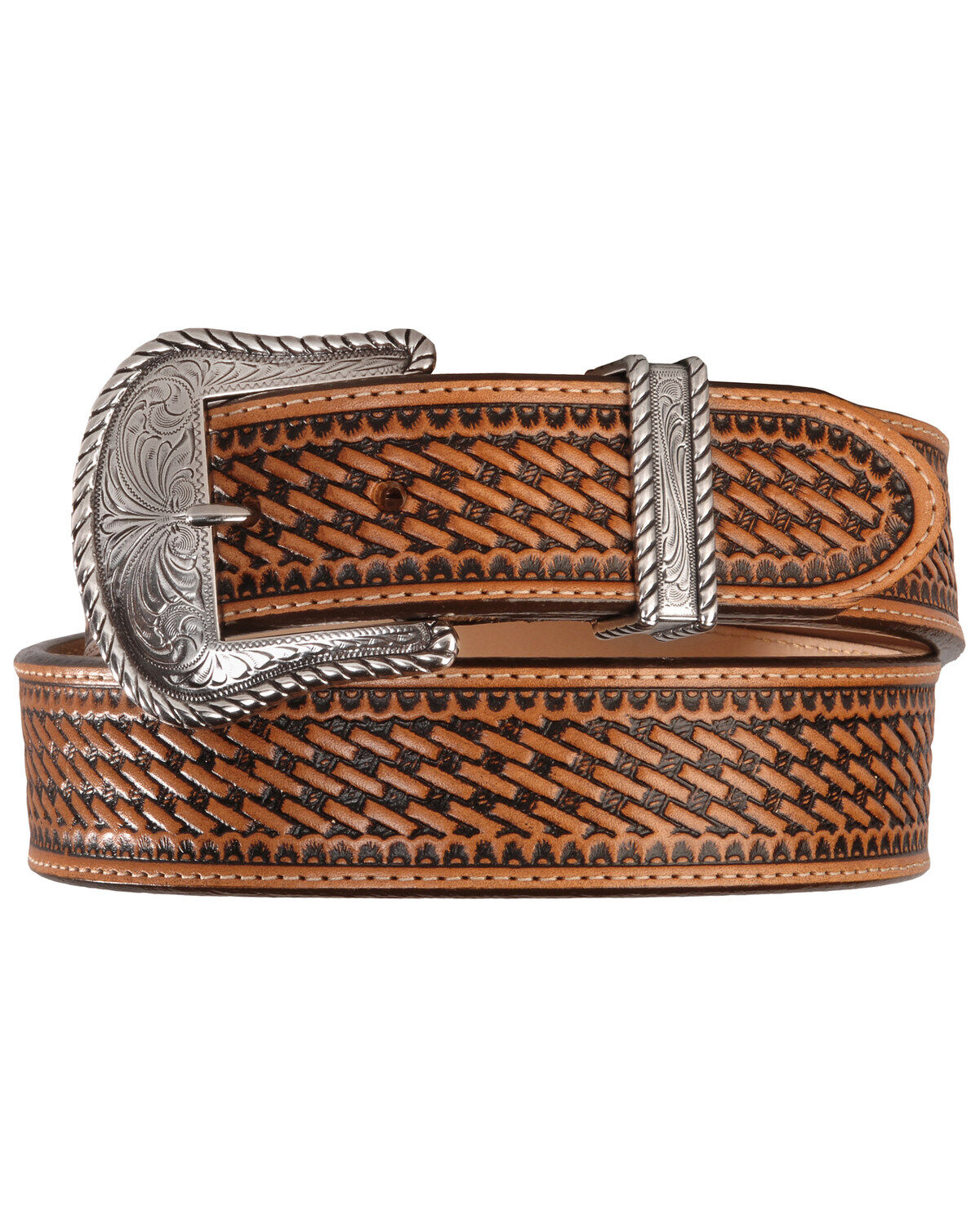
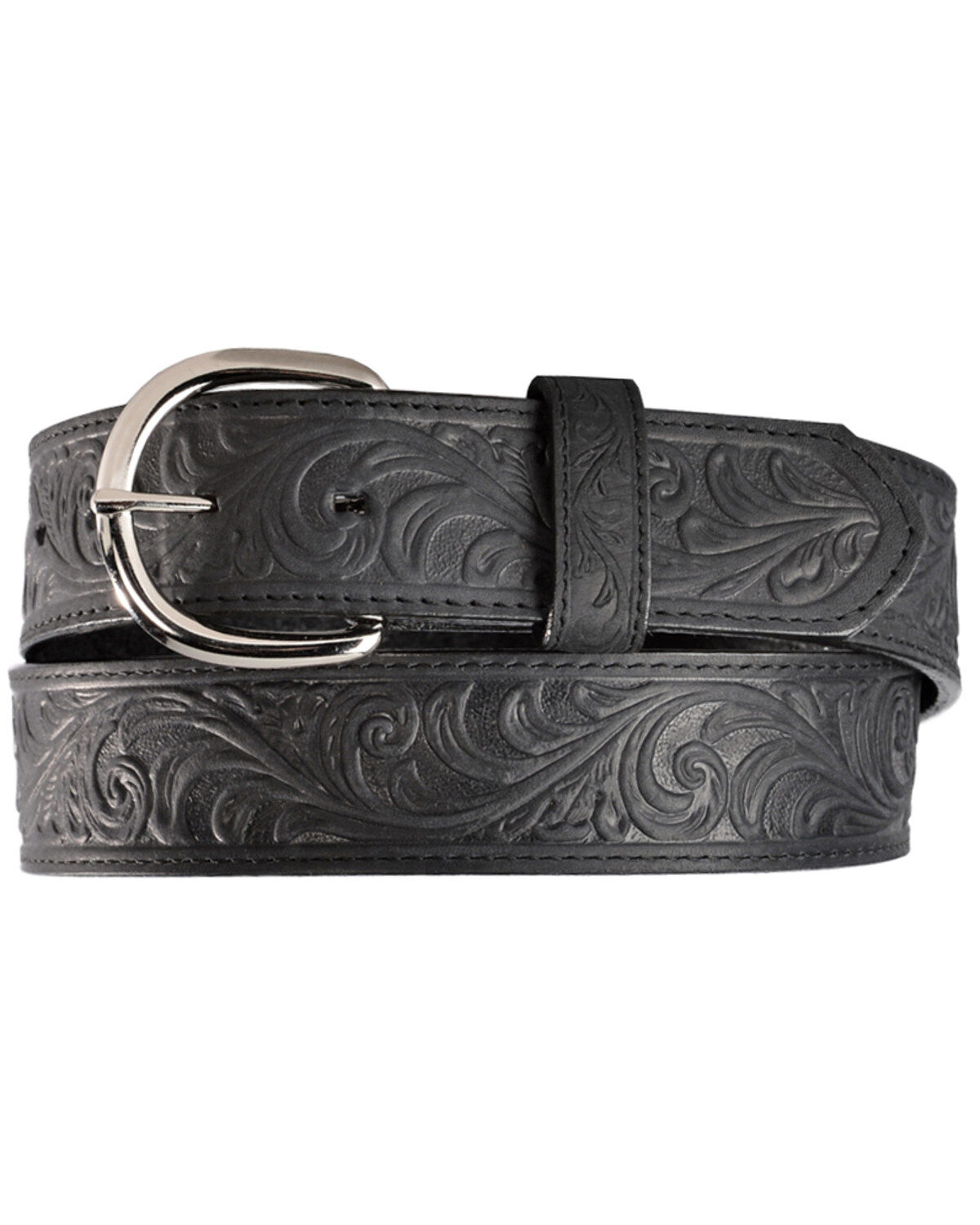
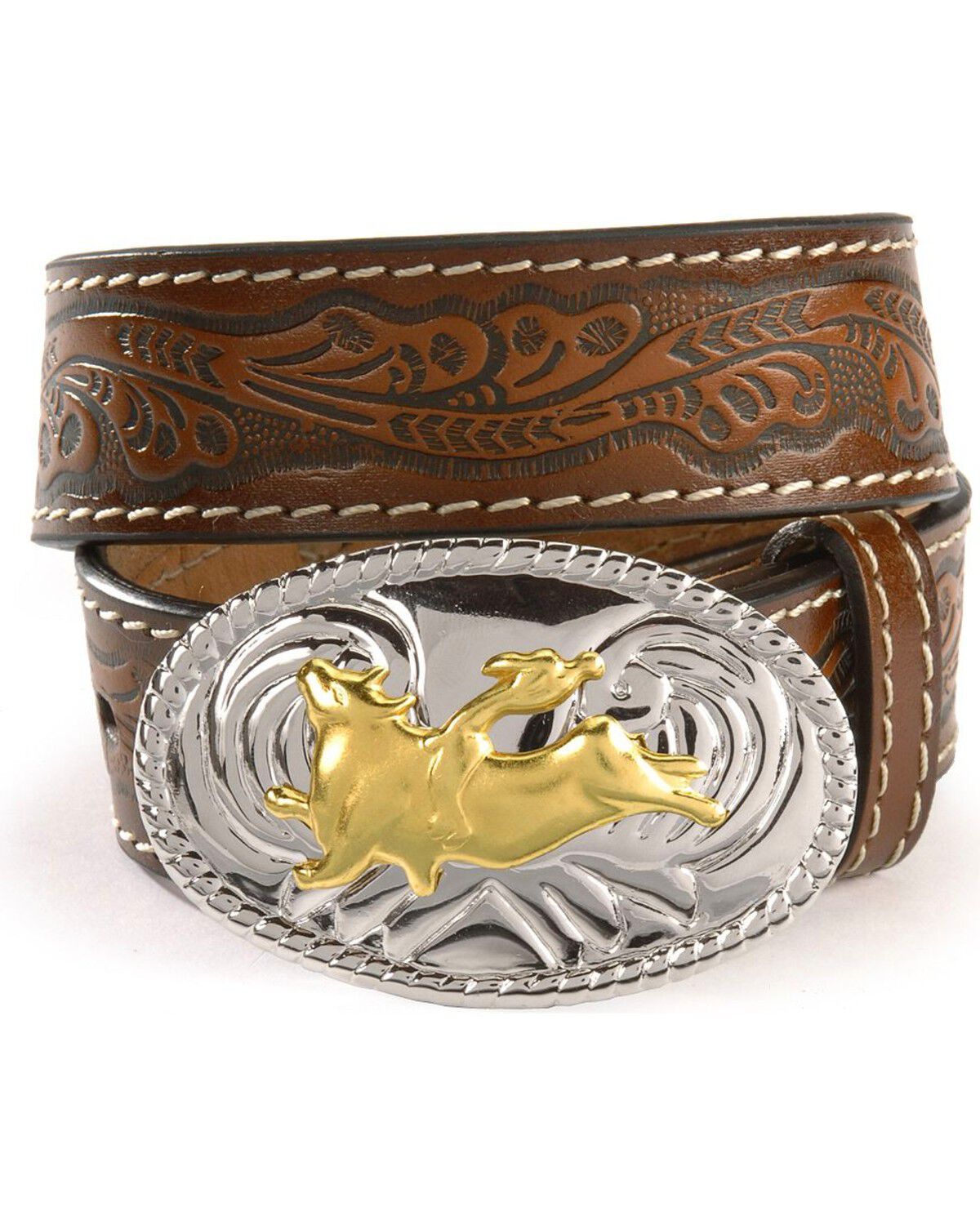
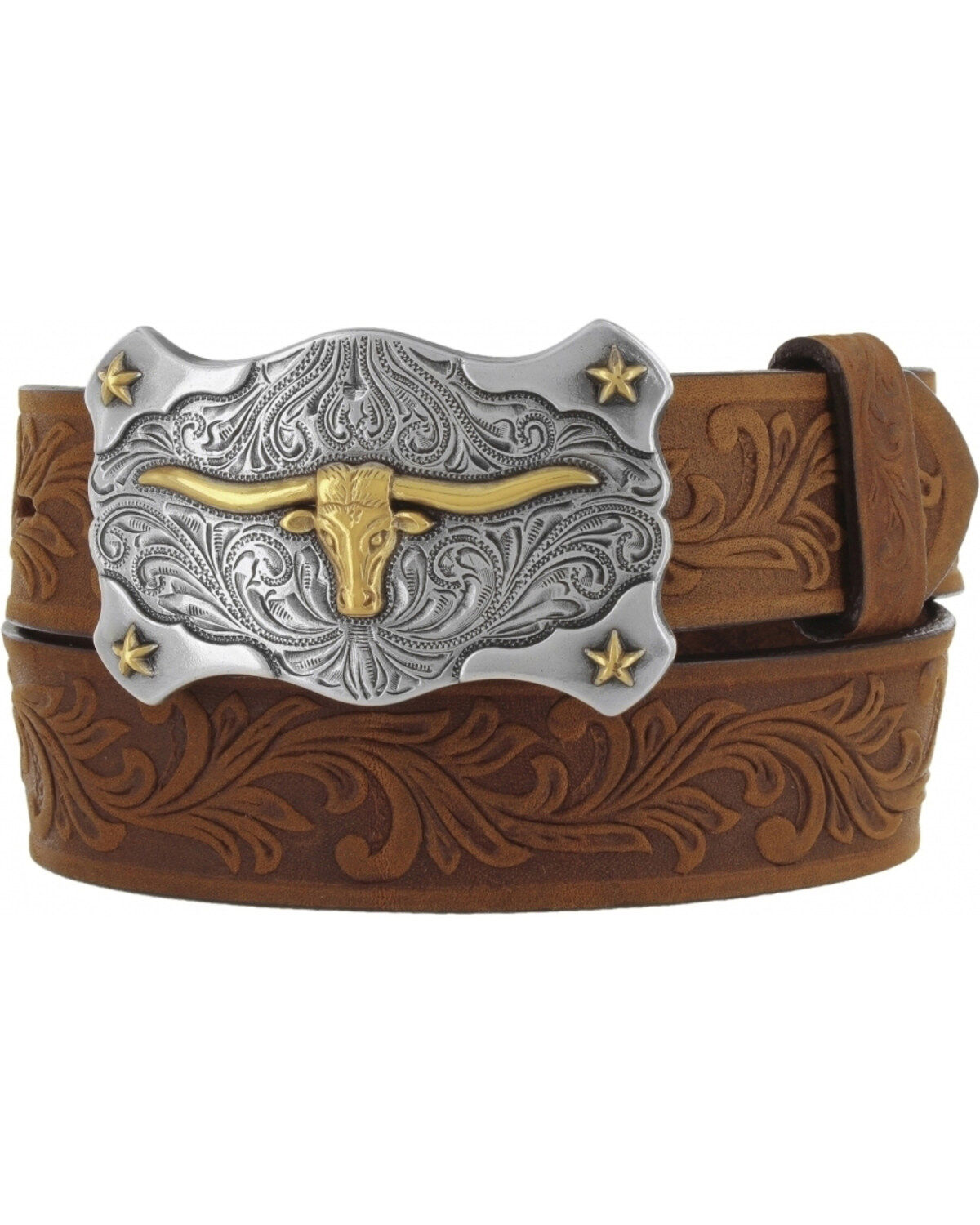
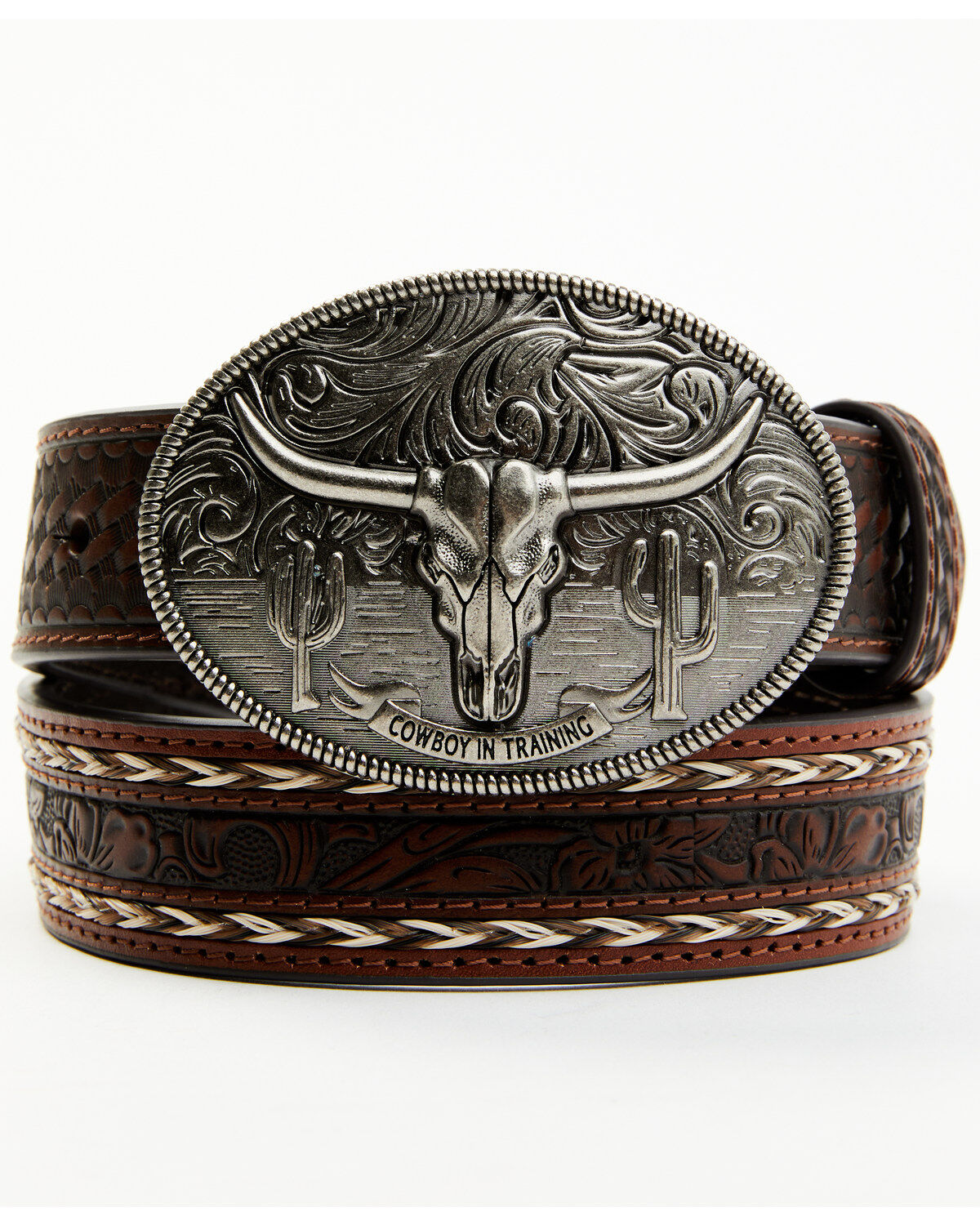
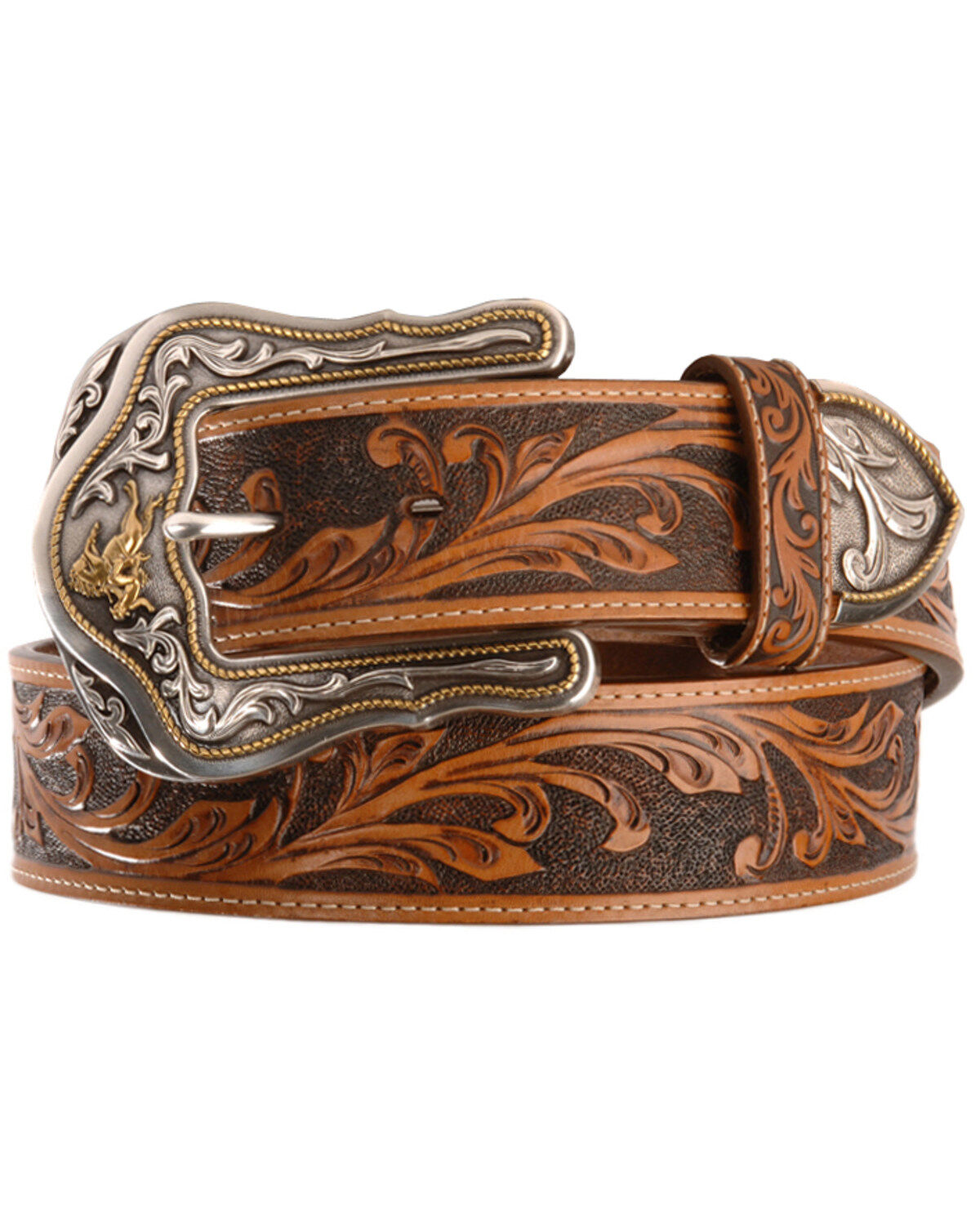
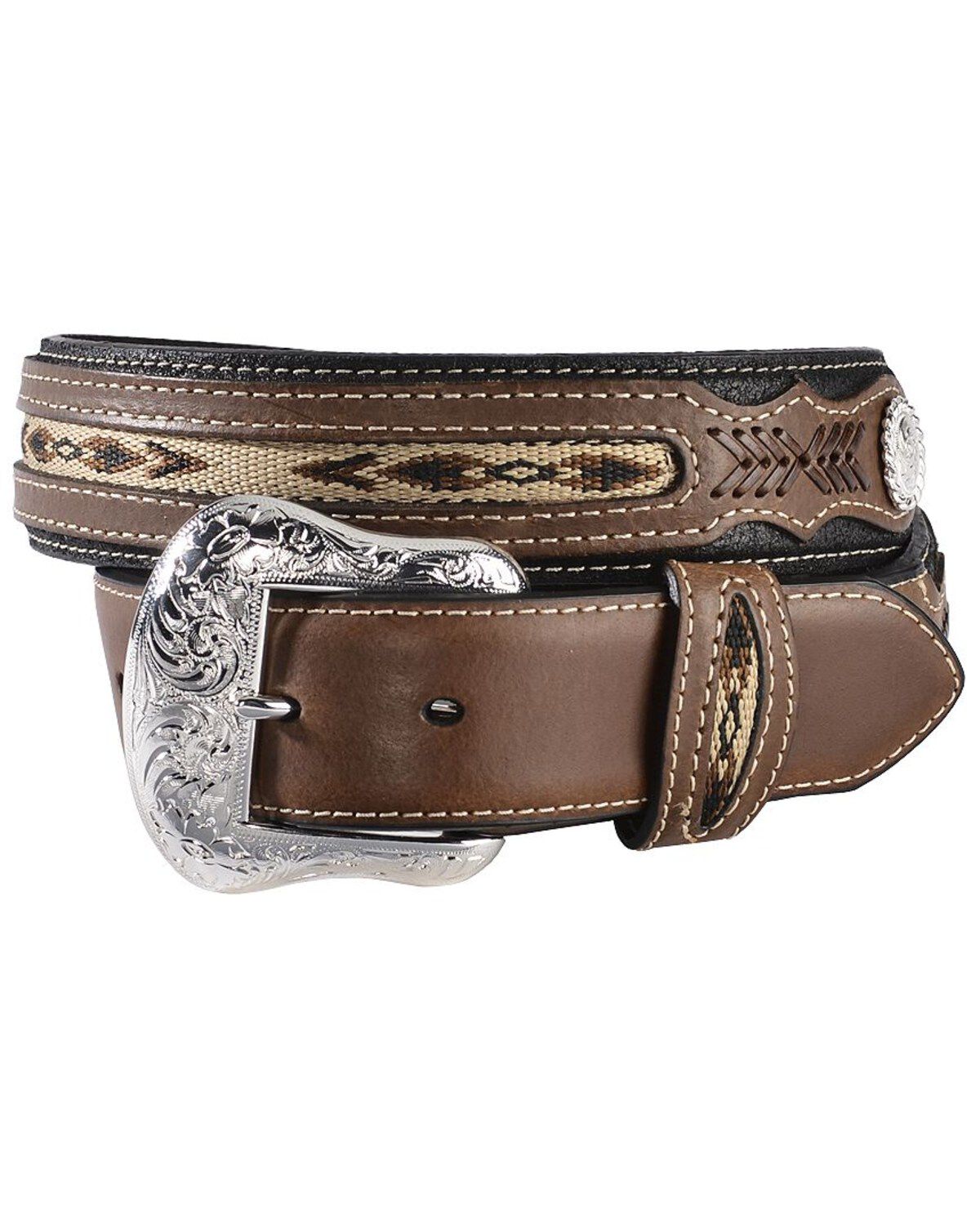
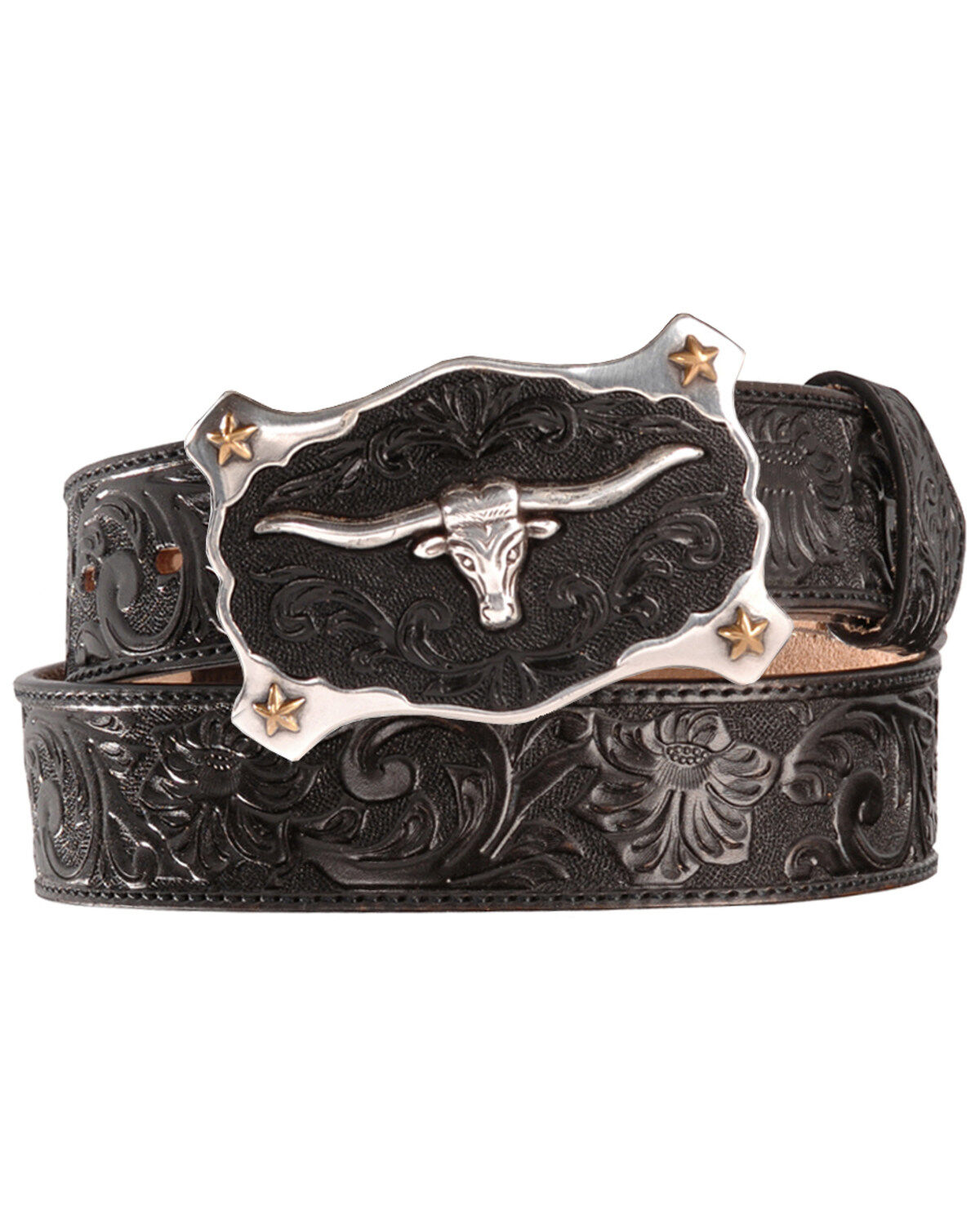
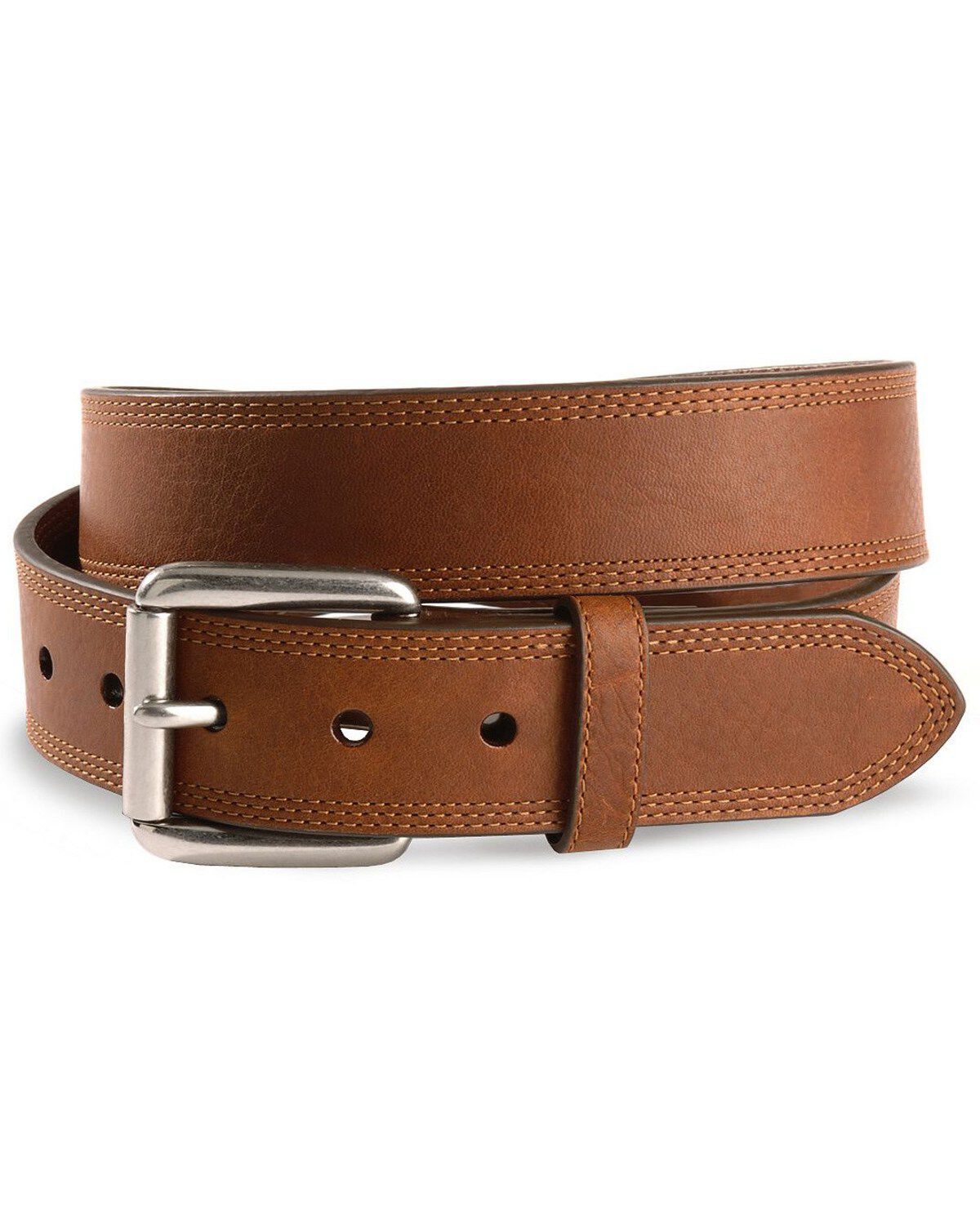
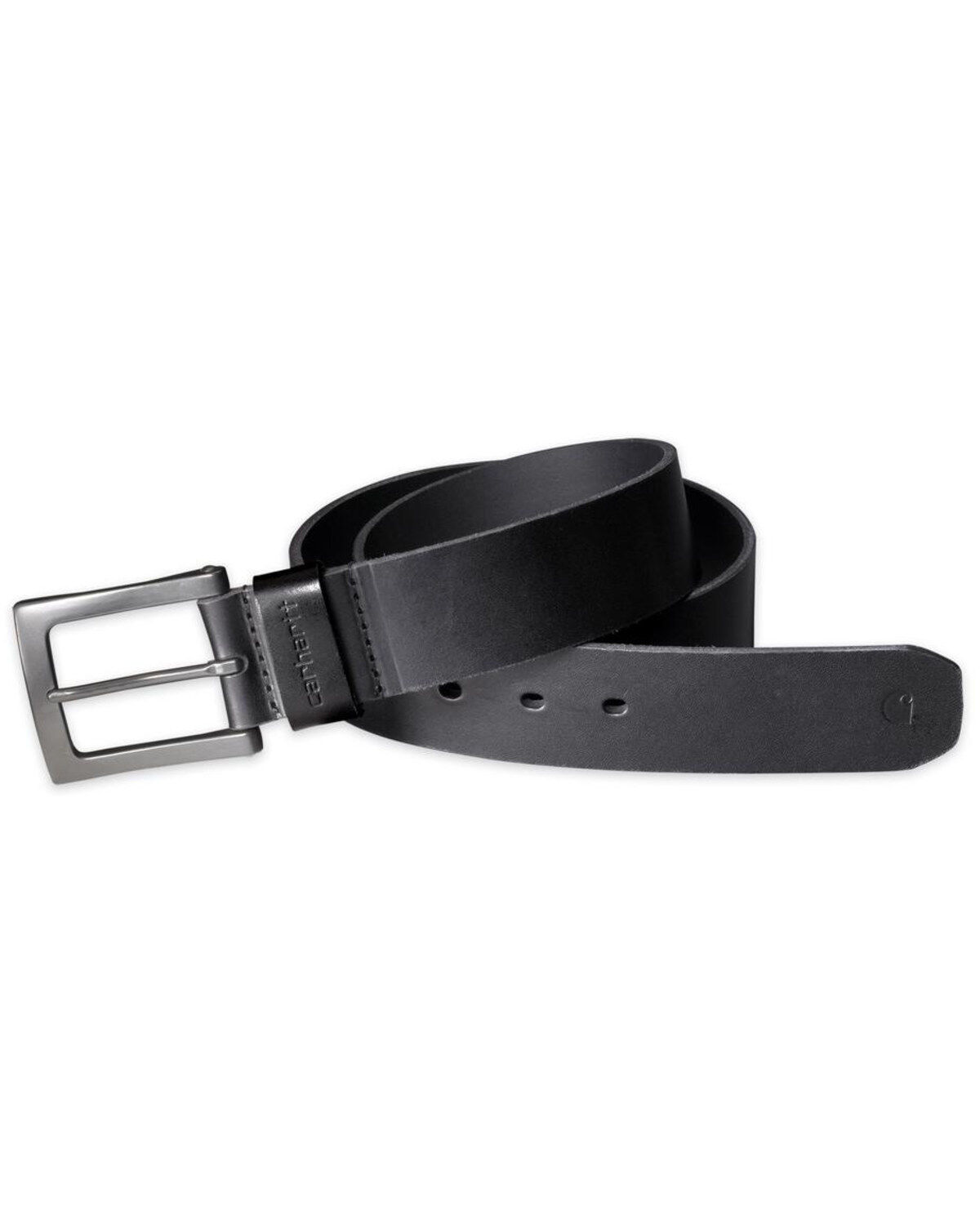
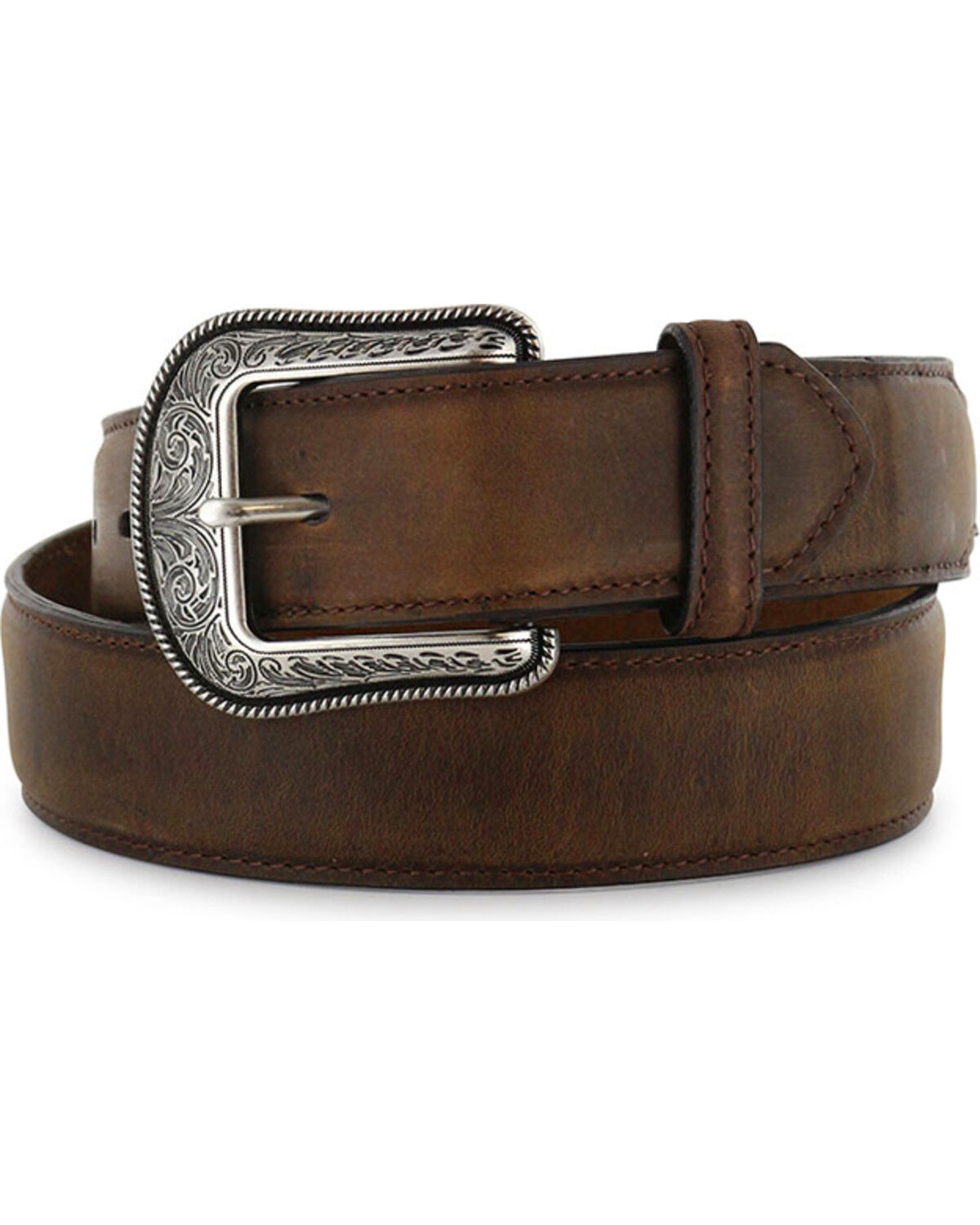
Cowboy buckle belts combine a secure fit with the distinctive hardware that has long been part of western wear. A substantial buckle can anchor a simple outfit of jeans, boots, and a button-down shirt, while a smaller buckle keeps the same character with less weight at the waist. The look comes from the relationship between the strap and the hardware, not just the size of the buckle. Smooth leather gives engraved metal room to stand out. Tooled and stamped leather adds depth through patterns, from flowing scrollwork to clean geometric borders. Basketweave textures, finished edges, and contrasting stitching offer other ways to add detail. Full-grain leather retains its natural surface and can develop visible character with wear. Top-grain leather is generally finished for a more uniform appearance. Regardless of the leather type, a firm strap, secure construction, and neatly finished edges matter more than ornament alone. A lined strap may feel different from a single layer of heavy leather, and thickness affects how easily the belt passes through loops. Buckle shape changes the look as well. Oval and rectangular plates provide a broad surface for engraving, while open-frame buckles leave more of the strap visible. Some designs feature a western scene or raised motif; others rely on a clean border and a simple metal finish. The brighter finish of Silver Buckle Belts pairs well with black, brown, and tan leather without requiring every metal detail in an outfit to match exactly. Silver tone describes a color, not necessarily solid silver, so the stated metal and finish are worth noting. Darkened recesses can bring out engraved lines, while a smoother polished surface gives a cleaner appearance. Matte or brushed hardware creates a quieter contrast against leather. A buckle with enough detail to feel personal can still work with a plain shirt and worn-in denim.

Fit matters as much as the buckle design, especially when a belt will be worn for a full day. A belt size is not always the same as a pants waist size, and sizing methods can vary. The measurement of a belt that already fits comfortably is a useful reference when compared with the listed sizing information. Many size charts use the distance from the buckle attachment point to a particular adjustment hole, rather than the full length of the strap. The goal is a secure fit with some room to adjust, not a strap pulled to its last hole. An appropriate length also leaves enough tail to pass through the keeper without extending far around the hip. Width deserves the same attention. A broad western belt needs belt loops wide enough to hold it, and a heavy strap can feel bulky in close-fitting jeans. A narrower belt may suit smaller loops or an outfit where the buckle should be the main detail. Buckle proportions are a matter of comfort as well as appearance. A large plate should not press sharply into the body when sitting, bending, or driving. Someone who spends hours in a saddle may prefer a different shape from someone choosing a belt for a concert or wedding. For everyday wear, a smooth-edged buckle and a flexible but supportive strap can be more comfortable than heavily raised hardware. Interchangeable buckles add flexibility, but not every belt is built to accept them. Some straps have snap closures at the buckle end, while others use fixed construction. Strap width, buckle opening, and attachment style need to match when hardware is changed. Men, women, and children can wear western buckle belts; the useful distinctions are size, proportion, and intended use rather than a rule about who can wear a particular pattern. With a tucked-in shirt, the belt and buckle are fully visible, making the balance of leather color, buckle size, and stitching more noticeable. With an untucked shirt, a comfortable fit and a buckle that sits close to the body may matter more than elaborate detail.

Regular care helps preserve both the leather and the buckle finish. Loose dirt can usually be removed with a soft cloth or gentle brush before it settles into stitching or stamped patterns. When additional cleaning is needed, a leather-safe cleaner suited to the strap finish is a better choice than household detergent. Testing any cleaner or conditioner on a small, hidden area helps reveal unwanted darkening or changes in texture. Leather does not need to feel oily to remain supple, and too much conditioner can leave residue or soften a firm strap more than intended. A damp belt should dry naturally away from direct heat, without being folded tightly or put away wet. Buckle care depends on the metal and its coating. A soft cloth is often enough for fingerprints, while abrasive polish can damage plating or remove an intentionally darkened finish. Storage matters, too. Hanging a belt straight or rolling it loosely avoids the sharp bends that come from leaving it folded under clothing. Normal creasing gives leather character, but deep cracks around adjustment holes, separating layers, or loose buckle attachments deserve attention. A sound buckle may outlast its original strap if the replacement has compatible dimensions and construction. Cowboy buckle belts also make practical gifts when the recipient already wears western clothing or has a clear preference for bold hardware. A familiar belt offers useful clues about length, width, leather color, and preferred buckle size. Someone who wears plain brown leather every day may appreciate restrained tooling more than a large statement plate. A person who collects buckles may value a strap with a compatible removable attachment instead. For a birthday or personal milestone, the strongest choice reflects the way the recipient actually dresses, whether that means worn jeans and work boots or dark denim and a pressed western shirt. The details should suit the wearer, and the fit should make the belt comfortable enough to become part of a regular rotation.

FAQs