Cold Weather Work Clothing For Men

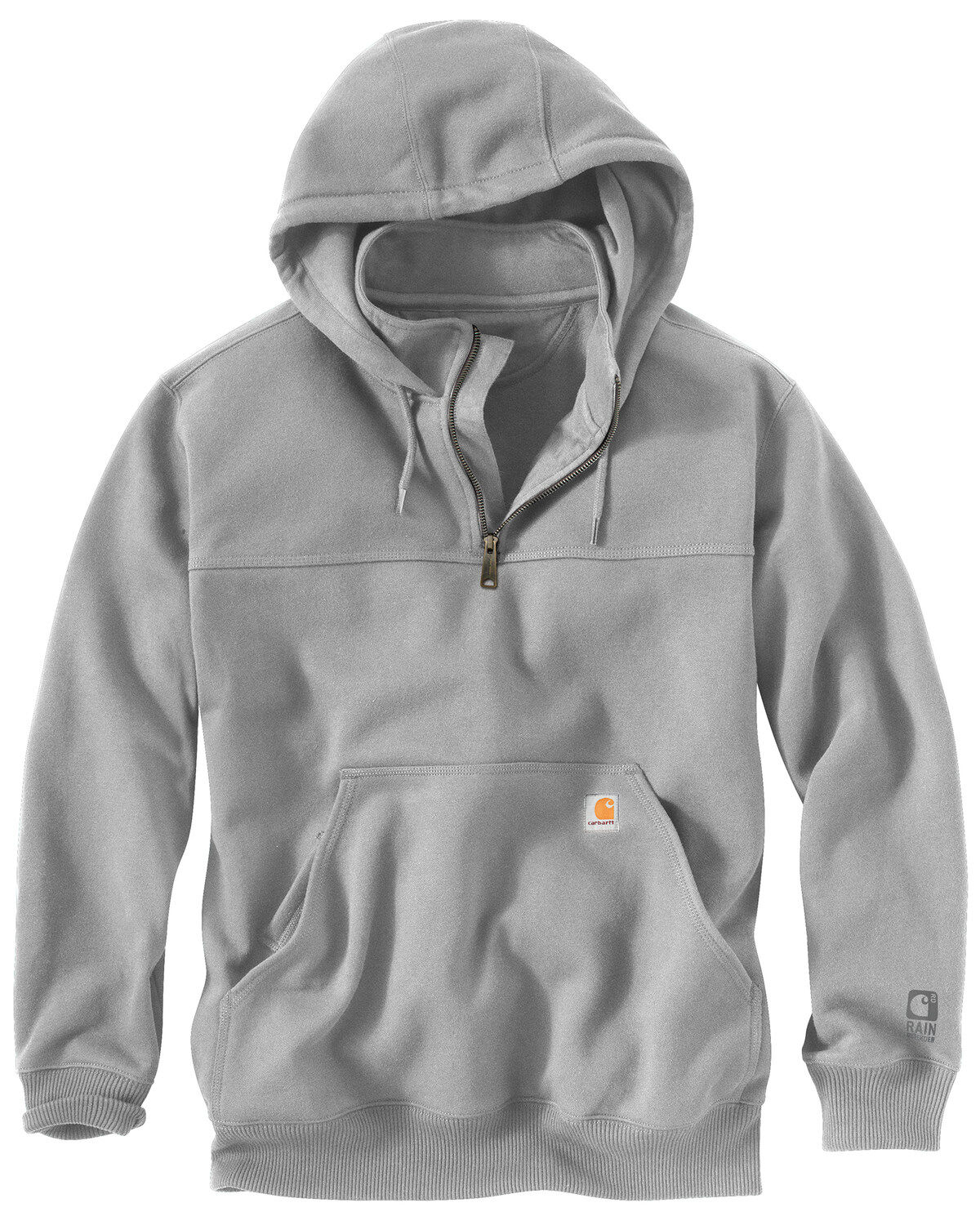
Find cold weather work clothing for men to prepare for long hours on the job as temperatures drop. Browse men’s workwear with your daily tasks in mind, and consider warmth, freedom of movement, and room to layer when choosing what to wear.

Shop Your Store: Shop Your Store: Find a Store

(Turn off Shop Your Store to see all items)

(Turn off Shop Your Store to see all items)

close
  • Recommended
  • Lowest Price
  • Highest Price
Skip pass products

End of products

Cold Weather Work Clothing For Men

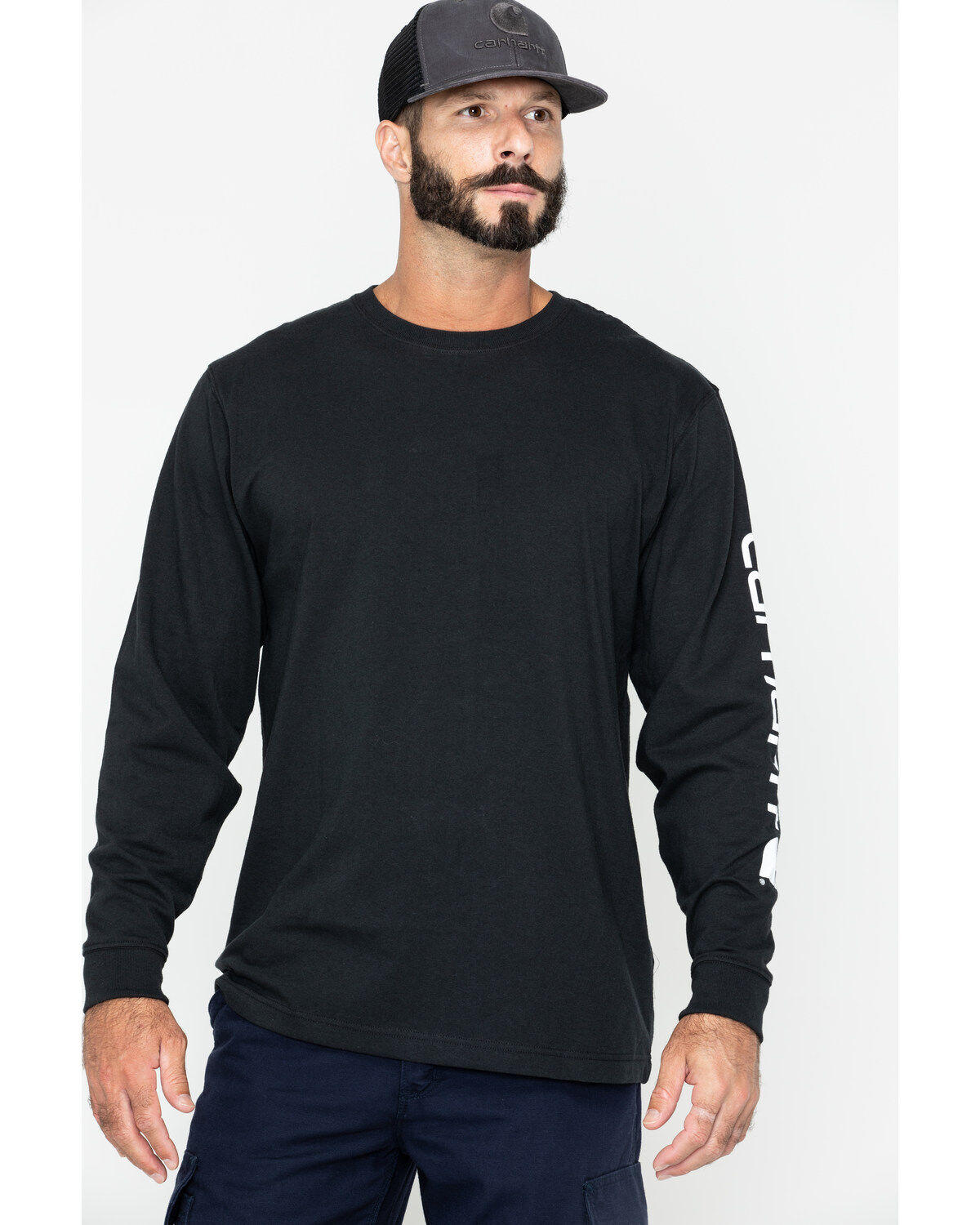
Cold weather work clothing for men has to do more than hold warmth. It needs to move through a full shift, stand up to repeated wear, and make sense for the conditions on the job. A carpenter working on an exposed frame faces different demands than a driver moving between a heated cab and an outdoor loading area. Ranch work may mean wind across open ground, damp fence rails, and long stretches without a warm place to stop. Construction, maintenance, warehouse, and utility work each bring their own mix of movement, exposure, and abrasion. That is why warmth works best alongside breathability and a practical fit. Clothing that feels comfortable while standing still may feel too heavy once the lifting starts. A layered setup allows different fabrics to handle different parts of the job without relying on one bulky garment. Base layers sit close to the skin and help manage perspiration. Synthetic fabrics generally dry faster than cotton, while wool can provide warmth and help manage moisture without requiring a thick layer. Cotton remains useful for many everyday work settings, but it can stay damp after heavy sweating or exposure to rain. Midlayers made with fleece, knit fabrics, or insulation add warmth beneath an outer shell. Their usefulness depends partly on how easily they fit under other clothing and how much movement they allow. A worker carrying lumber, bending over equipment, or climbing into a truck needs room through the shoulders and arms without loose fabric getting in the way. Flat seams, soft interiors, and necklines that sit comfortably beneath a collar matter over a long day. Clothing weight also matters when the shift includes both active work and waiting outdoors. Several manageable layers often offer more flexibility than a single heavy layer, especially when work moves between sheltered spaces and open air. The goal is steady comfort, with enough warmth for the task and enough freedom to keep working without constantly adjusting clothing.

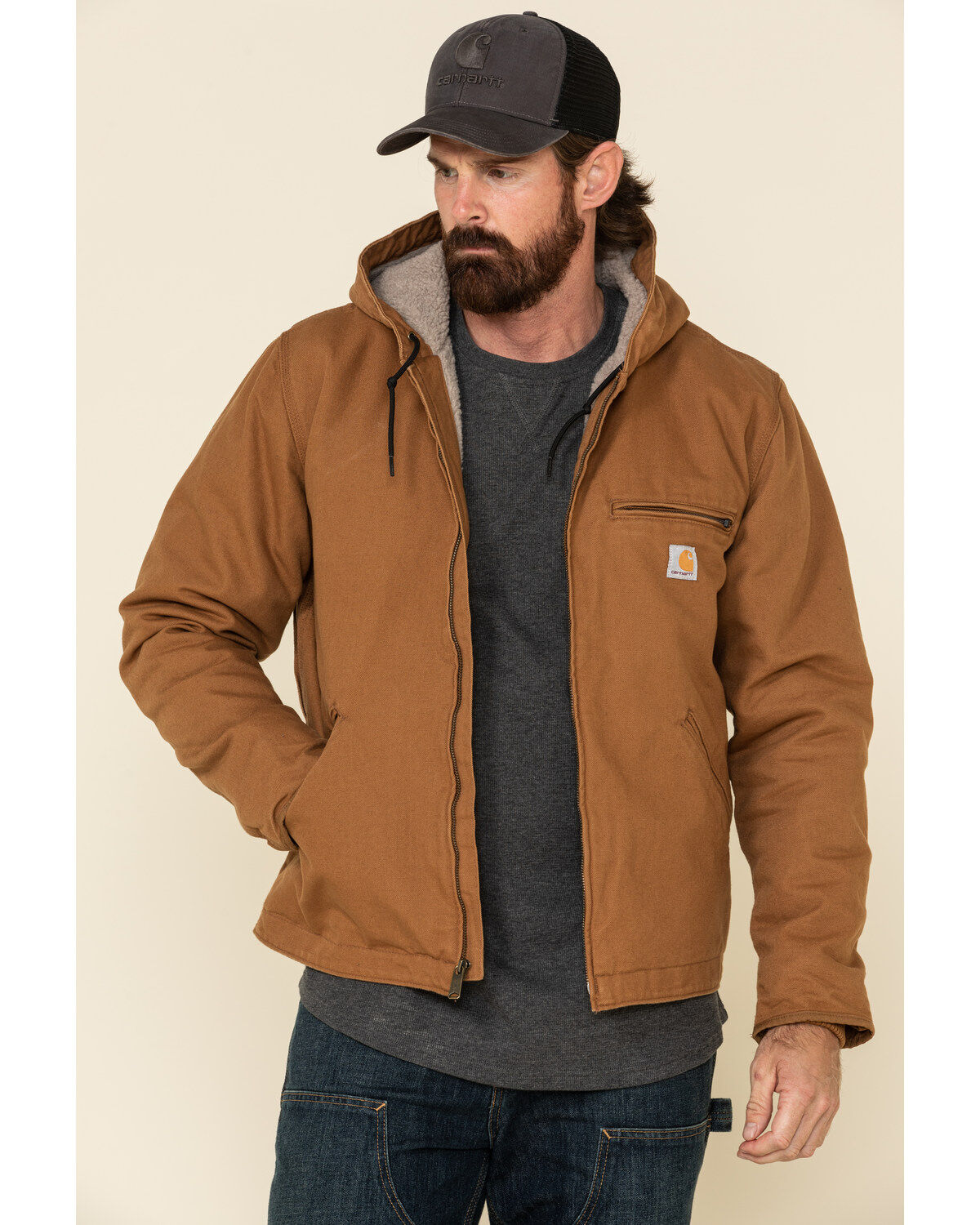
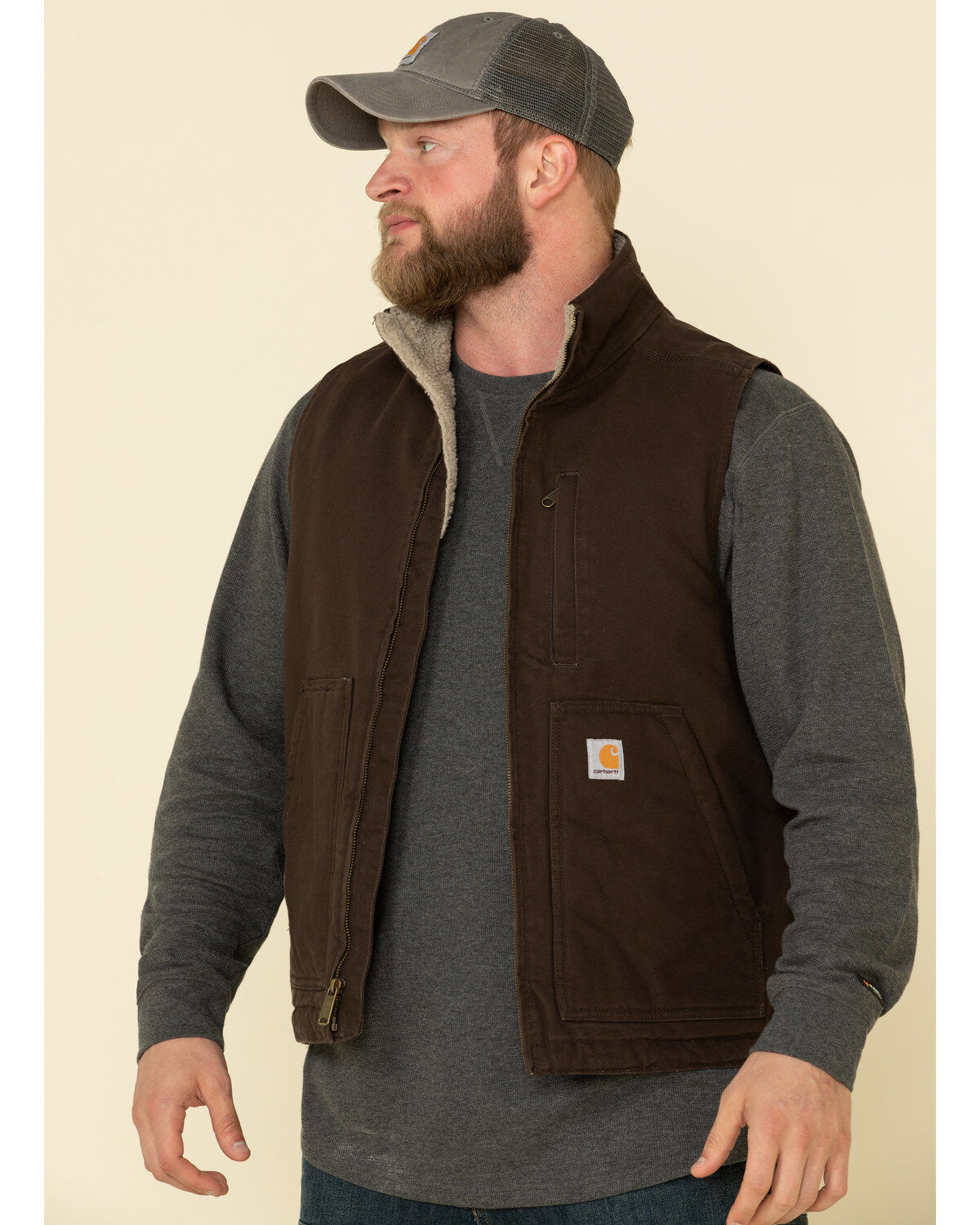
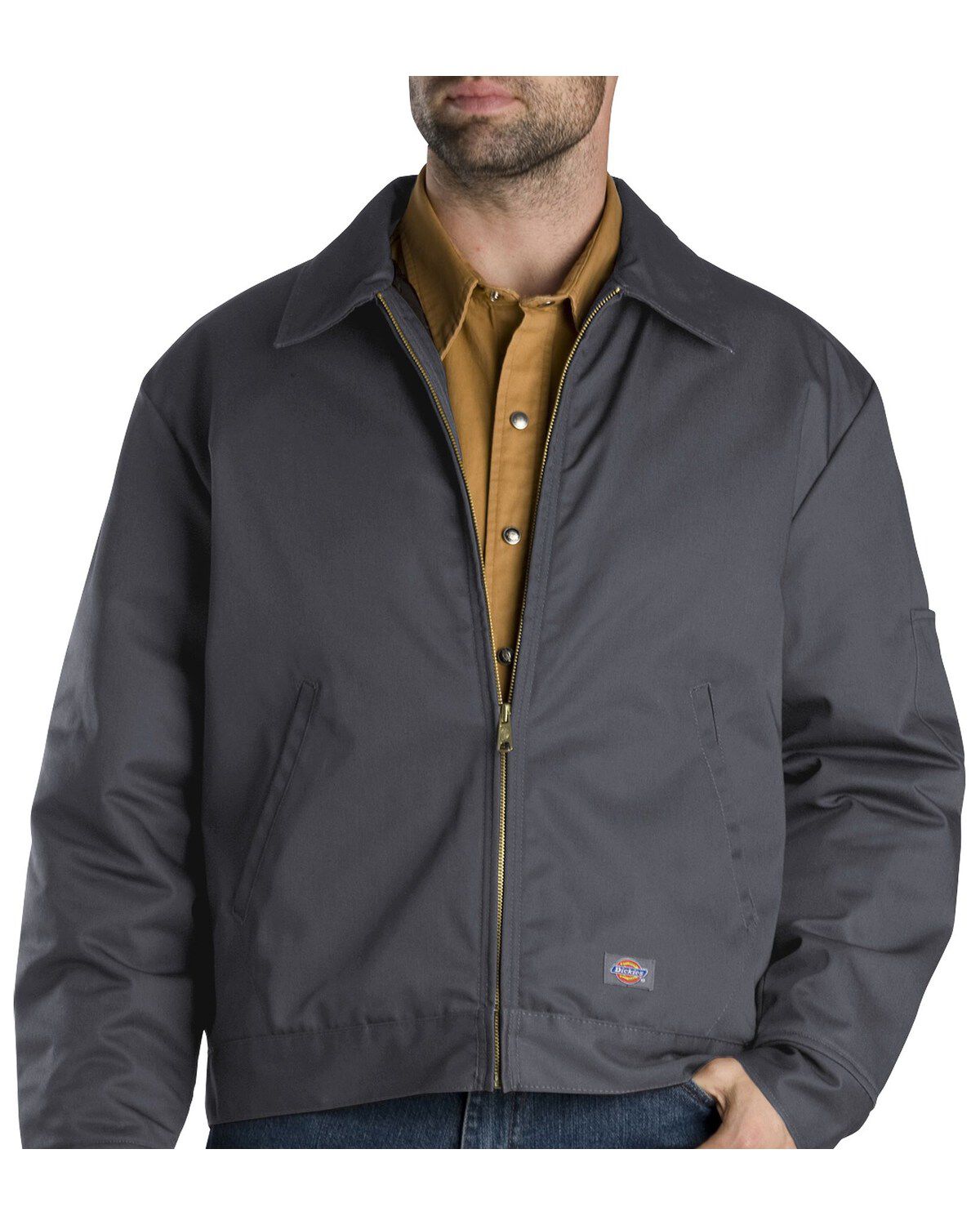
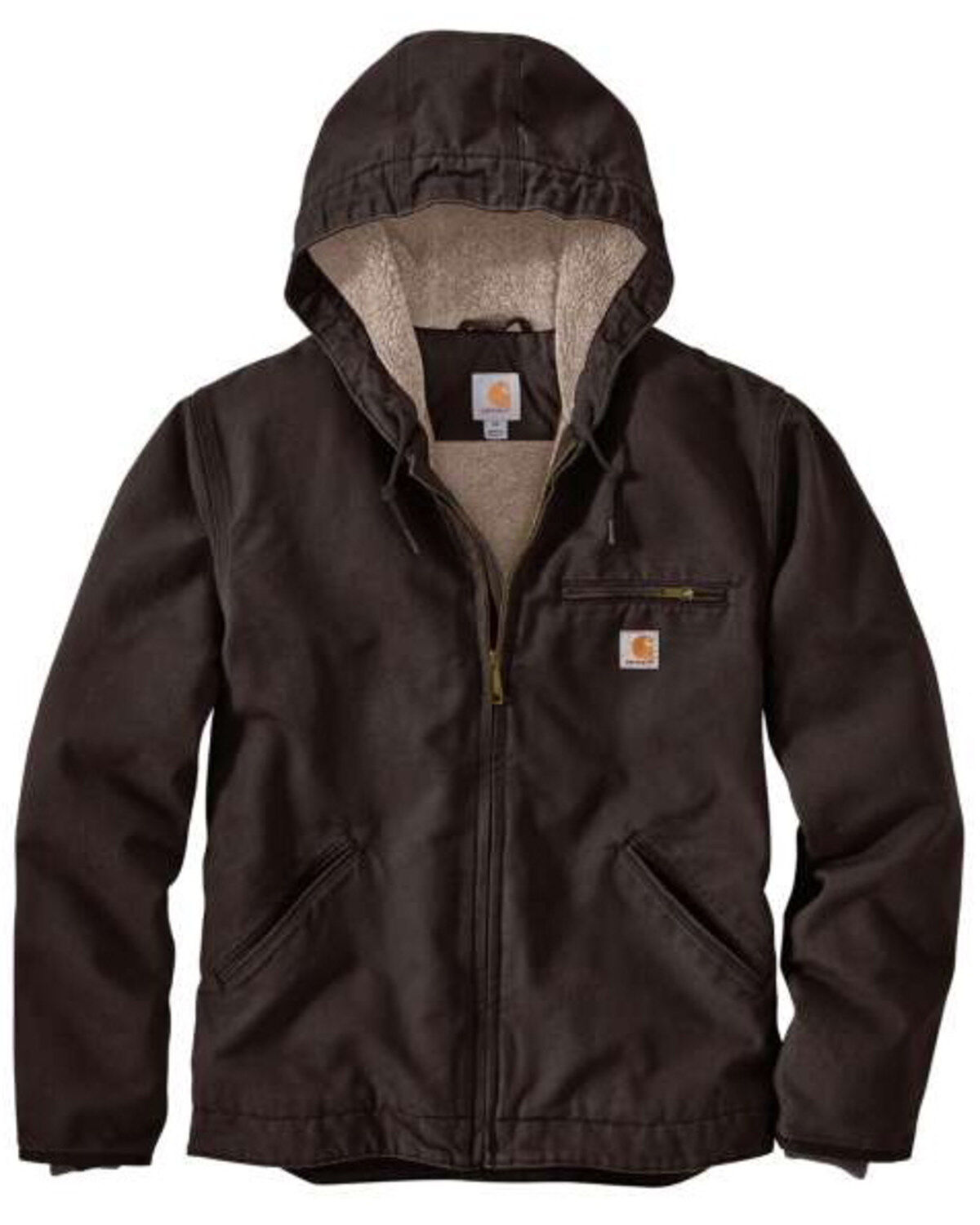
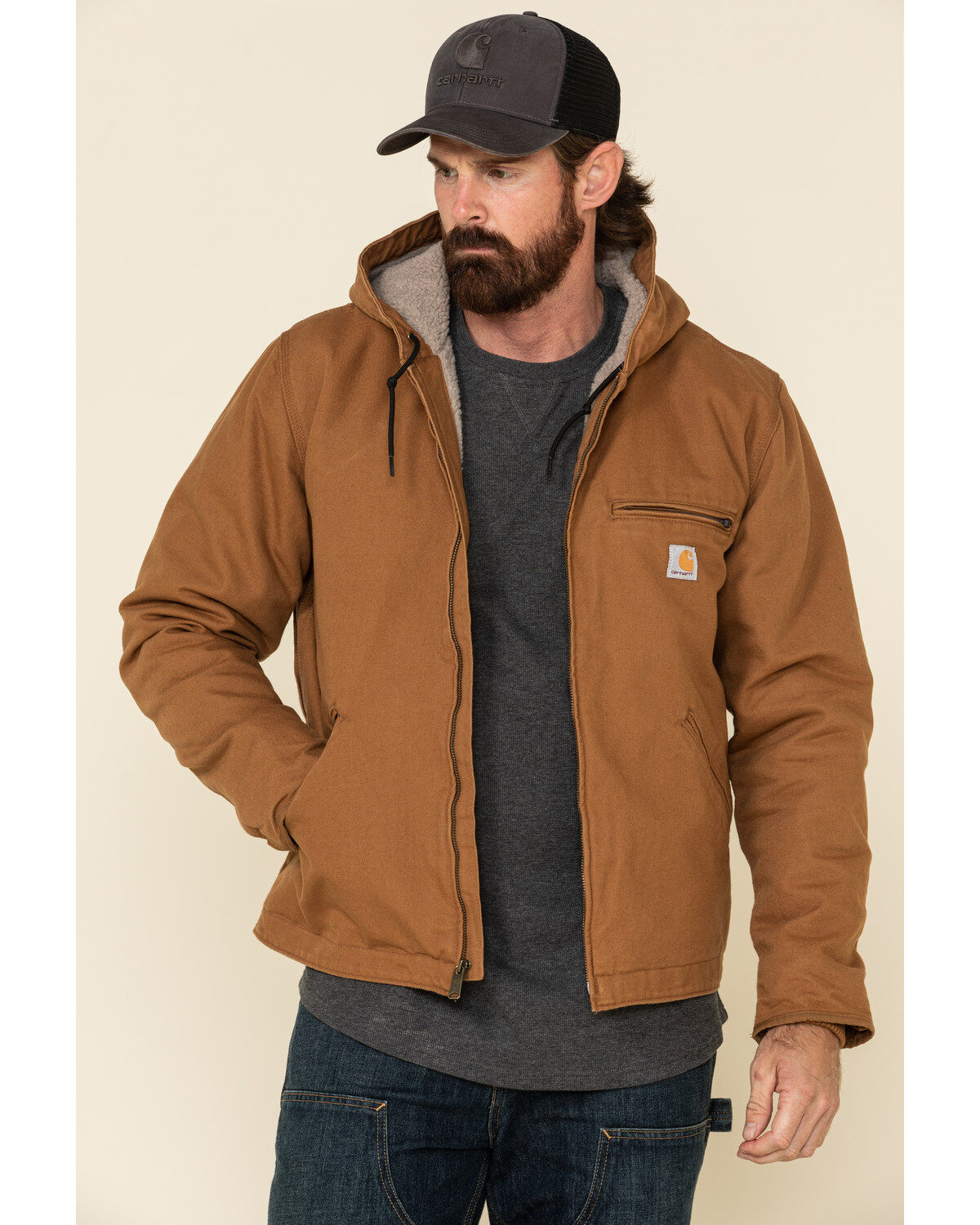
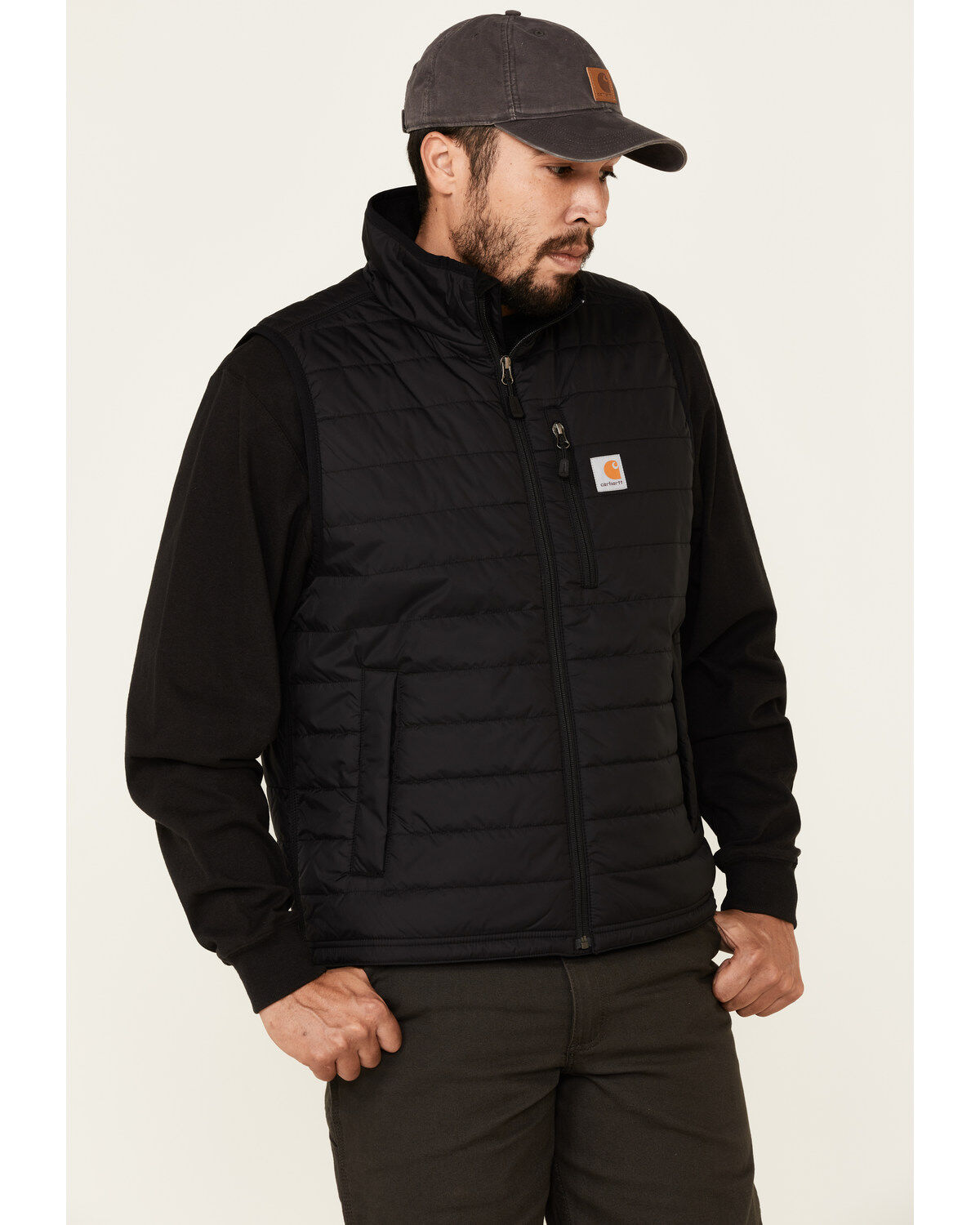
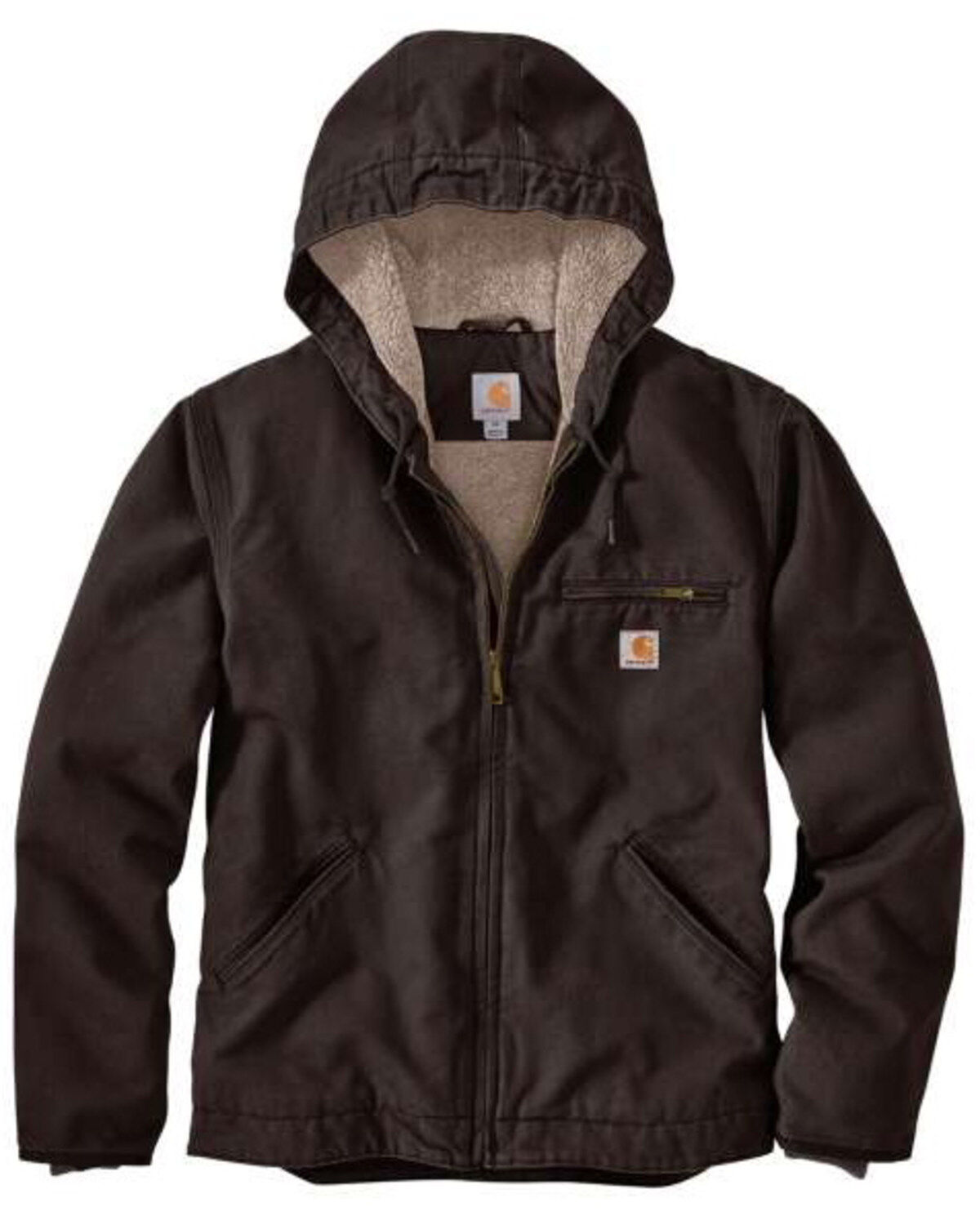
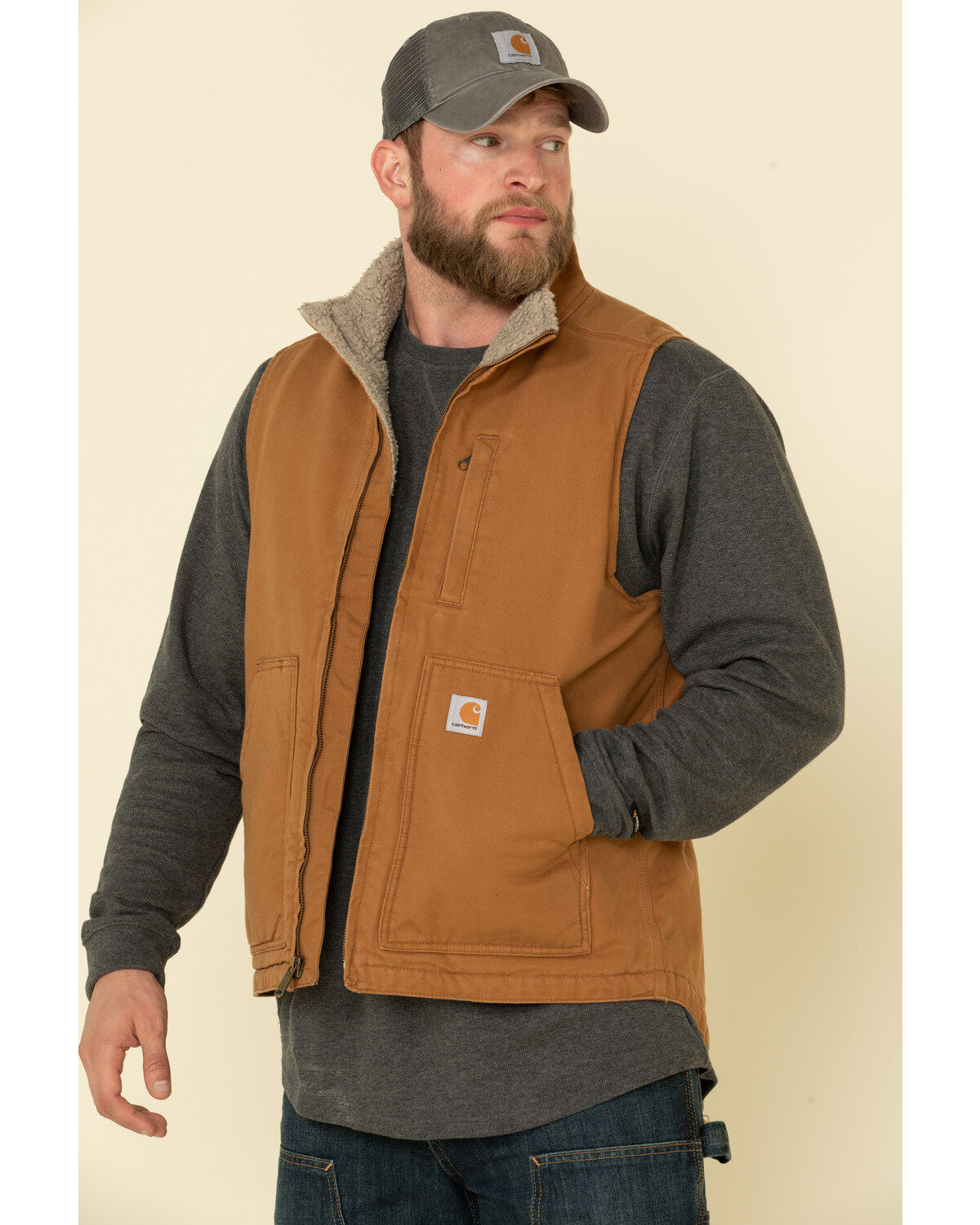
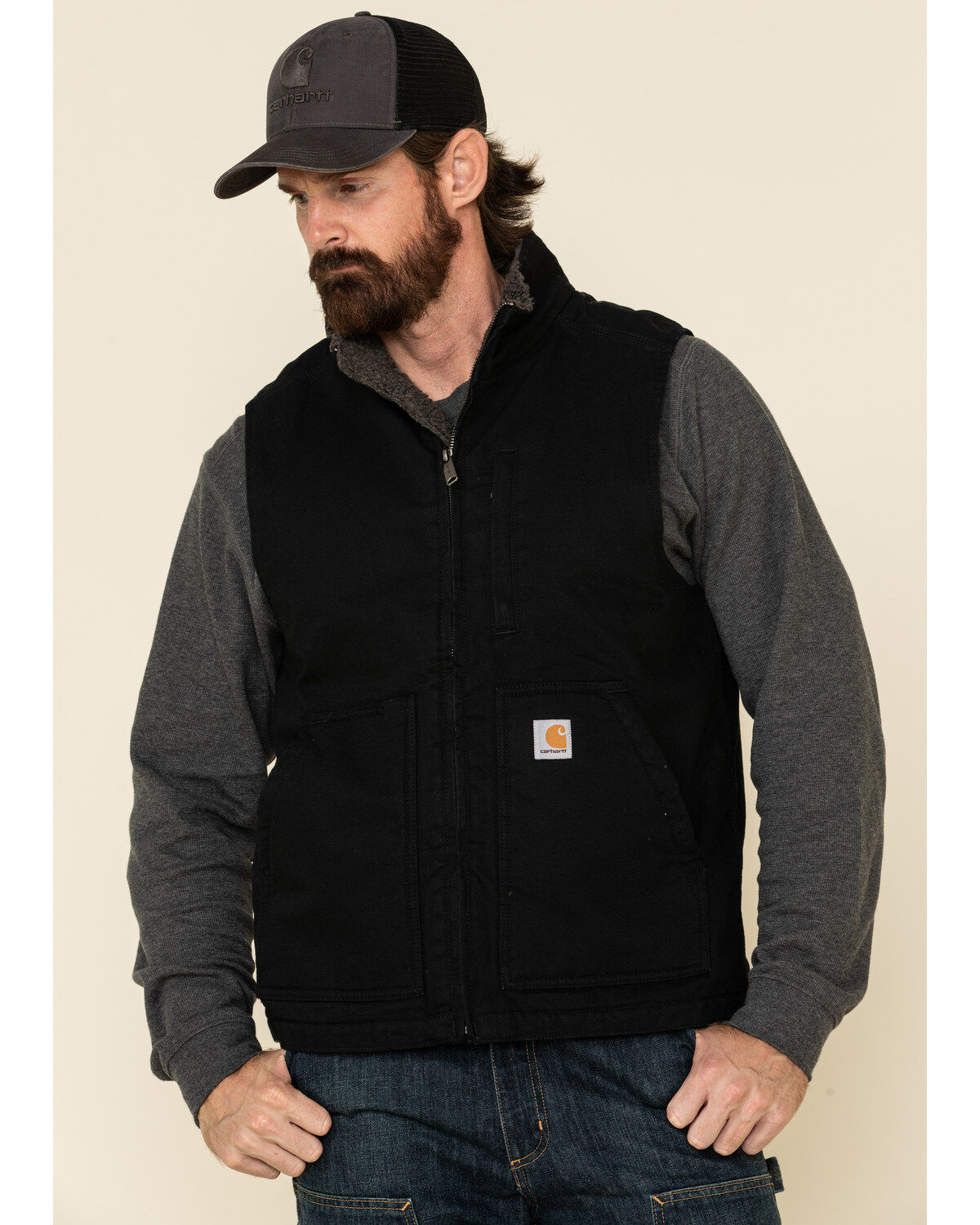
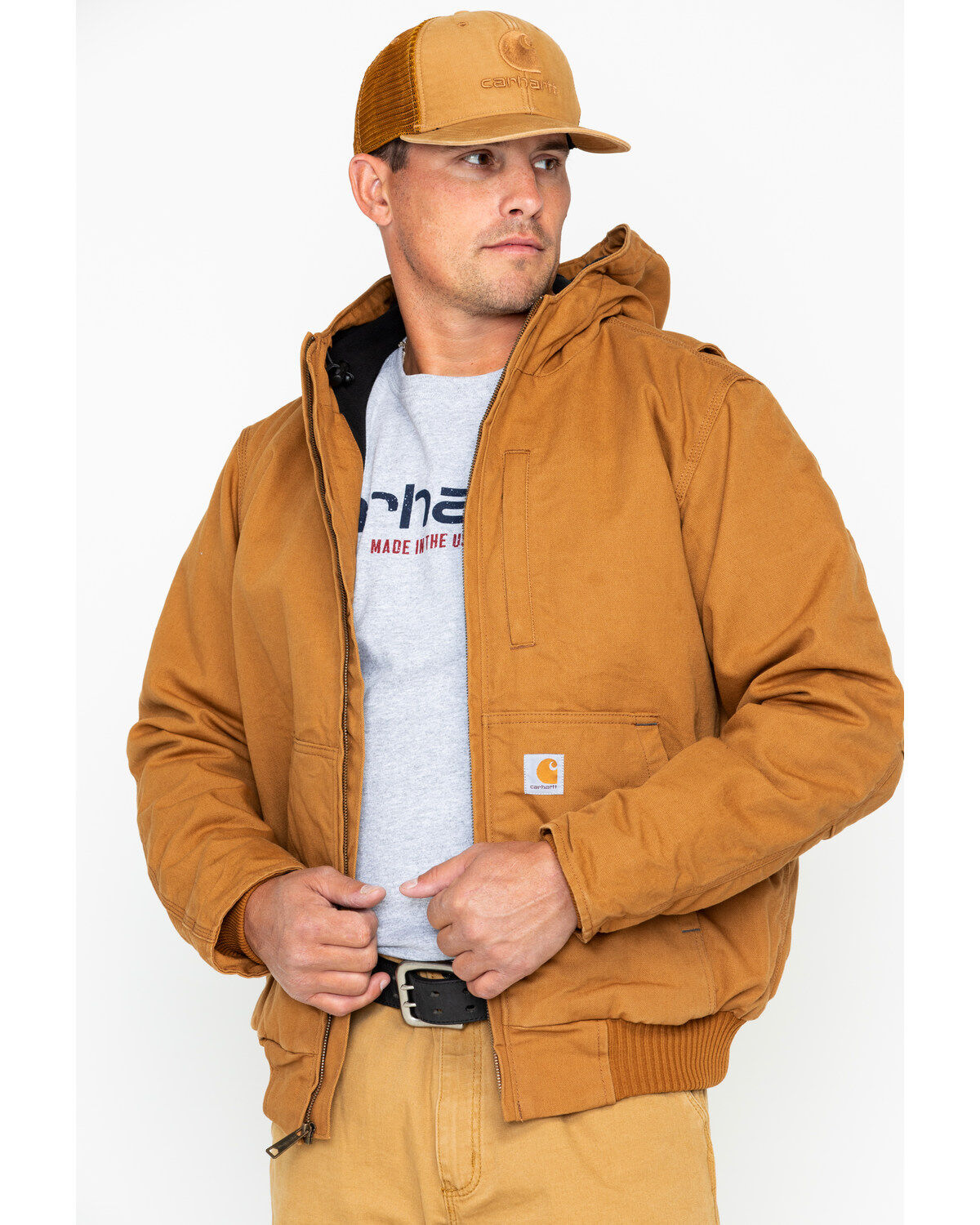
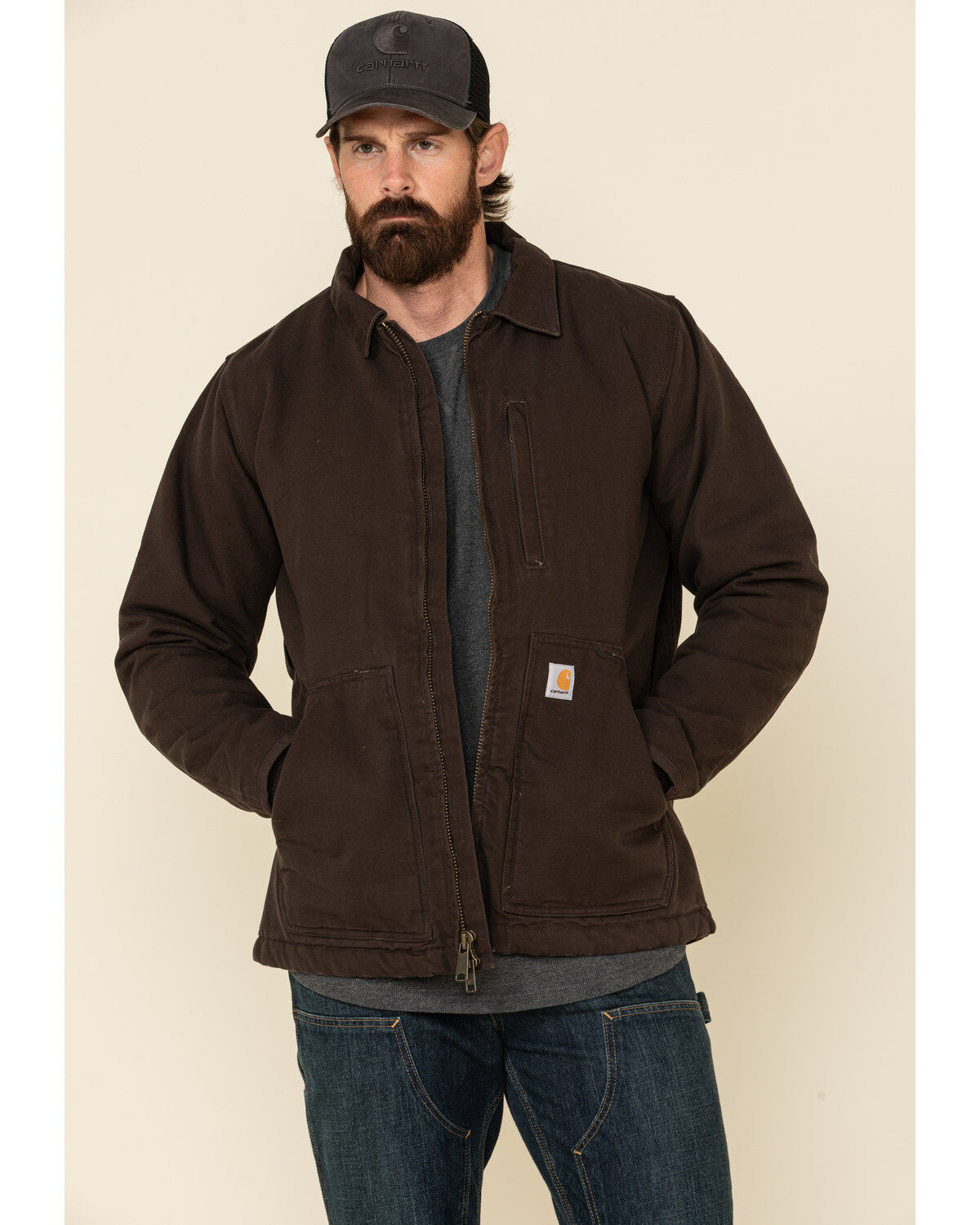
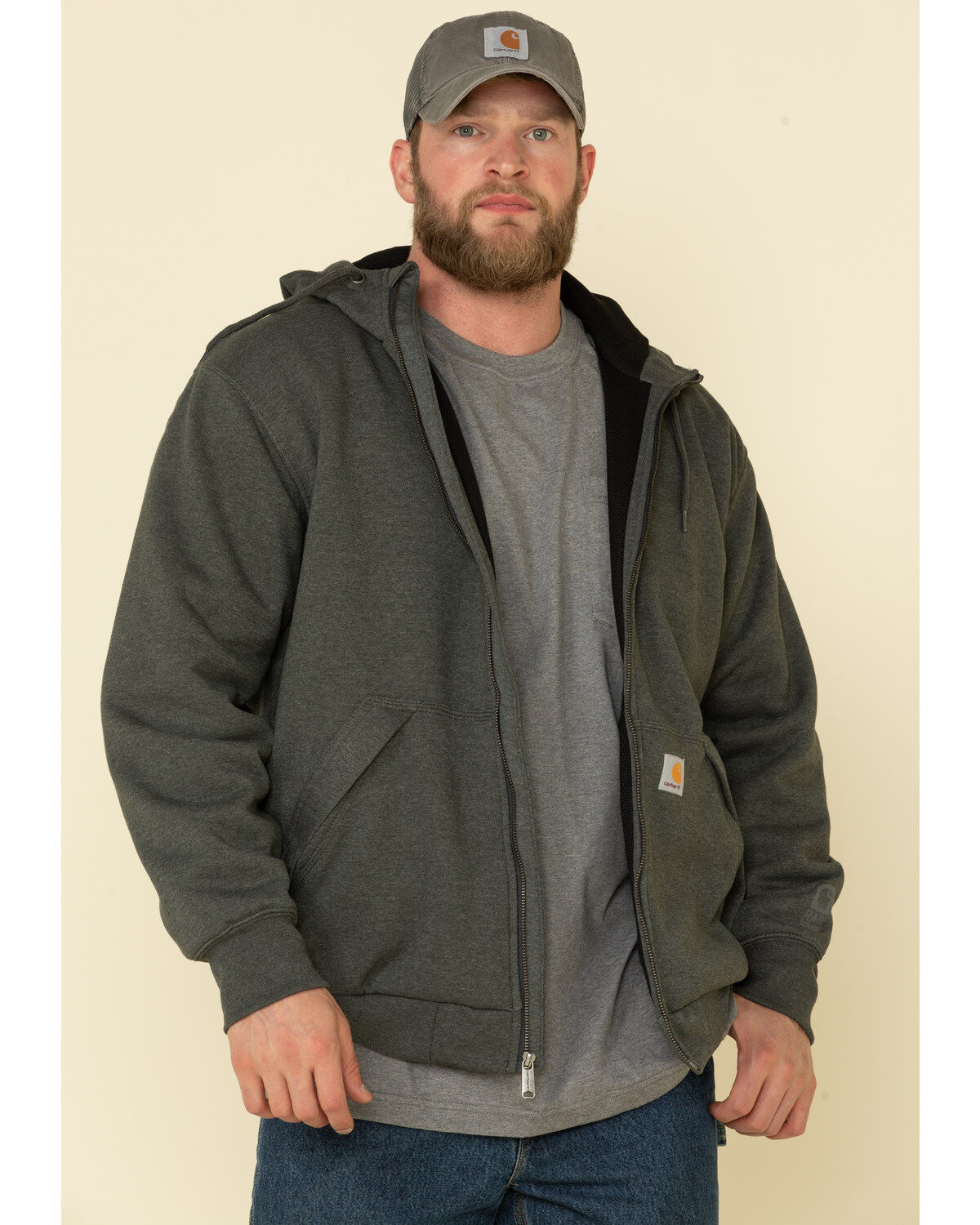
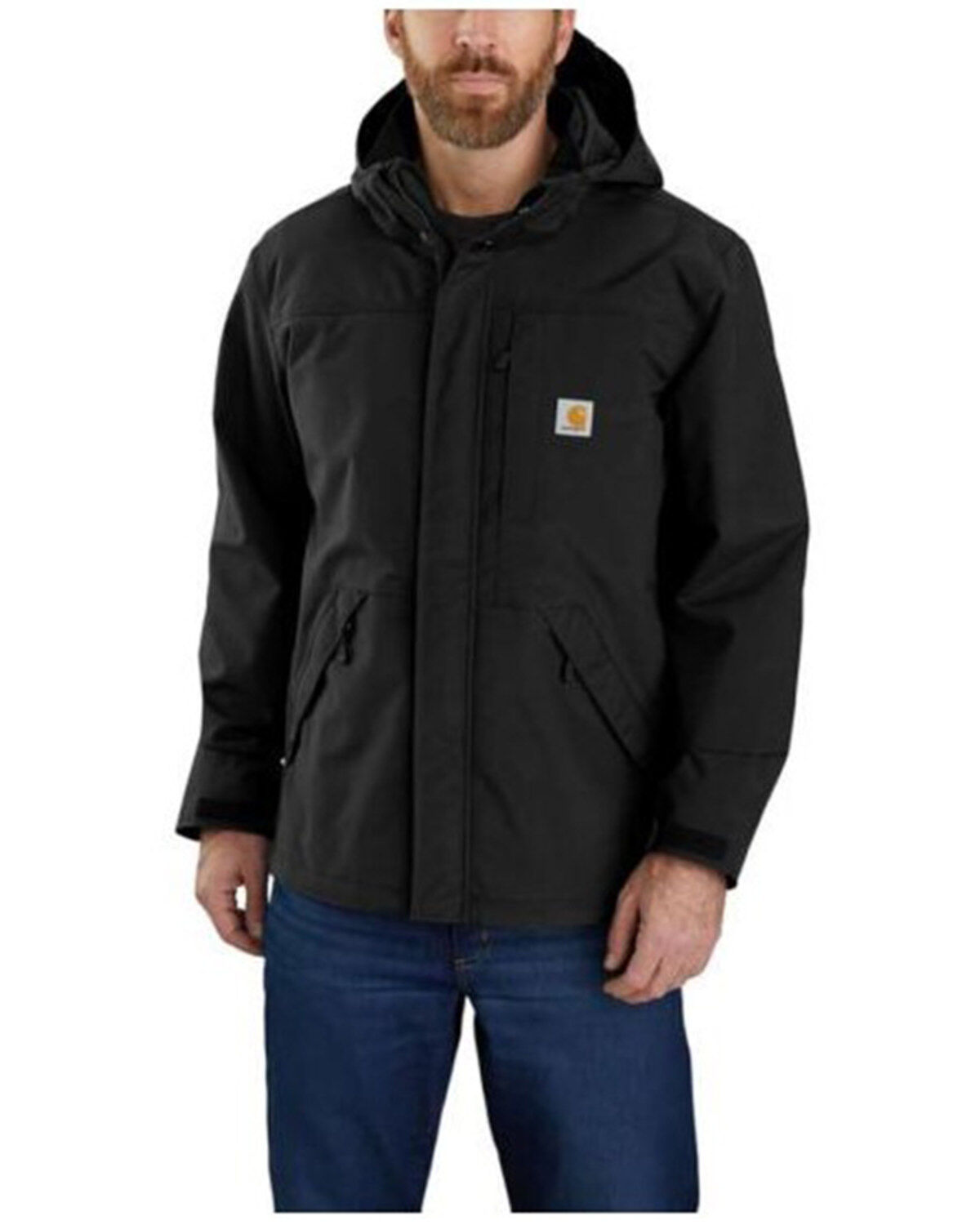
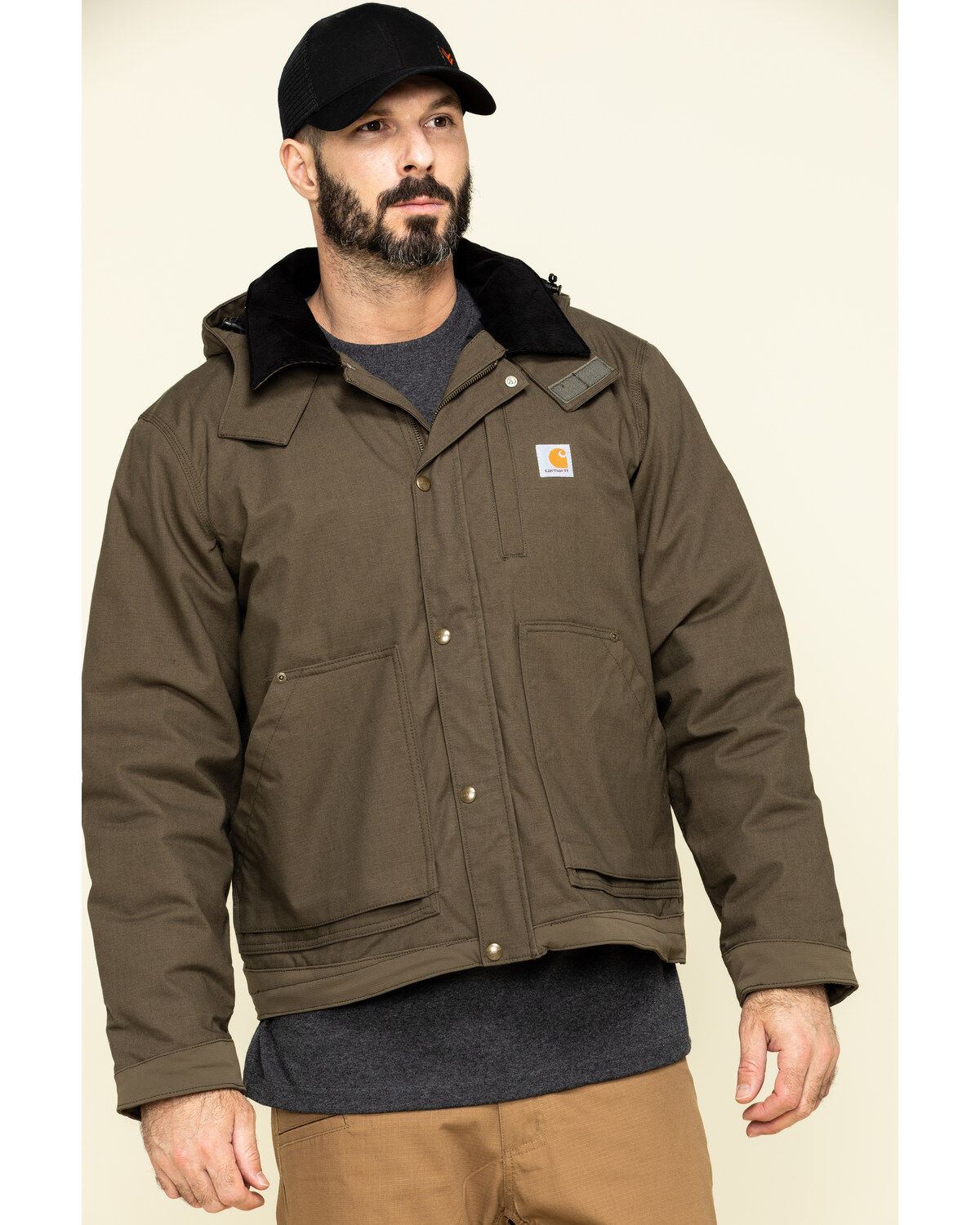
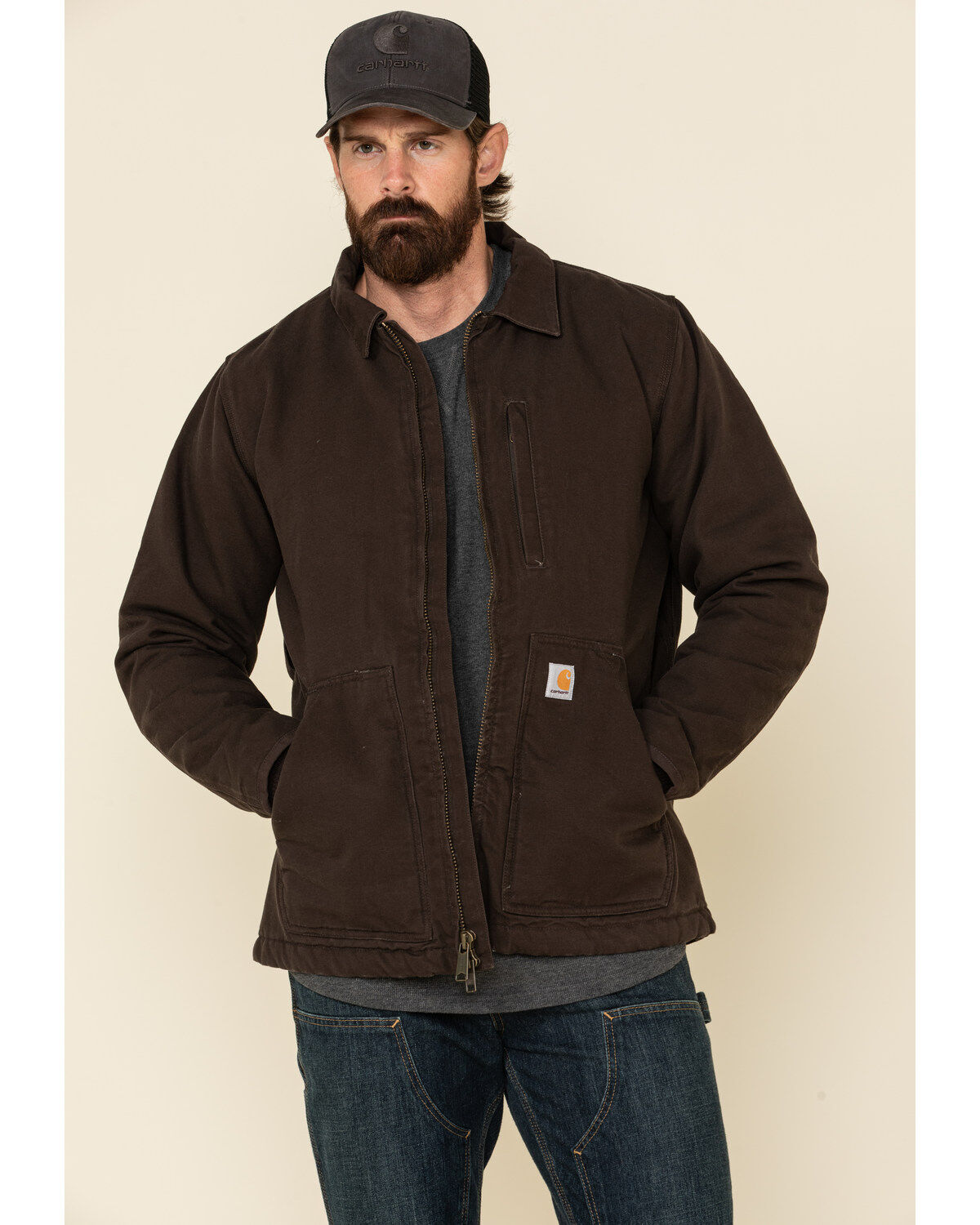
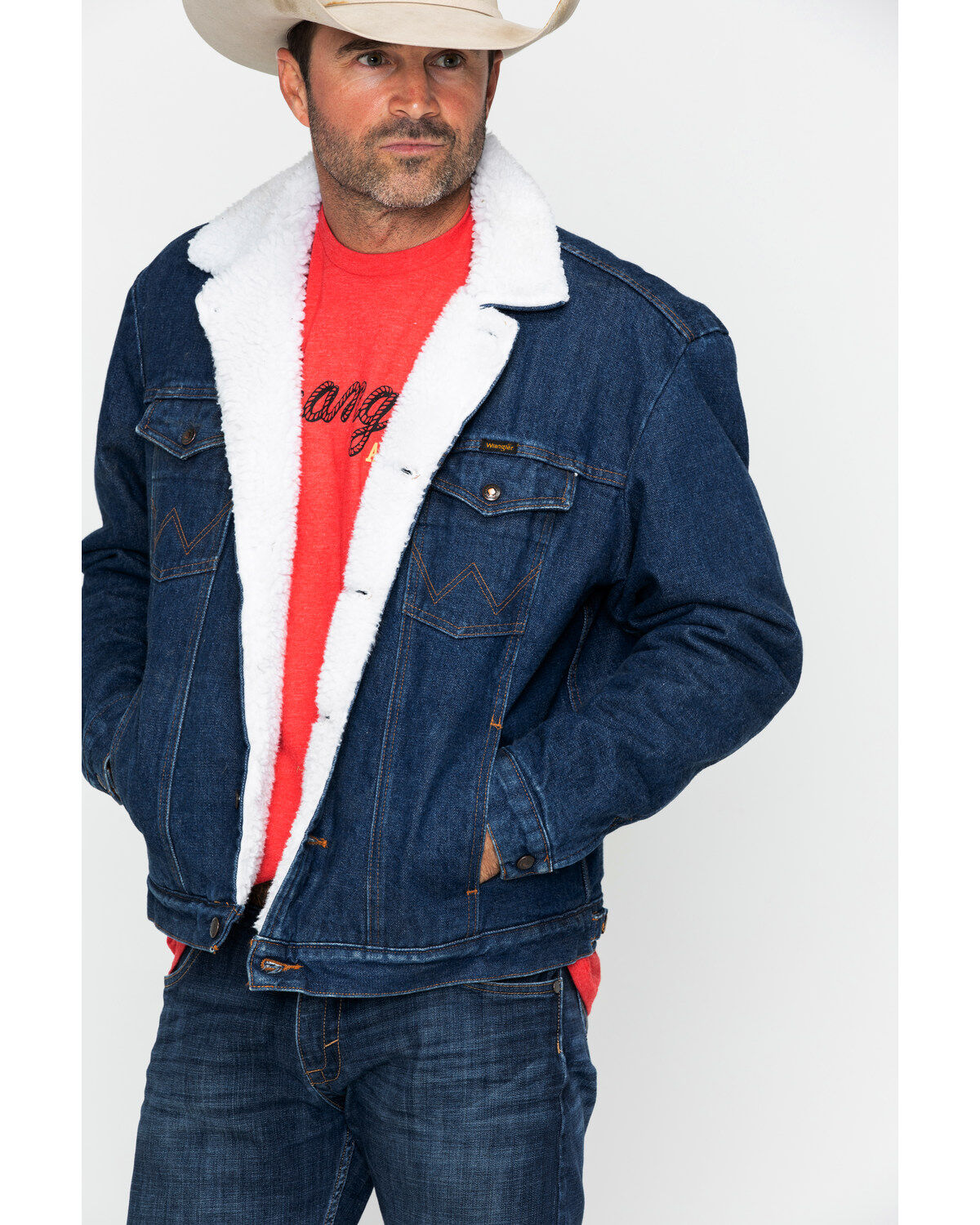
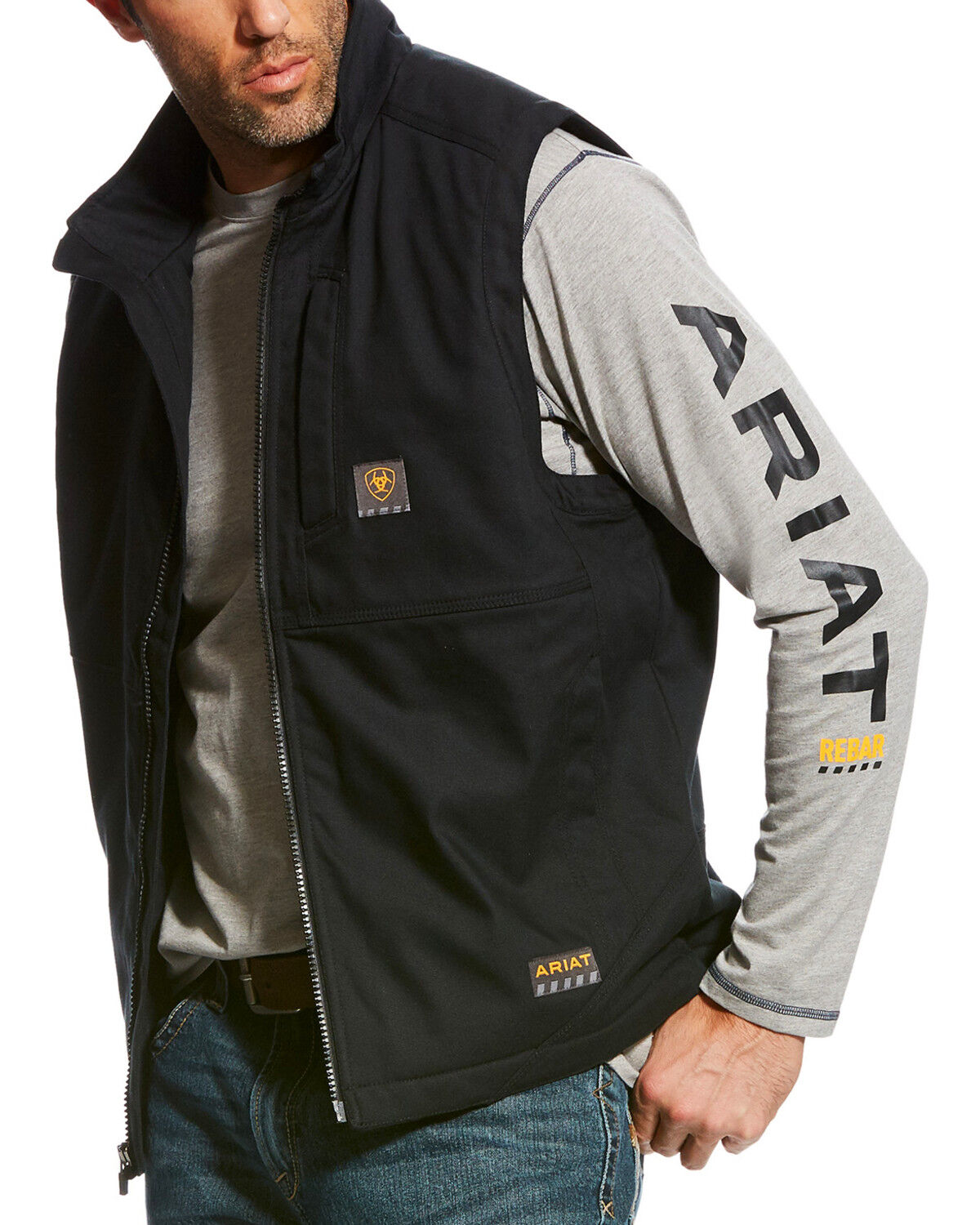
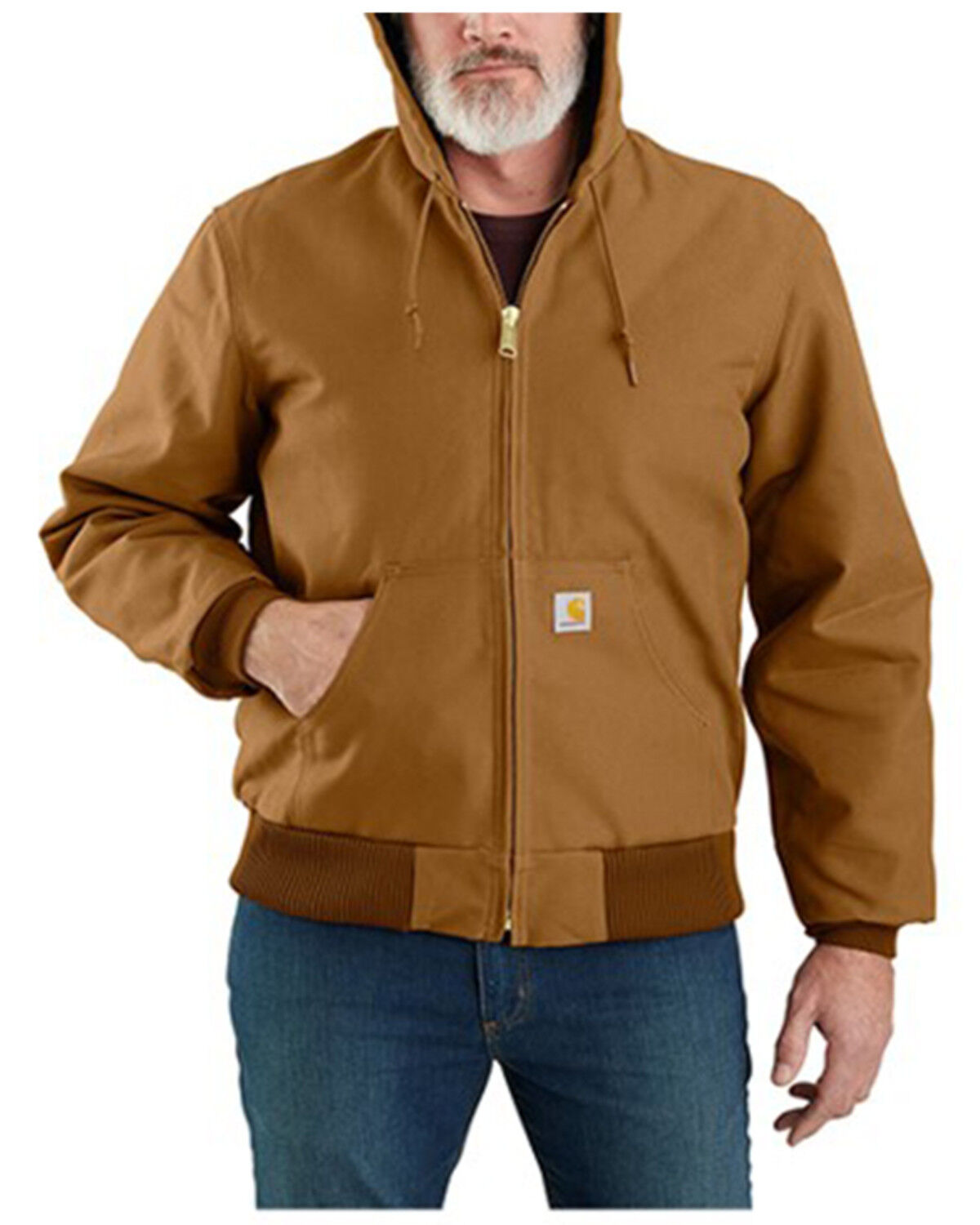
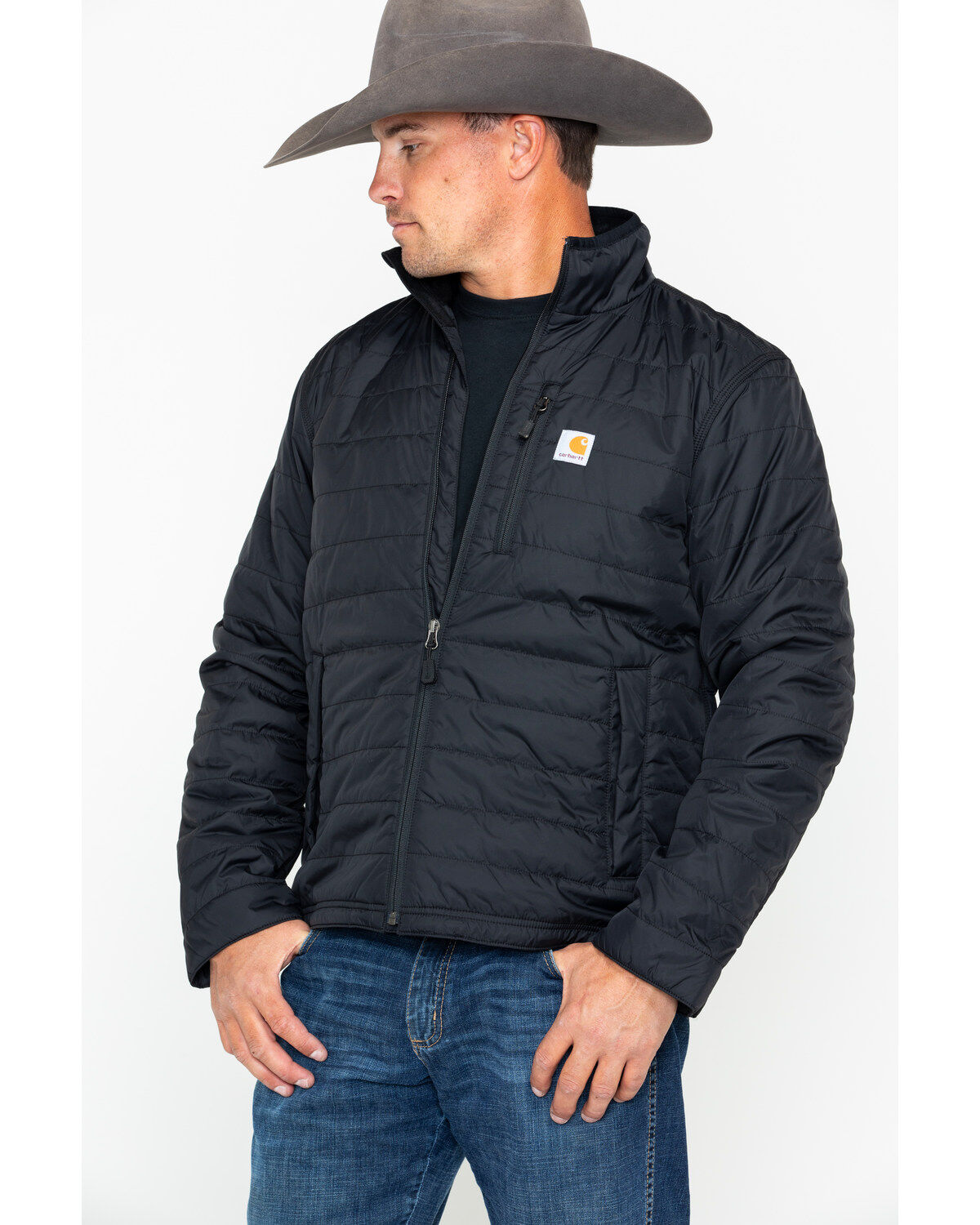
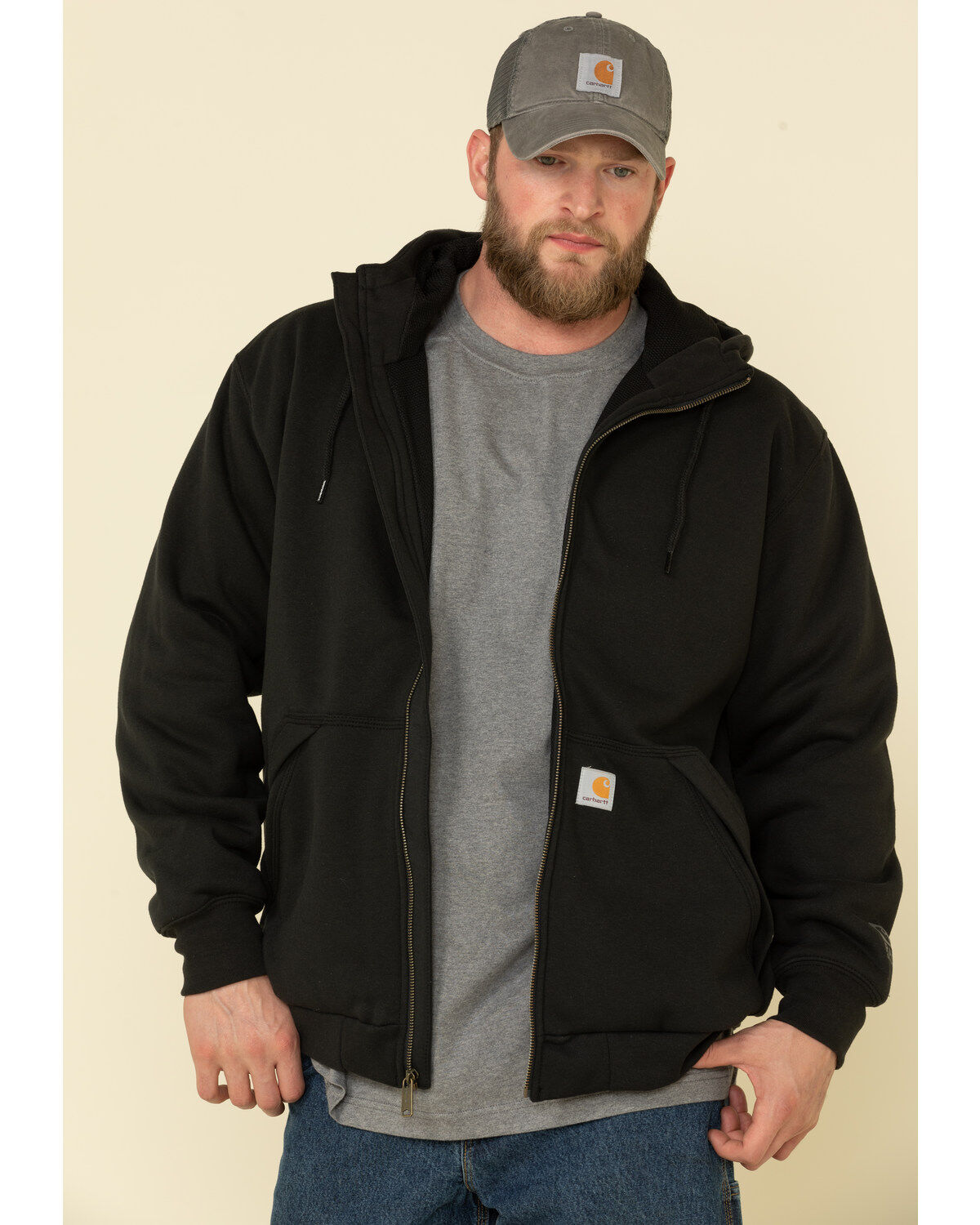
Outer layers take much of the wear, whether that comes from leaning against rough lumber, brushing past equipment, or kneeling beside a service vehicle. The range of construction represented by Men's Winter Work Coats reflects the different demands of outdoor work, from durable fabric and insulation to coverage and freedom of movement. Cotton duck and other tightly woven fabrics are often used for their substantial feel and resistance to abrasion. Synthetic shells can offer a lighter alternative, with performance that depends on the fabric, finish, and construction. Reinforced seams and securely attached closures help clothing handle repeated pulling and everyday use. Insulation adds warmth, but its weight and distribution affect how a garment feels through the sleeves, back, and chest. Quilted construction helps keep insulation in place, while smooth linings can make an outer layer easier to pull over a work shirt or fleece. Wind resistance is valuable on an open jobsite, where moving air can quickly make a warm layer feel inadequate. Water-resistant fabric helps shed limited moisture, but it is not the same as waterproof construction. Prolonged rain or wet snow calls for clothing suited to that exposure, including the appropriate seams and closures. Fit deserves just as much attention as fabric. A coat worn over multiple layers needs enough space through the chest and upper arms, yet excessive looseness can interfere with work or allow cold air to circulate. Sleeve length should still provide coverage when reaching forward. A longer back can help cover the waist when bending, while a shorter cut may work better with some tool belts or seated tasks. Adjustable cuffs, protected zipper openings, and collars that close comfortably can reduce drafts. Pockets are useful when their placement remains accessible around other equipment, and closures should be manageable with gloved hands. Hood fit matters, too, particularly when head protection is required. Any clothing worn with a hard hat, harness, or other safety equipment needs to preserve the correct fit and function of that equipment.

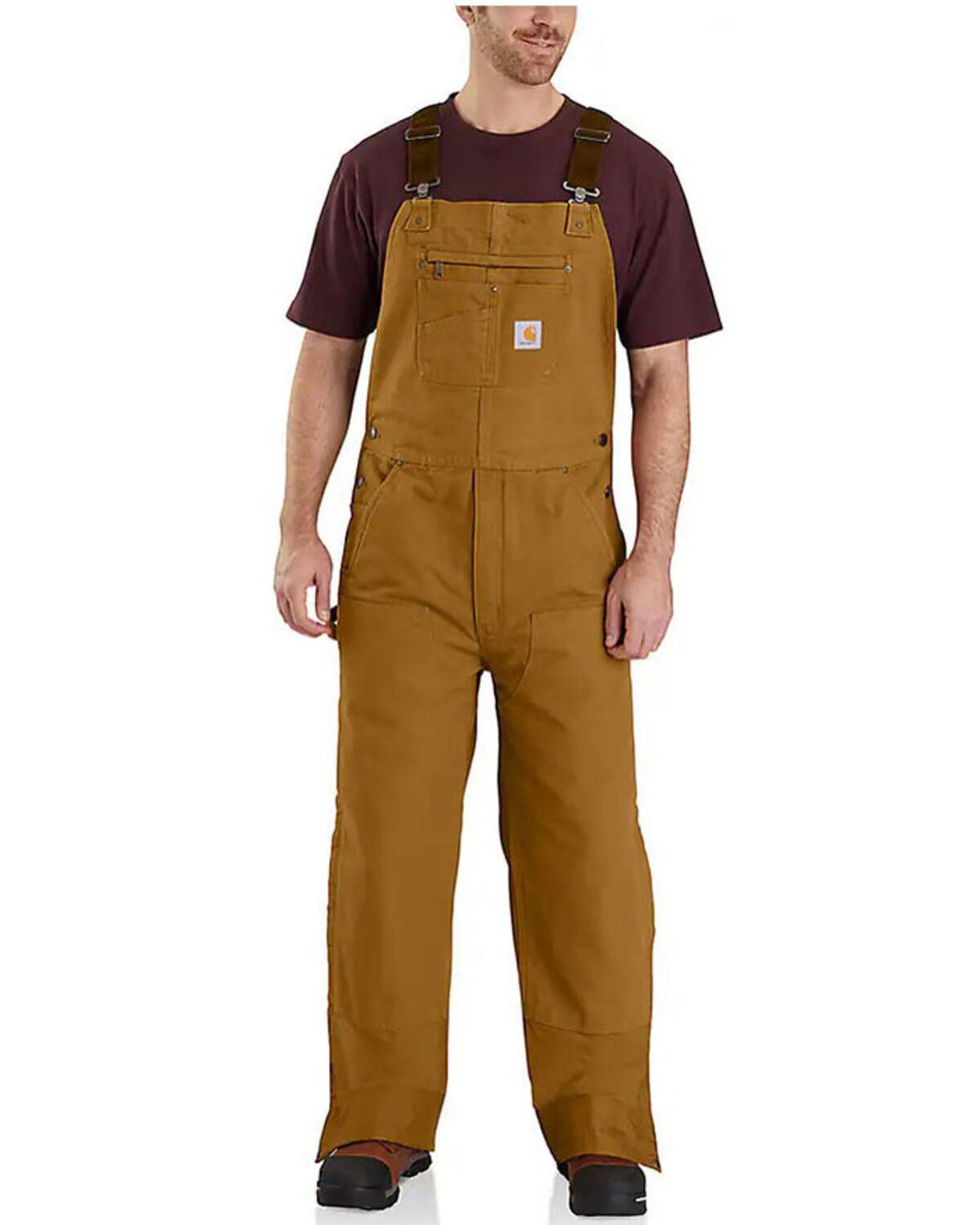
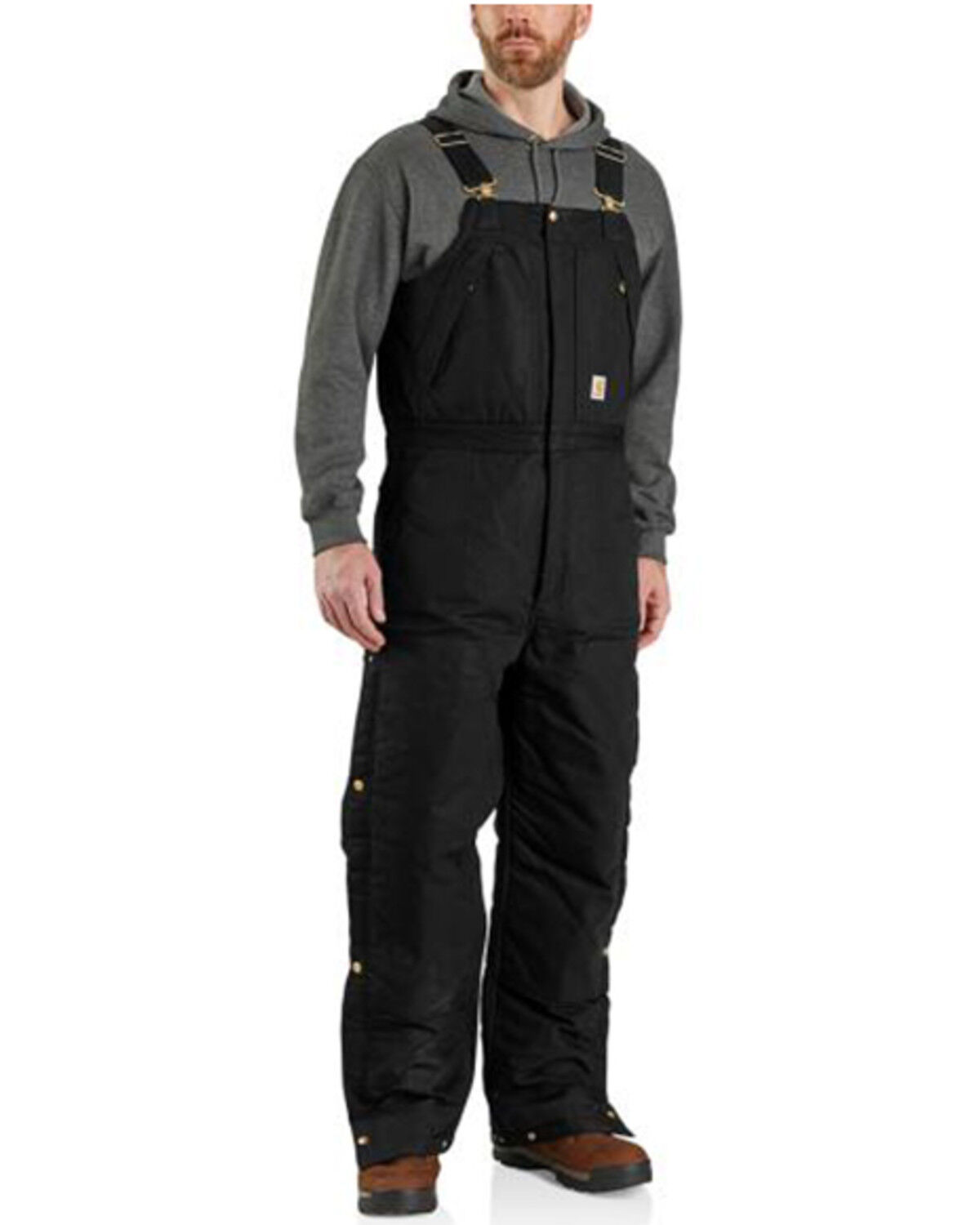
Warmth below the waist is part of the same working system. Work pants made from sturdy woven fabric provide a durable foundation, while lined construction adds insulation without requiring a separate layer. Thermal bottoms offer another option when the job calls for warmth that can be worn beneath regular work clothing. The right combination depends on activity level, exposure, and the space available inside the outer garment. Pants that fit well on their own may feel restrictive with an added layer, especially at the seat, thighs, and knees. Bending to pick up a tool, stepping onto a trailer, or crouching beside a machine should not pull the waistband tight or limit the stride. Reinforcement at high-wear areas can help with repeated kneeling and contact with rough surfaces, though added fabric may also affect flexibility. Socks, gloves, and head coverings contribute to comfort, but thickness alone does not determine usefulness. Extra-bulky socks can crowd a boot and create pressure, while gloves need enough dexterity for the actual task. Where jobsite rules require flame resistance, high visibility, or other protective features, ordinary insulated clothing is not a substitute for garments rated for those hazards. Each layer should meet applicable workplace requirements, including layers worn underneath protective clothing. Care also has a direct effect on how workwear performs over time. Fabric, insulation, protective treatments, and closures may have different washing and drying requirements. Following the care label helps avoid unnecessary shrinkage, damaged finishes, or insulation that loses its shape. Heavy soil, oil, and lingering moisture deserve attention rather than being left in clothing between shifts. Dry garments are more comfortable to put on, and regular checks of seams, cuffs, and fasteners can reveal wear before it becomes a larger problem. For someone buying cold weather work clothing as a gift, the most useful details are the recipient’s usual size, preferred fit, typical duties, and required safety features. Practical clothing earns its place through repeated use, with warmth, durability, and movement suited to the work ahead.

FAQs