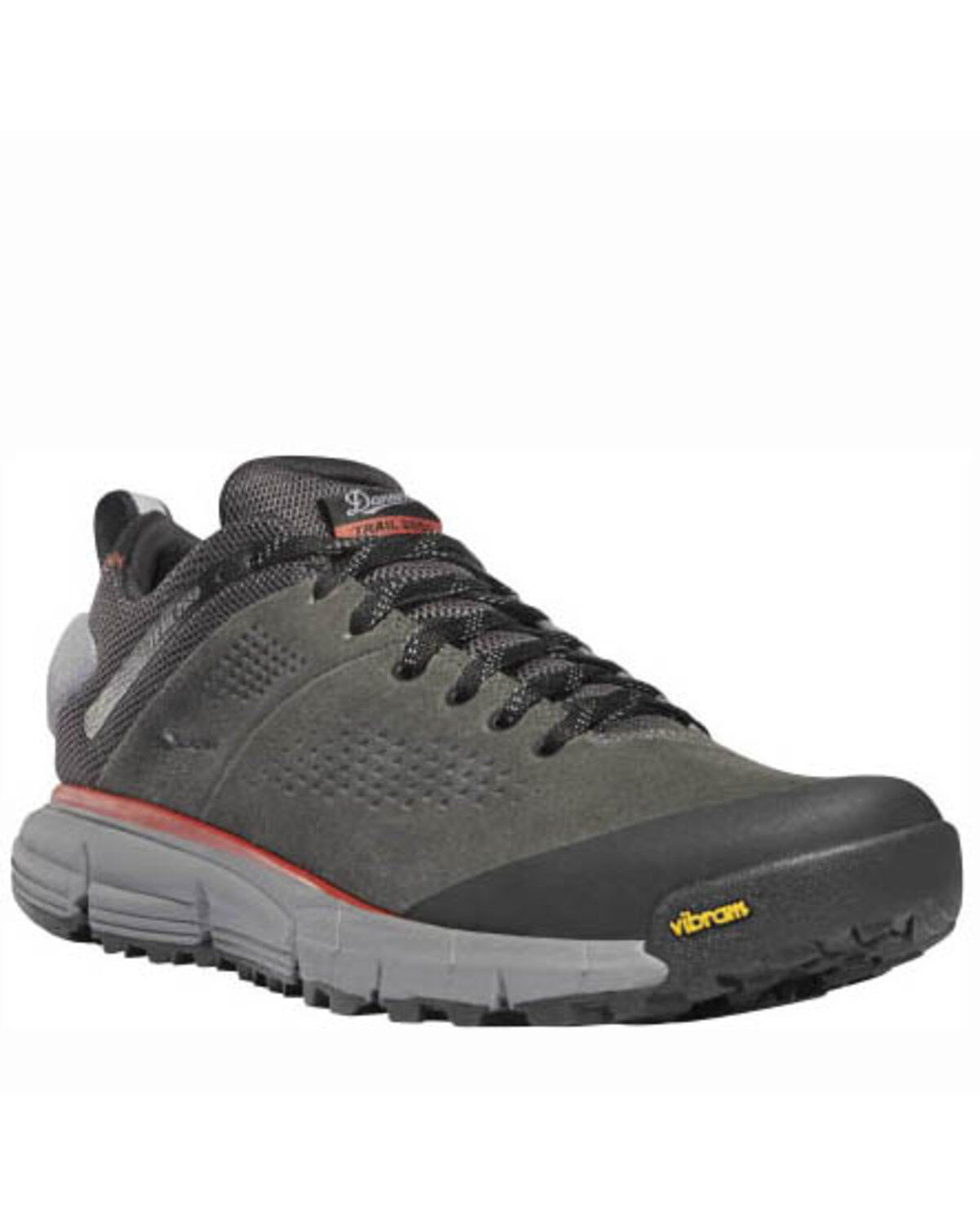
Chelsea Wedge Boots

Chelsea wedge boots combine a classic pull-on profile with the added height of a wedge heel. Browse the selection for a pair that works with your everyday wardrobe, and check each product’s sizing and fit details before choosing.

Read More

Shop Your Store: Shop Your Store: Find a Store

(Turn off Shop Your Store to see all items)

(Turn off Shop Your Store to see all items)

close
  • Recommended
  • Lowest Price
  • Highest Price
Skip pass products

End of products

Chelsea Wedge Boots

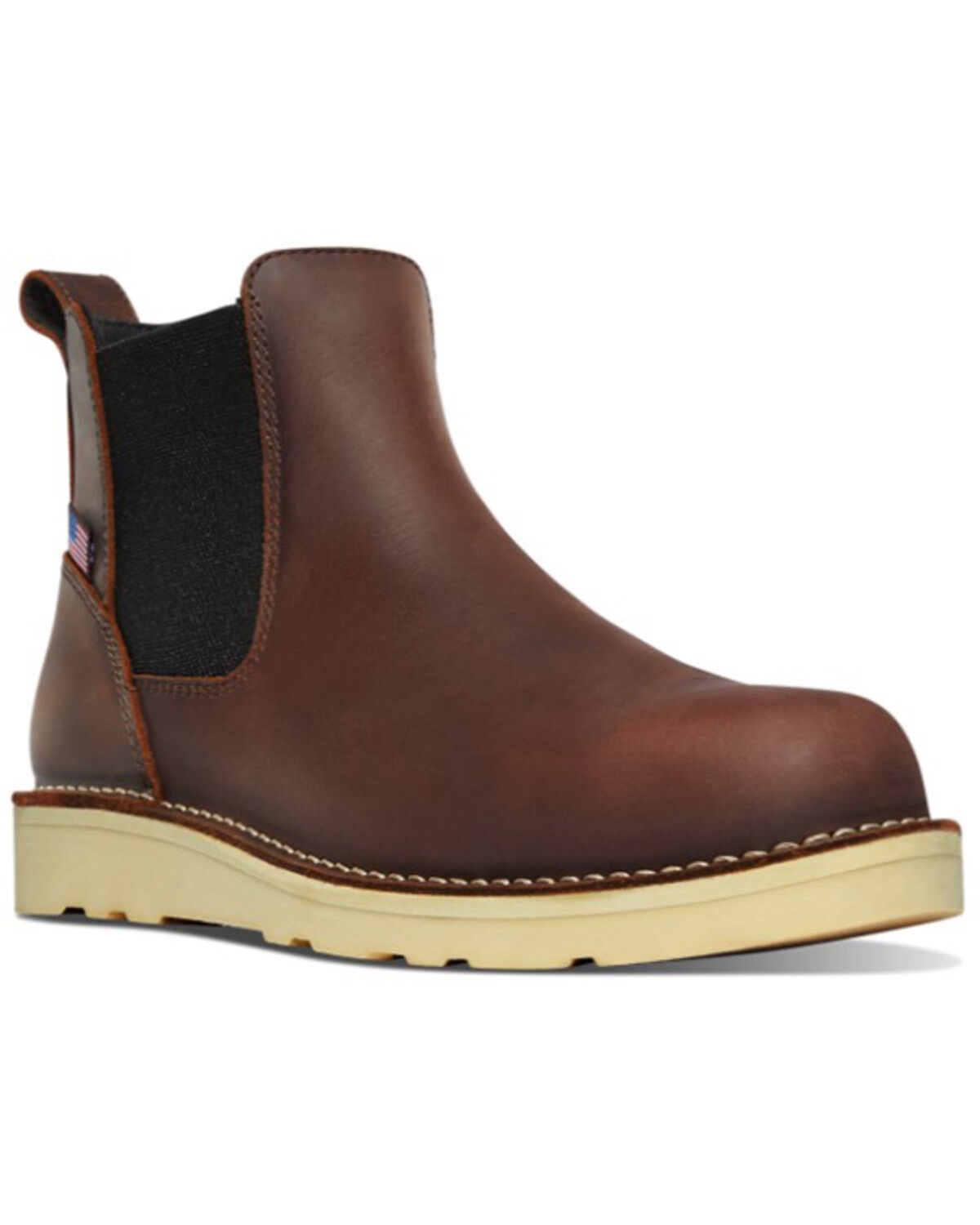
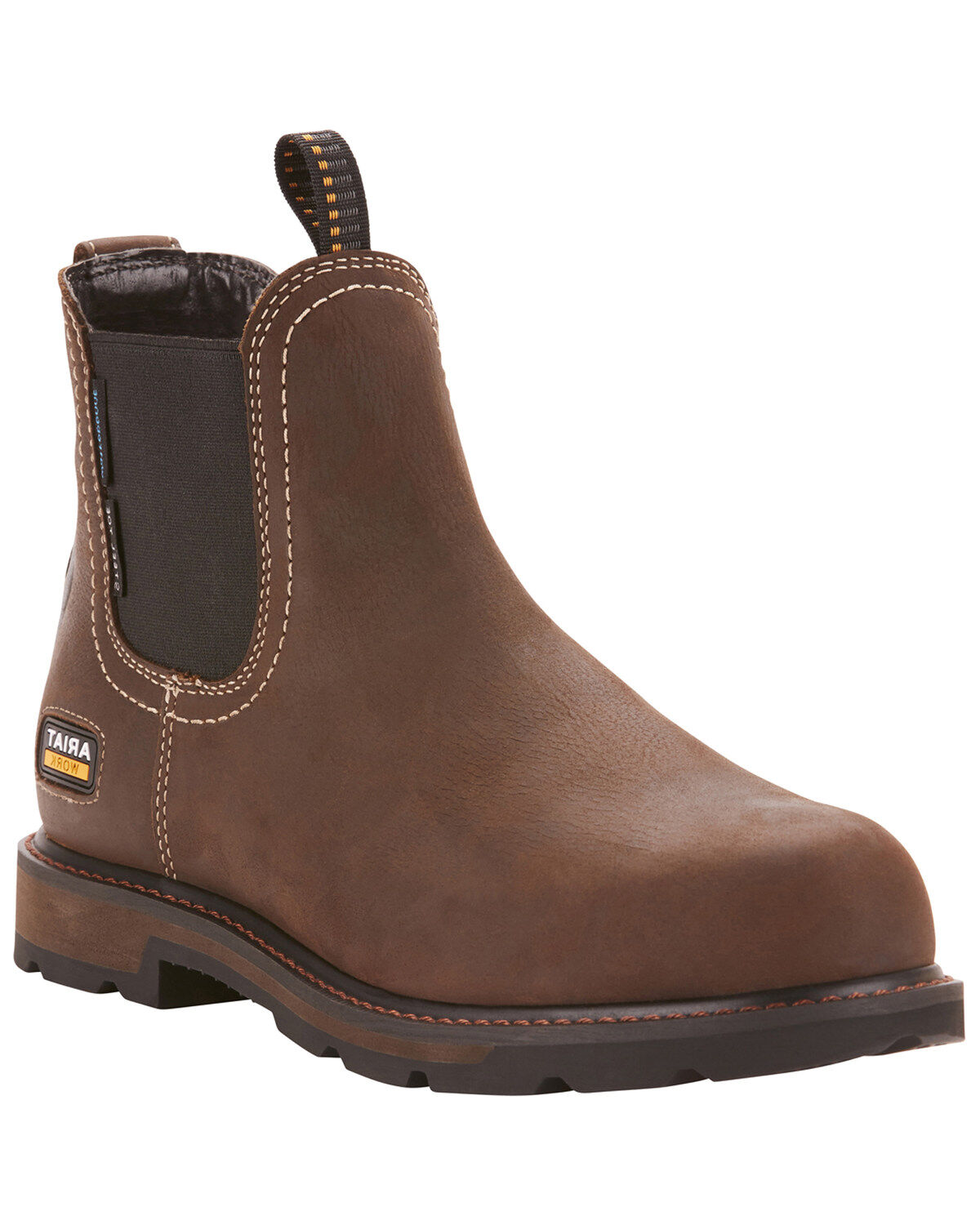
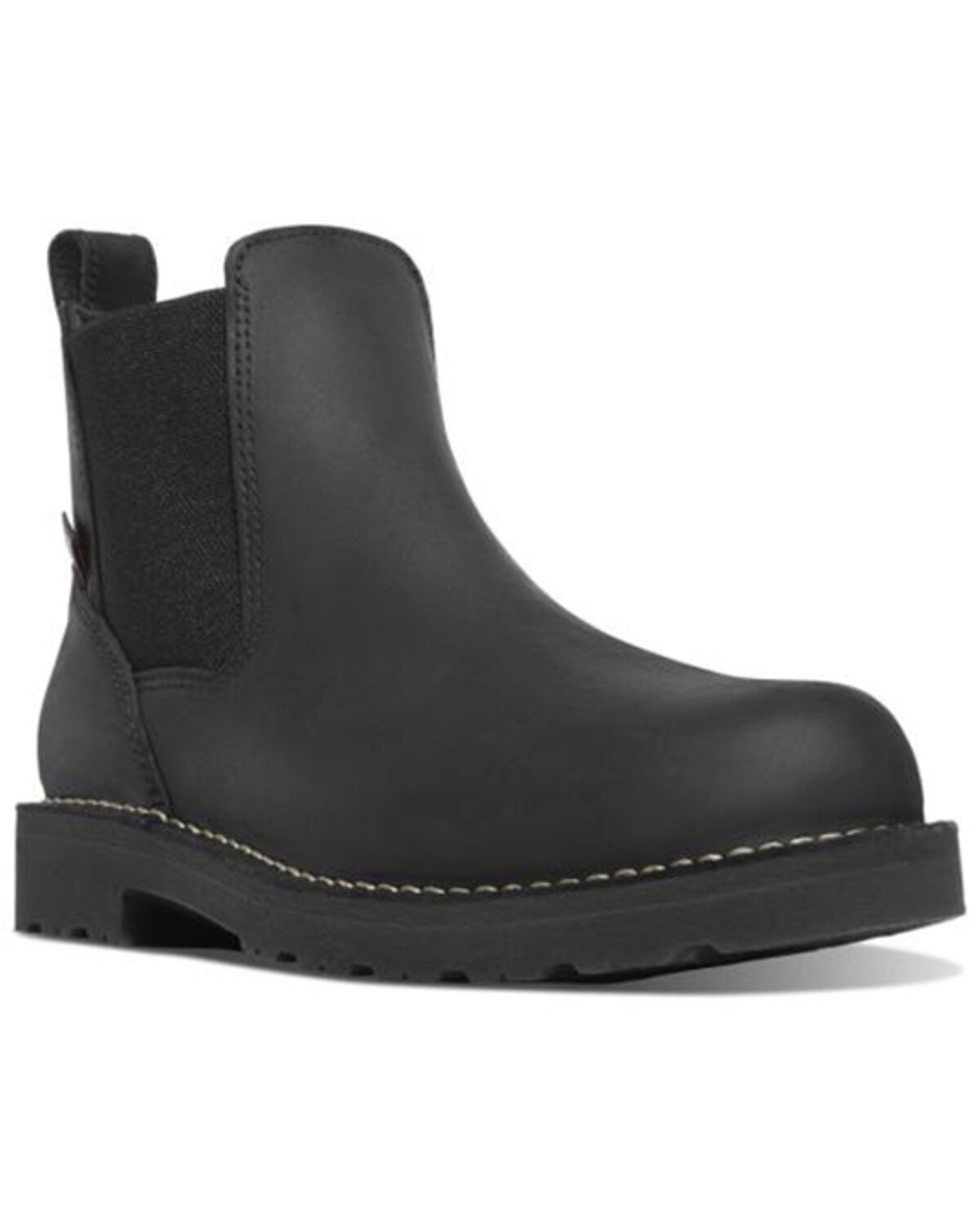
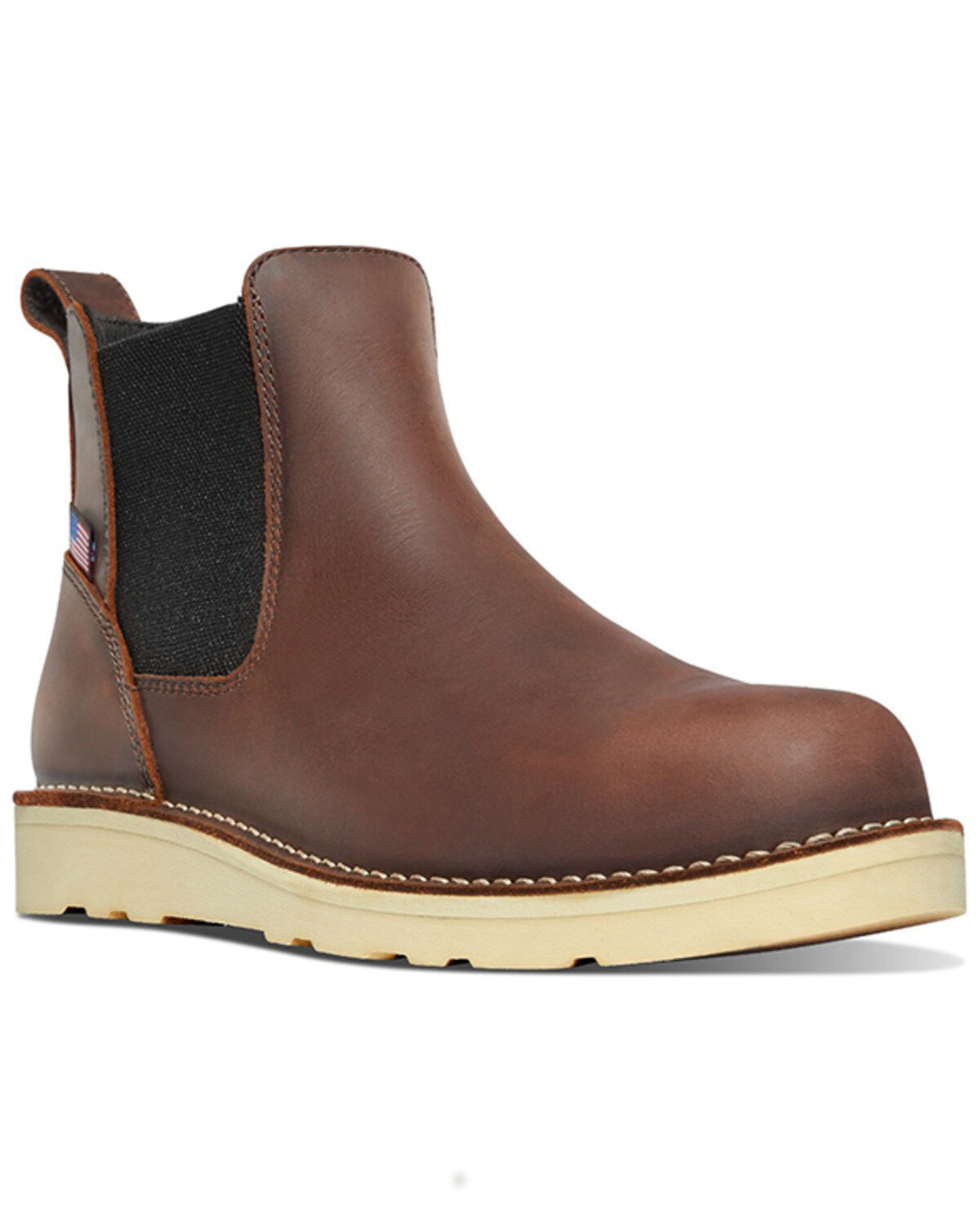
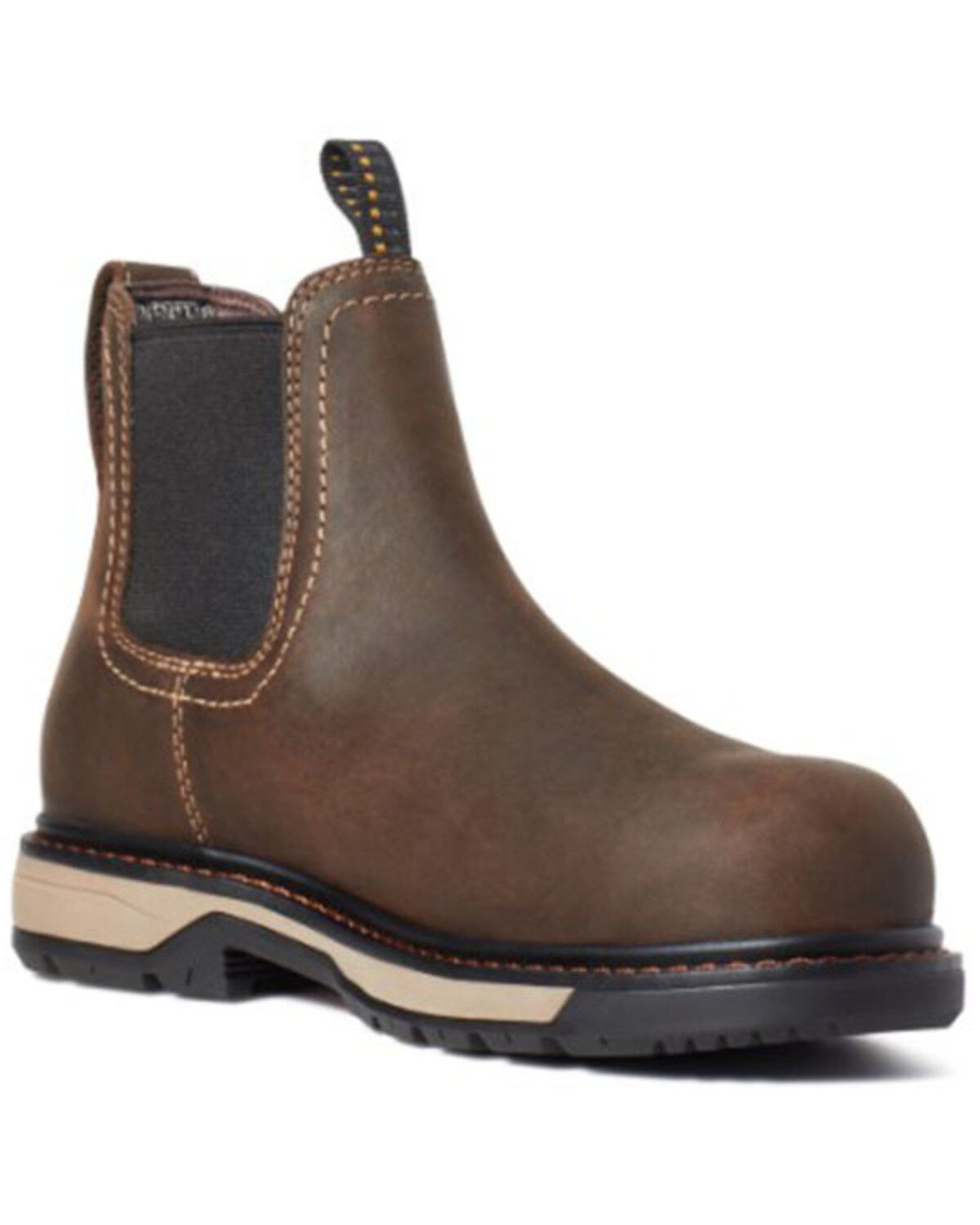
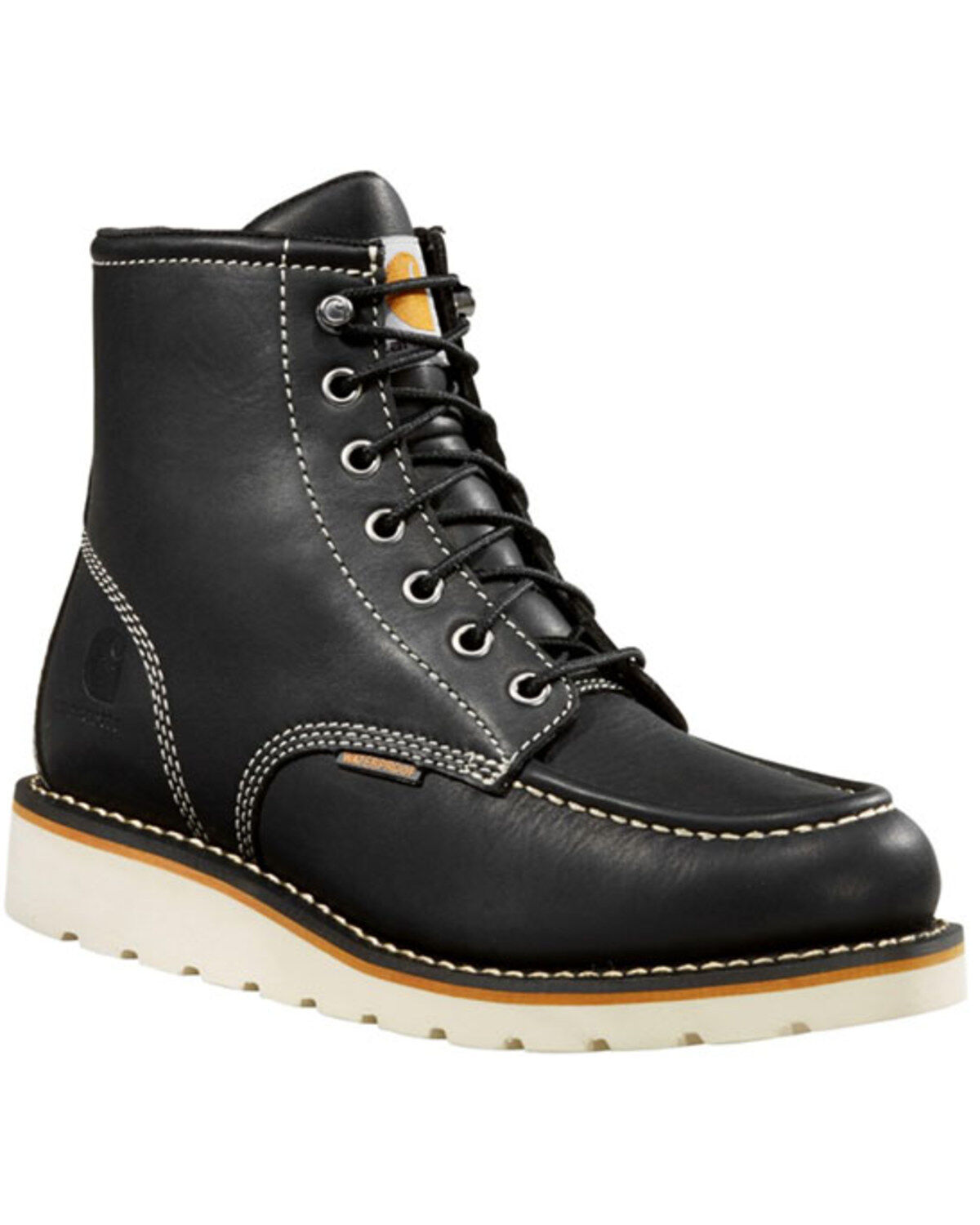
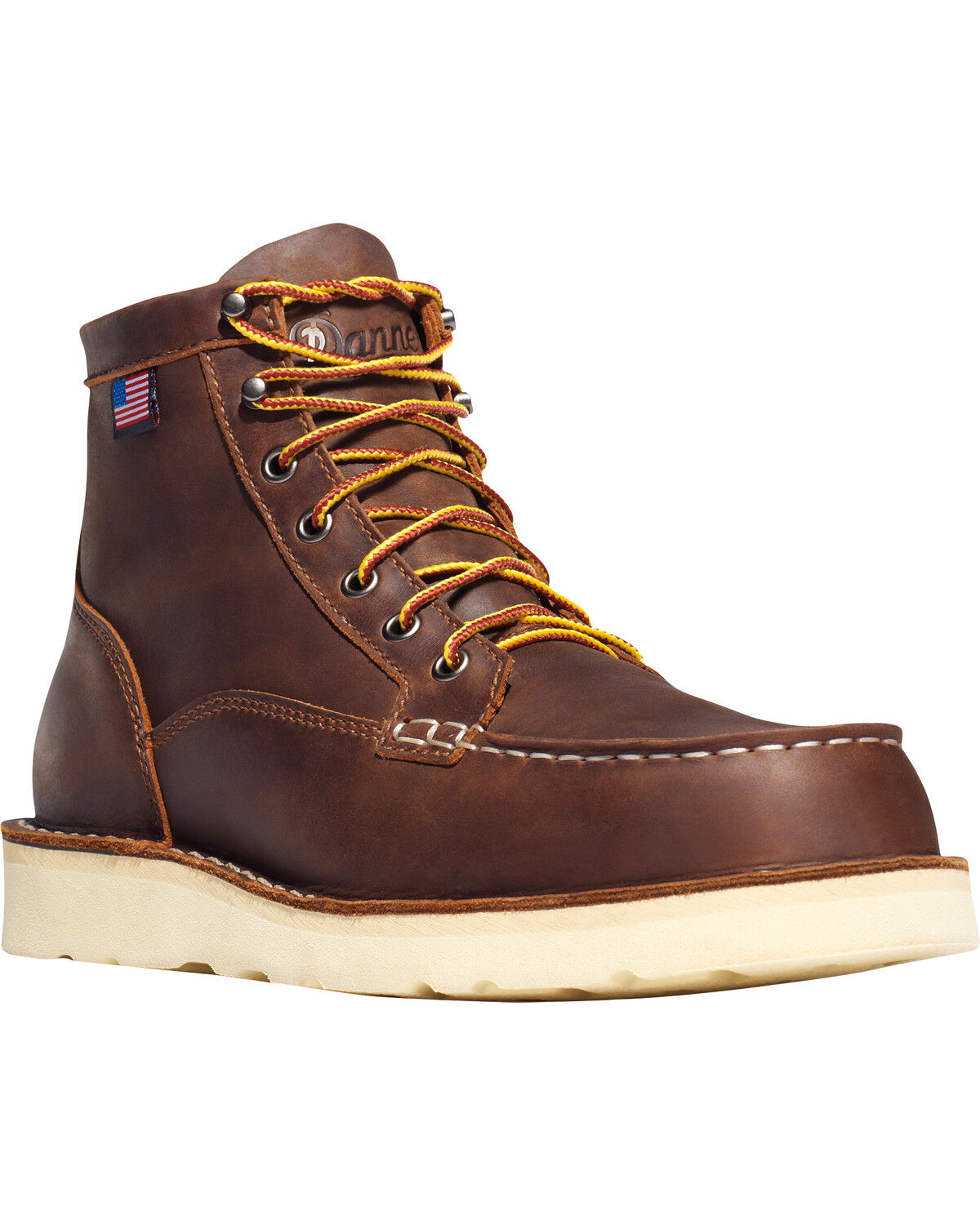
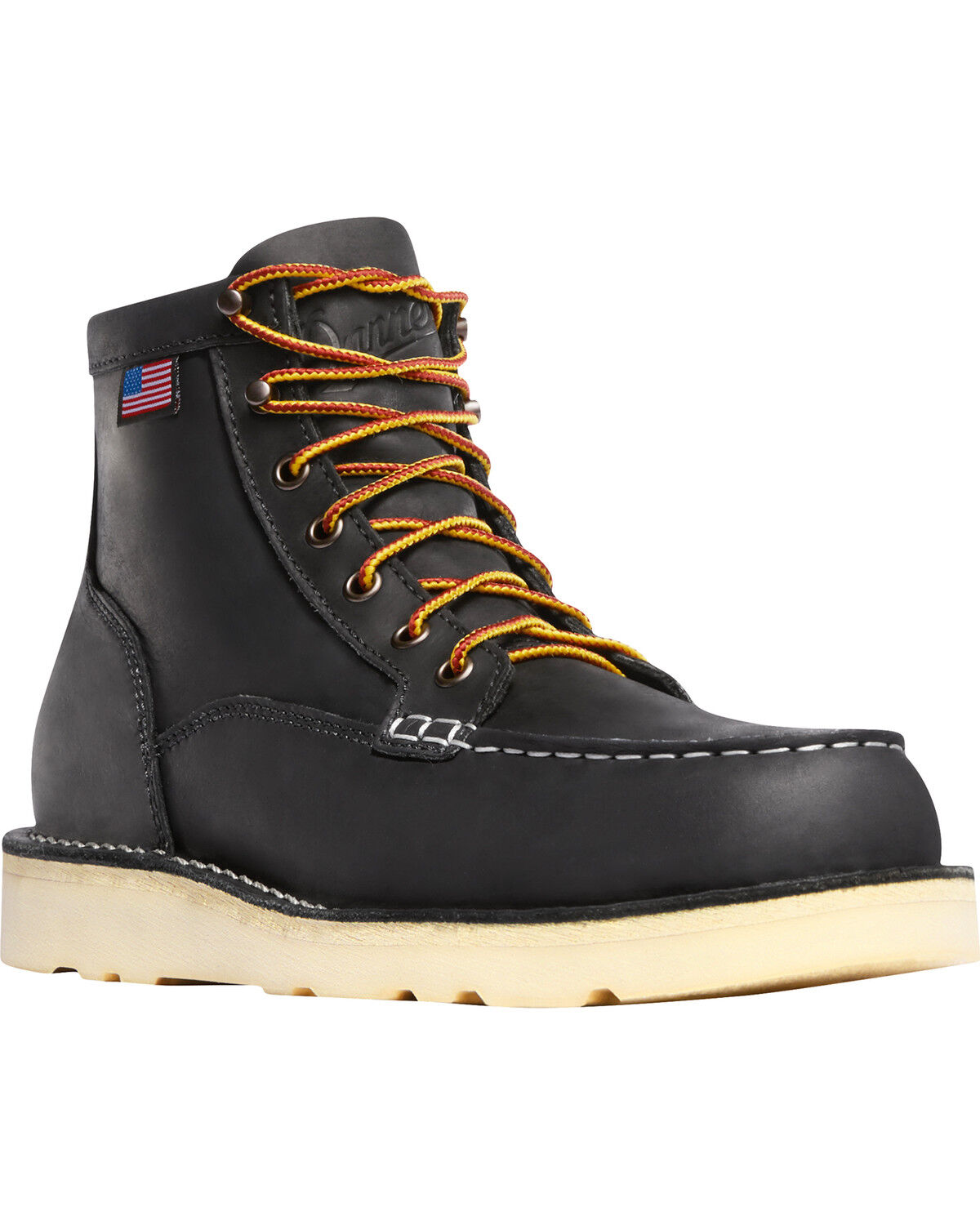
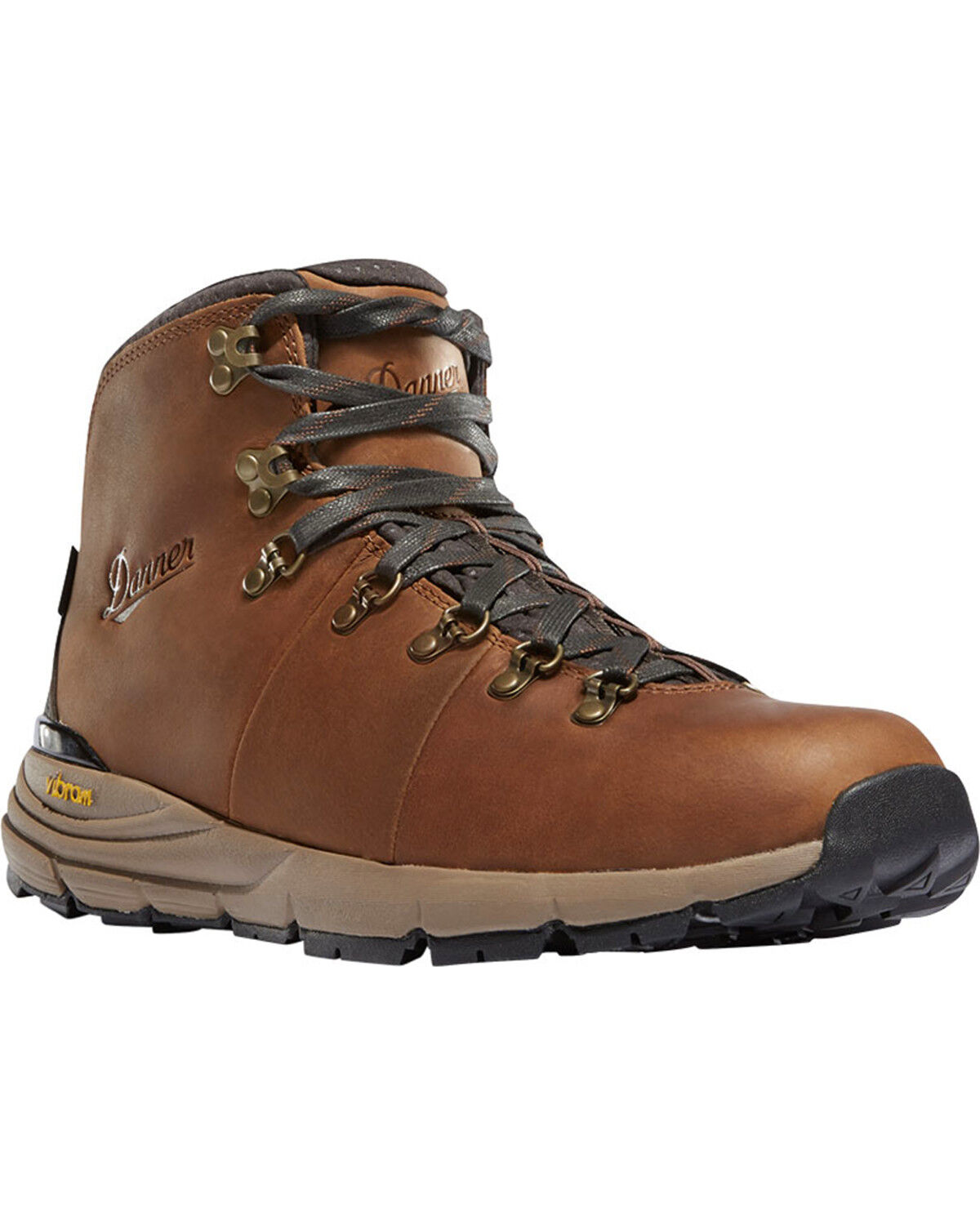
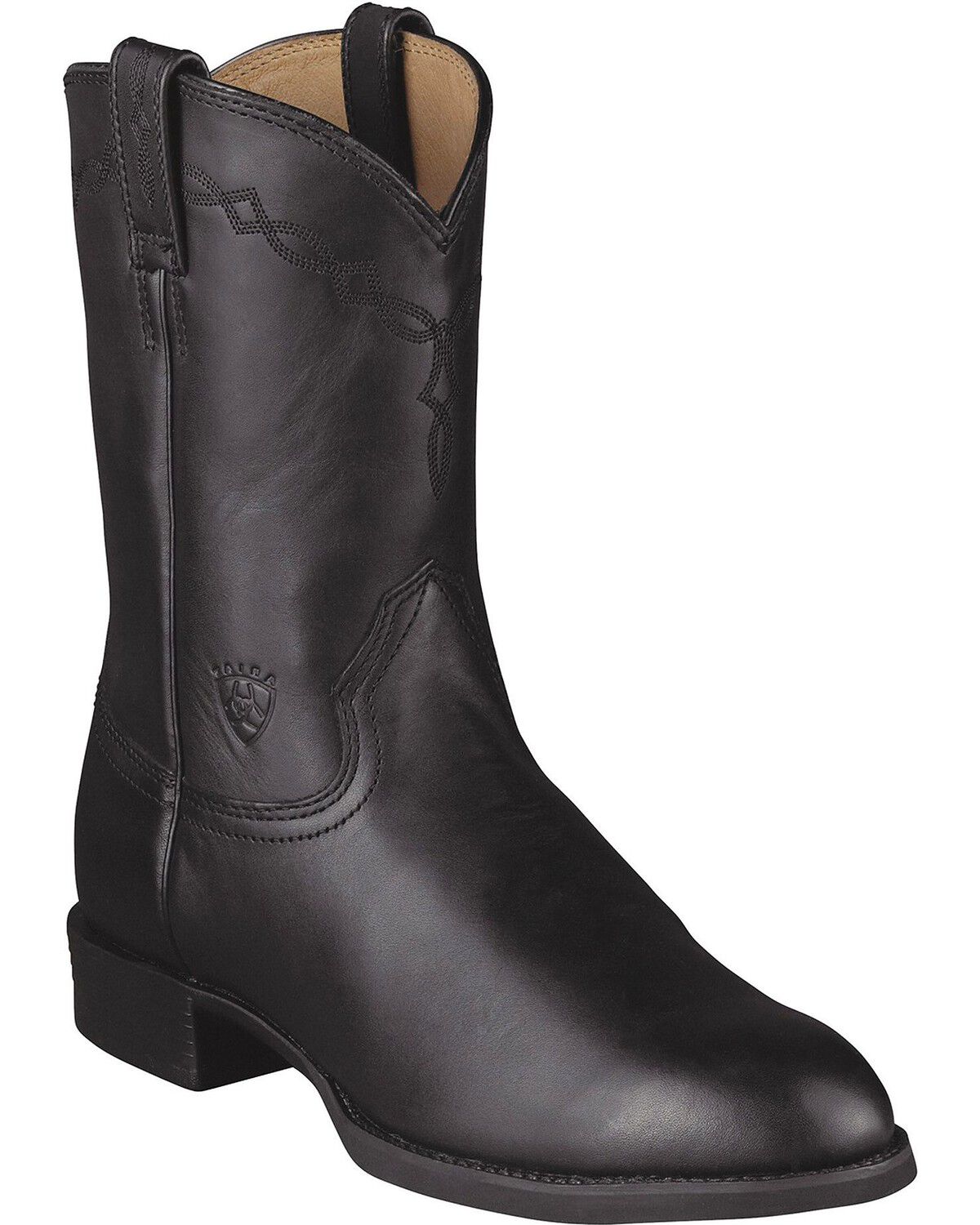
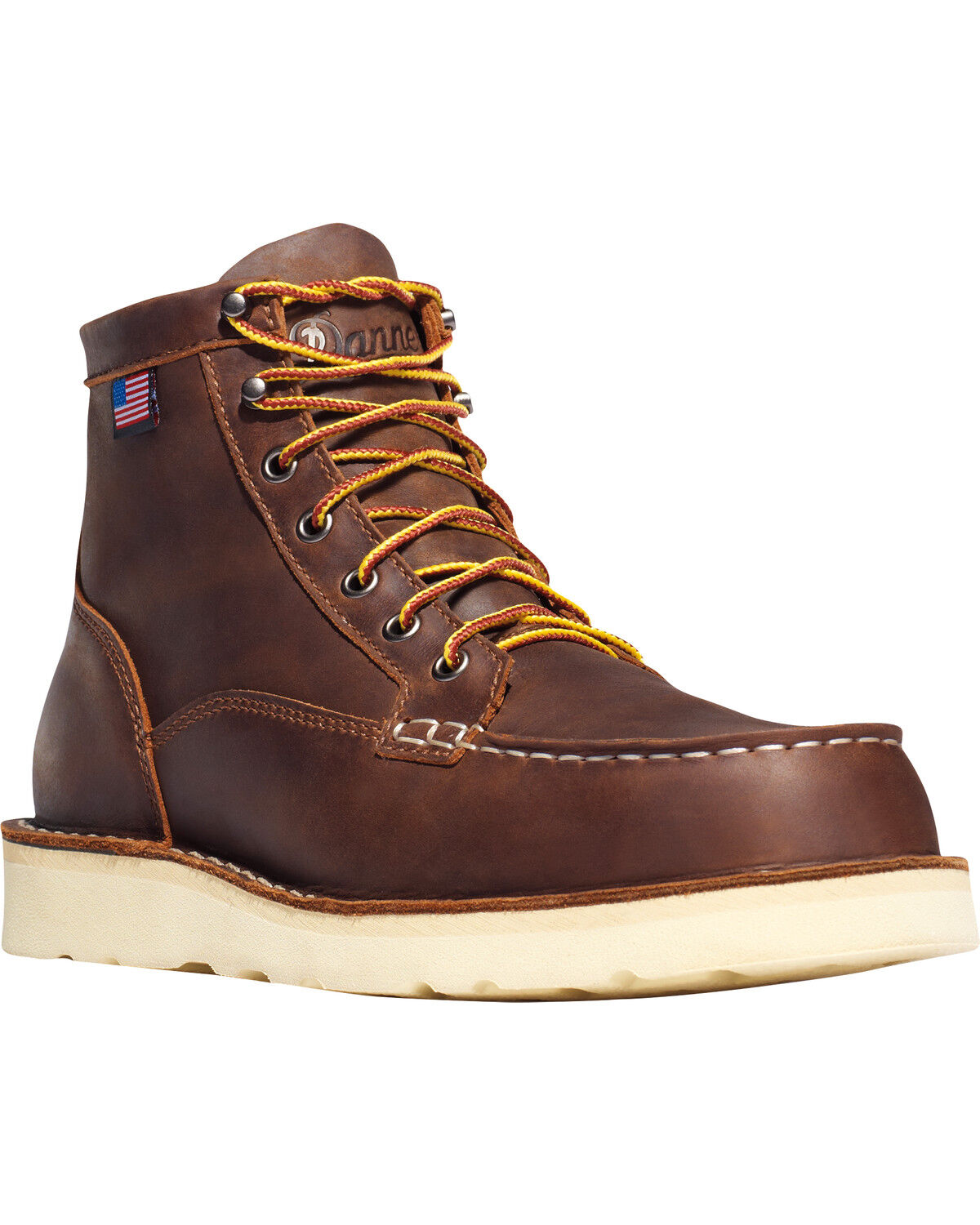
Chelsea wedge boots combine the pull-on construction of a Chelsea boot with a wedge heel or wedge sole. Elastic side panels allow the ankle opening to stretch, while the wedge creates a continuous base beneath the foot rather than a separate, sharply defined heel. The result is a straightforward boot that can suit everyday wear, certain work settings, or a more dressed-up outfit, depending on its construction. Some designs have a low, broad sole and a rounded toe. Others use a taller wedge, a tapered profile, or a closer-fitting shaft for a more refined look. That distinction matters: a casual ankle boot and a purpose-built work boot may share the Chelsea shape without offering the same support, protection, or performance. Materials also give each style its character. Full-grain leather has a substantial feel and develops creases and surface marks with wear. Smooth leather offers a clean finish that pairs naturally with dark denim or straight-leg pants. Suede has a softer, textured appearance, while nubuck offers a fine, brushed surface. Synthetic uppers vary in flexibility, breathability, and care requirements, so the material description deserves attention. Color and finish influence how easily a pair fits into an everyday rotation. Black creates a clean line with dark trousers, brown brings depth to denim, and lighter shades make the boot more noticeable beneath a cropped hem. A wedge can add height without the narrow footprint of a traditional heel, though its actual stability depends on the sole width, heel height, and fit. For everyday outfits, the appeal is practical: no laces to tie, a familiar ankle-high shape, and enough visual weight to balance sturdy fabrics. A pair worn with jeans and a plain shirt feels relaxed without looking unfinished. With tailored pants or a simple dress, a slimmer Chelsea wedge can look polished without requiring elaborate styling. The best match comes down to how the boot is built and where it will be worn.

Fit has a direct effect on how Chelsea wedge boots feel throughout the day. Because the upper has no laces for adjustment, the heel, instep, and ankle opening need to work together from the start. A secure fit holds the foot without squeezing across the top or pressing the toes against the front. Slight heel movement can occur in a new pull-on leather boot, but repeated rubbing, pronounced slipping, or a foot sliding forward points to a fit problem. Elastic panels should stretch during entry and recover once the boot is on; they should not have to remain heavily stretched just to accommodate the foot. Toe shape changes the feel, too. A tapered toe may require more attention to width than a broad, rounded shape, even when both carry the same size marking. Socks and removable insoles also affect interior space. Trying boots with the socks intended for regular wear gives a more useful sense of fit than trying them with a much thinner pair. For shoppers comparing proportions and everyday options, Men's Wedge Chelsea Boots focuses on that combination of pull-on construction and wedge styling. Intended use should carry as much weight as appearance. Walking between appointments, standing behind a counter, and working on a shop floor put different demands on footwear. A broad wedge sole may offer a steady platform on flat surfaces, but comfort also depends on cushioning, flexibility, arch shape, and the boot’s overall weight. A taller fashion wedge will feel different from a low work-oriented sole. Likewise, a smooth outsole and a deeply patterned outsole serve different purposes. Tread design, sole material, and surface conditions all influence traction. For jobs with footwear requirements, the stated safety features and applicable ratings matter more than the boot’s silhouette. A wedge sole alone does not establish slip resistance, toe protection, or electrical hazard protection. Work footwear should meet the requirements of the job, while casual pairs should be chosen for the walking, standing, and daily movement they will actually handle.

Durability depends on the whole boot, not just the thickness of the leather. Consistent stitching, secure sole attachment, resilient elastic panels, and reinforced pull tabs all contribute to a pair that holds up to repeated wear. The junction between the upper and sole deserves attention because it bends with every step. A firmly attached outsole should move with the boot without separating at the edges. Sole construction also affects long-term options: some boots can be resoled by a qualified repair shop, while others have constructions that make replacement more practical than repair. Regular care helps preserve both appearance and function. Loose dirt can be brushed away before it works into seams, and smooth leather generally benefits from a suitable cleaner and conditioner used according to the maker’s directions. Suede and nubuck need products intended for their textured surfaces; a standard leather cream can darken or flatten the finish. Elastic panels need gentler treatment than the surrounding leather, with heavy polish and oily conditioners kept away from the fabric. Boots that become damp should dry naturally away from direct heat, which can damage leather and adhesives. Allowing the interior to dry between wears also helps keep the lining in better condition. A shoehorn can ease entry without crushing the heel, and pull tabs work best as an aid rather than a handle for forcing on a boot that fits too tightly. For gifting, Chelsea wedge boots make sense for someone who already favors ankle boots, simple outfits, or footwear without laces. Knowing the recipient’s usual size is useful, but preferred width, toe shape, and wedge height are just as important. Someone who walks substantial distances may value a lighter sole and lower profile, while another person may prefer added height and a more structured look. A well-chosen pair fits the wearer’s routine, feels secure underfoot, and has materials that suit the care they are prepared to give.
Read More

FAQs