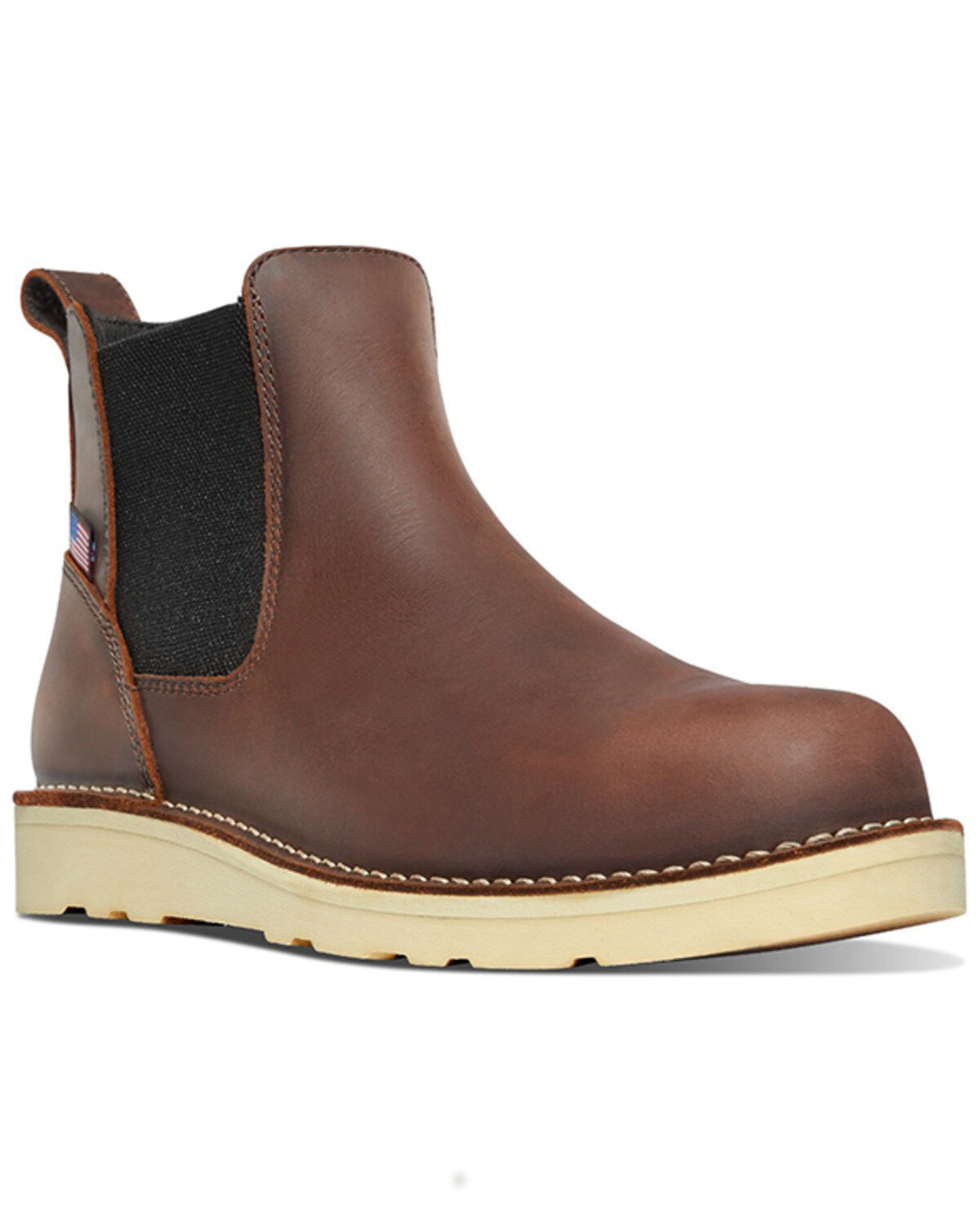
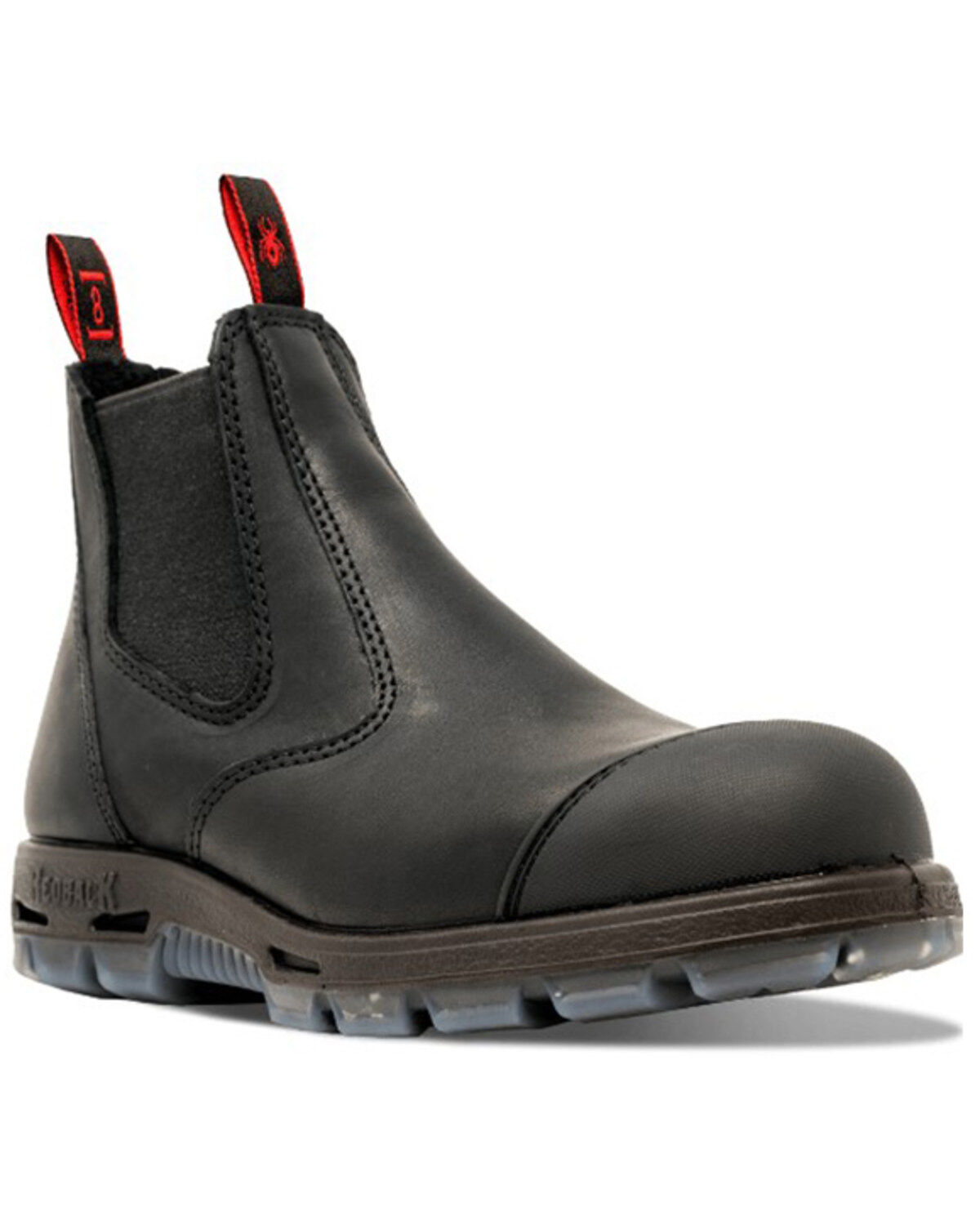
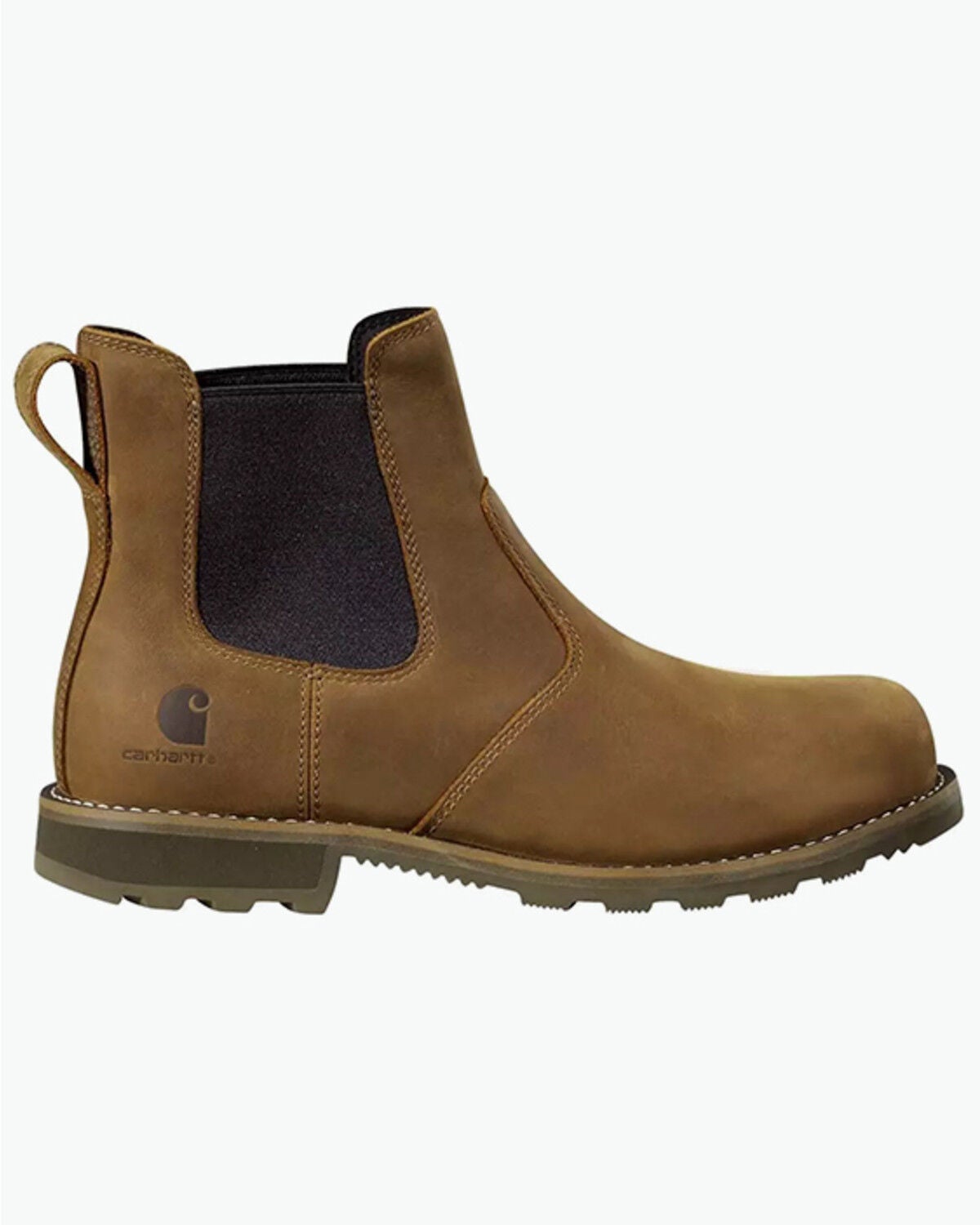
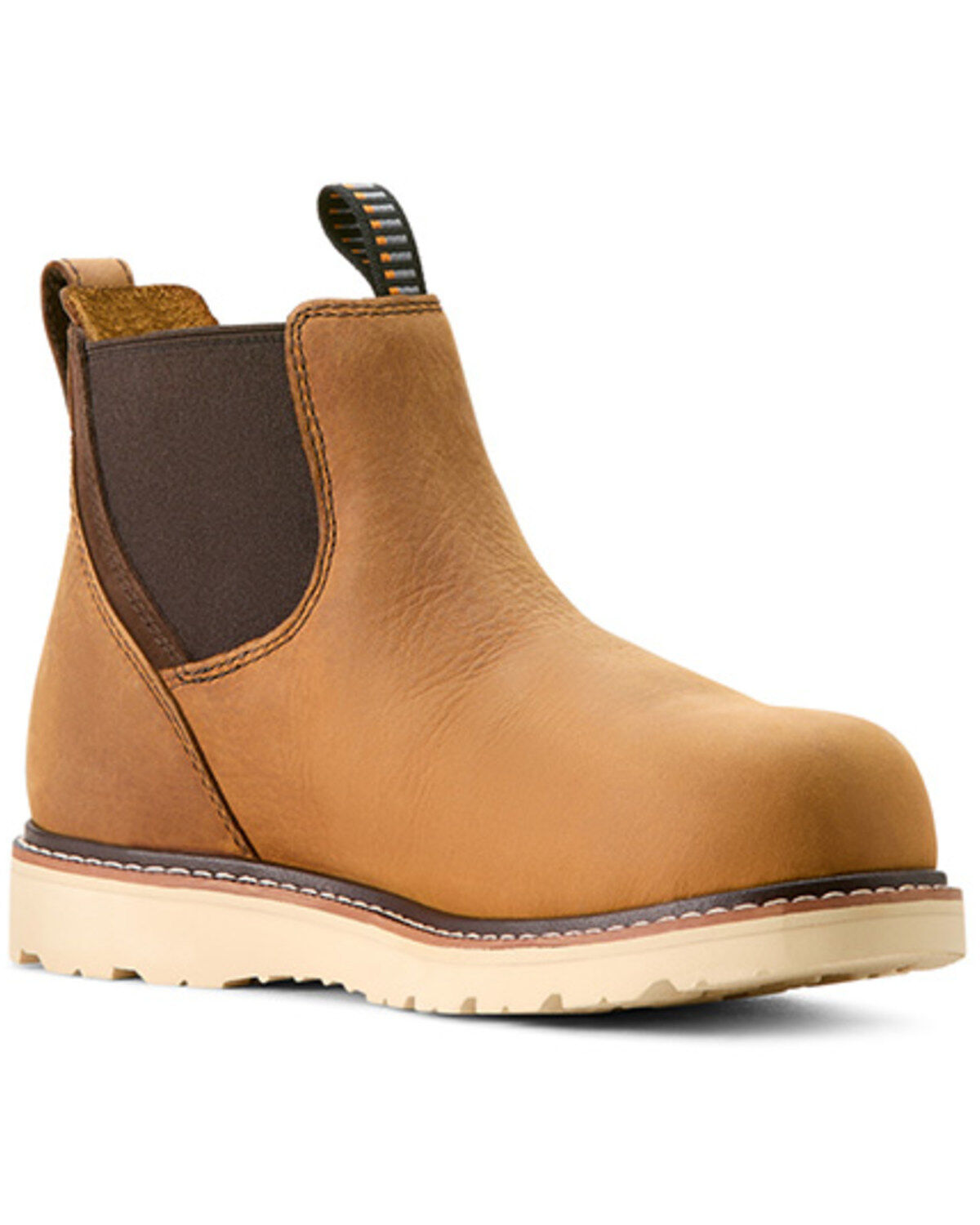
Chelsea Shoes

Shop Chelsea shoes for a clean, pull-on look that works with jeans or dressier pants. Defined by their simple silhouette and elastic side panels, Chelsea styles offer an alternative to lace-up footwear. Browse the available options to find a pair that suits your everyday wardrobe.

Shop Your Store: Shop Your Store: Find a Store

(Turn off Shop Your Store to see all items)

(Turn off Shop Your Store to see all items)

close
  • Recommended
  • Lowest Price
  • Highest Price
Skip pass products

End of products

Chelsea Shoes

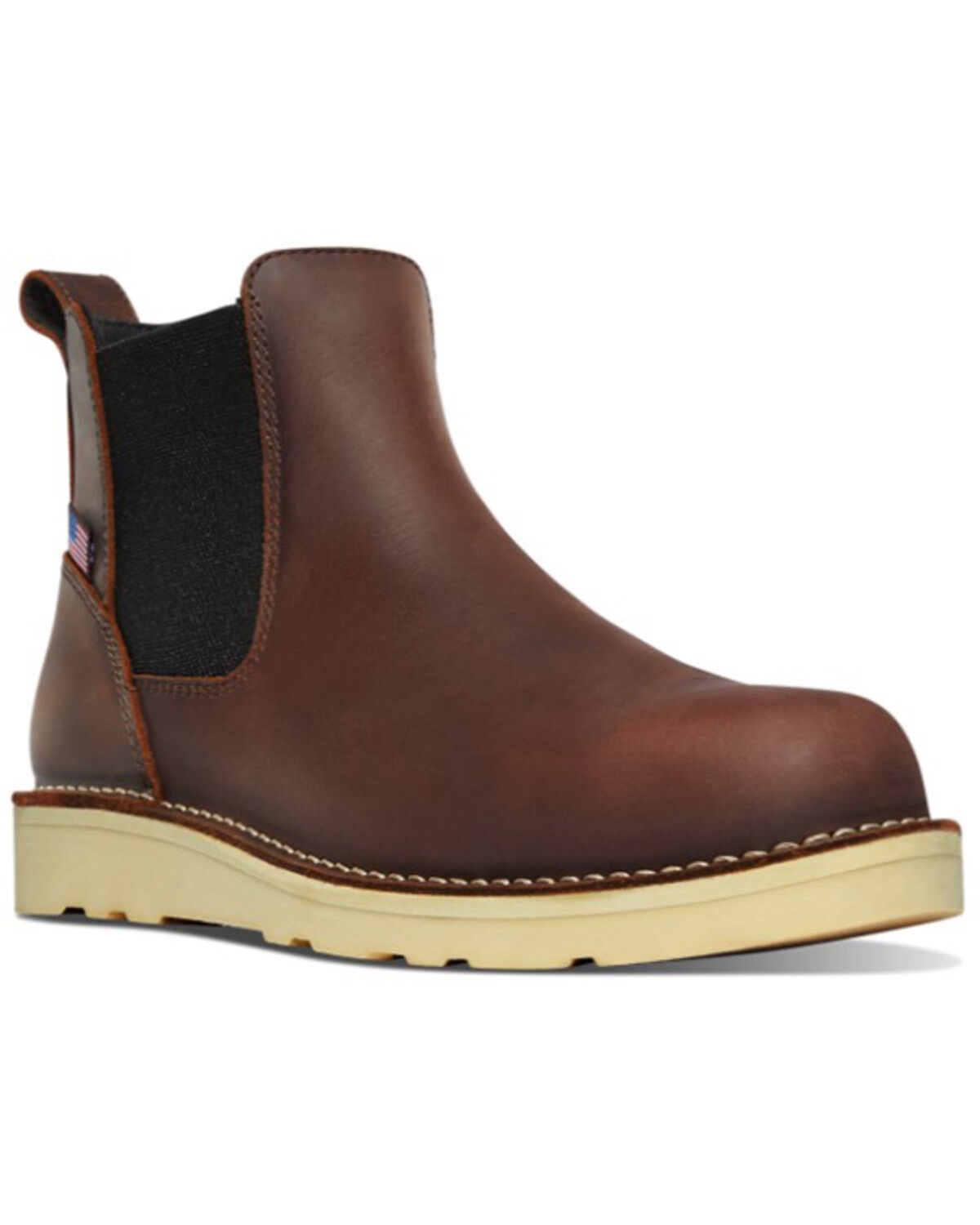
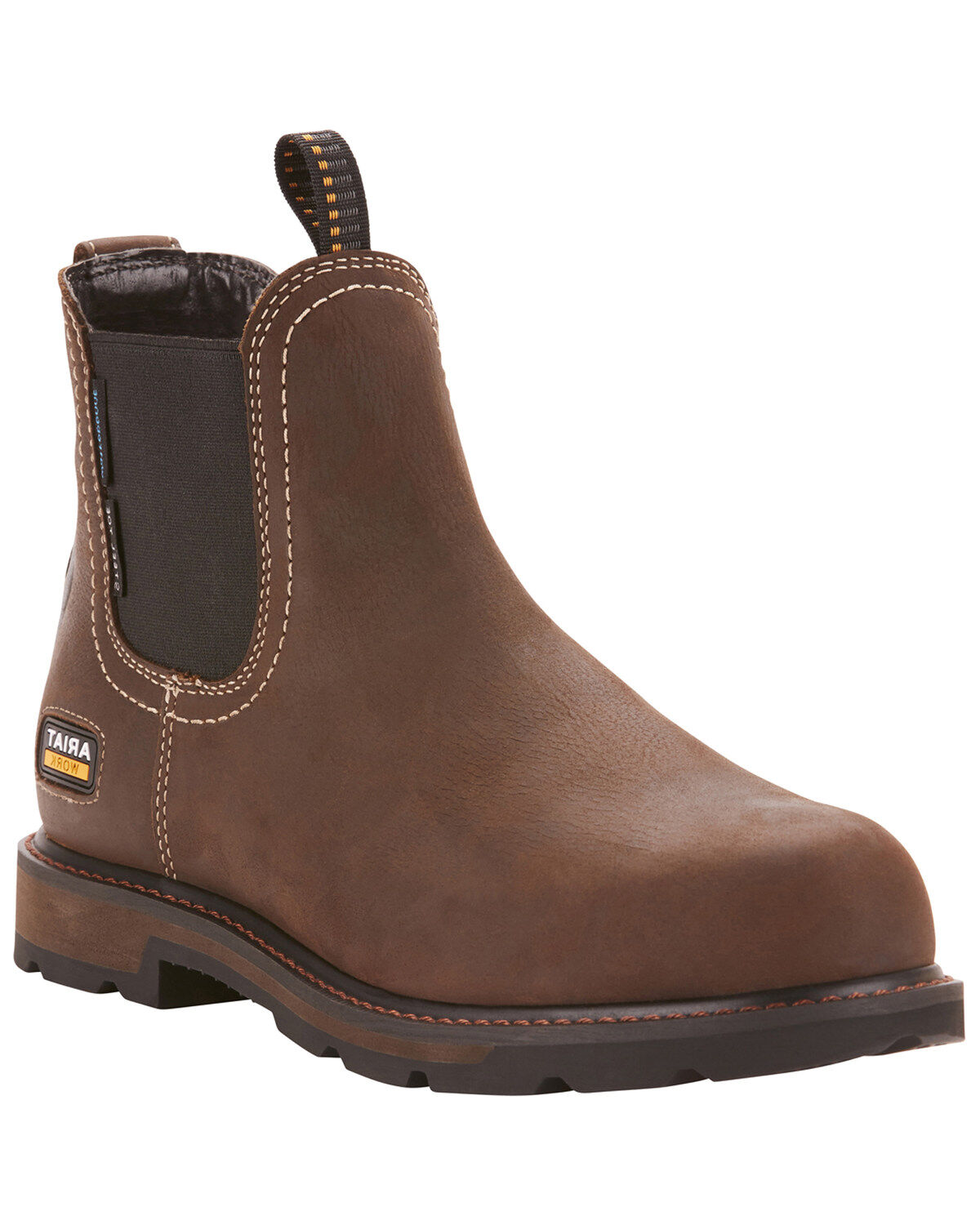
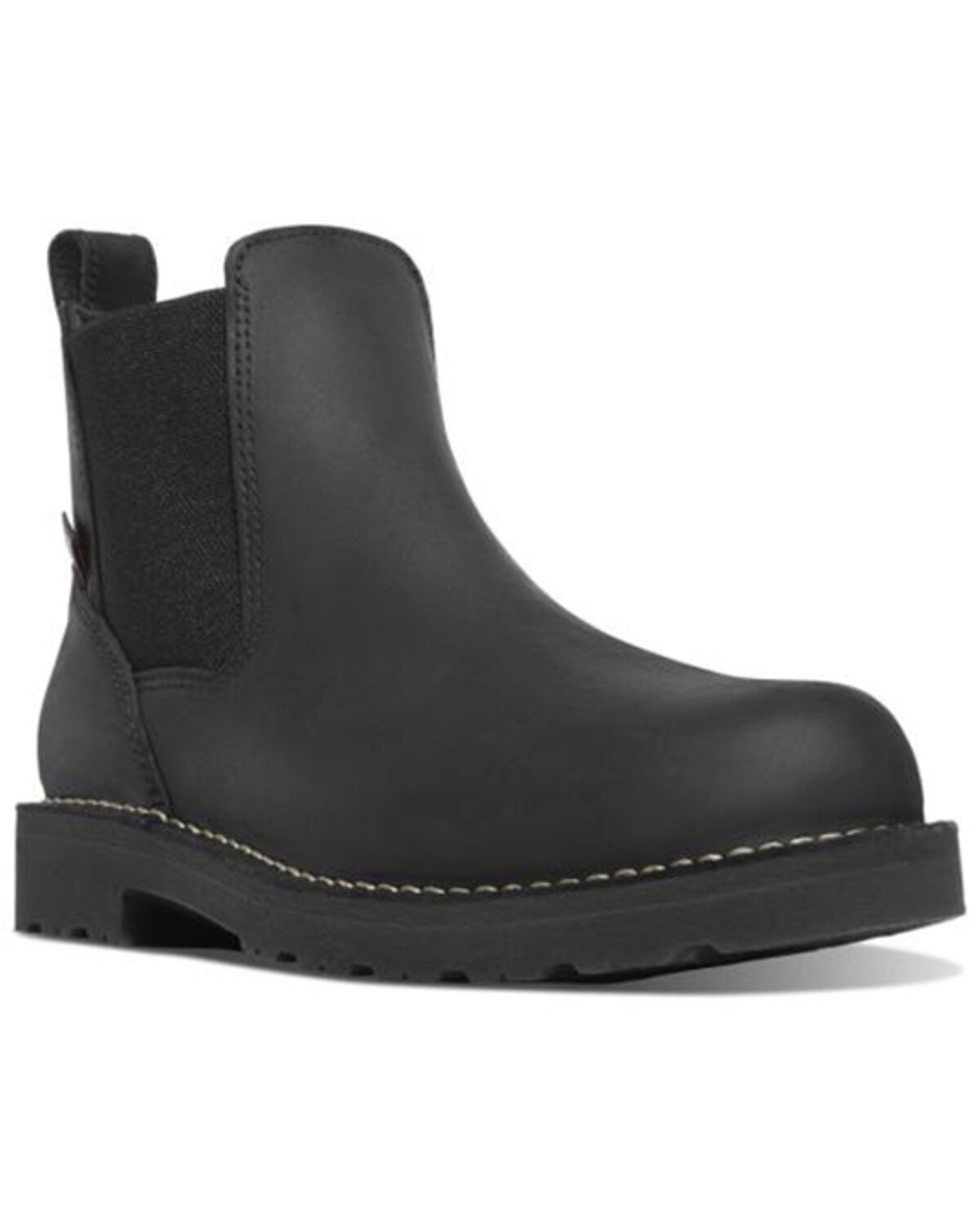
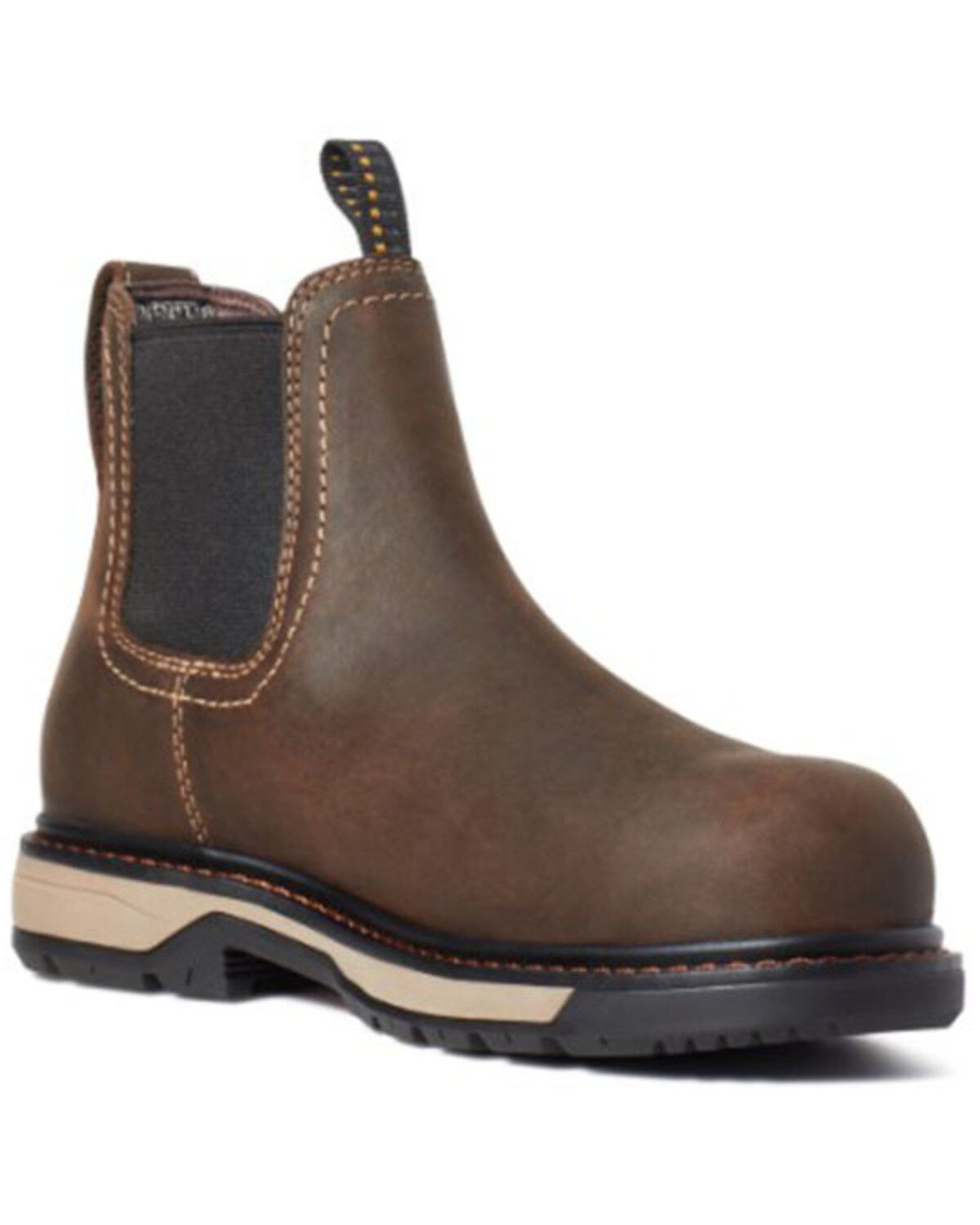
Chelsea shoes, commonly called Chelsea boots, are slip-on ankle boots with elastic side panels and a clean upper that does not need laces. The panels, also known as elastic gores, stretch as the foot enters the boot and help hold it in place once it is on. Many designs include a pull tab at the back, while others have tabs at both the front and back of the opening. Their straightforward construction gives them a distinct shape: a close-fitting ankle, an uninterrupted vamp across the top of the foot, and a profile that works with both casual clothing and more tailored outfits. The design dates to the 19th century, but its practical appeal remains simple. Chelsea footwear is easy to pull on, easy to pair with everyday clothing, and less bulky than many taller boots. Men and women wear Chelsea shoes with straight-leg jeans, chinos, dress trousers, skirts, and dresses. A slim leather pair can fit a business-casual setting, while a broader toe and substantial sole give the same basic design a more rugged character. Smooth leather offers a defined finish that can be polished, while suede brings a softer surface and a more relaxed appearance. Full-grain leather retains the natural grain of the hide and can develop visible character with wear. Other leather finishes may have a more uniform surface, so the material description matters more than color alone. Black tends to create a sharper contrast with denim and lighter trousers, while brown shades pair naturally with blue jeans and earth-toned clothing. Toe shape changes the overall impression, too. Rounded toes have a straightforward, practical look; almond-shaped toes narrow toward the front without becoming sharply pointed. Heel height and sole thickness also influence how the footwear looks and feels. The defining feature is still the elastic-sided, lace-free design, whether the finished boot leans toward everyday wear, a dressed-up occasion, or a sturdier utility style.

Fit matters especially with Chelsea shoes because there are no laces to tighten or loosen across the instep. The elastic panels provide flexibility, but the shape of the boot still needs to match the foot. A comfortable fit holds the heel securely, supports the middle of the foot, and leaves enough space for the toes to move without pressing against the front or sides. A little heel movement can occur in a new leather boot, but repeated lifting, rubbing, or sliding forward suggests that the fit needs closer attention. Pressure across the instep can make a slip-on boot difficult to wear, even when its length seems correct. Leather may soften with use, but a boot that is too short will not gain the length needed for a proper fit. Socks make a difference, particularly when the same footwear moves between an office, errands, and long stretches on foot. Trying Chelsea footwear with the socks intended for regular wear gives a more useful sense of volume and comfort. The ankle opening should feel secure without digging into the leg, and the elastic should return to its shape after the boot is pulled on. Underfoot construction deserves equal attention. Cushioning can ease the feel of hard floors, while arch support, footbed shape, and heel stability influence comfort over longer periods. A removable footbed may allow room for an appropriate insert, although replacing it can change the fit inside the boot. Outsole material affects flexibility, weight, and contact with the ground. Rubber soles often offer a practical balance for everyday walking, while leather soles create a traditional finish with a different feel underfoot. Tread pattern and tested performance matter more than appearance when traction is a priority. Durable Chelsea boots also depend on sound stitching, secure sole attachment, and elastic panels that withstand repeated use. Welted construction can allow resoling in some designs, while other construction methods may favor lighter weight or flexibility. Repair options depend on the individual boot and the condition of its upper.

Chelsea shoes suit people who want footwear that moves comfortably between daily responsibilities without requiring a different look for every stop. A clean profile works under trousers for a meeting, with jeans for an evening out, or with casual clothing for a day spent moving between errands. For someone whose routine includes a jobsite, shop floor, or other demanding workplace, Chelsea Work Boots are a related category worth considering. The slip-on shape alone does not establish that a boot is appropriate for work. Protective toe construction, electrical hazard ratings, slip-resistance testing, and other job-specific requirements should be checked against the employer’s footwear standards. An everyday Chelsea boot should not be treated as safety footwear unless its stated specifications support that use. Care also depends on the materials rather than the silhouette. Smooth leather benefits from regular removal of dust and grit with a soft brush or cloth, followed by a leather cleaner or conditioner suited to its finish when needed. Too much conditioner can change the appearance or leave residue, so restrained application matters. Suede needs a different approach: a suede brush helps lift surface dirt and restore the nap, while suitable suede-care products address marks without treating the material like polished leather. Elastic panels should be kept free of heavy polish and conditioner, which are intended for the leather rather than the fabric. Pull tabs help with entry, but forcing the foot into a tight opening can strain both the tabs and the panels. A shoehorn reduces pressure on the heel counter and helps preserve its shape. Allowing boots to rest between wears gives the lining time to dry, and storage away from direct heat helps protect leather from unnecessary drying. Chelsea footwear can also make a useful gift for someone who favors simple, practical clothing, provided the recipient’s size, width, and preferred fit are known. Those details matter more than choosing a familiar color. A well-fitting pair earns its place through regular use, dependable construction, and a shape that works across an everyday wardrobe.

FAQs