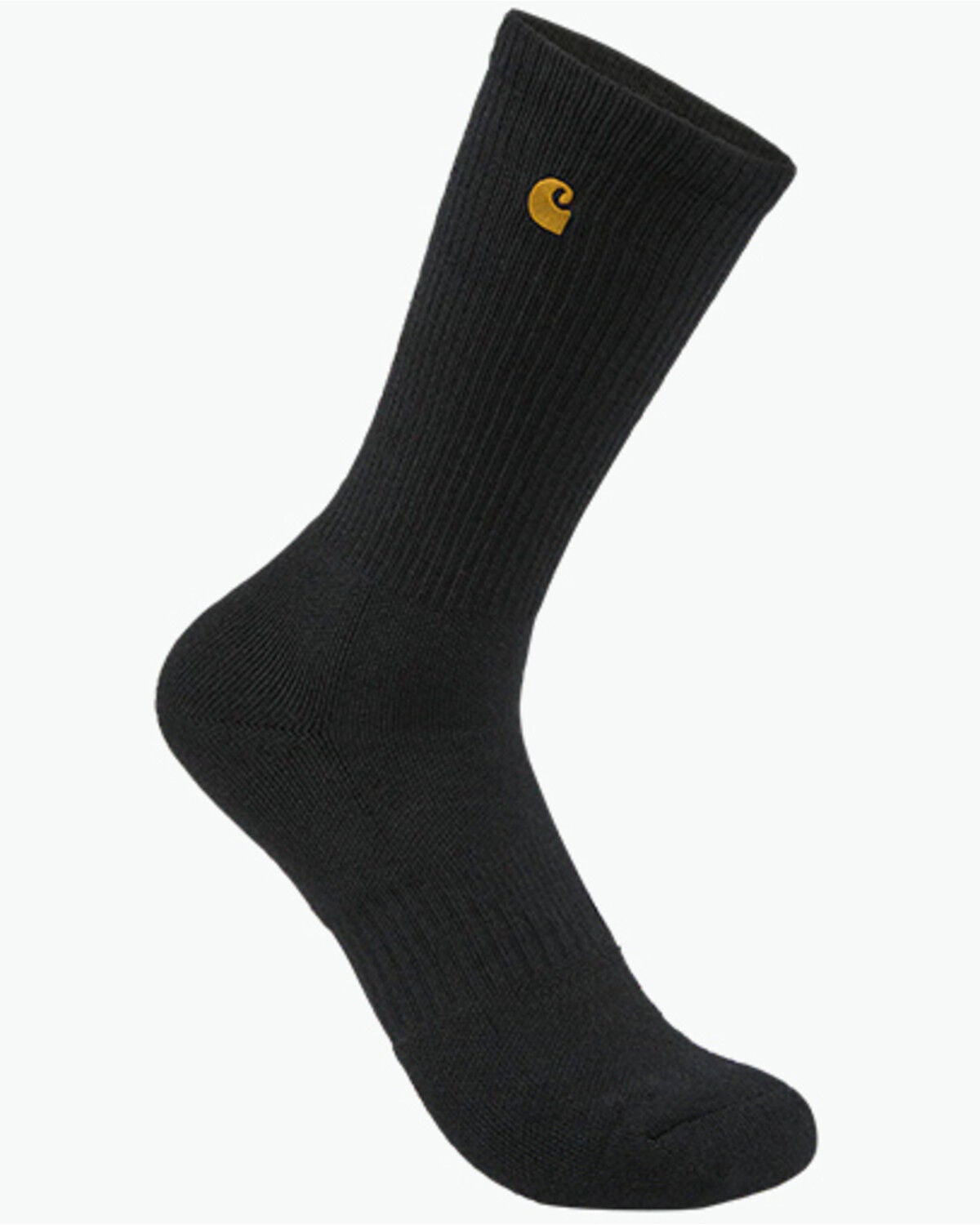
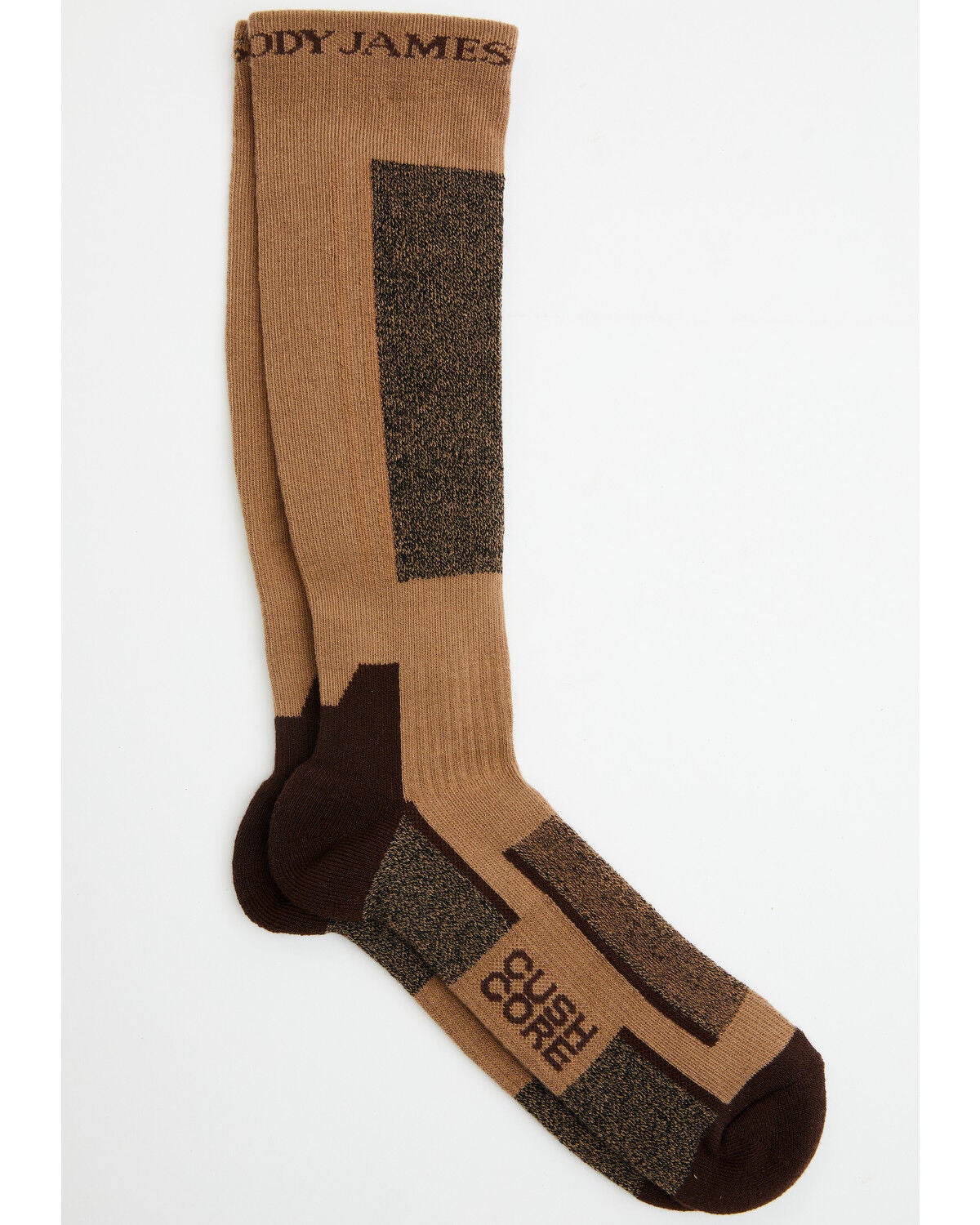
Best Men's Work Socks

Find the best men's work socks for your boots and daily routine. Browse the selection and compare sizing, sock height, cushioning, and care instructions to choose a pair that fits comfortably without making your work boots feel too tight.

Read More

Shop Your Store: Shop Your Store: Find a Store

(Turn off Shop Your Store to see all items)

(Turn off Shop Your Store to see all items)

close
  • Recommended
  • Lowest Price
  • Highest Price
Skip pass products
  • Men's Hawx 2 Pack Steel Toe All Season Socks

    Original Price $15.99 $6.58
    59% Total Savings
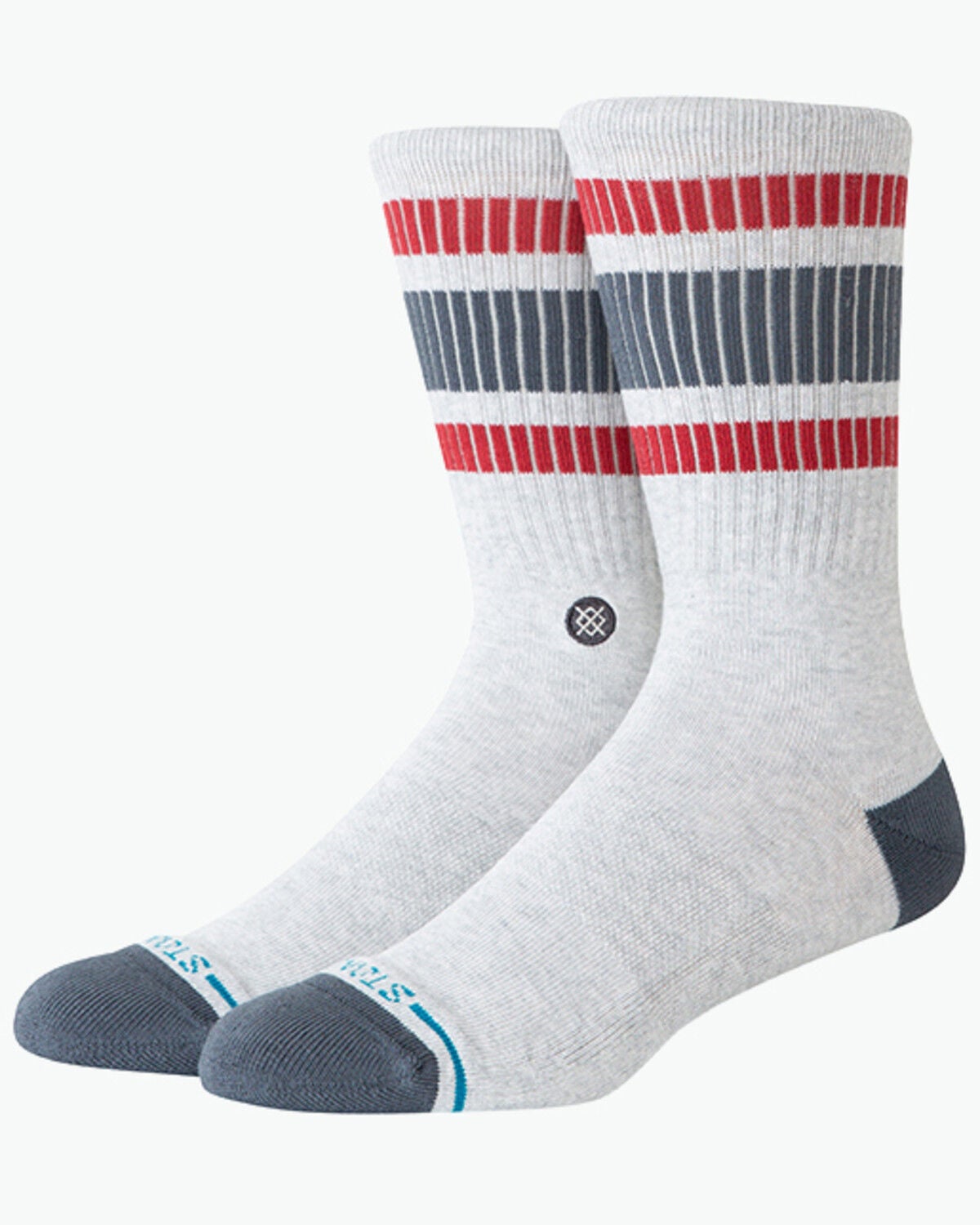
  • Men's Stance Marled Crew Socks

    Original Price $16.99 $10.97
    35% Total Savings

End of products

Best Men's Work Socks

The best men's work socks are the ones that fit the boot, stay in place, and hold up to the demands of the job. A warehouse worker walking concrete floors all day needs a different balance of cushioning and bulk than a mechanic who spends much of a shift crouching beside equipment. Construction crews, delivery drivers, ranch hands, and maintenance workers may all wear work boots, but their daily movement puts pressure on different parts of the foot. Cushioning under the heel and ball of the foot can soften contact inside a firm boot without filling every inch with thick fabric. Padding around the toes may make contact with a safety-toe boot more comfortable, provided there is still enough room to move the toes freely. Socks cannot correct a poorly fitted boot or change its protective rating. Heavy cushioning is not automatically better, either. A thick sock in a close-fitting boot can crowd the forefoot, while a thinner sock in a roomy boot may allow the heel to slide. Medium-weight socks with targeted cushioning often offer a useful middle ground, though the right weight depends on the footwear and the wearer. Sock height matters just as much. Crew socks work with many lace-up work boots when the cuff extends above the boot collar. Taller boots generally call for taller socks to keep leather, seams, and the upper edge from rubbing directly against the leg. Quarter-height socks are better suited to lower-cut work shoes when they provide enough coverage. A cuff that stays up without digging into the calf helps keep fabric from bunching around the ankle during repeated bending and walking. When choosing the best work boots for men, trying them on with the intended work socks gives a more accurate sense of heel hold, toe room, and overall comfort. Boots and socks need to work together, not compete for space.

Materials and construction explain much of the difference between everyday socks and socks made for long hours in work footwear. Merino wool blends are valued for their softness and ability to absorb moisture vapor, while nylon often adds strength in areas exposed to repeated rubbing. Wool is not limited to bulky socks; fine-knit blends can provide coverage without taking up much room inside a boot. Polyester is common in moisture-wicking work socks because it absorbs little water and dries relatively quickly. Wicking fabric moves perspiration away from the skin, but moisture still needs somewhere to go. A breathable sock cannot fully overcome a boot that traps moisture throughout a demanding shift. Cotton feels familiar and soft, but it absorbs perspiration and generally dries more slowly than many synthetic fibers. Cotton-rich socks may suit less strenuous work, while jobs involving steady walking or heavy exertion often benefit from blends designed to manage moisture. Small amounts of spandex or elastane help the fabric stretch and return to shape. That stretch supports a close fit through the arch and ankle without requiring a stiff, restrictive knit. Reinforced heels and toes matter because those areas repeatedly rub against the boot lining, especially when climbing ladders, pushing off while carrying materials, or stepping in and out of a truck. Dense stitching can contribute to durability without excessive thickness. Smooth toe seams reduce raised edges that can press against the toes inside fitted footwear. Some socks use a shaped heel and an inset panel near the ankle to follow the foot more closely, helping the fabric stay aligned during movement. Mesh sections over the top of the foot can reduce bulk and allow more airflow where the boot permits it. These details are worth considering together. Soft fabric alone does not ensure lasting comfort, and heavy fabric alone does not establish durability. A well-built work sock balances fiber strength, moisture handling, cushioning, and shape for its intended use.

Fit and care determine how well those features hold up over time. Work socks should sit smoothly against the foot, with the heel pocket centered on the heel and no loose folds beneath the sole. A sock that is too large can bunch inside the boot, creating pressure points that become noticeable after hours of walking. One that is too small may pull across the toes, drag the heel pocket forward, or leave the cuff stretched tight. Shoe-size ranges are a useful starting point, but foot width, calf size, and the amount of stretch in the fabric also affect fit. A close-knit arch band can help keep a sock from shifting; it should not be confused with a medical compression garment. For jobs involving repeated kneeling, climbing, or walking across uneven ground, secure fit is especially important because the foot changes position throughout the day. Persistent rubbing calls for checking both the sock and the boot rather than simply adding more padding. Moisture, excess room, worn lining, and uneven seams can all contribute to friction. For shifts that leave socks damp, a spare pair gives the wearer a way to change into dry fabric when there is an opportunity. Regular care also protects the knit and helps socks retain their shape. Follow the care label, since wool blends and synthetic blends may have different washing and drying requirements. Turning socks inside out helps expose the areas that collect perspiration and skin debris. Excessive dryer heat can affect elastic fibers or shrink some materials, and fabric softener may interfere with moisture-wicking performance. Rotating pairs gives each pair time to be washed and dried fully between wears. Thinning heels, flattened cushioning, loose cuffs, and seams that rub are signs that a pair may no longer provide the same fit or comfort. Work socks also make a practical gift for someone who spends the day in boots. Matching the recipient's sock size, usual boot height, and preferred cushioning is more useful than choosing by appearance alone. The right pair earns its place through steady comfort and dependable wear.
Read More

FAQs