Work Boots And Shoes

Find work boots and shoes with your job requirements in mind. Browse work footwear from trusted brands, compare available styles, and check each pair’s listed features against your workplace requirements before choosing your next pair.

Shop Your Store: Shop Your Store: Find a Store

(Turn off Shop Your Store to see all items)

(Turn off Shop Your Store to see all items)

close
  • Recommended
  • Lowest Price
  • Highest Price
Skip pass products

End of products

Work Boots And Shoes

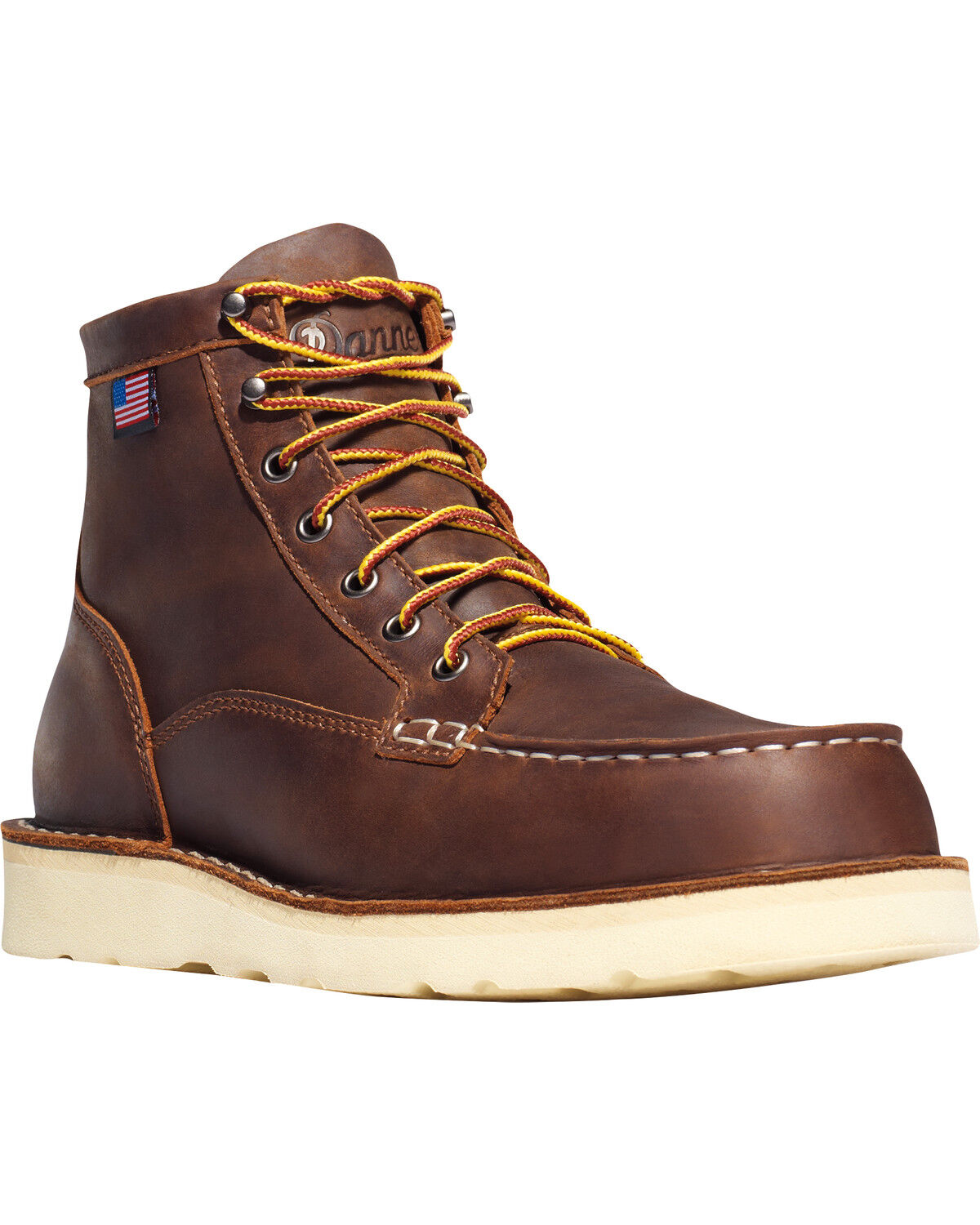
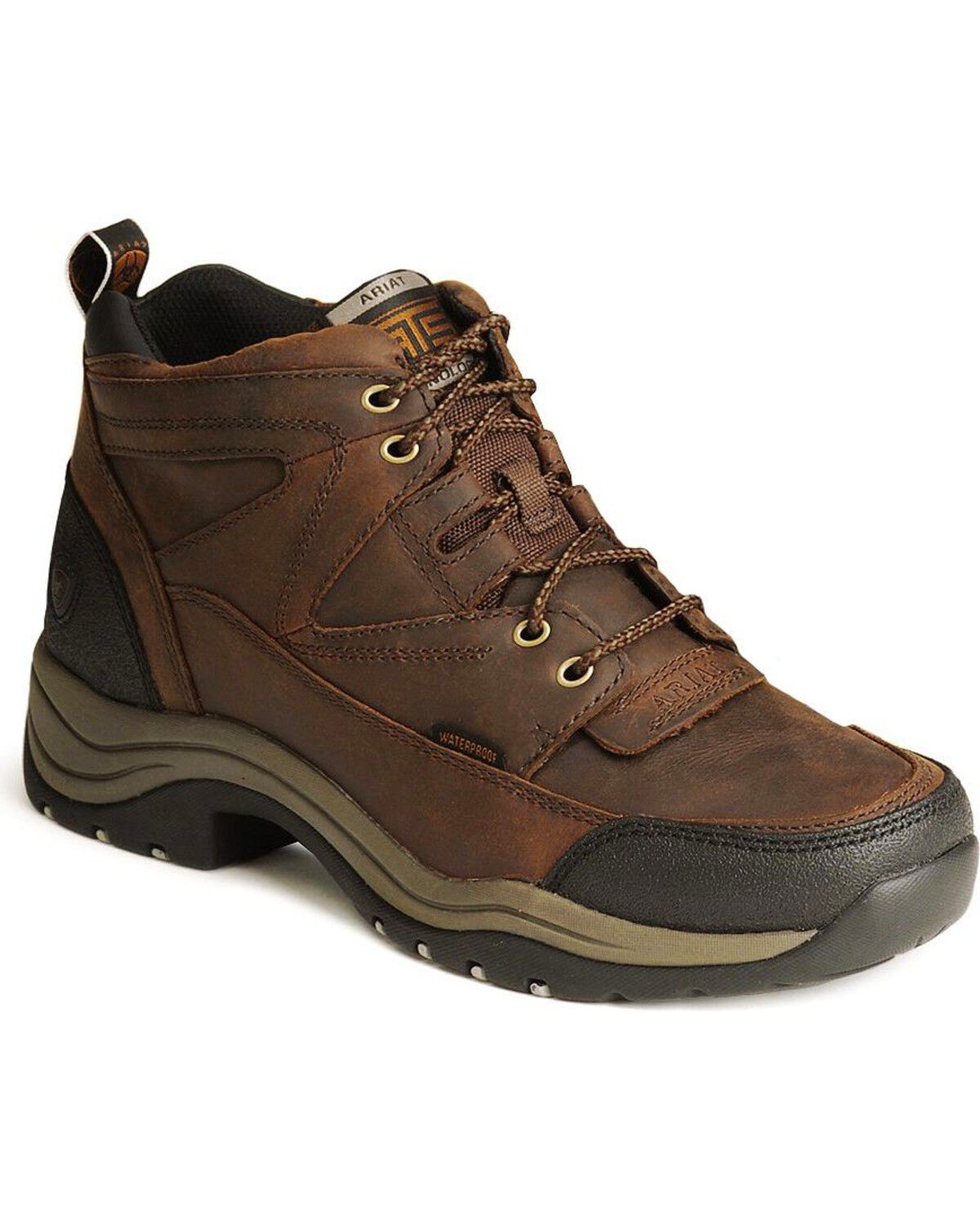
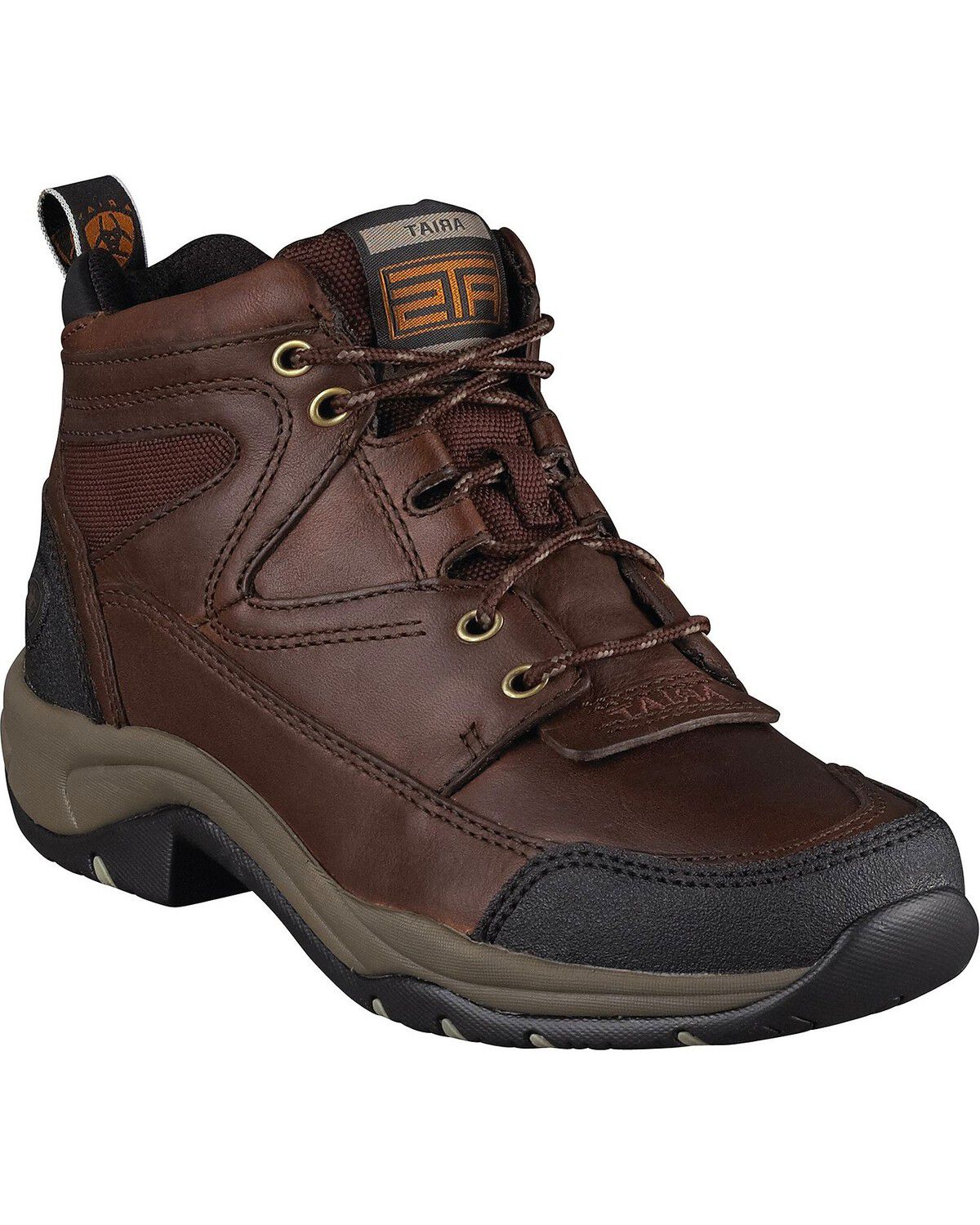
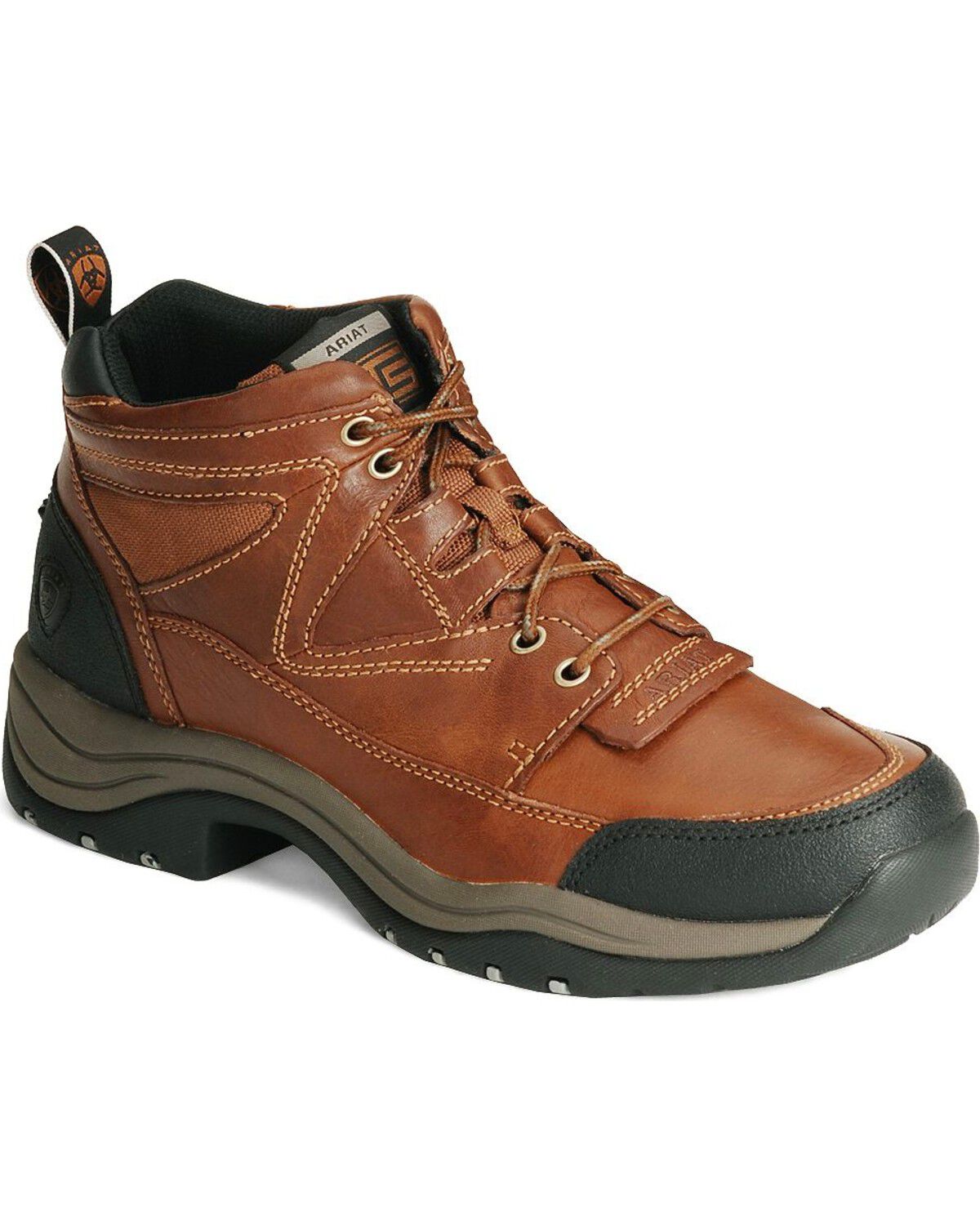
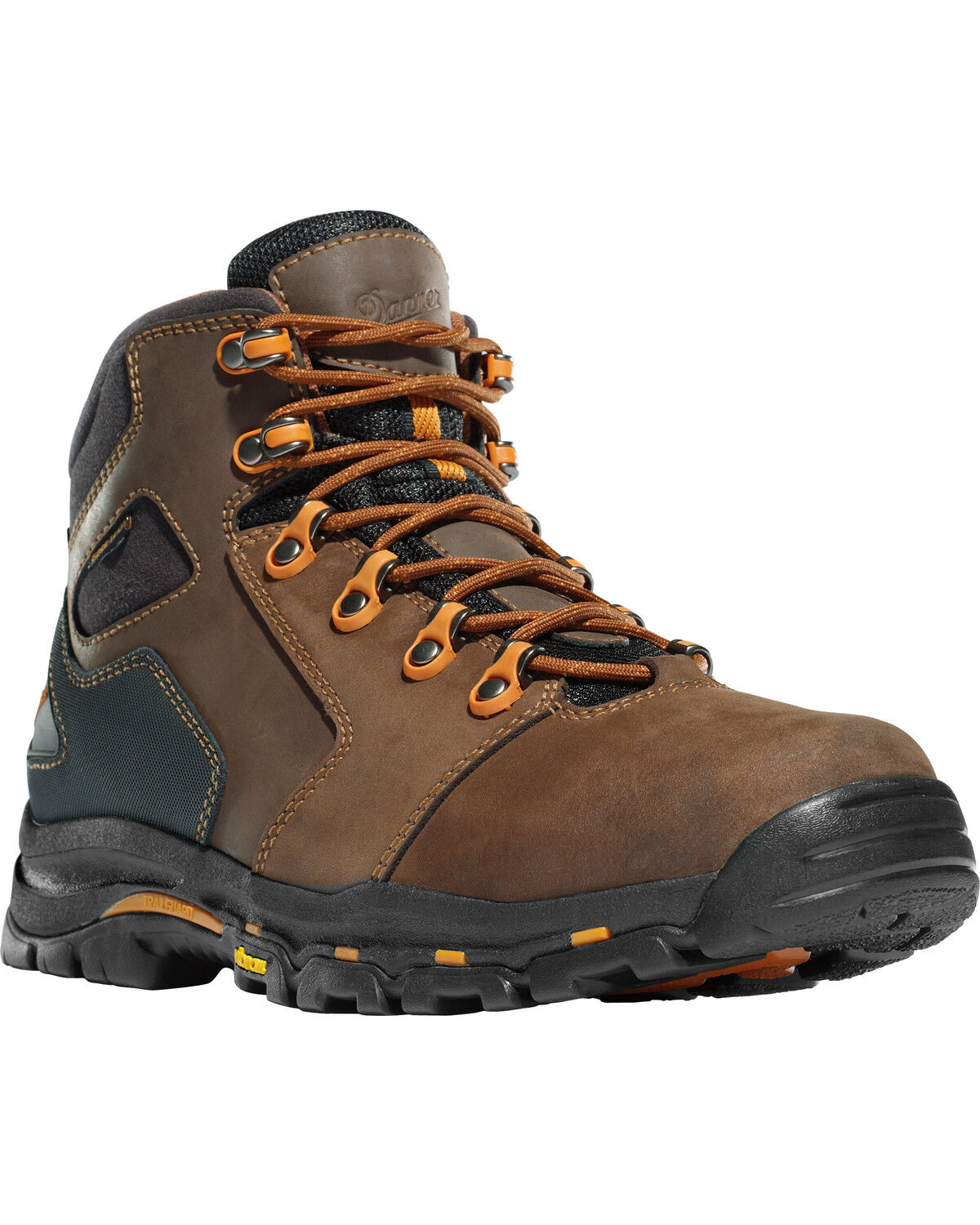
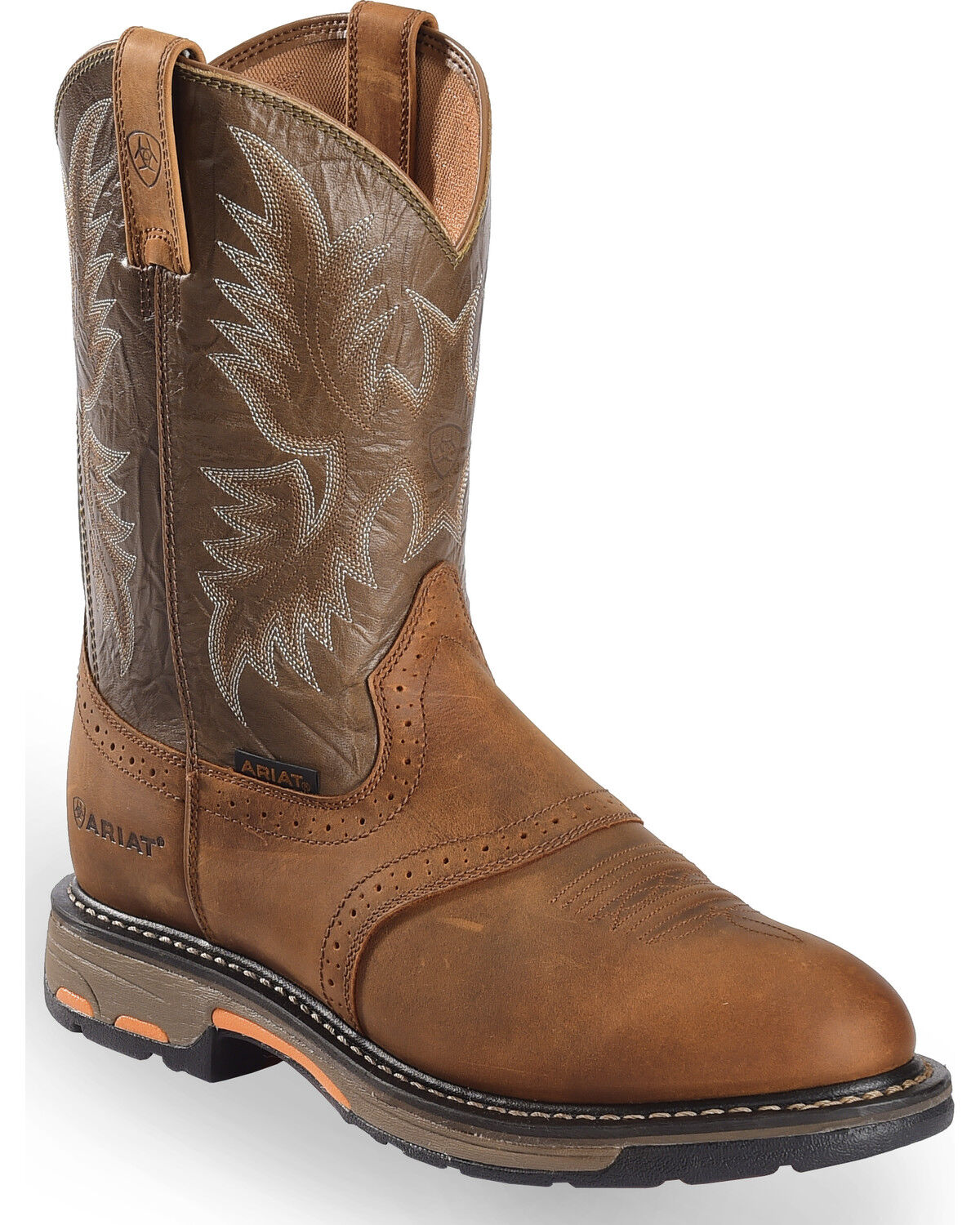
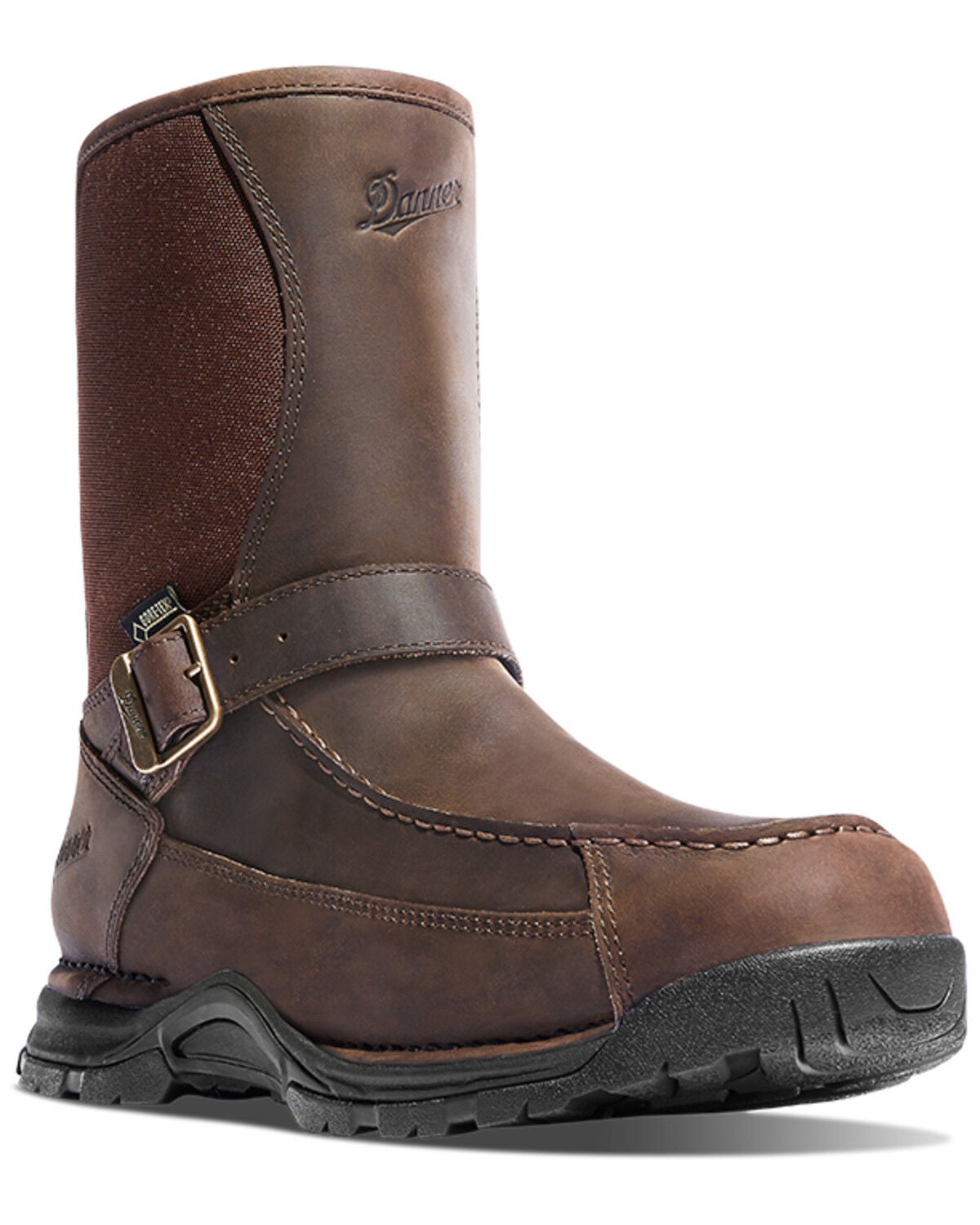
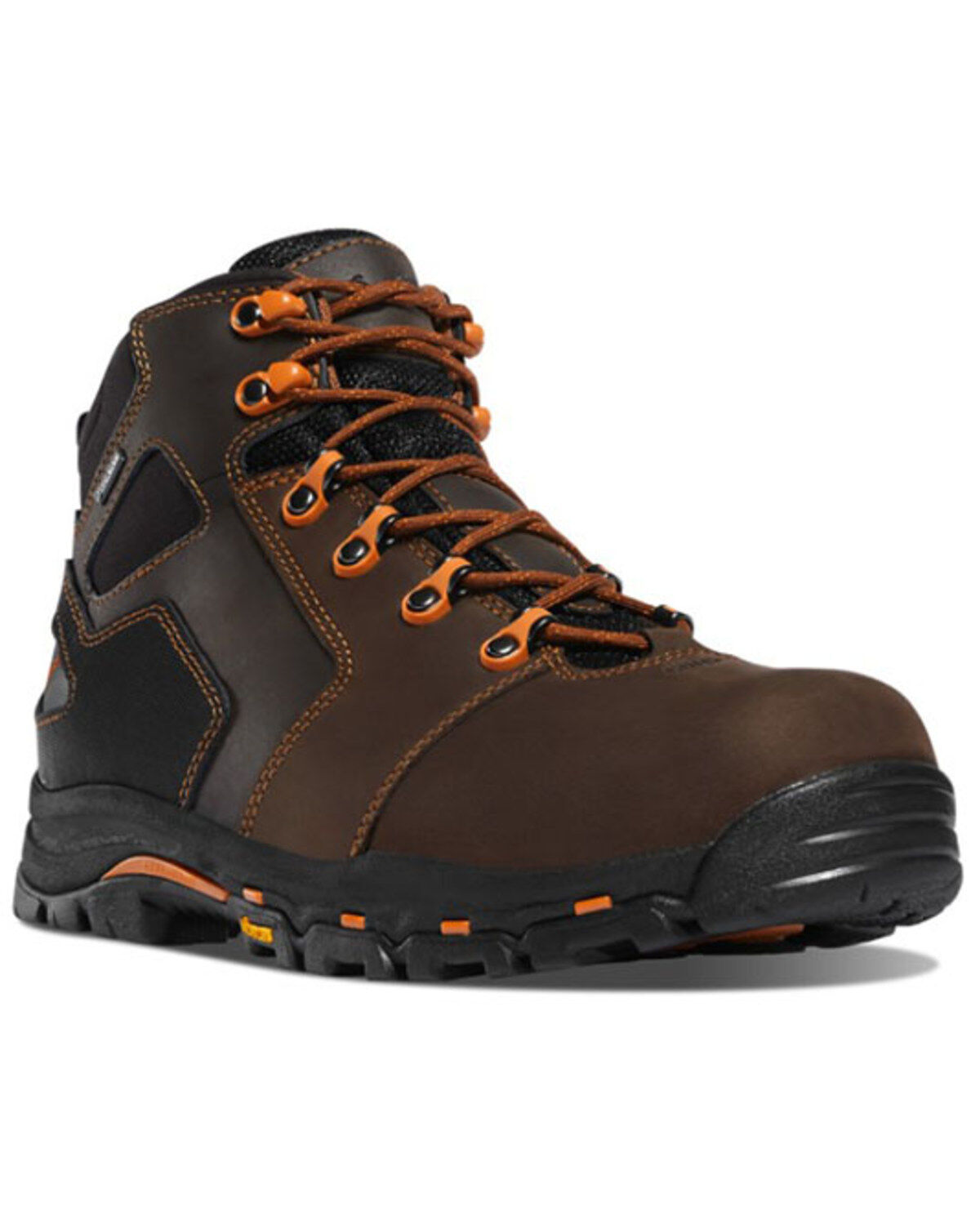
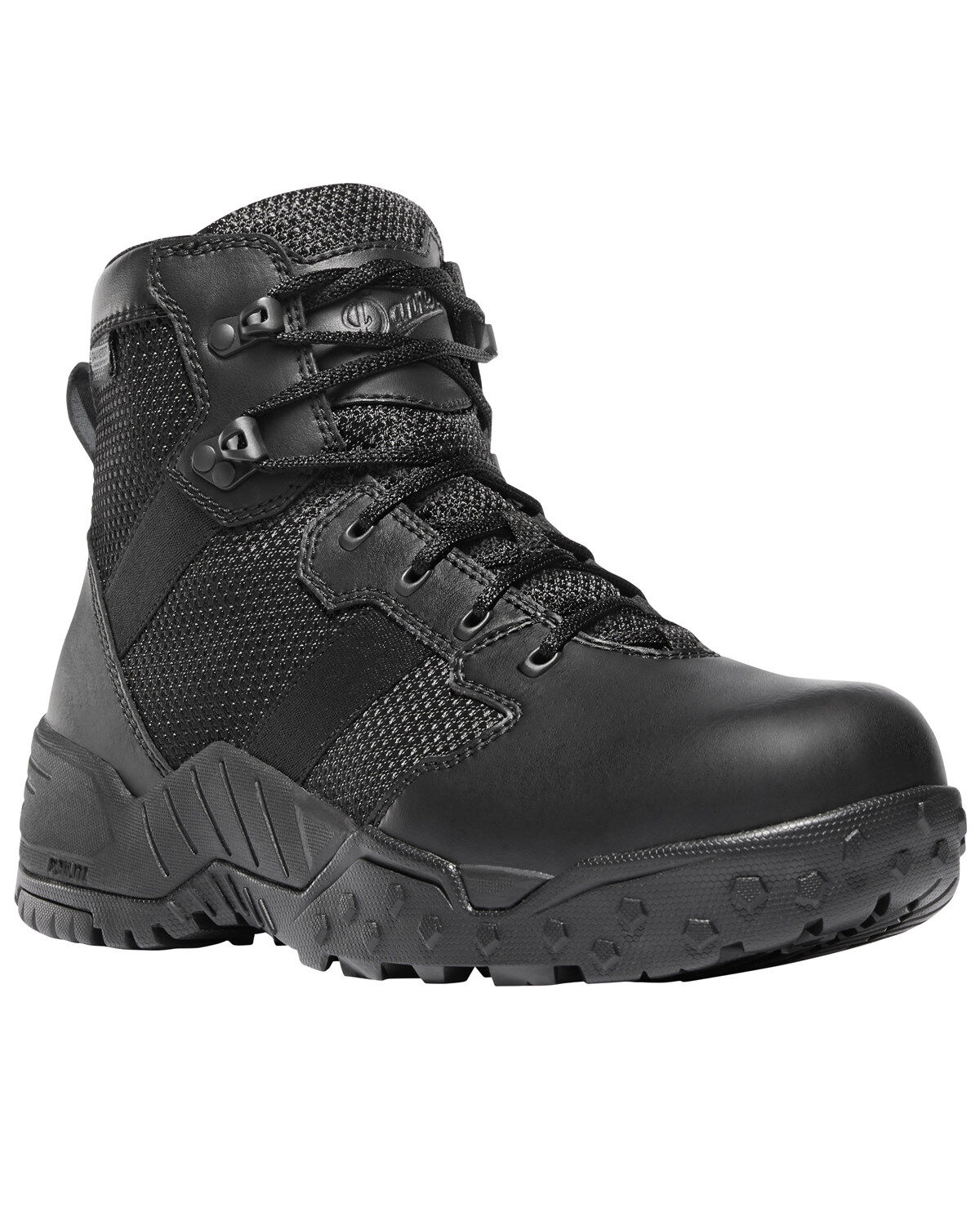
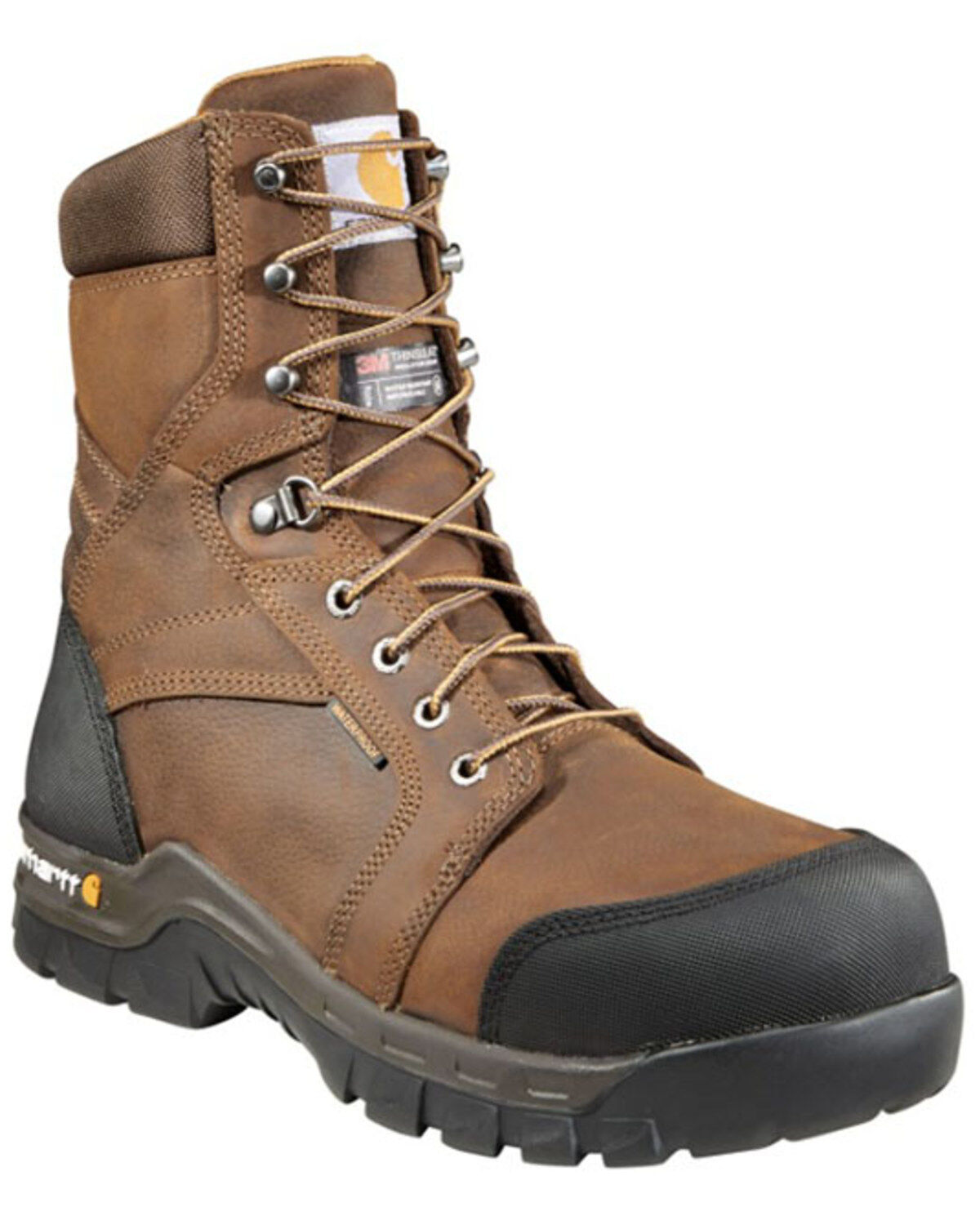
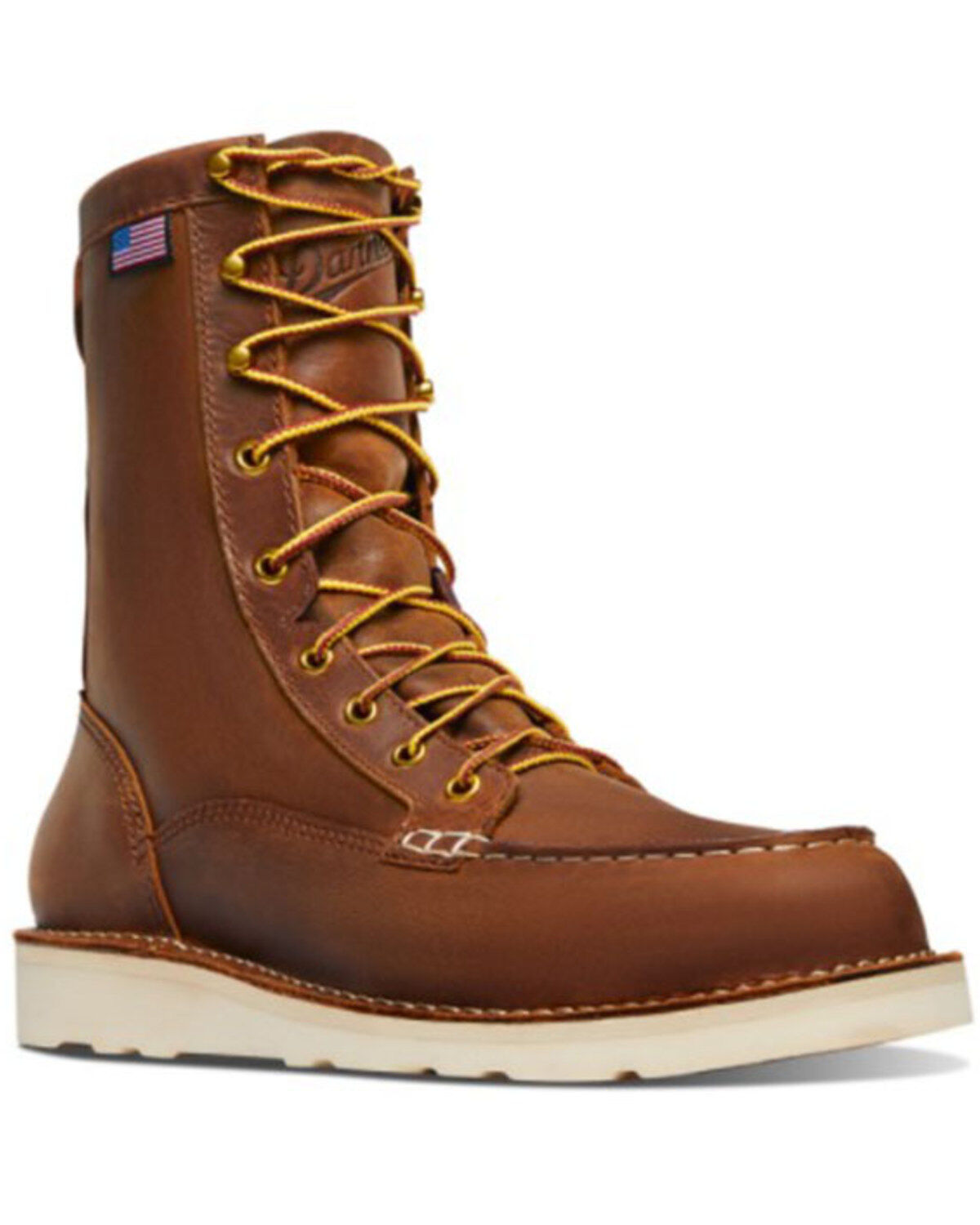
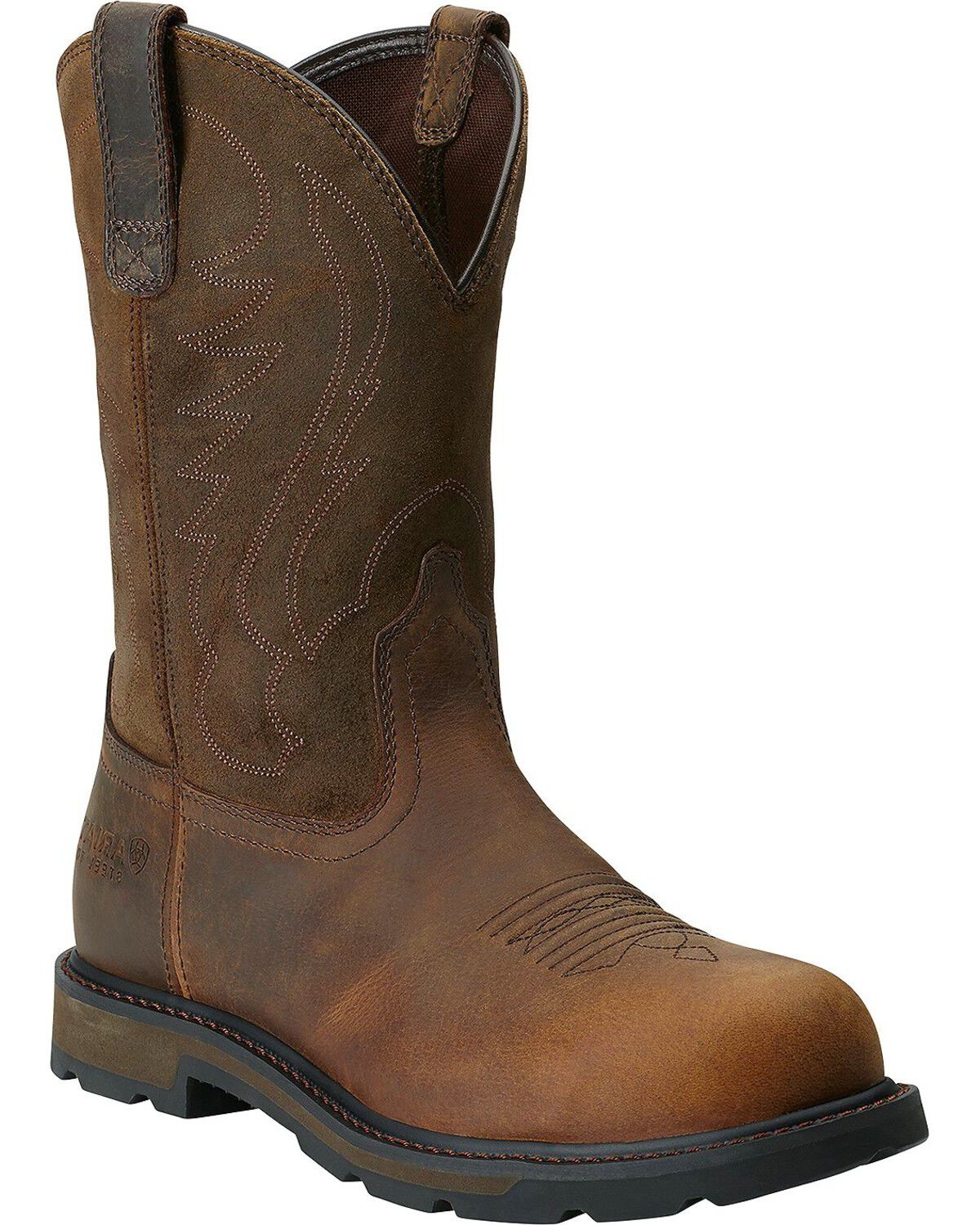
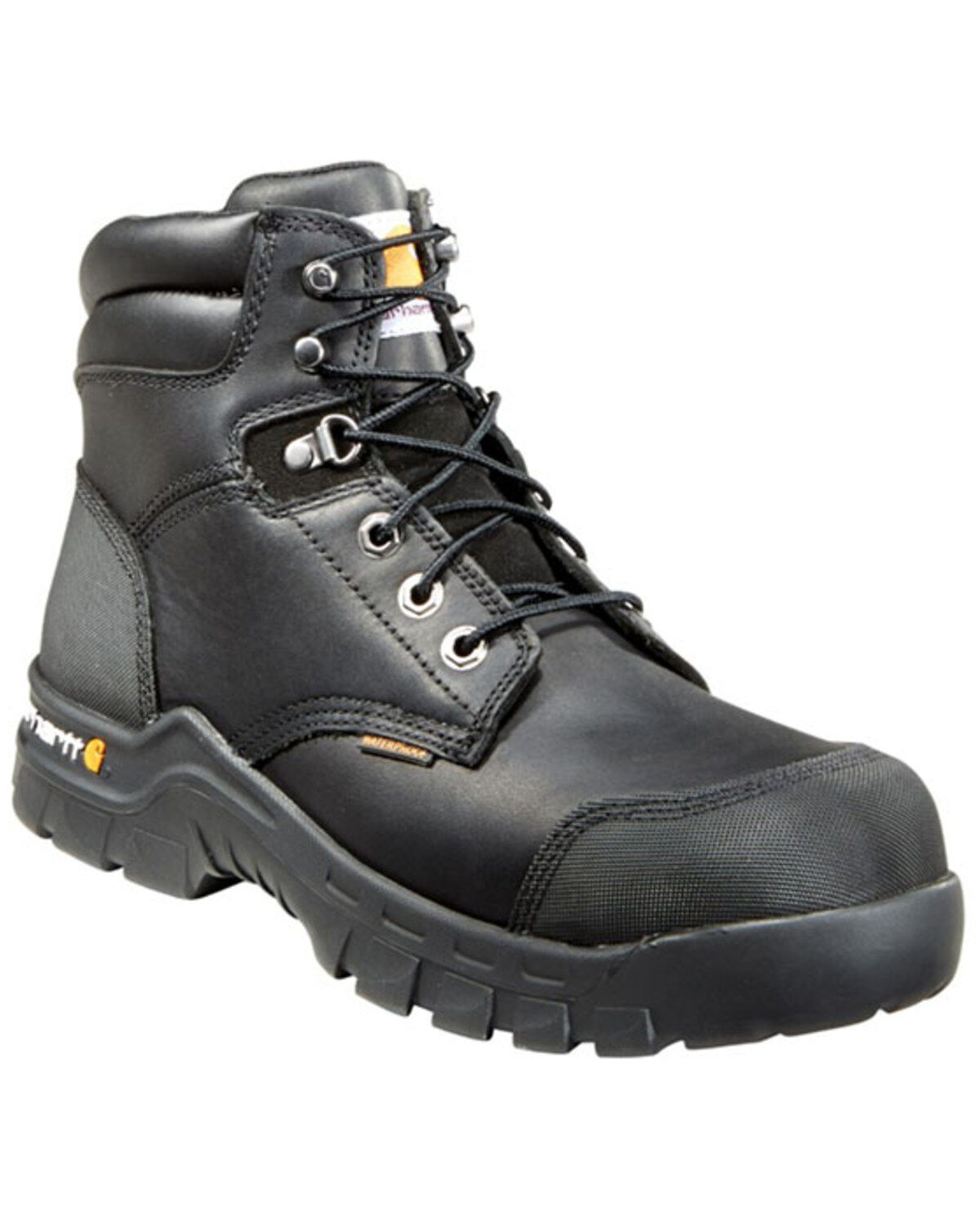
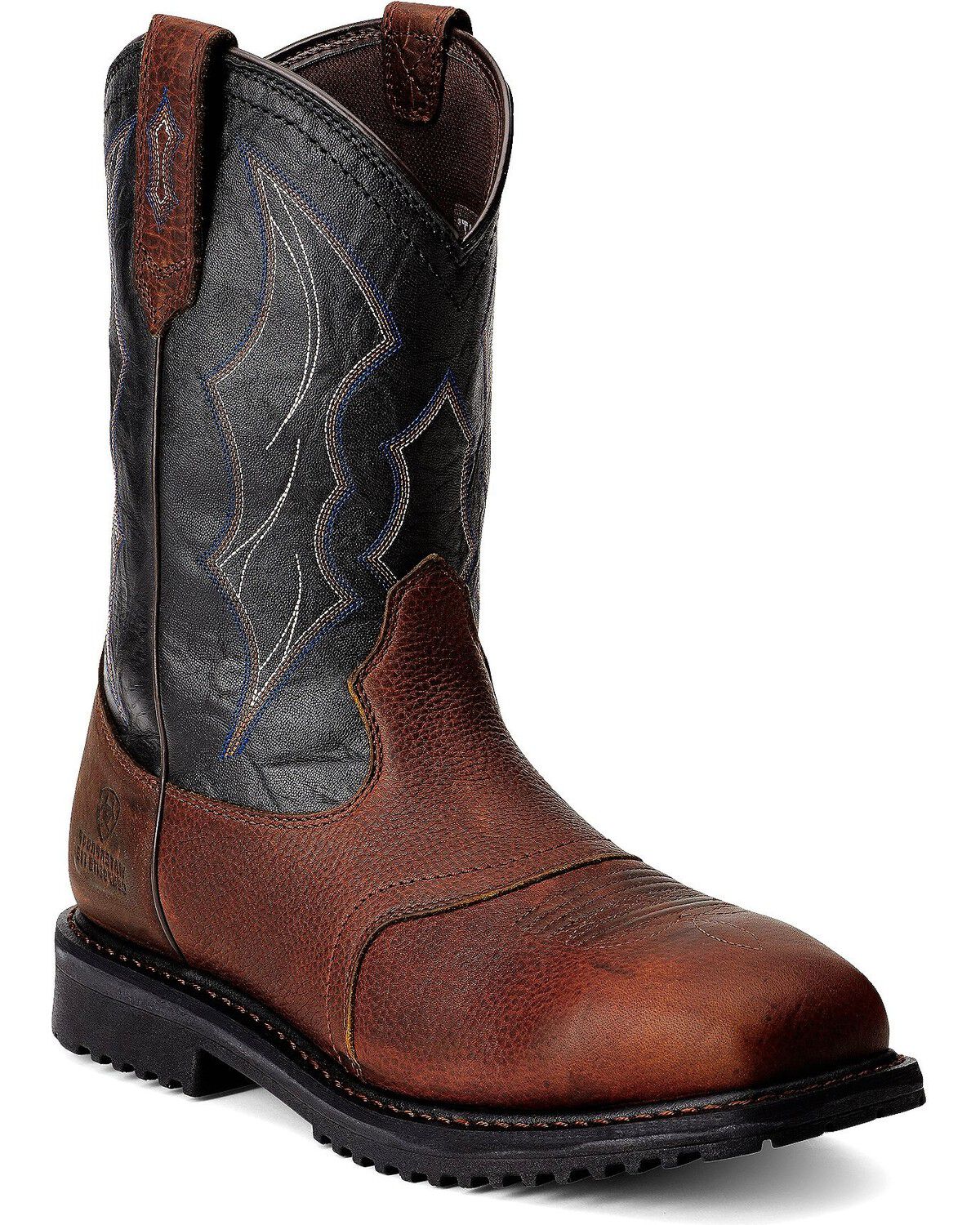
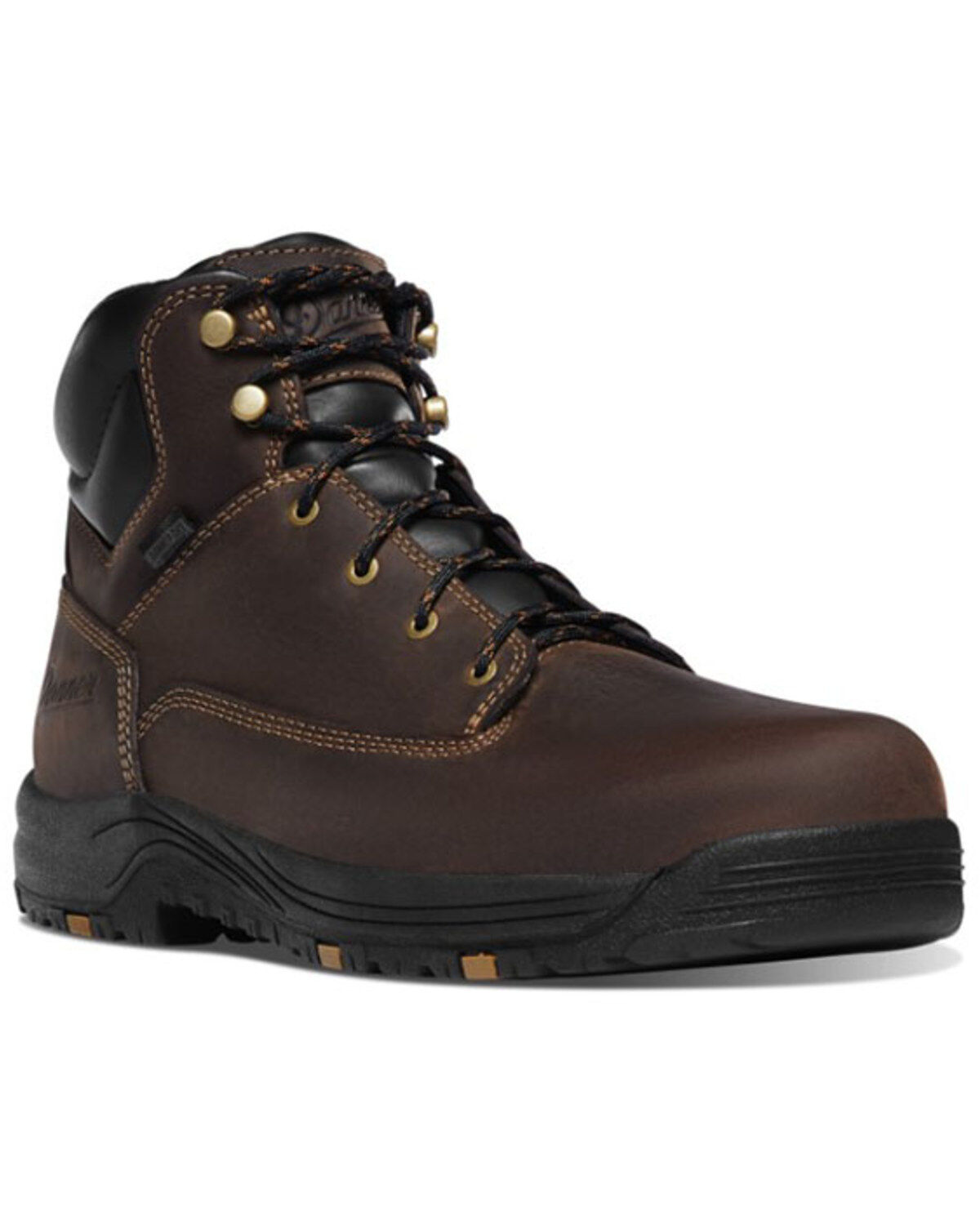
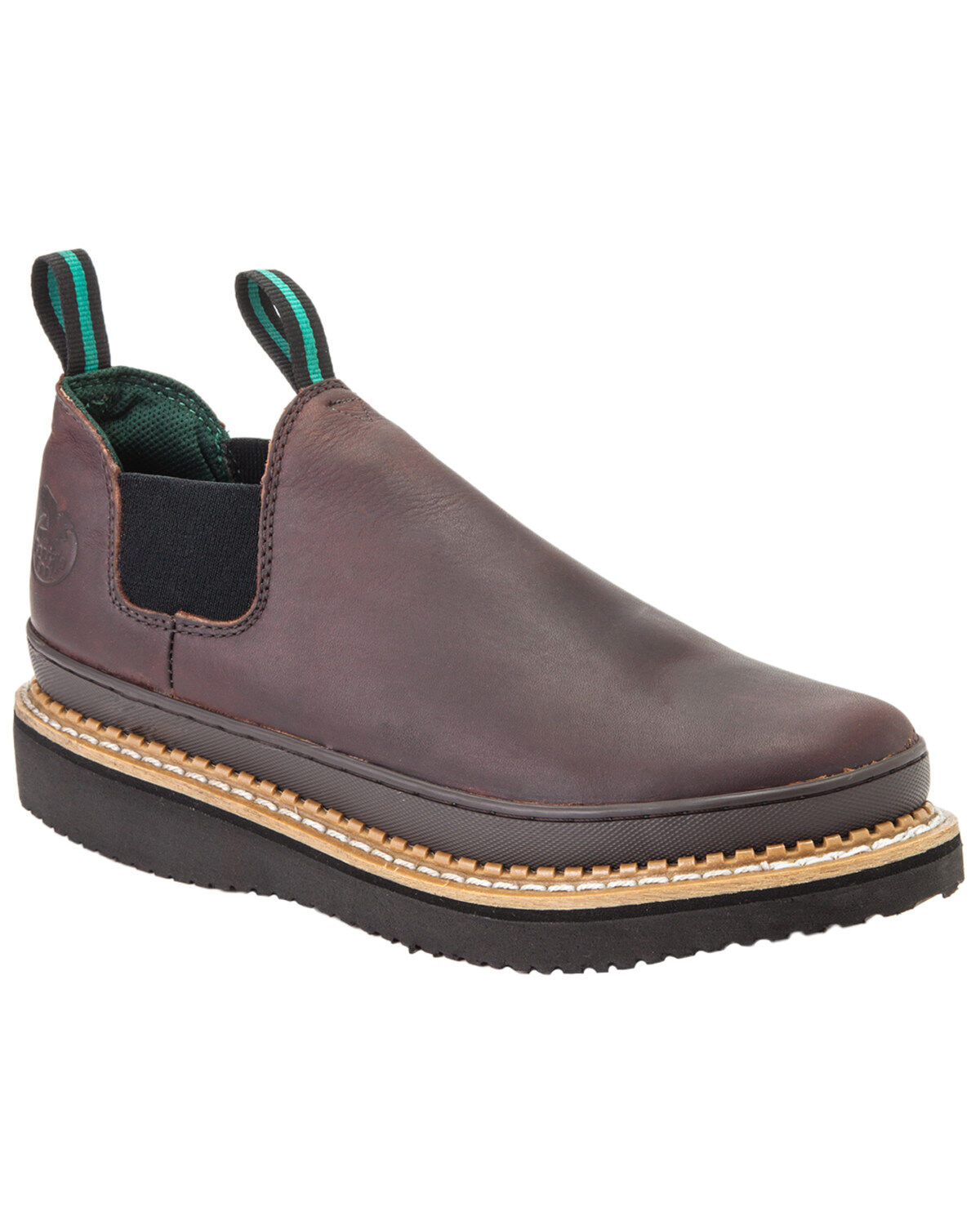
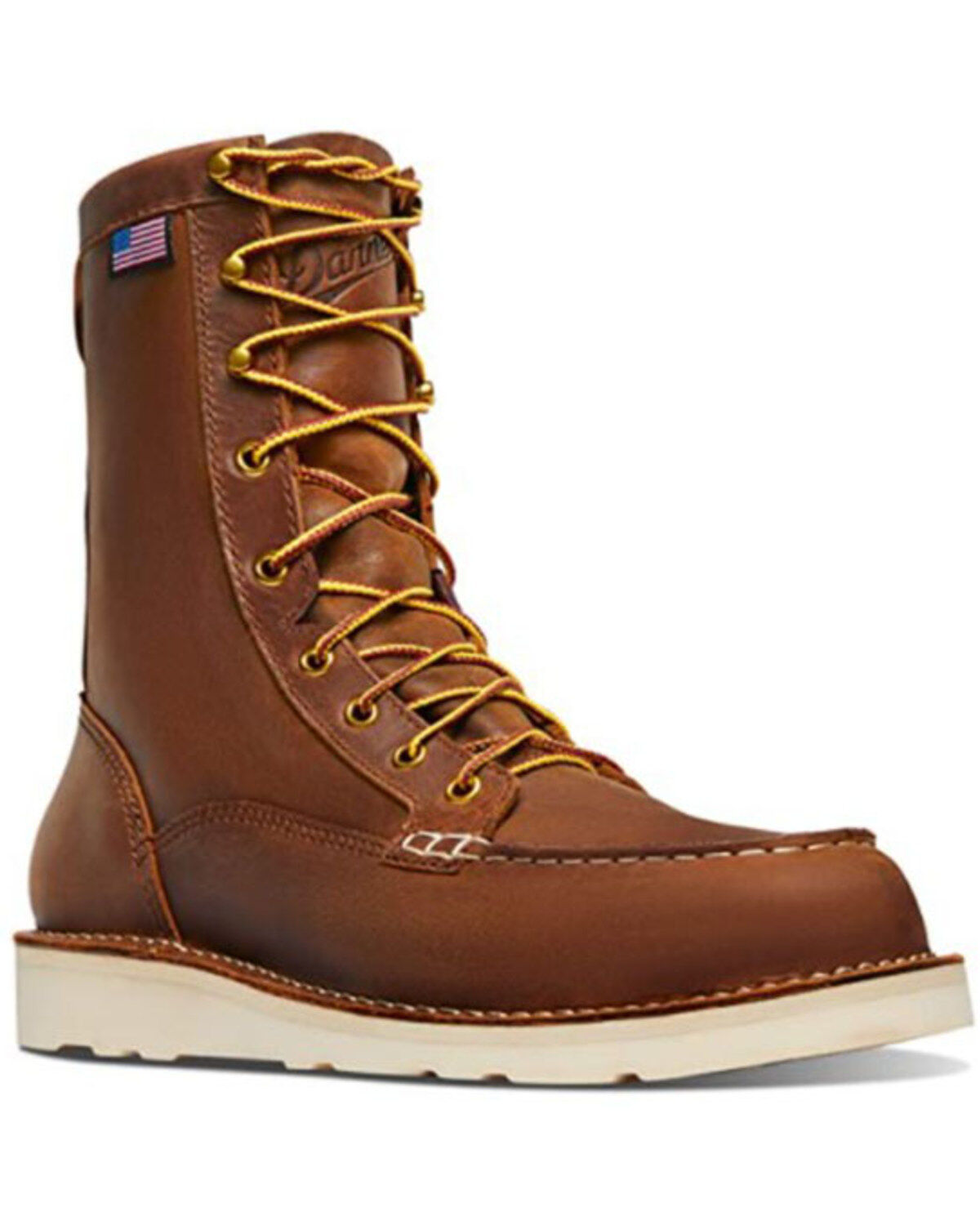
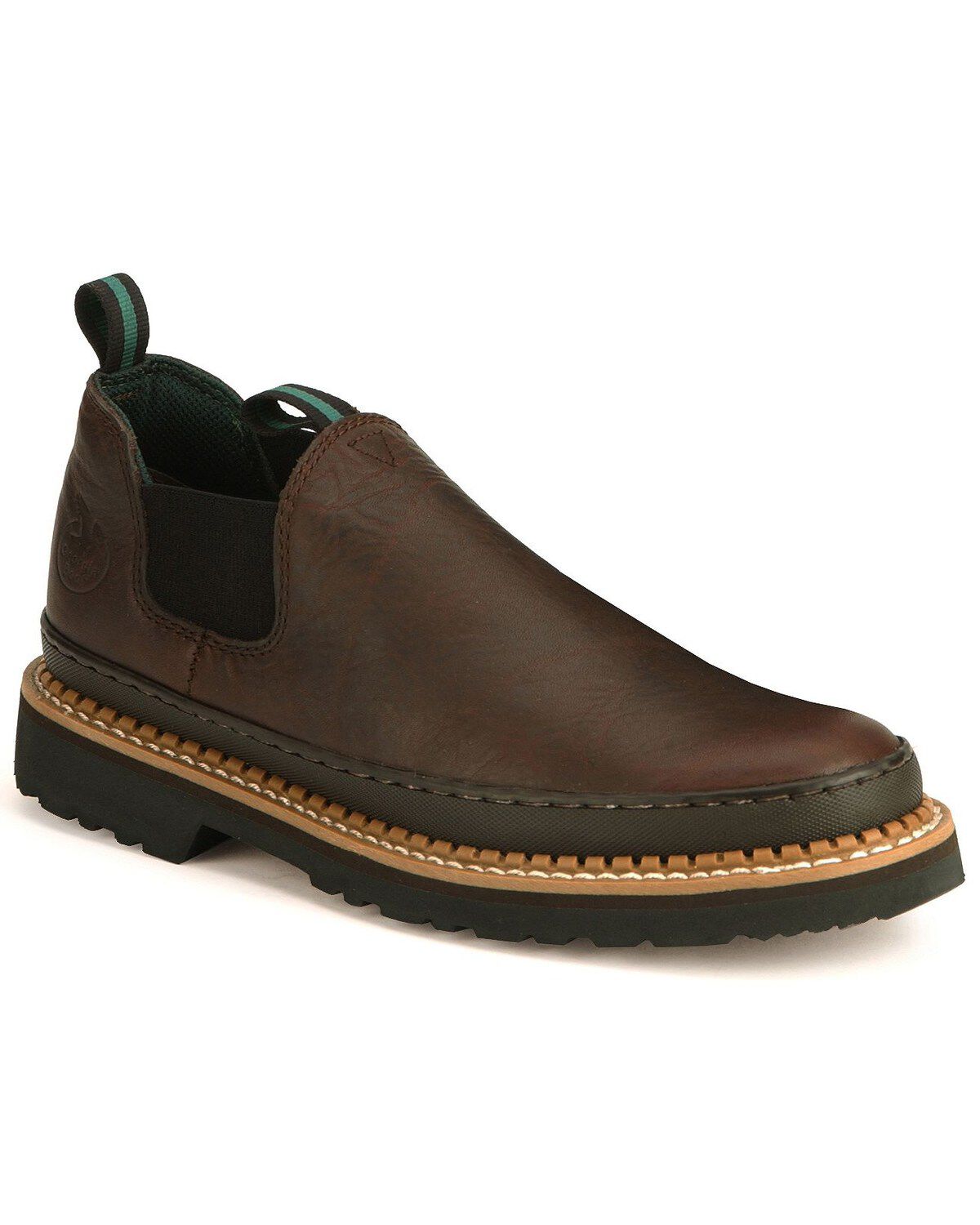
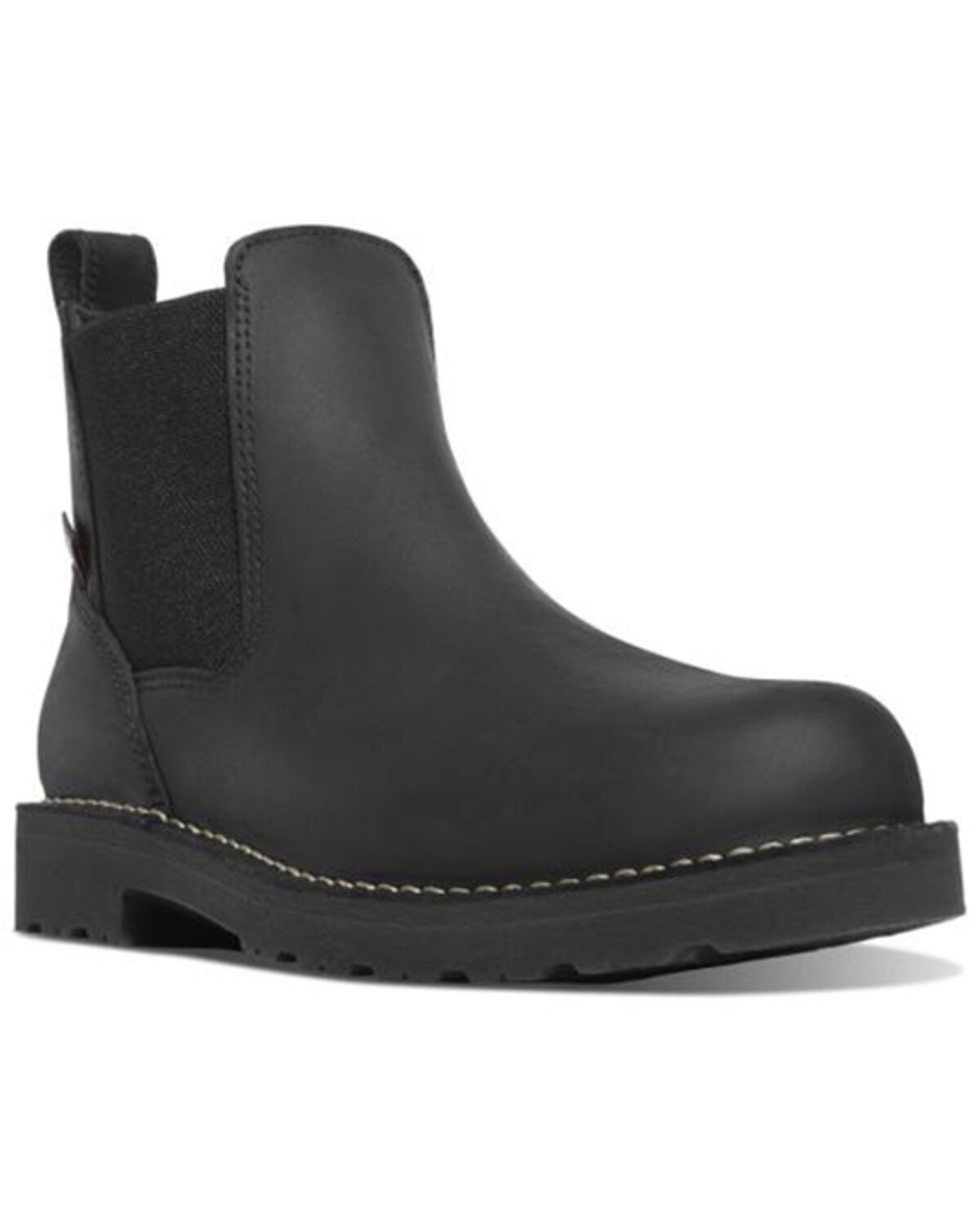
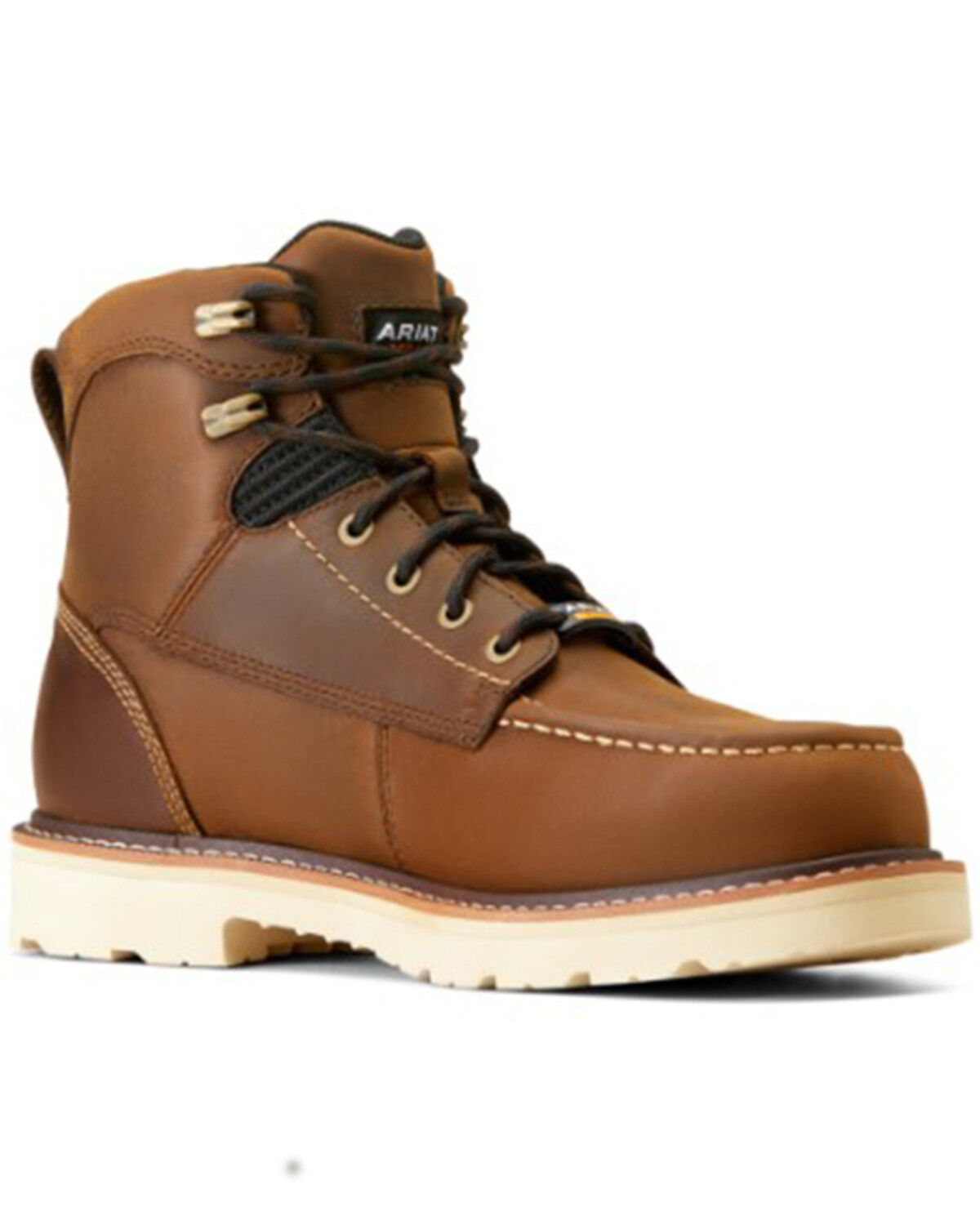
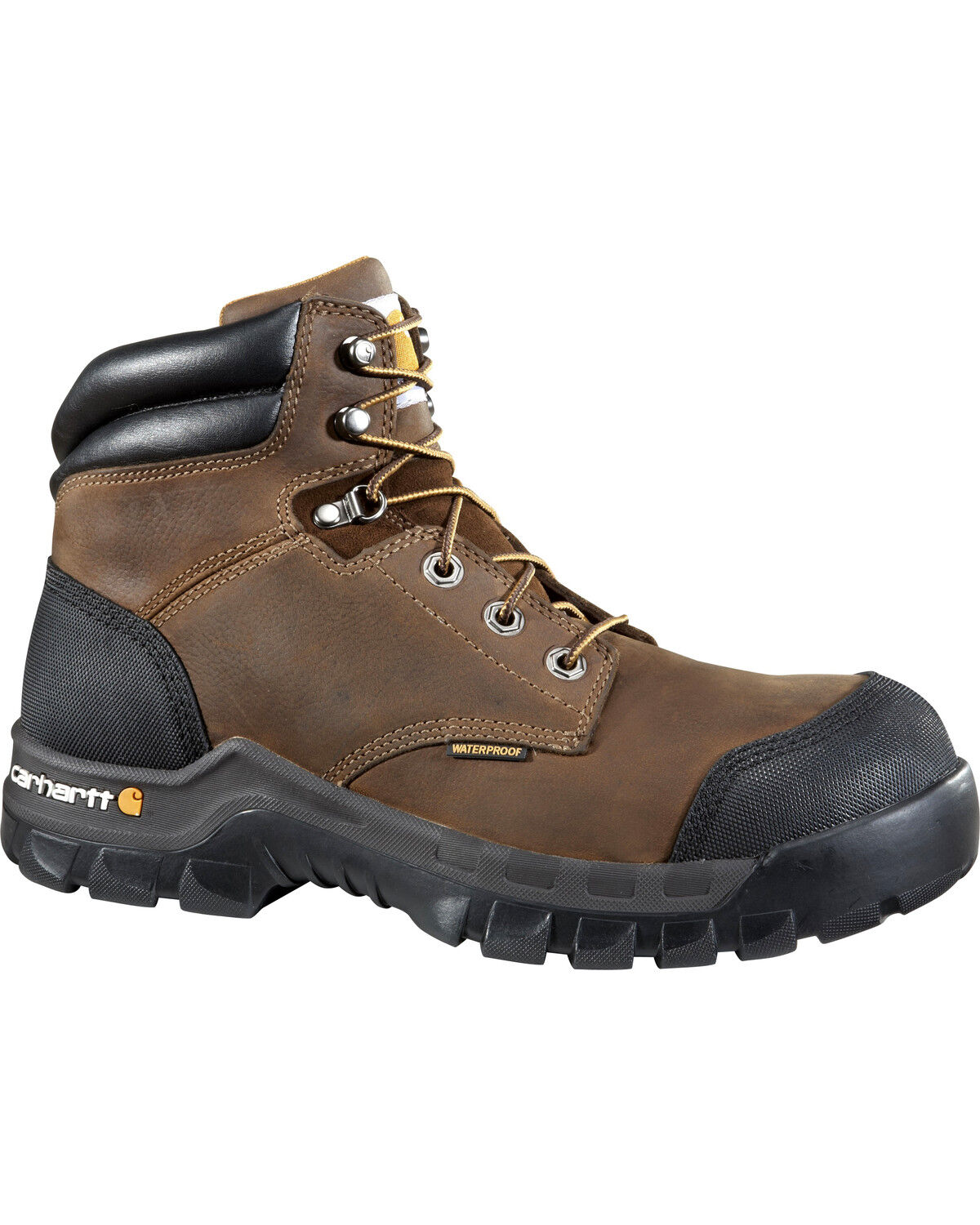
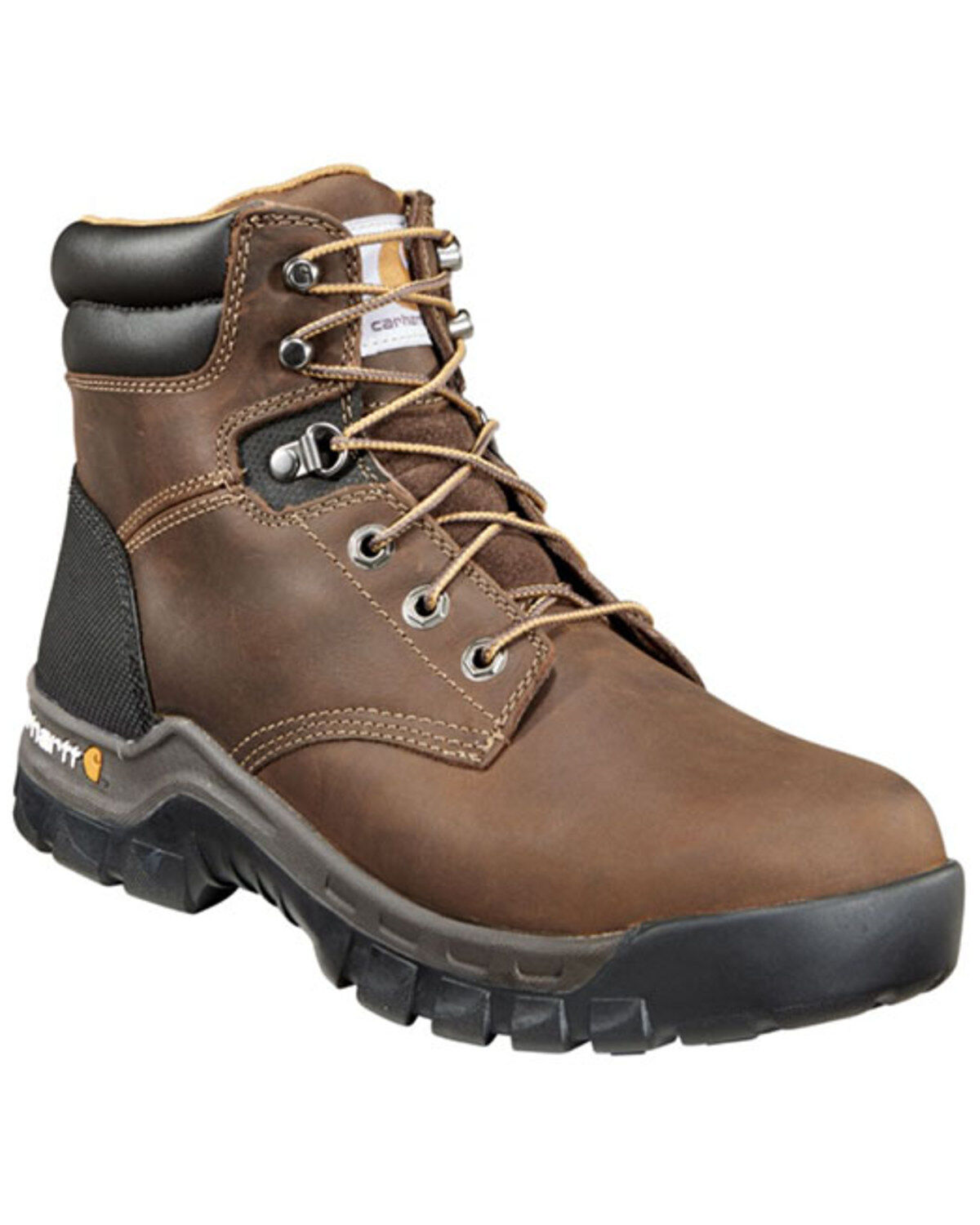
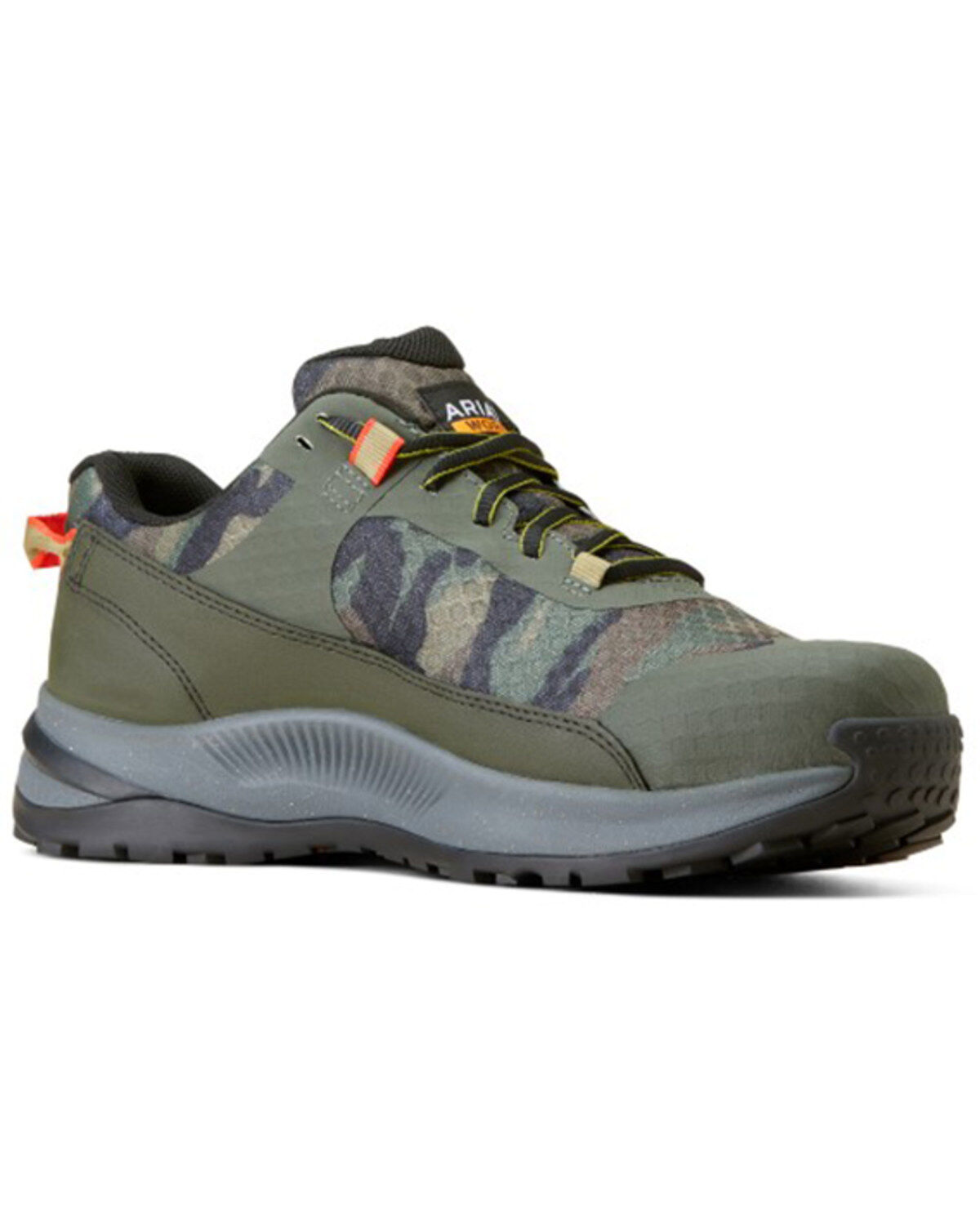
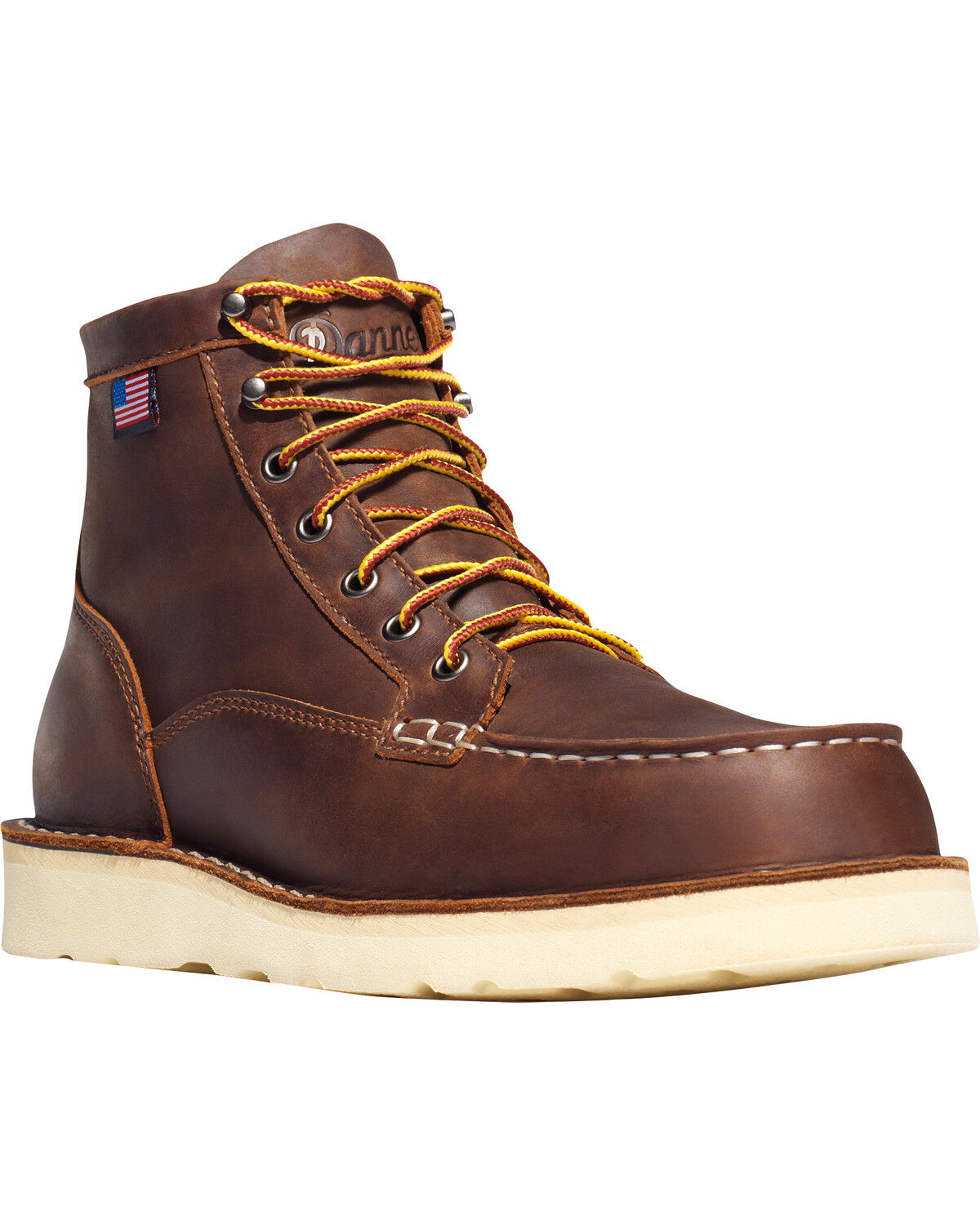
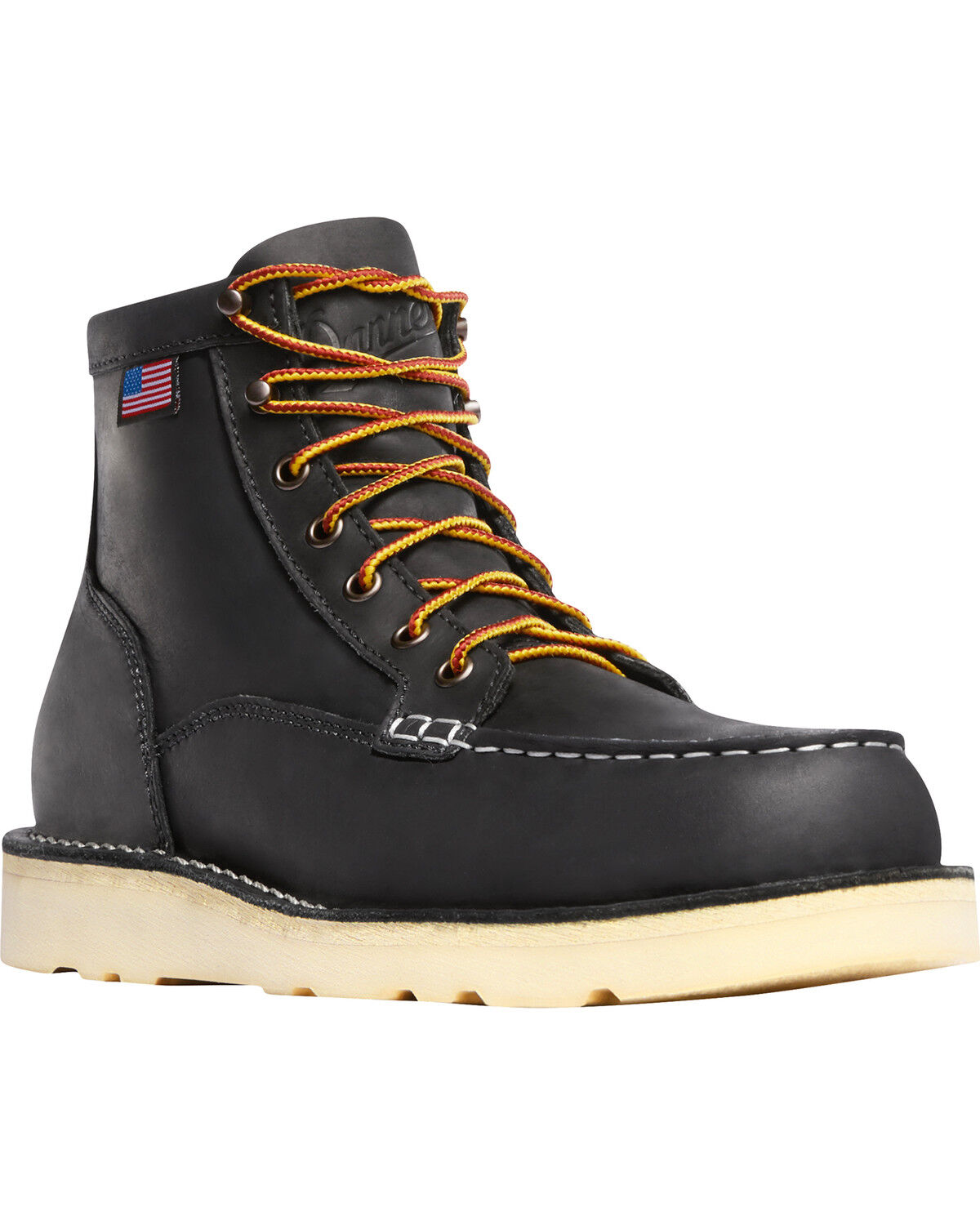
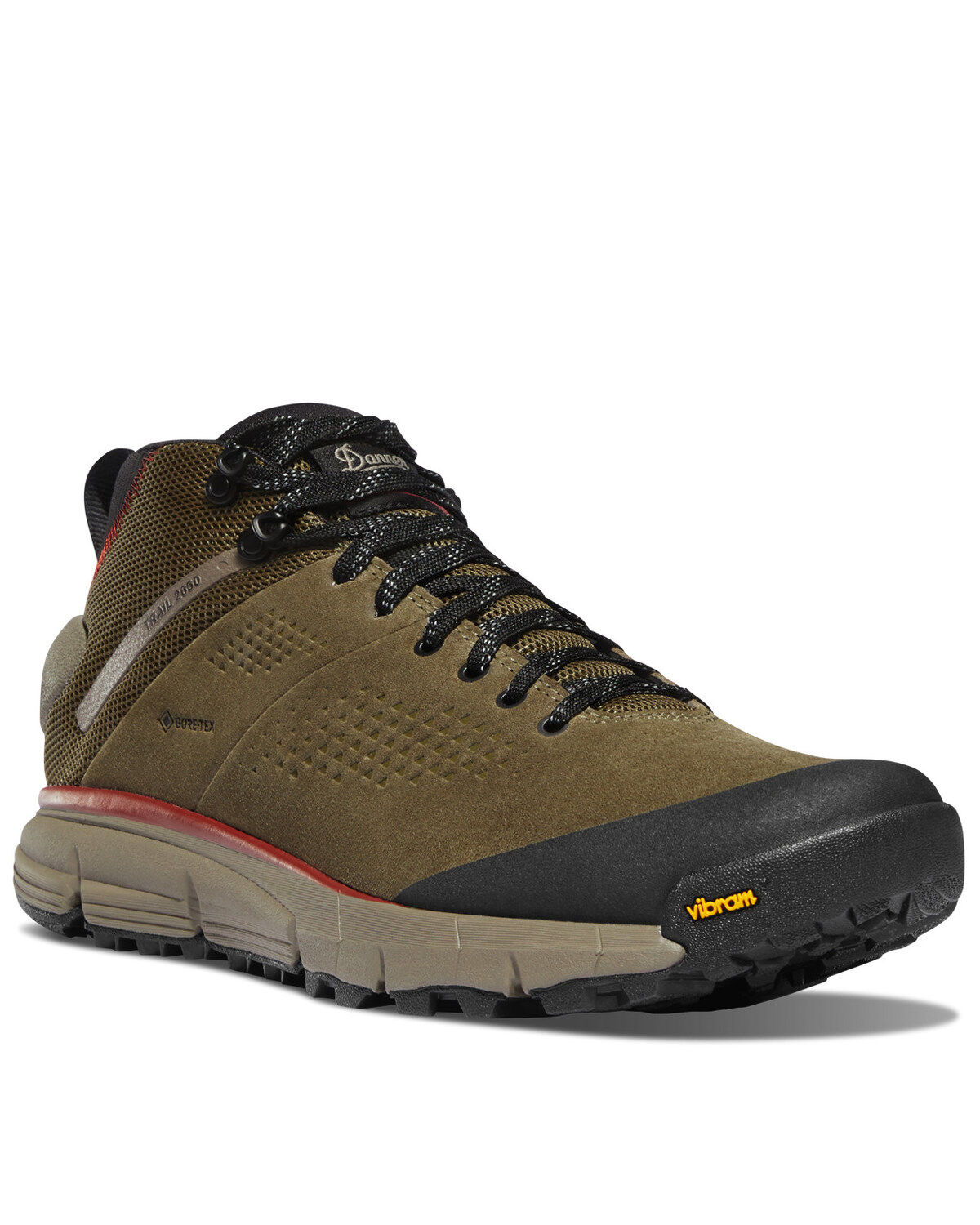
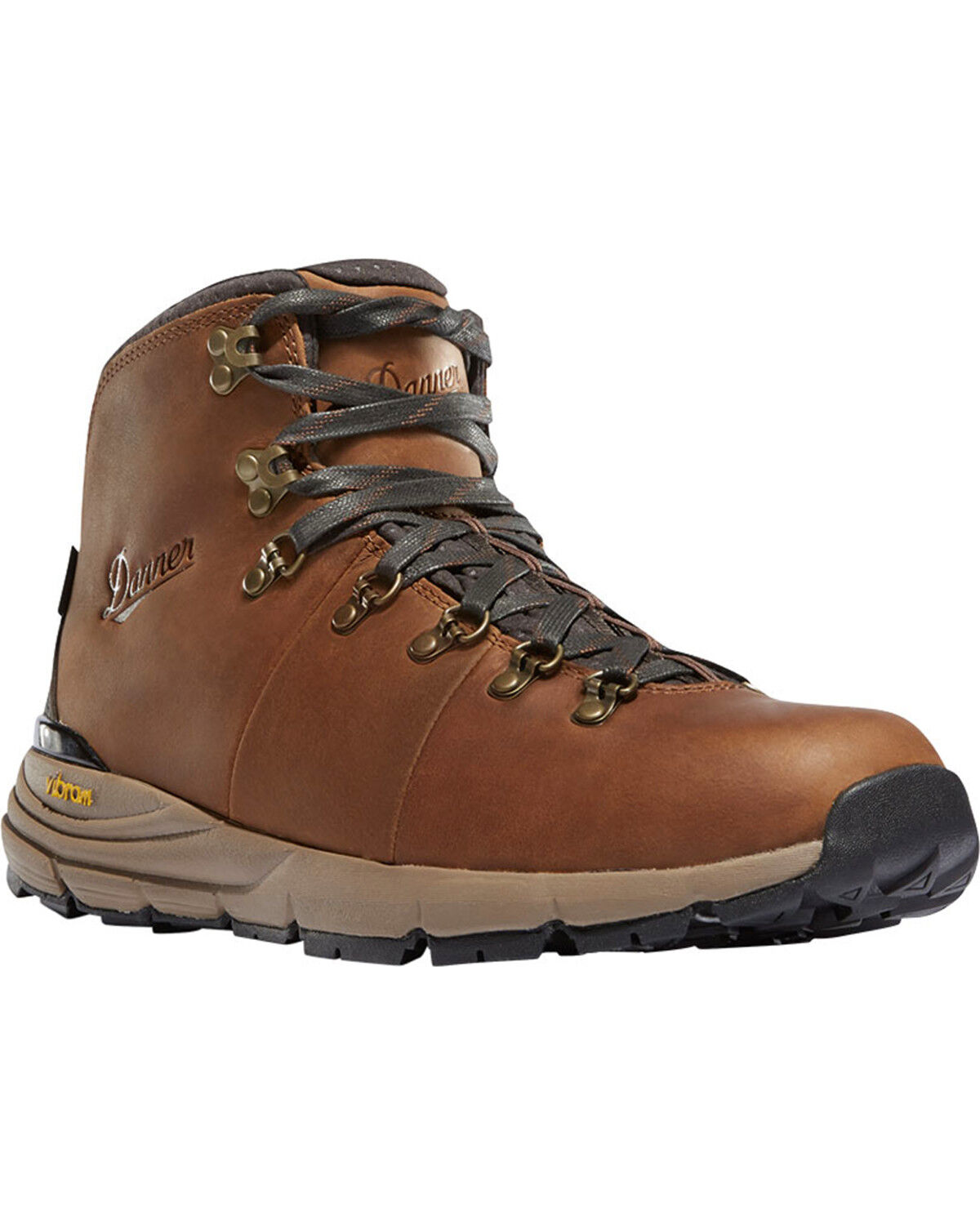
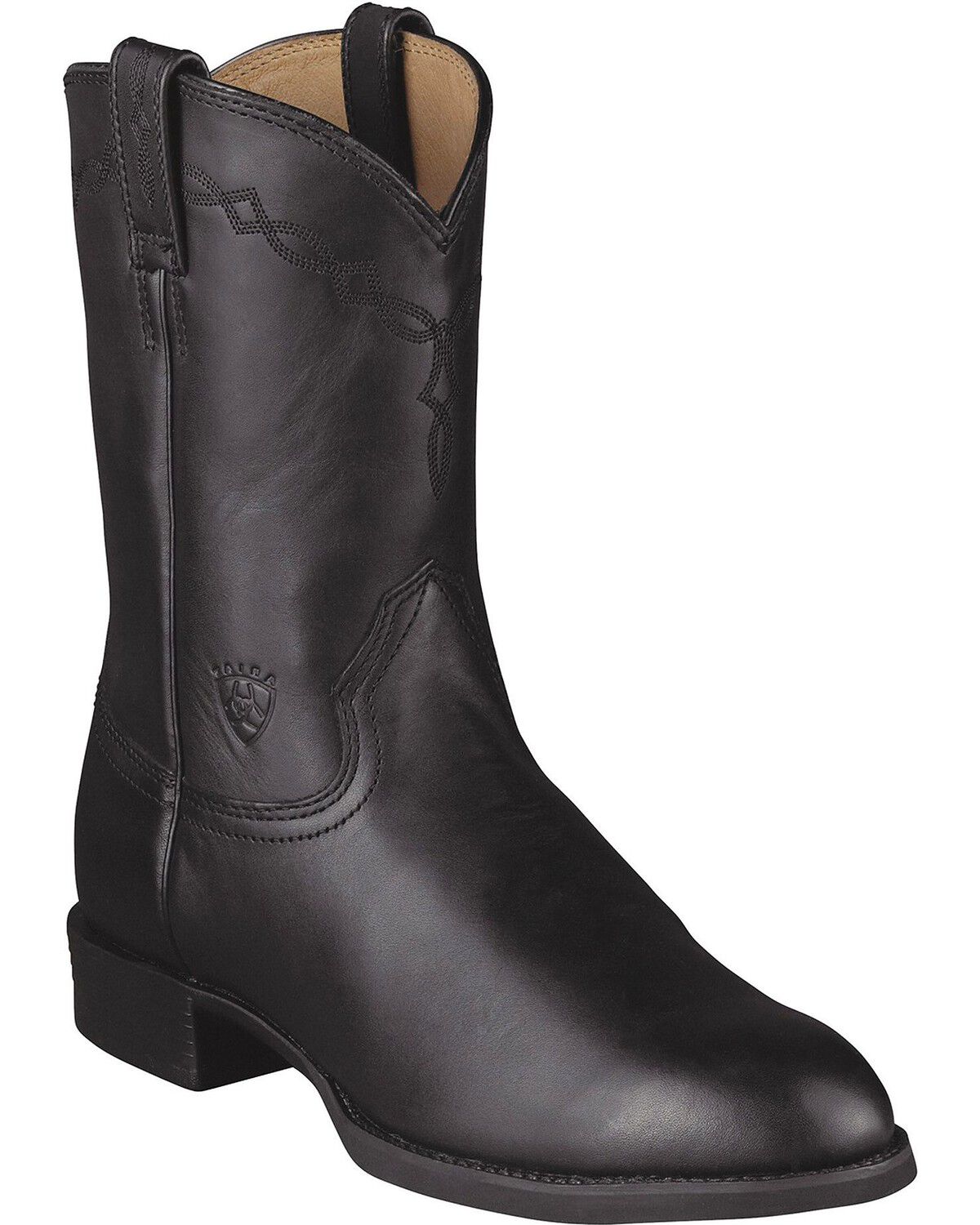
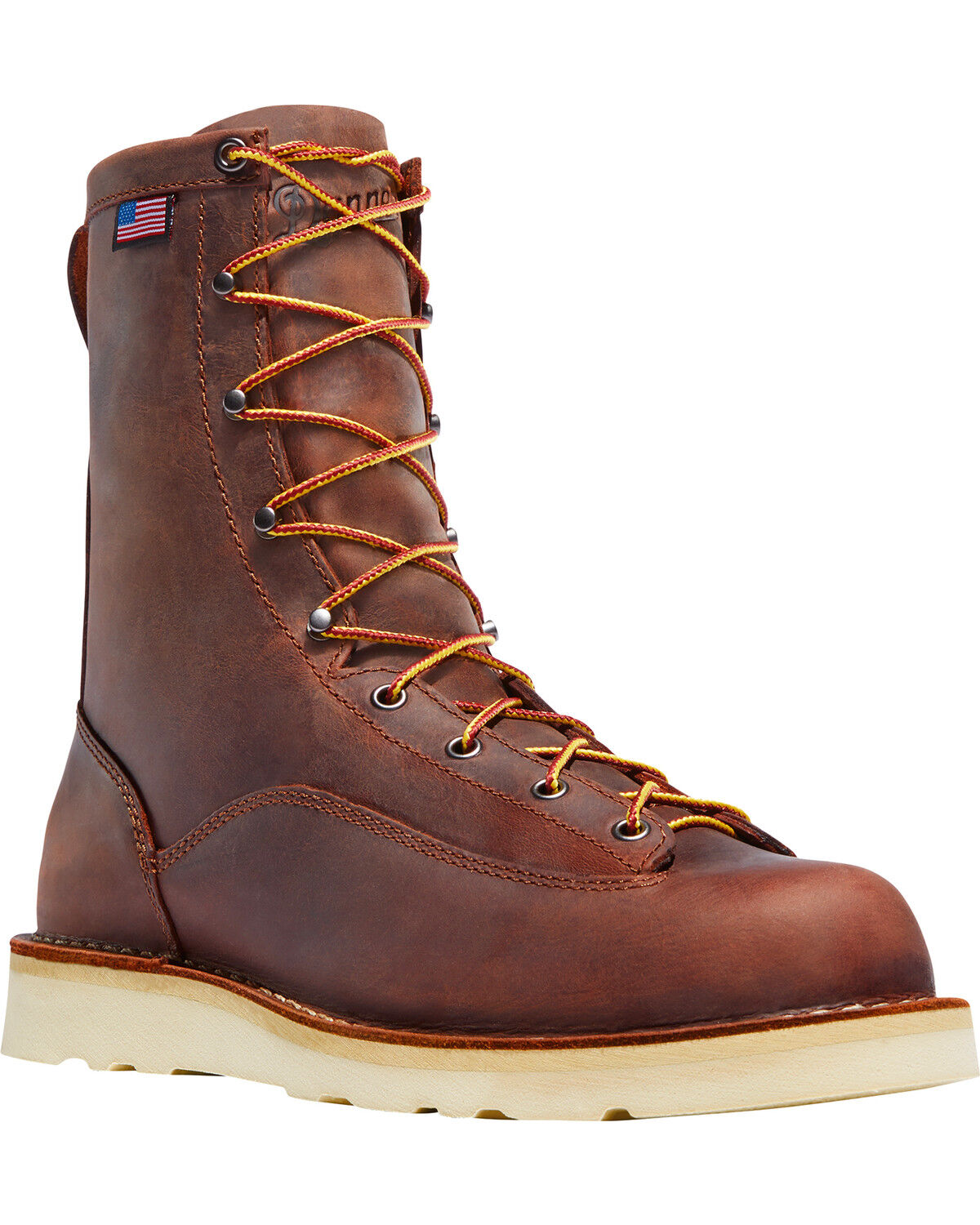
Work boots and shoes serve a practical purpose: supporting long hours on the job while matching the demands of the workplace. A carpenter moving between framing and finish work, a mechanic standing beside a lift, and a warehouse associate walking concrete aisles put different demands on their footwear. Boot height, outsole design, toe protection, and overall weight all matter. Lace-up work boots allow adjustment through the foot and upper, while pull-on styles offer straightforward entry without laces that need tying. Lower-cut work shoes provide less coverage around the ankle and can suit jobs where ease of movement is a priority. Full-grain leather is valued for its toughness and ability to develop character with wear. Textile panels and mesh can reduce bulk and allow airflow, depending on the construction. Reinforced toe areas help limit abrasion from kneeling, while sturdy heel counters help the footwear hold its shape. Underfoot, the outsole should match the surfaces a worker encounters. Deep lugs can provide purchase on loose surfaces, but that same tread may collect debris that needs clearing before entering a finished space. Shallower patterns may be better suited to smooth indoor floors. Slip-resistant footwear can help improve traction, though no outsole removes the risk posed by spills, loose material, or worn flooring. Safety toes made from steel, alloy, or composite materials offer protection when the footwear meets the required rating. Material alone does not establish the level of protection; the marked standard and employer requirements are what count. Soft-toe footwear serves roles that do not require protective toe caps. Puncture resistance, metatarsal protection, and electrical hazard ratings address separate concerns and should not be treated as interchangeable features. Electrical hazard footwear is supplemental protection, not a substitute for required safety practices. The right work footwear starts with the tasks, surfaces, and safety rules of the job, whether that means carrying materials, operating equipment, servicing machinery, or spending most of a shift at a workbench.

Fit affects how work boots and shoes feel from the first hour through the end of a shift. The heel should feel secure without excessive lift, and the forefoot needs enough room for the toes to rest naturally rather than press against the upper or protective cap. A safety toe does not stretch like leather, so pressure at the front is not something to overlook in hopes that it will disappear. Work socks change the space inside a boot, and a fit check is most useful with the socks intended for the job. Feet can spread and swell over hours of standing and walking, making adequate width as important as length. A boot that feels snug across the ball of the foot may become distracting during repeated trips across a shop floor. Too much room can allow sliding that creates friction at the heel. Removable footbeds offer flexibility for compatible inserts, but added cushioning takes up space and should not crowd the foot. Midsole cushioning can soften repeated contact with concrete, while a stable base helps footwear feel steady when carrying tools or stepping onto a platform. Flexibility should suit the work: frequent bending calls for a different feel than tasks that benefit from a firmer platform. Construction also influences weight, feel, and long-term use. Welted designs may allow resoling when the upper remains sound, although repair options depend on the construction. Cemented and direct-attached designs can offer a lighter or more flexible feel. Strong seams, secure eyelets, and well-supported heel areas matter when footwear faces daily pulling, scuffing, and bending. For order picking, loading docks, and long stretches on concrete, Work Boots For Warehouse offers a more focused way to browse. In that setting, manageable weight, dependable fit, and traction suited to the floor can matter as much as the height of the upper.

Durability depends on both construction and care. Leather footwear benefits from having dust and abrasive grit removed before they settle into seams and creases. A brush or damp cloth can handle routine surface dirt, followed by a cleaner suited to the material when a deeper cleaning is needed. Smooth leather, suede, nubuck, and textile uppers have different care requirements; a treatment intended for one finish may darken or damage another. Conditioner can help suitable leather remain supple, but too much can leave buildup or alter the finish. Waterproof construction can be useful around wash areas or jobs involving repeated contact with water, yet it does not make every part of a boot immune to wear. Care products should be compatible with any membrane or factory-applied treatment. After damp work, footwear needs time to dry away from direct heat, which can stiffen leather and damage components. Removing footbeds, when the design allows, helps trapped moisture escape. Rotating between pairs gives each pair more time to dry between shifts. Regular attention to the outsole is just as important as cleaning the upper. Packed debris can affect traction, and worn tread, separating soles, damaged seams, or loose hardware are reasons to assess whether repair or replacement is needed. Footwear that still looks presentable may no longer provide the support or protection required for the job. Work boots and shoes can also be a useful gift for someone starting a trade, moving into a hands-on role, or replacing a well-used pair. The practical details come first: size, width, preferred style, and workplace safety requirements. A familiar fit is more useful than a different style selected only for its appearance. For anyone who spends the day standing, lifting, walking, or working around equipment, dependable footwear earns its place through daily use. The strongest match is not simply the heaviest boot or the softest shoe. It is footwear with the right protection, a secure fit, and construction suited to the work ahead.

FAQs