Women's Tall Brown Boots

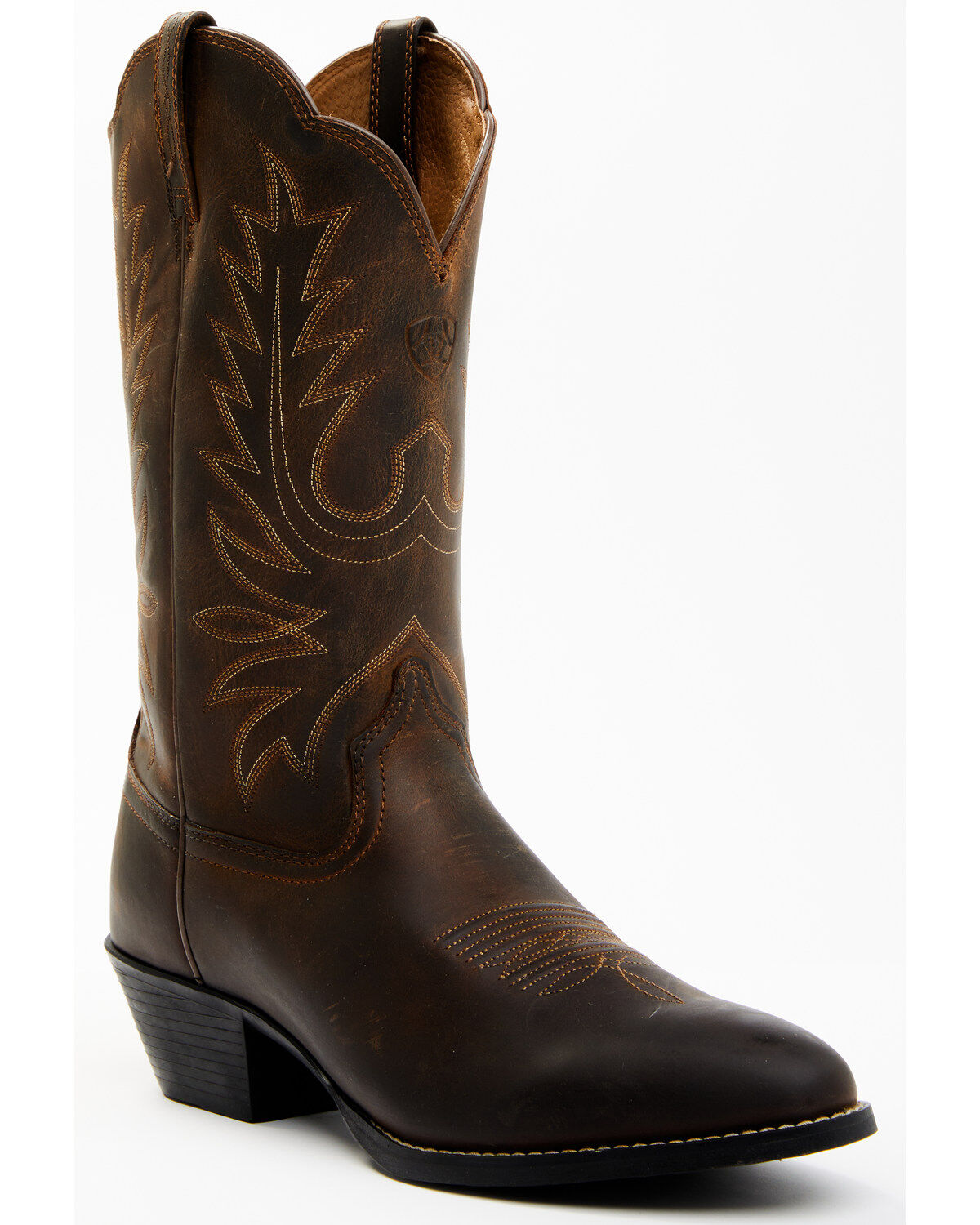
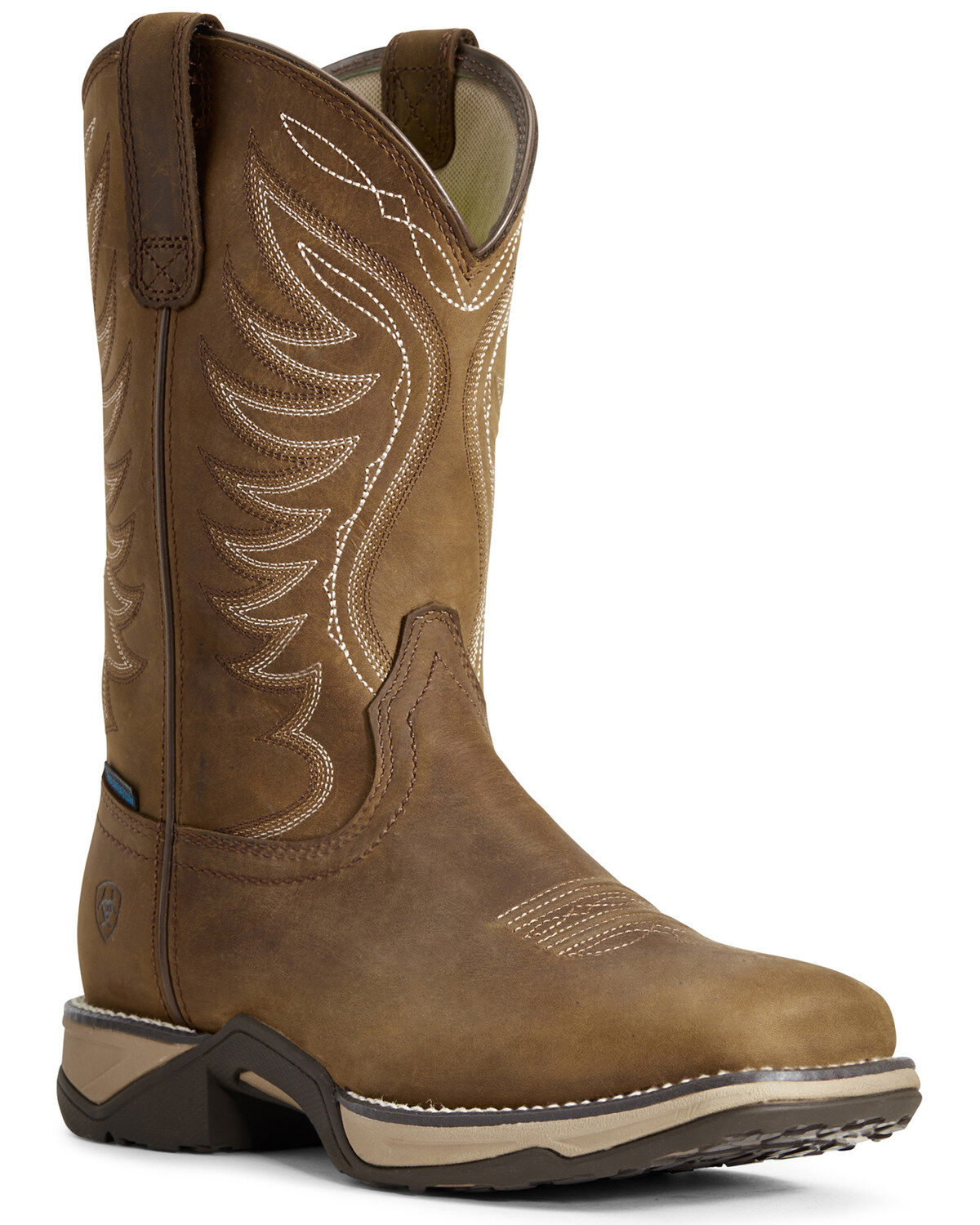
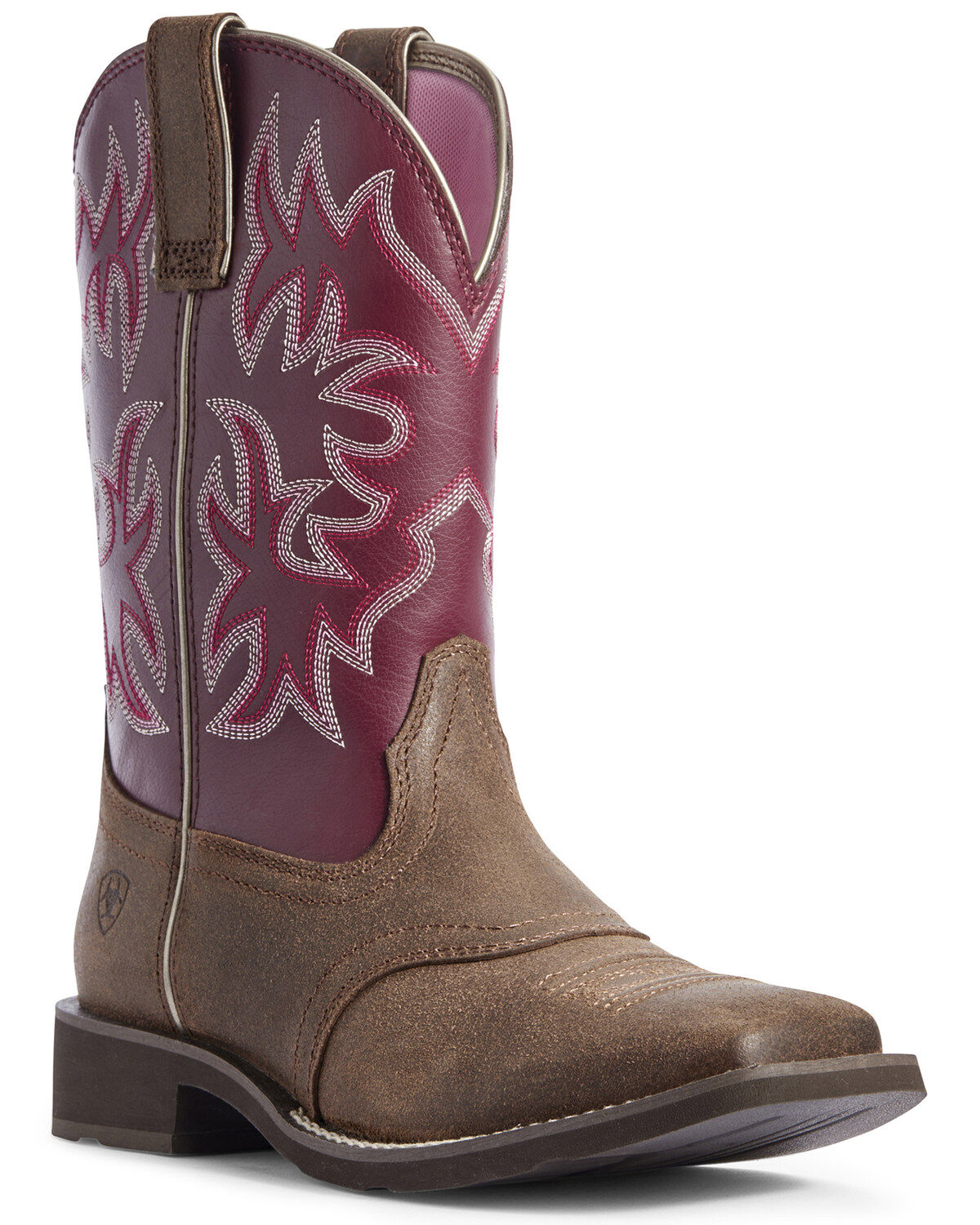
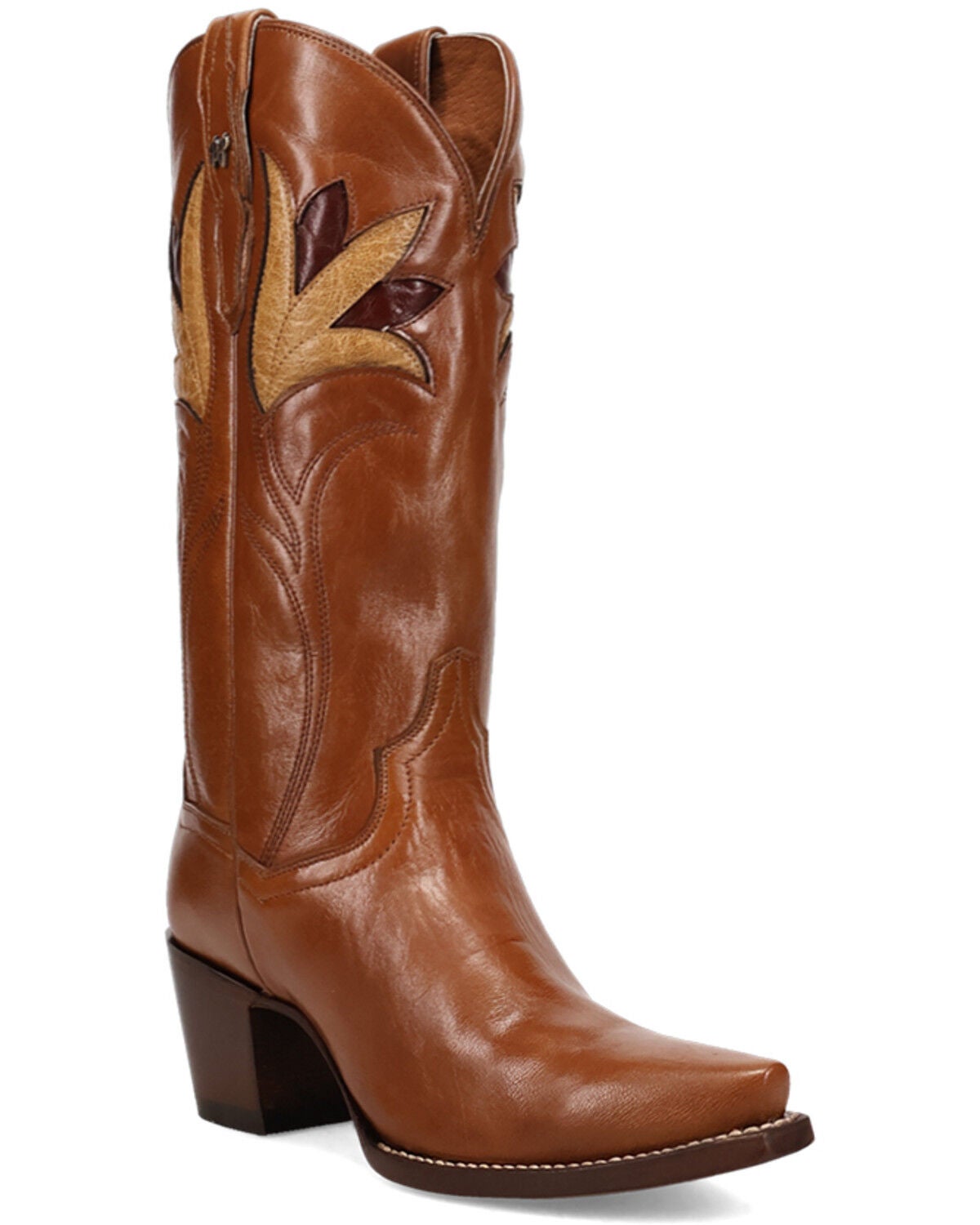
Shop women’s tall brown boots with the height and color you have in mind. Compare shaft heights, toe shapes, and heel styles to find a pair that works with your wardrobe, whether you wear them with jeans, skirts, or dresses.

Read More

Shop Your Store: Shop Your Store: Find a Store

(Turn off Shop Your Store to see all items)

(Turn off Shop Your Store to see all items)

close
  • Recommended
  • Lowest Price
  • Highest Price
Skip pass products
  • Women's Shyanne Flora Suede Tall Western Boots - Snip Toe

    Original Price $189.99 $85.48
    55% Total Savings
  • Women's Idyllwind Bramble Tall Western Boots - Snip Toe

    Original Price $199.99 $118.97
    41% Total Savings
  • Women's Cleo + Wolf Skylar Fashion Boots - Round Toe

    Original Price $169.99 $89.98
    47% Total Savings

End of products

Women's Tall Brown Boots

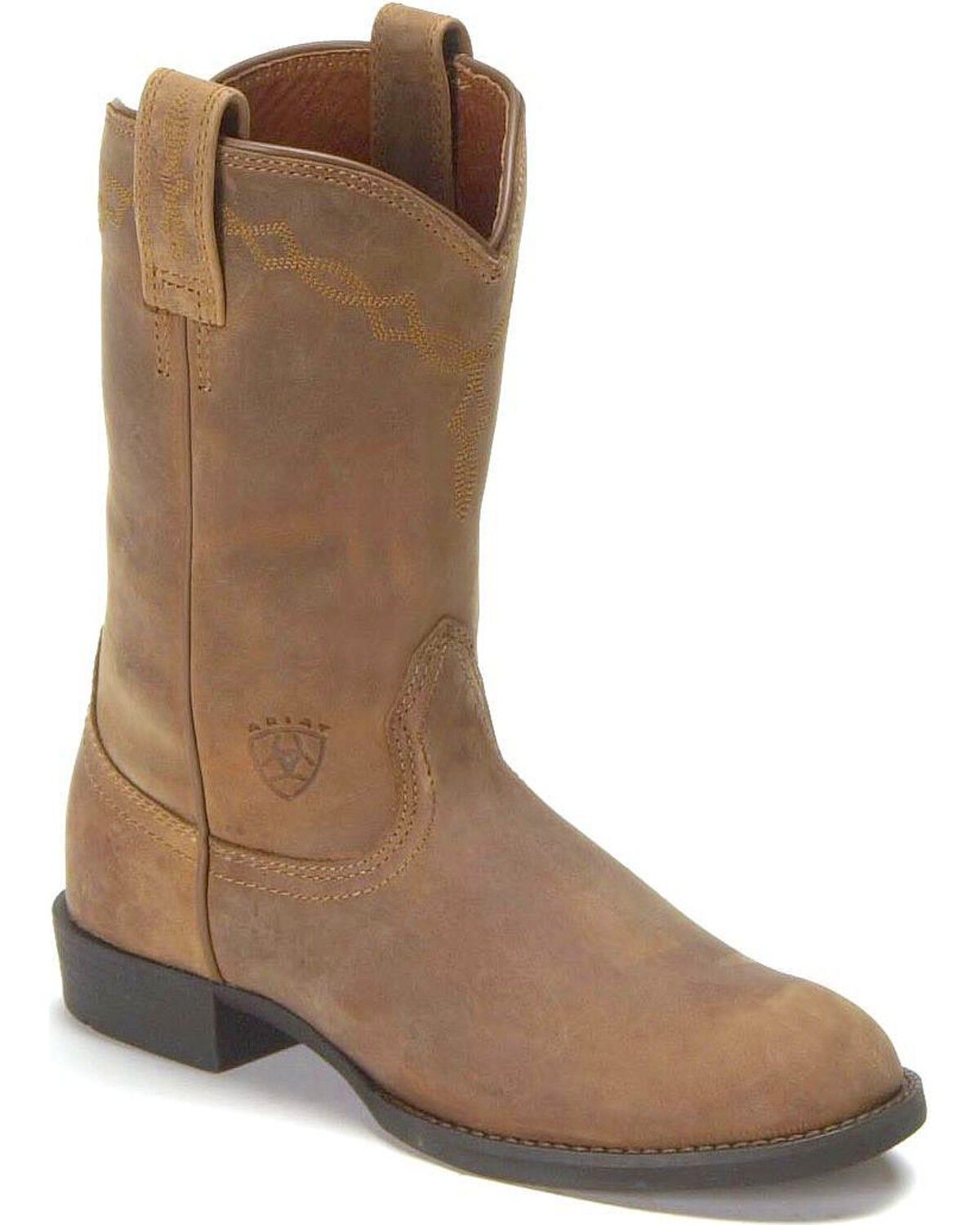
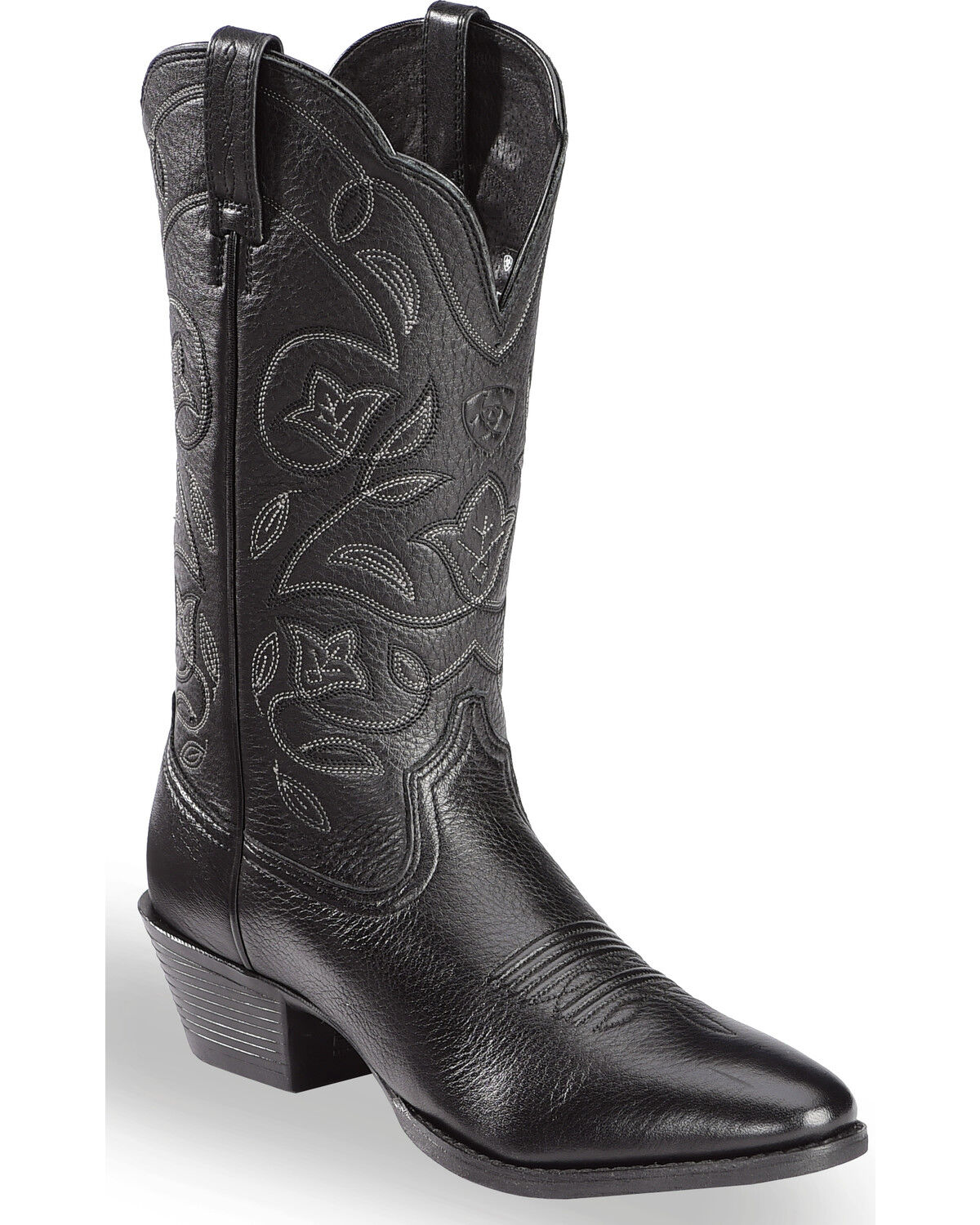
Women’s tall brown boots pair a higher shaft with an earthy color that works with denim, dresses, and western clothing. Depending on the design and the wearer’s height, the shaft may reach the upper calf, sit near the knee, or extend above it. Western styles often feature shaped toplines, pull tabs, decorative stitching, and angled heels, while riding-inspired silhouettes tend toward straighter shafts and simpler detailing. Dressier versions may have narrower toes, taller heels, or a closer fit through the ankle. Across the Tall Brown Boots collection, differences in shaft shape, finish, and construction give this familiar silhouette its range. Brown itself covers several distinct looks. Light tan shows stitching and tooling clearly, warm cognac brings out the character of leather, and dark chocolate offers a deeper finish that pairs easily with black, cream, and indigo. Smooth leather creates a defined outline, while suede has a soft, textured surface. Full-grain leather retains the natural grain and can develop visible character with wear, though its feel depends on thickness and finishing. Distressed finishes have an intentionally worn appearance from the start; polished finishes look more uniform. Materials alone do not determine how a boot will wear. Seam quality, lining, sole construction, and reinforcement at high-stress areas also matter. A sturdy leather shaft can hold its shape, while a softer shaft may relax around the leg. Leather outsoles are traditional in western footwear, and rubber outsoles can add flexibility or traction depending on their design. Neither material guarantees grip on every surface. For long stretches on foot, cushioning, heel stability, and the way the boot bends under the forefoot deserve as much attention as its appearance. These details separate a pair suited to occasional dinners from one that feels practical for regular wear. A taller shaft adds visual presence, but the construction underneath determines much of the experience.

Fit has two parts with tall boots: the foot must sit correctly, and the shaft must suit the leg. Foot size alone does not account for calf circumference, instep height, ankle shape, or the distance from the heel to the knee. Shaft height and opening measurements help describe the silhouette, but they may vary by size and by how the manufacturer measures them. A boot that reaches just below the knee on one woman may sit against the back of another woman’s knee when she sits down. The upper edge should allow comfortable movement without digging into the leg. Calf room also changes with the intended outfit. Bare legs, leggings, and jeans tucked inside the shaft each take up different amounts of space. Wide-calf sizing addresses the shaft opening; it does not necessarily mean the footbed is wider. Likewise, a wide foot size does not automatically provide extra room through the calf. Pull-on designs need enough space for the foot to pass through the ankle area, while a side zipper can make a closer-fitting shaft easier to put on. With a traditional pull-on western boot, slight heel movement can be normal at first, but the foot should not slide excessively or feel crowded across the toes. The widest part of the foot should align with the widest part of the boot. A pointed toe may extend beyond the toes by design, so extra space at the tip is not, by itself, a reason to size down. Leather can soften with use, but painful pressure and compressed toes are not a sound starting point. Trying boots with the socks intended for regular wear gives a more useful sense of fit. Walking, sitting, and bending the knee can reveal pressure that standing still misses. For women who spend much of the day walking, a stable heel and secure fit usually matter more than a dramatic profile. A taller or narrower heel changes balance and can feel very different over several hours.

Tall brown boots work across a range of everyday settings without requiring an entirely western outfit. A straight, clean-lined shaft can sit beneath a midi skirt, while a stitched western shaft adds detail beside the hem of a shorter dress. Slim jeans can fit inside a roomier shaft without bunching heavily at the ankle; bootcut jeans generally fall over the outside instead. Brown leather also sits naturally alongside denim jackets, simple knits, woven shirts, and leather belts. Matching every leather piece exactly is unnecessary. Similar warmth or depth of color can give an outfit a consistent feel without making it look overly coordinated. For a concert, dinner, or an afternoon spent walking between shops, the right pair balances the desired look with a manageable heel and enough room to move. A western appearance alone does not establish that a boot is suitable for horseback riding or a jobsite; those uses call for purpose-built features and the manufacturer’s guidance. Regular care helps preserve both appearance and function. Dust and grit should be removed before they work into seams or rub against the finish. Smooth leather generally benefits from cleaning and occasional conditioning with products intended for that leather, while suede needs a suitable brush and care products made for its surface. Testing a treatment in a hidden area helps avoid an unexpected color change. Excess conditioner can darken leather or leave residue, so more is not always better. Boots should dry naturally away from direct heat, with the shafts supported during storage rather than folded sharply. Giving worn pairs time to air out also helps the lining dry between uses. Heel wear, loose stitching, and sole separation are easier to address before they become larger problems; a qualified repair shop can assess what the construction allows. As a gift, tall boots are most practical when the recipient’s foot size, calf measurements, and preferred heel shape are known. Those details help turn a good-looking gift into footwear that earns regular use.
Read More

FAQs