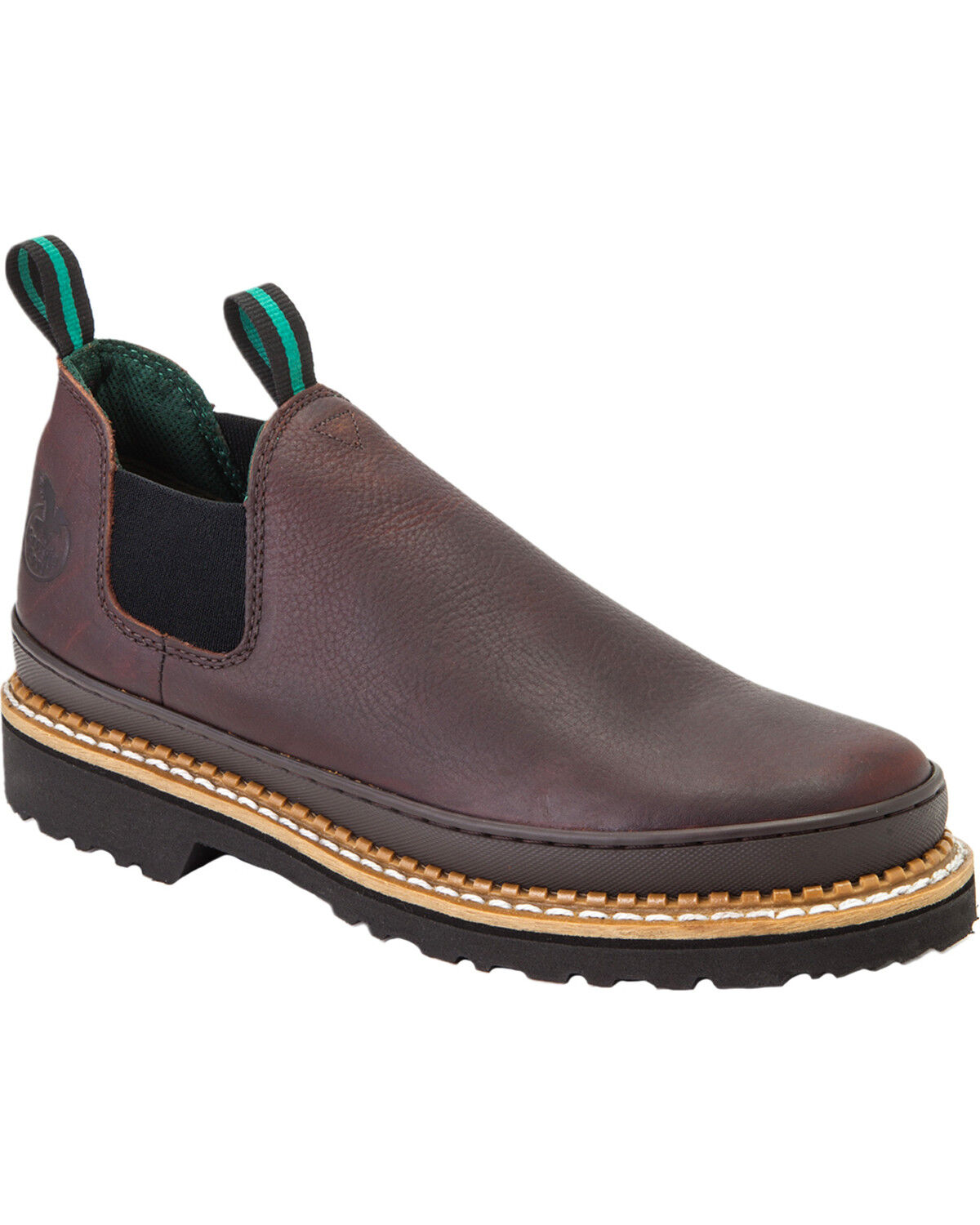
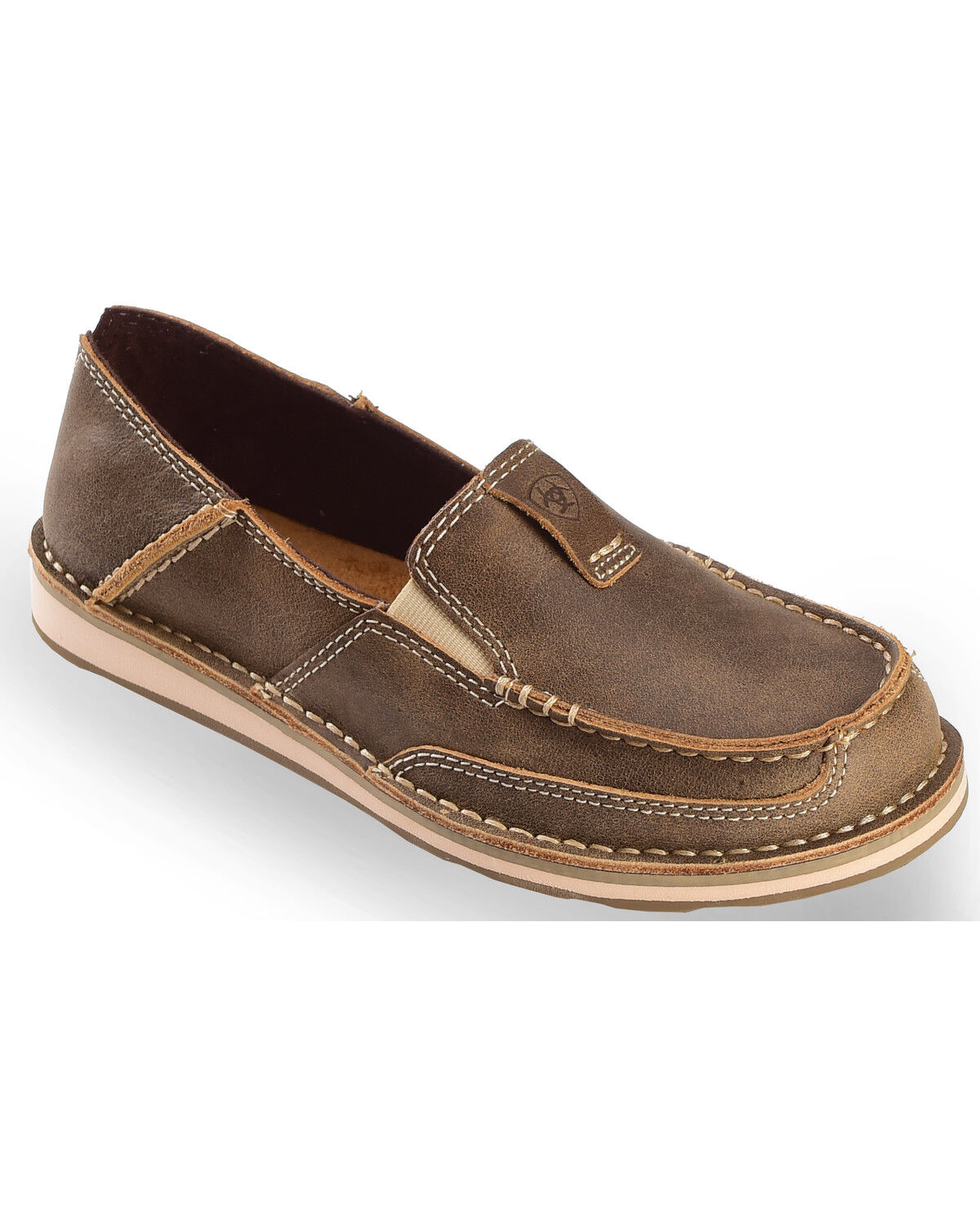
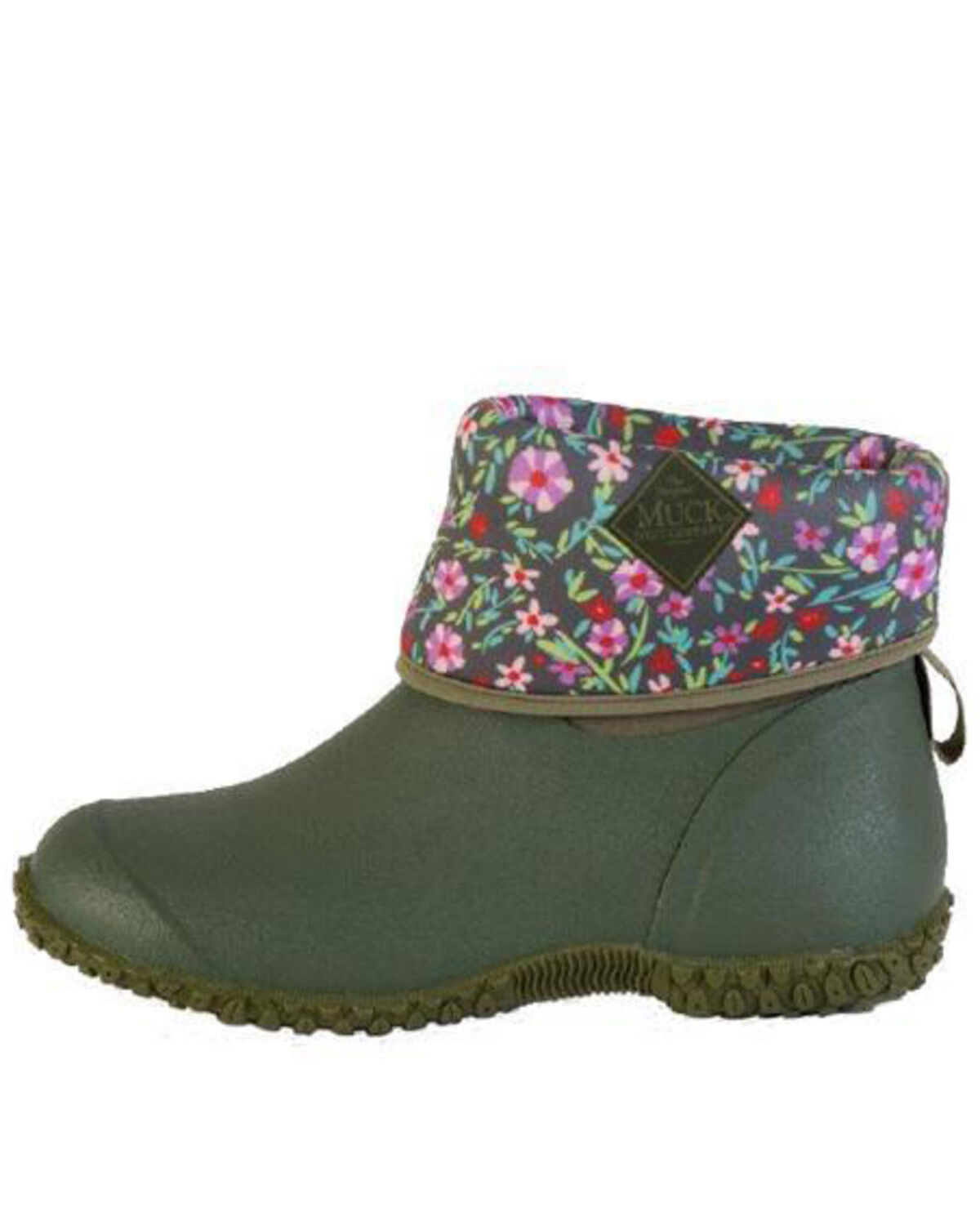
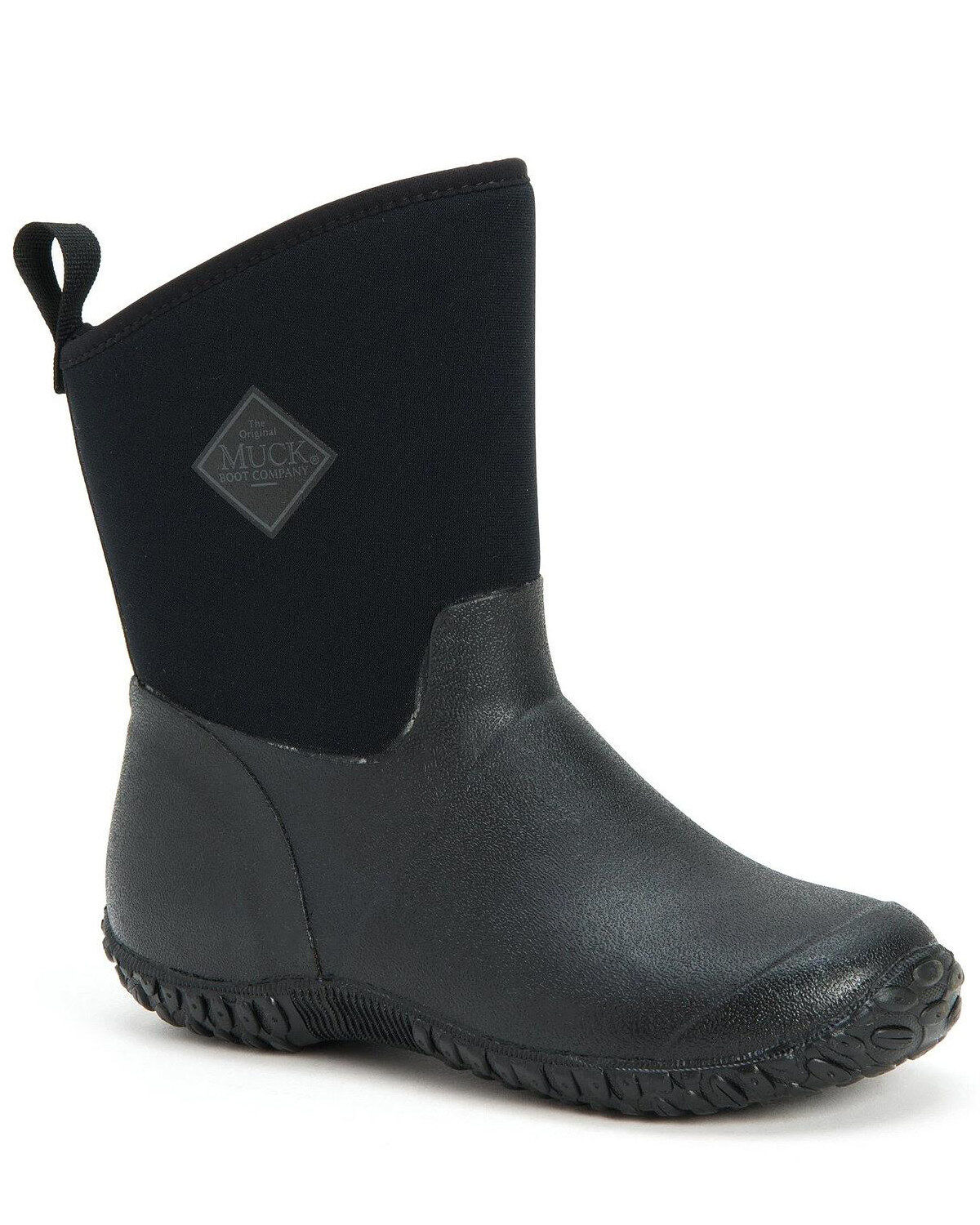
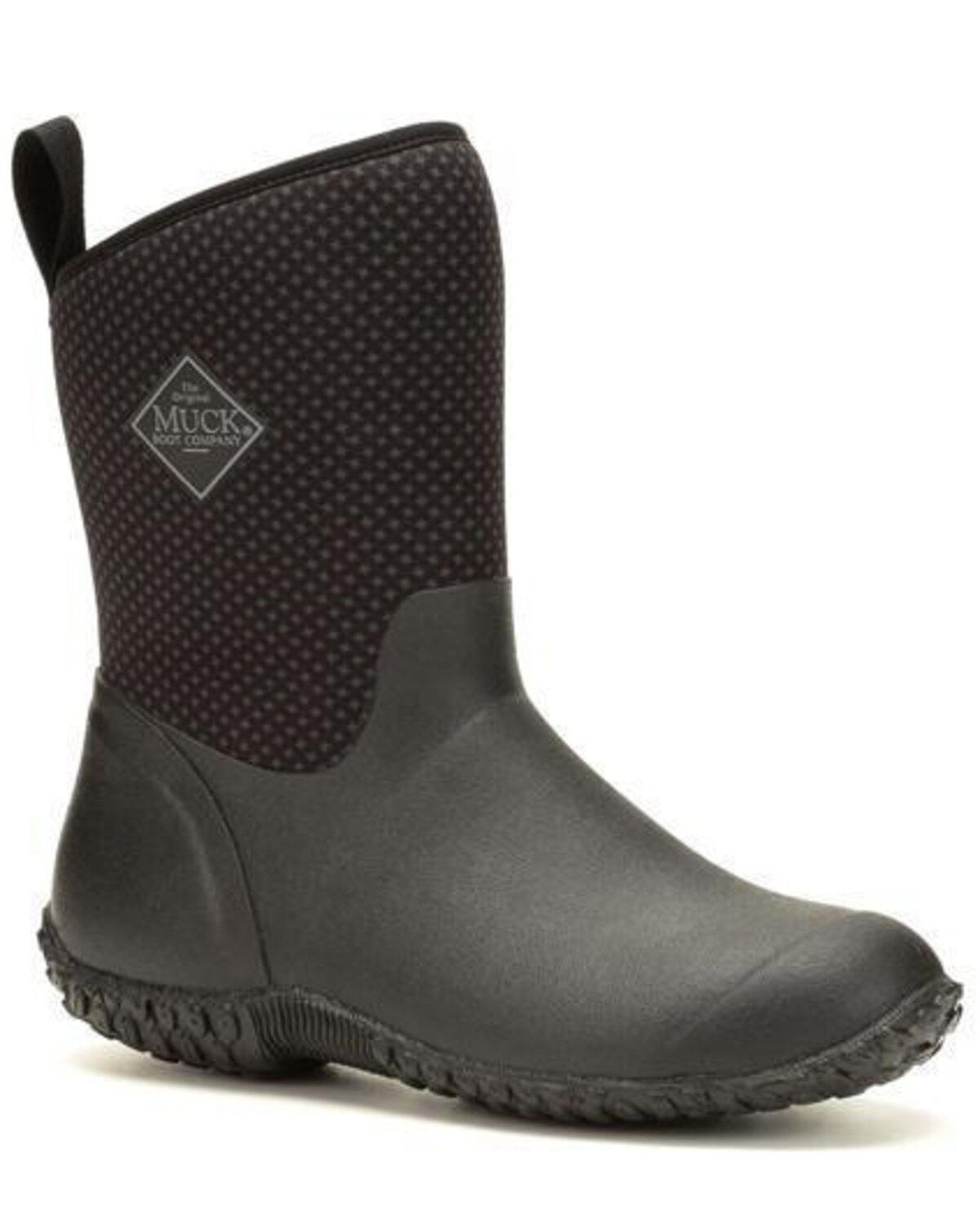
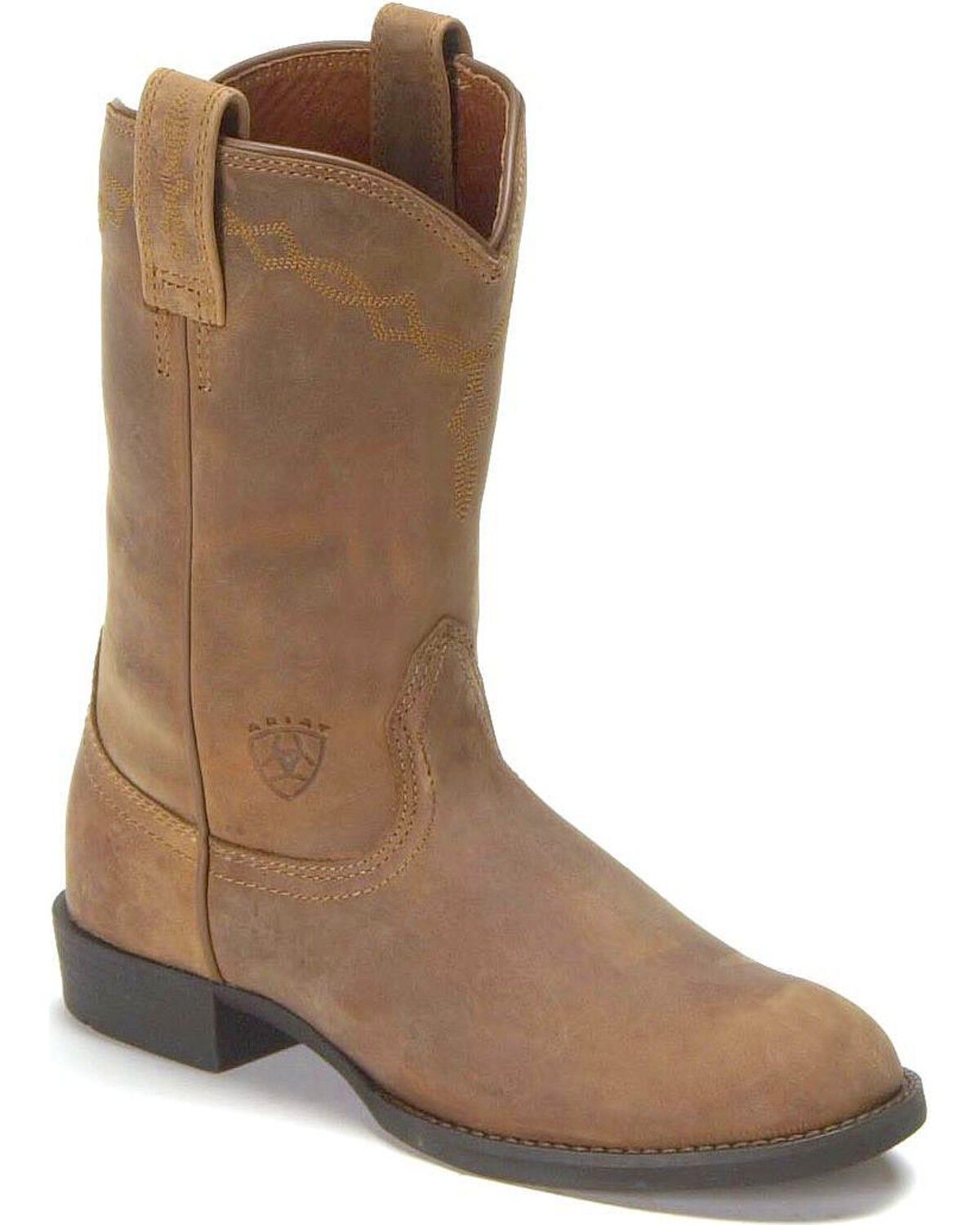
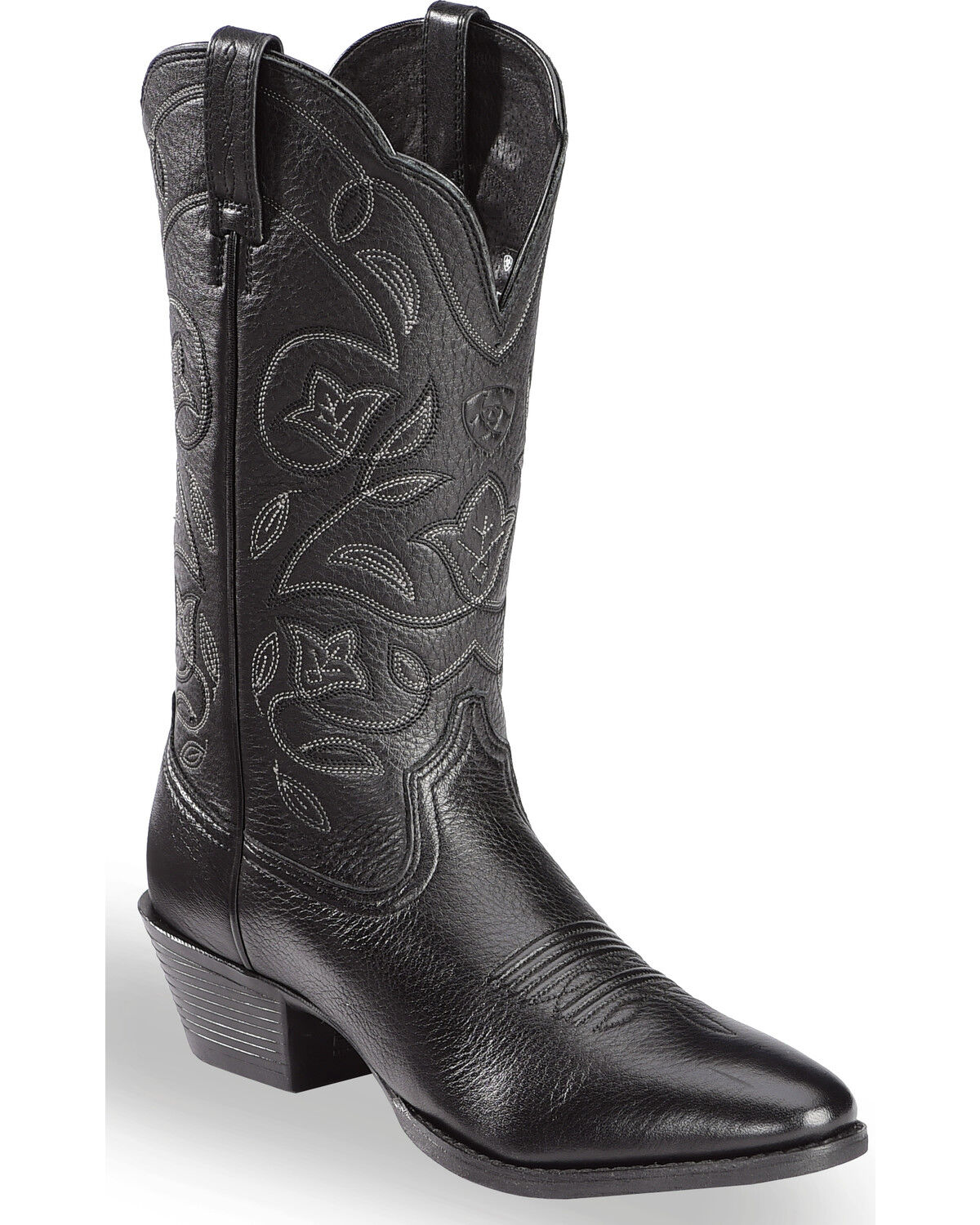
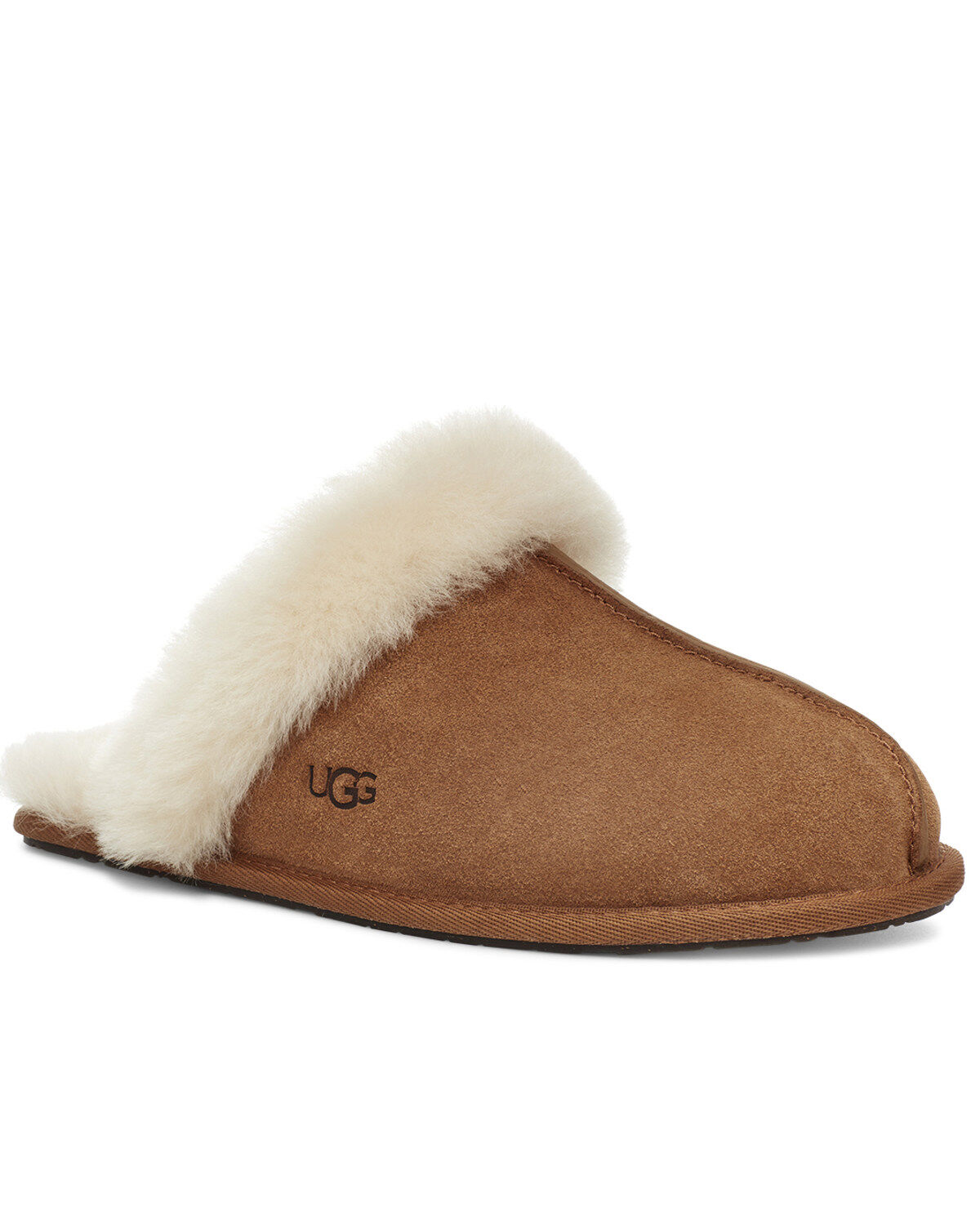
Women's Slip On Shoes For Work

Find women’s slip-on shoes for work that fit your daily routine and workplace dress code. Browse slip-on styles, compare sizing and fit information, and check each pair’s listed features against your job’s requirements, including any required traction or toe protection.

Shop Your Store: Shop Your Store: Find a Store

(Turn off Shop Your Store to see all items)

(Turn off Shop Your Store to see all items)

close
  • Recommended
  • Lowest Price
  • Highest Price
Skip pass products

End of products

Women's Slip On Shoes For Work

Women's slip-on shoes for work offer easy entry without laces, with support, traction, and protection that vary by design. A good match depends on the job, the floor underfoot, and how much of the day is spent standing or walking. Retail employees may move between a sales floor, a stockroom, and a register throughout a shift. Healthcare workers often cover long hallways and stand beside beds or counters. Restaurant and hospitality workers need footwear suited to hard floors and the spills that can come with busy service. In each setting, comfort involves more than a soft footbed. Cushioning helps absorb repeated steps, while arch support and a stable base help the shoe feel steady underfoot. A slightly firmer midsole may feel more supportive than a very soft one, especially during extended standing. Slip-resistant outsoles are another important consideration where floors may be wet or greasy. Their performance depends on the outsole material, tread design, floor surface, and substance on the floor; no shoe is slip-proof. Manufacturer testing information and workplace requirements provide a better basis for selection than tread appearance alone. Deep grooves are not, by themselves, proof of slip resistance. Closed toes and enclosed heels may also be required by an employer, even when the work does not call for protective footwear. For warehouse, maintenance, or production duties, safety-toe construction or electrical hazard protection may be necessary. Those features must be stated in the footwear specifications rather than assumed from its sturdy appearance. Steel and composite safety toes serve a different purpose from an ordinary reinforced toe, and a casual slip-on is not a substitute for required protective footwear. Electrical hazard ratings address specific conditions and do not make a shoe suitable for every electrical task. Shoes that meet the dress code still need to meet the safety rules of the workplace. The most useful work footwear balances those requirements with a fit that stays secure from the first steps of a shift through the last trip across the floor.

Materials shape how women's slip-on work shoes feel, flex, and hold up to daily wear. Smooth leather offers a substantial feel and can often be wiped clean after routine surface dirt, making it practical for jobs where shoes need to look neat throughout the day. Leather can soften with wear, but a shoe should not need painful stretching to become comfortable. Suede and other textured finishes require different care and can be less convenient around frequent spills. Textile and mesh uppers are often lighter and allow more airflow, although an open weave does not provide the same barrier against splashes as a closed upper. Synthetic materials vary widely: some are flexible and easy to clean, while others provide a firmer structure around the foot. Water resistance, stain resistance, and washability are separate features, so one should not be taken as proof of another. Rubber outsoles are common in work footwear, but the compound and construction matter as much as the material name. Fit is especially important in a shoe without adjustable laces. Elastic panels, stretch openings, and shaped heel sections can make entry easier while helping hold the foot in place. A slip-on design does not necessarily mean the shoe is intended for hands-free entry; that function depends on how the heel and opening are built. The heel should remain reasonably secure while walking, without rubbing or allowing the foot to slide forward. Toes need room to move without pressing against the front or sides, and the upper should not squeeze across the widest part of the foot. Trying shoes with the socks worn on the job gives a more useful sense of fit than trying them barefoot. Feet can change in volume over a day, making a later-day fitting helpful for work footwear. Walking, turning, and standing on a firm surface can reveal pressure points that are easy to miss while seated. For anyone who wears orthotics, a removable footbed may provide room for the prescribed insert, but the replacement still needs to fit without crowding the toes or lifting the heel too high.

Daily care helps work shoes stay clean and makes wear easier to spot. Dust, grit, and floor residue can collect in outsole grooves, so regular cleaning matters for more than appearance. A soft brush can loosen dry debris, while a damp cloth may be suitable for wiping many smooth uppers. The correct method depends on the material and the manufacturer’s care directions. Leather conditioners, suede brushes, and textile cleaners are not interchangeable, and machine washing is appropriate only when the footwear instructions permit it. Harsh cleaners can damage finishes or adhesives. Shoes that become damp from cleaning or workplace exposure should dry naturally away from direct heat, with enough airflow to reach the interior. Removable footbeds can be taken out for drying when the design allows it. Rotating between pairs can give the lining and cushioning time to dry between shifts. Durability also depends on the demands of the job. Repeated kneeling can crease an upper, contact with shelving or equipment can scuff a toe, and constant walking on abrasive floors can wear down an outsole. Flattened tread, splitting seams, loose soles, or cushioning that no longer feels supportive are reasons to reassess a pair rather than judge it by appearance alone. A clean upper can hide a worn sole. For workplaces with uniform requirements, color and finish matter alongside function: a simple profile may suit a front desk or office, while a more athletic shape may suit a role with frequent walking. The broader Women's Slip Ons collection can provide context for different everyday silhouettes, but work use still depends on the features and requirements of each pair. When chosen as a gift, work shoes call for the recipient’s size, preferred width, and job requirements rather than appearance alone. For daily wear, the strongest choice is a shoe that fits the foot, supports the routine, cleans up appropriately, and provides the protection the workplace calls for.

FAQs