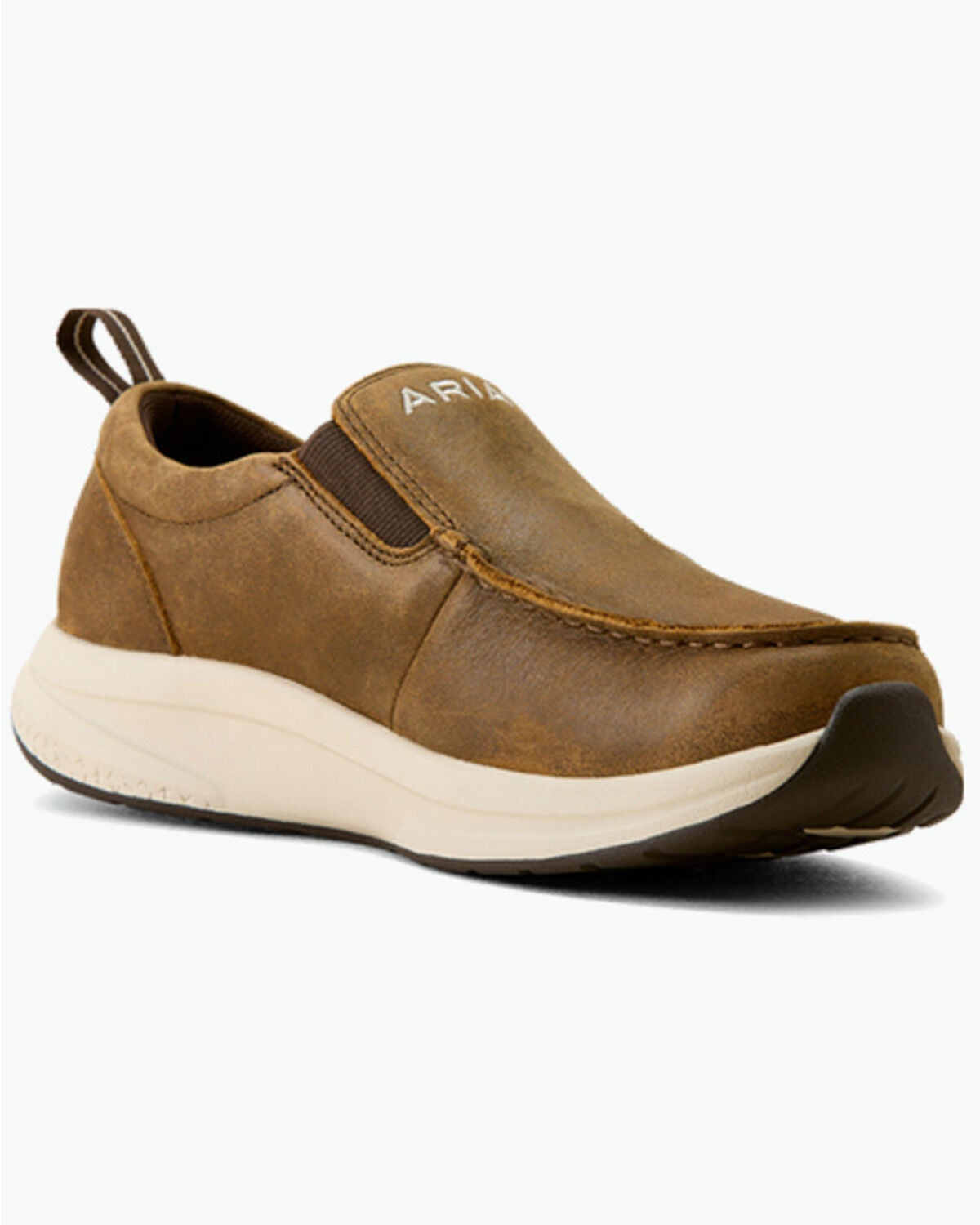
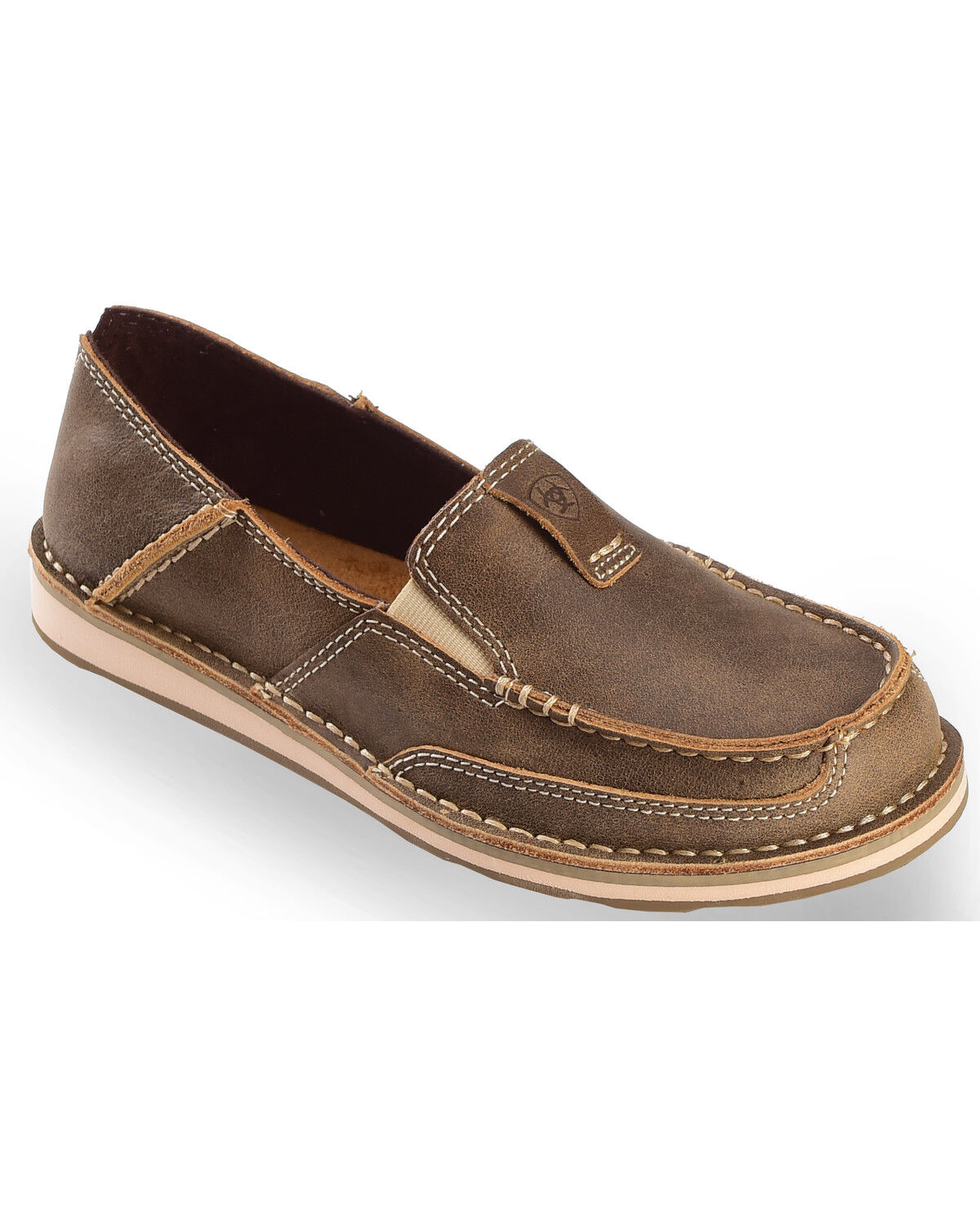
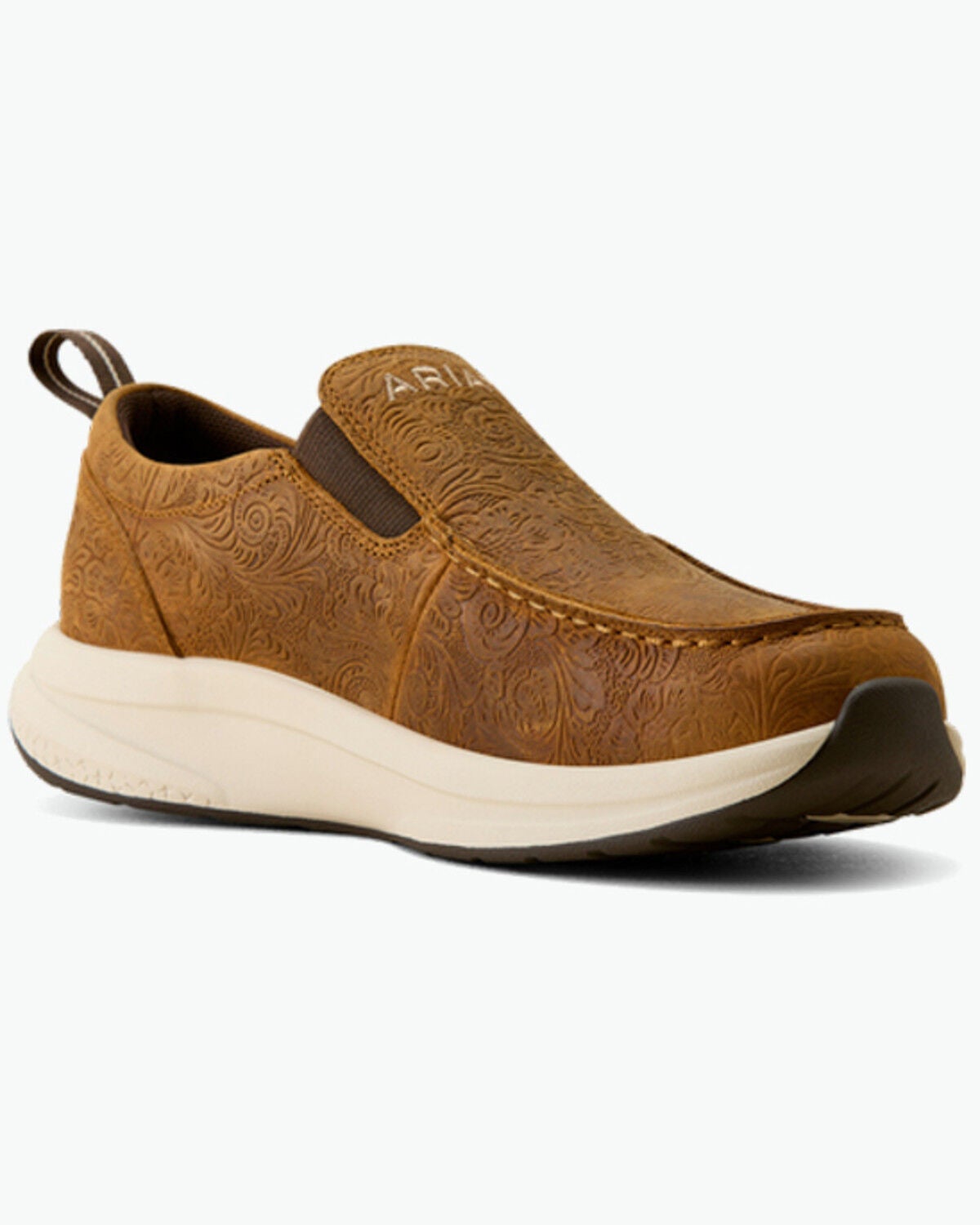
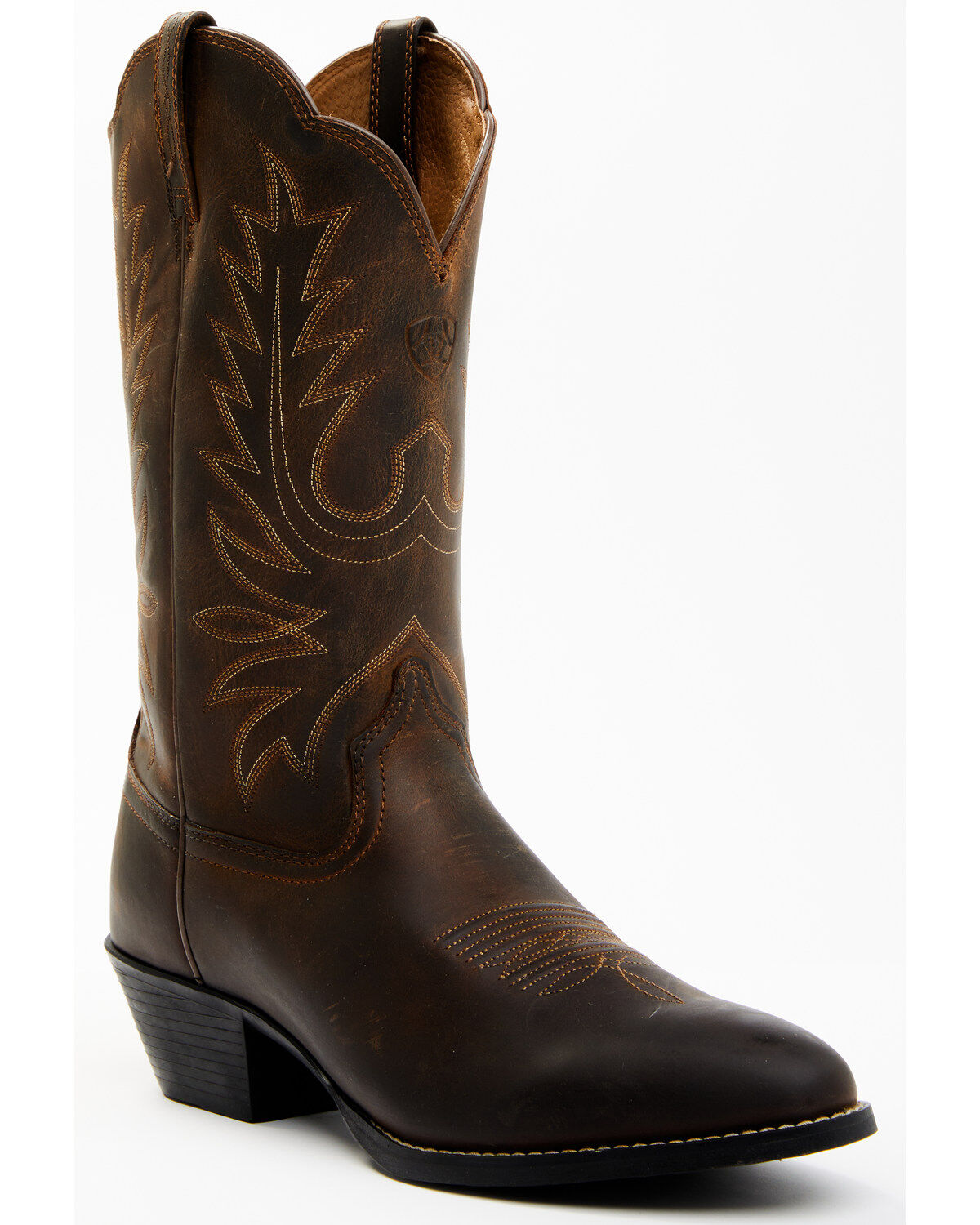
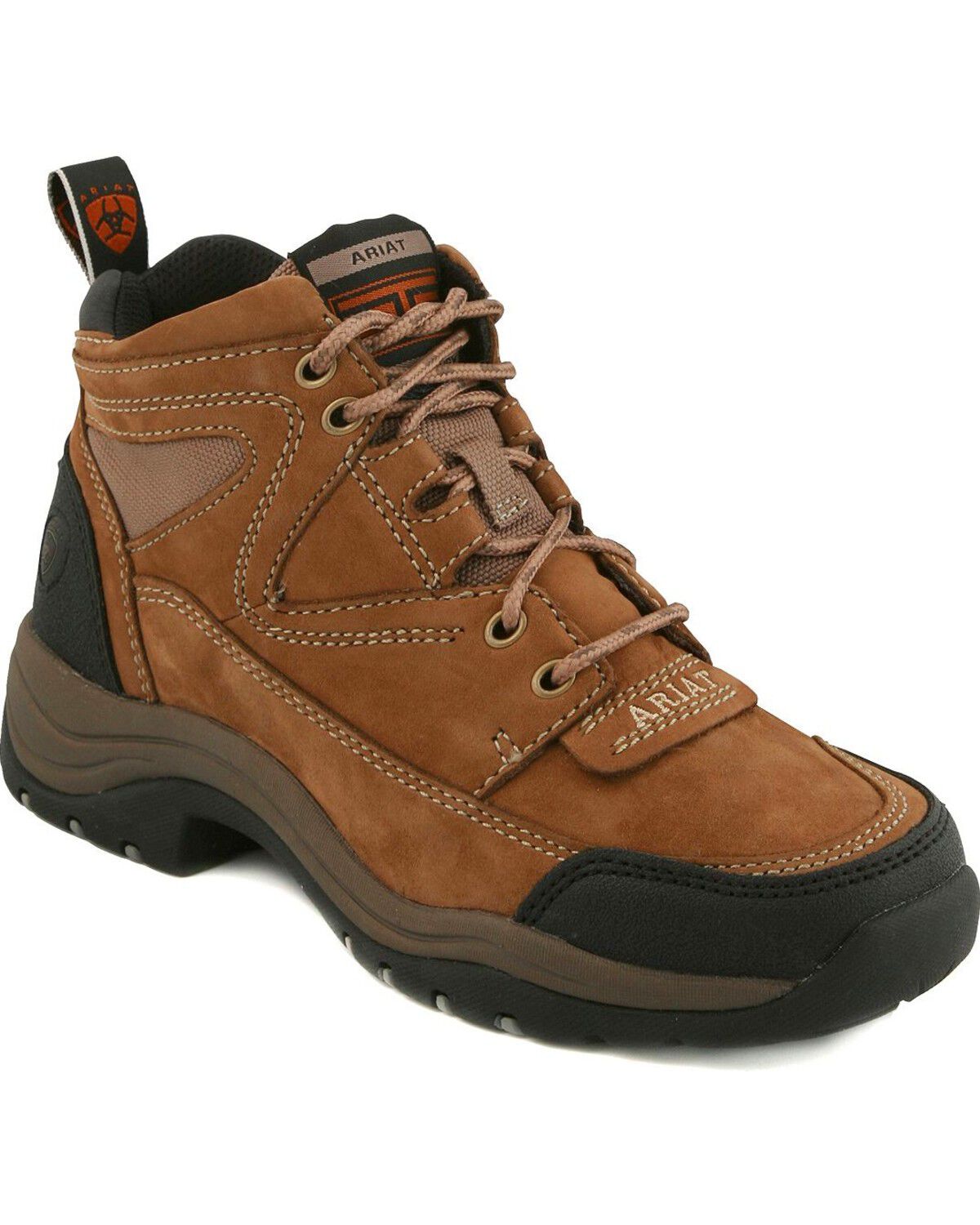
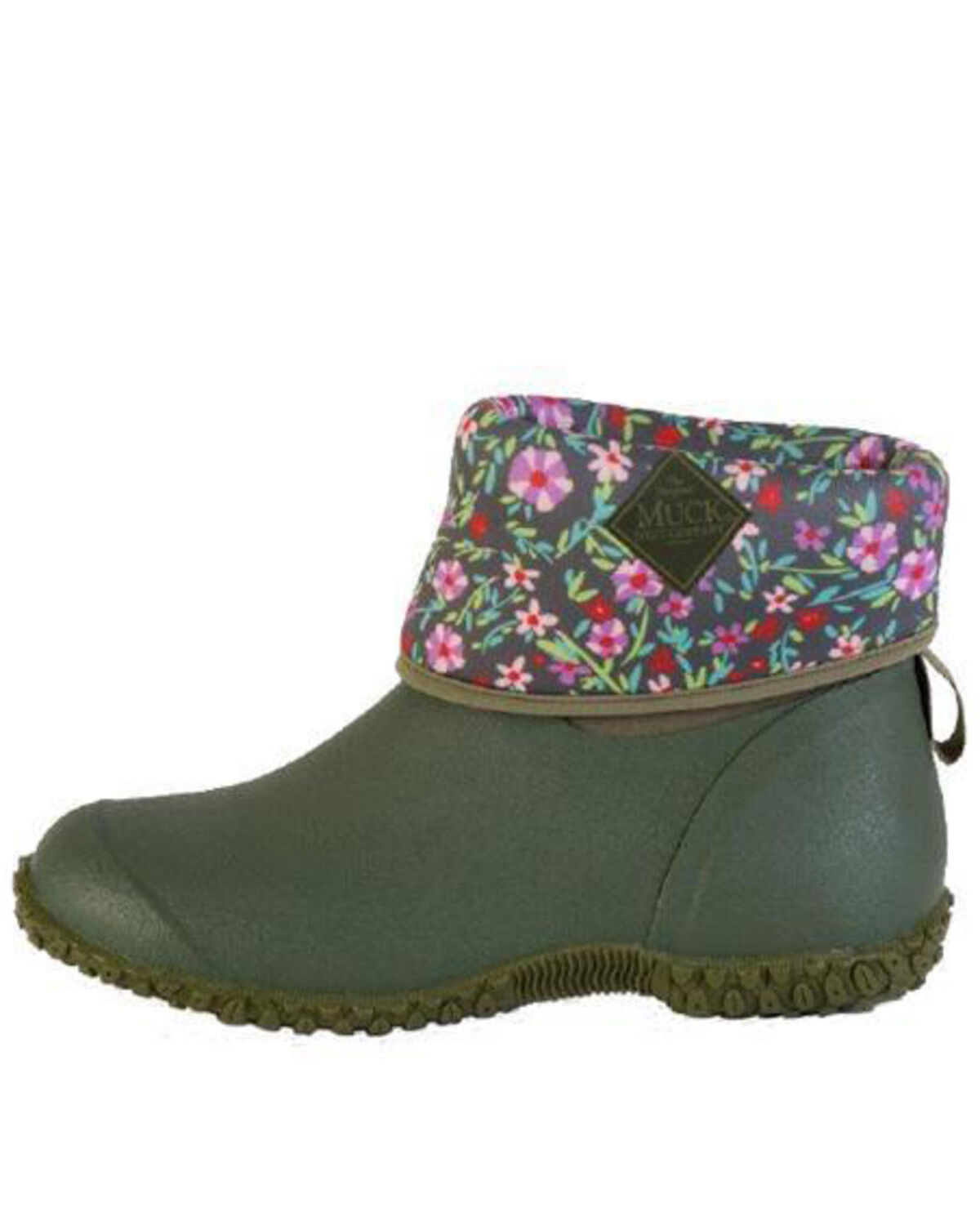
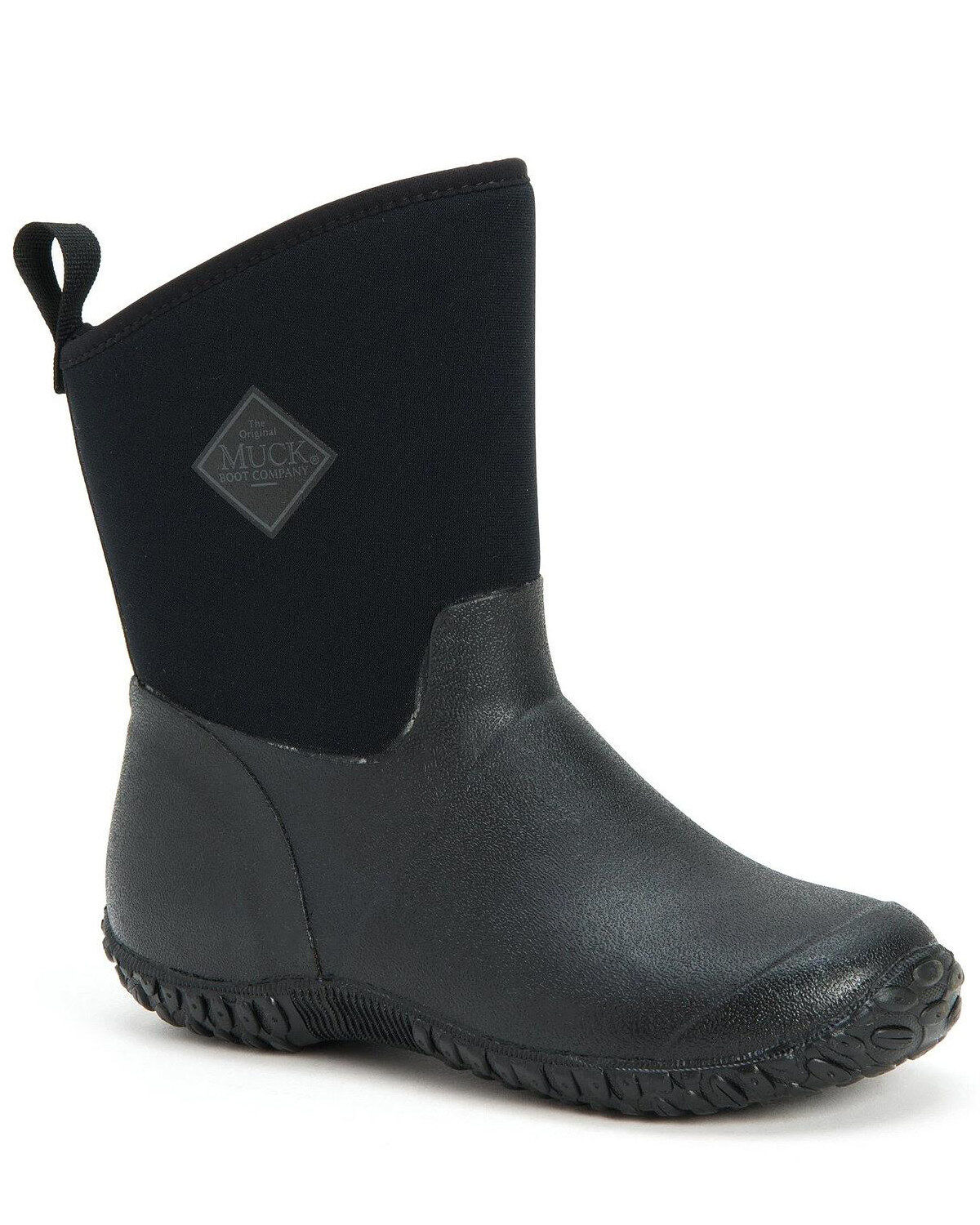
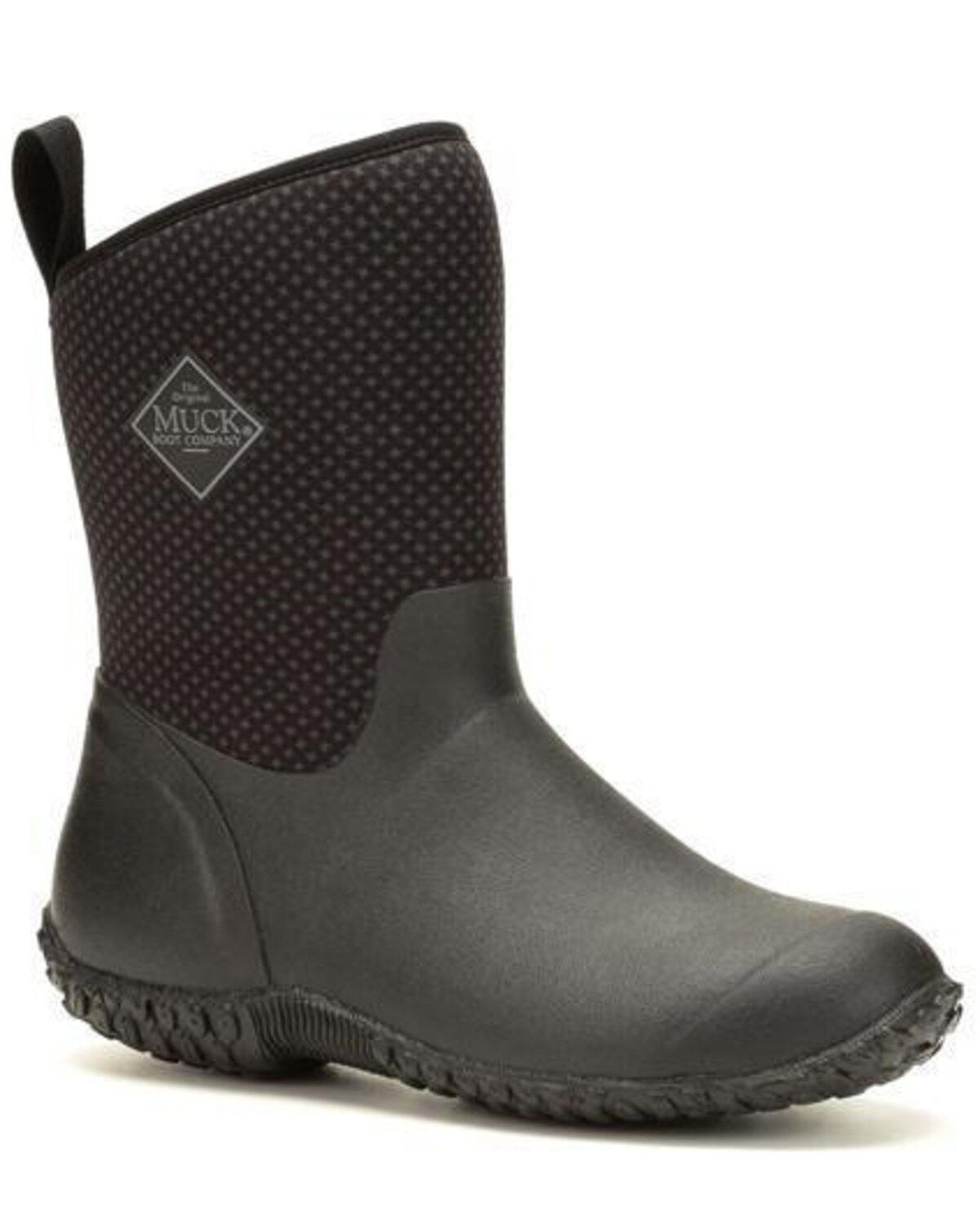
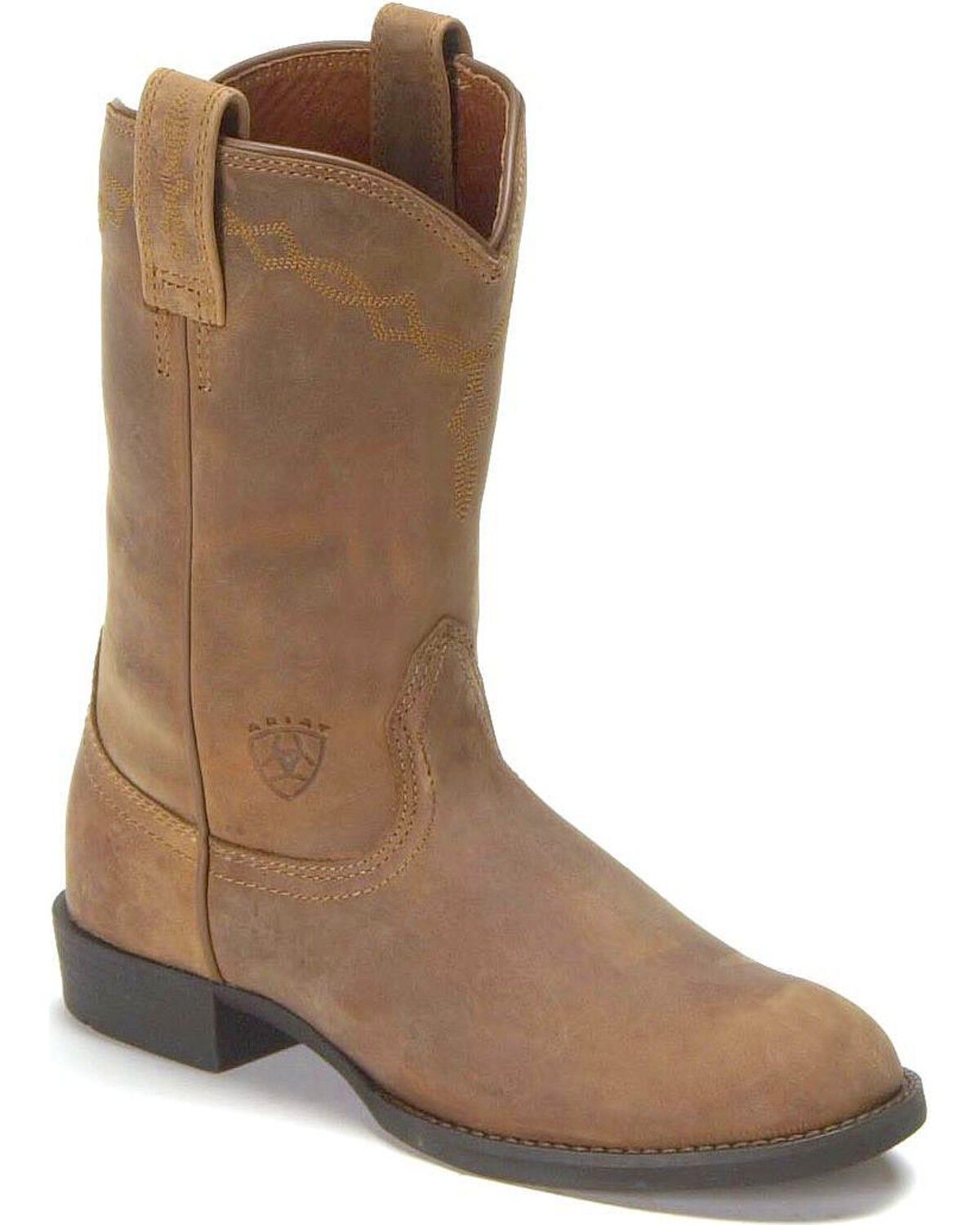
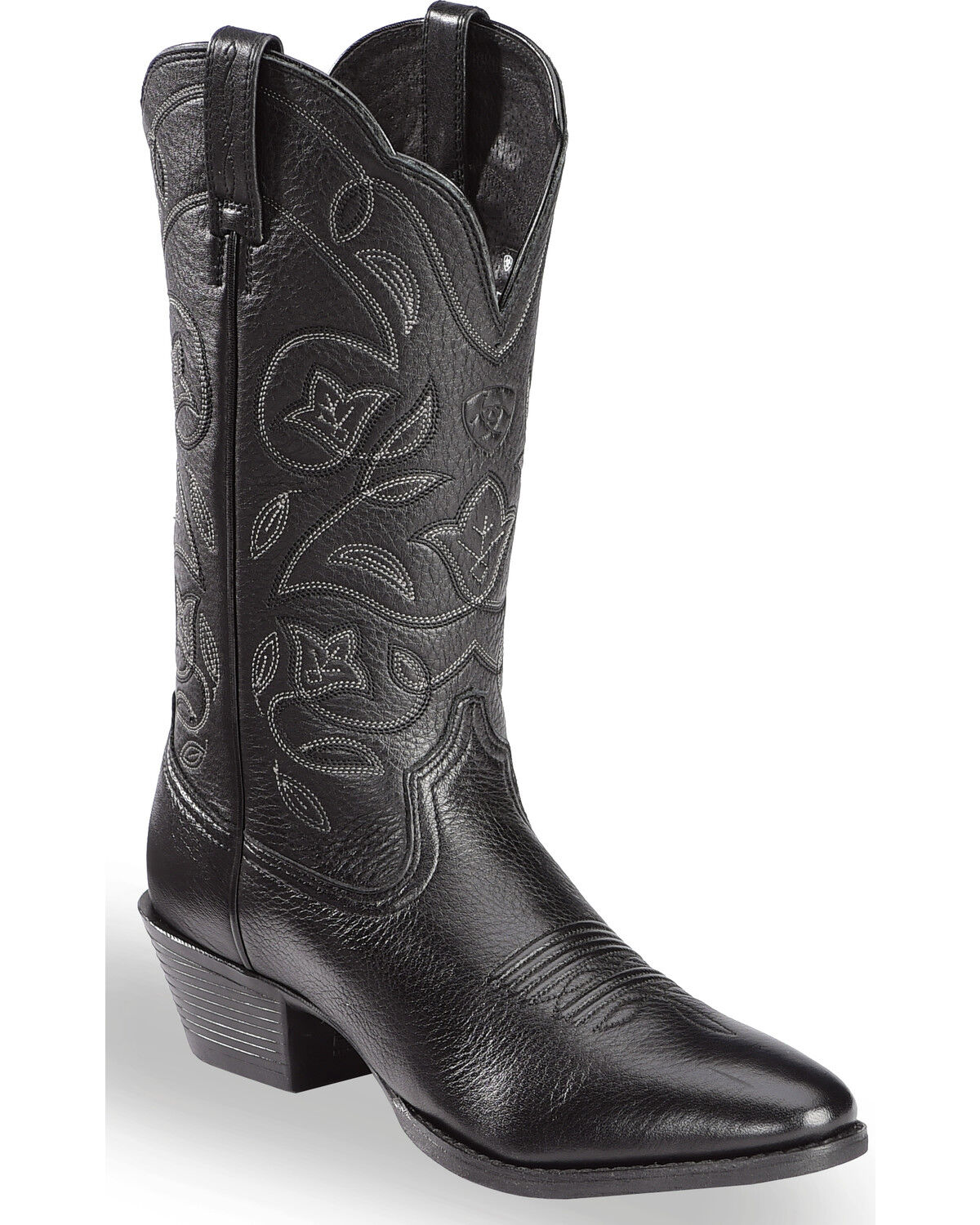
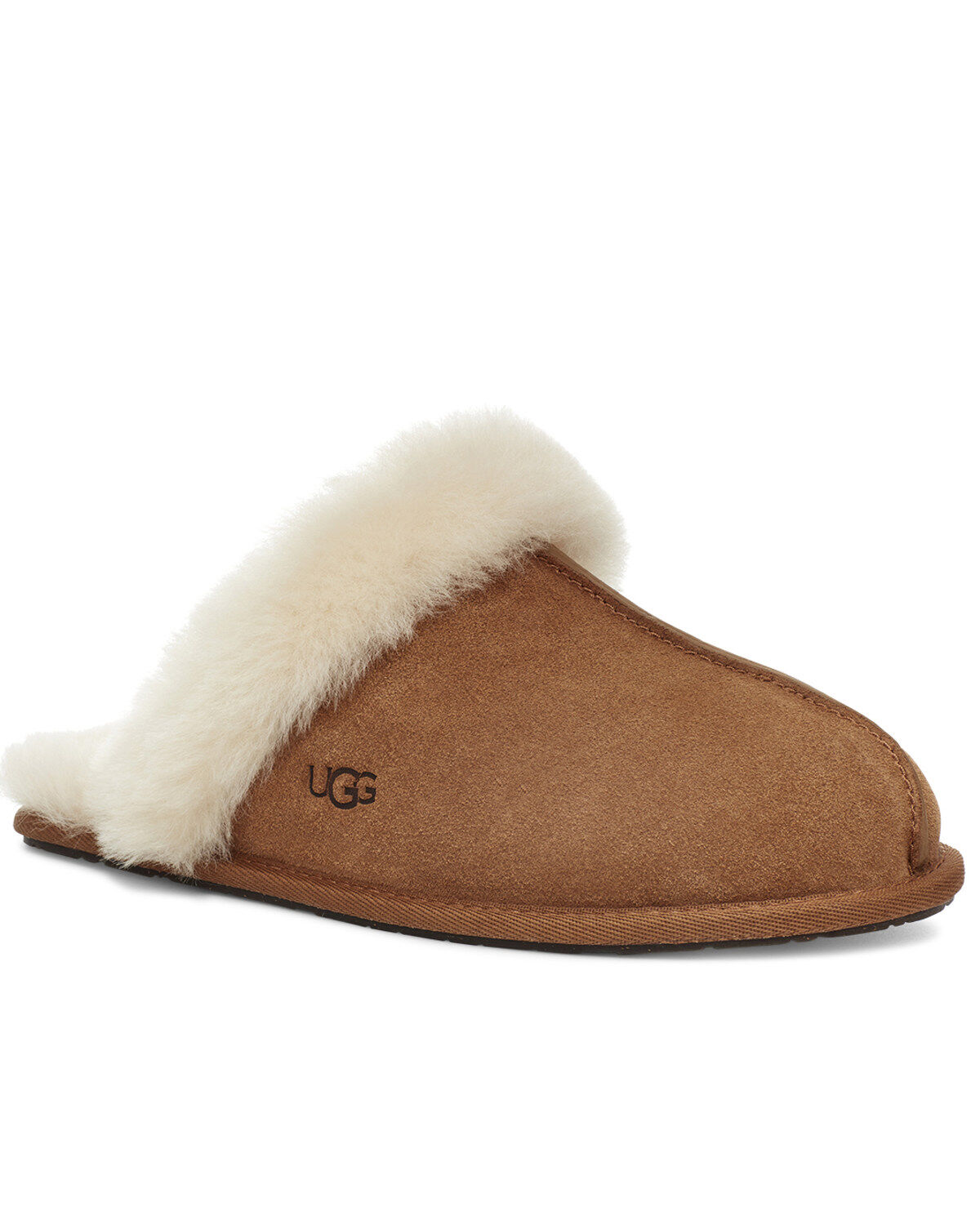
Women's Slip On Outdoor Shoes

Find women’s slip-on outdoor shoes for everyday outings without the hassle of tying laces. Browse easy-on styles and check individual product details for fit, traction, and intended use to choose a pair suited to your plans outside.

Shop Your Store: Shop Your Store: Find a Store

(Turn off Shop Your Store to see all items)

(Turn off Shop Your Store to see all items)

close
  • Recommended
  • Lowest Price
  • Highest Price
Skip pass products

End of products

Women's Slip On Outdoor Shoes

Women’s slip-on outdoor shoes bring easy entry to footwear meant for everyday movement beyond the front door. They suit routines that include walking the dog, stepping out to the garage, running errands, or spending time around a campground. The appeal is straightforward: no laces to tie, a familiar fit, and a sole chosen for the ground underfoot. Still, a shoe that works well on a paved path may not be the right choice for loose gravel or uneven ground. Intended use matters more than appearance alone. A low-profile design can feel natural for short walks and casual outings, while a more substantial sole may provide better separation from stones and rough surfaces. Upper materials also shape how the shoe wears. Smooth leather has a structured feel and can soften with use, though it needs regular cleaning and appropriate conditioning. Suede and nubuck have a softer, textured surface that calls for different care. Textile uppers can feel lighter and more flexible, and mesh panels may help air move through the shoe. Synthetic materials vary widely, so the construction and care directions tell more than the material name by itself. Look at where the upper bends, how the seams are finished, and whether high-contact areas have reinforcement. Elastic side panels can make entry easier without leaving the opening too loose. A heel tab gives you something to hold while pulling the shoe on, helping prevent repeated pressure on the back. Inside, smooth seams and a comfortable lining matter during longer stretches of wear. Cushioning should complement the shoe’s structure rather than make up for a poor fit. For someone who moves between the house, sidewalk, and yard throughout the day, the best match is often a shoe that slips on easily but stays secure once walking begins. Outdoor slip-ons are practical everyday footwear, not a substitute for purpose-built hiking footwear or protective work shoes when the task calls for either. That distinction helps keep the choice grounded in how the shoes will actually be worn.

Fit deserves close attention because a slip-on relies on its shape and opening to hold the foot in place. When comparing women’s styles within Outdoor Slip Ons, start with the socks normally worn for that activity. Sock thickness can change the feel across the instep and through the heel. The toes should have room to settle naturally without pressing against the front, and the widest part of the foot should sit comfortably within the shoe. A snug opening can be useful, but pressure across the top of the foot is not the same as a secure fit. The heel should remain seated without constant lifting, rubbing, or the need to curl the toes to keep the shoe on. Walk on a firm surface, turn a corner, and pause with your weight evenly distributed. Those simple movements reveal more than standing still. A shoe that feels comfortable for a quick step outside may feel different after a longer walk, especially if the foot slides forward or the upper pinches when it bends. Removable footbeds can be useful for cleaning or accommodating an insert, provided there is enough room inside without crowding the foot. Underneath, consider the difference between cushioning and traction. A foam midsole can soften the feel of repeated steps, while the outer sole handles contact with the ground. Rubber coverage, tread shape, and flexibility all contribute to how a shoe performs. Shallow tread may suit pavement and everyday errands; more defined tread can be useful on loose surfaces, although no sole provides reliable grip everywhere. Check that the shoe bends where the foot naturally flexes without feeling unstable through the middle. Extra weight is not proof of durability, and an especially soft sole is not automatically more comfortable. For a day that moves from a parking lot to a walking path, a balanced construction often makes more sense than choosing either the lightest or the thickest option. Longer distances, steep trails, and jobs with footwear requirements call for a closer match between the shoe and the demands of the activity.

Regular care helps women’s slip-on outdoor shoes hold their shape and keeps dirt from becoming part of the material. Knock loose soil from the soles, then use a soft brush to clear the tread and upper before cleaning more thoroughly. Small stones caught in the tread are worth removing, especially before walking across finished floors. Follow the manufacturer’s directions for the upper rather than treating every material the same way. Smooth leather may need a suitable cleaner and conditioner, while suede generally benefits from a dedicated brush and products made for its textured finish. Textile shoes may allow spot cleaning, but machine washing should never be assumed. Let cleaned shoes dry naturally with good airflow, away from direct heat that can damage adhesives or stiffen leather. Remove the footbeds for cleaning only when the construction allows it, and put them back after they are fully dry. Using the heel tab instead of stepping on the back helps preserve the heel’s structure. An occasional check of the elastic, seams, lining, and sole can reveal wear before it becomes uncomfortable. Flattened cushioning, persistent heel movement, or worn tread may signal that the shoe no longer suits its usual role. For everyday outfits, simple shapes and neutral colors pair easily with jeans, casual pants, and other practical clothing without drawing attention away from the rest of the outfit. More important, the shoes should work for the wearer’s routine. Someone who takes frequent short trips outside may value quick entry most, while a regular walker may put greater weight on heel security and underfoot support. Slip-on outdoor shoes can also make a useful gift for someone whose size, width, and footwear preferences are well understood. Pay attention to whether that person prefers a roomy toe area, a firmer footbed, or an upper with some give. A thoughtful choice follows those habits rather than relying on appearance alone. The result should be straightforward: comfortable footwear that fits securely, handles its intended use, and is simple to maintain.

FAQs