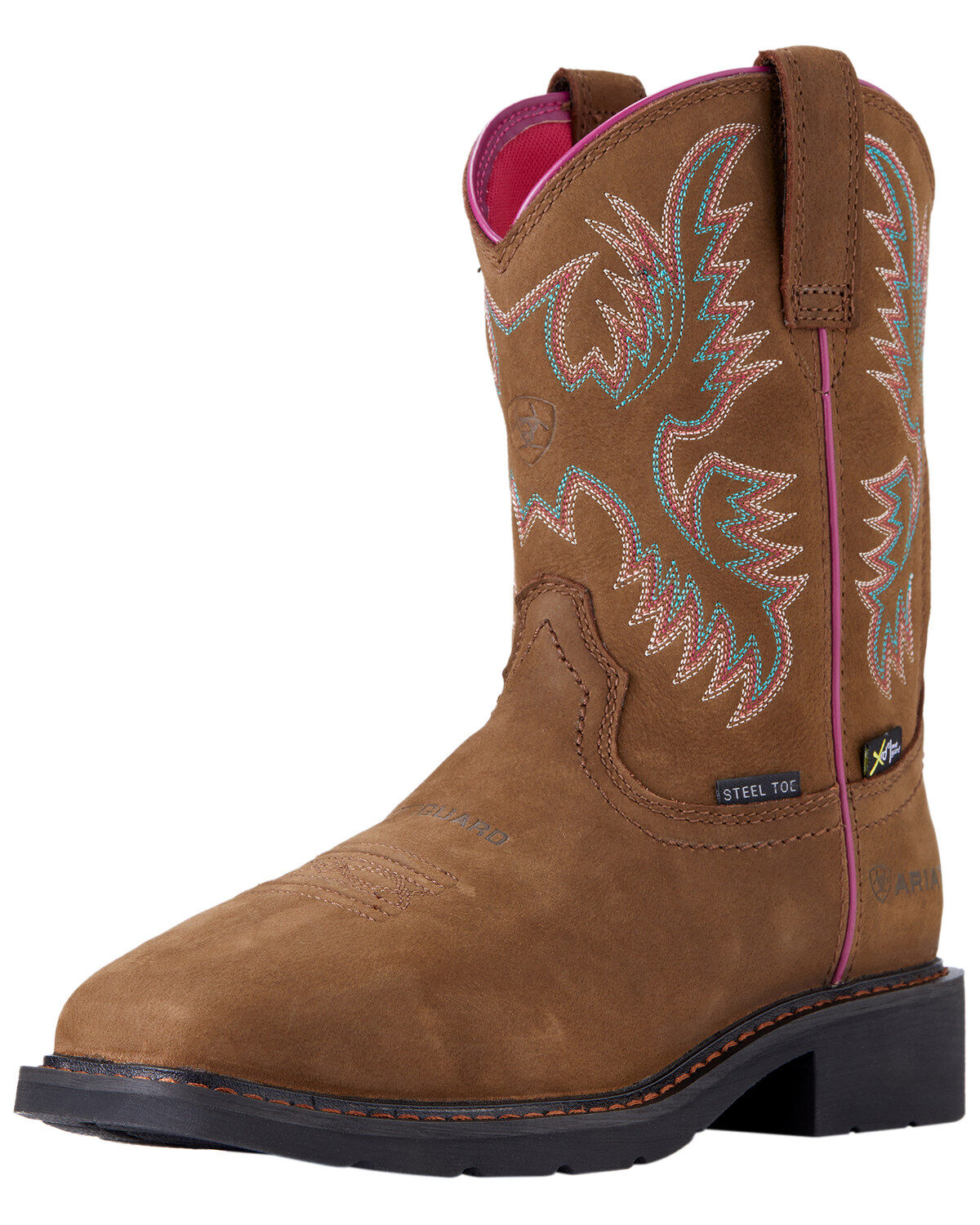
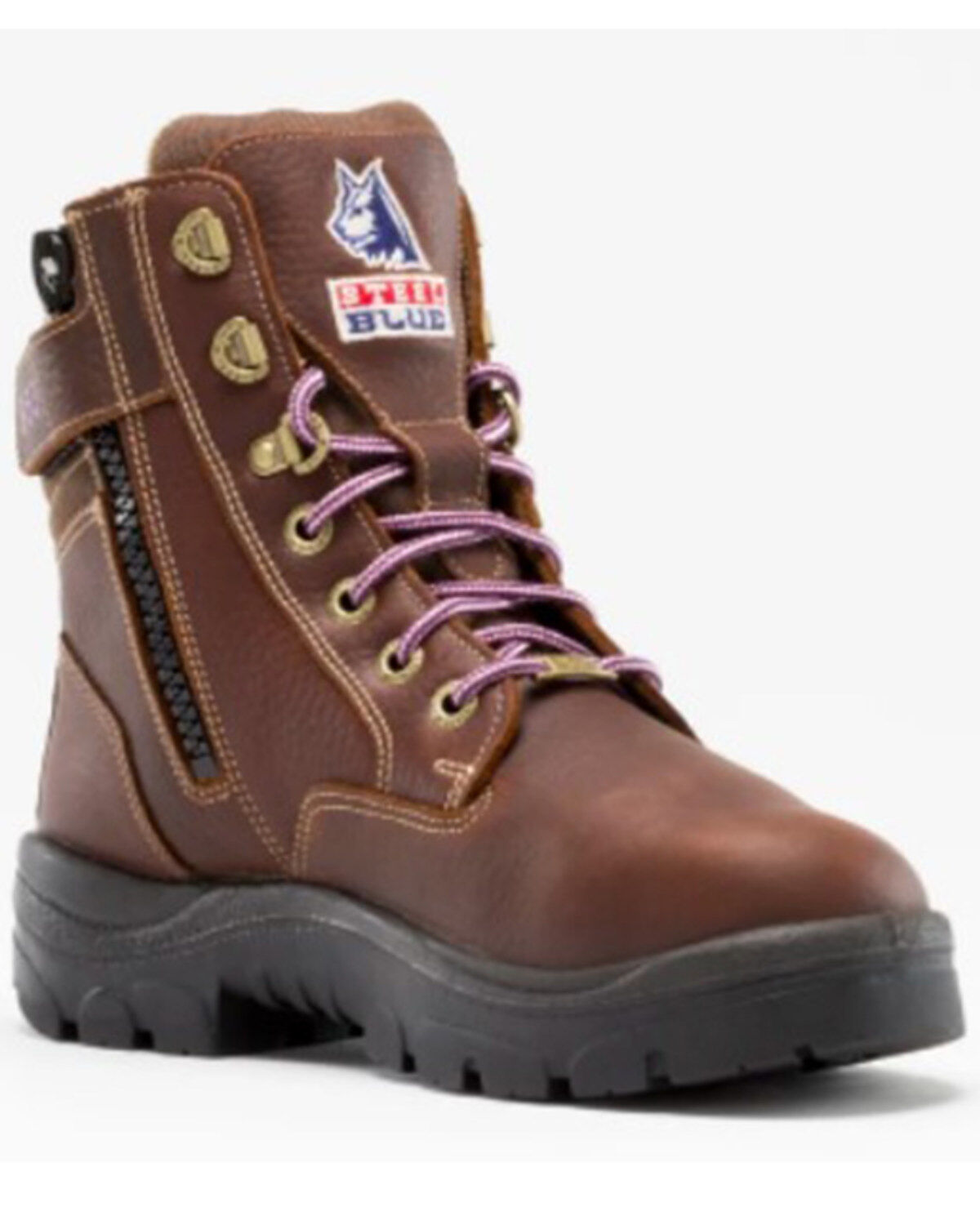
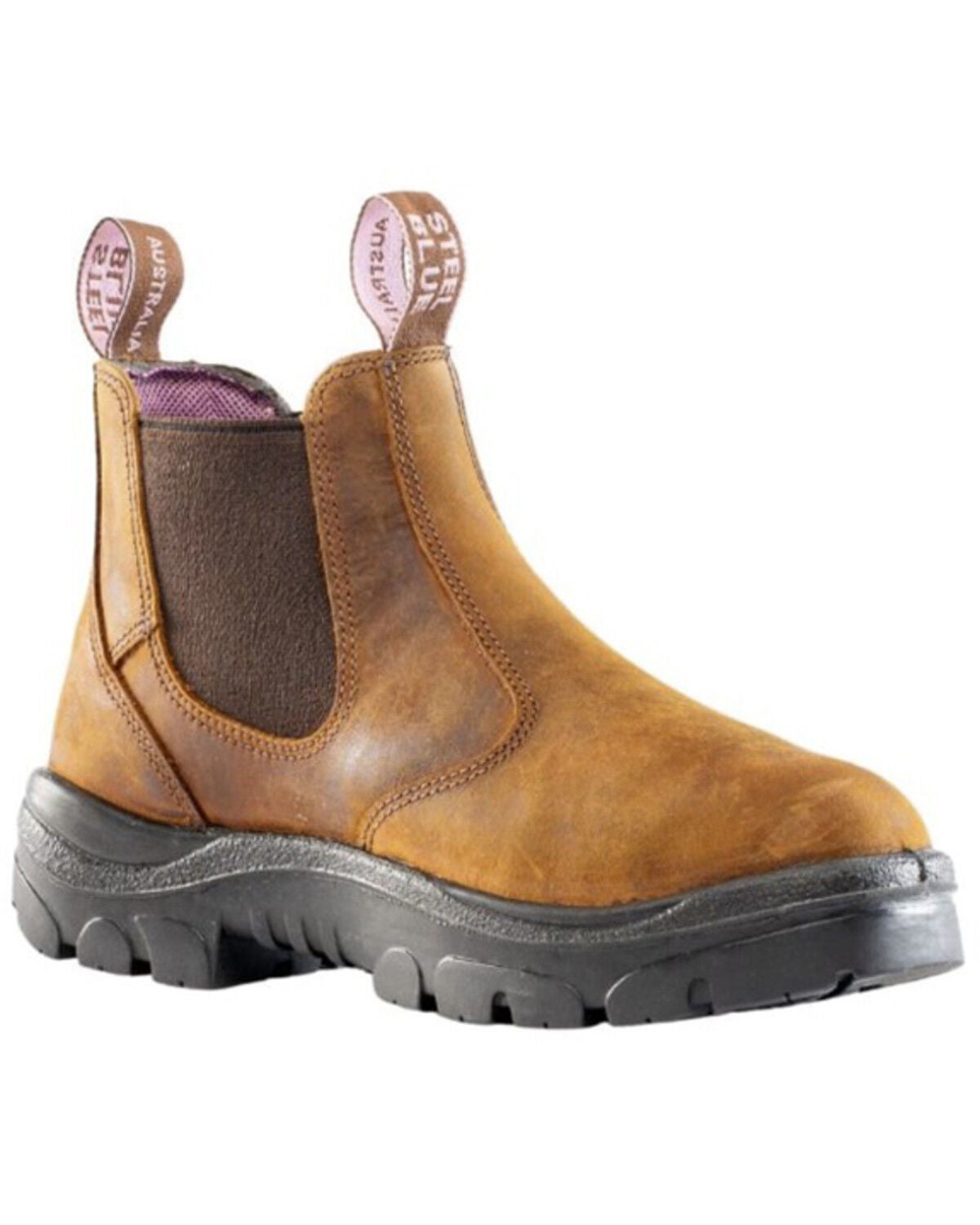
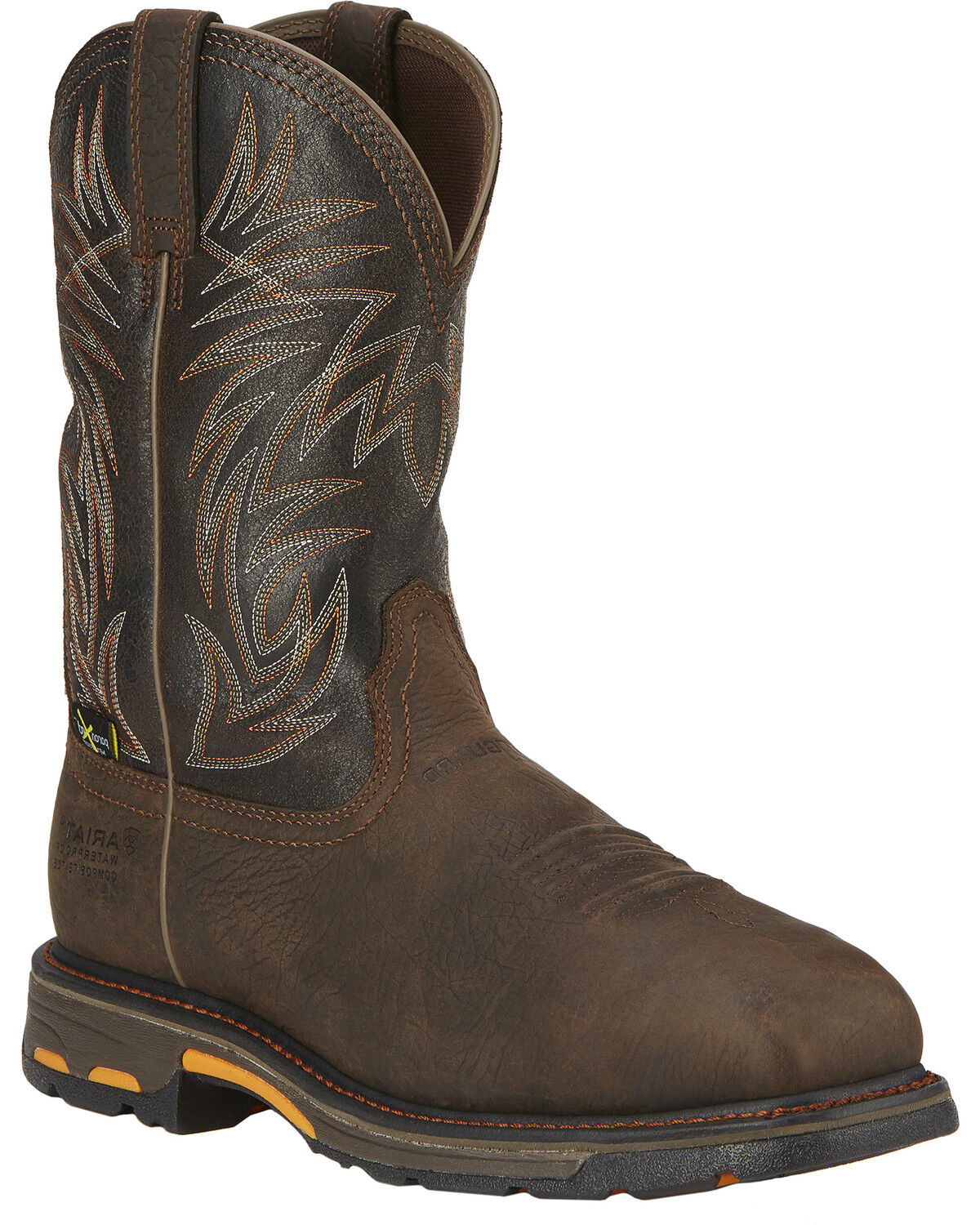
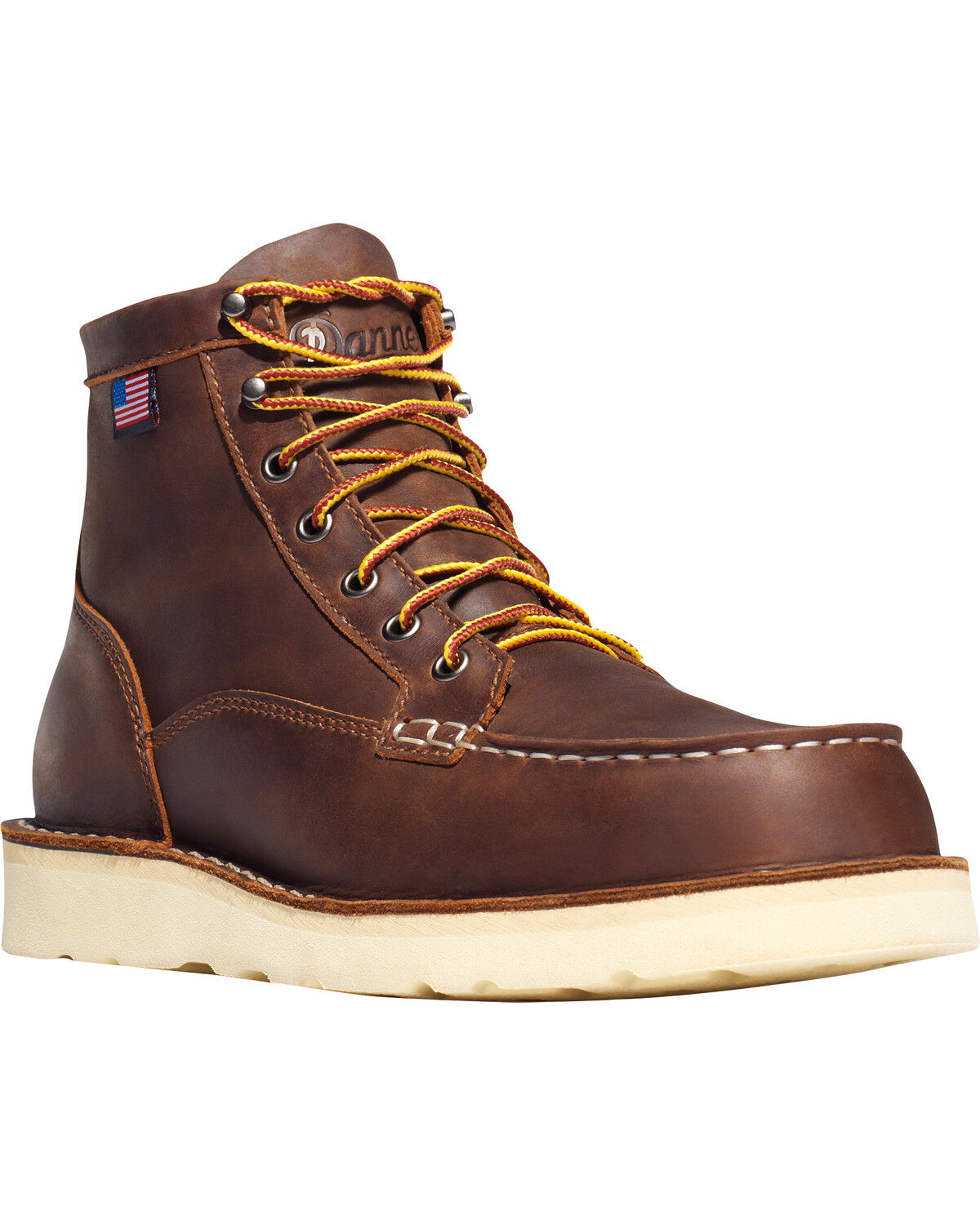
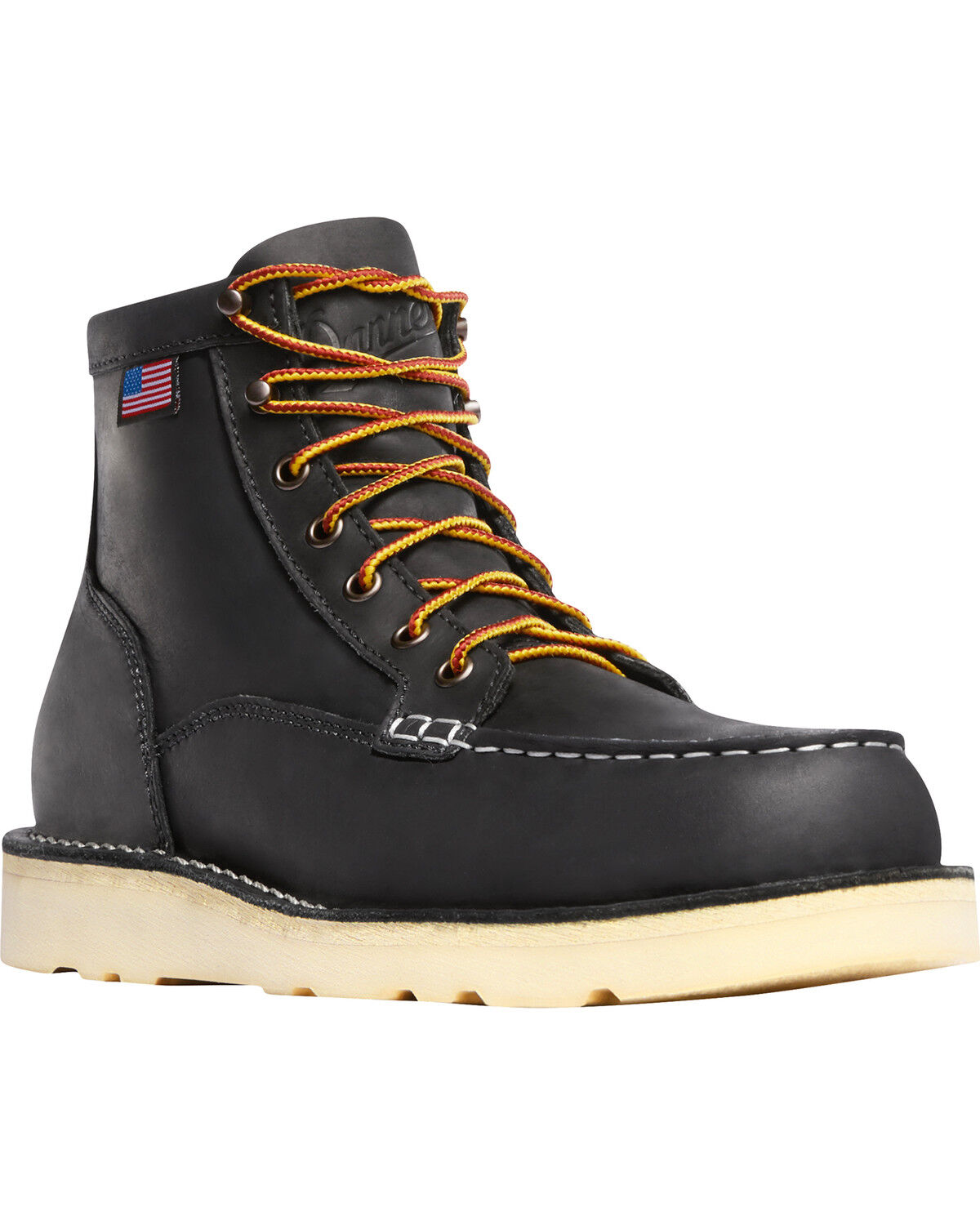
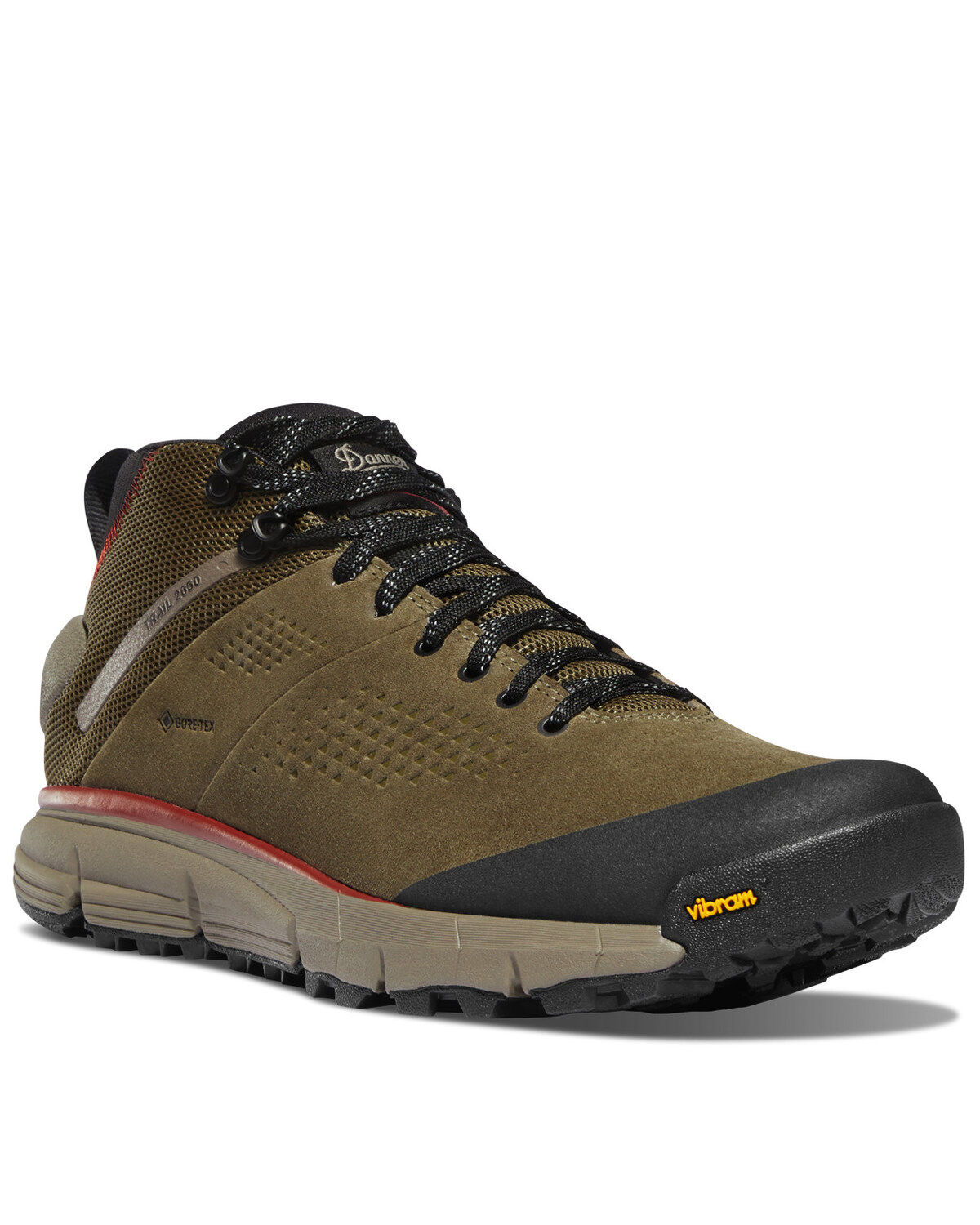
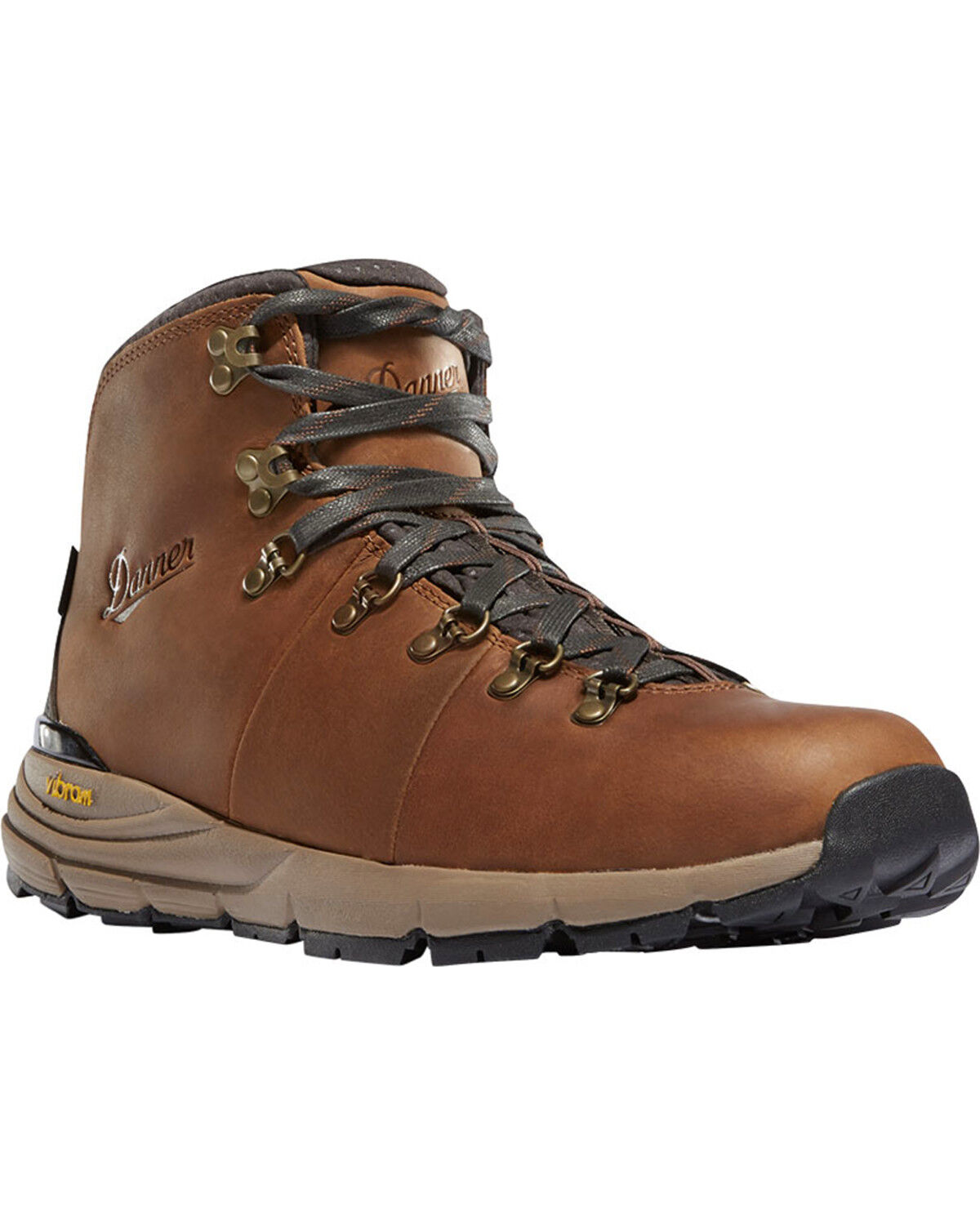
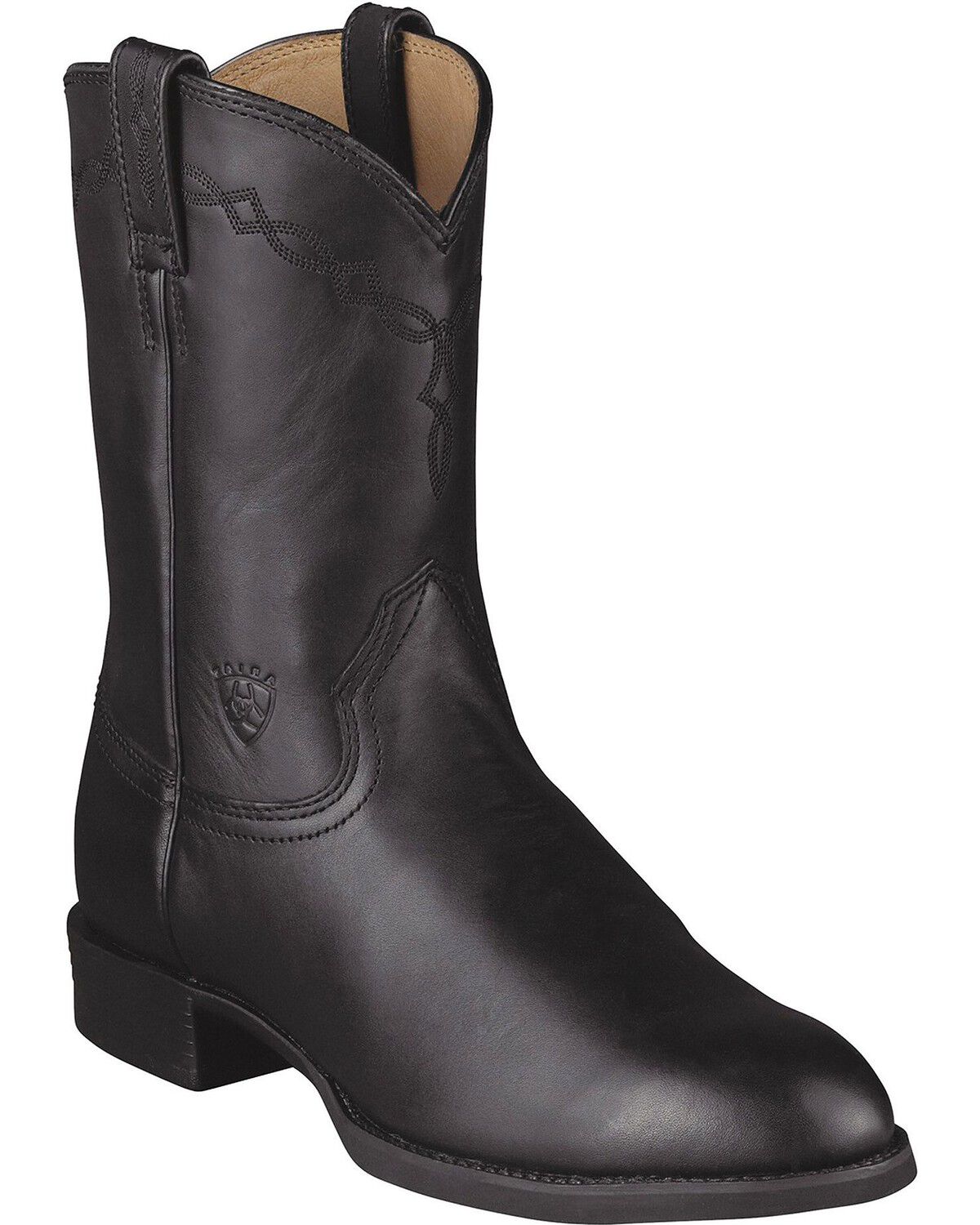
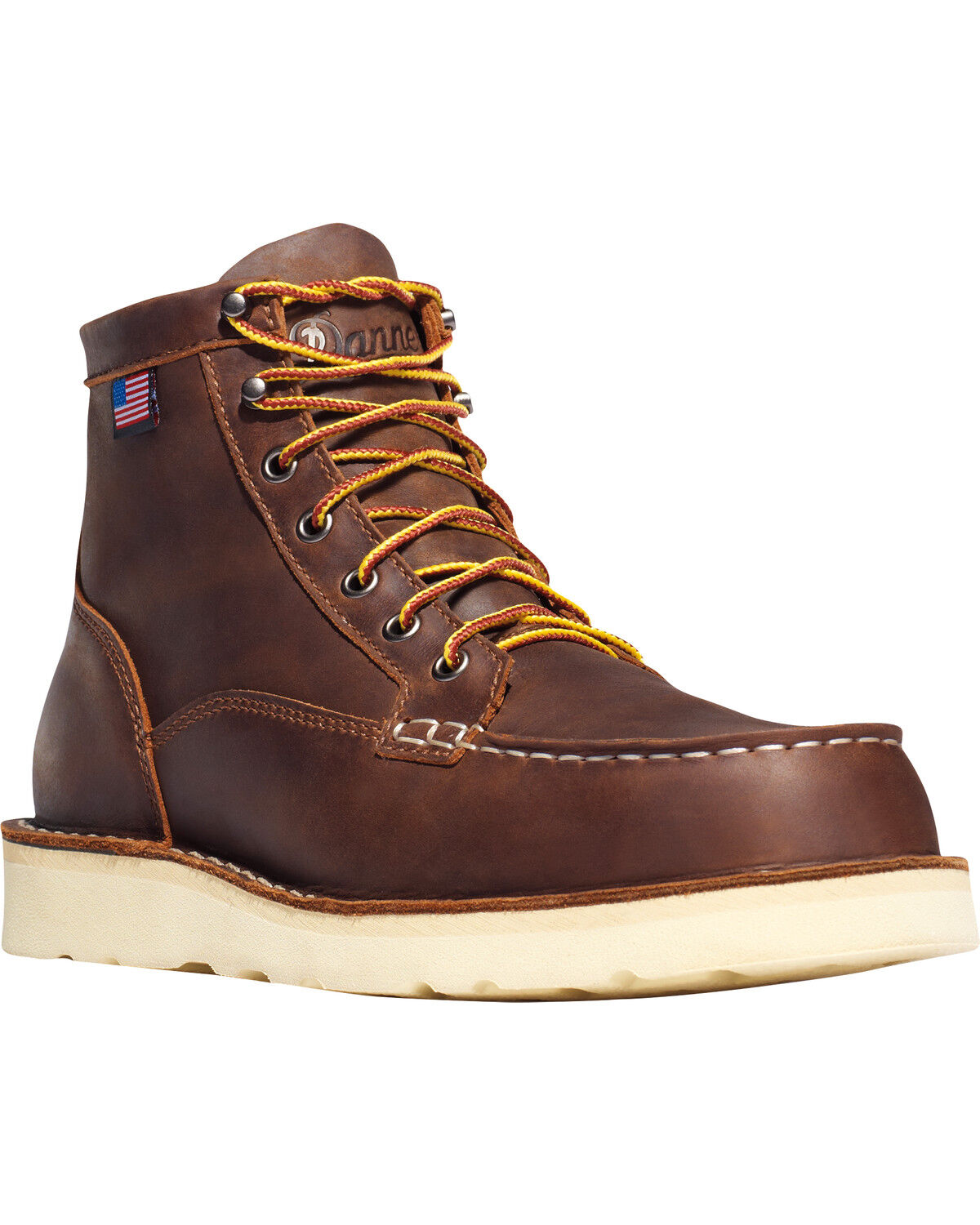
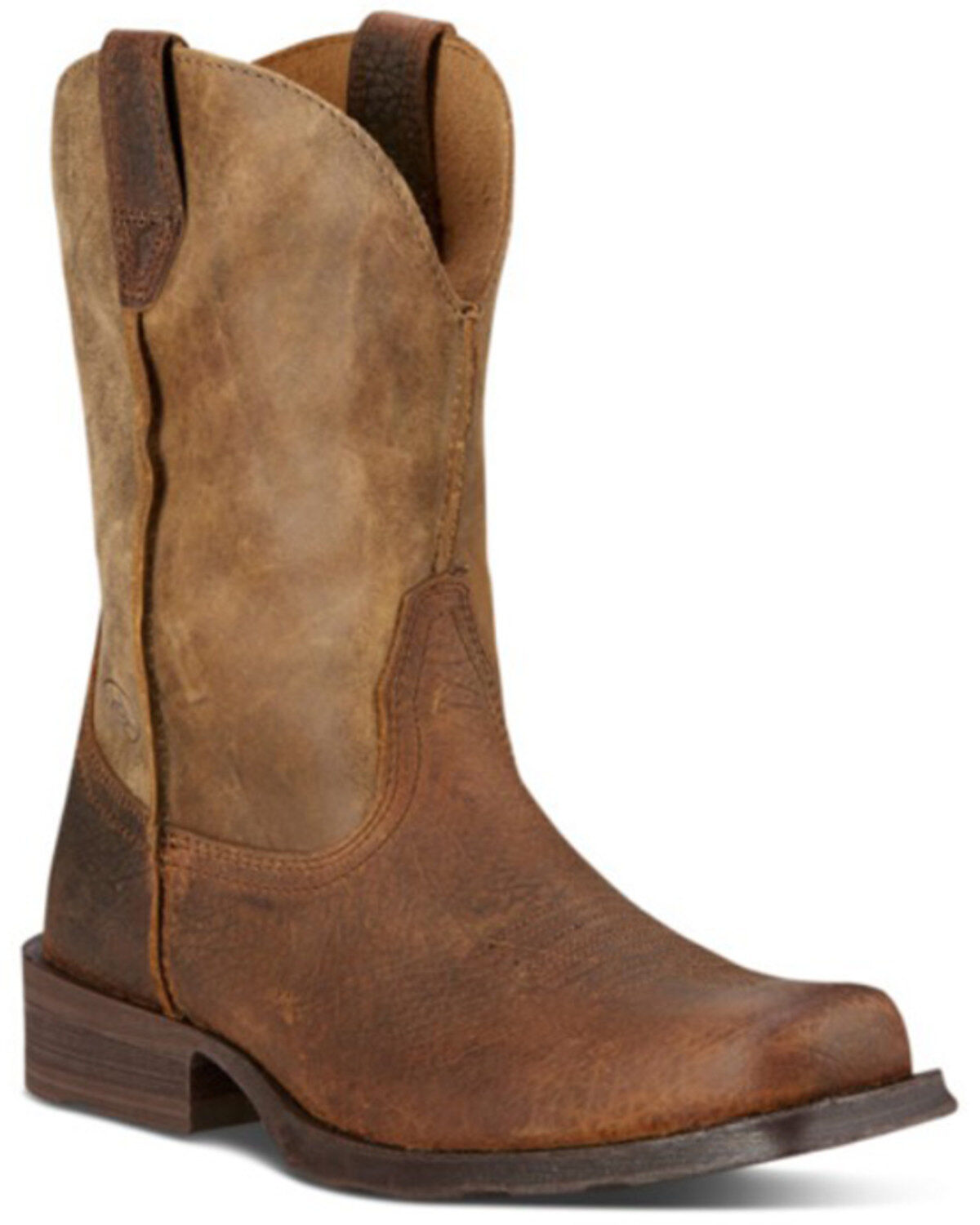
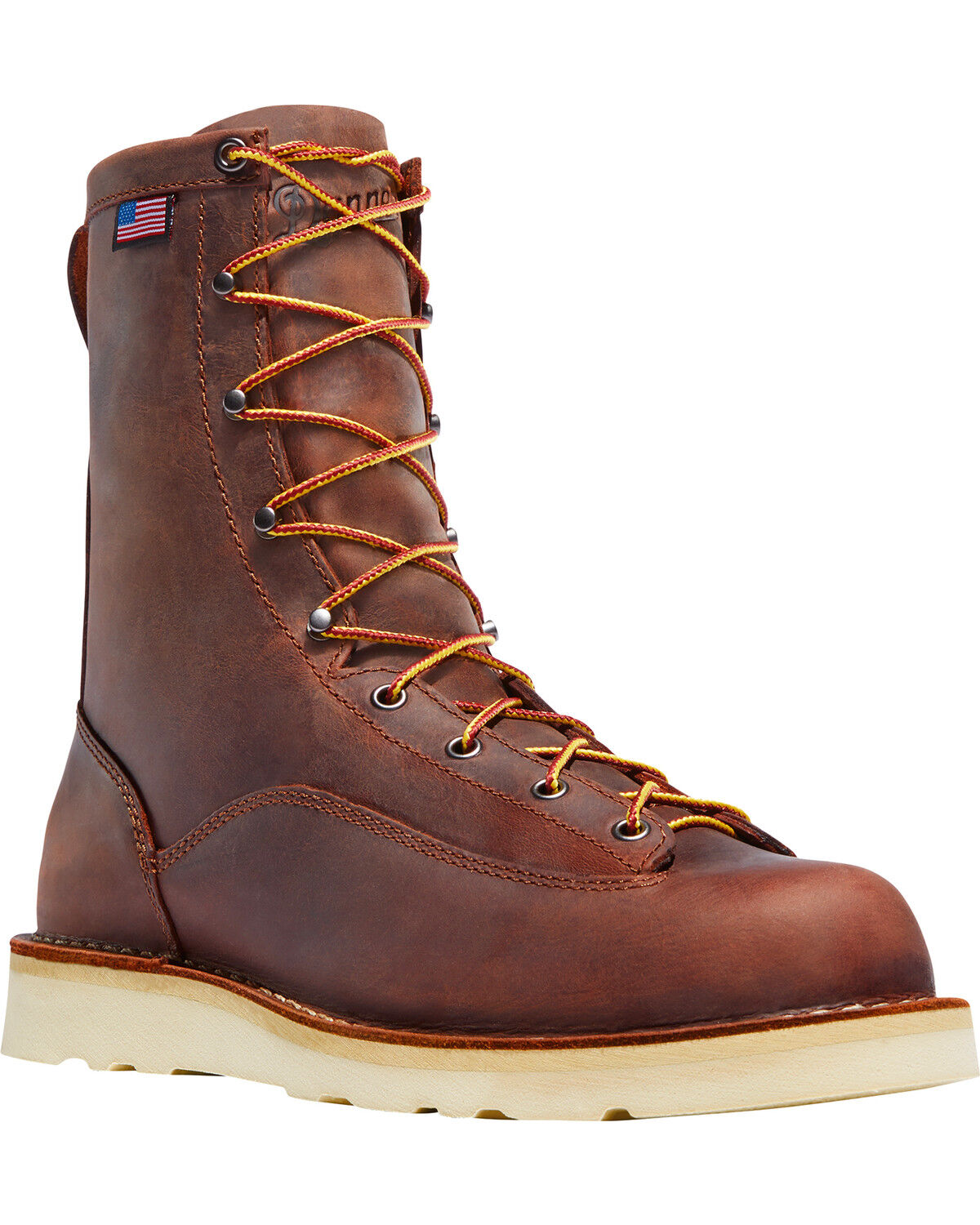
Women's Met Guard Work Boots

Find women’s met guard work boots with metatarsal protection for the top of the foot. Browse the selection and compare each pair’s fit, safety features, and listed ratings against your jobsite requirements.

Shop Your Store: Shop Your Store: Find a Store

(Turn off Shop Your Store to see all items)

(Turn off Shop Your Store to see all items)

close
  • Recommended
  • Lowest Price
  • Highest Price
Skip pass products

End of products

Women's Met Guard Work Boots

Women's met guard work boots provide protection across the top of the foot, where the metatarsal bones sit between the toes and ankle. A metatarsal guard is designed to help absorb or spread the force of an impact over this vulnerable area. It serves a different purpose than a safety toe, which protects the front of the foot against specified impact and compression hazards. Jobs involving heavy parts, metal stock, tools, or materials handling may call for both forms of protection. A dropped fitting on a manufacturing floor or a piece of steel slipping from a workbench can strike behind the toe cap, making metatarsal coverage an important consideration. These boots are relevant to women working in fabrication, foundries, construction, maintenance, and some warehouse operations, depending on the hazards and footwear requirements of the job. Internal met guards sit beneath the upper, giving the boot a more familiar profile without a separate cover over the laces. External guards sit outside the boot and may extend over the instep and lace area. Either construction needs to provide the coverage and tested performance required for the workplace; appearance alone does not establish protection. Some guards use flexible materials that respond to impact, while others rely on a more rigid protective structure. Flexibility, bulk, and the way the guard moves during walking differ by design. A boot labeled as having a met guard should still be checked against its safety markings and the employer's requirements. ASTM F2413 addresses performance requirements for protective footwear, including metatarsal protection when that feature is tested and marked. The required markings matter more than a general description such as “heavy duty.” The Womens Impact Resistant Work Boots collection represents a related footwear category, but toe-impact protection and metatarsal protection are separate features to confirm. Matching the boot to the actual hazard is the starting point, whether the work involves loading equipment, handling castings, or moving materials around a production line.

Materials and construction affect how women's metatarsal work boots hold up through repeated wear. Full-grain leather is commonly used for its strength and abrasion resistance, especially where boots brush against equipment, pallets, or rough surfaces. Other leather finishes and textile panels can change flexibility, weight, and airflow. Reinforced stitching, protected seams, and sturdy lace hardware are worth considering when the same pair will spend long hours on the floor. Outsole construction matters just as much as the upper. Rubber and polyurethane outsoles can offer different combinations of traction, cushioning, weight, and resistance to wear, but the performance of the finished sole depends on its formulation and tread. Deep lugs can help on loose ground, while a tread designed for hard floors may be better suited to a plant or shop. Slip-resistant does not mean slip-proof, and oil resistance does not guarantee traction on an oily surface. Grease, fine dust, metal shavings, and worn tread all affect footing. Steel and composite safety toes are both used in protective footwear, with protection determined by the boot's tested rating rather than the toe material alone. Composite toes can reduce weight in some designs, but a composite toe does not automatically mean the entire boot is metal-free. Electrical hazard protection, puncture resistance, and other safety features must also be verified separately. Electrical hazard footwear provides secondary protection under specified dry conditions; it is not a substitute for proper electrical safety procedures or equipment. Water-resistant or waterproof construction may be useful where the job involves washdown areas or repeated contact with water, provided the boot meets the other required safety criteria. For work around sparks, hot materials, or chemicals, the complete footwear construction needs to match the exposure. A met guard by itself does not establish heat or chemical resistance. The strongest choice is the one that meets the site's requirements without adding features that make the work harder.

Fit determines whether protective work boots remain practical through a full shift. Women's sizing and footwear shapes can offer different proportions through the heel, instep, and forefoot, but the best fit still depends on the individual foot. Toes need room to rest naturally without pressing against the safety cap, and the heel should stay secure without rubbing. A protective toe cap will not stretch like leather, so pressure at the front of the boot should not be treated as something that will disappear with break-in. The met guard also needs to sit comfortably across the top of the foot. Walking, bending, climbing steps, and kneeling can reveal pressure that is not noticeable while standing still. Work socks affect available space, and an orthotic or replacement insole can change both heel position and clearance beneath the guard. Any insert should be compatible with the boot and the manufacturer's guidance. Lace-up construction allows adjustment through the instep, while pull-on designs depend more heavily on the boot's shape for a secure fit. Cushioned footbeds and supportive midsoles can improve comfort on concrete, but extra softness is not always better when stable footing is essential. Boot weight, sole flexibility, and collar placement also influence how the pair feels during repeated movement. Care helps preserve the materials, though it cannot restore damaged protective components. Removing grit from seams and clearing debris from the tread reduces unnecessary wear and helps keep the sole working as intended. Leather should be cleaned and conditioned with products suited to its finish, while textile panels and waterproof linings need care appropriate to their construction. Damp boots should dry away from direct heat. Regular inspection should include the guard, upper, stitching, outsole, and any exposed hardware. A major impact, crushed guard, separated sole, or deep cut calls for assessment under the manufacturer's replacement guidance, even when the damage seems minor. For daily work or a practical gift, women's met guard work boots need the same essentials: verified protection, a sound fit, and construction suited to the job.

FAQs