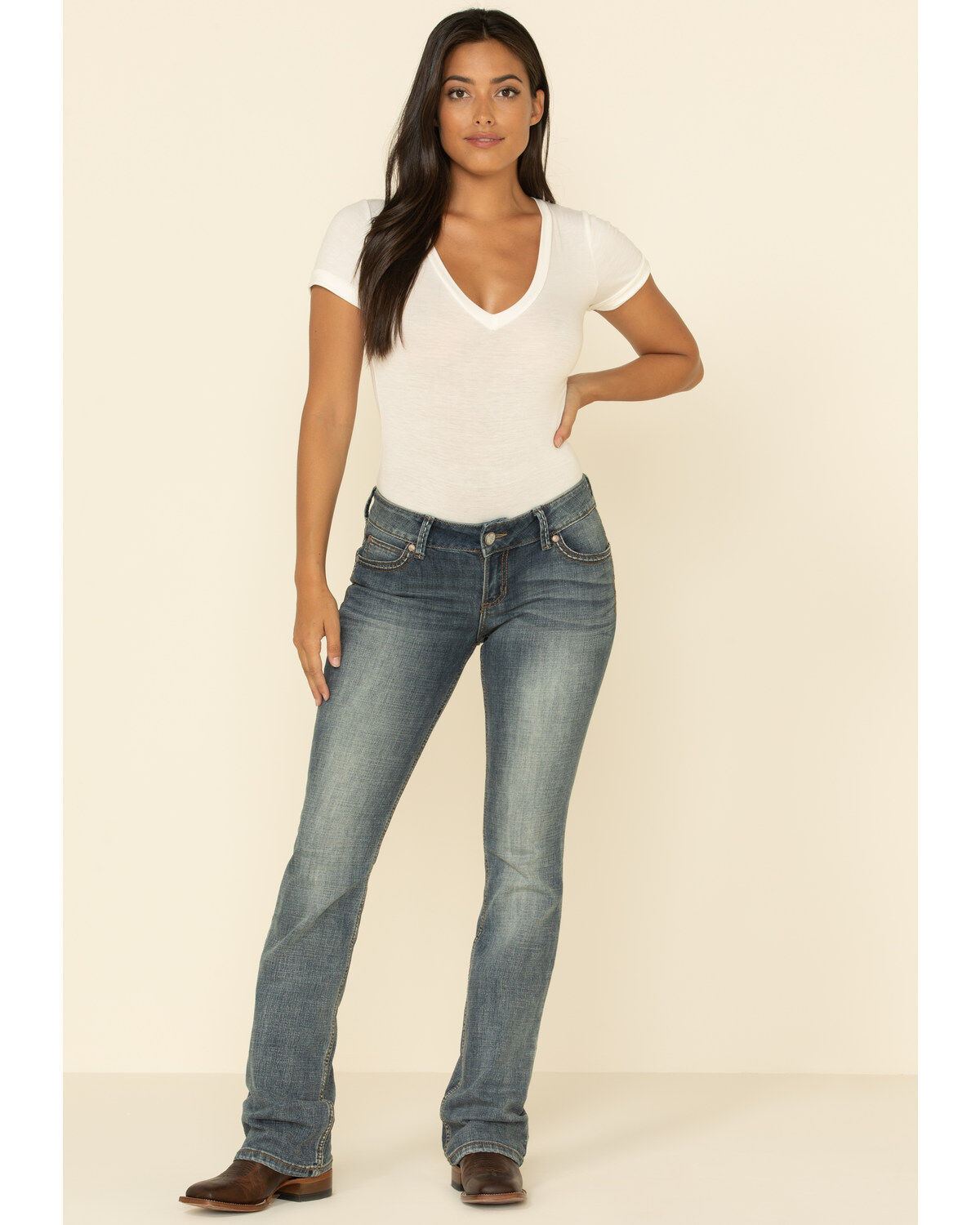
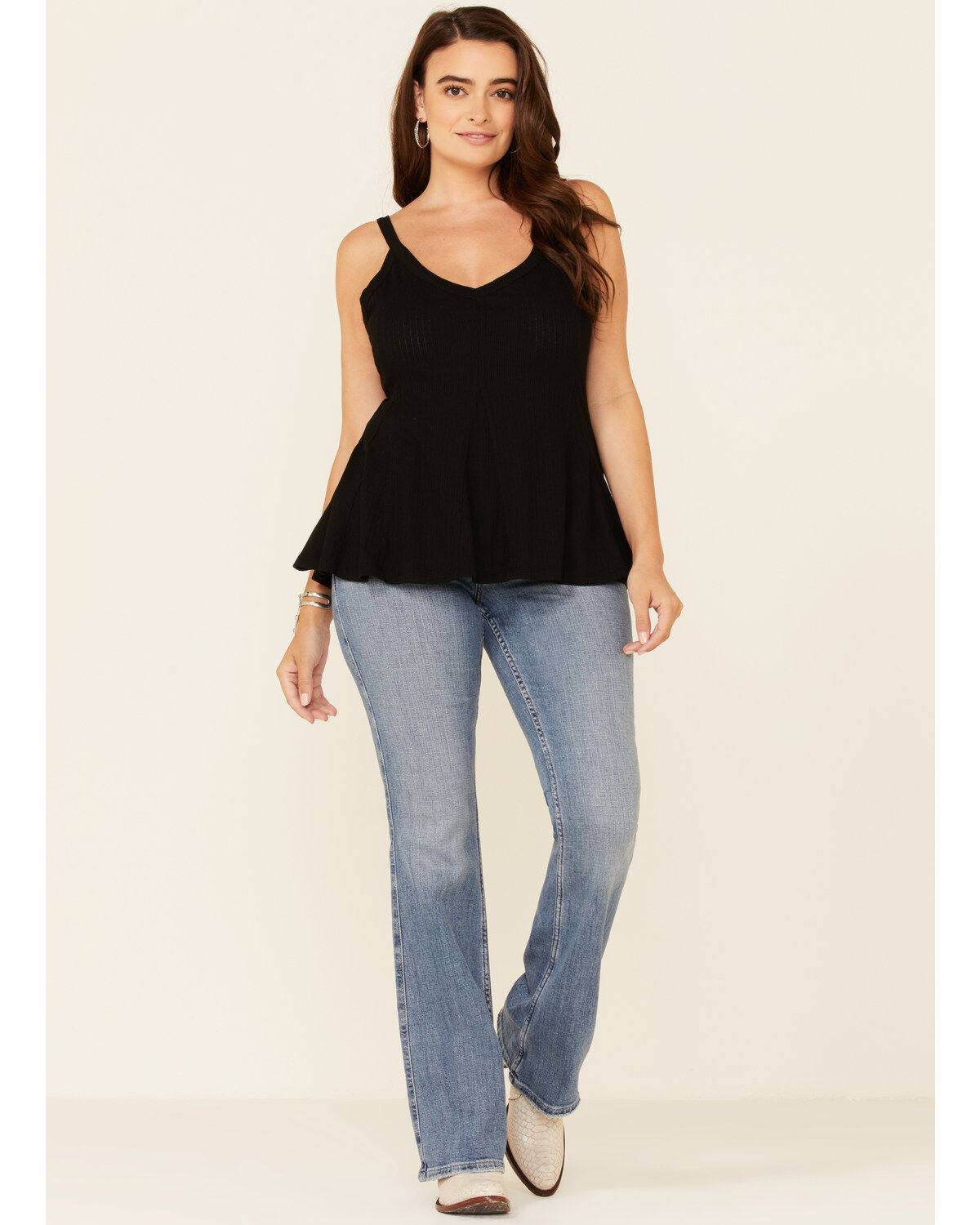
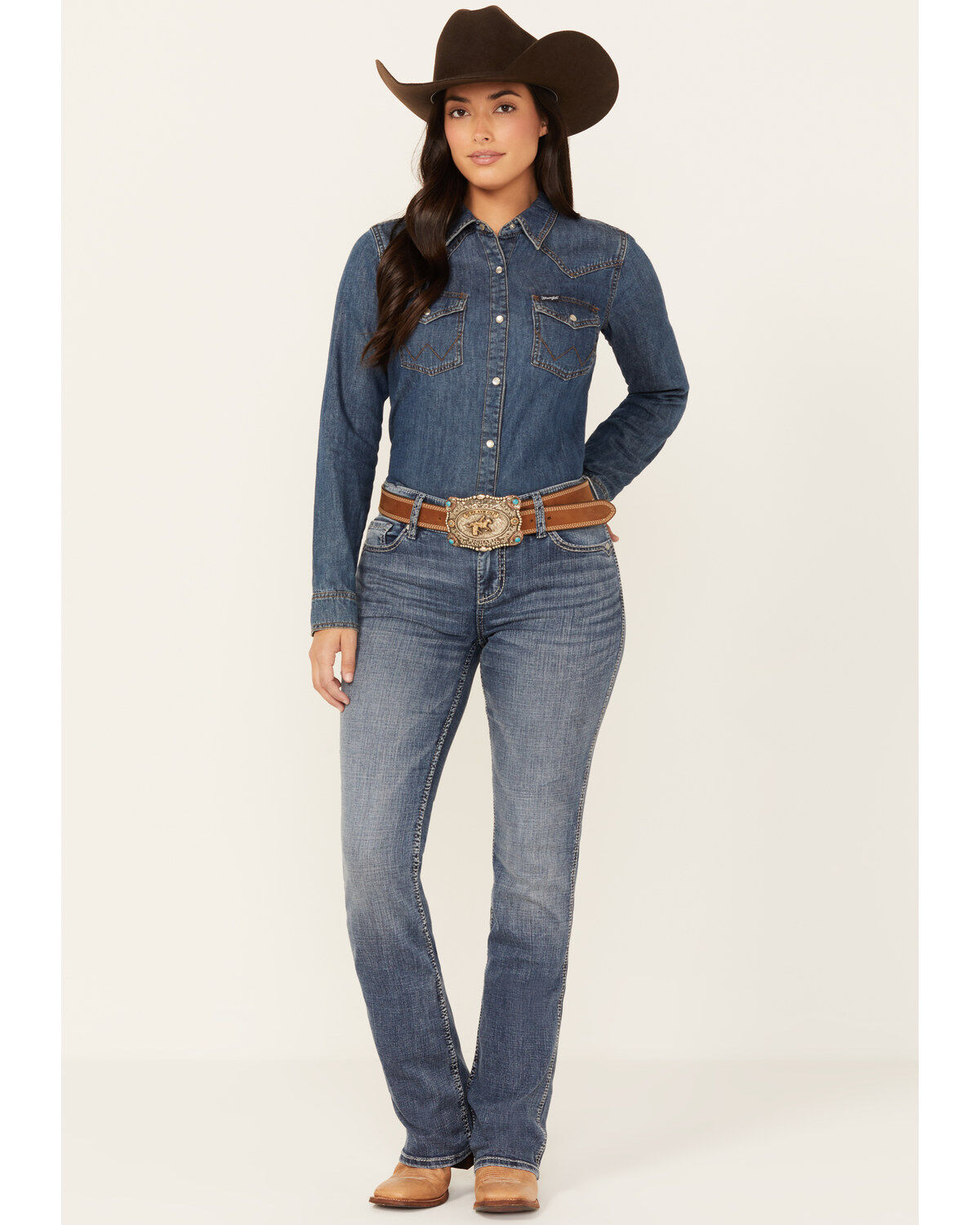
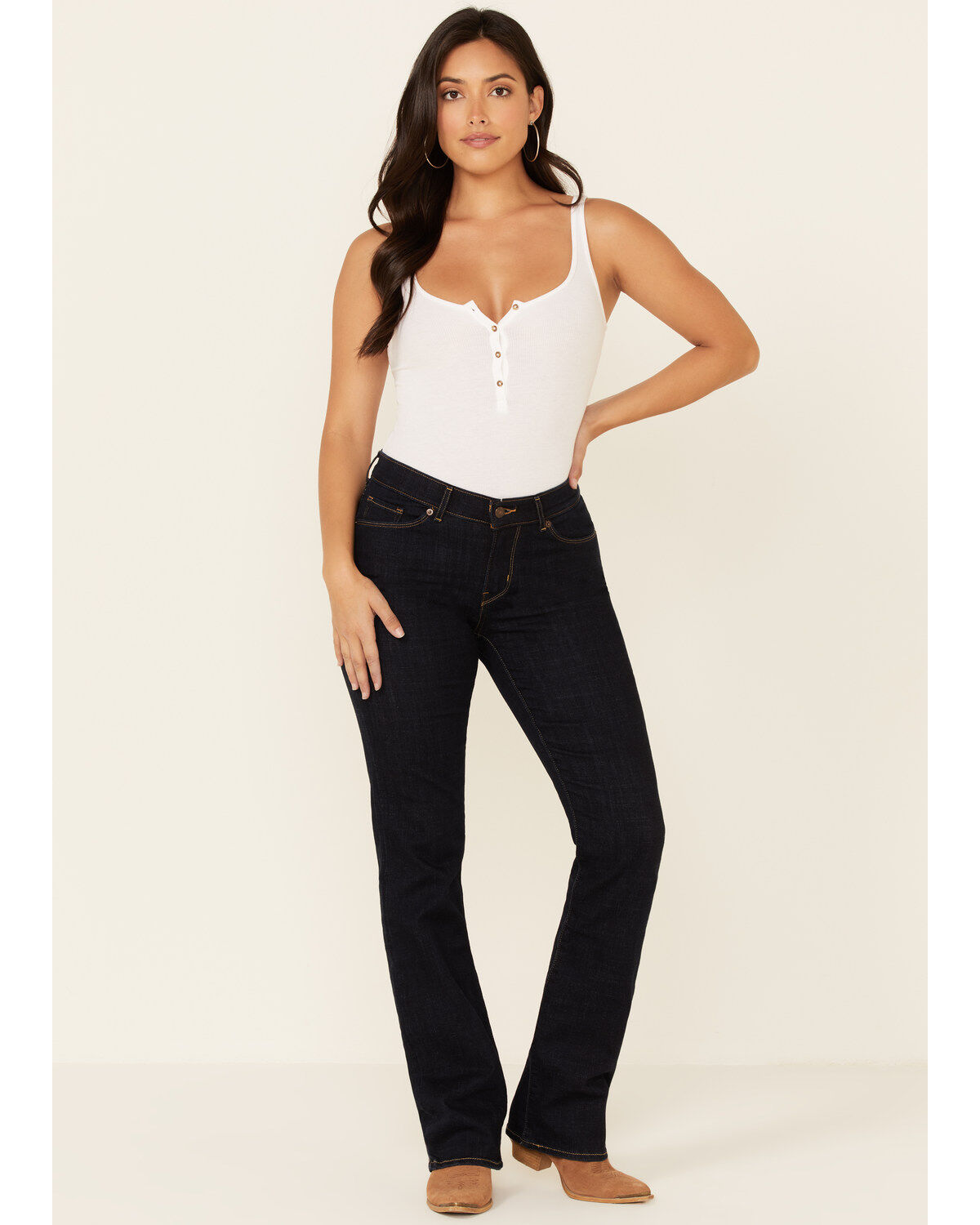
Women's Jeans To Wear With Cowboy Boots

Find women's jeans to wear with cowboy boots for your everyday western wardrobe. As you browse, consider the leg opening and inseam alongside your boot height. For jeans worn over boots, look for room through the shaft and a hem that stays off the ground.

Read More

Shop Your Store: Shop Your Store: Find a Store

(Turn off Shop Your Store to see all items)

(Turn off Shop Your Store to see all items)

close
  • Recommended
  • Lowest Price
  • Highest Price
Skip pass products

End of products

Women's Jeans To Wear With Cowboy Boots

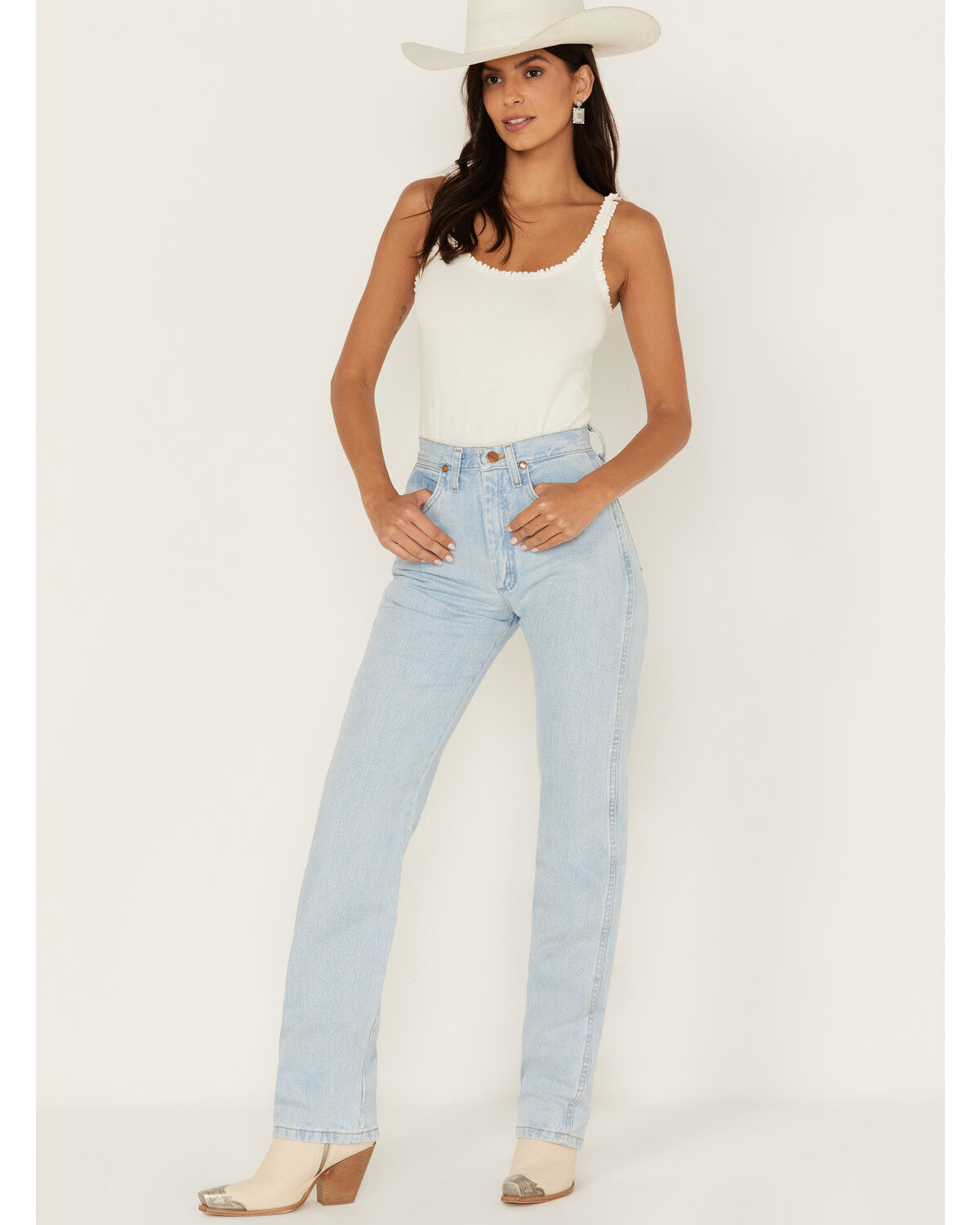
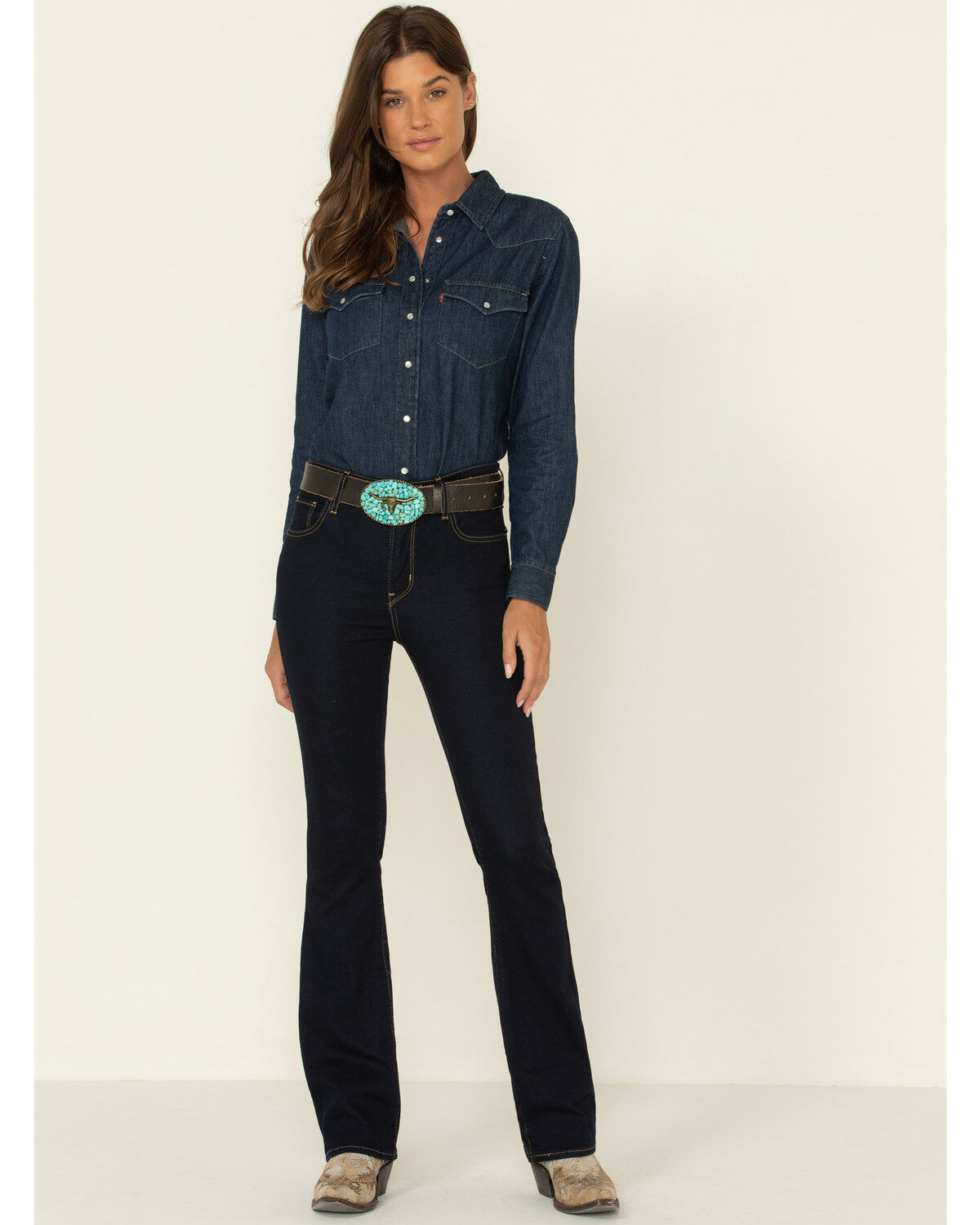
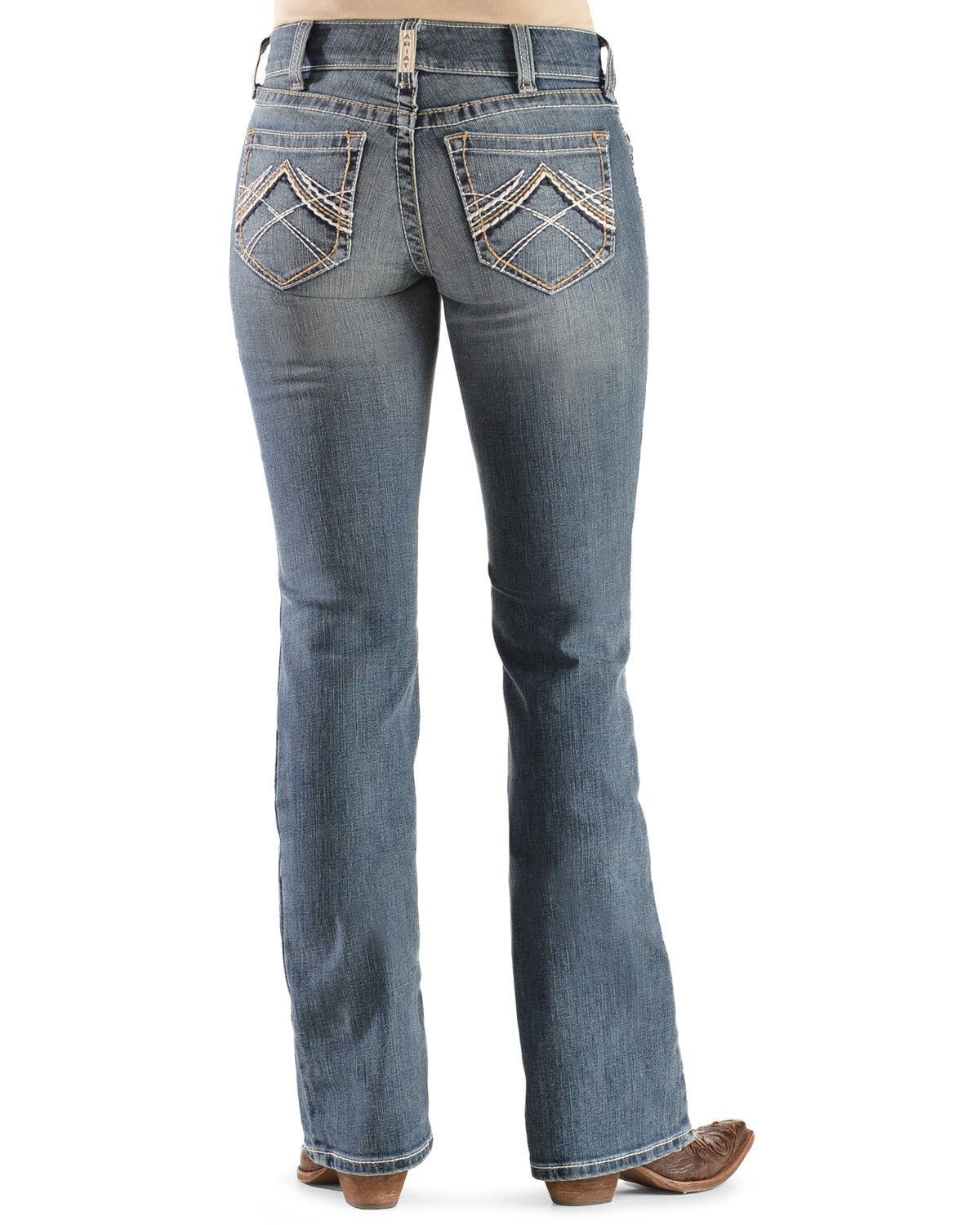
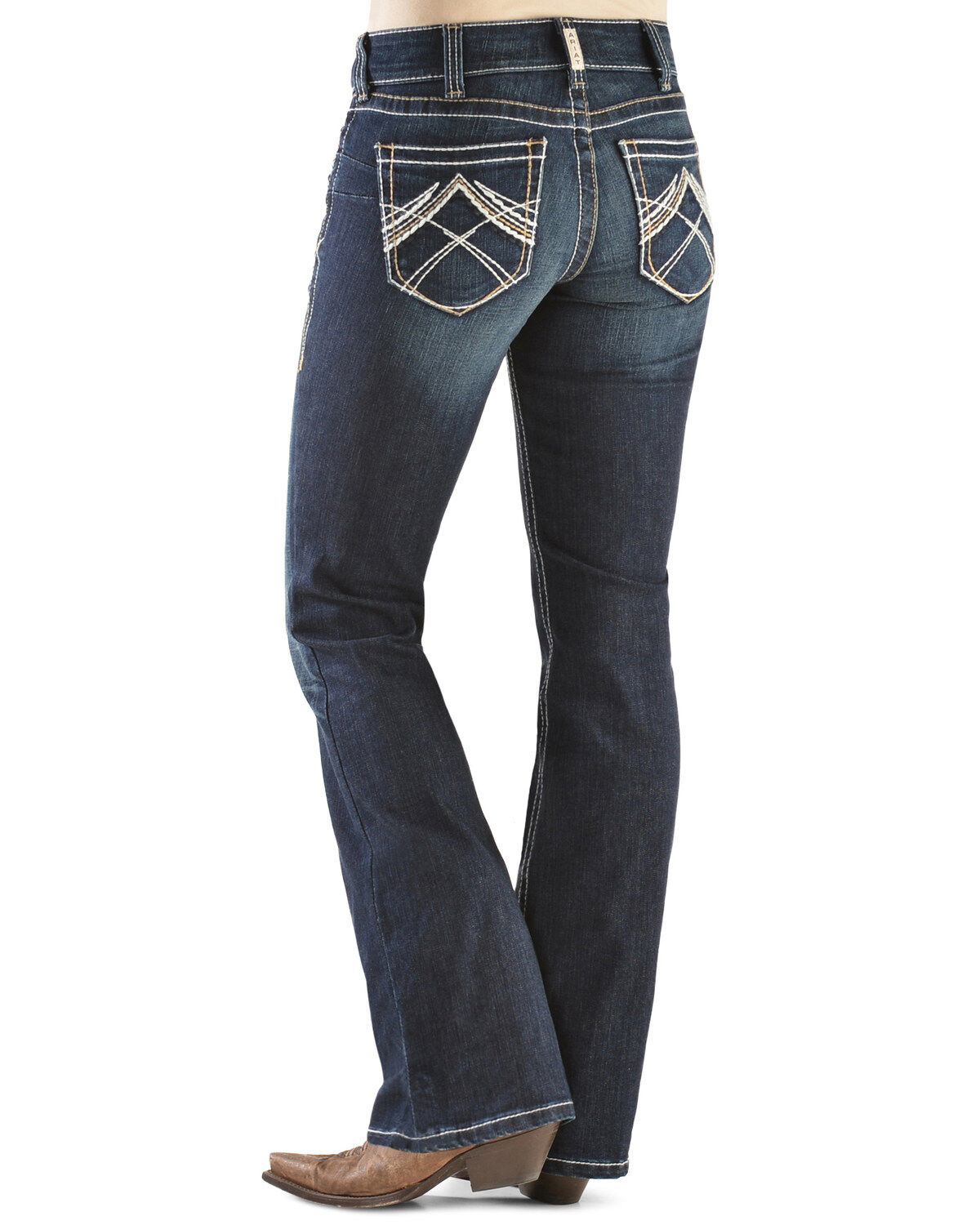
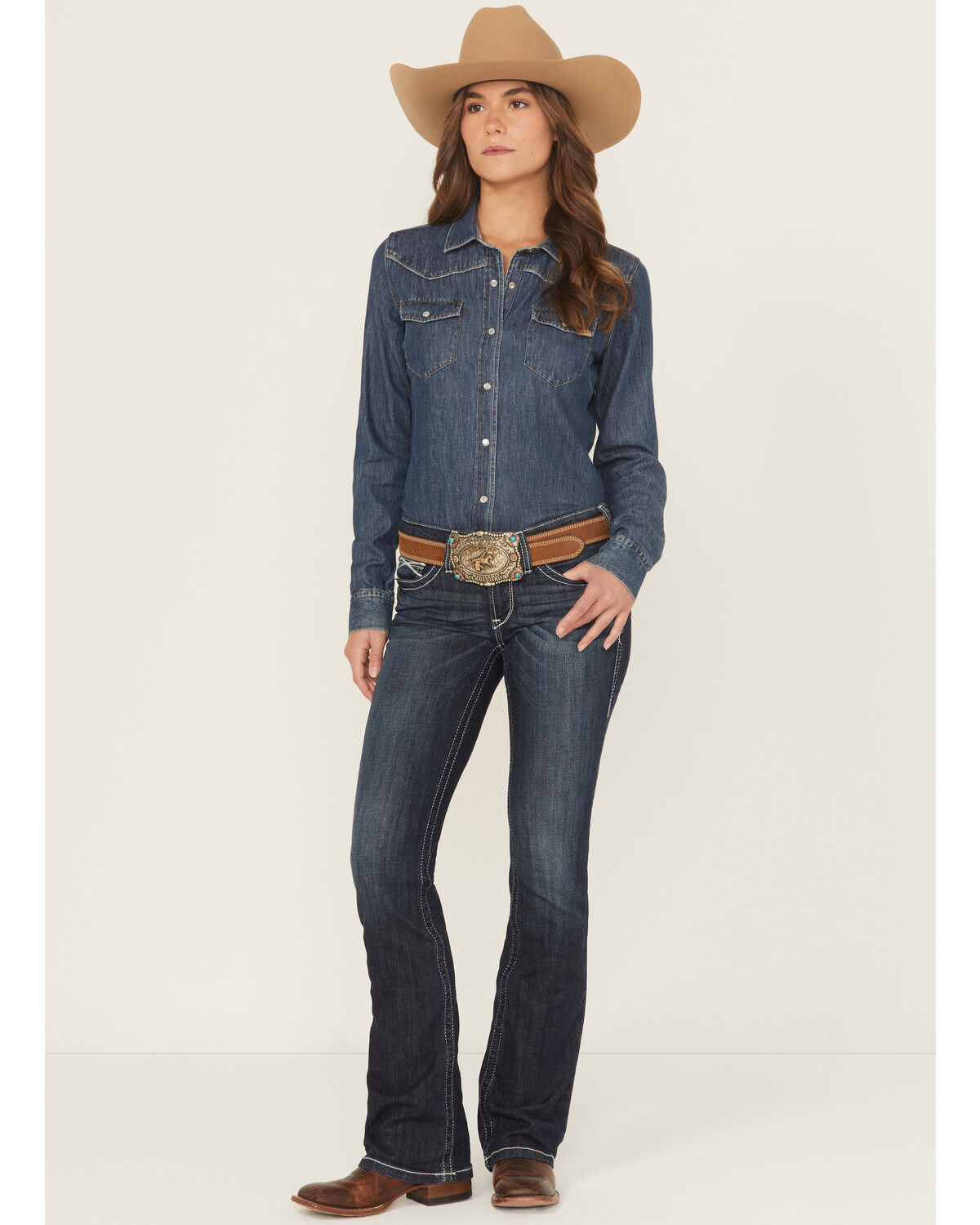
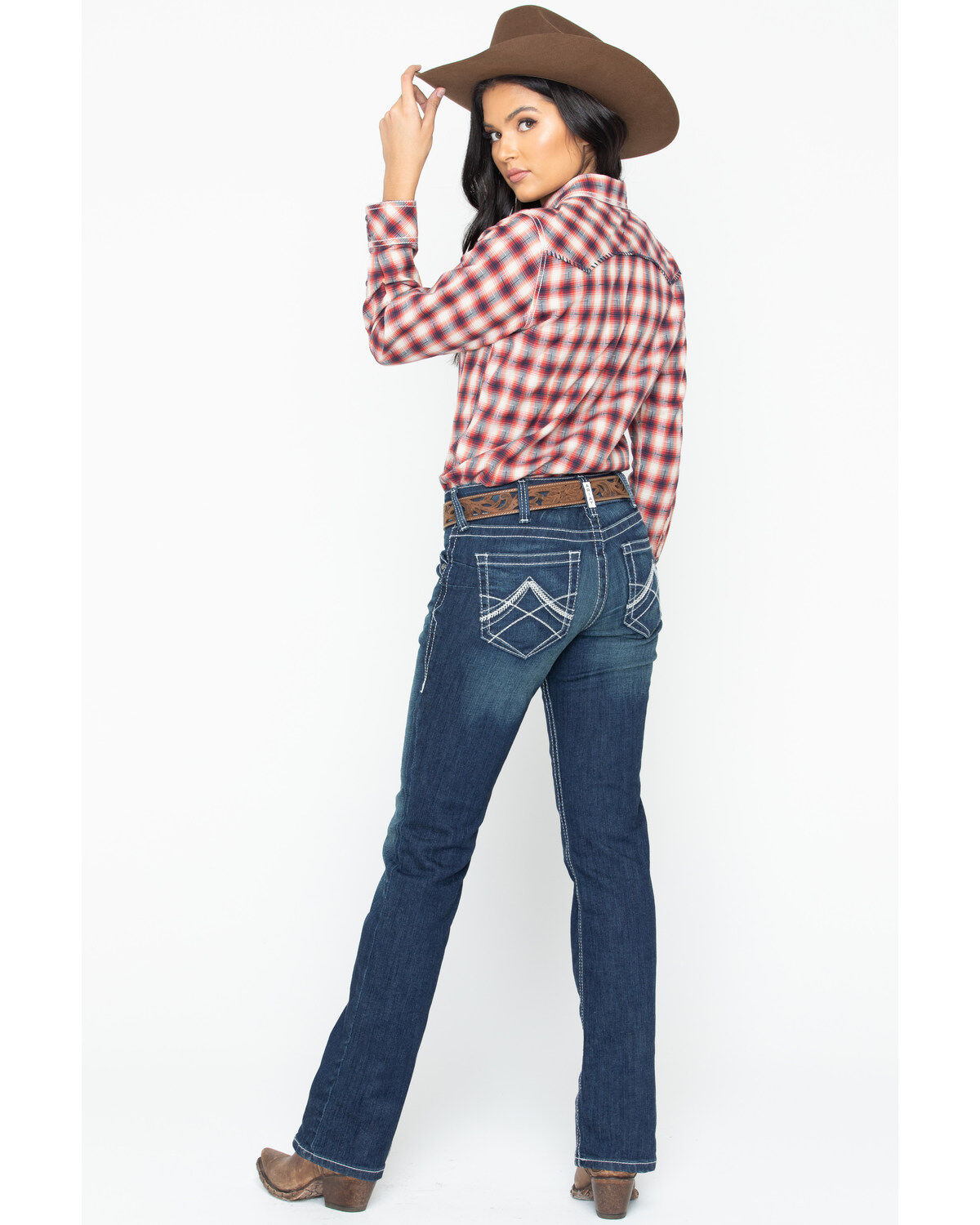
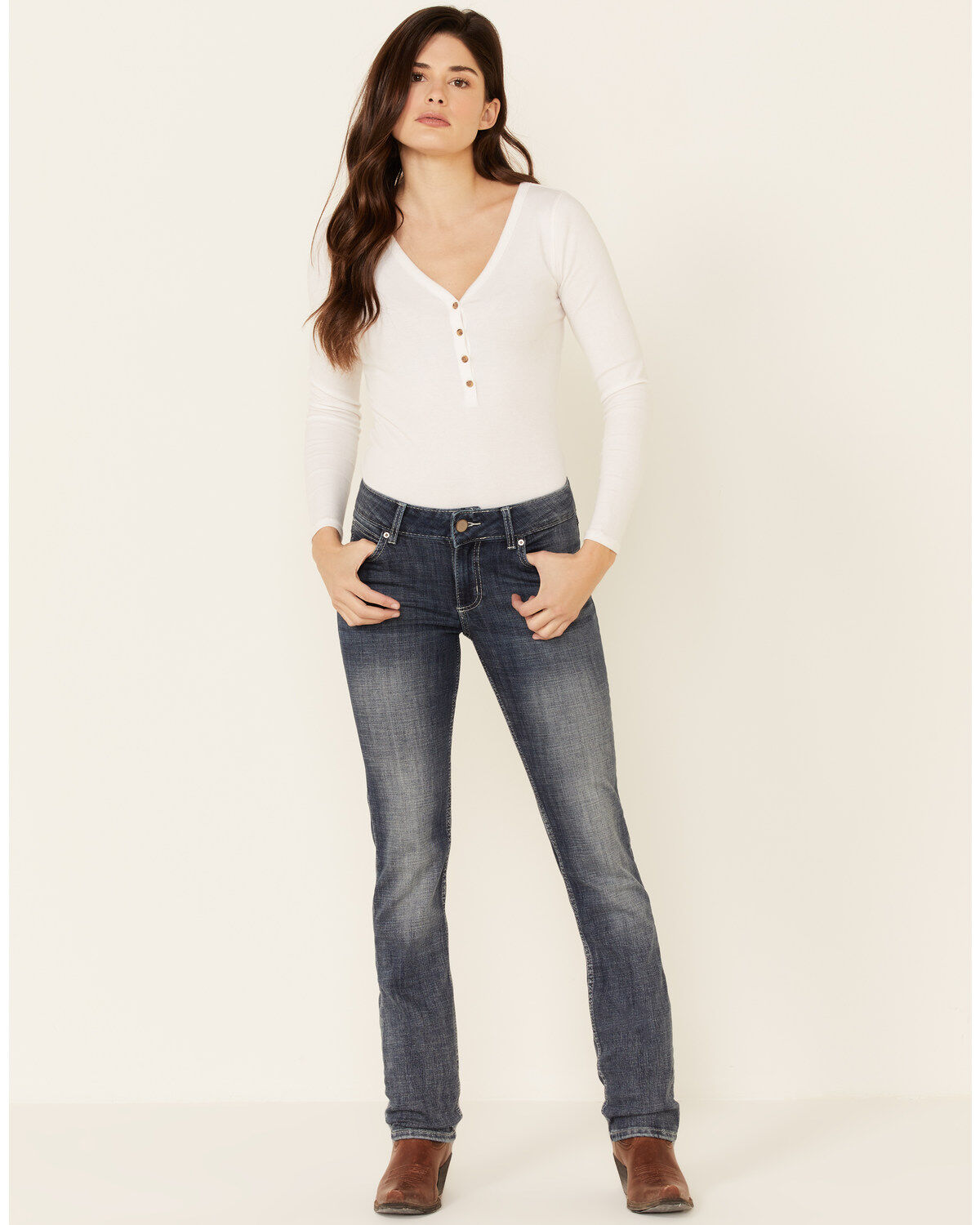
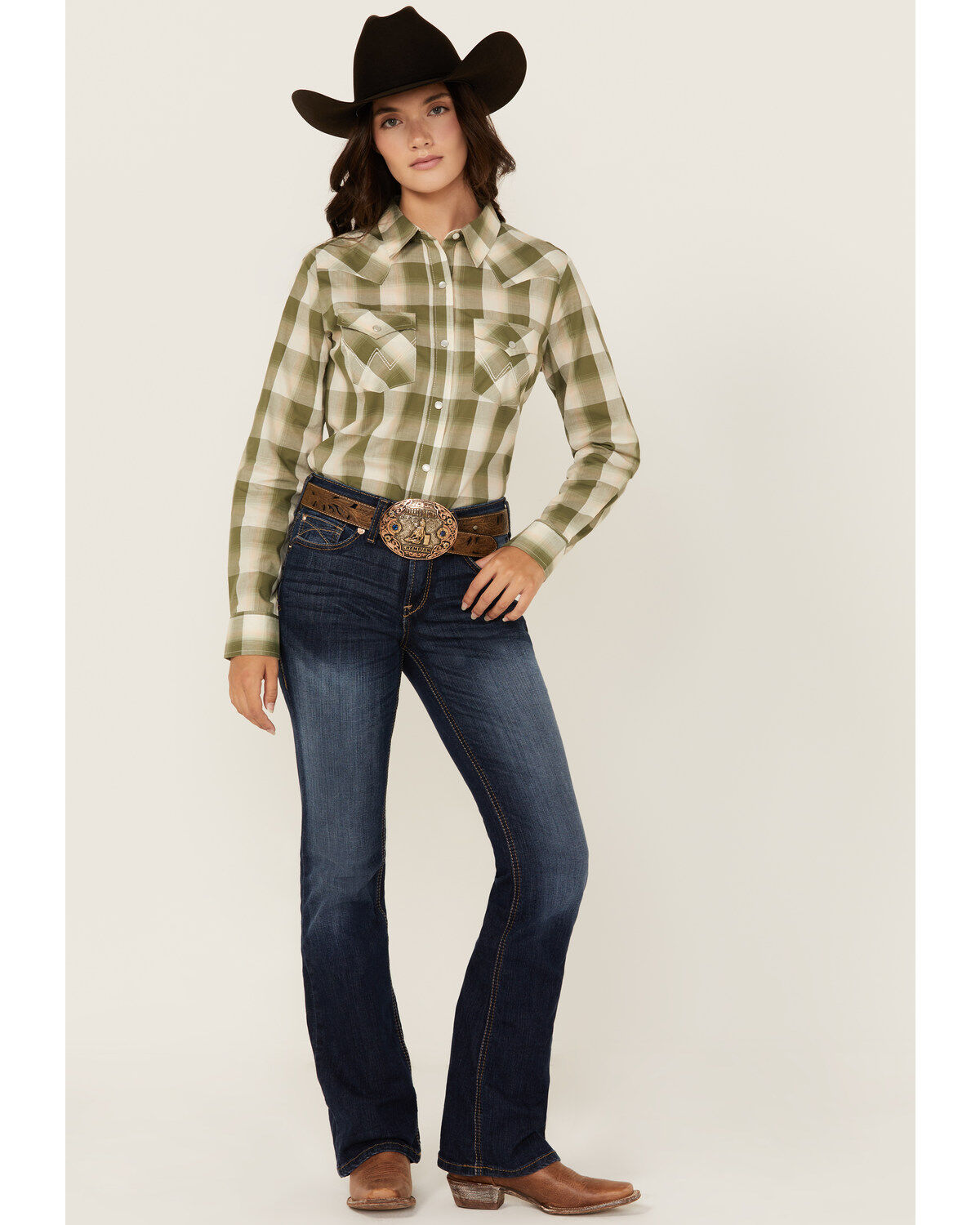
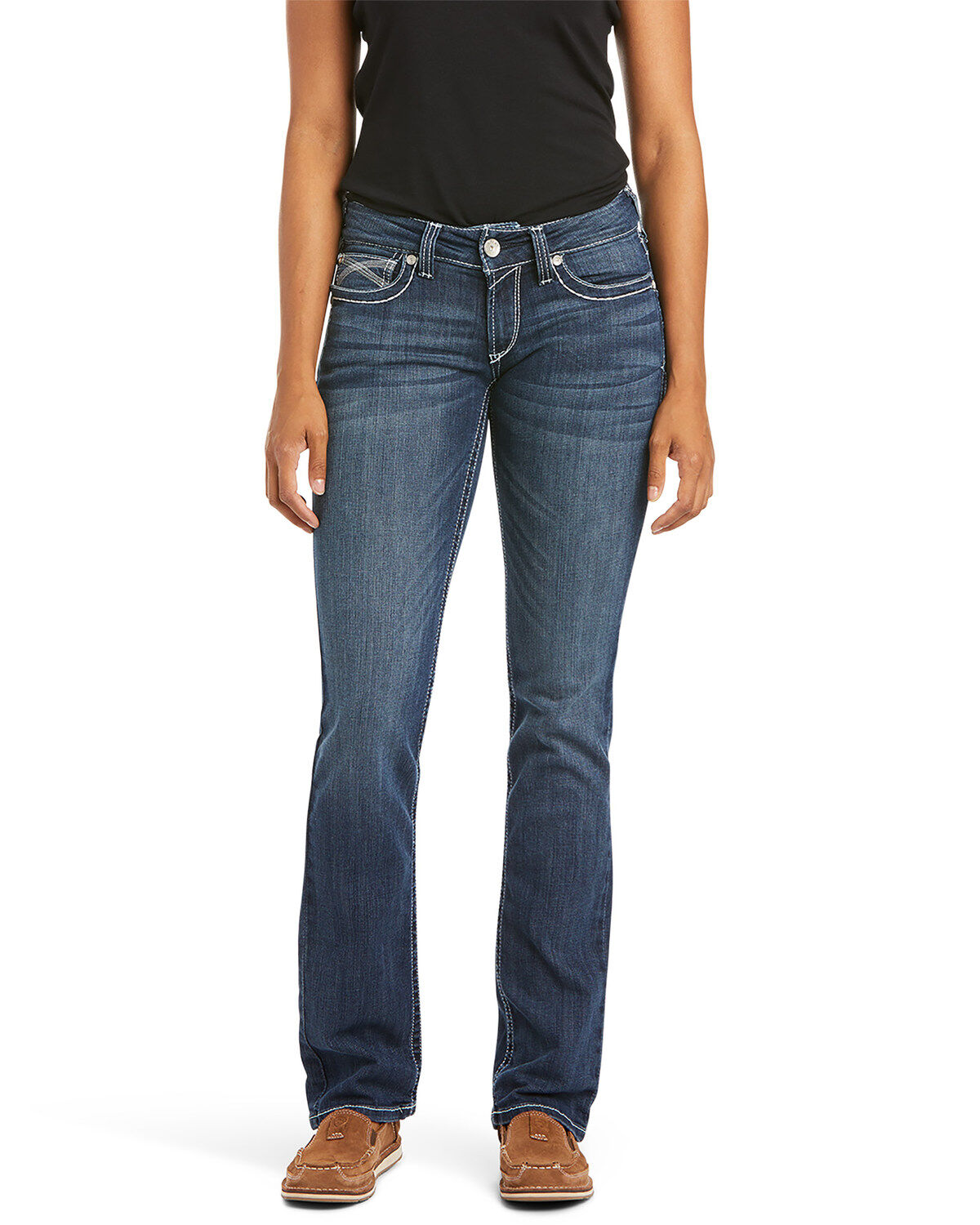
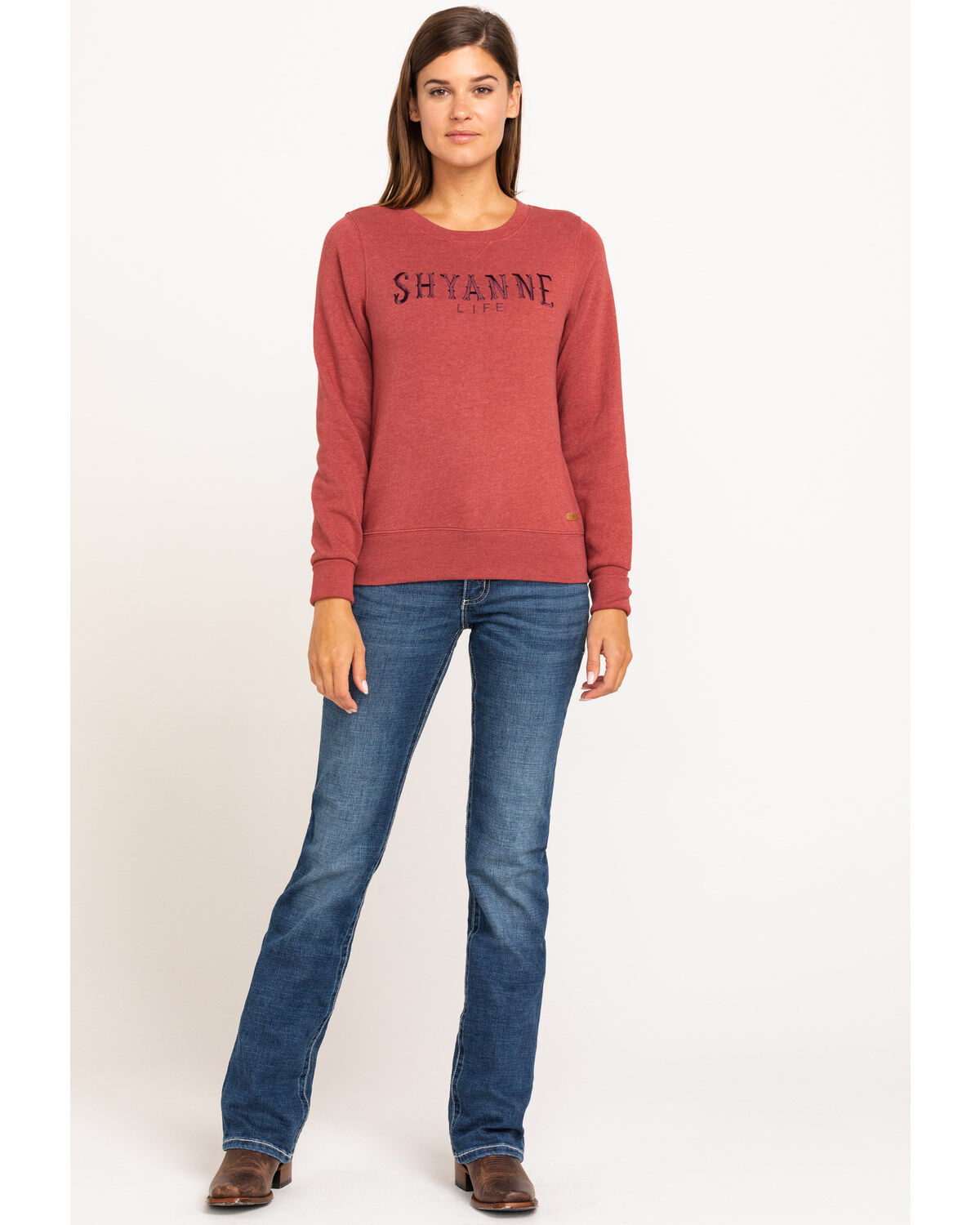
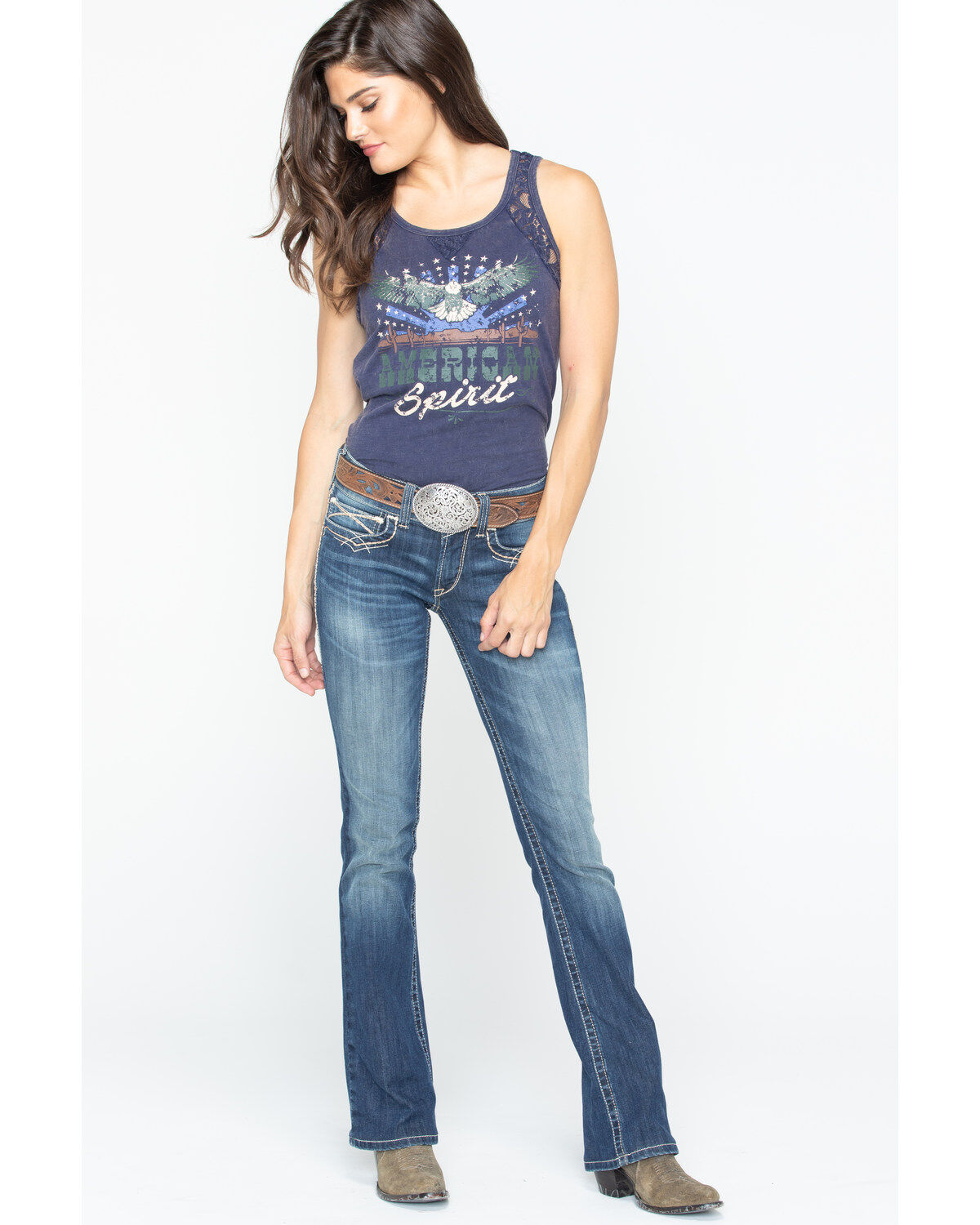
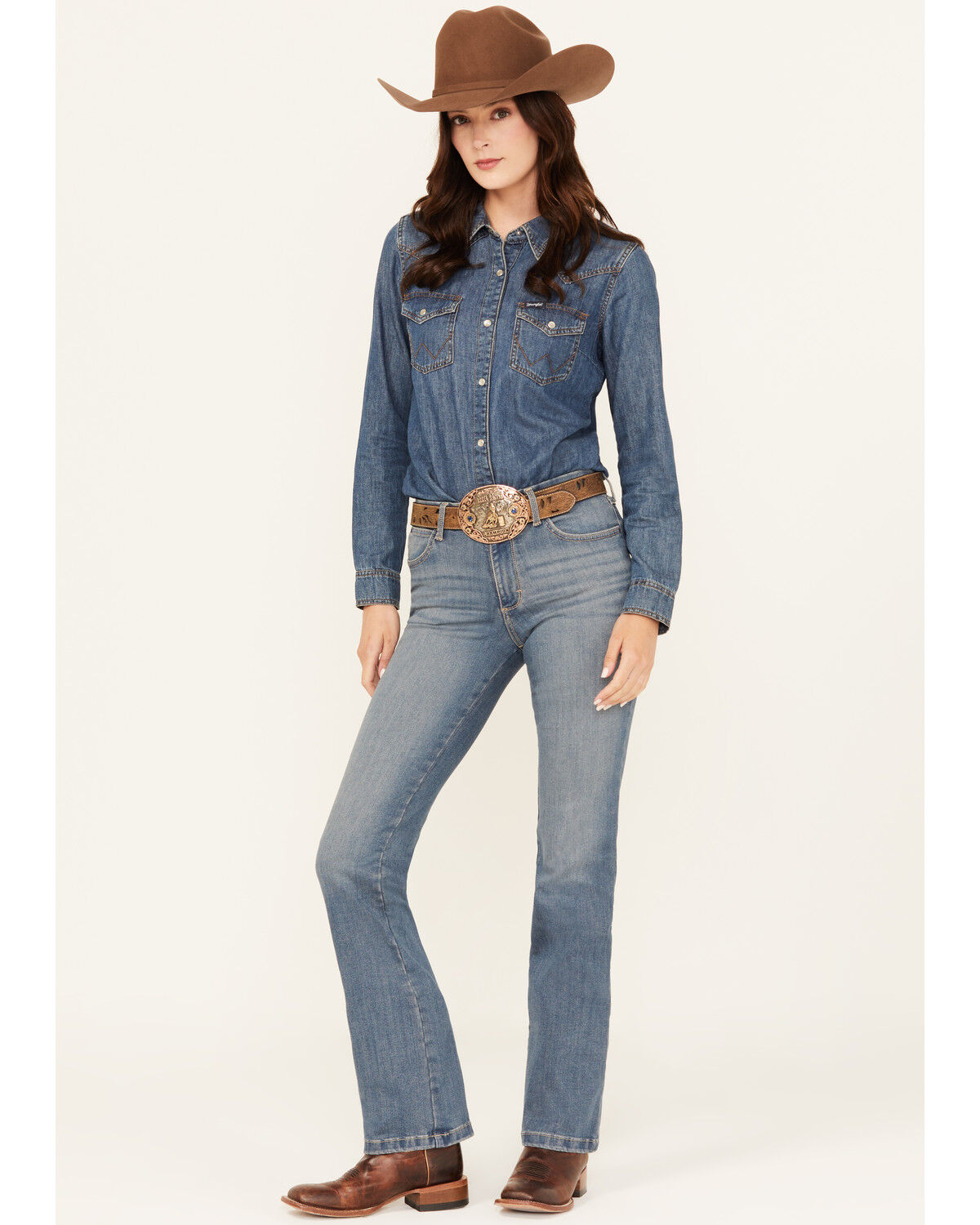
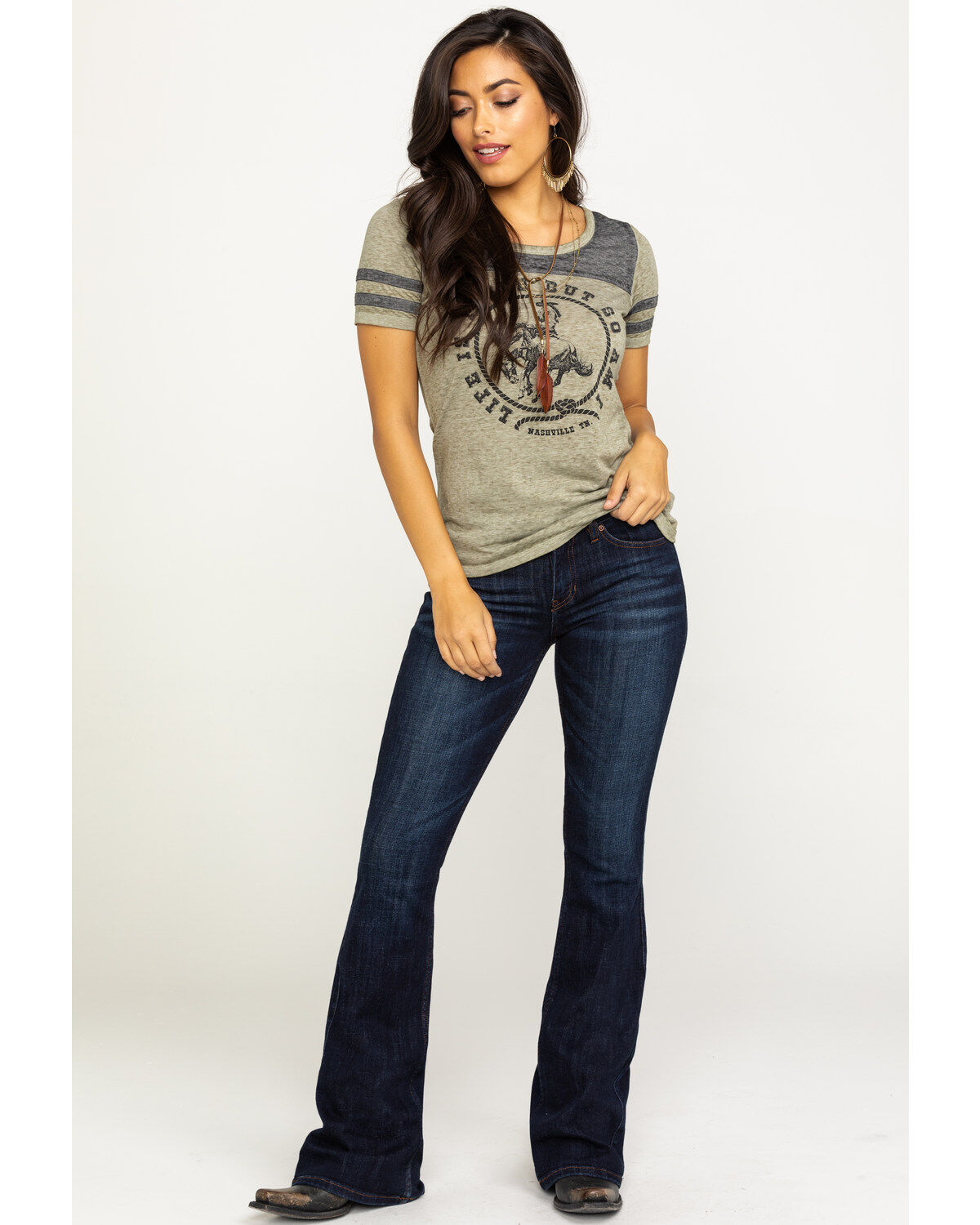
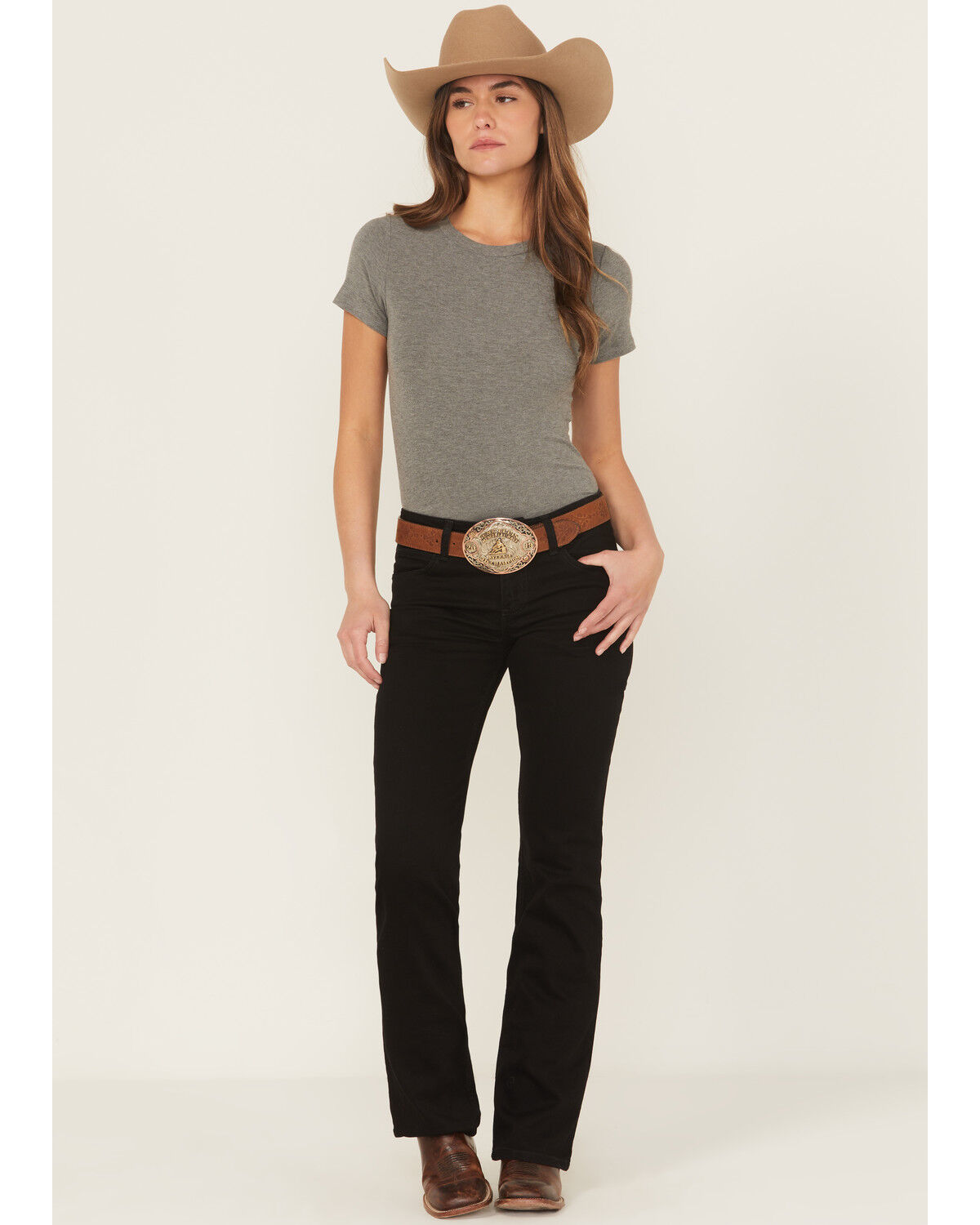
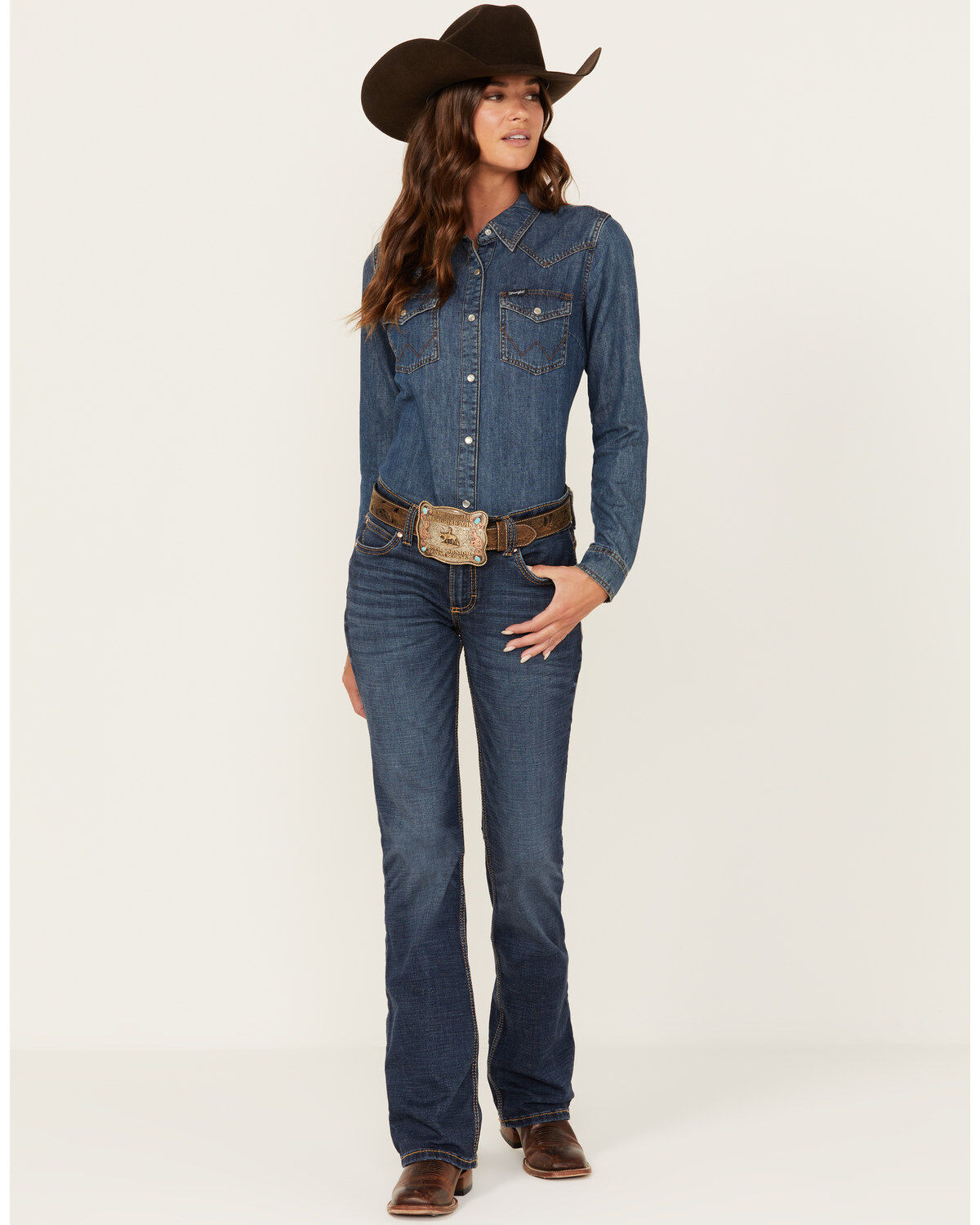
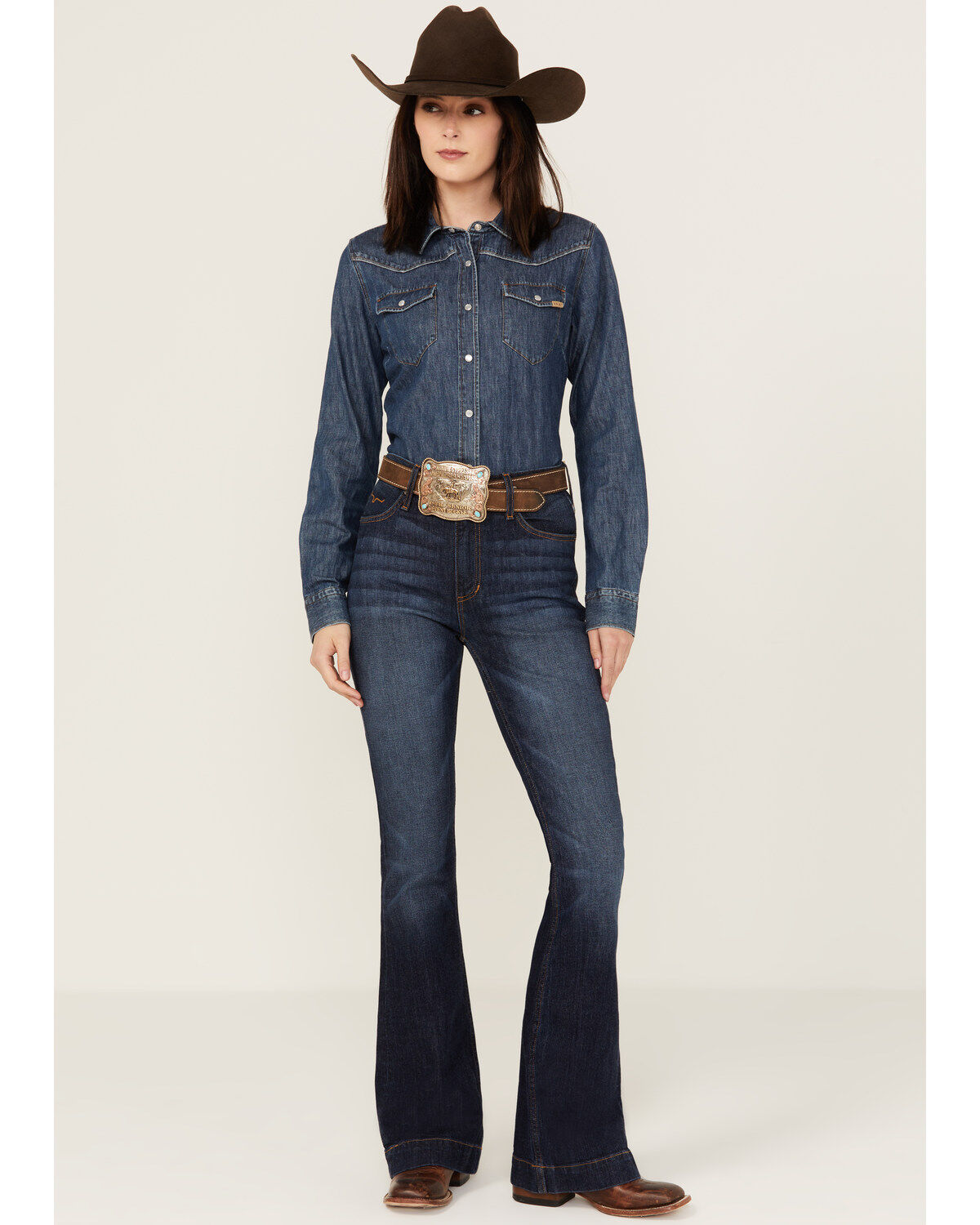
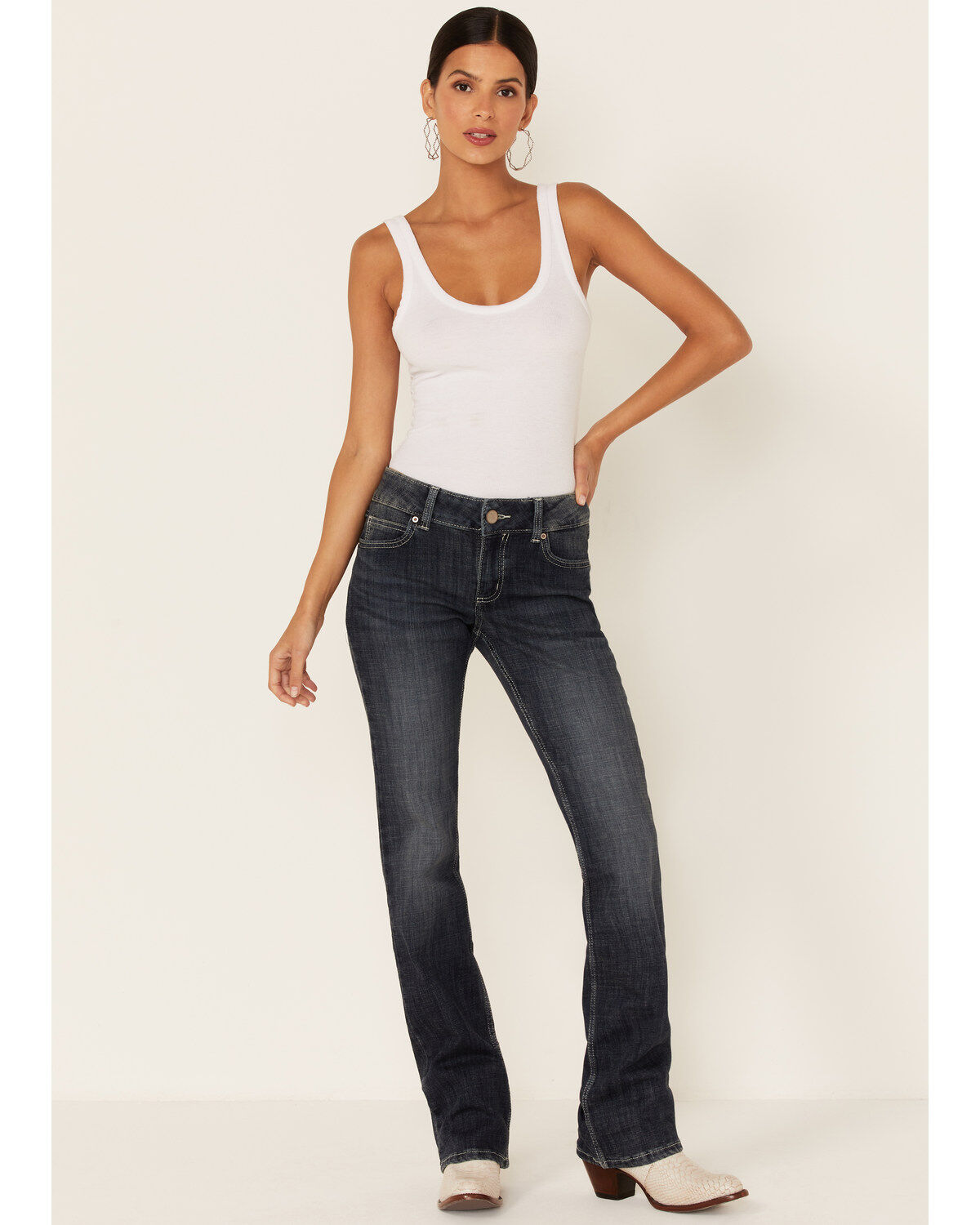
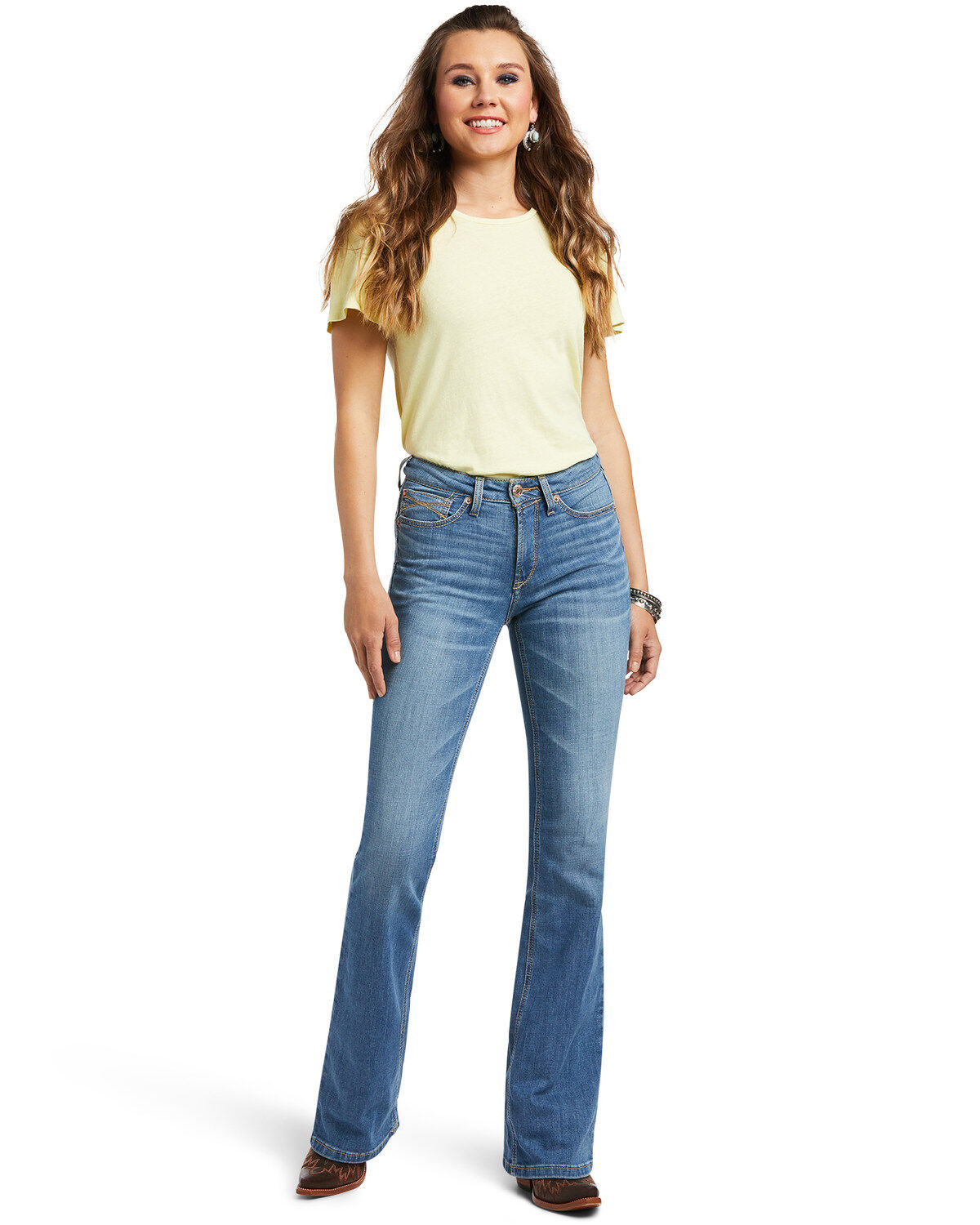
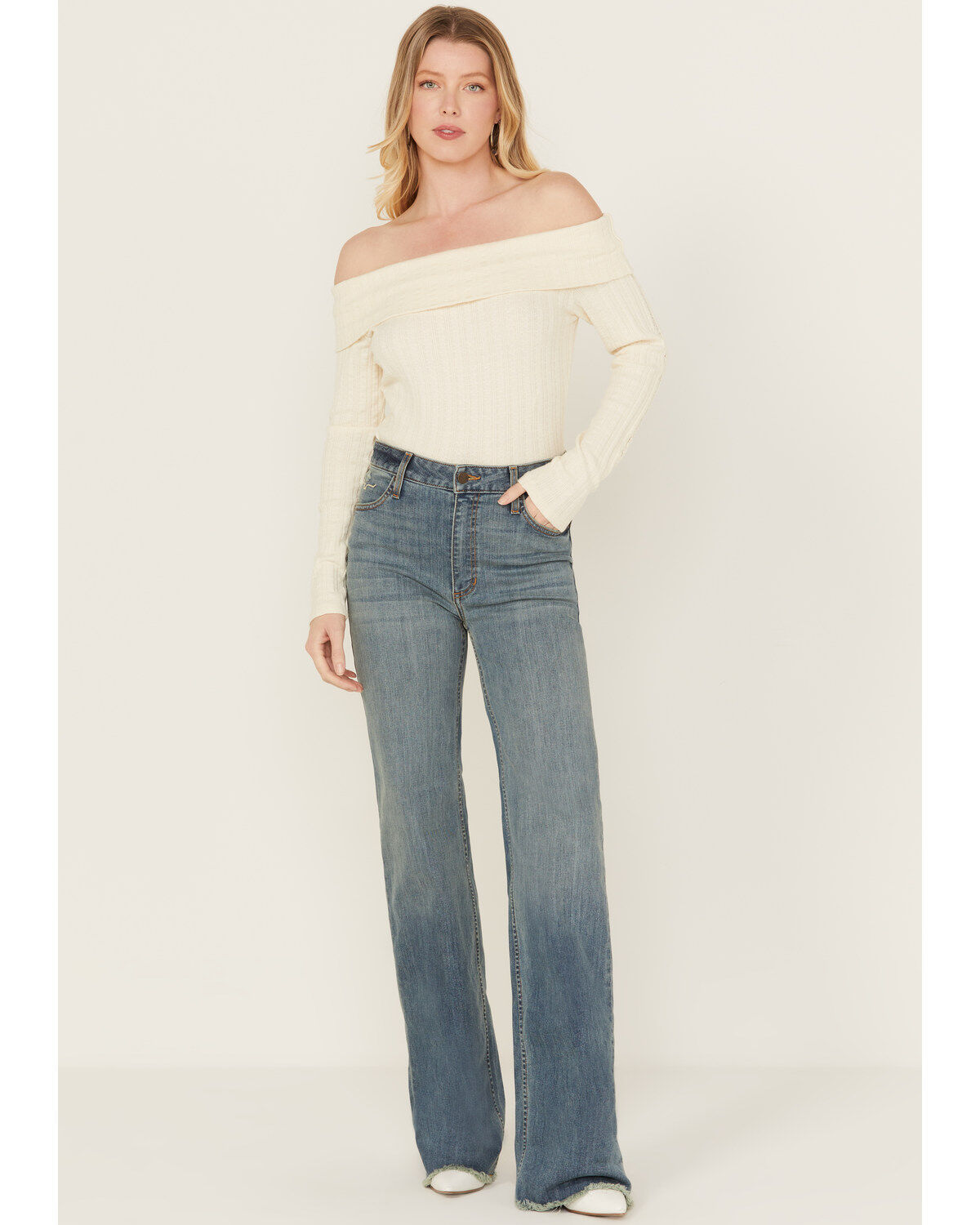
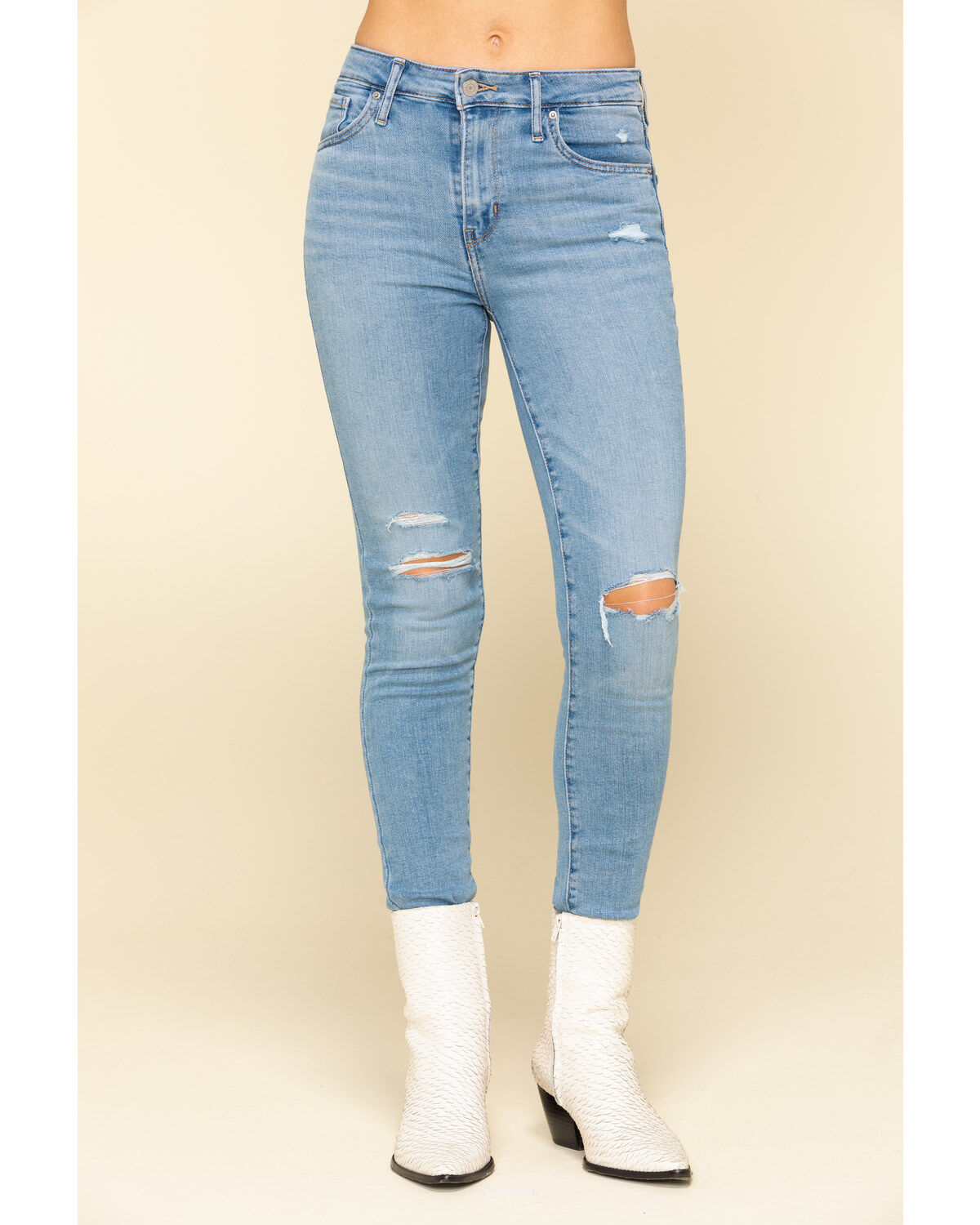
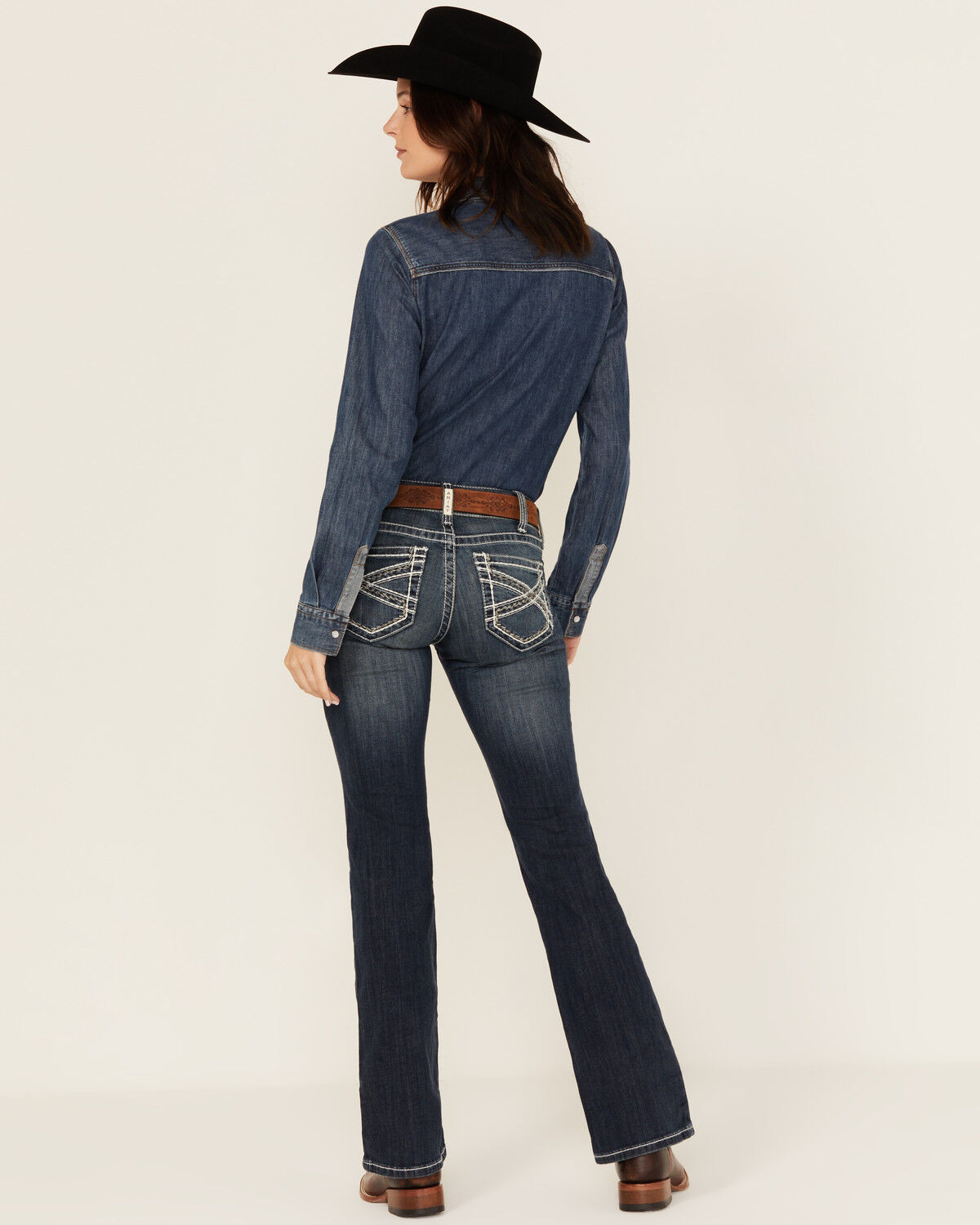
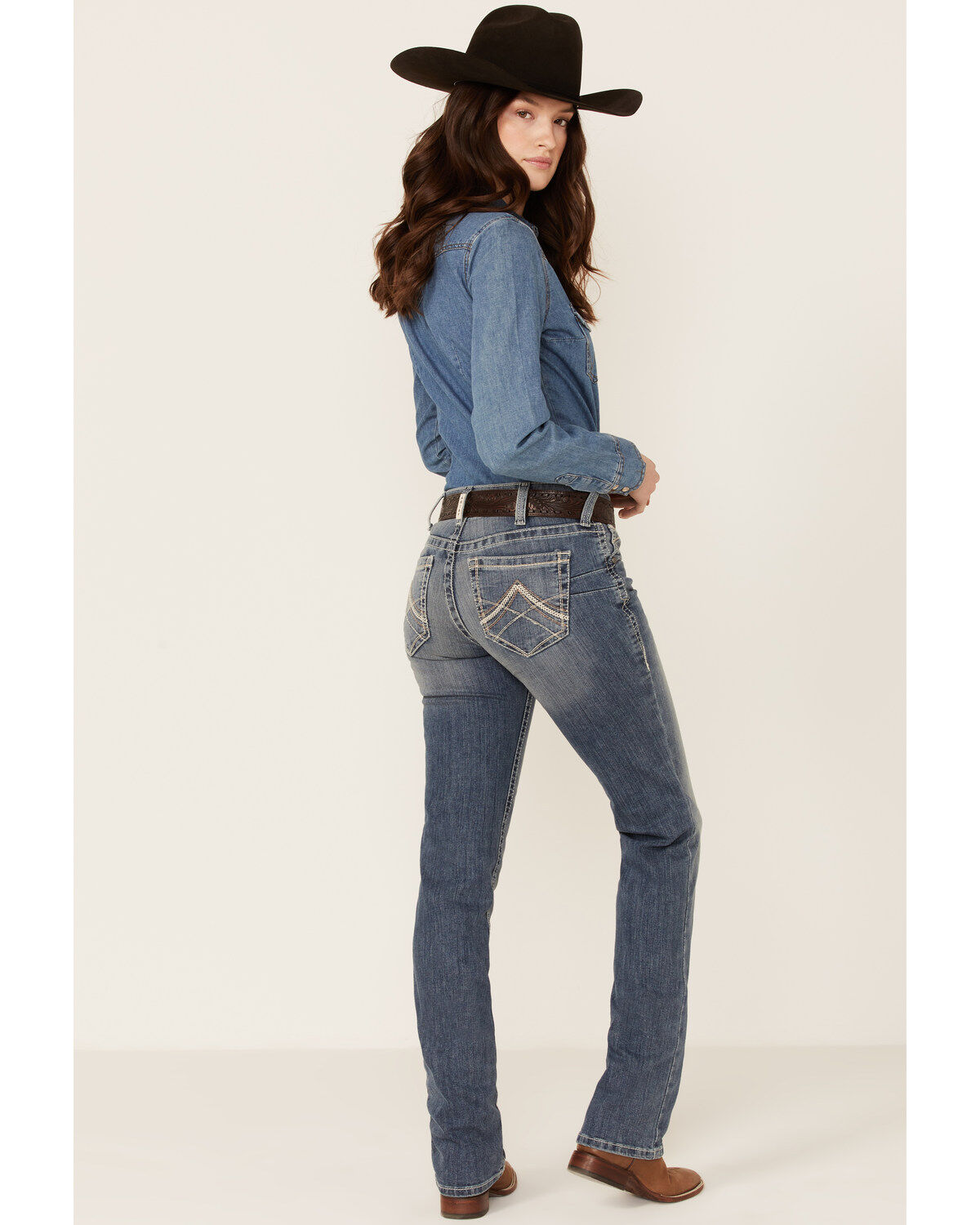
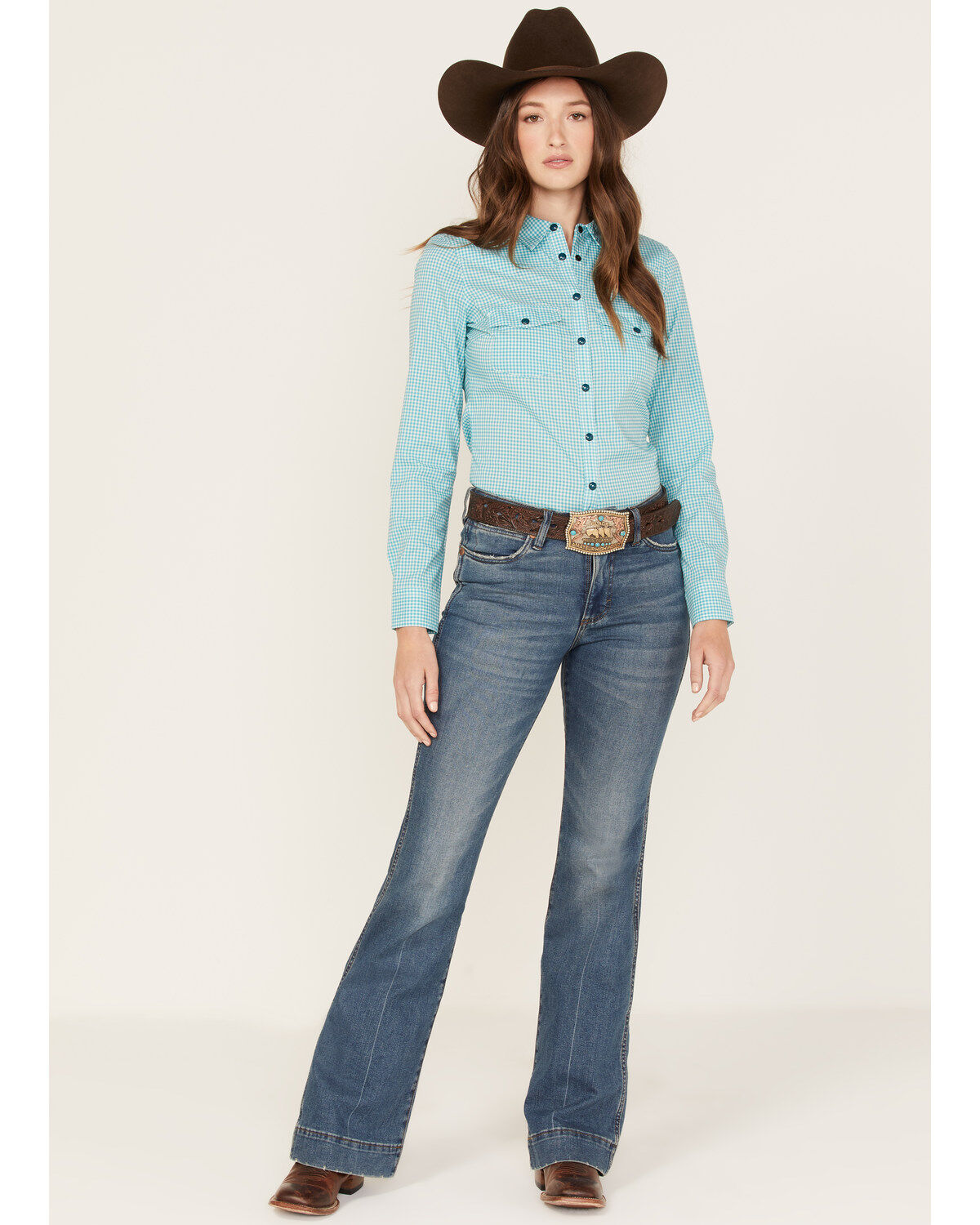
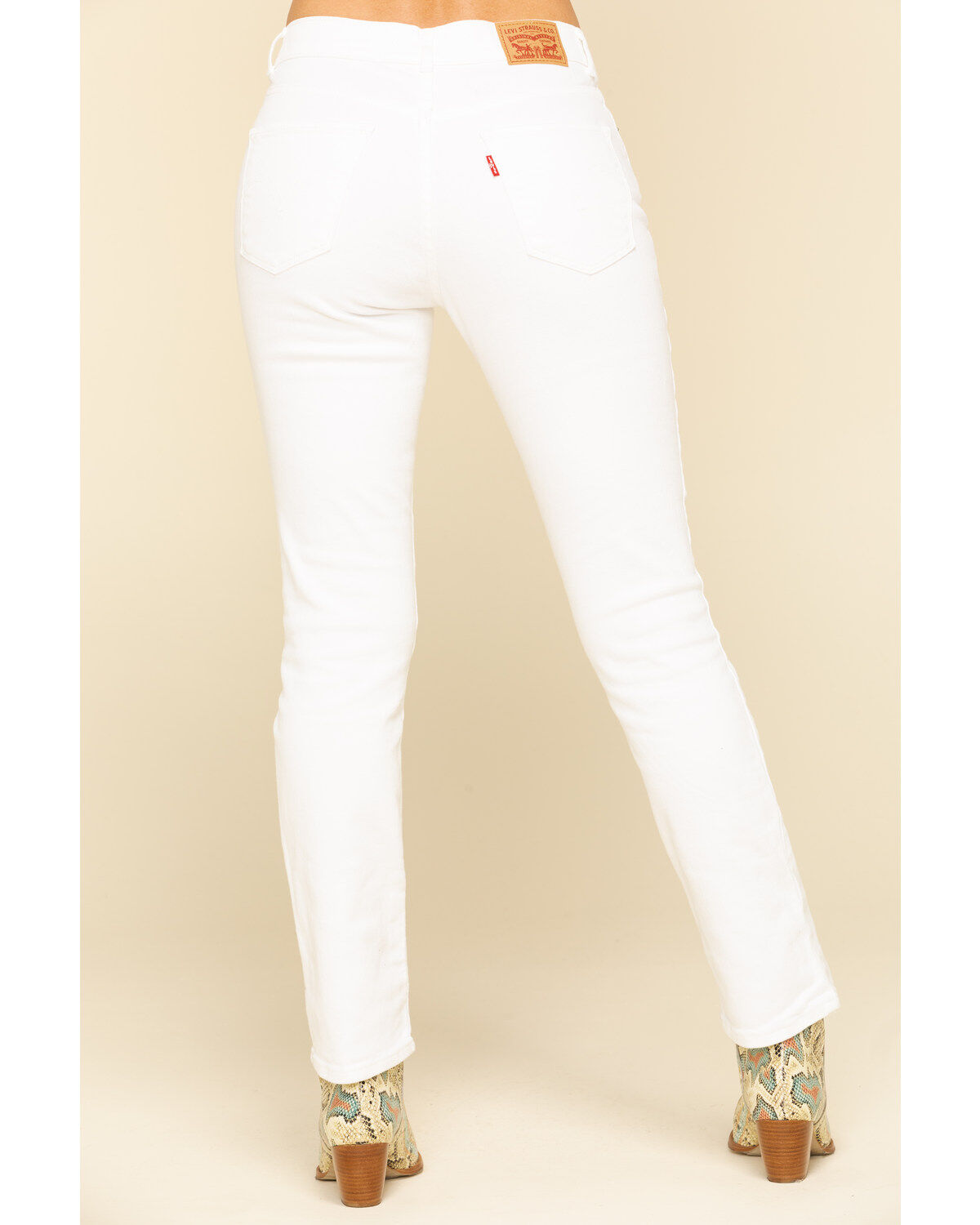
Bootcut, flare, straight-leg, and wide-leg styles are strong choices for women’s jeans to wear with cowboy boots. The right cut depends on the shape of the boot shaft, the height of the heel, and whether the jeans sit over the boots or tuck inside them. Bootcut jeans offer a close fit through the thigh with a modest opening below the knee, giving the shaft room without adding much volume. Flare jeans create a wider opening and a more pronounced shape, especially with a pointed toe and a defined heel. Straight-leg jeans give a cleaner line when the leg opening clears the widest part of the shaft. Wide-leg jeans provide more room throughout the leg, though the hem still needs to fall cleanly around the foot. Skinny jeans and other slim cuts can work inside the shaft when there is enough room to tuck the denim without bunching. For an over-the-boot fit, the fabric should pass over the shaft rather than catch on its edge. A visible ridge at the calf can mean the leg is too narrow for that boot. Length matters just as much as the cut. A hem that rests neatly over the instep keeps the toe visible while covering much of the shaft. Denim dragging beneath the heel wears down quickly and can catch underfoot. The same jeans may fall differently over a low walking heel and a taller riding-style heel, so the boots worn most often are the most useful reference. Rise also changes the fit. High-rise jeans provide more coverage at the waist, while mid-rise styles sit lower and may suit a different torso length. A secure waistband should stay comfortable when sitting, bending, or stepping up. Room through the seat and thigh helps the jeans move naturally instead of pulling across the hips. Together, those details create a pairing that looks intentional and feels practical beyond a few minutes in front of a mirror.

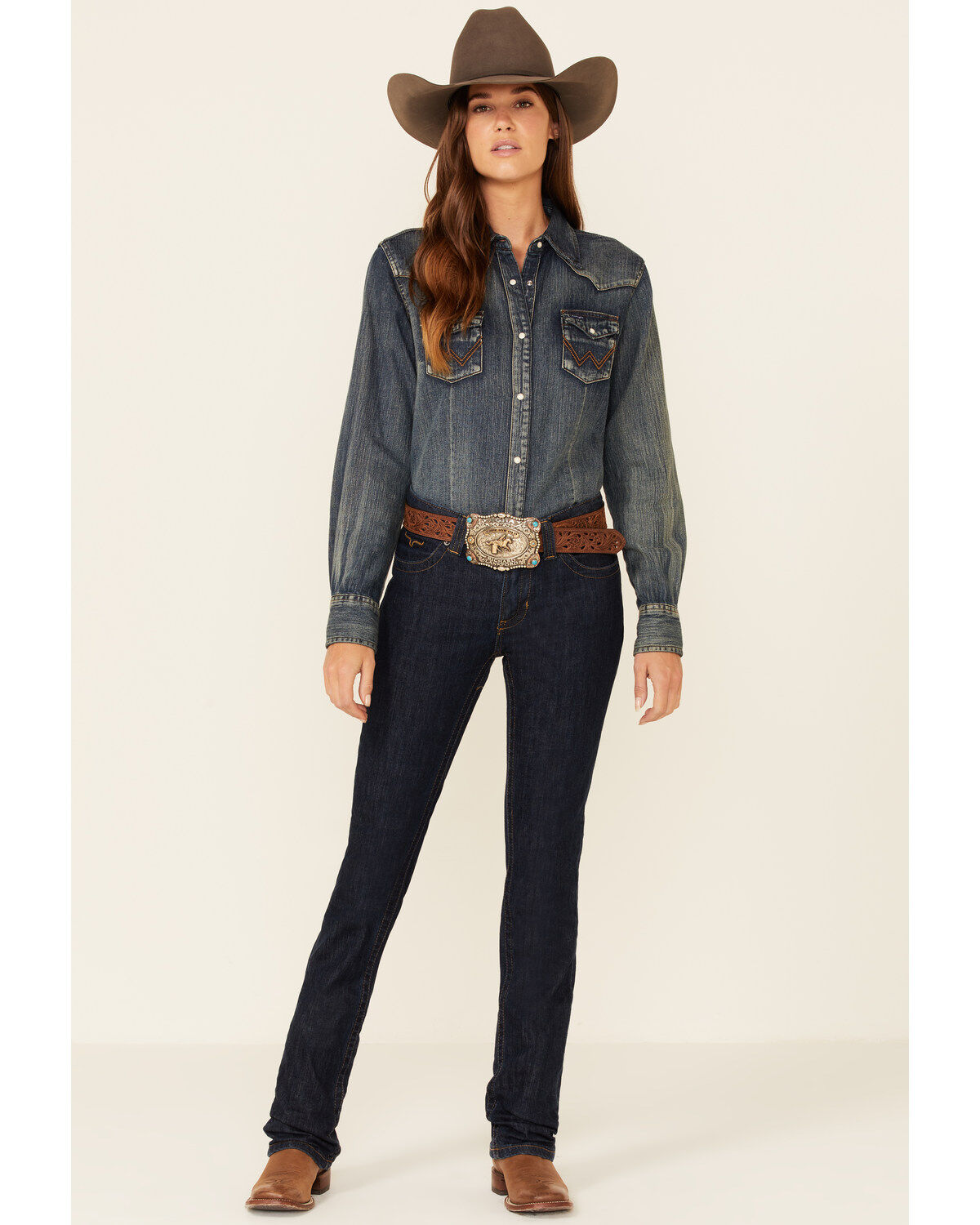
Denim construction influences how jeans feel, hold their shape, and wear over time. All-cotton denim generally has a firmer feel at first and can soften with repeated wear. It suits women who prefer a more structured leg and the substantial feel of traditional jeans. Cotton blends with elastane or spandex add stretch, which can make a close-fitting waist, seat, or thigh more comfortable during a long drive or an evening of dancing. Fiber percentages alone do not tell the whole story; fabric weight, weave, and garment construction also affect how much the jeans give and how well they retain their shape. Heavier denim often hangs with more structure, while lighter denim tends to drape more freely around the boot. Neither is automatically the better choice. A relaxed afternoon, time around horses, and a dinner out can call for different balances of movement, coverage, and finish. For riding, adequate room through the hips and thighs matters, and sitting in the saddle changes where the hem falls. For walking or standing, a comfortable waistband and a hem that clears the ground deserve equal attention. Flat seams and smooth pocket placement can also make a difference during extended wear. Clean dark washes give cowboy boots a more polished setting, while medium and light washes bring out the familiar grain and fading of denim. Dark indigo with a simple western shirt creates a straightforward outfit without needing much decoration. Faded jeans with a plain top let stitching, leather texture, or the shape of the boots stand out. Distressing adds texture, but open areas leave less fabric between the skin and surrounding surfaces. Reinforced stress points, secure belt loops, even stitching, and firmly attached pockets are useful signs of careful construction. Pocket size and placement affect the overall look, too, especially on a fitted seat. The strongest pairing is not necessarily the most detailed one. A consistent fit, a clean hem, and enough space around the boot usually do more than extra trim.

Comfort and durability become clearer with regular wear, which makes fit and care worth considering together. Jeans that strain at the zipper, pull sharply across the pockets, or twist along the leg may need a different size or cut rather than more time to break in. Stretch fabric should allow movement without requiring the waistband to dig in, and rigid denim should still leave room to sit comfortably. Women whose waist and hip measurements fall into different size ranges may find a contoured waistband or a curvier cut more comfortable than sizing up throughout the leg. Inseam measurements are most useful when considered alongside rise, leg shape, and the boots themselves. Trying jeans with the intended boots shows whether the hem catches on the shaft, stacks heavily at the ankle, or slips beneath the heel. If alterations are needed, measuring with those boots on helps preserve the intended length. Flared hems need particular care because shortening them can change the width of the opening. Following the garment’s care label helps protect both fit and finish. Washing denim inside out with similar colors can limit surface abrasion and color transfer. Some dark washes may transfer dye to lighter leather, upholstery, or clothing, particularly early in their wear. Excessive drying heat can affect shrinkage and stretch fibers, so the labeled drying method matters. Prompt repairs to loose stitching or a worn hem can keep a small problem from becoming a larger tear. For a gift, a familiar rise, inseam, and leg shape are more useful starting points than size alone. Someone who wears boots daily may value a dependable bootcut, while someone who prefers to show the full shaft may favor slim denim tucked inside. Related cuts can also be explored through Jeans To Wear With Boots. The goal remains simple: denim that fits the wearer, clears the boot properly, and stays comfortable through the day.
Read More

FAQs