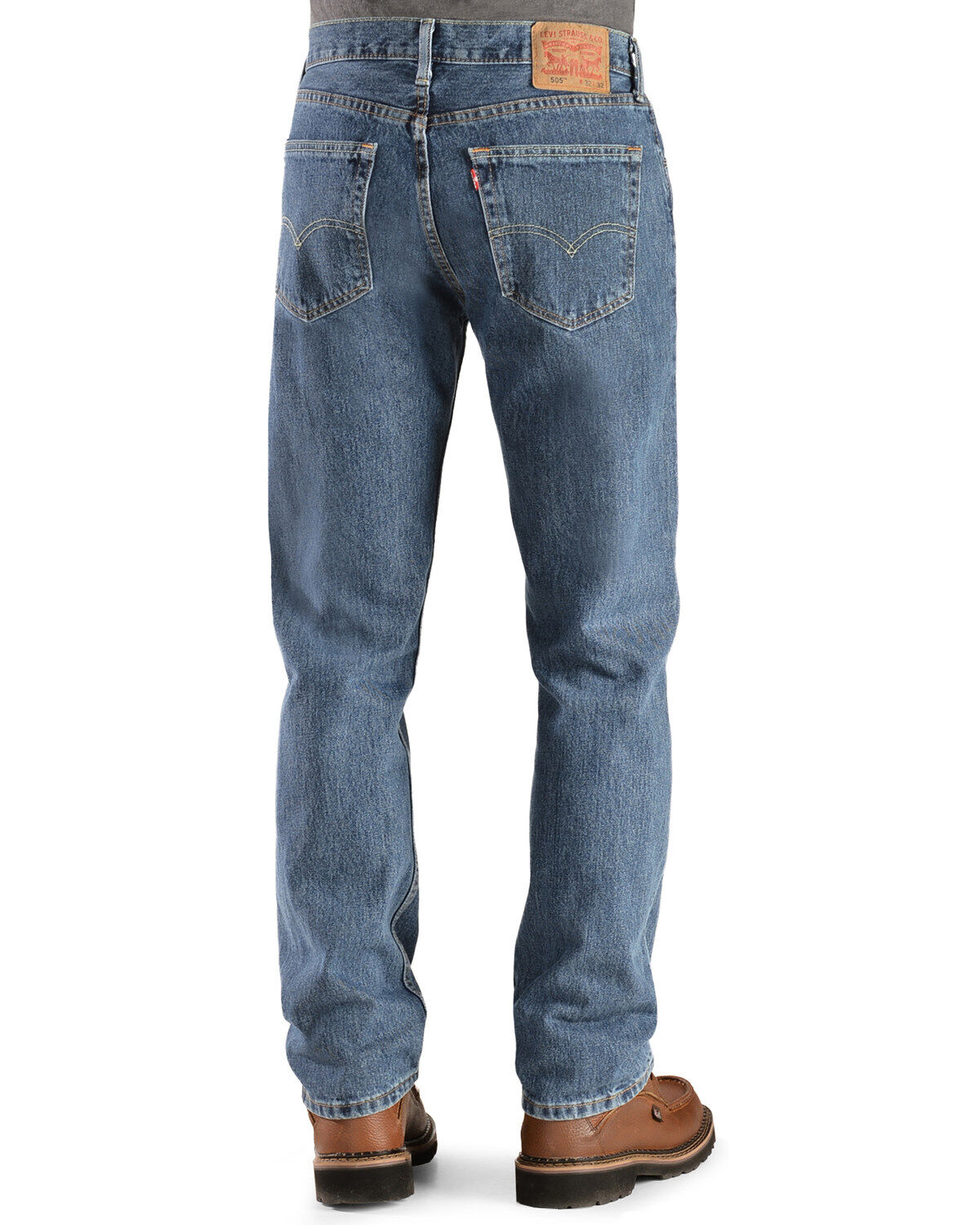
Jeans To Wear With Boots

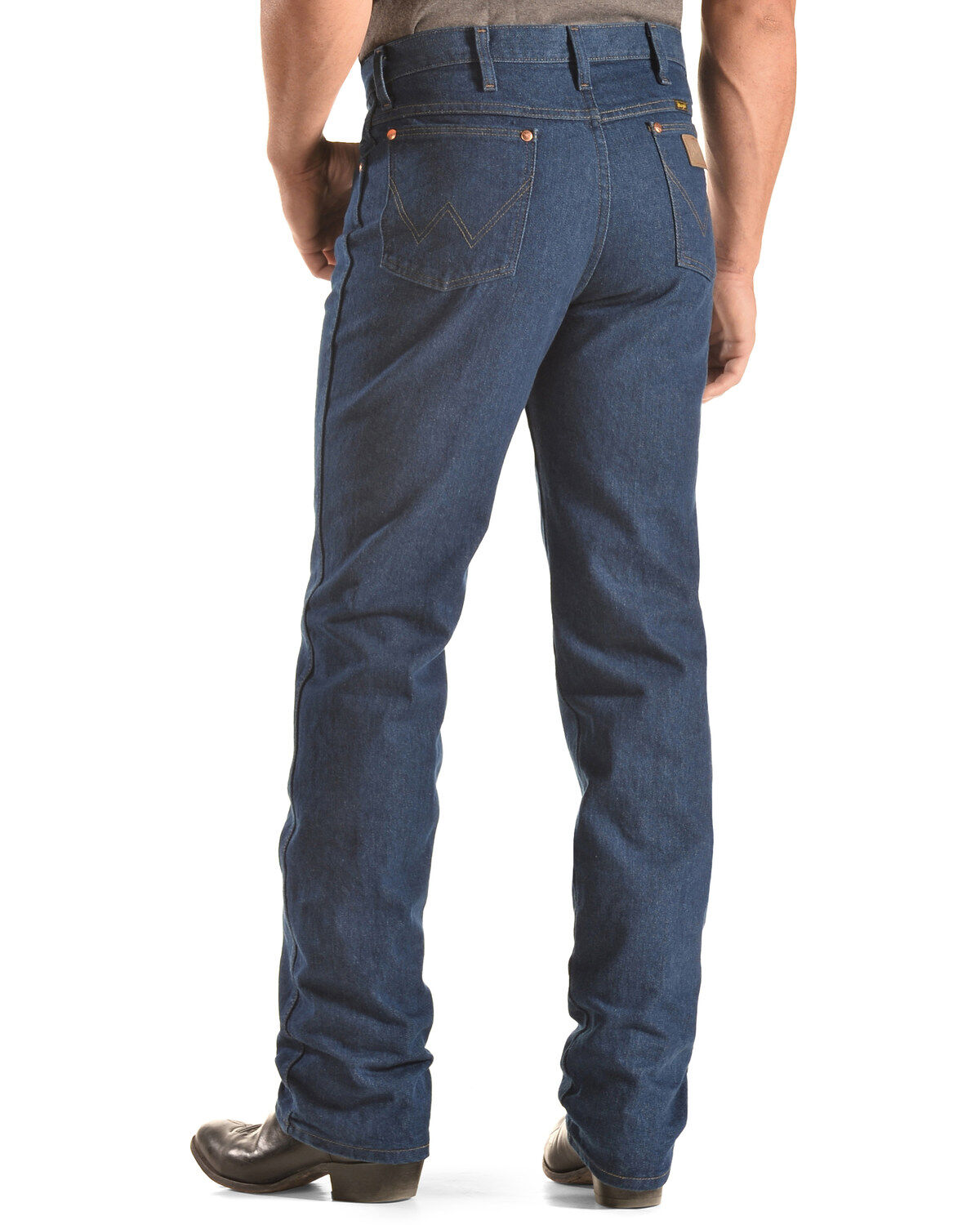
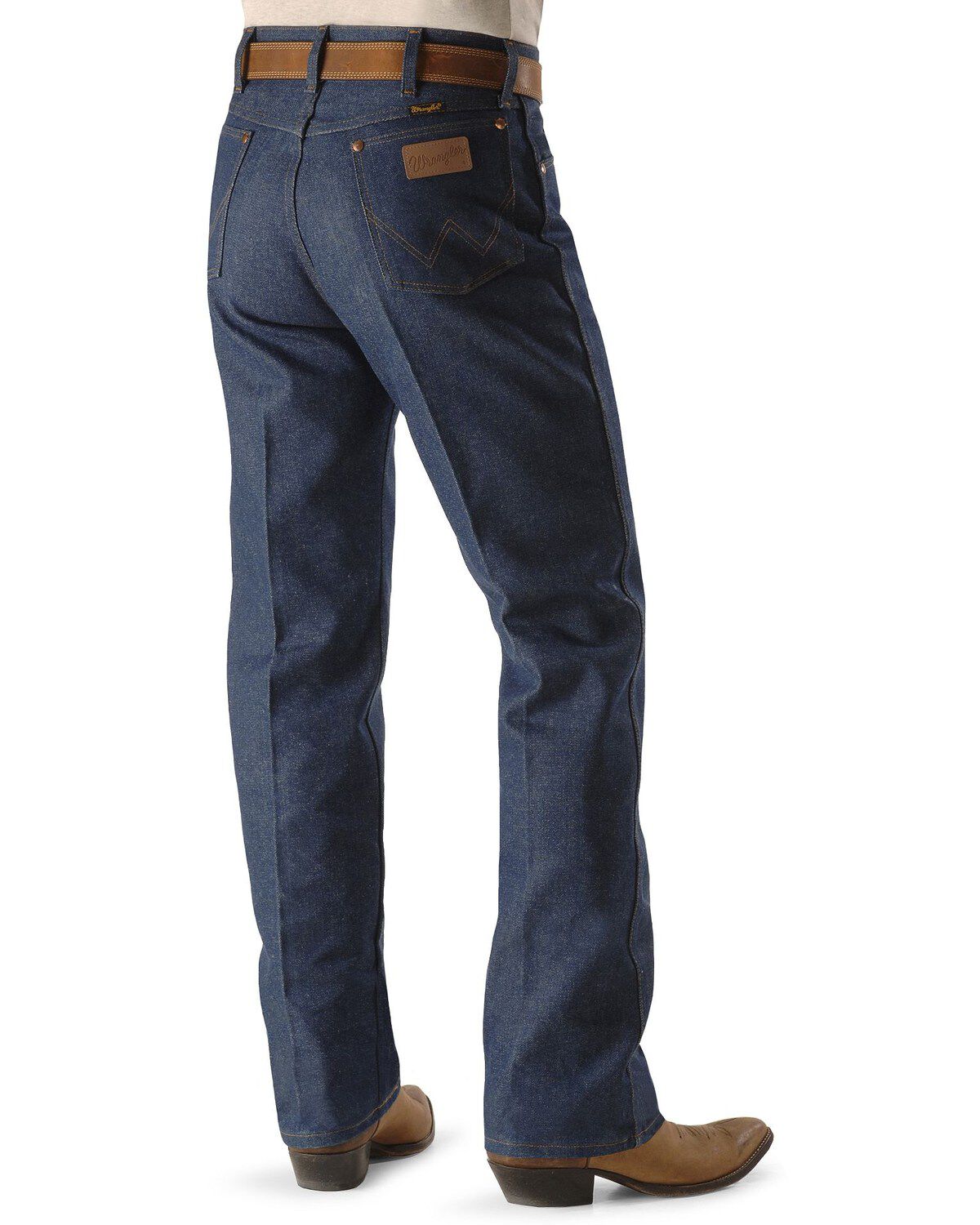
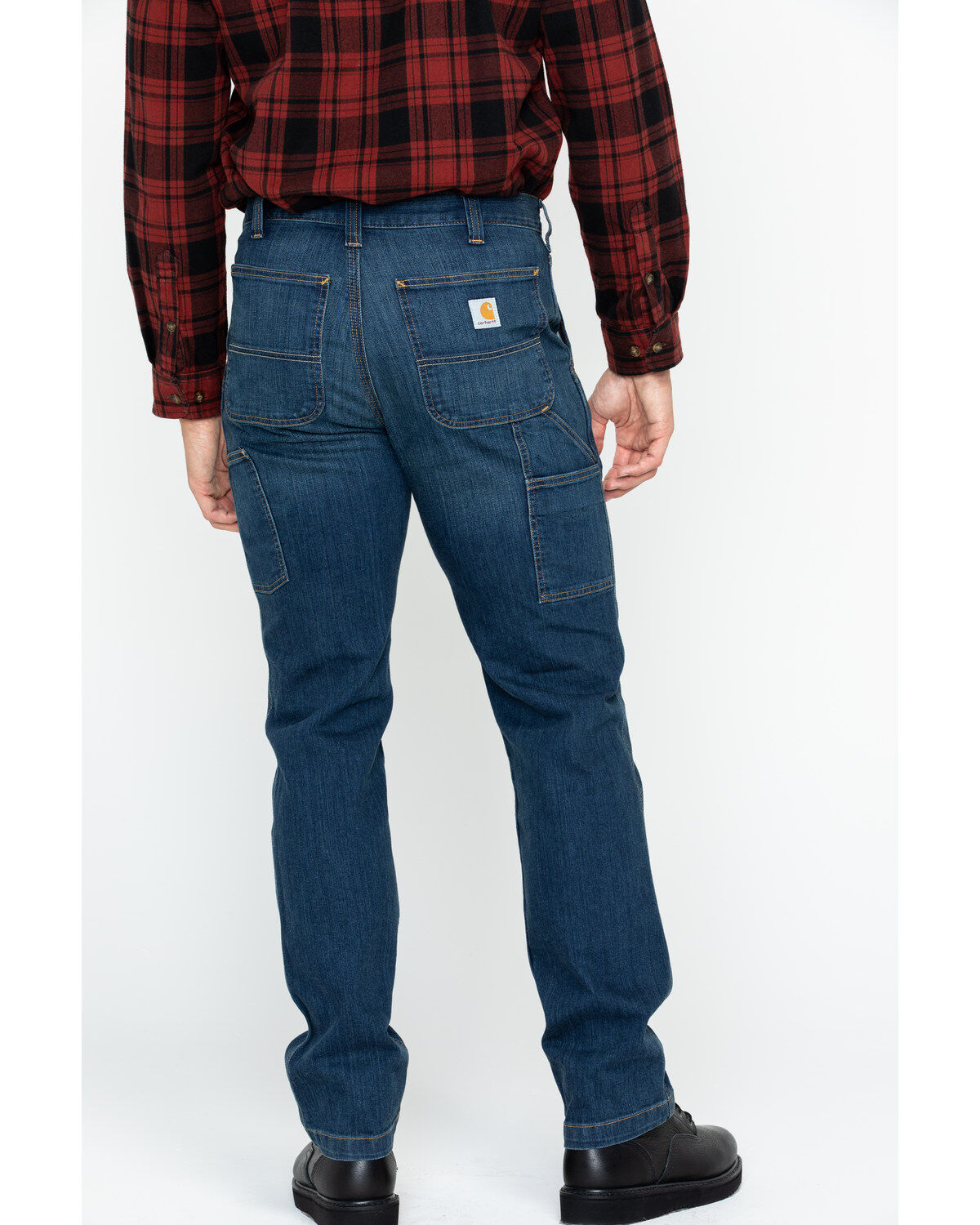
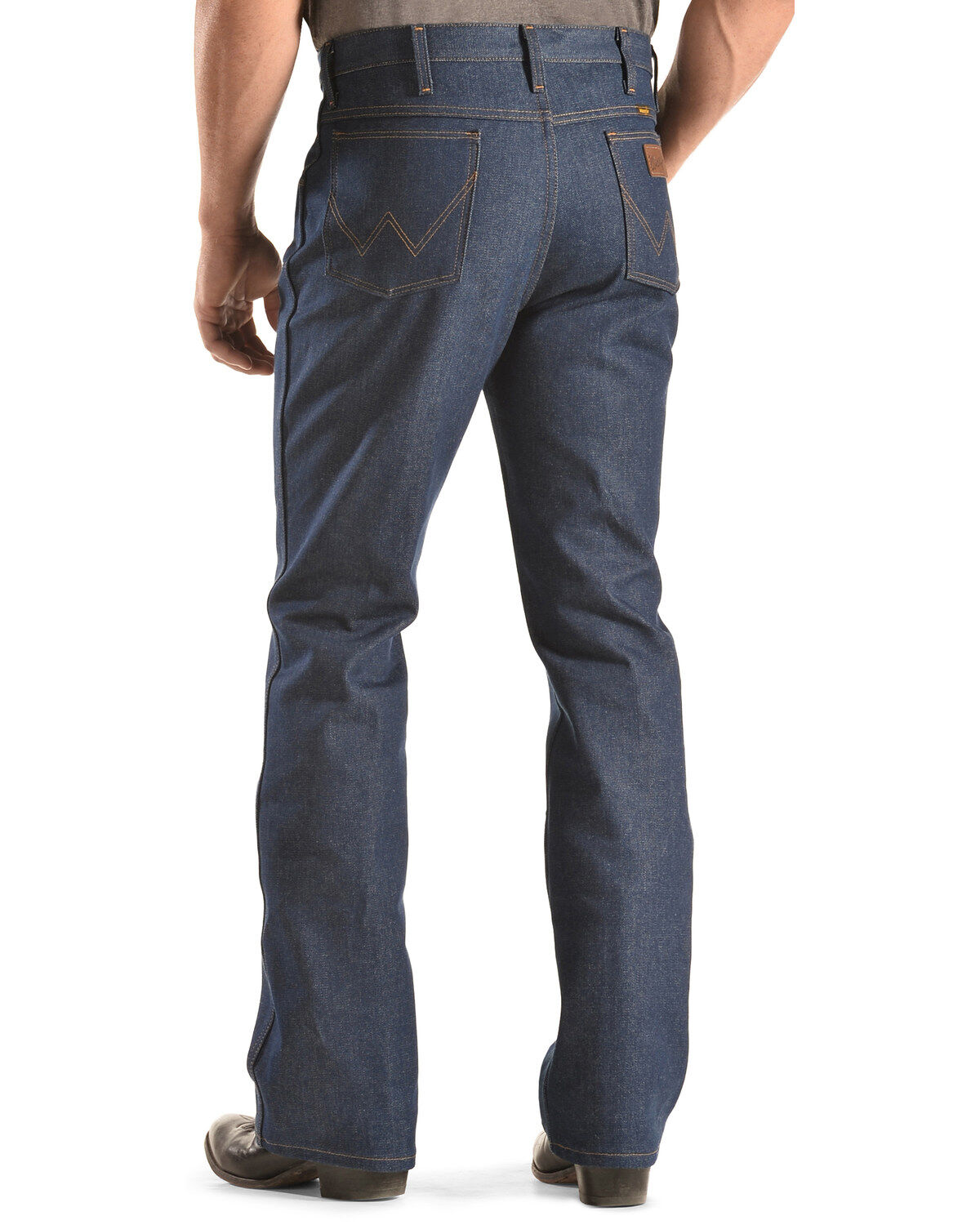
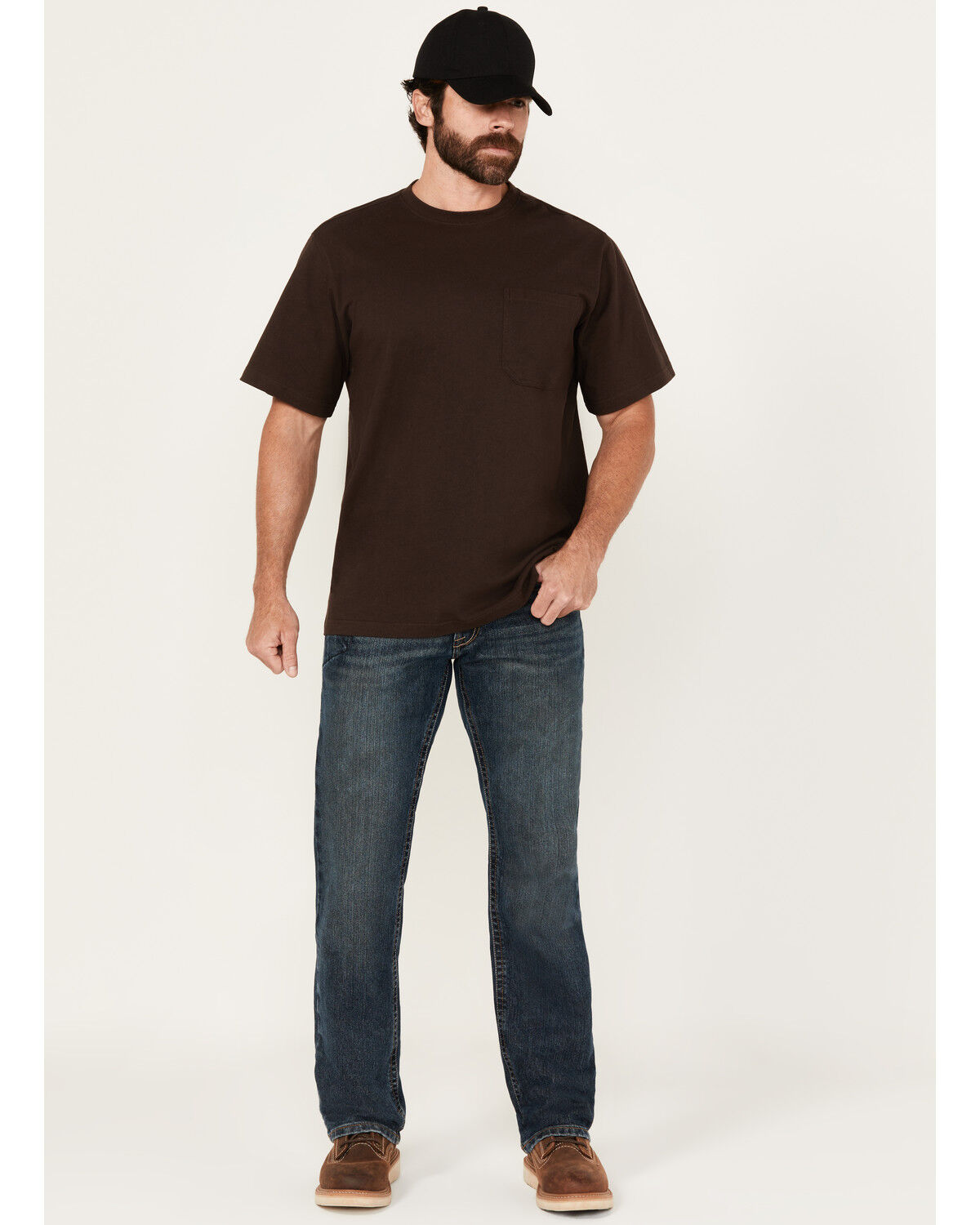
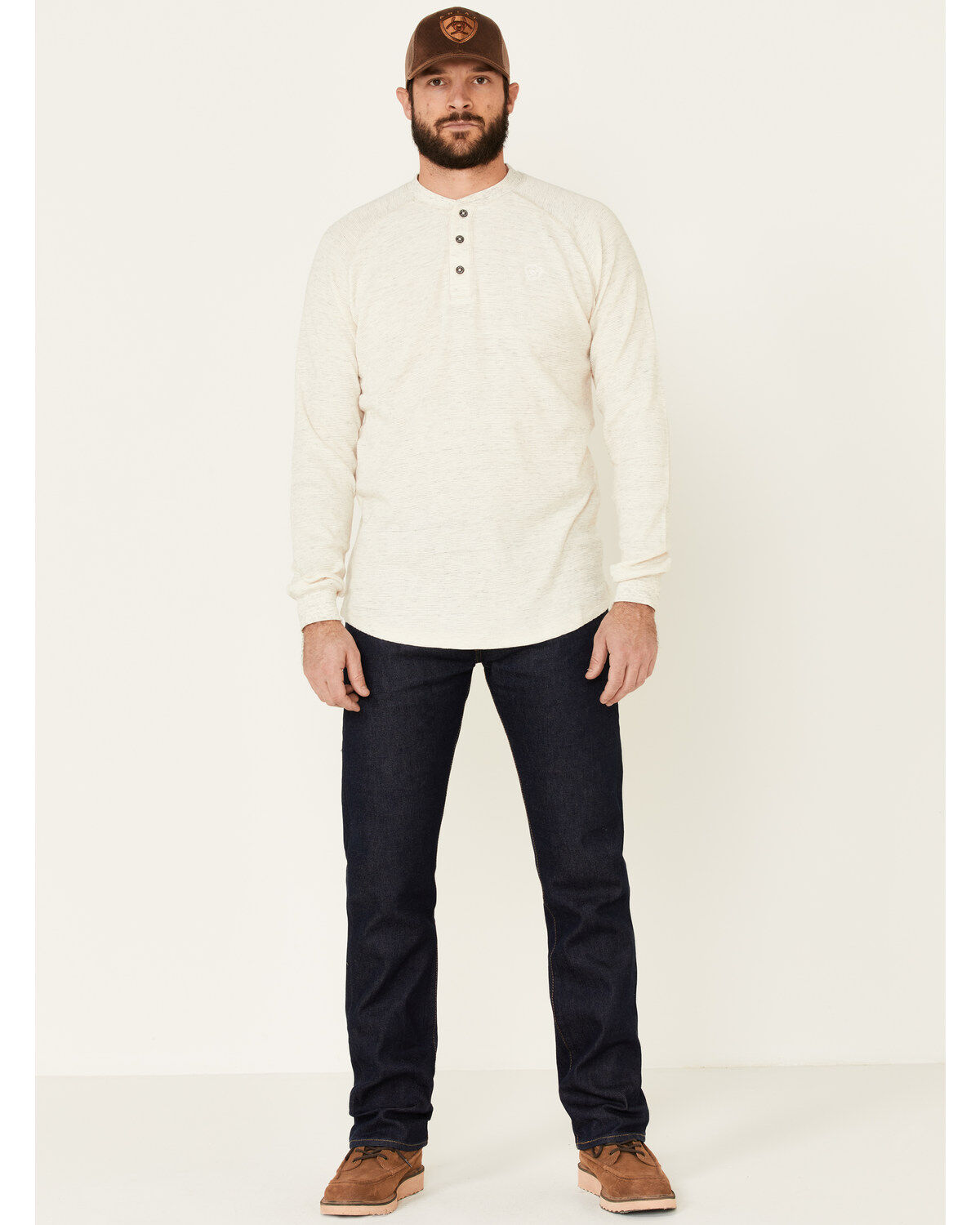
Find jeans to wear with boots, with a focus on fit, length, and room through the leg. Whether you wear cowboy boots or work boots, look for a leg opening that fits over the shaft and a length that falls neatly over the boot without dragging at the heel.

Shop Your Store: Shop Your Store: Find a Store

(Turn off Shop Your Store to see all items)

(Turn off Shop Your Store to see all items)

close
  • Recommended
  • Lowest Price
  • Highest Price
Skip pass products

End of products

Jeans To Wear With Boots

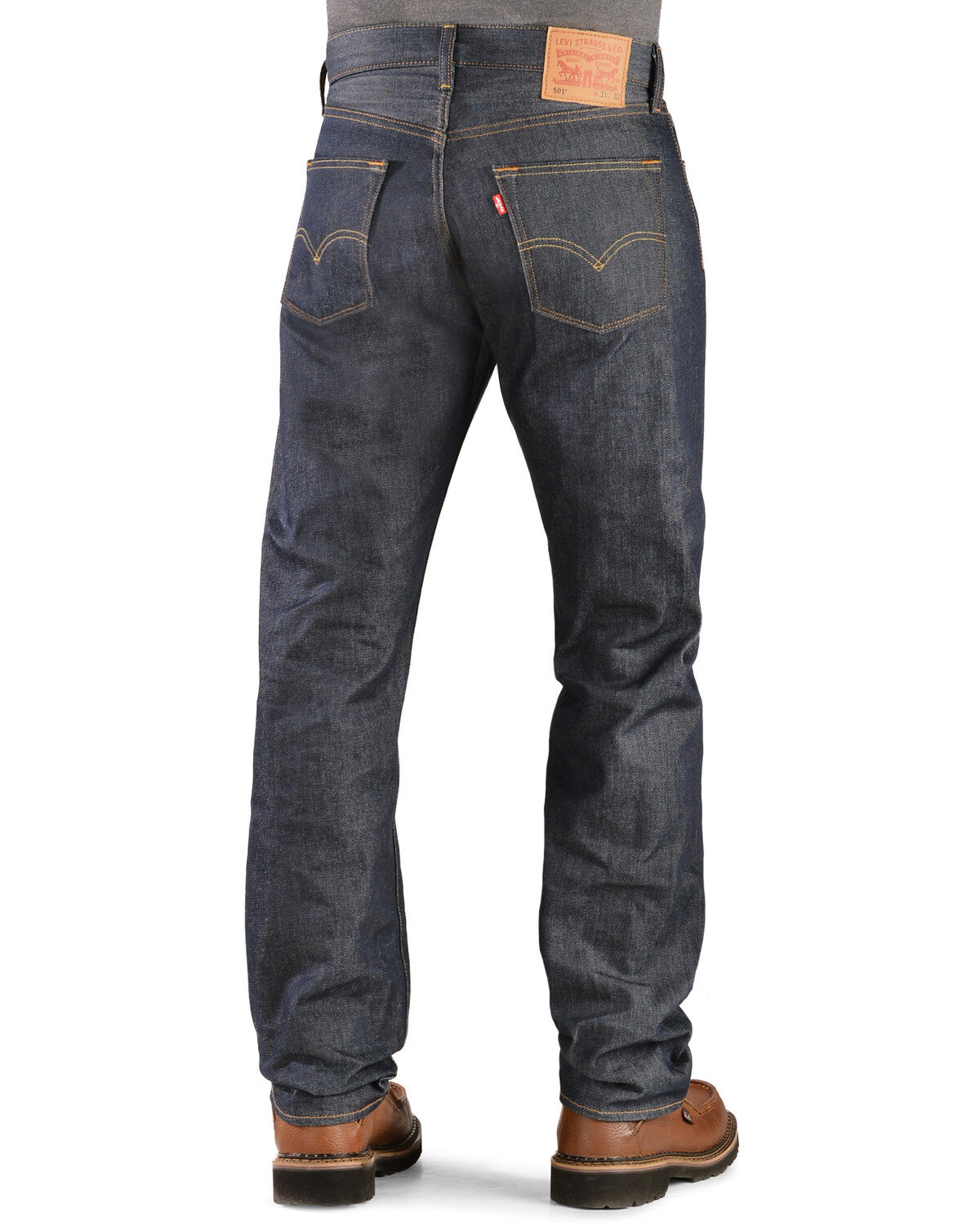
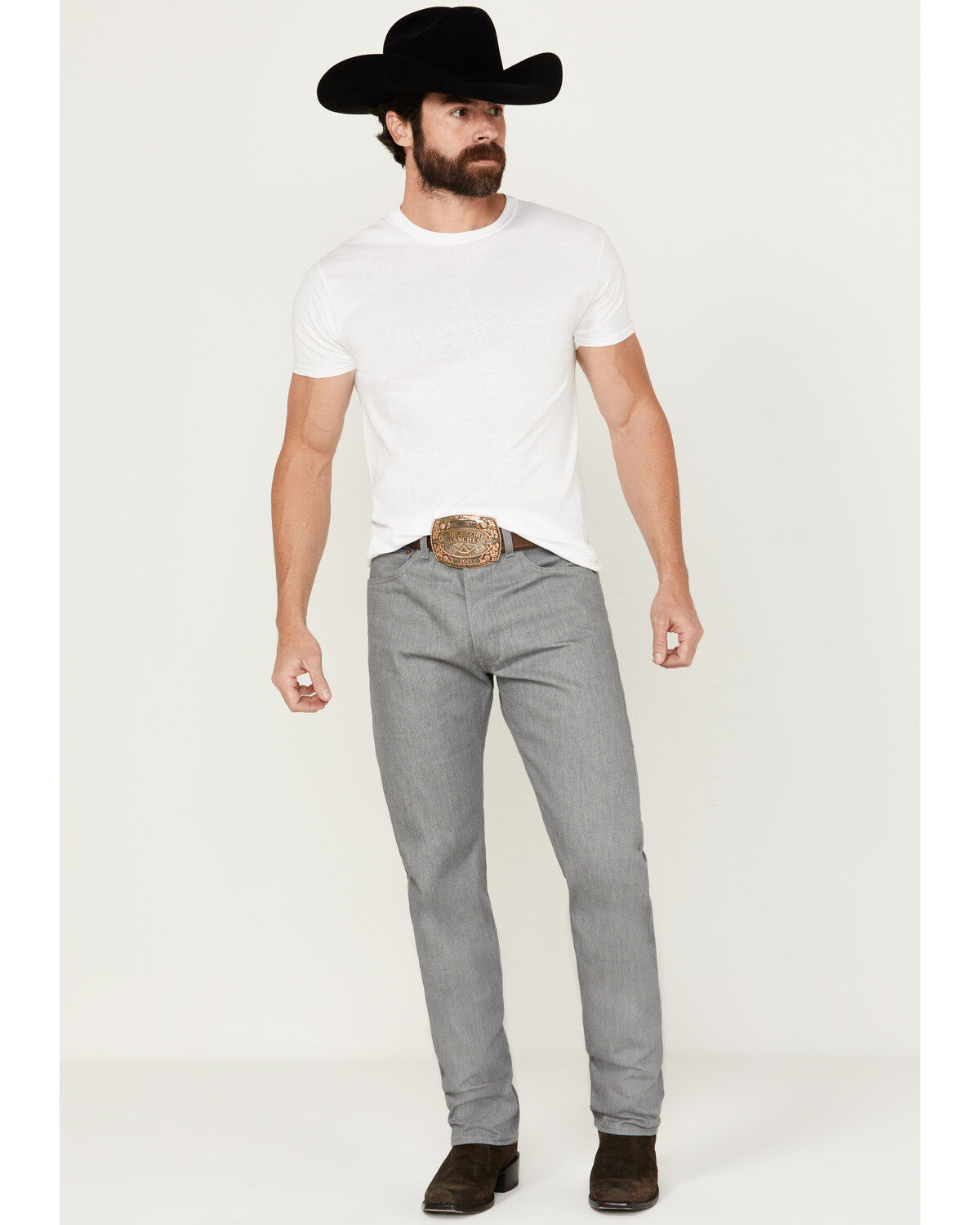
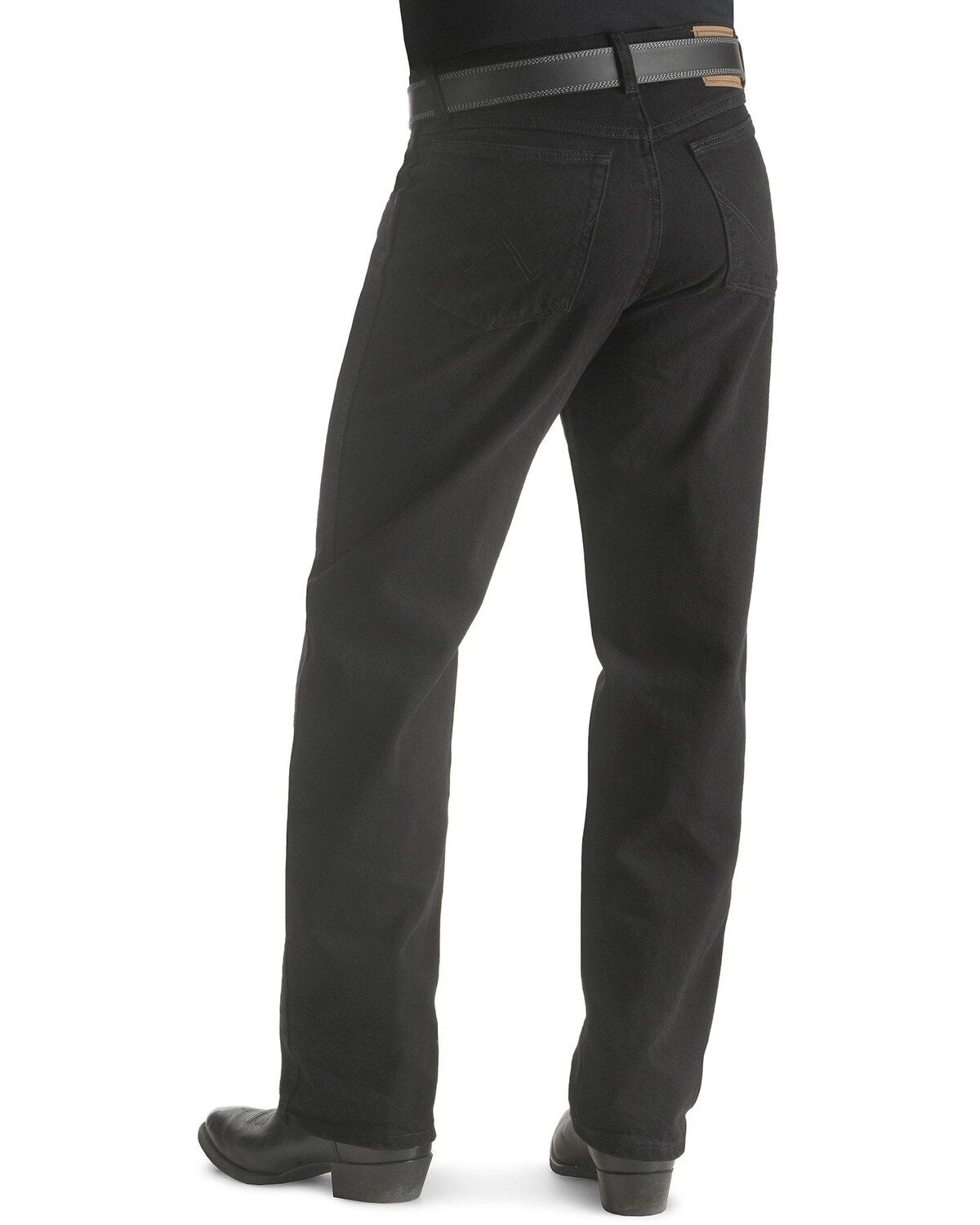
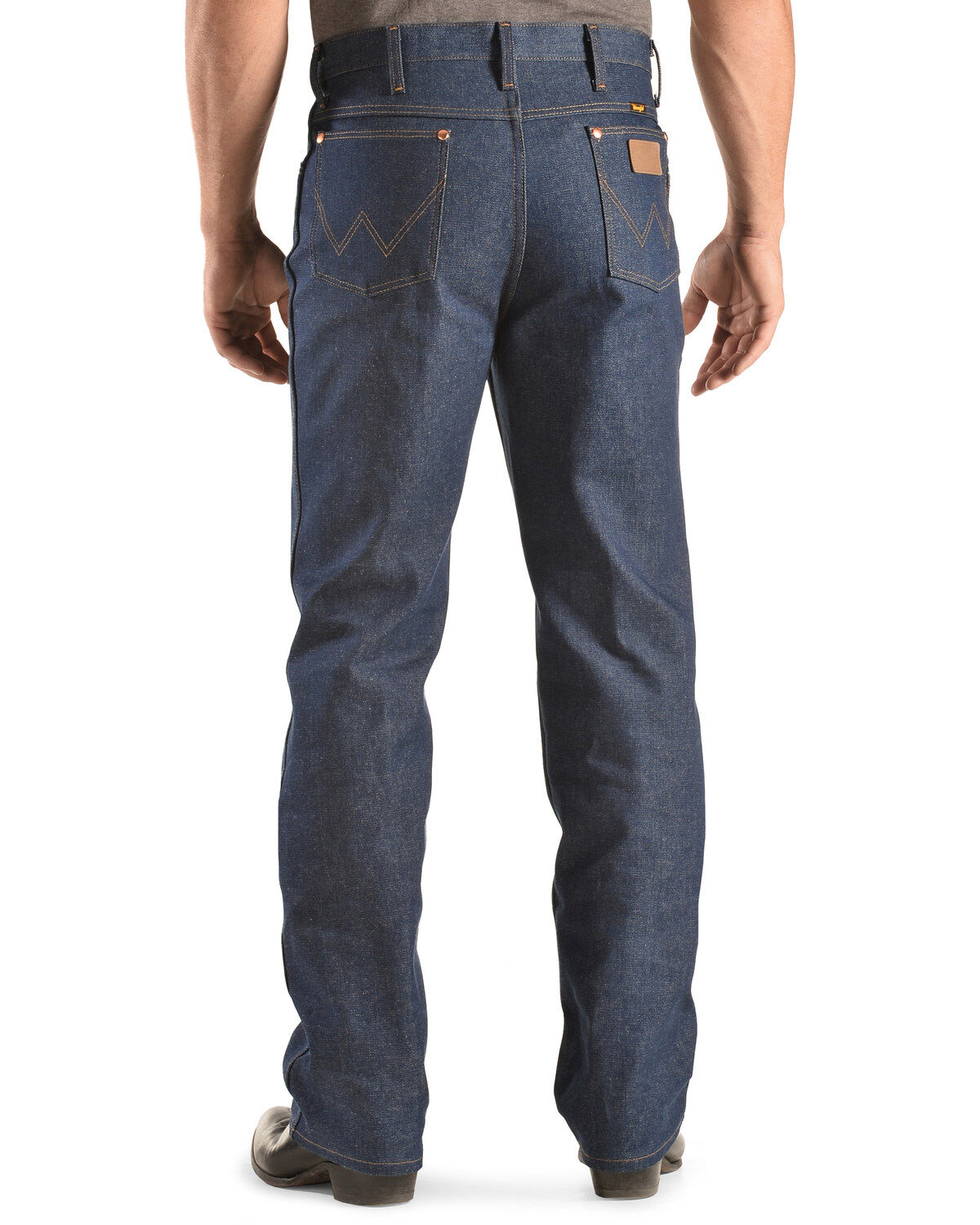
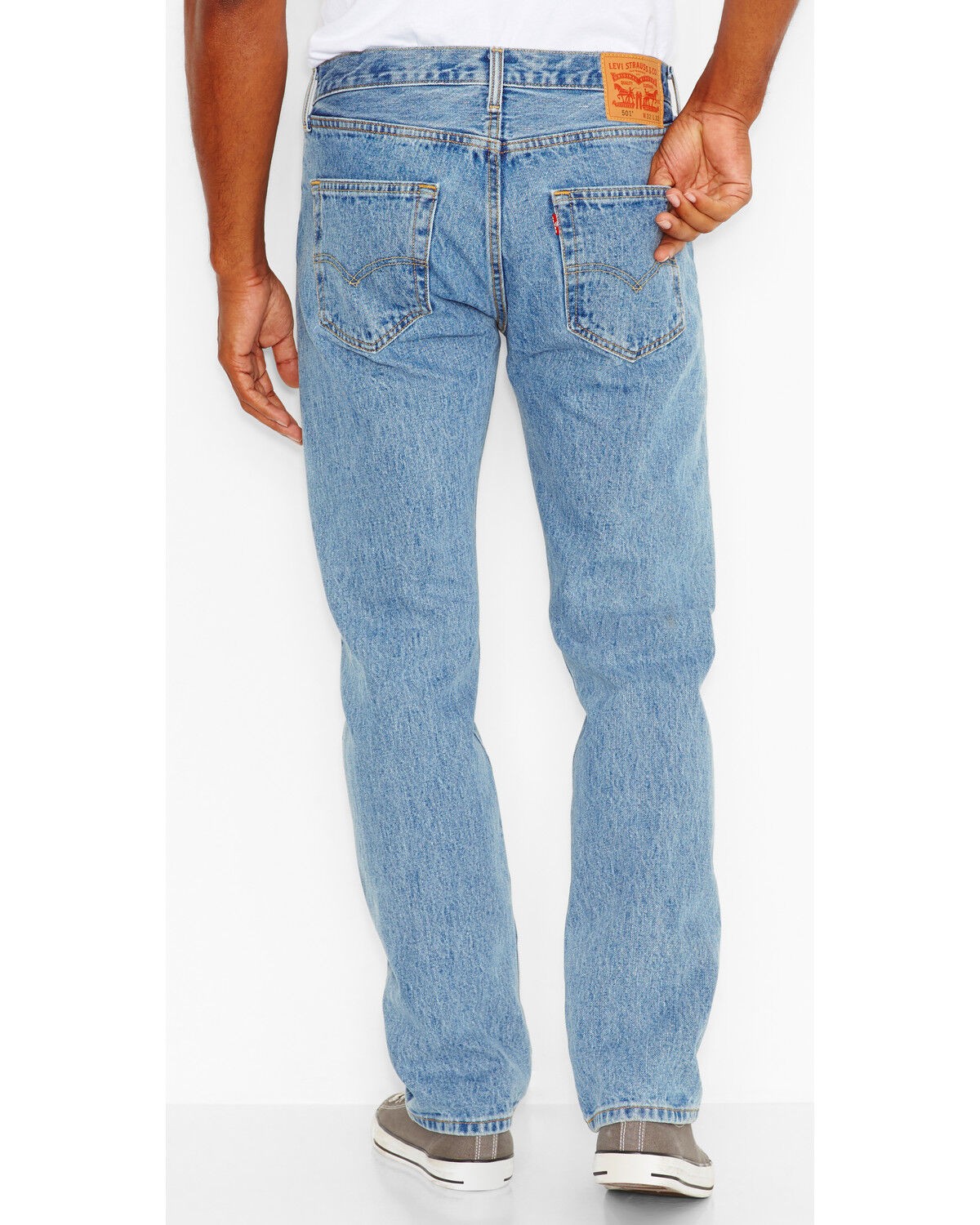
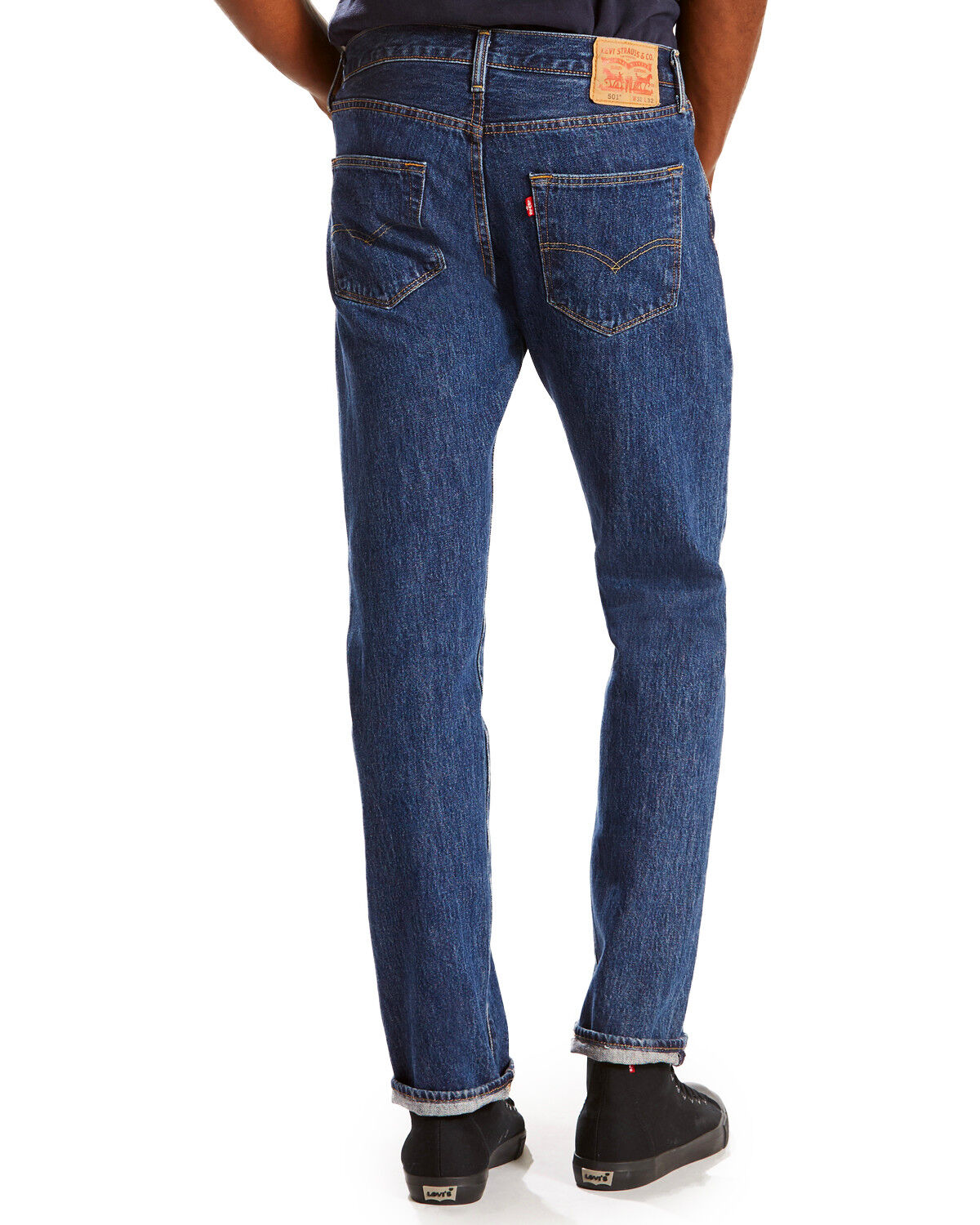
Jeans to wear with boots need the right balance of leg opening, inseam, and room through the seat and thigh. Bootcut jeans have a slight flare below the knee that lets the denim fall over a boot shaft without pulling tight around the calf. Straight-leg jeans keep a more consistent width from knee to hem and work with many cowboy boots and work boots, provided the opening clears the shaft. Slim-straight jeans offer a closer fit without the pronounced taper of skinny jeans, though a narrow opening can catch on a wider boot. Relaxed-fit jeans provide more room through the seat and thigh, making them a practical choice for long days on foot, time in the saddle, or work that involves bending and kneeling. That upper-leg room does not always mean a wider hem; the lower-leg cut still determines how the jeans sit over boots. The boot itself matters just as much. A tall western shaft needs room at the calf, while a lower ankle boot places more emphasis on where the hem meets the top of the footwear. Jeans worn outside the shaft should fall without revealing a sharp outline of the boot underneath. Length changes with heel height, leg shape, and the amount of stacking preferred at the ankle. Some wearers choose an inseam one to two inches longer than their usual length for a light stack over cowboy boots, but extra length is not necessary for every fit. A clean drape keeps the hem off the ground and lets the fabric rest over the boot without gathering heavily around the heel. Seated movement matters, too: jeans that look long enough while standing can ride up when sitting or riding. Rise affects the overall fit, with low-, mid-, and high-rise cuts placing the waistband differently on the body. A comfortable waistband stays in place without digging in, while enough room through the hips allows the legs to move freely. Together, those details shape how a pair feels throughout the day, not just how it looks in front of a mirror.

Denim construction gives jeans their character and helps determine where they fit into a daily routine. All-cotton denim often has a firmer feel at first and gradually softens with wear, developing creases at the hips, knees, and pockets. Stretch denim blends cotton with a small amount of flexible fiber, such as elastane, to allow more give when climbing into a truck, stepping onto a mounting block, or crouching beside a toolbox. The amount of stretch varies, and a softer fabric is not necessarily a looser fit. Jeans should have enough room to move comfortably without relying on the fabric to stretch past its intended shape. Heavier denim can feel substantial and hold a defined silhouette, while lighter denim tends to drape more easily over the boot. Fabric weight alone does not establish durability; weave, stitching, construction, and the demands of the job all play a part. Reinforced stress points, secure belt loops, and neatly finished seams are useful details for jeans that see frequent wear. For someone spending hours in work boots, a comfortable rise and room at the knee may matter more than decorative stitching. For a western outfit built around cowboy boots, the wash, pocket shape, and leg line help set the tone. Dark-wash jeans have a more uniform appearance that pairs easily with a button-front shirt and leather belt. Medium and light washes bring a worn-in look to casual shirts, denim jackets, and everyday boots. Fading, whiskering, and distressed details change the finish, but they do not replace a good fit. Men’s and women’s jeans both offer options for different proportions, from close-fitting shapes to fuller legs. A flared hem can frame a taller heel, while a straight cut creates a simpler line over a broad work boot. For ankle boots, a full-length hem can cover the top, or a shorter cut can leave the footwear visible. The useful choice is the one that suits the boot, the wearer’s movement, and the setting without requiring constant adjustment.

Good jeans earn their place through repeated wear, whether they are part of a workday outfit, a regular riding routine, or a clean look for dinner. The same pair may work across several settings when the cut is comfortable and the finish suits the occasion. Boot shafts vary in width and height, so jeans that fall neatly over one pair may bunch over another. Someone who alternates between cowboy boots and lace-up work boots may prefer a straight or bootcut leg with enough clearance for both. The related selection of Jeans That Fit Over Boots centers on that relationship between the lower leg and the footwear. Keeping the hem clear of the ground helps limit fraying, especially along the back edge where fabric can get trapped under a heel. Pockets, inner thighs, and knees are other common wear points, particularly when jeans are used for physical work. Care affects both appearance and fit. The garment label provides the right washing and drying directions for the fabric blend and finish. Turning jeans inside out can help reduce surface abrasion in the wash, and washing dark denim with similar colors helps manage dye transfer. High dryer heat can affect shrinkage and stretch fibers, while some rigid denim changes size more noticeably after laundering. Allowing for those differences matters when a pair already fits closely at the waist or just clears a boot shaft. Simple repairs to a loose seam or an early worn spot can keep a comfortable pair in rotation before the damage spreads. Jeans also make a useful gift for someone who wears boots regularly, especially when their preferred rise, cut, and measurements are known. A size label alone may not capture those preferences. The waist and inseam from a well-fitting pair, along with whether the wearer likes a clean hem or a modest stack, provide a better starting point. Familiar details such as pocket placement, fabric feel, and room through the thigh often matter as much as the wash. Those are the differences that turn a pair of jeans into something worn often rather than left folded on a shelf.

FAQs