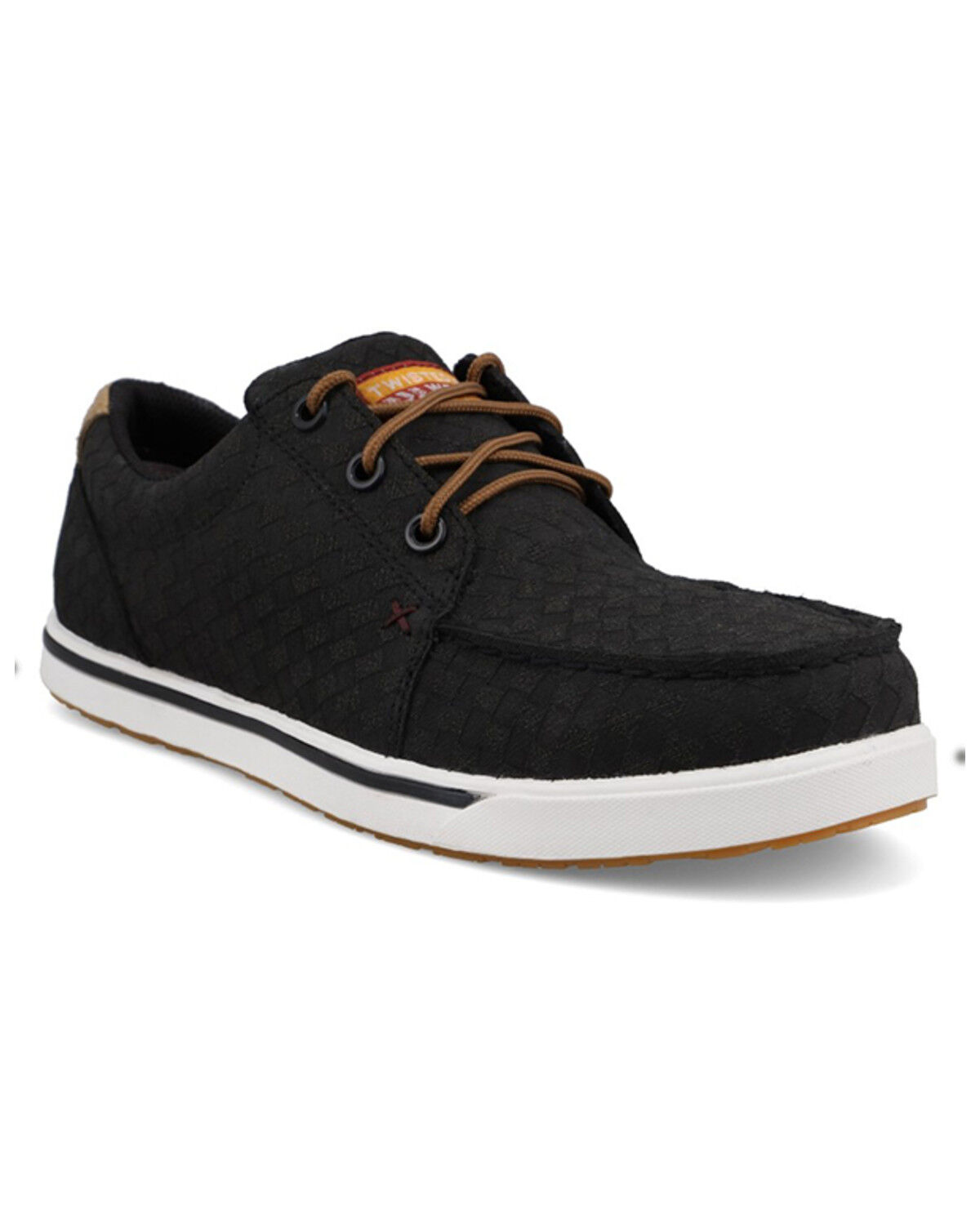
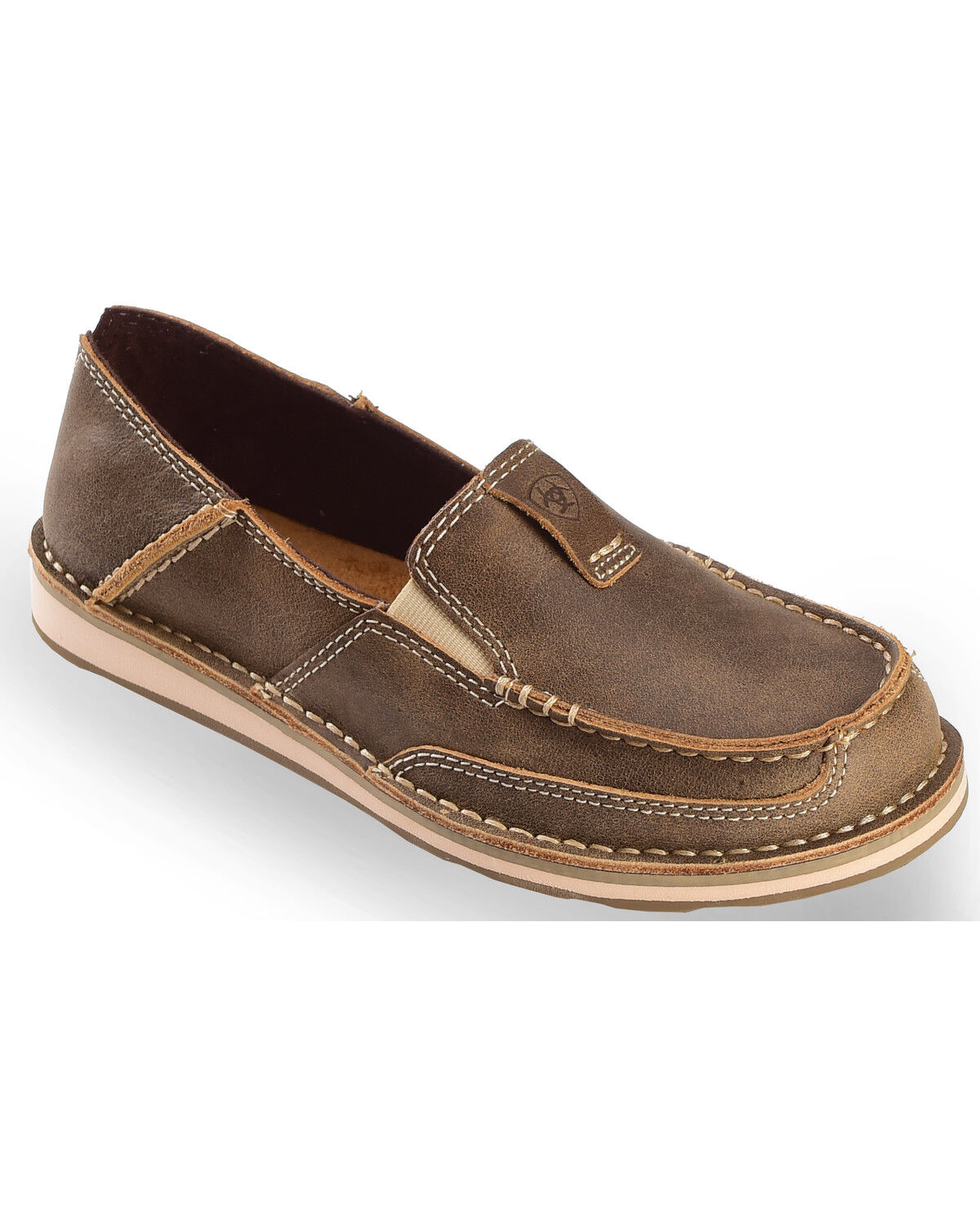
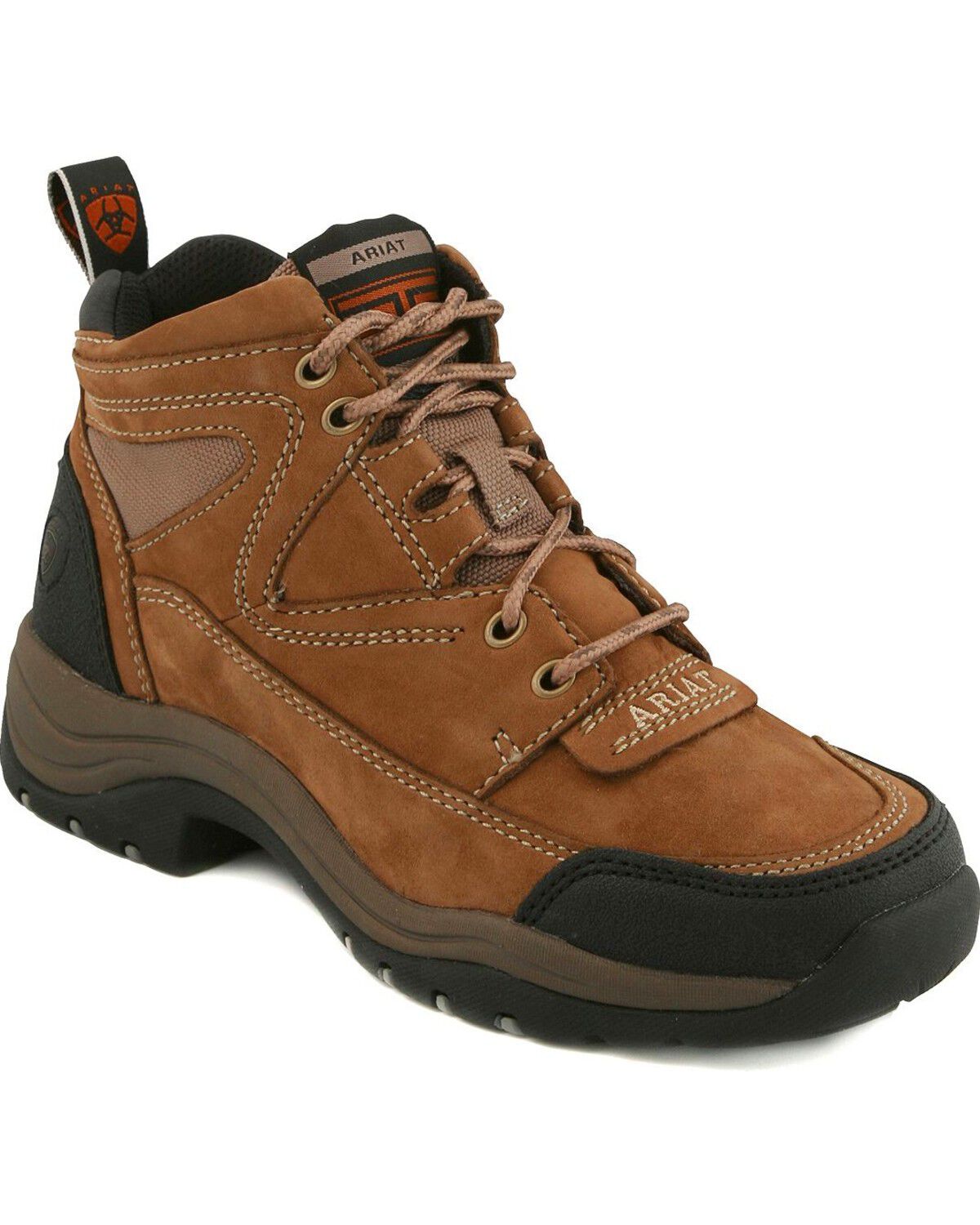
Women's Composite Toe Shoe

Find women’s composite toe shoes for workdays that require safety-toe footwear. Compare available styles, sizing, and features, and check each pair’s listed safety ratings against your workplace requirements before choosing.

Read More

Shop Your Store: Shop Your Store: Find a Store

(Turn off Shop Your Store to see all items)

(Turn off Shop Your Store to see all items)

close
  • Recommended
  • Lowest Price
  • Highest Price
Skip pass products
  • Women's Nautilus Guard Work Shoes - Composite Toe

    Original Price $90.99 $52.48
    42% Total Savings

End of products

Women's Composite Toe Shoe

Women's composite toe shoes combine a protective safety toe with a lower-cut shape suited to many active work environments. The toe cap is made from nonmetal materials, which may include fiberglass, carbon fiber, or reinforced resins, rather than steel. Its job is to help protect the toes against impact and compression when the footwear meets the applicable safety standard. Composite construction can reduce weight compared with some steel toe designs, though the weight of the entire shoe also depends on the upper, outsole, and other components. For women walking warehouse aisles, working on production floors, moving supplies, or spending hours at a packing station, that balance of protection and manageable weight can matter throughout a shift. Many styles have an athletic profile, while others use a more traditional work-shoe shape. Appearance alone does not establish whether a shoe is suitable for a job. Employer requirements and the hazards present on the floor determine which protective features belong in the footwear. In the United States, ASTM F2413 identifies performance requirements for protective toe footwear, including impact and compression resistance. A composite toe does not automatically mean a shoe meets that standard, so the manufacturer's safety marking matters. Electrical hazard protection, puncture resistance, and static-dissipative properties are separate features that should be verified individually. Electrical hazard footwear provides secondary protection against incidental electrical contact under specified dry conditions; it does not replace required electrical safety equipment. Static-dissipative footwear serves a different purpose and is not interchangeable with electrical hazard footwear. A nonmetal toe cap also does not guarantee that the whole shoe is metal-free, since eyelets, shanks, or other parts may contain metal. These distinctions make women's composite toe work shoes a practical category to shop by the actual demands of the job, not simply by the look of the shoe.

Fit and construction have a direct effect on how safety shoes feel after several hours on hard floors. A protective toe cap does not stretch to create more room, so adequate space around the toes needs to be there from the start. The toes should have room to move without pressing against the cap, while the heel and midfoot remain secure. Excess length is not a substitute for the correct width; it can allow the foot to slide forward when stopping, turning, or walking down a ramp. Footwear shaped around women's foot proportions may provide a closer match through the heel and forefoot, but individual fit still varies. The socks worn on the job and any prescribed orthotics also affect the space inside the shoe. Removable footbeds can be useful for cleaning or accommodating an appropriate insert, provided the change does not compromise fit or conflict with the manufacturer's safety guidance. Underfoot, cushioning helps soften repeated steps, while a stable platform supports standing, carrying, and changing direction. A very soft feel is not always the most comfortable choice for every task. Someone walking long aisles may value a different balance of cushioning and support than someone standing at a workstation. Uppers also influence comfort and durability. Leather can provide a sturdy surface for routine wear and scuffing, while textile panels can offer flexibility and airflow. Reinforced sections around the toe and heel can help protect high-contact areas. Breathable construction does not mean waterproof construction, and a water-resistant upper does not offer the same protection as footwear specifically marked waterproof. Outsoles deserve the same attention as the upper. Slip-resistant designs are intended to improve traction, but no outsole prevents every slip on every surface. Smooth concrete, loose debris, oil, and cleaning solutions create different challenges. Oil resistance describes how an outsole material withstands exposure to oil; it does not, by itself, establish traction on an oily floor. For work that involves repeated kneeling, climbing steps, or pushing carts, secure lacing, controlled flex, and a heel that stays seated help keep the shoe working with the foot.

Women's composite toe shoes work best when their coverage matches the task. A low-cut work shoe can offer freedom of movement around the ankle and a familiar sneaker-like feel, but it provides less coverage than a taller work boot. Jobs involving substantial debris, required ankle coverage, or additional protective equipment may call for a different design. For a higher shaft with composite toe protection, women's lightweight composite toe boots provide another footwear option to consider against workplace requirements. Whatever the shape, useful durability comes from the whole construction: an upper that handles daily abrasion, seams that stay intact, and an outsole that retains its tread. A shoe used mainly on a clean indoor floor faces different wear than one repeatedly scraped against pallets or exposed to abrasive dust. Routine care helps preserve those components. Removing grit from the upper and outsole keeps buildup from hiding damage, and cleaning methods should match the material. Leather may benefit from a compatible cleaner and conditioner, while textile uppers generally need the cleaning approach specified by the manufacturer. Aggressive solvents, machine washing, and direct heat can damage materials or adhesives unless the manufacturer specifically permits that treatment. Shoes that become damp should dry thoroughly in a ventilated area before the next use. Removable footbeds can be aired separately when the care instructions allow it. Regular inspection matters as much as cleaning. Worn tread, separating soles, torn uppers, and a changed fit can all affect how footwear performs. After a significant impact or compression event, the protective toe may be damaged even when the outside looks intact; manufacturer guidance should determine whether replacement is necessary. There is no single replacement schedule that suits every job or wearer. Hours of use, floor conditions, and exposure to abrasion all play a part. The strongest choice is footwear that meets the required safety standard, fits securely without crowding the toes, and has the materials and traction suited to the work. That combination supports dependable daily wear without asking a safety shoe to do a job it was not built to handle.
Read More

FAQs