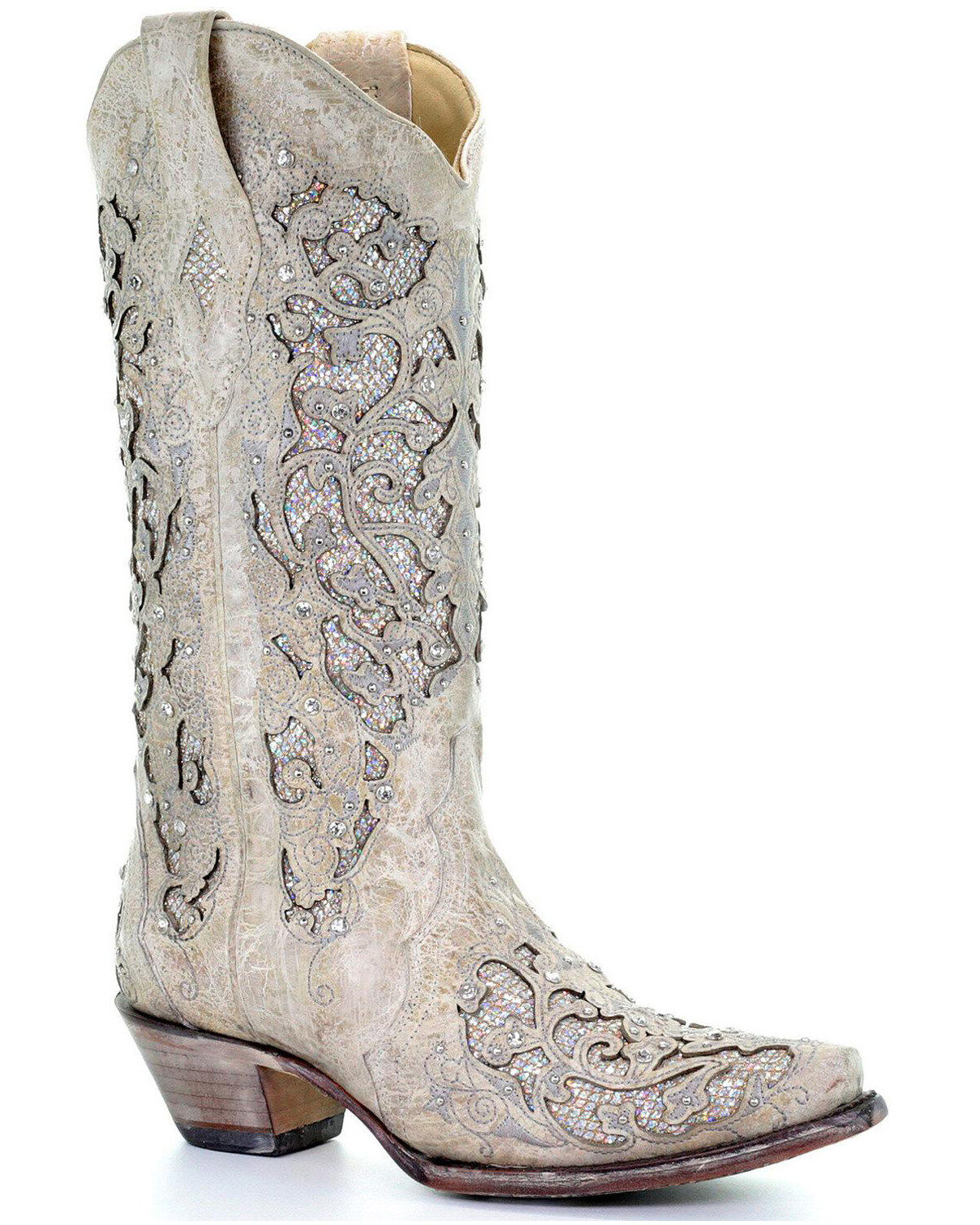
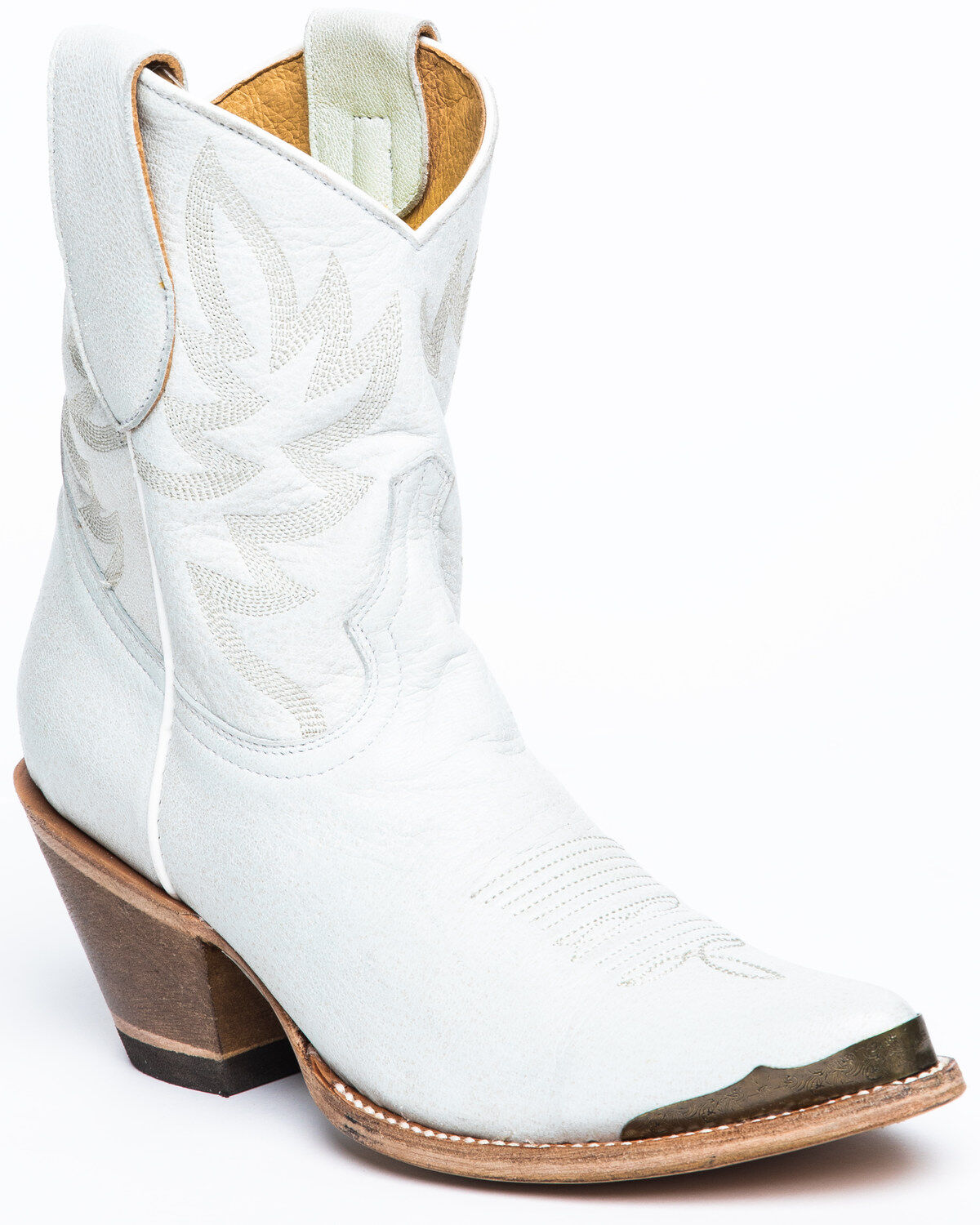
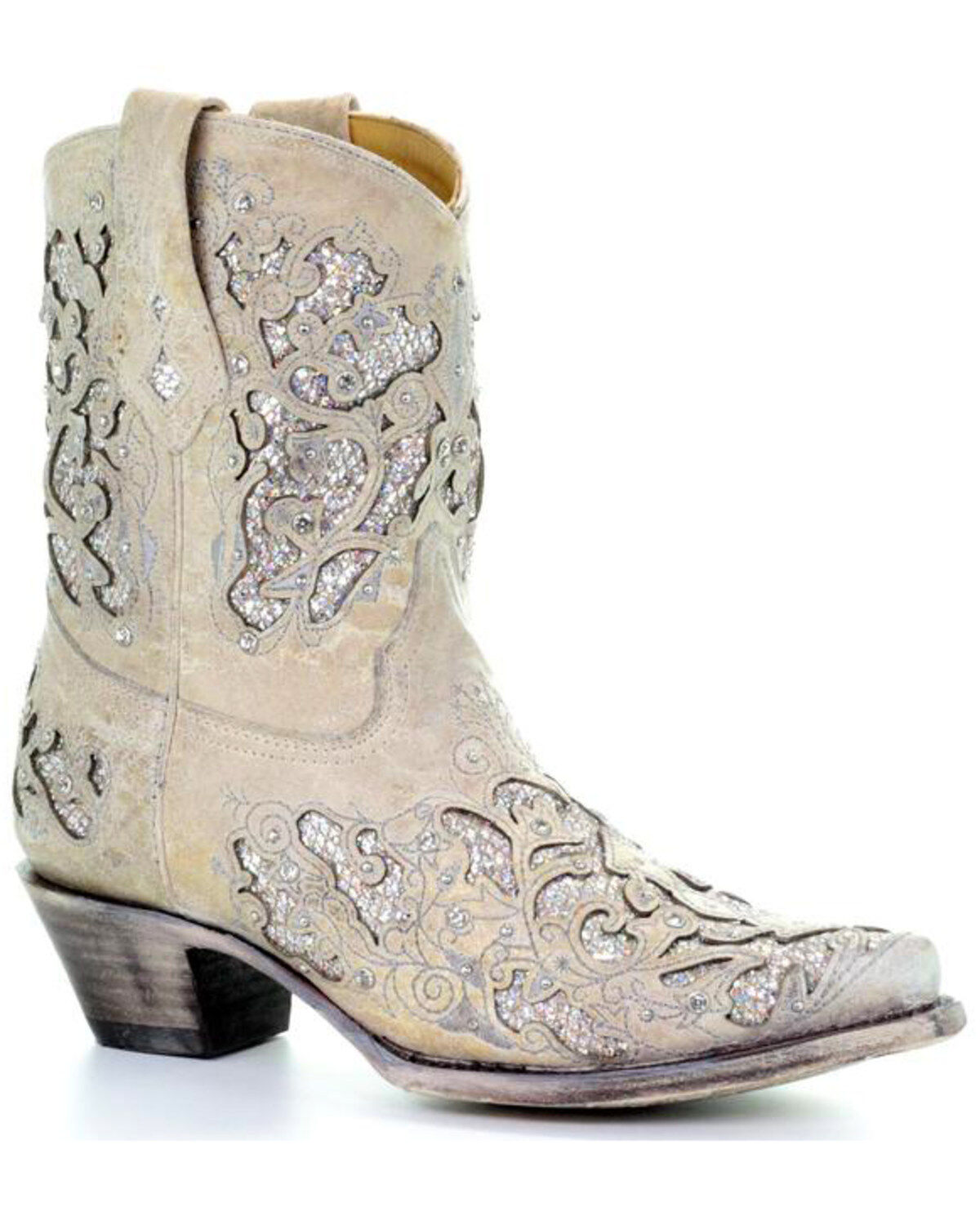
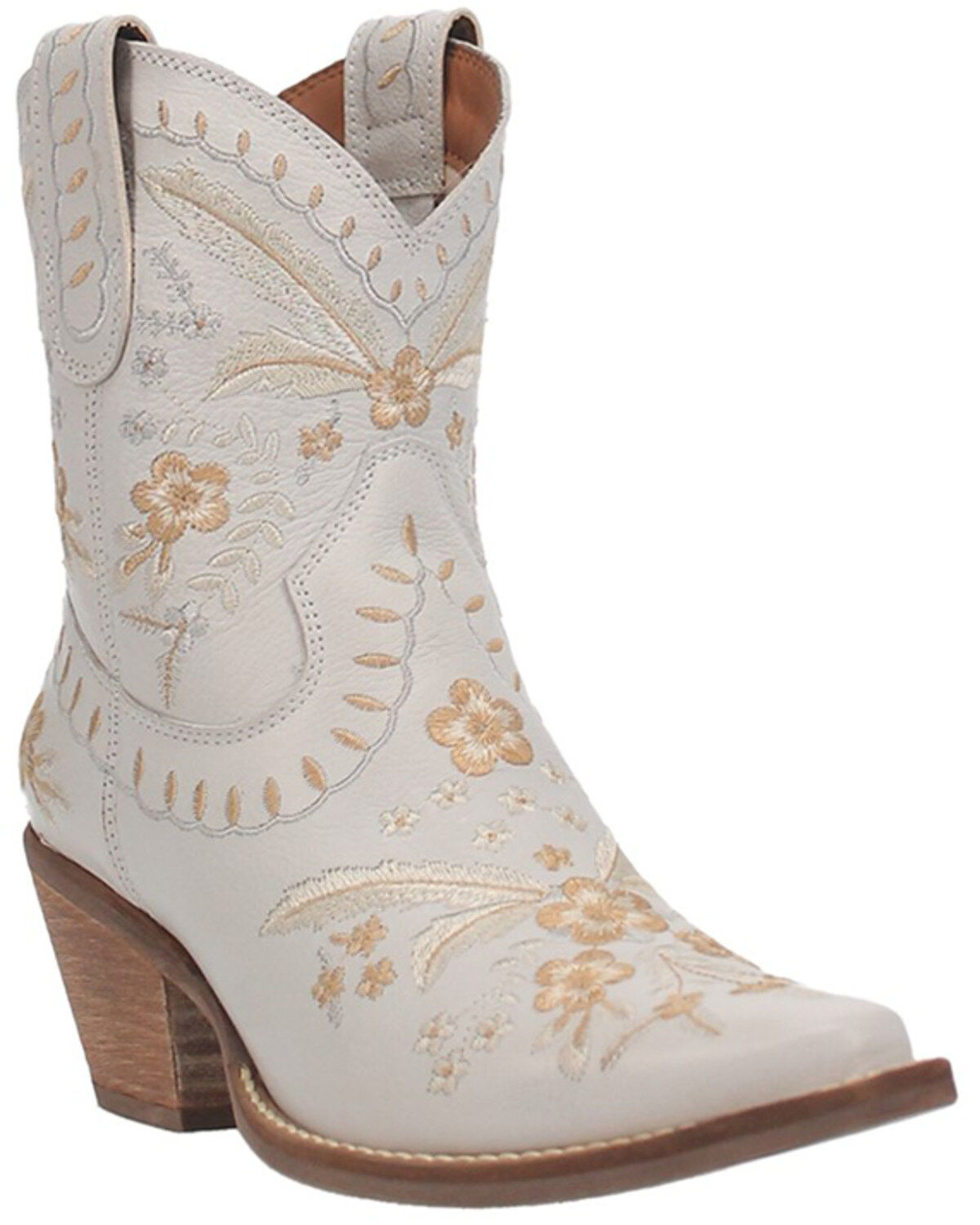
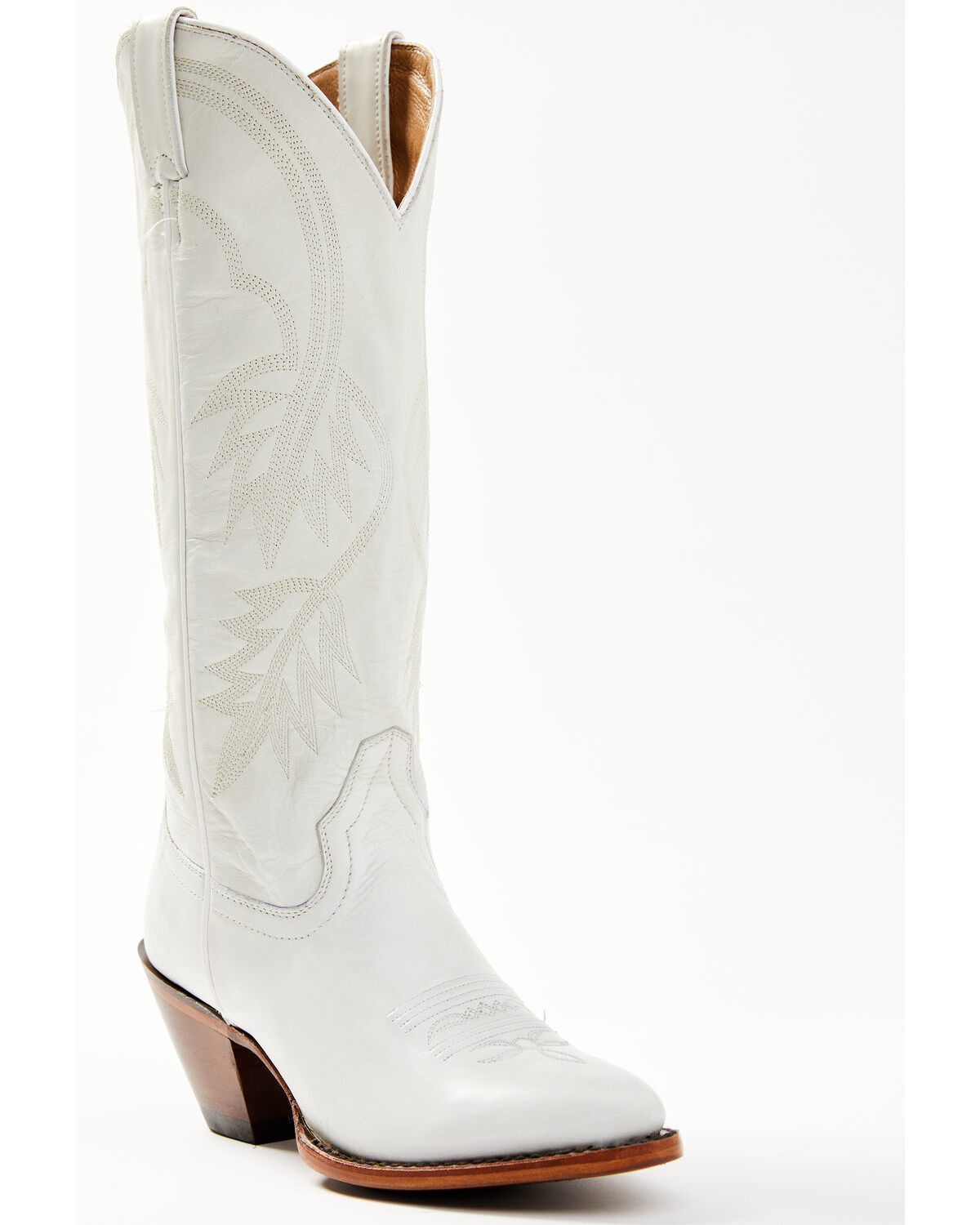
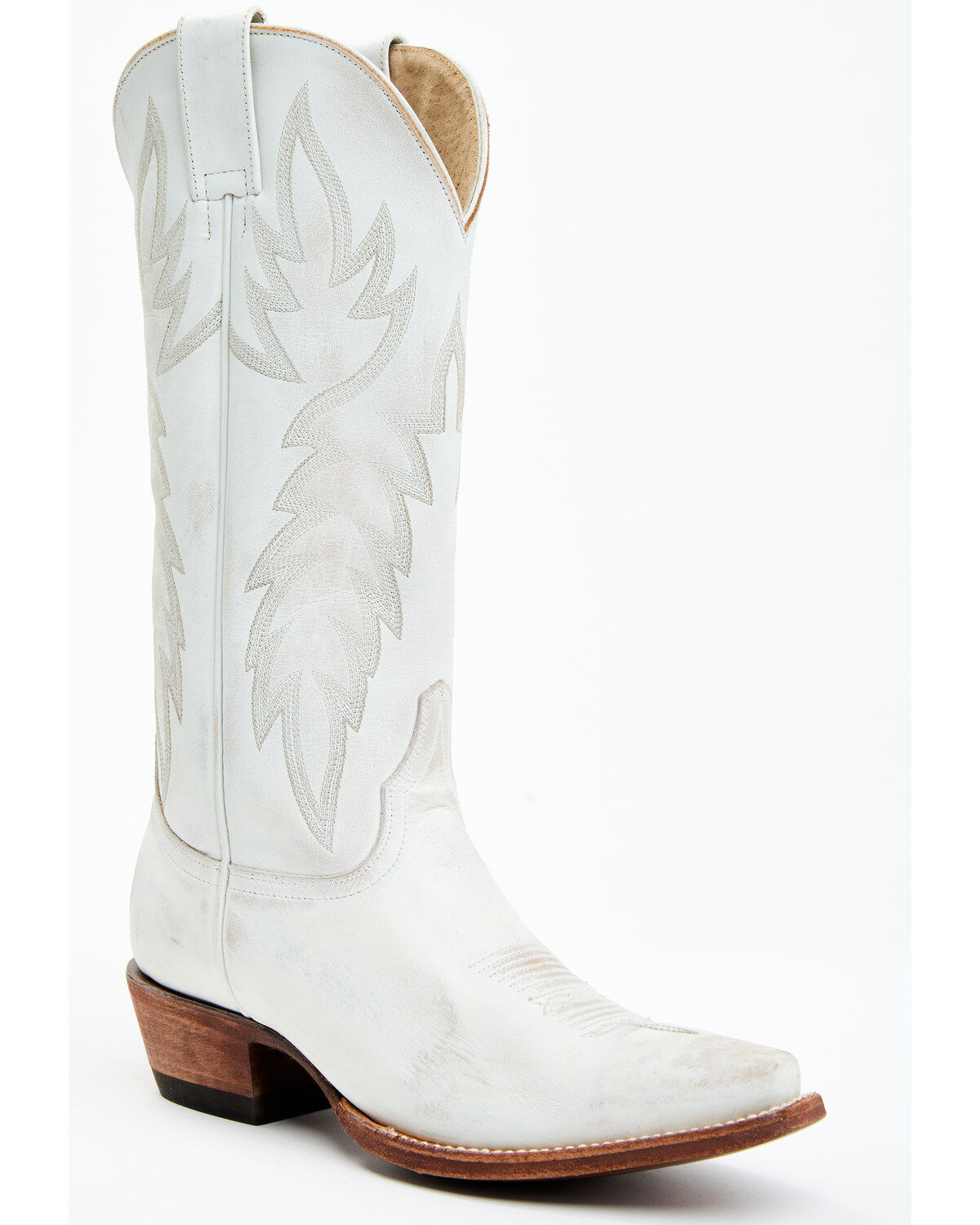
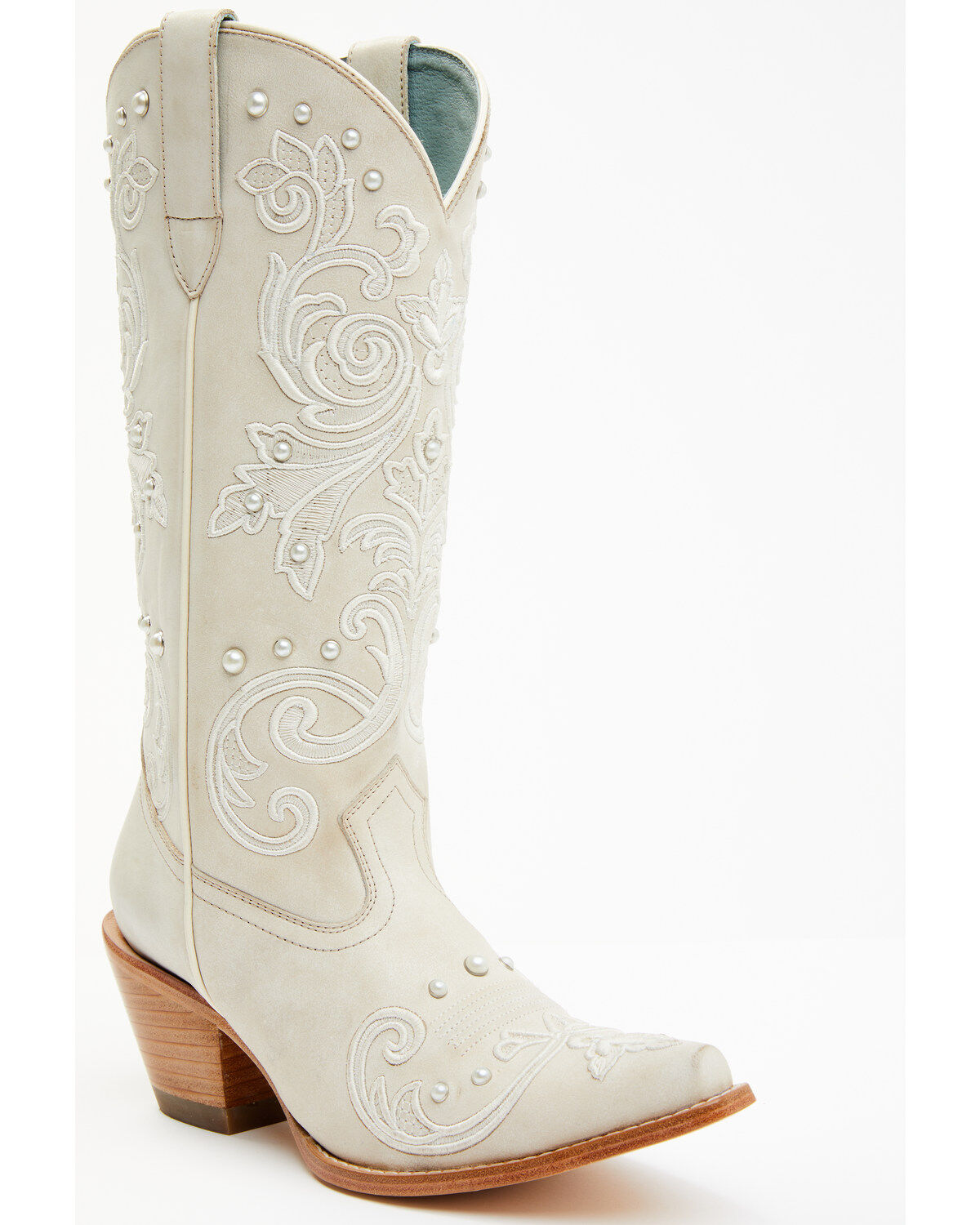
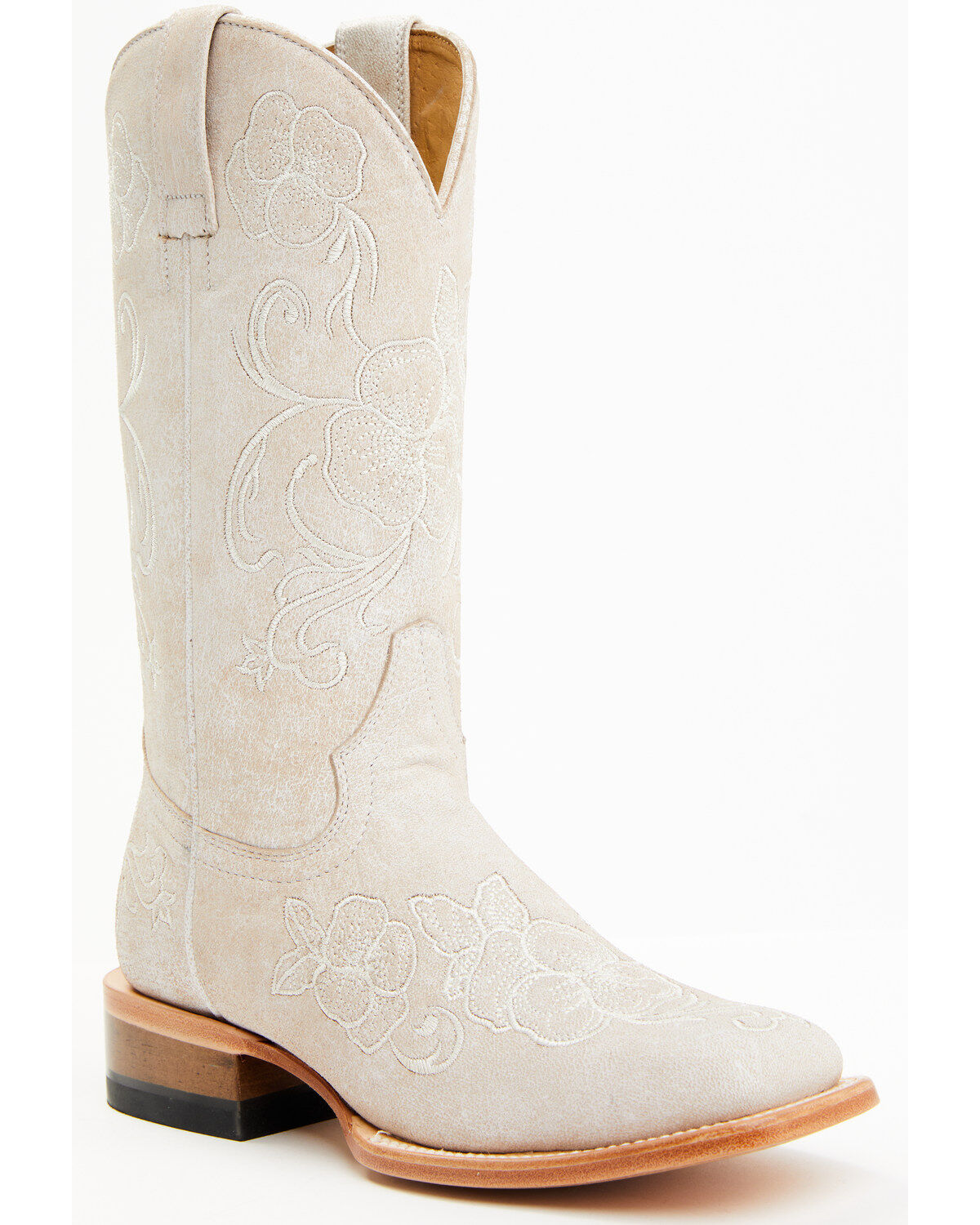
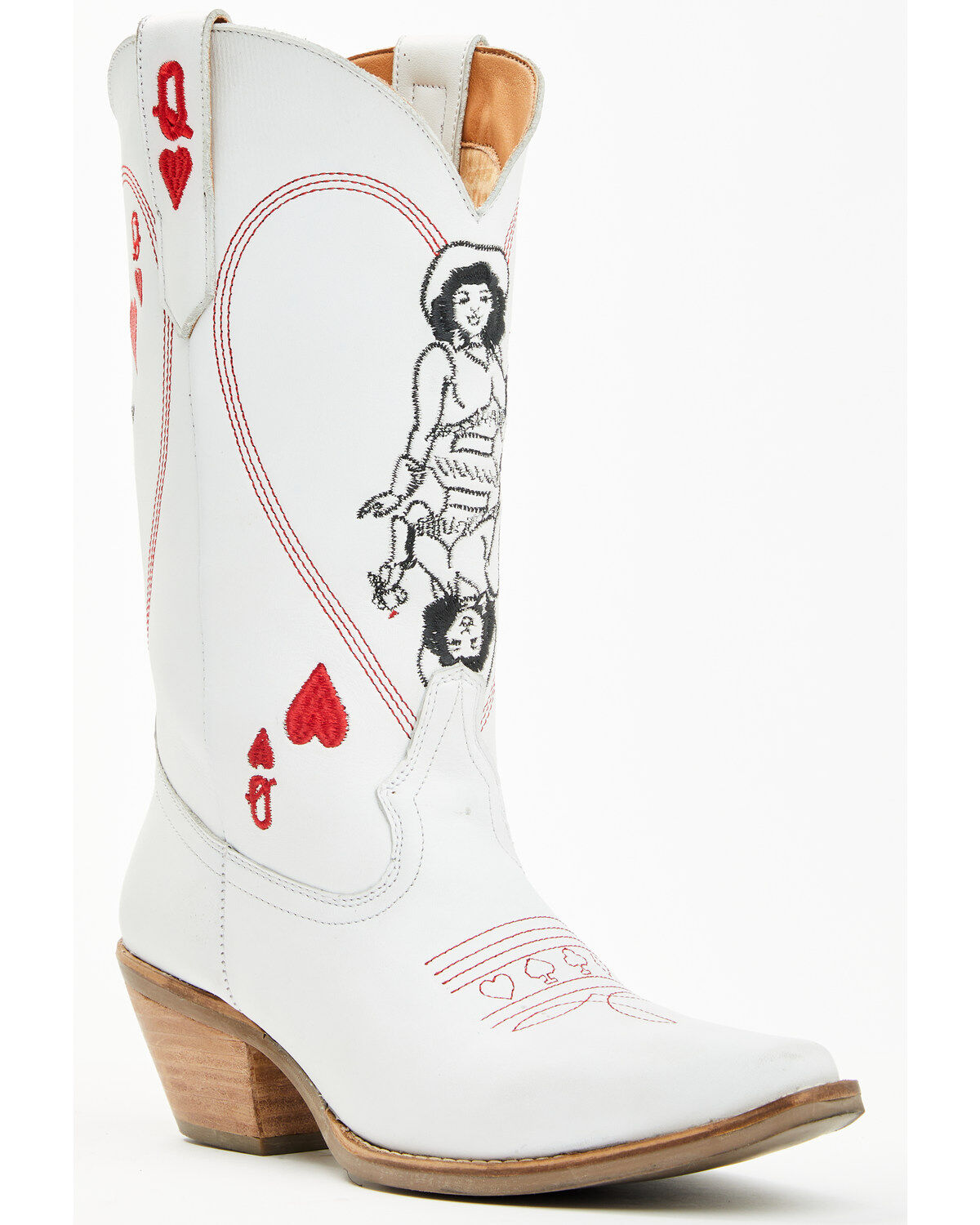
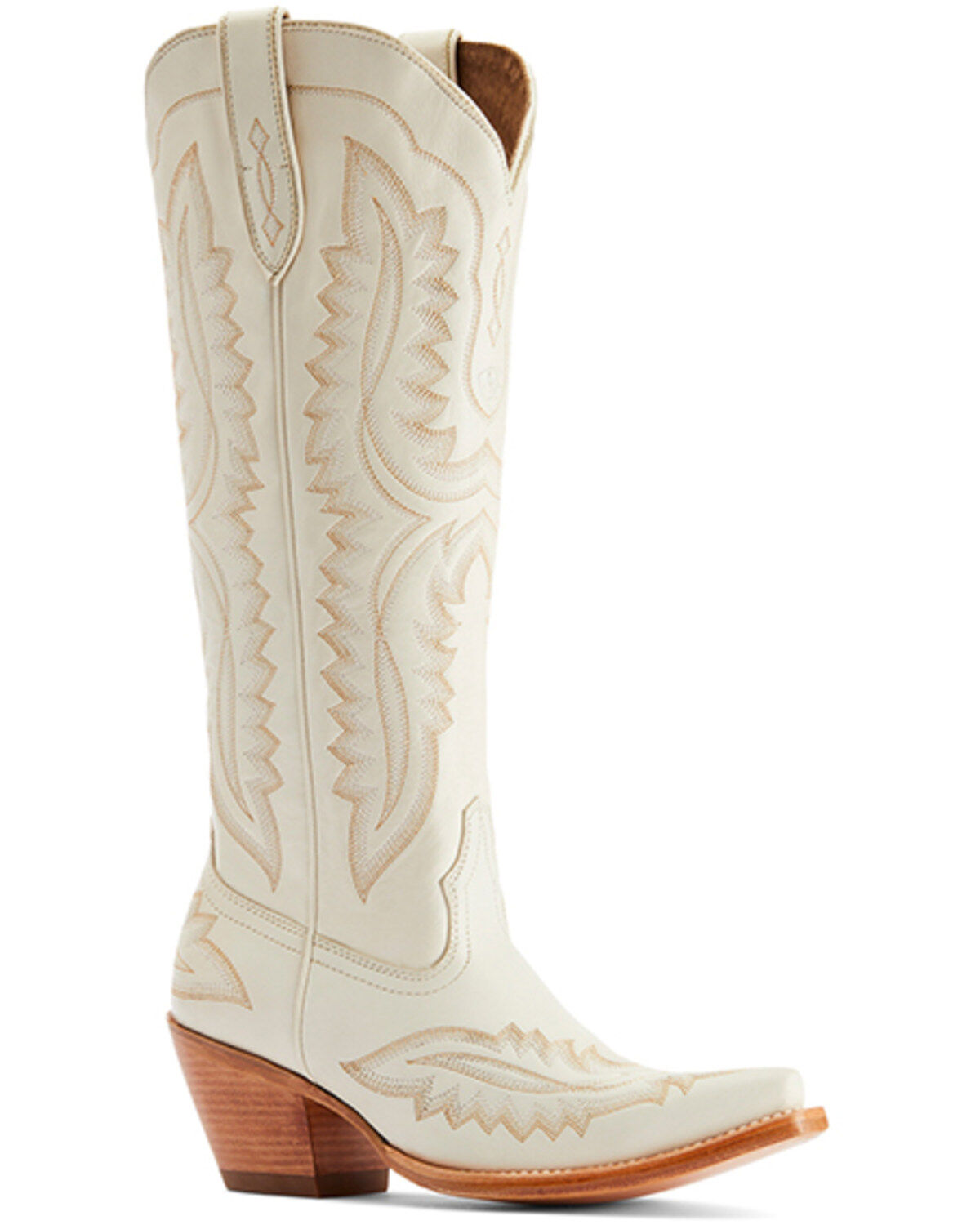
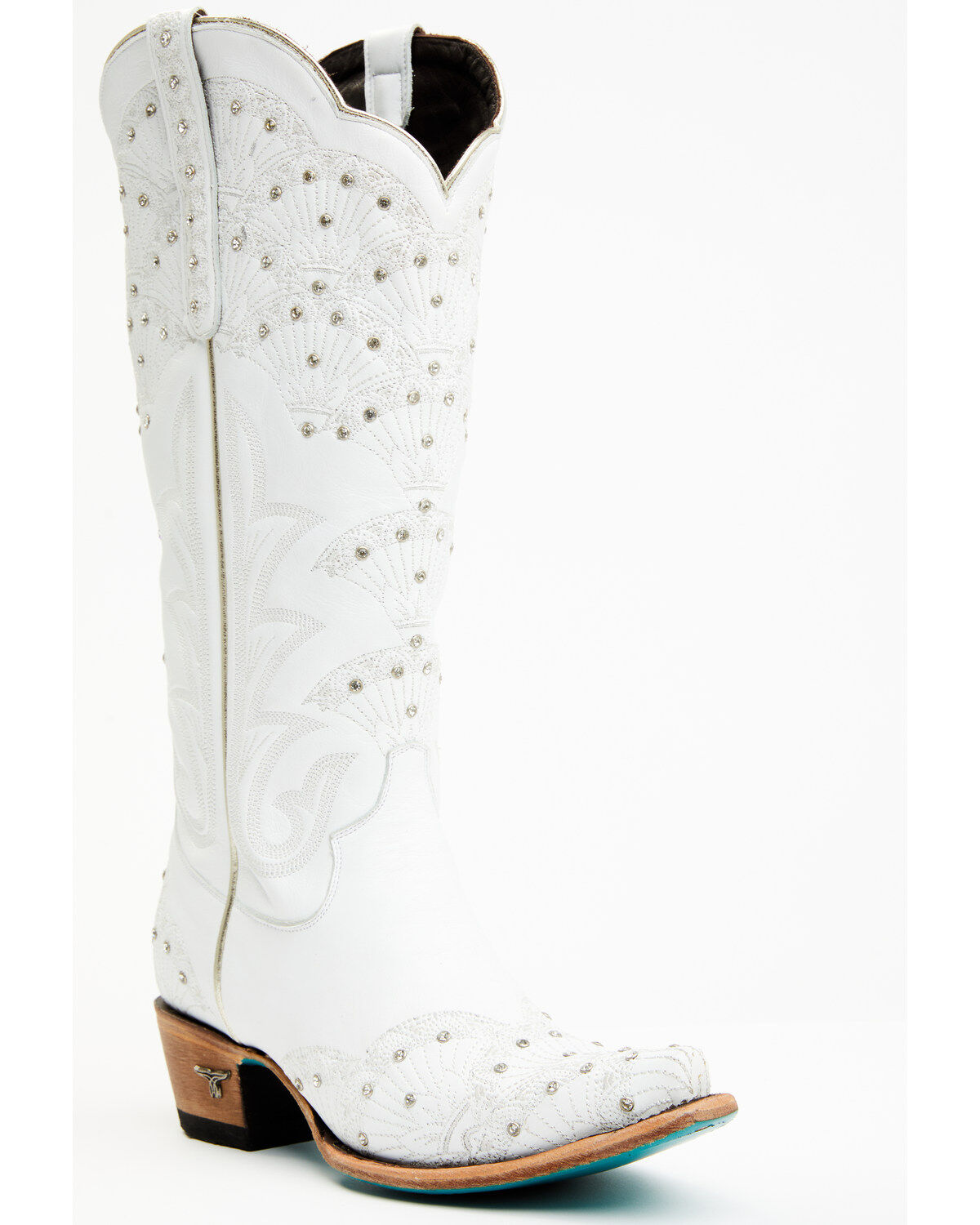
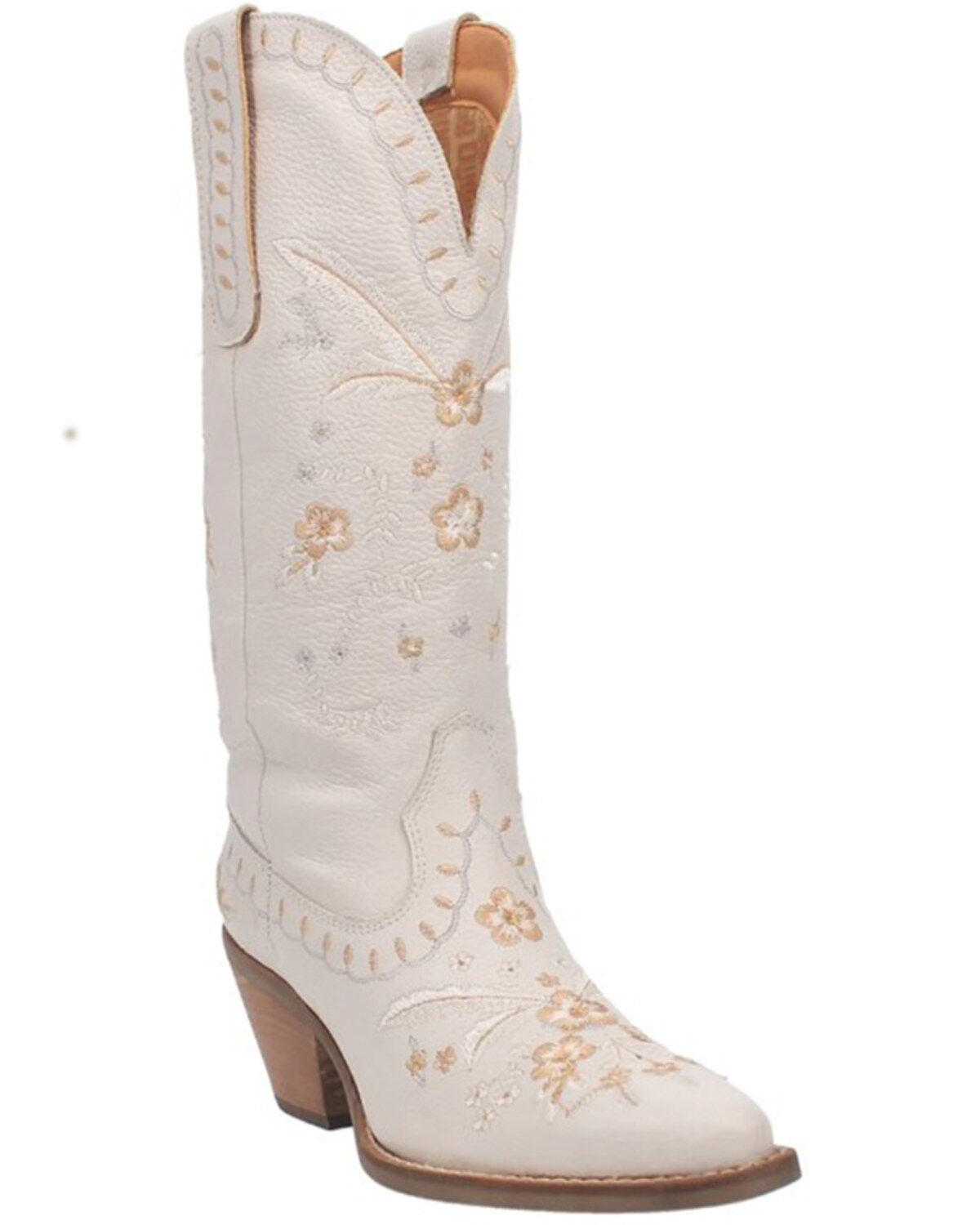
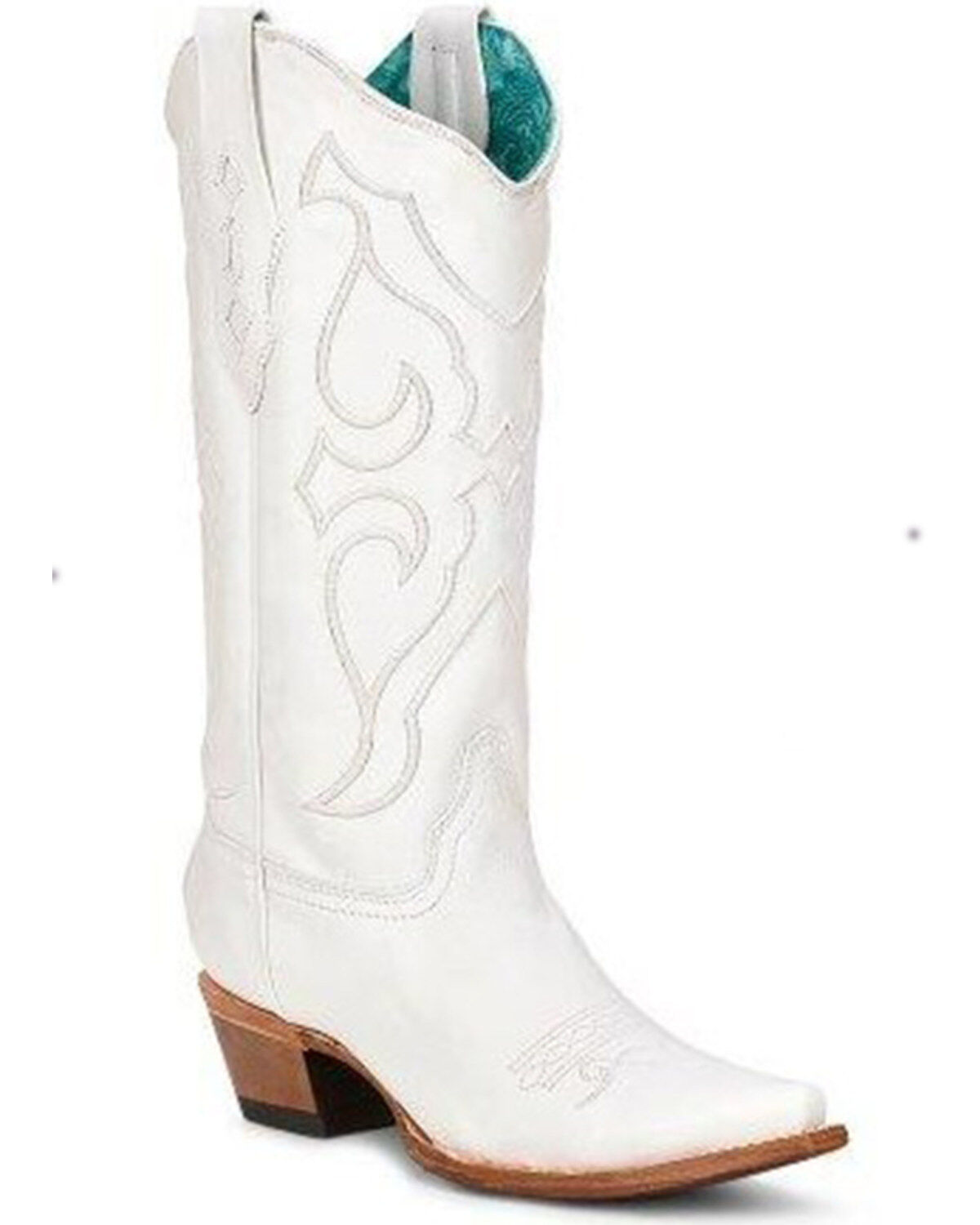
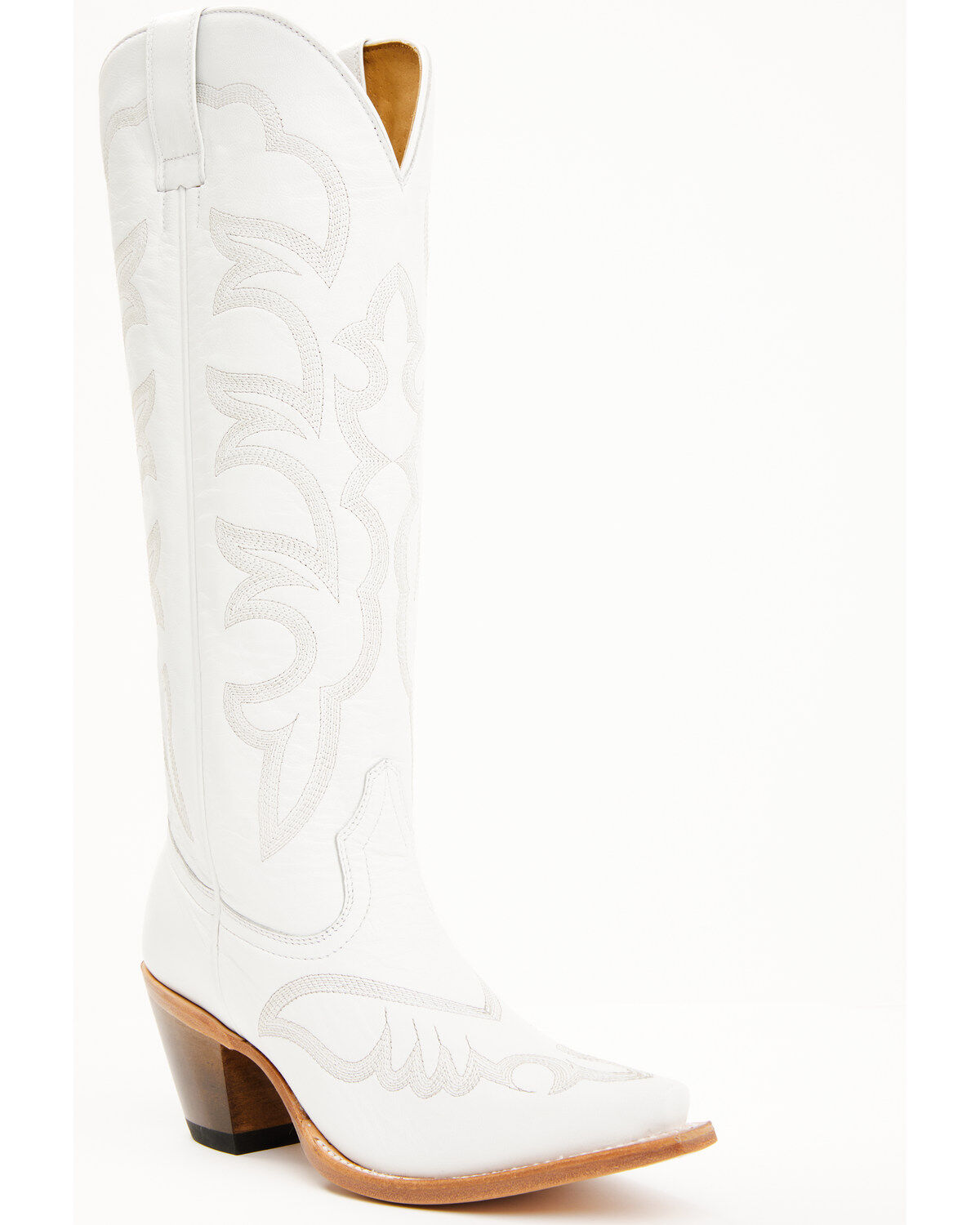
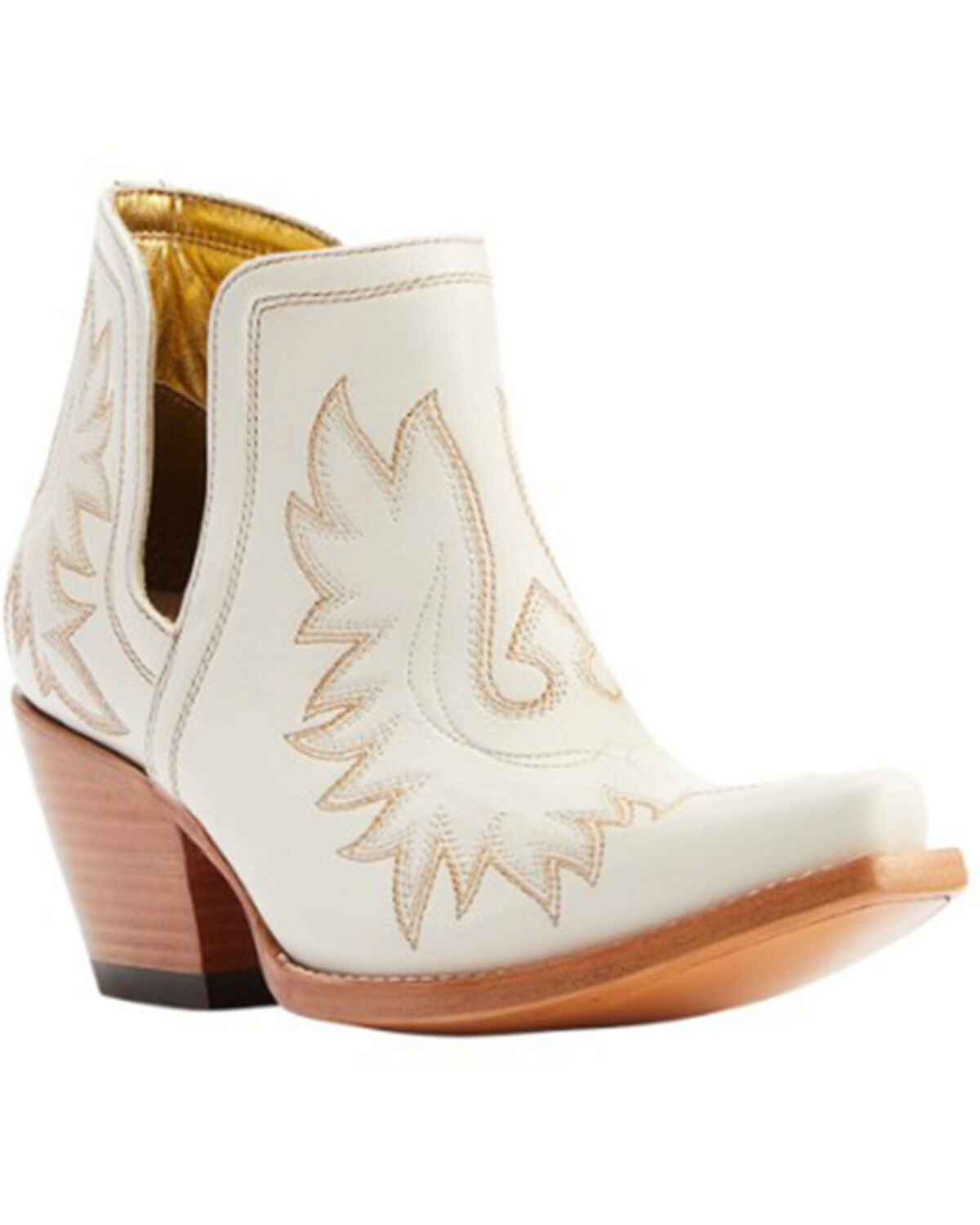
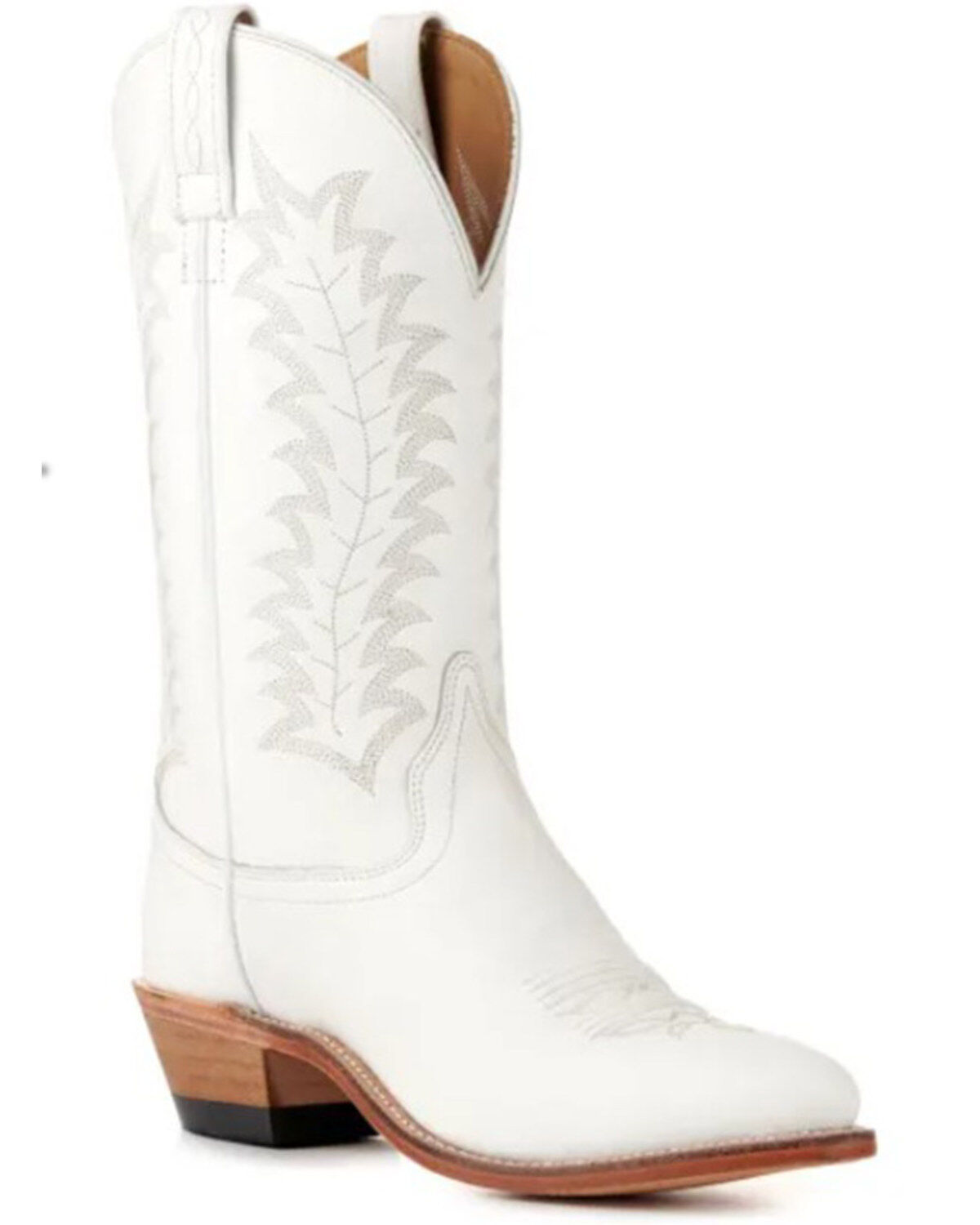
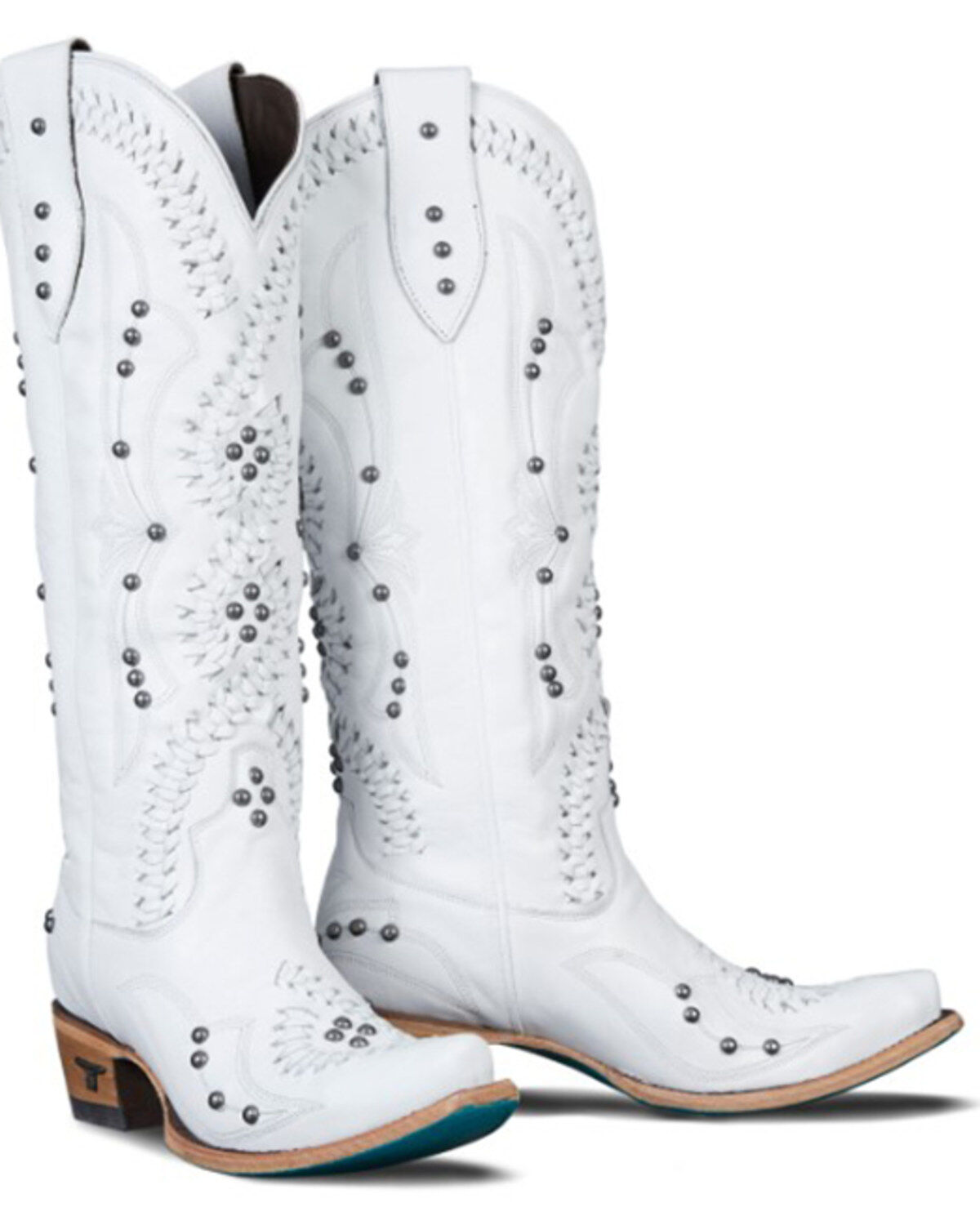
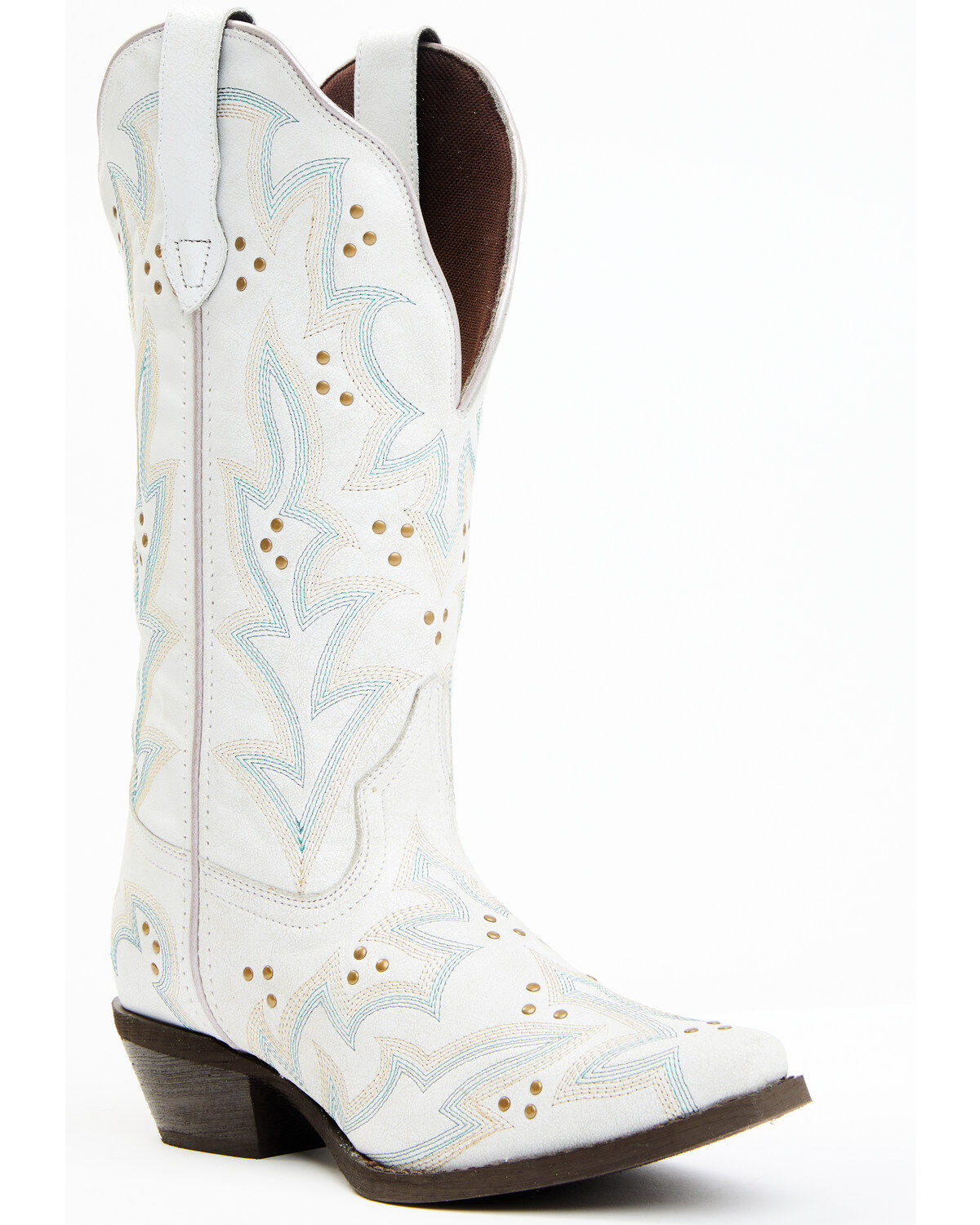
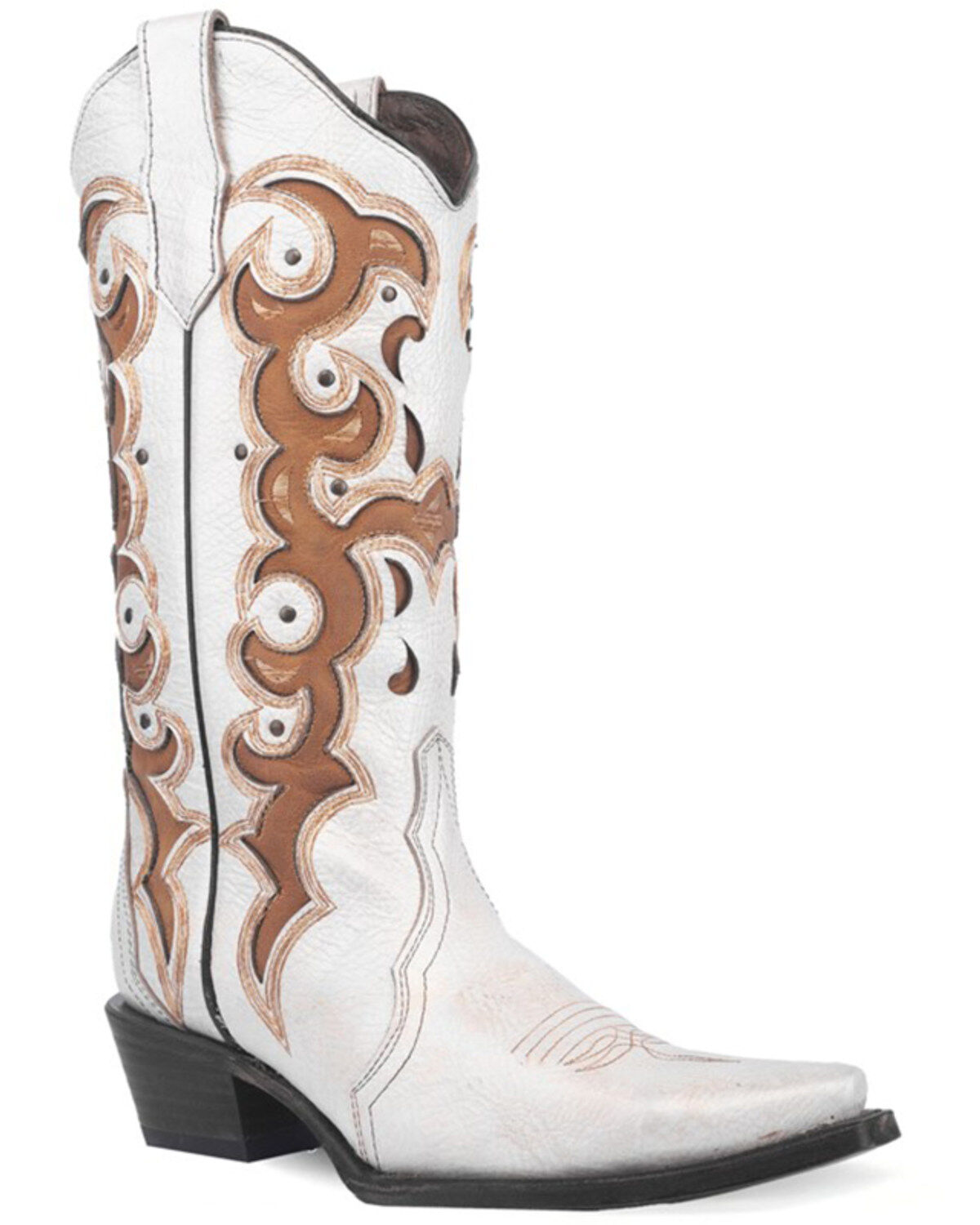
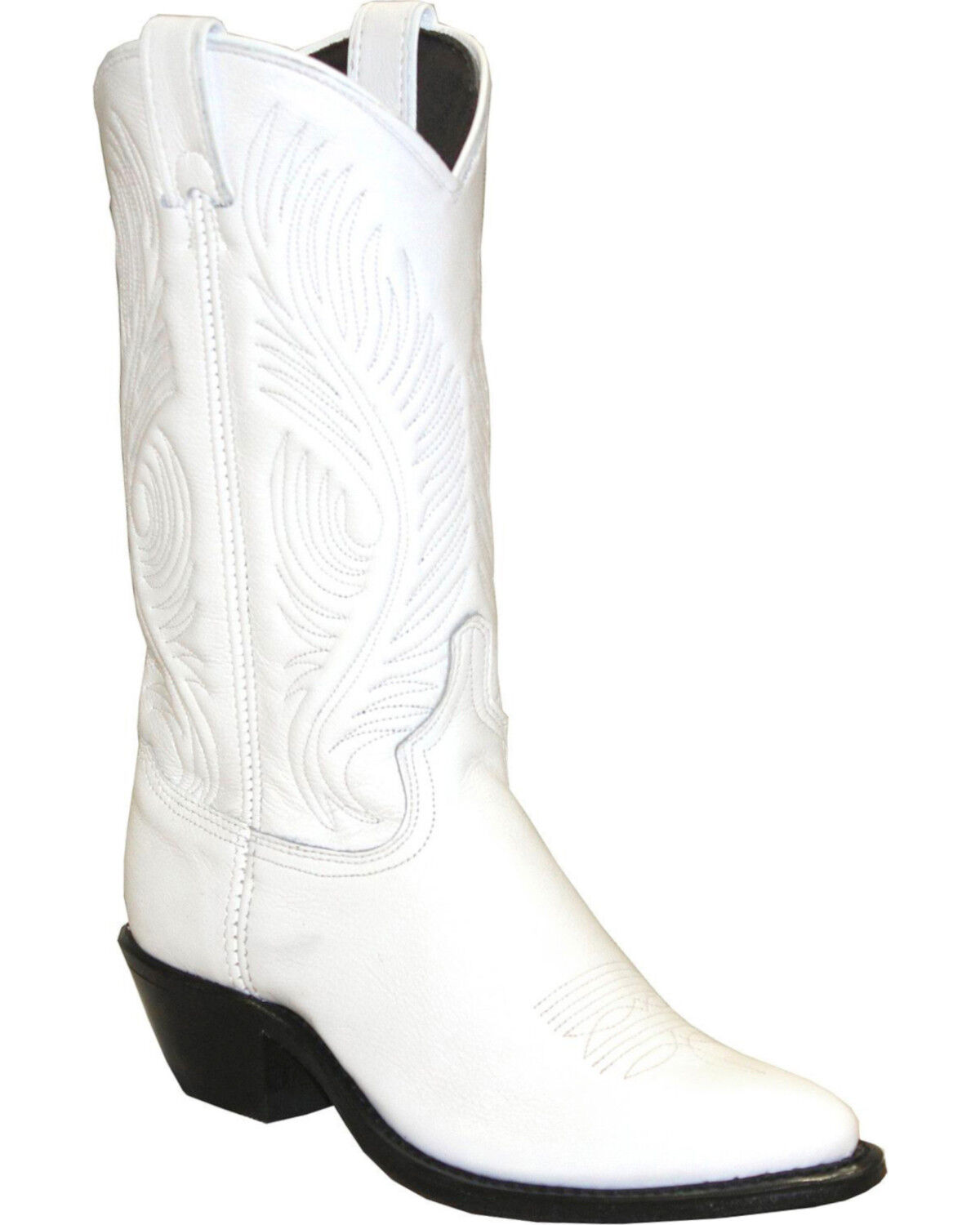
White Women's Boots

Shop white women’s boots for a lighter take on western style, paired with jeans or dresses. When comparing available styles, consider shaft height, toe shape, and heel height to find a pair that suits your wardrobe and how you plan to wear it.

Shop Your Store: Shop Your Store: Find a Store

(Turn off Shop Your Store to see all items)

(Turn off Shop Your Store to see all items)

close
  • Recommended
  • Lowest Price
  • Highest Price
Skip pass products
  • Women's Idyllwind Wheels Western Booties - Round Toe
    Original Price $179.99 $107.97
    40% Total Savings
  • Women's Idyllwind Bright Side Western Boots - Round Toe
    Original Price $229.50 $179.50
    22% Total Savings
  • Women's Shyanne Denisse Western Boots - Snip Toe
    Original Price $239.99 $189.99
    21% Total Savings
  • Women's Shyanne Lasy Western Boots - Broad Square Toe
    Original Price $204.99 $122.97
    40% Total Savings
  • Women's Ariat Dixon Fashion Booties - Snip Toe
    Original Price $209.99 $144.97
    31% Total Savings
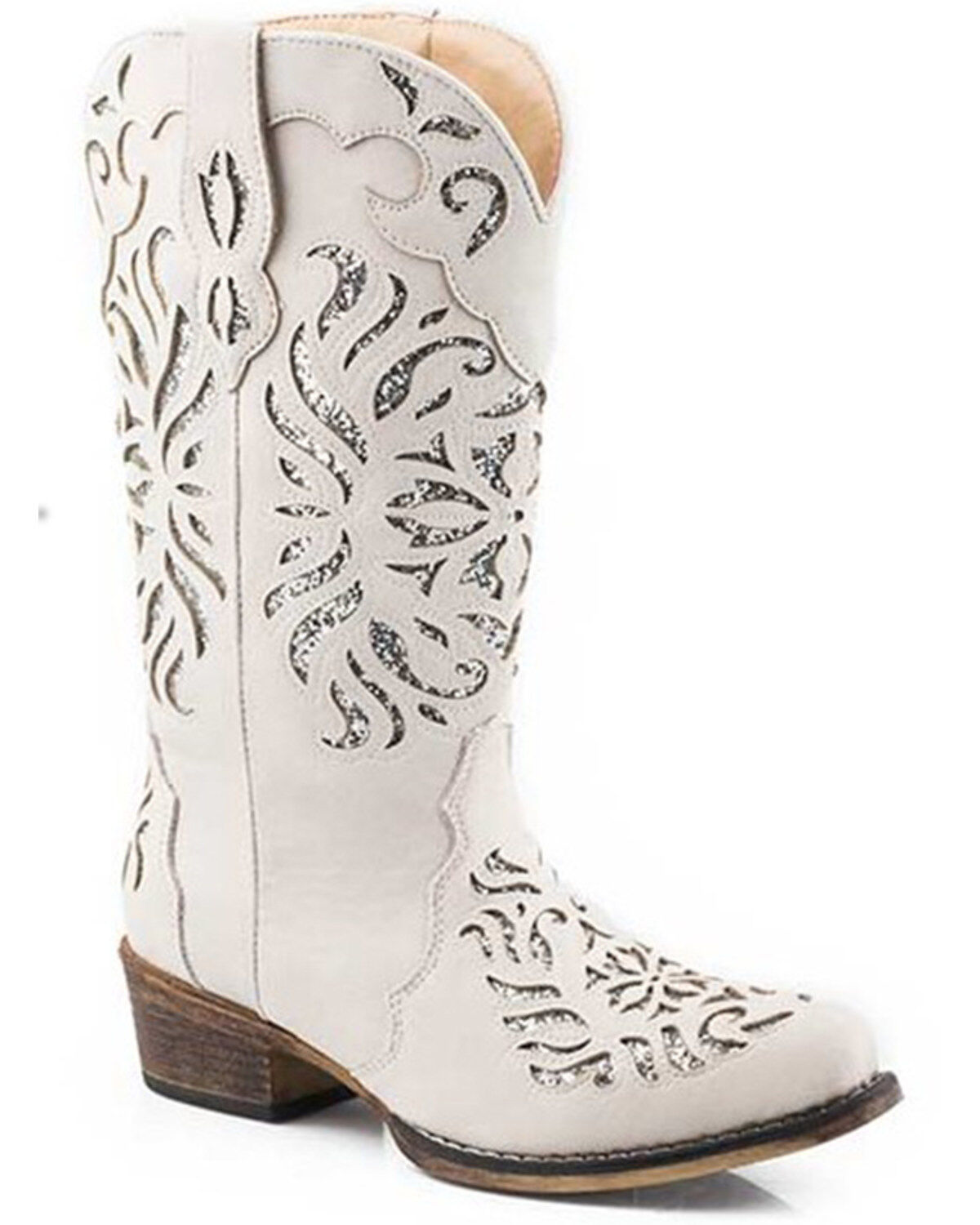
  • Women's Corral Glitter Overlay Western Boots - Snip Toe
    Original Price $288.99 $169.97
    41% Total Savings
  • Women's Laredo Adrian Wide Calf Western Boots - Snip Toe
    Original Price $169.99 $119.97
    29% Total Savings
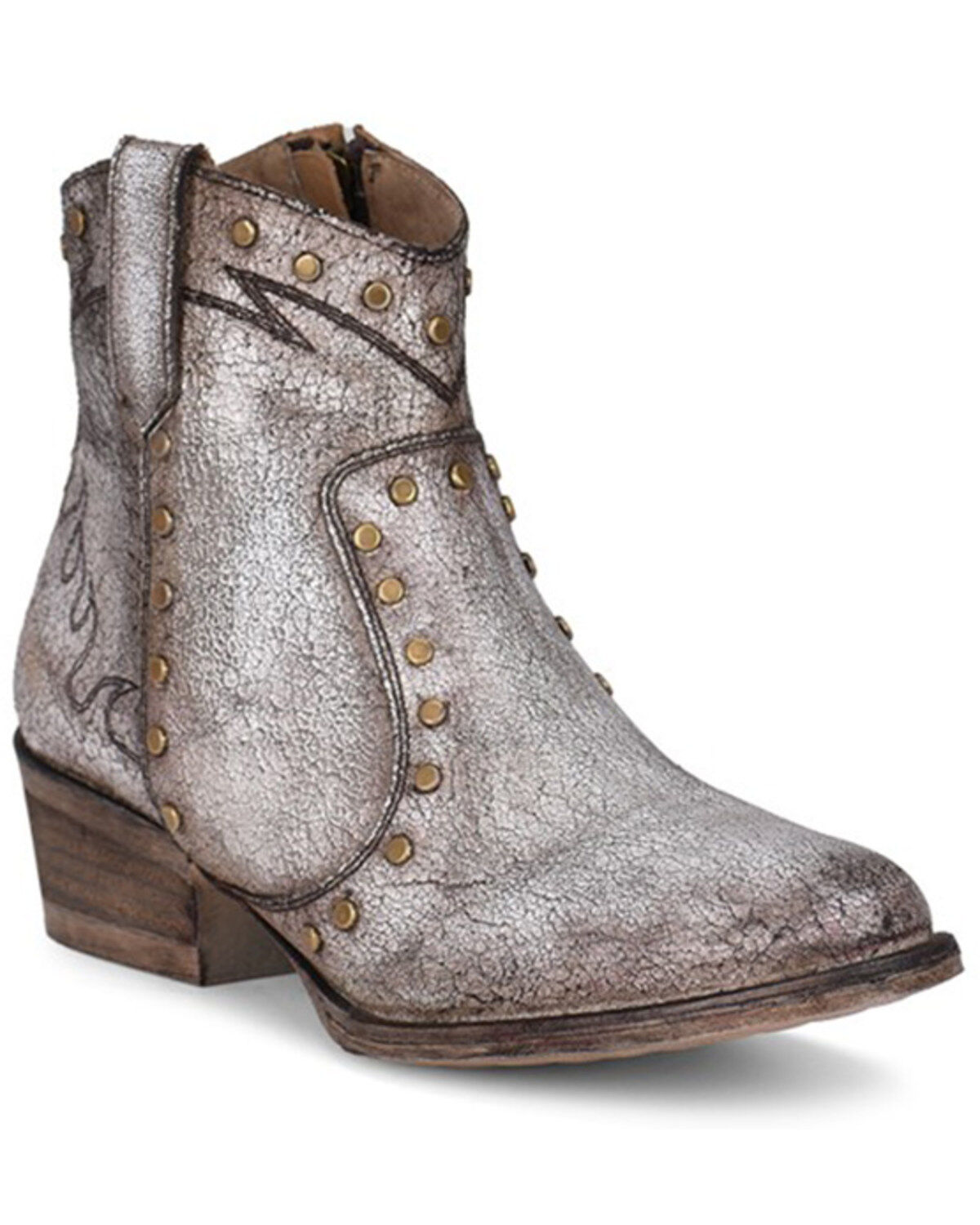
  • Women's Circle G Metallic Studded Fashion Booties - Round Toe
    Original Price $128.99 $95.97
    26% Total Savings
  • Women's Circle G Inlay Western Boots - Snip Toe
    Original Price $188.99 $114.97
    39% Total Savings

End of products

White Women's Boots

Women's white boots include ankle booties, western boots, and taller styles, with differences in shaft height, toe shape, heel design, and material that affect how each pair looks and wears. White cowboy boots bring familiar western details into a lighter color: stitched shafts, pull tabs, shaped heels, and toes that range from rounded to pointed or square. Ankle boots leave more of the leg visible and work well with straight-leg jeans, cropped denim, and dresses. Mid-calf styles give traditional western stitching room to stand out, while knee-high boots create a longer line with skirts and dresses. Bright white offers a crisp contrast against dark denim or black clothing; ivory and off-white shades create a softer contrast with tan, brown, and other neutral colors. Smooth leather, textured leather, suede, and synthetic materials each give white boots a different character. Smooth finishes emphasize the boot's shape, while textured surfaces and tonal stitching add detail without relying on a strong color contrast. Leather can develop creases and character through wear, although its feel and flexibility depend on the hide, finish, and construction. Synthetic uppers vary in softness, breathability, and cleaning requirements, so material descriptions matter more than appearance alone. A white finish does not determine whether a boot is suited to everyday wear, a concert, or a dressier occasion. The heel, sole, fit, and overall construction do that work. A low western heel and a stable base can suit an afternoon spent walking through town, while a taller fashion heel changes both posture and the feel underfoot. For everyday outfits, white boots can serve as the main contrast rather than competing with several bold accessories. With a printed dress, simple stitching keeps the look grounded. With jeans and a plain shirt, a taller shaft or more pronounced western detailing adds definition. The result can be distinctly western without requiring a full western outfit, making white women's boots useful for both regular wear and occasions that call for something different from brown or black footwear.

Fit has a direct effect on comfort, especially in women's white western boots with pull-on construction. The foot needs enough room to enter through the throat of the boot, but the instep should feel secure once the heel is seated. A small amount of heel movement can be normal in a new pull-on leather boot; repeated rubbing, strong lifting, or a foot that slides forward suggests a fit problem. Toes should have room to rest naturally without pressing against the front or sides. Pointed toes extend beyond the usable toe space, so the outside shape is not a reliable measure of room inside. Square and round toes may feel different across the forefoot, but width still depends on the boot's design. Shaft height and circumference matter just as much when wearing boots over jeans or against bare legs. A shaft that presses firmly into the calf or catches behind the knee can become uncomfortable during walking or sitting. Ankle styles also need enough clearance around the opening to avoid persistent rubbing. Trying boots with the socks intended for regular wear gives a more useful sense of fit than trying them with a much thinner or thicker pair. Both feet should feel comfortable, since slight differences in foot size are common. Cushioned footbeds, supportive construction, and adequate forefoot flexibility can help with extended wear, but a soft lining cannot correct the wrong size. Heel height deserves particular attention for concerts, receptions, and other events that involve standing. A broad heel generally provides a more stable base than a narrow one, while outsole grip varies with the material and tread. Rubber soles can provide traction and cushioning; leather soles have a traditional feel and may be slick on smooth surfaces before wear. Durability also depends on stitching, attachment methods, and how the boots are used. Some construction allows professional resoling, while other designs do not. Fashion-oriented white boots should not be assumed to provide jobsite protection, waterproof performance, or slip resistance unless those features are stated. A good fit should feel secure from the start, without depending on a painful break-in period to become wearable.

White boots show dust, scuffs, and transferred color more readily than darker footwear, making routine care especially important. Dark denim can leave marks where it rubs against a light shaft, particularly when the fabric is new. Keeping the hem clean and watching for dye transfer helps protect the finish. For smooth finished leather, loose dirt can usually be removed with a soft cloth or brush before using a cleaner approved for that material. Any cleaner or conditioner should first be tested in an inconspicuous area because light leather can darken or change appearance. Suede and nubuck need products intended for their surfaces rather than the same treatment used on smooth leather. Synthetic uppers also have their own care requirements, and harsh solvents or abrasive scrubbing can damage coatings. White polish is not suitable for every white boot, especially textured materials or contrasting stitching. Following the care directions preserves the intended finish more reliably than covering every mark with a general-purpose product. Boots that become damp should dry naturally away from direct heat, with enough support to retain their shape. Storing them upright, out of direct sunlight, helps prevent bent shafts and unnecessary exposure that may affect the color. Care matters for occasional footwear, too. White boots worn for a wedding, reception, graduation celebration, or concert benefit from a fit check and some indoor wear before the event. A bride pairing boots with a long dress may need to consider both heel height and the hem length, while a guest planning to dance may place greater value on a secure fit and steady heel. For dressier celebrations, explore Womens White Boots For Special Occasions. As a gift, white boots are most useful when the recipient's size, preferred toe shape, calf fit, and usual heel height are known. Someone who regularly wears western boots may appreciate familiar construction in a different color, while a first-time wearer may prefer a lower heel and simpler shaft. Those practical details help make the boots a pair that gets worn beyond a single photograph or event.

FAQs