Western Sneakers | Boot Barn

Western sneakers keep your style familiar when the boots come off. Explore casual shoes with understated details or bold western patterns for days off, everyday errands, and downtime.

Shop Your Store: Shop Your Store: Find a Store

(Turn off Shop Your Store to see all items)

(Turn off Shop Your Store to see all items)

close
  • Recommended
  • Lowest Price
  • Highest Price
Skip pass products

End of products

Western Sneakers | Boot Barn

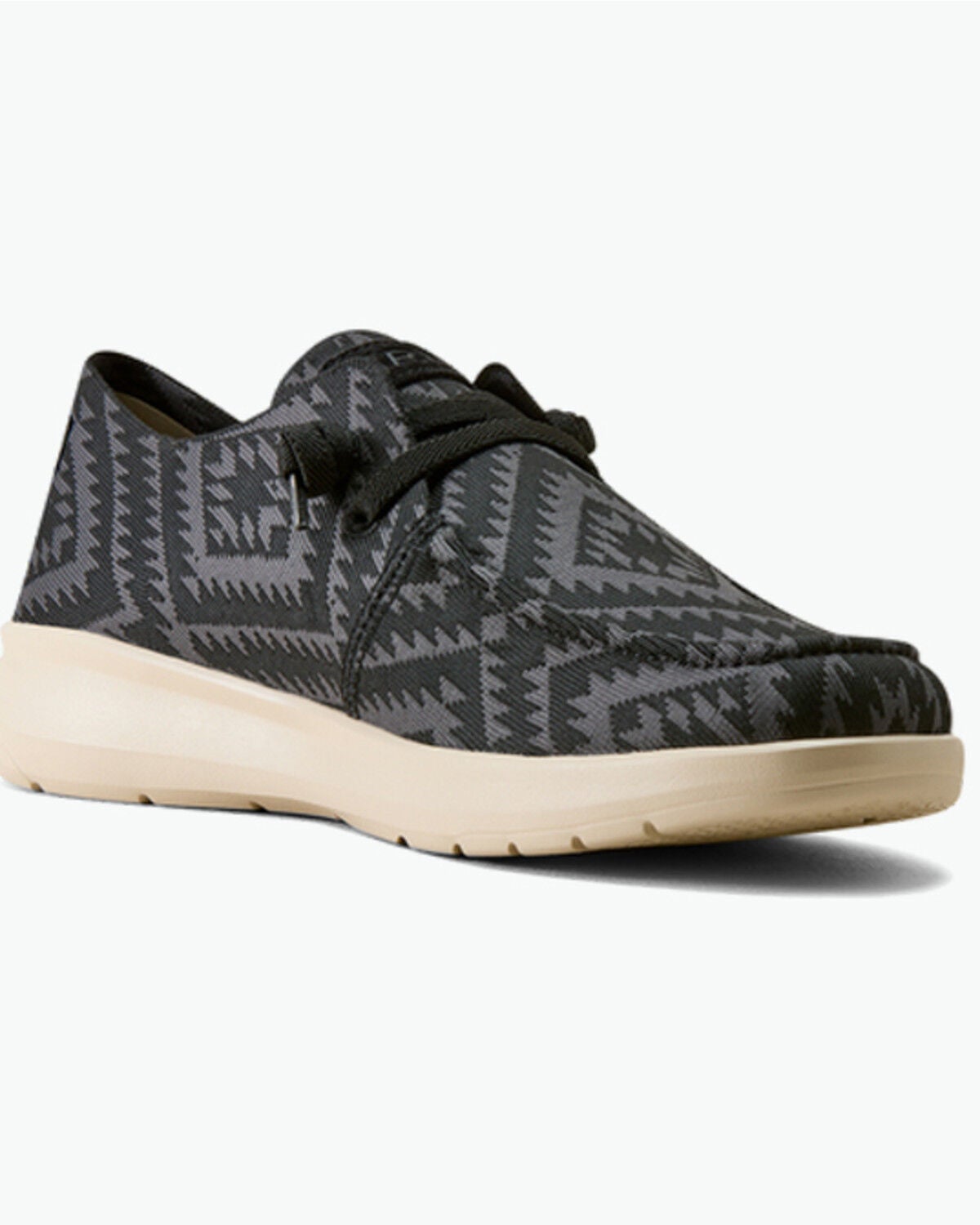
Western sneakers bring western details to an everyday casual shoe. They pair familiar sneaker shapes with features such as leather panels, contrast stitching, woven textures, and patterns influenced by western boot design. The result is footwear that works naturally with denim without the shaft or heel of a cowboy boot. Some designs keep the western influence subtle, with a stitched accent or a mix of leather and canvas. Others make it more visible through embroidered patterns, textured overlays, or bold color combinations. Low-top shapes leave the ankle open and fit easily beneath straight-leg jeans, while higher collars provide more coverage around the ankle. Lace-up closures allow adjustments across the top of the foot, and slip-on constructions offer a simpler profile with fewer parts to fasten. Stretch panels can help a slip-on move with the foot, though a secure fit still matters. These differences give western casual shoes a place in a range of everyday routines, from a drive into town to an afternoon spent browsing shops or meeting friends for dinner. They also give someone who usually wears boots another option for off-duty hours without a complete change in personal style. Neutral colors keep the focus on shape and texture, while contrasting panels or stitching make the footwear a more noticeable part of an outfit. The distinction between western sneakers and traditional western boots is more than appearance. Sneakers generally use a lower profile and a sole intended for casual walking rather than the heel and construction associated with riding footwear. They are not a substitute for riding boots, protective work boots, or footwear required for a particular job. Their purpose is straightforward: casual wear with western character. For someone moving between the car, a restaurant, and a few stops around town, that balance can make more sense than a heavier boot. The right choice depends on how the shoes will be worn, not simply how closely they resemble a favorite pair of boots.

Materials and construction shape how western sneakers feel, wear, and hold their appearance. Smooth leather gives a shoe a structured look and can develop visible creases with use. Suede has a softer, textured surface that needs different care, while canvas and other textile uppers often create a more relaxed appearance. Mixed-material designs combine these qualities, but each panel may have its own cleaning requirements. Leather overlays can reinforce areas that receive repeated contact, though durability also depends on the quality of the seams, the connection between the upper and sole, and the demands placed on the shoe. Neat stitching and securely attached panels matter more than a rugged appearance alone. Underfoot, cushioning can soften contact with hard surfaces, while a firmer platform may feel steadier to some wearers. A thick-looking sole is not necessarily more supportive, and a soft footbed does not guarantee the right fit. Removable insoles can be useful for airing out shoes or accommodating an appropriate replacement, provided the shoe has enough interior space. Outsole material and tread pattern also deserve attention. Grip varies by surface, and a casual sneaker should not be assumed to meet workplace slip-resistance or other safety requirements unless the manufacturer specifies them. Fit starts with adequate room for the toes and a heel that stays reasonably secure during a normal stride. The foot should not slide forward or press hard against the front of the shoe. Width matters through the ball of the foot as well as across the toe box, especially when leather overlays limit stretch. Laces offer some adjustment over the instep, but they cannot correct a shoe that is too narrow or too short. Slip-ons need a close enough fit to stay in place without gripping the foot uncomfortably. Trying shoes with the socks intended for everyday wear gives a more useful sense of fit than judging by the size label alone. A few steps can reveal heel movement, pressure across the instep, or seams that rub before those small problems become part of a long day.

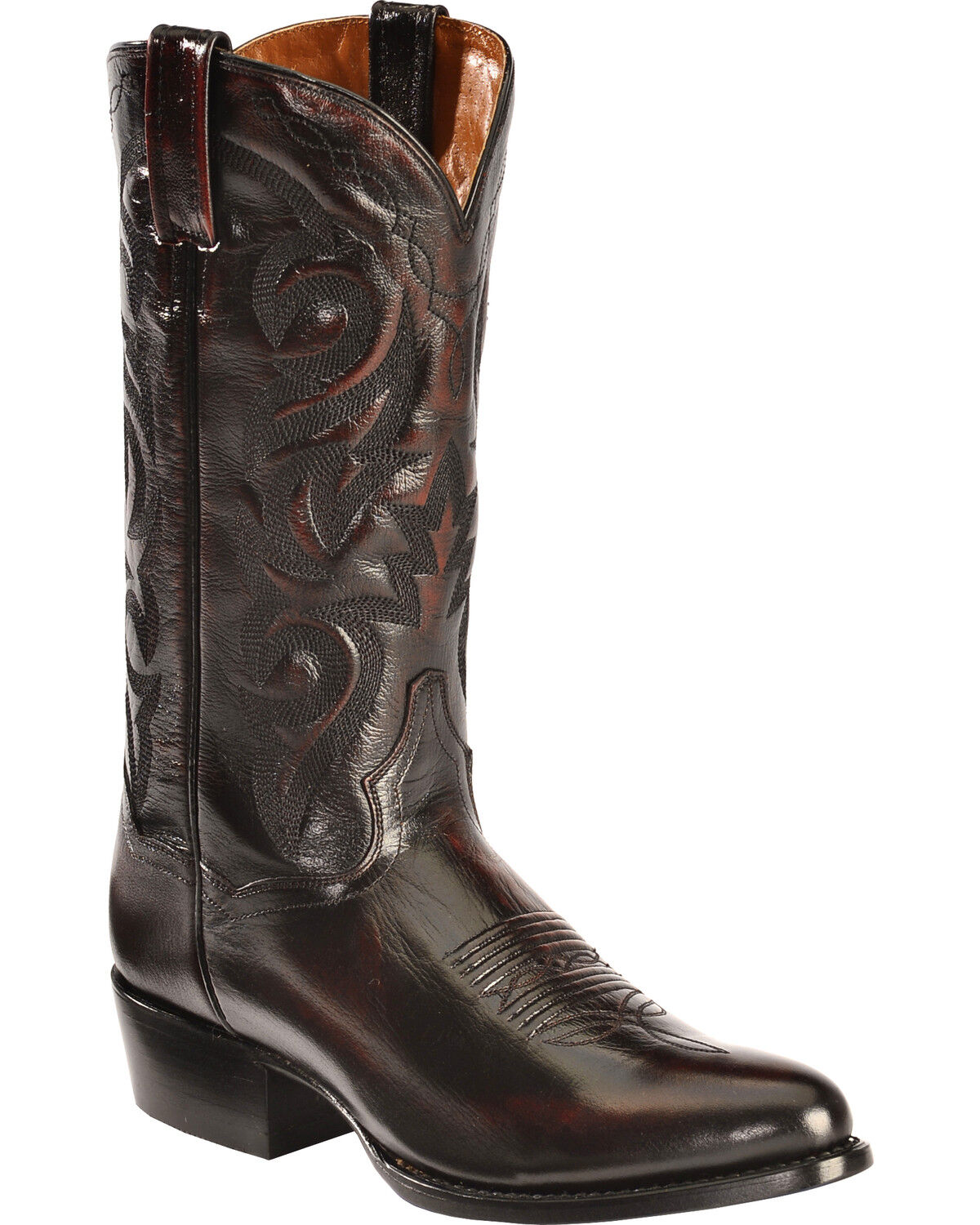
Regular care helps western sneakers retain their shape and keeps dirt from becoming embedded in textured surfaces and seams. Loose dust and grit are best removed before deeper cleaning, using a method suited to the upper material. Smooth leather typically calls for a soft cloth and a leather-appropriate cleaner, while suede needs tools and products made for its nap. Textile panels may require spot cleaning rather than soaking, particularly when they sit beside leather trim or glued components. The manufacturer’s care directions should take priority over a general cleaning routine. A washing machine or hot dryer can damage materials, adhesives, and the structure of a shoe that was not made for that treatment. After cleaning, allow footwear to dry naturally away from direct heat. Insoles should be removed for drying only when the design allows it. Keeping the tread clear of packed dirt also makes it easier to inspect wear, and checking the heel edges can reveal uneven breakdown before the upper looks worn out. For everyday dressing, western sneakers work with straight-leg, relaxed, or tapered jeans when the hem falls cleanly around the shoe rather than bunching beneath it. A plain shirt lets stitching and texture stand out; a patterned western shirt pairs easily with a quieter shoe. The combination can feel familiar to someone whose wardrobe already centers on denim, leather belts, and western shirts. For occasions that call for a traditional boot shape, Western Single Stitched Boots offer a different direction while keeping that western foundation. As a gift, western sneakers make the most sense when the recipient’s size, preferred width, and usual style are known. Someone who favors understated footwear may appreciate simple panels and tonal stitching more than a bold pattern. A regular slip-on wearer may value that familiar construction more than an unfamiliar lace-up shape. Those practical details help a gift become part of an everyday wardrobe rather than something worn only once. Fit, useful construction, and a style that suits the wearer give western sneakers their lasting appeal.

FAQs