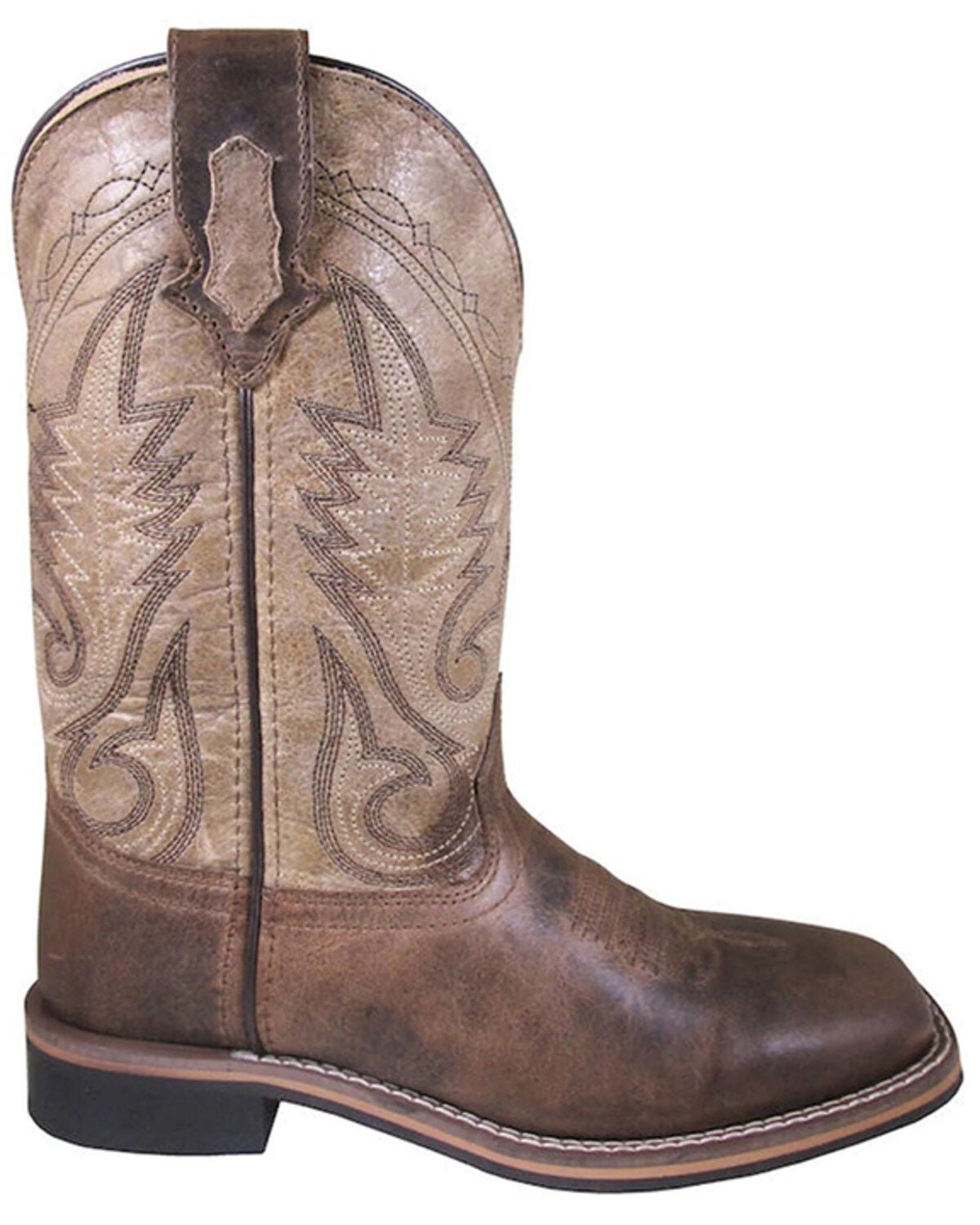
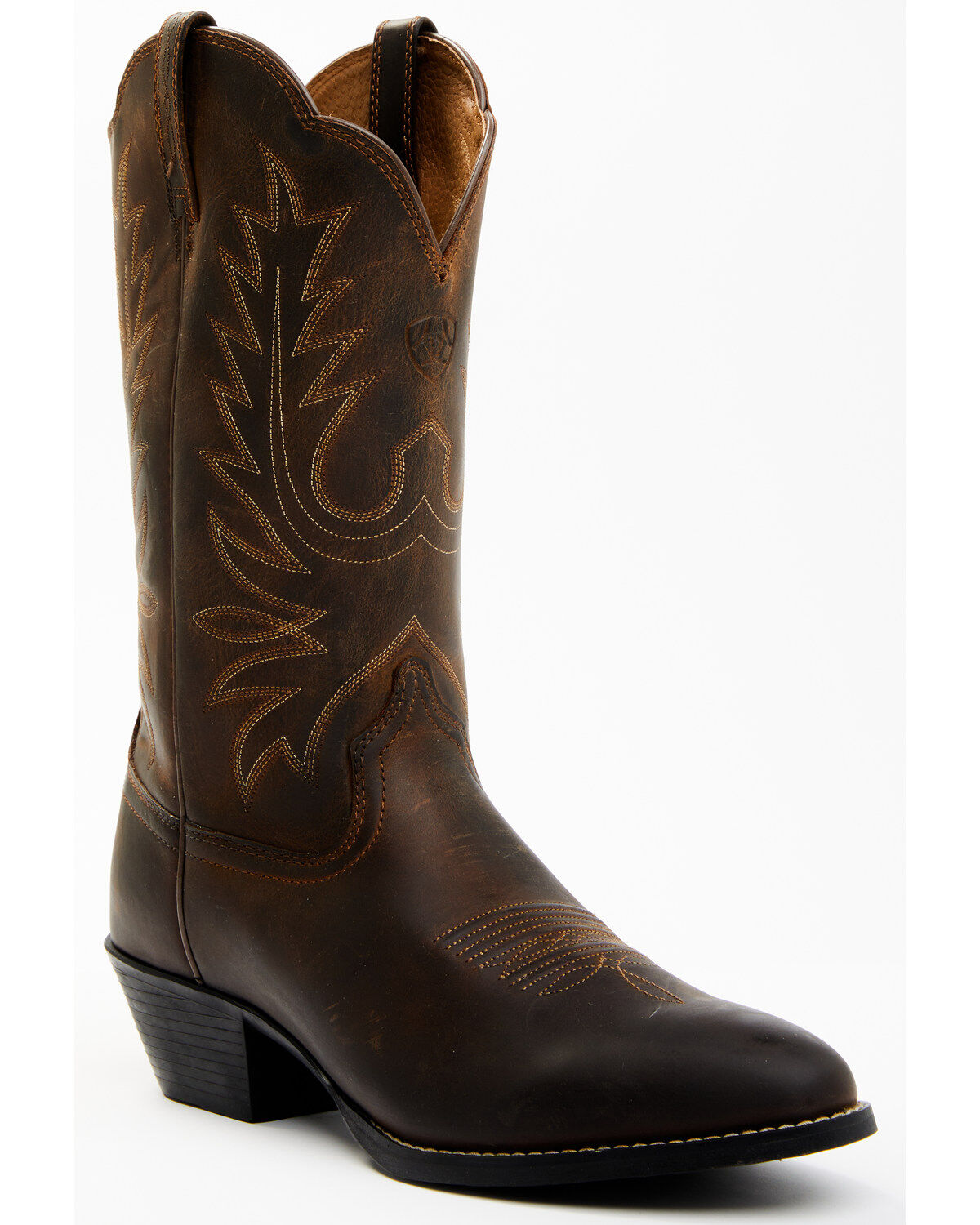
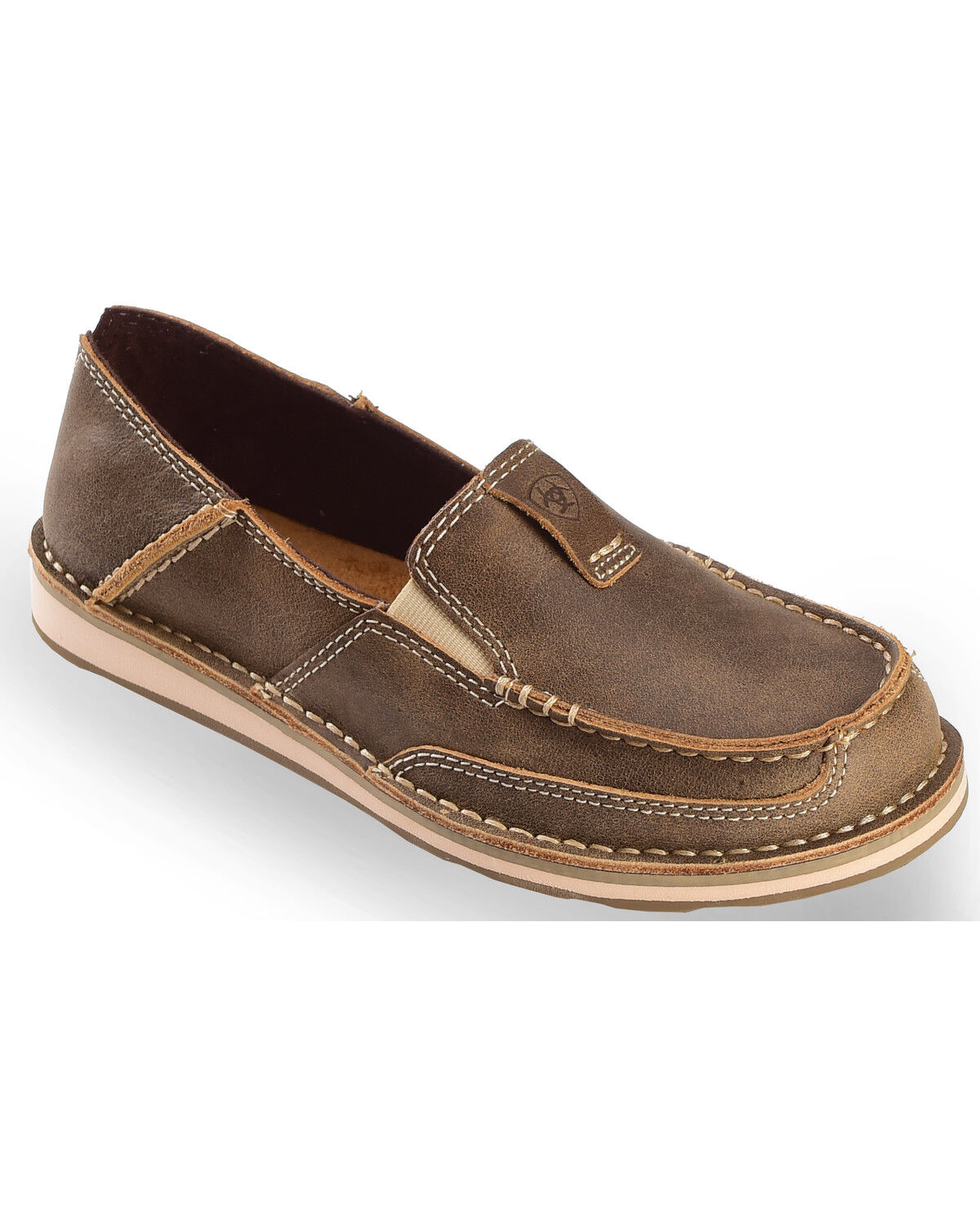
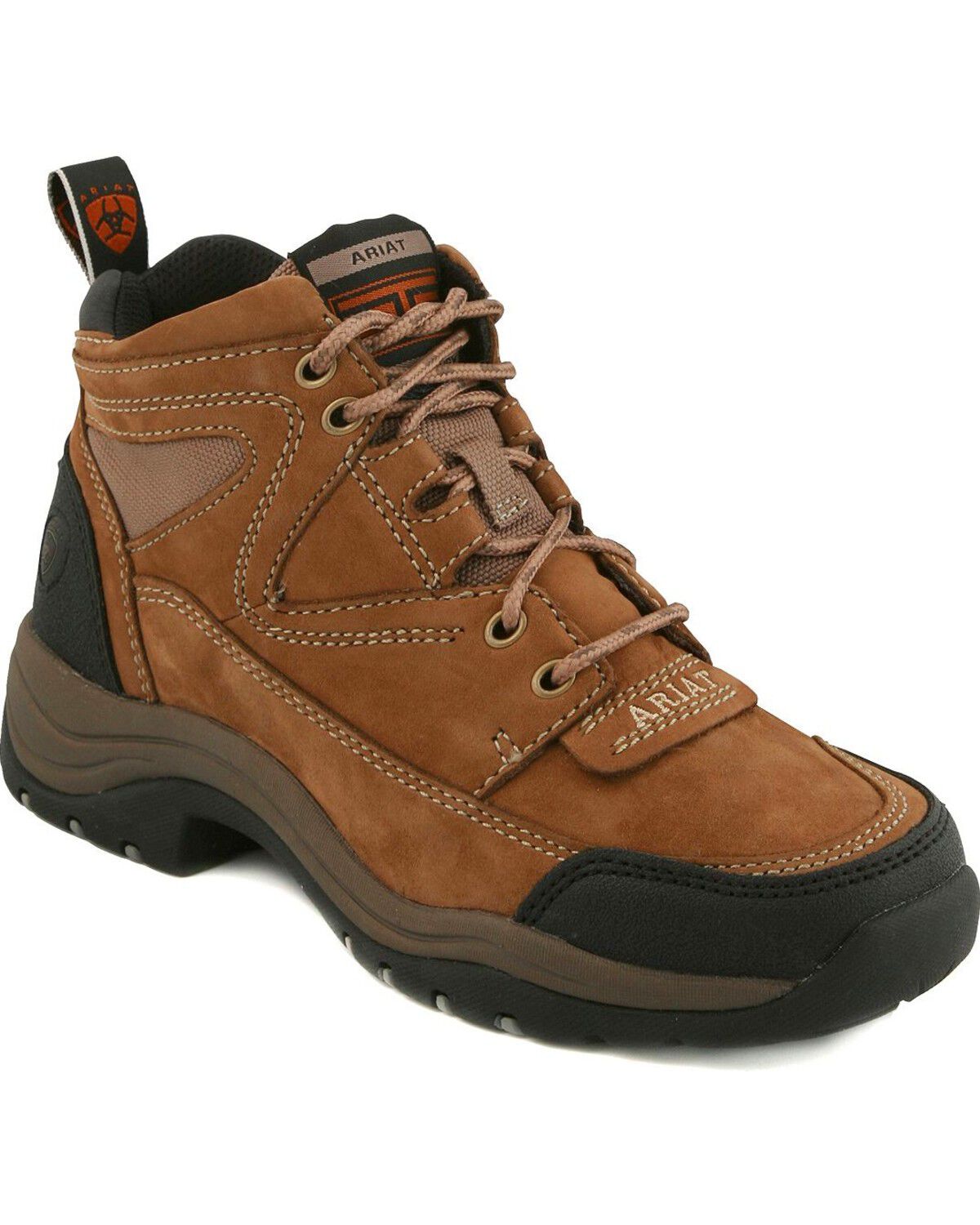
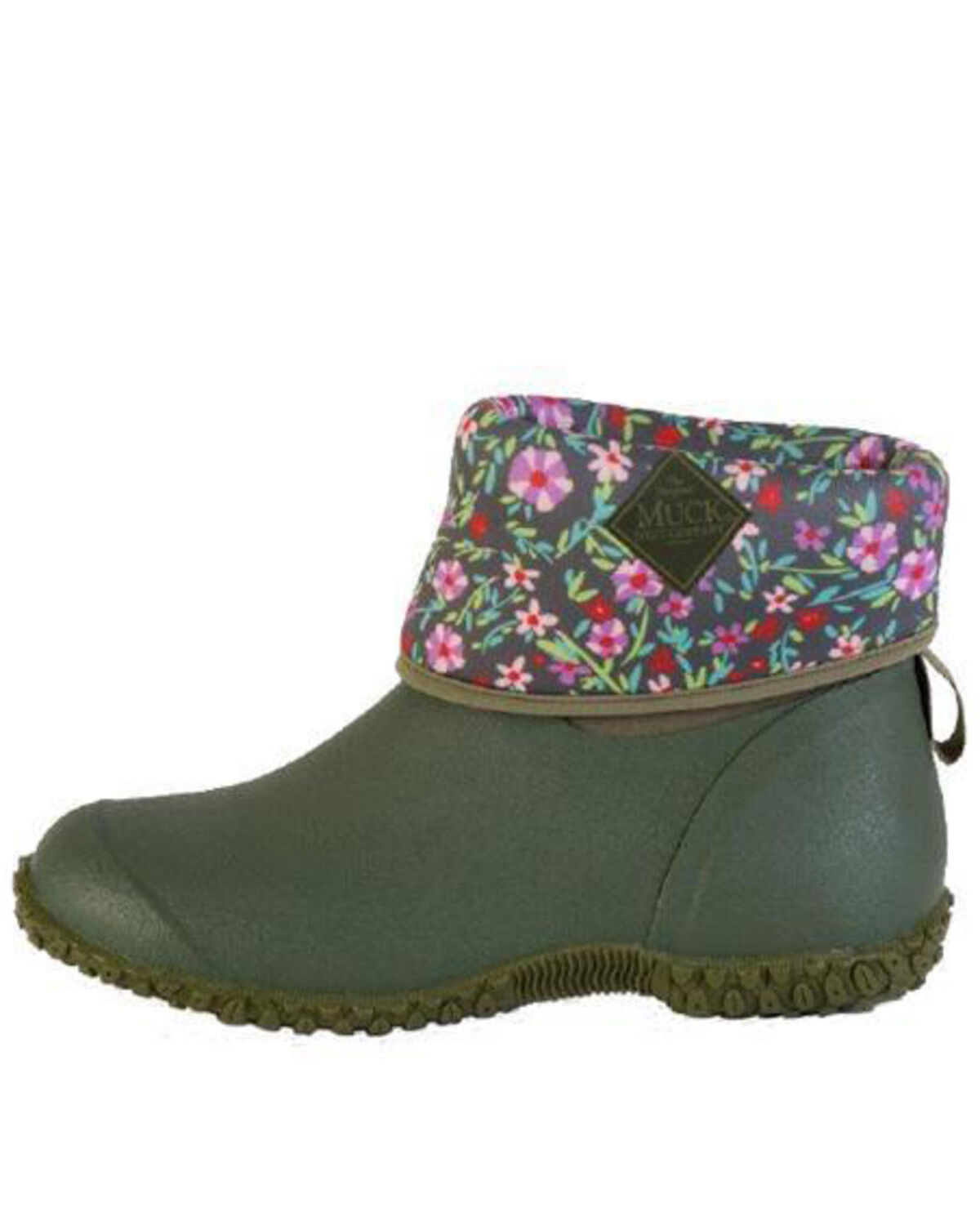
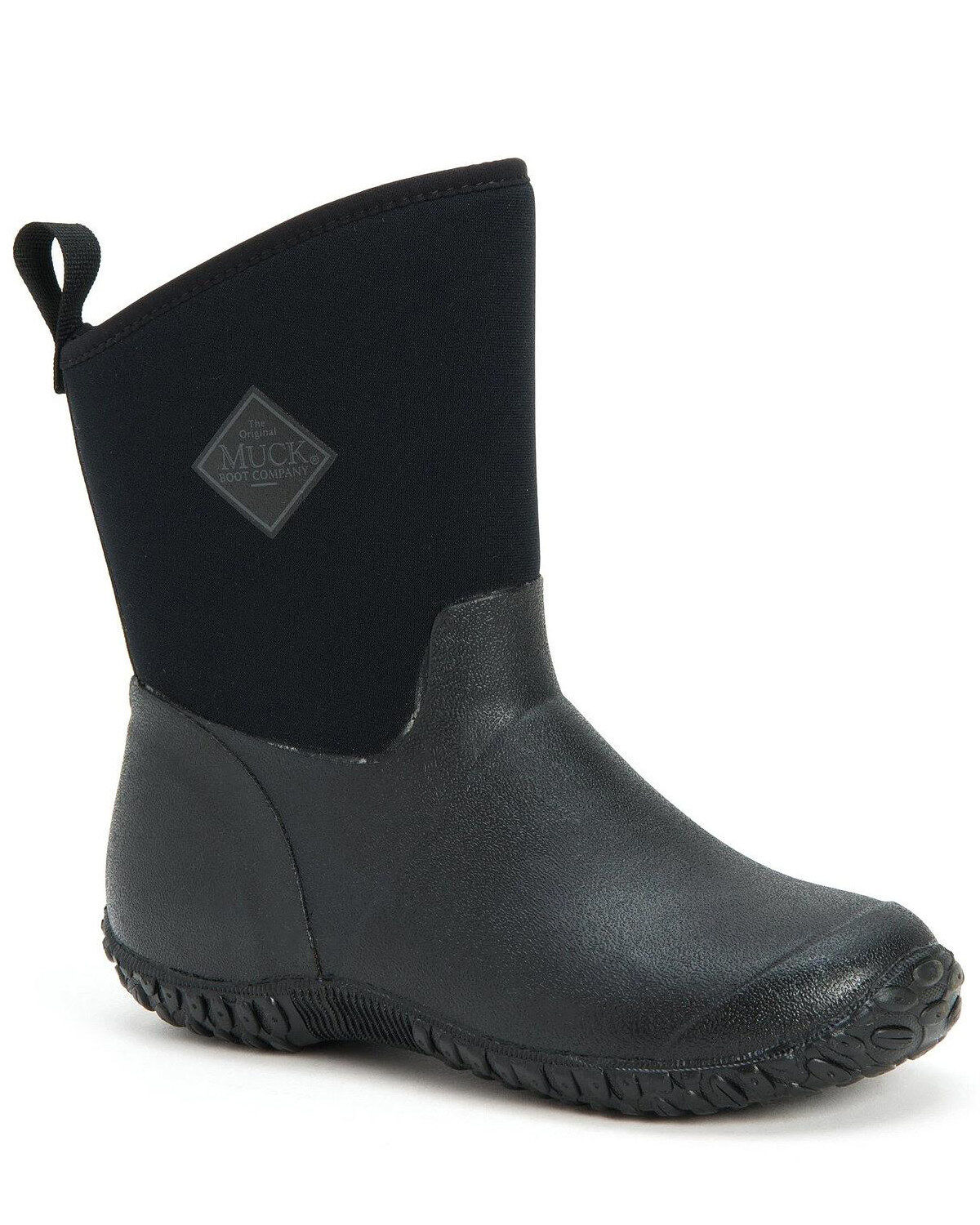
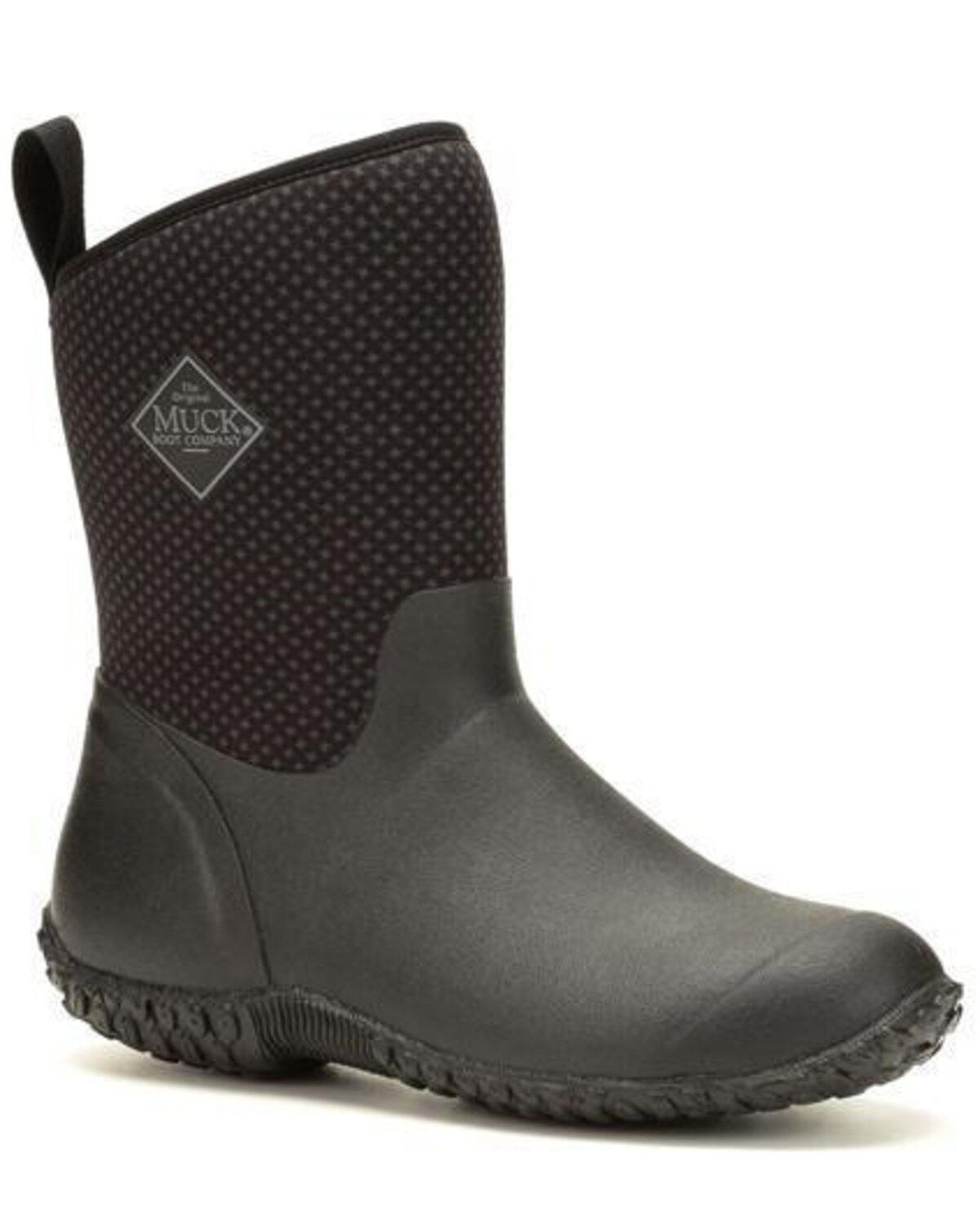
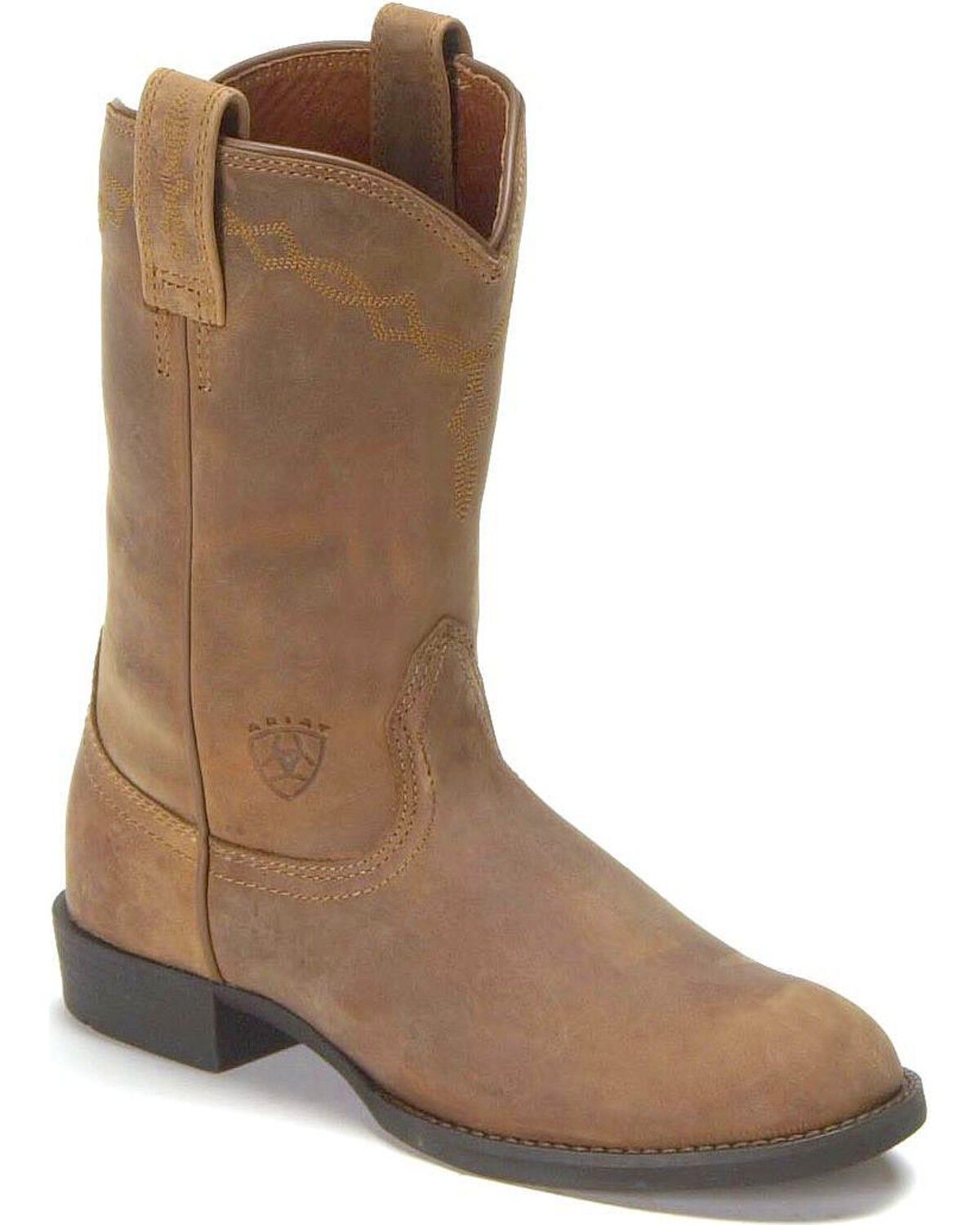
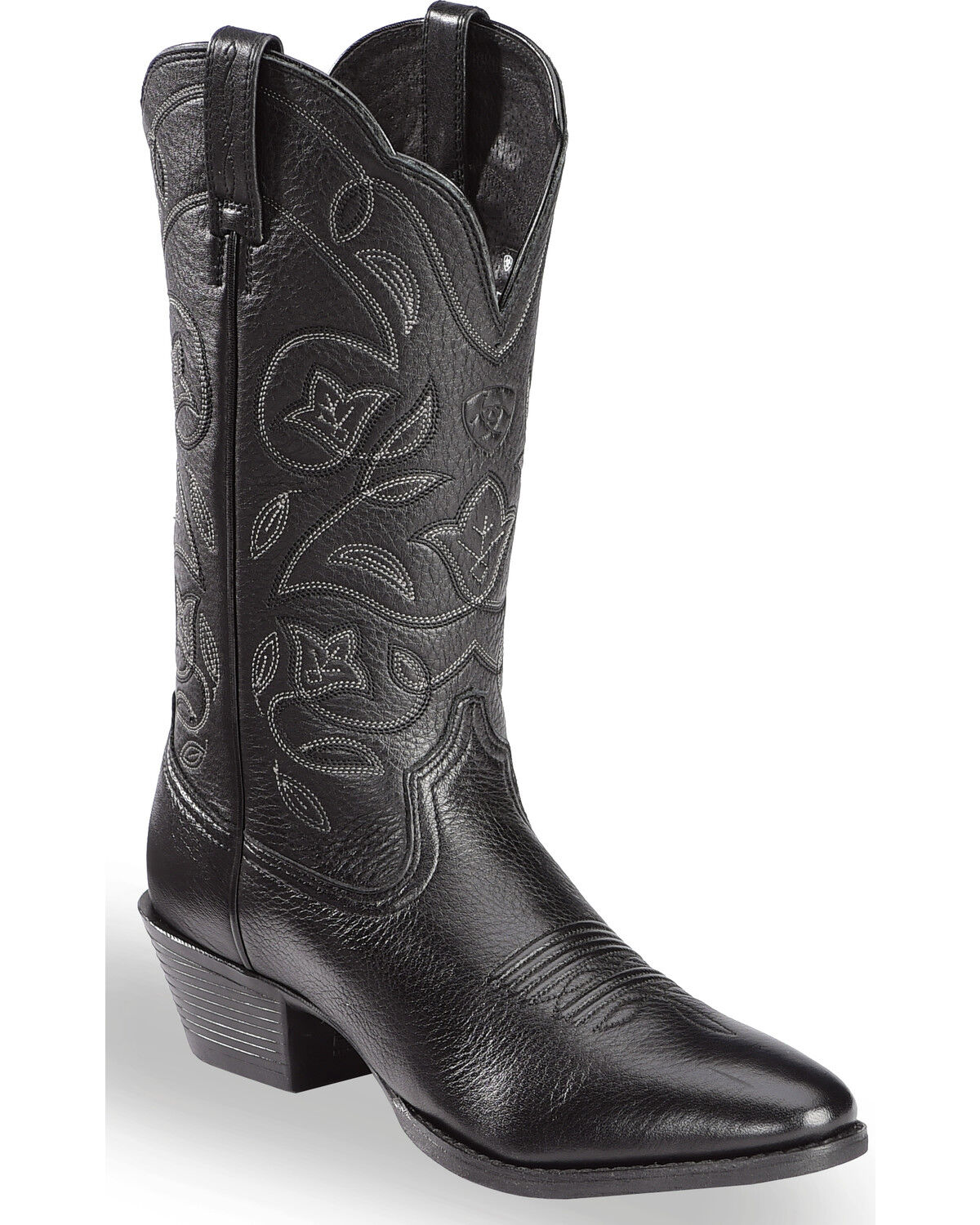
Tan Riding Boots

Find tan riding boots to pair with denim and western wear. Compare available styles by shaft height, toe shape, and heel design, then check each pair’s product details for sizing and intended use before choosing.

Read More

Shop Your Store: Shop Your Store: Find a Store

(Turn off Shop Your Store to see all items)

(Turn off Shop Your Store to see all items)

close
  • Recommended
  • Lowest Price
  • Highest Price
Skip pass products
  • Men's Cody James Western Boots - Round Toe
    Original Price $229.99 $179.99
    22% Total Savings

End of products

Tan Riding Boots

Tan riding boots bring a warm, neutral leather color to a shape rooted in horseback riding. The category includes boots made for time in the saddle and riding-inspired styles intended for everyday wear. That distinction matters more than appearance. A tall shaft, clean profile, or low heel can suggest equestrian styling without making a boot suitable for riding. Functional riding footwear needs a fit, heel, sole, and construction appropriate to the rider’s discipline and equipment. Fashion riding boots put more emphasis on the silhouette and how they work with clothing. Tan shades span pale sand, golden brown, and deeper caramel tones, with smooth, brushed, or distressed finishes giving each pair a different character. Lighter leather often shows grain and wear more clearly, while darker tan finishes can offer a more uniform look. Neither shade determines performance; materials and construction do that work. For everyday outfits, tan pairs naturally with dark denim, black pants, cream knits, and simple dresses. A close-fitting shaft creates a clean line over slim jeans, while a roomier shape leaves more space around the calf. Tall boots worn beneath a longer skirt have a different feel from boots worn over fitted pants, even when the leather and heel shape are similar. Details such as restrained stitching, a plain toe, buckles, or a side zipper can shift the look without changing the basic appeal. Tan riding boots suit people who want footwear with a strong shape and an easy-to-pair color, but the intended use remains the starting point. A pair chosen for errands and casual outings has different demands from one worn during lessons or regular riding. The most useful comparison is not simply tall versus short or light versus dark. It is how the boot’s design supports the activity, fits the wearer, and holds up to repeated use.

Materials influence how tan riding boots feel from the first wear and how they develop over time. Leather uppers can gradually soften at natural flex points while retaining structure elsewhere. Full-grain leather keeps the hide’s natural surface, including variations in grain, while suede has a brushed texture that calls for different care. Synthetic materials may offer a more consistent finish and a different maintenance routine. Thickness, lining, seam placement, and reinforcement all affect comfort, so material names alone do not tell the whole story. A smooth lining can make a tall shaft easier to pull on, and a well-placed zipper can simplify entry without requiring a loose fit around the ankle. For tall styles, foot size is only part of the fit. Calf circumference and shaft height matter, especially when boots are worn over pants. A shaft that closes comfortably over thin socks may feel restrictive with denim tucked inside. The top edge also needs enough clearance for the knee to bend without pressure behind the leg. At the foot, toes need room to rest naturally, the instep should feel supported rather than squeezed, and the heel should remain secure for the boot’s intended use. Leather may relax with wear, but a boot that compresses the toes or causes sharp pressure is not relying on a reasonable break-in period. Riding adds further considerations. Heel shape helps limit how far the foot can move through a stirrup, while sole thickness, tread, and boot width influence contact and movement. A deeply lugged outsole designed for walking is not automatically a good choice for stirrup use. Western and English riding also involve different footwear traditions and fit expectations. For lessons or a new discipline, the instructor’s footwear requirements provide a sound basis for choosing suitable boots. Everyday comfort and riding suitability can overlap, but neither should be assumed from the other.

Durability comes from the whole boot rather than any single feature. Sound stitching, secure sole attachment, reinforced stress points, and hardware that operates smoothly all contribute to dependable wear. The outsole should match the job: regular walking places different demands on traction and flexibility than work in the saddle. Some leather boots have construction that allows a qualified repair shop to replace worn soles or heels, while others do not. That distinction can matter to someone who wears the same pair often. Care also affects how well the leather holds its shape and finish. Dust and grit collect around seams, welt edges, and zipper teeth, where regular removal helps limit abrasion. Smooth leather generally benefits from cleaning and conditioning products suited to its finish, while suede needs tools and treatments made for its nap. Any treatment can alter pale leather, so testing on a hidden area helps avoid an unexpected dark patch. Boots need time to air out after wear, away from direct heat that can dry or distort the material. Suitable shaft supports can help tall boots stand upright without a hard fold at the ankle, and storing them away from prolonged direct sunlight helps protect the color. Tan leather often develops creases and tonal variation with use; those changes are different from split seams, cracked soles, or loose heels that need attention. For gifting, tan riding boots make the most sense when the recipient’s foot size, calf measurements, preferred shaft height, and intended use are known. A rider may have firm requirements that are not obvious from a favorite color or style. Someone choosing boots mainly for walking on trails may find a more suitable construction among Tan Hiking Boots, where the purpose differs from riding footwear. Whether chosen for the saddle or daily outfits, tan riding boots earn their place through a comfortable fit, appropriate construction, and a finish the wearer is willing to maintain. Those practical details matter long after the first wear.
Read More

FAQs