Styling Western Boots

Find western wear and accessories for styling western boots, from everyday outfits to more dressed-up looks. Start with the boots you plan to wear, then consider clothing fit and hem length to decide how much of the shaft you want to show.

Read More

Shop Your Store: Shop Your Store: Find a Store

(Turn off Shop Your Store to see all items)

(Turn off Shop Your Store to see all items)

close
  • Recommended
  • Lowest Price
  • Highest Price
Skip pass products
  • Women's Shyanne Lucille Western Boots - Snip Toe
    Original Price $209.99 $159.99
    24% Total Savings
  • Women's Shyanne Gemma Western Boots - Snip Toe
    Original Price $209.99 $159.99
    24% Total Savings
  • Dan Post Smooth Leather Boots - Round Toe
    Original Price $229.99 $160.97
    30% Total Savings
  • Women's Shyanne Tammye Slouch Harness Fashion Boots - Round Toe
    Original Price $119.99 $88.97
    26% Total Savings
  • Women's Idyllwind Icon Embroidered Western Tall Boot - Round Toe
    Original Price $229.50 $179.50
    22% Total Savings
  • Women's Idyllwind Wheels Western Booties - Round Toe
    Original Price $179.99 $107.97
    40% Total Savings
  • Women's Shyanne Jeannie Western Boots - Broad Square Toe
    Original Price $199.99 $119.97
    40% Total Savings
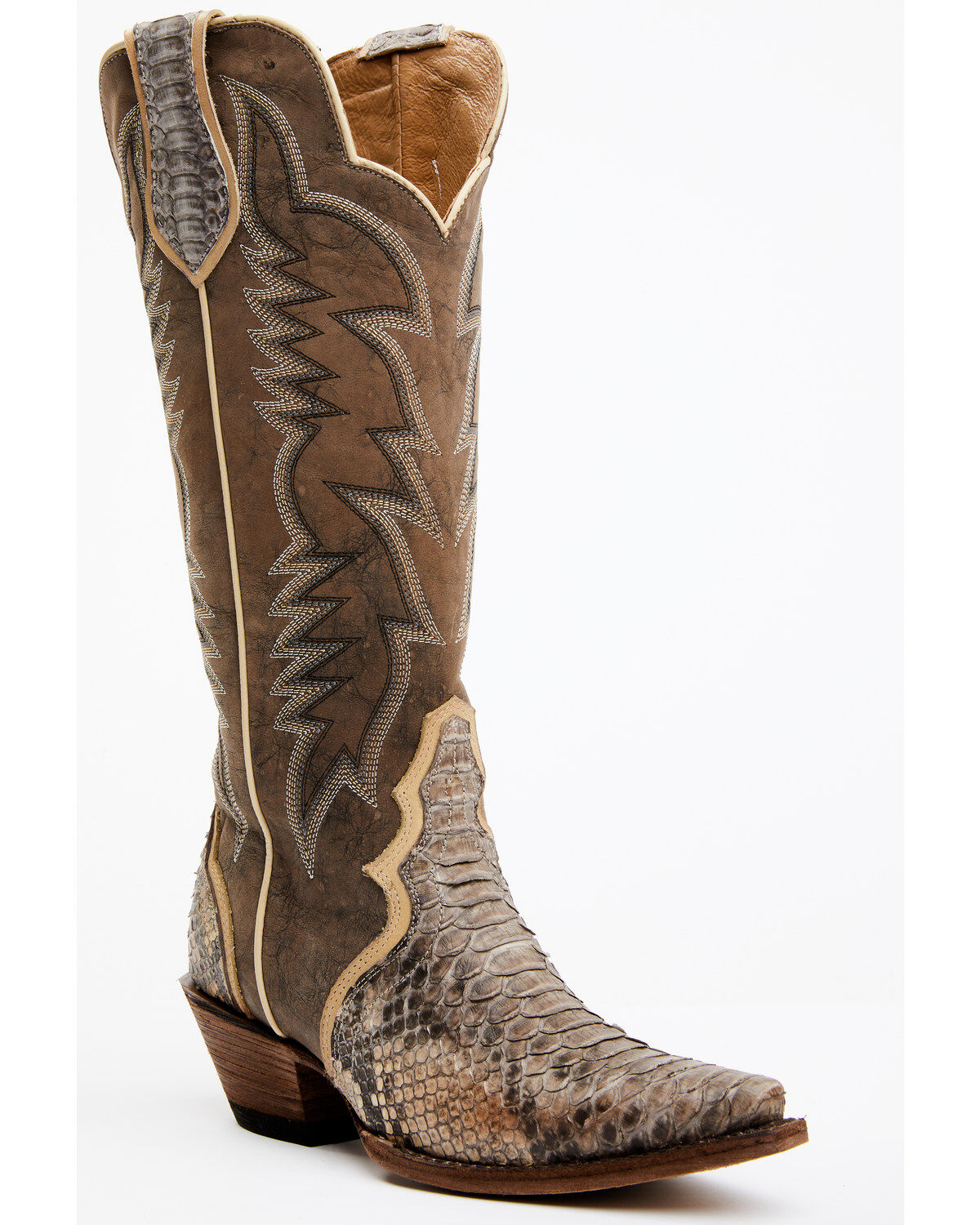
  • Women's Idyllwind Triad Exotic Python Western Boots - Snip Toe
    Original Price $319.99 $191.97
    40% Total Savings

End of products

Styling Western Boots

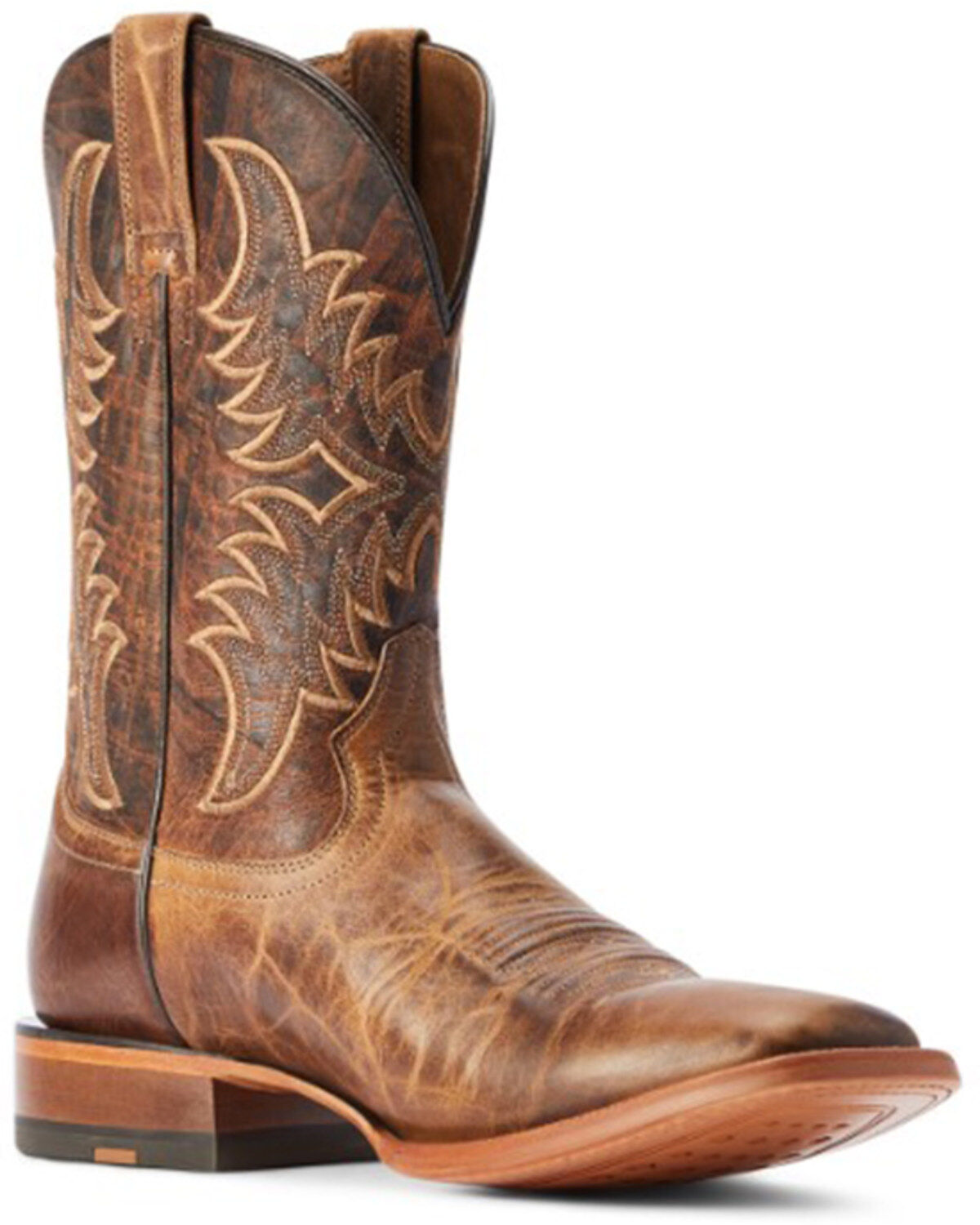
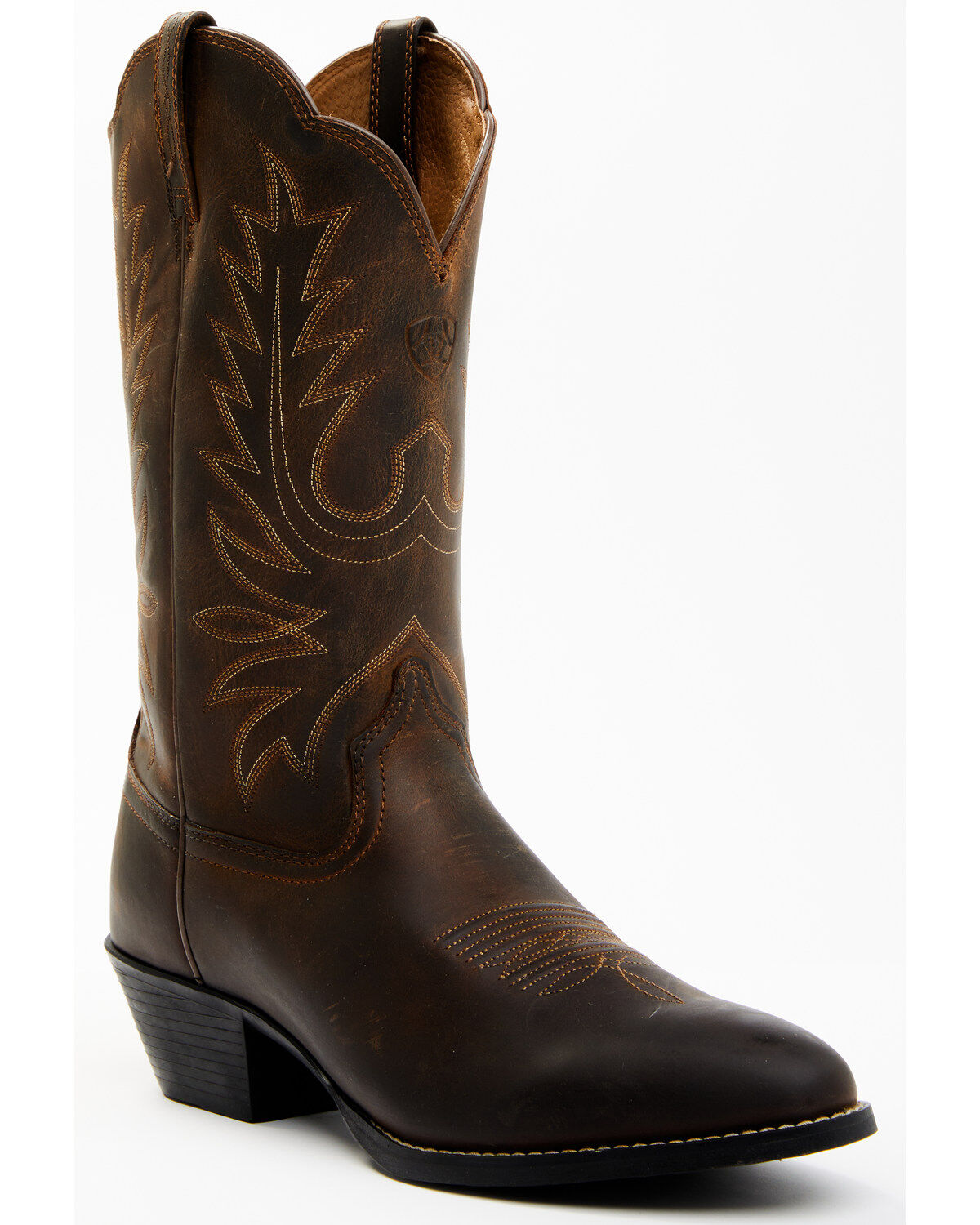
Western boots pair naturally with straight-leg jeans, bootcut denim, simple dresses, and tailored separates. The strongest combinations give the boots room to stand out without making every piece of clothing compete for attention. A plain shirt and dark denim can put the focus on stitched leather, while a blazer and clean trousers give the same footwear a more polished setting. Styling western boots starts with proportion: the width of the pant leg, the height of the shaft, and the shape of the toe all affect how the outfit falls. Bootcut jeans usually sit over the shaft with enough room to move freely. Straight-leg jeans can work just as well when the opening clears the boot rather than catching on it. A hem that rests near the top of the foot keeps the leather visible without dragging under the heel. Fitted jeans or leggings can sit inside a taller shaft when they lie smoothly, but wider denim generally looks cleaner worn over the boot. With dresses and skirts, the shaft becomes part of the overall silhouette. A shorter hem leaves more of the boot visible, while a midi length with a slit gives the leather room to show as the wearer walks. Simple fabrics and restrained details keep embroidered shafts or distinctive toe shapes from feeling crowded. Brown leather works easily with blue denim, cream, olive, and other earthy colors. Black boots pair well with dark jeans, gray trousers, and clothing with sharper lines. A belt in a similar leather tone can connect the outfit without requiring an exact color match. Rounded toes offer a softer outline, square toes add width and definition, and pointed or snip toes create a narrower profile beneath a hem. The appeal of Modern Cowboy Western Boots is their place alongside everyday denim and more tailored clothing. A tucked shirt, an uncomplicated belt, and boots with a well-kept finish can be enough for a dinner out or a casual office that allows western footwear.

Materials and construction matter as much as appearance, especially when boots will be worn regularly rather than saved for an occasion. Cowhide leather is a common choice because it offers a useful balance of strength, flexibility, and character. Smooth leather gives stitching and seams a clear outline, while distressed finishes bring more variation to the surface. Suede has a softer, matte appearance that pairs well with denim and textured clothing, though its care needs differ from those of smooth leather. Specialty leathers can have distinct grain patterns and handling requirements, making the material itself a prominent part of the look. Lining, footbed construction, and sole design also influence how a boot feels throughout the day. Leather soles have a traditional profile and may suit dressier combinations; rubber soles can provide a different feel underfoot and varying levels of grip, depending on their design. Neither appearance nor sole material alone establishes whether a boot is suitable for a particular workplace. Jobs with protective footwear requirements call for boots that meet those requirements. For everyday wear, fit begins at the instep and heel rather than at the toe shape alone. The instep should feel secure without painful pressure, and the toes need enough room to rest naturally. Some heel movement can occur in a new pull-on boot, but excessive slipping, pinching, or numbness is not a comfortable fit. A square toe does not automatically mean a wider fit, and a pointed toe does not mean the toes should reach its tip. Shaft width matters when boots are worn with tucked-in clothing or against bare legs. The opening should accommodate the calf and the intended clothing without digging in. Trying boots with the socks intended for regular wear gives a more useful sense of fit. Consistent stitching, sound heel attachment, and suitable construction support durability; on boots designed for repair, replacing worn soles or heels may extend their useful life.

Western boots serve different wardrobes and different routines. For someone who spends most days in jeans, a versatile leather color and a shaft that fits comfortably beneath denim may matter more than elaborate decoration. For someone who wears dresses, skirts, or cropped trousers, shaft height and visible stitching can become central to the outfit. A pair worn for dinners, dancing, or celebrations may have a different heel profile than a pair chosen for hours of standing and walking. A lower heel can feel more familiar to some wearers, while a taller western heel changes posture and the way trousers hang. Comfort still depends on the complete fit, not heel height alone. A full-length mirror can reveal whether a pant hem catches on the shaft or whether the boot opening interrupts the line of a skirt. Sitting and walking show how those proportions behave beyond a standing pose. Regular care preserves both appearance and function. Surface dirt is best removed before it settles into seams, and smooth leather benefits from cleaning and conditioning with products intended for that material. Too much conditioner can change the finish, so the leather maker’s care directions matter. Suede generally calls for a suitable brush and material-specific treatment rather than ordinary leather polish. Decorative stitching, contrasting panels, and specialty hides may need separate attention. Keeping boots upright with appropriate support helps maintain the shaft shape, while storing them away from direct heat protects the leather. Worn heel edges, loose stitching, and damaged soles deserve attention before they affect comfort or stability. Western boots can also make a thoughtful gift for someone who already wears them or appreciates western clothing. Knowing the recipient’s usual size, preferred toe shape, calf fit, and daily routine is more useful than choosing by appearance alone. The best match is a pair that fits the person’s wardrobe and intended use, whether that means familiar denim, understated tailoring, or a dress with room for the boots to show.
Read More

FAQs