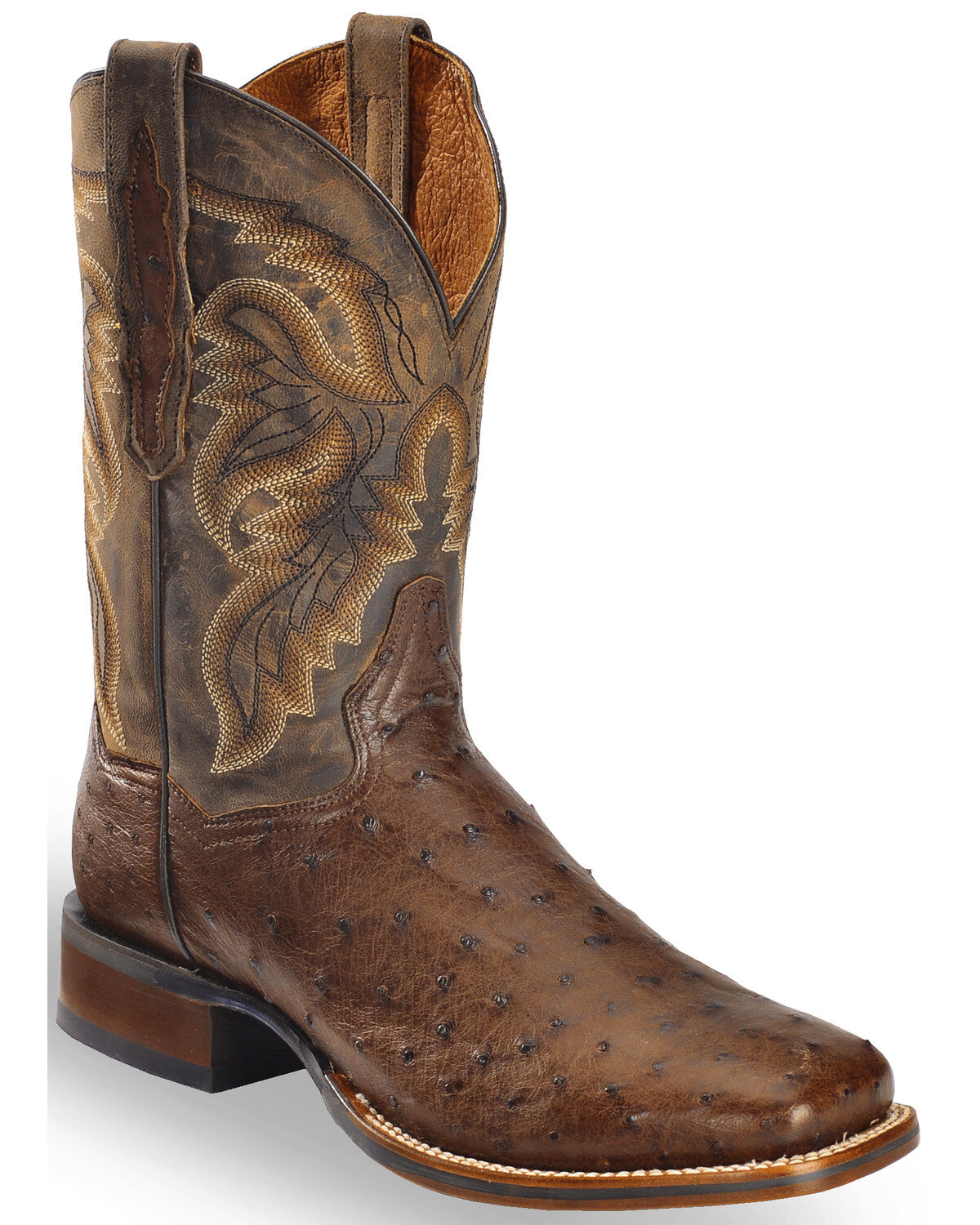
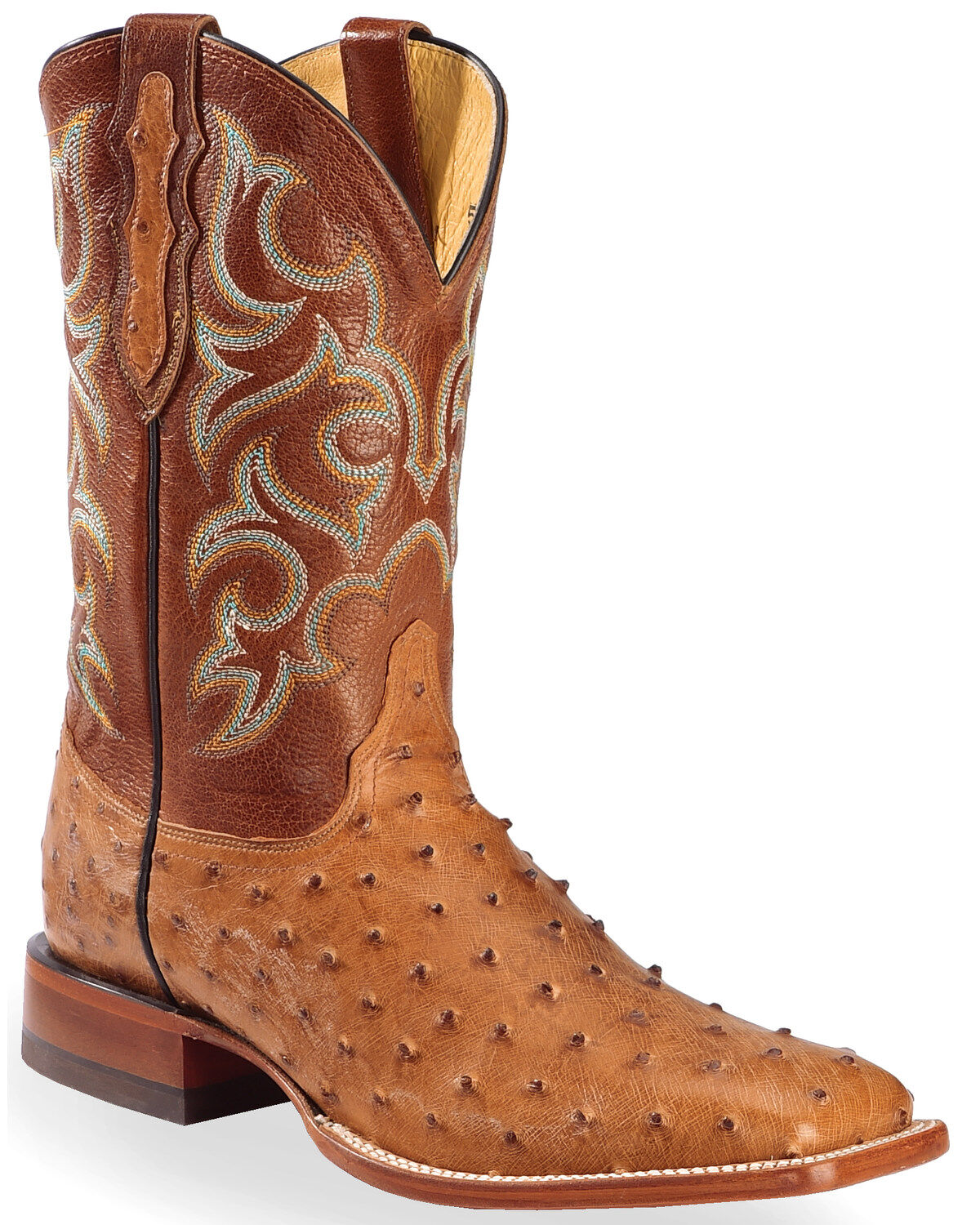
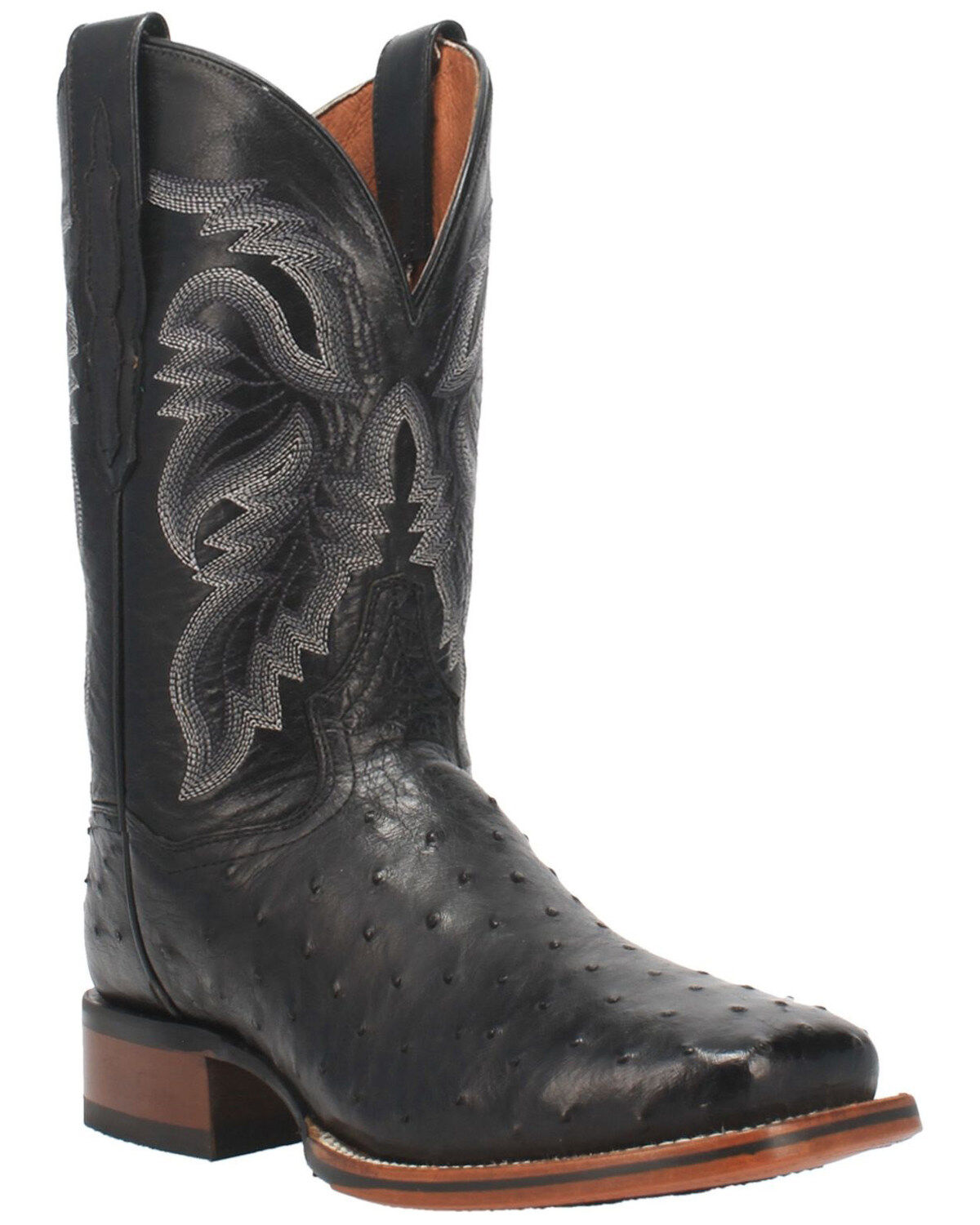
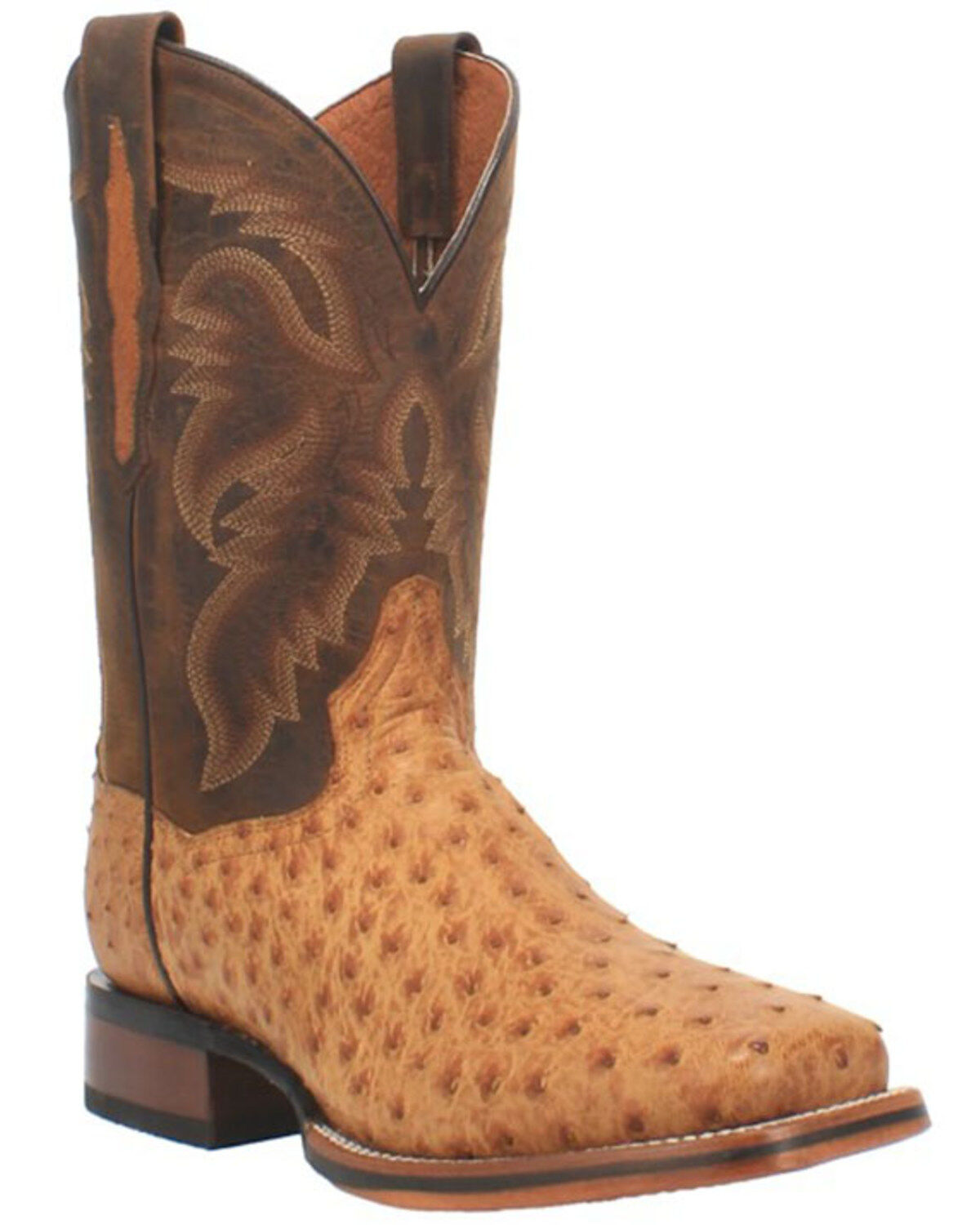
Square Toe Ostrich Boots

Square toe ostrich boots bring distinctive texture to a cowboy boot with a broad, squared-off profile. Browse the available styles, then compare leather details, sizes, and care requirements to choose a pair that fits your wardrobe and routine.

Shop Your Store: Shop Your Store: Find a Store

(Turn off Shop Your Store to see all items)

(Turn off Shop Your Store to see all items)

close
  • Recommended
  • Lowest Price
  • Highest Price
Skip pass products

End of products

Square Toe Ostrich Boots

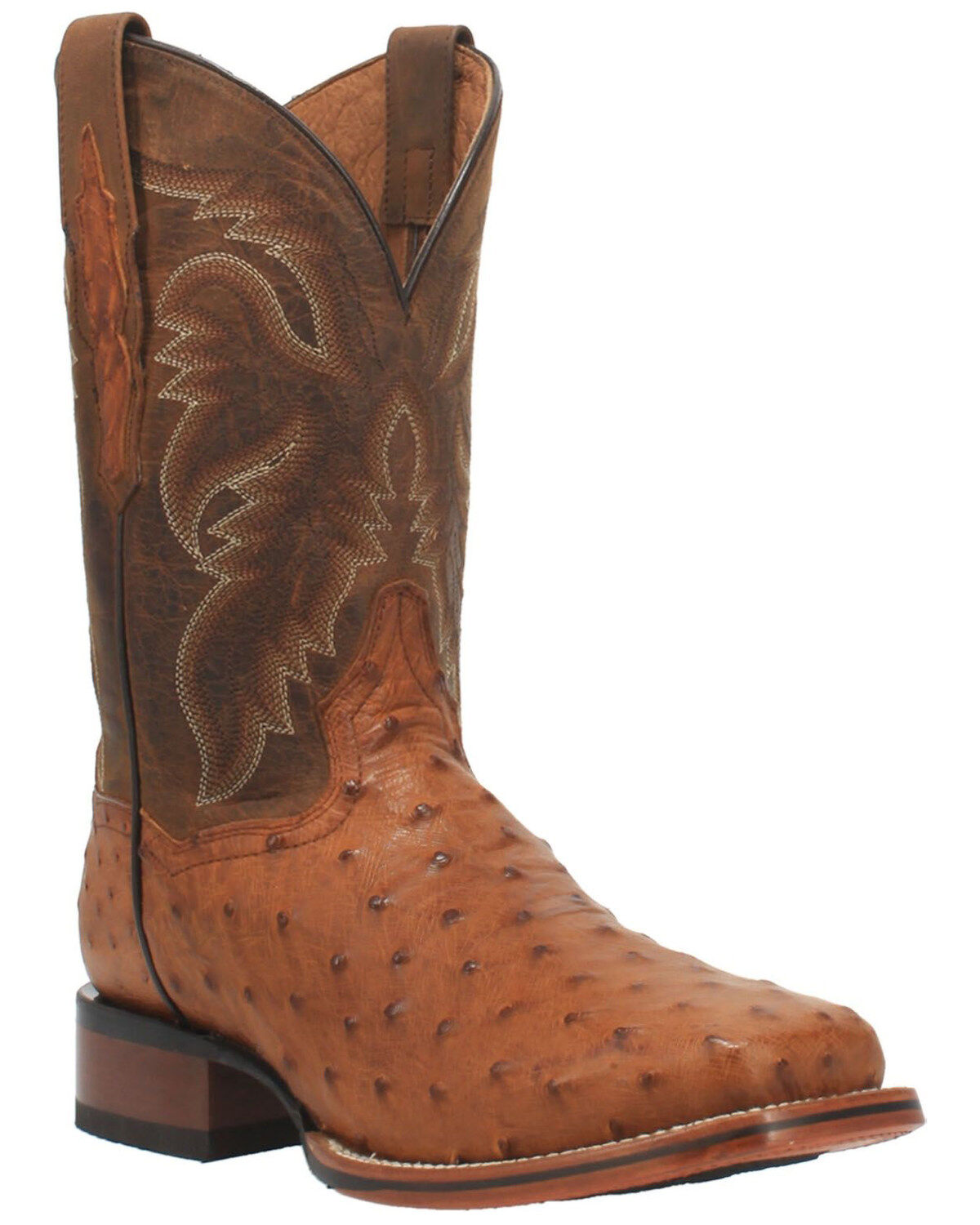
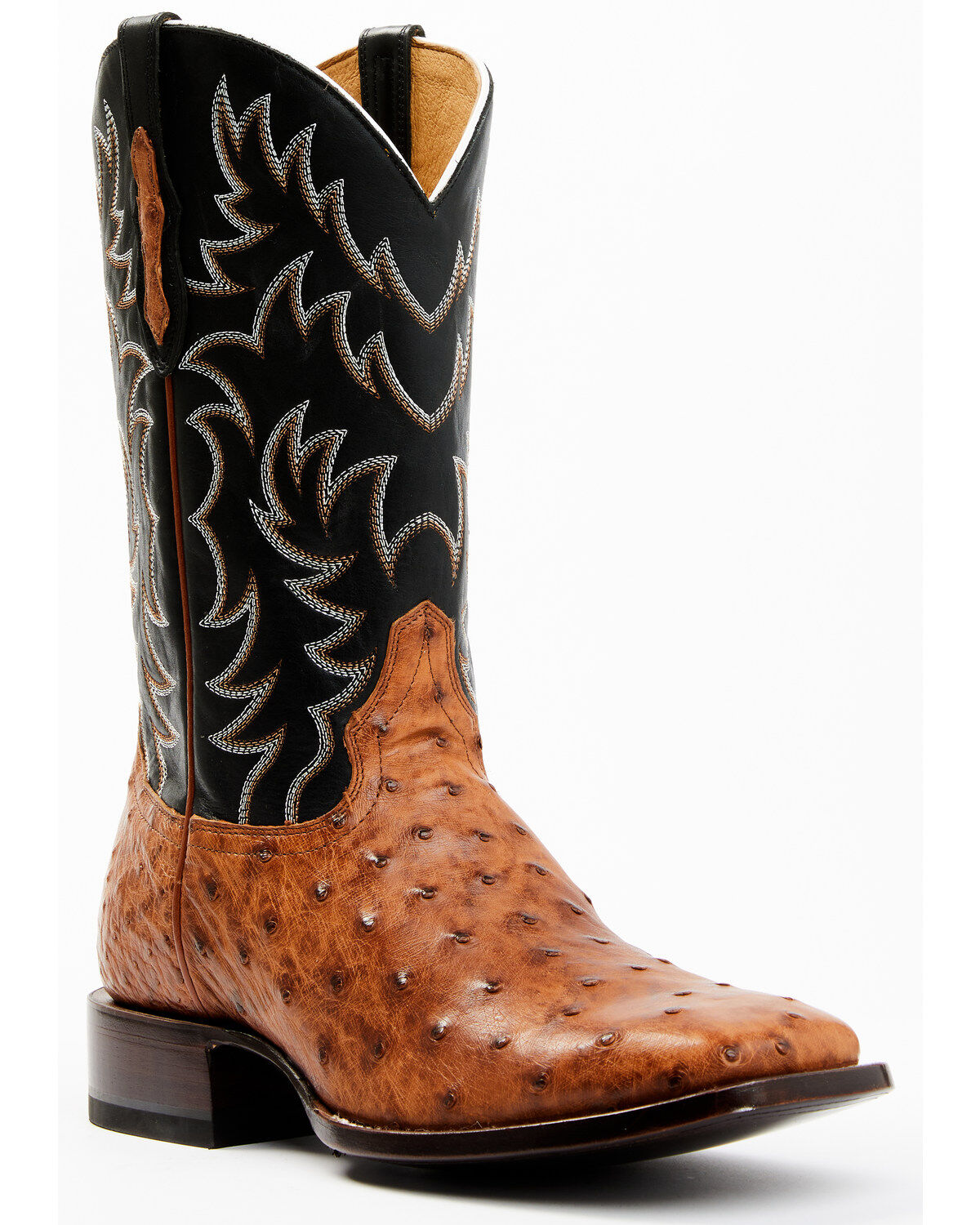
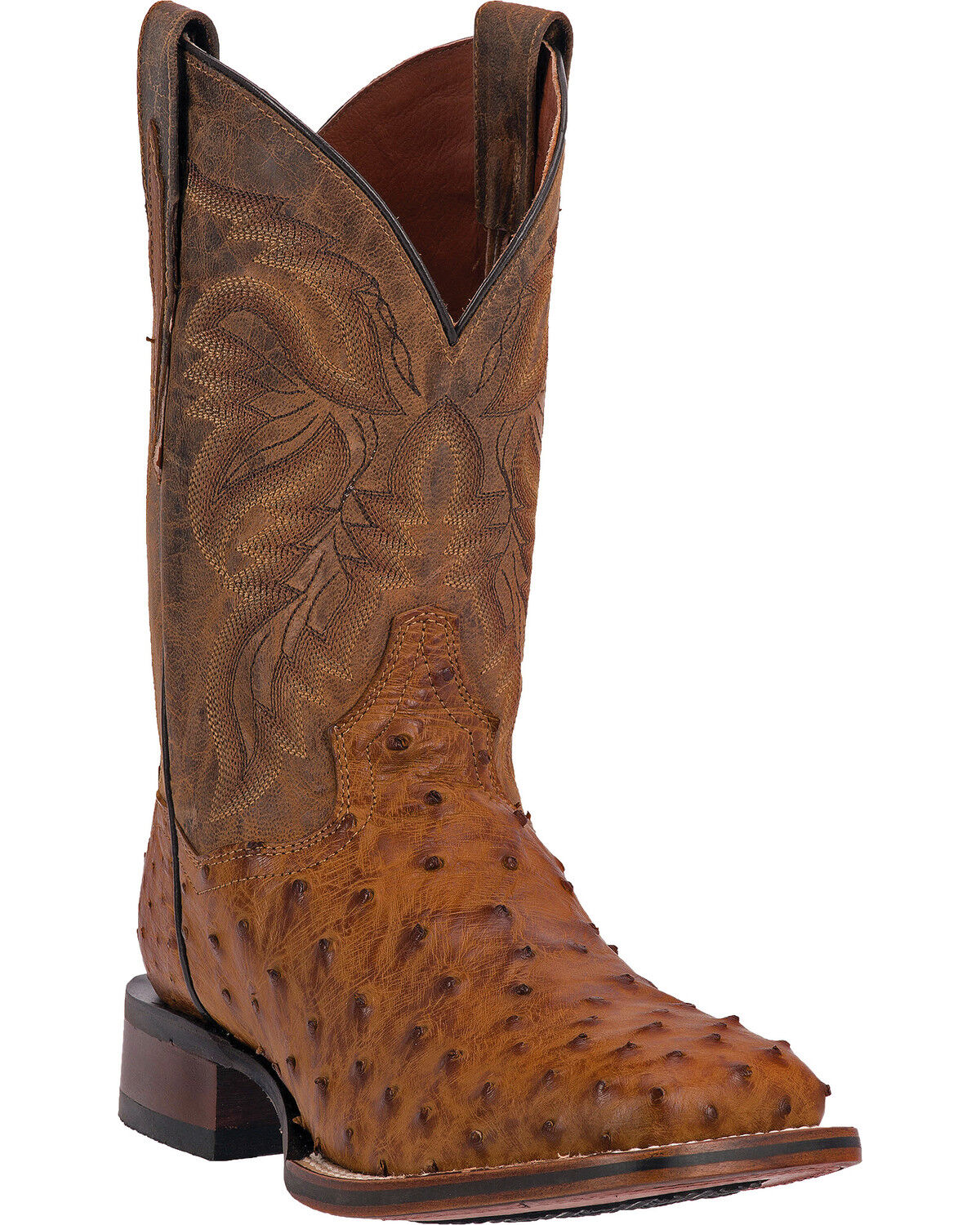
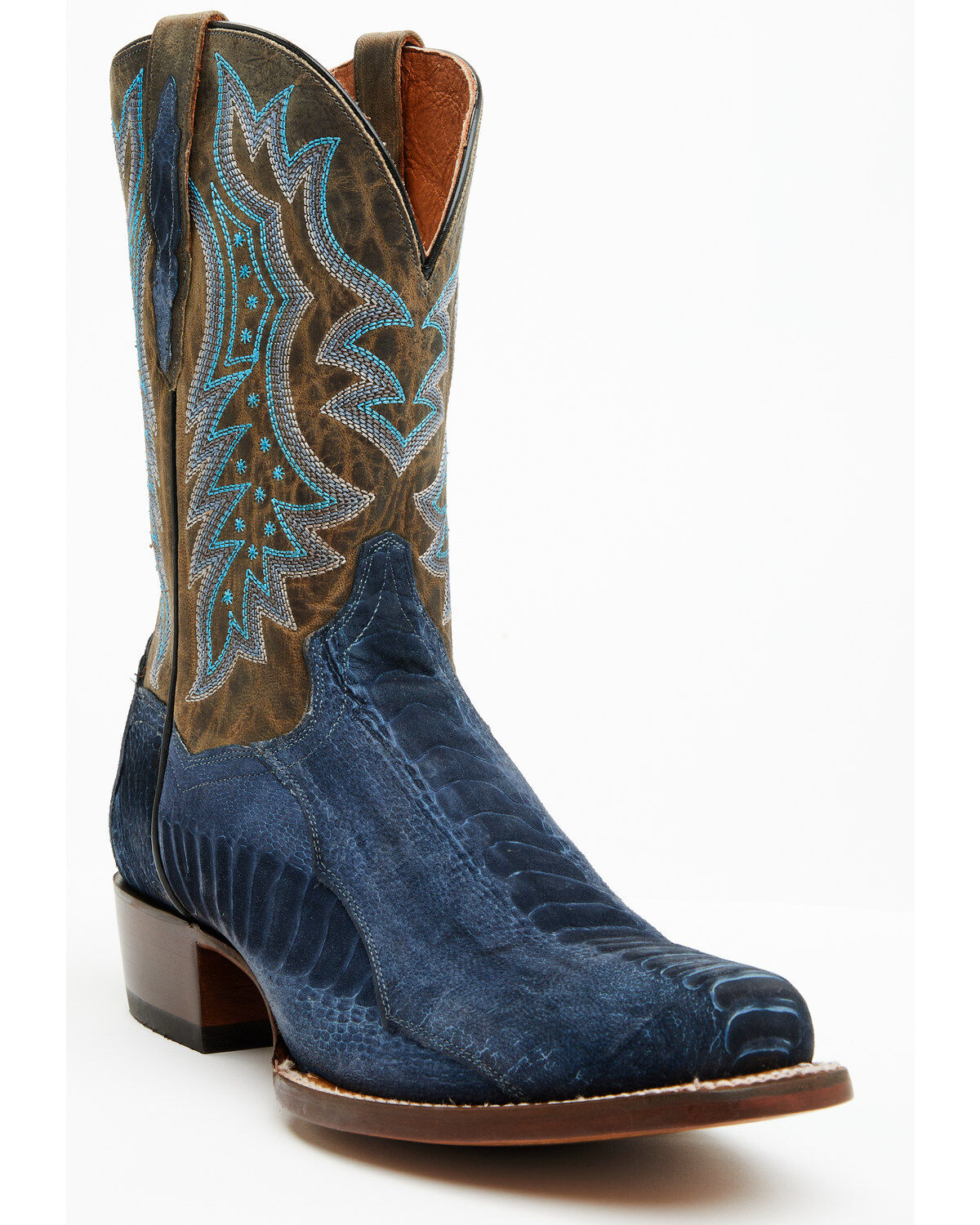
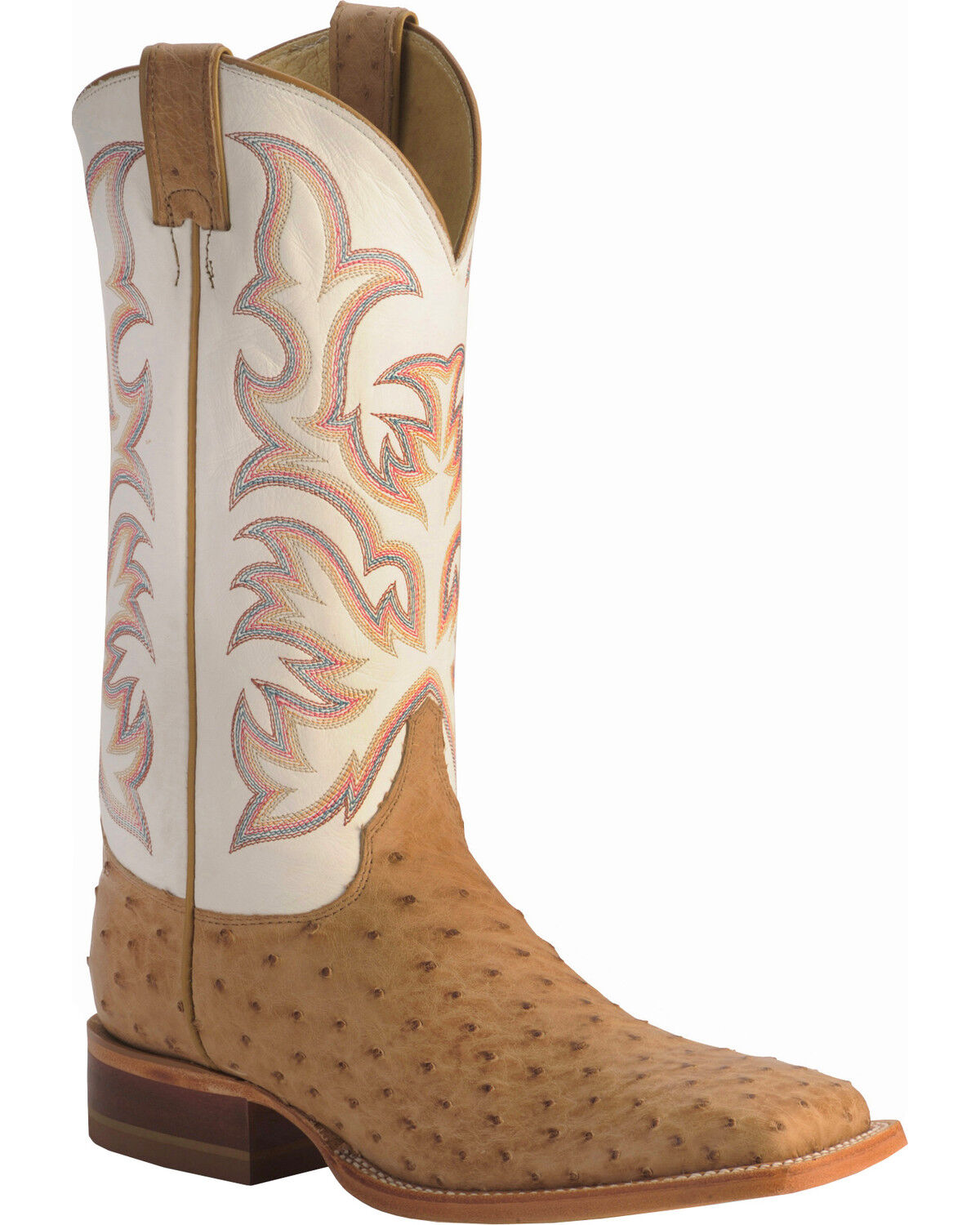
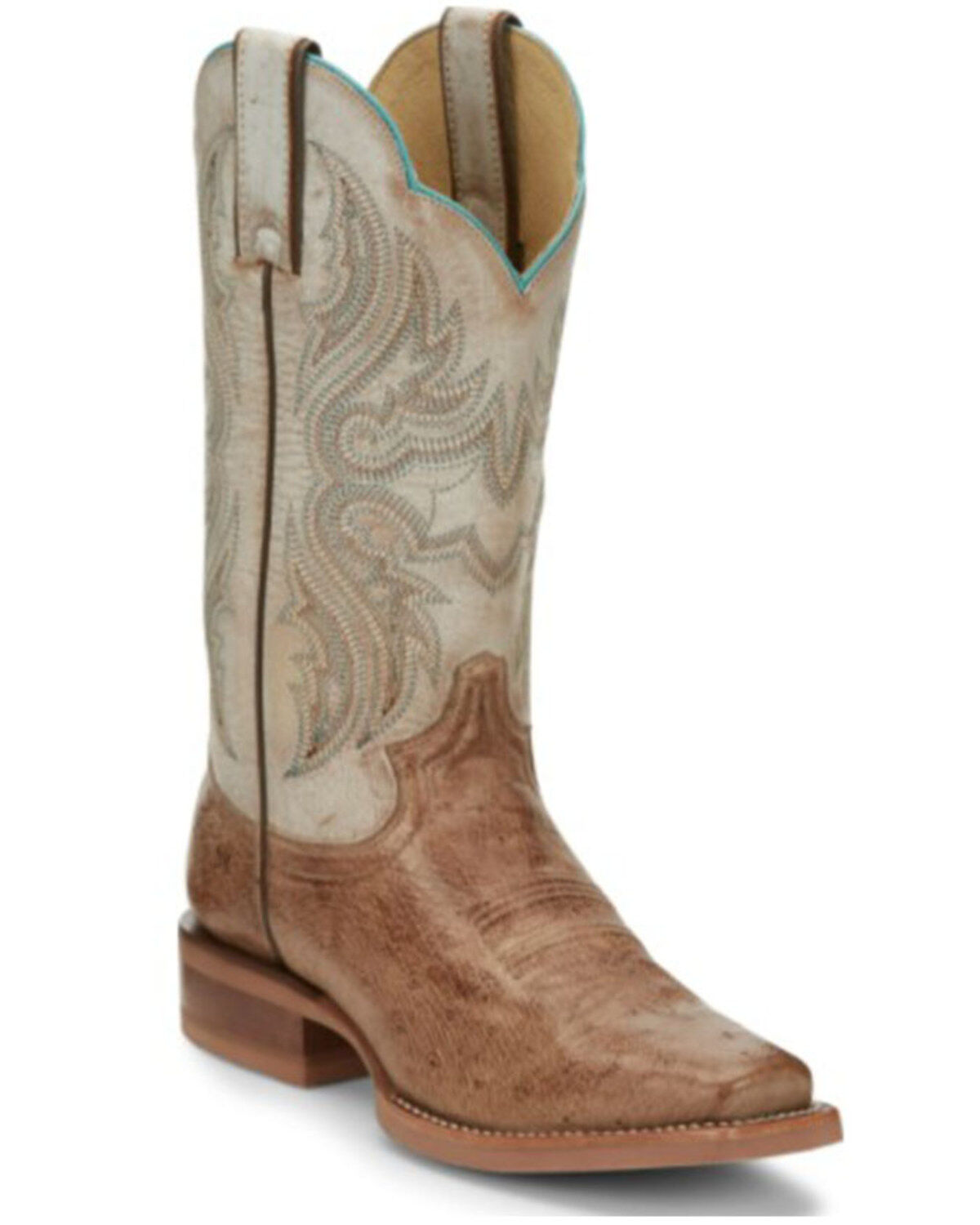
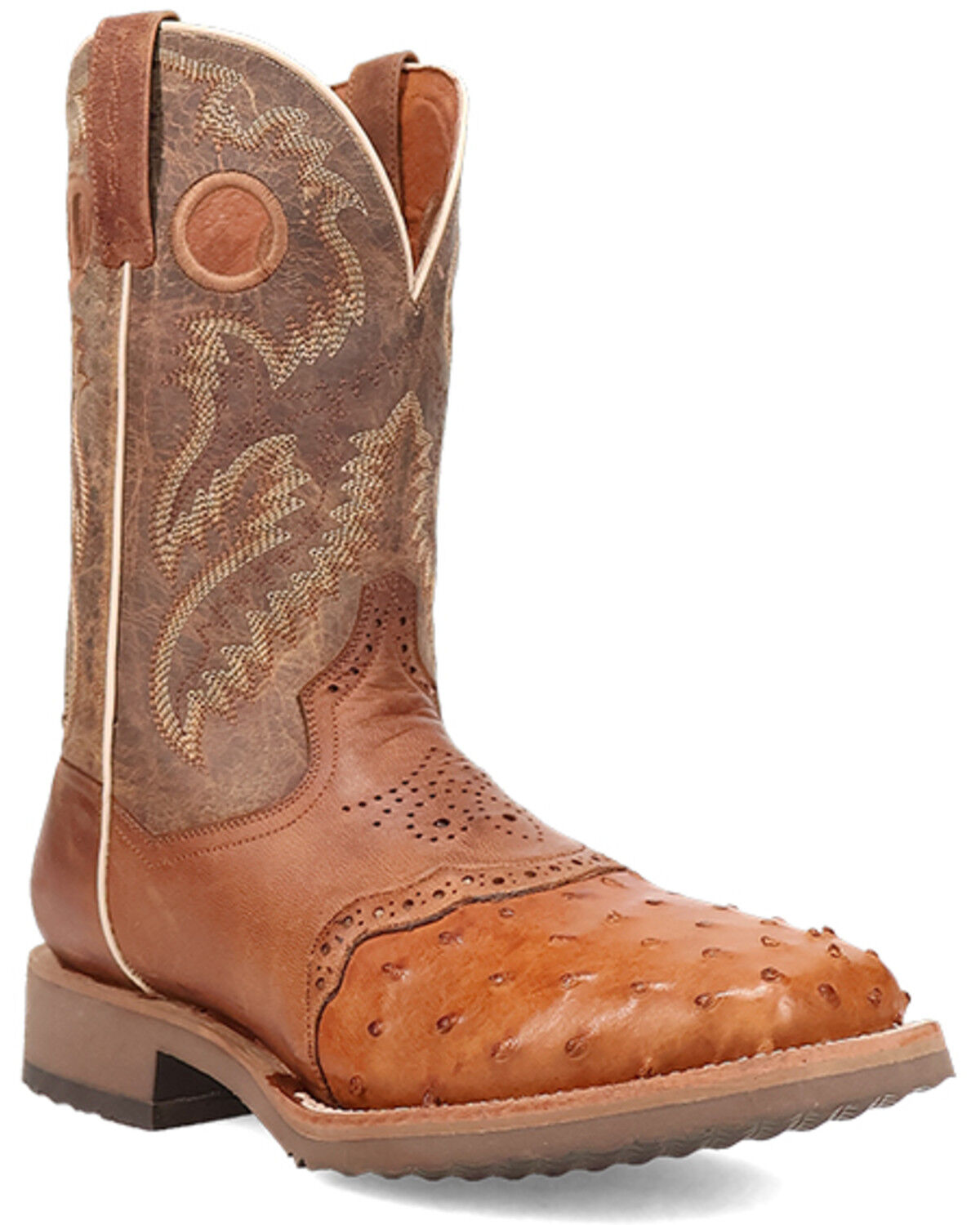
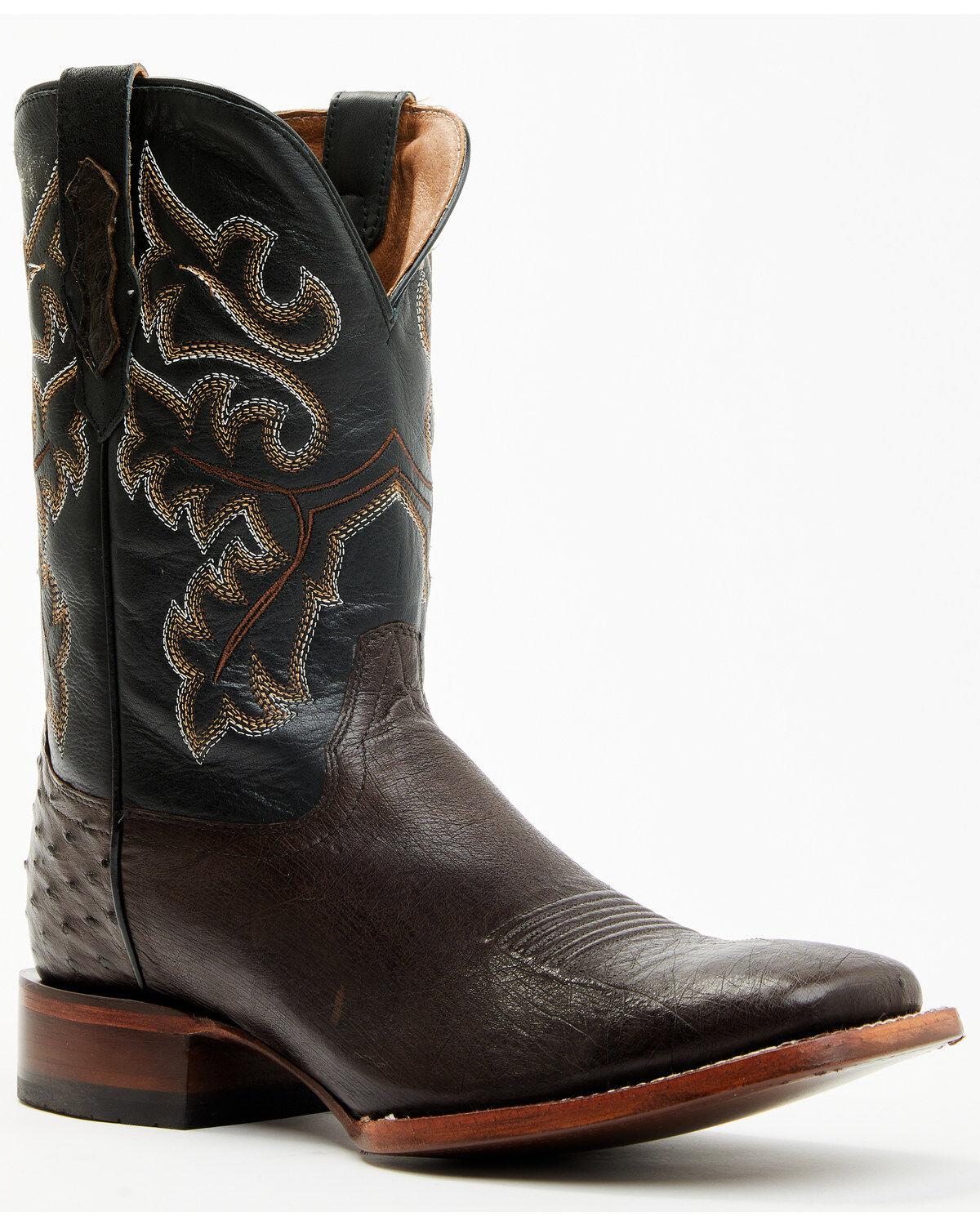
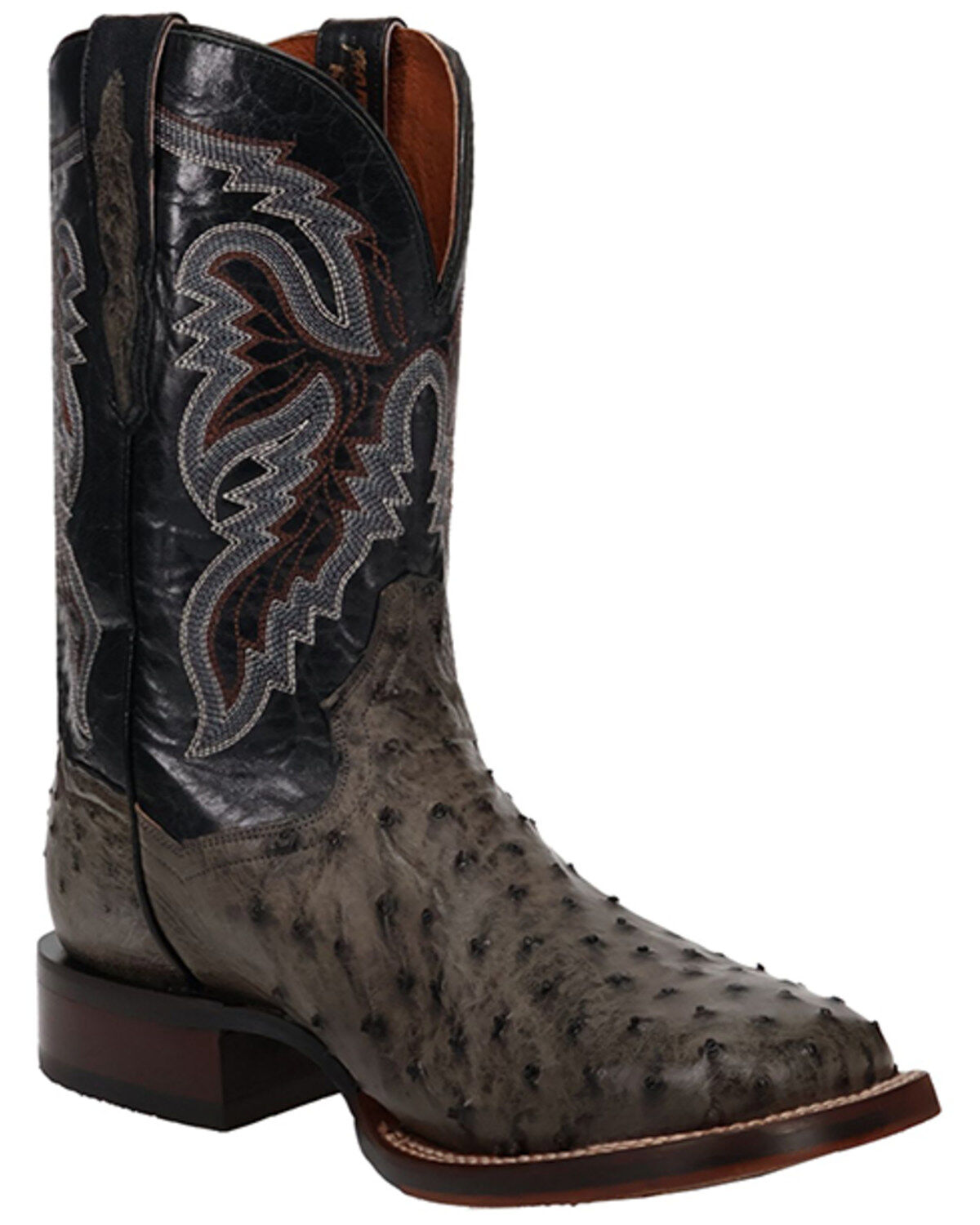
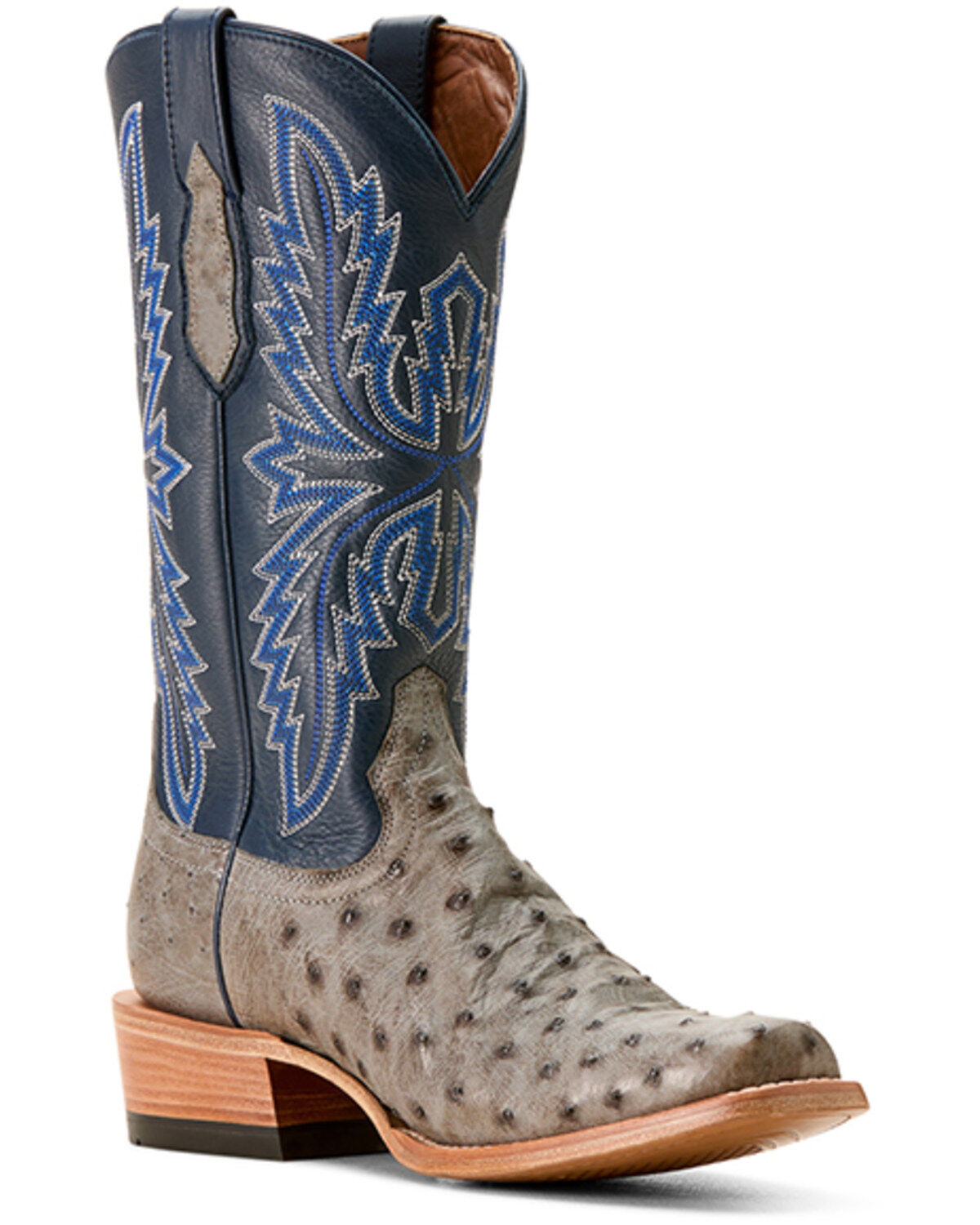
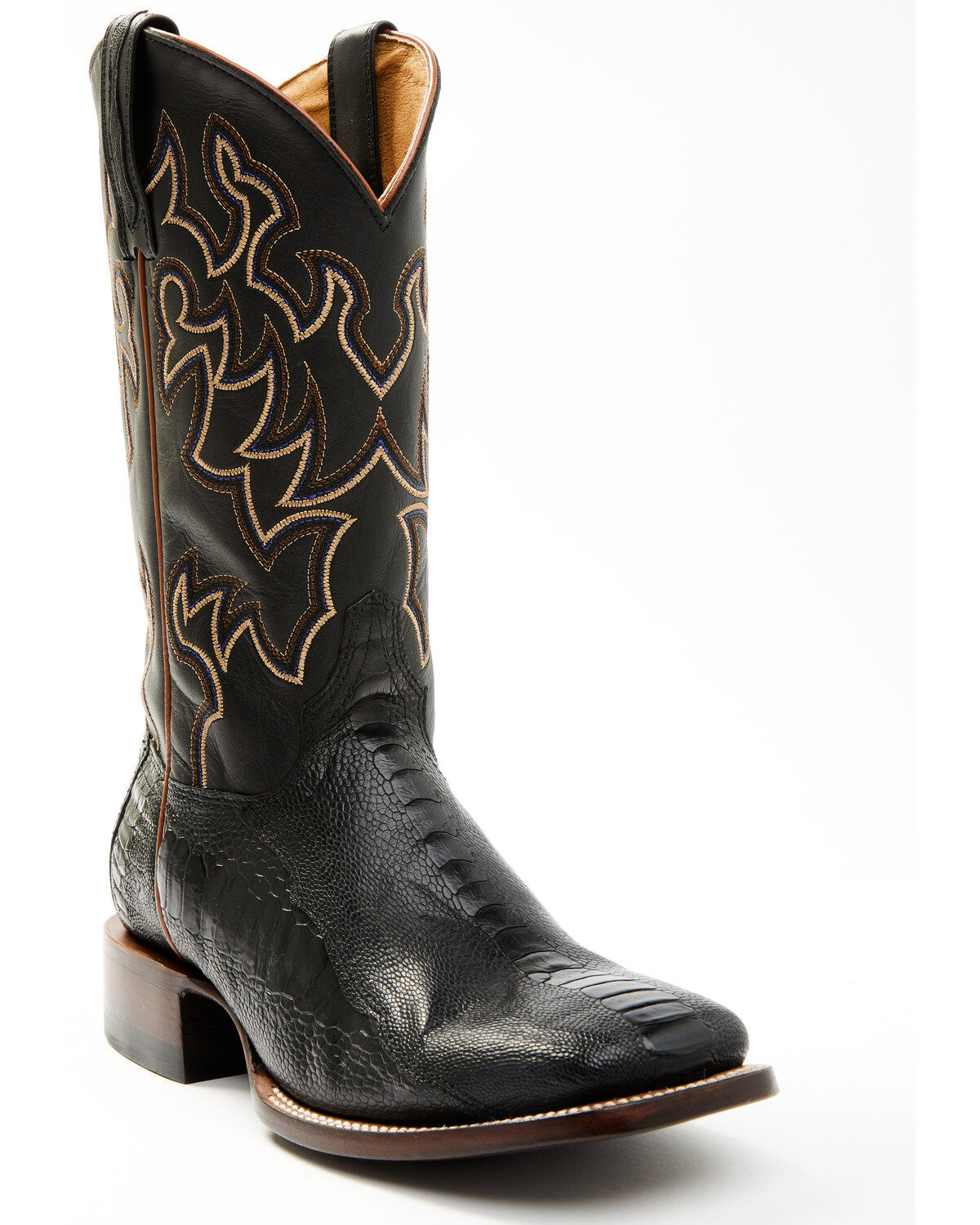
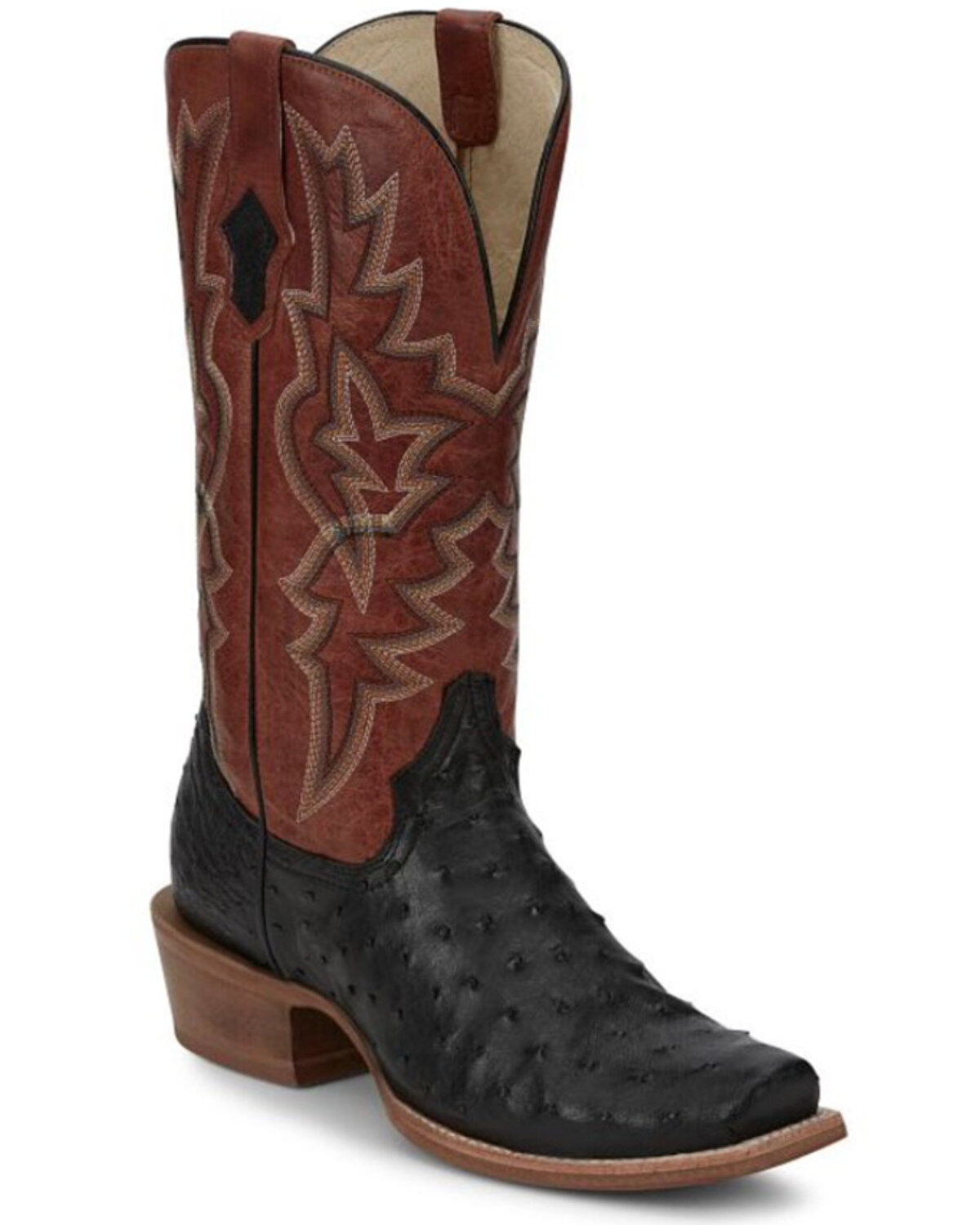
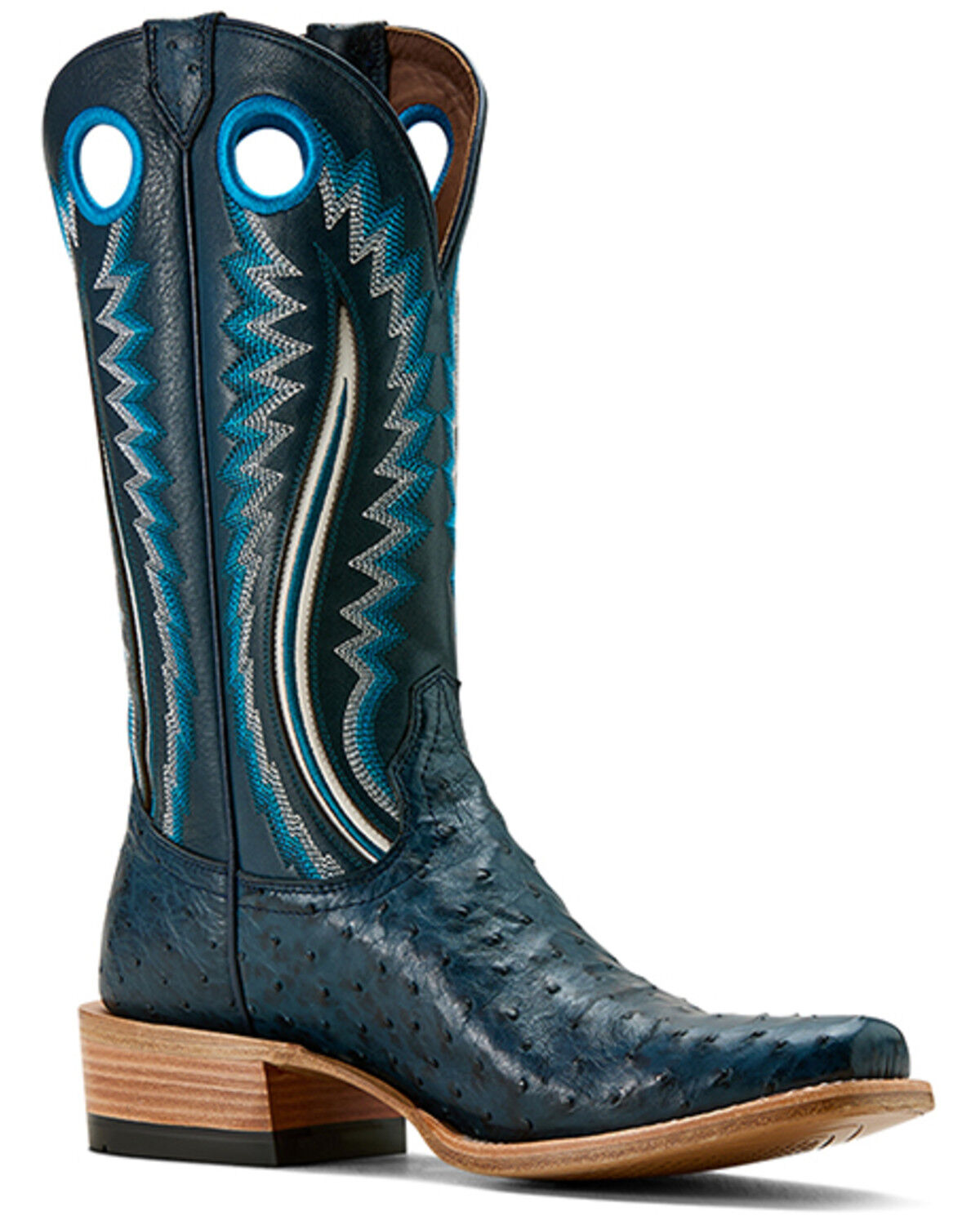
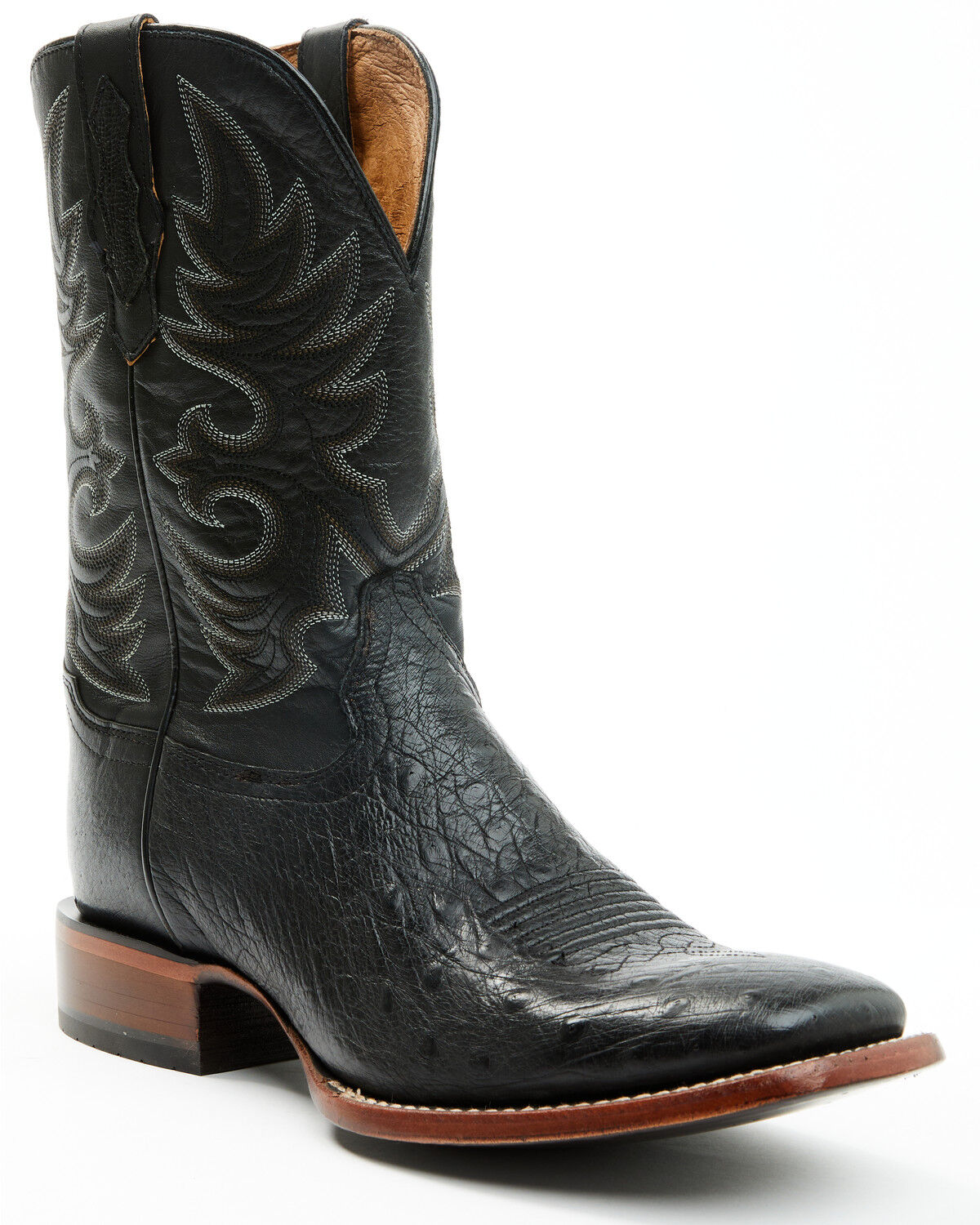
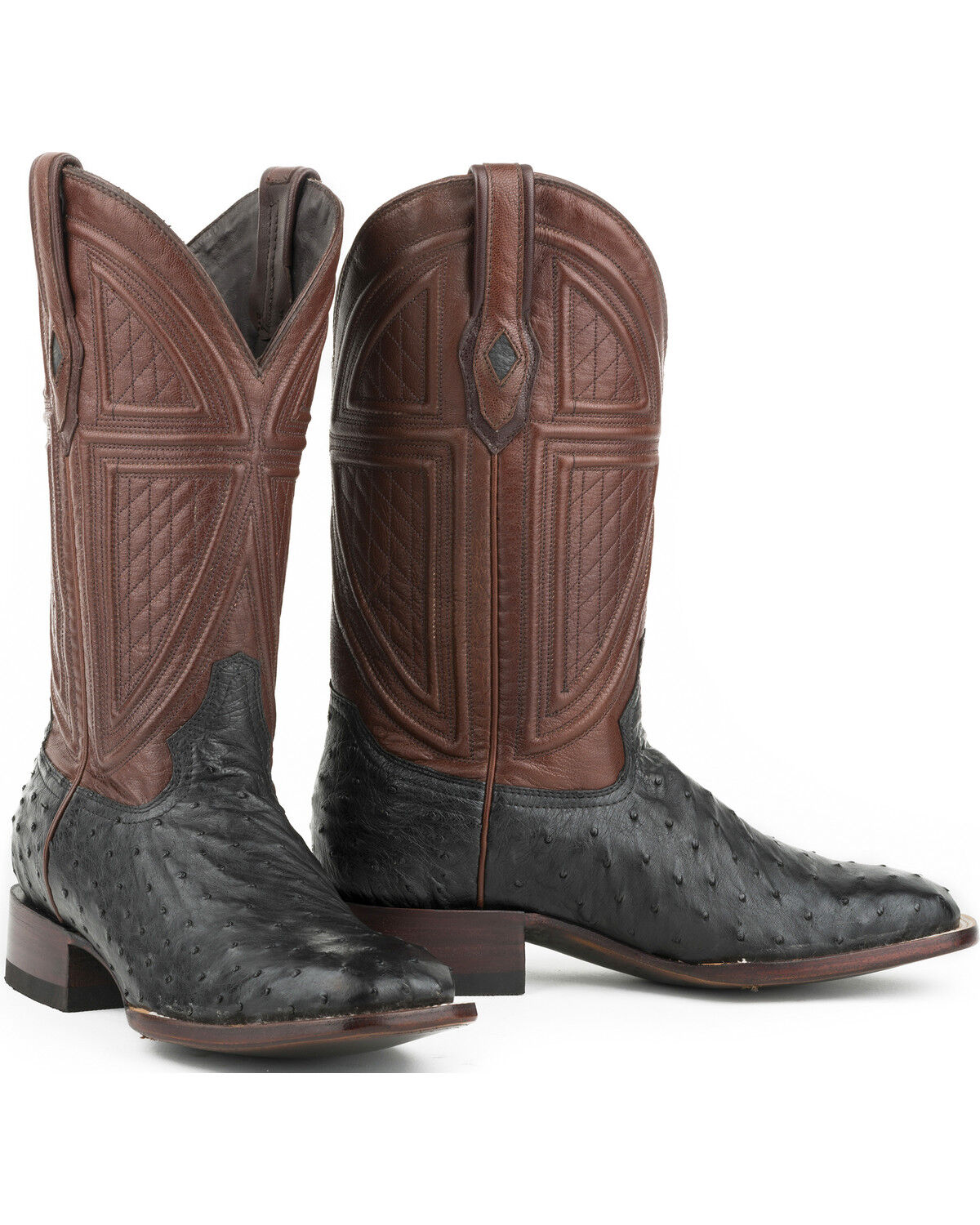
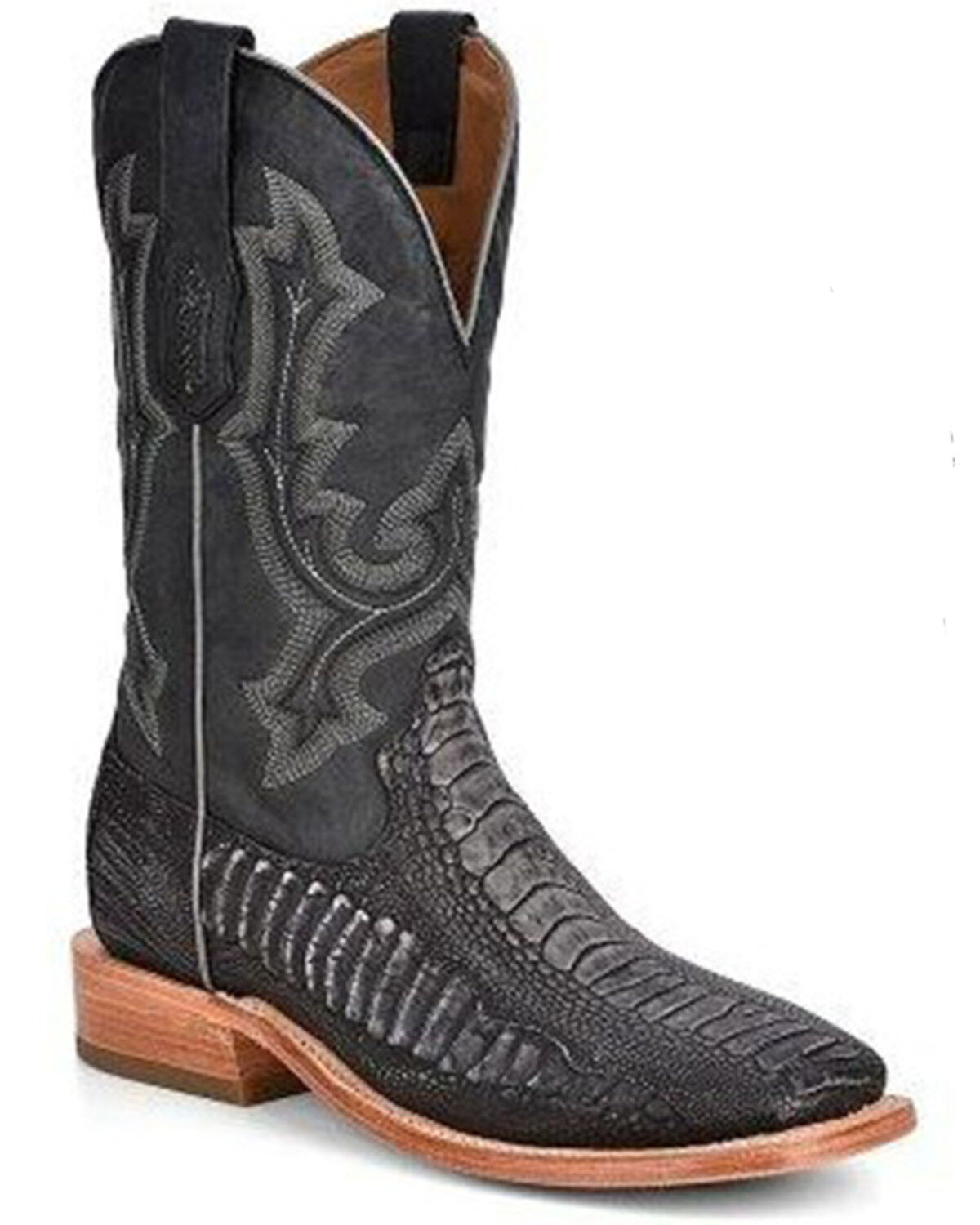
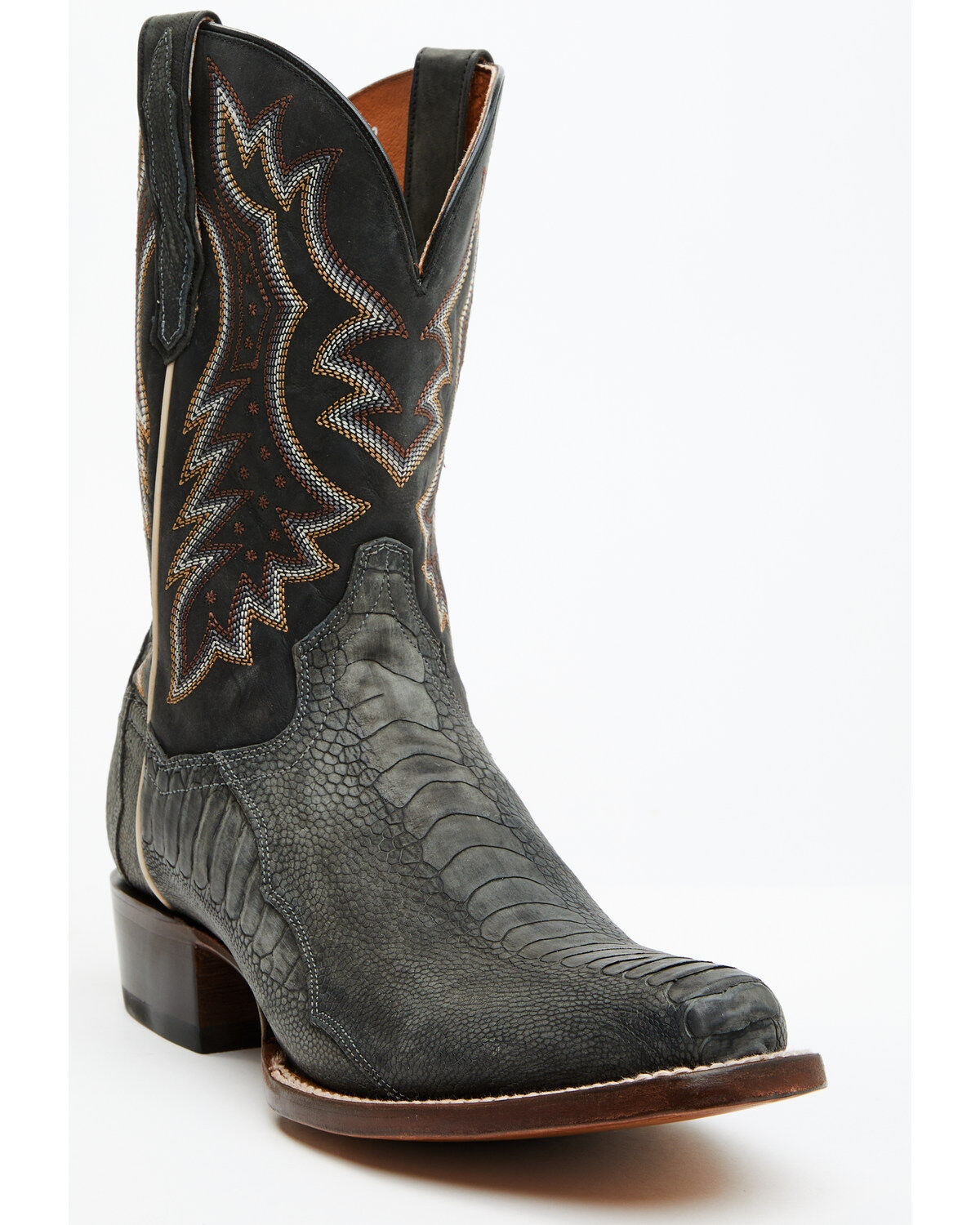
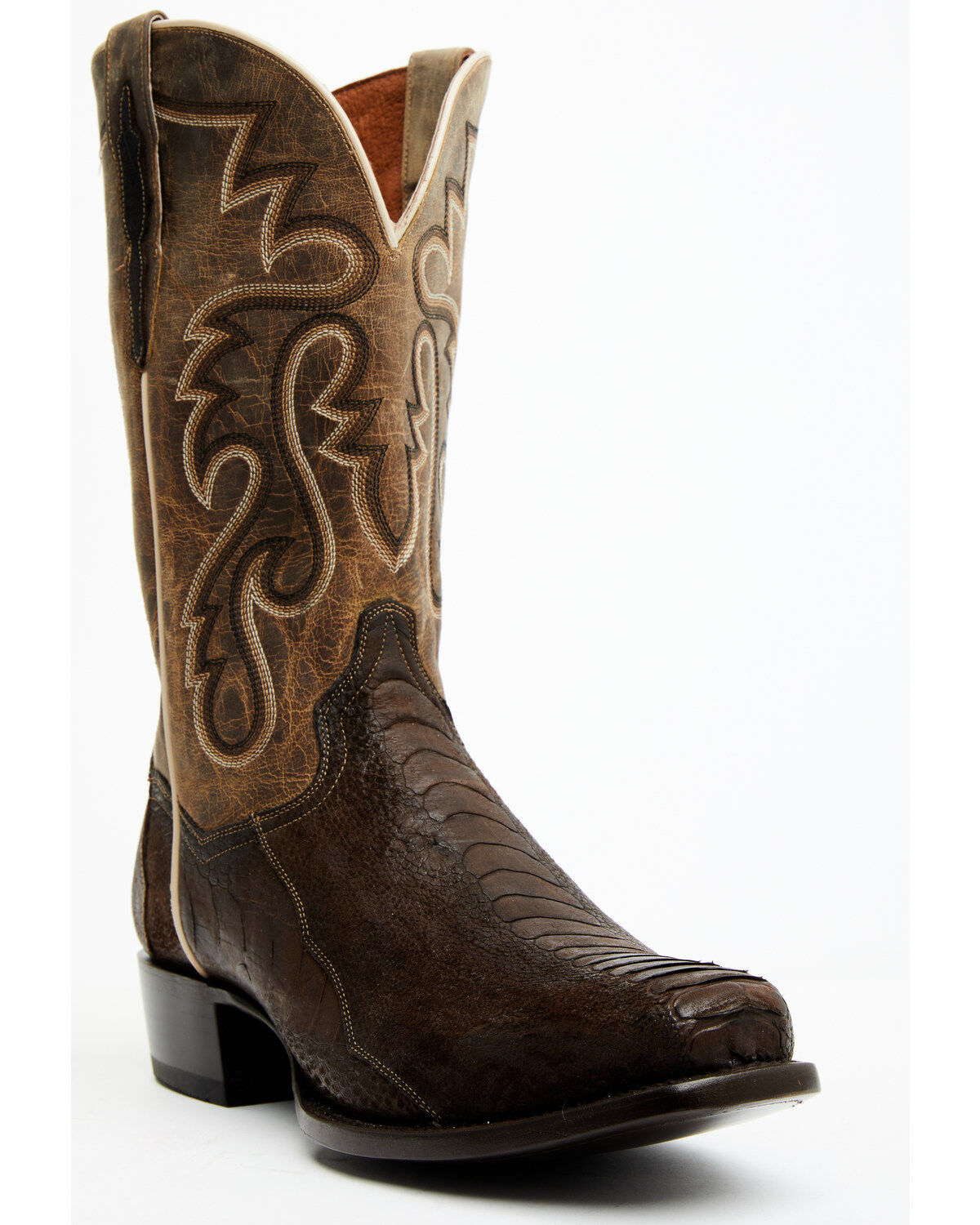
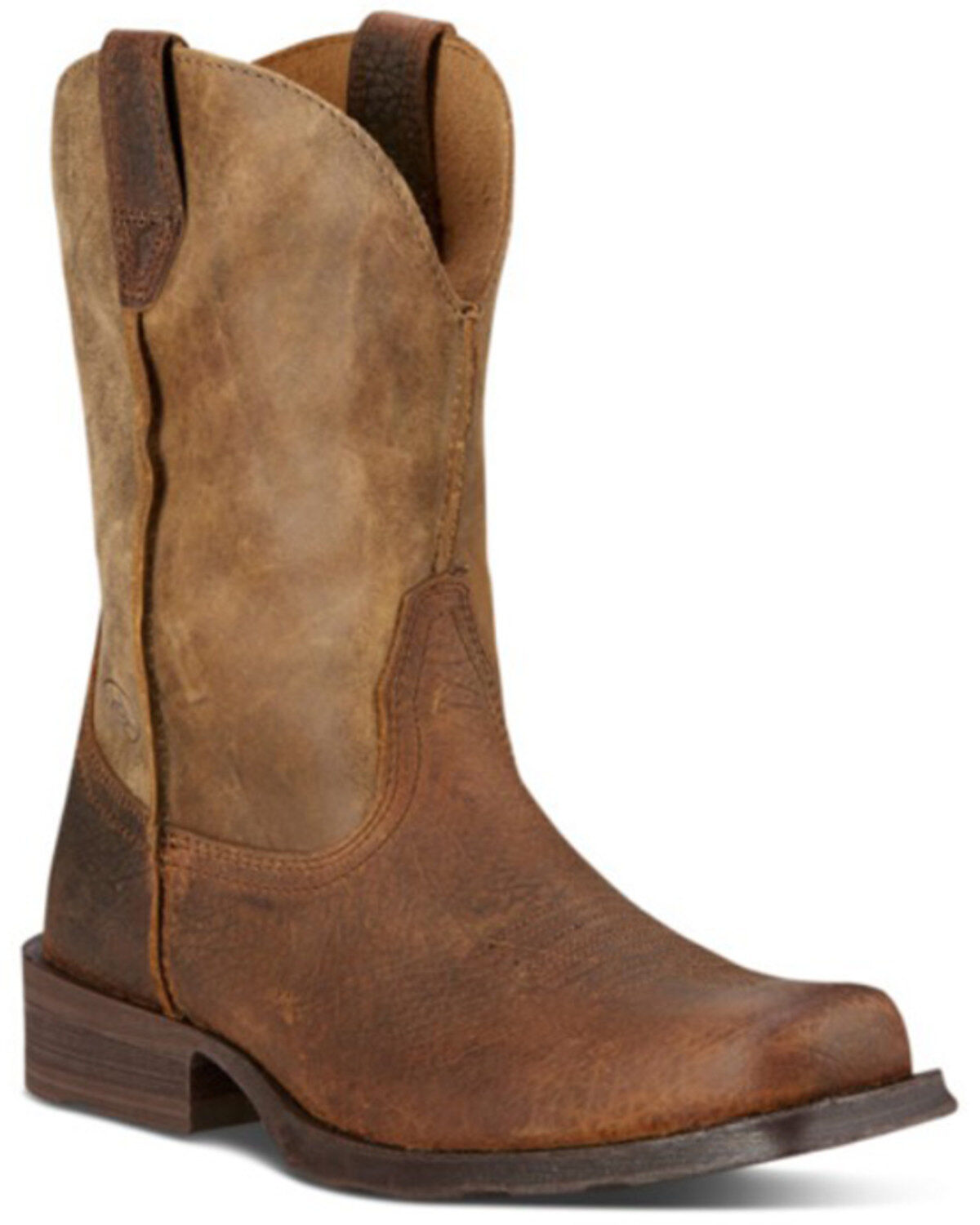
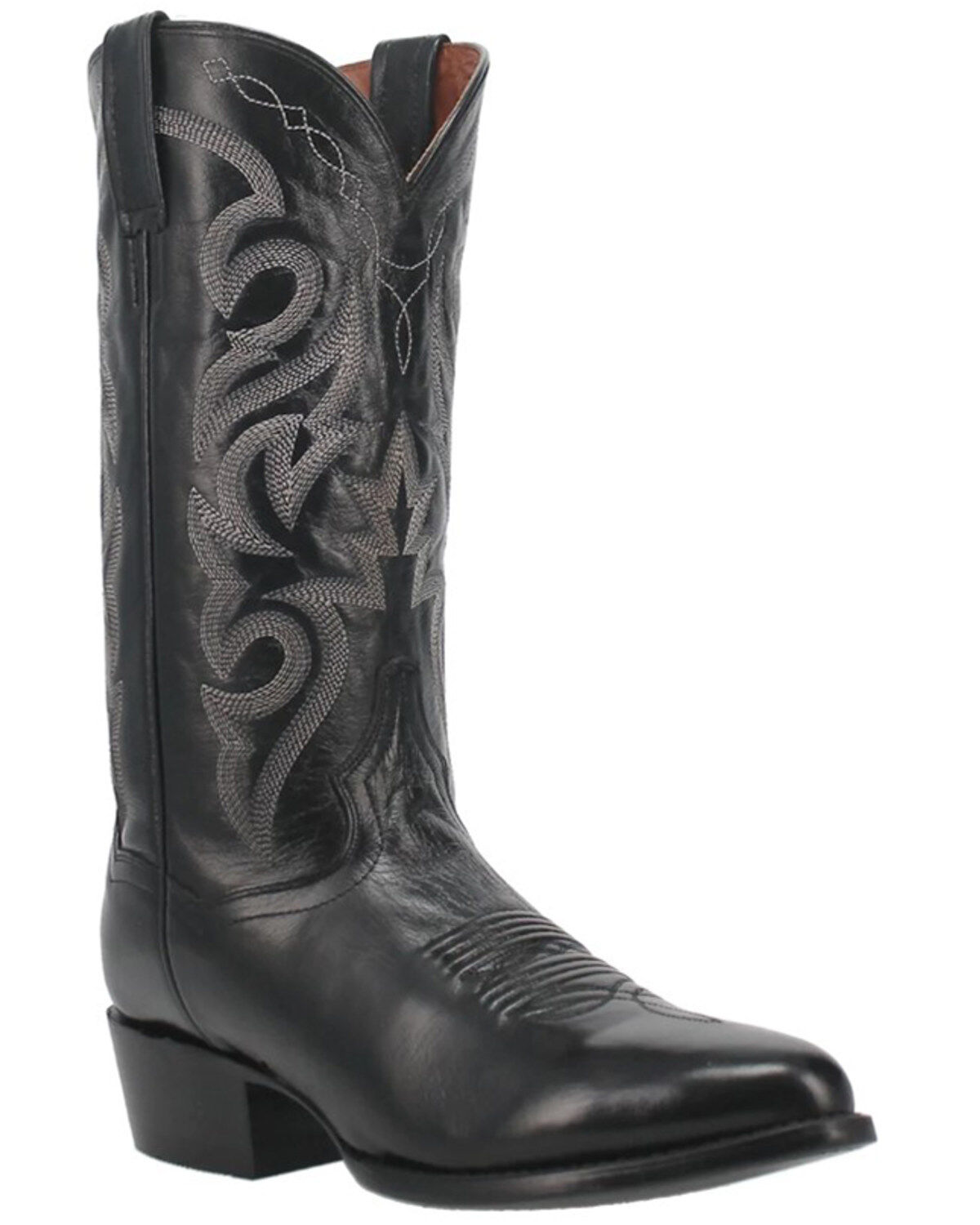
Square toe ostrich boots pair a broad western profile with leather that has a look and feel all its own. The distinctive bumps on full-quill ostrich leather mark the places where feathers grew, giving the surface a raised pattern rather than a flat, uniform grain. Smooth ostrich leather has a less pronounced quill pattern and a quieter appearance. Both offer a different character from conventional cowhide, though the feel, finish, and visible texture depend on the part of the hide and how it was prepared. Natural variations in quill spacing and grain are part of the material, so the leather on two boots may not look perfectly identical. Ostrich leather is generally valued for its supple feel, which can make the foot of a boot comfortable without requiring a stiff, heavily structured appearance. Construction may combine an ostrich leather foot with a shaft made from another leather, bringing together different textures in one western silhouette. Brown and tan finishes tend to emphasize the grain, while darker finishes can give the quill pattern a more understated look. Stitching, shaft height, and heel shape also affect whether a boot feels more traditional or more suited to dressed-up wear. Under straight-leg jeans, the toe and leather over the foot do most of the visual work. With trousers, a clean finish and restrained stitching can keep the outfit balanced. The pant hem should fall naturally over the shaft without bunching heavily or dragging beneath the heel. These boots suit people who appreciate western footwear for everyday wear, dinners, gatherings, and occasions that call for more than a casual shoe. Their appeal comes from the combination of recognizable boot construction and a distinctive hide, not from ornament alone. When comparing Square Toe Boots, the toe outline is only one part of the choice; leather, proportions, and construction determine much of the finished look.

Fit is especially important with ostrich boots because soft leather should not be mistaken for extra space. A square toe often provides a broader outline at the front, but that does not automatically make the boot wide throughout the foot. The shape of the interior, the stated width, and the fit across the instep still matter. Toes need room to move without pressing against the front or sides, while the leather over the instep should feel secure rather than tight enough to cause discomfort. A small amount of heel movement can be normal in a new pull-on boot, but excessive lifting or sliding is not something to dismiss as part of breaking it in. The foot should stay centered when walking, with no sharp pressure along the ball of the foot or arch. Trying boots with the socks intended for regular wear gives a more useful sense of fit than relying on size alone. Thick socks can crowd an otherwise comfortable boot, while very thin socks may allow more movement than expected. Shaft height and circumference also deserve attention, particularly for someone who wears fitted jeans or needs more room around the calf. Supple leather may settle around the foot with wear, but a break-in period will not reliably correct a boot that is too short or too narrow. Underfoot construction matters just as much as the upper. Cushioning, lining, heel height, and sole flexibility all influence comfort during a long stretch of standing or walking. Leather outsoles offer a traditional feel, while rubber outsoles may provide more grip, depending on their tread and design. Neither material guarantees traction on every surface. Square toe ostrich boots are not automatically work boots, and the toe shape does not indicate protective reinforcement. Jobs requiring impact protection, electrical hazard protection, or other safety features call for footwear specifically rated for those requirements, regardless of how sturdy a western boot looks.

Regular care helps preserve ostrich leather without covering up the texture that makes it distinctive. Surface dust is best removed gently with a soft, dry cloth or a brush appropriate for delicate leather. Dirt left around the raised quills can become harder to remove, so a quick wipe after wear is more useful than waiting until the boots need a thorough cleaning. Cleaners and conditioners should be suitable for ostrich leather and the particular finish, with any unfamiliar treatment tested first in a discreet area. Heavy applications of oil, wax, or conditioner can darken the leather or change its appearance. A light treatment used according to the care directions is preferable to repeatedly adding product whenever the surface looks dry. Different materials on the foot and shaft may need different care, and the maker’s instructions should take priority over a general leather routine. Ostrich leather alone does not make a boot waterproof. If boots become damp, they should dry naturally away from direct heat, which can stiffen leather or damage the finish. Breathable storage, support inside the shafts, and enough space to prevent crushing help maintain their shape between wears. Letting the lining dry fully before the next wear also supports comfort and helps reduce moisture buildup. Durability depends on the whole boot, including stitching, sole attachment, heel condition, and how it is used. Rough contact with concrete edges, abrasive surfaces, and demanding chores can mark a refined leather finish even when the boot remains structurally sound. Worn heel caps and damaged soles deserve attention before wear reaches deeper parts of the boot; a qualified repair professional can assess what the construction allows. As a gift, square toe ostrich boots make the most sense for someone who already enjoys western footwear and has clear preferences about fit and finish. Knowing the recipient’s usual boot size, width, and preferred heel is more useful than choosing by appearance alone. The right pair should suit the person’s daily clothing and intended use, with enough comfort to earn regular wear rather than remain reserved for special occasions.

FAQs