Square Toe Cowboy Boot Fit Guide

The Square Toe Cowboy Boot Fit Guide covers the key points to consider when choosing your size, including foot length, width, instep, and overall comfort. Use these details to compare your measurements with available sizing and find a fit that feels secure without restricting movement.

Read More

Shop Your Store: Shop Your Store: Find a Store

(Turn off Shop Your Store to see all items)

(Turn off Shop Your Store to see all items)

close
  • Recommended
  • Lowest Price
  • Highest Price
Skip pass products
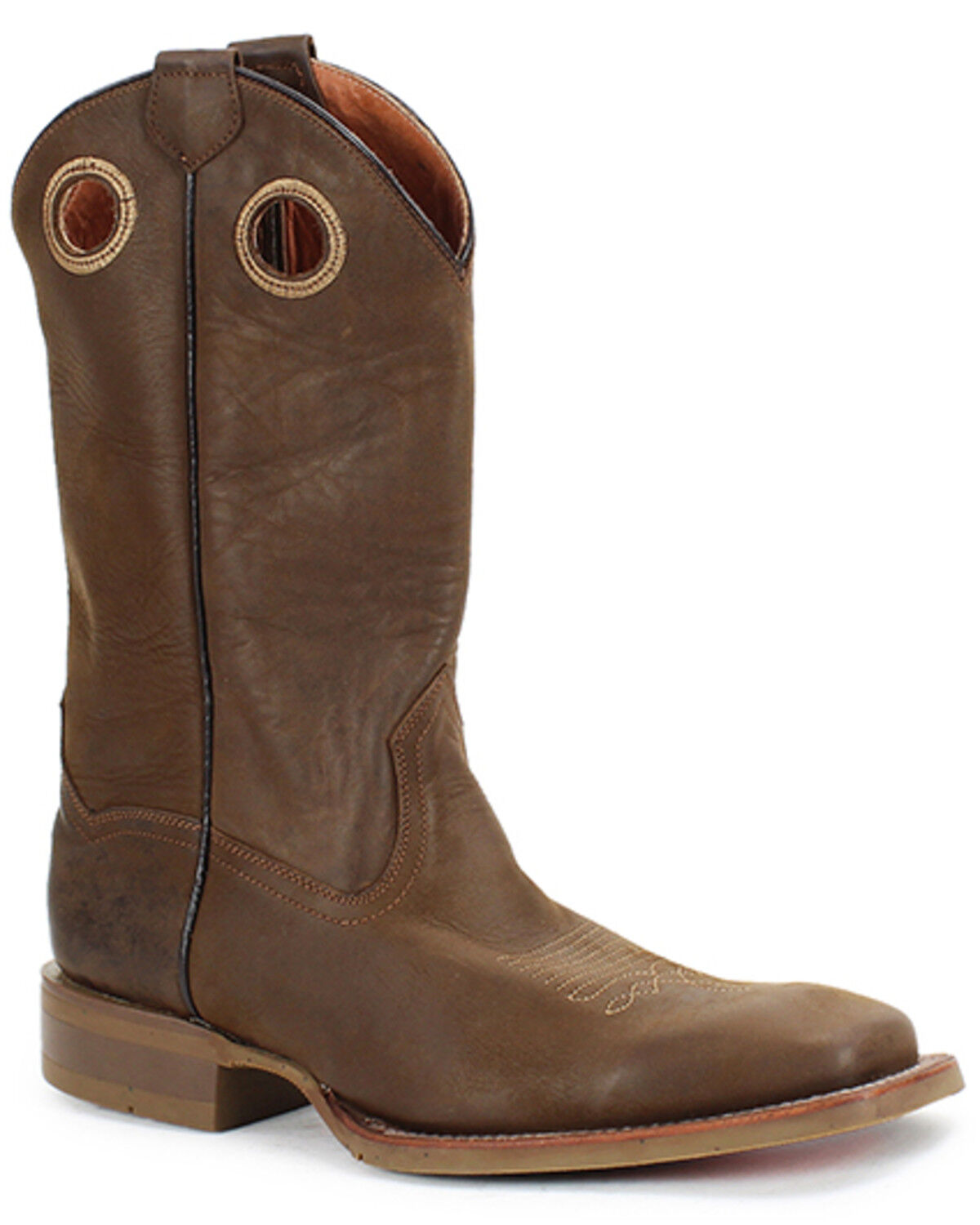
  • Men's Bed Stu Roan by Satire Western Boots - Broad Square Toe

    Original Price $189.99 $99.00
    48% Total Savings

End of products

Square Toe Cowboy Boot Fit Guide

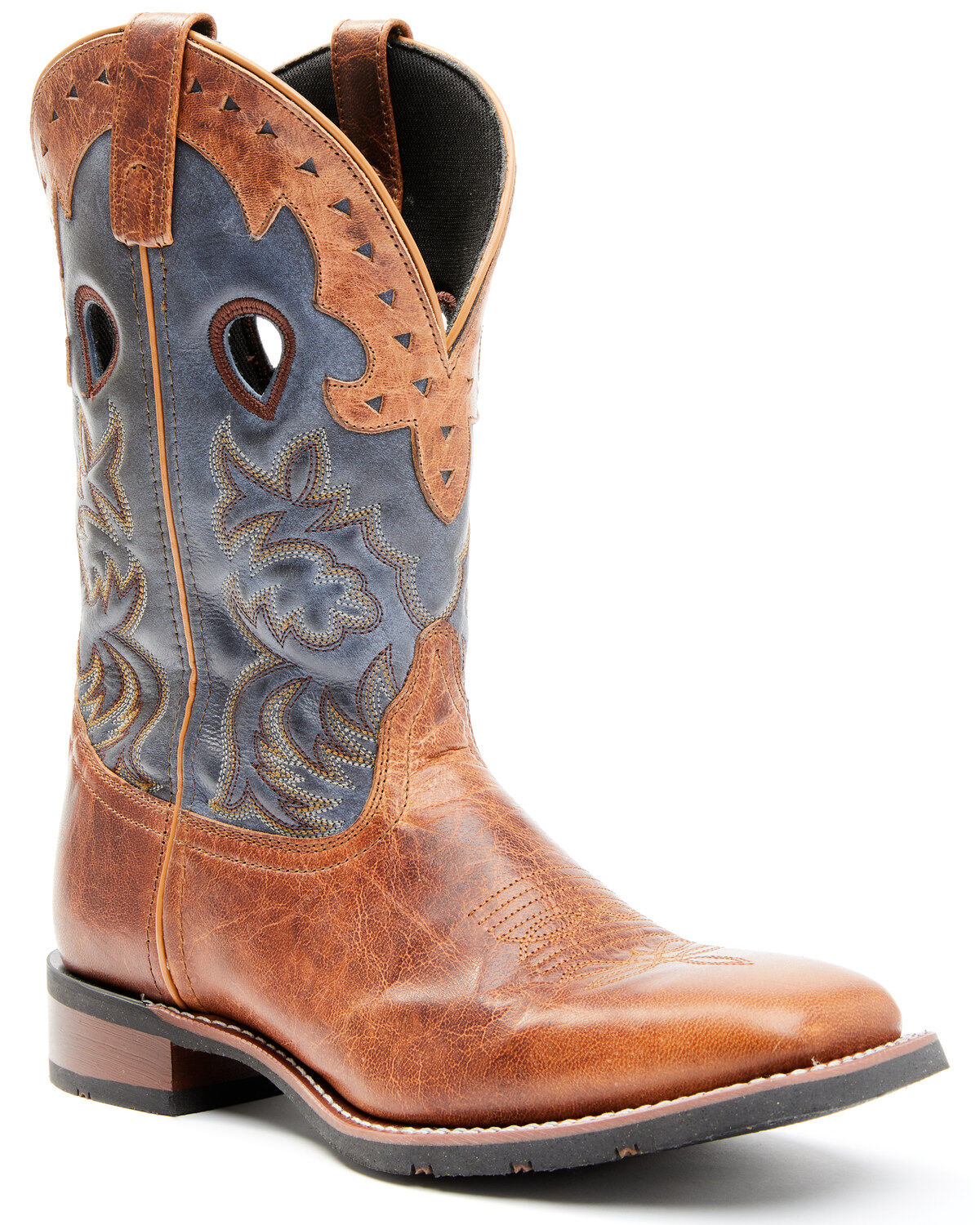
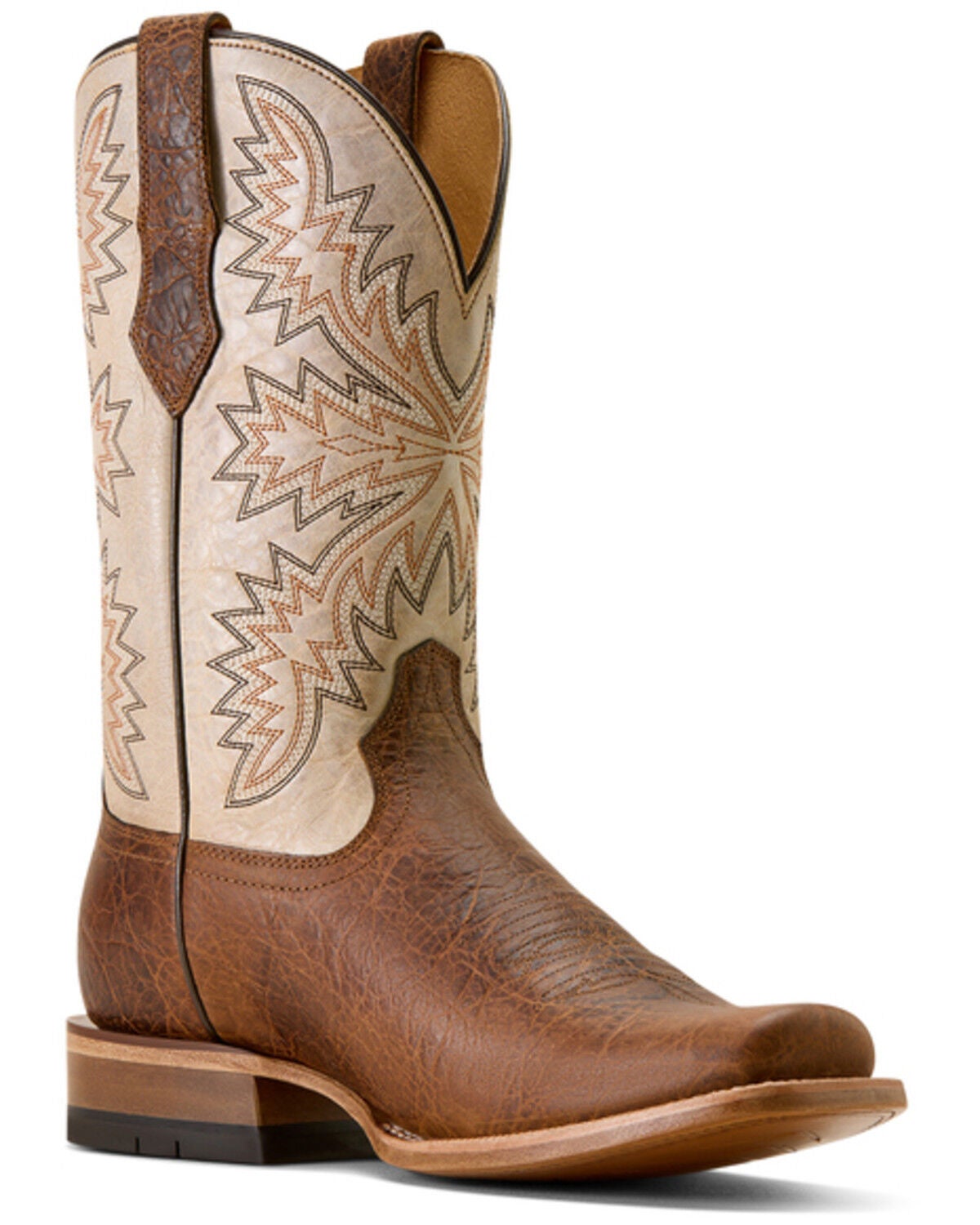
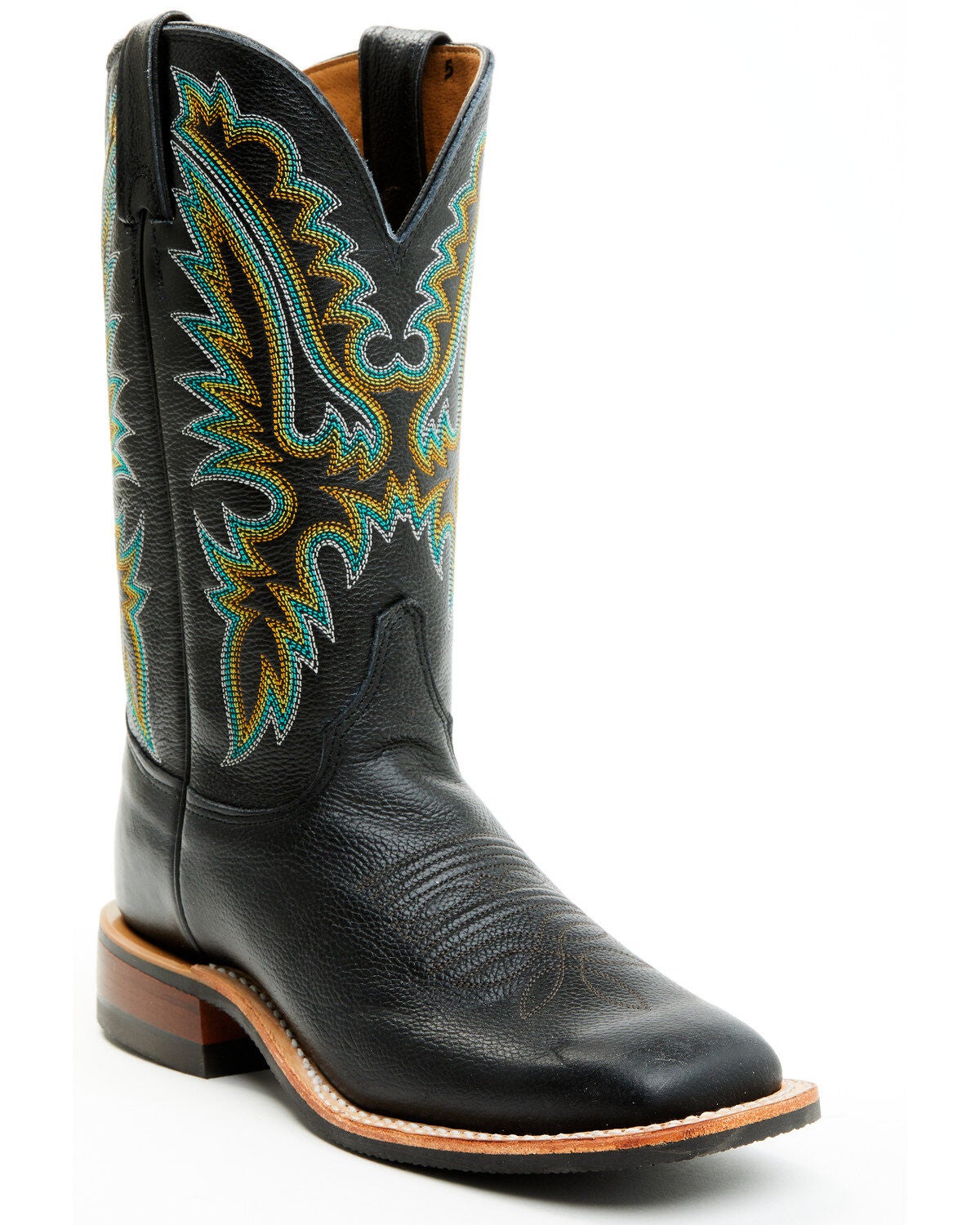
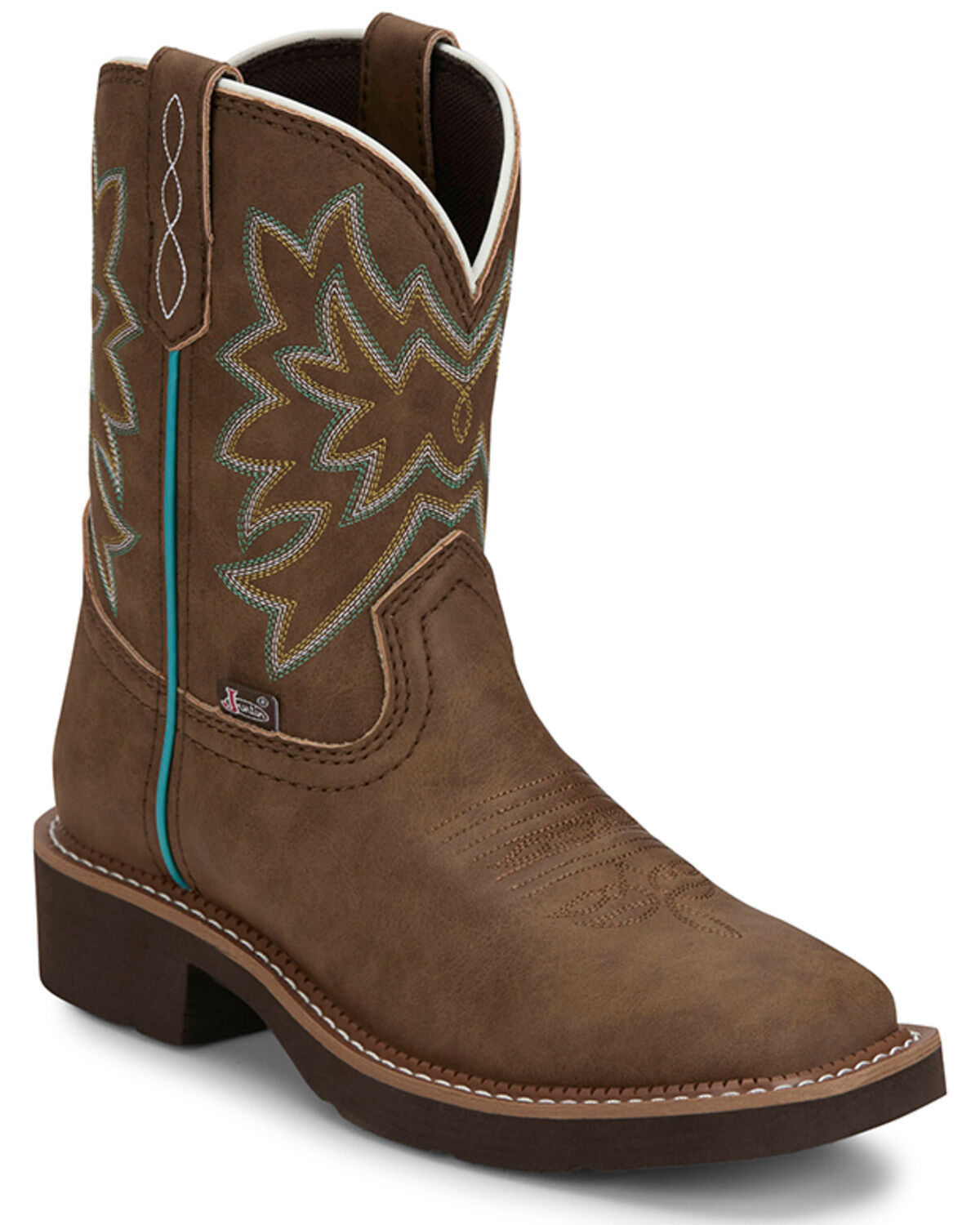
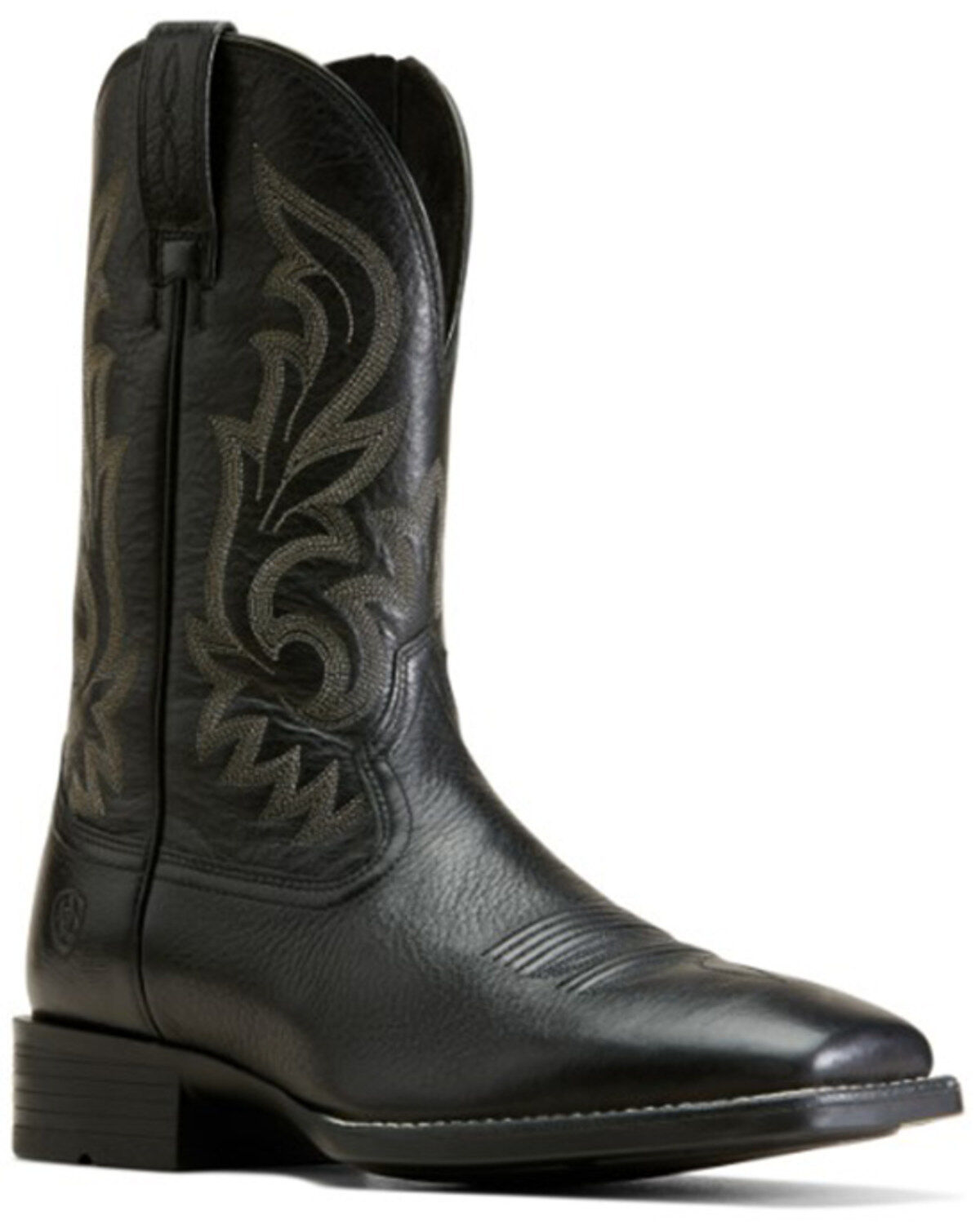
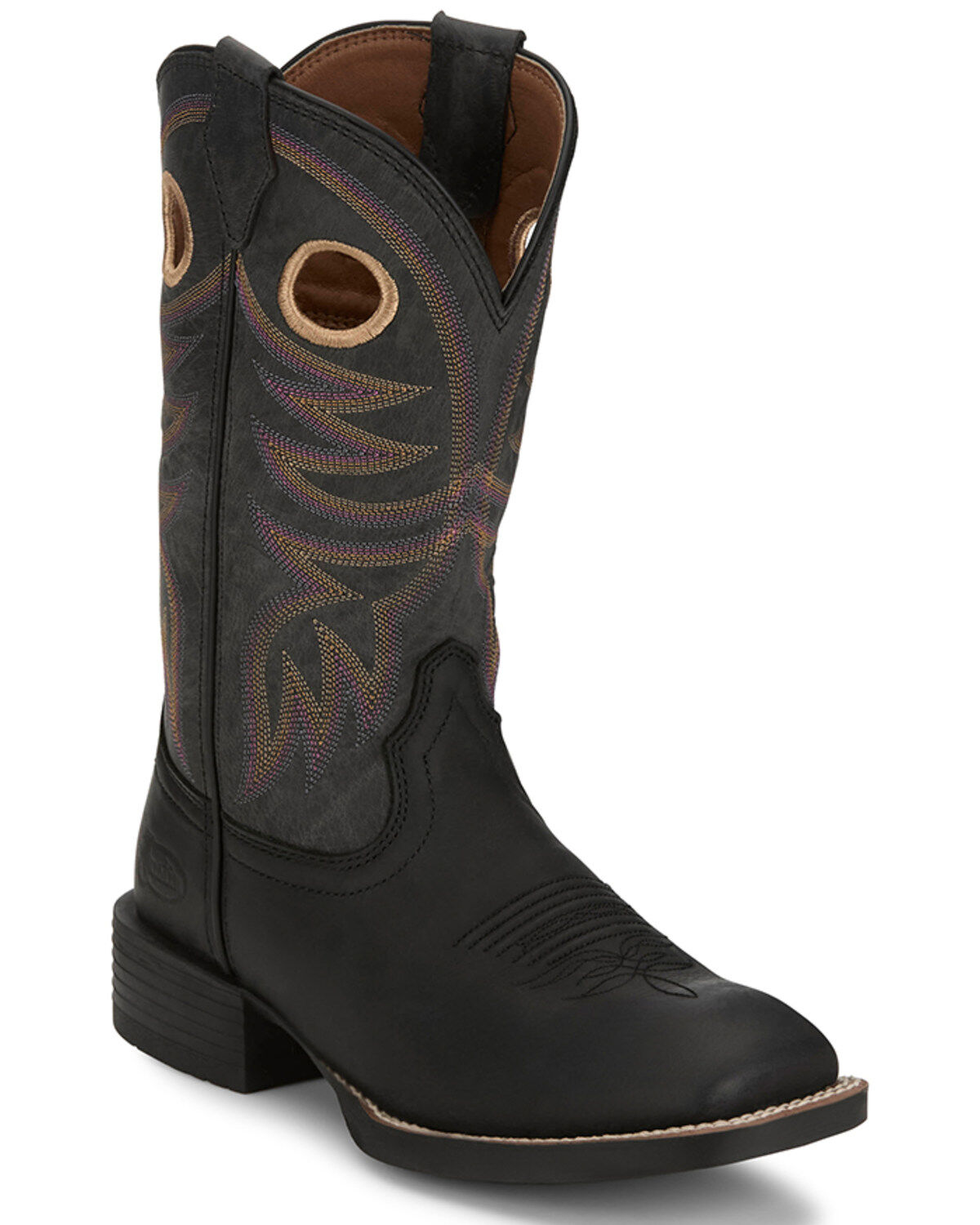
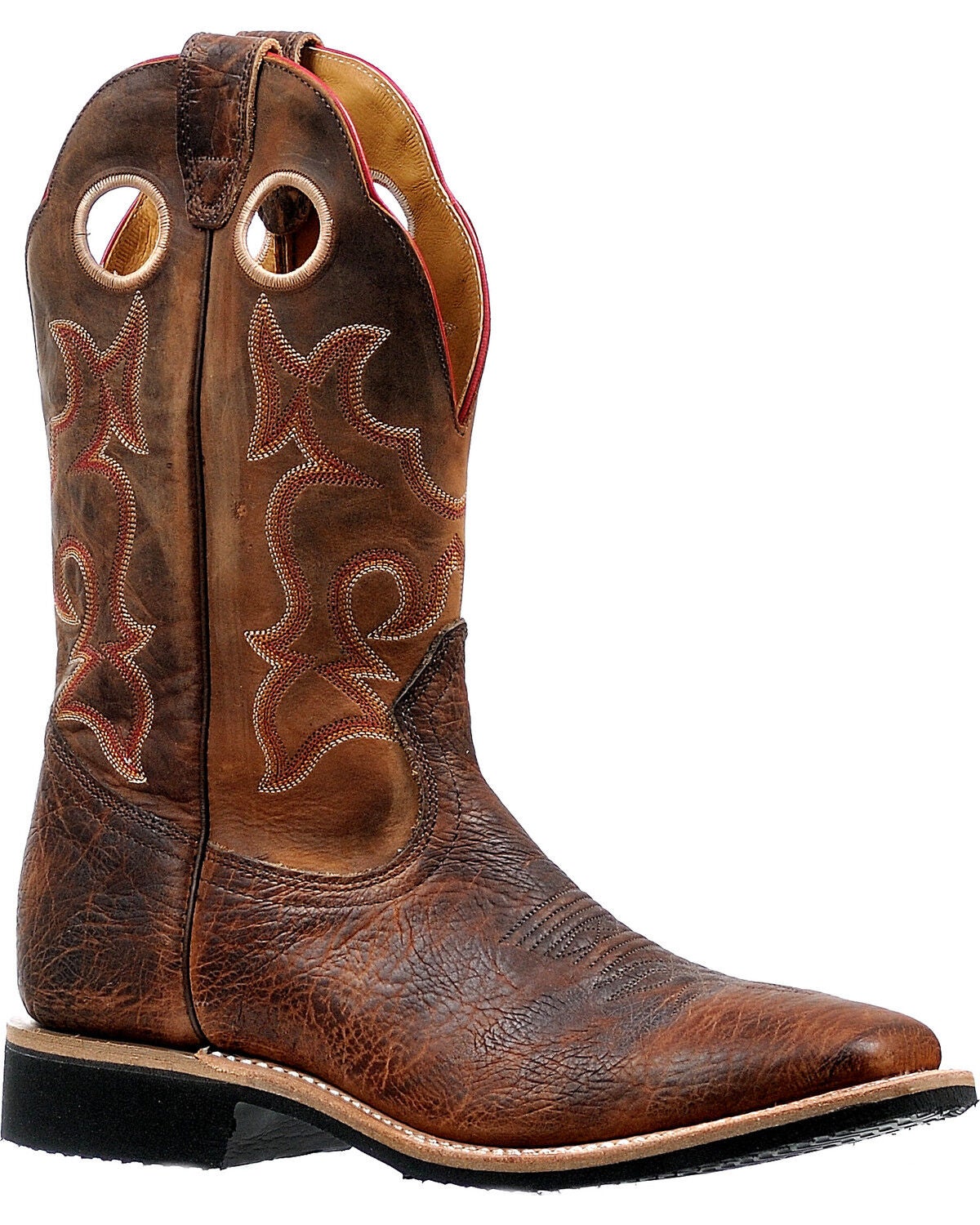
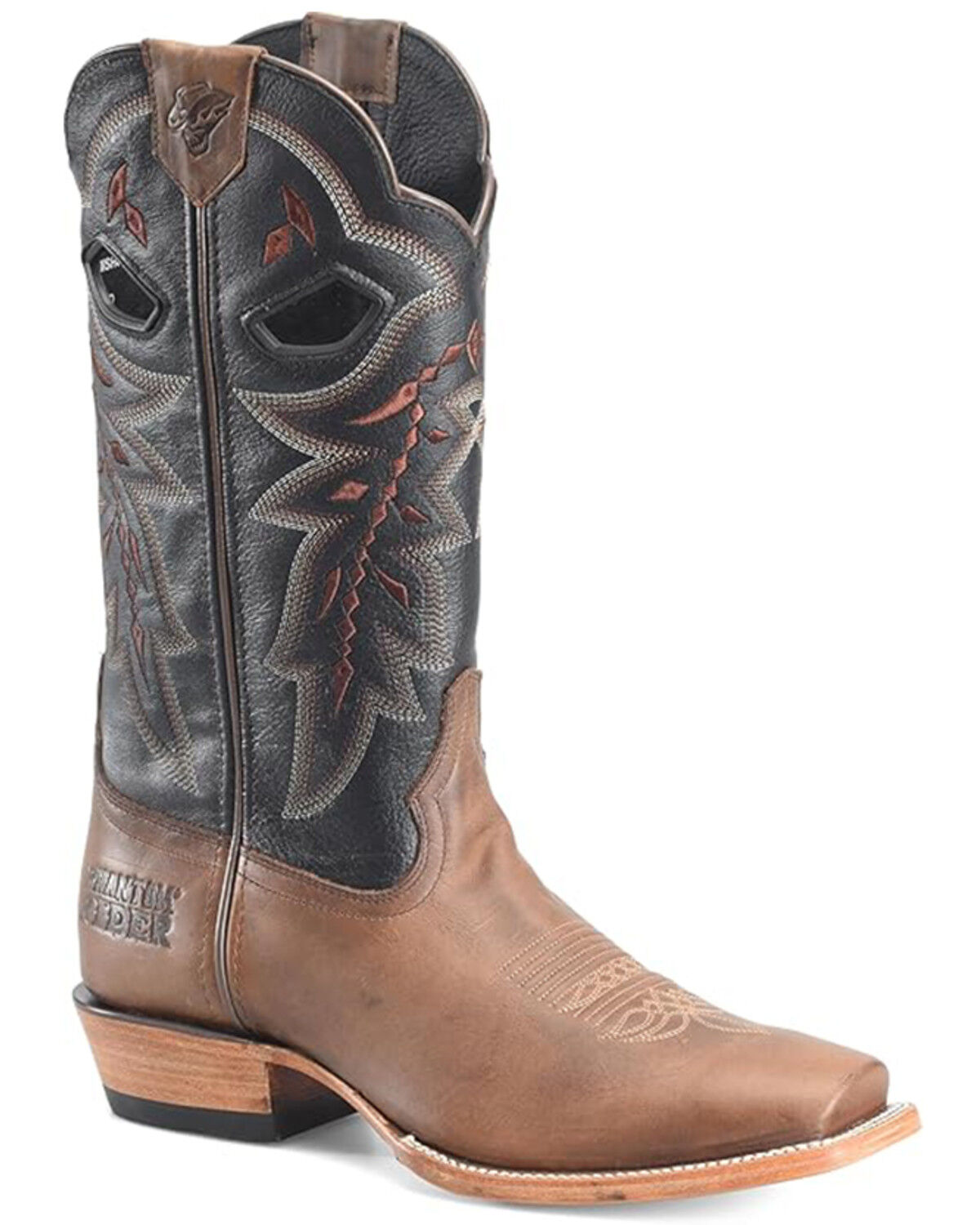
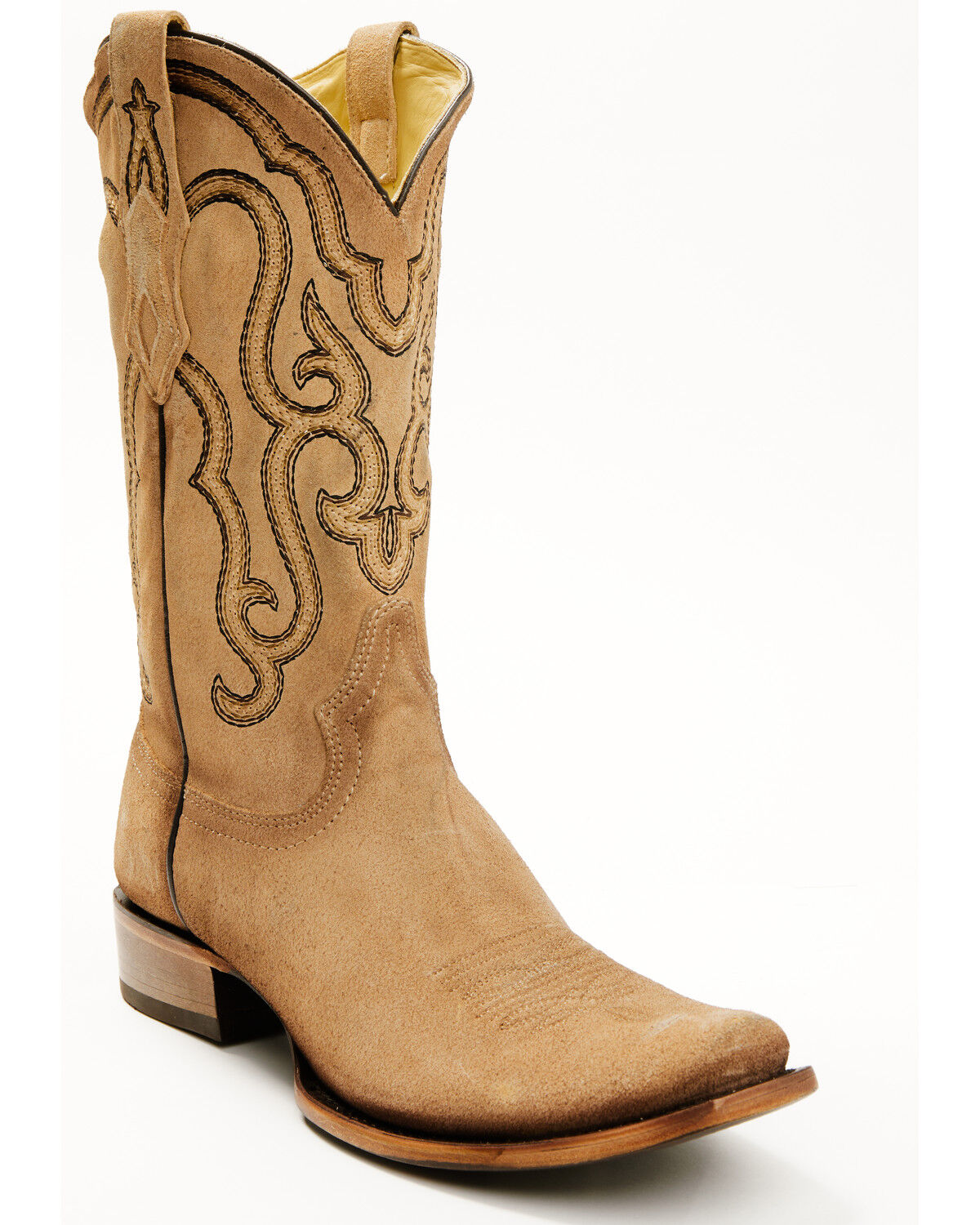
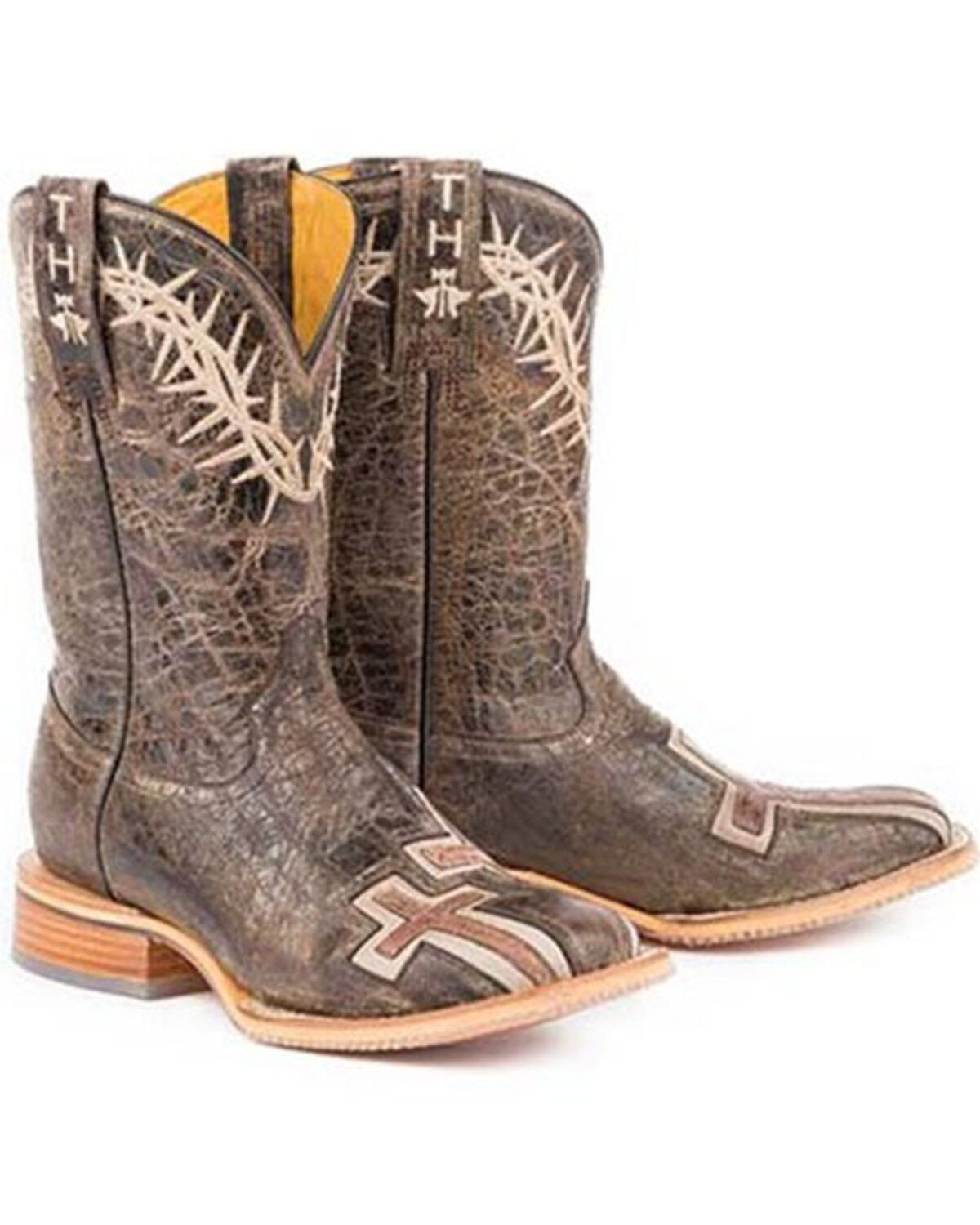
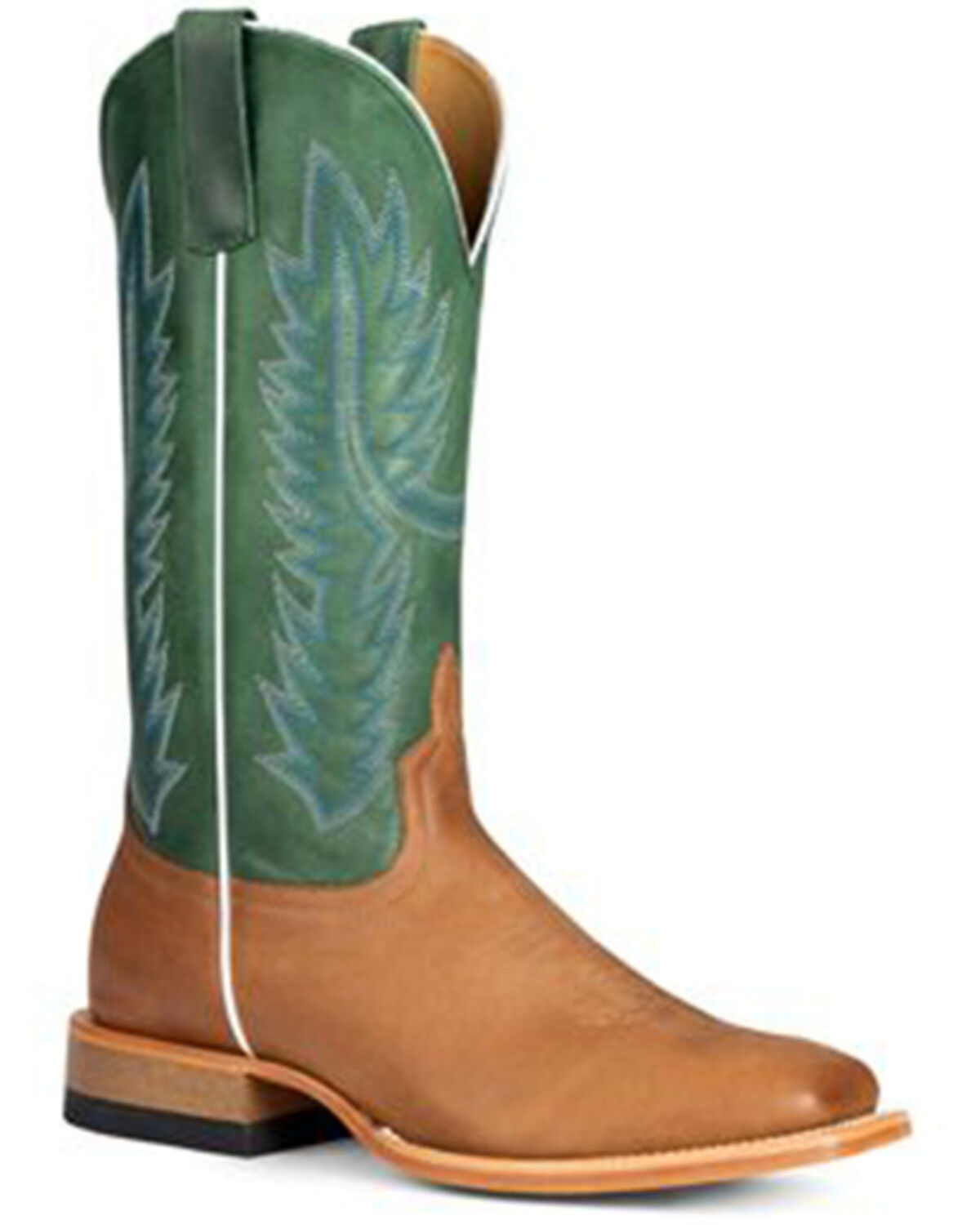
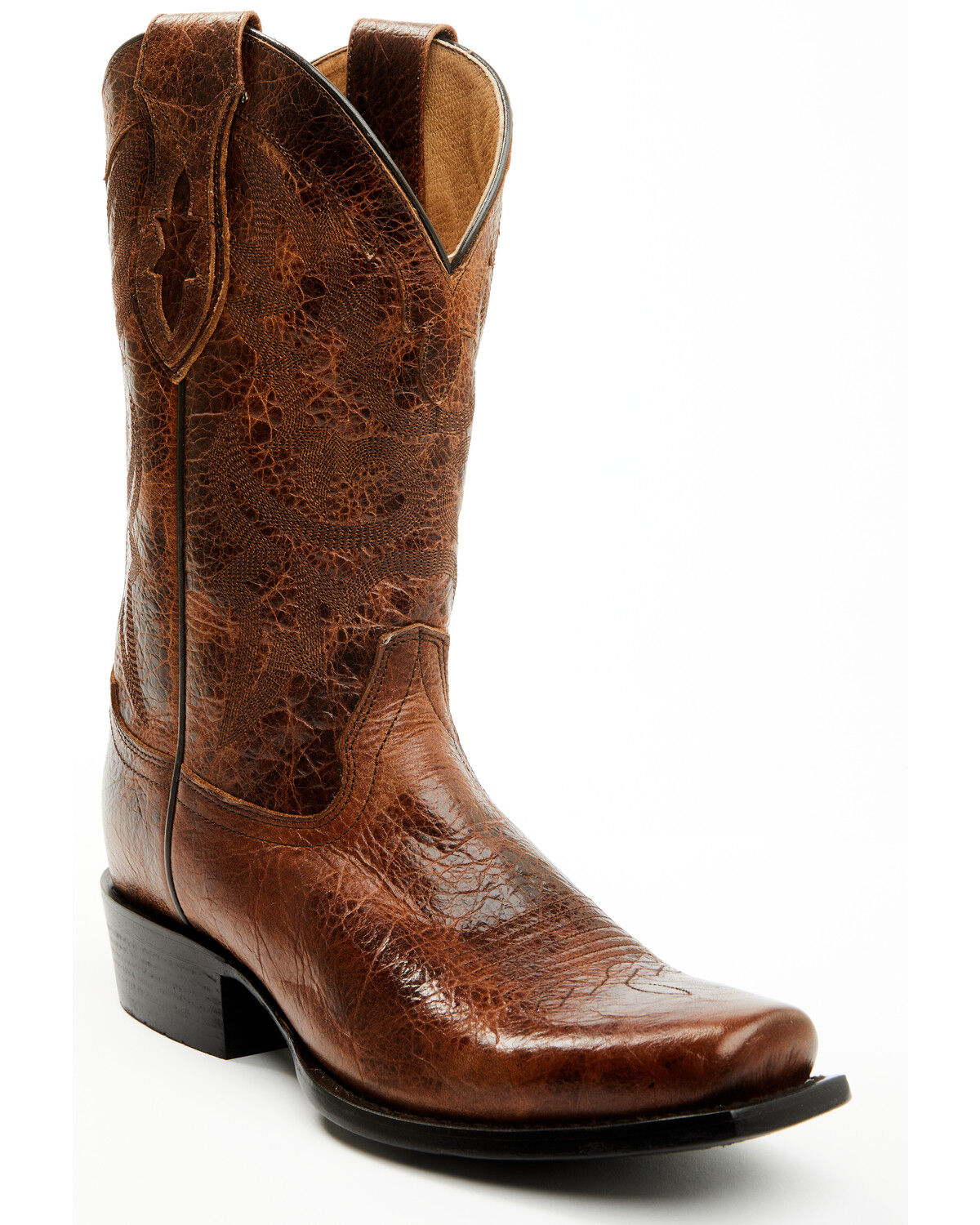
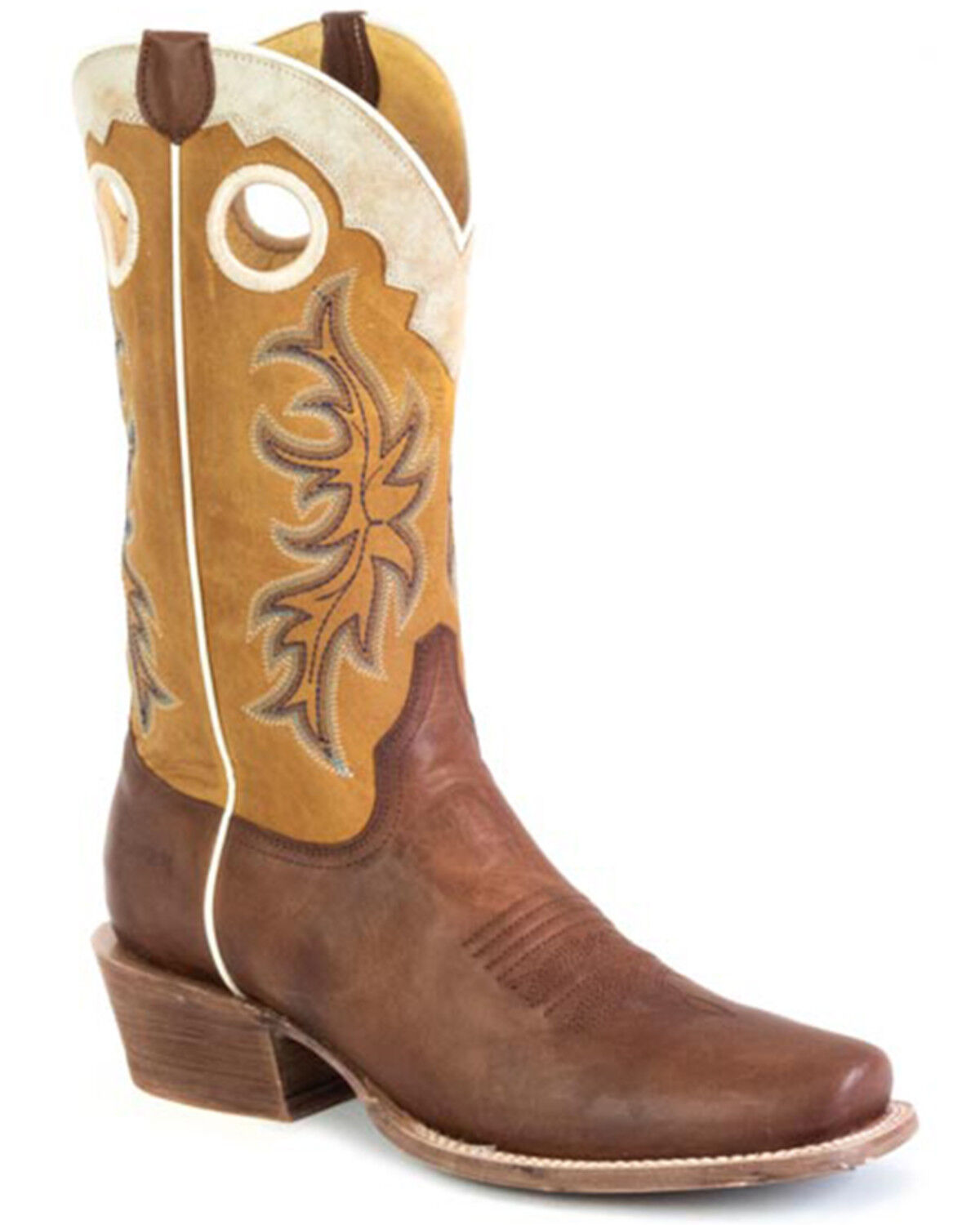
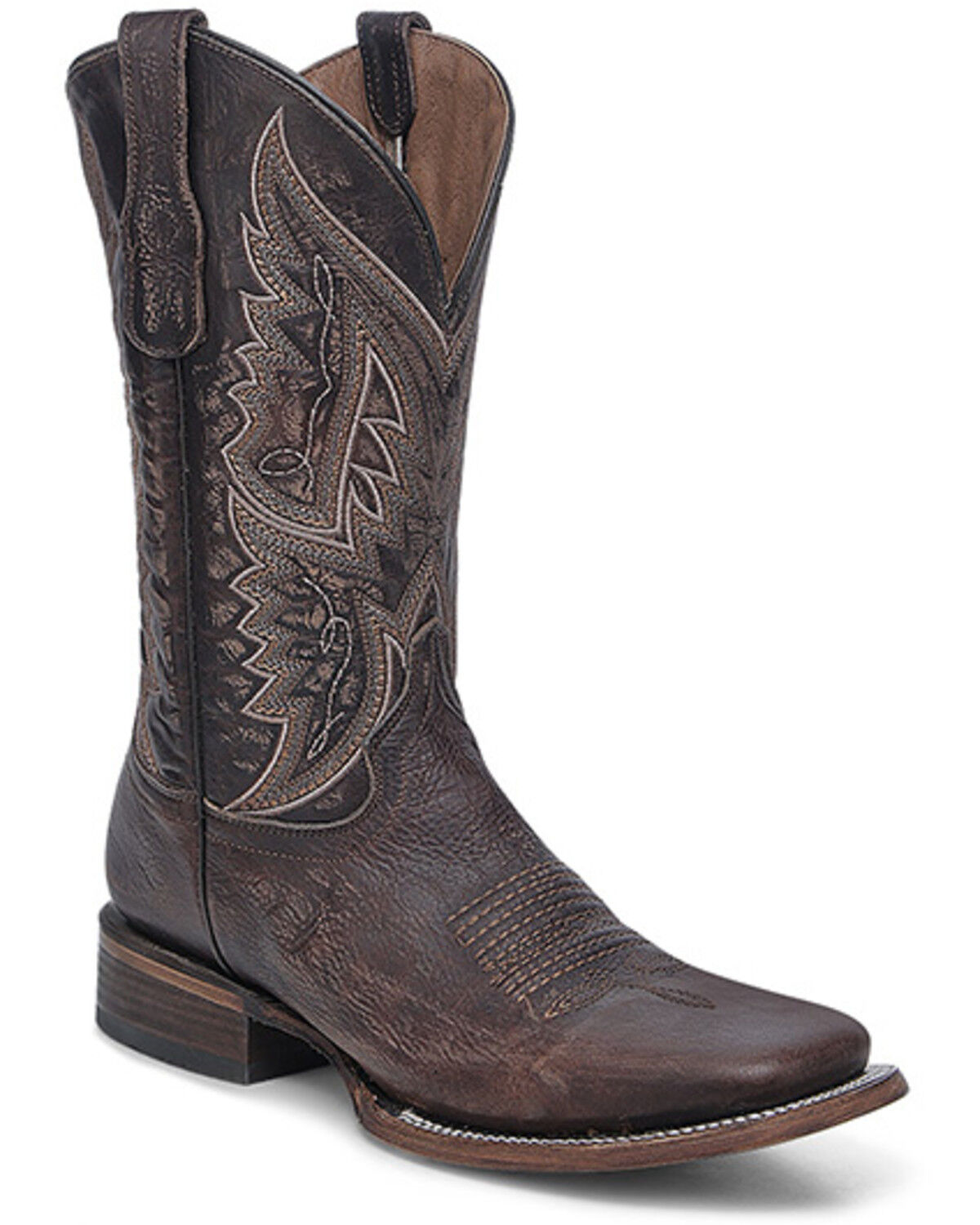
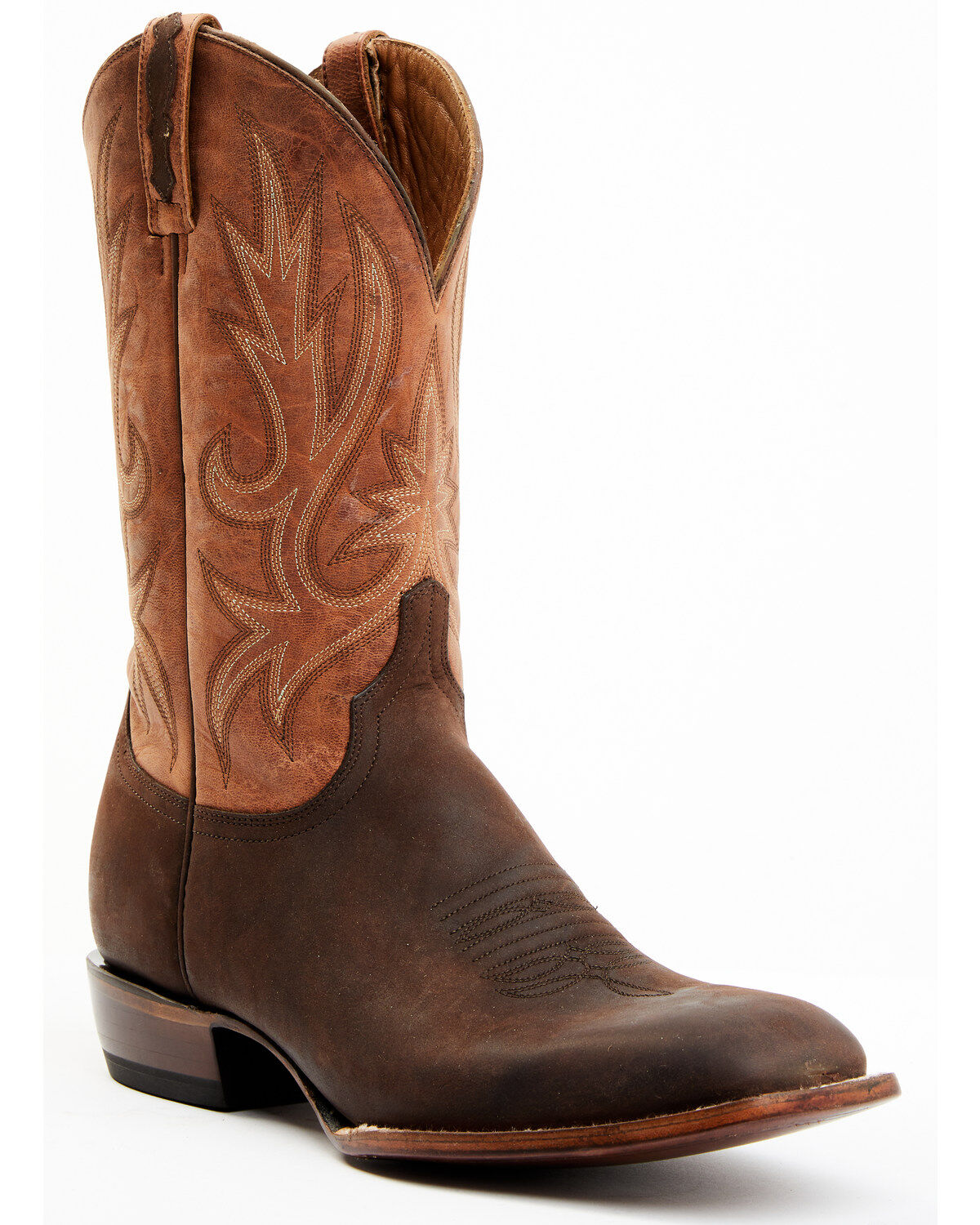
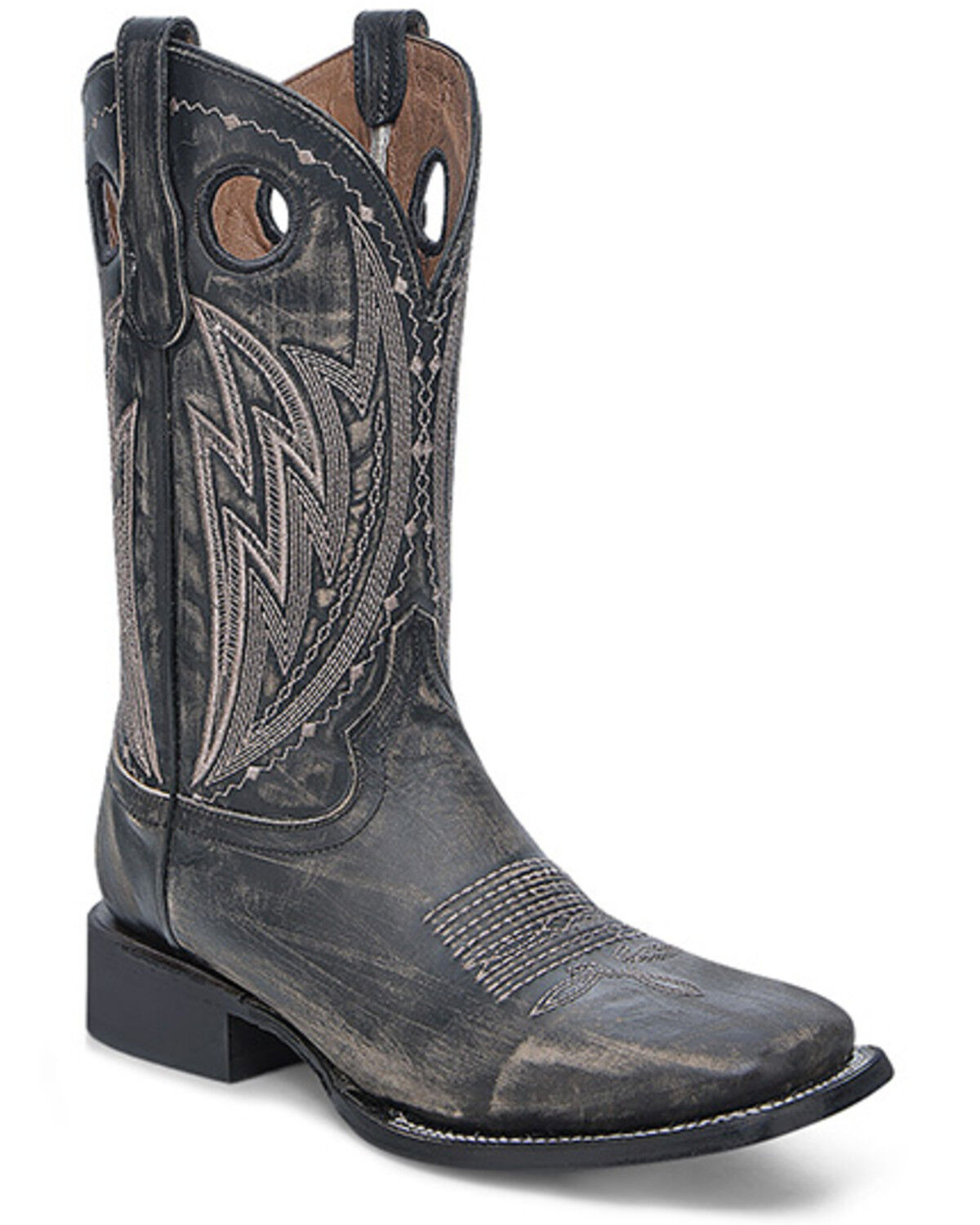
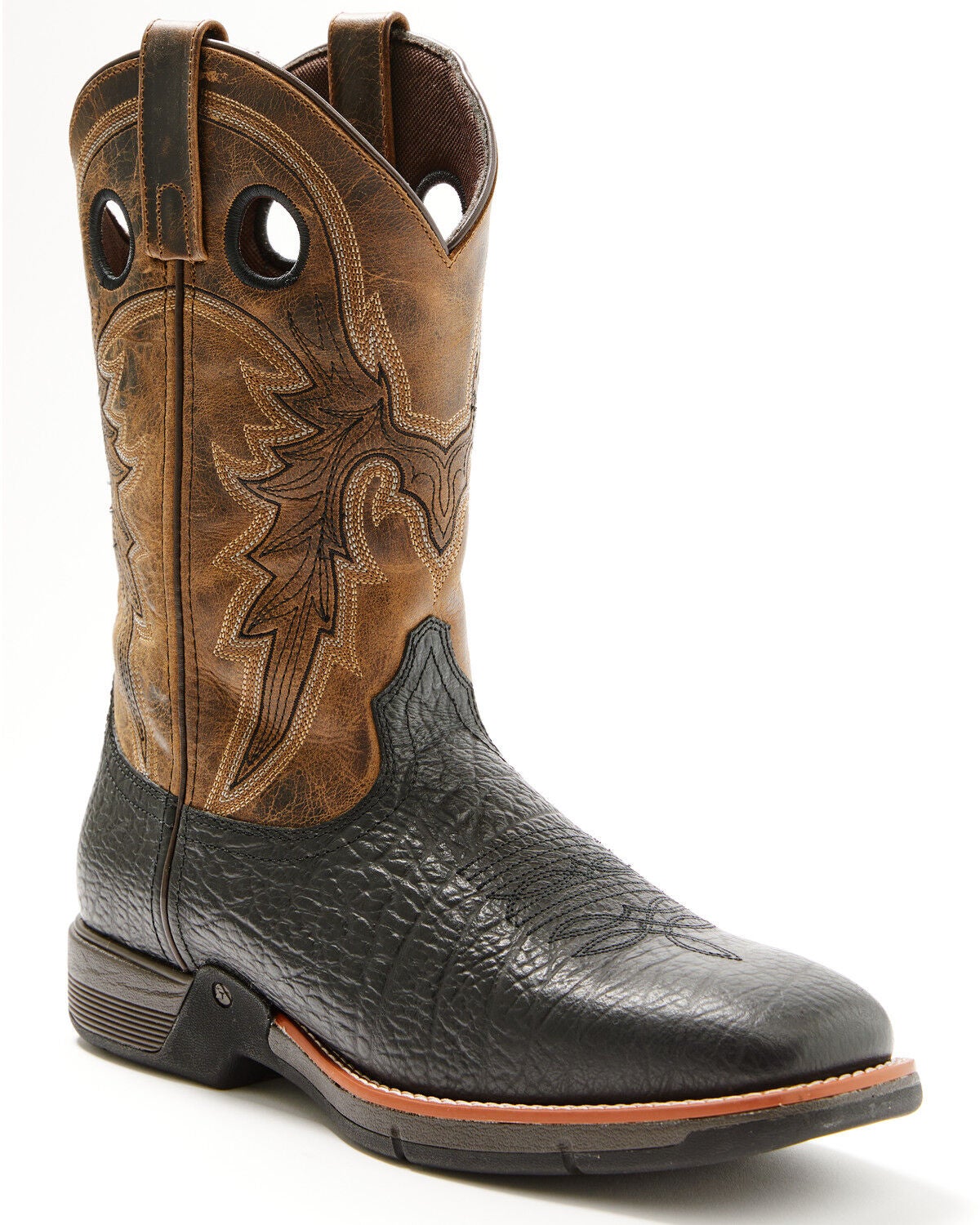
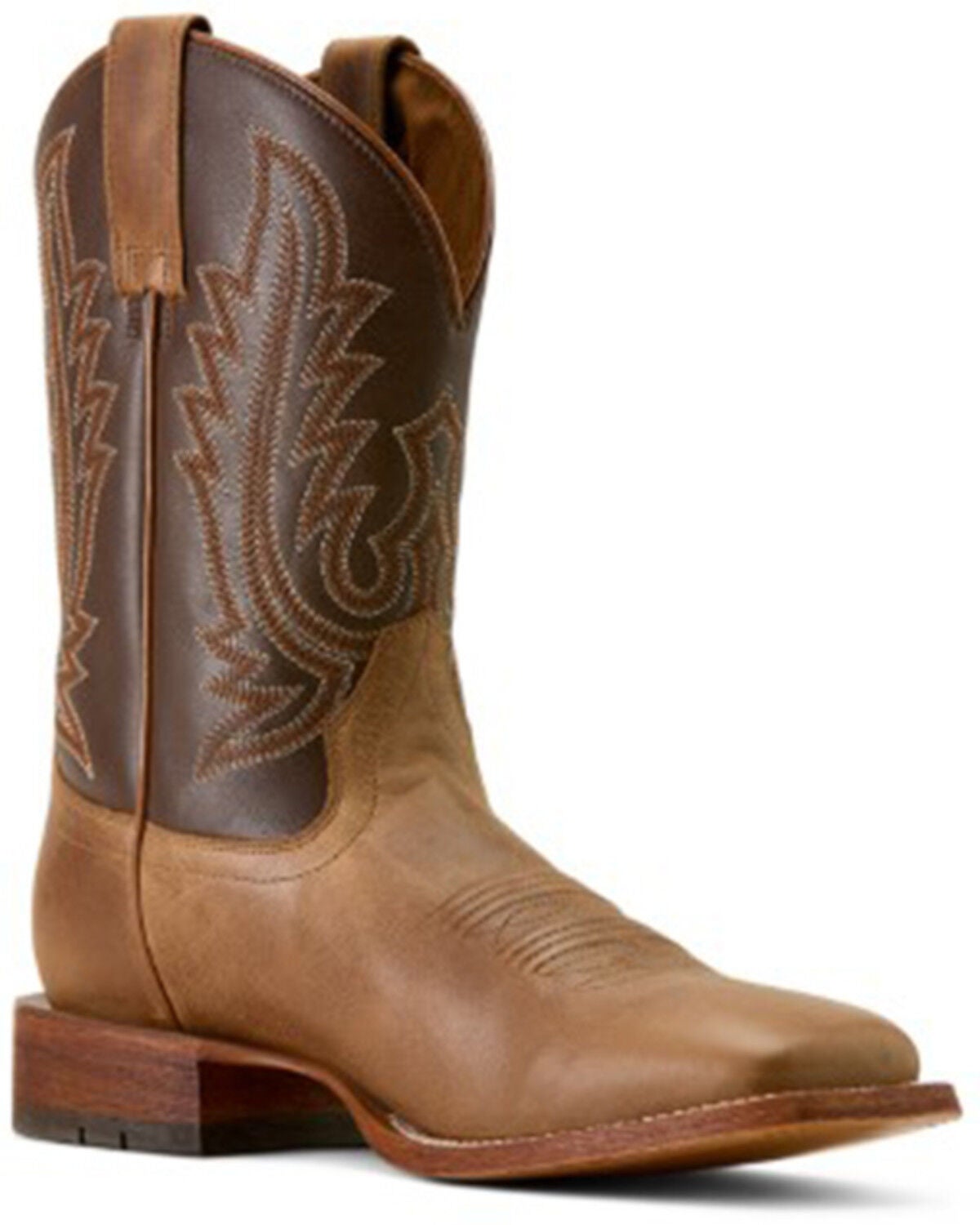
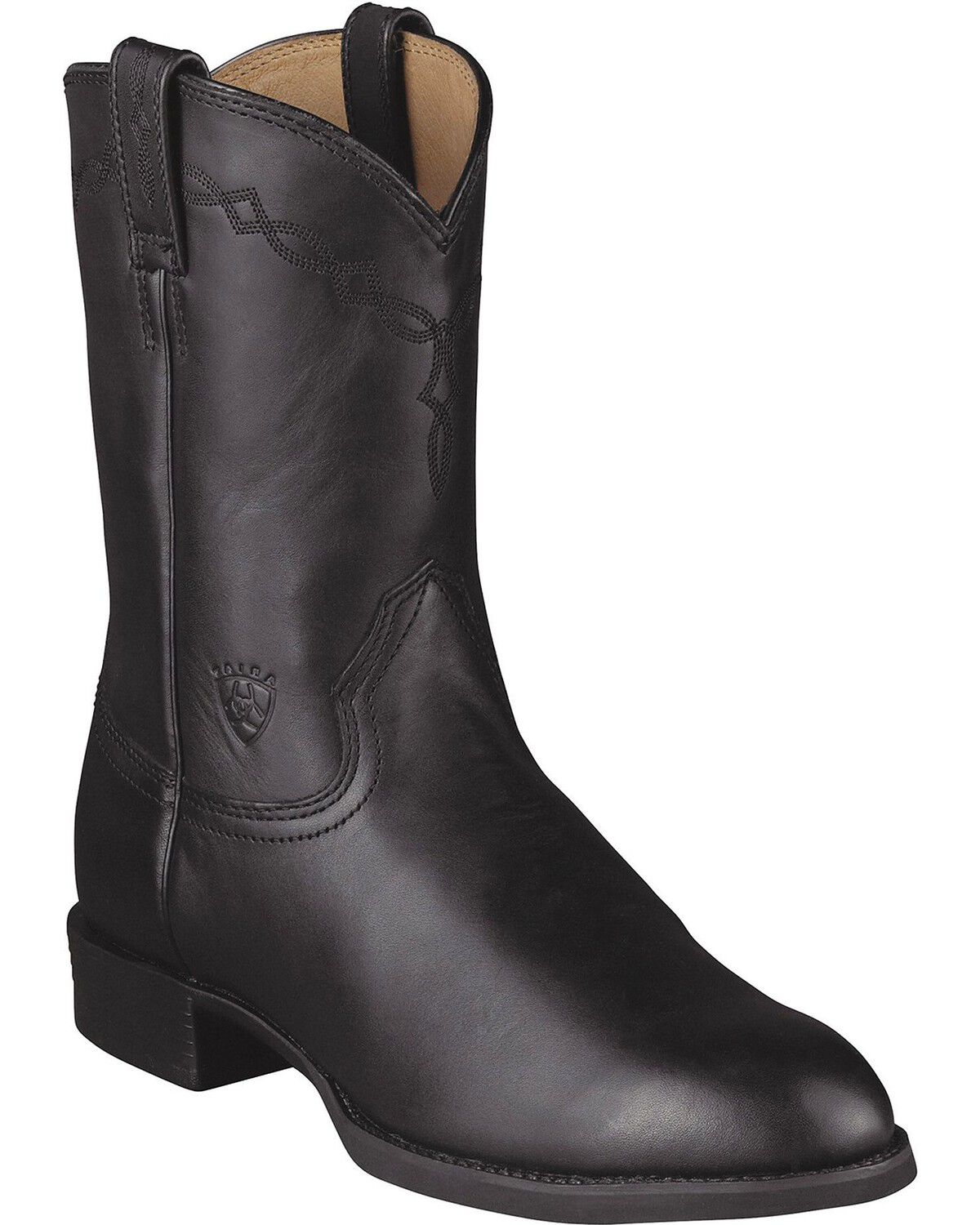
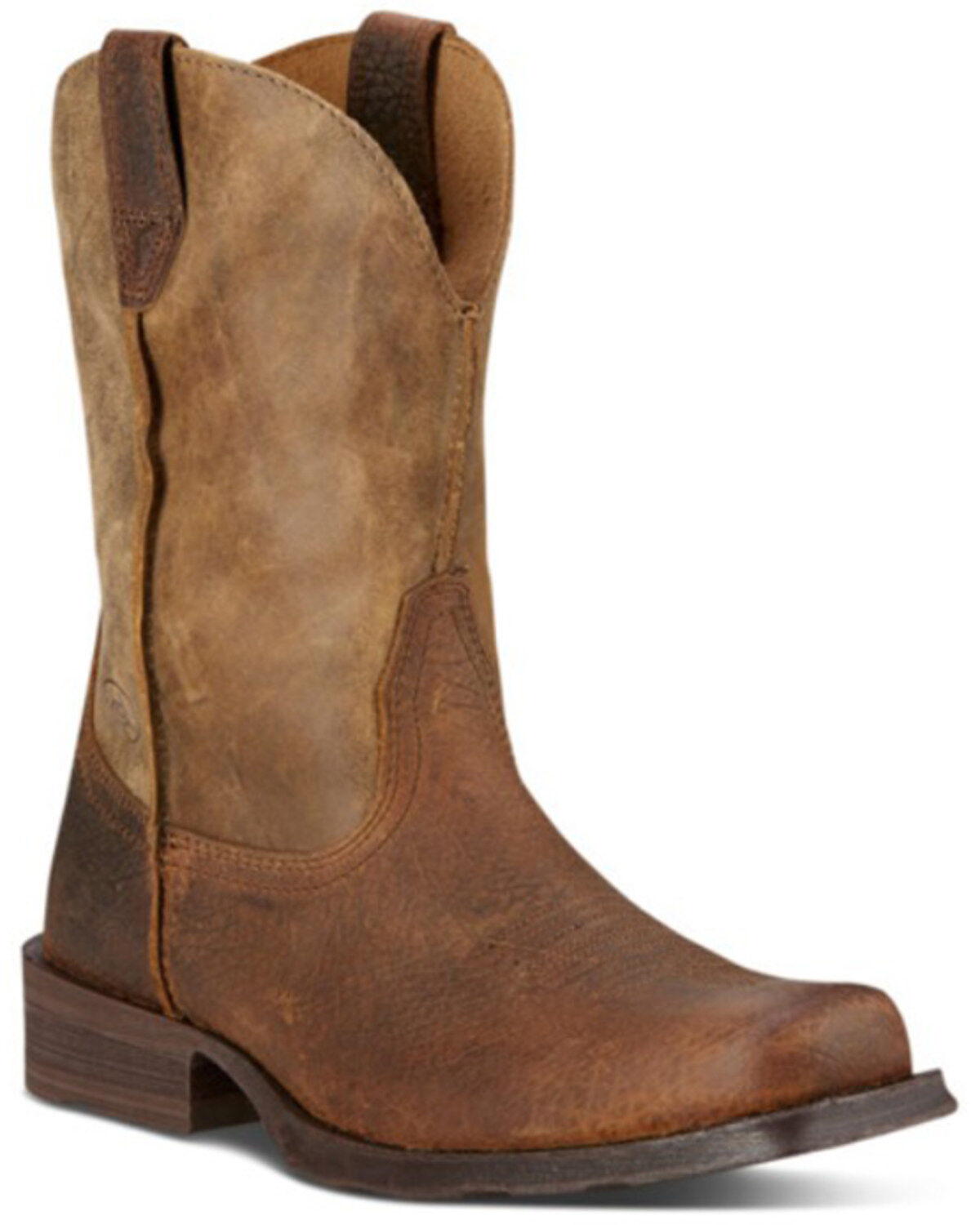
Square toe cowboy boots offer a practical balance of western character and everyday comfort. Their broader front gives the toes more room than a narrow or pointed silhouette, which can make them a solid choice for long days on your feet, regular wear, and anyone who prefers a less tapered shape. A proper fit should feel secure without feeling restrictive. Start with your usual U.S. shoe size, then consider the boot’s listed width and the natural shape of your foot. The ball of your foot should sit over the widest part of the sole, not behind it or pushed toward the toe. Your toes should have room to move, with roughly a thumb’s width between your longest toe and the front of the boot. That space matters because your feet swell slightly during the day, especially after walking, standing, or working for several hours. A square toe should feel roomy across the front, but the boot should not be so loose that your foot slides forward with every step. Different square toe profiles can vary from moderately broad to noticeably wide, so the shape shown in the product details is worth considering alongside the size and width. A wider fit may suit someone with broad feet, while a regular width can provide a better hold for a narrower foot.

The instep is where much of a cowboy boot’s fit comes from. Because these boots do not use laces or fasteners, the leather across the top of your foot should hold it comfortably in place. When you pull the boot on, a slight pop as your foot passes through the instep is a good sign. The boot should feel snug over the instep and around the ball of the foot, but never painfully tight, numb, or difficult to remove. Some heel movement is normal in a new pair. Expect about a quarter to a half inch of heel slip as you walk, particularly before the leather has softened and shaped itself to your foot. The heel should settle as the sole flexes and the upper breaks in; it should not lift dramatically or rub hard enough to create a blister. Try on square toe cowboy boots while wearing the socks you expect to use with them, whether that means a thin everyday pair or a thicker work sock during the cooler months. Put both boots on and walk across a hard, level surface. Bend your knees, take a few longer steps, and pay attention to pressure at the instep, the widest part of the foot, and the toes. Fit should be judged by how the boots feel while moving, not only by how they look while standing still. For more details on general sizing, heel movement, toe room, and width, see Western Boot Fit.

Square toe cowboy boots can serve several purposes, from daily wear with jeans to dependable footwear for outdoor tasks, travel, gatherings, and work that calls for a sturdy sole and supportive upper. Some wearers choose them for the roomier toe shape, while others like the straightforward profile and the way it works with both classic western clothing and simpler everyday outfits. They can be a thoughtful gift for someone who wears boots regularly, provided you know the recipient’s usual size, preferred width, and the kind of socks they wear. If those details are uncertain, a gift card or an exchange-friendly purchase is the safer route. During the cooler months, allow enough room for the socks the wearer will actually pair with the boots, but do not size up automatically; extra length can send the foot forward and create unwanted movement. New leather may feel firm at first, and that is different from being too small. A snug instep and modest heel slip can improve as the boot conforms to the foot, while pinching toes, pressure at the ball of the foot, or a tight spot that causes pain are signs to try another size, width, or shape. Once the fit is right, let the boots break in gradually. Wear them for shorter stretches at first, keep them clean, and use suitable boot care products to help the leather stay in good condition. The right pair should feel secure across the foot, leave the toes room to work, and become more familiar with every step.
Read More

FAQs