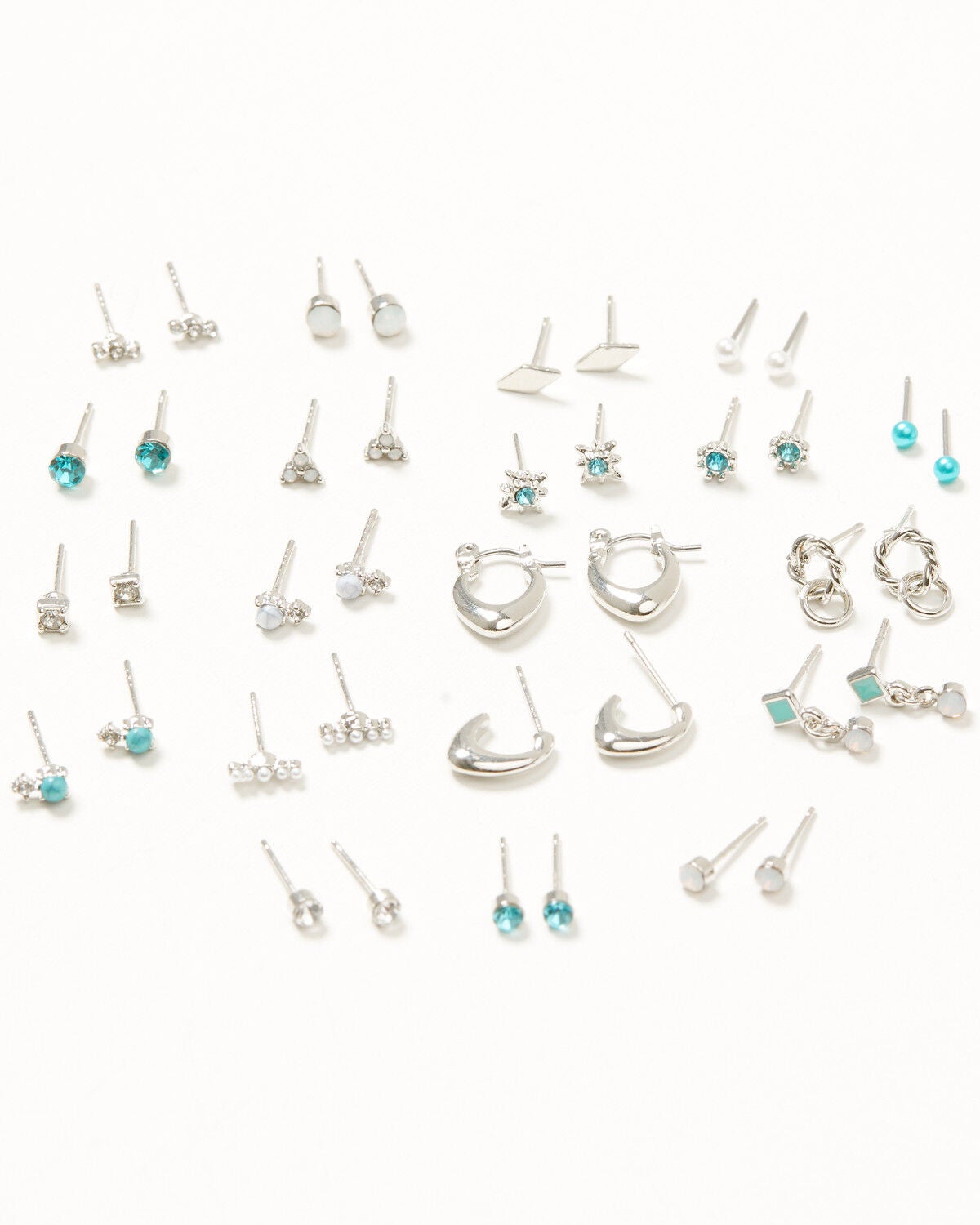
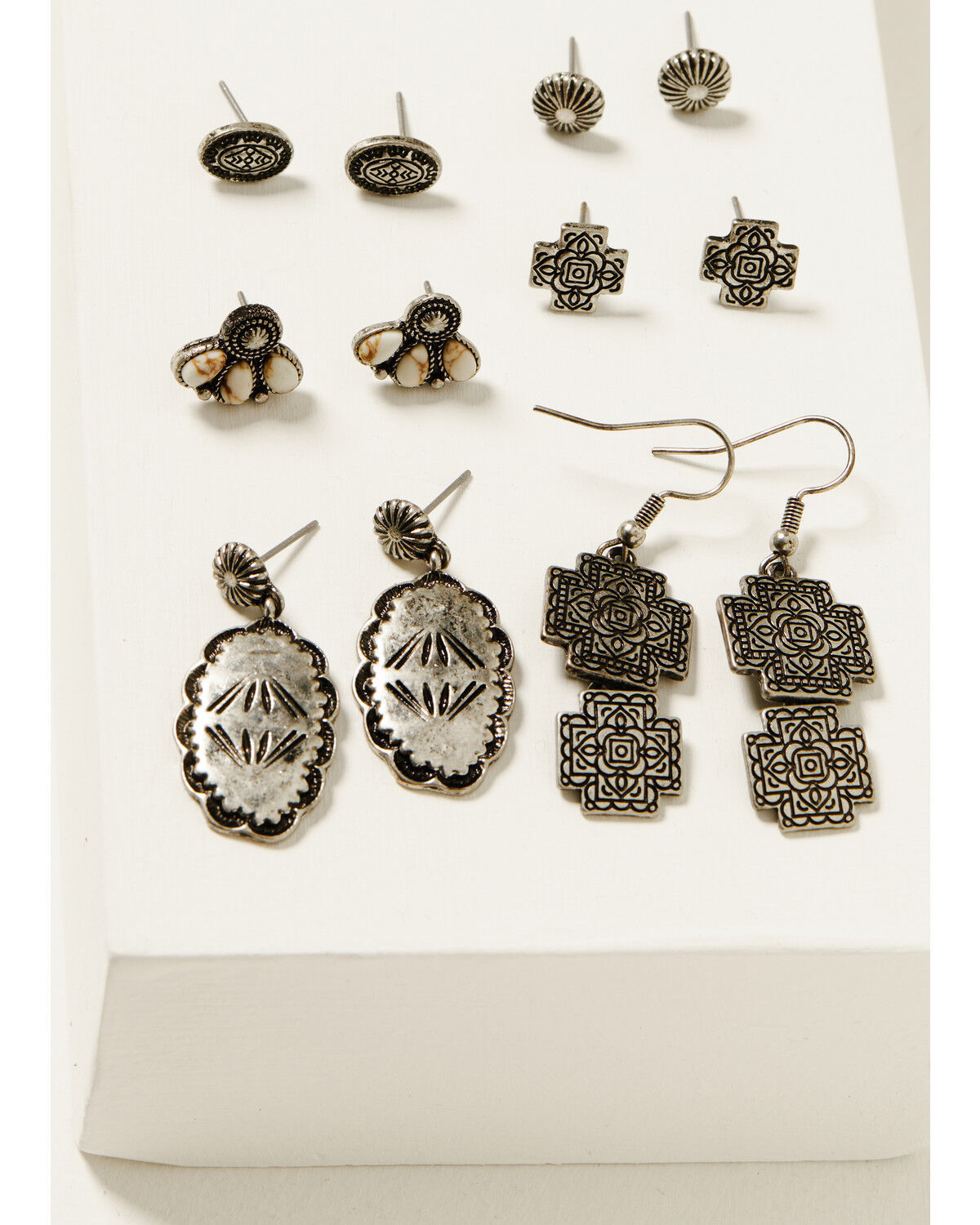
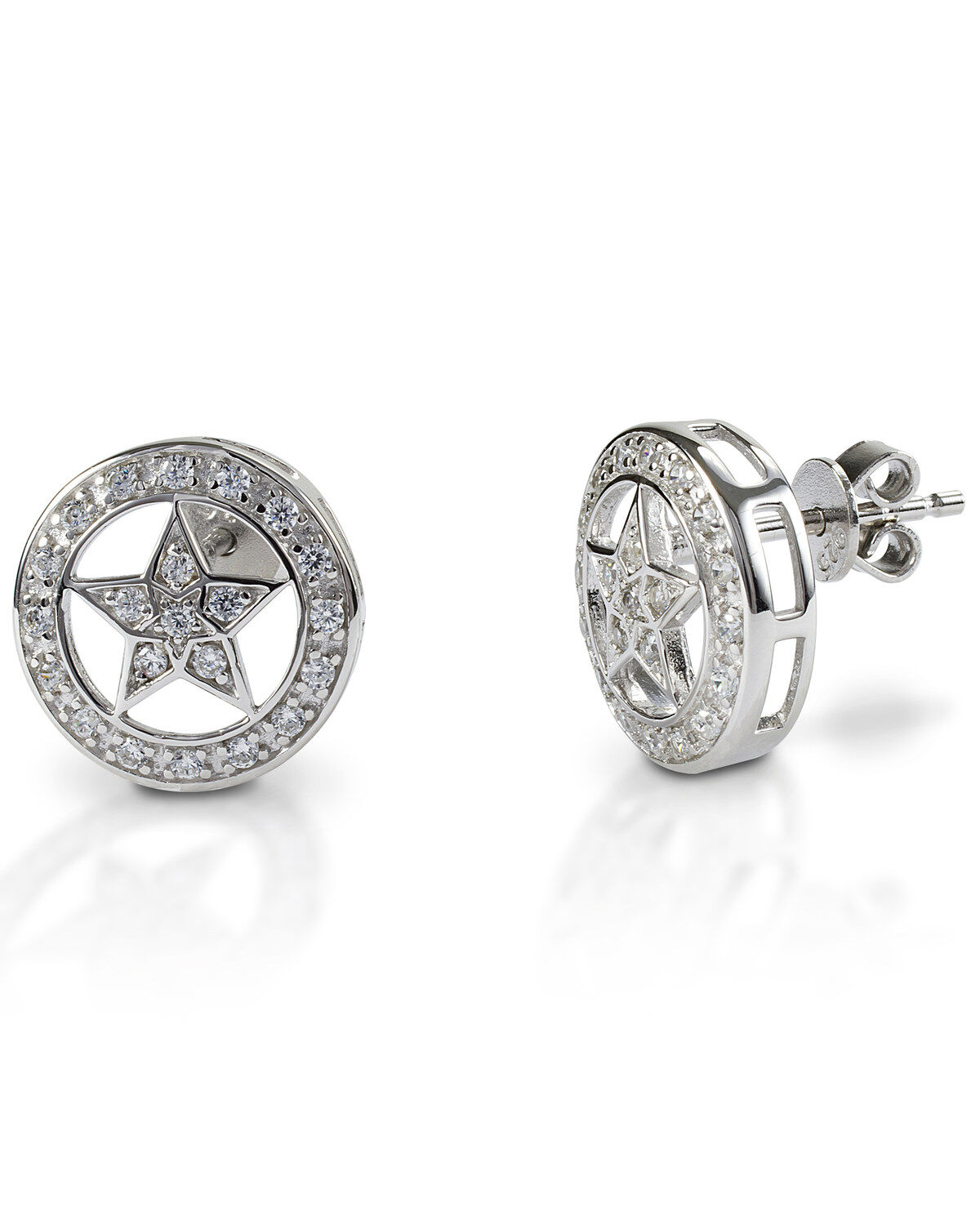
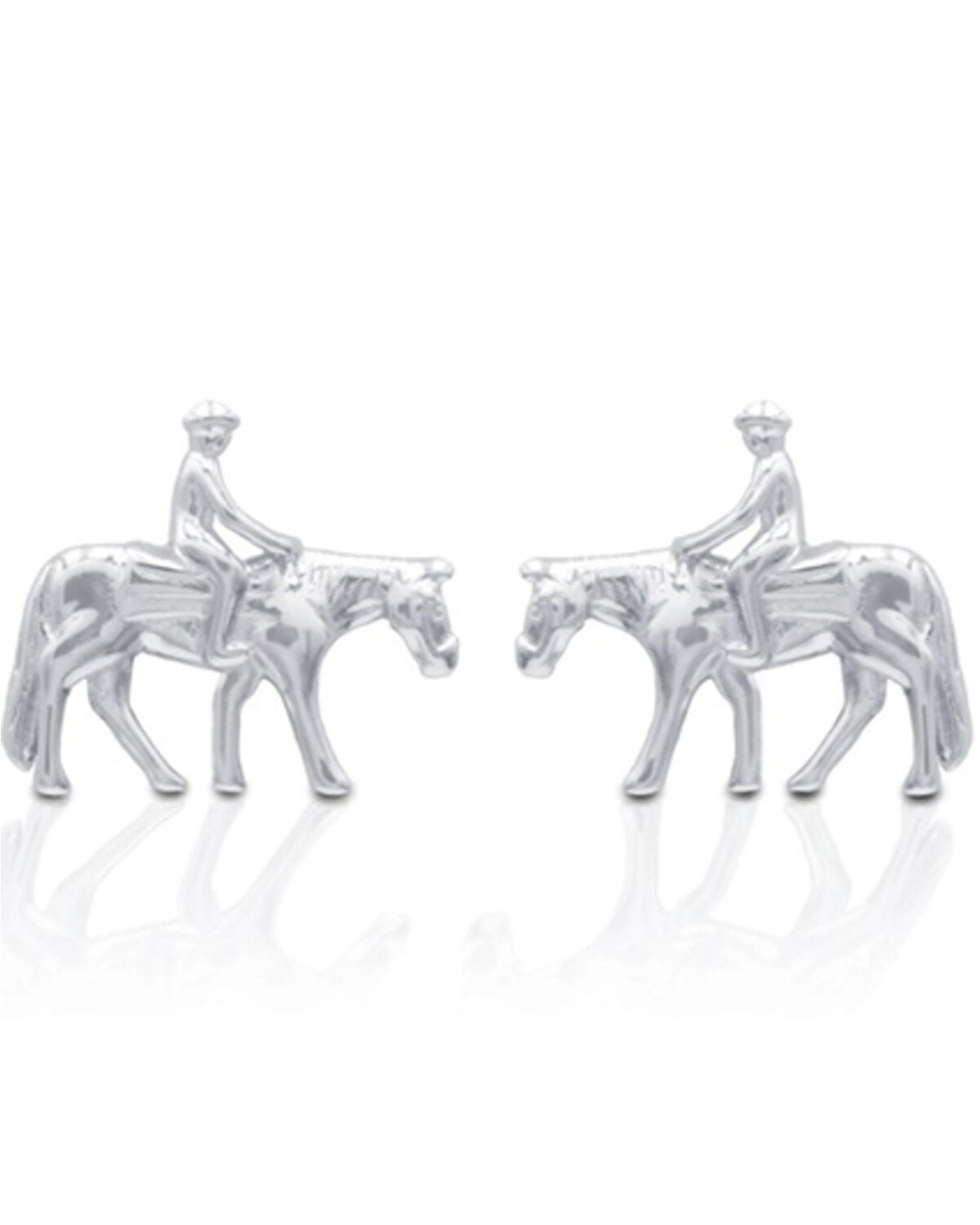
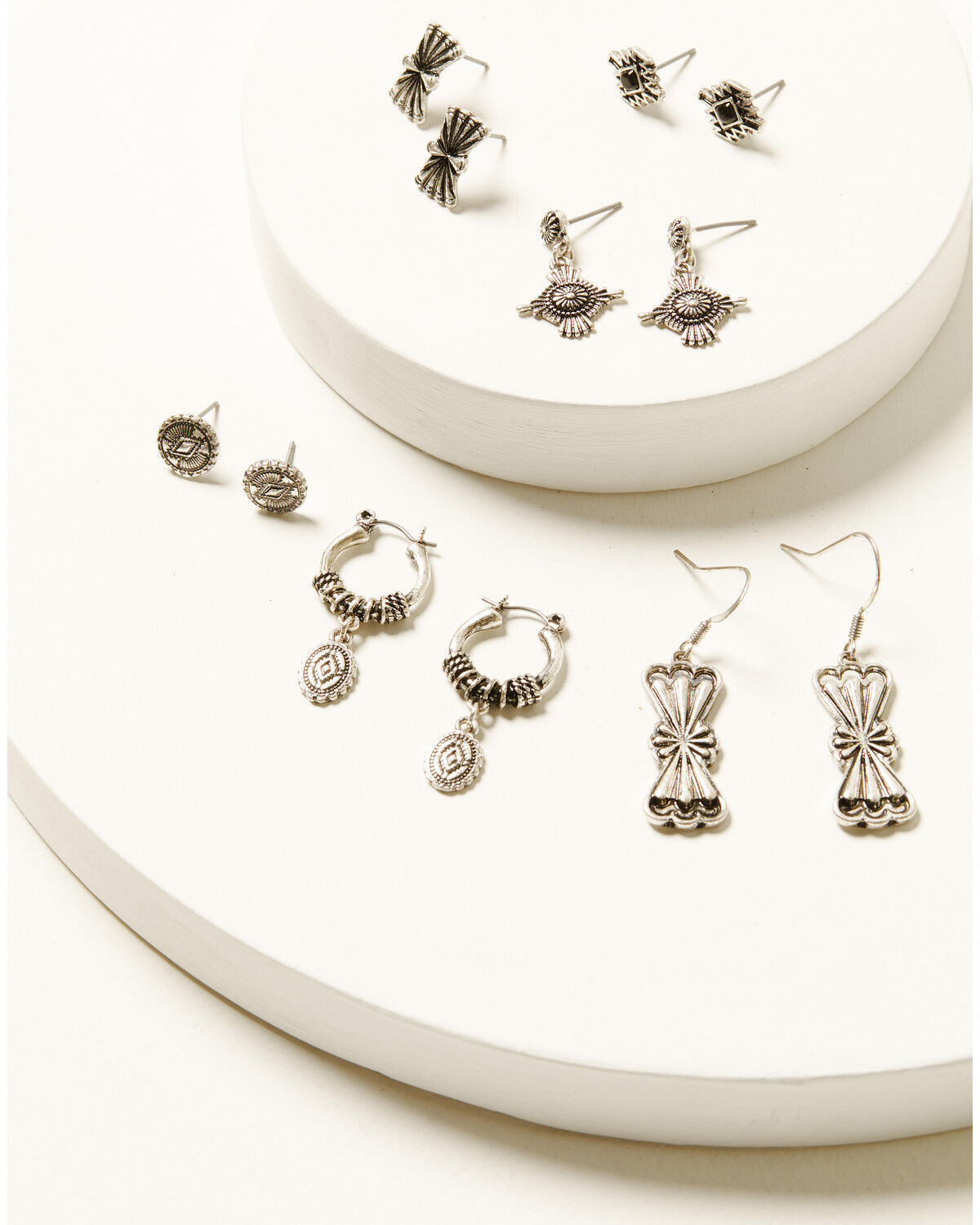
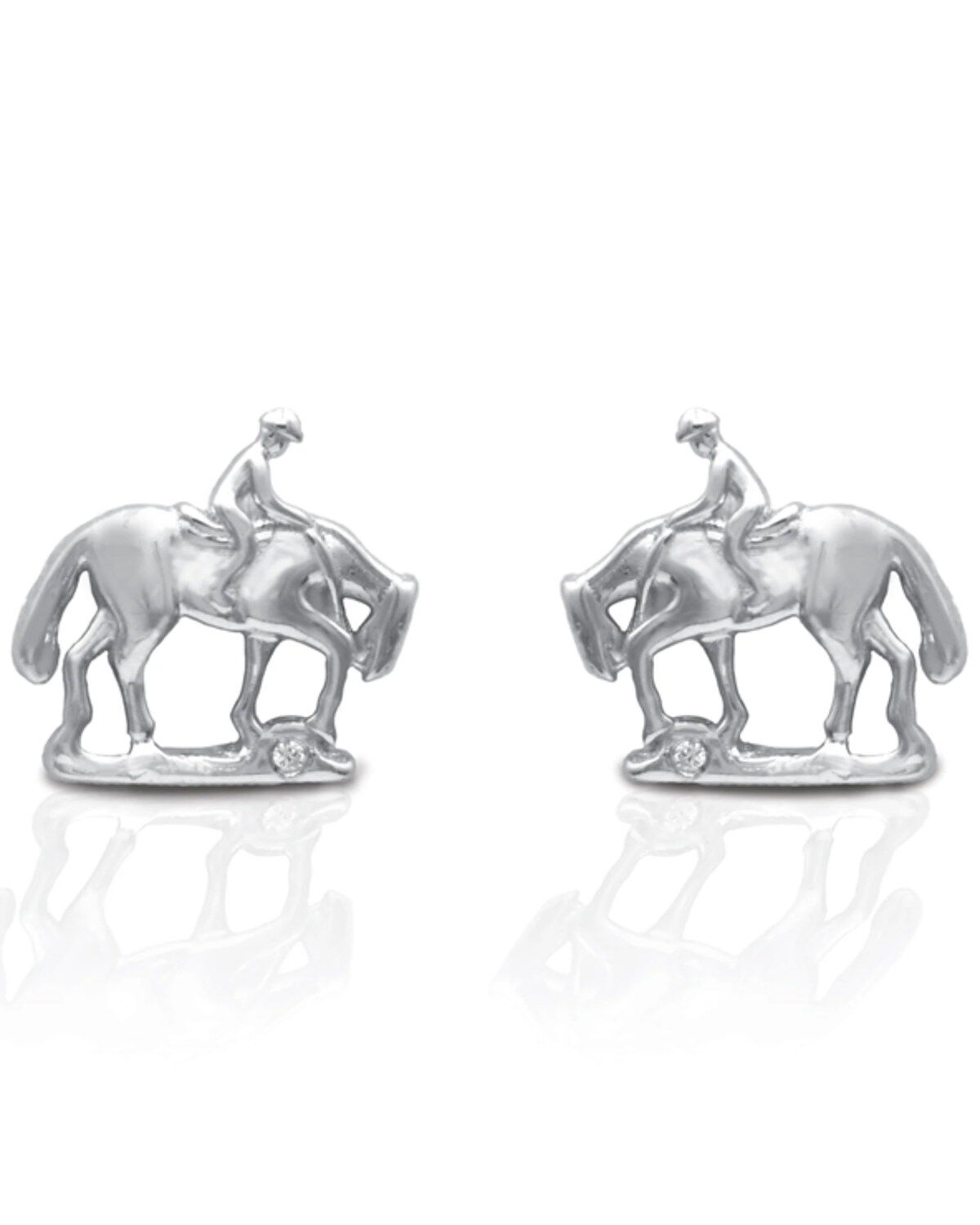
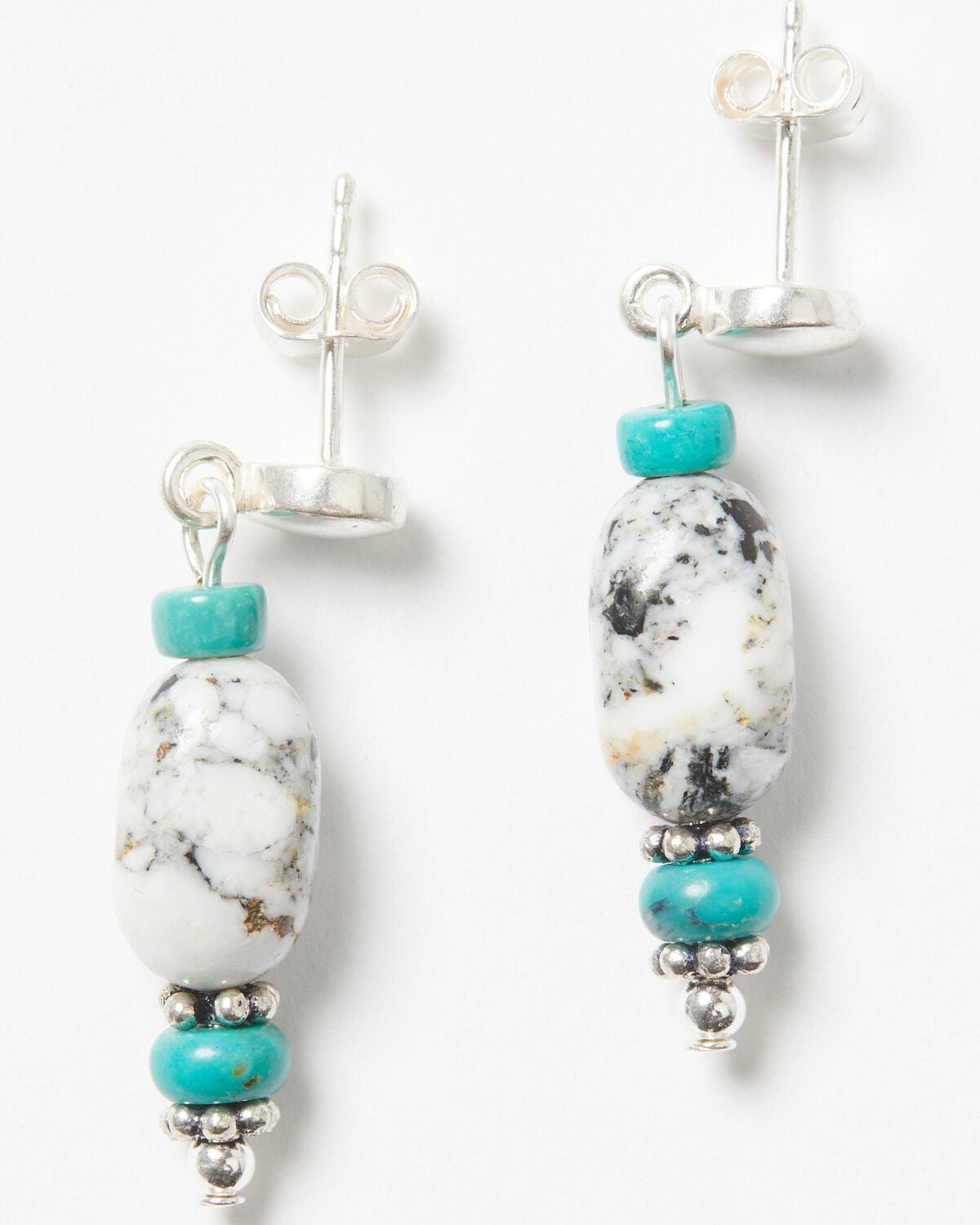
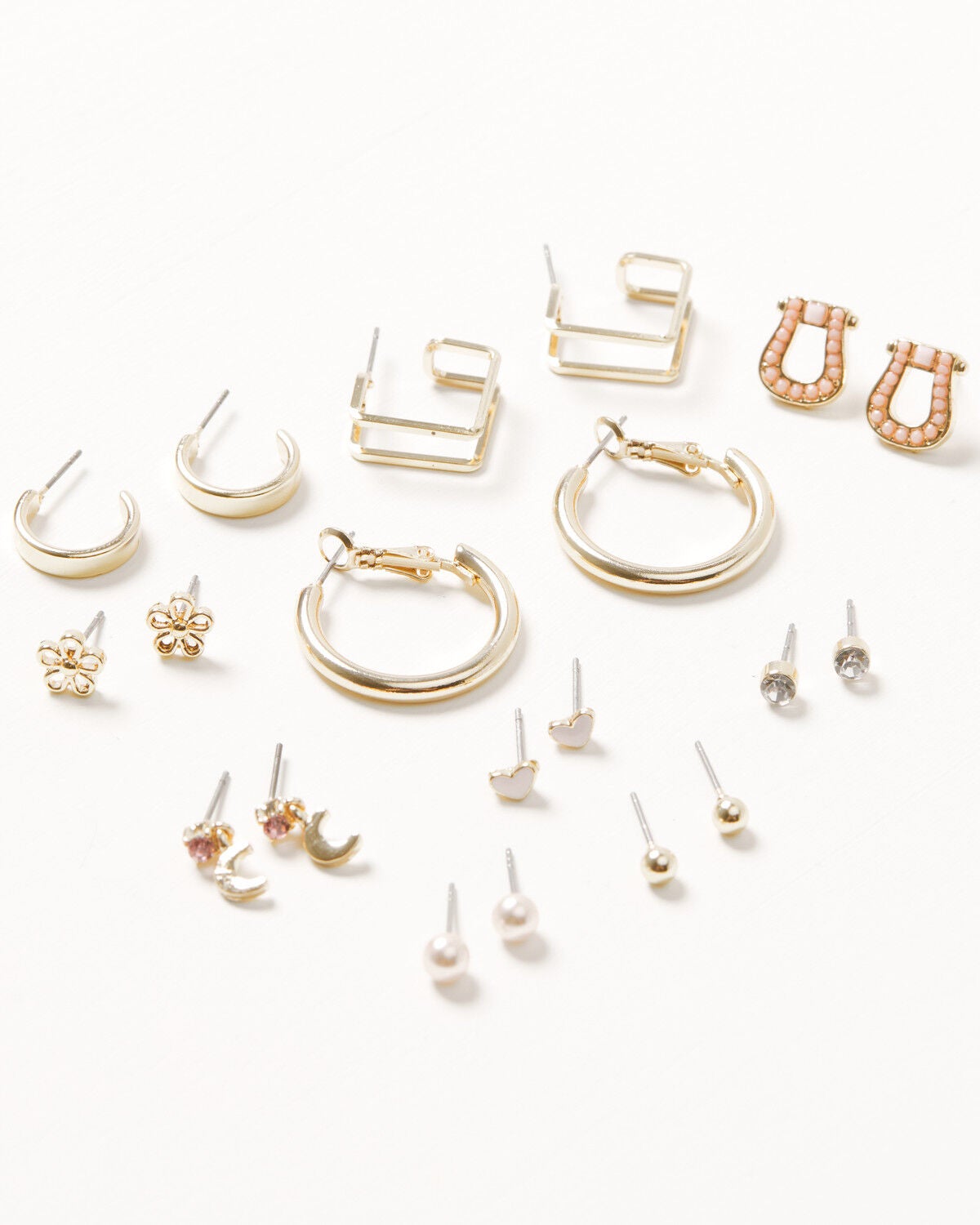
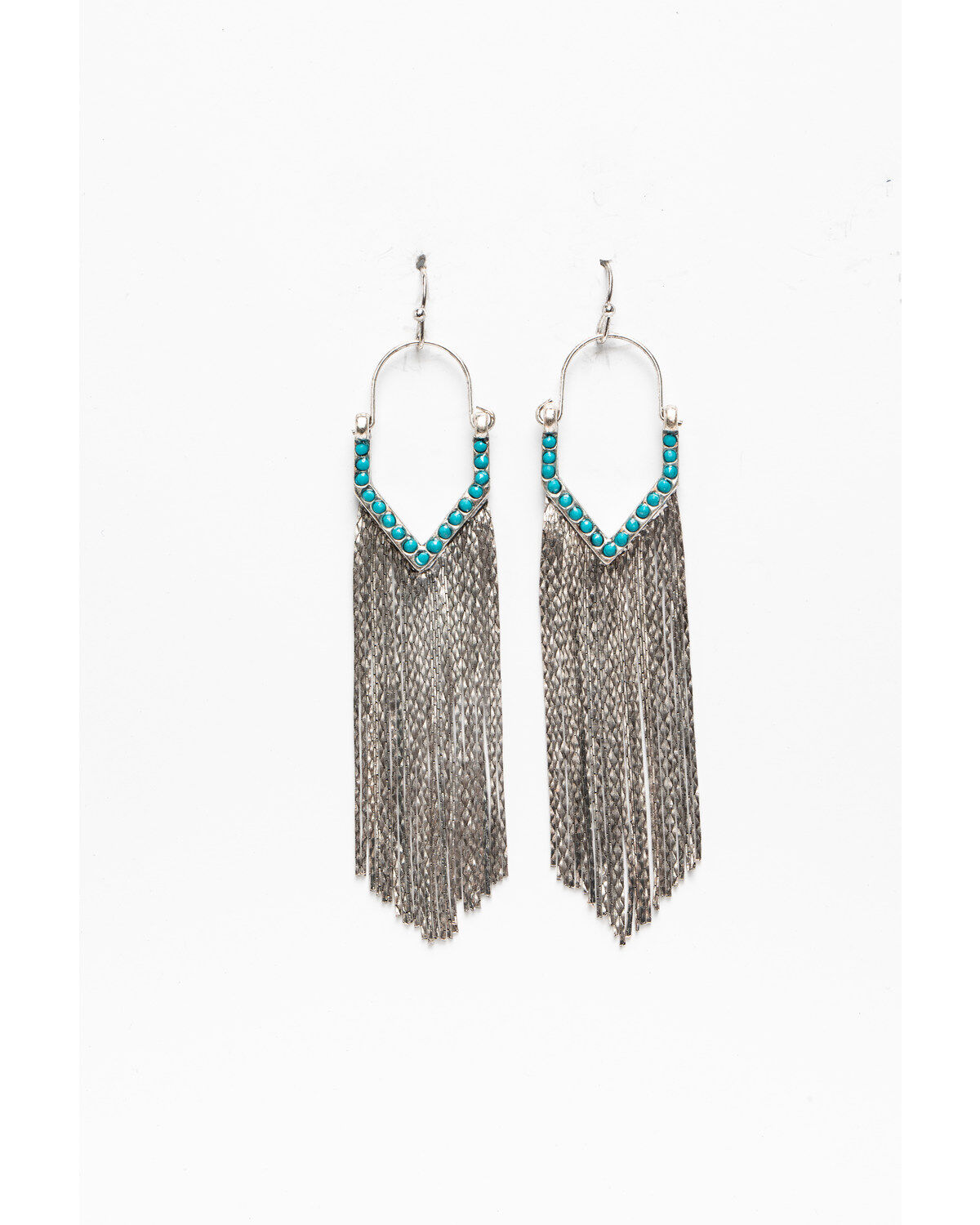
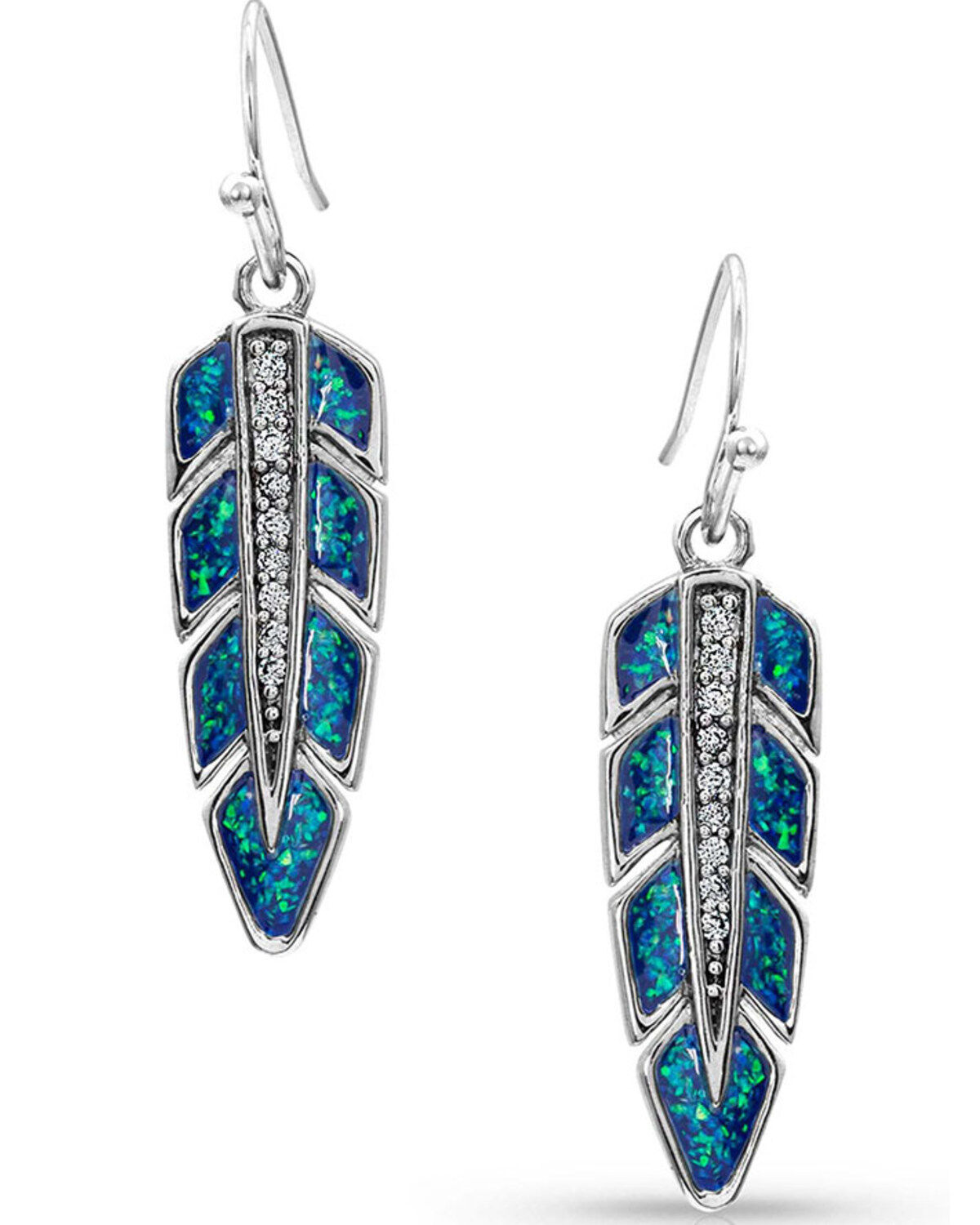
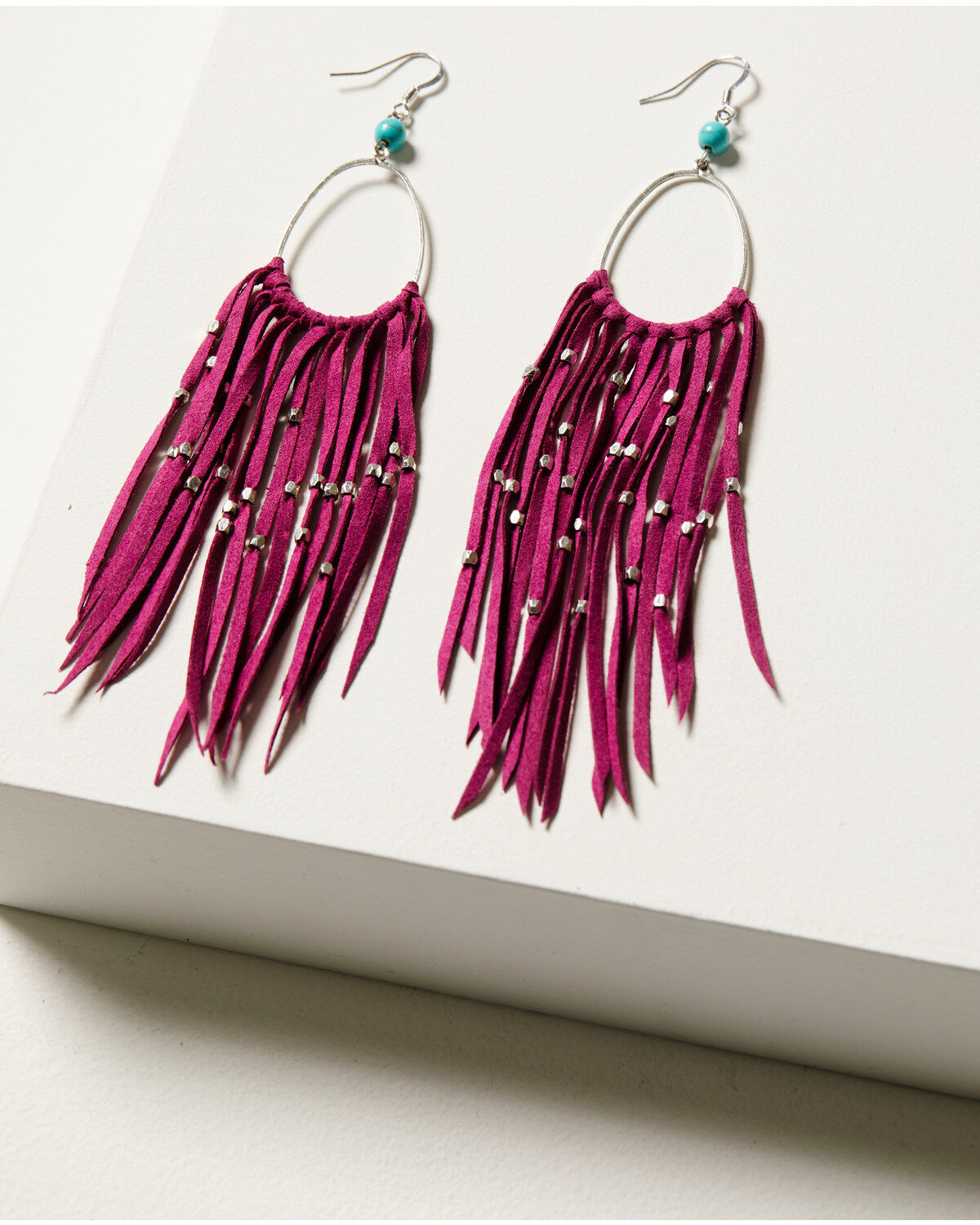
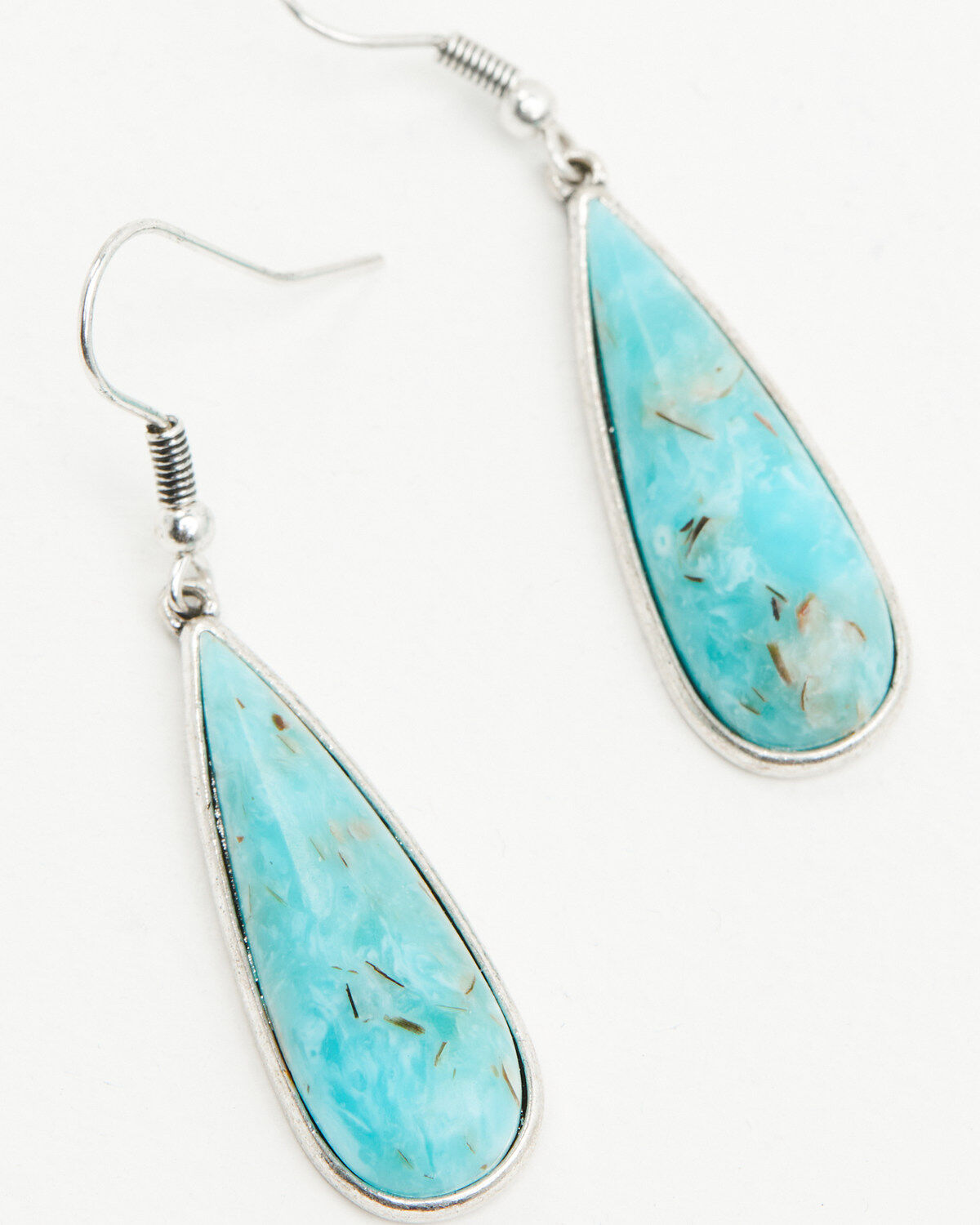
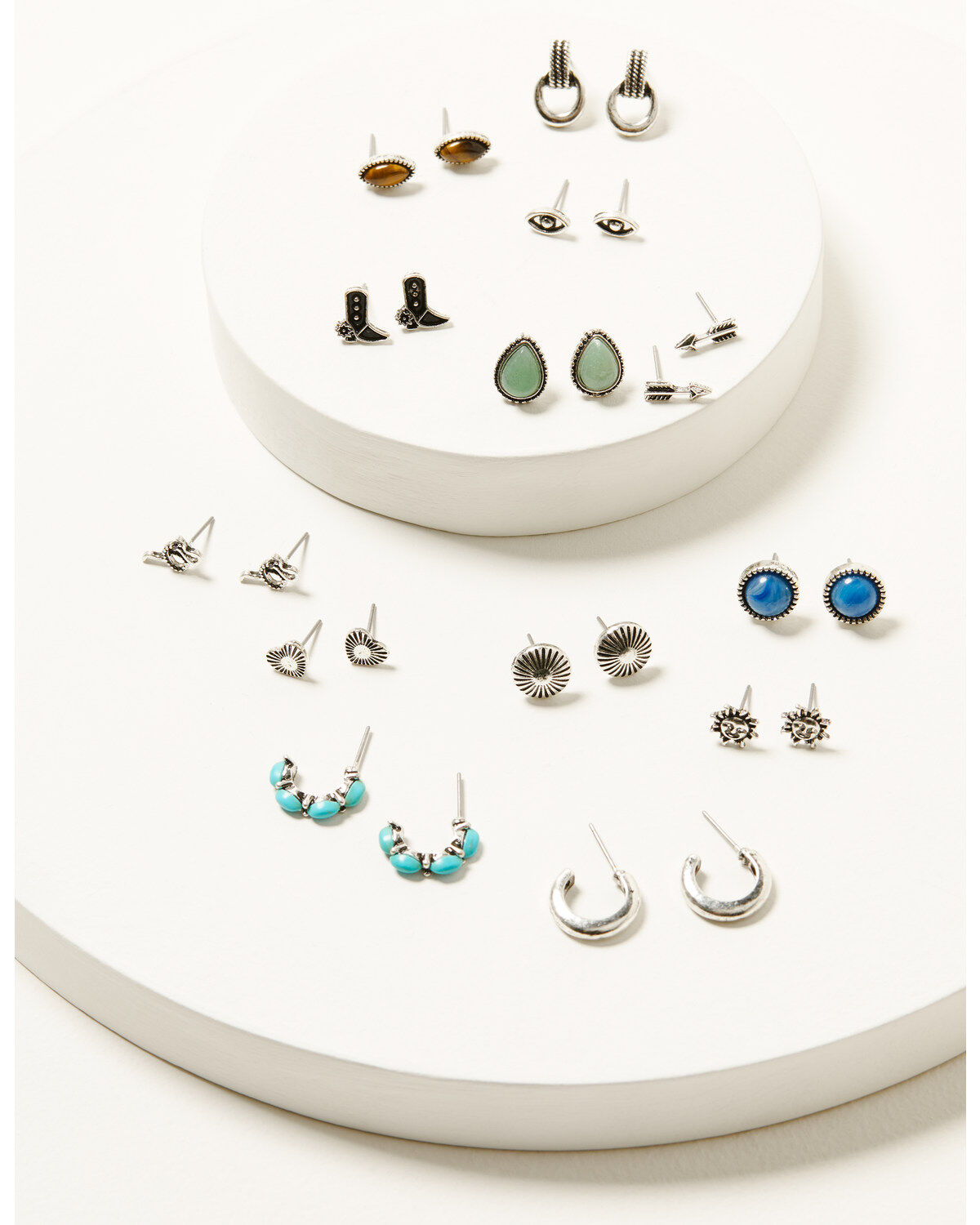
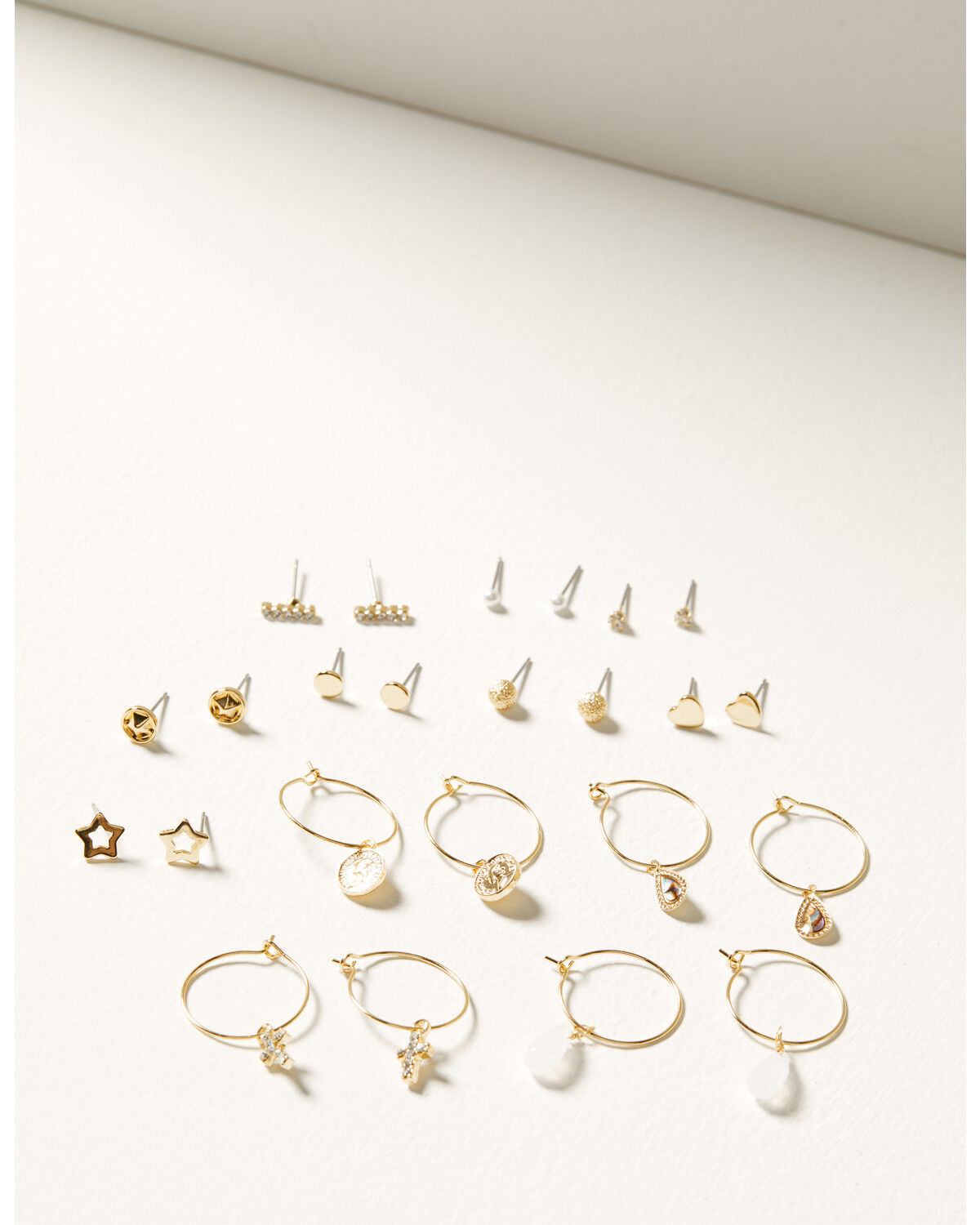
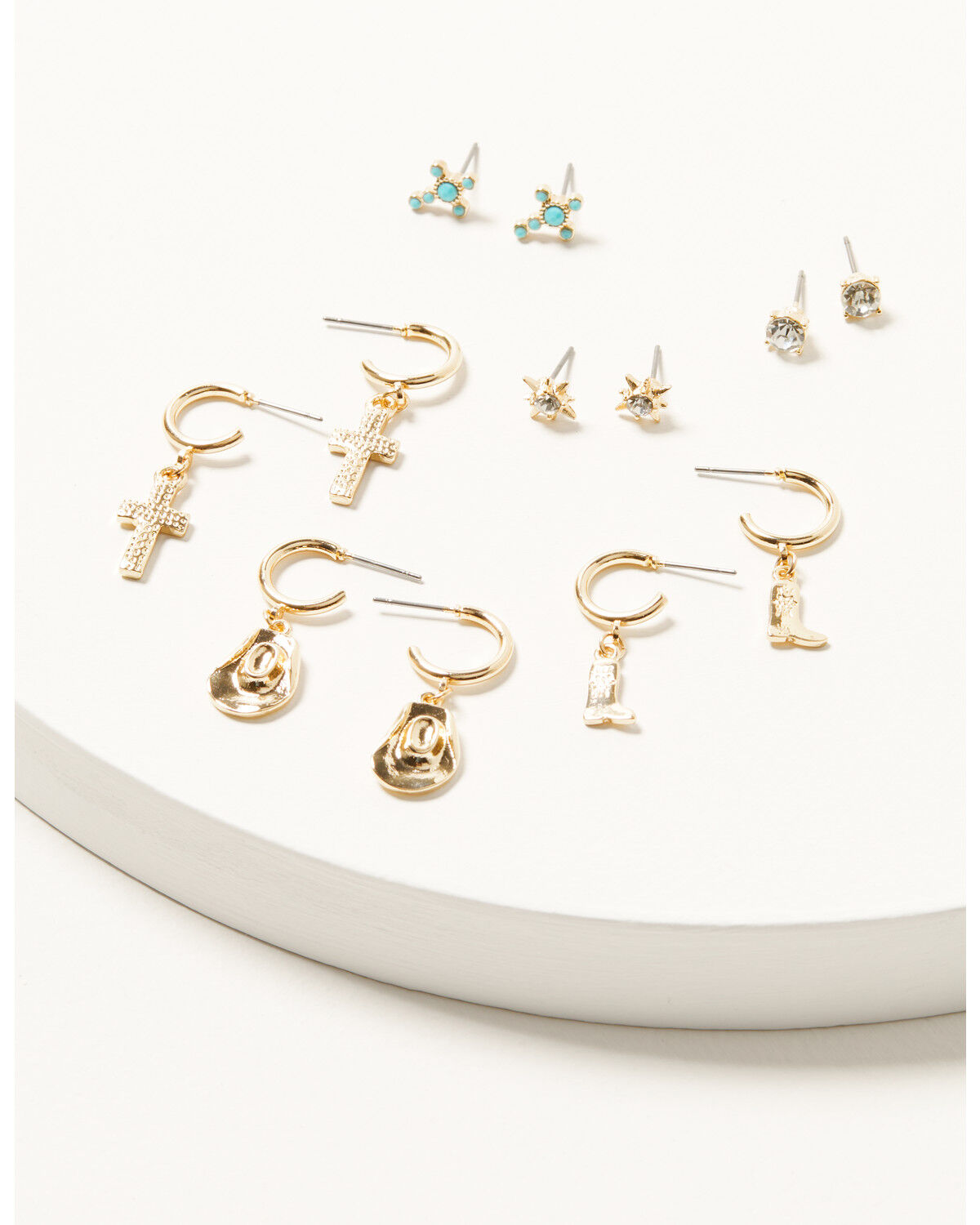
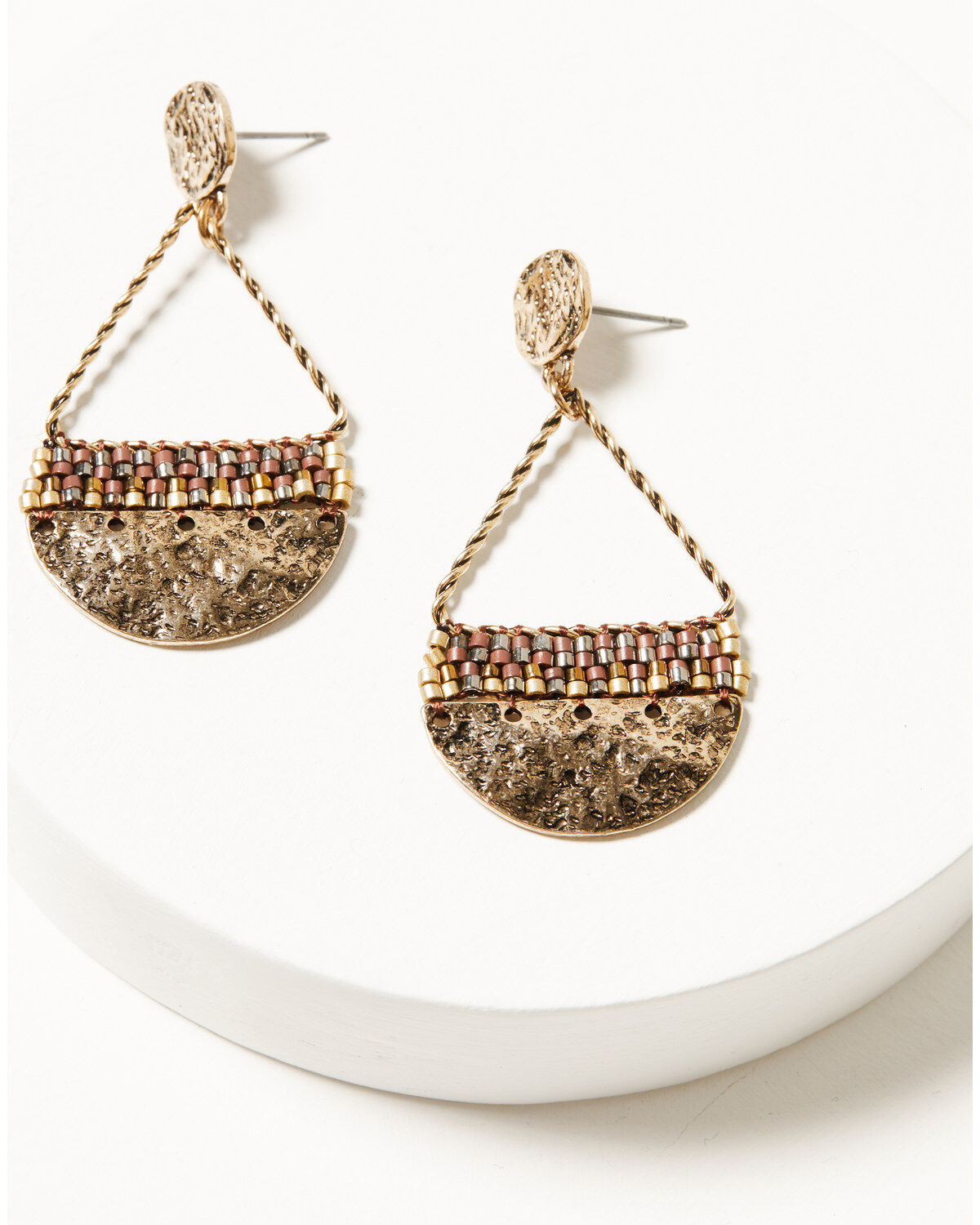
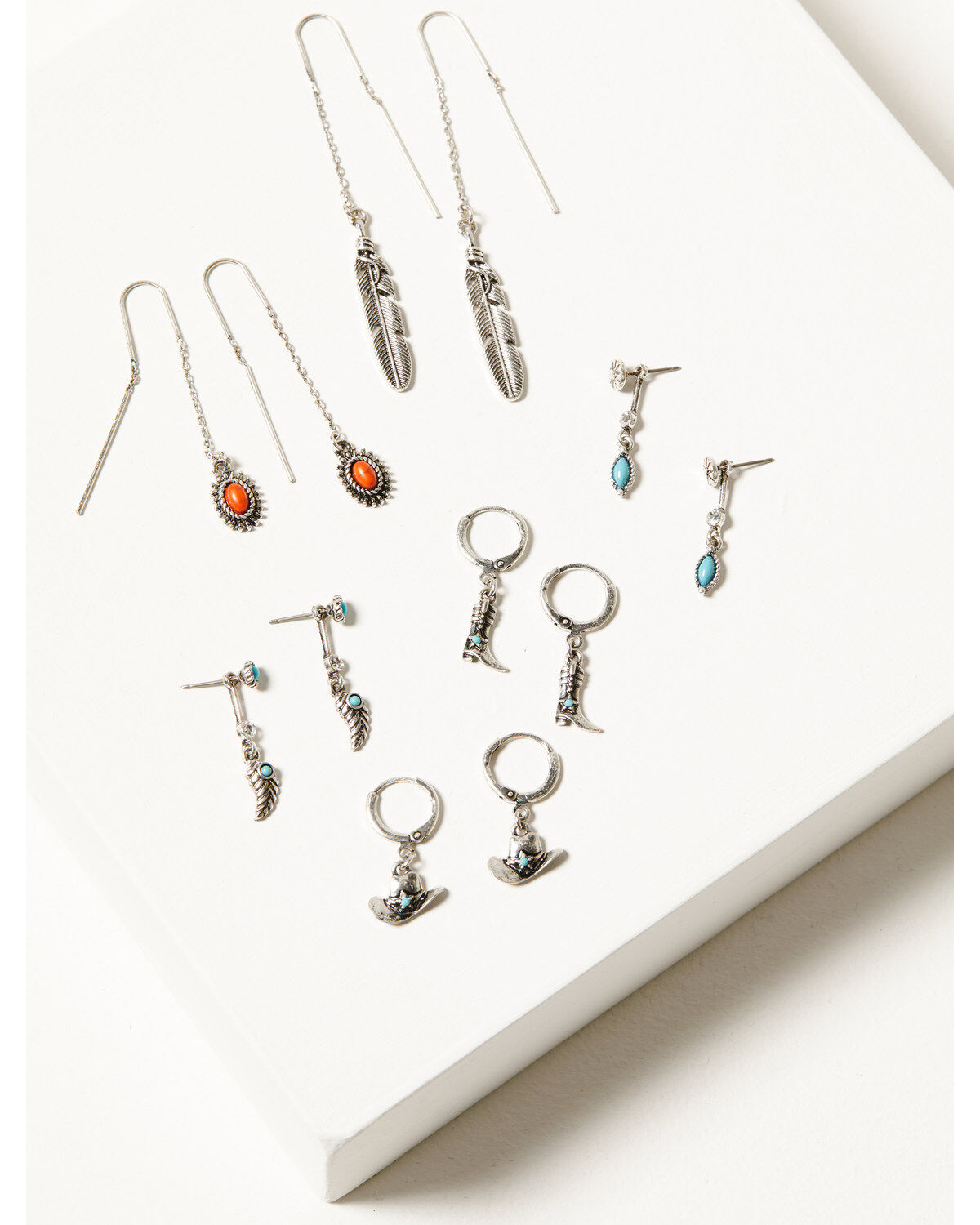
Discover the perfect touch of elegance with our collection of small stud earrings, designed to complement any outfit with a subtle yet stylish flair. These... versatile accessories are ideal for both casual days and special occasions, offering a timeless appeal that never goes out of style. Crafted with precision and an eye for detail, each pair promises to add a hint of sophistication to your look. Whether you're dressing up for a night out or adding a polished finish to your everyday ensemble, this selection of small stud earrings is sure to meet your fashion needs.
Read more
Small Stud Earrings
Discover the perfect touch of elegance with our collection of small stud earrings, designed to complement any outfit with a subtle yet stylish flair. These... versatile accessories are ideal for both casual days and special occasions, offering a timeless appeal that never goes out of style. Crafted with precision and an eye for detail, each pair promises to add a hint of sophistication to your look. Whether you're dressing up for a night out or adding a polished finish to your everyday ensemble, this selection of small stud earrings is sure to meet your fashion needs.
Small stud earrings sit close to the earlobe, adding detail without the length or movement of drop earrings. Their compact shape makes them a practical choice for everyday outfits, from a denim shirt and straight-leg jeans to a dress worn with leather boots. Most studs have a visible front, a post that passes through a pierced ear, and a backing that holds the earring in place. The front may be a simple metal shape, a stone, a pearl accent, or a small motif with a western influence. Smooth rounds and narrow bars have a clean, understated look, while textured metal and stamped patterns bring more depth to a small surface. Stone accents can add color or catch the light without taking attention away from a patterned shirt, an embroidered jacket, or a statement necklace. Size matters as much as shape. A stud measuring about 2 to 3 millimeters across often looks subtle, while one around 5 to 6 millimeters is generally more noticeable but still compact. Those measurements describe the face of the earring, not the post length, and the same size can look different on different earlobes. A flat disc also wears differently from a raised setting, even when both have the same width. For someone who likes jewelry that stays visually quiet, a low-profile design offers a clean finish. For someone who prefers a little more detail, a small cluster or textured shape can provide it without a long silhouette. Small studs also work well in multiple healed piercings, where a smaller pair can sit beside larger earrings without crowding the ear. Worn alone, they keep the focus on a neat, balanced look. During the cooler months, their shorter profile can be easier to wear with high collars and scarves than longer earrings, though raised edges and exposed prongs can still catch on loose knits. That combination of modest size and clear detail gives small stud earrings a place in both casual and dressed-up wardrobes.
Material affects how small stud earrings look, feel, and hold up to regular wear. Sterling silver has a bright, cool tone and can develop tarnish over time, while solid gold comes in different karat levels that reflect its gold content. Gold-filled and gold-plated jewelry are different constructions: gold-filled pieces have a bonded gold layer, while plating is a thinner surface layer that can wear with friction and exposure. A gold-tone finish describes color and does not, by itself, establish gold content. For a warm finish alongside brown leather, cream fabric, or dark denim, gold stud earrings offer a range of looks, with the exact metal and construction determined by the material description. Stainless steel is another jewelry material valued for its resistance to corrosion, although alloy composition matters for anyone with a known metal sensitivity. Neither a silver color nor a gold color tells the full story about what touches the skin. The post and backing deserve the same attention as the earring front, particularly for people who react to nickel or other metals. A hypoallergenic label is not a guarantee that every wearer will tolerate a piece. Clear material details are more useful than color alone when choosing earrings for sensitive ears. Accents also affect everyday performance. Glass, crystal, natural stones, and imitation pearls each have different care needs, and a polished stone held in a setting wears differently from an accent attached with adhesive. A bezel surrounds a stone with a metal rim, while prongs hold it at individual points and leave more of its surface exposed. Both can suit small studs, but smooth edges, firm settings, and sound connections matter more for durability than size alone. Petite earrings are not automatically delicate, and heavier earrings are not automatically stronger. For regular use, the useful details are a straight post, a secure backing, an intact finish, and a front that does not wobble where it joins the post.
Comfort depends on the whole earring, not just its small face. Post length, backing size, weight, and the height of the setting all affect how a pair feels after several hours. A backing pressed too tightly against the lobe can create pressure, while an overly loose fit can let the front tip forward. Push backs slide onto the post, screw backs use a threaded connection, and flat-back styles place a flatter surface behind the ear; the right fit depends on the piercing and the specific construction. For healed piercings, a comfortable stud should sit securely without pinching. Fresh or irritated piercings need guidance from a qualified piercer rather than a choice based on appearance alone. Small studs can suit a day at a desk, a family gathering, or an evening out, but their size does not make them appropriate for every workplace or activity. Jewelry rules still apply around machinery, and close-fitting earrings can create pressure beneath helmets, earmuffs, or other gear. Removing earrings before contact sports, swimming, and sleep can help limit snagging, exposure, and strain. Routine care is straightforward when it follows the material: a soft cloth can remove surface residue, while cleaning solutions should be used only when suitable for the metal, finish, and any accents. Harsh chemicals, abrasive scrubbing, and soaking can damage certain finishes or loosen attached details. Perfume, hairspray, and lotion are best allowed to dry before earrings go on. Separate storage in a dry compartment helps keep small pairs together and reduces scratches from larger jewelry. A quick check of posts, backs, and settings before wear can catch a loose connection before an earring is lost. As gifts, small studs make sense for someone with pierced ears who favors simple jewelry or wants a compact pair for regular wear. Birthdays, anniversaries, and graduations are natural occasions, but personal habits matter most: a familiar metal color, a comfortable backing style, and a shape that fits the recipient’s usual clothing make a more thoughtful choice than size alone.