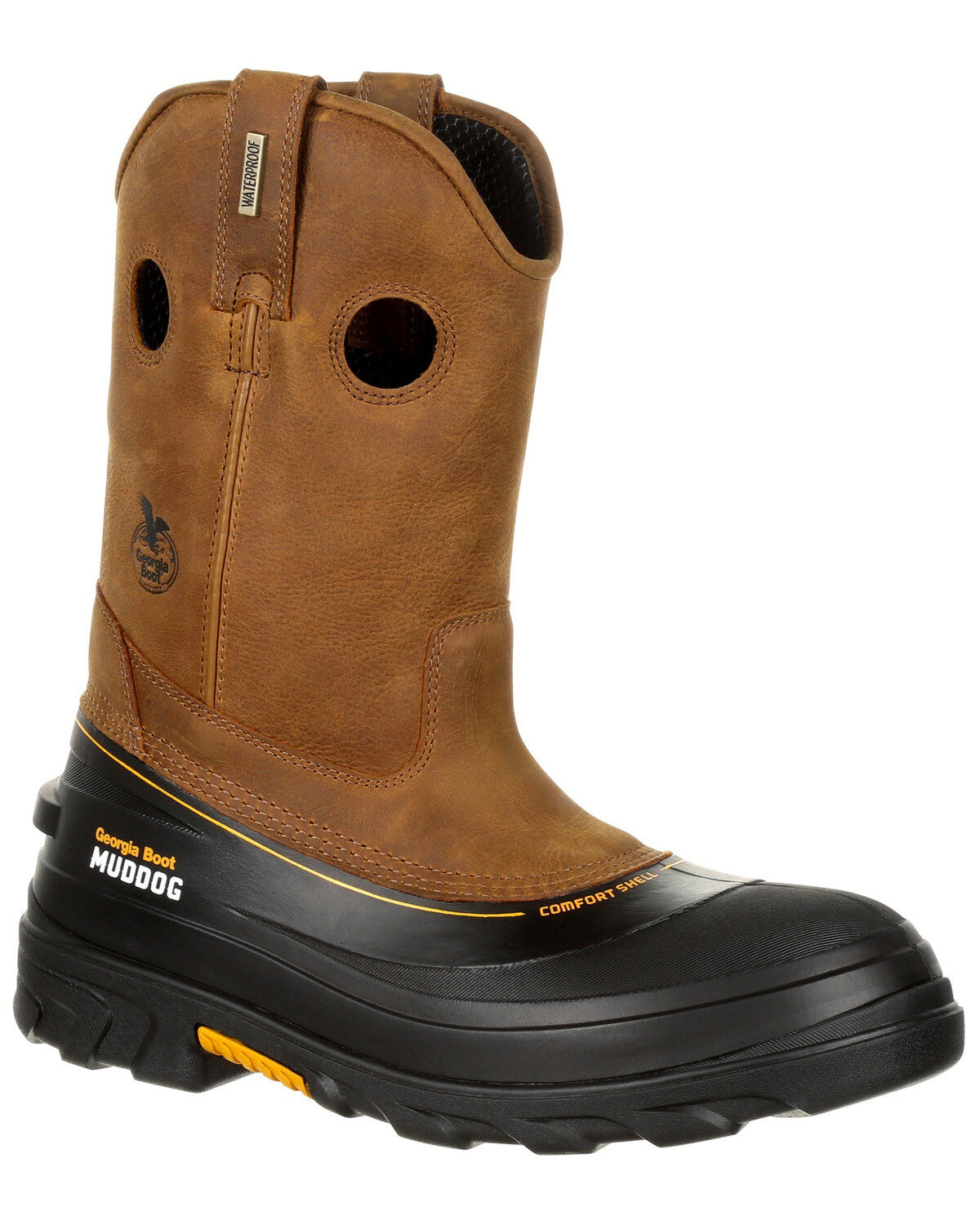
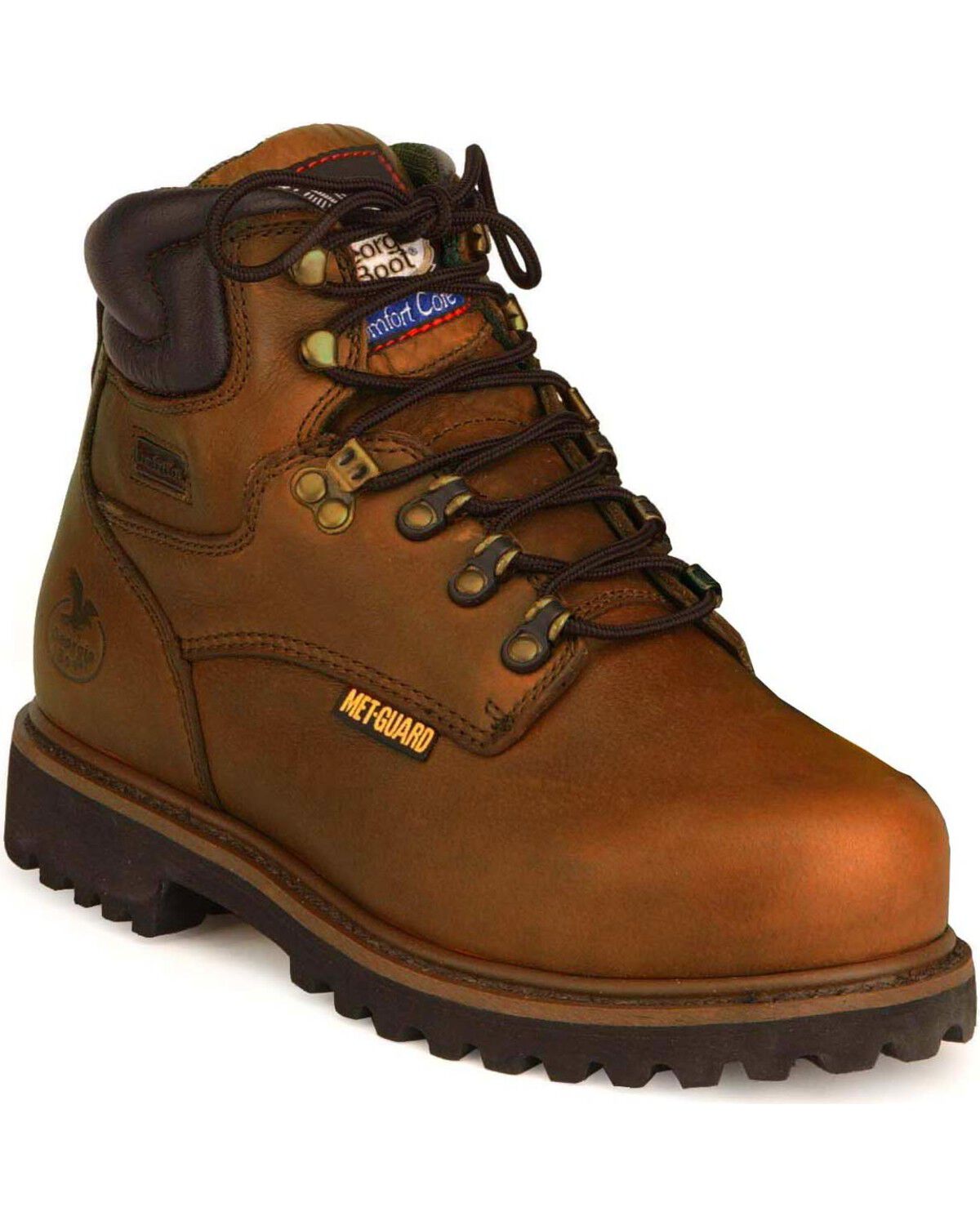
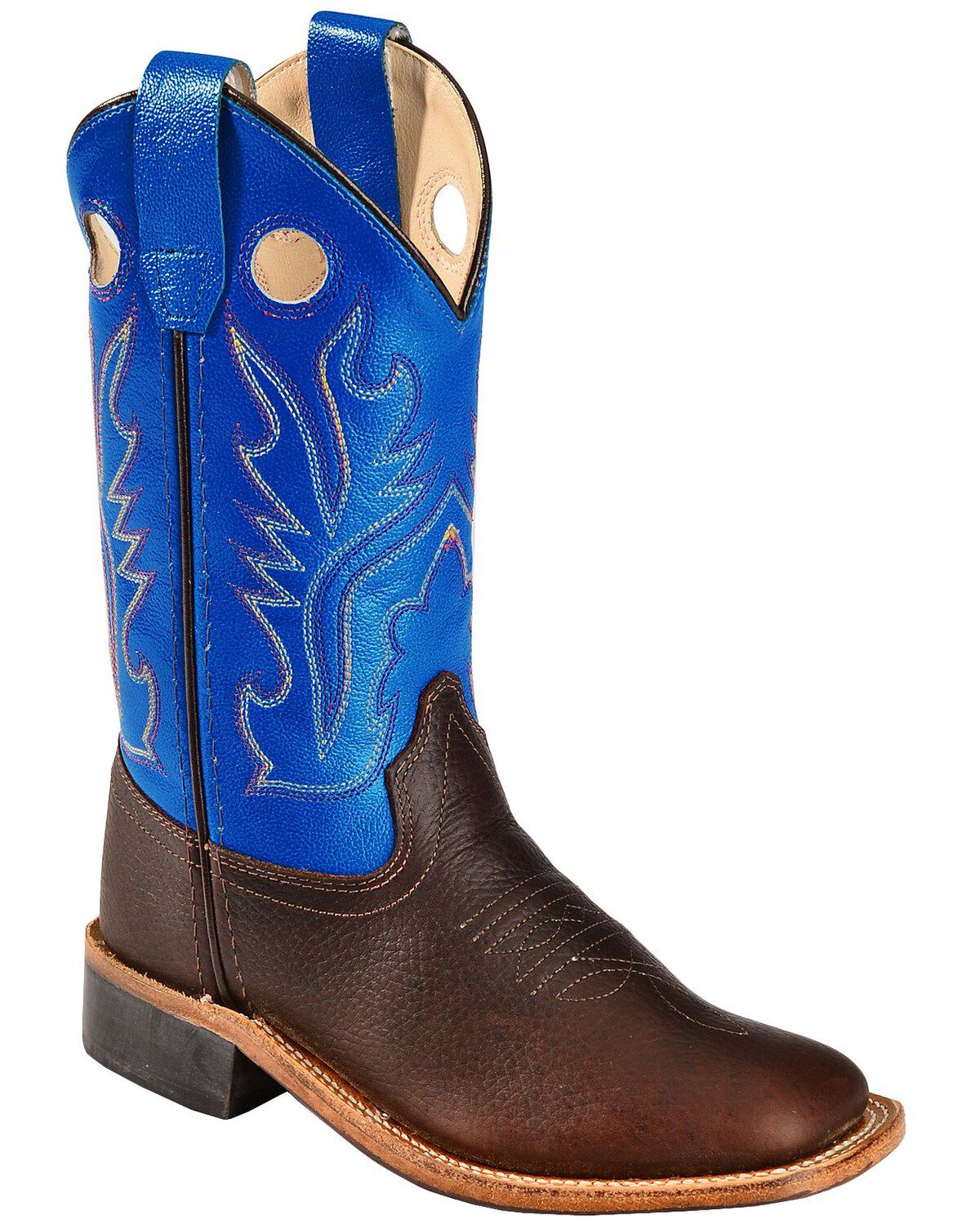
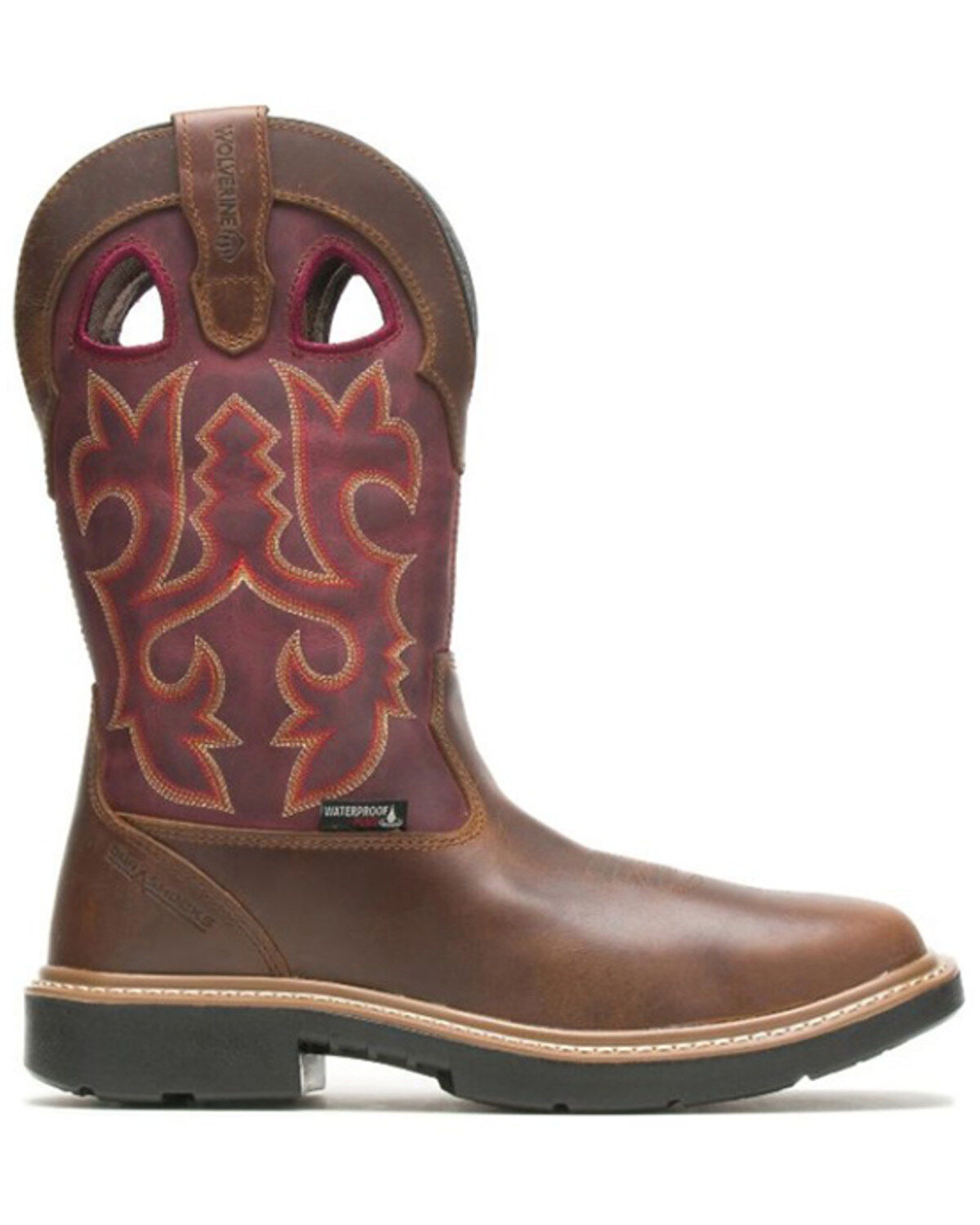
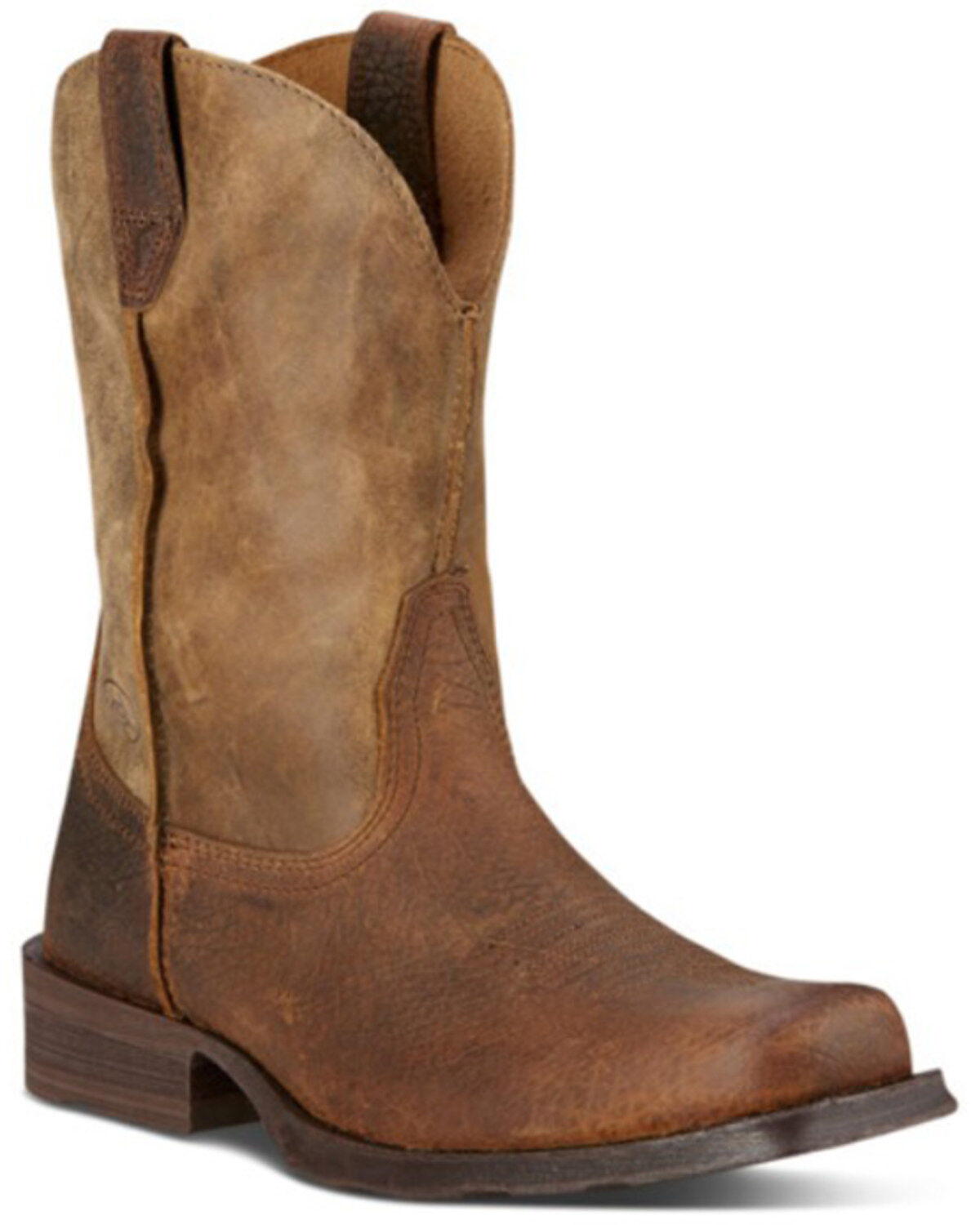
Step into style and comfort with our collection of shank boots. Crafted with the finest materials and expert craftsmanship, these boots are designed to... withstand the demands of any rugged terrain while keeping you looking effortlessly cool. Whether you're heading out for a day on the ranch or simply want to add a touch of Western flair to your everyday look, our shank boots are the perfect choice. Explore our selection today and find your new favorite pair of boots that will take you from work to play in style.
Read more
Shank Boots
Step into style and comfort with our collection of shank boots. Crafted with the finest materials and expert craftsmanship, these boots are designed to... withstand the demands of any rugged terrain while keeping you looking effortlessly cool. Whether you're heading out for a day on the ranch or simply want to add a touch of Western flair to your everyday look, our shank boots are the perfect choice. Explore our selection today and find your new favorite pair of boots that will take you from work to play in style.
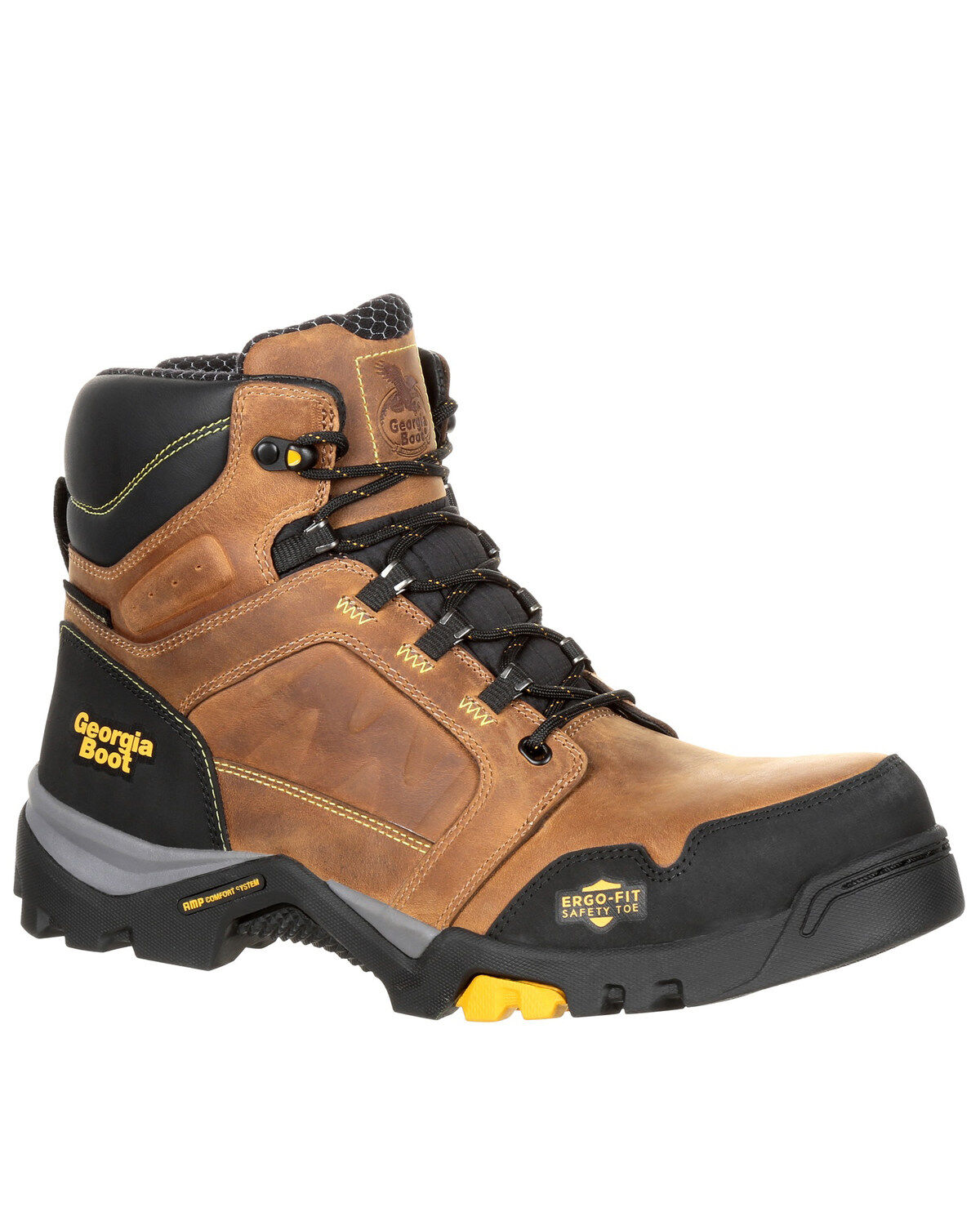
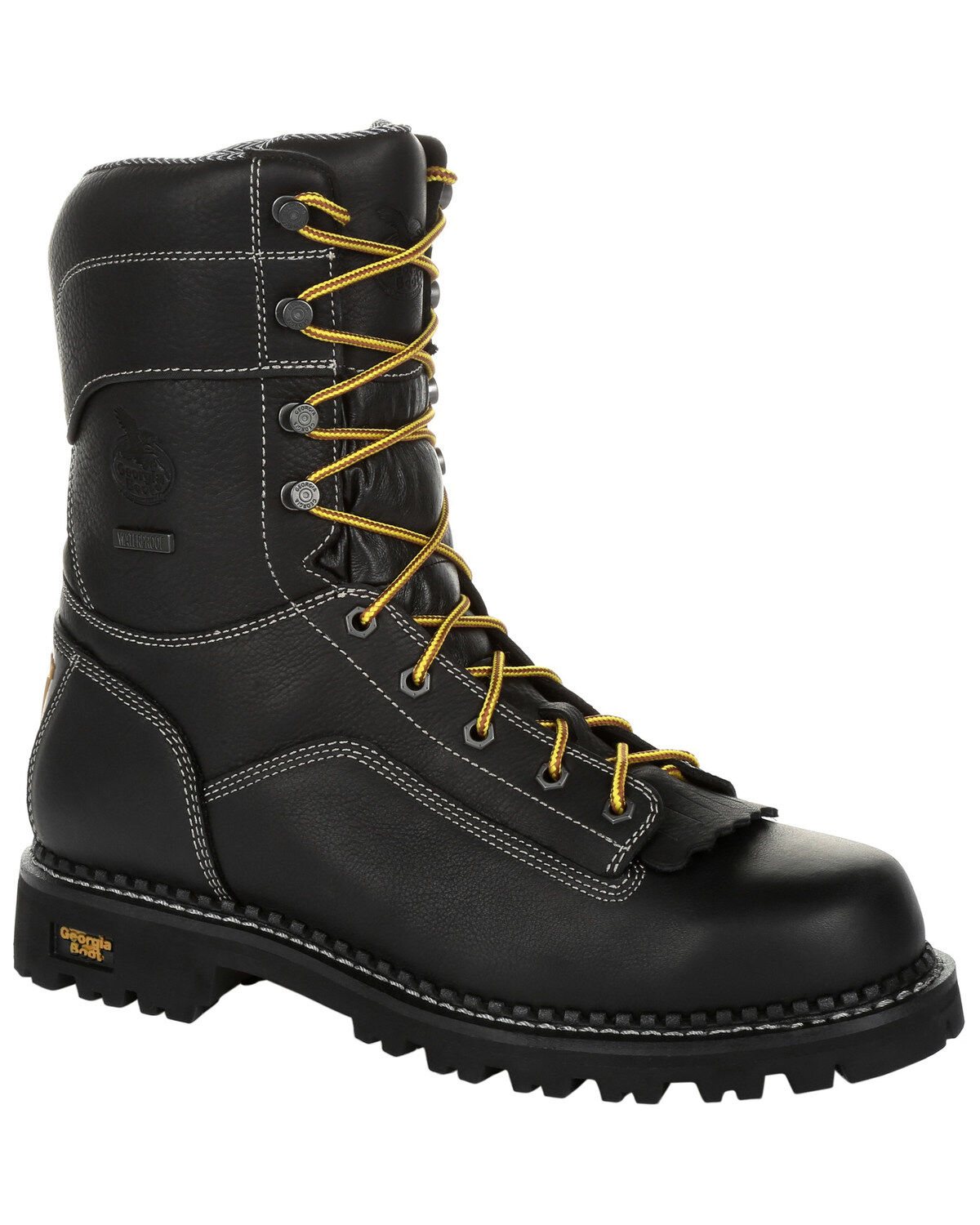
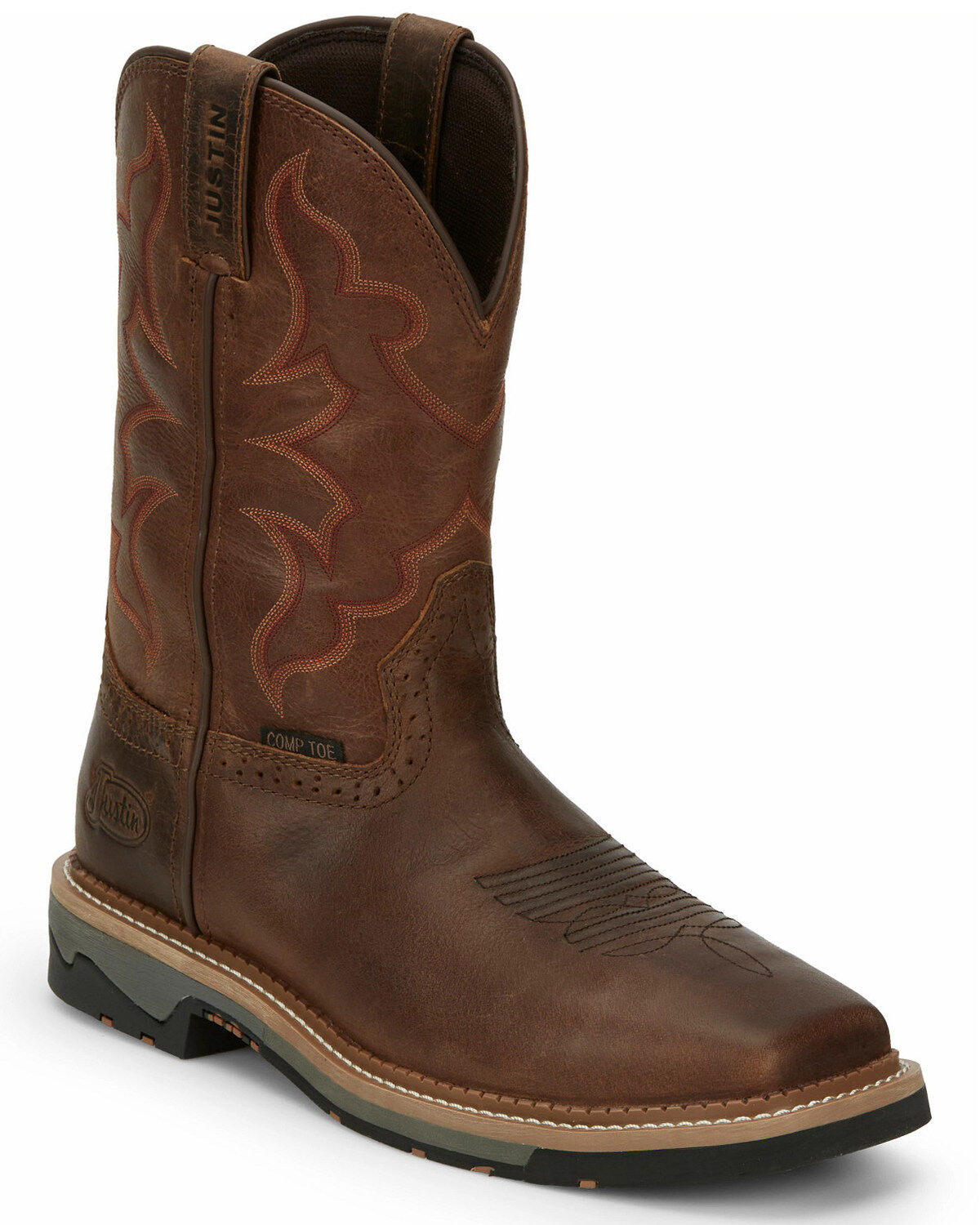
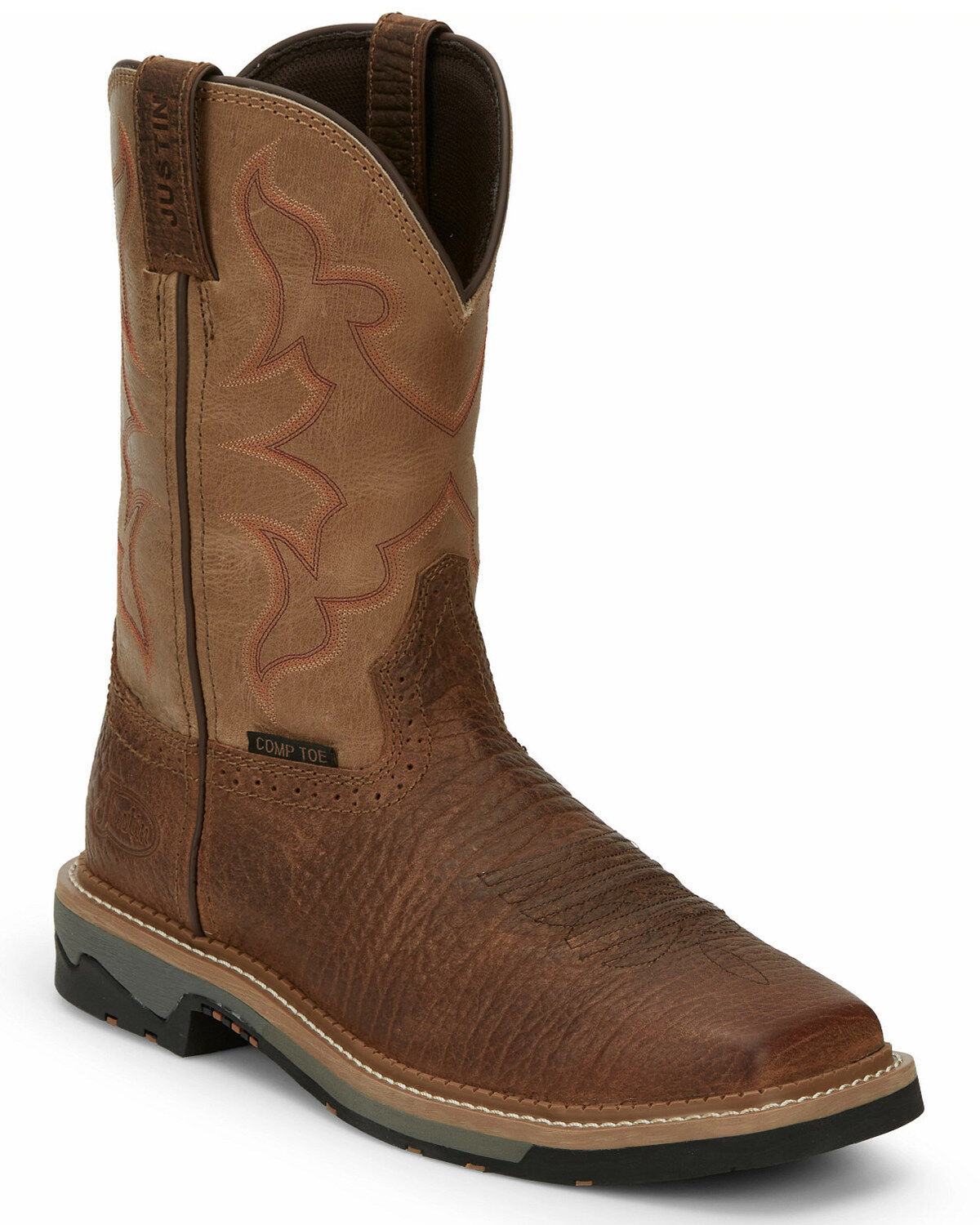
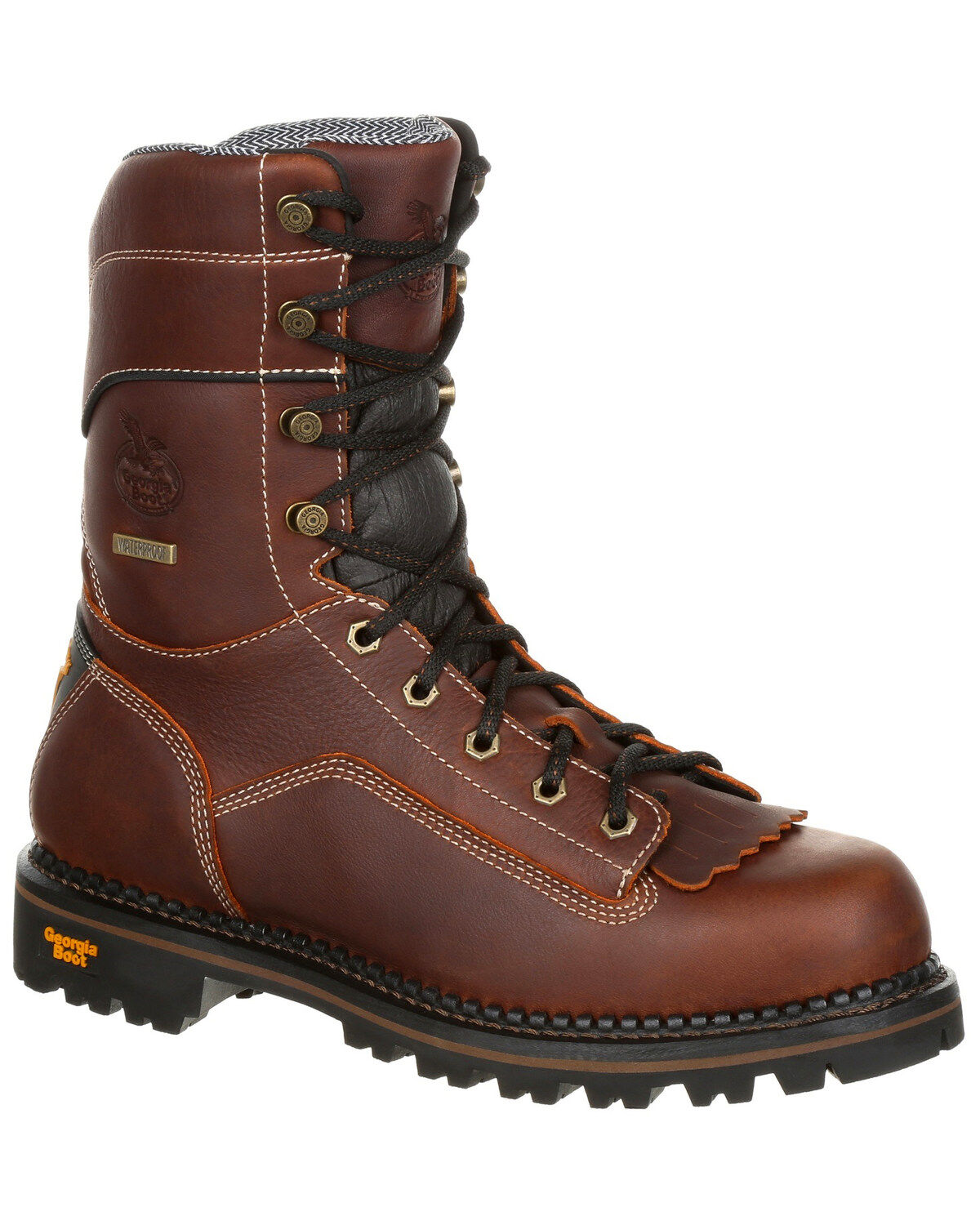
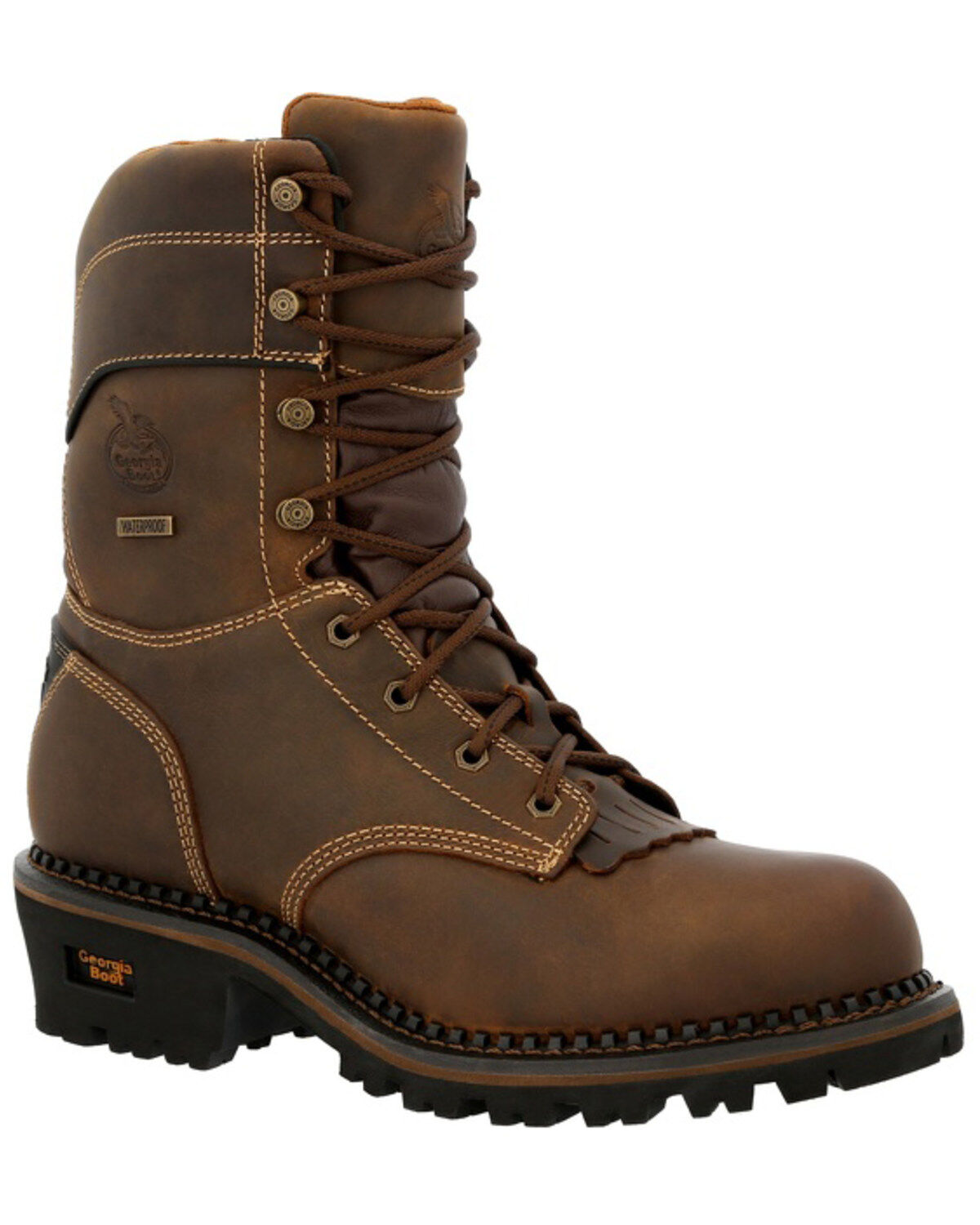
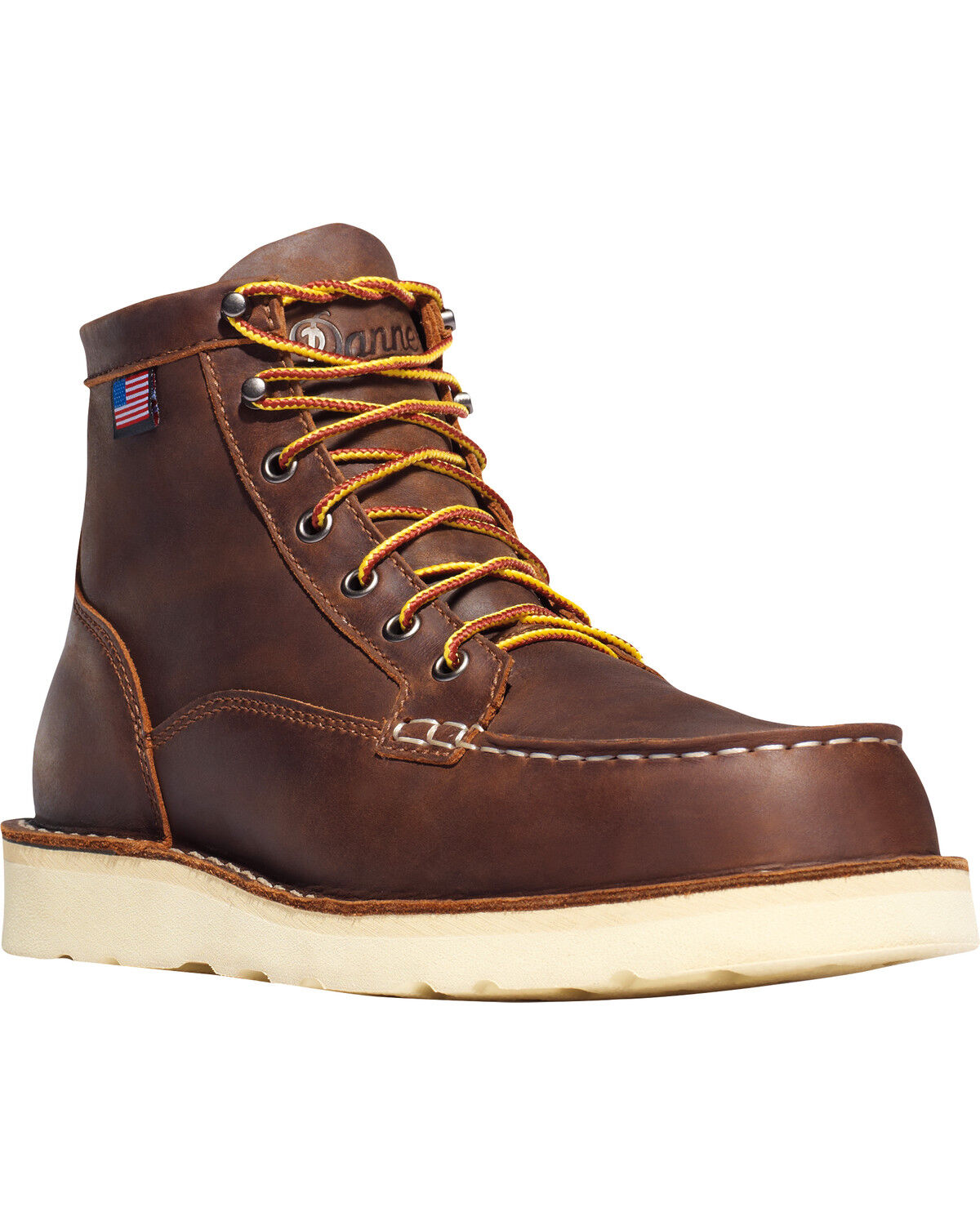
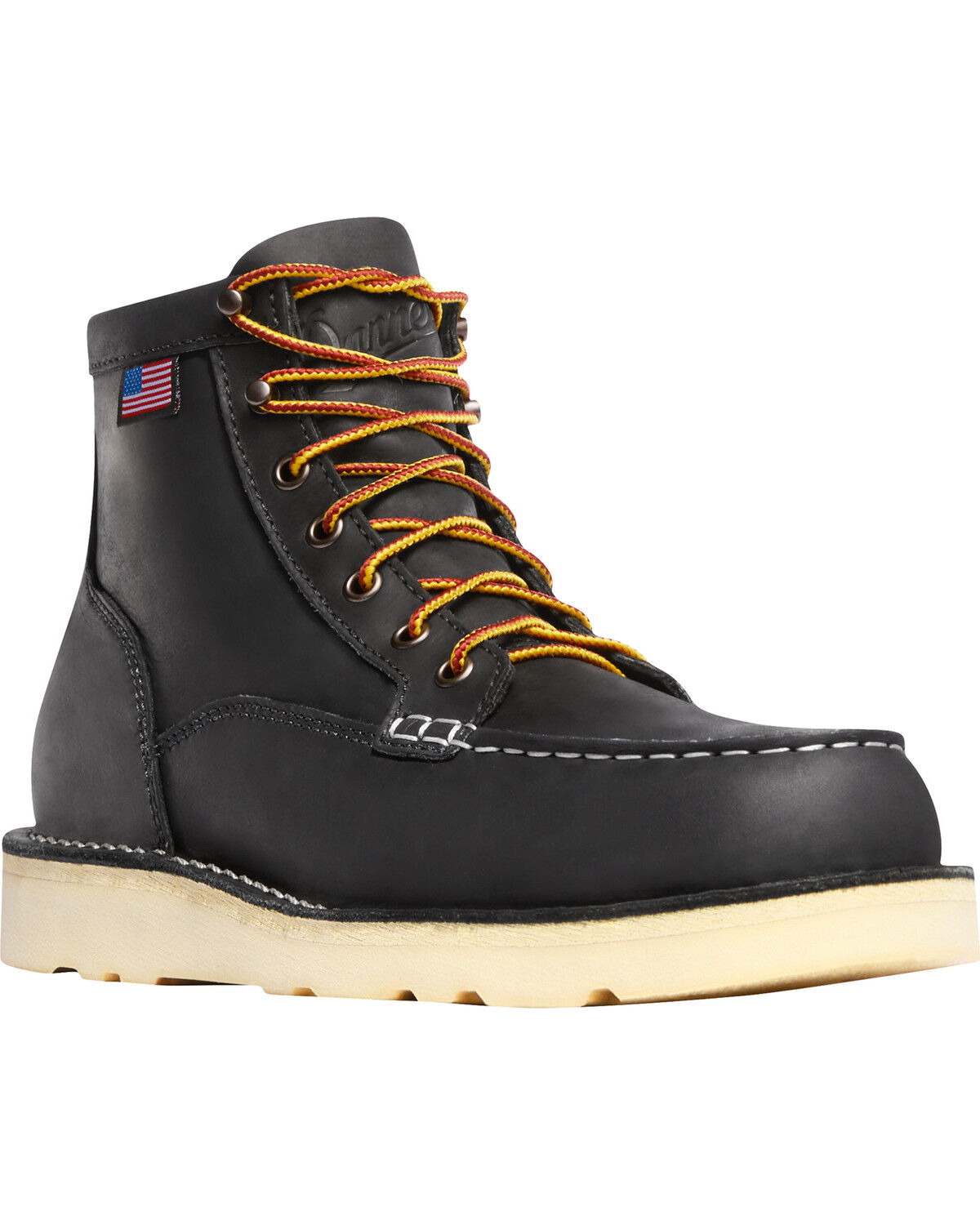
Shank boots have a supportive piece built into the sole beneath the arch, between the insole and outsole. Called a boot shank, this component reinforces the space between the heel and the ball of the foot, helping the boot hold its shape under weight. It is usually hidden, but its placement, material, and stiffness influence how the boot feels during a full day of wear. A shank helps limit excessive twisting through the middle of the sole while allowing the forefoot to bend as the design permits. That support matters when standing at a workbench, walking across uneven ground, or wearing a raised-heel western boot. It can also help distribute pressure when the arch rests against a ladder rung, although ladder suitability depends on the complete boot design. Steel shanks provide firm support and resist bending, making them a common choice for demanding work and traditional western footwear. Fiberglass and other composite shanks can provide support at a lower weight, though their stiffness varies by construction. Leather and some plastic shanks offer different levels of reinforcement and flexibility, depending on their thickness and shape. No single material makes every boot stronger or more comfortable; the shank works with the heel, midsole, outsole, and upper as a system. A longer or stiffer shank may feel more structured underfoot, while a shorter or more flexible design can allow easier movement. Workers who spend hours on their feet, ranchers moving between chores, and people who prefer the feel of a well-supported cowboy boot may all appreciate that structure. The practical benefit is support beneath the arch, not extra cushioning. A padded footbed softens contact with the foot, while a shank reinforces the boot underneath it. Together, those features can help reduce the strain of long wear, but comfort still depends on fit, activity, and individual needs. The word “shank” identifies a construction feature rather than a separate style, so boots with shanks can serve very different purposes.
The right match starts with the demands placed on the whole boot. On a concrete shop floor, cushioning and a stable heel can matter as much as shank stiffness. Across gravel or rough ground, outsole traction and resistance to twisting become more noticeable. For ladder work, a defined heel and a sole designed for the task deserve attention alongside under-arch support. A deeply treaded outsole may grip loose ground well, but tread depth alone does not establish slip resistance on a smooth floor. Likewise, a steel shank is not a steel toe, and neither feature by itself establishes puncture resistance or electrical hazard protection. Those are separate characteristics that require the appropriate product specifications and, where applicable, safety ratings. A composite shank also does not make an entire boot metal-free; eyelets, fasteners, and other components may contain metal. People who need less height around the ankle can also consider Work Shoes With Shank for underfoot reinforcement in a lower-cut design. Fit determines whether that support feels useful throughout the day. The ball of the foot should align with the boot’s widest area and natural flex point, rather than sitting too far forward or behind it. Toes need room without the foot sliding inside the boot, and the instep should feel secure without concentrated pressure. Some initial heel movement can be normal in pull-on leather boots, but pronounced slipping or rubbing should not be dismissed as part of breaking them in. Lace-up boots allow more adjustment across the instep and ankle, which can help accommodate different foot shapes. Trying boots with the socks intended for daily wear gives a more realistic sense of volume and pressure. Prescribed inserts or replacement footbeds also take up space and can change how the heel sits. A supportive shank cannot correct a boot that is too narrow, too short, or poorly matched to the foot. Firm structure should feel steady, not force the arch into an uncomfortable position.
Materials and construction determine how well shank boots stand up to repeated use. Leather uppers can gradually conform to the foot while providing a durable outer surface, though different leathers vary in thickness, flexibility, and care requirements. Textile panels and linings can change weight, ventilation, and the feel against the foot. Underneath, rubber outsoles offer traction characteristics that depend on their compound and tread pattern, while leather soles have a different feel and wear profile. A welted construction may allow resoling when the design and condition permit; other attachment methods offer their own balance of weight, flexibility, and durability. The shank is only one part of that construction, so strong underfoot reinforcement does not eliminate wear elsewhere. A worn-down heel can change the boot’s stance, and a compressed footbed can leave a once-comfortable pair feeling hard even when the shank remains intact. Regular care helps preserve the materials around that support. Loose dirt brushed from seams and the junction between the upper and sole is less likely to build up in areas that flex. Smooth leather generally benefits from an appropriate cleaner and conditioner used according to the maker’s directions, while suede and nubuck require products suited to their finish. Saturating leather with oil or conditioner can change its appearance and feel, so more is not always better. Boots that become damp during use or cleaning should dry away from direct heat, with enough time for the lining to dry as well. Persistent squeaking, a new hard spot under the arch, or an unexpected change in flexibility may warrant inspection by a qualified repair professional rather than continued wear. For someone buying a practical gift, familiar sizing, preferred boot height, and actual work requirements matter more than choosing the stiffest shank. A person who wears pull-on western boots every day may value a different fit than someone who needs lace-up work footwear. Well-matched shank boots combine dependable structure, suitable traction, and a fit that stays comfortable through the tasks they are built to handle.

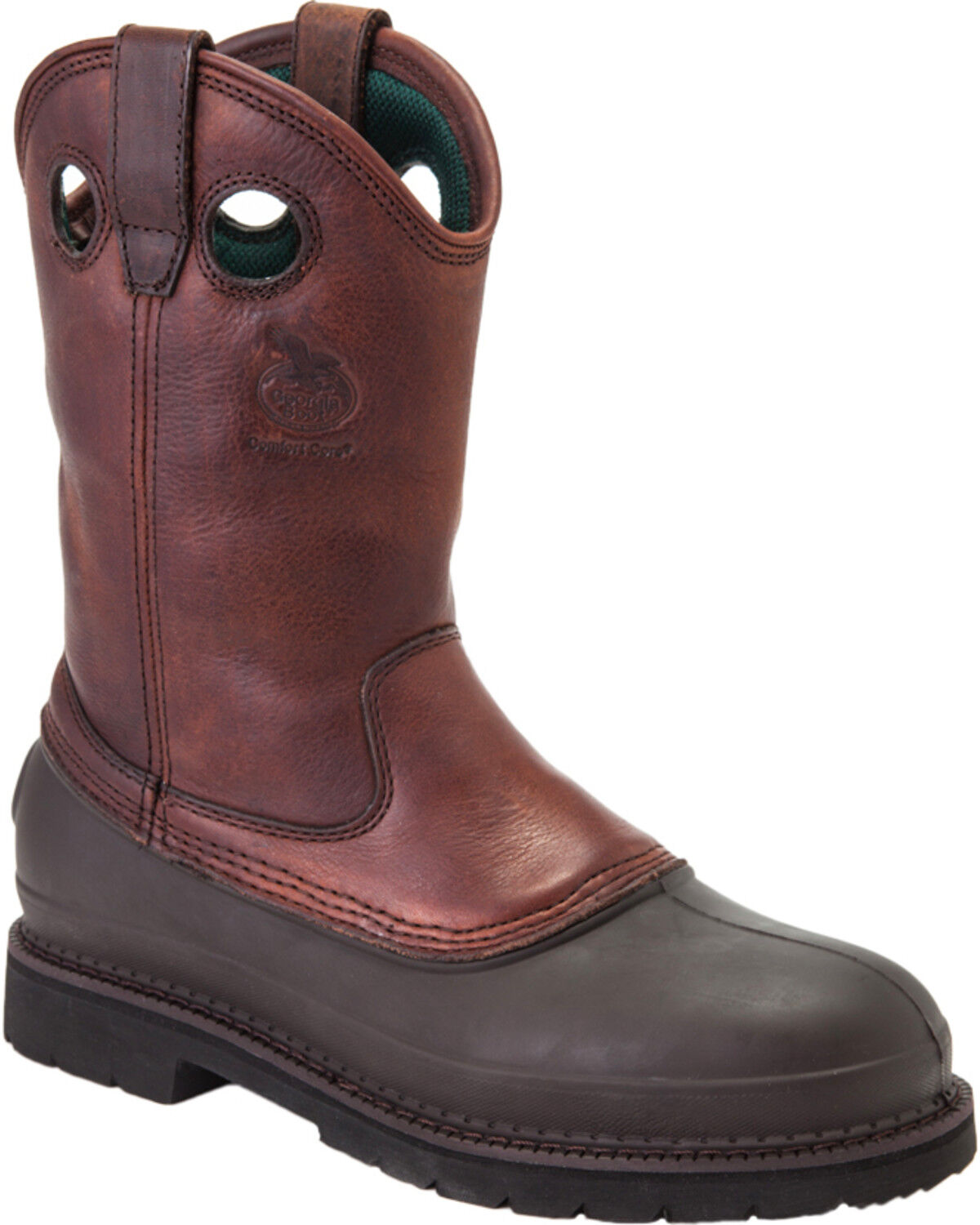
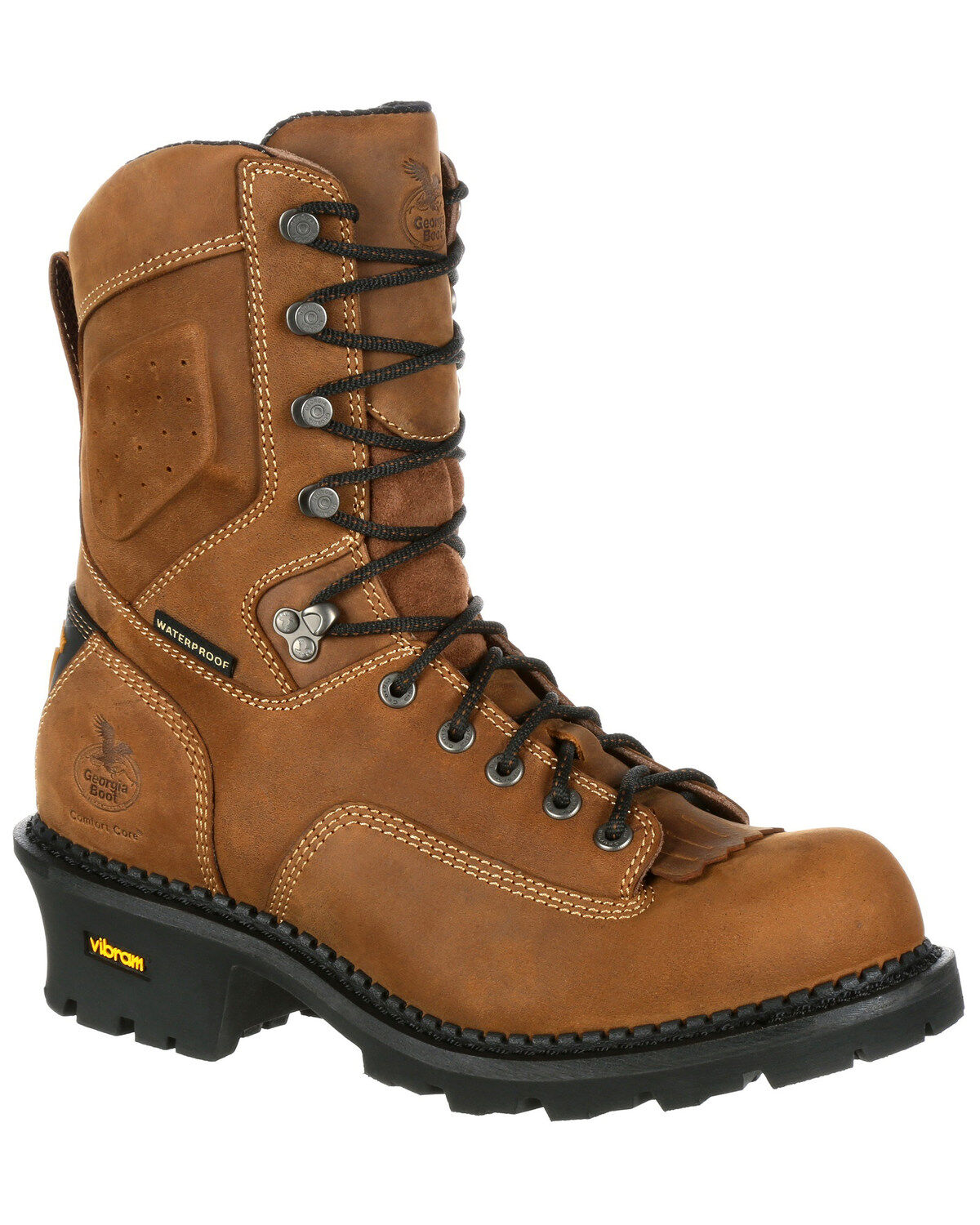
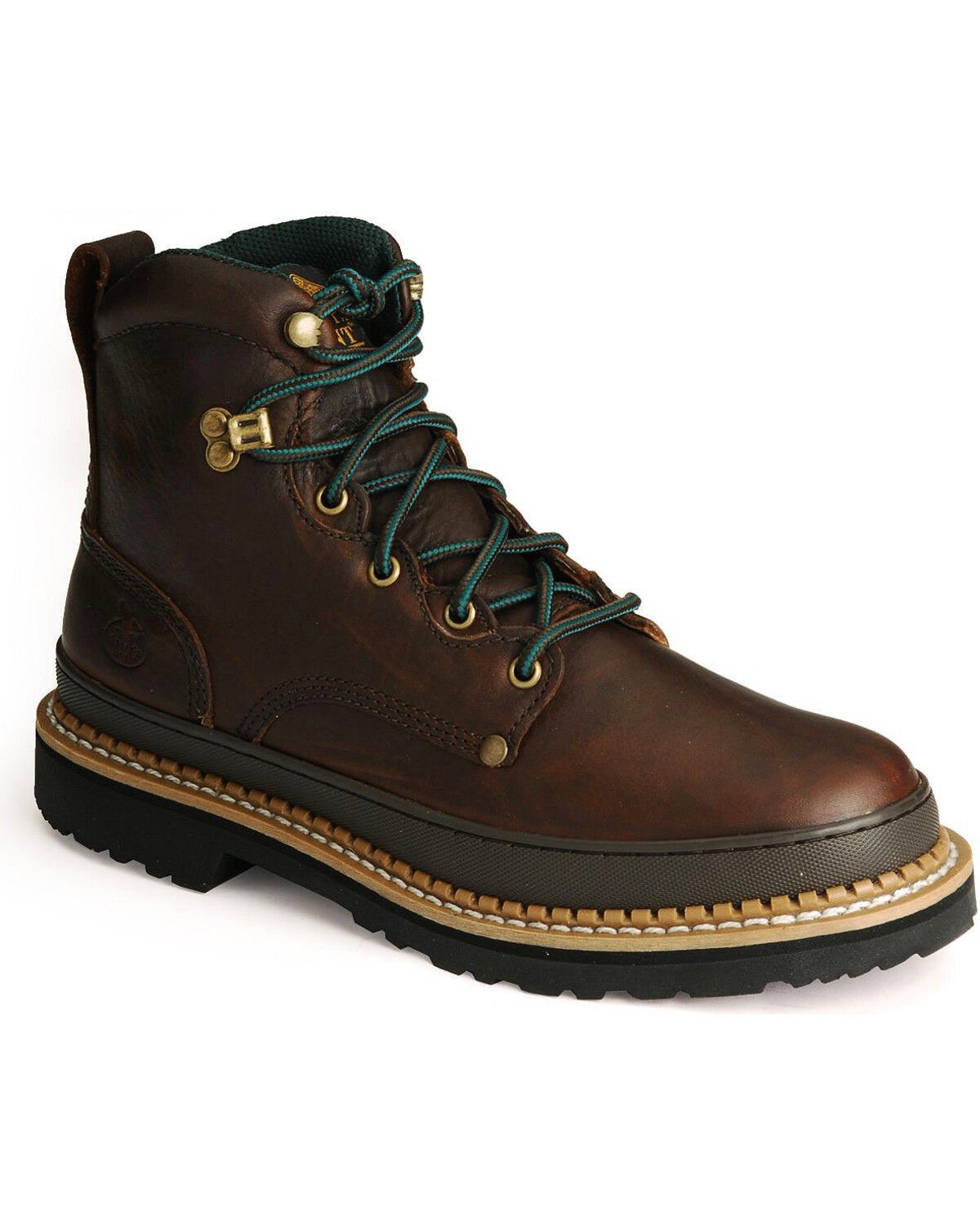
 $259.99
 $259.99
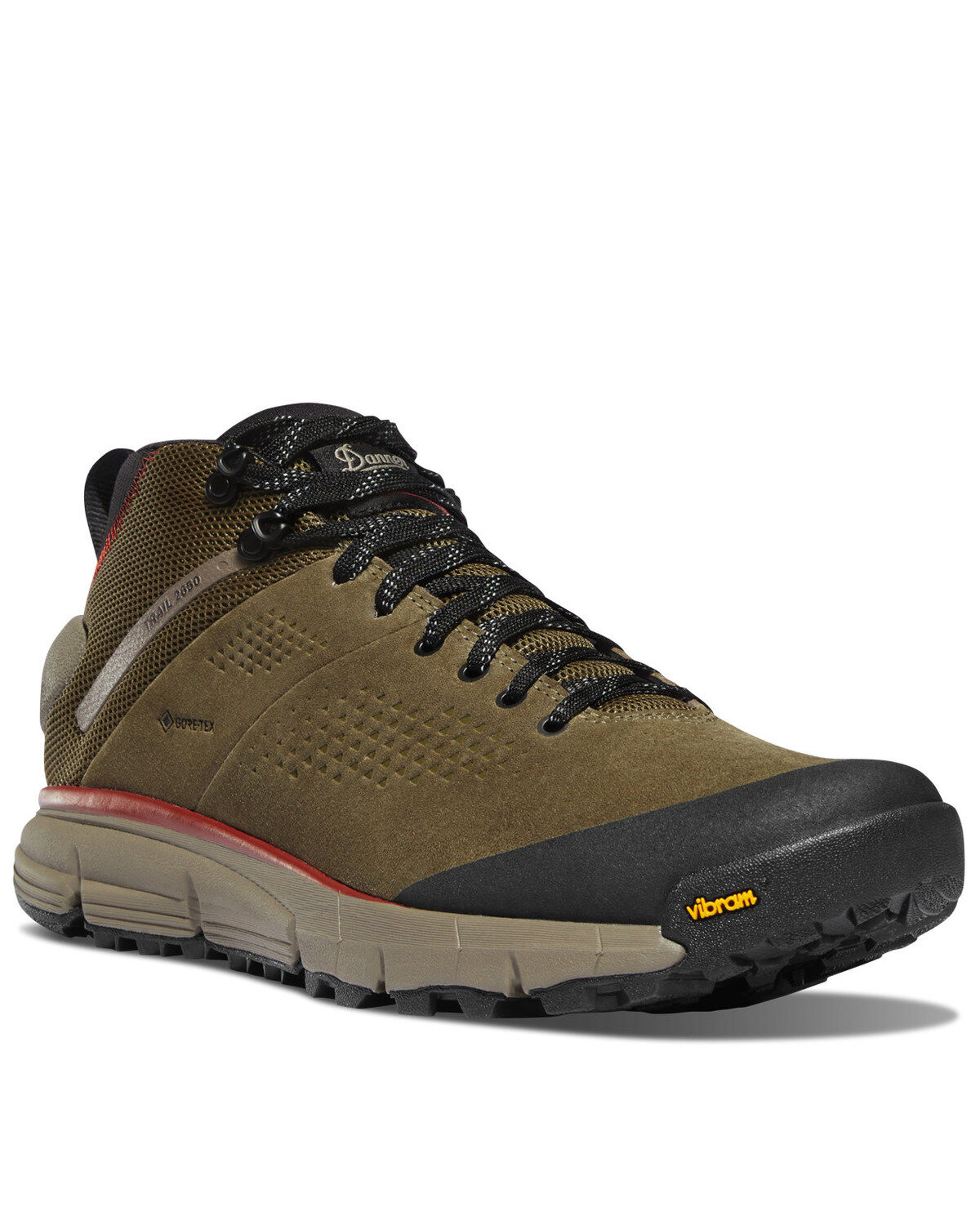 $104.23
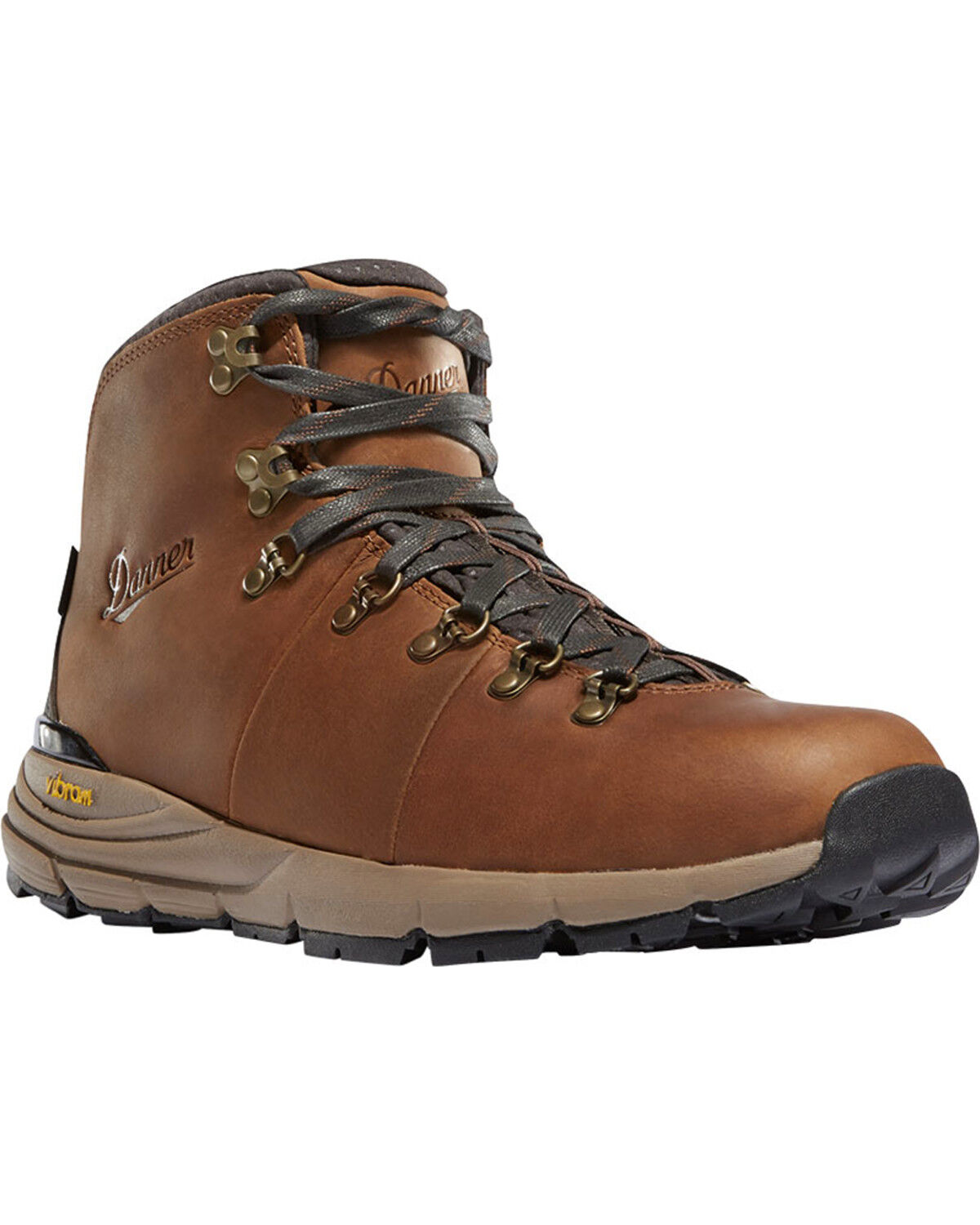 $229.99
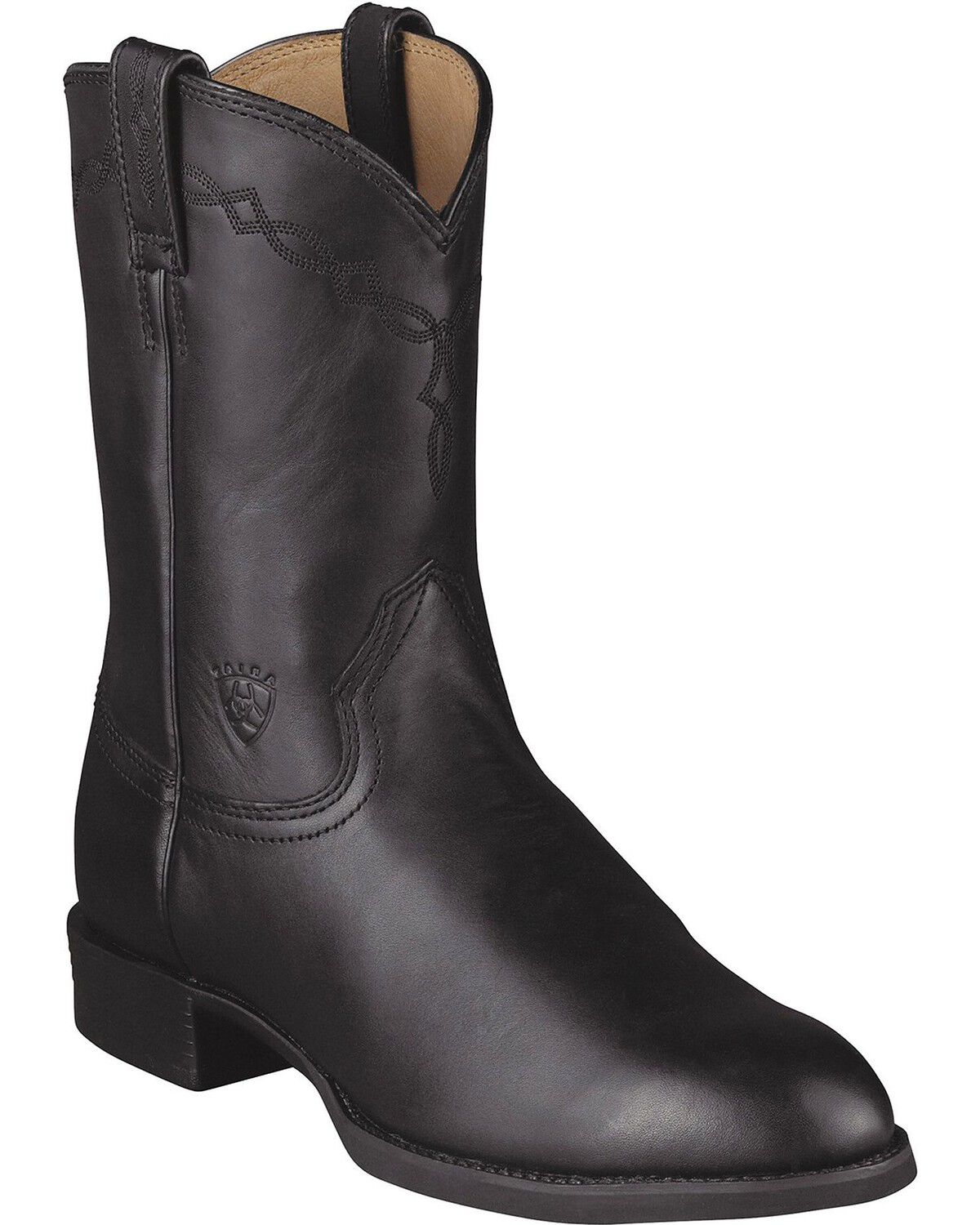 $169.95