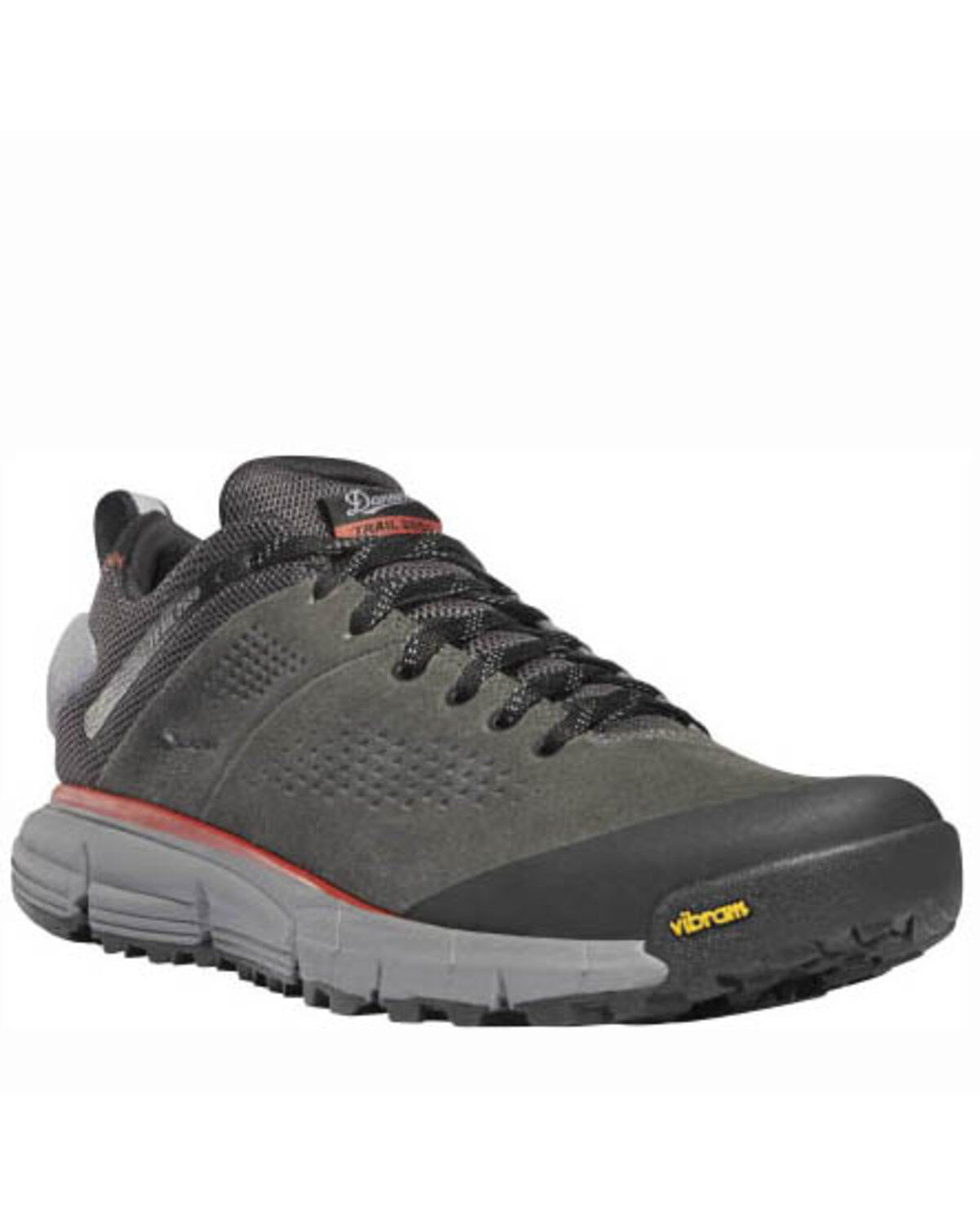
Safety Toes

Find safety toe work boots for jobs that require added toe protection. Compare available styles and fit details, and check each pair’s safety ratings against your workplace requirements to choose the right boots for the job.

Read More

Shop Your Store: Shop Your Store: Find a Store

(Turn off Shop Your Store to see all items)

(Turn off Shop Your Store to see all items)

close
  • Recommended
  • Lowest Price
  • Highest Price
Skip pass products

End of products

Safety Toes

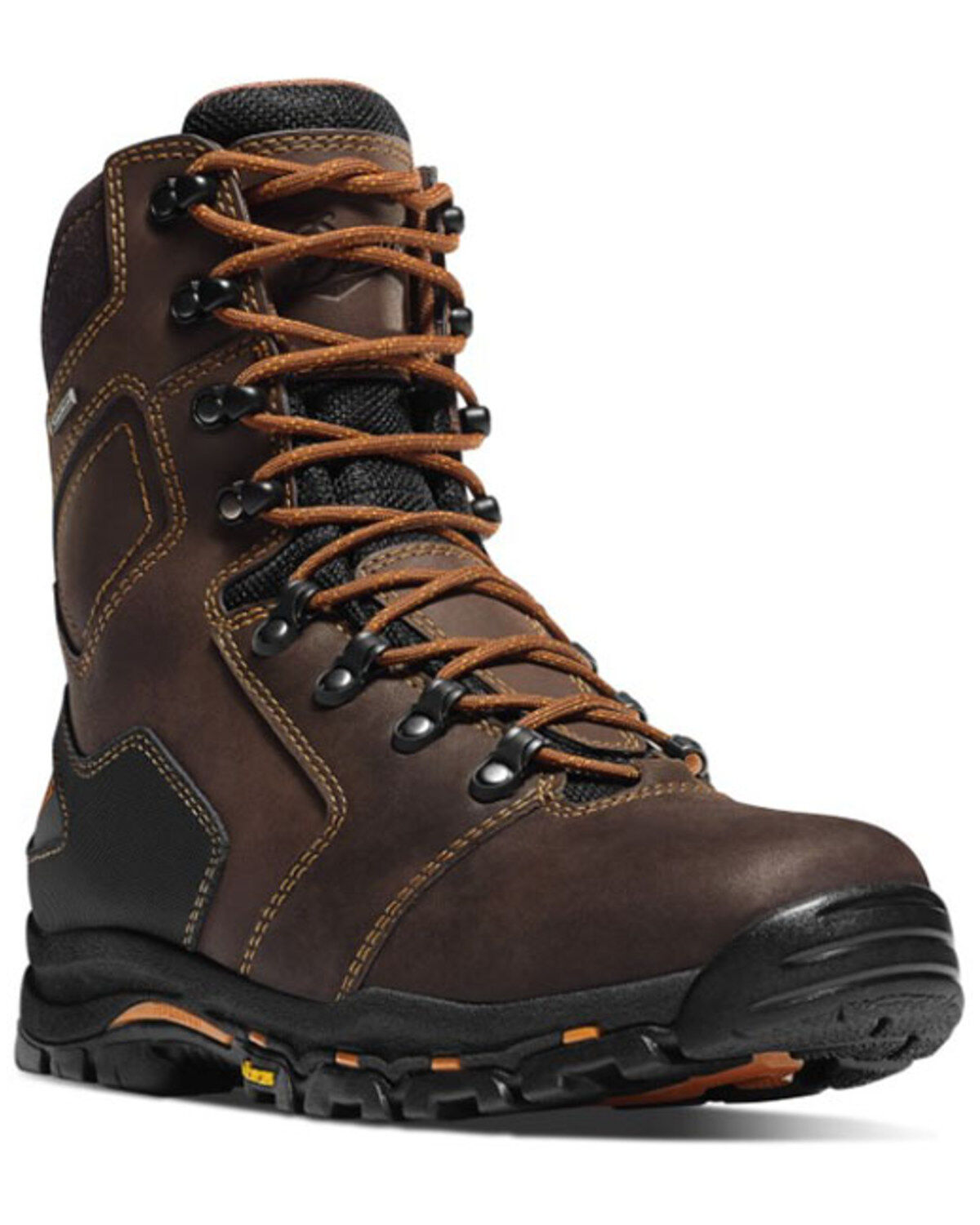
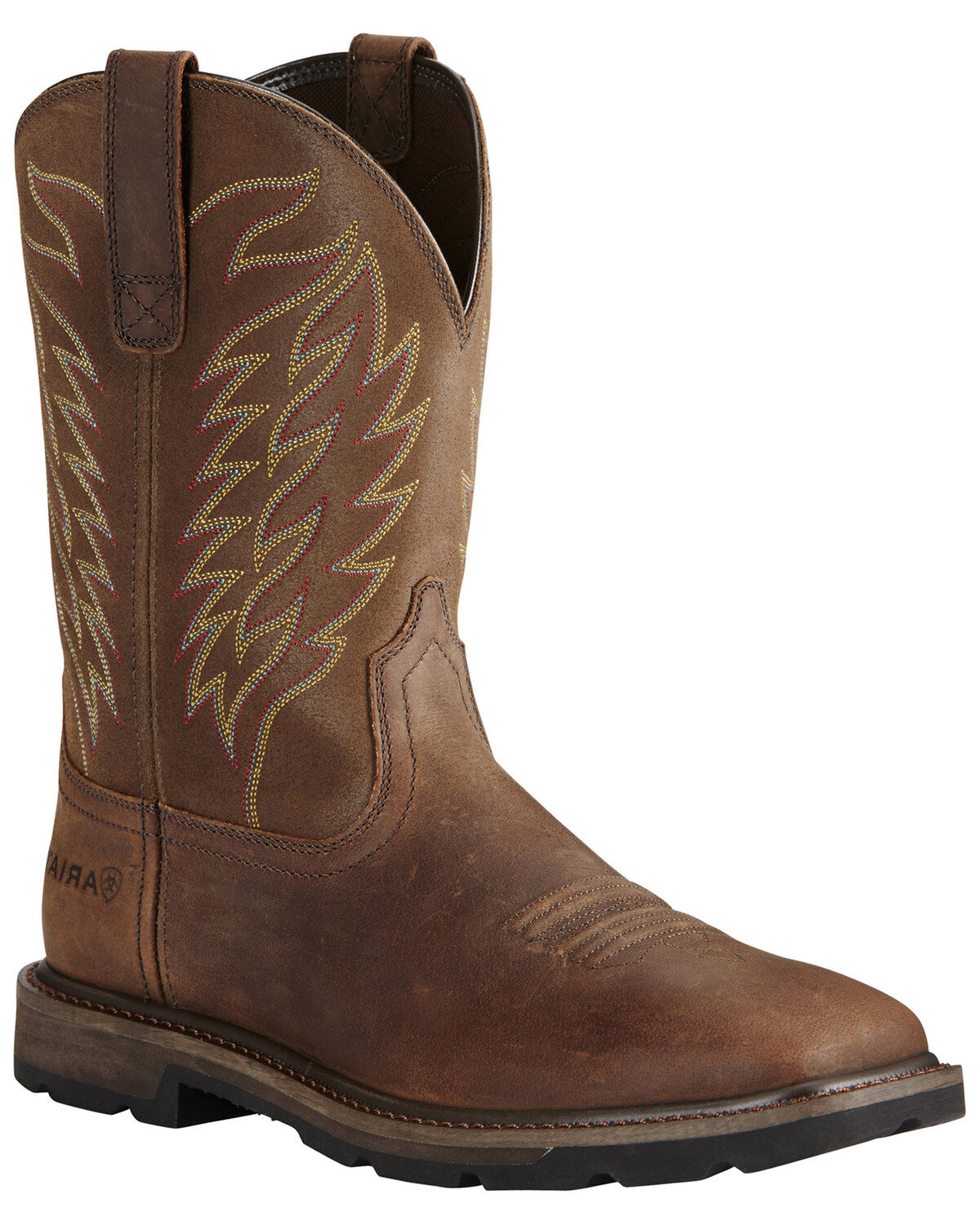
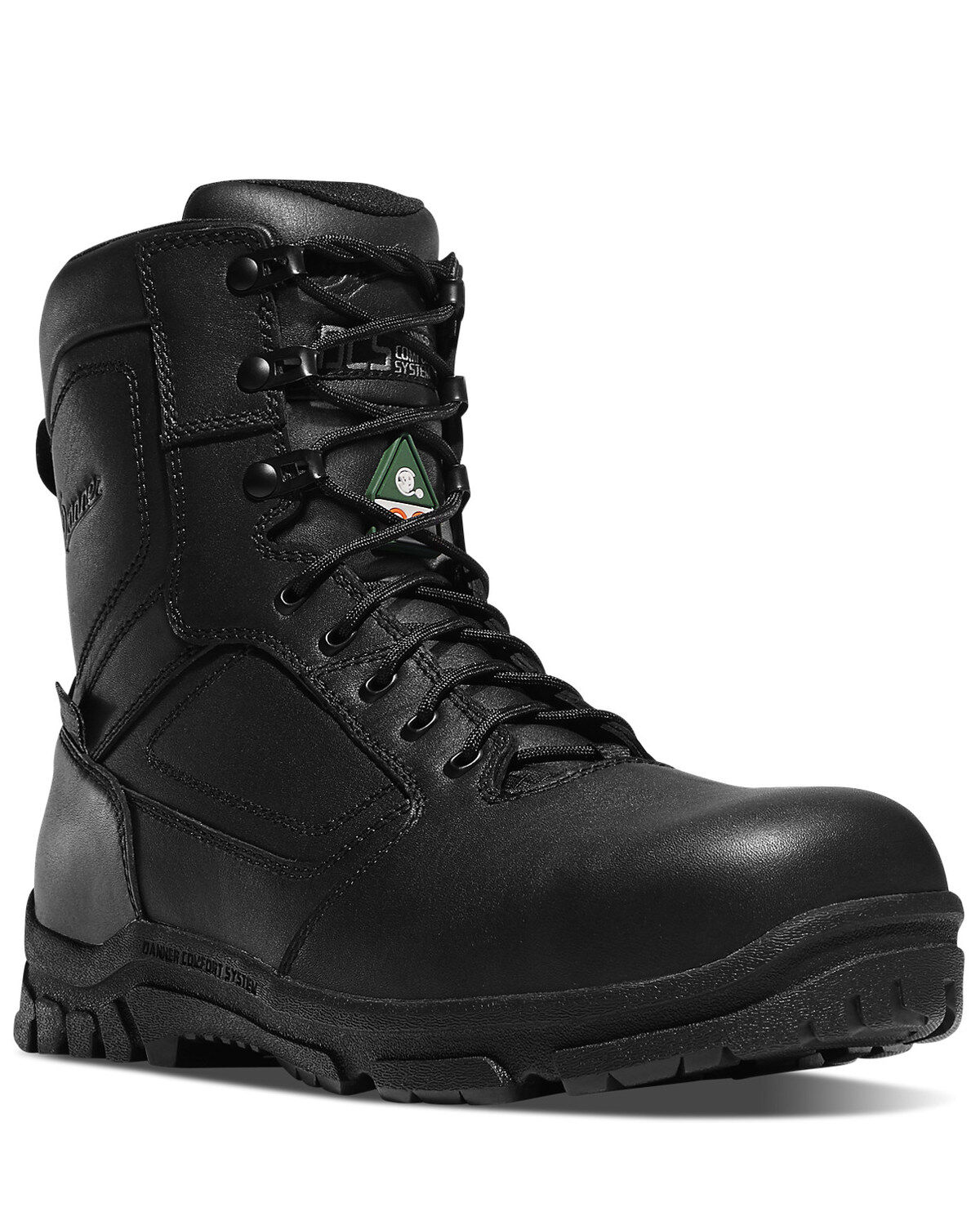
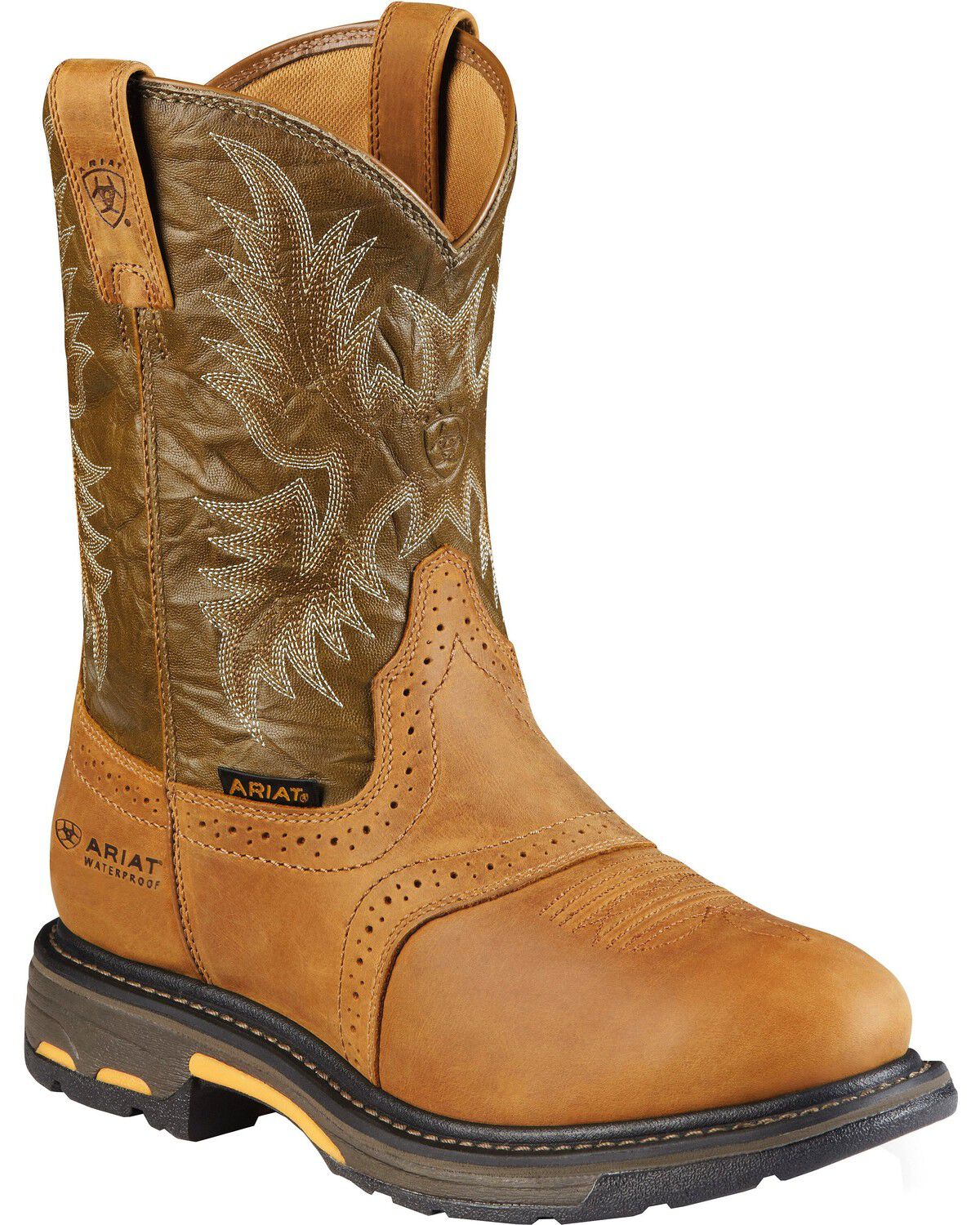
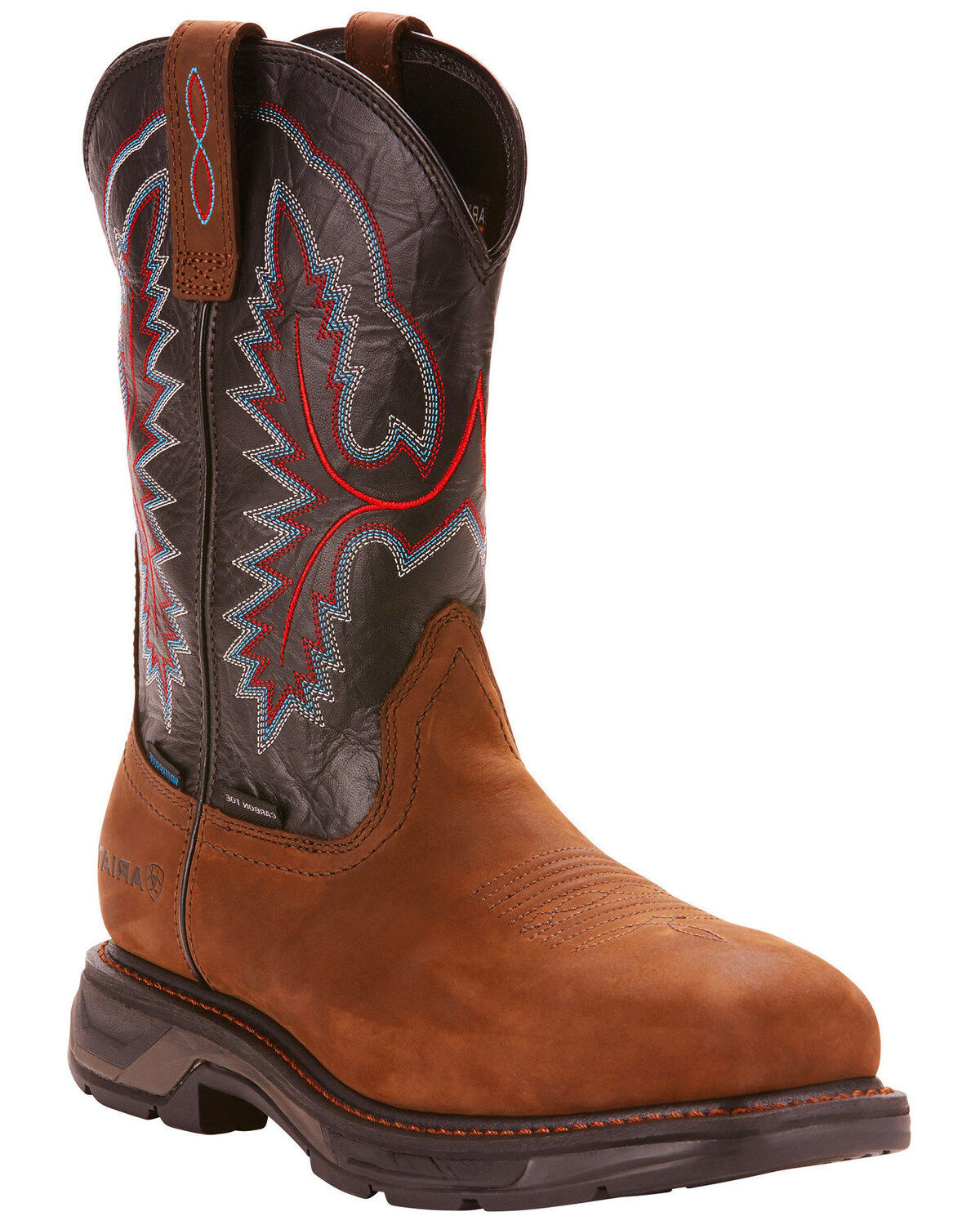
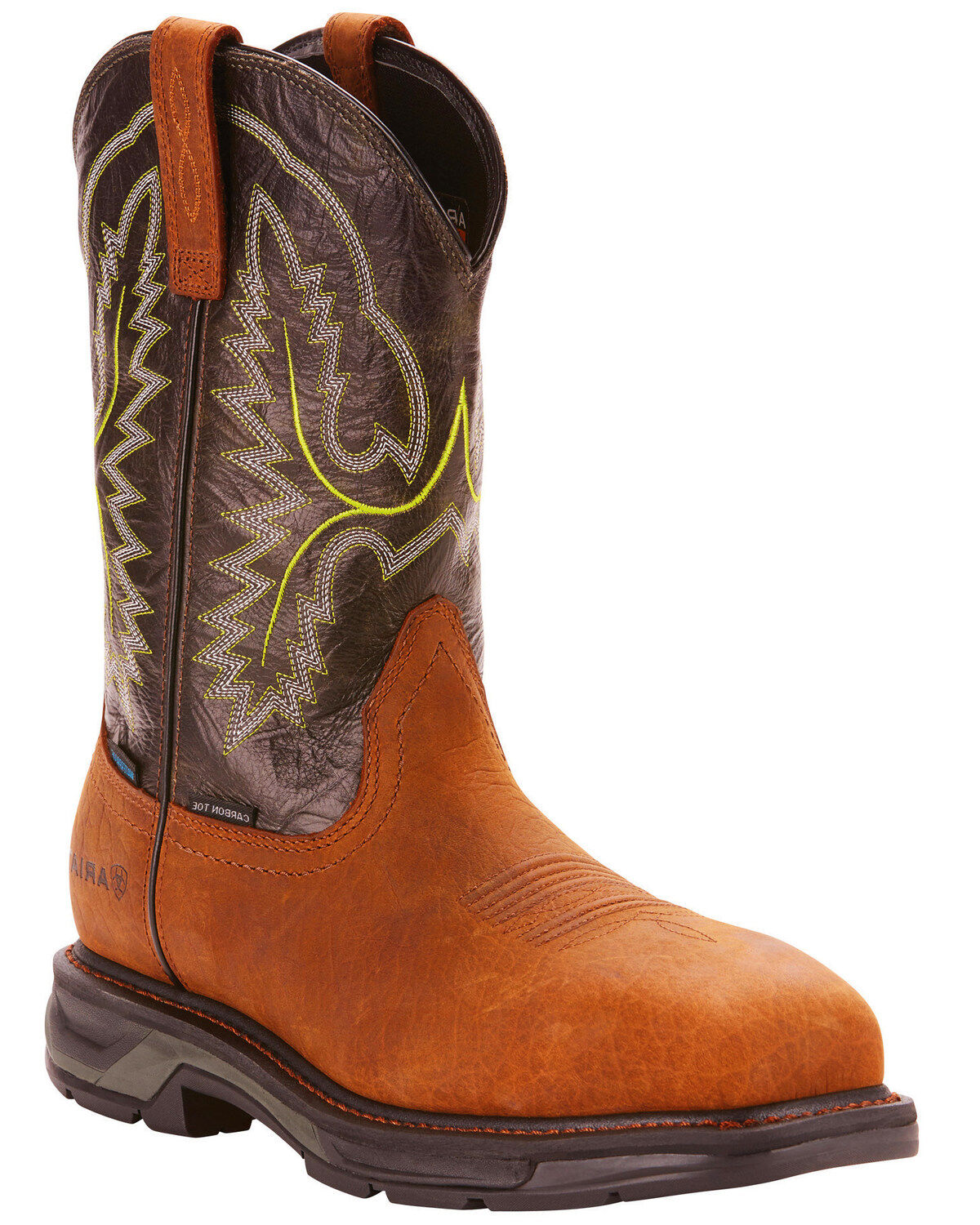
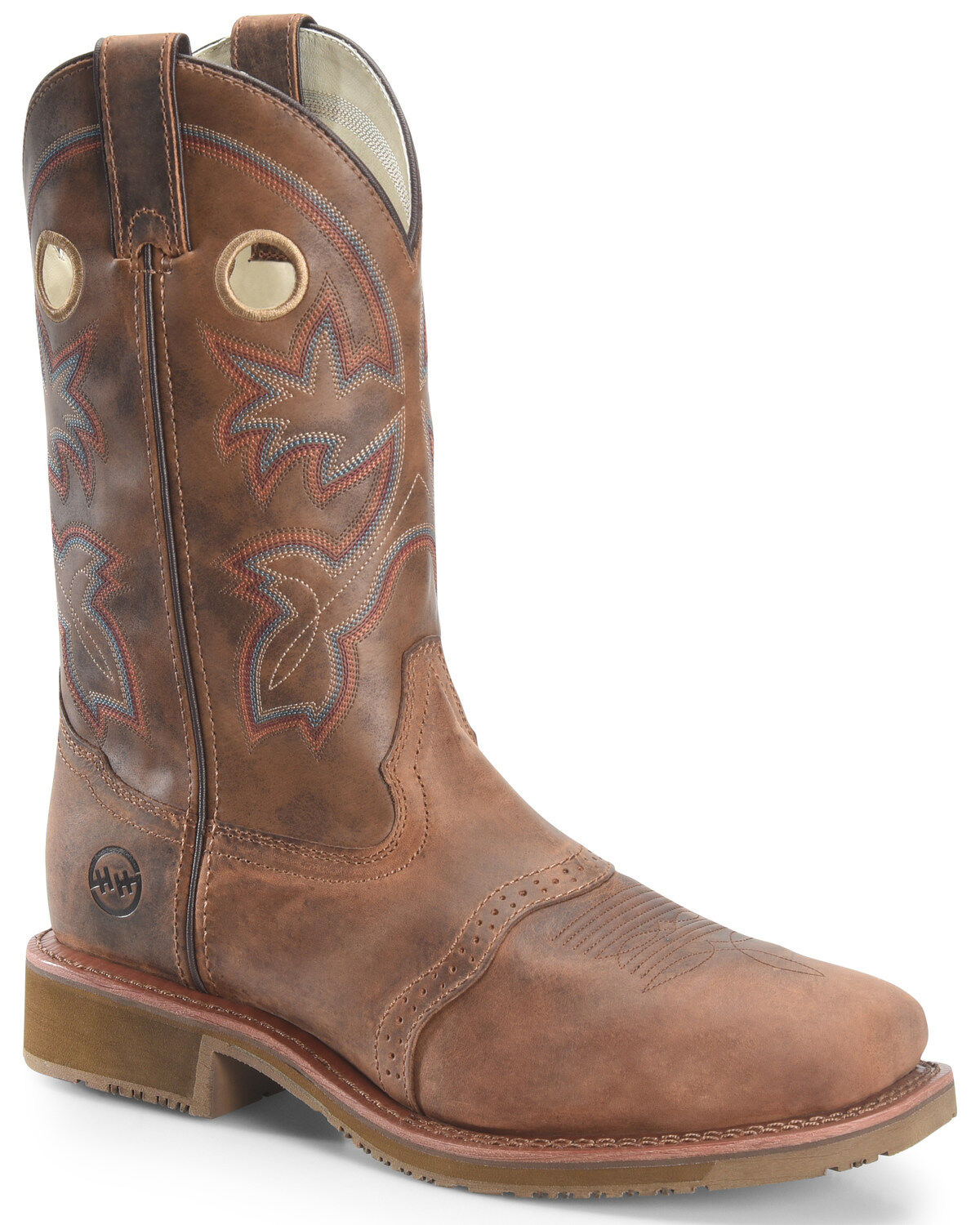
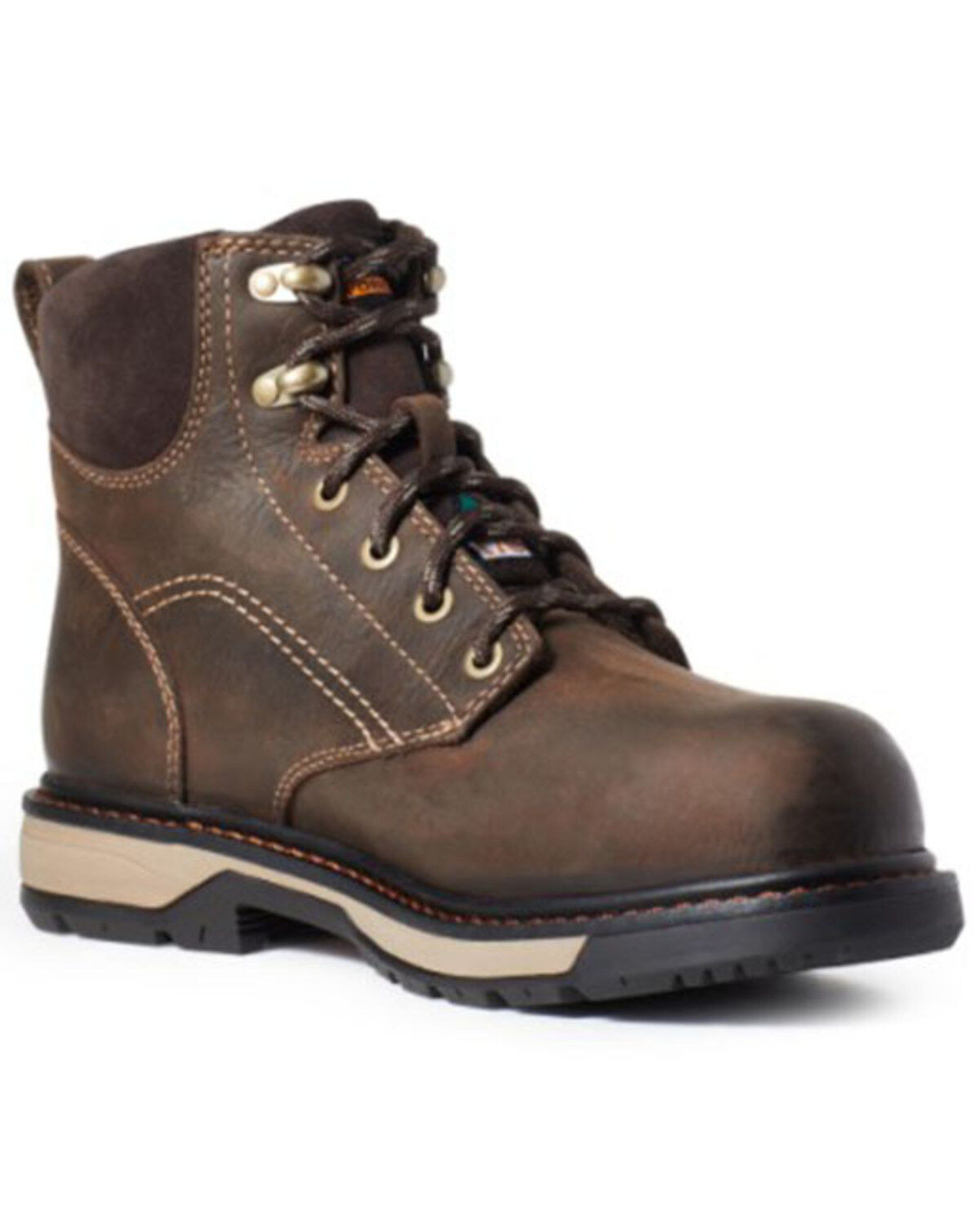
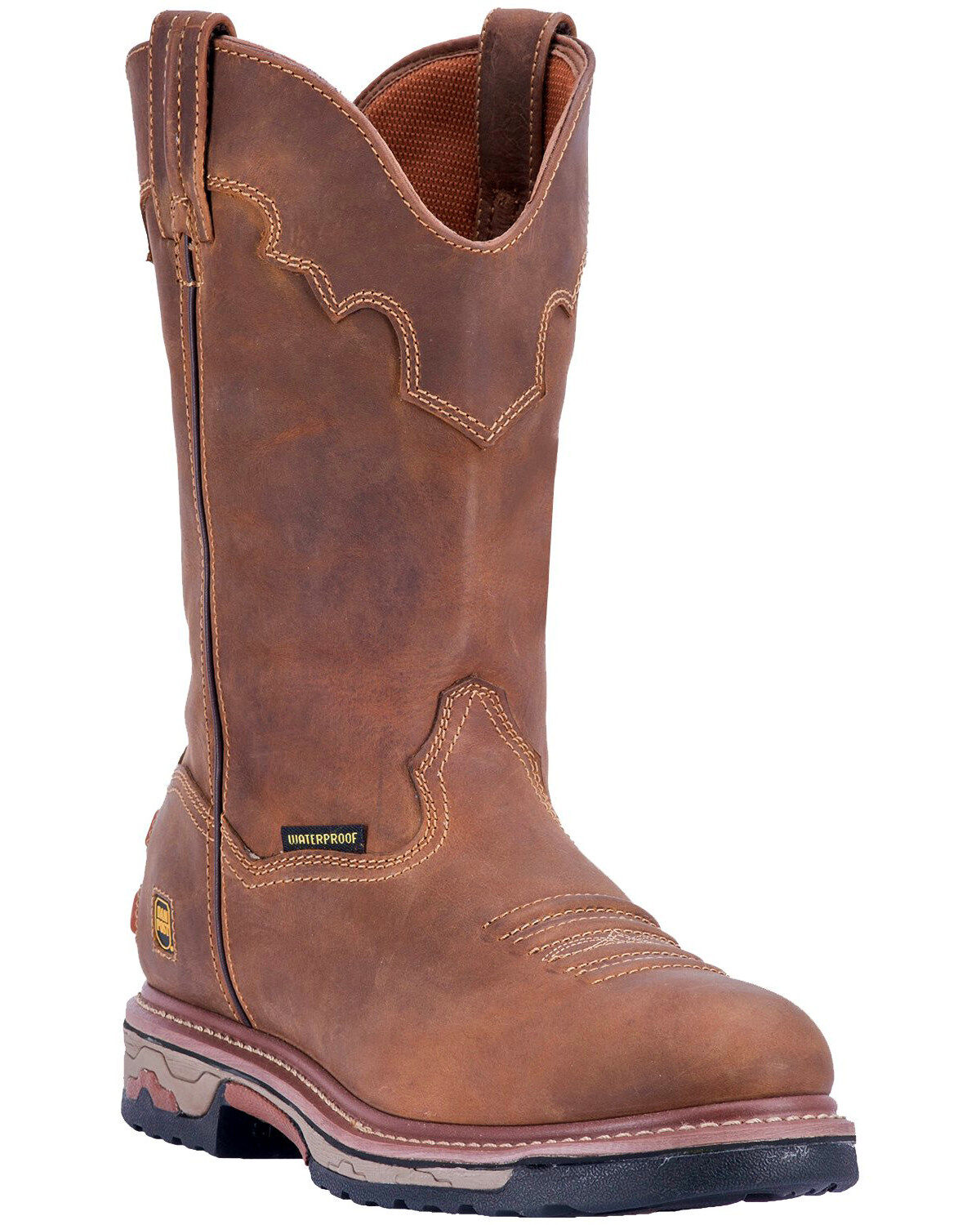
Safety toes are reinforced caps built into the front of work boots and shoes to help protect the toes from impact and compression hazards. They are designed for situations such as a tool falling from a bench, material dropping during handling, or a heavy object rolling onto the front of the foot. The cap sits between the outer material and lining, giving the toe area a protective structure that ordinary soft toe footwear does not provide. Construction crews, warehouse workers, mechanics, manufacturing employees, and others who handle equipment or materials may need this protection as part of their required work gear. The right footwear depends on the hazards identified for the job, not simply how rugged a boot looks. Steel, alloy, and composite safety toes offer different construction options. Steel caps provide protection in a relatively compact shape, while alloy caps often use lighter metals such as aluminum. Composite caps use nonmetal materials, including fiberglass or carbon fiber, and may weigh less than some steel designs. Overall boot weight still depends on the sole, upper, and other components, so toe material alone does not tell the whole story. A composite toe also does not mean the entire boot is metal-free. Metal hardware or other internal parts may still be present. ASTM F2413 markings identify tested protective features, including impact and compression resistance. Workplace requirements determine which ratings are appropriate. Electrical hazard protection, puncture resistance, and other features are separate considerations; none should be assumed from the presence of a safety toe. For people comparing safety toe boots, the useful distinction is how the complete footwear matches the work. A reinforced toe addresses certain hazards, but it does not replace safe material handling, other required protective equipment, or the employer’s footwear rules. No safety toe can protect against every load or type of accident.

Fit matters because a protective cap has a fixed shape and will not stretch to create more toe room. Toes should have space to move without pressing against the front, sides, or top of the cap, including when walking, crouching, or stepping down. Pressure that feels minor during a quick try-on can become distracting over a full shift. Leather around the foot may soften with wear, but a tight safety toe is not something to count on breaking in. Width, toe-box depth, and the shape of the footwear all affect comfort; moving up in length alone may leave the heel loose without solving pressure across the forefoot. Trying footwear with the socks normally worn for work gives a more useful sense of fit. Any required orthotic should also be considered, since it takes up interior space and can change where the foot sits beneath the cap. Lace-up construction allows adjustment across the instep, while pull-on construction depends more heavily on the match between the foot and the boot’s shape. Neither style should leave the foot sliding forward into the protective toe. Beyond fit, the upper and sole influence how footwear feels and holds up. Leather uppers can offer abrasion resistance and support with proper care. Textile panels may reduce weight or improve airflow, depending on the construction. Reinforced stitching and protected seams can help in areas exposed to repeated rubbing. Underfoot, cushioning can ease the feel of long hours on concrete, while a supportive platform helps keep the foot stable. Outsole tread and compounds should suit the walking surface. Deep tread may help on loose ground, but it is not a substitute for slip resistance tested for relevant conditions. Oil resistance and slip resistance are different properties. For work around sharp debris, puncture-resistant construction is another separate feature to verify. The strongest match accounts for the whole shift: standing at a station, moving through aisles, kneeling beside equipment, and walking between work areas.

Durability comes from construction, correct use, and regular care rather than the toe material alone. Repeated kneeling can wear through the front of an upper, while scraping against pallets, rough flooring, or equipment can damage seams and expose underlying layers. Protective toe overlays may help reduce abrasion in that area, but they do not increase the cap’s impact rating. Cleaning away dirt and grit helps limit wear, especially around flex points and stitching. Leather generally benefits from suitable cleaning and conditioning, while textile and synthetic materials require care suited to their construction. Manufacturer directions matter because aggressive cleaners, excessive conditioning, or direct heat can damage materials and adhesives. Footwear that becomes damp during use should be allowed to dry thoroughly away from direct heat before the next wear. Removable insoles can be taken out for drying when the care directions permit. Regular inspection should include the upper, outsole, seams, lining, and the area around the protective cap. Worn tread, separating soles, exposed components, or a damaged lining can affect performance and comfort even when the toe still looks intact. After a significant impact or compression event, remove the footwear from use and follow manufacturer guidance on replacement; protective damage is not always visible from the outside. Fresh insoles may restore some cushioning, but they cannot restore a damaged cap or worn-out sole. Safety toe footwear can be a practical gift for someone entering a trade, beginning a warehouse role, or replacing well-used work gear, provided the recipient’s size, fit needs, and workplace requirements are known. Appearance alone is not enough to make that choice. A familiar boot shape may feel right, but the required ratings and working conditions still come first. Well-matched safety toe footwear combines verified protection, dependable footing, room for the toes, and construction suited to the tasks ahead. Those details matter more than an aggressive tread pattern or a heavy build.
Read More

FAQs