Round Toe Work Boots

Find round toe work boots for your workday. Compare available styles by fit, toe protection, and outsole features, and check each pair’s specifications to make sure it meets your workplace requirements.

Read More

Shop Your Store: Shop Your Store: Find a Store

(Turn off Shop Your Store to see all items)

(Turn off Shop Your Store to see all items)

close
  • Recommended
  • Lowest Price
  • Highest Price
Skip pass products

End of products

Round Toe Work Boots

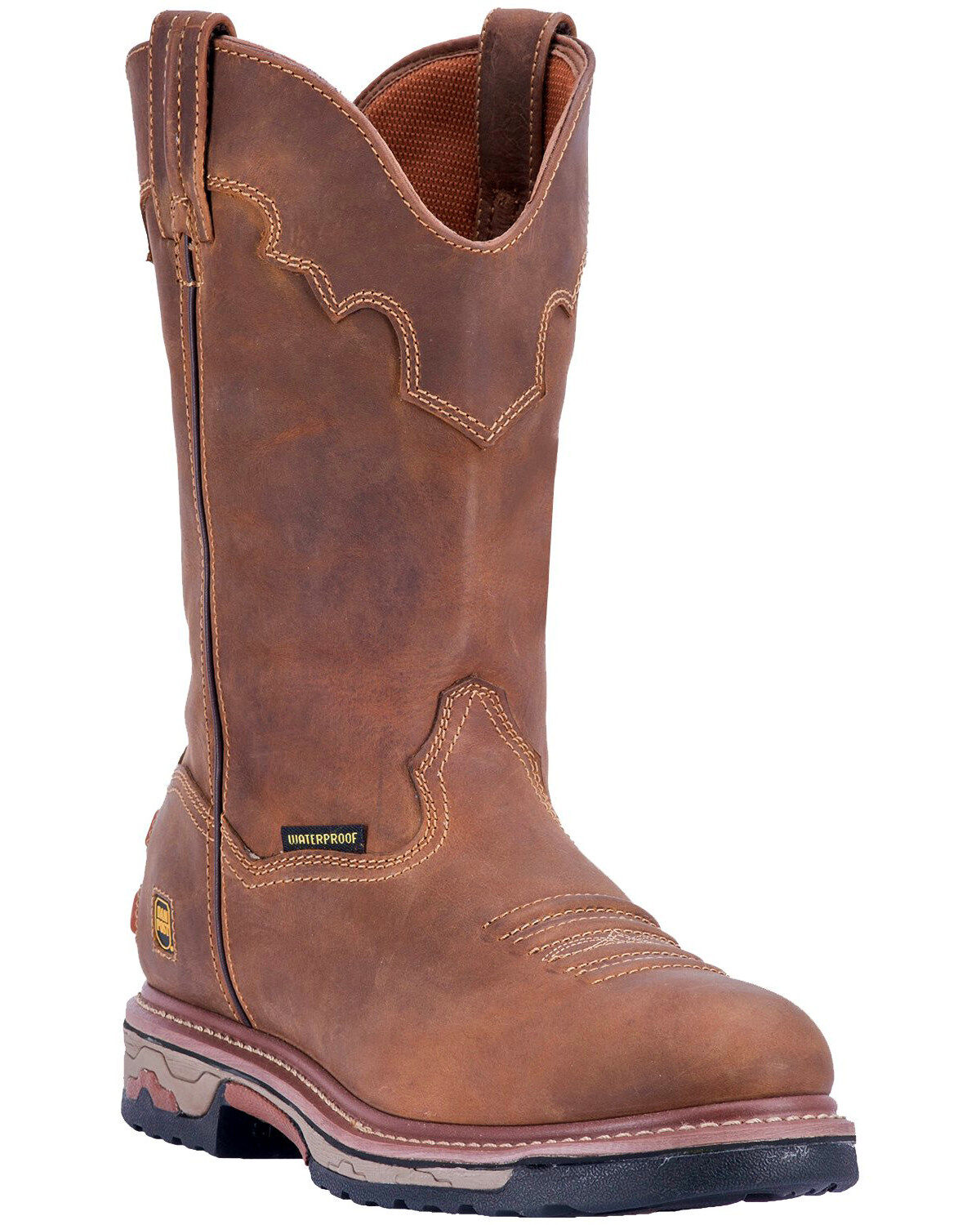
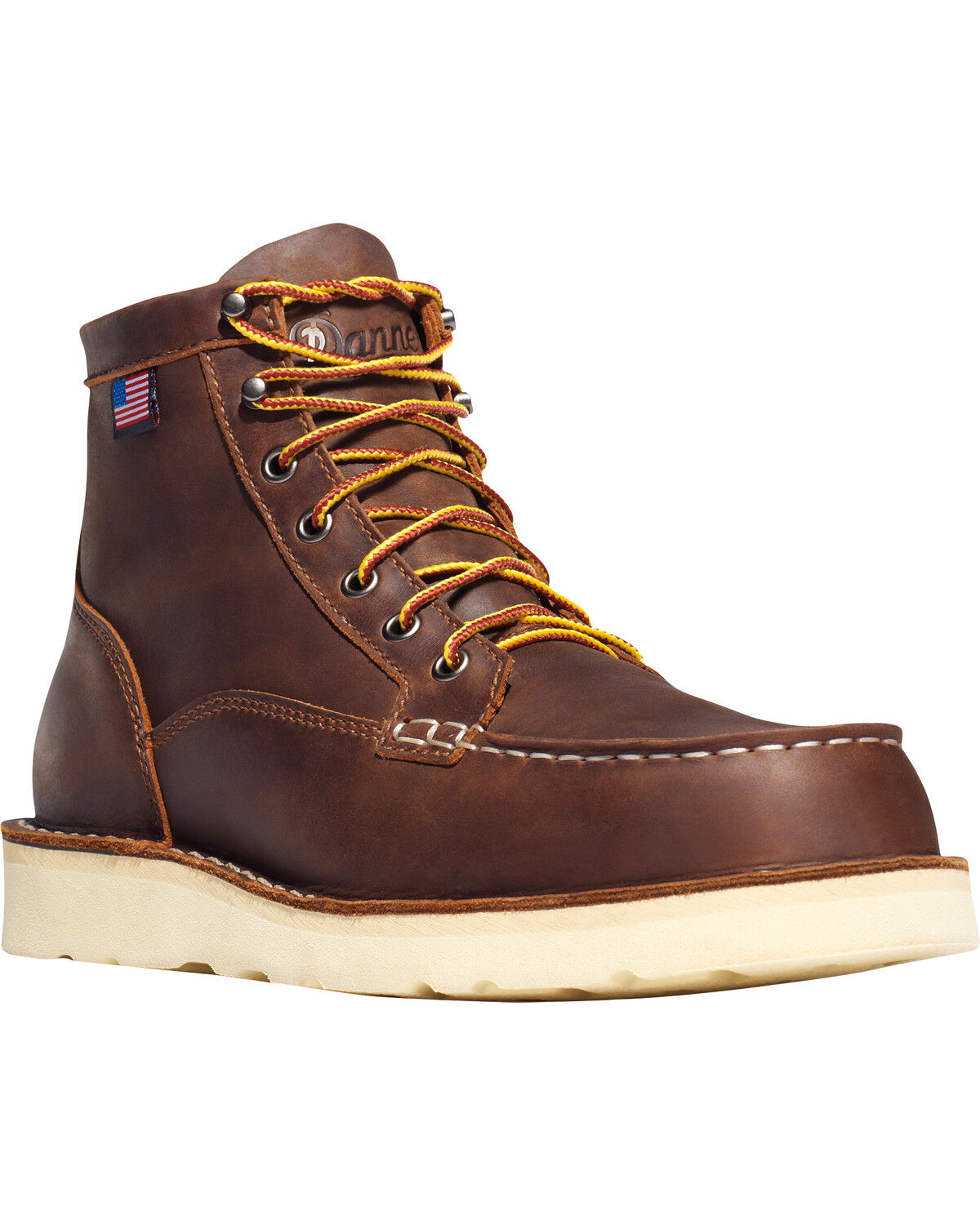
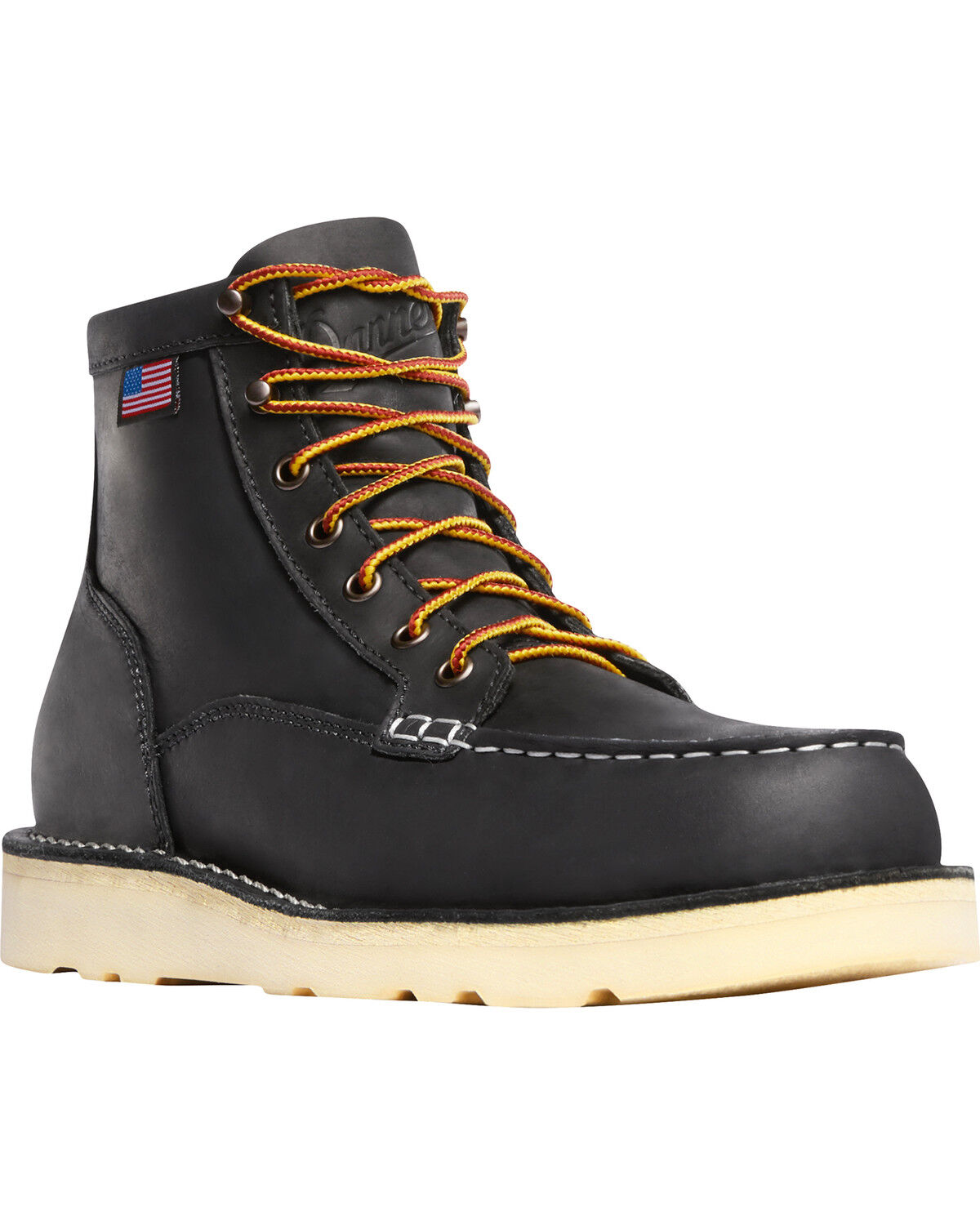
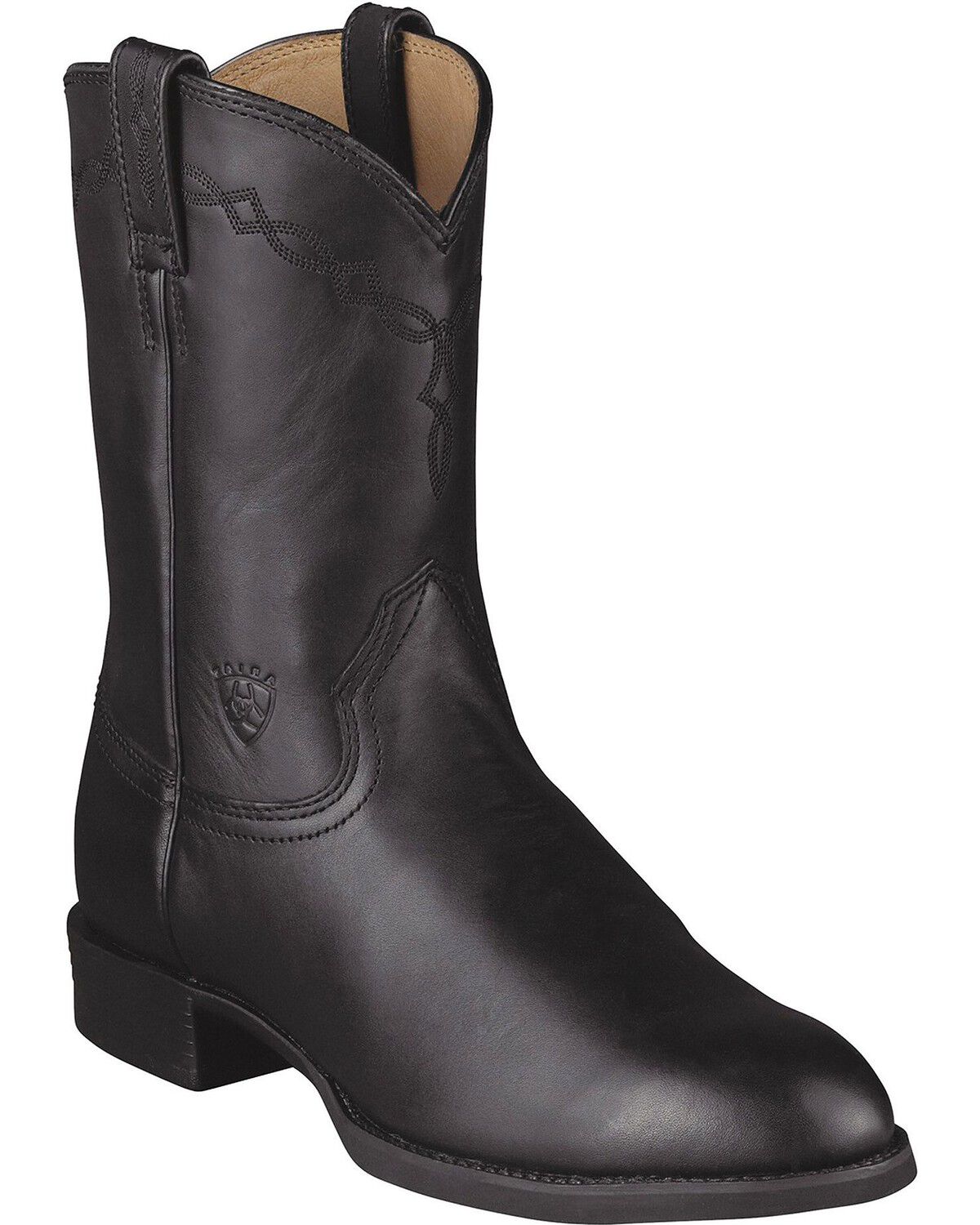
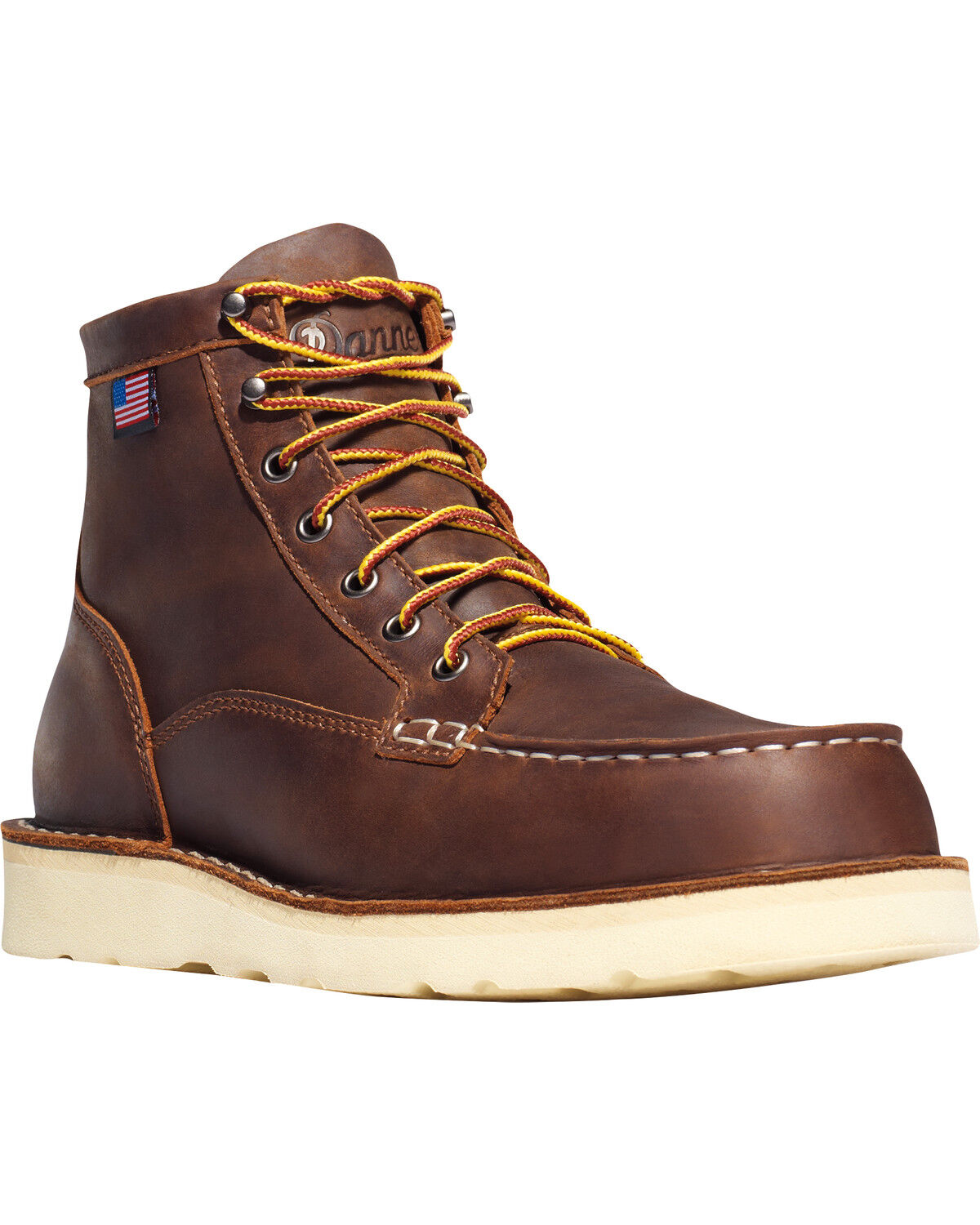
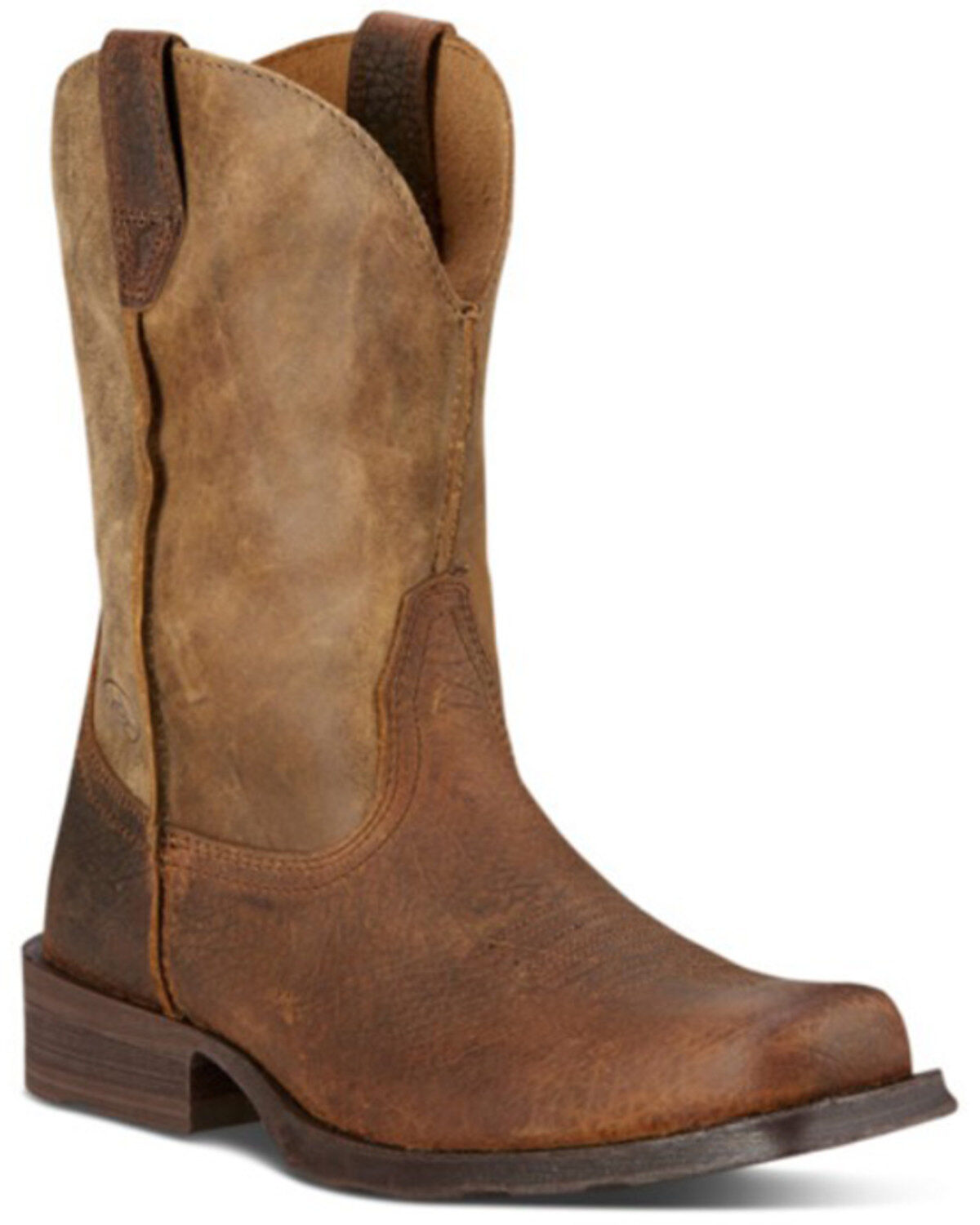
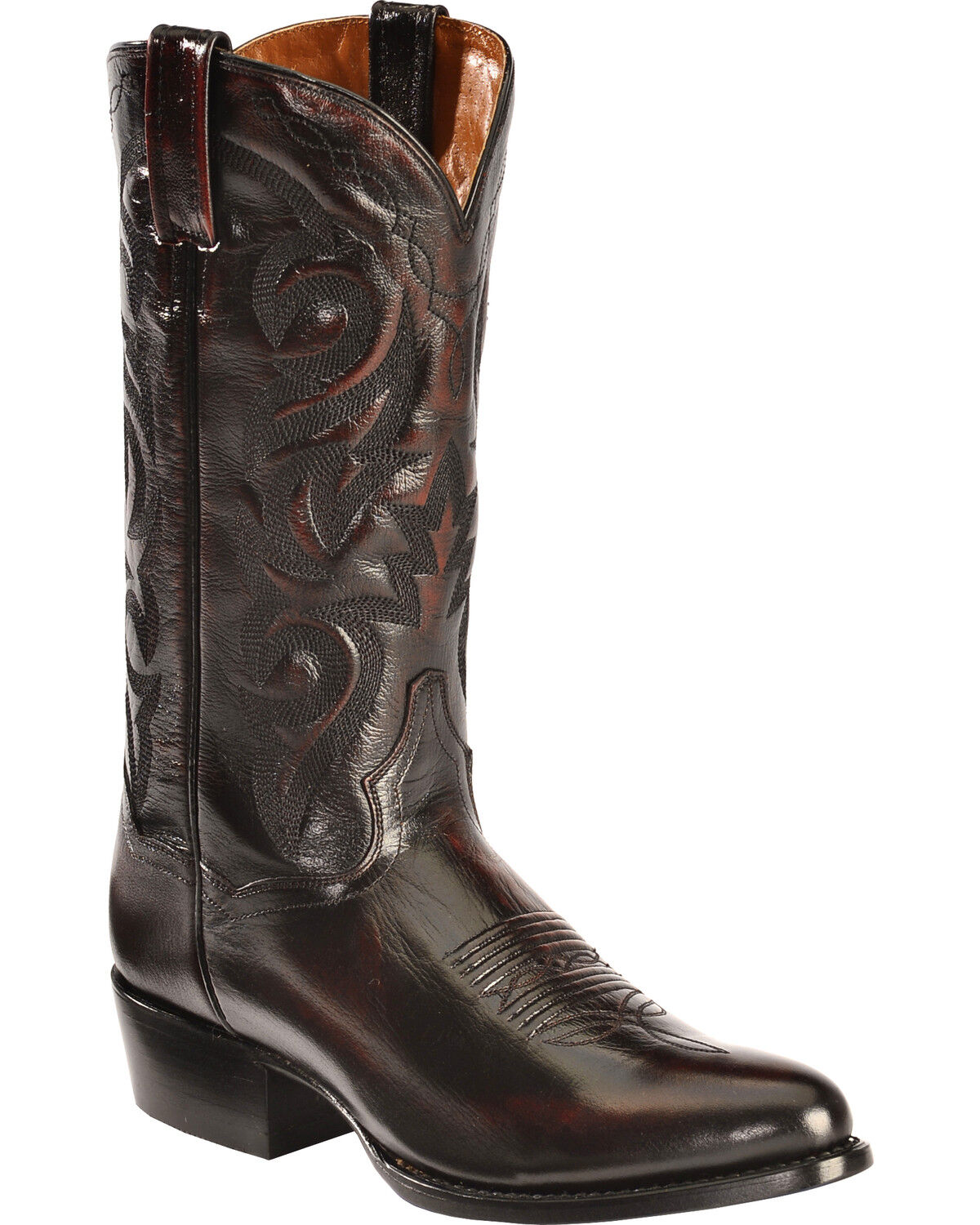
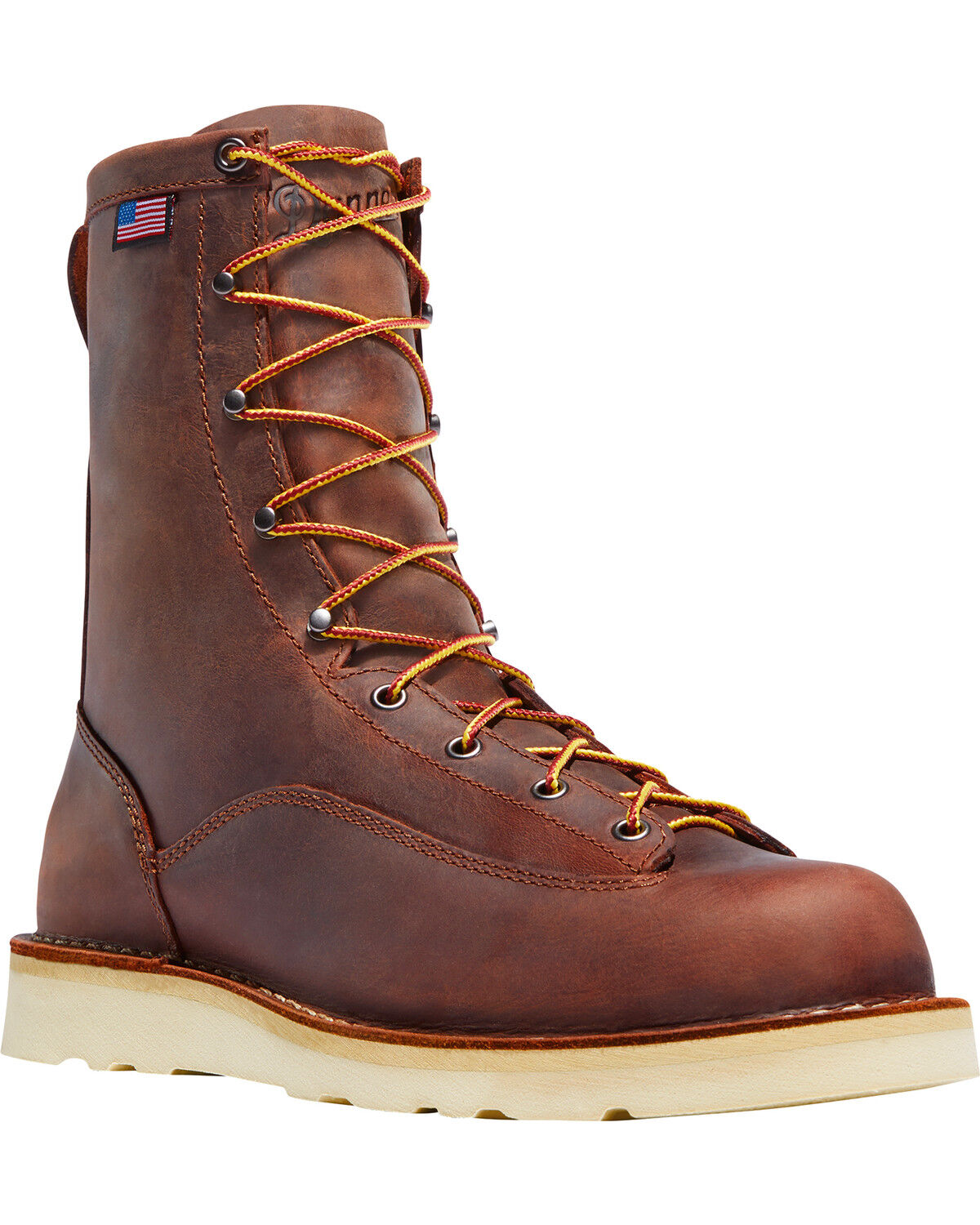
Round toe work boots have a curved front profile that follows the general shape of the toes, giving them a familiar look across lace-up and pull-on designs. The shape works well with traditional workwear, but its value goes beyond appearance. A properly fitted round toe boot allows room for natural foot movement without leaving the foot loose inside the boot. Toe shape alone does not determine width, comfort, or protection; those depend on the boot’s construction and fit. These boots suit a range of jobs, from moving materials around a warehouse to maintaining equipment, working on a ranch, or spending long hours in a repair shop. Full-grain leather is a common upper material because it stands up to repeated wear and can soften with use. Other leather finishes and combinations of leather and fabric offer different levels of flexibility, weight, and upkeep. Reinforced stitching, sturdy eyelets, and protected toe and heel areas can help boots handle the scrapes that come with kneeling beside machinery or walking past rough building materials. Lace-up designs allow adjustment across the foot and ankle, which can be useful when a secure fit matters throughout the day. Pull-on work boots have fewer fastening parts and a shaft that covers more of the lower leg. Their fit depends heavily on the shape of the instep and heel, rather than on adjustable laces. Shaft height, boot weight, and flexibility all affect how a pair feels while climbing steps, crouching, or walking between work areas. A boot suited to frequent walking may feel different from one built for demanding work around heavy materials. The strongest match comes from considering the full workday, including the ground underfoot, the movements the job requires, and the amount of protection needed. A rounded profile is a starting point, not a substitute for those details.

Protection depends on the individual boot, not the outline of its toe. Round toe work boots can have soft toes or protective caps made from steel, composite materials, or other materials. A soft toe does not provide the impact and compression protection of a safety toe. For jobs with falling-object or crushing hazards, the boot’s marked safety rating and the employer’s requirements matter more than appearance. Protective toe materials differ in weight and construction, and no single material guarantees a better fit for every foot. The space beneath the cap matters, especially for workers who kneel or bend their toes throughout a shift. Electrical hazard protection, puncture resistance, and other safety features are separate characteristics that need to be verified on the boot’s labeling. Slip resistance also deserves attention, but it does not mean a sole will prevent every slip. Smooth concrete, loose gravel, oily surfaces, and floors covered with fine dust present different challenges. Outsole material and tread design help determine where a boot performs best. Deeper, widely spaced lugs can provide purchase on loose ground, while less aggressive tread may suit certain firm indoor surfaces. A defined heel can be useful for some tasks involving ladder rungs, though the entire boot still needs to meet the demands of the work. Underfoot construction affects comfort just as much as tread. Cushioning helps soften repeated steps, while a supportive midsole and stable heel can reduce the loose, uneven feeling that becomes distracting over a long shift. Waterproof construction can be useful around washdown areas or work that involves repeated contact with water. Leather alone does not make a boot waterproof, and a waterproof boot still requires care around seams, linings, and openings. Durability comes from the whole build: the upper, outsole, stitching, and connection between the sole and the boot. Some stitched constructions allow resoling, while others are not designed for that repair. Repair options depend on the boot’s construction and condition.

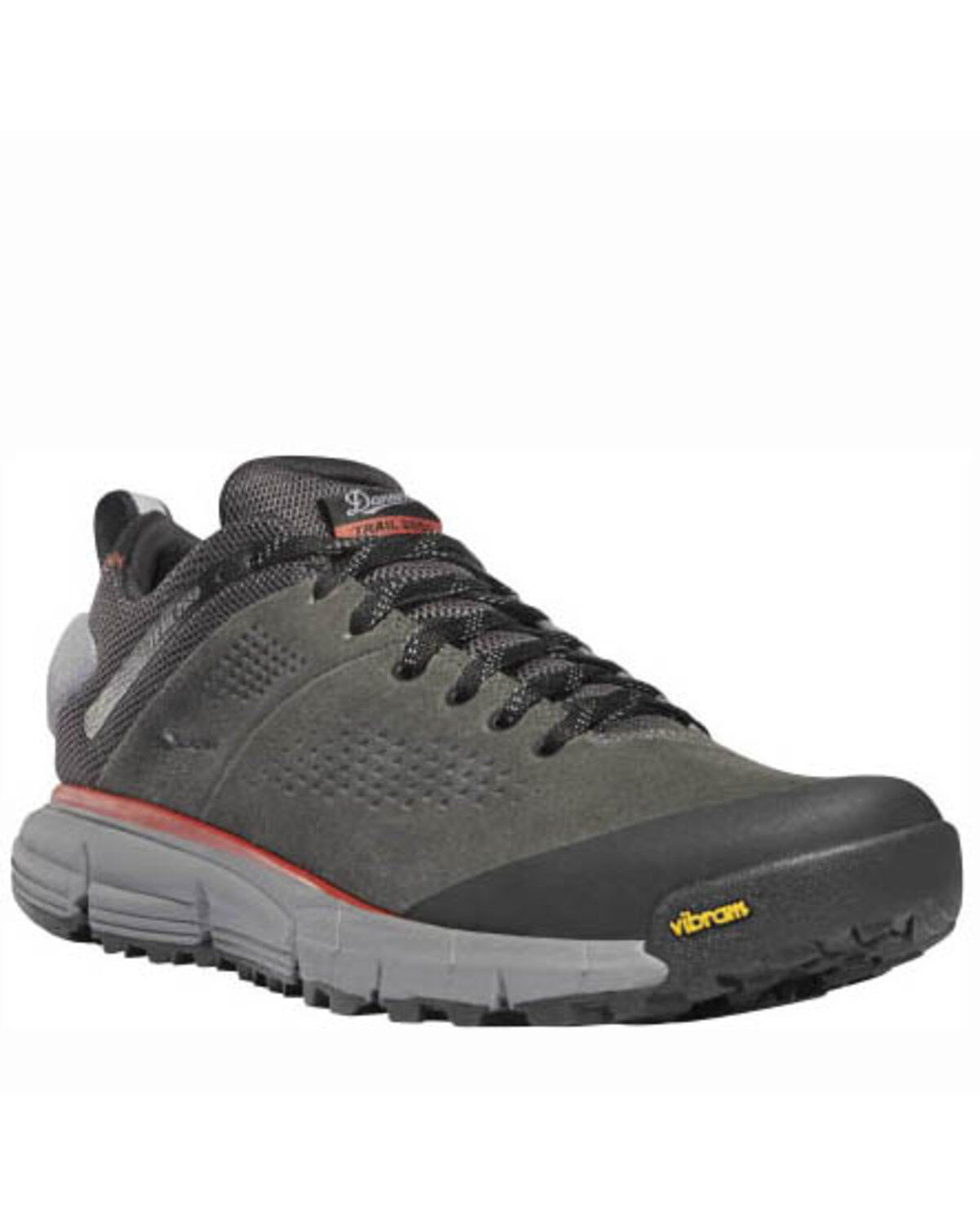
Fit is where those construction details become practical. Round toe work boots should hold the heel and midfoot securely while leaving enough space for the toes to move without pressing against the front or sides. A rounded shape does not automatically mean a wide fit, and choosing extra length is not a reliable way to solve a width problem. Trying boots with the socks worn on the job gives a more useful sense of fit than trying them with a thinner everyday pair. Walking, bending, and crouching can reveal pressure across the instep or contact beneath a protective toe cap. Leather may soften as it breaks in, but a safety cap will not stretch to create more toe room. Some heel movement can occur in a new pull-on boot; excessive lifting or sliding can lead to rubbing and an unstable feel. Removable footbeds may make room for suitable replacement insoles or prescribed inserts, provided they do not crowd the foot or compromise the intended fit. Care helps preserve that fit and the materials around it. Brushing away grit keeps abrasive dirt from building up along seams and creases. Cleaning products should match the upper material, since smooth leather, suede, and fabric do not all respond to the same treatment. Leather conditioner can help appropriate leather uppers stay supple, but heavy application can darken the finish or leave unwanted residue. Boots that become wet should dry naturally away from direct heat, with removable footbeds taken out when appropriate. Regular checks of worn tread, loose stitching, damaged laces, and exposed protective components help identify when repair or replacement deserves attention. For work that does not require a boot shaft, Round Toe Work Shoes offer a lower-cut alternative, with safety features evaluated separately. As a practical gift for someone starting a job or replacing a worn pair, work boots are most useful when the recipient’s size, fit preferences, and workplace requirements are known. Comfort, sound construction, and the right protection give the rounded profile its purpose.
Read More

FAQs