Python Cowboy Boots

Shop python cowboy boots for a distinctive patterned look rooted in western style. Compare material descriptions, toe shapes, and heel heights as you browse, and check each pair’s sizing details to help narrow down your choice.

Shop Your Store: Shop Your Store: Find a Store

(Turn off Shop Your Store to see all items)

(Turn off Shop Your Store to see all items)

close
  • Recommended
  • Lowest Price
  • Highest Price
Skip pass products

End of products

Python Cowboy Boots

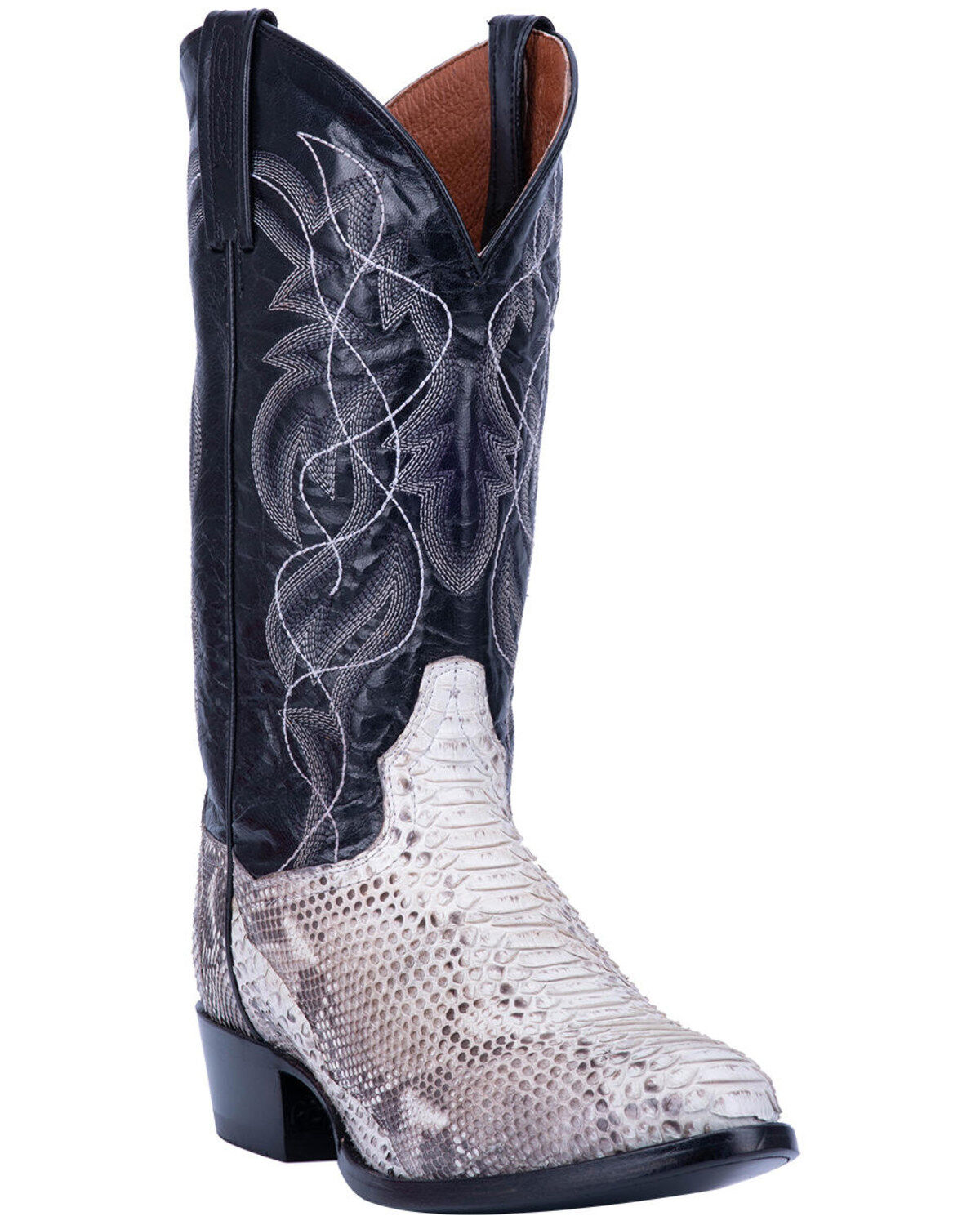
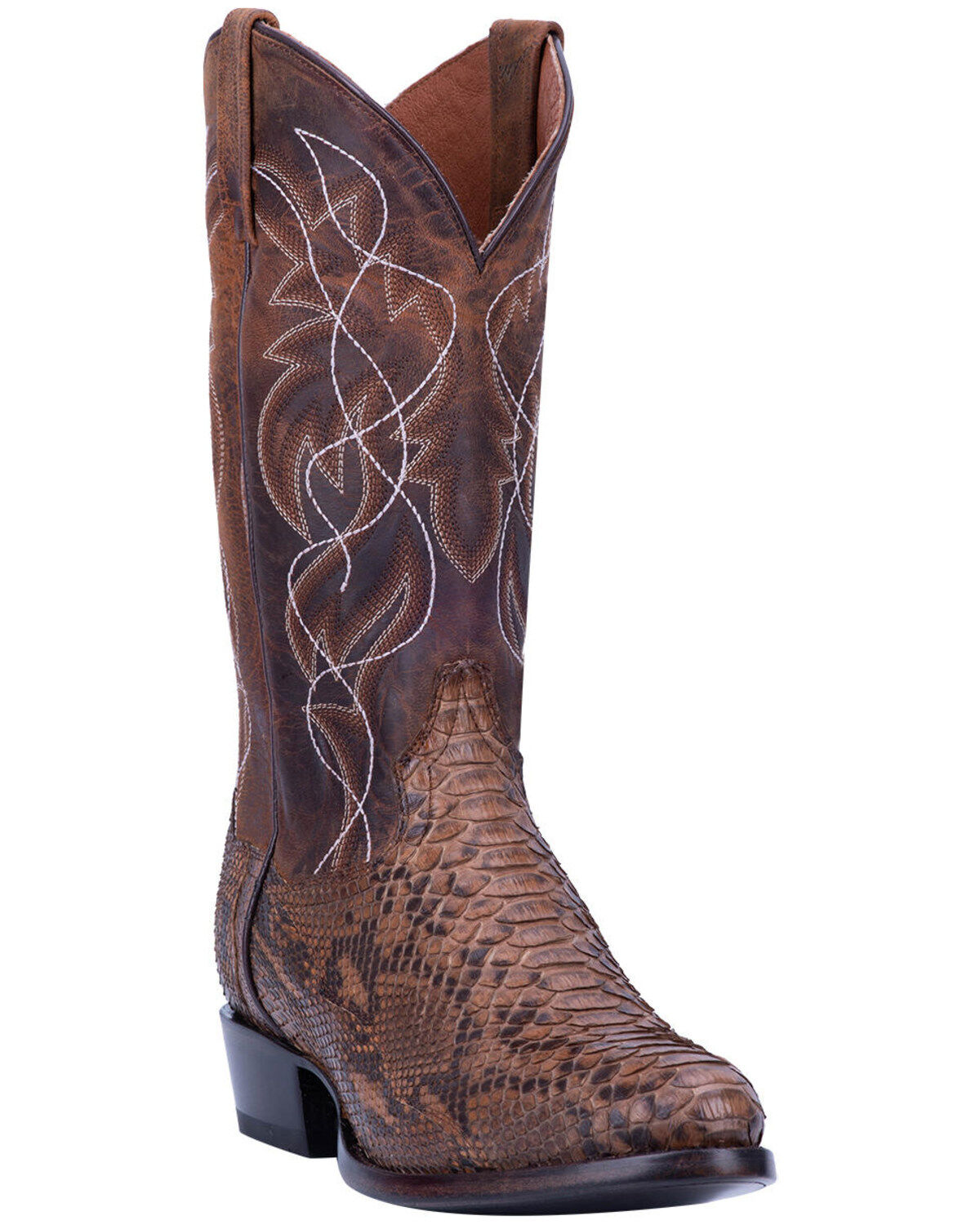
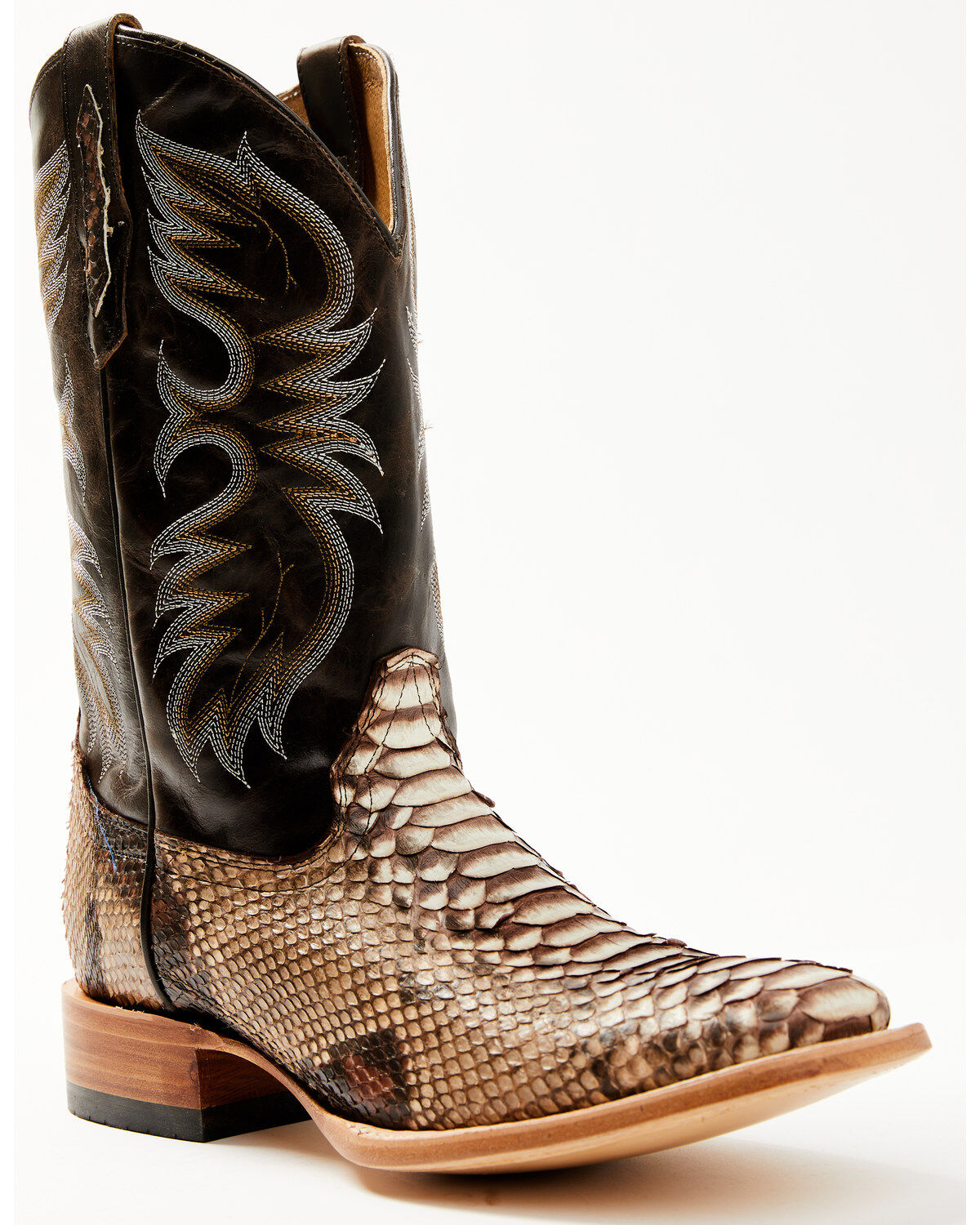
Python cowboy boots bring the natural pattern and texture of snakeskin to a familiar western shape. Genuine python leather has individual scales and markings that vary across the hide, giving each pair its own appearance. Light and dark areas may form broad patches, smaller markings, or strong contrasts across the foot. The left and right boots can look closely coordinated without matching exactly, since natural skin is not a repeating printed design. Color treatments and finishes also influence the result: some preserve much of the original pattern, while others create a darker, more uniform look. The scales add a textured surface that differs from smooth leather, though their appearance alone is not a reliable way to confirm authenticity. Material descriptions matter, especially when distinguishing genuine python from embossed leather or a printed snakeskin pattern. A python cowboy boot may combine a genuine python vamp—the section covering the foot—with a shaft made from another leather. That combination puts the distinctive hide where it is most visible while leaving room for traditional shaft stitching. Toe shape, heel height, and shaft design determine whether the overall look feels understated or more pronounced. A broad square toe gives the foot a substantial profile, while a round or narrower toe creates a different line beneath jeans or dress trousers. Python boots suit men and women who want western footwear with more texture than a smooth leather pair. They can work with dark denim and a plain shirt, or bring a distinct finish to an outfit for a wedding, dinner, or live music venue. Keeping the rest of the outfit simple lets the natural markings remain the main detail. Their appeal comes from that balance: recognizable cowboy boot construction, with a hide that adds character without needing elaborate stitching or additional ornament.

Fit is just as important as the pattern, particularly with pull-on boots that have no laces to adjust the hold across the foot. A well-fitting pair should feel comfortably secure over the instep, with enough room for the toes to rest naturally rather than press against the front or sides. Some heel movement can be normal in a new cowboy boot as the sole begins to flex, but the heel should not rise so far that the foot feels unstable. The fit through the ball of the foot matters more than choosing a toe shape by appearance alone. A square toe does not automatically mean a wider fit, and a pointed profile can include space beyond the toes rather than requiring them to reach the tip. Width, size, and the shape of the boot’s last all affect comfort. Trying boots with the socks intended for regular wear gives a more useful sense of fit than relying only on the size worn in other footwear. Walking on a clean indoor surface helps reveal pressure across the instep, rubbing at the heel, or a shaft that catches uncomfortably against the calf. Genuine python leather may soften with wear, but break-in should not be expected to fix a boot that is too short or painfully tight. Interior construction also deserves attention. Leather linings, cushioned footbeds, arch support, and outsole design can change how a boot feels during a long evening or several hours on foot. Leather soles offer a traditional appearance and feel, while rubber outsoles can provide different traction and cushioning depending on their design. Heel height affects stance, and a secure fit helps keep the foot positioned properly above it. Python leather is valued for its appearance, not as a substitute for protective work features. These boots are generally better suited to everyday wear and dressed-up occasions than to tasks involving abrasive debris, heavy mud, or repeated soaking. Any requirements for workplace protection should be matched to the boot’s stated construction and ratings, not assumed from its western shape.

Care helps preserve both the texture of python leather and the structure of the boot beneath it. Natural scale edges can sit slightly above the surface, so cleaning calls for a light touch rather than aggressive scrubbing. Loose dust is best removed with a soft cloth or a very soft brush, working gently in the direction the scales lie. Rubbing against them can catch the edges and cause damage. For marks that need more attention, the maker’s care directions should take priority, since dyes and finishes can respond differently to moisture and cleaning products. A cleaner or conditioner specifically approved for python or exotic leather is a better starting point than assuming a product for smooth cowhide will work. Testing on a small, inconspicuous area can help identify a change in color or finish before treating the visible portion of the boot. Heavy waxes, thick polish, and excessive conditioner can collect around scales or alter the surface. The goal is to keep the leather supple without saturating it. If boots become wet, blotting away moisture and allowing them to dry naturally away from direct heat is safer than placing them beside a heater or using a hair dryer. Repeated wetting, prolonged direct sunlight, and harsh heat can contribute to drying and changes in appearance. Storage matters between wears, too. Properly sized boot trees or gentle shaft support can help maintain shape without stretching the leather, and a dry storage space keeps the boots away from lingering dampness. Giving a pair time to air out after wear helps the lining dry. Checking heel caps and soles for wear can prevent a small repair from becoming a larger problem; whether a pair can be resoled depends on its construction. For gifting, python cowboy boots make sense for someone who already enjoys western footwear and appreciates natural leather variation, especially when their preferred size, width, and toe shape are known. The Popular Cowboy Boots page provides a broader look at western boot styles for comparison. With the right fit and measured care, python boots can remain a distinctive part of a regular wardrobe rather than a pair saved only for special occasions.

FAQs