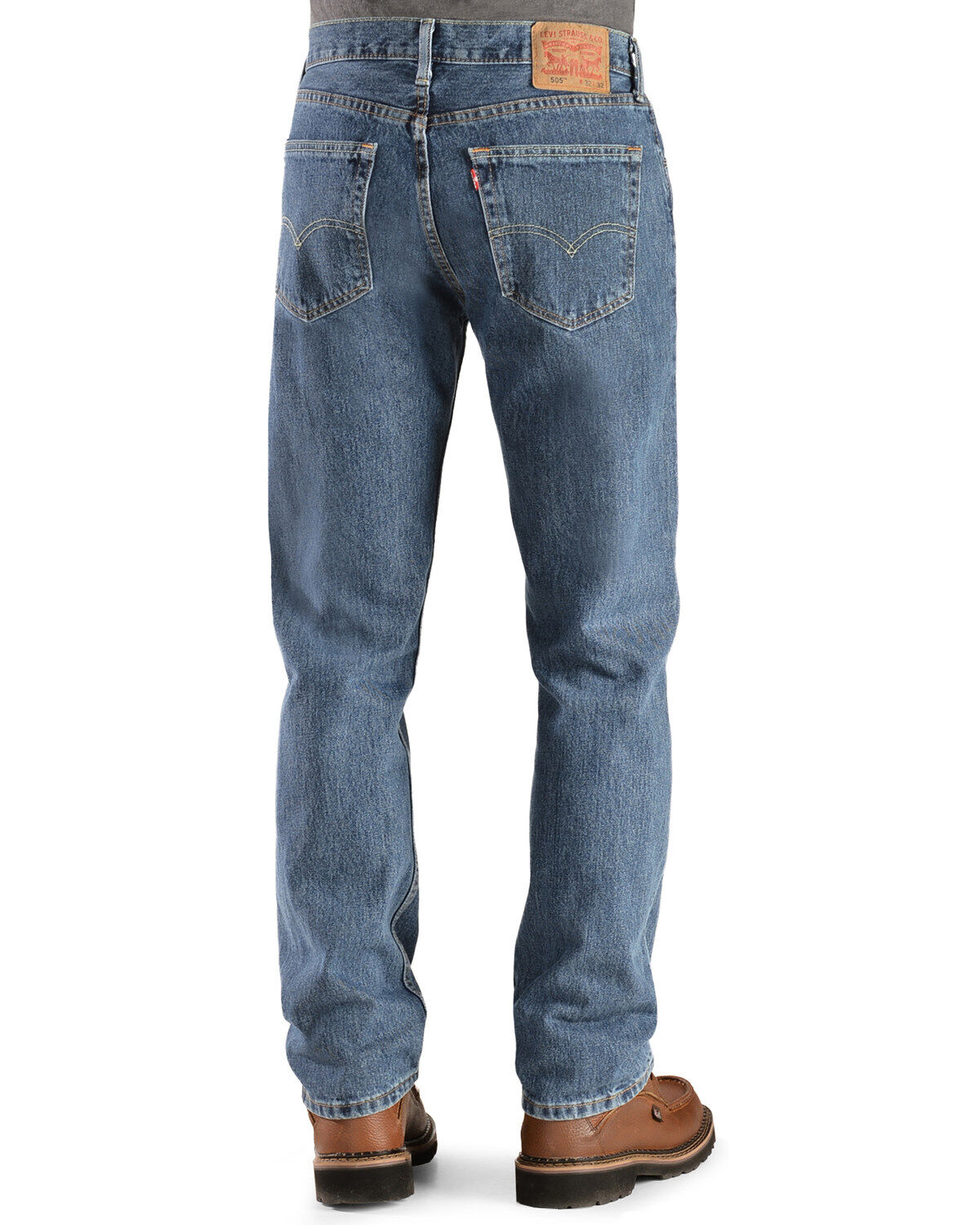
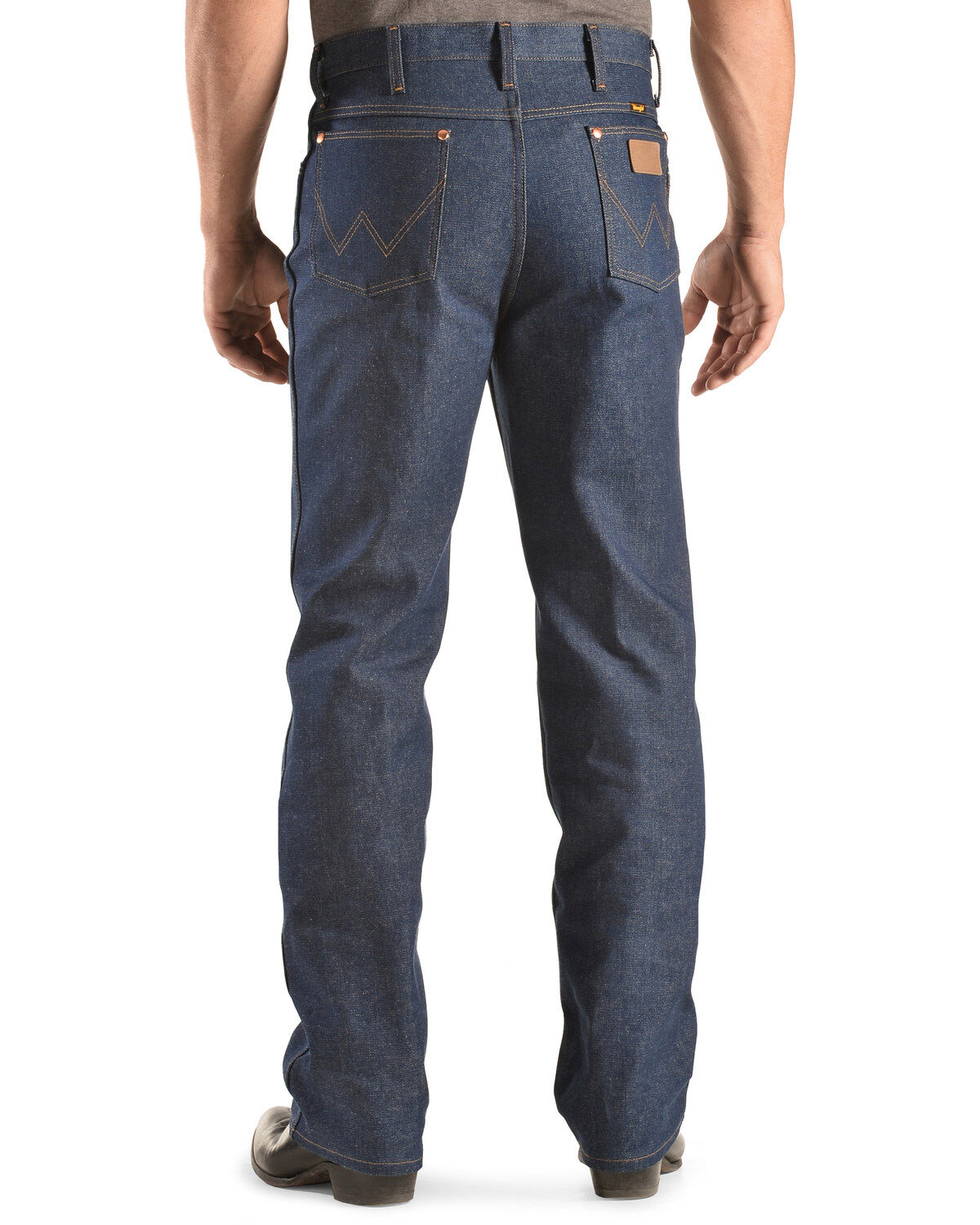
Mid Rise Jeans For Men

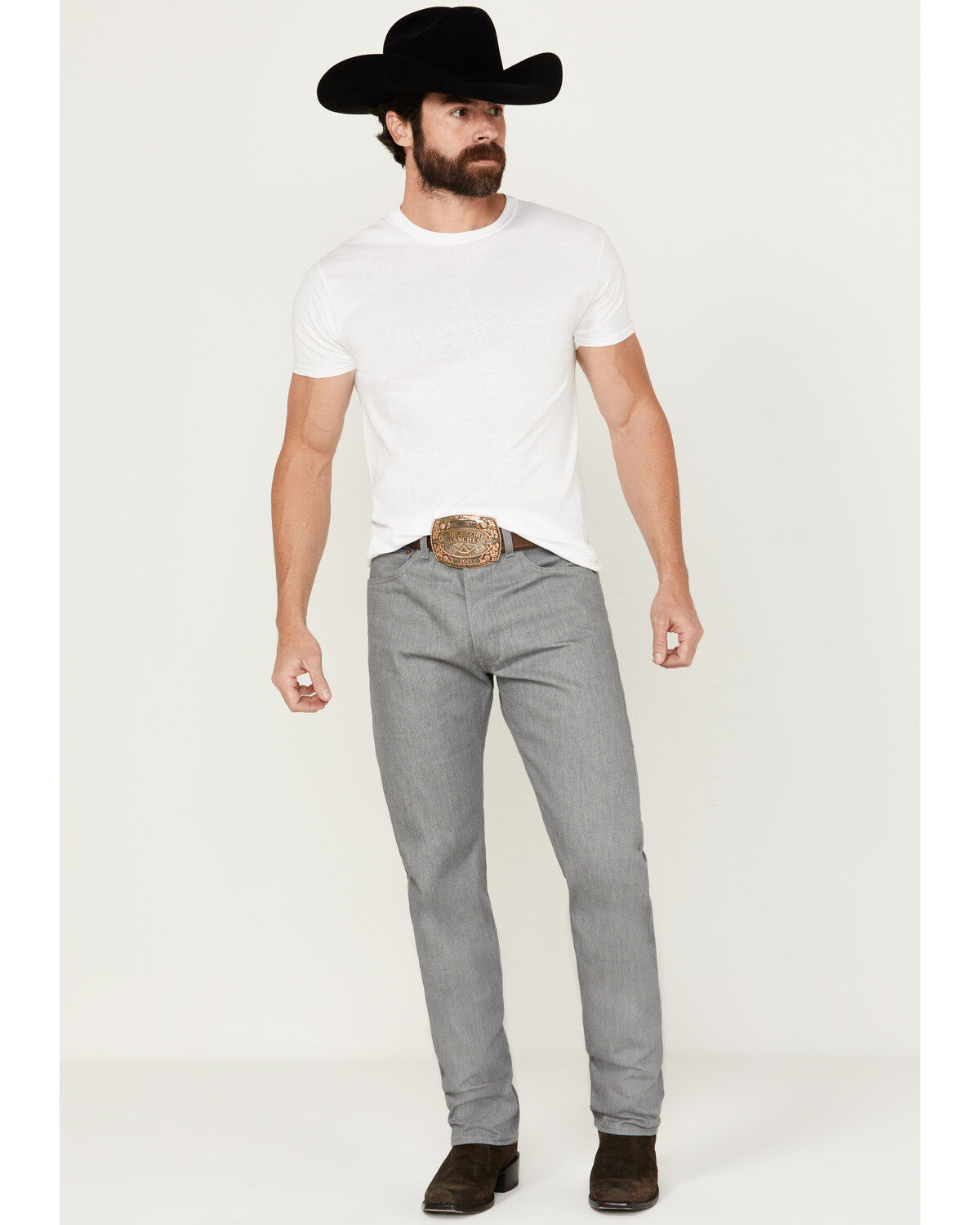
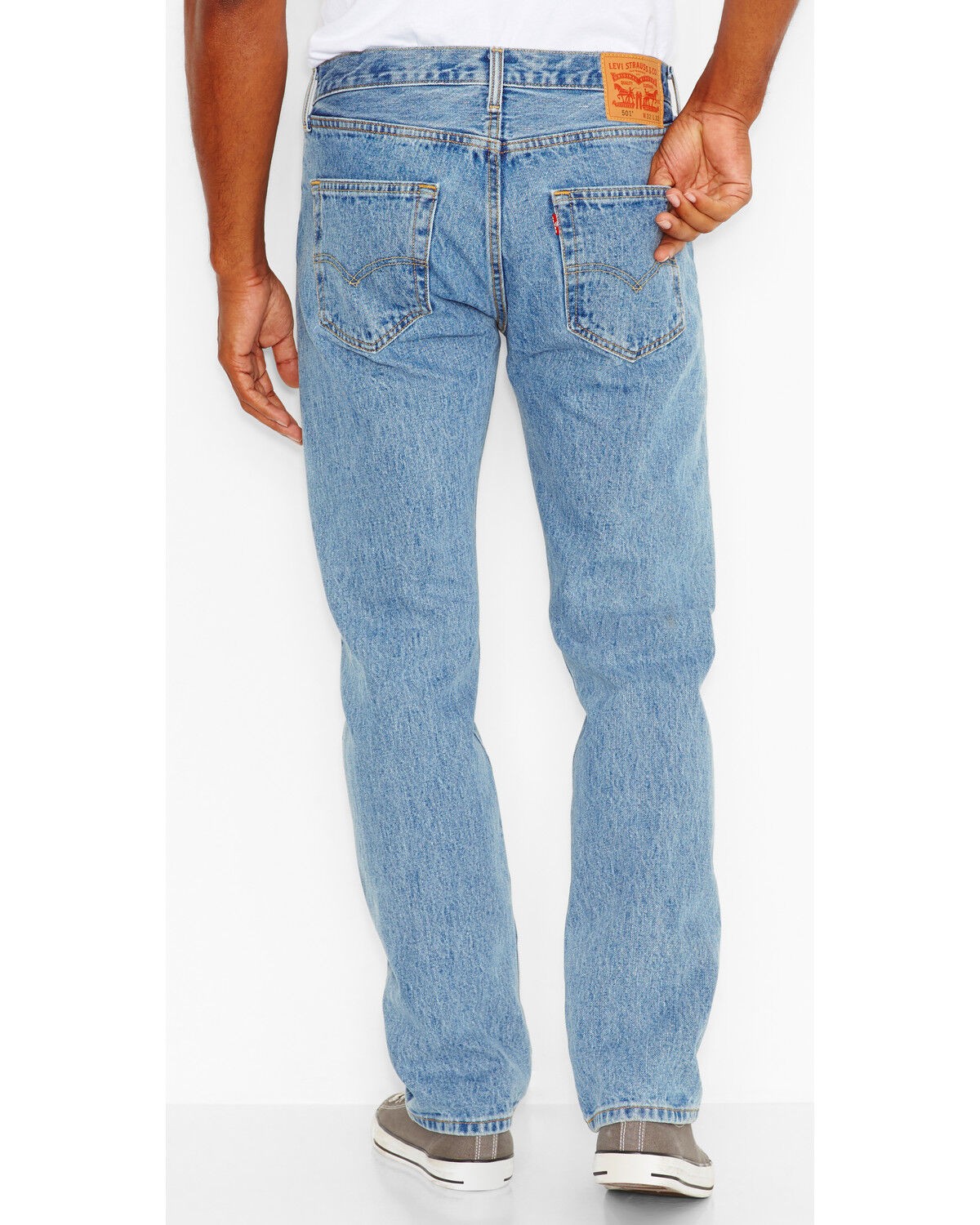
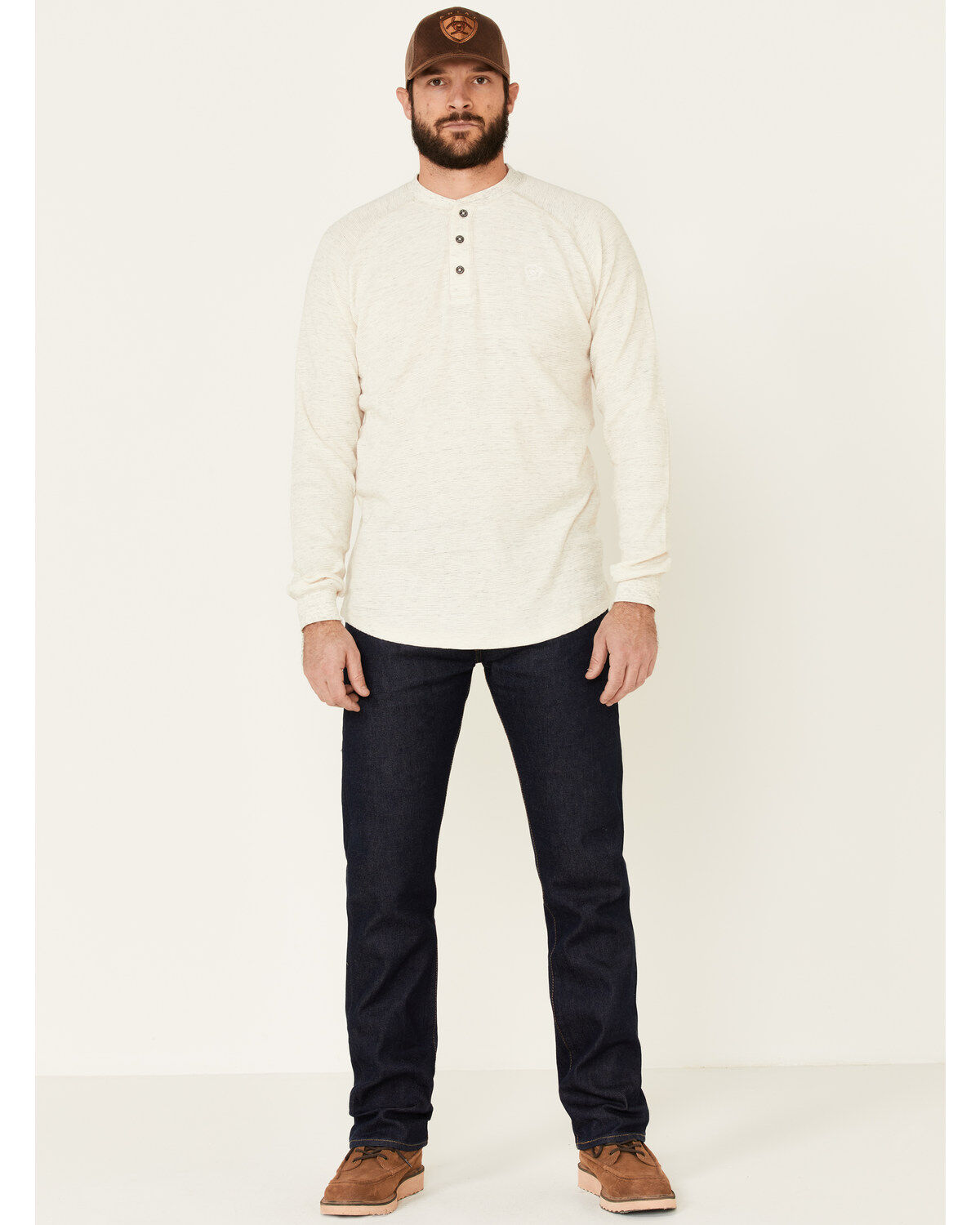
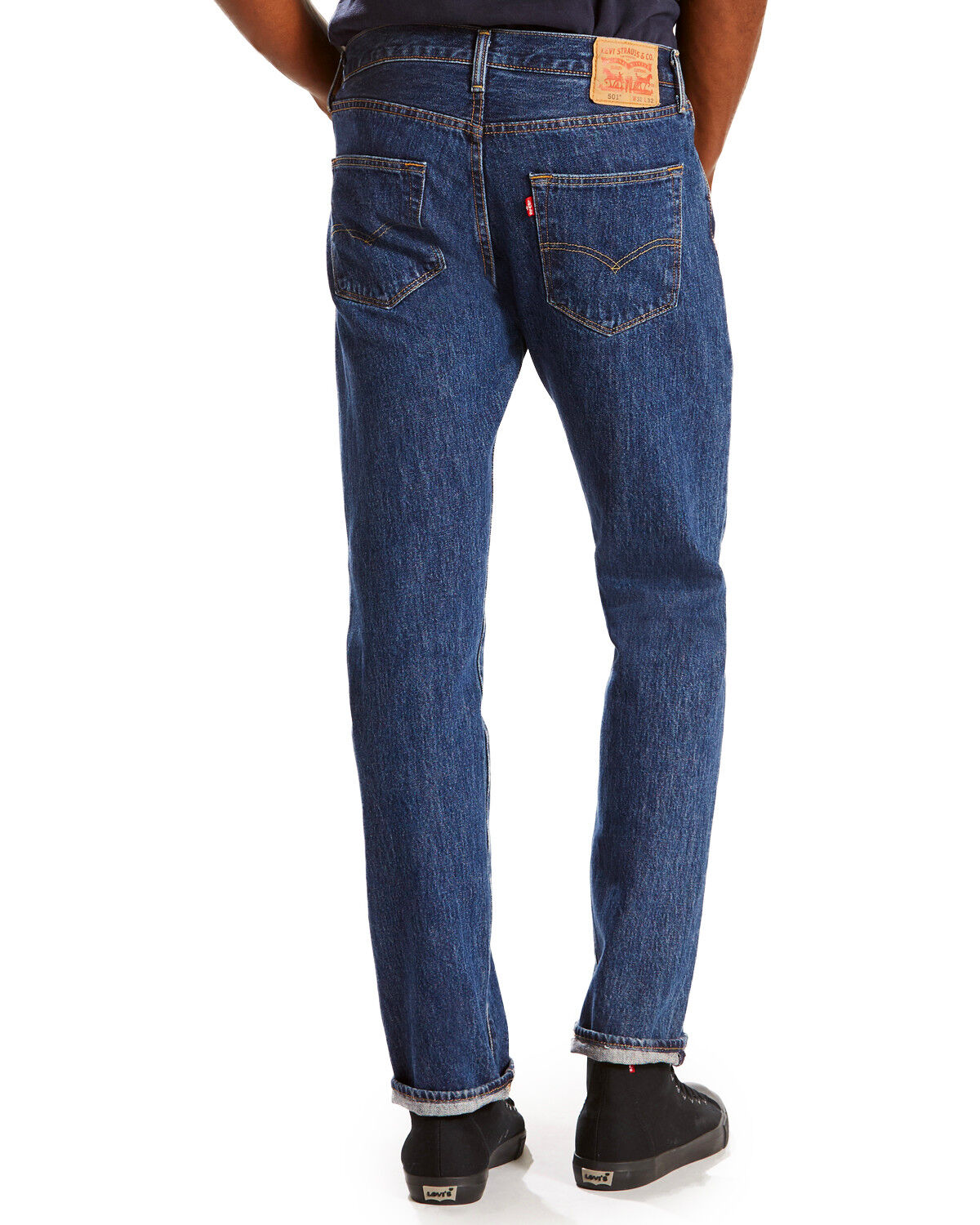
Shop mid rise jeans for men with a waistband that sits below the natural waist. Compare available cuts and sizes to find the right fit through the seat and thigh, and check the leg opening for the boots or shoes you wear.

Read More

Shop Your Store: Shop Your Store: Find a Store

(Turn off Shop Your Store to see all items)

(Turn off Shop Your Store to see all items)

close
  • Recommended
  • Lowest Price
  • Highest Price
Skip pass products
  • Men's RANK 45 Houston Stretch Stackable Straight Jeans
    Original Price $69.99 $28.78
    59% Total Savings

End of products

Mid Rise Jeans For Men

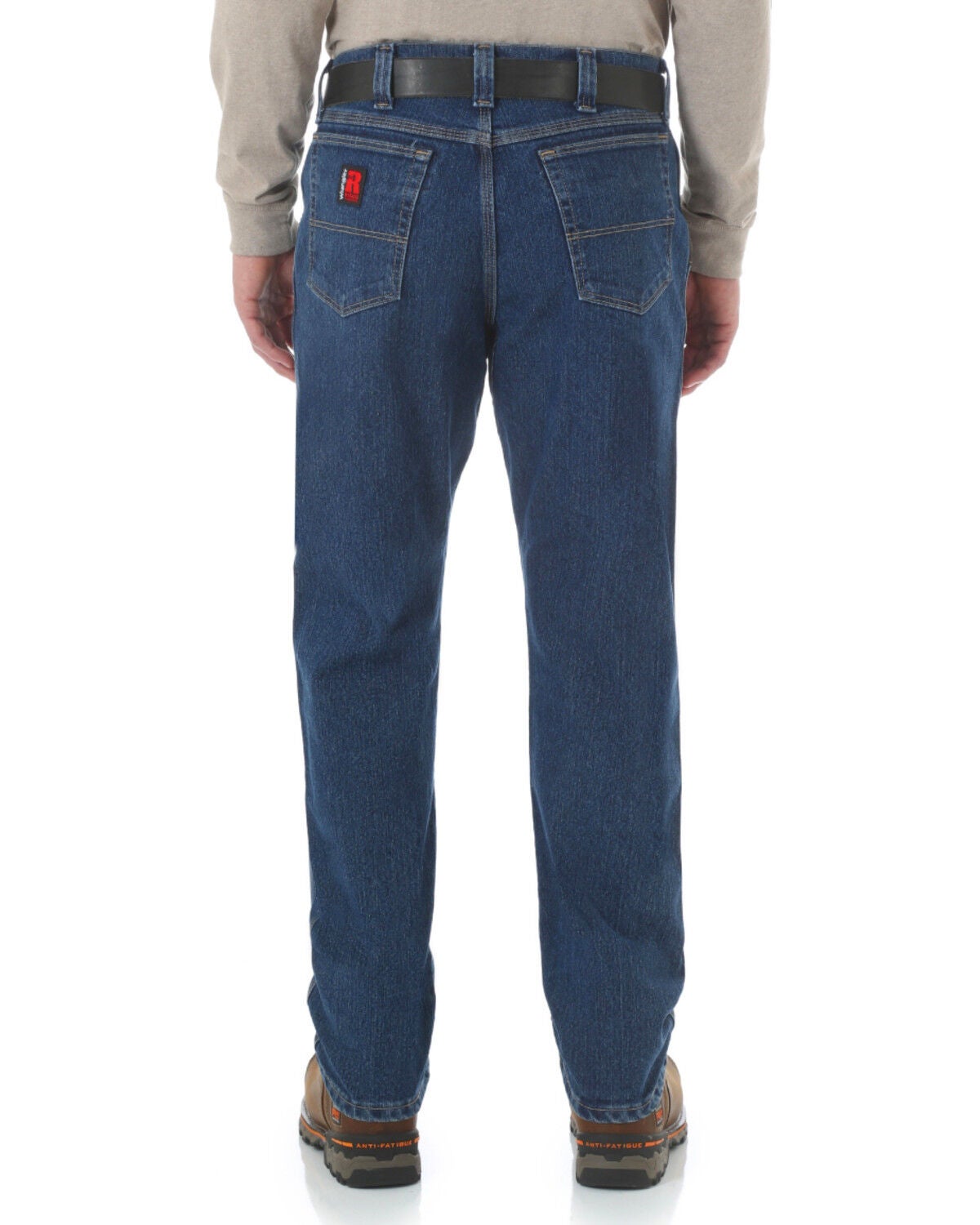
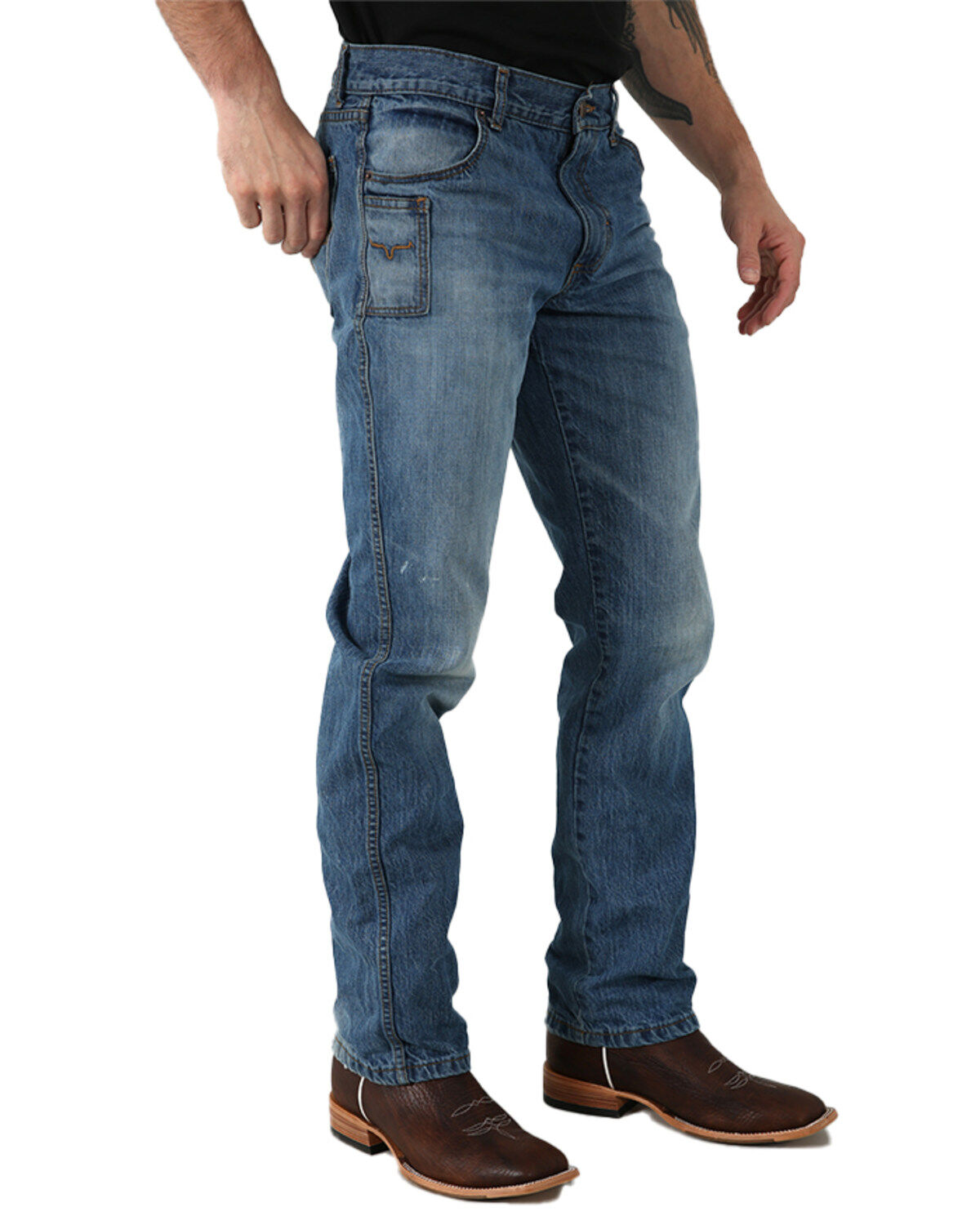
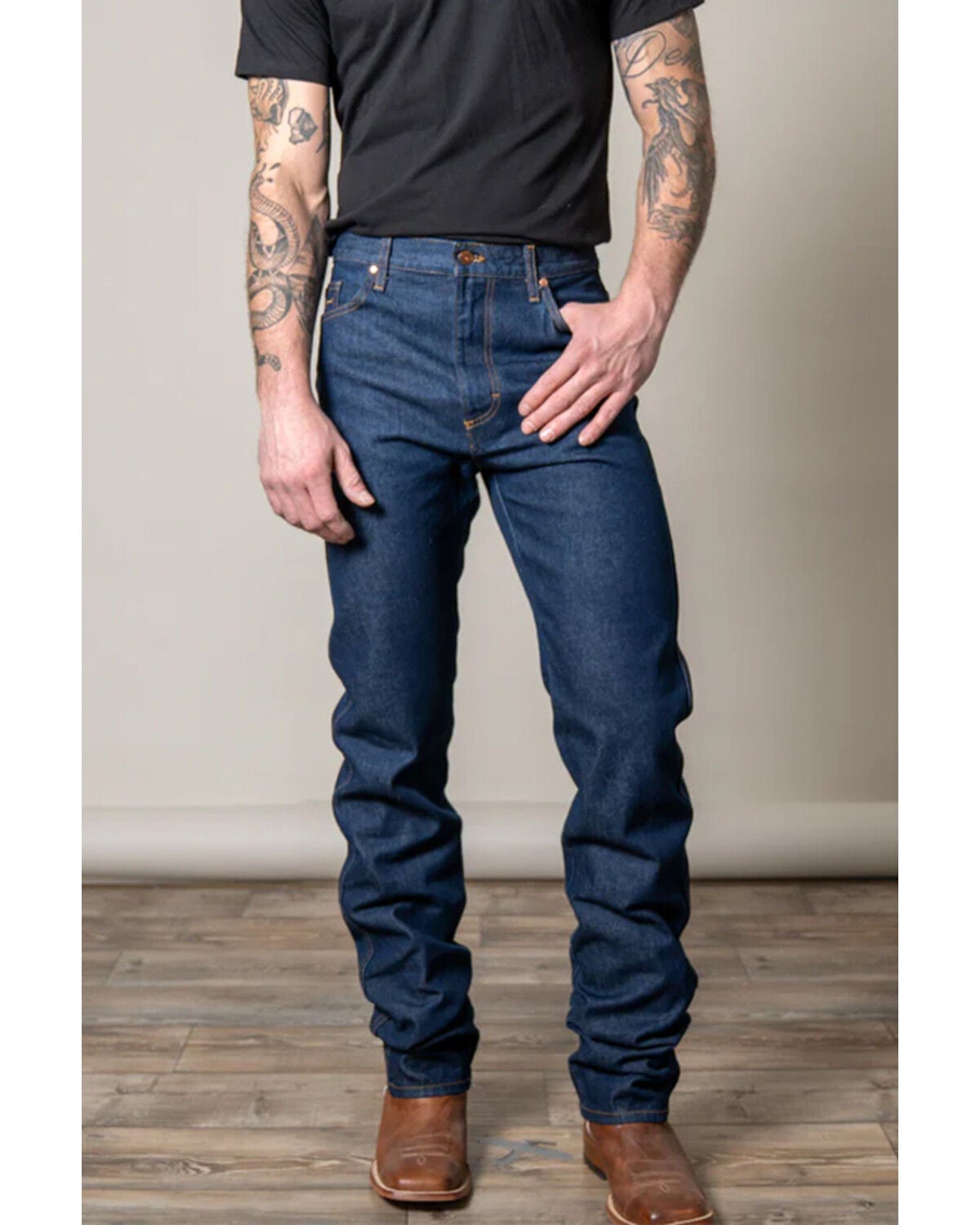
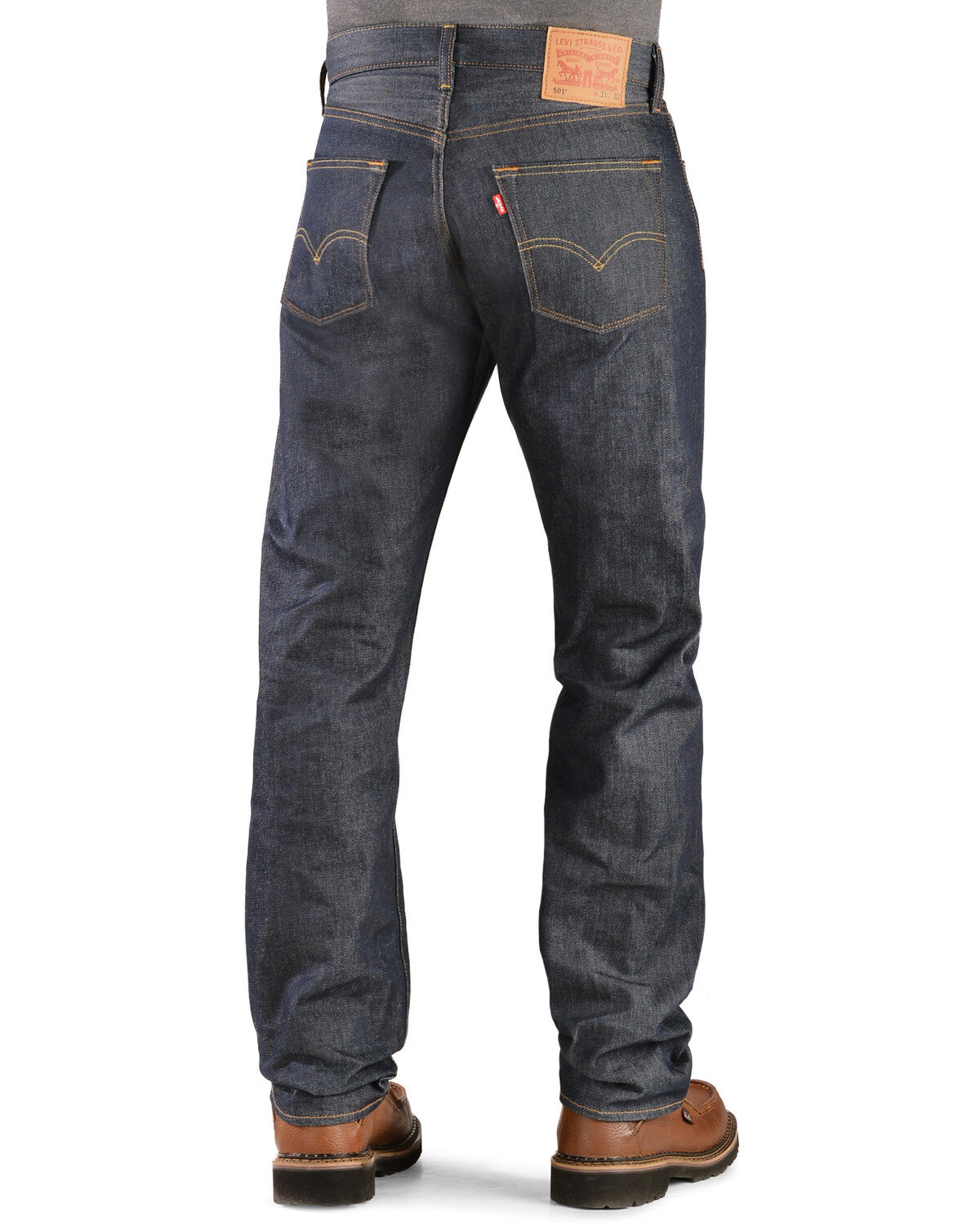
Mid-rise jeans for men sit below the natural waist and above the hips, providing more coverage than a low rise without the higher waistband of a high-rise fit. A front rise of roughly 9 to 11 inches is common, although measurements vary by size and construction. Rise is measured from the crotch seam to the top of the front waistband. It determines where the waistband rests, not whether the legs are slim, straight, relaxed, or bootcut. That distinction matters when choosing jeans for a full day of driving, walking, or working around the property. A comfortable mid rise should stay in place when sitting down or reaching overhead, with enough room through the seat to move without pulling the waistband out of position. The waist should feel secure without requiring a tightly cinched belt to hold up an oversized fit. Pressure across the stomach, strained front pockets, or fabric pulling tightly across the seat can point to a size or cut that needs more room. Excess fabric under the seat can indicate the opposite. Leg shape makes a separate difference. A straight leg maintains a fairly consistent width from the knee down, while a bootcut leg opens slightly toward the hem to accommodate boots. A relaxed fit generally gives more space through the seat and thigh, which can suit men with a broader build. A slim cut follows the body more closely without necessarily sitting lower on the waist. These terms vary between makers, so actual measurements matter more than the label alone. Inseam deserves the same attention as waist size. Jeans should reach the footwear without gathering heavily behind the heel or dragging underfoot. Men who wear cowboy boots may prefer a little extra length, but a hem that clears the ground helps prevent premature wear. Checking the fit while seated is especially useful for anyone who spends hours behind the wheel.

Fabric gives men’s mid-rise jeans much of their character. All-cotton denim generally has a firmer feel at first and softens with repeated wear. It suits men who prefer a structured fit and the gradual fading that develops around pockets, knees, and seams. Denim blended with a small amount of elastane or another stretch fiber allows more give when bending, climbing steps, or kneeling. Stretch does not replace proper sizing; fabric should move with the body rather than remain pulled tight across it. The blend, weave, and fabric weight all influence how jeans feel and hold their shape. Heavier denim often feels substantial and can stand up well to regular abrasion, while lighter denim tends to feel less bulky during everyday movement. Weight alone does not determine durability. Reinforced pocket corners, even stitching, secure belt loops, and well-finished seams also matter. Front pocket depth can make a difference when carrying keys, while back pocket placement affects both appearance and comfort when seated. A bulky wallet can create pressure on a long drive and concentrate wear in one spot. Dark washes give denim a more uniform appearance, while faded finishes make creases and changes in color part of the look. Care should follow the sewn-in label because washes, fiber blends, and finishes respond differently to laundering. Turning jeans inside out can reduce surface abrasion in the wash. Washing with similar colors helps limit unwanted dye transfer, especially with dark denim. Avoiding unnecessary high heat can help preserve fit and stretch performance, and over-drying may contribute to shrinkage or fiber wear. Cotton denim can also change dimensions after washing, so the care label matters when judging the fit of a new pair. Between washes, letting jeans dry fully after wear and removing surface dirt can keep them ready for regular use. Frayed hems, thinning pocket edges, and loose stitching deserve attention before a small worn area turns into a larger repair.

The appeal of mid-rise jeans is their ability to work with familiar clothing without demanding a different approach to getting dressed. A waistband that rests comfortably below the natural waist can pair with a tucked western shirt, a plain T-shirt, or a work shirt worn untucked. For tucked shirts, enough room at the waist keeps the extra fabric from creating pressure, while a belt helps secure the fit. A straight leg works with many everyday boots and casual shoes, provided the opening clears the footwear cleanly. Bootcut jeans offer more room around a boot shaft, though the opening still needs to suit the shape and height of the boot. Slimmer legs can work with lower-profile footwear but may catch on a wider shaft. Trying jeans with the footwear they will be worn with gives a clearer picture than checking the hem alone. For an evening out, dark denim with minimal fading pairs easily with a clean button-down shirt and well-kept leather boots. For chores, errands, or time in the workshop, room through the thigh and dependable pocket construction may matter more than a close-fitting silhouette. Ordinary jeans should not be treated as protective clothing where a job requires specific safety ratings. Fit details matter across the Mid Rise Jeans category, especially when matching a familiar waistband position with a different leg shape. These jeans can also make a practical gift for a man who wears denim regularly. A known waist and inseam are useful starting points, but his preferred rise, thigh room, and leg opening are just as important. Matching the measurements and fabric feel of a pair he already wears is more reliable than choosing by appearance alone. The right pair leaves room to sit, stride, and bend, holds comfortably at the waist, and fits the boots or shoes that go with his daily routine.
Read More

FAQs