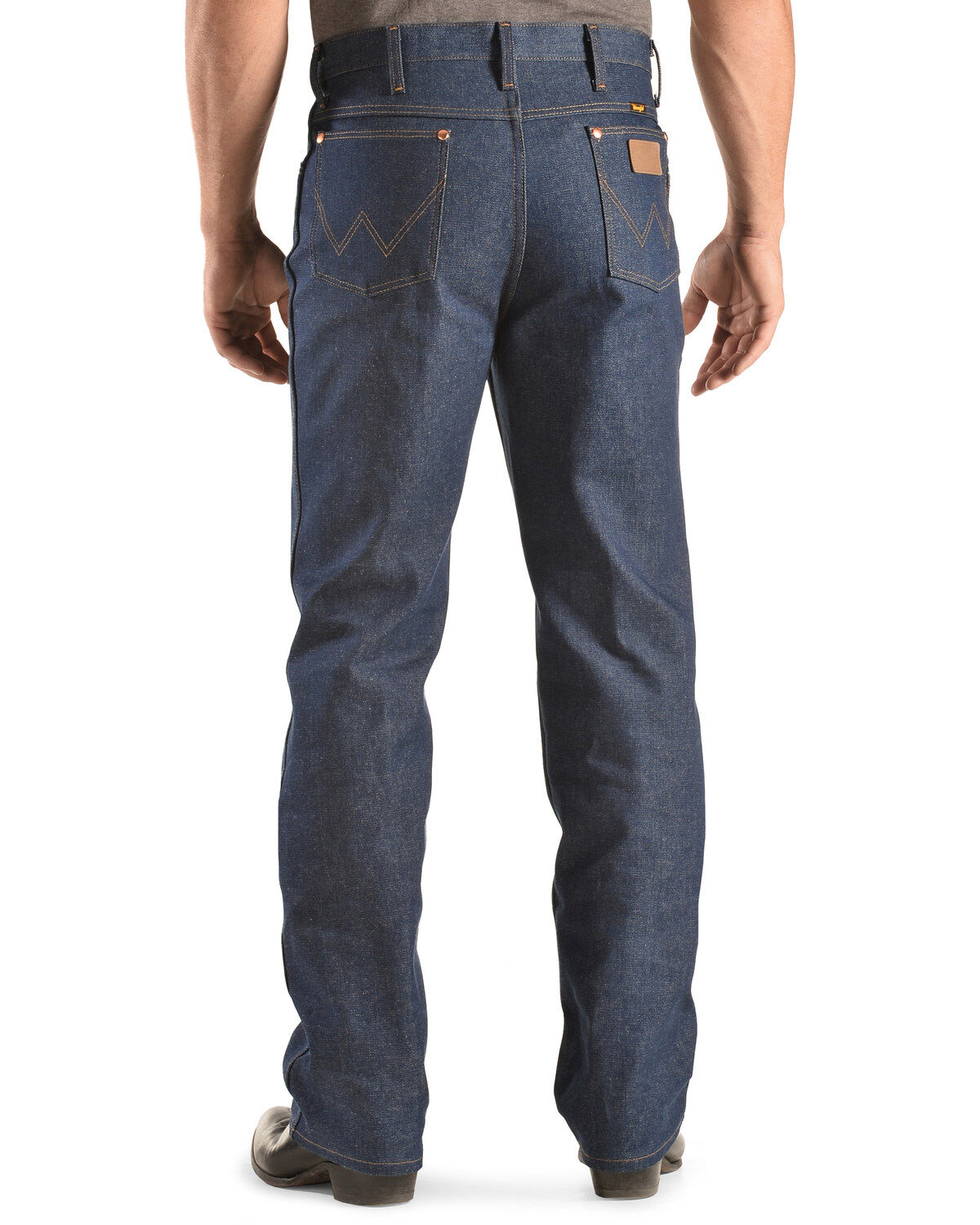
Low Rise Men's Jeans

Find low rise men’s jeans that sit below the natural waist for a lower-sitting fit. Browse the selection and compare cuts, sizing, and leg openings to choose a pair that works with your boots and everyday wear.

Shop Your Store: Shop Your Store: Find a Store

(Turn off Shop Your Store to see all items)

(Turn off Shop Your Store to see all items)

close
  • Recommended
  • Lowest Price
  • Highest Price
Skip pass products

End of products

Low Rise Men's Jeans

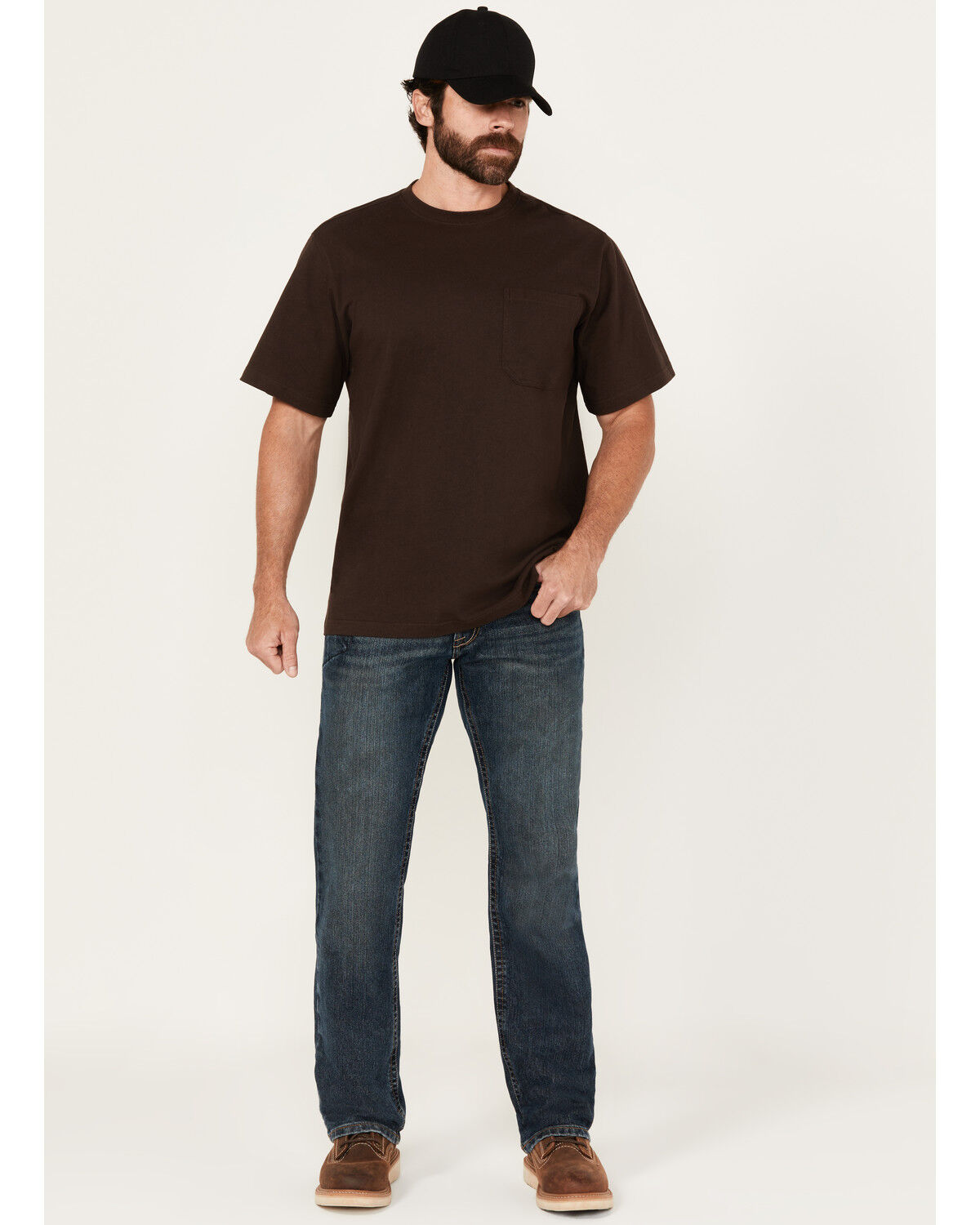
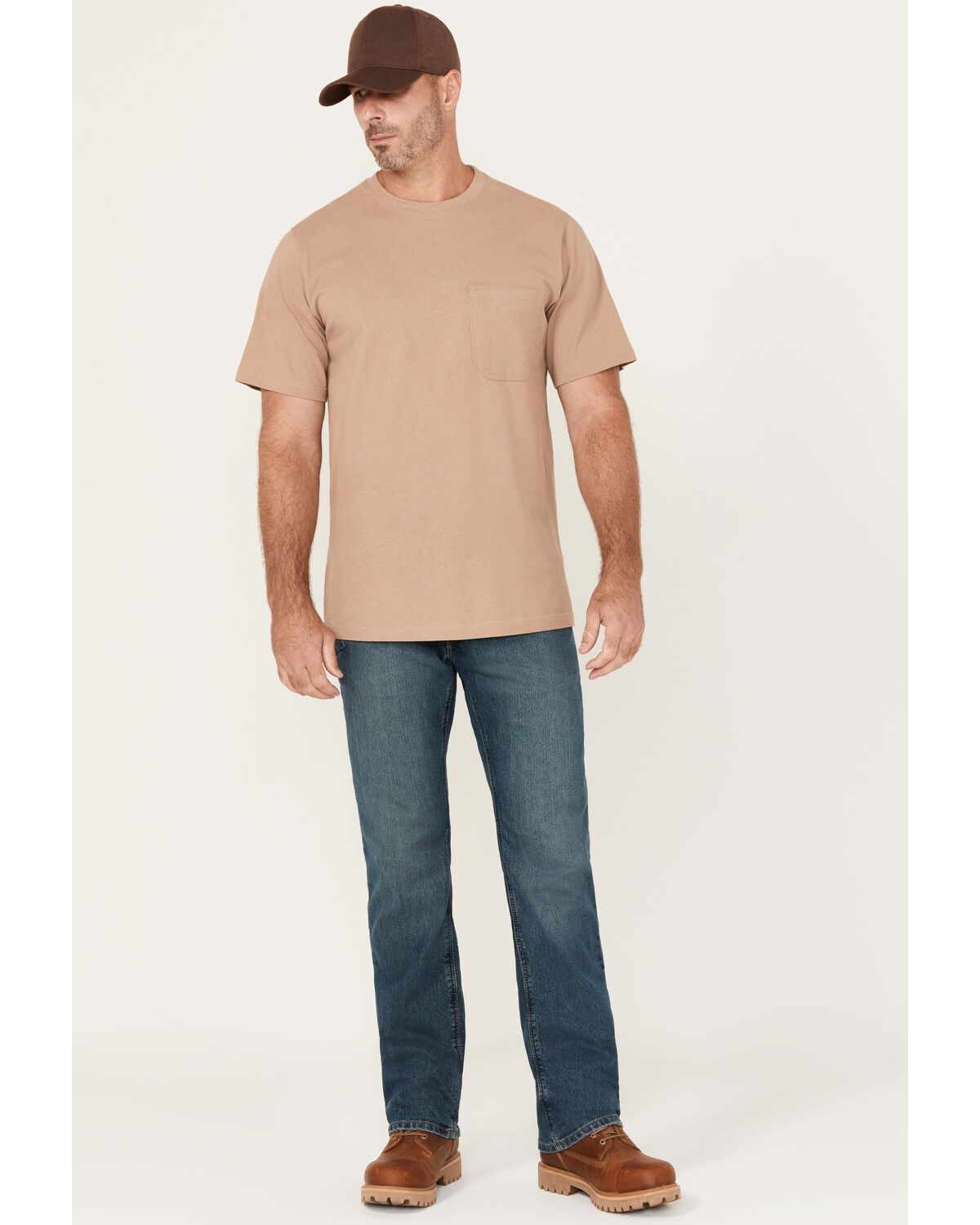
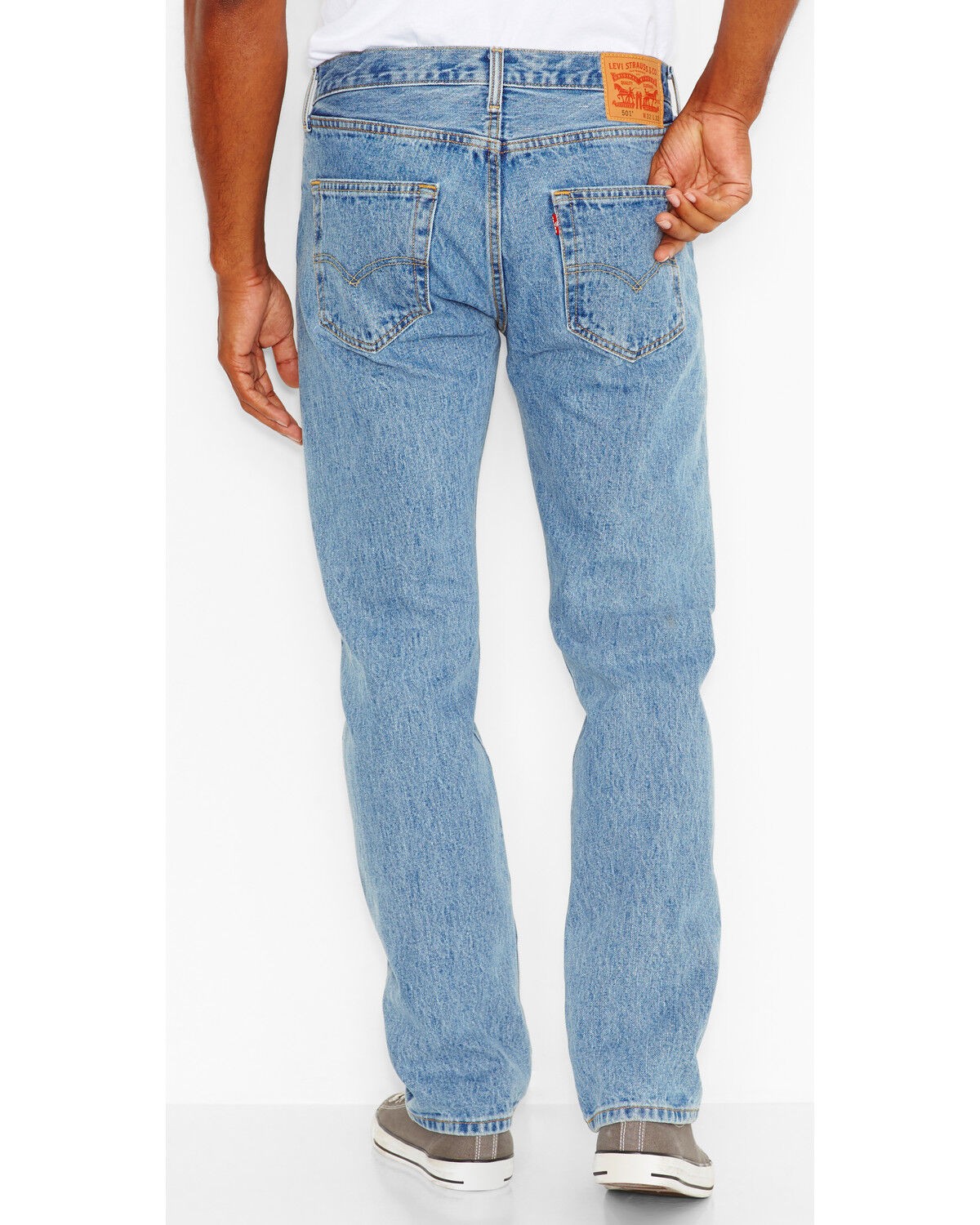
Low-rise men's jeans sit below the natural waist, with the waistband resting closer to the hips than a mid-rise or high-rise cut. The rise describes the distance from the crotch seam to the top of the waistband; it does not describe how tight or loose the legs are. That distinction matters when comparing men's low-rise jeans, since a lower waistband can come with a slim, straight, relaxed, or bootcut leg. There is no single rise measurement that applies to every size and cut. The front rise, back rise, waistband shape, and proportions all affect where jeans sit on the body. Men who prefer a lower waist often appreciate a fit that leaves the stomach free of a high waistband while staying secure across the hips. A good fit should allow sitting, walking, and bending without the waistband digging in or sliding down. The seat should have enough room for movement without excess fabric gathering beneath it. Slim cuts follow the thighs more closely, while straight cuts maintain a more consistent line toward the hem. Relaxed fits leave additional room through the seat and thighs, which can suit men with muscular legs or anyone who prefers less contact between denim and skin. For that combination of a lower waistband and a roomier fit, Men's Low Rise Relaxed Jeans keep the focus on comfort through the seat and legs. Waist and inseam measurements remain important, but a familiar size alone does not tell the whole story. Comparing the measurements of a well-fitting pair can give a more useful reference than relying on a size label. Jeans should stay in their intended position before a belt is added; a belt can secure the fit, but it should not have to pull several inches of loose waistband together. Shirt length also deserves attention, especially for men who tuck in a western shirt or spend much of the day reaching, driving, or working from a seated position.

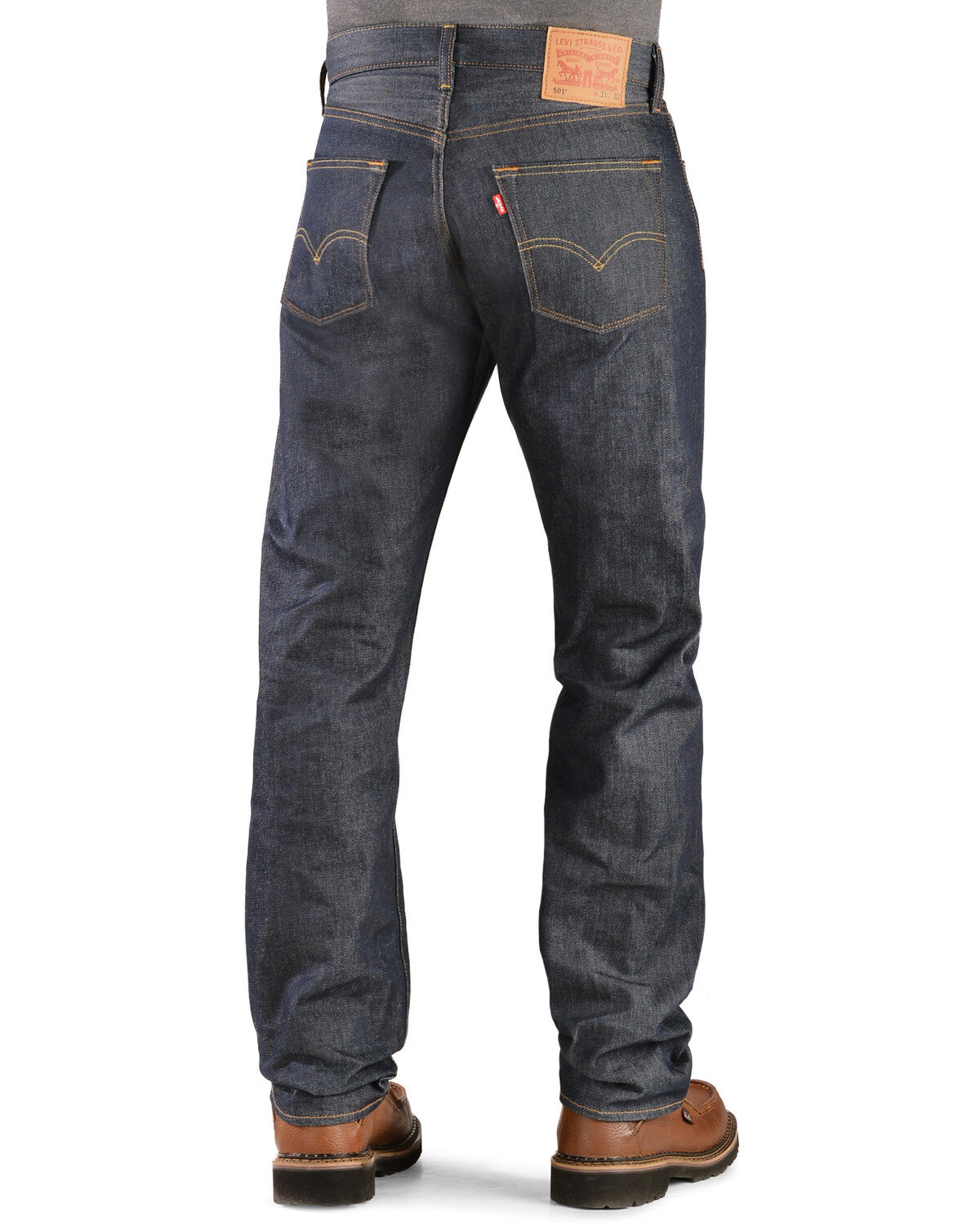
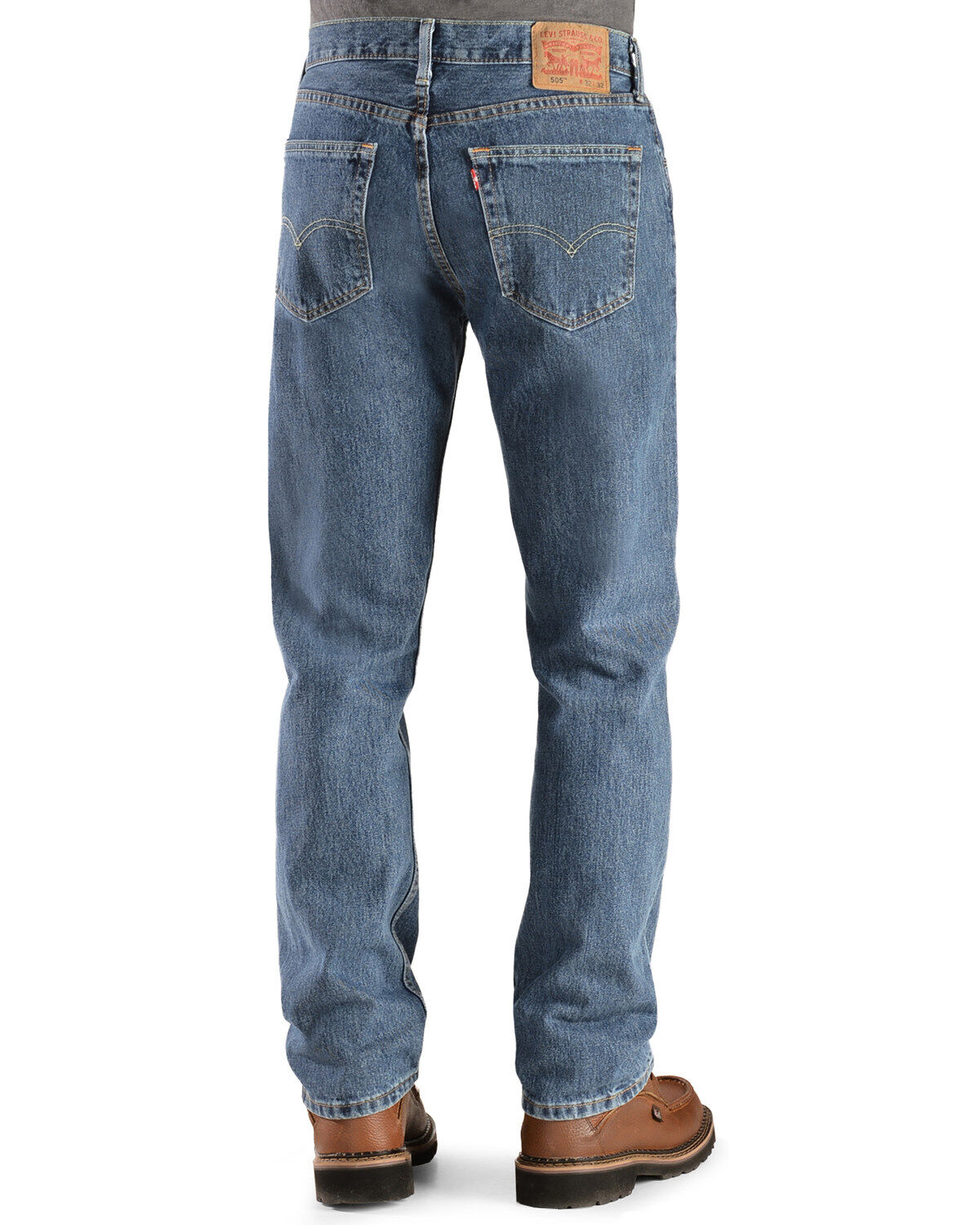
Denim construction gives low-rise jeans much of their character. All-cotton denim generally has a firmer feel at first and softens with wear, developing creases and fading where the fabric bends and rubs. That substantial feel appeals to men who prefer jeans with structure rather than a close, flexible fit. Cotton blends with a small amount of stretch fiber offer more give when climbing stairs, getting into a truck, or bending to pull on boots. Stretch content alone does not determine comfort or how well jeans retain their shape. Fabric weight, weave, and construction also matter, and a fit that is too tight can place unnecessary strain on the seat and seams. Heavier denim can provide a sturdy feel for frequent wear, while lighter denim generally feels less bulky and easier to move in. Neither weight makes jeans suitable for every job. Regular denim is not a substitute for clothing required to protect against flame, electrical hazards, or other workplace risks. For everyday use, practical details include secure belt loops, sturdy pocket openings, and stitching at points that take repeated stress. Pocket placement influences both appearance and function. A wallet should sit comfortably rather than press against the hip or pull a back pocket out of shape. The leg opening is another important detail, particularly when jeans are worn with cowboy boots or work boots. Bootcut jeans widen toward the hem to provide room around the boot shaft. Straight-leg jeans may also work over boots when the opening is wide enough, while narrower cuts can catch on the shaft or bunch above it. Inseam length should be judged with the footwear normally worn. A slight break over the boot can look clean, but denim dragging beneath the heel wears quickly. Jeans that look right while standing should also leave enough coverage at the ankle when seated.

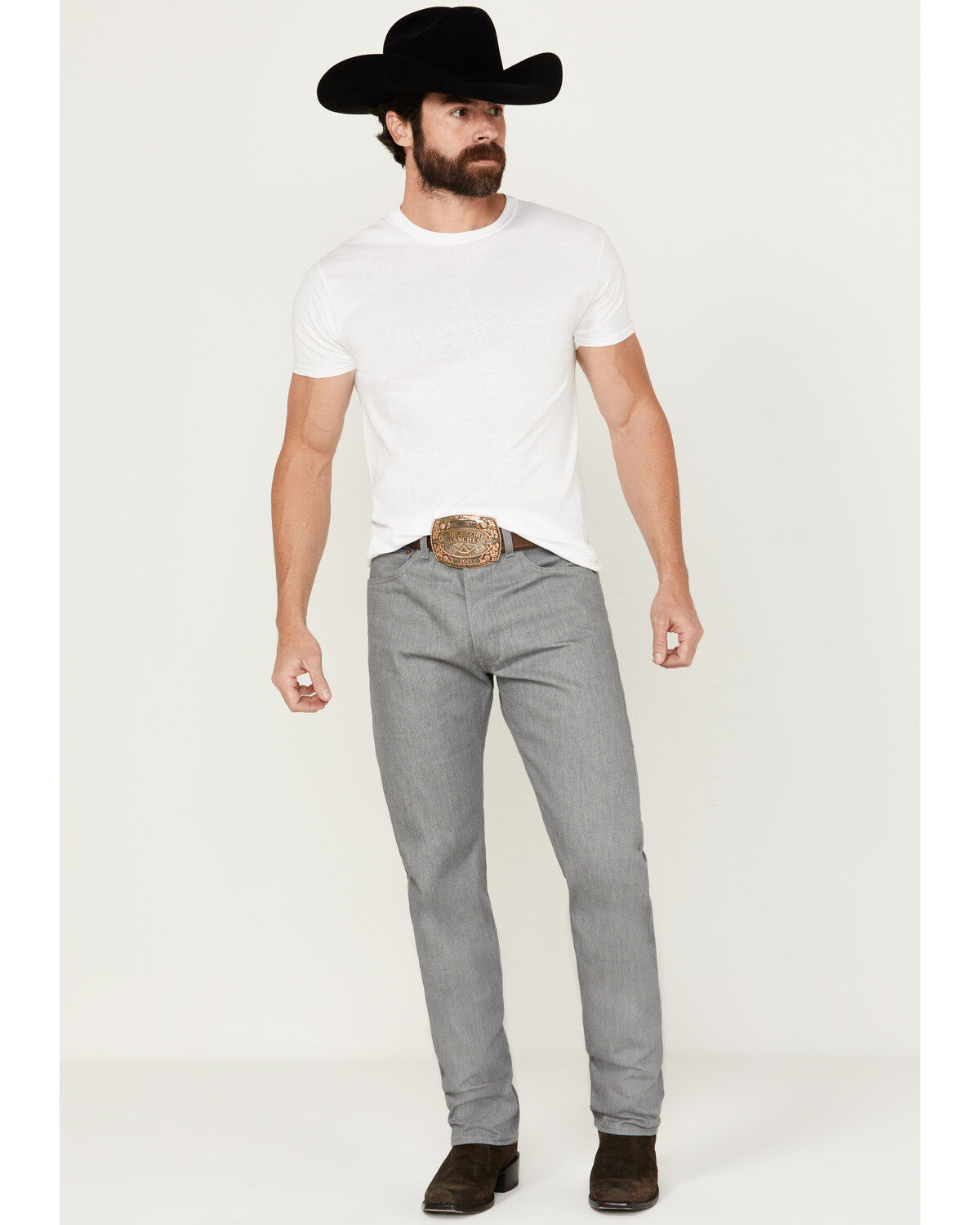
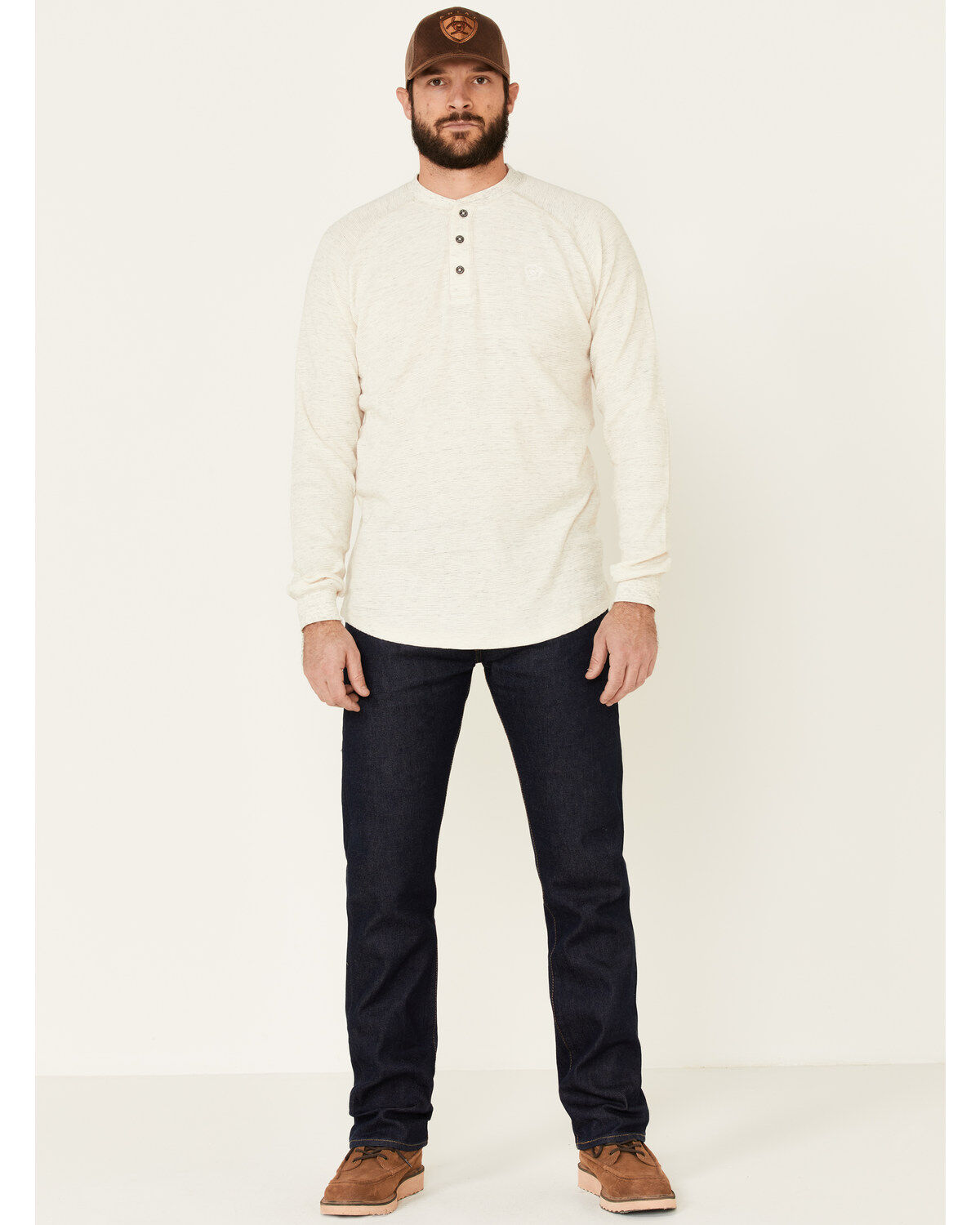
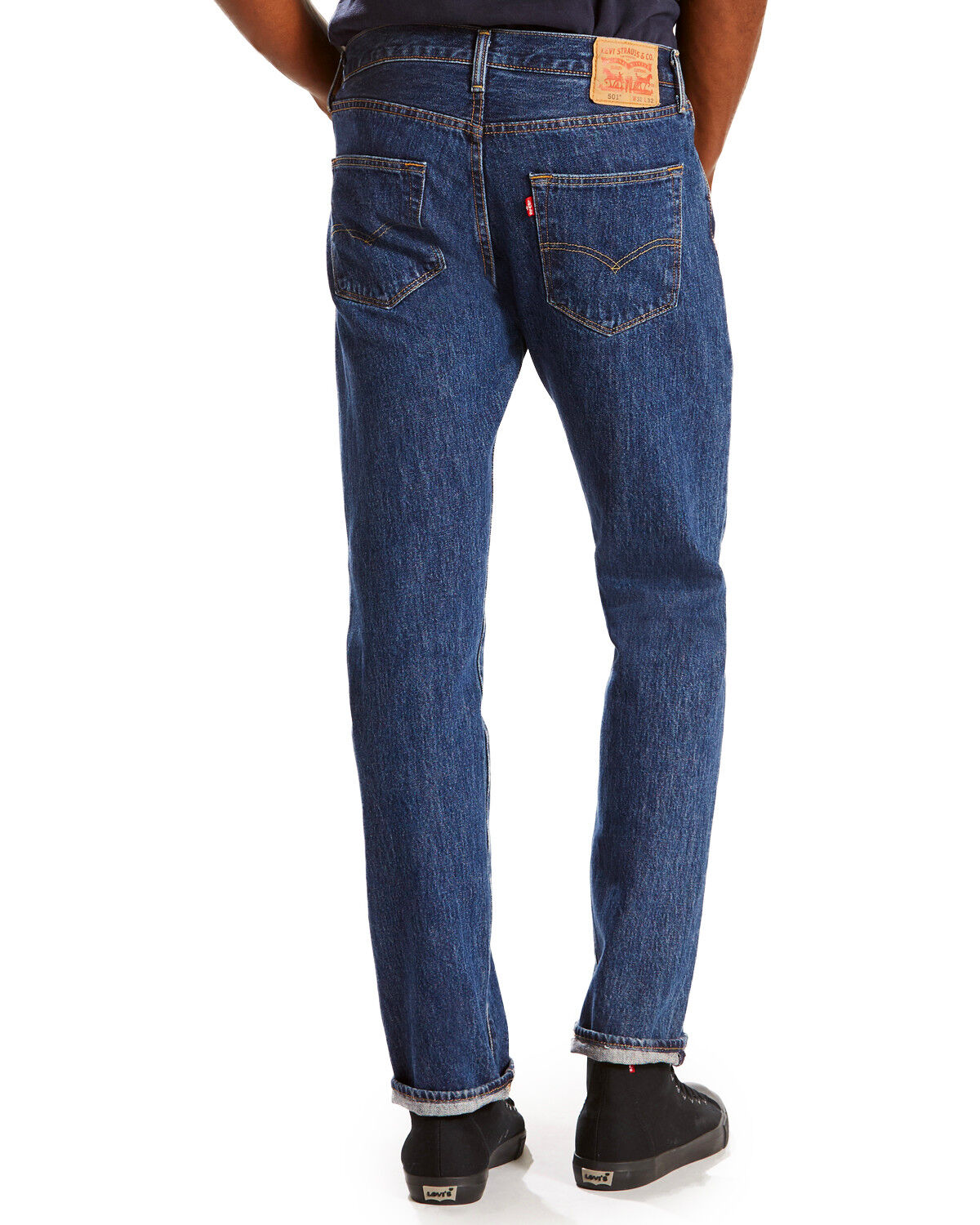
Low-rise men's jeans fit into a practical everyday wardrobe, from a plain T-shirt and boots to a tucked button-front shirt and belt. Dark washes offer a cleaner, more uniform appearance that works for dinner, casual gatherings, or workplaces where denim is permitted. Medium and lighter washes have a more worn-in look, and visible fading can draw attention to the thighs, knees, and pockets. Simple stitching and minimal distressing make jeans easier to pair with different shirts and footwear. More pronounced fading or worn details create a less uniform appearance, but the underlying fit still determines comfort. For men who drive long distances, handle routine chores, or spend weekends walking and standing, freedom through the hips and knees can matter more than a close silhouette. A lower rise should suit how the wearer moves, not just how the jeans look in a mirror. Care helps preserve that fit and extends the useful life of the fabric. The care label is the best reference because cotton content, stretch fibers, dyes, and finishes can require different handling. Turning jeans inside out before washing helps limit abrasion on the outer surface. Washing with similar colors reduces the risk of dye transfer, especially with dark denim. High dryer heat can cause shrinkage and may weaken stretch fibers over time, so drying instructions deserve attention. Removing everyday dirt before it builds up also helps reduce wear where grit rubs against the fabric. Small problems are worth addressing early: a loose belt loop, opening seam, or thinning pocket edge is easier to repair before the damage spreads. Low-rise jeans can also make a useful gift for a man who already favors a waistband that sits below his natural waist. His usual inseam, preferred leg shape, and choice of stretch or firm denim provide a better starting point than appearance alone. The strongest choice is a pair that works with his regular boots, shirts, and daily routine, with enough room to move and a waistband that stays comfortably in place.

FAQs