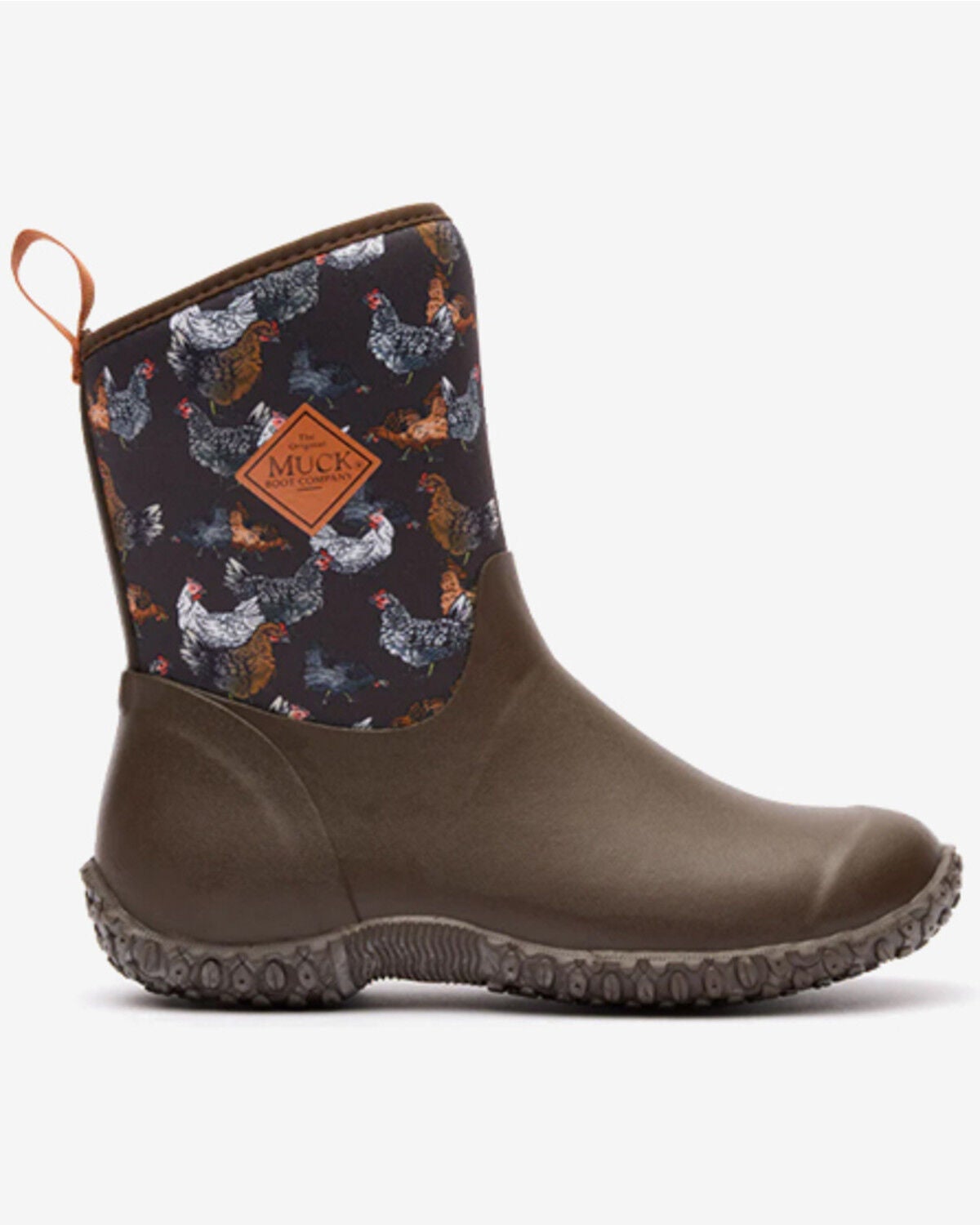
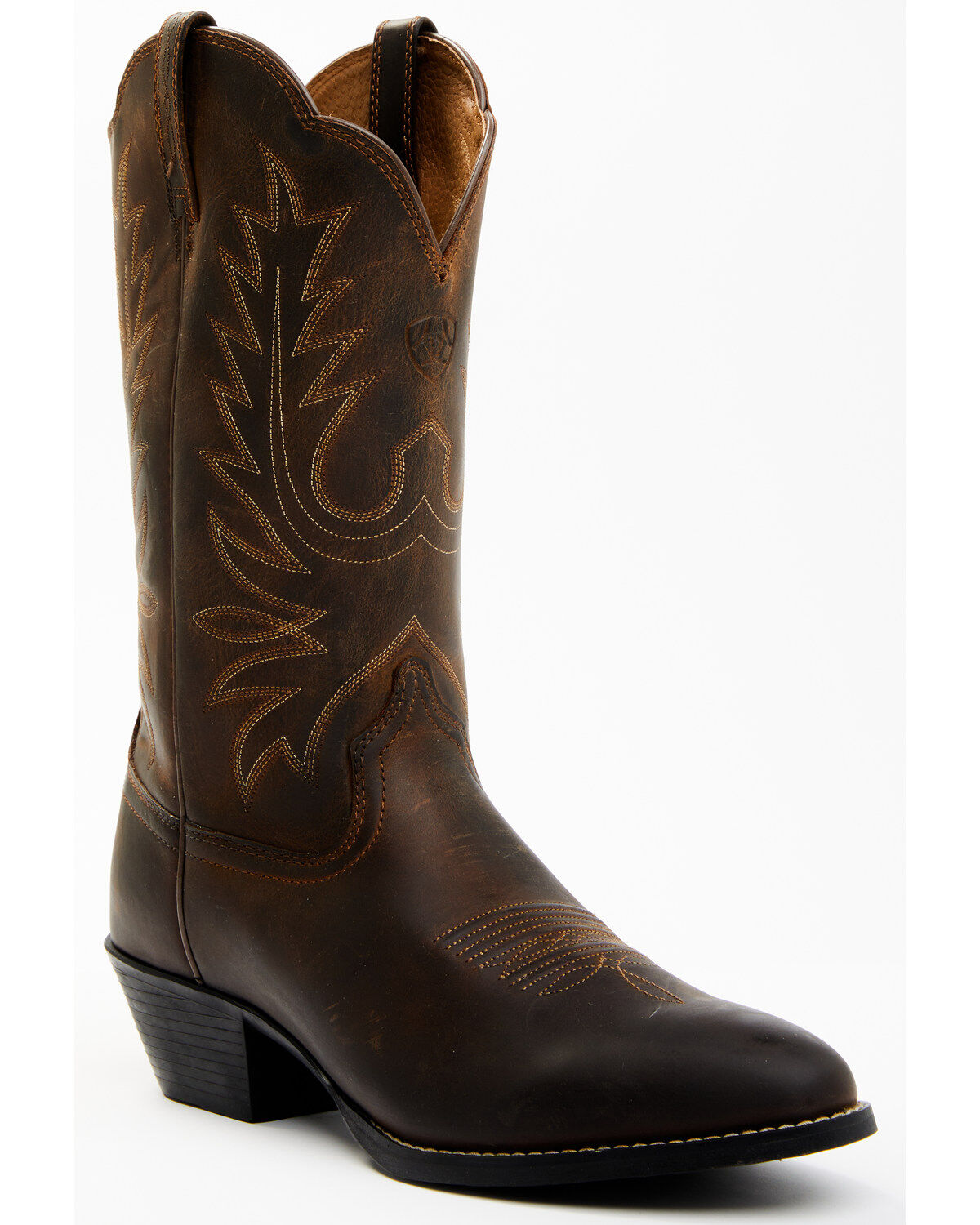
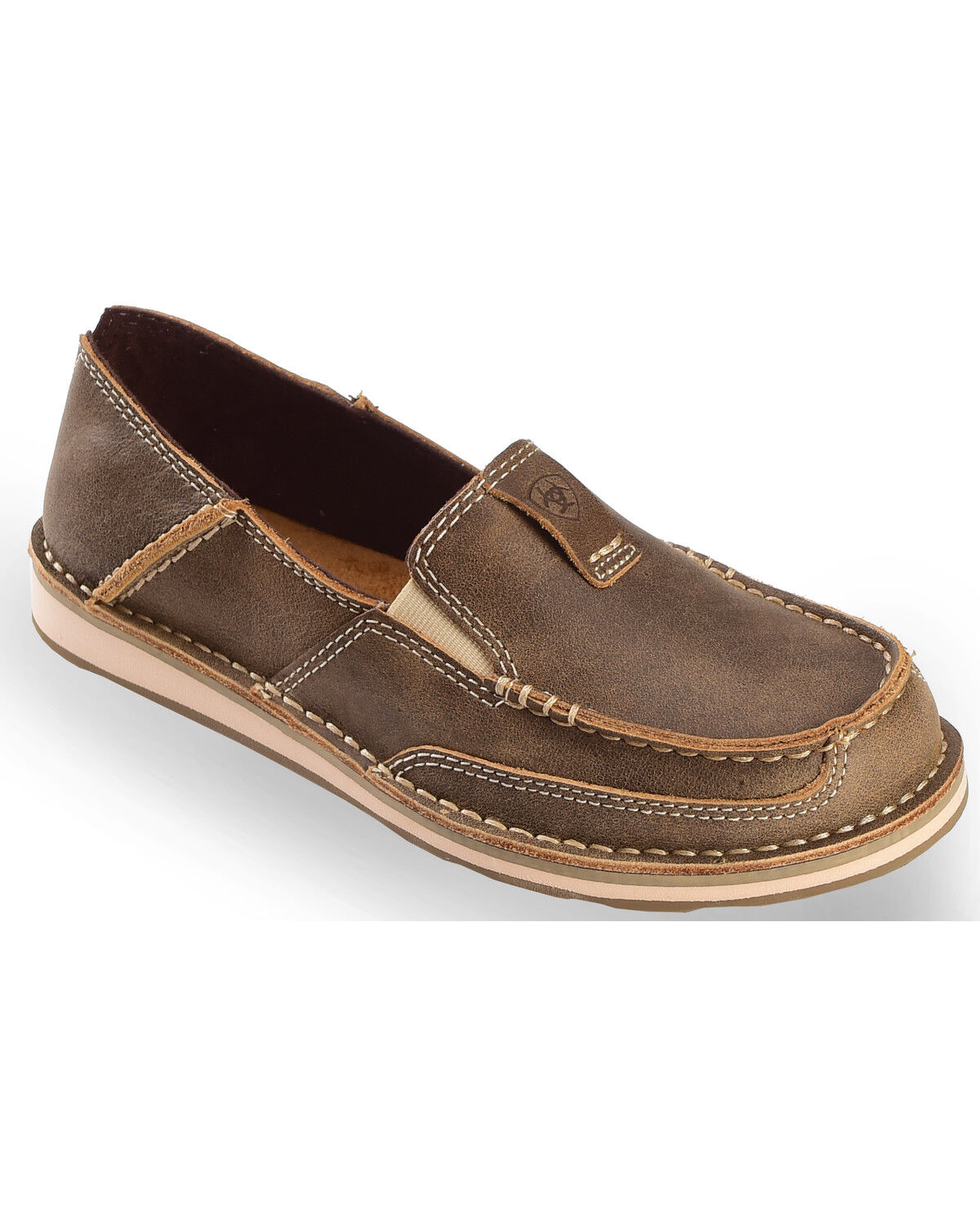
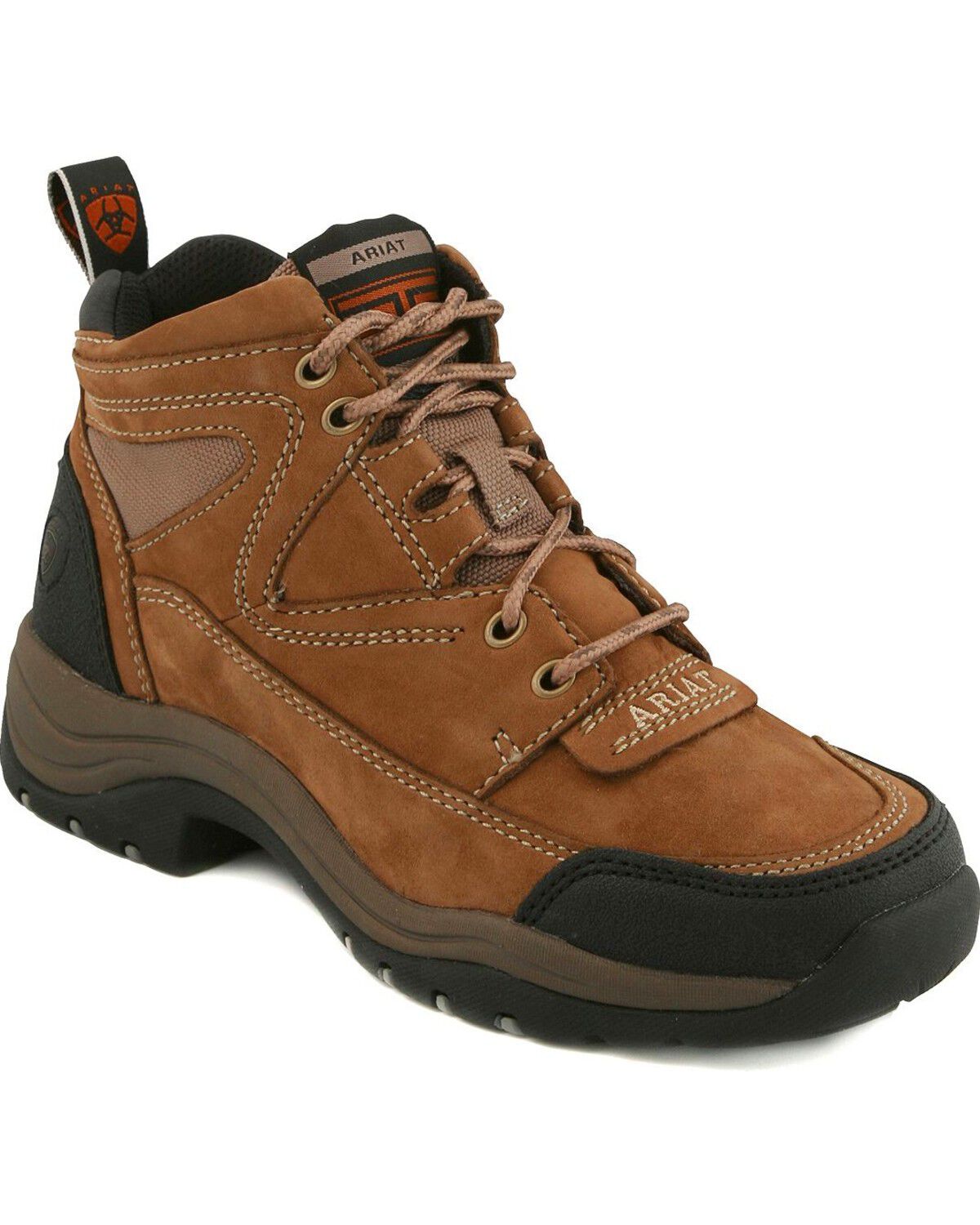
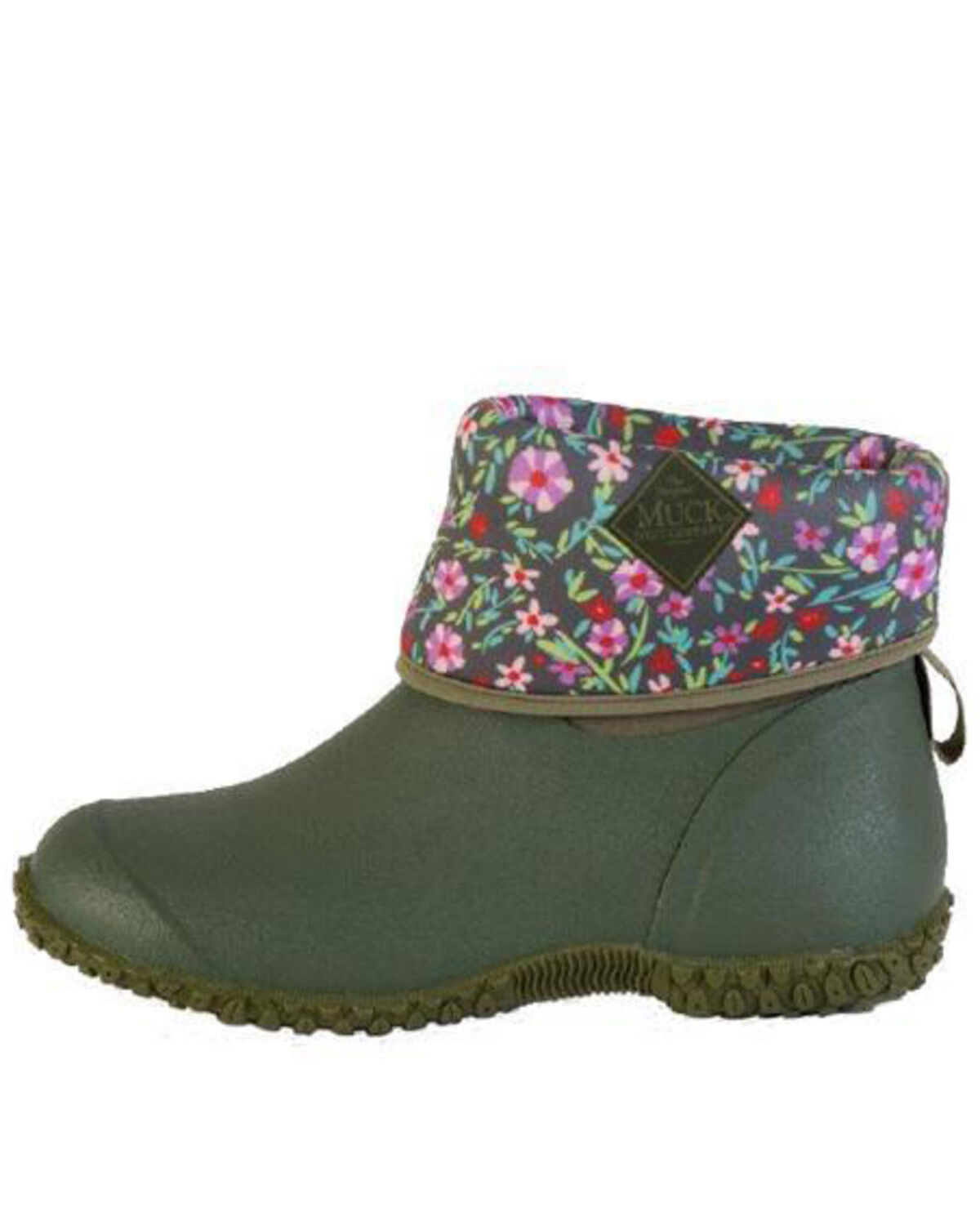
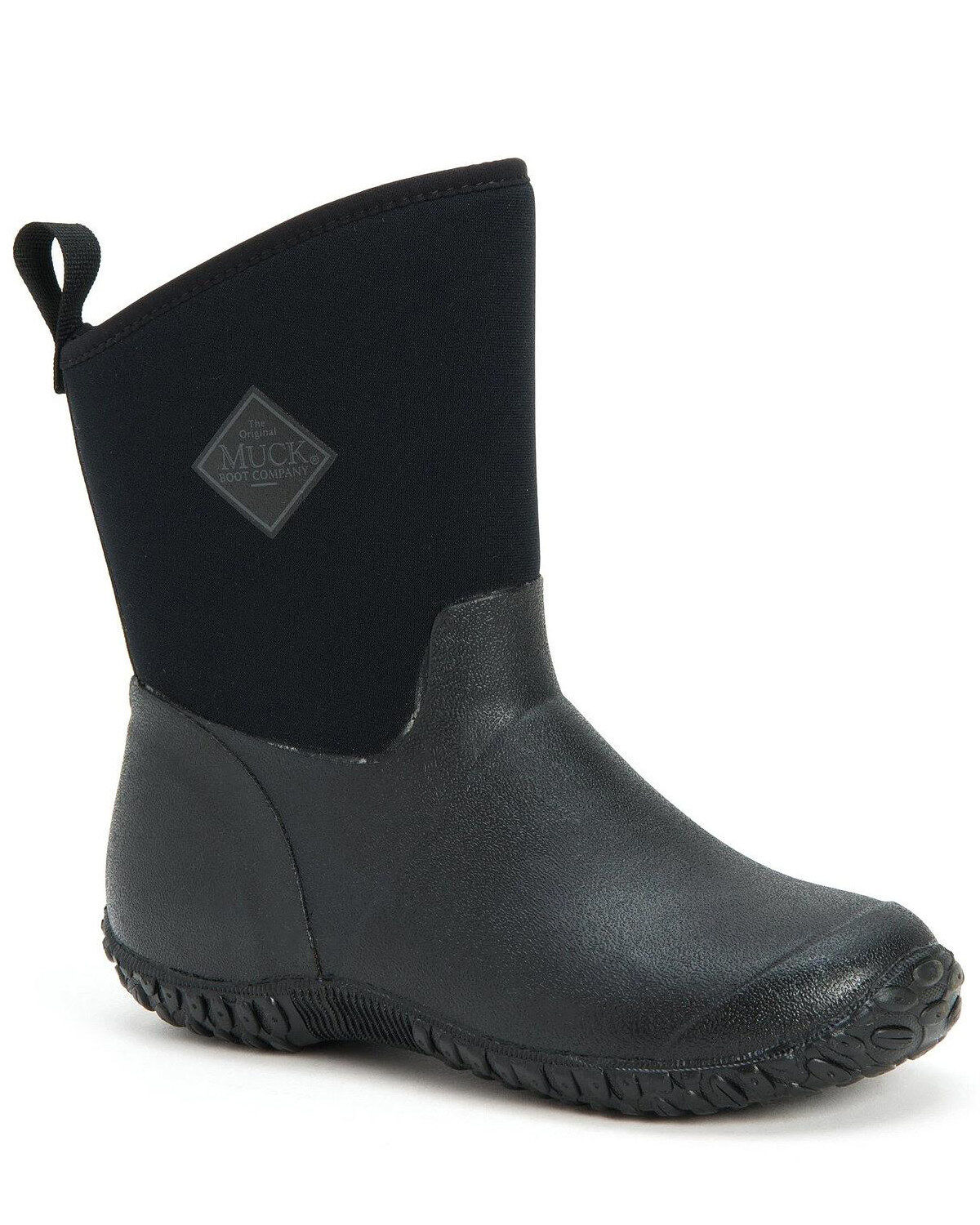
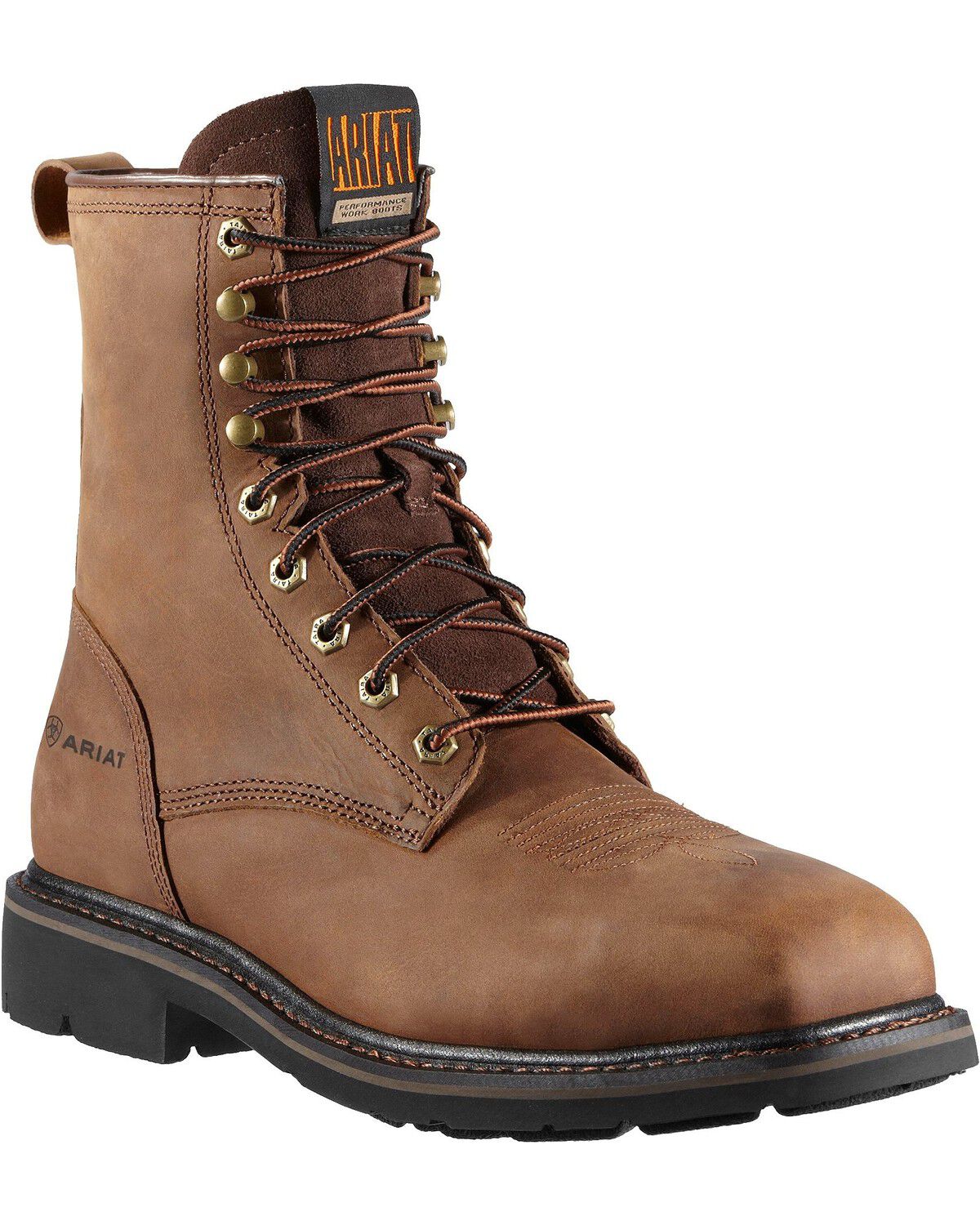
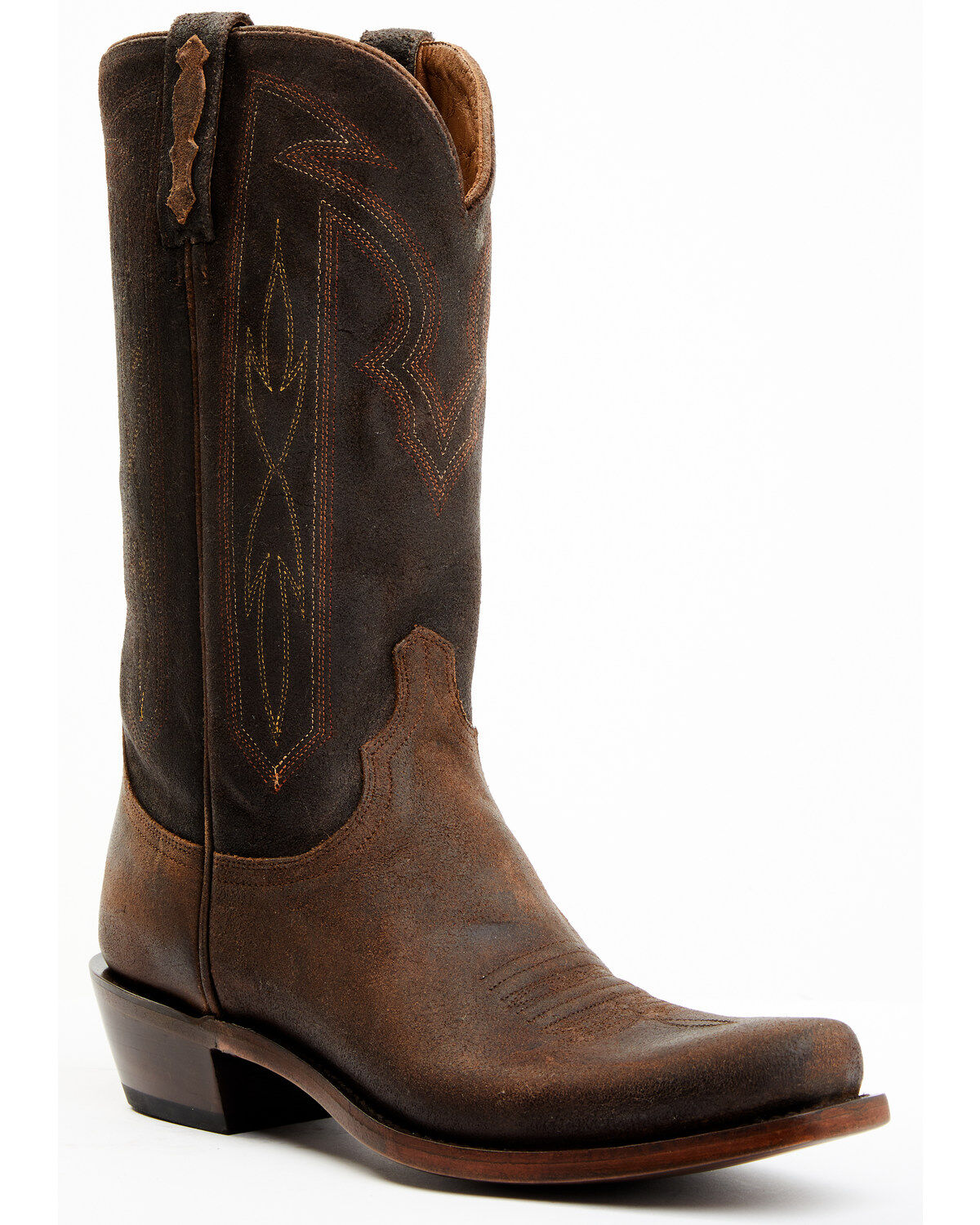
Mid boots are a versatile footwear option that strikes the perfect balance between style and functionality. Whether you're looking for a pair to wear on... the ranch, out on the town, or during your everyday adventures, mid boots offer a comfortable and stylish solution. With a variety of materials, colors, and designs to choose from, you're sure to find the perfect pair to complement your Western wardrobe. From classic leather options to more rugged styles, mid boots provide the durability and flair you need to step out in confidence.
Read more
Mid Boots
Mid boots are a versatile footwear option that strikes the perfect balance between style and functionality. Whether you're looking for a pair to wear on... the ranch, out on the town, or during your everyday adventures, mid boots offer a comfortable and stylish solution. With a variety of materials, colors, and designs to choose from, you're sure to find the perfect pair to complement your Western wardrobe. From classic leather options to more rugged styles, mid boots provide the durability and flair you need to step out in confidence.
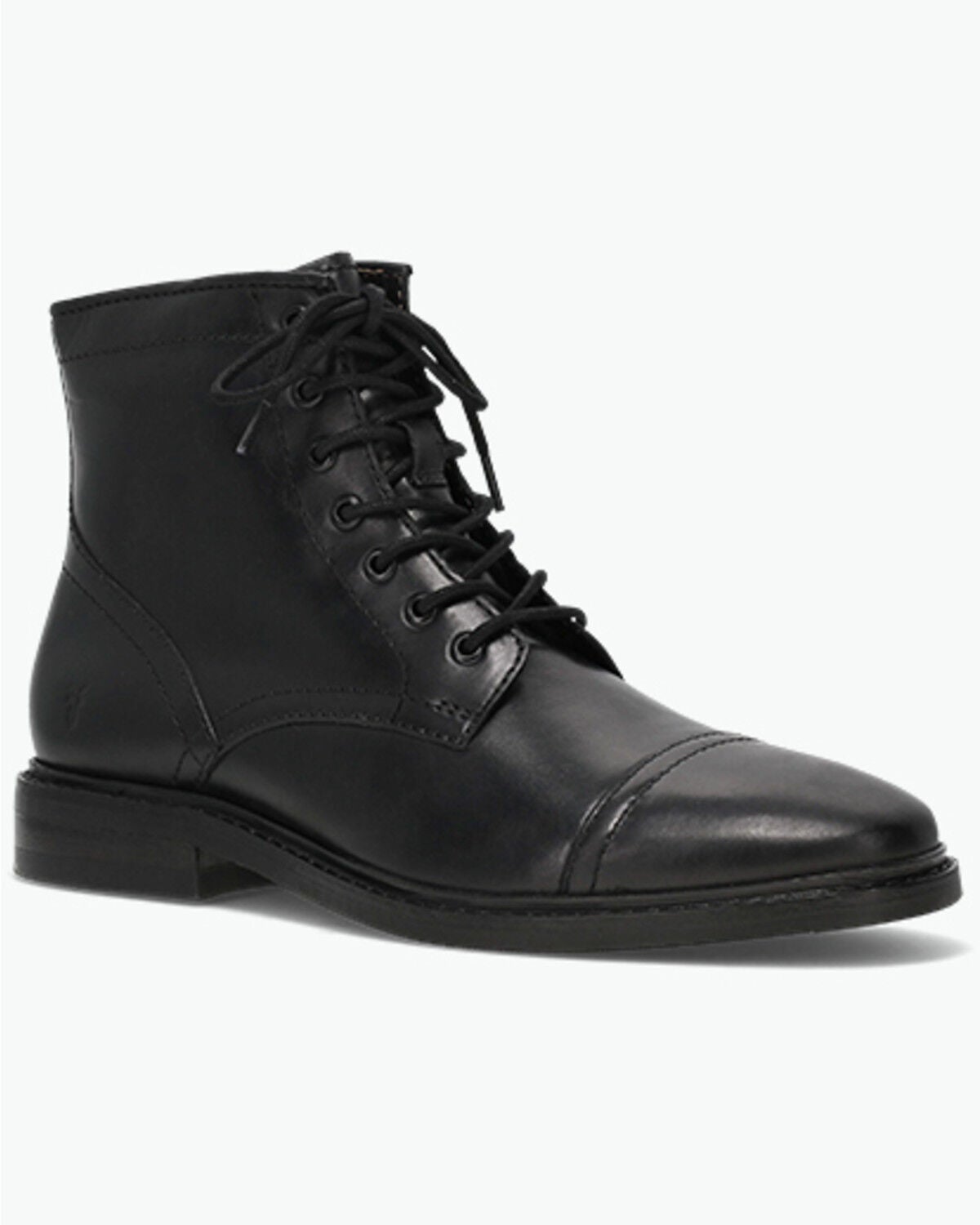
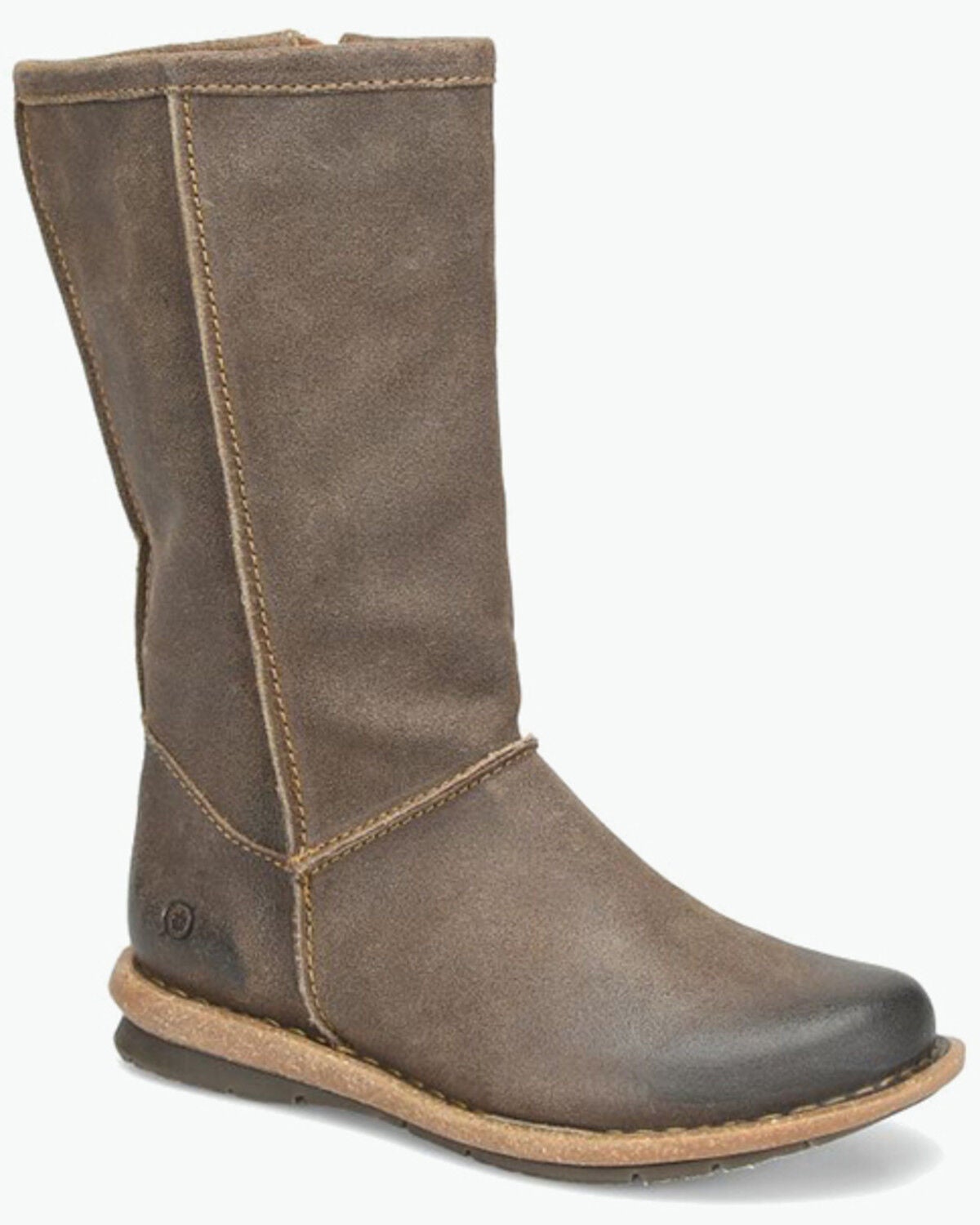
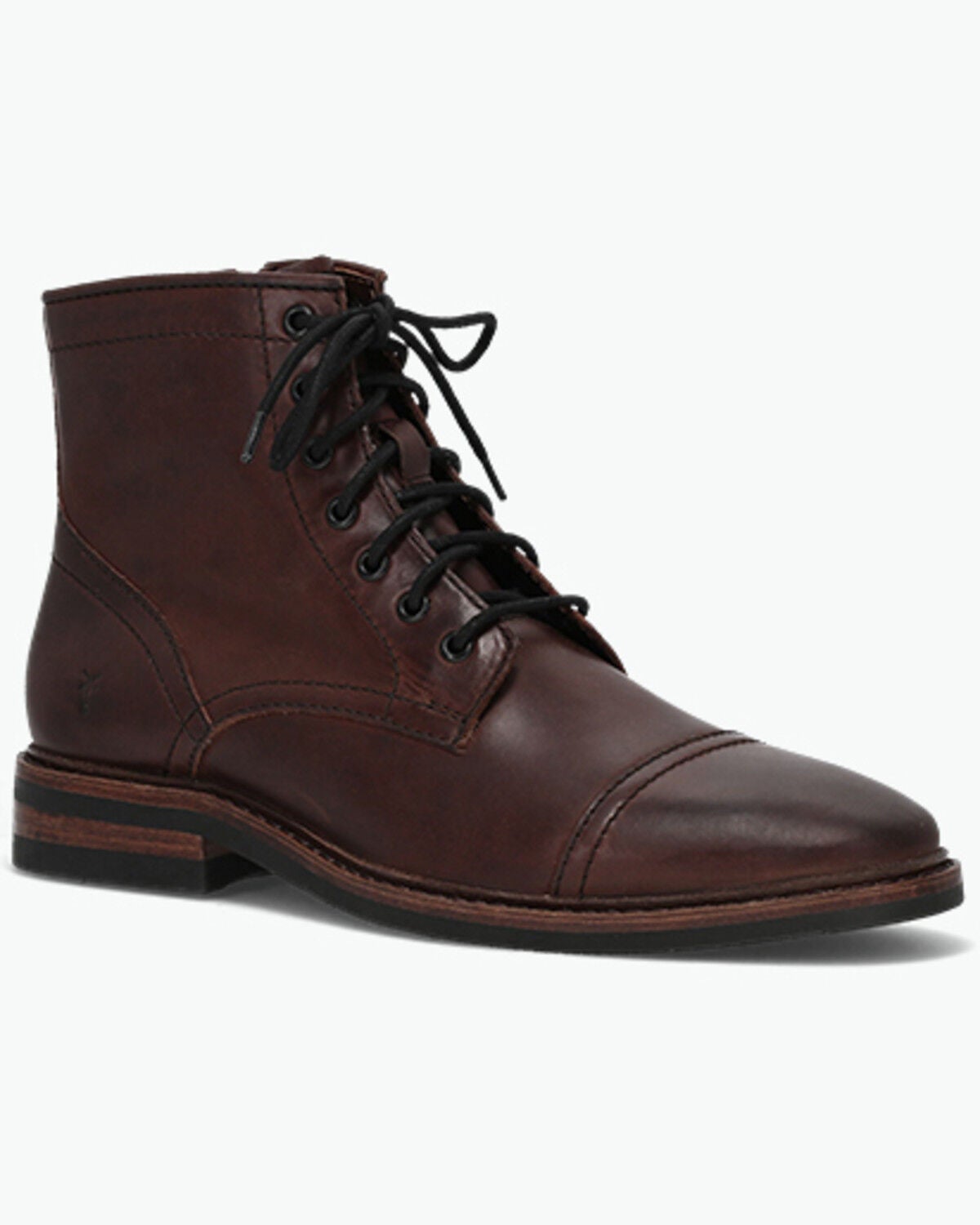
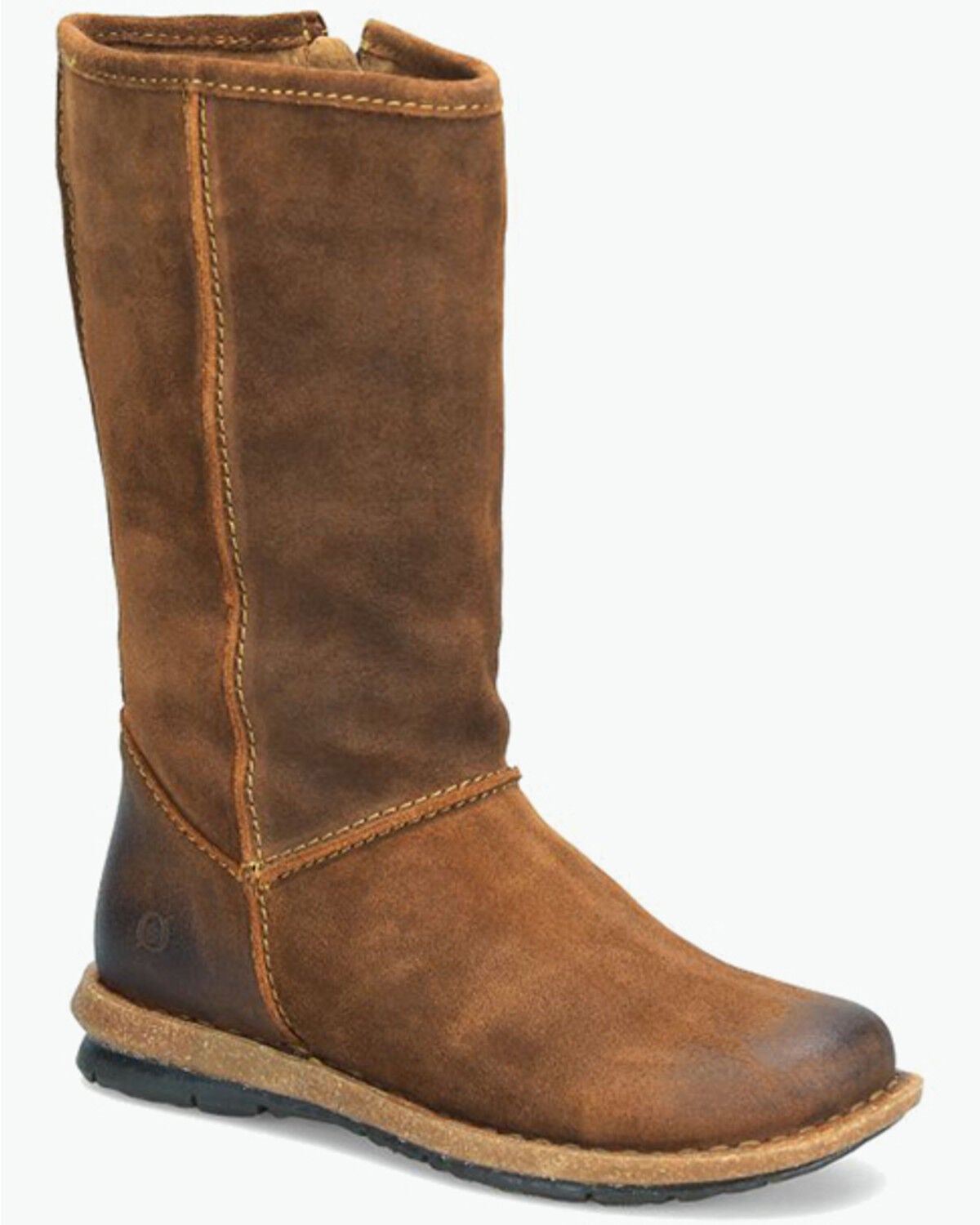
Mid boots are boots with a shaft that rises above the ankle and ends below the knee. The term includes mid-height western, work, and casual styles, with the exact shaft height varying by design and size. This middle-height profile offers more coverage than a low-cut shoe without the taller shaft of a knee-high boot. It also leaves room for different looks and uses, from leather pull-on boots worn with straight-leg jeans to lace-up boots paired with work pants. Western designs often feature stitched shafts, pull tabs, and shaped heels, while work-focused styles may have padded collars, reinforced toes, and outsoles built for demanding surfaces. Casual mid boots can keep those same practical details in a simpler profile suited to everyday wear. The Mid Calf Boots category focuses on silhouettes that reach toward the middle of the calf, a useful distinction when choosing how much of the lower leg a boot covers. Shaft height affects how a boot sits against the leg, how it fits beneath a pant opening, and how easily it moves through a full stride. A broader shaft can accommodate a fuller calf or tucked-in jeans, while a closer-fitting shaft creates a cleaner line beneath pants. Toe shape and heel design add another layer of choice. Round toes have a familiar, understated appearance, square toes give western boots a broader profile, and pointed shapes create a more tapered look. Actual toe room still depends on the boot’s construction and fit, not its outline alone. Lower heels suit many everyday routines, while raised western heels create a distinct stance and silhouette. For someone moving from a morning at the barn to an afternoon in town, a straightforward leather boot can look appropriate in both settings. For someone spending the day around equipment or on a shop floor, purpose-built work features matter more than decorative stitching. Mid boots cover a broad range of needs, so their intended use is a better starting point than appearance alone.
Materials and construction help determine how mid boots feel, wear, and hold their shape. Leather uppers are valued for their strength, texture, and ability to develop character with use. Smooth leather has a clean surface that is generally easier to wipe down than a textured finish. Suede and roughout bring a softer-looking surface, though each needs care suited to its finish. Synthetic and textile uppers can offer lighter weight or greater flexibility, depending on how the boot is built. No single material tells the whole story; seams, lining, reinforcements, and the connection between the upper and outsole all contribute to durability. Welted construction can allow sole replacement in some boots, while other methods may produce a lighter or more flexible feel. Interior details deserve equal attention. A smooth lining helps the foot slide into a pull-on shaft, padding can soften contact around the ankle, and a cushioned footbed can make long periods of standing more comfortable. Cushioning and support are not interchangeable, however. A soft footbed may feel good at first, while a stable base and well-matched arch support can matter more over a full day. Fit should be assessed with the socks intended for regular wear. Toes need space to move without pressing against the front, and the widest part of the foot should sit comfortably within the boot. In a pull-on western style, a modest amount of initial heel movement can be normal, but the instep should hold the foot securely. Lace-up styles allow more adjustment across the top of the foot and around the ankle. Tight pressure, pinching, or numbness are not signs of a fit that simply needs more wear. Leather may soften, but it will not turn a short boot into the correct length. Shaft fit also matters when sitting, bending, or climbing steps. A collar that rubs with every movement can become more noticeable over hours of wear. Removable insoles offer flexibility for some wearers, although replacing them can change the space inside the boot. Comfortable mid boots balance foot shape, shaft clearance, weight, and the demands of the day.
Outsole design helps separate an everyday mid boot from one suited to a particular job. Deep tread can provide purchase on loose surfaces, while lower-profile soles may feel more natural on smooth floors and under casual clothing. Tread depth alone does not establish slip resistance, and a boot’s stated features should match the surfaces where it will be worn. Workplaces may also require a safety toe, electrical hazard protection, or other specific ratings. A western appearance does not automatically make a boot suitable for those requirements, just as a substantial-looking sole does not guarantee the protection a job calls for. For long days on concrete, boot weight, underfoot cushioning, and a stable heel can all influence comfort. For ranch chores, abrasion-resistant materials and secure footing may take priority. For everyday errands, travel, or a night out, ease of movement and a shape that works with familiar clothing can be enough. Care supports that intended use by keeping the upper and sole in sound condition. Dirt caught along seams or in tread should be removed before it builds up. Smooth leather benefits from cleaning and conditioning products intended for its finish, used according to their directions. Suede usually calls for a suitable brush and cleaner rather than the same treatment used on smooth leather. Boots should dry naturally away from direct heat, which can damage materials and adhesives. Allowing the interior to dry between wears, checking heel wear, and addressing loose stitching early can help extend useful life. Storage also matters: upright shafts and space around each pair help preserve shape and prevent unnecessary scuffing. As a gift, mid boots are a practical choice for someone who already wears western footwear, works in boots, or prefers a more substantial everyday shoe. The most useful details are the recipient’s size, width, preferred toe shape, and usual activities. A familiar fit and a design that suits daily habits carry more value than decoration alone. Well-chosen mid boots earn their place through comfort, dependable construction, and a profile that works with the way they will be worn.