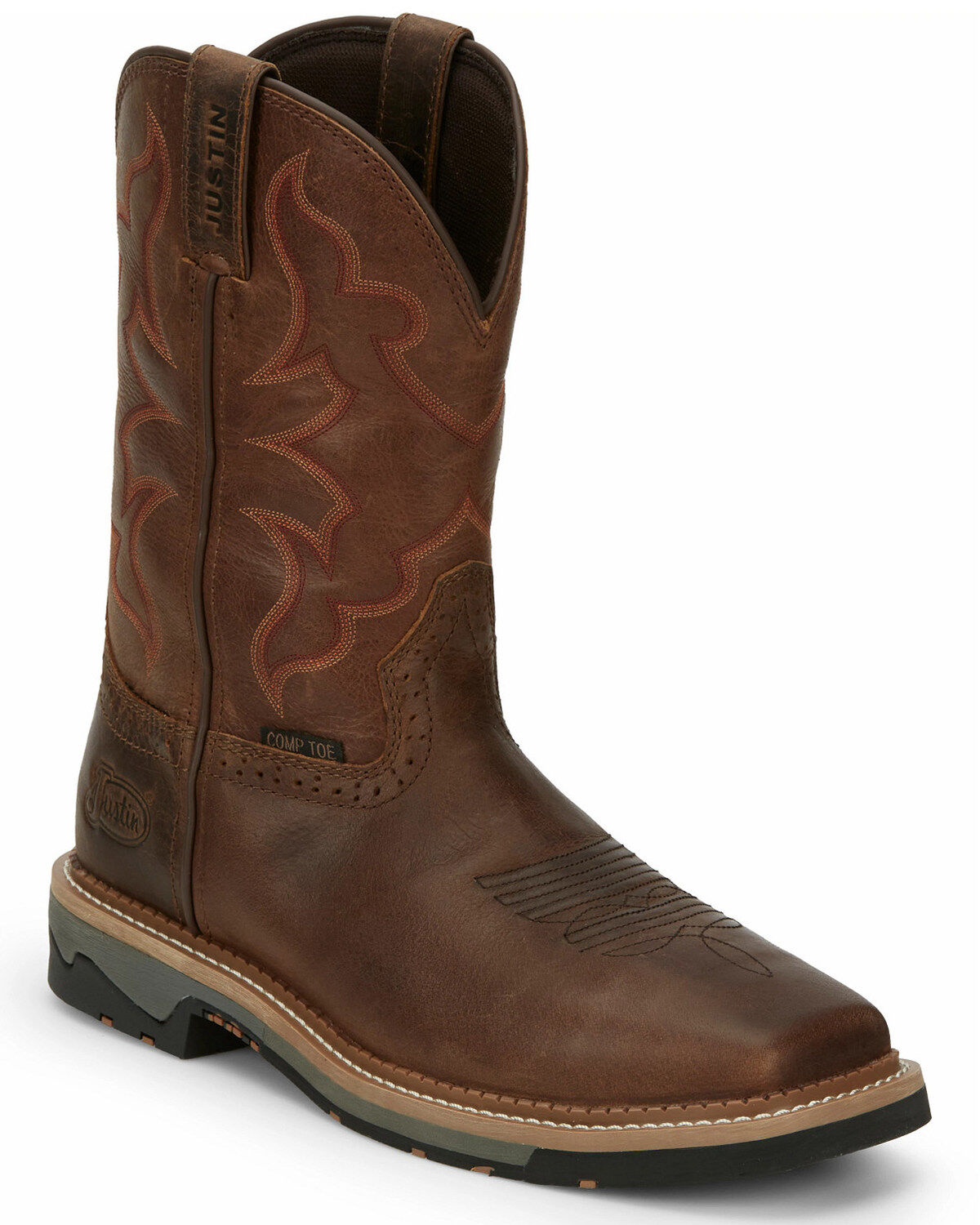
Metatarsal boots are designed to provide extra protection and support for those who need it most, whether you're working in heavy-duty environments or... simply prioritizing foot safety. These boots feature reinforced areas that help shield the delicate metatarsal bones from impact and injury, making them an essential choice for anyone in demanding industries. Available in various styles and materials, they offer both functionality and comfort without compromising on style.
Read more
Metatarsal Boots
Metatarsal boots are designed to provide extra protection and support for those who need it most, whether you're working in heavy-duty environments or... simply prioritizing foot safety. These boots feature reinforced areas that help shield the delicate metatarsal bones from impact and injury, making them an essential choice for anyone in demanding industries. Available in various styles and materials, they offer both functionality and comfort without compromising on style.
Metatarsal boots are work boots with guards designed to help protect the bones across the top of the foot, between the toes and ankle, from impact. A safety toe covers the front of the foot; a metatarsal guard extends protection farther back over the instep. That distinction matters around steel stock, heavy pipe, machinery parts, and other materials that can fall or shift during handling. Workers in fabrication shops, foundries, manufacturing plants, construction, and certain warehouse operations may need this added coverage based on workplace hazards and employer requirements. Metatarsal work boots generally use either an internal or external guard. Internal guards sit beneath the upper, keeping the protective component inside the boot for a less exposed profile. External guards cover the outside of the instep, often extending over the laces, with their shape and attachment varying by construction. Some guards flex during walking, while others have a more rigid structure. Neither placement alone establishes how much protection a boot provides. In the United States, ASTM F2413 includes performance requirements for protective footwear, and the Mt designation identifies metatarsal impact protection. A safety toe rating by itself does not establish that a boot meets metatarsal protection requirements. The footwear label and manufacturer specifications should match the requirements set for the job. Steel, alloy, and composite safety toes can appear in metatarsal footwear, but toe material and guard construction are separate features. For workers comparing toe materials, composite toe boots use nonmetallic protective toe caps; metatarsal coverage still needs separate verification. An internal guard does not automatically make a boot metal-free, and an external shield does not establish electrical protection. Electrical hazard, puncture resistance, and other safety features require their own stated ratings or specifications. The right combination depends on the actual work environment, whether that means moving castings across a shop floor or handling bundles of material near a loading area. No boot eliminates the need for safe handling practices and other required protective equipment.
Materials and construction shape how metatarsal boots feel through a shift and how well they hold up to daily wear. Leather uppers are common because they provide a substantial outer layer that can tolerate demanding conditions with proper care. Reinforced areas around the toe and heel can help limit wear where boots scrape against equipment, steps, or rough surfaces. Stitching, lace hardware, guard attachments, and the connection between the upper and outsole all deserve attention on footwear that sees repeated bending and abrasion. Outsole compounds and tread patterns serve different conditions. Defined tread can help on loose ground, while other sole designs are intended for hard indoor floors. Slip resistance is not a promise of traction on every surface; oil, metal shavings, mud, and packed debris can change footing quickly. Heat resistance and resistance to oils or chemicals also depend on the materials and stated specifications, not simply on a thick-looking sole. Waterproof construction can be useful around wet yards, puddles, and exposed job sites, though water can still enter over the collar. During cooler months, insulation may help workers who spend long stretches outside, while uninsulated footwear may be more practical inside a warm production building. A moisture-managing lining and suitable work socks also affect comfort as feet warm up during physical work. Lace-up metatarsal boots allow adjustments across the foot and around the ankle, which can help accommodate different instep shapes. Pull-on designs avoid laces and rely more heavily on the fit through the instep and heel to stay secure. Shaft height changes coverage, but a taller boot is not automatically better suited to every task. Workers who climb, kneel, operate pedals, or walk between indoor and outdoor areas need footwear that allows those movements without the guard digging into the foot. Weight, sole flexibility, and underfoot cushioning all contribute to that balance. A boot worn mostly at a standing workstation may feel different from the same boot used for miles of walking across a large facility.
Fit matters especially in metatarsal safety boots because the guard and protective toe must sit correctly without crowding the foot. Trying boots with the socks normally worn on the job gives a more useful sense of space than wearing thin casual socks. There should be room to move the toes without persistent contact against the protective cap, along with a secure fit that limits excessive sliding. The instep should feel supported rather than squeezed beneath the guard. Feet can swell over a long shift, so a fit that already feels tight at the start leaves little room for that change. Walking, bending at the forefoot, and kneeling can reveal pressure that is not obvious while standing still. Safety toe caps do not stretch to create extra room, and painful guard pressure should not be treated as something that will necessarily disappear with wear. Cushioning can help soften repeated steps on concrete, but any replacement footbed needs to preserve adequate room inside the boot and follow manufacturer guidance, particularly for footwear with electrical safety properties. Routine care helps protect the upper and keeps wear easier to spot. Brushing away grit, cleaning off workplace residue with an appropriate method, and clearing packed tread can prevent buildup from hiding damage. Leather care products should suit the leather finish and any waterproof construction. Wet boots should dry with airflow away from direct heaters, which can damage leather and other components. Regular checks should include split seams, worn soles, loose external guards, damaged fasteners, and changes in how an internal guard feels or sits. A boot that has taken a substantial impact may have hidden damage even when the outside still looks usable; manufacturer replacement guidance and workplace procedures should determine whether it remains suitable for wear. Metatarsal boots are practical equipment, and choosing them for another worker requires more than knowing a usual shoe size. Confirmed fit, required safety markings, and the conditions of the job matter more than appearance. Properly matched footwear brings protective coverage, dependable construction, and workable comfort to demanding days on the floor.



 $259.99
 $259.99
 $229.99
 $169.95
 $269.99