Men's Vertical Striped Shirt

Shop men’s vertical striped shirts to pair with jeans for everyday wear or trousers for a more dressed-up look. Compare the styles shown to find a stripe pattern and color that suit your wardrobe.

Read More

Shop Your Store: Shop Your Store: Find a Store

(Turn off Shop Your Store to see all items)

(Turn off Shop Your Store to see all items)

close
  • Recommended
  • Lowest Price
  • Highest Price
Skip pass products

End of products

Men's Vertical Striped Shirt

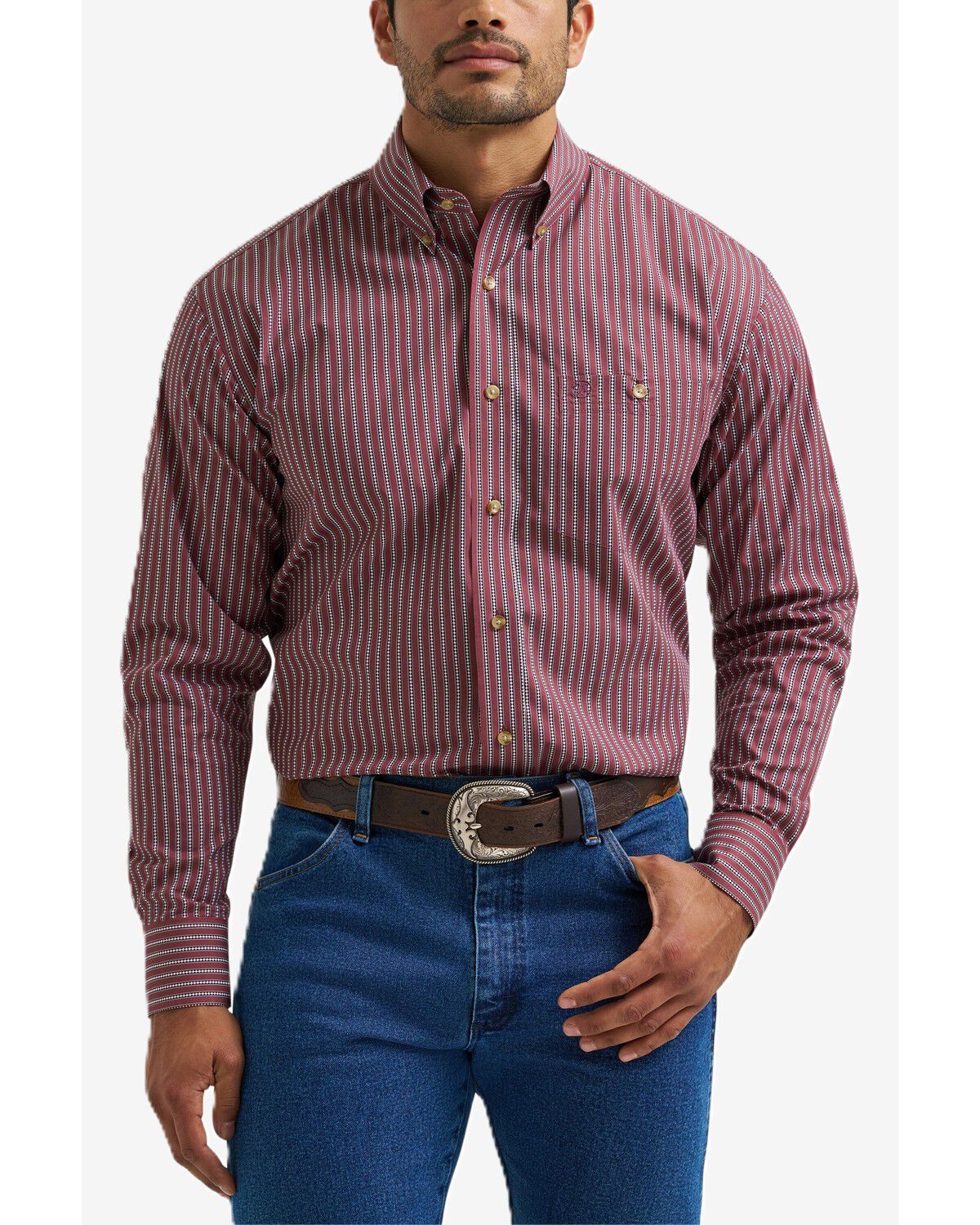
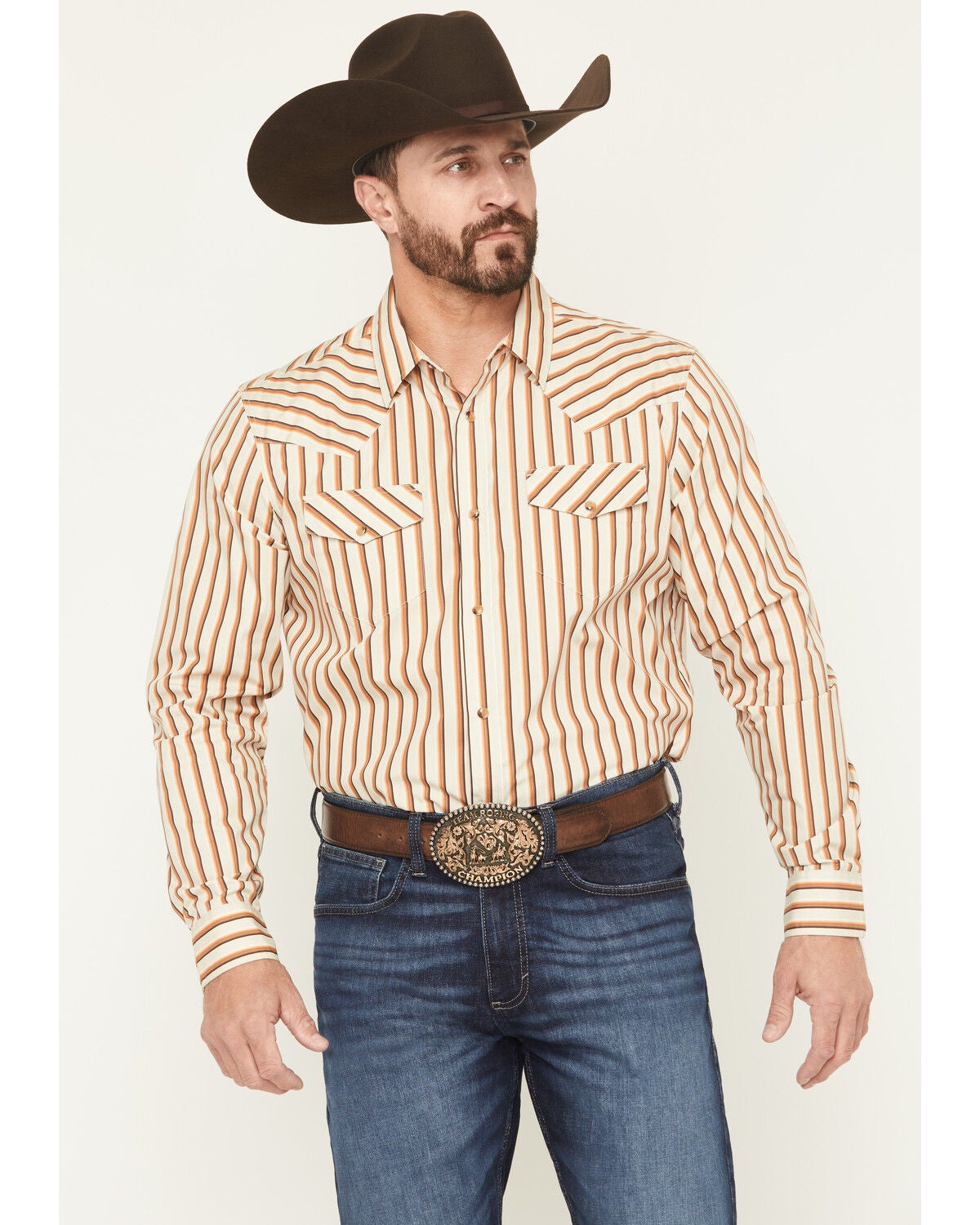
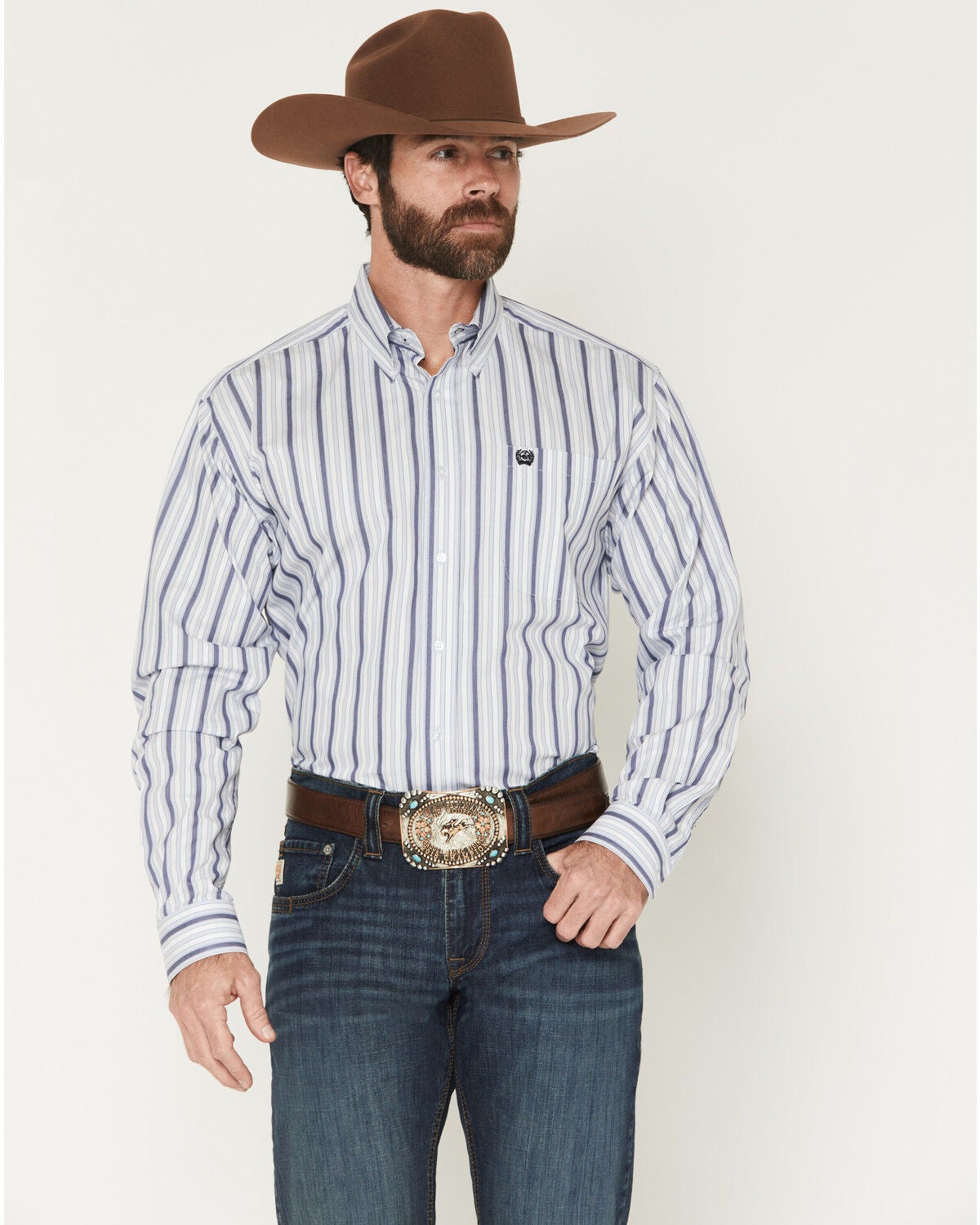
A men's vertical striped shirt brings a clear, straight pattern to an everyday staple. Its stripes run from shoulder to hem, drawing the eye along the length of the shirt rather than across the body. That direction can create a longer visual line, while the width, spacing, and contrast of the stripes determine how bold the pattern looks. Fine stripes in closely related colors have a quieter appearance that works with dress trousers or dark jeans. Wider stripes and stronger color contrasts give the shirt more presence without requiring extra detail elsewhere in an outfit. The pattern belongs in several settings, from a tucked-in western shirt worn with a leather belt to a casual button-front shirt paired with straight-leg denim. Western versions often feature pointed yokes, snap closures, and chest pockets, while other styles keep the front simple with buttons and a single pocket or no pocket at all. Long sleeves offer a traditional look with cuffs that sit neatly at the wrist. Short sleeves create a more casual shape, with sleeve length and opening affecting how the shirt sits on the upper arm. A vertical stripe can look sharp beneath a jacket, but it also carries enough detail to stand on its own. Solid trousers give the pattern room, while a plain belt and understated boots keep the outfit grounded. For an office that allows western clothing, dinner out, or a family gathering, a restrained stripe can bridge the space between a plain work shirt and a more dressed-up shirt. The wider range of men's striped shirts includes other stripe directions and arrangements, but vertical patterns have a particularly straightforward character. Their appeal comes from a familiar shirt shape, a defined pattern, and enough variation to suit men who prefer either subtle detail or a stronger contrast.

Fabric and fit do much of the work behind that appearance. Cotton has a familiar feel against the skin, and its texture can range from a smooth, tightly woven surface to a softer, more relaxed finish. A crisp cotton weave gives narrow stripes a clean edge, while a more textured cloth softens the overall look. Cotton blends can offer a different balance of softness, shape retention, and drying time, depending on the fiber mix and fabric construction. Polyester in a blend may help a shirt resist wrinkling, though the care label remains the best source for its handling requirements. Fabric with added stretch can allow more movement through the shoulders and elbows, especially when reaching for a steering wheel or bending an arm across the chest. Stretch does not replace the need for enough room through the body. A well-fitting shirt lies comfortably across the shoulders, closes without pulling between the buttons or snaps, and allows the wearer to sit without strain at the waist. Vertical lines can make an uneven fit easier to notice when they bend sharply around a tight chest or pull apart along the front closure. A closer cut keeps excess fabric down beneath a jacket, while a roomier cut leaves more space through the torso. Neither should restrict ordinary movement. Sleeve cuffs should settle near the wrist without disappearing over the hand, and the collar should feel comfortable when fastened. Shirt length matters just as much as chest size. A longer hem helps a tucked shirt stay in place when the wearer reaches overhead or climbs into a truck. A shorter hem with a balanced shape is better suited to wearing untucked. For men who move between desk work, driving, and time on their feet, those small differences affect how the shirt wears throughout the day.

Construction helps determine whether a striped shirt keeps its shape and holds up to repeated wear. Even stitching, secure buttons or snaps, and neatly finished seams support regular use without adding bulk. Areas that take repeated strain, including pocket corners, sleeve openings, and the ends of the front closure, benefit from sound stitching. Pattern placement also changes the finished appearance. Stripes that run evenly along the front give the shirt a more orderly look, while a yoke or pocket cut on a different angle adds contrast. A chest pocket can be useful for a small notepad, though carrying heavy objects may pull the fabric out of shape. A smooth pocket-free front keeps the lines uninterrupted and sits neatly beneath a jacket. Intended use should match the fabric and construction: a casual striped shirt can suit everyday errands or a relaxed workplace, but its appearance alone does not indicate protection for hazardous work. Required protective clothing needs the proper labeling for the job. Routine care helps preserve both the pattern and the fit. Following the garment's washing and drying directions is especially important with cotton, stretch blends, and shirts that combine different fabrics or trims. Sorting similar colors, treating marks promptly, and avoiding more heat than the label allows can help limit fading, shrinkage, and unnecessary wear. Removing a shirt from the dryer promptly can reduce deep creases; hanging it with the collar and front aligned helps it settle into shape. If ironing is permitted, attention to the collar, cuffs, and front closure restores a crisp finish. As a gift, a men's vertical striped shirt makes sense for someone who already wears button-front or western shirts. His usual collar size, sleeve length, preferred cut, and habit of wearing shirts tucked or untucked are more useful than guessing from general clothing size alone. Familiar colors and a stripe width close to what he already wears make the choice personal without making it complicated.
Read More

FAQs