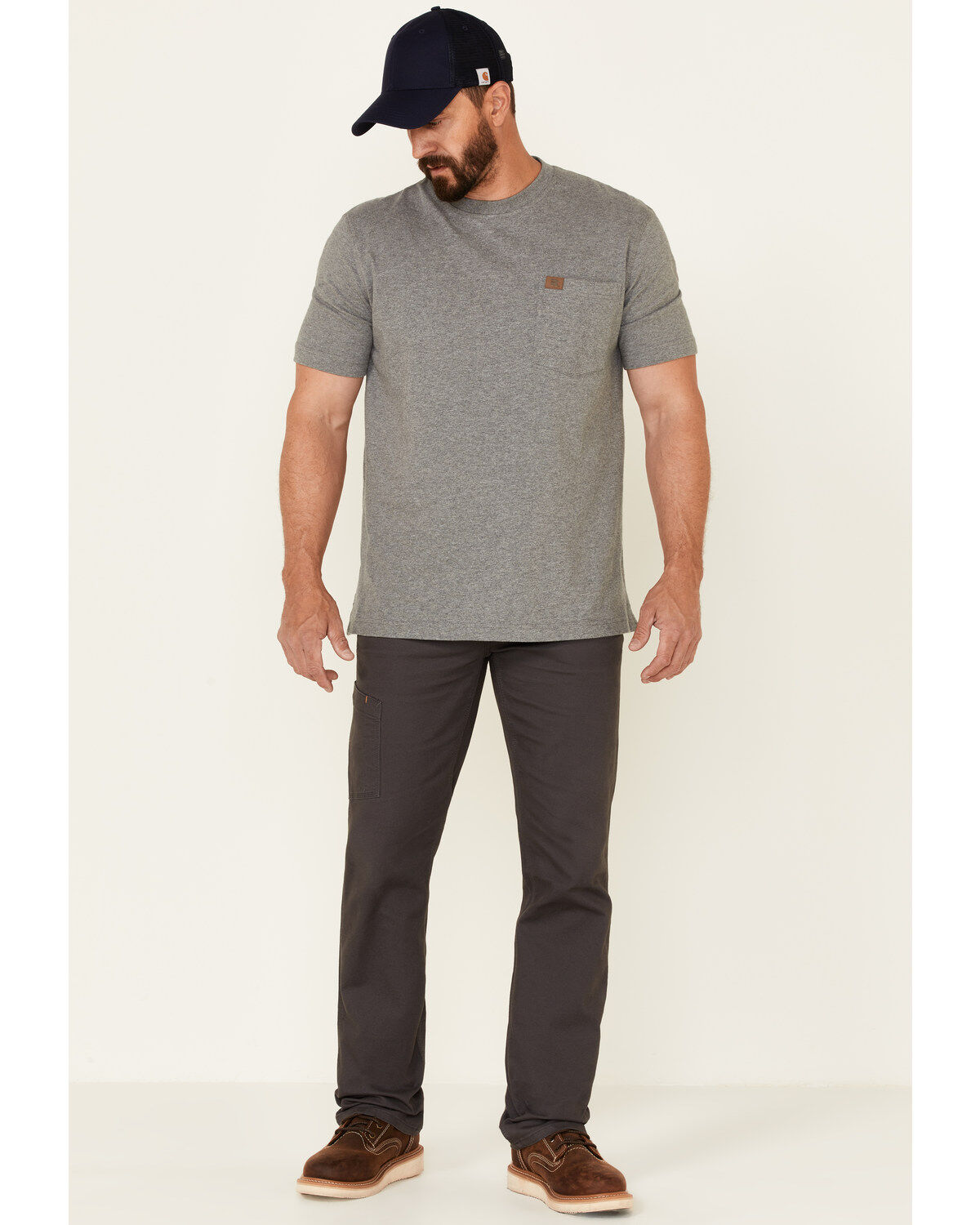
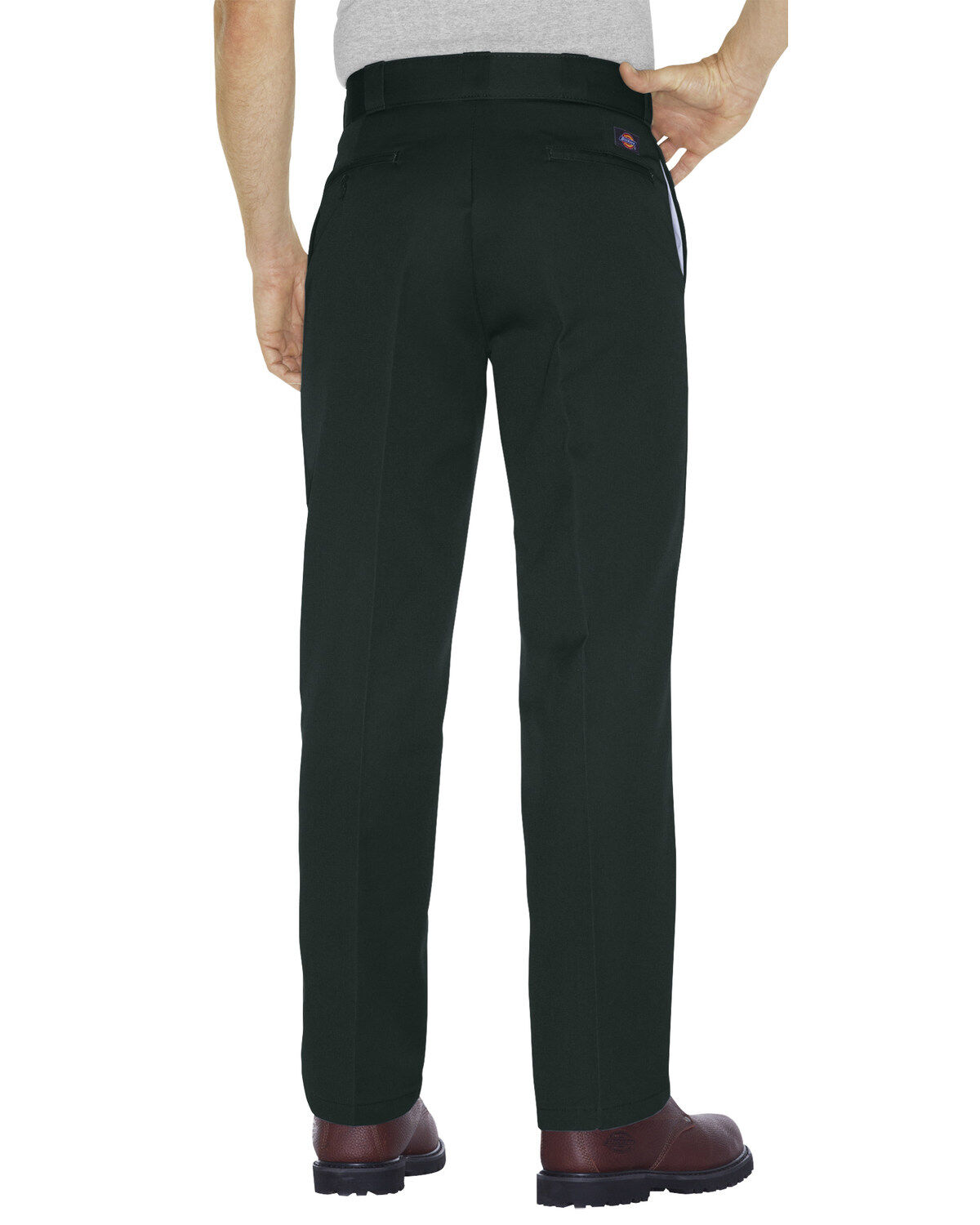
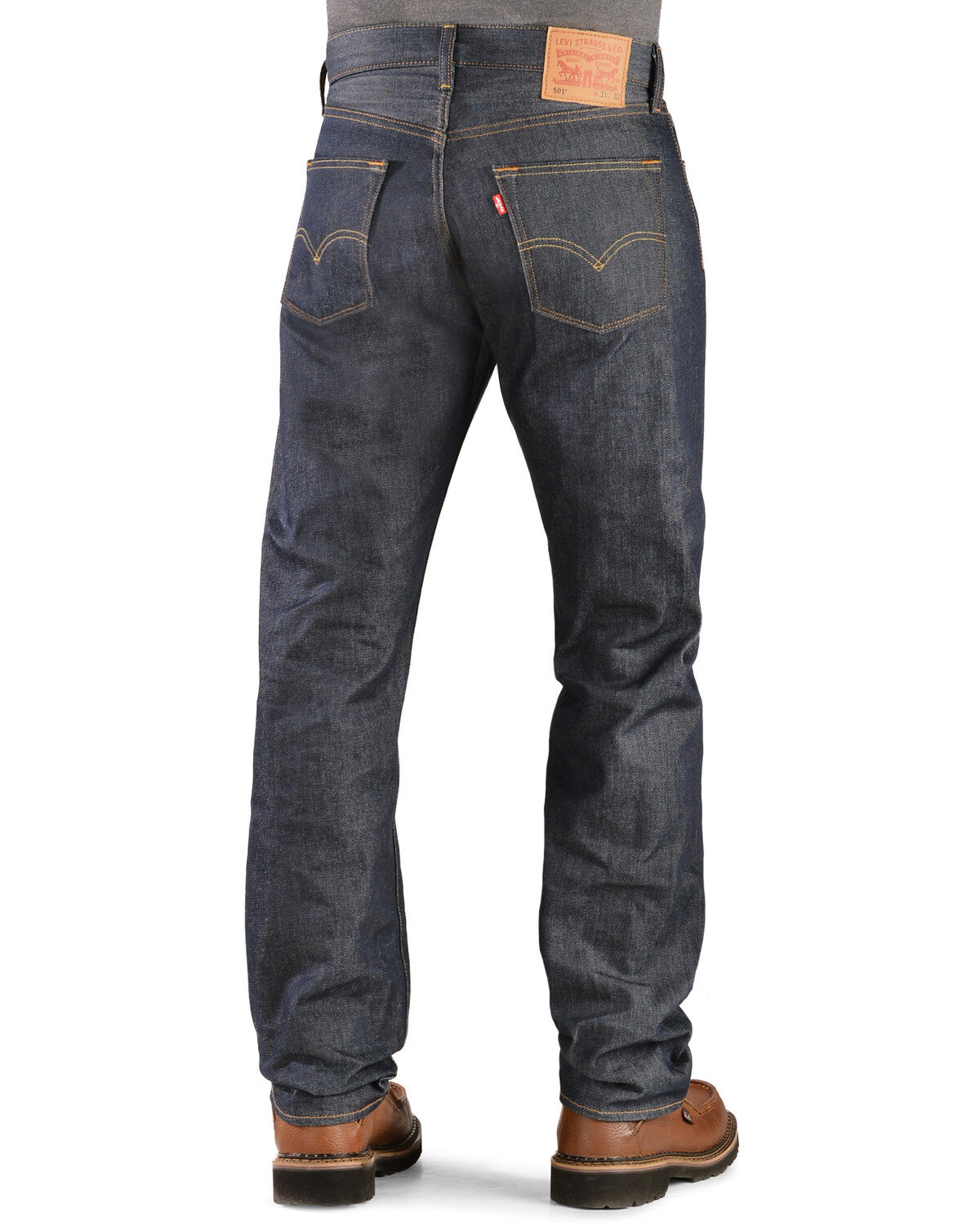
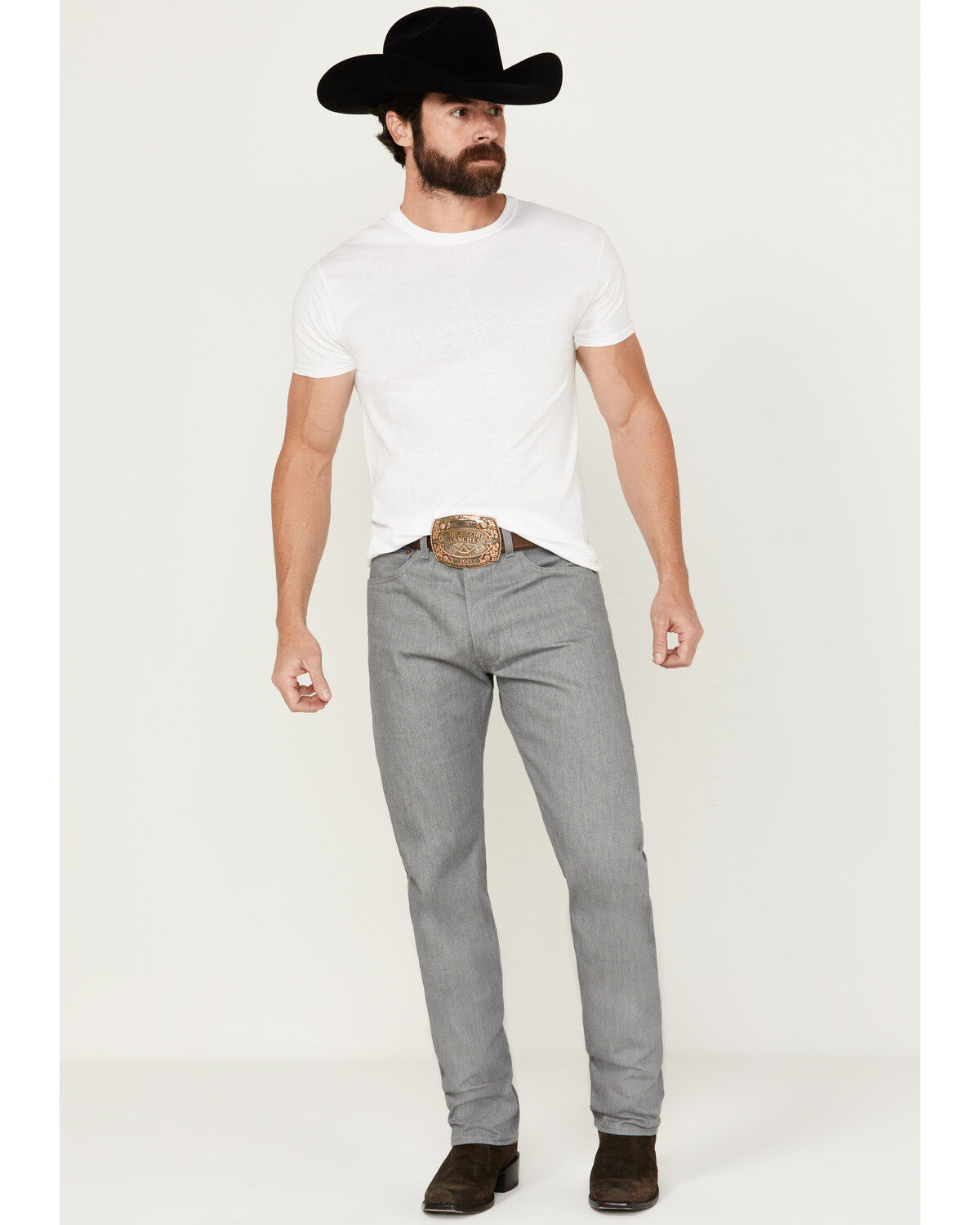
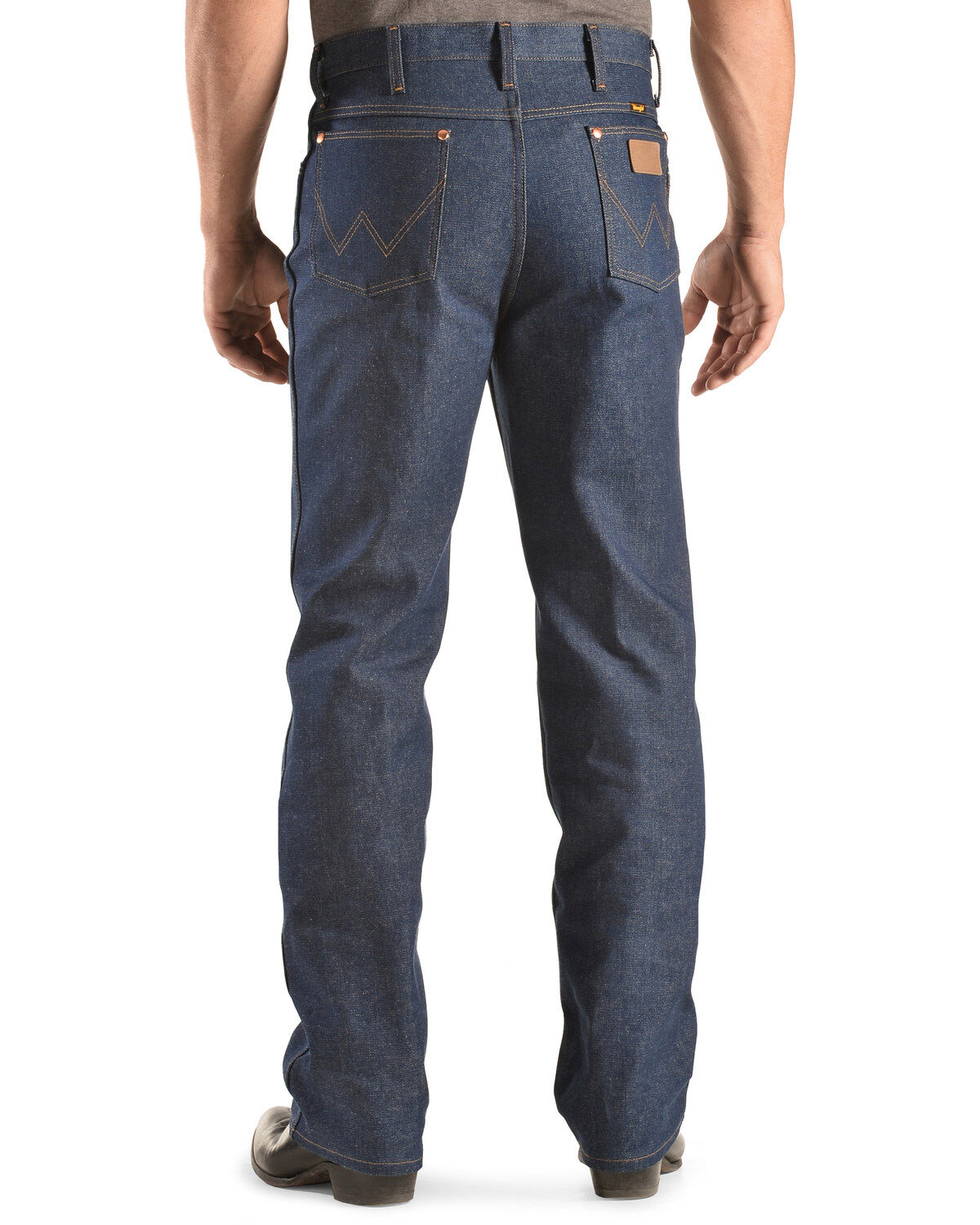
Men's Outdoor Work Pants

Find men's outdoor work pants for jobs that keep you outside. Compare available styles and fits, keeping in mind how much room you need to bend, kneel, or wear a base layer underneath.

Read More

Shop Your Store: Shop Your Store: Find a Store

(Turn off Shop Your Store to see all items)

(Turn off Shop Your Store to see all items)

close
  • Recommended
  • Lowest Price
  • Highest Price
Skip pass products
  • Men's Hawx FR Straight Work Pants
    Original Price $99.99 $41.98
    58% Total Savings
  • Men's Hawx Brown Stretch Ripstop Utility Work Pants - Big
    Original Price $64.99 $26.98
    58% Total Savings
  • Men's Hawx Navy Ripstop Stretch Work Pants
    Original Price $59.99 $23.98
    60% Total Savings
  • Men's Brothers and Sons Utility Stretch Logger Pants
    Original Price $69.99 $17.98
    74% Total Savings

End of products

Men's Outdoor Work Pants

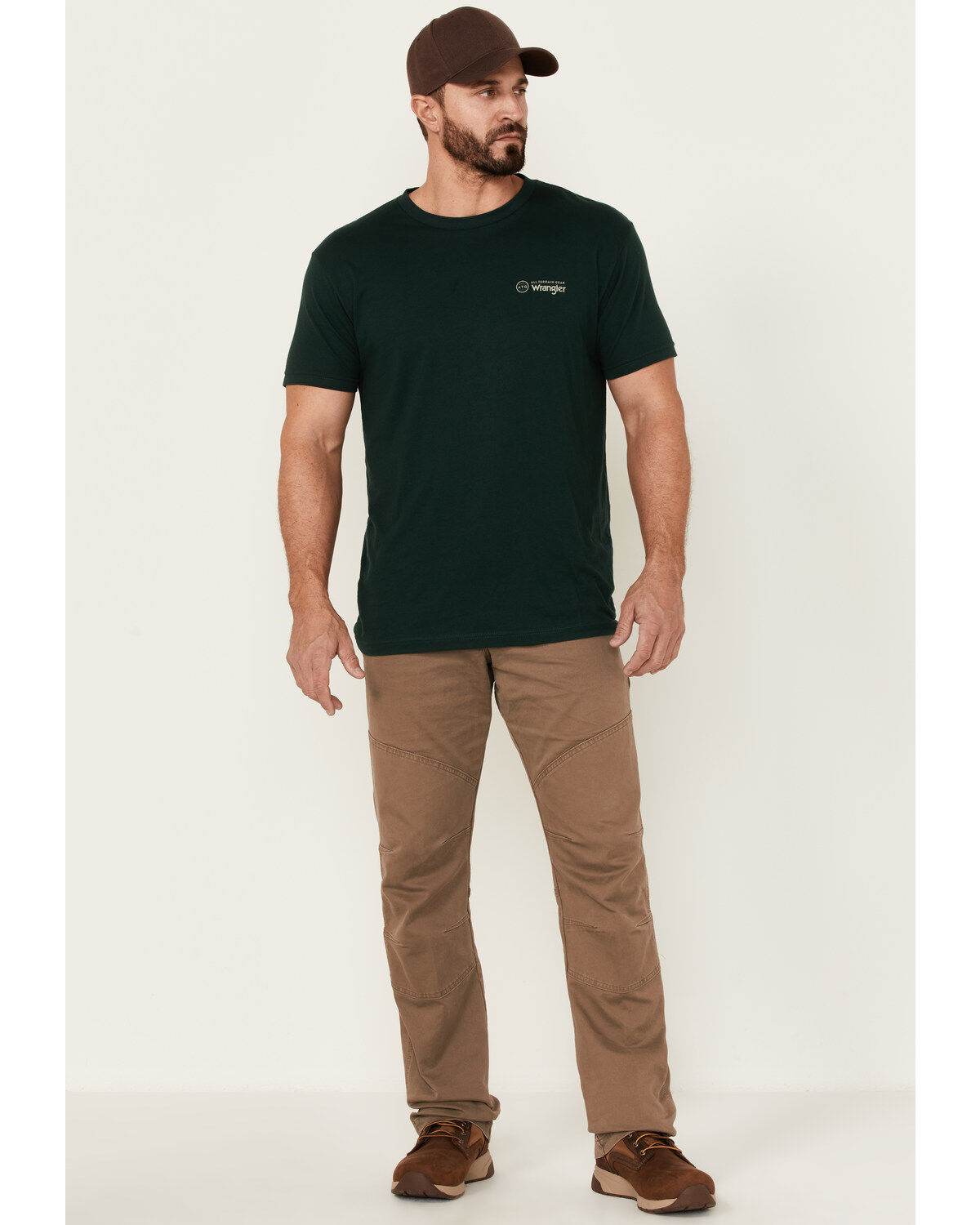
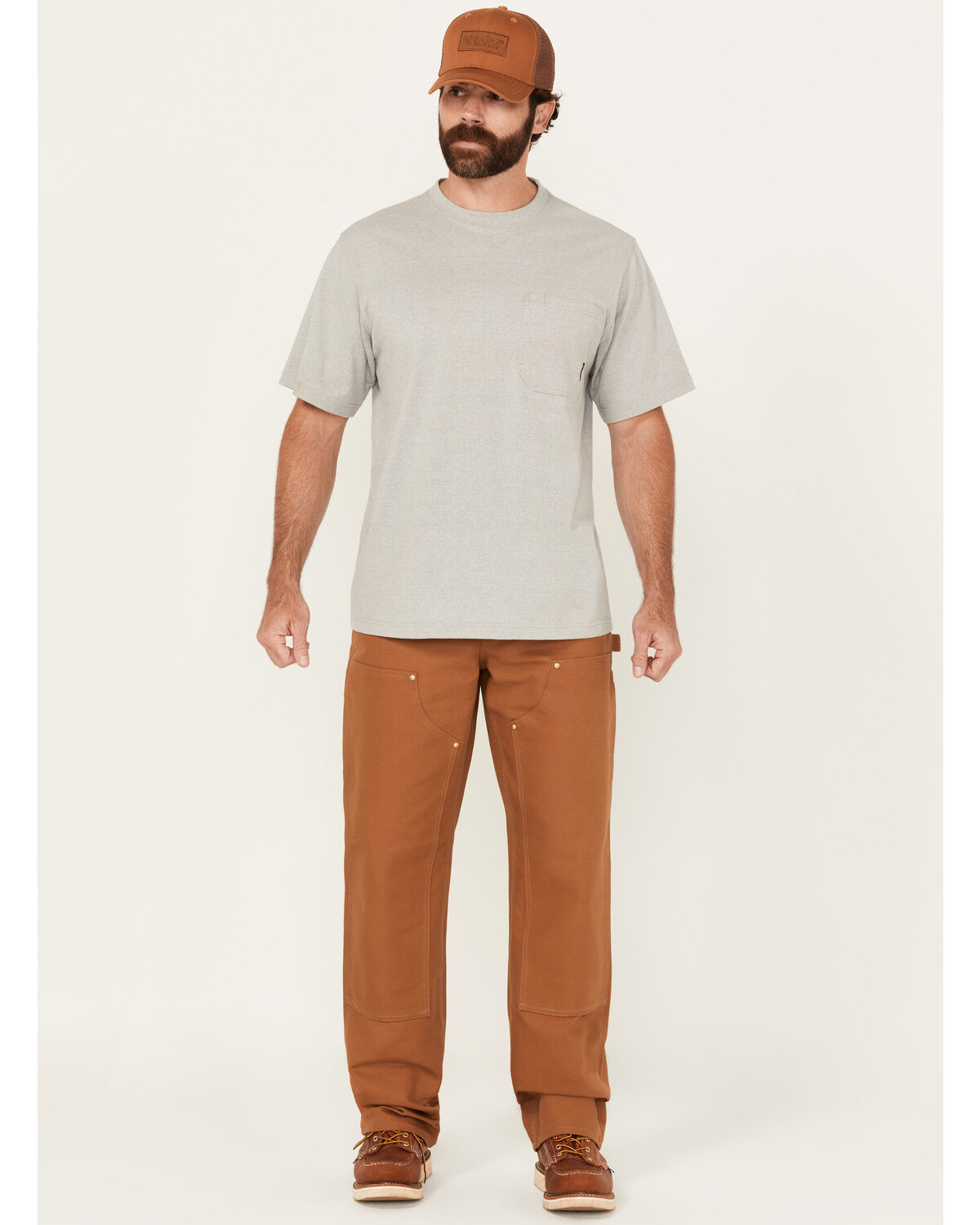
Men's outdoor work pants are built for physical jobs that demand durable fabric, dependable seams, and room to move. Their purpose is straightforward: hold up through repeated bending, lifting, kneeling, and walking while keeping everyday work essentials within reach. Fence repair, landscaping, construction, equipment maintenance, and general property work all put different demands on a pair of pants. Kneeling beside an irrigation line wears on the knees; climbing into a truck tests the seat and crotch seams; carrying hand tools puts stress on pockets. Within the broader category of men's outdoor pants, work-focused designs often place greater emphasis on these high-wear areas. Cotton duck and other tightly woven canvas fabrics provide a substantial feel that suits repeated contact with rough surfaces. Denim offers another familiar option, with weight and construction affecting how stiff or flexible it feels. Nylon and polyester blends can bring abrasion resistance, lower fabric weight, and faster drying after washing, although performance depends on the complete fabric rather than fiber content alone. Ripstop fabrics use a reinforcing grid intended to limit the spread of small tears; they are not tear-proof. A modest amount of stretch can make crouching beside a mower or stepping over a low rail less restrictive. Fabric weight matters, too. A heavier material may suit abrasive tasks, while a lighter construction can feel less cumbersome during jobs that involve constant movement. Breathability and moisture management also affect comfort during sustained effort, particularly when carrying supplies or covering a large property on foot. Reinforced knees, extra fabric at pocket openings, and secure stitching can help address common wear points. Double-front construction adds another layer over the front of the legs, though it also adds weight and may feel firmer at first. No single fabric or construction is best for every job. The useful balance depends on the surfaces, movements, and daily wear the pants will encounter.

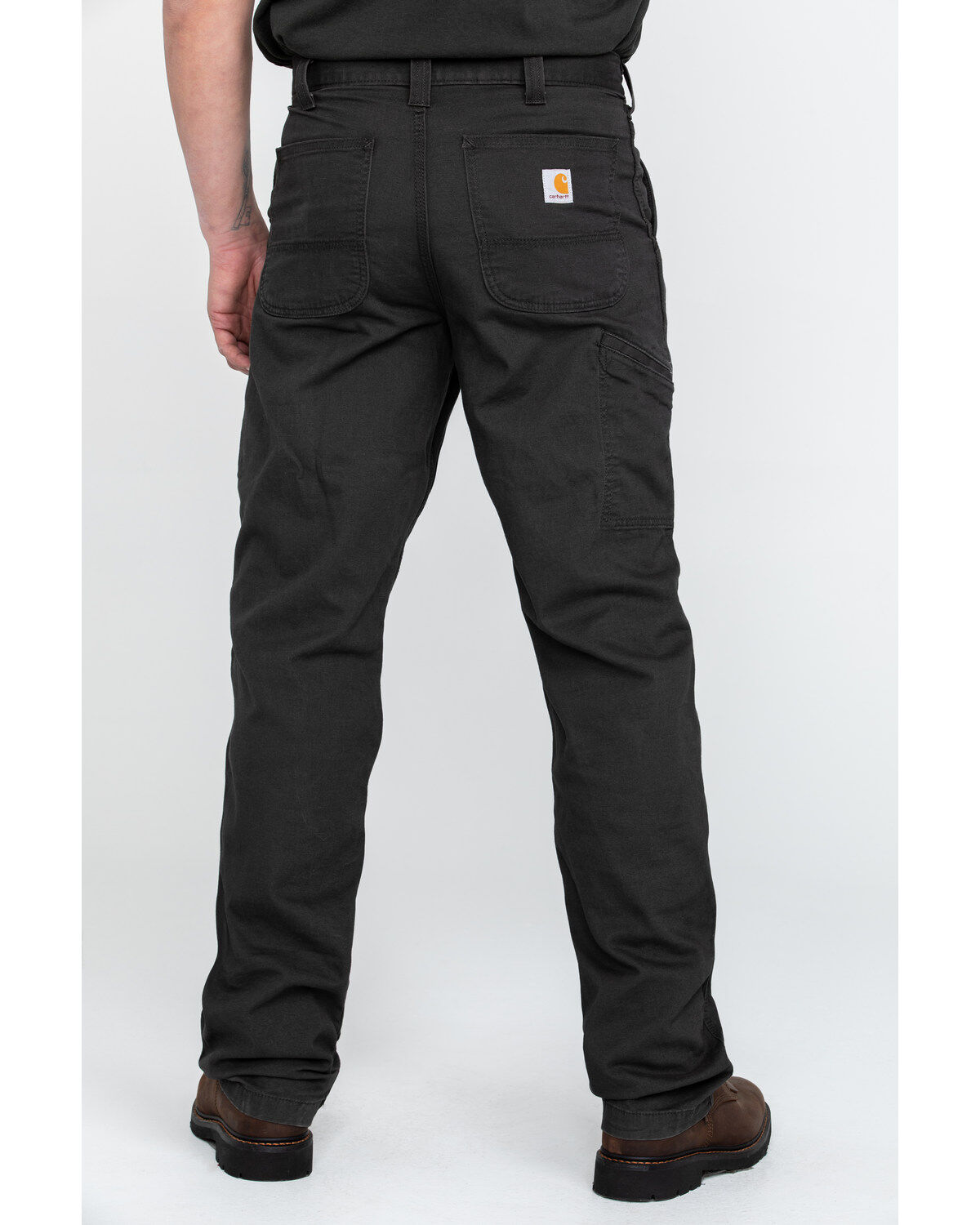
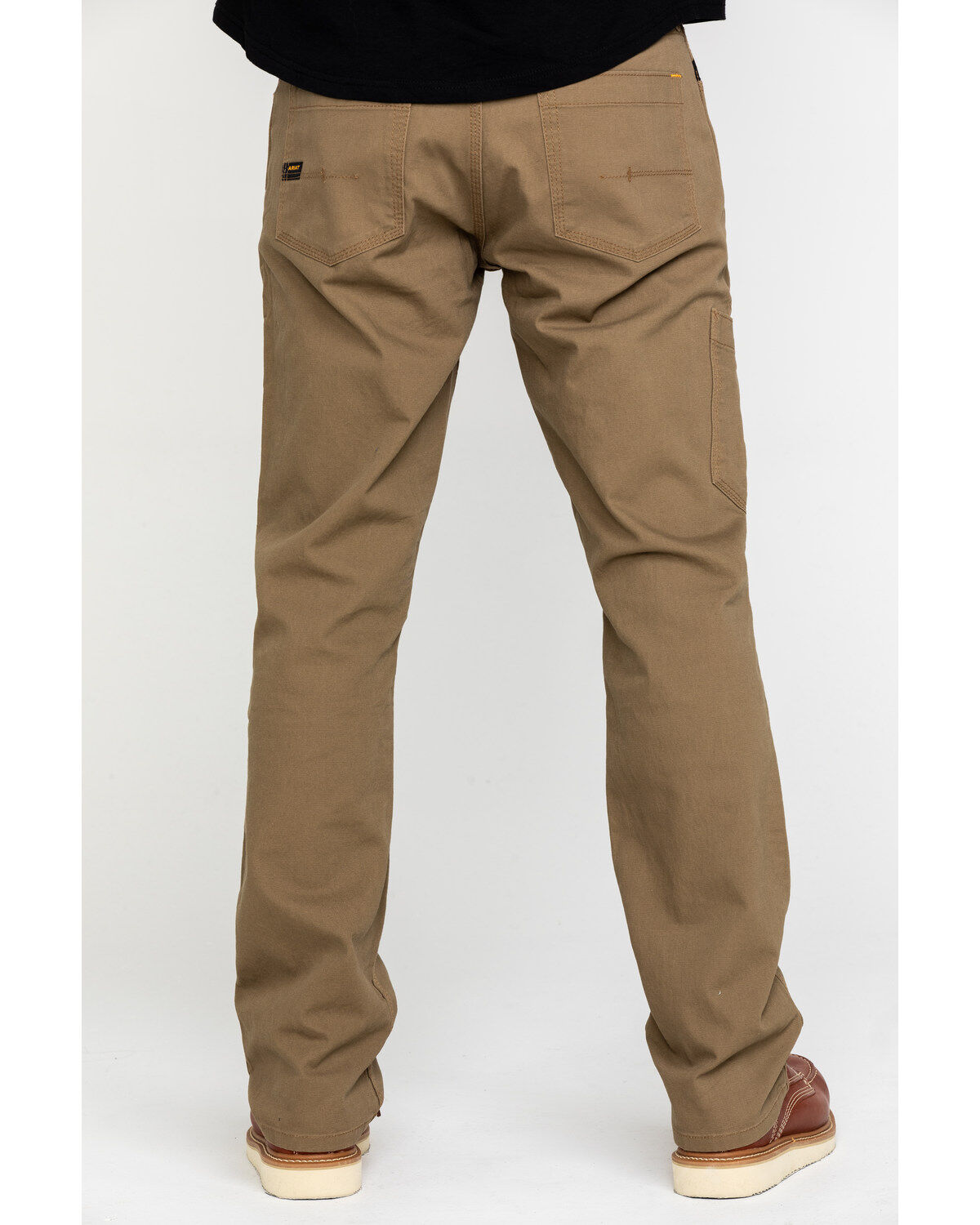
Fit has a direct effect on how men's outdoor work pants perform through a full shift. Enough room through the seat and thighs allows a full stride, a deep bend, and a comfortable seated position without pulling at the waistband. Excess fabric can create its own problems, particularly when it bunches behind the knees or catches on equipment. A straight leg often works well over work boots, while a more tapered shape keeps the lower leg closer to the body. Either shape needs enough space at the opening to sit properly over the intended footwear without dragging beneath the heel. Inseam length is best judged with work boots on, since a hem that looks right barefoot may sit differently over a substantial boot. Waist placement matters when bending to lift a feed sack or reaching into a truck bed. A waistband that stays in place without digging in supports movement better than one that needs constant adjustment. Gusseted crotches add fabric where several seams meet, and shaped knees can reduce pulling when crouching or climbing. Stretch fabric serves a related purpose, but it does not replace the need for the correct size and cut. Pocket placement deserves the same attention as fit. Deep front pockets can keep small essentials accessible, while reinforced edges help withstand repeated contact with a clipped tool. Cargo pockets provide additional storage, but their usefulness depends on where they sit and how much they carry. A loaded pocket that presses against the knee or swings against the leg can become a distraction over a long day. Secure closures help retain contents when kneeling or sitting, and belt loops need to accommodate the belt used for work. Hammer loops and utility pockets make sense for tasks that require them, but a simpler layout can be more comfortable when moving between driving, walking, and hands-on work. For jobs involving prolonged kneeling, designs intended to accept knee-pad inserts may provide a practical way to keep compatible padding in position. The overall goal is a stable fit that allows movement without unnecessary bulk.

Durability also depends on care and on matching the pants to the work. Soil, grit, and repeated rubbing can wear down fabric over time, especially around knees, cuffs, and pocket corners. Following the care label helps preserve the intended fit and finish, since washing and drying requirements vary by fiber blend and construction. Loose dirt can be brushed off before washing, and pockets should be emptied of screws, nails, wire scraps, and other objects that could damage fabric or the washing machine. Prompt attention to stains is generally easier on clothing than repeated aggressive cleaning later. Excessive dryer heat can affect stretch fibers and may cause shrinkage in some fabrics, making the stated drying instructions important. Small seam failures and worn pocket corners are worth addressing before damage spreads. Cuffs that drag across gravel or concrete will wear faster, even when the main fabric remains sound. Pants used around fuel, oils, or chemicals may require additional handling according to workplace procedures and the substance involved. Ordinary outdoor work pants should not be treated as protection against flames, electrical hazards, chainsaws, or chemical exposure. Jobs with defined hazards call for clothing and protective equipment that meet the employer's requirements and applicable safety standards. For everyday work without those specialized requirements, useful details are often the ones noticed after several hours: a waistband that stays put, seams that do not rub, pockets that remain accessible, and knees that bend without resistance. Those qualities matter to tradesmen, grounds crews, ranch workers, and homeowners handling demanding projects. They also make work pants a practical gift for a father, brother, spouse, or another man who spends time maintaining land or working with his hands. Knowing the recipient's waist, inseam, preferred fit, and usual tasks makes that choice more personal and more useful. A dependable pair earns its place through repeated wear, straightforward care, and construction suited to the job.
Read More

FAQs