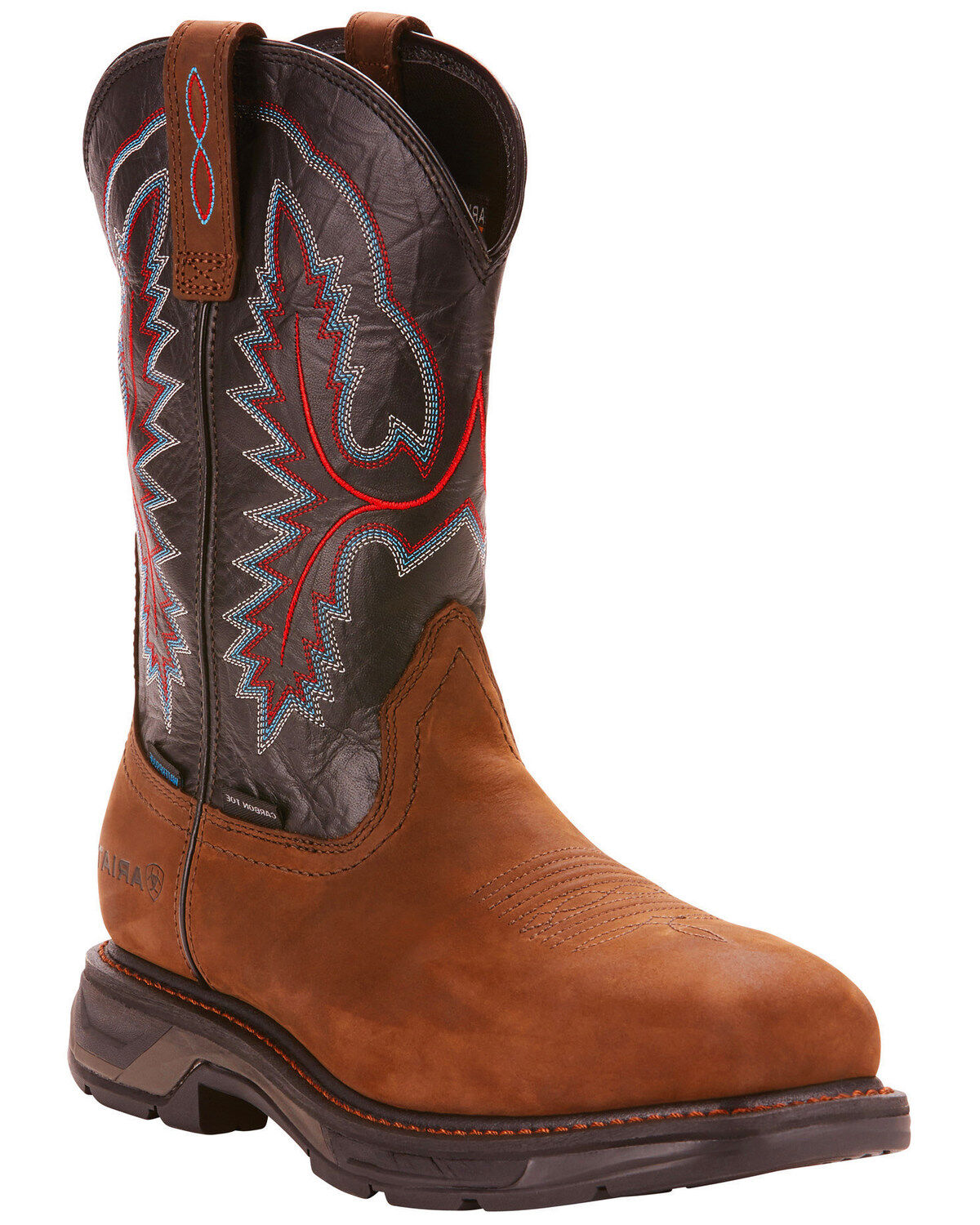
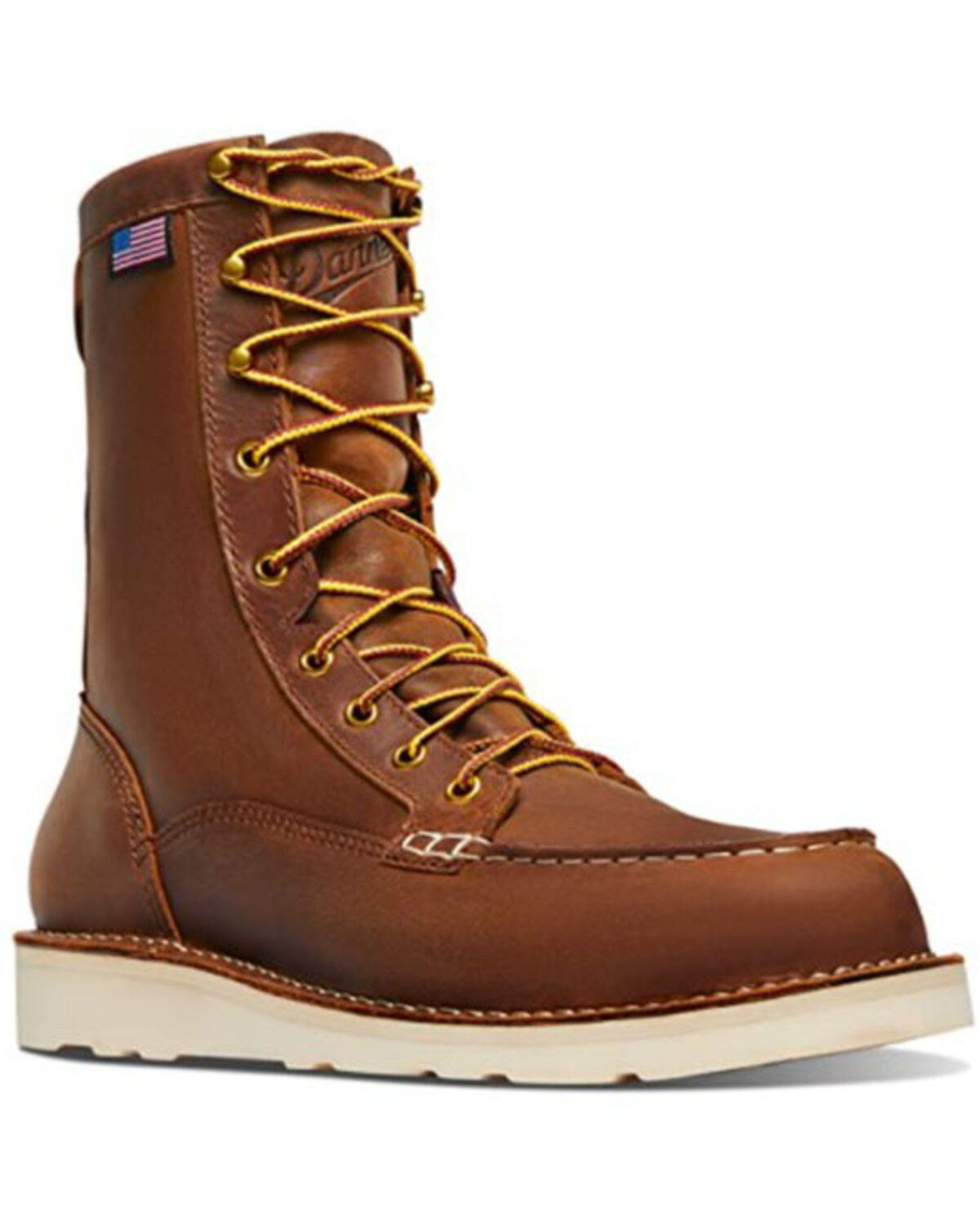
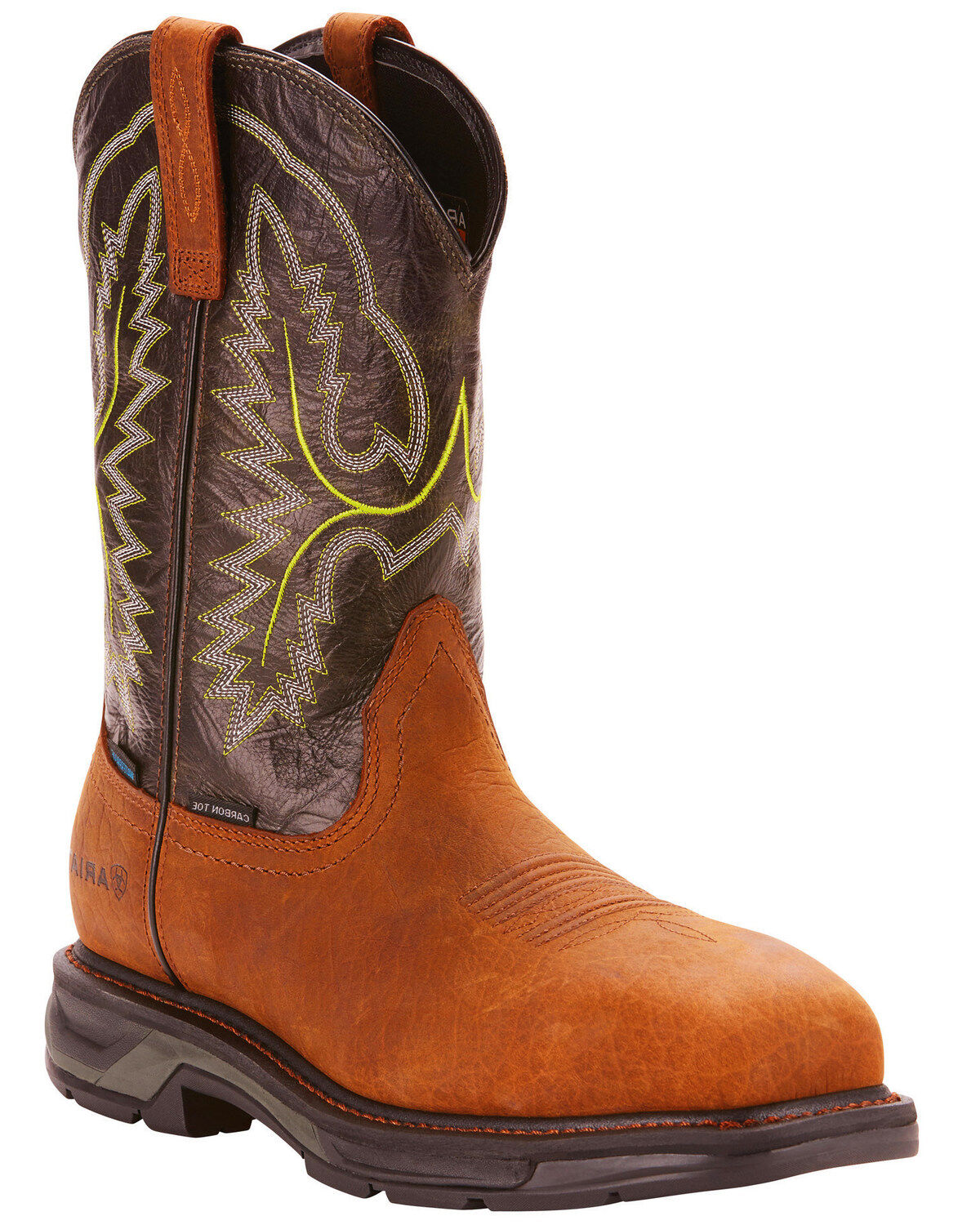
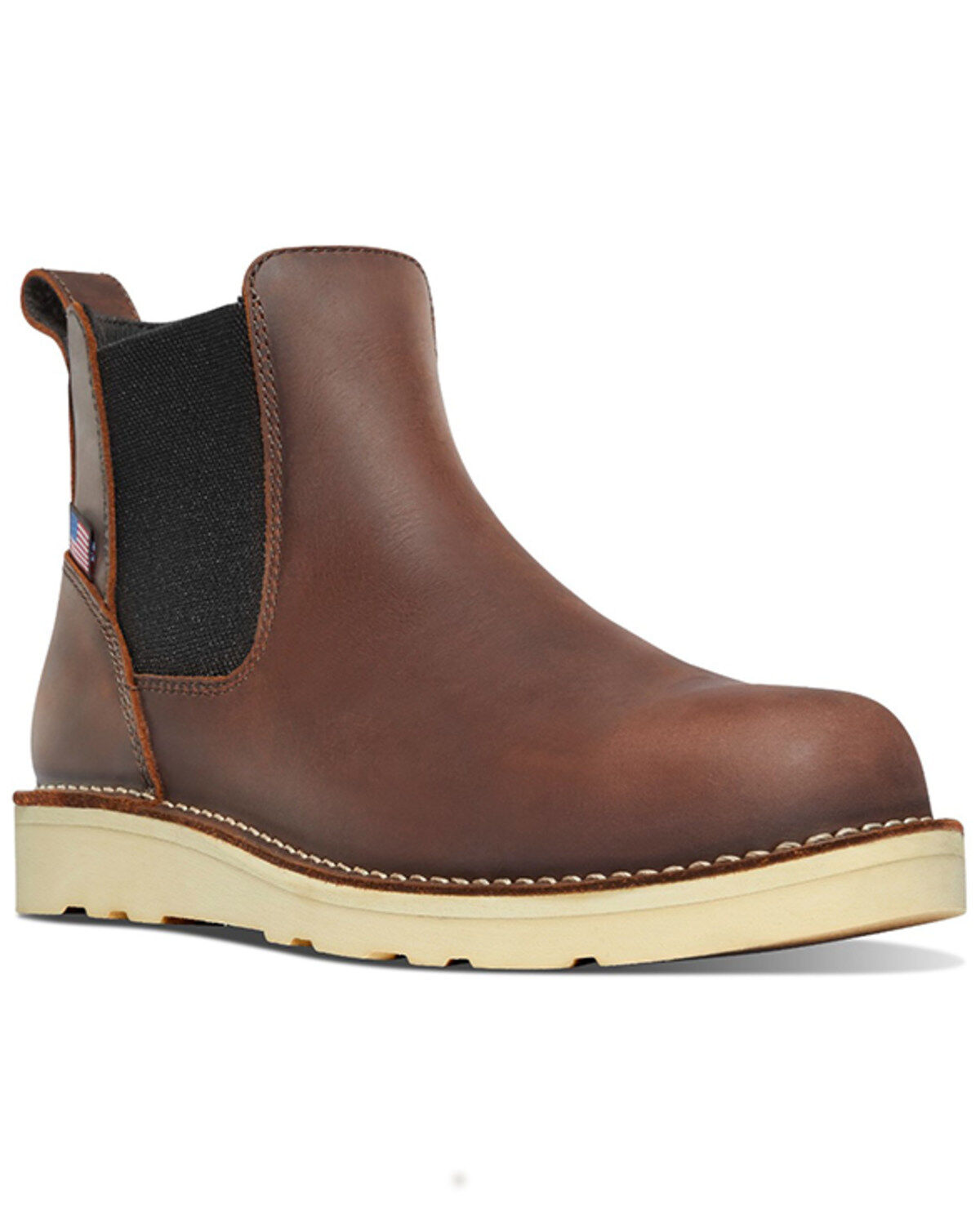
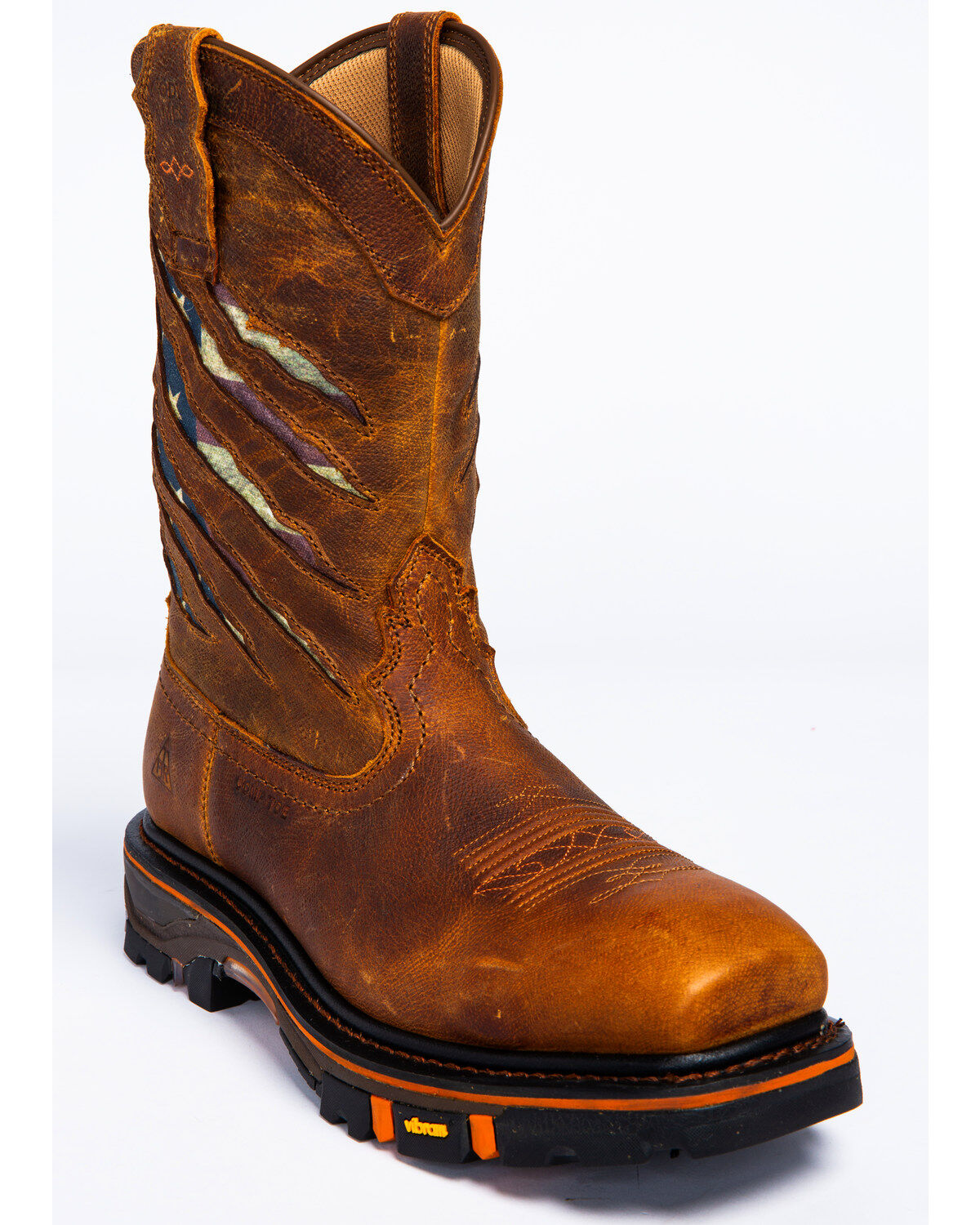
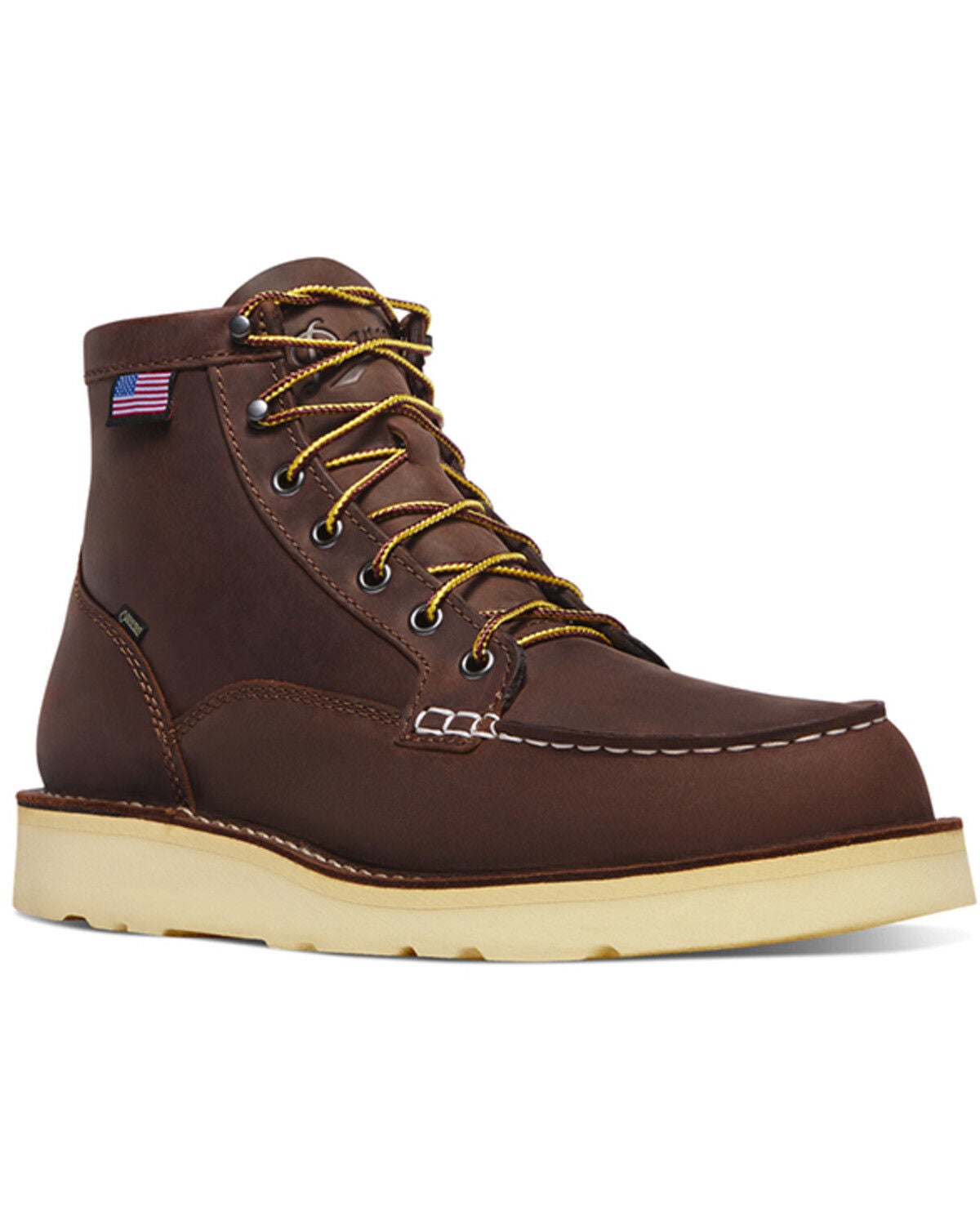
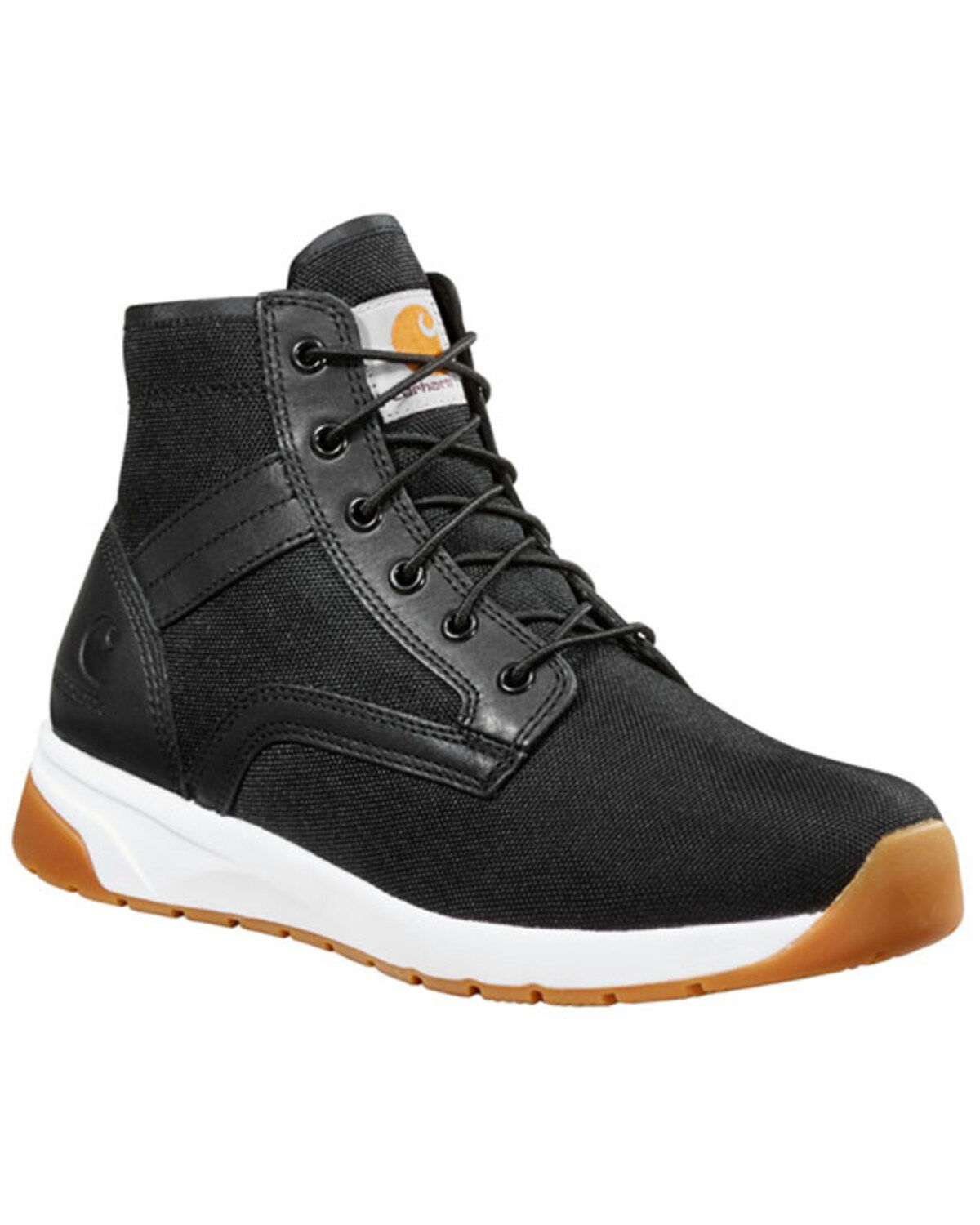
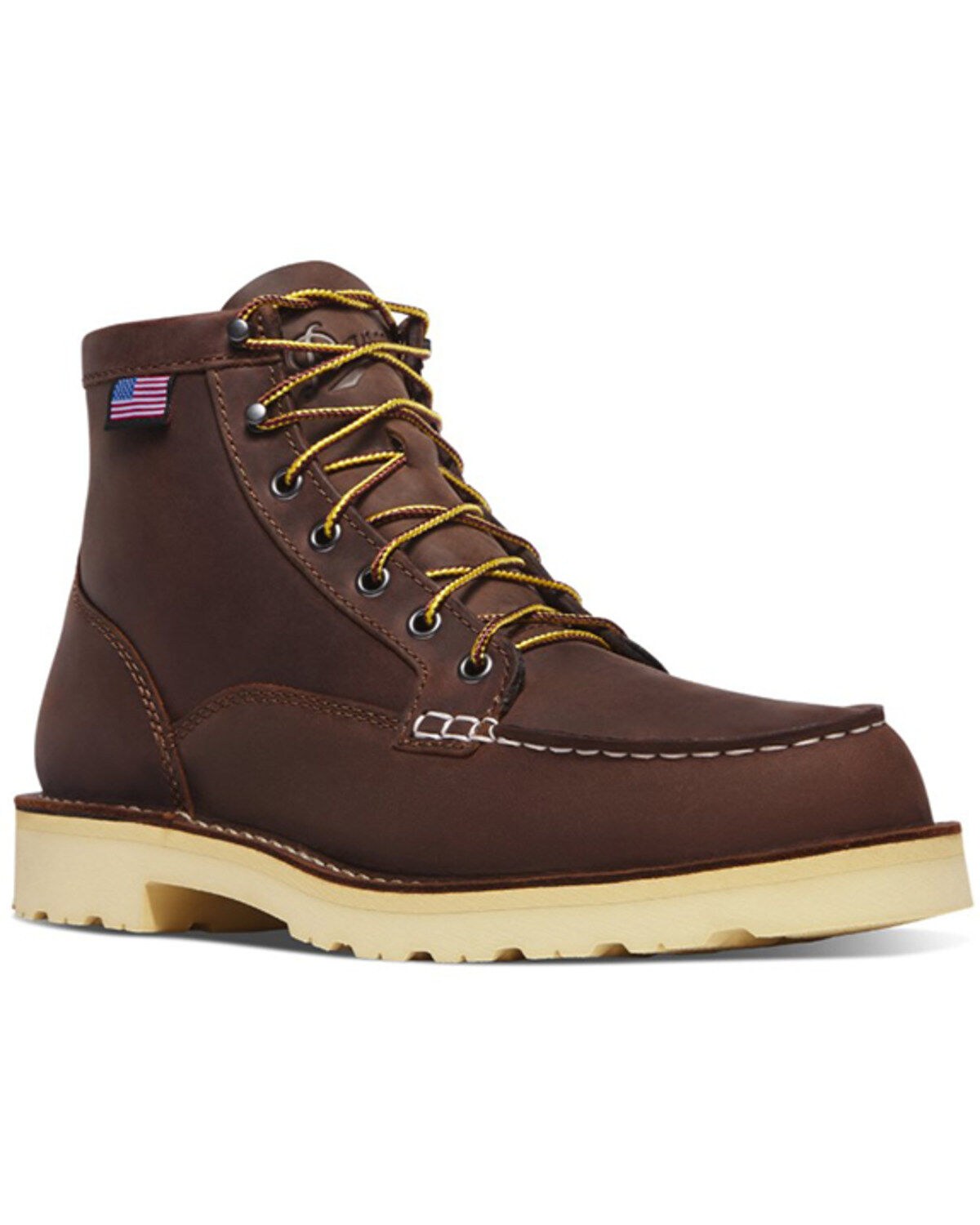
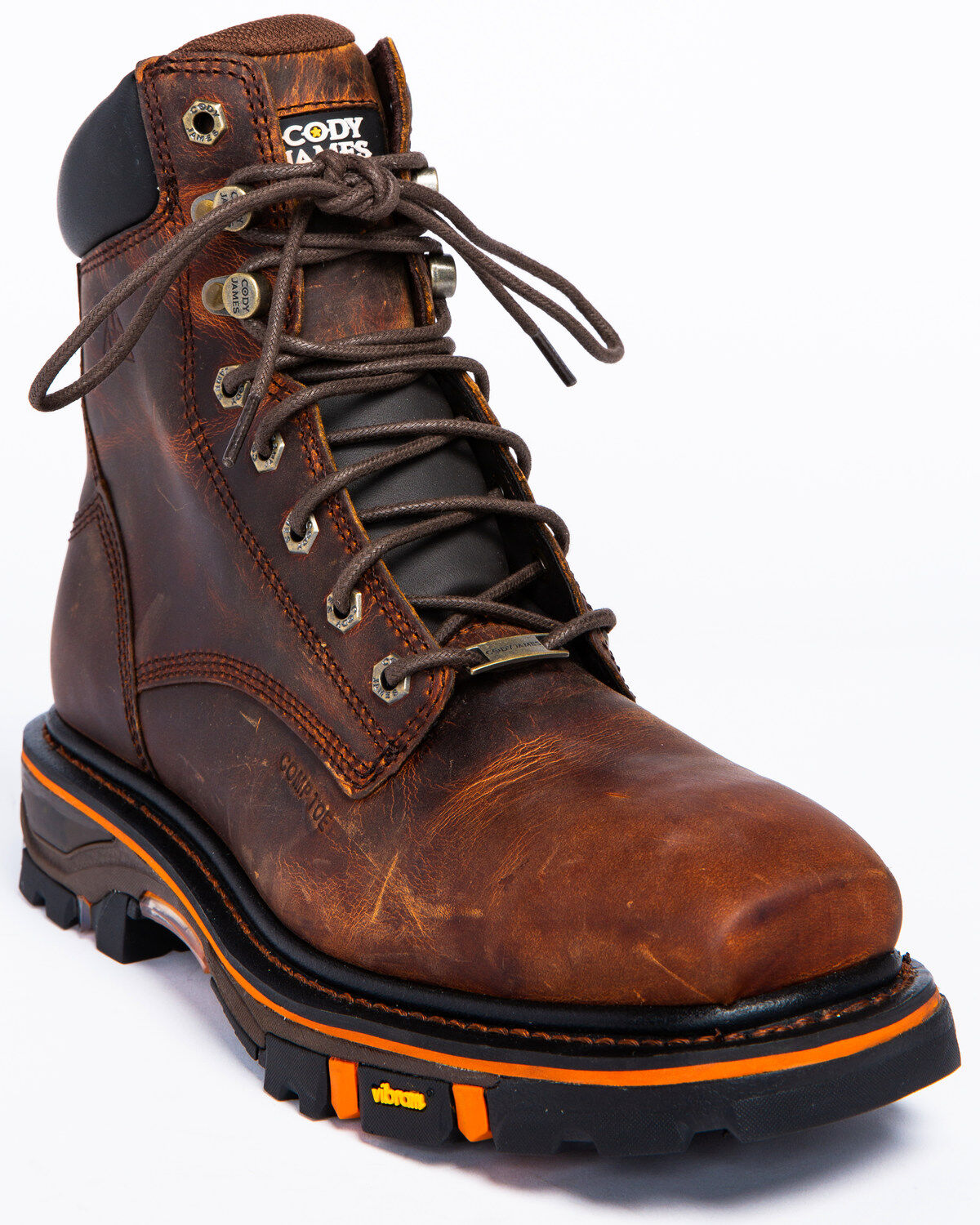
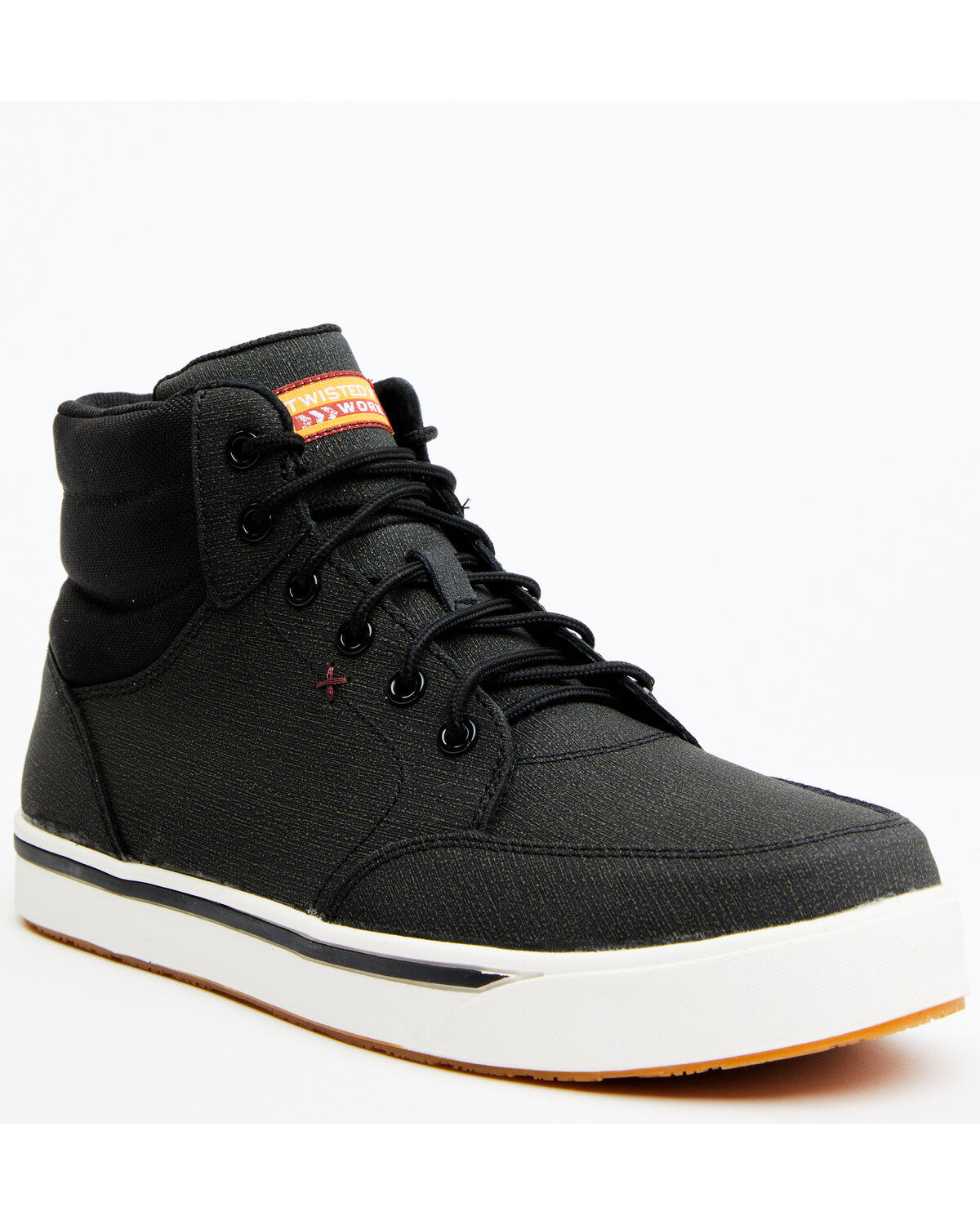
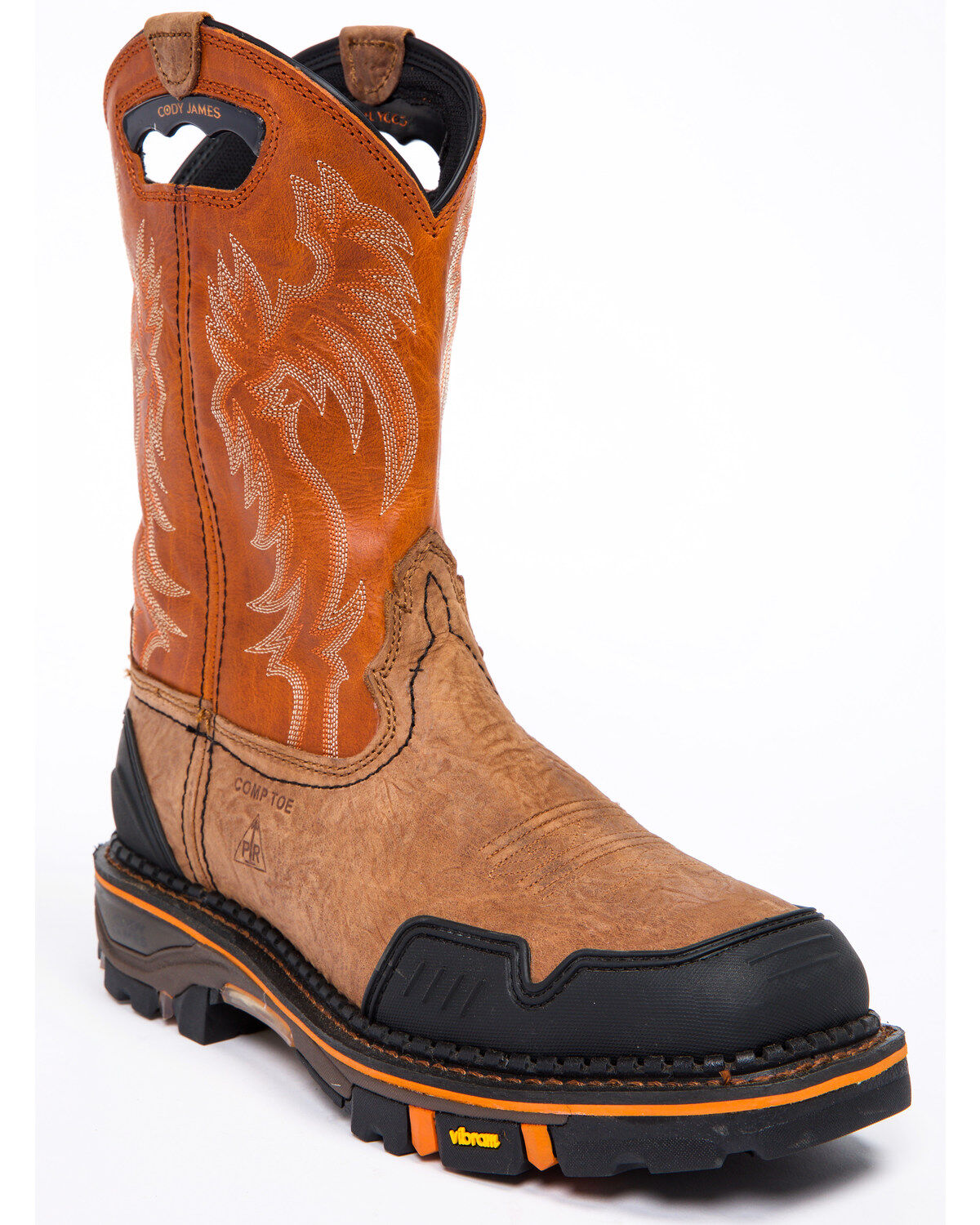
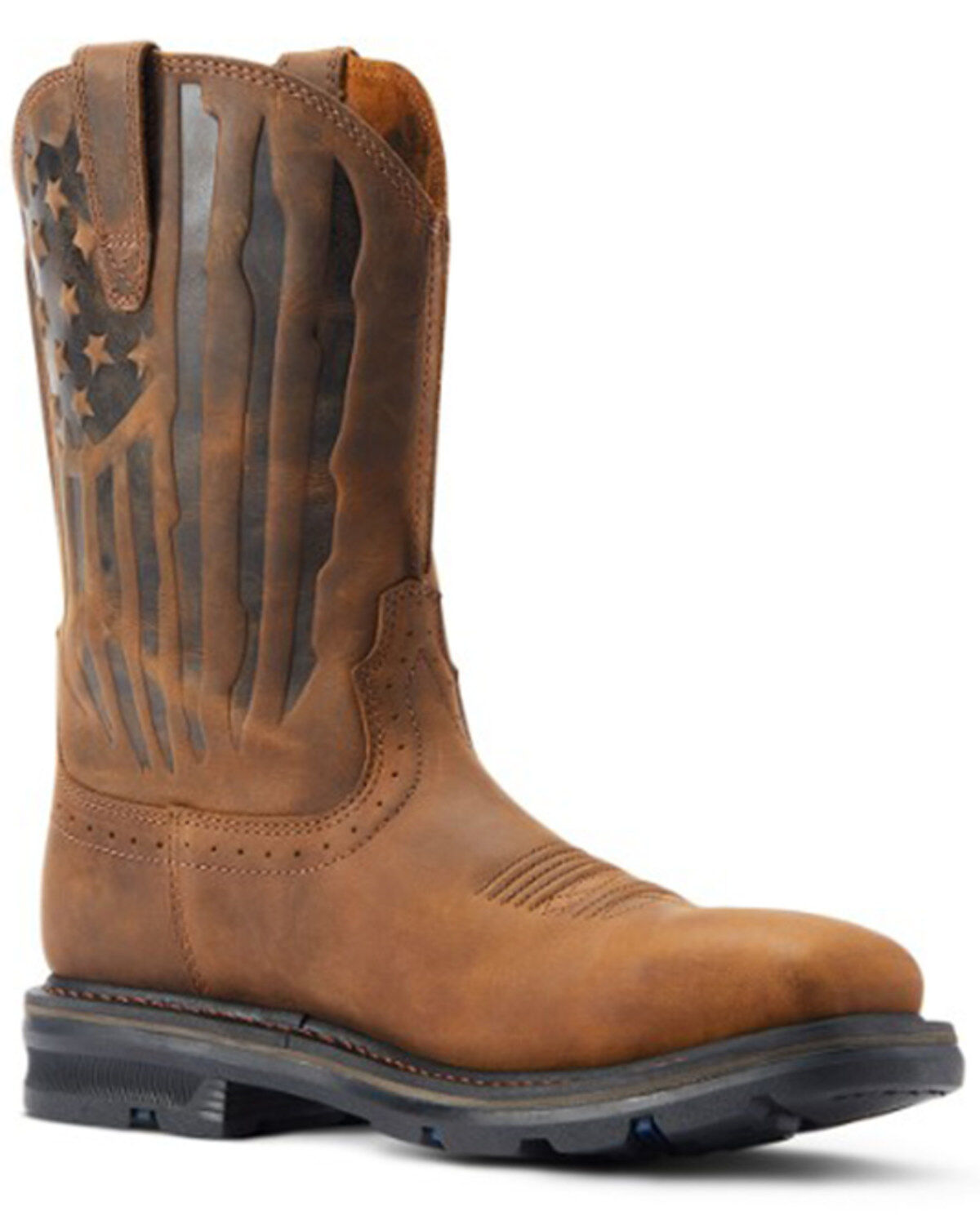
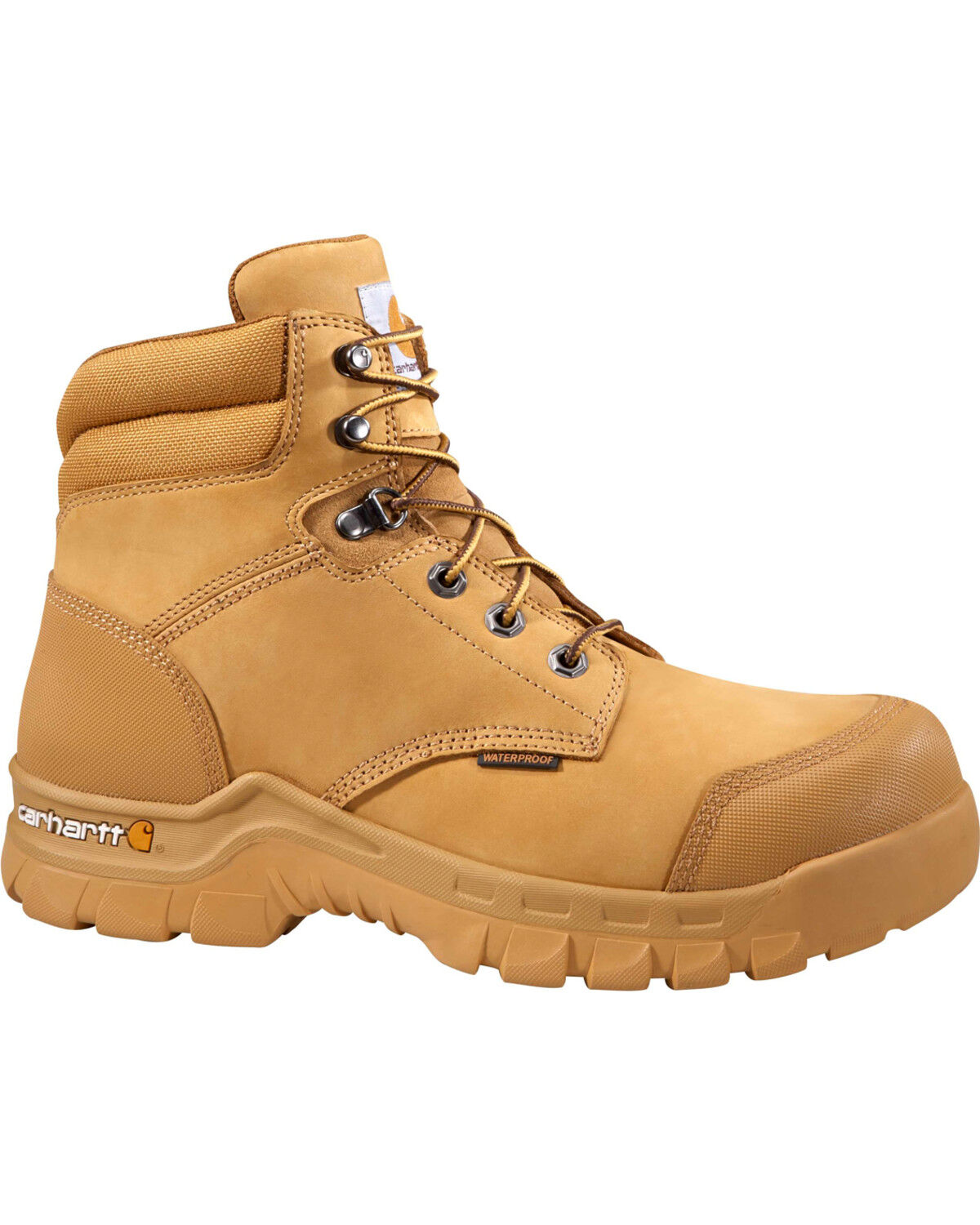
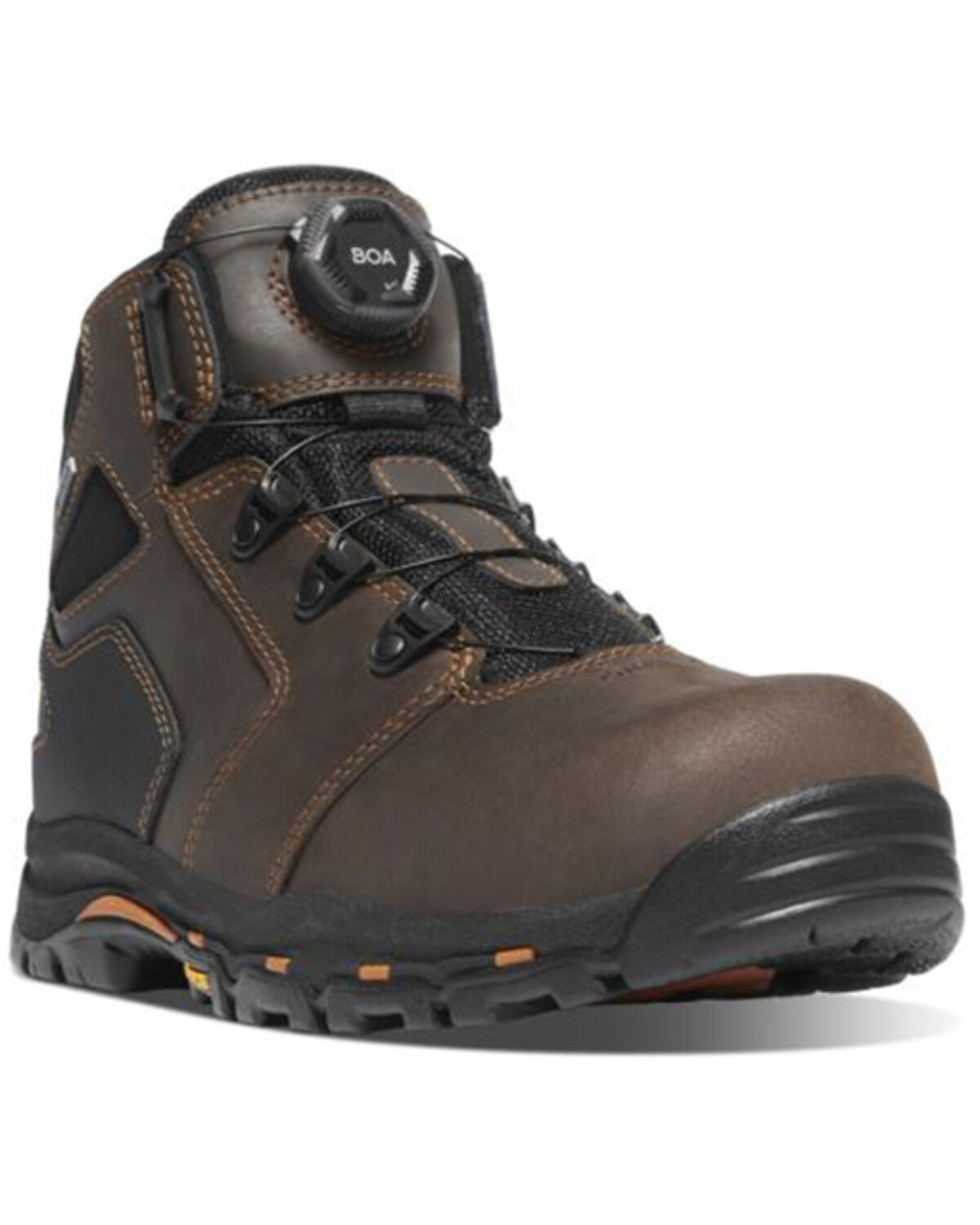
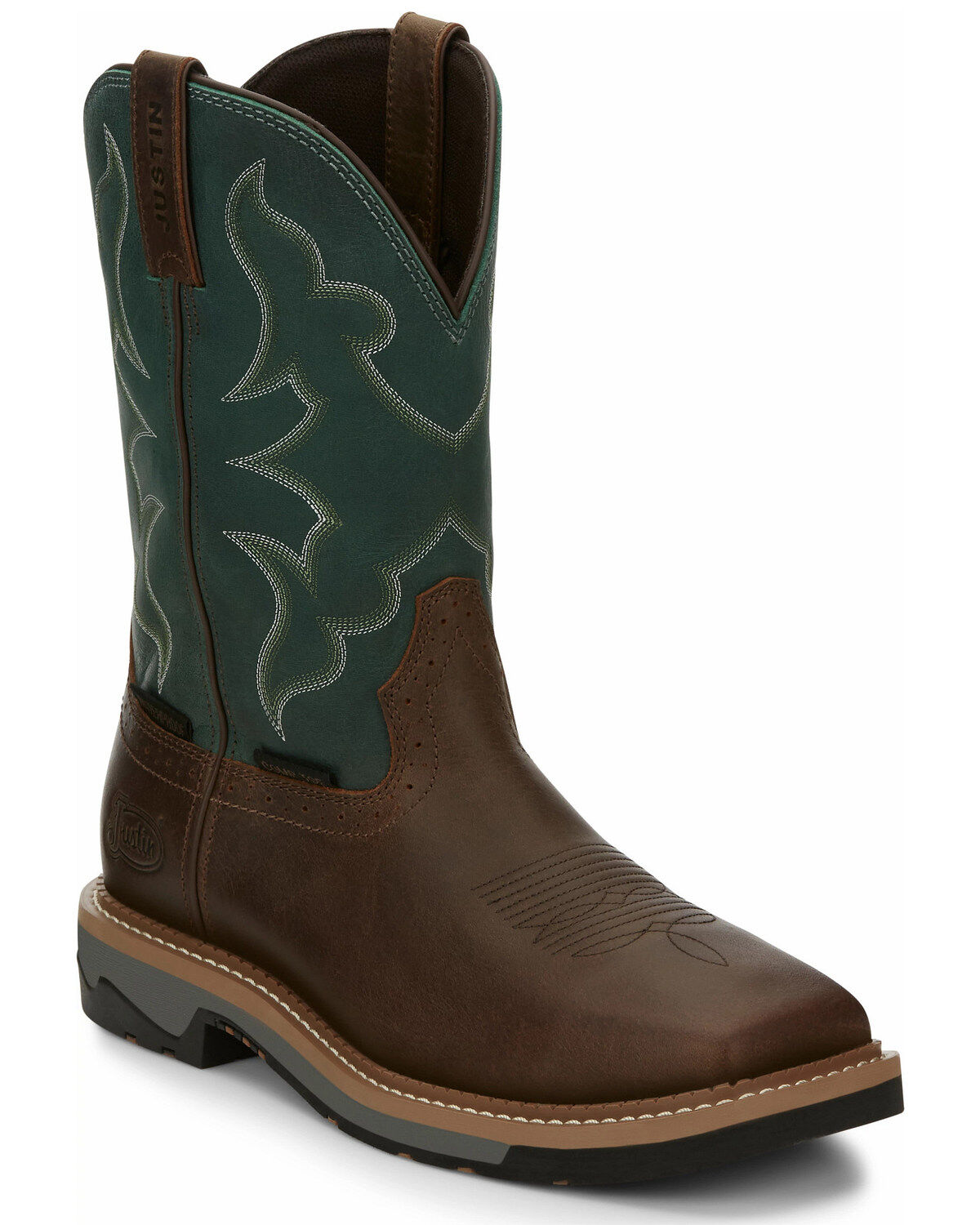
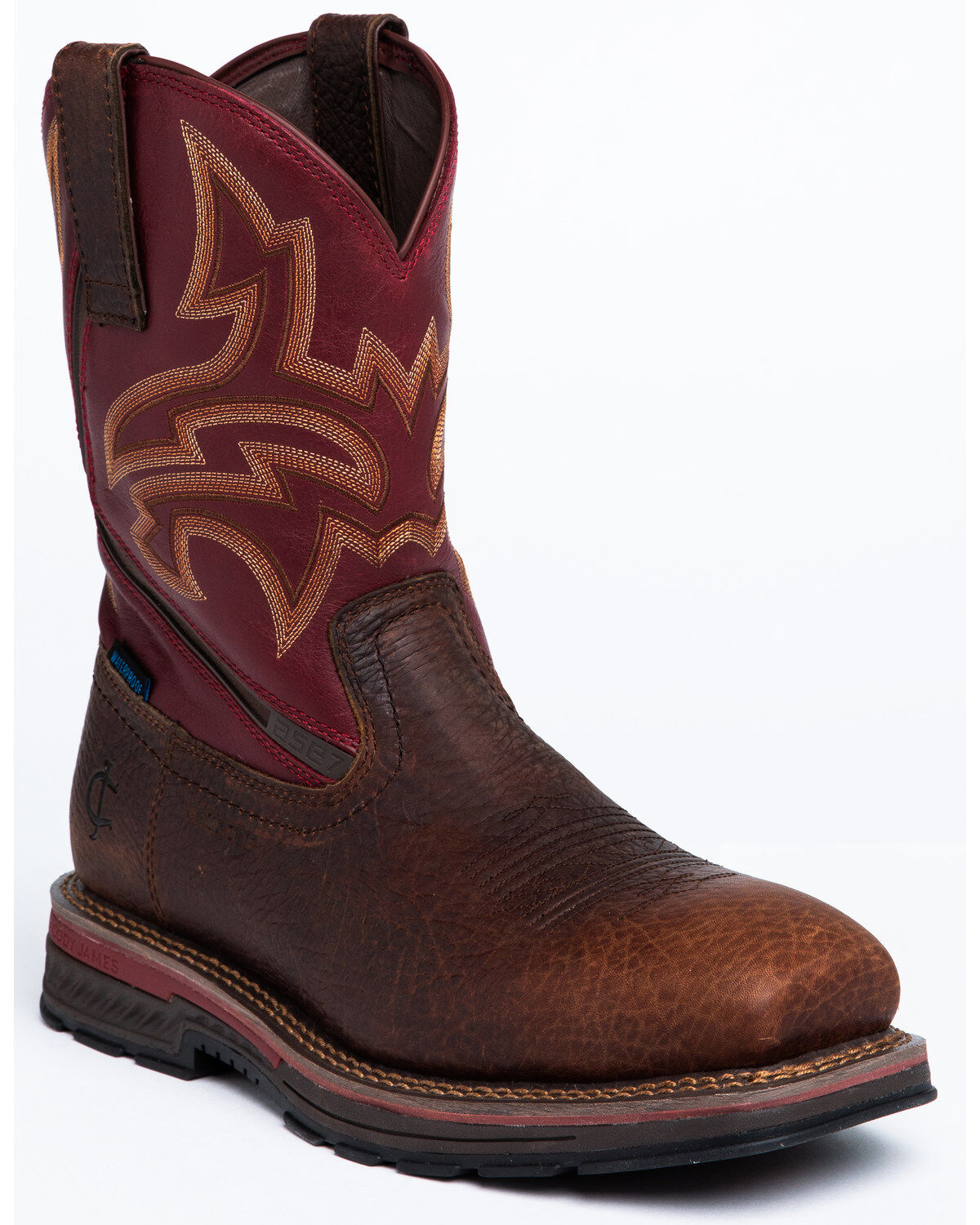
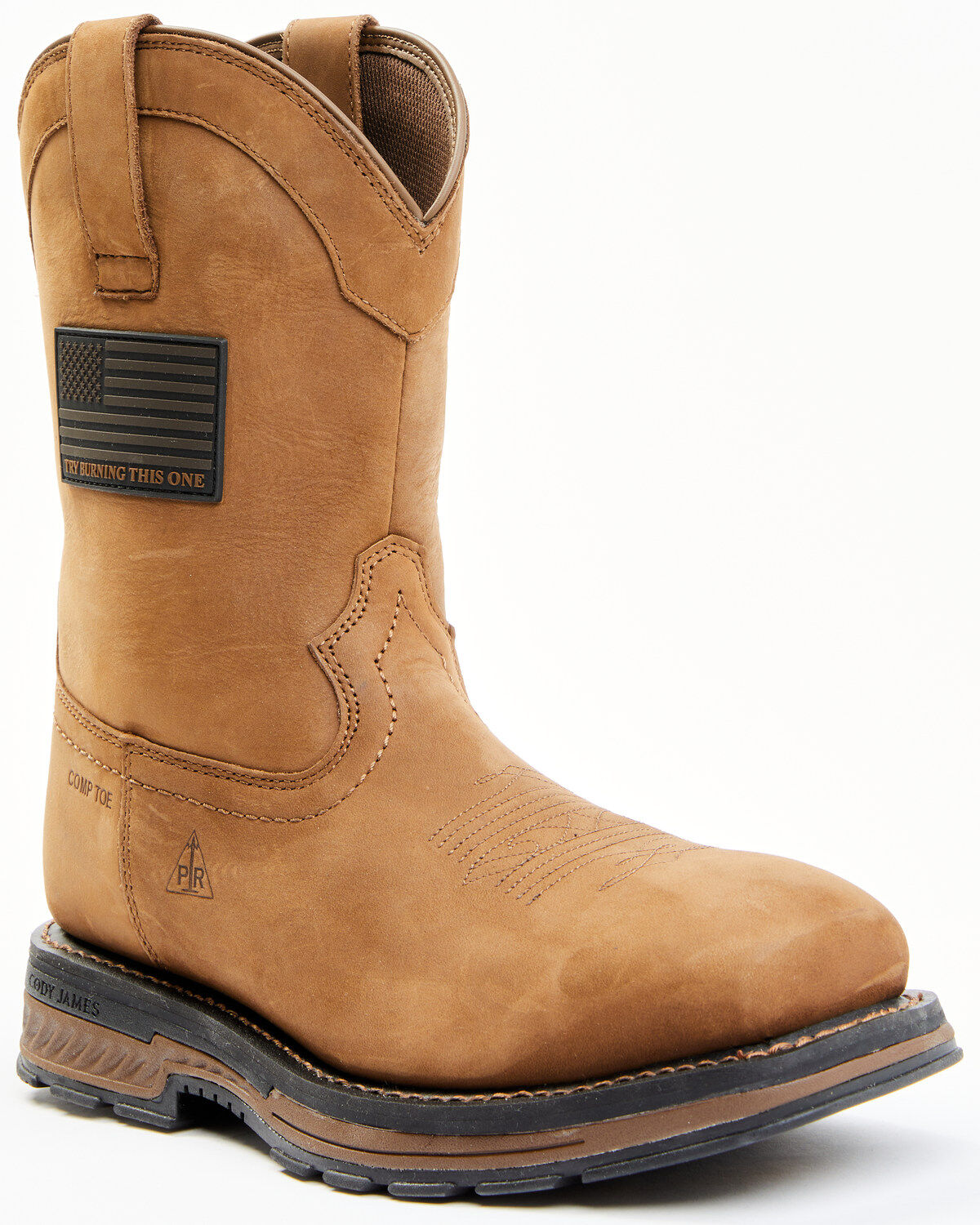
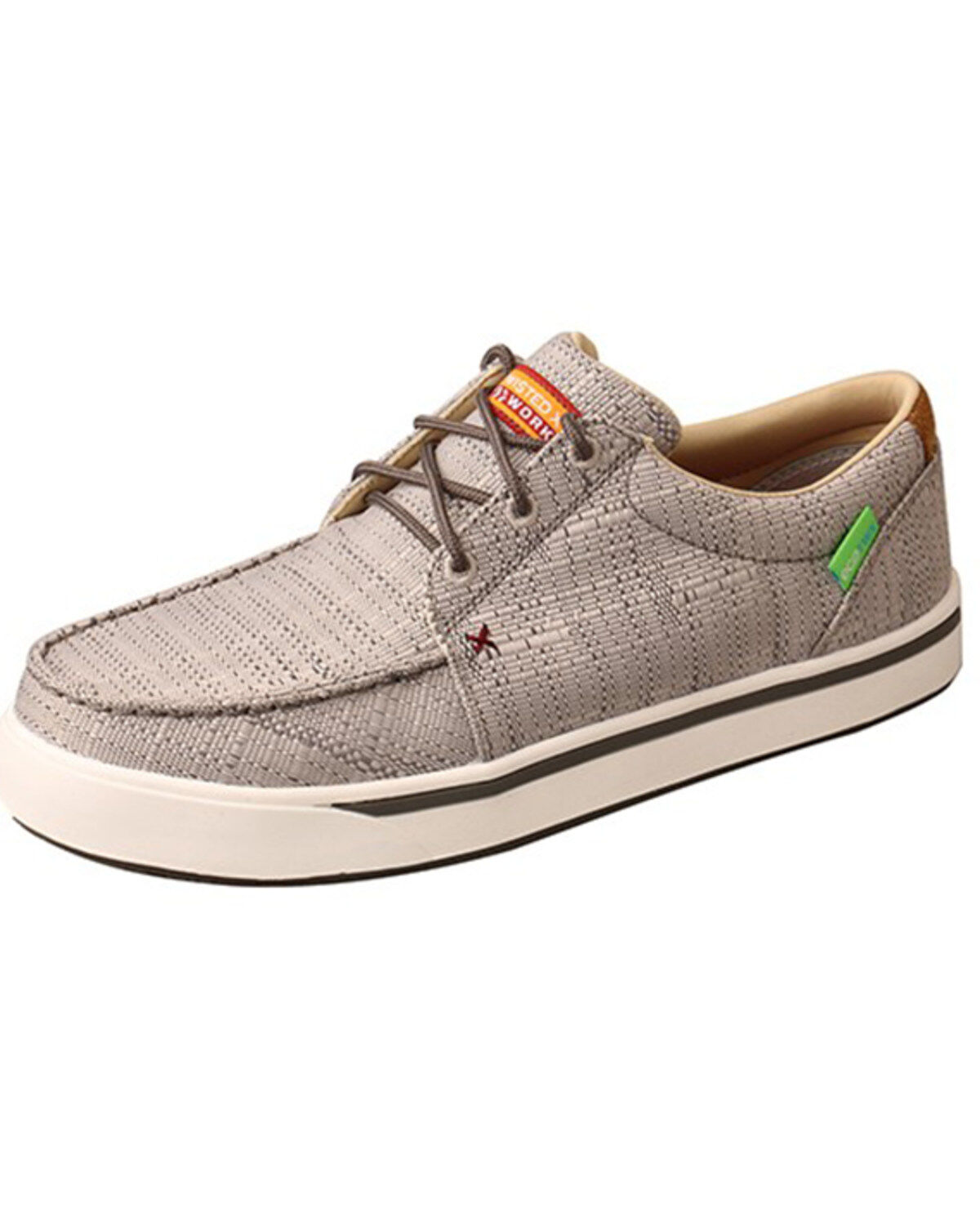
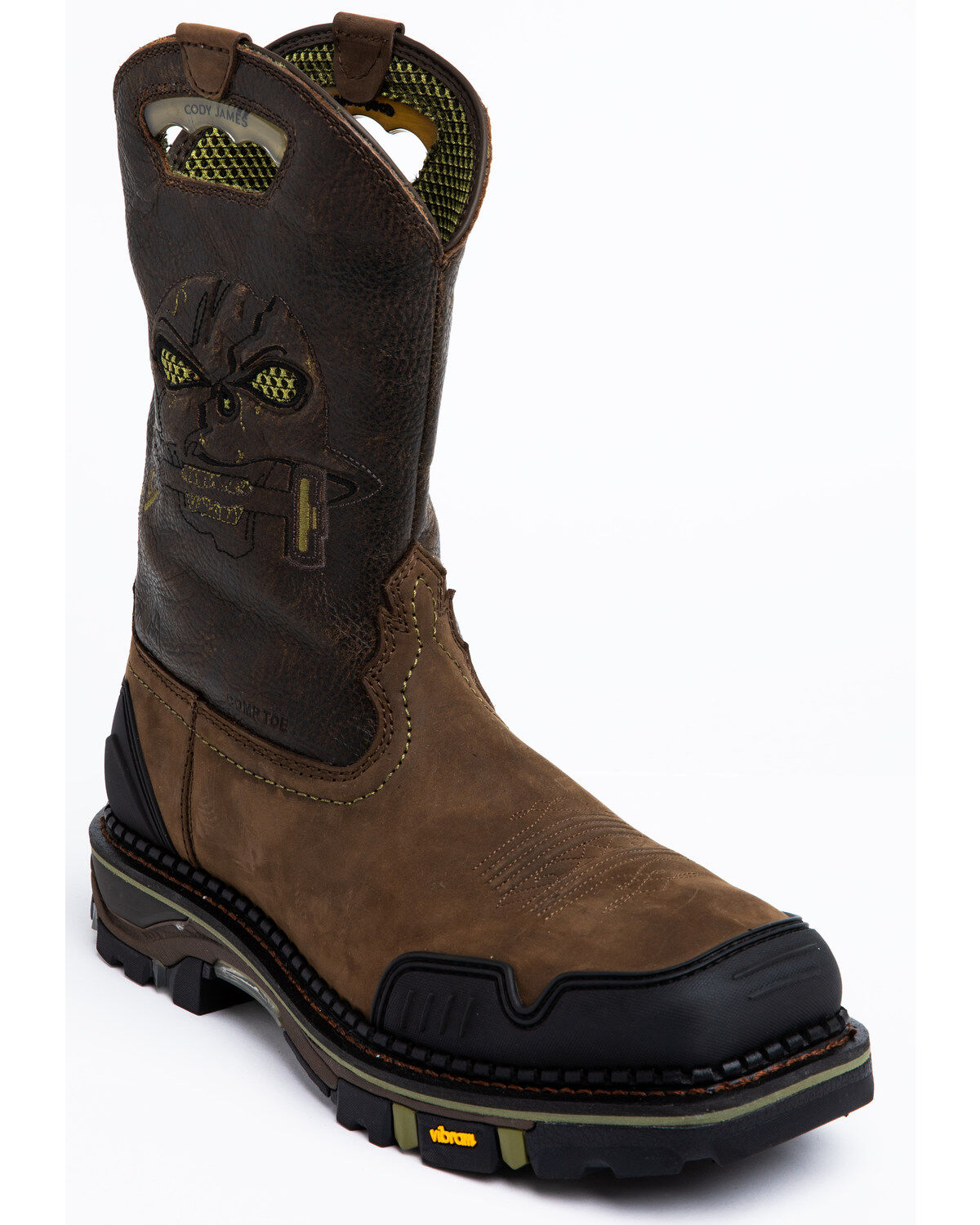
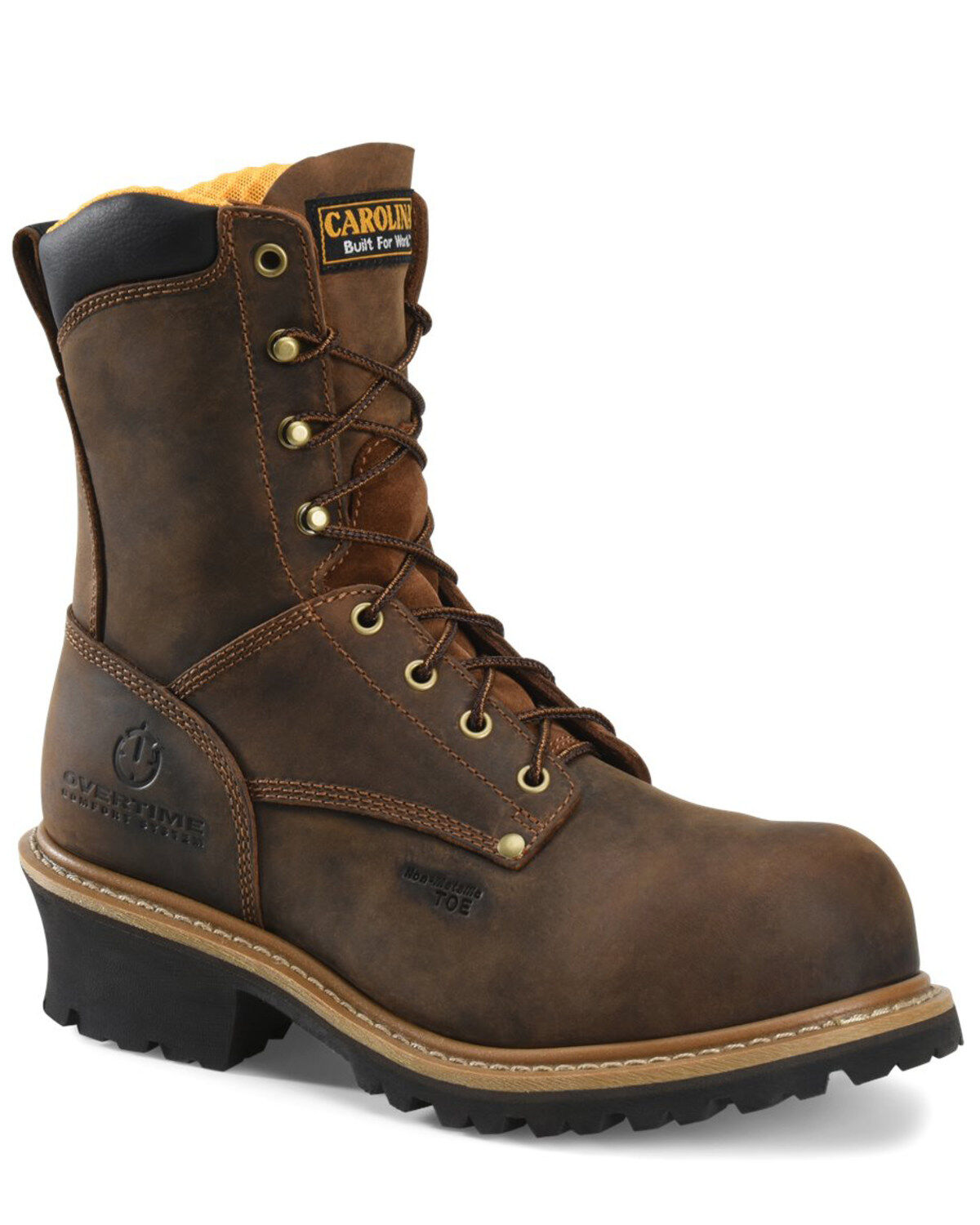
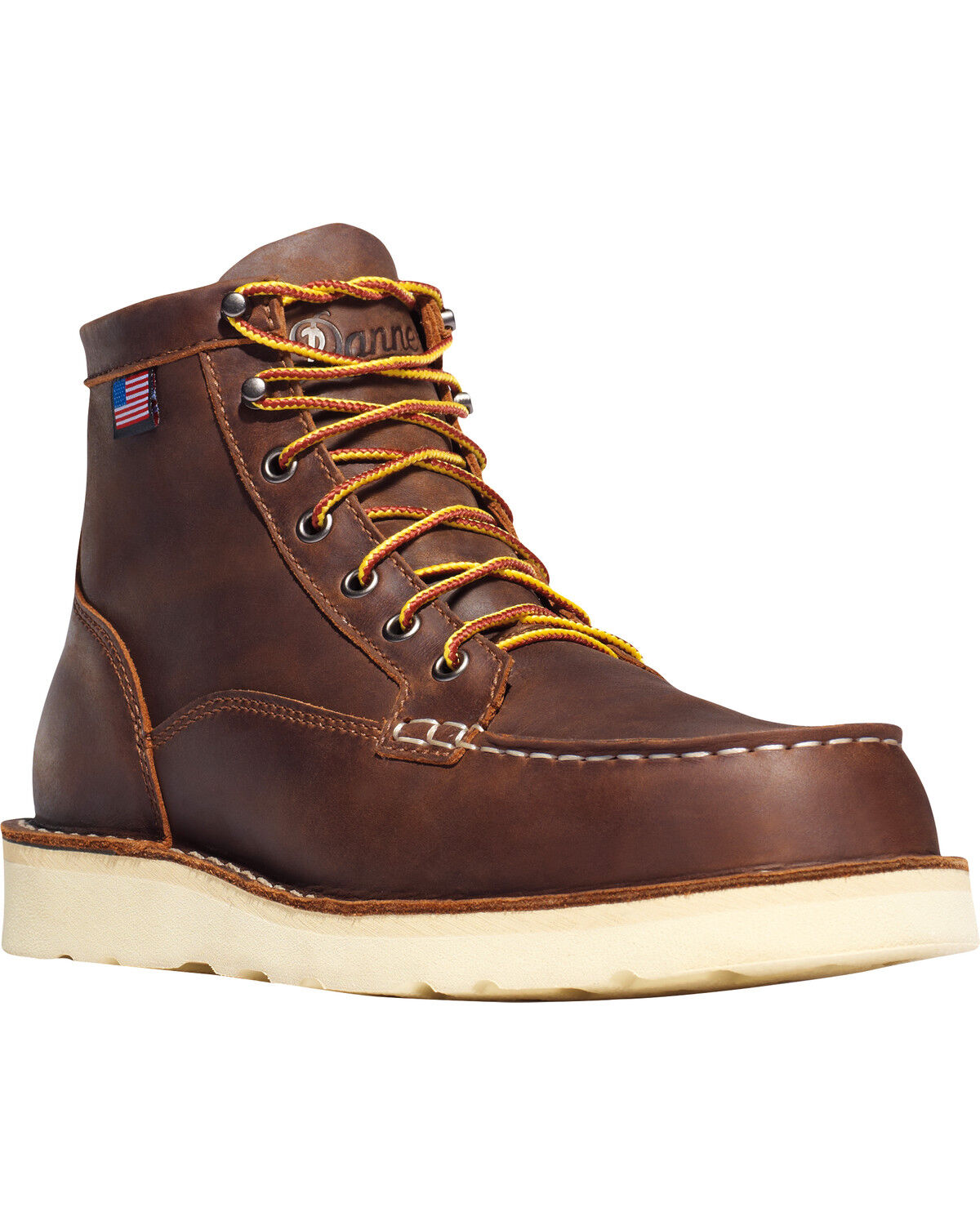
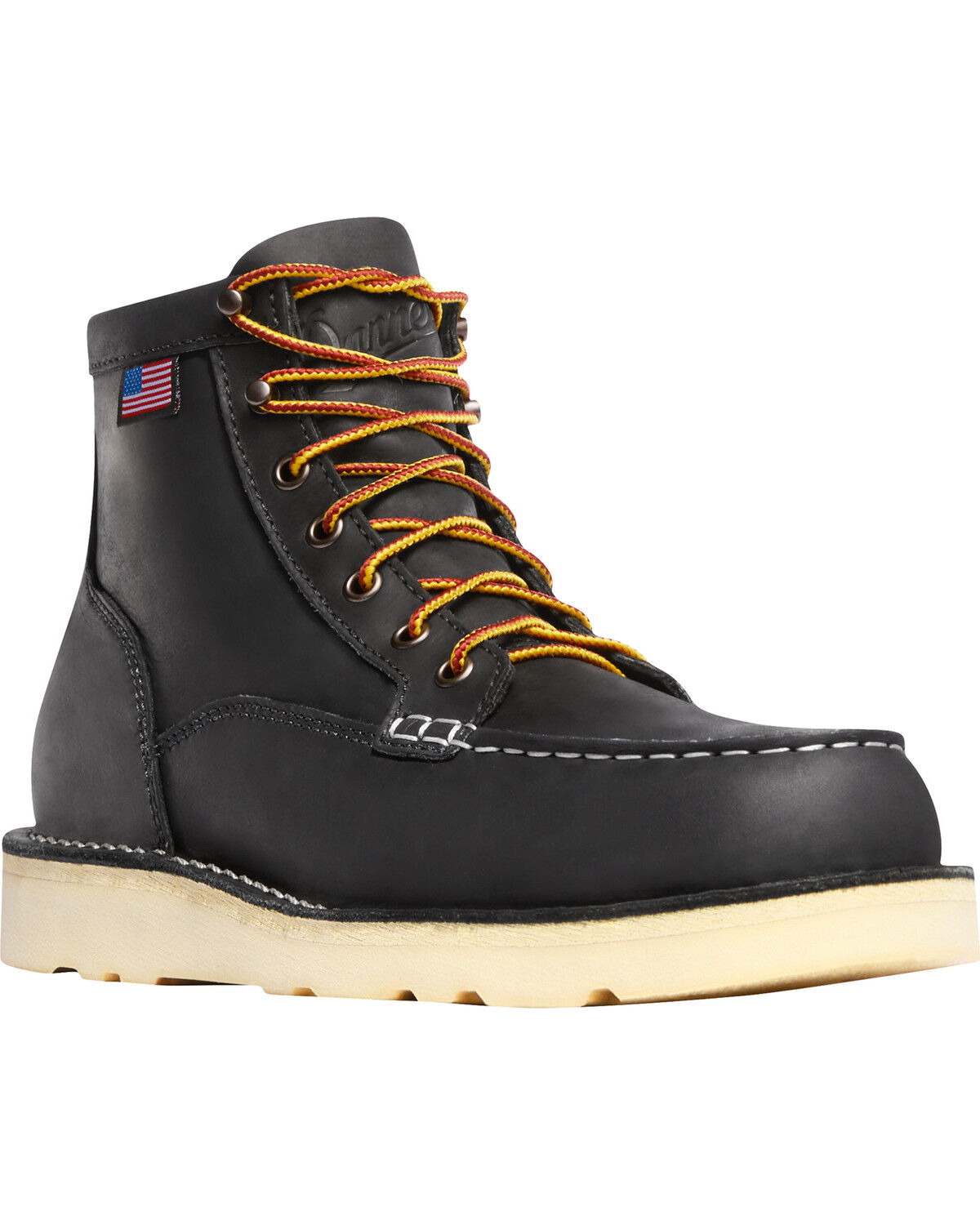
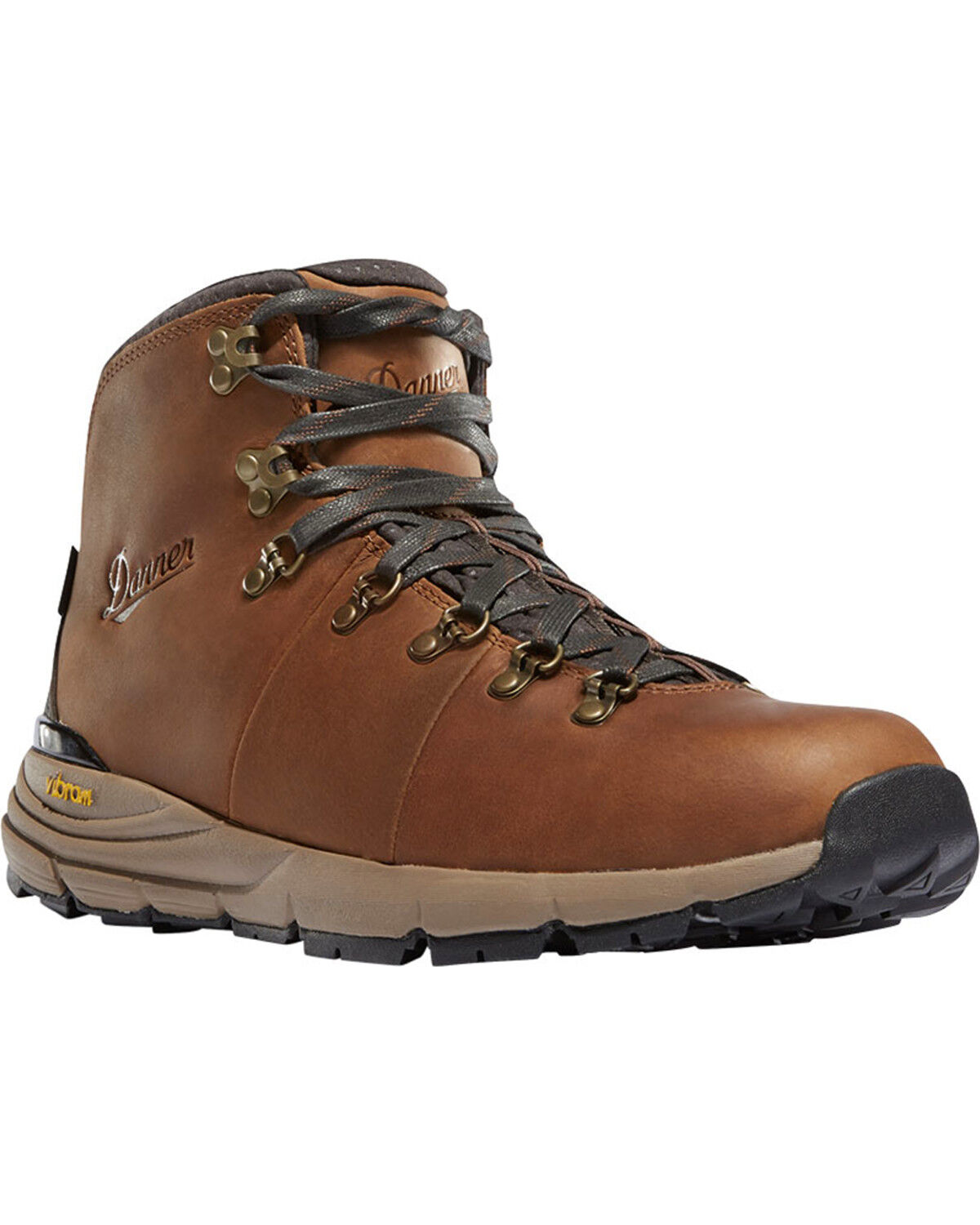
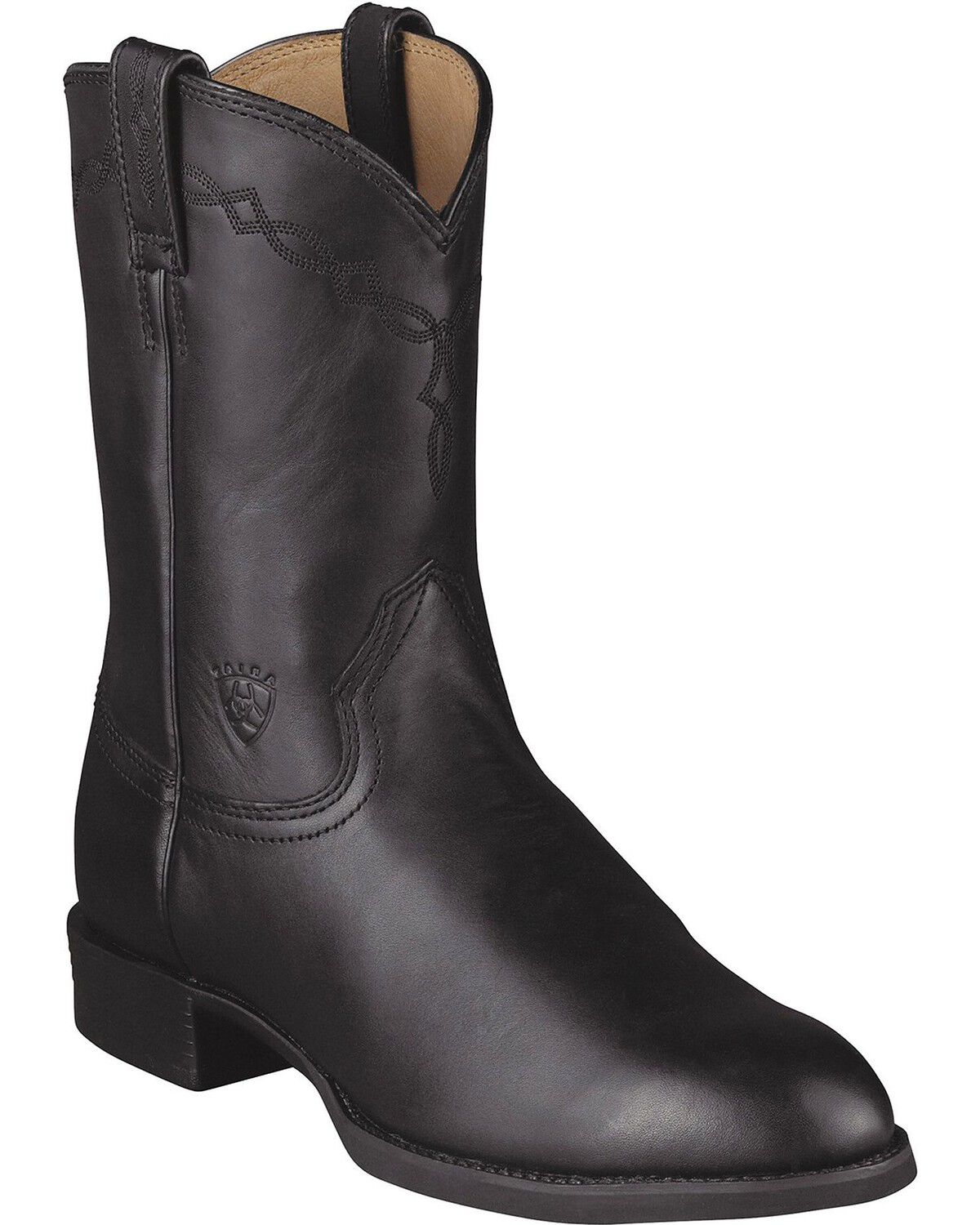
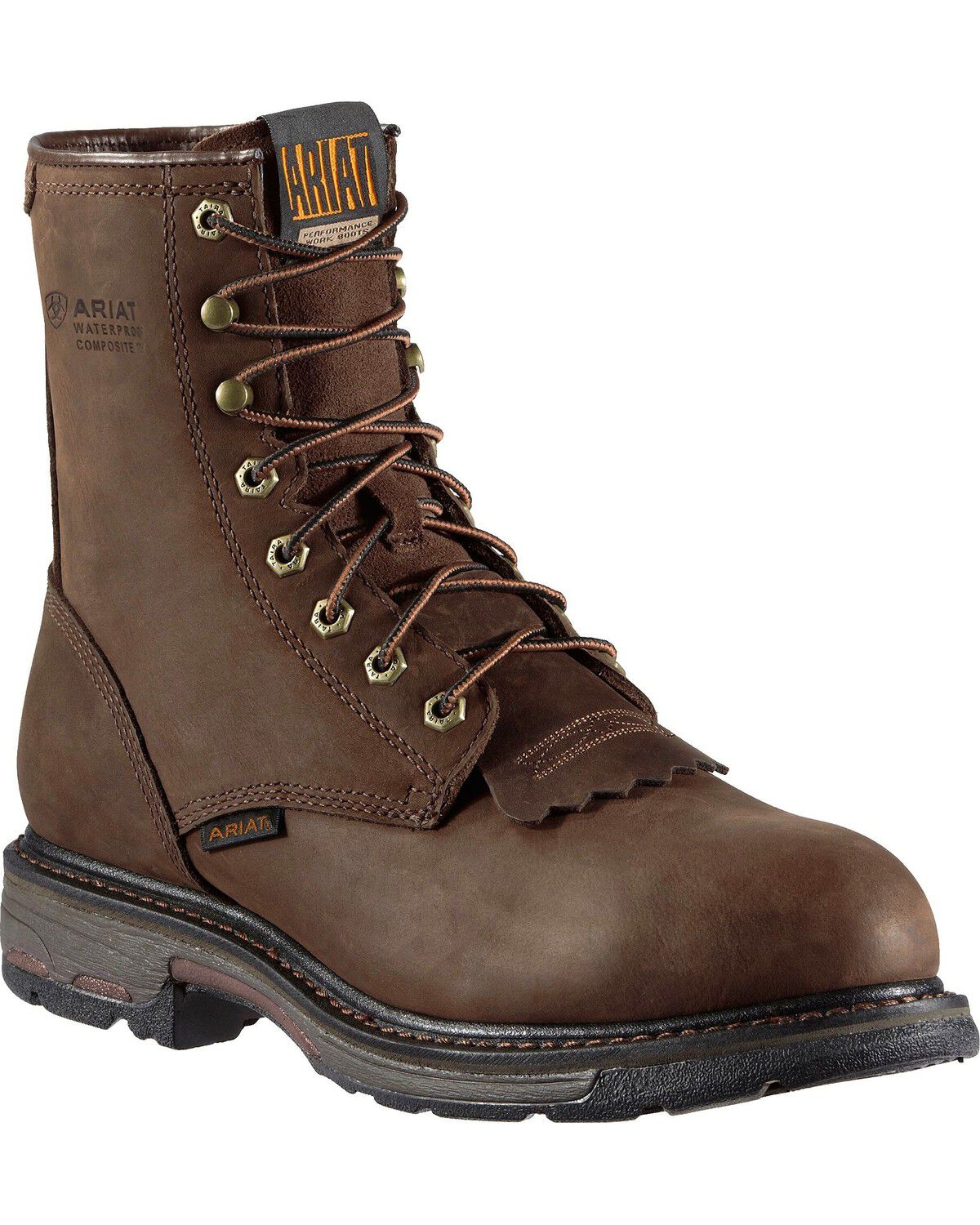
Men's nano toe boots for carpenters are crafted to support the demands of the job site while delivering all-day comfort and durability. Designed with hardworking... professionals in mind, these boots offer reliable protection and a modern fit, making them a smart choice for carpenters who need dependable footwear. Whether you're framing, installing, or finishing, discover a range of styles built to keep up with every step on the job.
Read more
Mens Nano Toe Boots For Carpenters
Men's nano toe boots for carpenters are crafted to support the demands of the job site while delivering all-day comfort and durability. Designed with hardworking... professionals in mind, these boots offer reliable protection and a modern fit, making them a smart choice for carpenters who need dependable footwear. Whether you're framing, installing, or finishing, discover a range of styles built to keep up with every step on the job.
Men’s nano toe boots for carpenters are built for long days that move between ladders, subflooring, framing sites, trucks, and finished interiors. A nano composite safety toe uses lightweight nonmetallic materials to help protect against impact and compression without the bulk of a traditional steel toe. Some nano toe designs use carbon nanotube technology, while others use different composite constructions, so check the product details for the exact safety rating and materials. Boots that meet ASTM impact and compression standards are made to provide jobsite protection, but the right pair should also fit the way you work. Carpenters spend hours standing on concrete, plywood, and unfinished floors, often carrying lumber, tools, and materials over uneven ground. A well-shaped toe box gives your toes room to spread without letting your foot slide inside the boot. A secure heel, supportive midsole, and stable outsole help reduce fatigue when the workday stretches from an early setup through the final cleanup. Nano toe boots are often lighter than comparable steel toe styles, which can make a noticeable difference when climbing stairs, walking across a large build, or kneeling and standing repeatedly. They also do not conduct cold in the same way steel can, making them a practical choice during cooler months or on drafty sites. That lighter feel does not replace proper fit. Try boots on with the socks you normally wear for work, and leave enough room to flex your toes without allowing excess movement at the heel. Work boots should feel secure from the first step, with enough break-in room for the leather or upper to settle naturally.
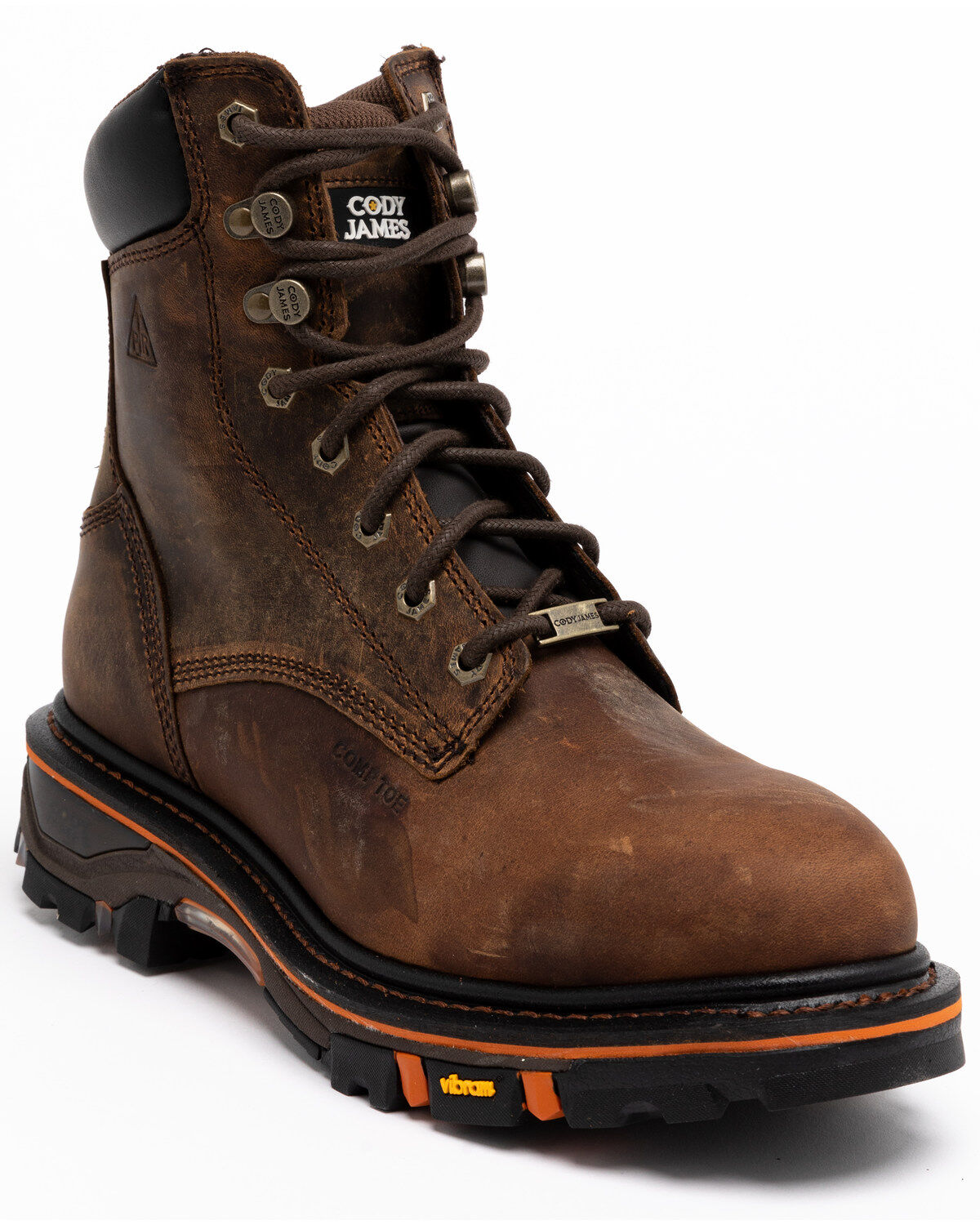
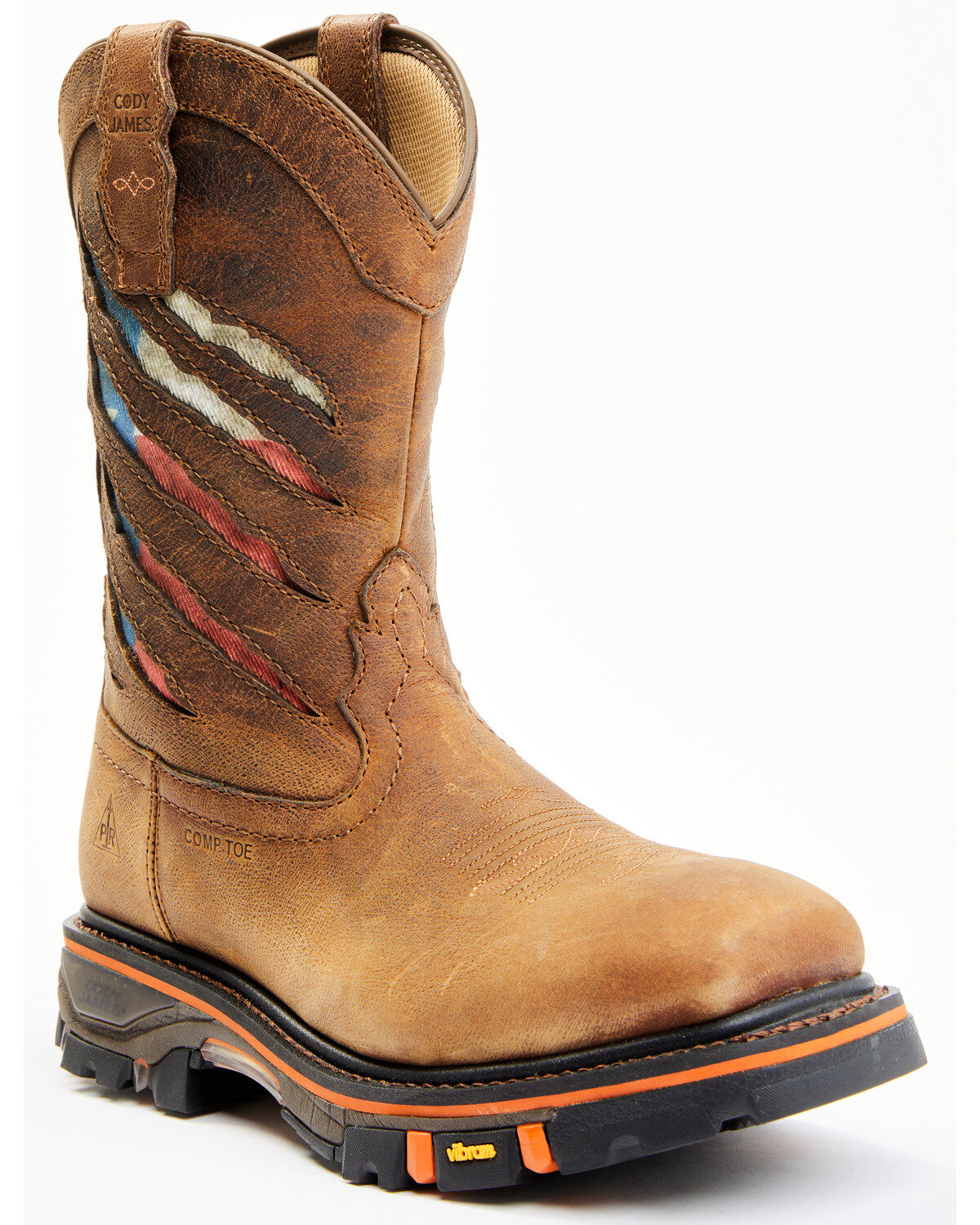
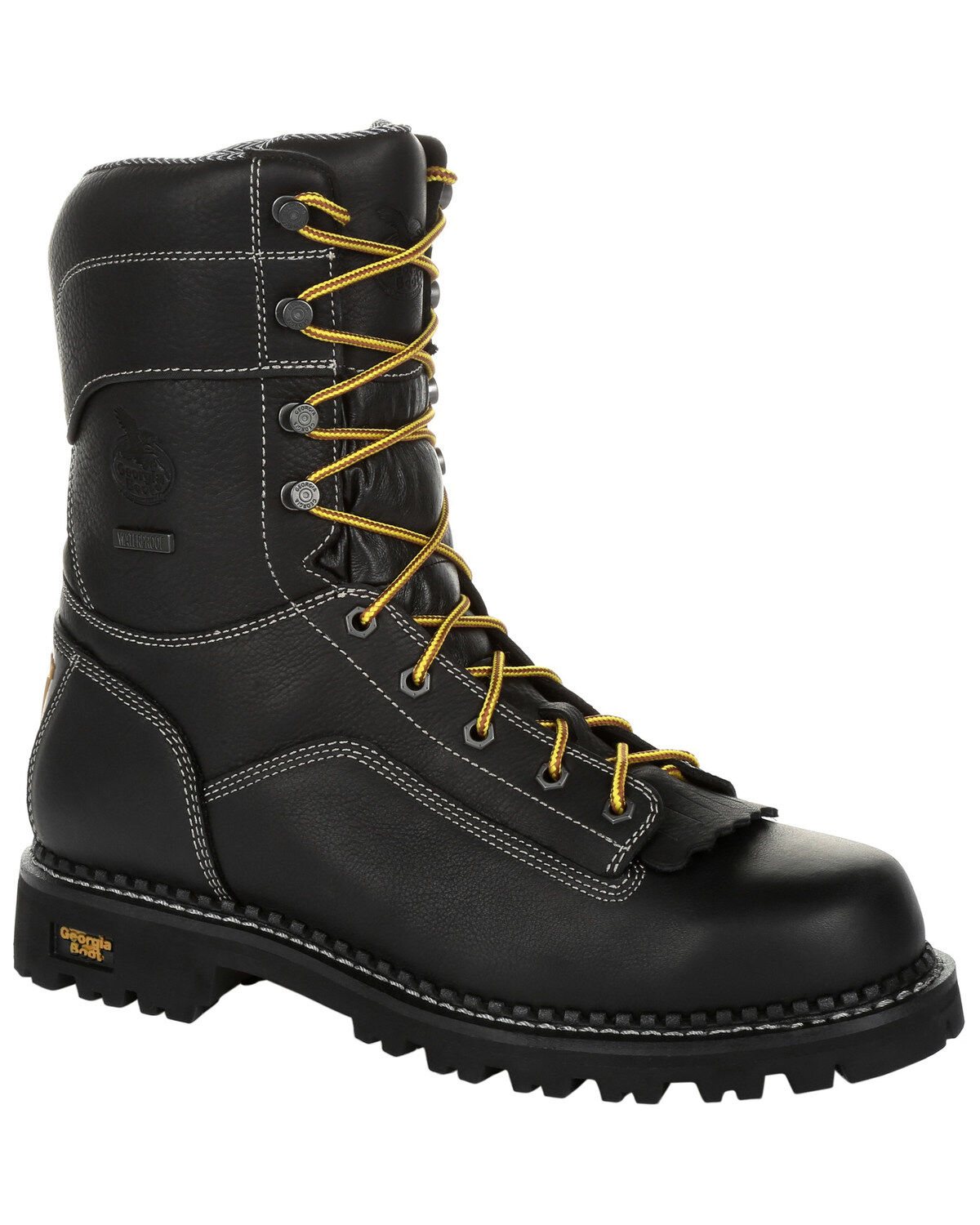
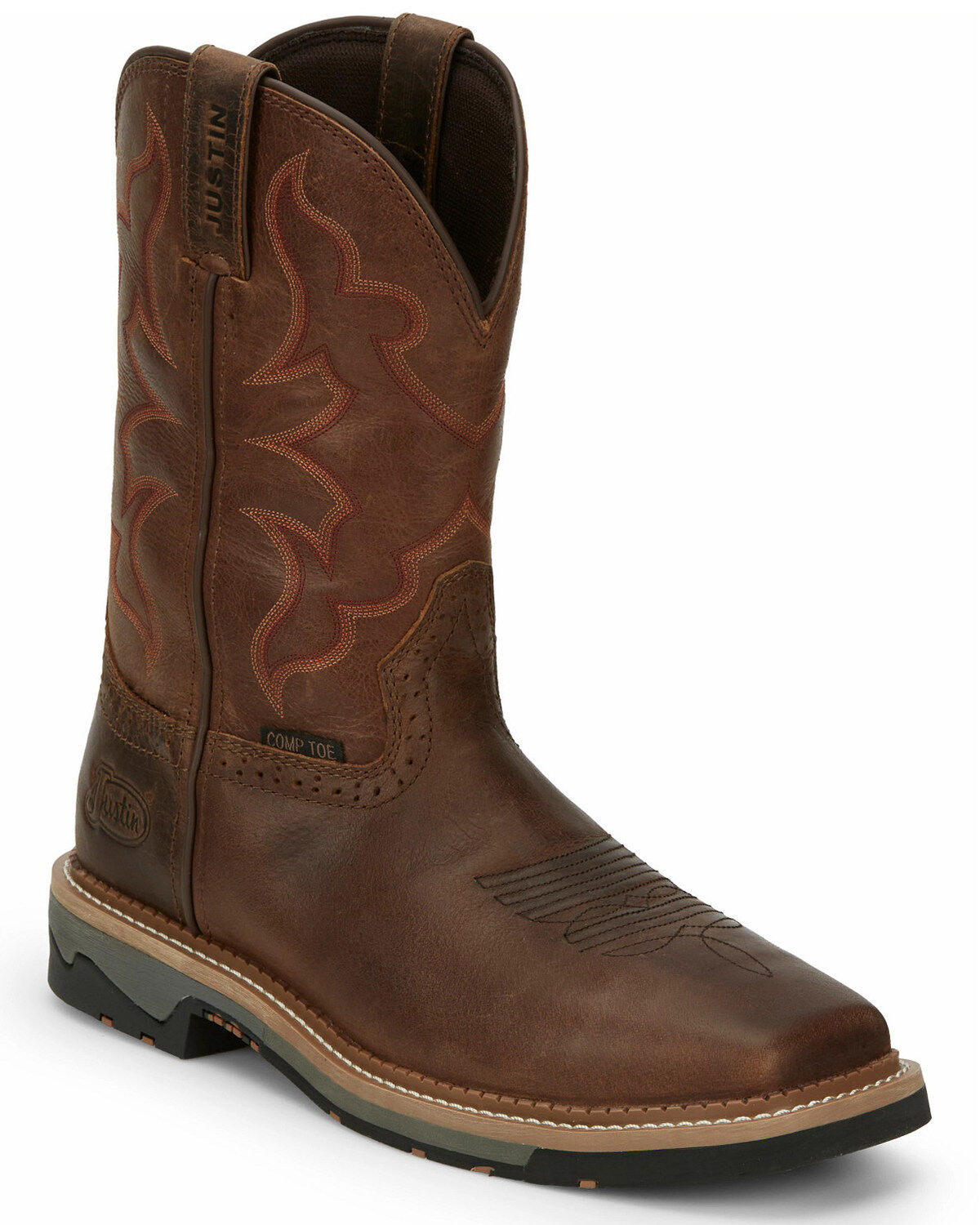
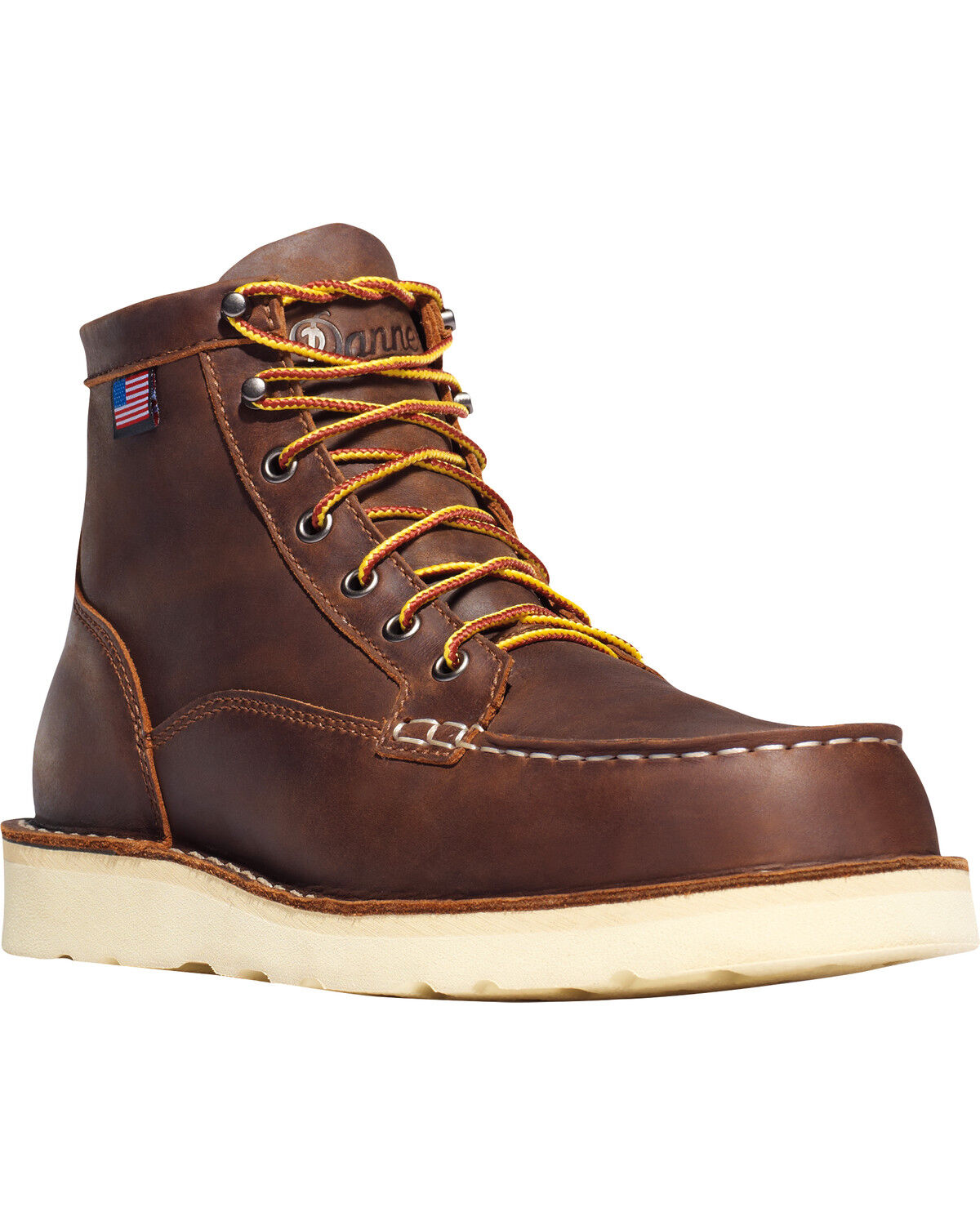
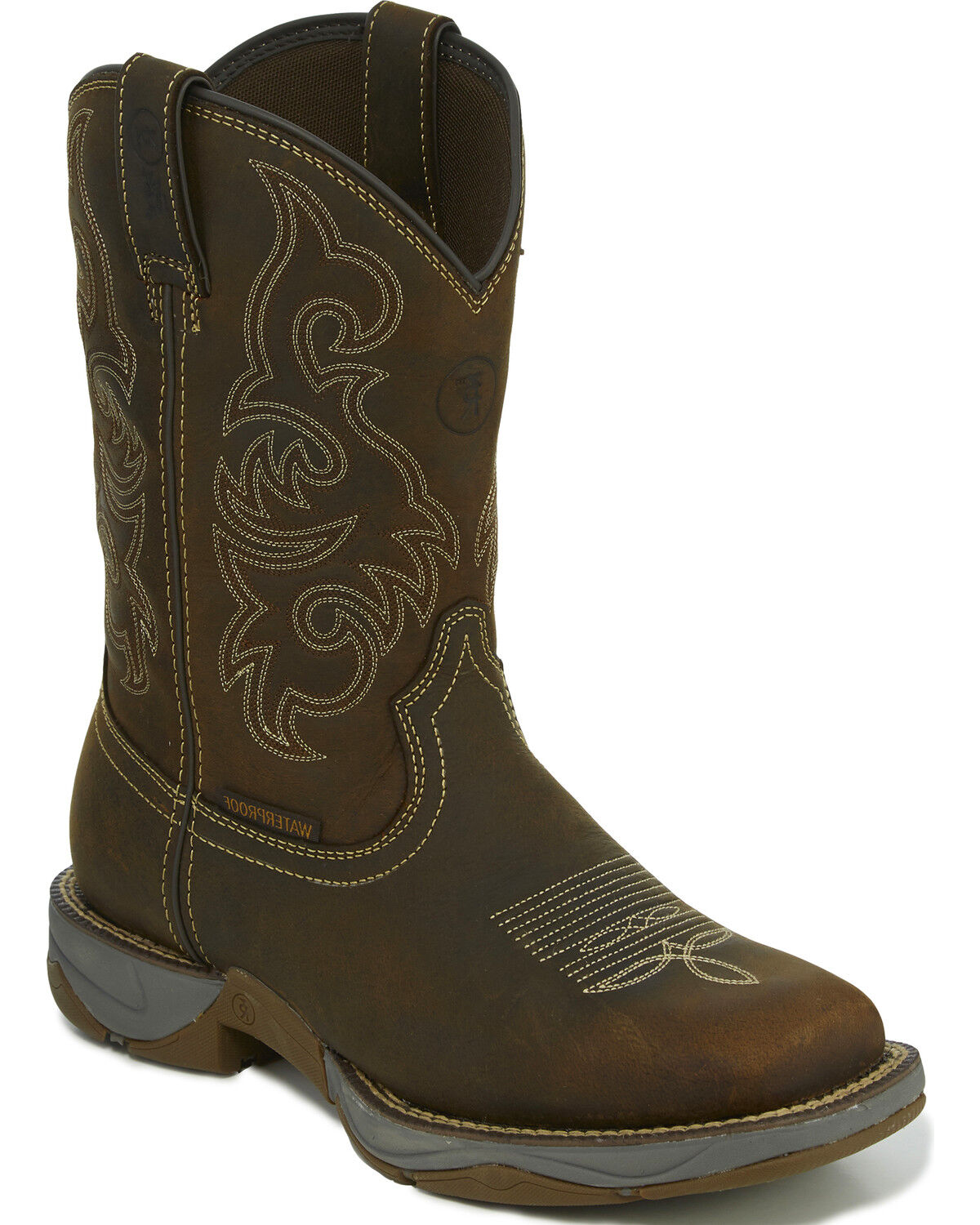
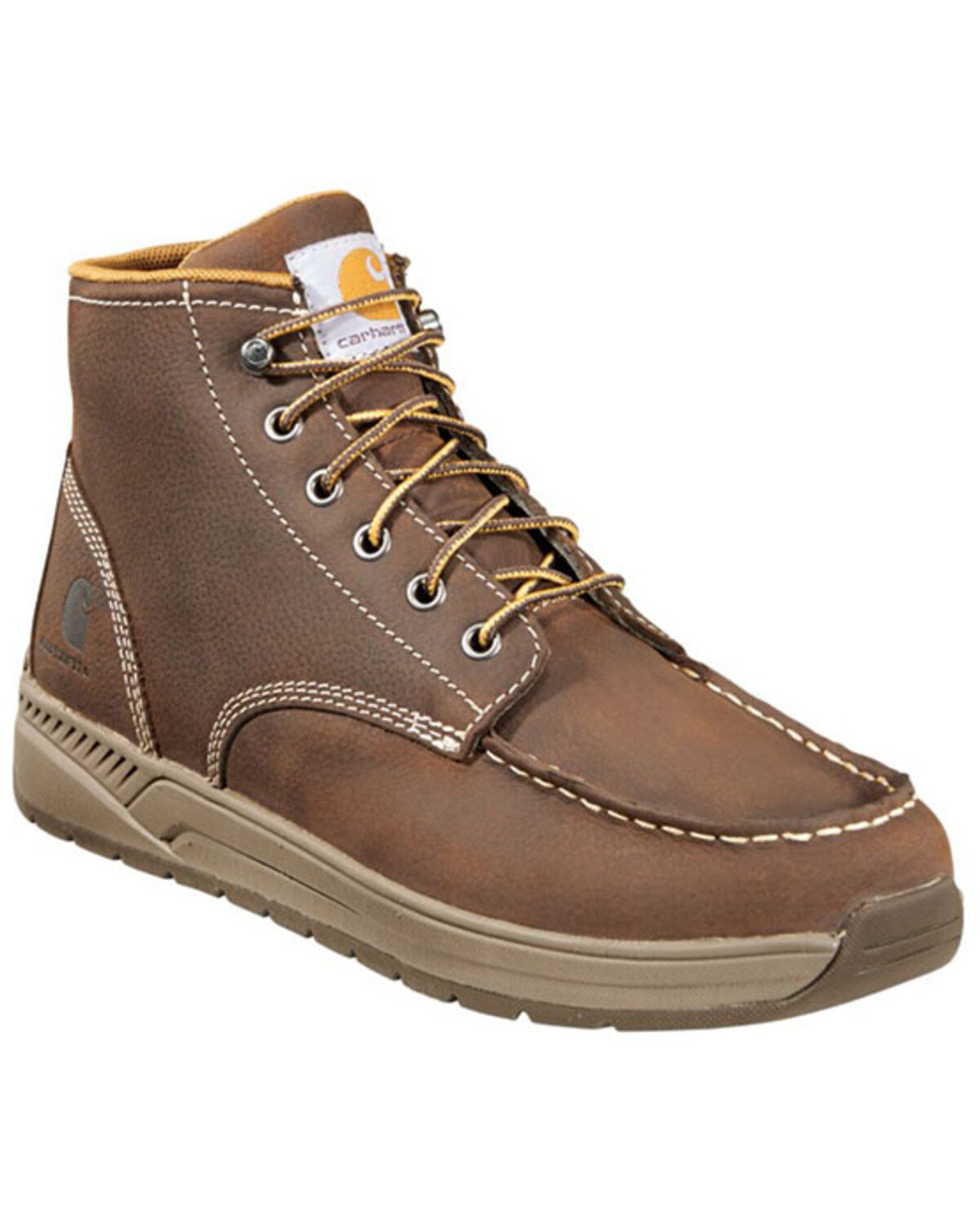
The best style depends on the type of carpentry you do. A six-inch lace-up boot offers a balanced combination of ankle support, adjustability, and ease of movement. It is a dependable choice for framing, remodeling, and general construction where the ground can change from packed dirt to concrete in the same day. An eight-inch boot provides more coverage and support around the ankle and lower leg, which can be useful when working outdoors, carrying heavy materials, or walking through rough terrain. Taller boots can also help keep dust, small debris, and shallow moisture out, though they may feel warmer and take longer to put on. Pull-on boots are useful for finish carpenters, shop work, and jobs that call for frequent on-and-off changes between a worksite and a finished interior. Their low-profile feel and fast entry suit a carpenter moving between rooms, vehicles, and client spaces, but fit is especially important because pull-on styles do not offer laces for adjustment. Look for sturdy pull tabs, a supportive heel pocket, and enough instep room without pressure across the top of the foot. Indoor work still calls for serious traction. Smooth concrete, sawdust, loose fasteners, and unfinished flooring can all create unstable footing. A slip-resistant rubber outsole with a defined tread can help you stay steady while carrying materials or working from a crouched position. Outdoor framers may want deeper lugs and a waterproof or water-resistant build for damp ground, changing weather, and wet lumber. A storm welt or other sealed construction can help limit water entry, while treated leather or abrasion-resistant synthetic materials stand up to contact with wood, ladders, and rough surfaces. Waterproof boots can feel warmer, so breathable linings and moisture-managing socks matter when the weather warms. For electrical work around active jobsite hazards, look for clearly stated electrical hazard protection and follow all workplace safety requirements. That feature is not a substitute for de-energizing equipment or using the required protective gear.
Underfoot comfort deserves as much attention as the toe protection. Carpenters often stand in one place while measuring, cutting, installing trim, or fastening cabinets, then cover considerable ground gathering materials and moving between work areas. A cushioned footbed and shock-absorbing midsole can ease the impact of hard surfaces, while a firm shank helps the boot remain stable on ladders and uneven flooring. Moc-toe and wedge-sole designs can offer a broad, comfortable platform for indoor work, while lugged soles are better suited to loose soil, gravel, mud, and outdoor framing. Consider the outsole compound as well. Softer rubber may grip finished floors with less marking, while harder compounds can provide greater durability around rough concrete and abrasive jobsite surfaces. Leather uppers usually require a short break-in period and regular conditioning, while mesh-lined or synthetic options may feel comfortable sooner and dry more quickly. Keep boots clean by brushing away sawdust and dirt after each shift, then allow them to dry at room temperature when they become damp. Avoid placing them directly beside a heater, since intense heat can dry leather and weaken adhesives. Replace worn footbeds when cushioning has flattened, and inspect the outsole, stitching, eyelets, and toe area before small issues become a safety problem. Men’s nano toe boots can make a thoughtful gift for a carpenter, apprentice, remodeler, or do-it-yourself builder, especially when the buyer knows the recipient’s size, preferred boot height, and typical work environment. If the fit or style is uncertain, a gift card or a conversation about work conditions is more useful than guessing. For shoppers comparing value, this selection of Affordable Nano Composite Toe Boots can help narrow the search by focusing on lightweight safety toe construction without overlooking the support, traction, and durability a demanding workday requires.