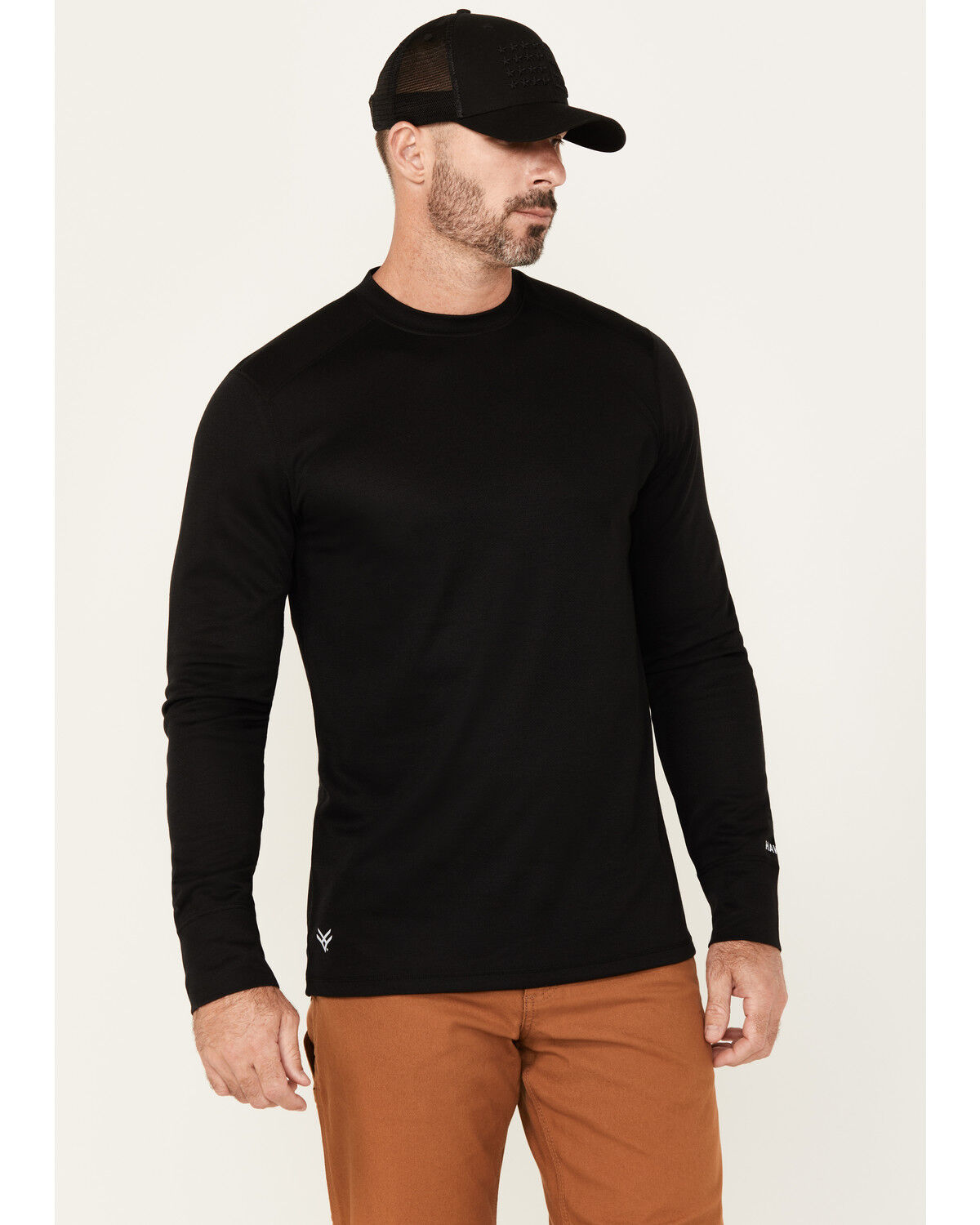
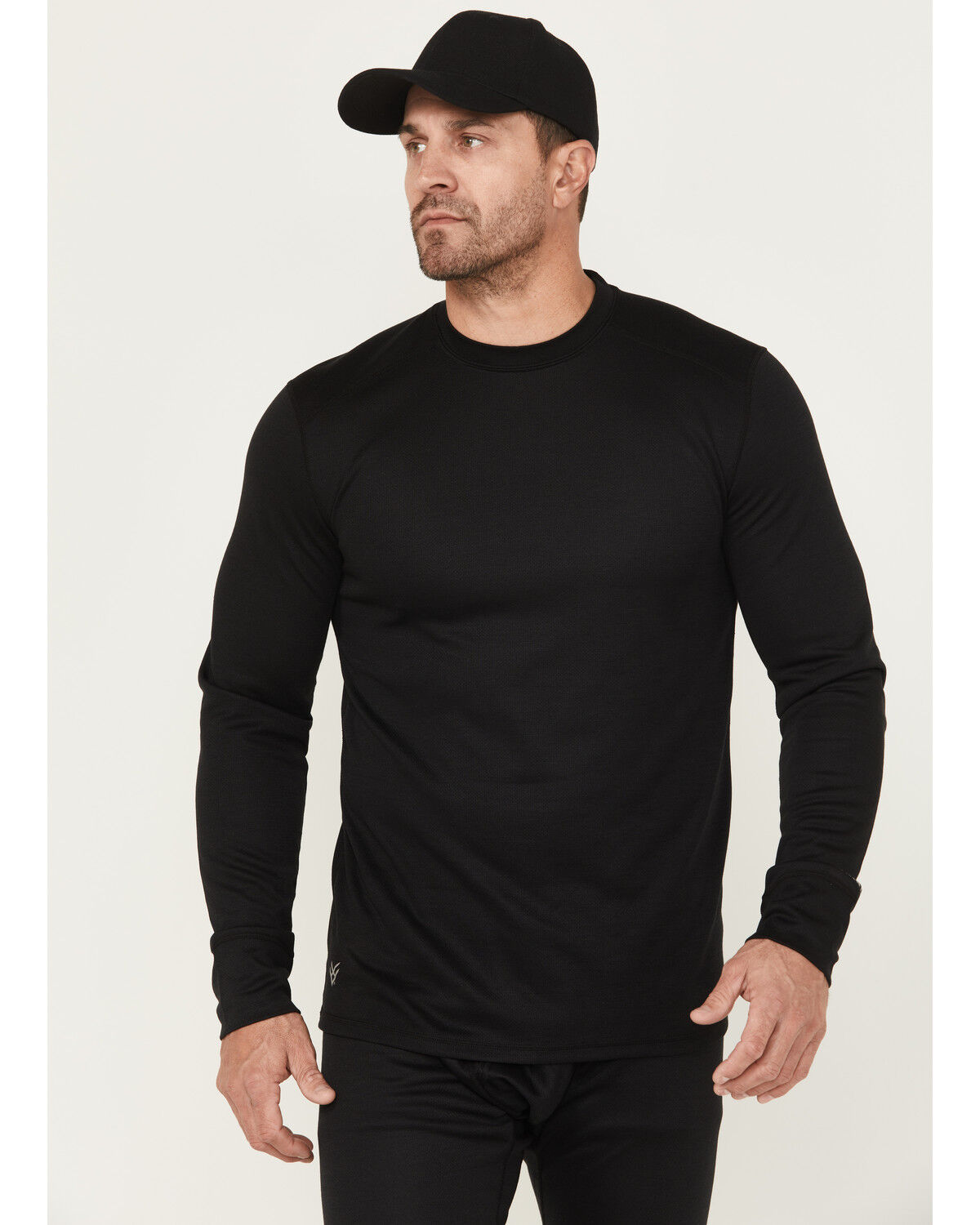
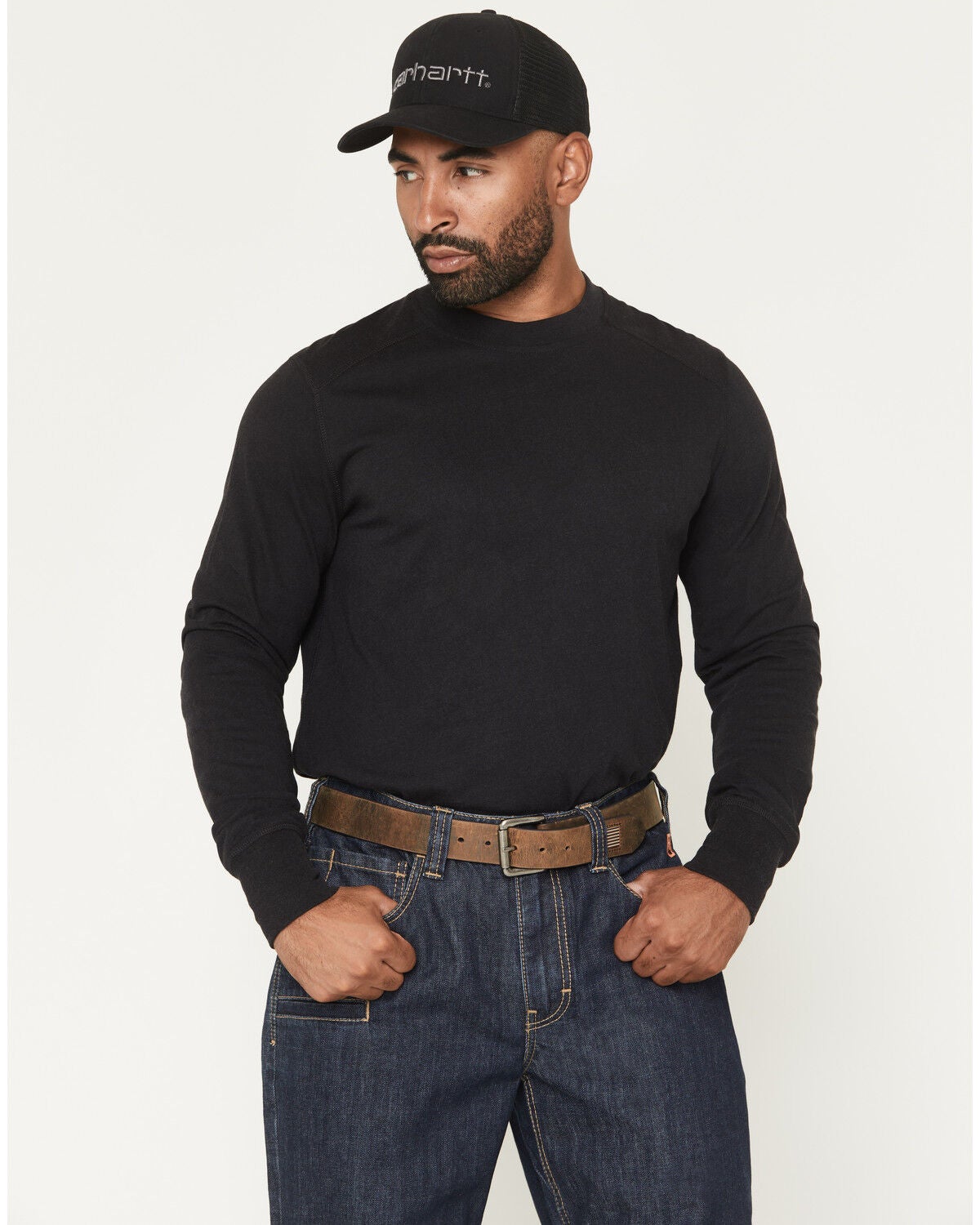
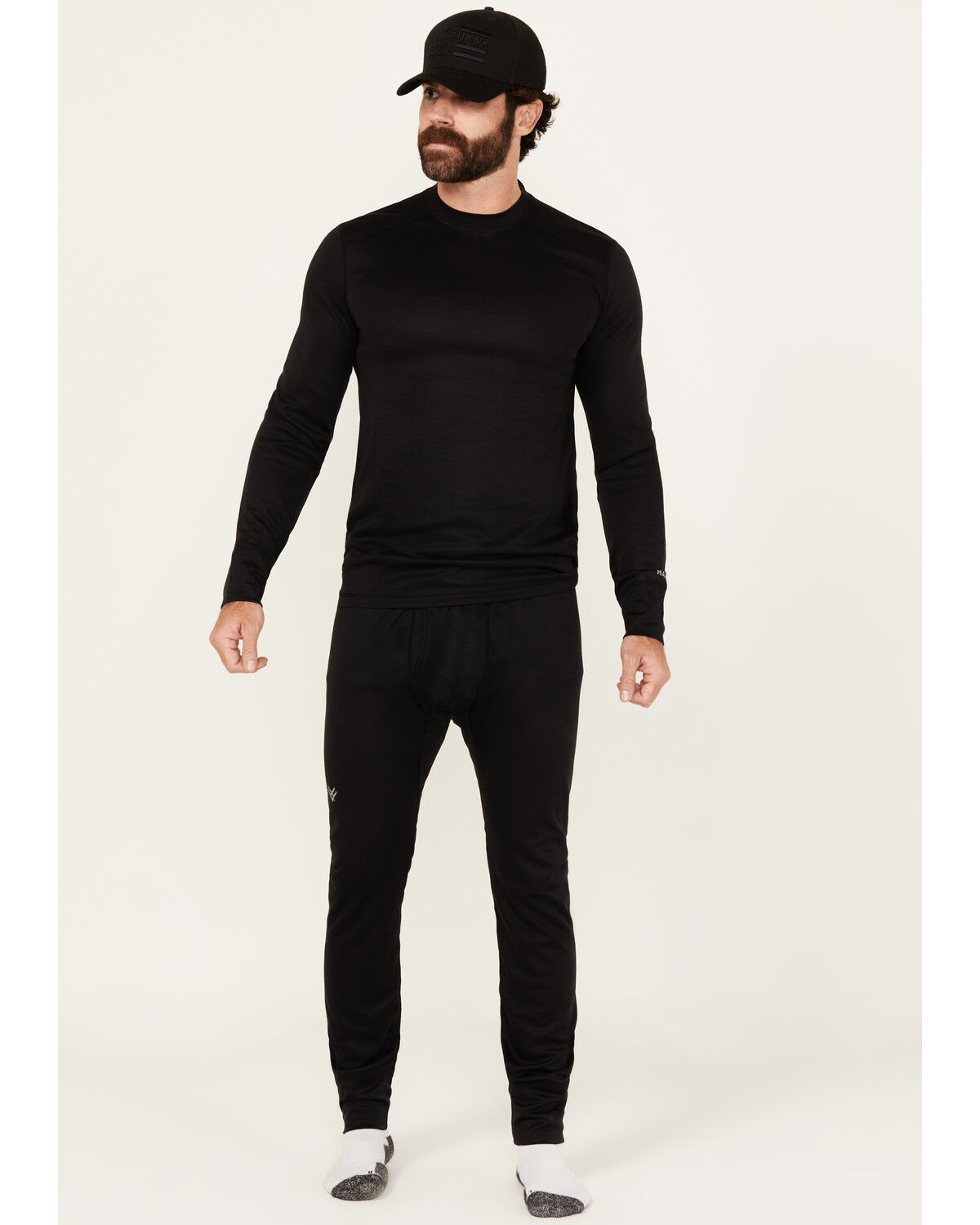
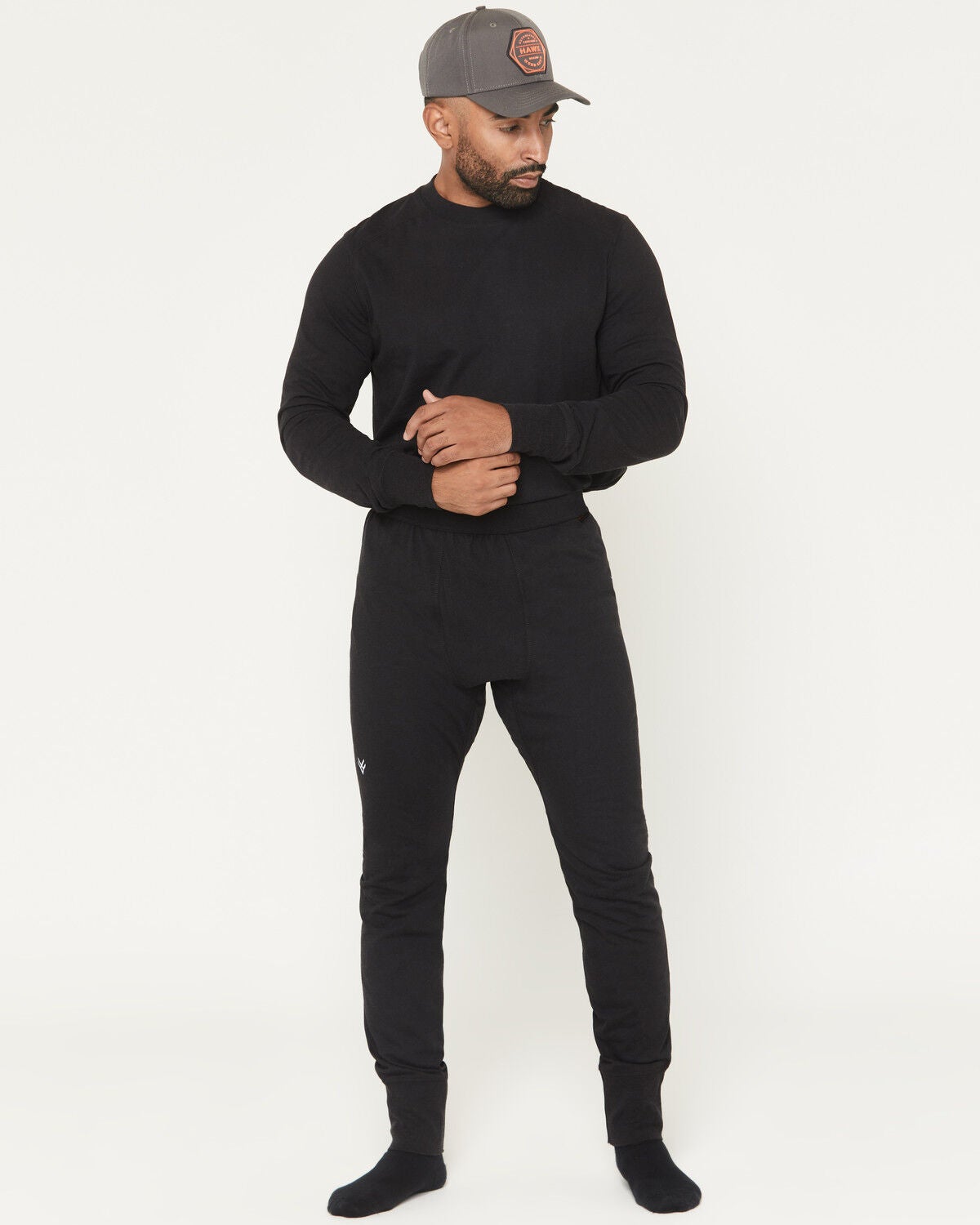
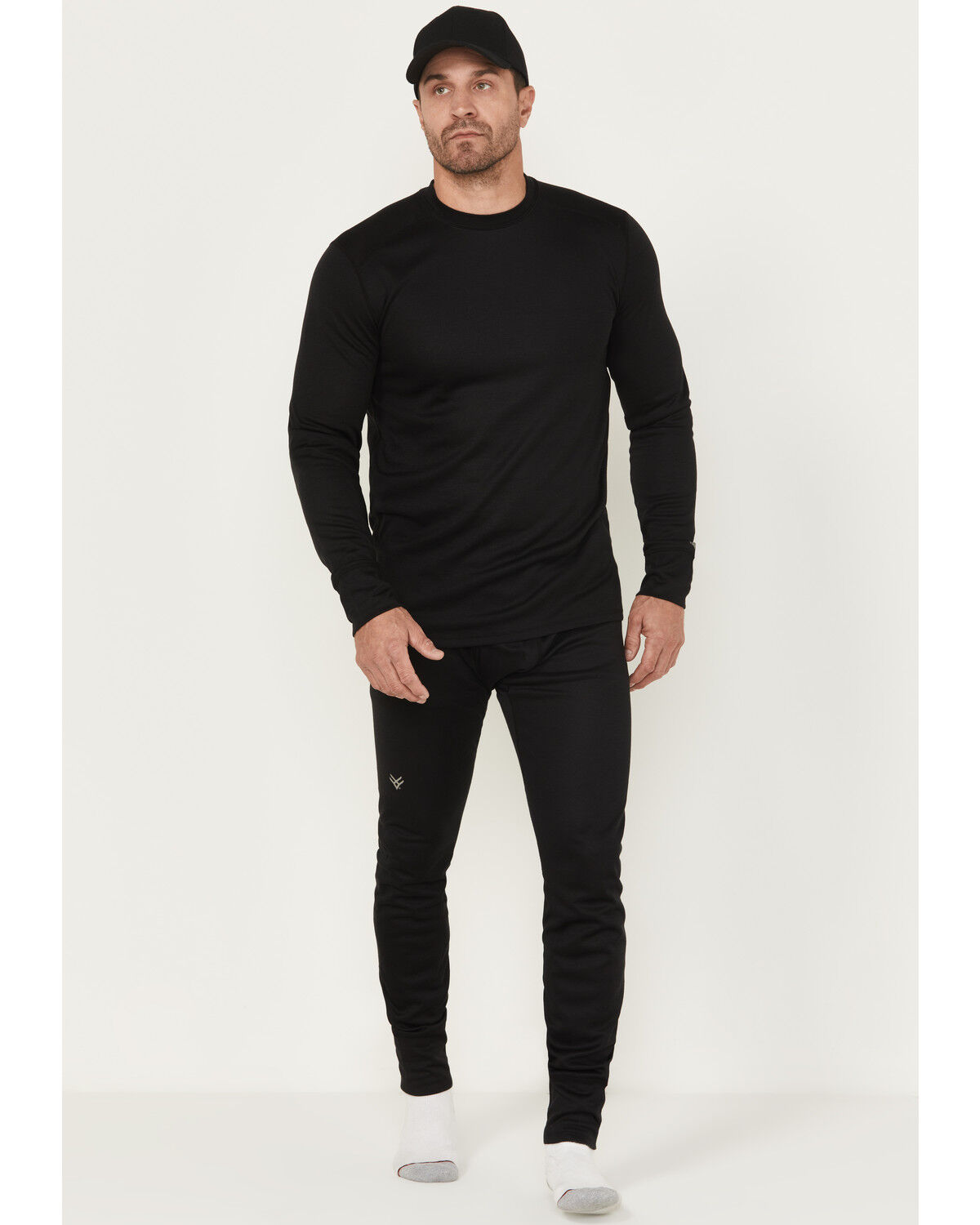
Men’s midweight thermal base layers add warmth beneath workwear and everyday clothing. Offering a middle ground between lightweight and heavyweight thermals, they are a practical foundation for cold-weather layering. Choose with your activity level and outer layers in mind to balance warmth and comfort.
Men’s midweight thermal base layers provide a middle level of insulation for cold-weather work and outdoor activity, with more warmth than lightweight layers and less bulk than heavyweight options. They sit next to the skin beneath everyday clothing, helping retain body heat while managing the moisture that builds during movement. The right balance matters when a morning includes carrying feed, repairing a fence, or walking a trail with a loaded pack. A layer that feels comfortable while standing beside the truck can feel different after a long uphill stretch. Midweight thermals suit many of these changing demands, although warmth depends on the fabric, the rest of the clothing system, wind exposure, and activity level. Weight categories also vary by manufacturer, so the word “midweight” does not describe one fixed thickness. Polyester and other synthetic fabrics are common choices for moisture-wicking performance and relatively fast drying. Merino wool offers natural temperature regulation and odor resistance, while wool blends can combine those qualities with added stretch or abrasion resistance. Cotton-rich thermals have a familiar, soft feel, but cotton holds moisture longer than many performance fabrics, an important distinction during strenuous activity or extended time outside. Fabric construction makes a difference as well. A brushed inner surface can feel soft against the skin, while a textured or waffle knit creates small spaces that help hold warm air. Smooth knits generally slide easily beneath shirts and pants. No single material is the right answer for every day. Someone moving steadily through a demanding shift may place more value on drying speed, while someone handling lighter chores may prefer a softer, more substantial feel. For long periods of sitting still in deep cold, midweight layers may need additional insulation above them. Their role is to form a comfortable foundation, not replace a suitable jacket, insulated pants, or protection from wind and wet conditions.
Fit determines how well that foundation works through a full day. Men’s thermal tops and bottoms should generally follow the body without squeezing, bunching, or limiting movement. Close contact helps moisture-wicking fabrics move perspiration away from the skin, but a base layer does not need to fit like compression wear to do its job. There should be enough room across the shoulders to reach overhead and enough stretch through the seat and knees to crouch, climb, and step into a truck. A top that pulls out of the waistband every time the arms lift can leave an uncomfortable gap at the lower back. Adequate torso length helps keep coverage in place beneath a work shirt or pullover. Sleeve length matters, too: cuffs should sit comfortably at the wrist without forming a thick roll beneath gloves or jacket sleeves. Flat seams and smooth interior finishes can reduce rubbing where a belt, pack strap, or outer layer presses against the body. For lower-body coverage, Men's Thermal Base Layer Bottoms provide a foundation beneath jeans, work pants, or outdoor pants. A waistband that lies flat is easier to wear under a belt, and a comfortable rise helps prevent pulling when bending. The legs should leave enough room inside outer pants for normal movement rather than making an already close fit restrictive. Ankle cuffs should rest smoothly without bunching inside boots or creating pressure beneath tall socks. Coordinating the weight of the top and bottom can provide balanced coverage, but different weights can also make sense when the upper and lower body have different needs. Above the base layer, a shirt, fleece, or other insulating layer adds warmth, while an appropriate outer shell helps block wind or precipitation. Opening a jacket or removing an insulating layer before heavy exertion can help limit excess sweating. For jobs with heat or flame hazards, ordinary thermals are not a substitute for base layers that meet the required workplace protection standards.
Everyday durability comes from both construction and care. Repeated kneeling, reaching, and pulling on outer clothing put stress on seams, cuffs, and waistbands, so secure stitching and fabric that returns to shape after stretching are useful details. Stretch can make a fitted layer easier to move in, but overstretching during dressing or wearing a size that is too small can strain the garment. Thermals worn beneath workwear also benefit from a smooth fit that limits folds and friction. They are not designed to take the place of abrasion-resistant outer clothing when handling rough lumber, equipment, or brush. Washing instructions deserve the same attention as fit because wool, synthetics, and blended fabrics can require different treatment. Follow the care label for water temperature, detergent, and drying method. Excessive heat can shrink some fabrics or affect elastic fibers, and fabric softener can interfere with moisture management in certain performance materials. Closing zippers and keeping exposed hook-and-loop fasteners away from thermals in the wash helps prevent snags. When machine drying is permitted, use the temperature specified on the label; when air drying is required, allow the garment to dry fully before storing it. Clean, dry layers are more comfortable to put on and less likely to carry lingering odors into the next outing. Rotating between sets can also give freshly washed garments time to dry without relying on high heat. As a practical gift, men’s midweight thermals make sense for someone who works outdoors, hunts, hikes, camps, or spends long stretches tending property in cold conditions. The most useful choice reflects how that person moves and dresses: a close fit under straight-leg work pants, enough length beneath a tucked shirt, or a fabric suited to sustained exertion. Familiar sizing, preferred materials, and care requirements matter more than extra features. A well-chosen base layer should stay comfortable beneath the rest of the outfit, allowing attention to remain on the work or miles ahead rather than an itchy seam, slipping waistband, or damp shirt.
Read More
FAQs
Midweight describes a fabric weight category between lightweight and heavyweight. The exact weight can vary by brand and garment.
Thermal base layers are worn next to the skin, beneath other clothing. Outer layers, such as jackets and coats, go over the rest of your outfit.
Wear a thermal top under a western snap shirt with jeans and cowboy boots. For a simpler look, wear the top on its own with jeans and a belt.
Thermal tops cover the upper body and are worn beneath shirts or other layers. Thermal bottoms cover the legs and are worn beneath jeans or pants.
Check the garment’s care label before washing or drying. Follow its directions for water temperature, wash cycle, and drying method, since care requirements vary.