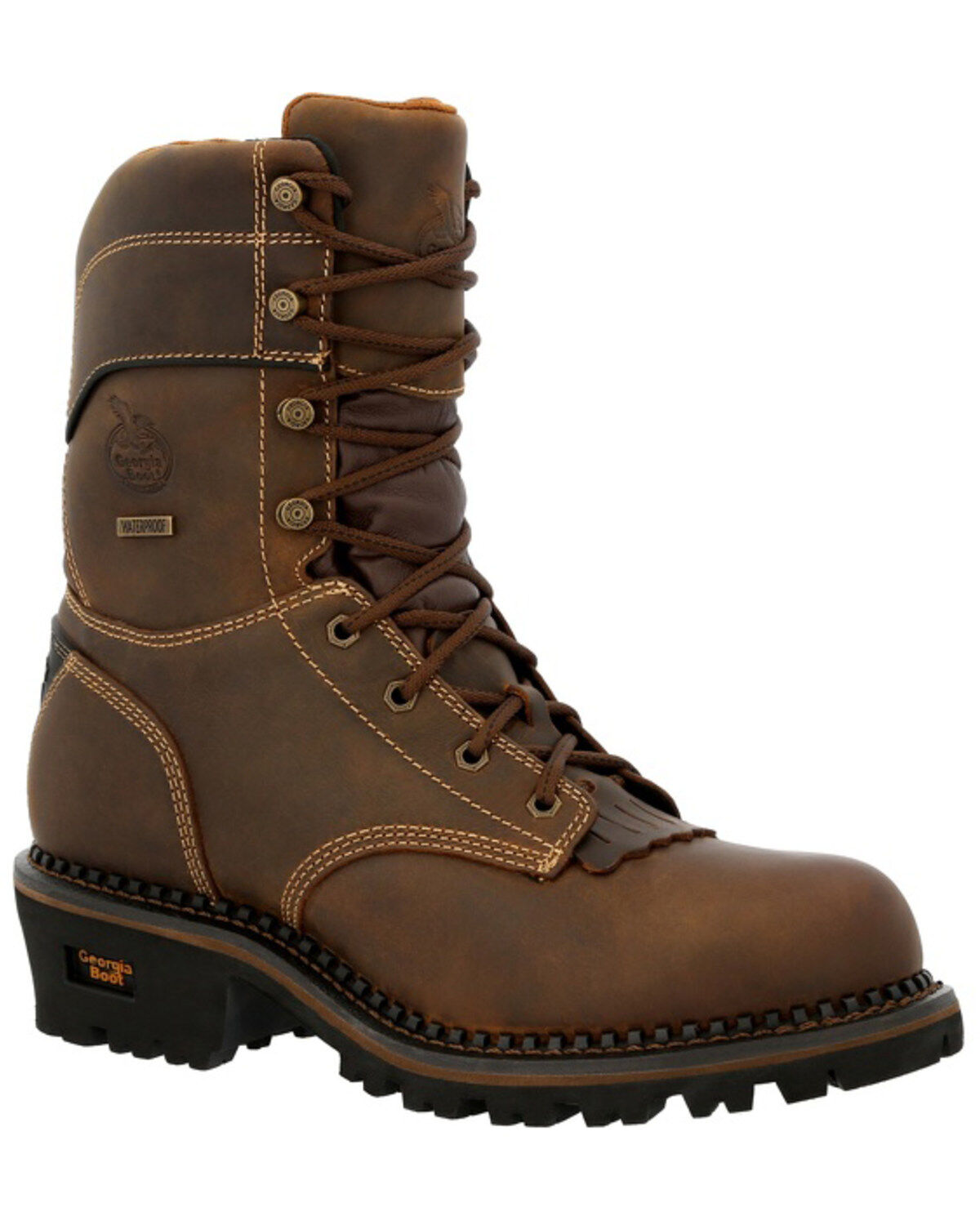
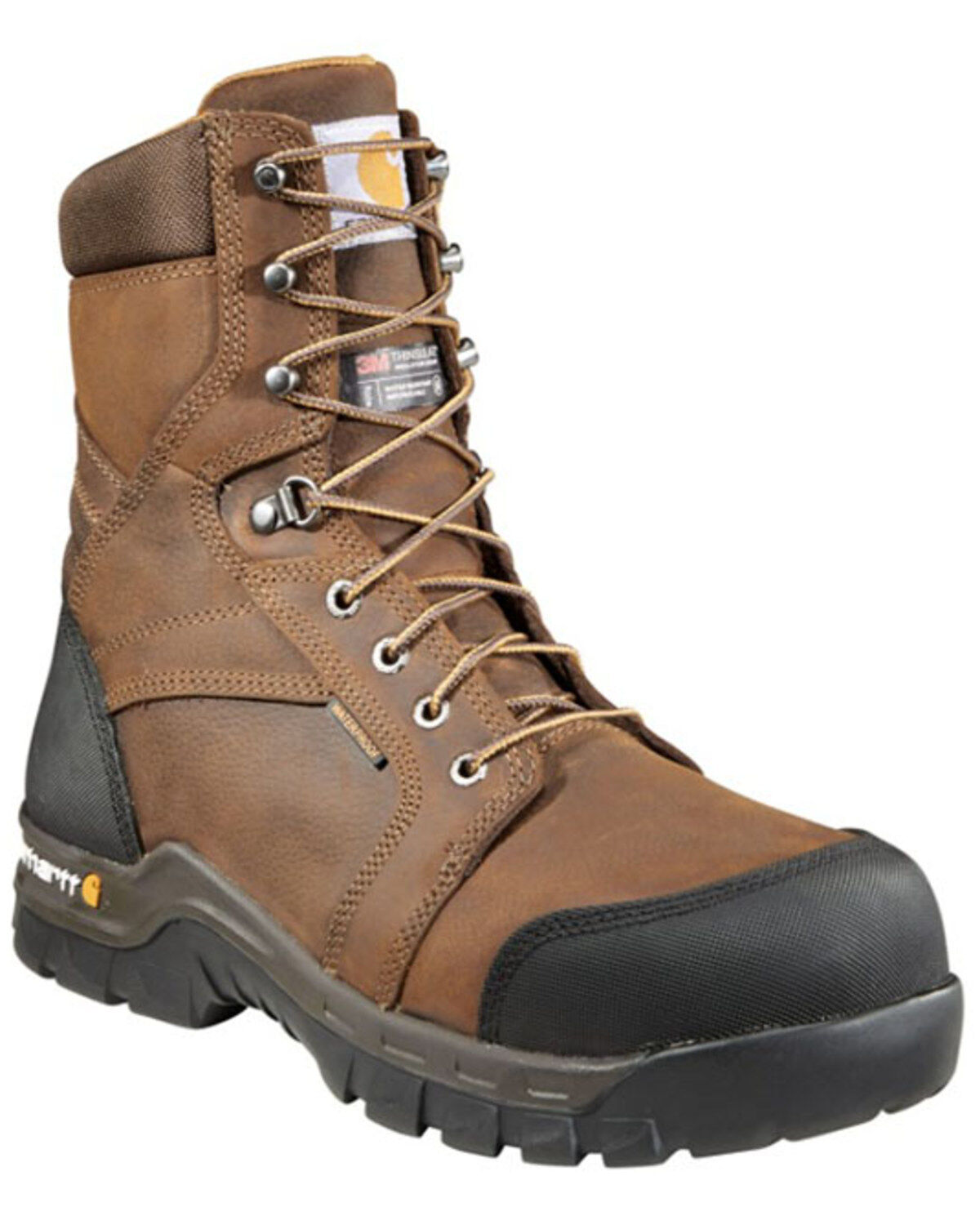
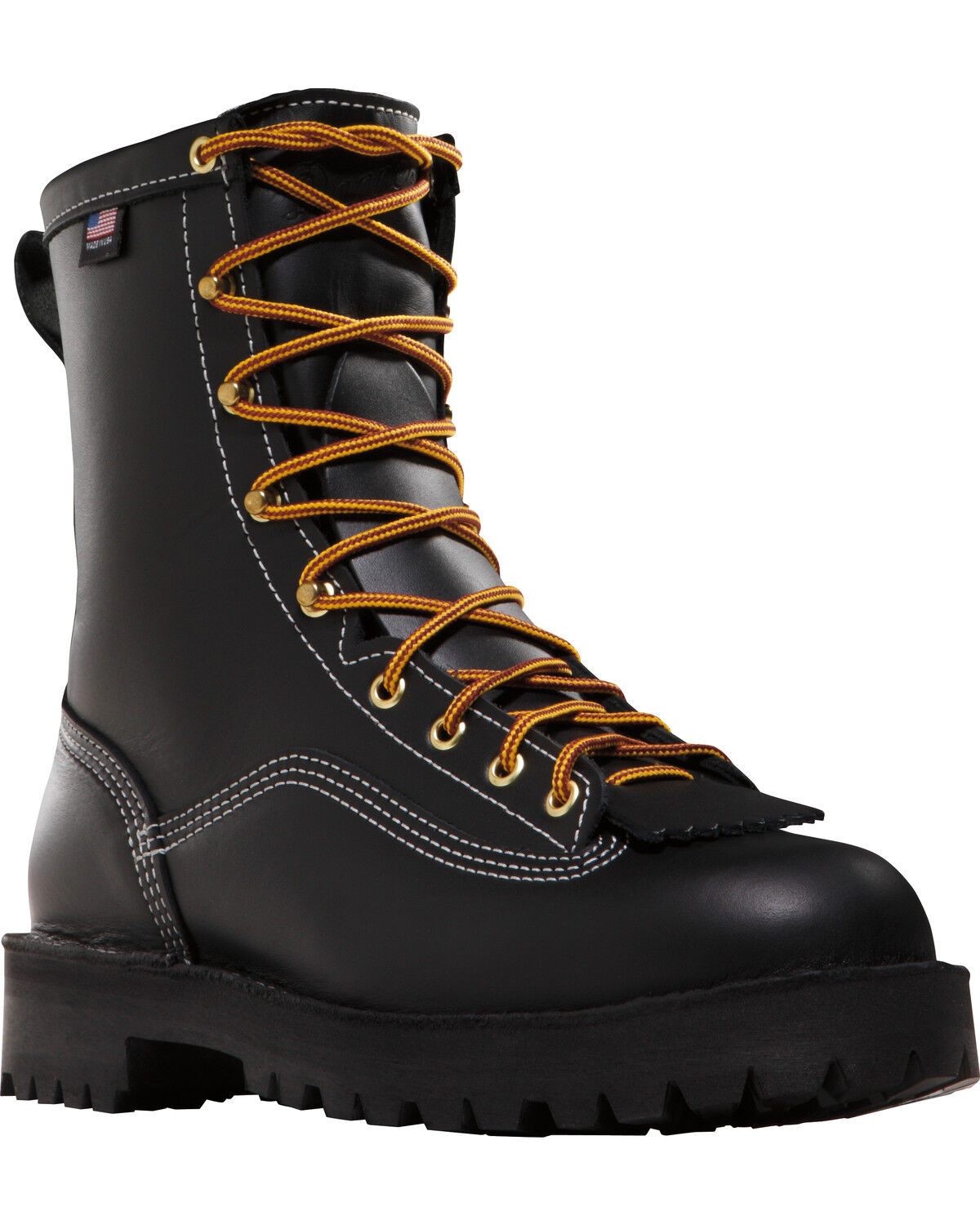
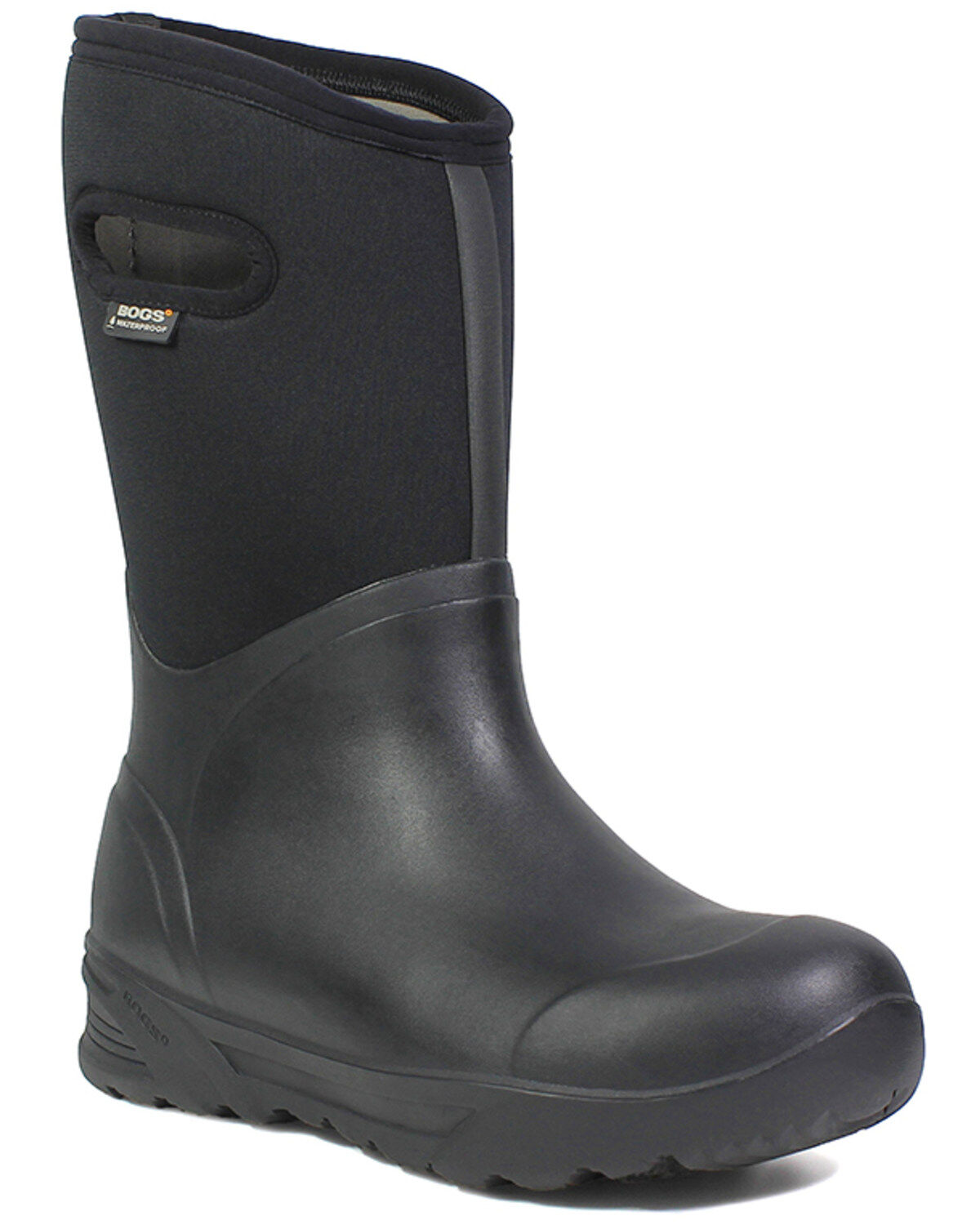
men's insulated pull-on work boots

Shop men’s insulated pull-on work boots for added warmth and easy on-and-off wear during cold-weather work. Browse a selection of men’s work boots and insulated boots in practical pull-on styles suited to demanding days on the job.

Shop Your Store: Shop Your Store: Find a Store

(Turn off Shop Your Store to see all items)

(Turn off Shop Your Store to see all items)

close
  • Recommended
  • Lowest Price
  • Highest Price
Skip pass products
  • Men's Baffin Miner Metatarsal Work Boots
    Original Price $359.99 $284.97
    21% Total Savings

End of products

men's insulated pull-on work boots

Men’s insulated pull-on work boots combine warmth, easy entry, and job-ready support for work in cold conditions. Insulation helps hold warmth around the foot, while the pull-on design eliminates laces that can catch debris or need adjustment throughout the day. These boots suit jobs that involve outdoor chores, cold floors, muddy ground, and repeated trips between a truck cab and the worksite. For ranch hands checking water lines, equipment operators crossing frozen yards, or maintenance crews working around unheated buildings, the right construction matters more than appearance alone. Leather uppers offer abrasion resistance and a familiar work boot feel, while rubber lower sections or full rubber construction can make sense around mud, standing water, and frequent washdowns. Insulation and waterproofing serve different purposes: insulation limits heat loss, while waterproof materials or a waterproof membrane help block outside moisture. An insulated boot is not automatically waterproof, and water-resistant leather does not provide the same protection as a boot built and labeled for waterproof use. Shaft height also affects coverage. A taller shaft provides more coverage against splashes and debris, though water can still enter over the opening. Pull tabs and generous openings make it easier to get boots on before heading outside, but the foot still needs a secure fit once inside. For men moving between chores and heavier work, a practical boot balances protection with enough flexibility to walk, climb approved access steps, and bend at the forefoot. Added insulation can be useful during long stretches of standing, when feet generate less warmth through movement. More active jobs may call for less insulation to help limit overheating and damp socks. Warmth depends on activity, circulation, sock choice, moisture, and exposure time, not just the insulation label. A boot that feels comfortable while walking a fence line may feel different during an hour spent standing beside equipment. That makes intended use central to the choice, especially when a workday includes both steady movement and long stationary tasks.

Materials beneath the foot deserve as much attention as the upper. Men’s insulated pull-on work boots may use cushioned footbeds, supportive midsoles, and shanks that add structure through the arch. Cushioning helps soften repeated steps on hard ground, while support helps keep the boot stable under the foot. Neither should leave the boot feeling loose or difficult to control. Outsole patterns vary with the job: deeper lugs can help grip loose dirt and mud, while other tread designs emphasize contact with firm surfaces. Mud packed into the tread can reduce grip, so open spaces between lugs can be useful where soil sticks to everything. Slip-resistant outsoles can help on certain surfaces, but no work boot guarantees traction on ice, oil, or every wet floor. Jobsite requirements also determine whether a soft toe, steel toe, or composite safety toe is appropriate. Safety-toe protection, electrical hazard ratings, and puncture resistance are separate features; none should be assumed from a rugged appearance or an insulated lining. The boot’s stated ratings need to match the work and the employer’s requirements. Fit is especially important in a pull-on boot because there are no laces to tighten across the instep. The instep should feel comfortably secure, the toes should have room to move, and the heel should not slide enough to cause rubbing or make walking unstable. A little heel movement can be normal in some new pull-on leather boots, but excessive lift is not something to overlook. Trying boots with the socks worn on the job gives a more useful sense of fit than using a thin everyday pair. Thick socks should not crowd the toes or press the foot tightly against the lining, since restricted space can reduce comfort and warmth. Men who use prescribed orthotics also need enough interior depth to accommodate them without squeezing the foot. Removable footbeds can make that easier when the boot’s design allows it. A secure, comfortable fit matters during simple movements, from kneeling beside a gate hinge to stepping down from a pickup onto uneven gravel.

Durability comes from the full construction, not one heavy-looking component. Leather quality, seam placement, outsole attachment, and reinforcement around high-wear areas all affect how insulated pull-on work boots hold up. Toe and heel areas often take repeated contact from kneeling, climbing, and brushing against equipment, while the flex point behind the toes bends thousands of times through ordinary use. Rubber can be practical for wet chores, but exposure to sharp edges, certain chemicals, or prolonged heat can damage materials that are otherwise well suited to mud and water. Leather also needs care after repeated exposure to moisture and grit. Brushing away dried dirt and wiping off residue helps prevent buildup around seams and sole edges. Cleaning products and conditioners should match the upper material and the boot manufacturer’s directions, especially when waterproof membranes or treated finishes are involved. Inside the boot, dry socks and a dry lining are part of keeping feet comfortable. Moisture from perspiration can remain even when outside water never gets in. Allowing boots to dry in a ventilated space, removing footbeds when permitted, and keeping them away from direct high heat helps protect leather, linings, and adhesives. A boot dryer should be used only at settings approved for the materials. Regular checks for worn tread, separating soles, cracked rubber, or damaged seams can reveal when protection and performance are no longer dependable. For work that calls for outdoor coverage without the same emphasis on insulation, men’s outdoor pull-on work boots offer a related category to consider. Insulated work boots can also be a useful gift for someone who spends long hours handling livestock, maintaining property, or working around cold storage areas, provided the size, fit preferences, and required safety features are known. The strongest choice is the pair built for the actual ground underfoot, the exposure involved, and the way the wearer moves through a full workday.

FAQs