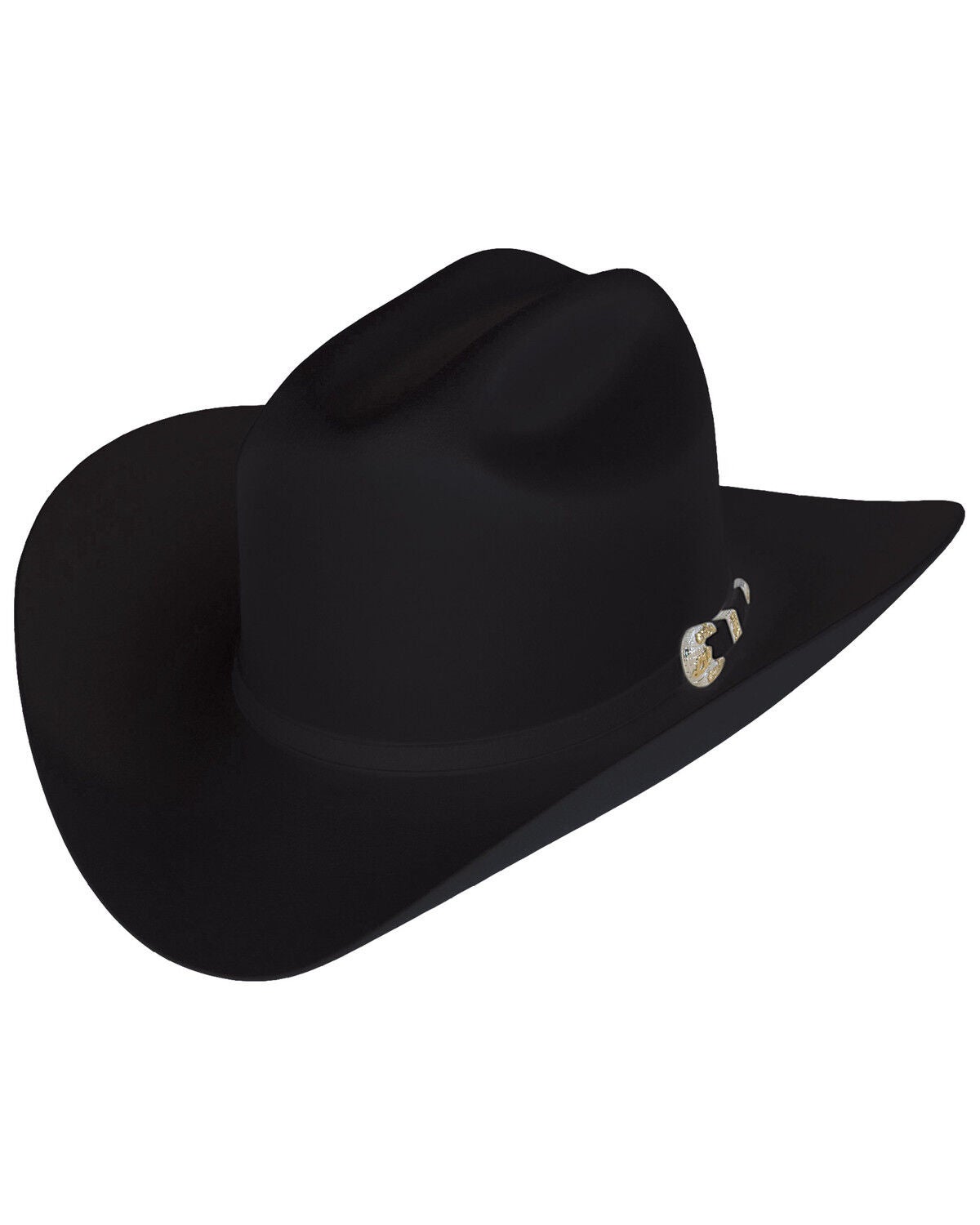
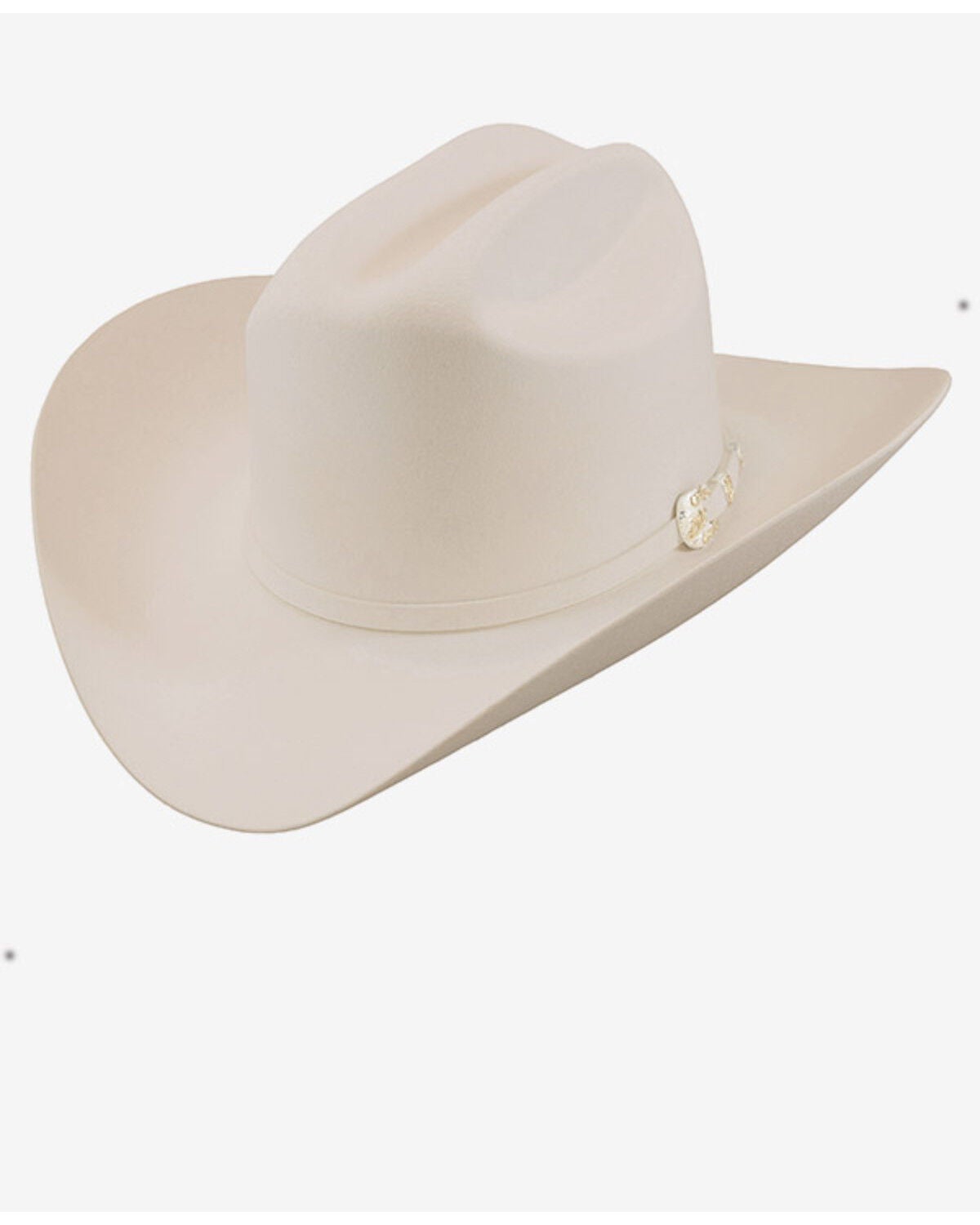
Men's Hat For Outdoor Ranch Work

Find a men’s hat for outdoor ranch work that fits your daily routine. Browse western hats with an eye toward brim coverage, fit, and material, and choose one suited to the weather and the work ahead.

Shop Your Store: Shop Your Store: Find a Store

(Turn off Shop Your Store to see all items)

(Turn off Shop Your Store to see all items)

close
  • Recommended
  • Lowest Price
  • Highest Price
Skip pass products
  • Men's Hawx Mesh Vented Work Sun Hat
    Original Price $32.99 $12.97
    61% Total Savings
  • Men's Cody James Durango Crushable Felt Western Fashion Hat
    Original Price $69.99 $49.97
    29% Total Savings
  • Men's Stetson Helix Beaded Straw Western Fashion Hat
    Original Price $144.99 $99.97
    31% Total Savings
  • Men's Hawx Mesh Vented Work Sun Hat
    Original Price $32.99 $19.97
    39% Total Savings
  • Men's Hawx Fossil Vented Work Sun Hat
    Original Price $32.99 $12.97
    61% Total Savings
  • Radians White Quartz Vented Full Brim Hard Hat
    Original Price $26.99 $16.97
    37% Total Savings

End of products

Men's Hat For Outdoor Ranch Work

A men’s hat for outdoor ranch work has a practical job: stay comfortable, keep the brim out of the way, and hold its shape through regular handling. Feeding livestock, checking fences, moving between pens, and spending hours in the saddle all place different demands on a hat. A broad brim provides coverage around the face and neck, while a more moderate brim can be easier to manage around gates, truck doors, and low overhead clearance. The angle matters as much as the width. A front brim that sits too low can interrupt the view when looking down a fence line or watching an animal’s movement. An overly wide side brim may brush against equipment or interfere with a natural working position. Crown height and shape also affect how a hat feels through a full day. There should be enough room above the head for a comfortable fit without the crown feeling oversized or resting awkwardly. For men comparing Ranch Work Hats, the strongest starting point is the work itself rather than the look alone. A structured cowboy hat suits someone who prefers a defined brim and a familiar western profile. A softer construction may appeal to someone who frequently removes his hat while driving or stepping into a barn office. Neither approach replaces a proper fit. The hat should sit level and feel secure without needing constant adjustment. Small details become noticeable over long hours: a smooth sweatband, an even brim, and a crown that does not press against the top of the head. A hat that looks right in a mirror still needs to feel right when bending to latch a gate, reaching for a tool, or turning to check behind a horse. Those ordinary movements tell more about everyday usefulness than decoration does. For regular ranch work, a clean shape and dependable construction usually matter more than elaborate trim.

Material gives a work hat much of its character, but it also determines how the hat handles wear and what care it needs. Wool felt generally has a substantial feel and a familiar western appearance. Fur felt can offer a smooth finish and a balance of structure and flexibility, though performance depends on the material blend and construction. Felt quality is not determined by thickness alone. An even surface, a well-formed crown, and a brim that holds its intended shape are useful details to examine. Straw hats have a different feel, with weave density and finishing affecting their firmness, texture, and weight. A tighter weave often creates a more solid surface, while a more open weave allows greater airflow. Straw should not be treated as a single material with one level of toughness; fibers, weaving methods, and shaping all influence how a hat stands up to handling. Canvas and other fabric constructions offer another approach, often with a less rigid feel. Whatever the material, the sweatband and stitching deserve attention because they sit closest to the wearer and take repeated strain. Care should match the construction rather than follow one routine for every hat. Loose dust on felt can often be lifted with a soft hat brush, following the direction of the surface. Straw may need gentle cleaning with a soft cloth, according to its care instructions. Fabric hats should only be washed when the care label permits it. Soaking, harsh cleaners, and forceful scrubbing can damage finishes or change the shape. A hat should dry naturally away from direct heat, supported so the brim is not pushed out of line. A proper hat rest or supportive storage space helps protect the crown and brim between uses. Lifting by the brim rather than repeatedly pinching the crown can also reduce stress on the material. These habits are simple, but they help preserve the fit and shape that made the hat useful in the first place.

Fit is the detail that turns a well-made hat into one that gets worn. Measuring around the head where the sweatband will sit gives a useful starting point, but the maker’s sizing information still matters. Head shape varies, and two hats marked with the same size may not feel identical. Pressure at the forehead or temples can become distracting during a long stretch of work, while excess room allows the hat to shift when the wearer bends or looks down. A secure fit should feel even around the head without leaving a deep mark. Hair length and the way a hat is normally worn can affect that fit as well. A sizing insert may help with a small adjustment when the maker allows it, but it should not be used to force a poorly matched hat into service. Intended use deserves the same attention. Someone working mainly on foot may prefer a different brim profile from someone spending much of the day horseback. A hat worn for driving between pastures should allow a comfortable seated position without catching against the headrest. Around machinery, secure fit and clear sight lines matter, and ordinary ranch hats do not replace required protective headwear or a riding helmet. For gifting, an accurate size and a clear sense of the recipient’s preferences are more useful than guessing from appearance. A father who wears the same crown shape every day may appreciate that familiar profile more than a heavily decorated alternative. A husband, brother, or son starting regular ranch work may value straightforward construction that is easy to care for. Neutral colors and restrained trim can move comfortably from chores to a livestock auction or a stop in town, but personal preference still leads. The best everyday choice is a hat that fits the wearer, suits the tasks, and feels natural enough to stay in regular use.

FAQs