Western Wear For Outdoor Ranch Activities

Find western wear for outdoor ranch activities, from western shirts and durable jeans to cowboy boots and hats. Whether you are tending livestock or handling daily chores, browse clothing and footwear suited to the work and conditions ahead.

Shop Your Store: Shop Your Store: Find a Store

(Turn off Shop Your Store to see all items)

(Turn off Shop Your Store to see all items)

close
  • Recommended
  • Lowest Price
  • Highest Price
Skip pass products
  • Carhartt Teller Beanie
    Original Price $29.99 $19.97
    33% Total Savings
  • Men's Blue Ranchwear Solid Button-Down Duck Canvas Vest
    Original Price $79.99 $38.97
    51% Total Savings
  • Cody James Guatemalan Gus Straw Cowboy Hat
    Original Price $49.99 $33.97
    32% Total Savings
  • Women's RANK 45 Long Sleeve Heritage Riding Shirt
    Original Price $46.99 $31.97
    32% Total Savings
  • Women's Wrangler Corduroy Western Ranch Jacket
    Original Price $148.99 $102.97
    31% Total Savings
  • Men's Cowboy Hardware Ranch Canvas Berber Sherpa-Lined Vest
    Original Price $94.99 $65.97
    31% Total Savings

End of products

Western Wear For Outdoor Ranch Activities

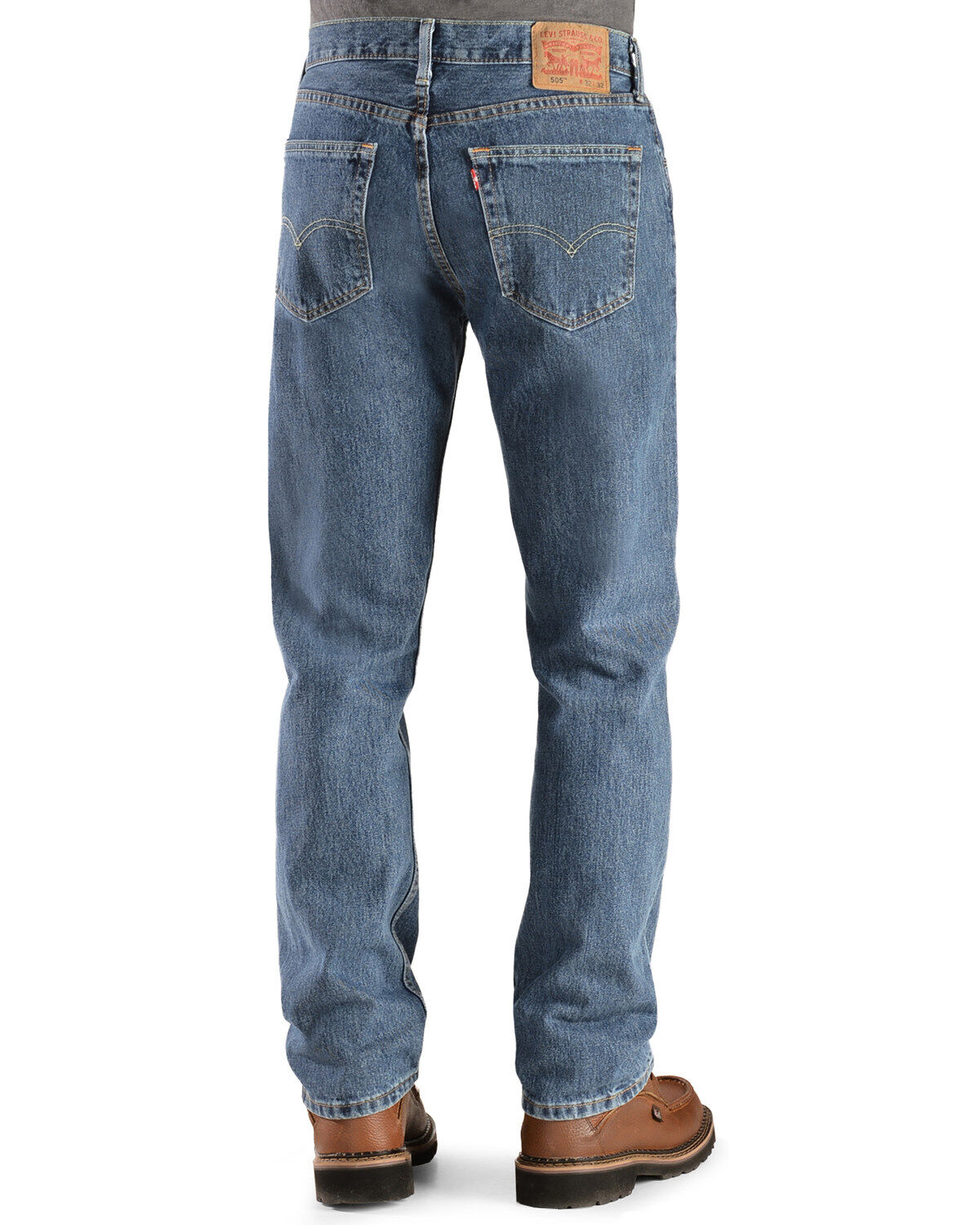
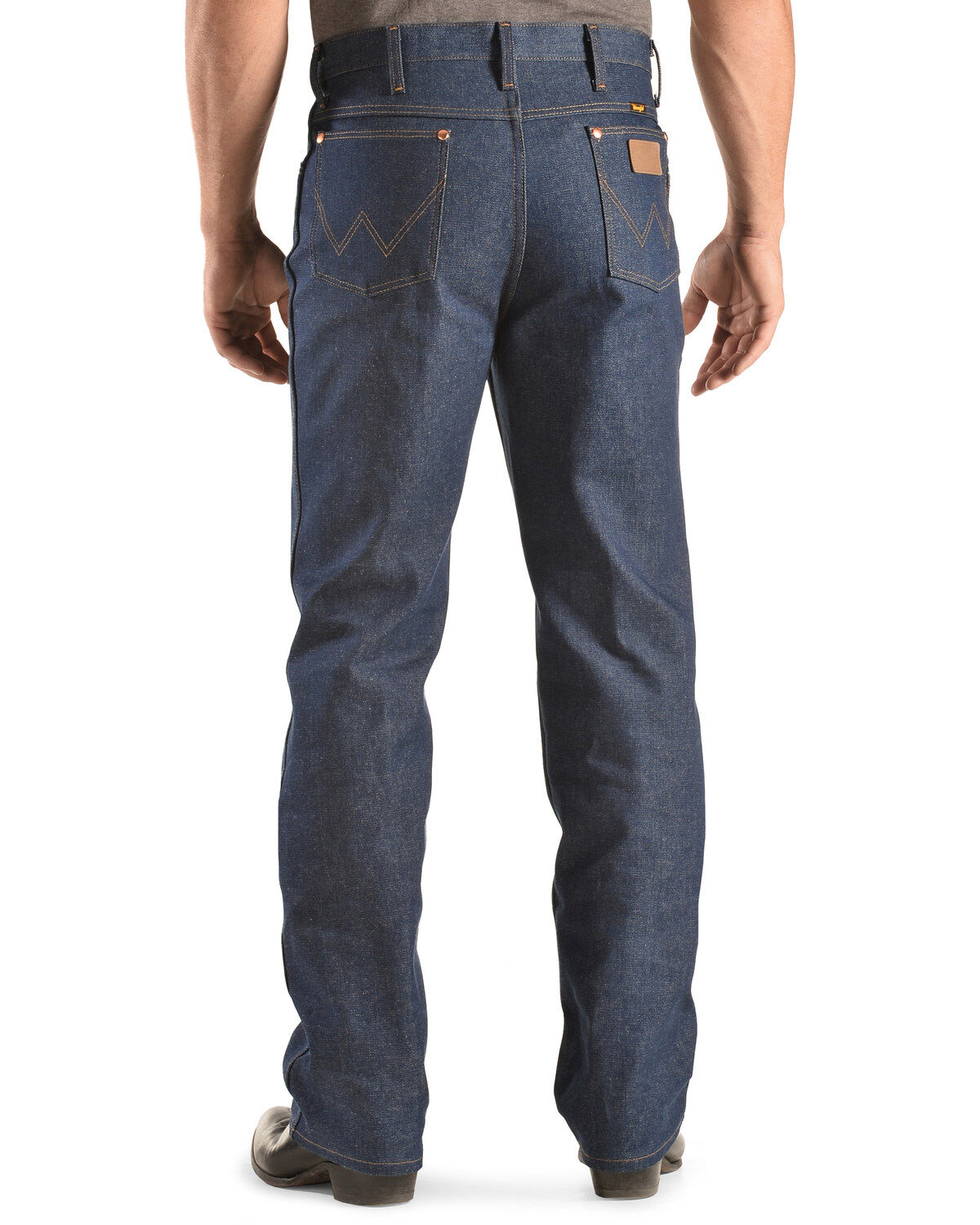
Western wear for outdoor ranch activities needs to feel right through a full day of moving, lifting, riding, and tending livestock. A shirt that pulls across the shoulders becomes noticeable when stacking feed bags. Jeans that bind at the knee make climbing into a saddle or stepping over a low fence harder than it needs to be. Practical ranch clothing balances room to move with a fit that stays close enough to avoid catching on gates, equipment, and brush. Cotton denim, woven twill, and cotton-blend shirting are familiar choices because they offer different combinations of structure, comfort, and ease of care. Heavier denim has a substantial feel suited to frequent contact with rough surfaces, while fabric with a small amount of stretch can make bending and crouching more comfortable. Fabric weight alone does not tell the whole story; stitching, pocket construction, and reinforcement at points of strain also matter. Western shirts bring useful details to daily ranch work, including secure cuffs, chest pockets, and closures that are easy to manage. Depending on the design, a shoulder yoke can add structure across the upper back, while a longer shirttail helps keep the shirt tucked during overhead reaching. Fit deserves attention in both standing and seated positions. A comfortable waistband should not dig in when driving between pastures, and the seat and thighs need enough room for a natural stride. Jeans worn over boots should settle around the shaft without excessive fabric dragging underfoot. For horseback riding, inseam length and seam placement can affect comfort in the saddle. These are clothes for ranch owners, livestock handlers, riders, and anyone whose day includes more time around corrals than behind a desk. Familiar western details belong here, but their value comes from how well the clothing serves the work. An uncomplicated shirt and well-fitting jeans can carry a person from checking water troughs to picking up supplies without requiring a change of clothes.

Footwear and accessories help complete that practical foundation. Ranch ground can change from loose dirt to packed paths, gravel, and hard barn floors within a short walk, so sole construction matters as much as the appearance of a boot. Tread, heel shape, flexibility, and underfoot cushioning influence how footwear feels during long stretches of standing and walking. Leather uppers can provide structure and develop a broken-in feel, but comfort still depends on the last, width, and overall fit. A boot should hold the foot securely without crowding the toes or creating pressure across the instep. Socks also affect fit, particularly around the heel and forefoot, making the pair normally worn for work a useful reference when choosing a size. Footwear intended for riding needs a heel and sole design suited to stirrup use; a western appearance alone does not establish that purpose. Likewise, tasks that call for protective footwear require the appropriate safety features rather than assumptions based on a rugged-looking exterior. Hats, belts, and other accessories have their own working considerations. A hat should sit securely and provide a clear line of sight when looking down at a latch or across a pen. Brim shape and size affect coverage and how easily the hat fits into a daily routine. A sturdy belt helps support the waistband, while a buckle that sits comfortably matters when leaning against a rail or spending hours seated. Jackets and vests can add coverage over a work shirt, with fit through the shoulders and arm openings determining how freely the wearer can reach. Extra pockets may be useful for small essentials, but their placement and closures should suit the task. Clothing and accessories work best together when nothing restricts movement, shifts constantly, or needs repeated adjustment. That becomes clear during ordinary jobs such as carrying a bucket, leading a horse, or opening a gate with one hand.

Durability also depends on how ranch clothing is worn and cared for over time. Dust caught in seams, grit along boot stitching, and repeated friction at knees and cuffs can gradually take a toll. Closely sewn seams, sound closures, and well-finished hems are worth noticing because they bear much of that daily strain. Care labels provide the right starting point for laundering, especially when comparing cotton garments with stretch blends or fabrics that have a special finish. Washing and drying methods can affect shrinkage, color, and fit, so the same routine does not necessarily suit every piece. Empty pockets and secured closures help keep small objects and loose hardware from damaging fabric in the wash. Boots need a different approach: removing surface dirt before applying a leather care product keeps grit from being worked into the material. Cleaners and conditioners should match the leather type, since smooth leather, suede, and other finishes do not all respond the same way. Letting footwear dry away from direct heat helps protect its shape and construction. Hats benefit from handling and storage that preserve the crown and brim rather than crushing them under other gear. These small habits support a wardrobe built for repeated use, not just occasional wear. Ranch clothing can also make a useful gift for someone who rides regularly, helps with livestock, or spends weekends maintaining a small acreage. Fit, preferred fabrics, and the recipient’s usual tasks are more meaningful than decorative details alone. A familiar size is a starting point, but differences in cut, rise, sleeve length, and boot width still deserve consideration. For everyday clothing beyond individual ranch tasks, Western Apparel for Ranch Lifestyle offers a related direction. The same priorities carry through: dependable materials, comfortable movement, straightforward care, and western details that feel natural in daily life. Western wear for outdoor ranch activities earns its place through regular use, whether the day involves feeding animals, repairing a fence, or spending several hours in the saddle.

FAQs