Men's Denim Work Shirts

Shop men's denim work shirts for a practical workday staple you can wear on its own or layer over a T-shirt. Browse the selection and compare individual sizing, fit, and care details to find the right shirt for your daily routine.

Read More

Shop Your Store: Shop Your Store: Find a Store

(Turn off Shop Your Store to see all items)

(Turn off Shop Your Store to see all items)

close
  • Recommended
  • Lowest Price
  • Highest Price
Skip pass products

End of products

Men's Denim Work Shirts

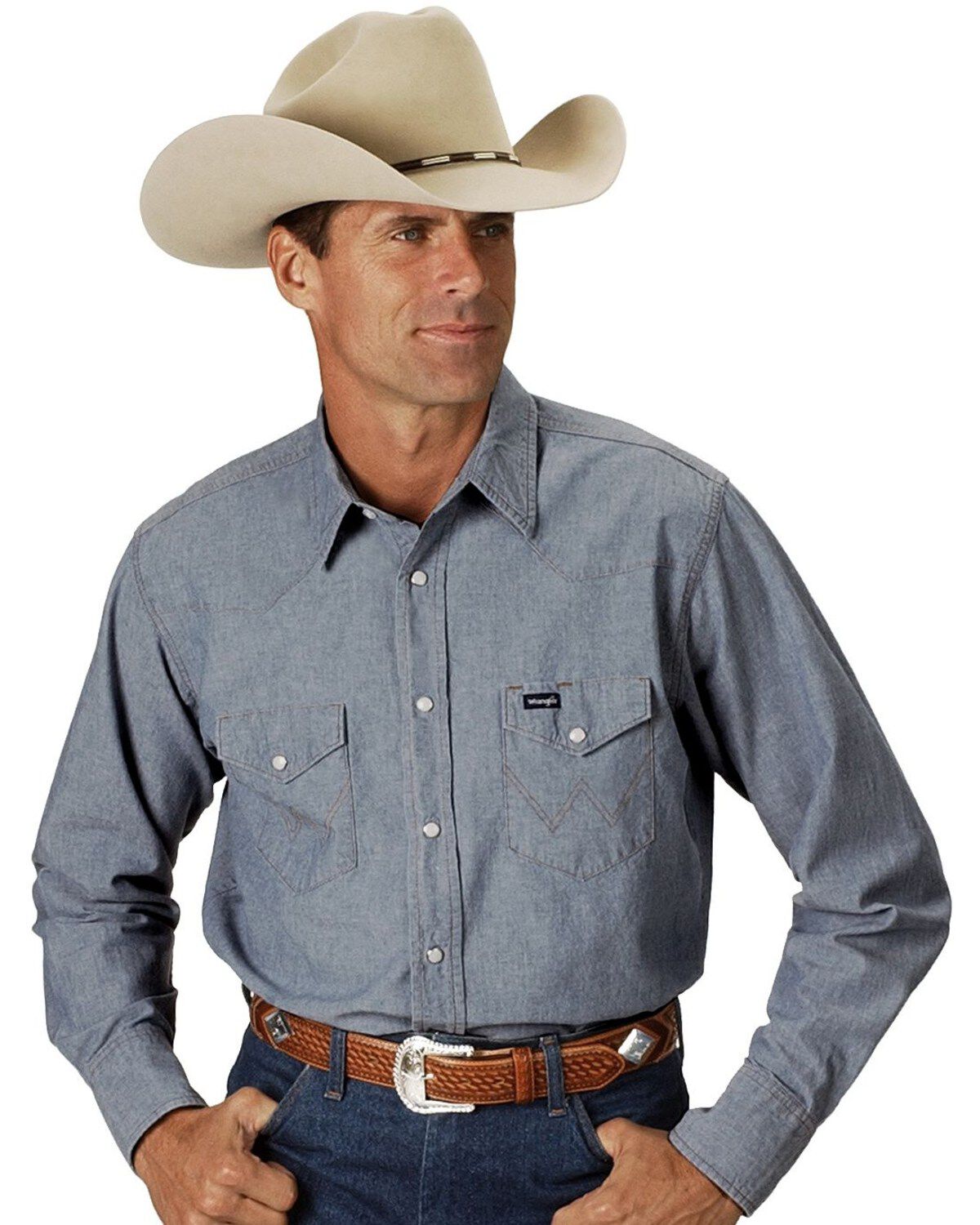
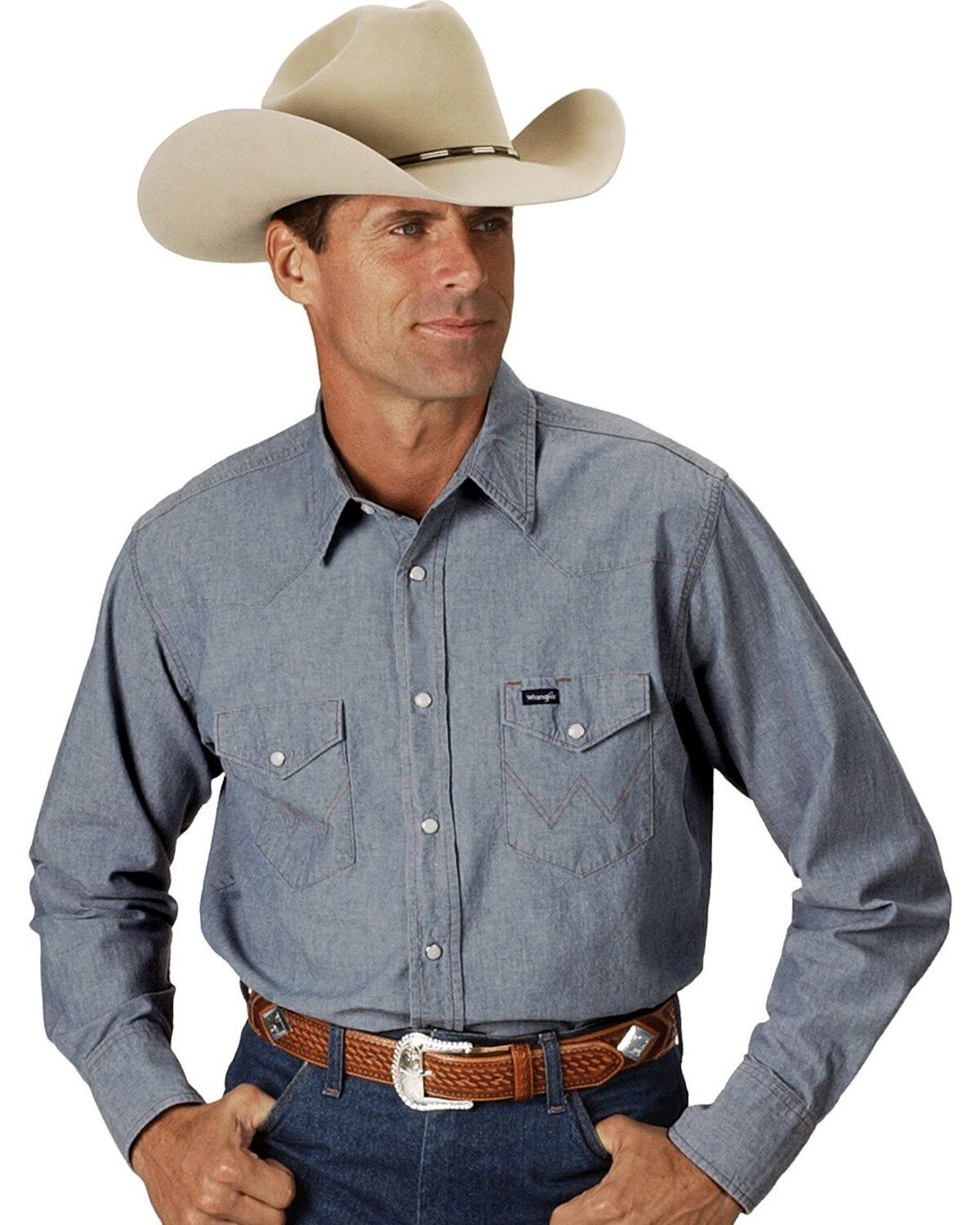
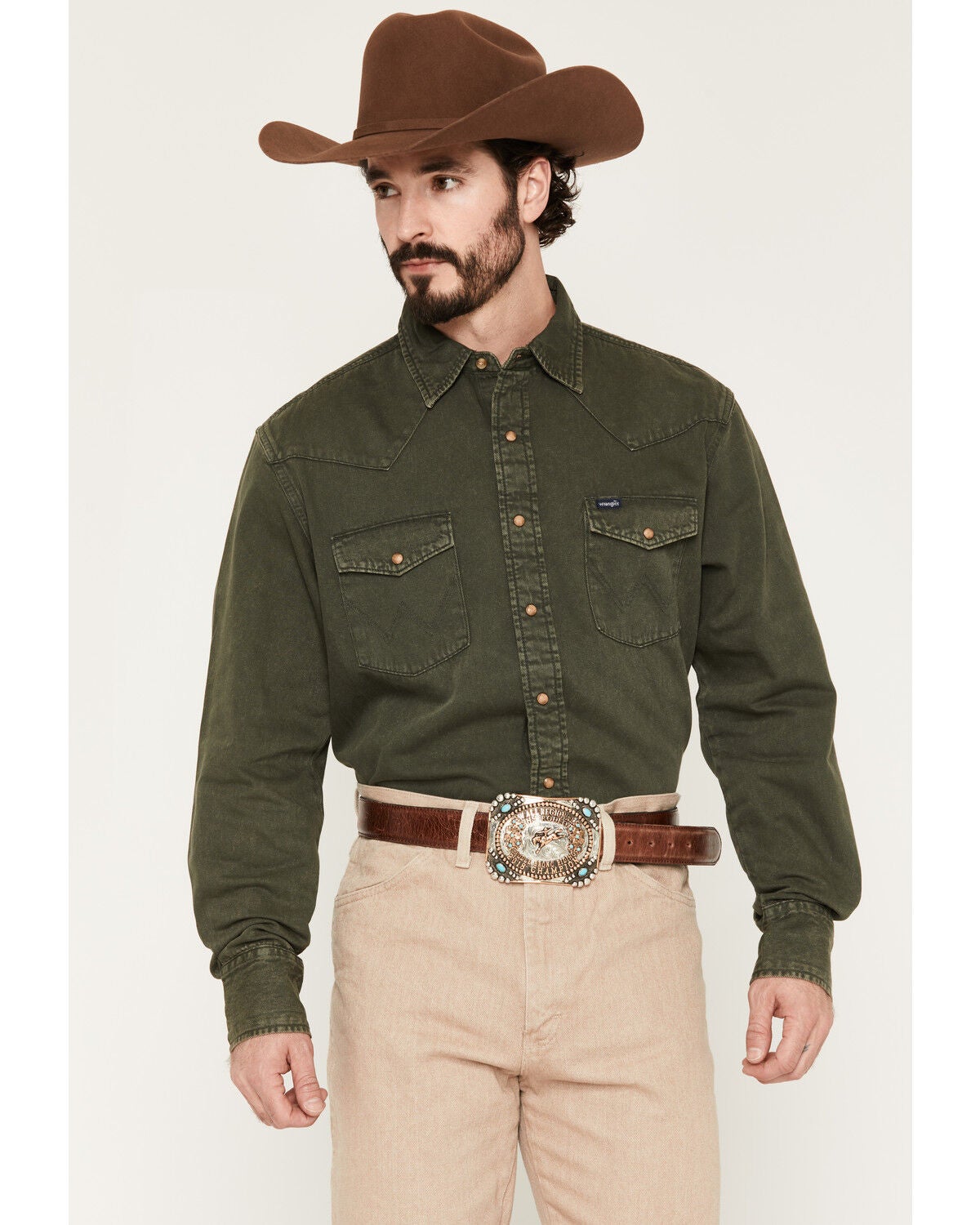
Men's denim work shirts bring durable woven fabric, practical storage, and a straightforward fit to everyday workwear. Denim is made with a twill weave, recognizable by its diagonal pattern, which gives the fabric structure and a substantial feel. Many denim work shirts use cotton, while others include fibers that add stretch or help the fabric maintain its shape. All-cotton denim has a familiar, firm feel that generally softens with repeated wear and washing. Stretch denim allows some give through the shoulders, elbows, and back, although the amount of movement depends on both the fabric and the shirt's cut. Fabric weight matters, too. Lighter denim tends to drape more easily and tuck with less bulk, while heavier denim feels more substantial and can provide greater resistance to everyday rubbing. Weight alone does not determine durability; stitching, fabric quality, and construction also matter. Reinforced pocket corners, secure seams, and firmly attached closures help a shirt handle repeated use. Chest pockets offer a place for small essentials such as a pencil or folded notes, and pocket flaps can help keep those contents contained. Buttons and snaps give denim work shirts different looks and fastening options, with either closure depending on sound construction for lasting use. Traditional western details, including pointed yokes and flap pockets, add recognizable character without changing the shirt's basic purpose. Straightforward button-front styles offer a more understated appearance. Denim washes range from deep indigo to faded blue, with darker finishes generally looking more uniform and washed finishes showing more variation. These differences make men's denim work shirts useful beyond a single task or setting. The same general style can suit a morning spent checking fence lines, an afternoon at a workbench, or everyday wear away from the job. The right combination of fabric, construction, and fit supports regular use without unnecessary detail.

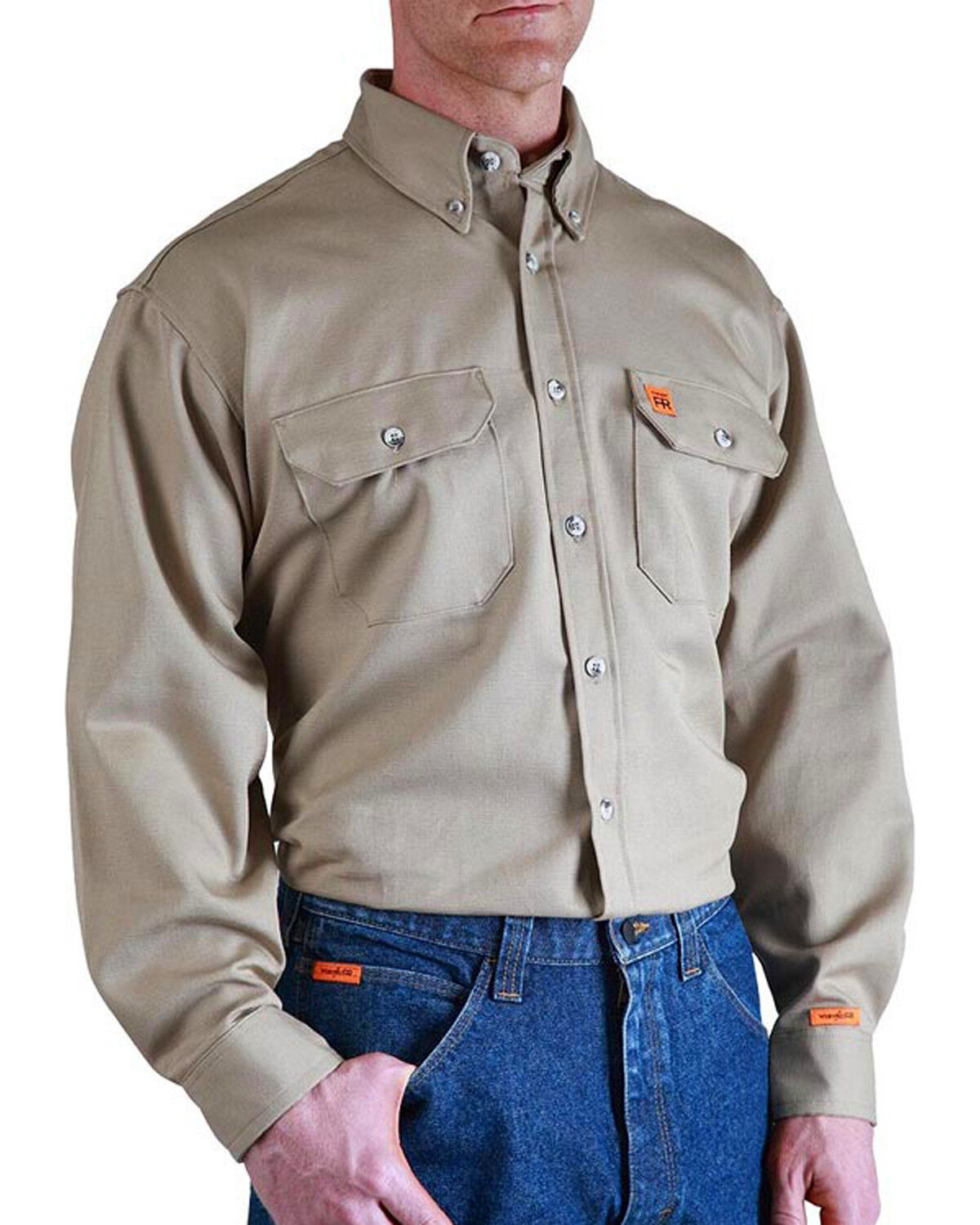
Fit determines how comfortably a denim work shirt moves through a full day. A useful work fit leaves room across the upper back and chest without excessive fabric hanging at the sides. Shoulder seams should sit near the edge of the shoulders, and sleeves should allow the elbows to bend without pulling hard at the cuffs. Reaching forward to measure a board or lifting an arm to reach a shelf can reveal tightness that is not obvious while standing still. A shirt that strains across the back may restrict movement, while one that is too loose can bunch beneath straps or interfere with equipment. Regular and relaxed fits generally offer more room through the body, while closer cuts reduce extra fabric; fit names vary, so garment measurements and size charts provide a better reference than the label alone. An undershirt also takes up space, especially across the chest and upper arms. Shirt length matters for the way it will be worn. Longer tails help a tucked shirt stay in place through bending and reaching, while a shorter, more even hem can sit neatly outside the waistband where the task allows. Adjustable cuffs help manage sleeve openings, and secure fastening keeps loose fabric under control. Around rotating machinery or other moving equipment, workplace rules take priority over styling preferences, including whether sleeves must remain fastened and shirts tucked. Denim work shirts are everyday workwear, not automatic substitutes for required protective clothing. Ordinary denim should not be assumed to provide flame resistance, arc protection, or protection from chemicals simply because it feels substantial. Jobs with specific hazards require clothing that carries the appropriate ratings and meets employer requirements. For general tasks, the value is more straightforward: comfortable movement, useful pockets, dependable closures, and fabric that can stand up to regular handling.

Care has a direct effect on how a denim work shirt fits and wears over time. The sewn-in care label is the starting point because cotton content, stretch fibers, dyes, and finishes can call for different treatment. Washing with similar colors helps limit dye transfer, especially with darker denim. Turning the shirt inside out can reduce surface rubbing during laundering, while fastening the closures helps keep the garment from twisting as freely. Stains from soil or ordinary shop grime are easier to address before they settle into the fabric, using a treatment suitable for the material and the stain. Excessive dryer heat can contribute to shrinkage in cotton and wear on stretch fibers, so the labeled drying instructions matter as much as the washing directions. Removing the shirt promptly and smoothing the collar, placket, and pocket flaps helps preserve a neat shape. Denim naturally develops fading and softer areas at points of repeated movement, including the elbows and cuffs. That gradual change is part of its familiar appearance, but frayed seams, loose buttons, or damaged snaps deserve attention before they become larger repairs. Keeping pocket loads modest also reduces strain on the stitching. For a complete work outfit, Men's Denim Work Overalls pair naturally with a denim shirt, provided there is enough room beneath the bib and straps for comfortable movement. Matching washes create a consistent look, while different shades give each garment some definition. Denim shirts also work with canvas work pants or jeans without requiring an exact color match. As a gift, a denim work shirt makes sense for someone who already wears practical button-front clothing for ranch chores, workshop projects, or daily errands. Familiar sizing, preferred closures, and the recipient's usual fit matter more than decorative details. A well-chosen shirt earns its place through repeated wear, comfortable movement, and construction suited to the work at hand.
Read More

FAQs