Denim Work Shirts

Find denim work shirts for your daily workwear rotation, whether you are replacing a worn favorite or adding another option. Compare sizing, fit, and care details to choose a shirt that suits your routine and gives you room to move.

Shop Your Store: Shop Your Store: Find a Store

(Turn off Shop Your Store to see all items)

(Turn off Shop Your Store to see all items)

close
  • Recommended
  • Lowest Price
  • Highest Price
Skip pass products

End of products

Denim Work Shirts

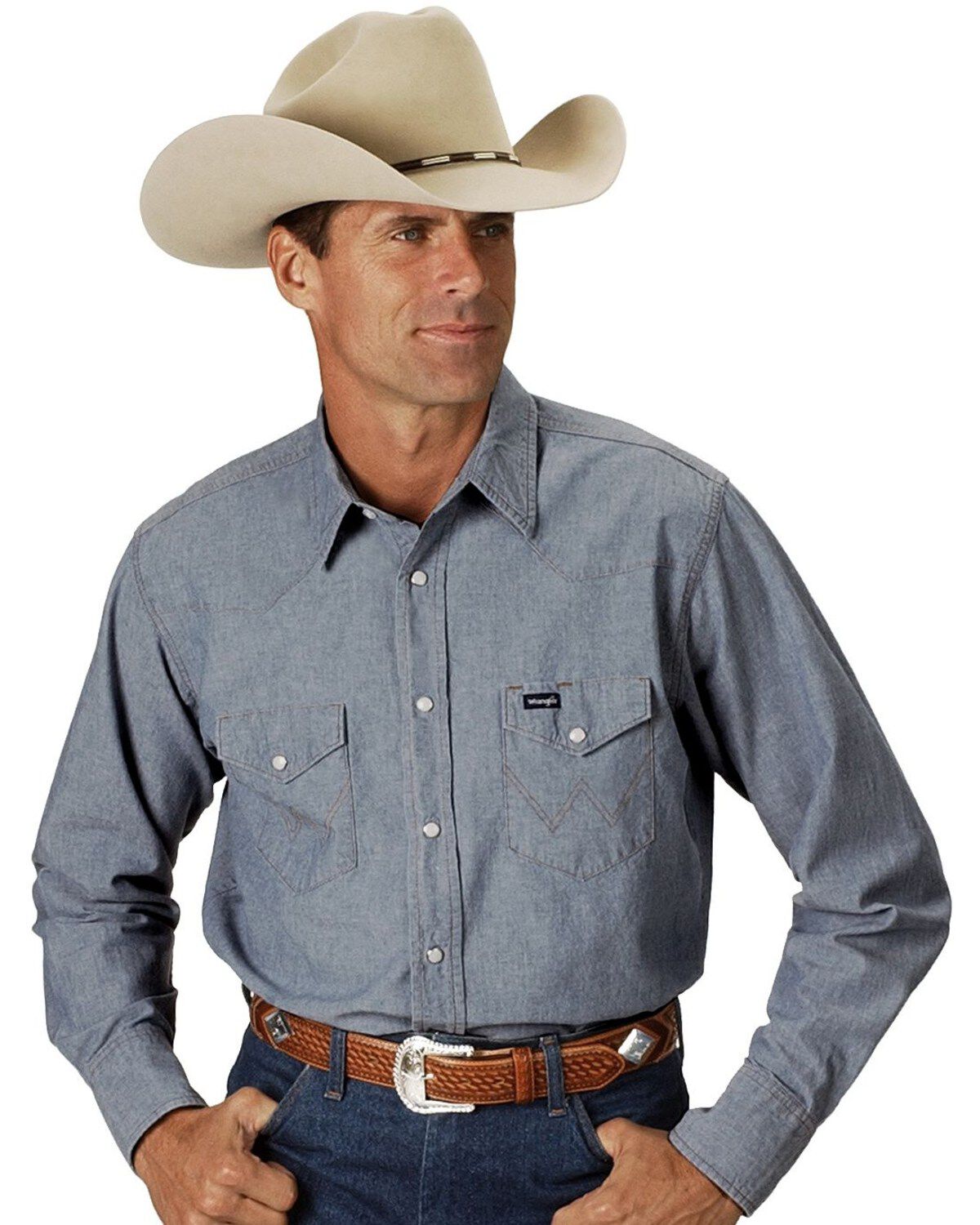
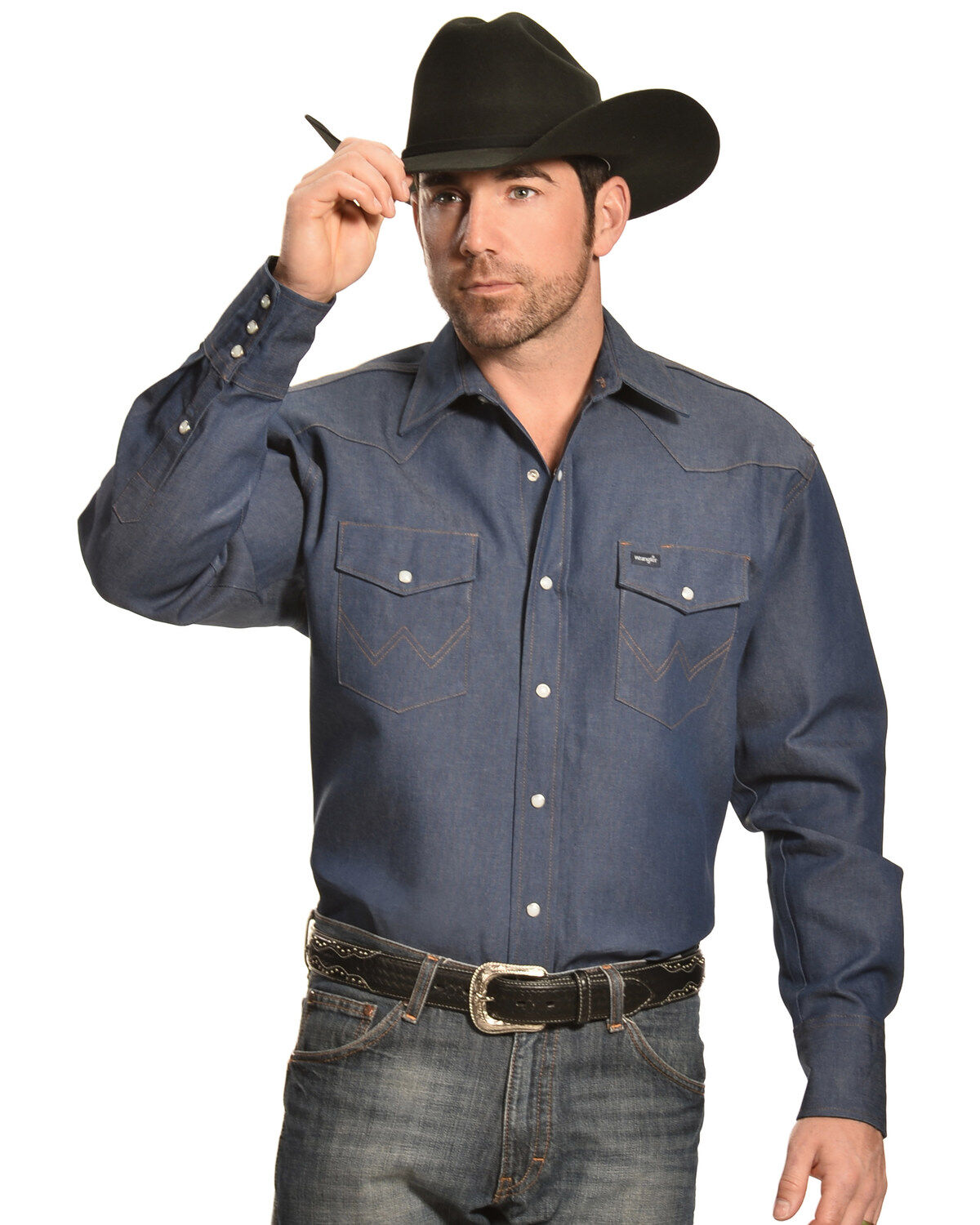
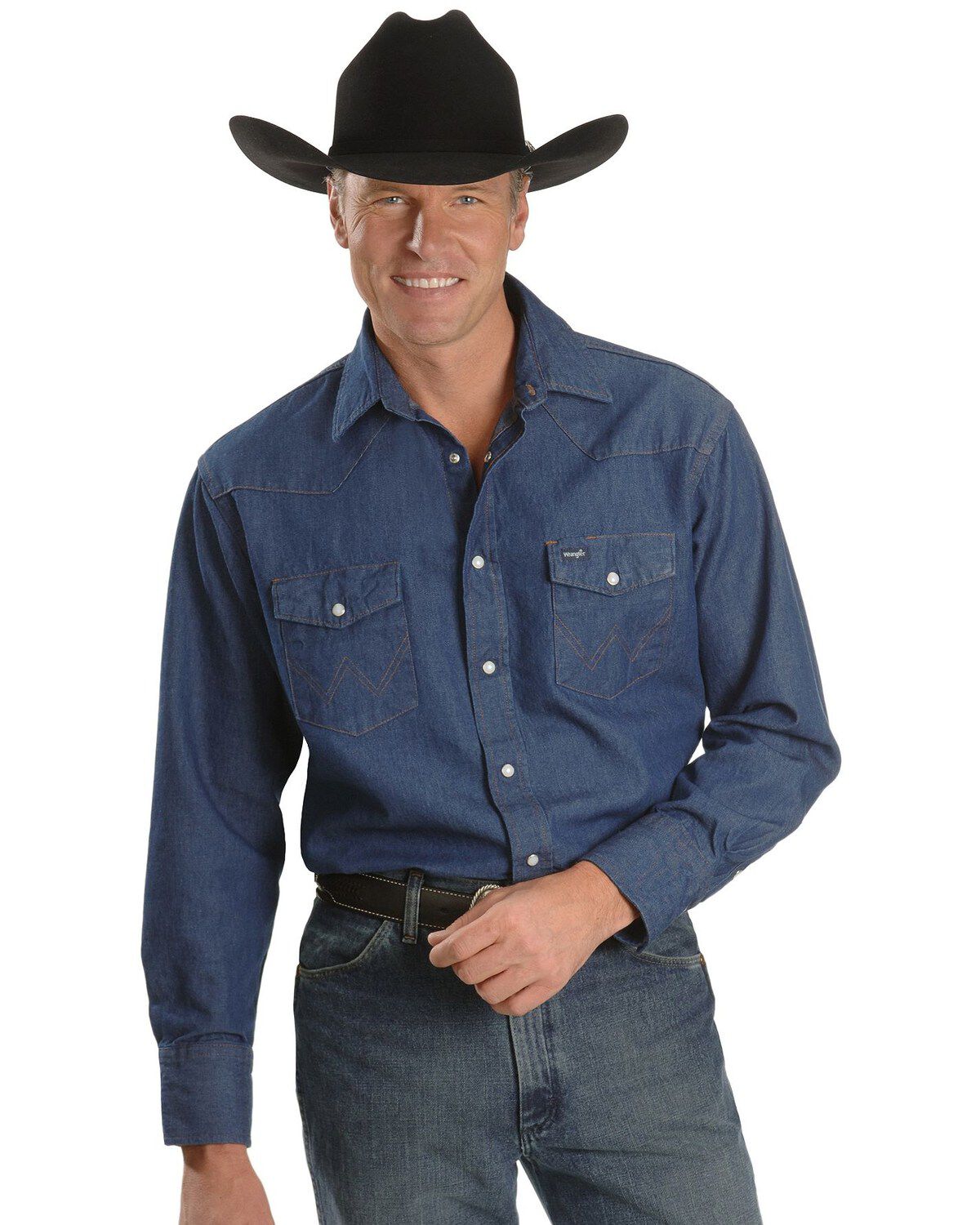
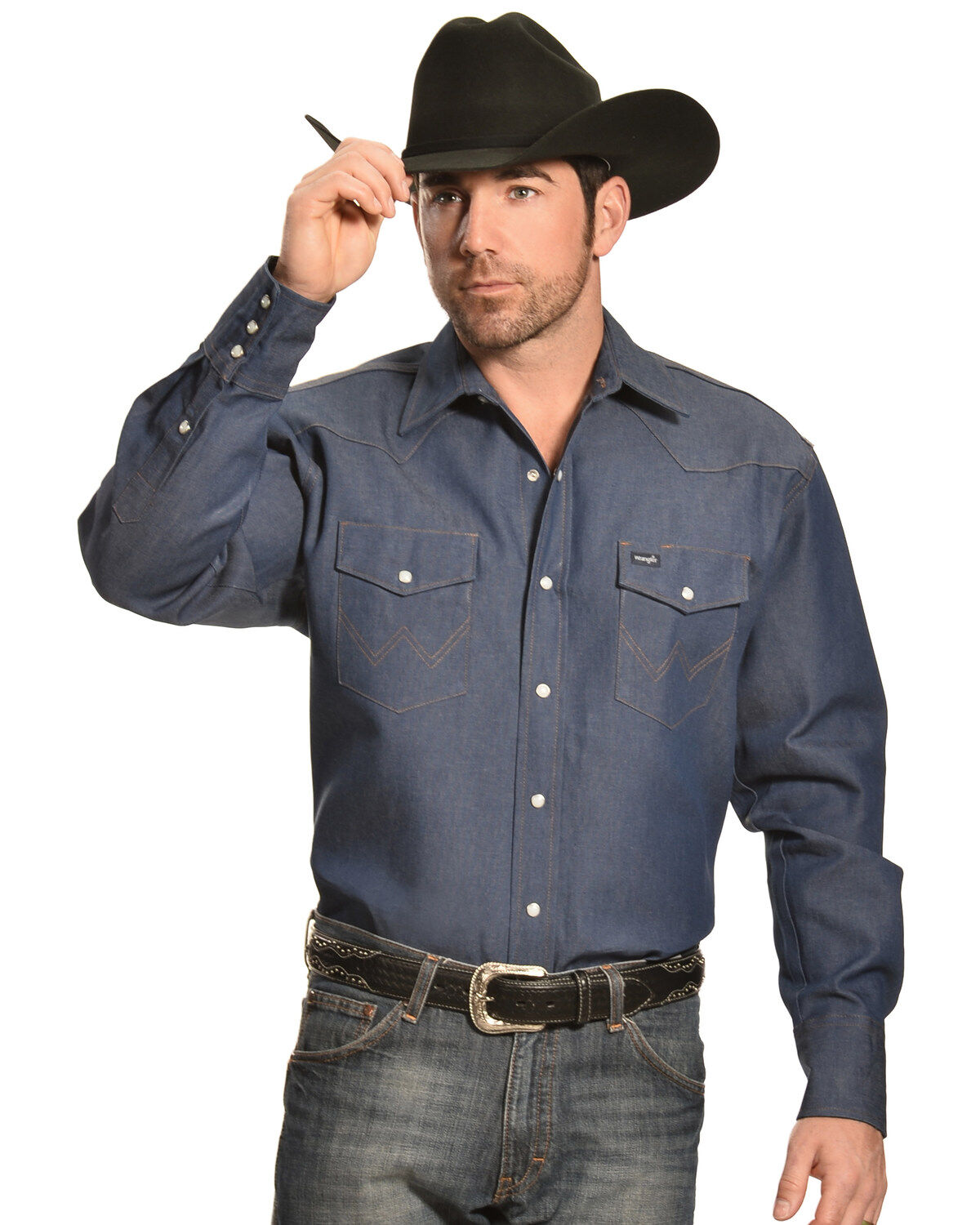
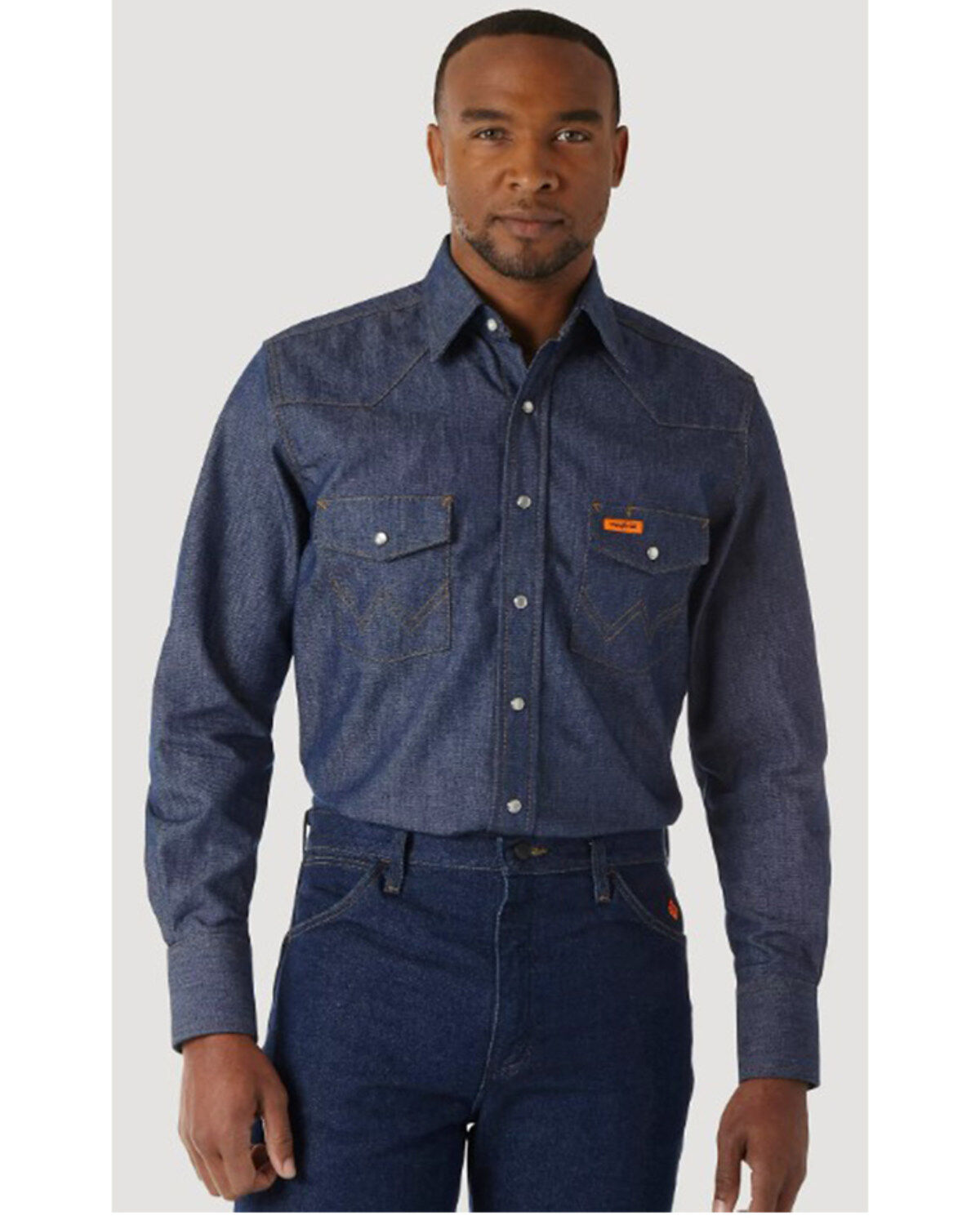
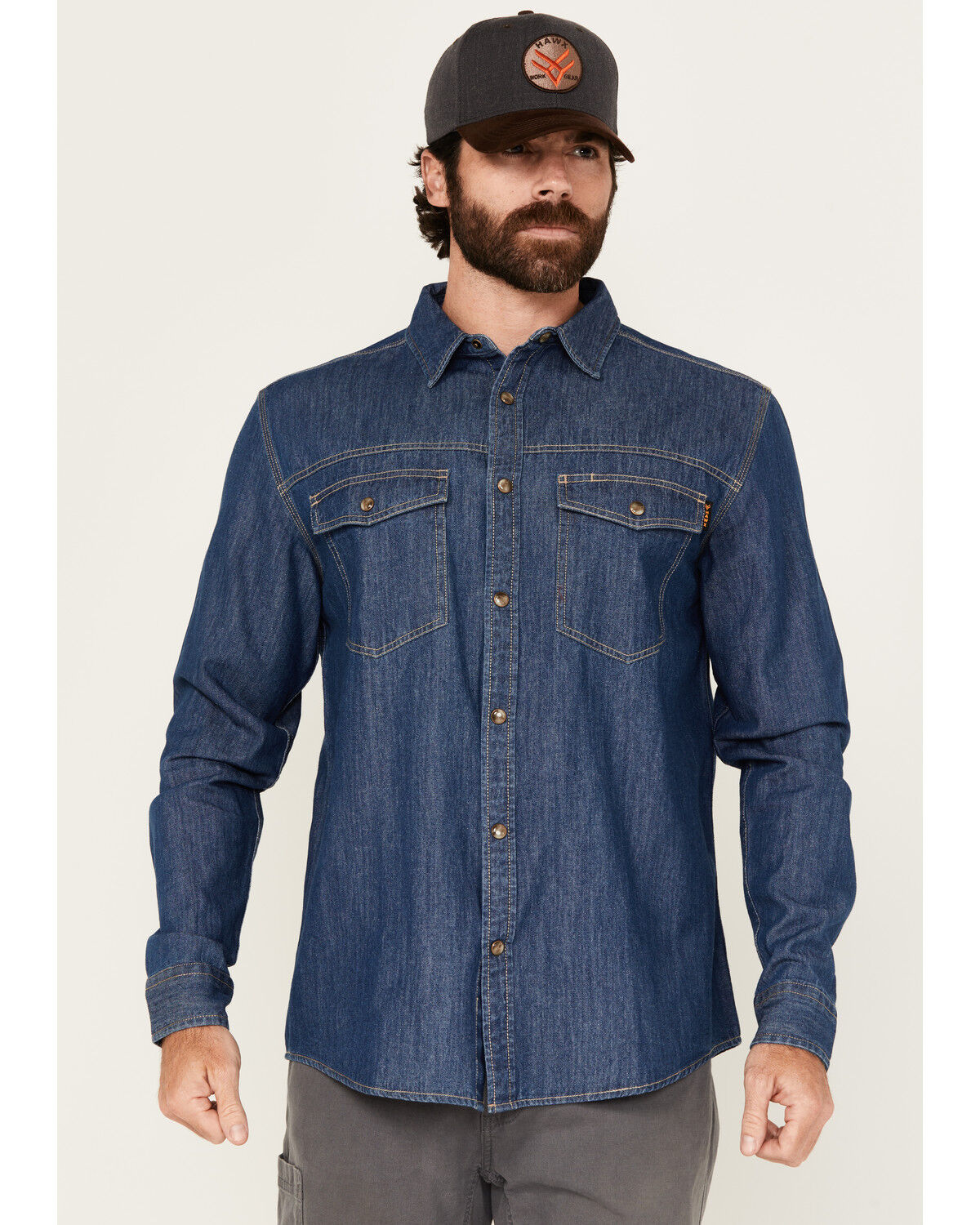
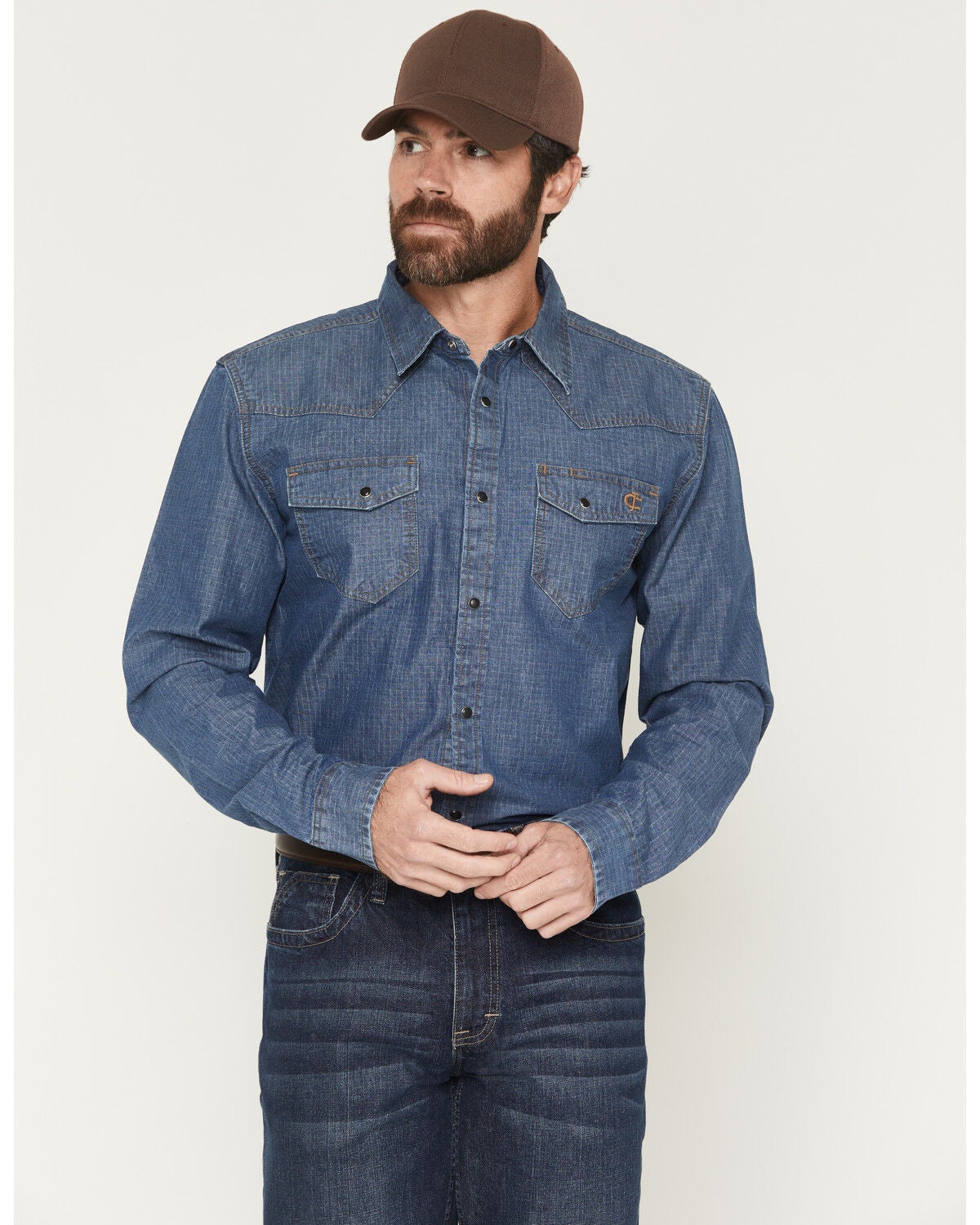
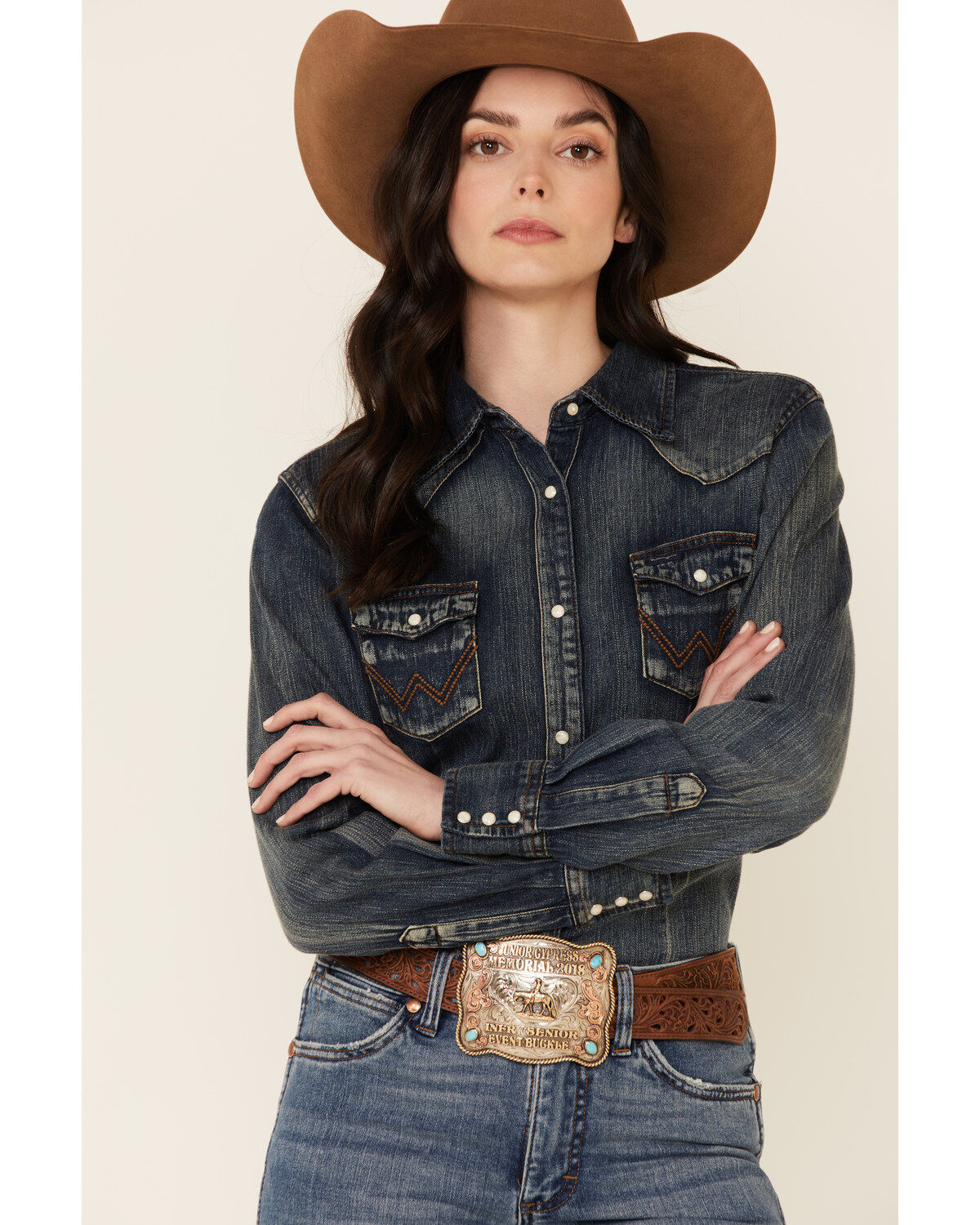
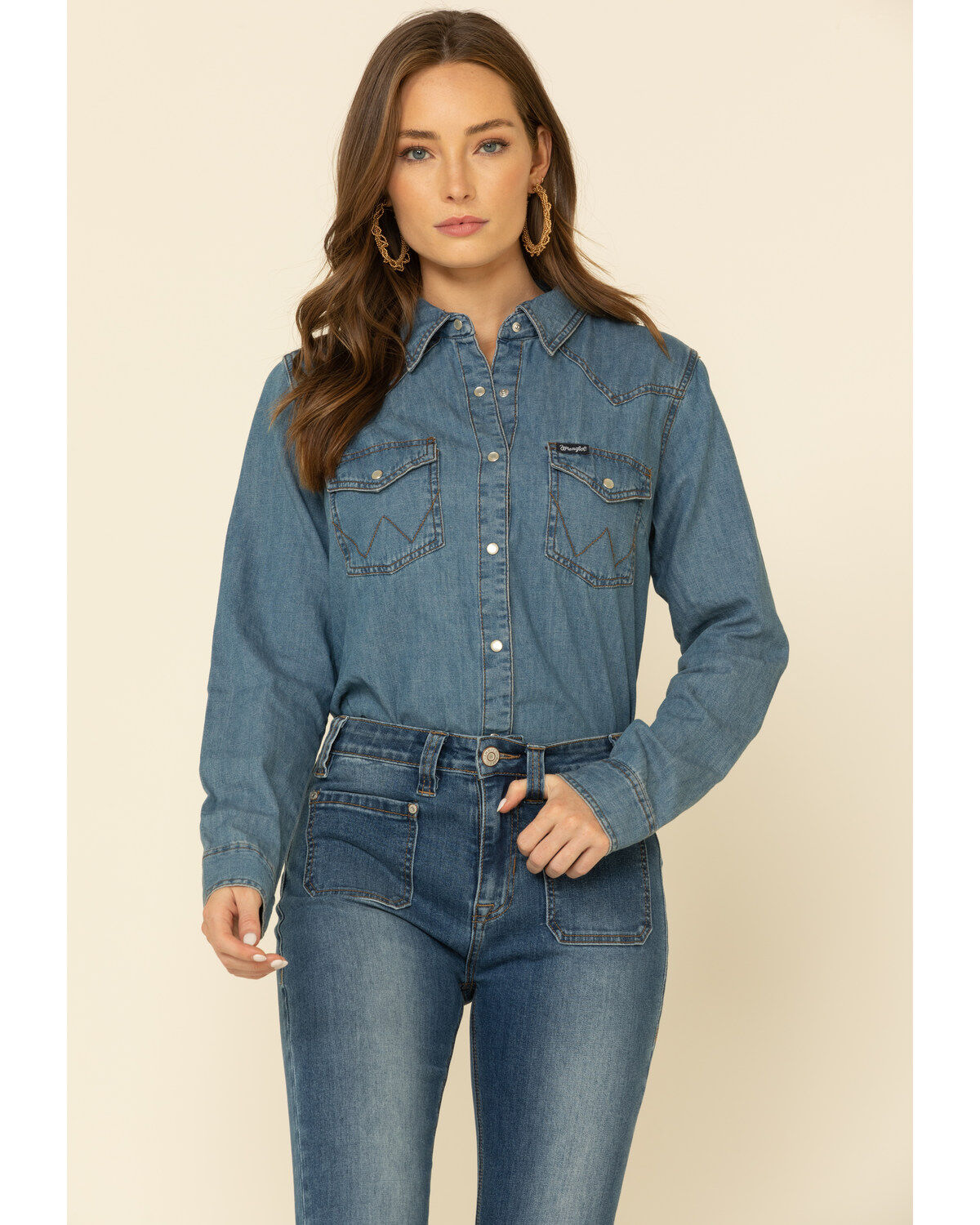
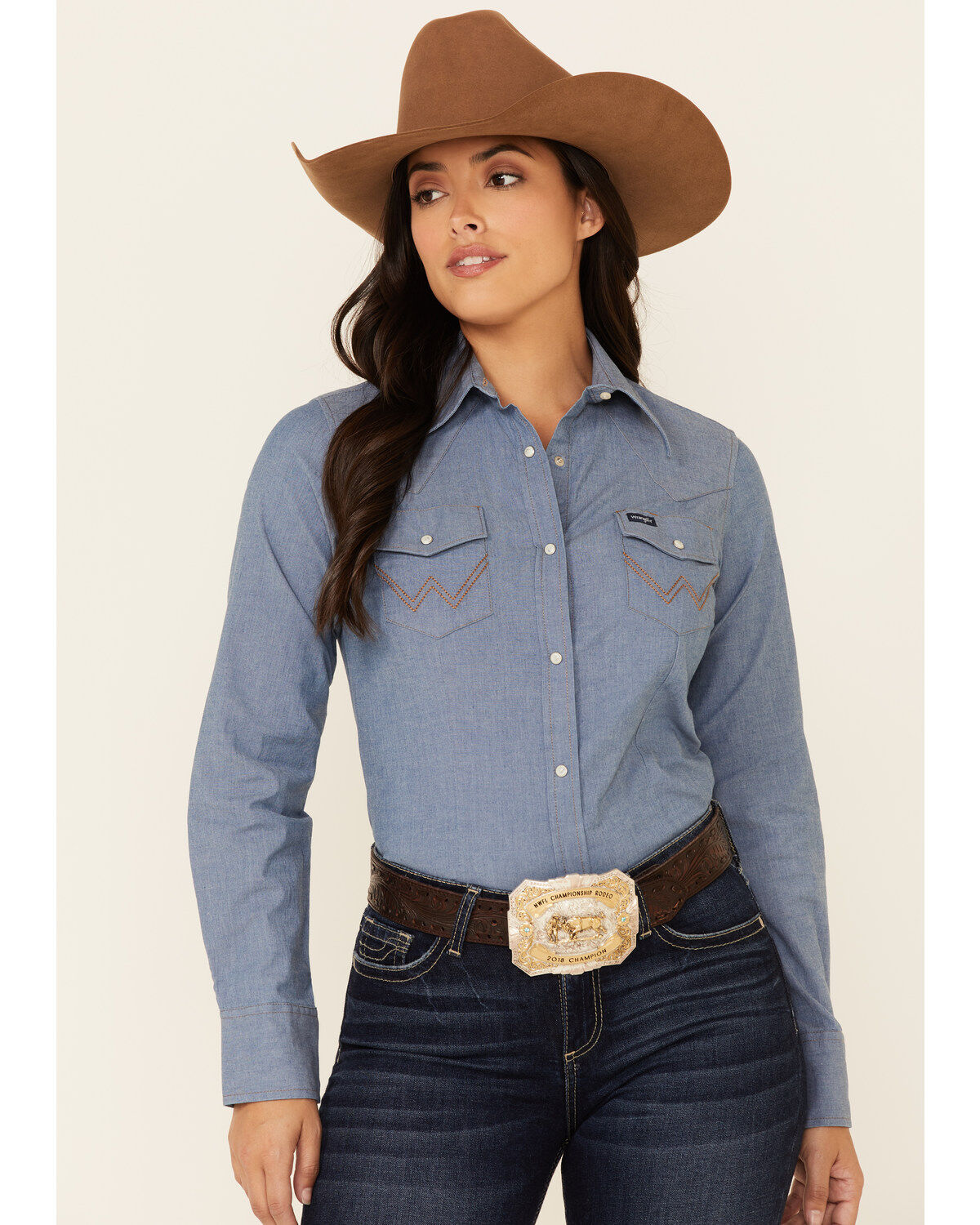
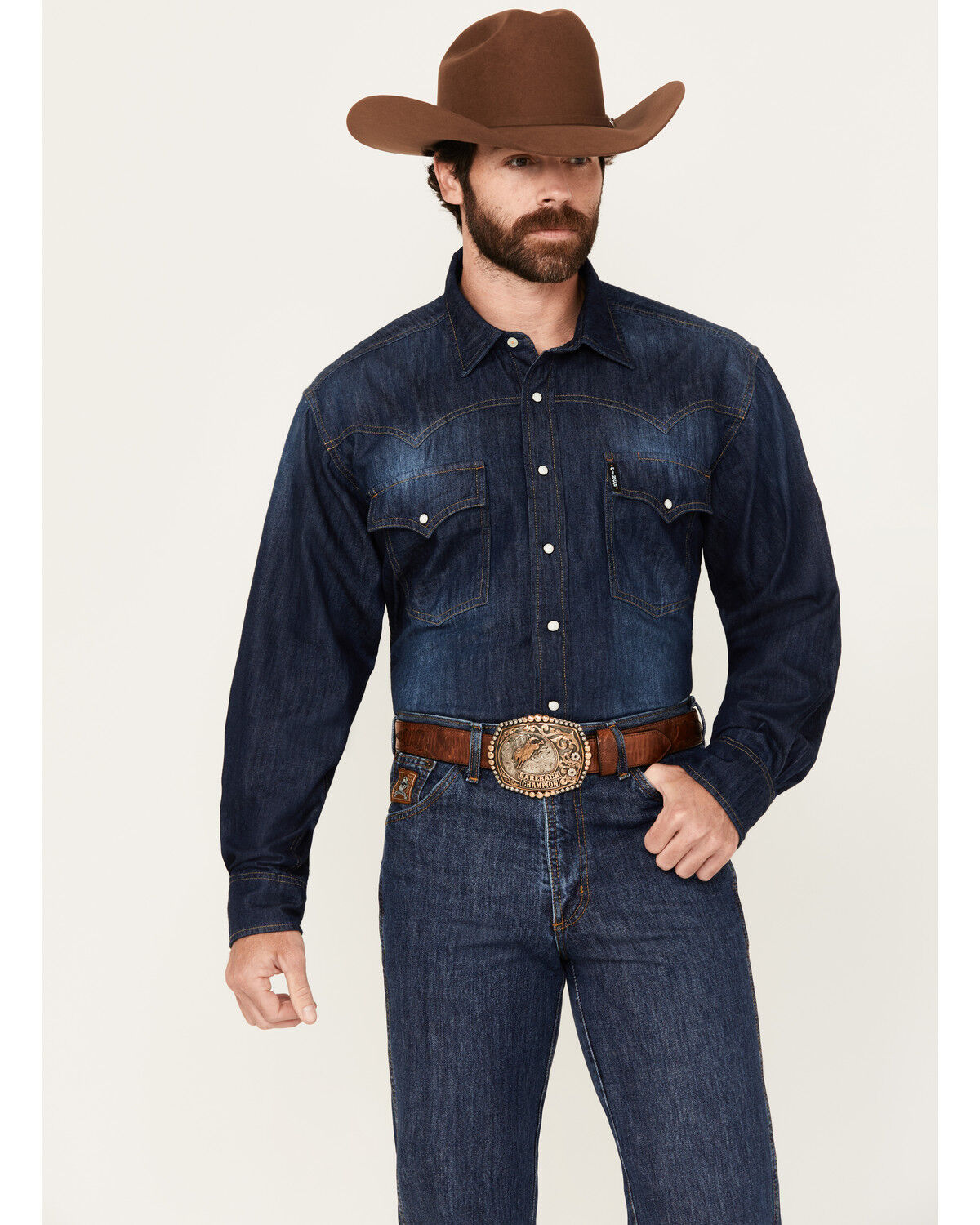
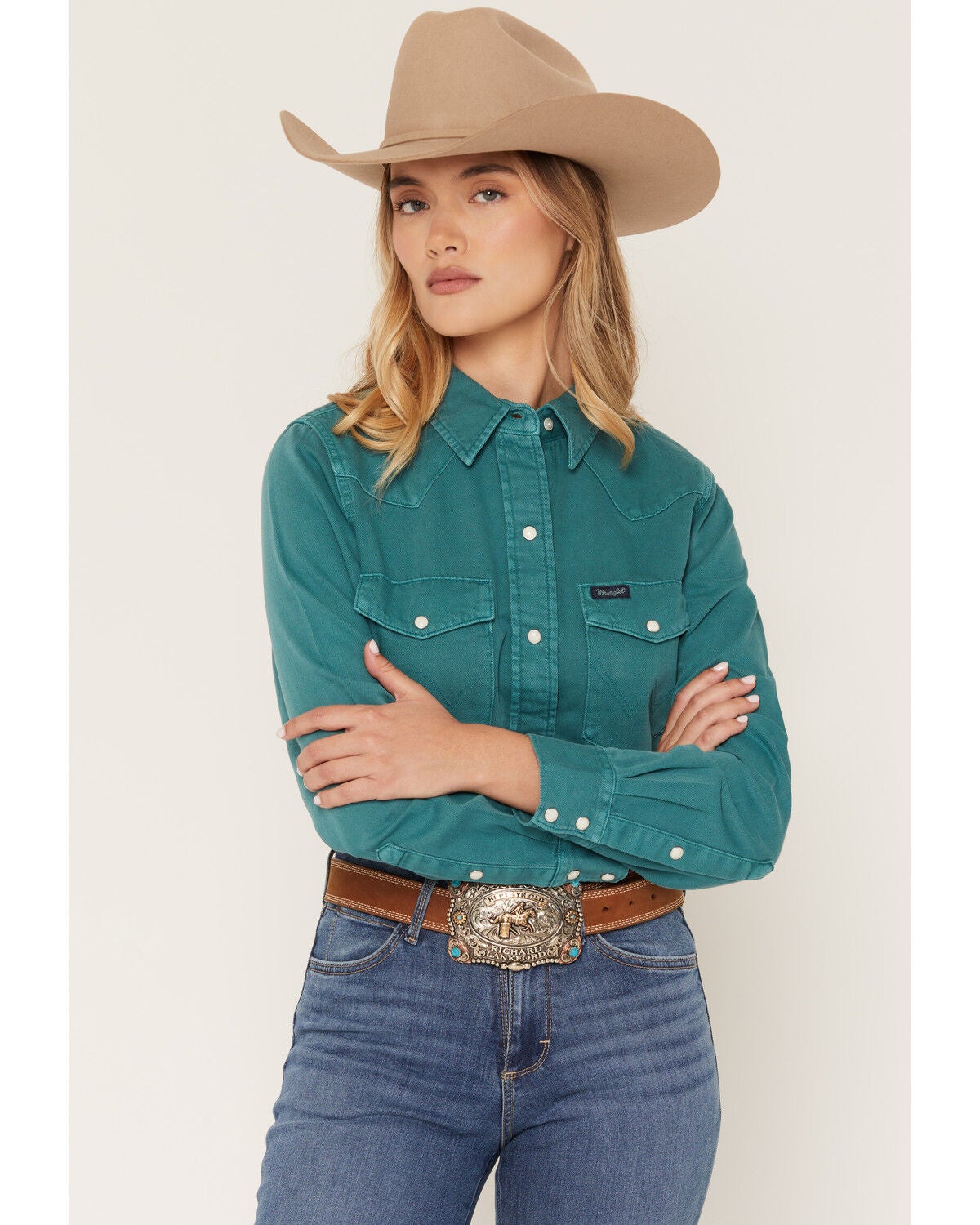
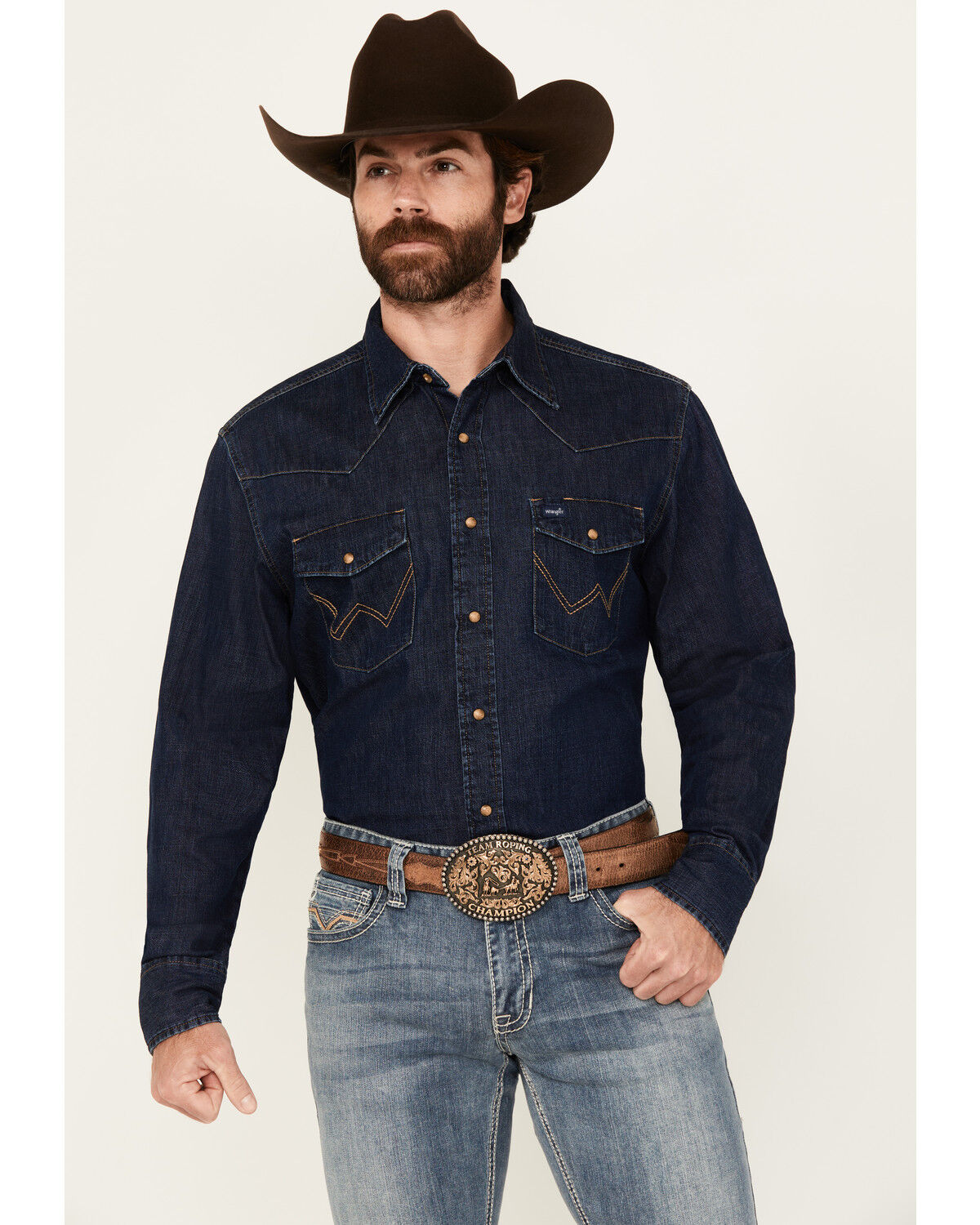
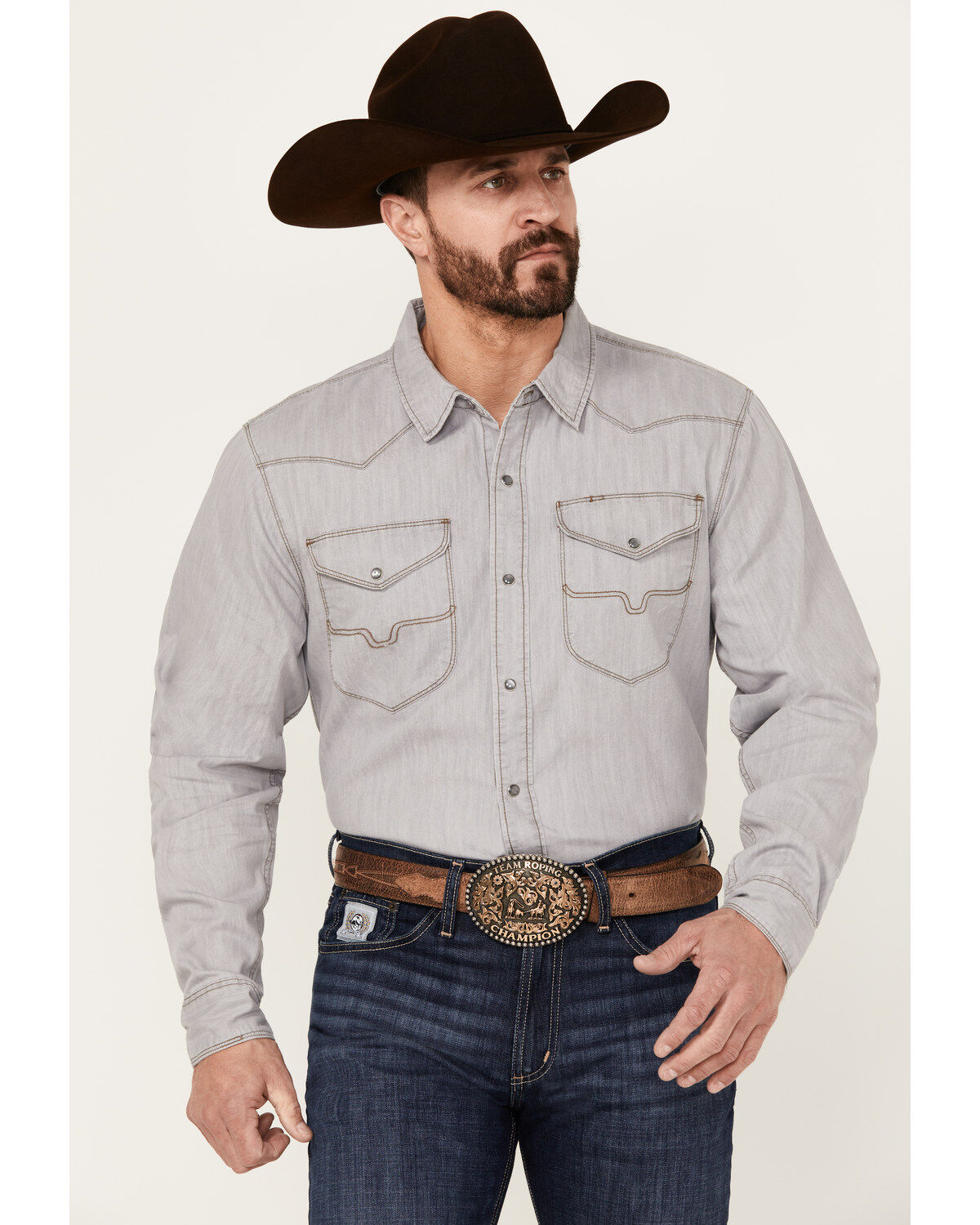
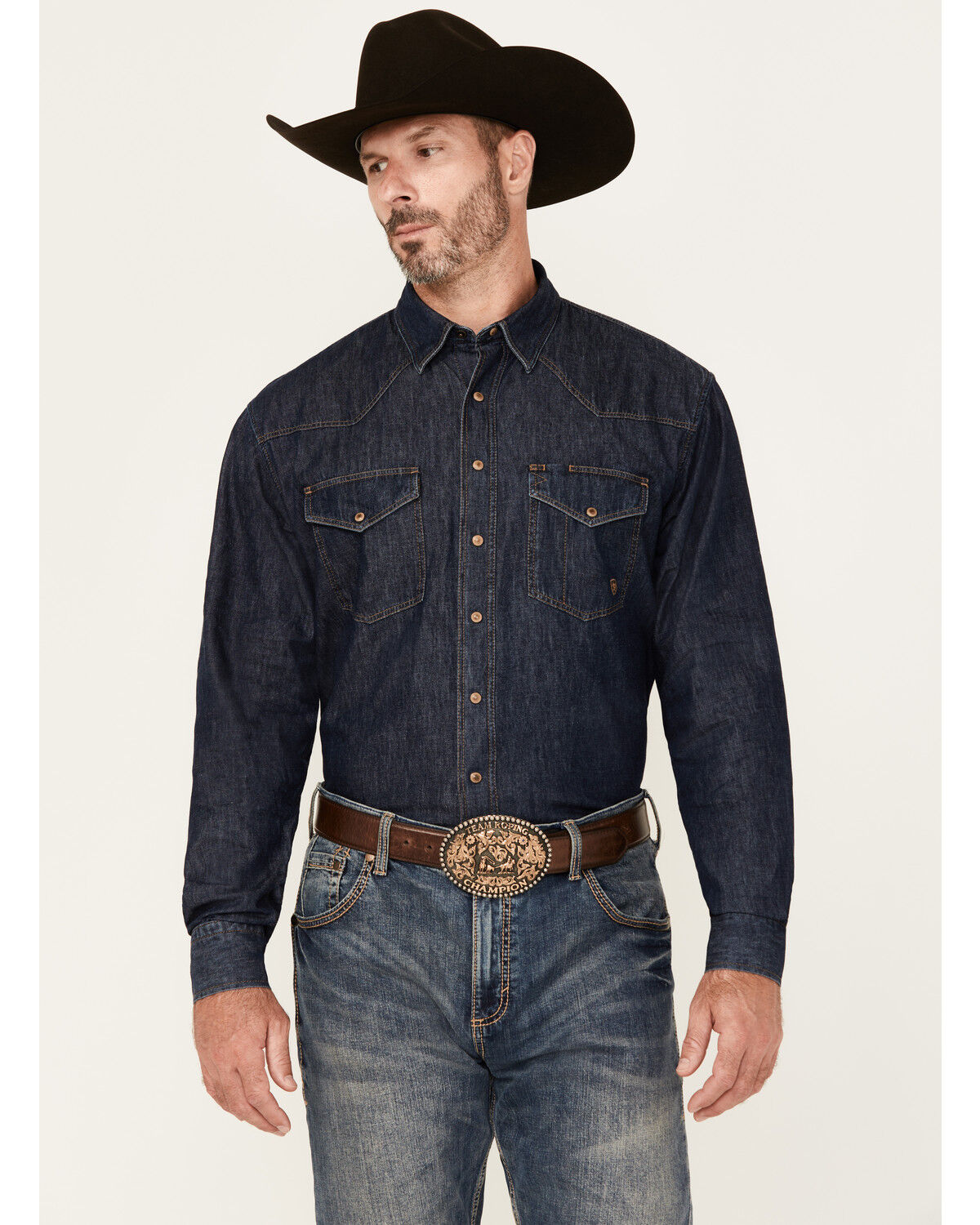
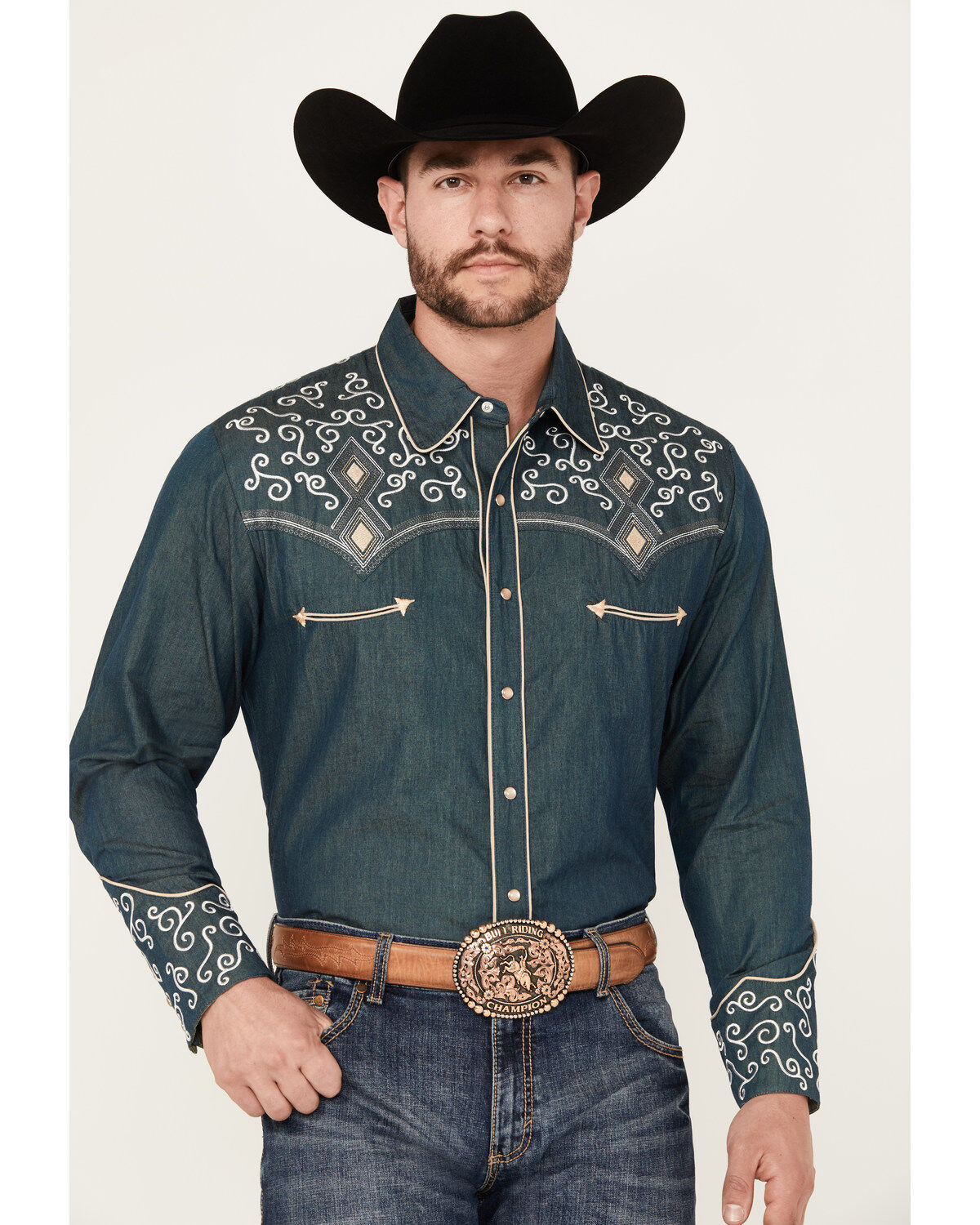
Denim work shirts have a straightforward place in a working wardrobe: sturdy fabric, useful details, and a fit that lets the wearer get on with the job. They suit days spent checking fence lines, handling feed, making deliveries, or moving between a workshop and a service counter. Denim is a twill fabric, recognizable by its diagonal weave, and cotton is a common foundation. Fabric weight makes a noticeable difference in how a shirt feels and wears. Lighter denim generally has a softer drape and less bulk, while heavier denim has a more substantial feel that can suit frequent contact with rough surfaces. Neither weight alone nor a stiff hand tells the whole story of durability. The weave, stitching, seam construction, and care all matter. Some denim shirts include stretch fibers for added movement, while others use cotton without stretch for a more traditional feel. Washed denim often feels broken in from the start; less heavily washed fabric may feel firmer and soften through regular wear. Indigo blue is familiar, but different washes can give denim a clean, uniform appearance or a visibly worn finish. Those differences are about appearance, not a guarantee of performance. Practical construction matters more on a shirt that will see repeated use. Reinforced seams, secure pocket stitching, and well-attached closures help support the areas that get pulled, bent, and handled throughout the day. Chest pockets can keep a folded note or pencil close, and pocket flaps help cover the opening. Buttons and snaps offer different preferences for fastening, while cuffs allow the sleeves to be secured at the wrist. A shirt worn for physical work should feel dependable without feeling rigid. Denim also has a familiar texture that works beyond the job, making these shirts useful for errands, a casual meal, or time spent in the garage. That versatility comes from simple construction and a fabric that does not need elaborate styling.

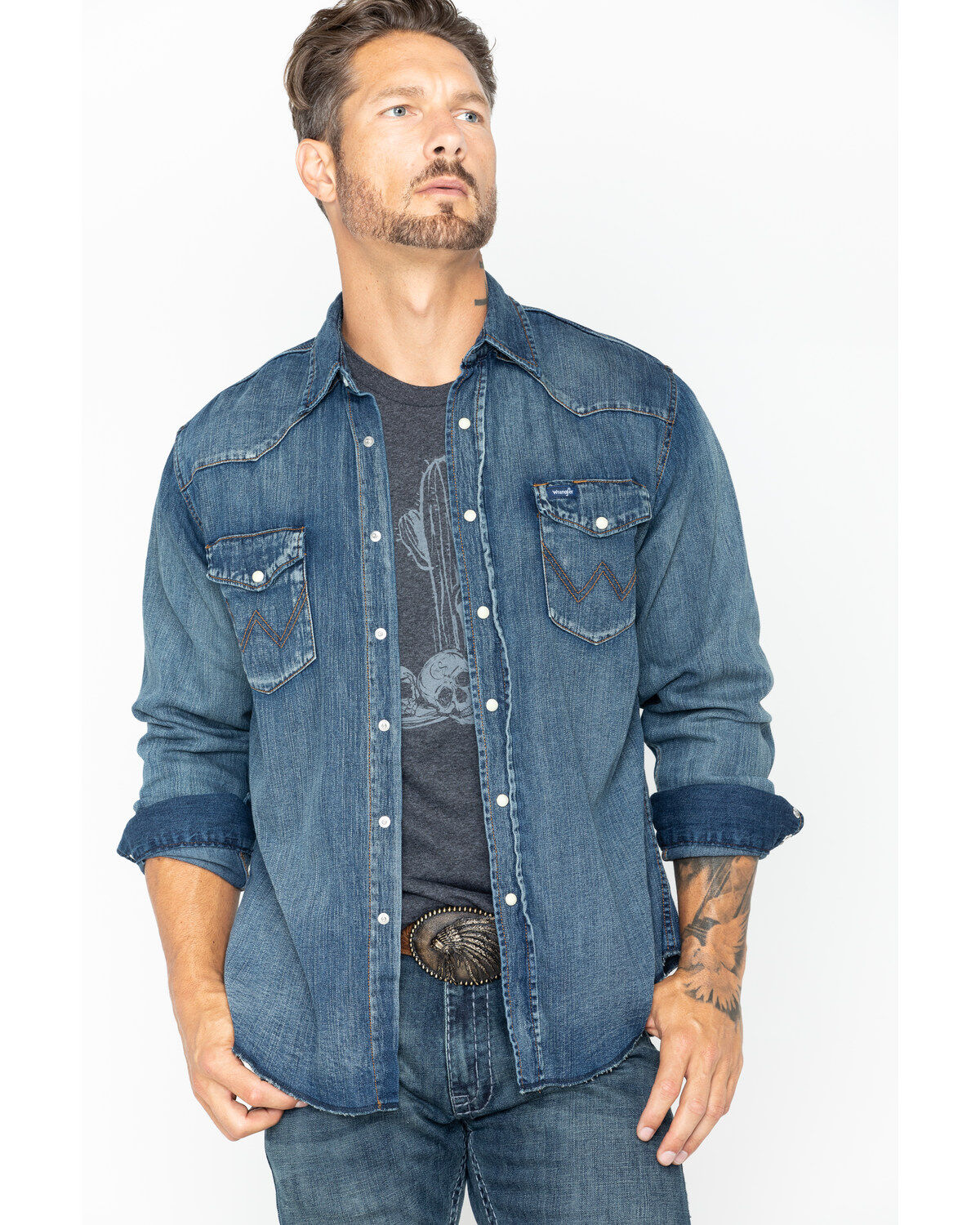
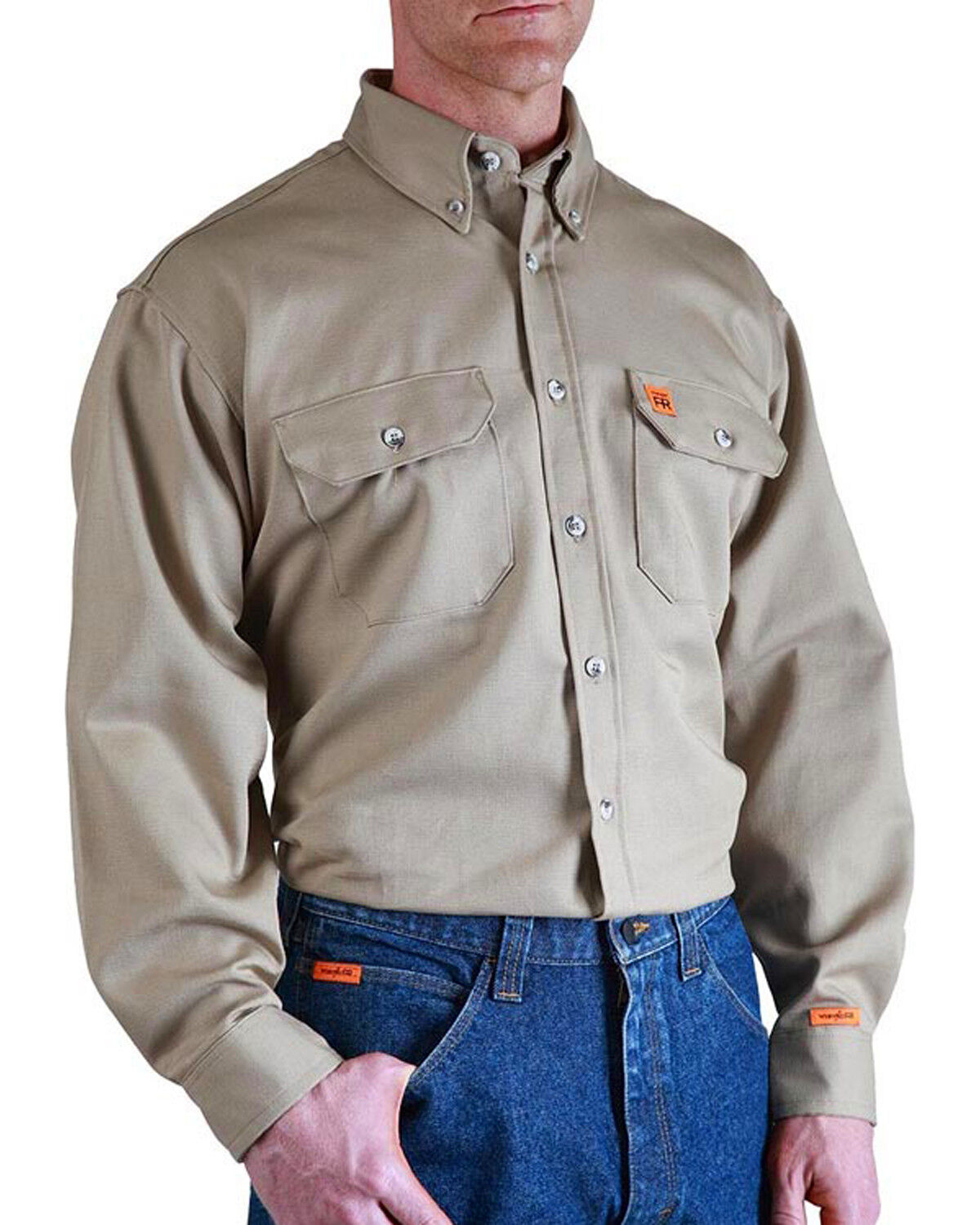
Fit determines whether a denim work shirt remains comfortable through a full range of everyday tasks. The shoulders should sit naturally, with enough room across the upper back to reach forward without pulling hard at the seams. Carrying a feed bag, reaching across a bench, and climbing into a truck all put different demands on the same shirt. A trim fit can keep excess fabric out of the way, while a roomier cut can accommodate an undershirt and broader movement. Extra room is useful only when it stays manageable; sleeves that hang over the hands or a body that catches on equipment can interfere with work. Sleeve length, cuff adjustment, and collar comfort deserve as much attention as the size printed on the label. A shirt intended to stay tucked needs enough length to remain in place when the wearer bends or reaches overhead. For untucked wear, the hem should sit comfortably without bunching or getting in the way. The fabric should lie smoothly across the chest when fastened, rather than strain between closures. Stretch can add flexibility, but it does not replace the right size or cut. A denim work shirt pairs naturally with Denim Work Jeans for a practical outfit built around familiar workwear. Different washes can create some contrast between the shirt and pants, while similar shades give the outfit a more uniform appearance. The shirt can also work with canvas pants or serve as an open layer over a plain T-shirt when the task permits. Workplace requirements take priority over styling. Loose clothing, open cuffs, and unsecured pocket contents may be unsuitable around moving machinery. Standard denim should not be assumed to provide flame resistance, electrical protection, or protection from chemicals. Jobs that call for protective clothing require garments specifically labeled and rated for those hazards. For everyday tasks without those requirements, denim work shirts offer a useful balance of structure, comfort, and a familiar appearance that fits both hands-on work and customer-facing settings.

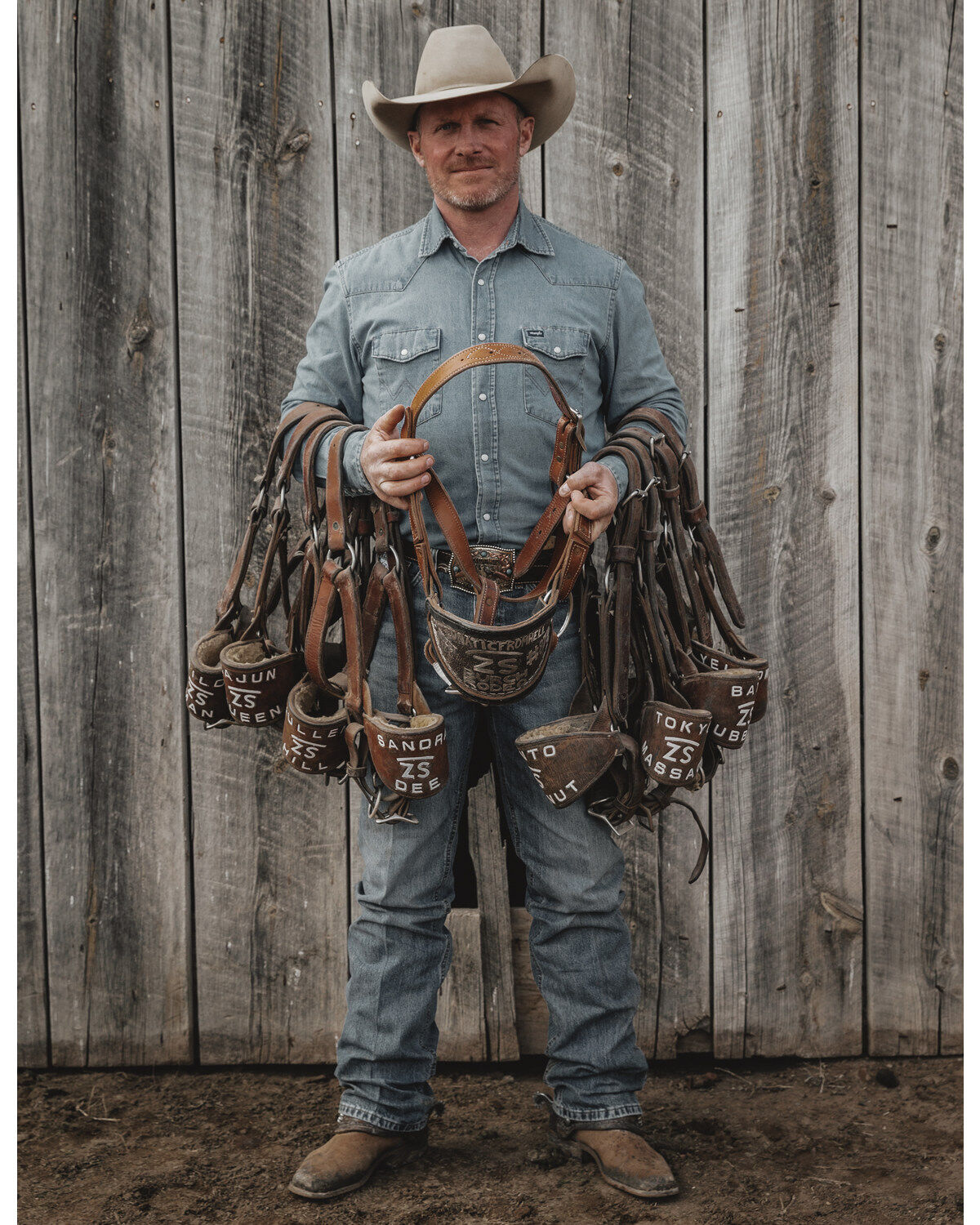
Regular care helps a denim work shirt hold its fit and keeps hard use from becoming unnecessary wear. The care label is the starting point because cotton denim, stretch blends, and different finishes do not always need the same treatment. Turning the shirt inside out can reduce friction against the outer surface during washing, and washing with similar colors helps limit unwanted color transfer. Deep indigo dyes may transfer before repeated washing, so care around light upholstery and lighter clothing is worthwhile. Dirt caught in cuffs, collars, and pocket edges can work into the fabric; prompt cleaning gives those areas a better chance of coming clean without aggressive scrubbing. Grease and other job-related stains need treatment suited to both the stain and the garment, rather than a single approach for every mark. Excessive heat can affect shrinkage, shape, and stretch fibers, making the recommended drying method important. A preshrunk label does not mean a shirt can never change size. Removing it promptly after drying and smoothing the collar, placket, and cuffs can keep its appearance neat without much extra effort. Denim often develops lighter areas at seams and points of friction as it is worn and washed. That gradual change is part of the fabric’s character, though fading should not be confused with damage. Frayed stitching, a loose button, or a weakening pocket corner deserves attention before a small repair becomes a torn section. Work that leaves clothing exposed to hazardous substances may call for specialized laundering procedures rather than a household wash. As a gift, a denim work shirt makes sense for someone who regularly wears practical clothing, whether for ranch work, a trade, or projects at home. The recipient’s usual fit, preferred closures, sleeve length, and workplace requirements matter more than a guess based on appearance. A familiar cut in a useful fabric is often the better choice. With suitable construction, proper fit, and consistent care, denim work shirts can earn a regular place in the rotation without needing to be reserved only for work.

FAQs