Lizard Boots

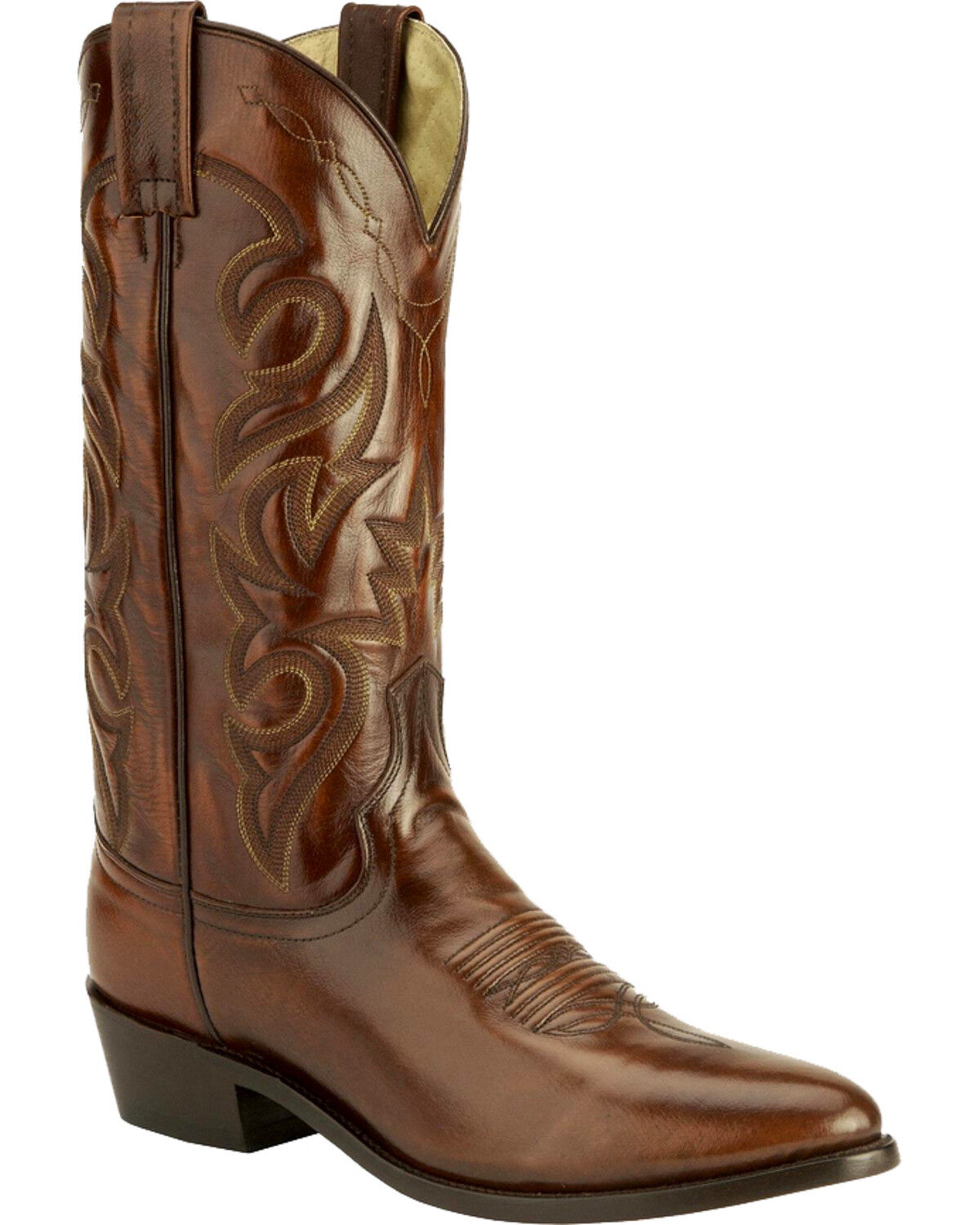
Shop lizard boots for a distinctive take on classic western footwear. Compare the available cowboy boot styles by toe shape, heel height, and shaft design, and check each pair’s material and sizing details to find the right fit for your wardrobe.

Read More

Shop Your Store: Shop Your Store: Find a Store

(Turn off Shop Your Store to see all items)

(Turn off Shop Your Store to see all items)

close
  • Recommended
  • Lowest Price
  • Highest Price
Skip pass products
  • Men's El Dorado Ostrich Leg Brass Western Boots - Round Toe

    Original Price $549.99 $384.97
    30% Total Savings
  • Women's Dan Post Tulip Exotic Lizard Western Boots - Snip Toe

    Original Price $399.99 $299.96
    25% Total Savings

End of products

Lizard Boots

The appeal of lizard skin footwear starts with its distinctive scale pattern, and lizard boots carry that texture into a familiar western shape. Small, closely arranged scales give genuine lizard leather a detailed surface that looks different from smooth cowhide or more heavily textured exotic leathers. Across the foot, that pattern can be subtle from a distance and clear up close. Natural differences in scale size, spacing, and color give each hide its own character, so two boots may not look perfectly identical. That variation is part of the material, rather than a reason to expect a completely uniform finish. Material descriptions matter, too: genuine lizard leather and cowhide embossed with a lizard pattern are different constructions, even when their appearance is similar. The vamp, which covers the foot, may feature lizard leather while the shaft uses another leather. This combination puts the distinctive texture where it is most visible beneath a pair of jeans. Color, finish, stitching, and toe shape all influence how formal or understated the result feels. A dark, polished finish can work well with straight-leg denim, a pressed western shirt, or trousers with enough room to fall over the shaft. Lighter shades and contrasting stitching make the scale pattern more noticeable without requiring an elaborate outfit. Rounded toes offer a traditional profile, square toes create a broader visual line, and pointed shapes bring a narrower look. None of those shapes alone determines whether a boot will fit correctly. Shaft height also changes the appearance, especially when boots are worn with a skirt or dress rather than covered by pants. Lizard cowboy boots suit people who appreciate western footwear but want a different texture from an everyday pair of leather boots. They can serve as a dress pair for dinners, gatherings, and occasions that call for a clean, finished look, while less formal styling can make them easy to wear with denim.

Fit is the deciding factor in how often a pair of lizard boots gets worn. A pull-on boot should hold the foot securely across the instep without sharp pressure, numbness, or toes pushed against the front. The ball of the foot should sit near the widest part of the boot, with enough room for the toes to rest naturally. A small amount of heel movement can occur in a new western boot while the sole is still stiff, but excessive lifting or a foot that slides forward suggests the fit needs another look. Length, width, toe shape, and the shape of the boot’s last all matter; the size printed inside is only a starting point. Trying boots with the socks intended for regular wear gives a more useful impression than trying them with unusually thin or thick socks. There should also be enough room around the calf for comfortable movement, without a shaft that pinches when sitting down. Genuine lizard leather should not be expected to stretch enough to correct a tight fit. A short adjustment period may soften the feel of the construction, but it will not reliably create missing toe room or fix an uncomfortable pressure point. Interior construction deserves attention alongside the exterior leather. Linings, footbeds, seams, and support under the arch can affect comfort during a long dinner, time spent standing, or an afternoon of walking. Heel height changes the stance, while sole material influences flexibility and traction. Leather outsoles offer a traditional finish and can wear smooth; rubber outsoles generally provide a different grip and feel underfoot. Neither makes every boot suitable for every task. Lizard leather is best treated as a distinctive footwear material, not a substitute for protective work-boot features. Jobs involving impacts, abrasion, or required safety footwear call for construction designed for those conditions. For frequent wear, careful stitching and a sole construction that allows repair can matter as much as the appearance of the hide.

Care helps preserve both the scale pattern and the structure of lizard boots. Fine scales need gentle handling, particularly where the vamp bends with each step. Surface dust can be lifted with a soft cloth or a soft-bristled brush, using light strokes rather than aggressive scrubbing. Dirt left around the scales can dull the finish, but scraping at those edges risks damage. For more involved cleaning, the leather maker’s care directions are the best starting point. A cleaner or conditioner should be labeled as suitable for lizard or the relevant exotic leather, and a small test in an inconspicuous area can reveal unwanted darkening or changes to the finish. Heavy oils, household cleaners, and products intended for a different leather can leave residue or alter the surface. Conditioning is about keeping the material supple, not saturating it. Light applications at appropriate intervals are more useful than coating the leather heavily and hoping it absorbs everything. If boots become damp during cleaning or through an accidental spill, gentle air drying away from direct heat helps protect the leather and its shape. Properly fitted boot trees can support the foot, while shaft supports help keep taller boots upright during storage. A clean, dry storage space and protection from prolonged direct sunlight also help preserve the finish. Rotating pairs gives linings time to dry between wears and reduces repeated strain on the same areas. Periodic checks for worn heel caps, thinning soles, or loose stitching make it easier to address repairs before damage spreads. Lizard boots can also make a thoughtful gift for someone who already enjoys western footwear, especially when the recipient’s preferred fit and style are known. A familiar boot size, usual width, favorite toe shape, and preferred heel height are more useful than a general shoe size alone. For an experienced boot wearer, the right pair adds a distinctive leather texture without changing the western silhouette they already know. Comfortable fit, sound construction, and consistent care are what make that pair worth reaching for again.
Read More

FAQs