Ladies Fringe Tops

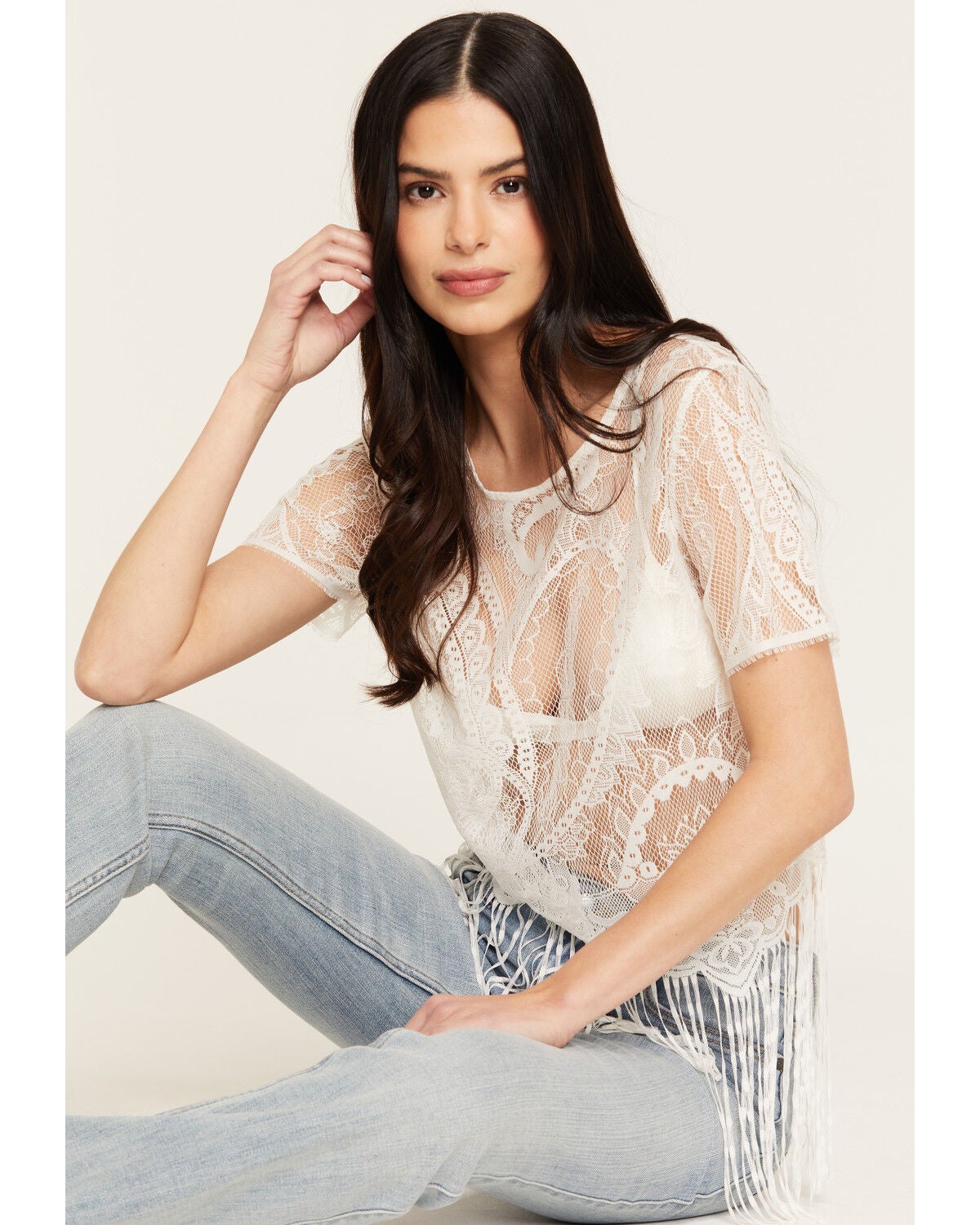
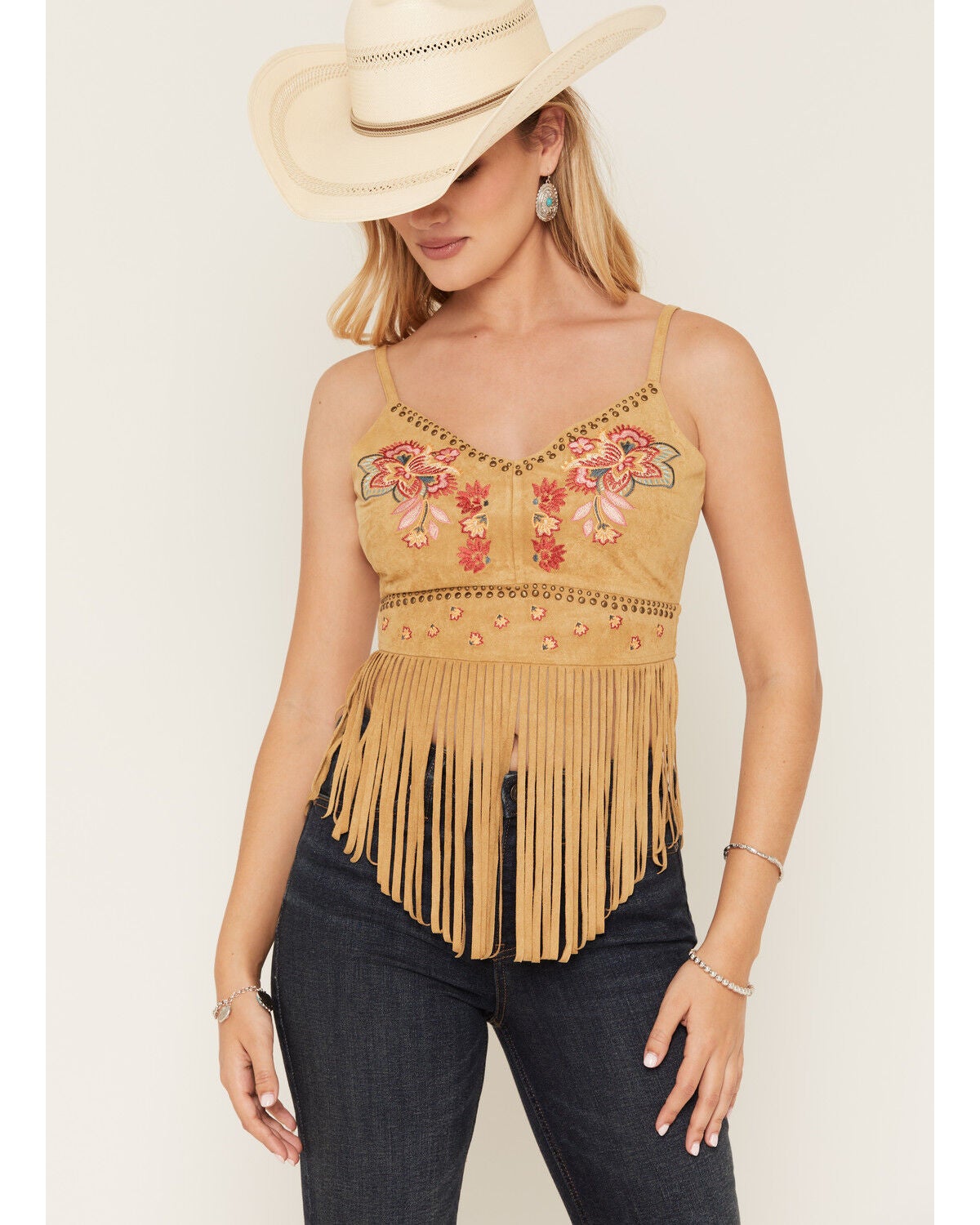
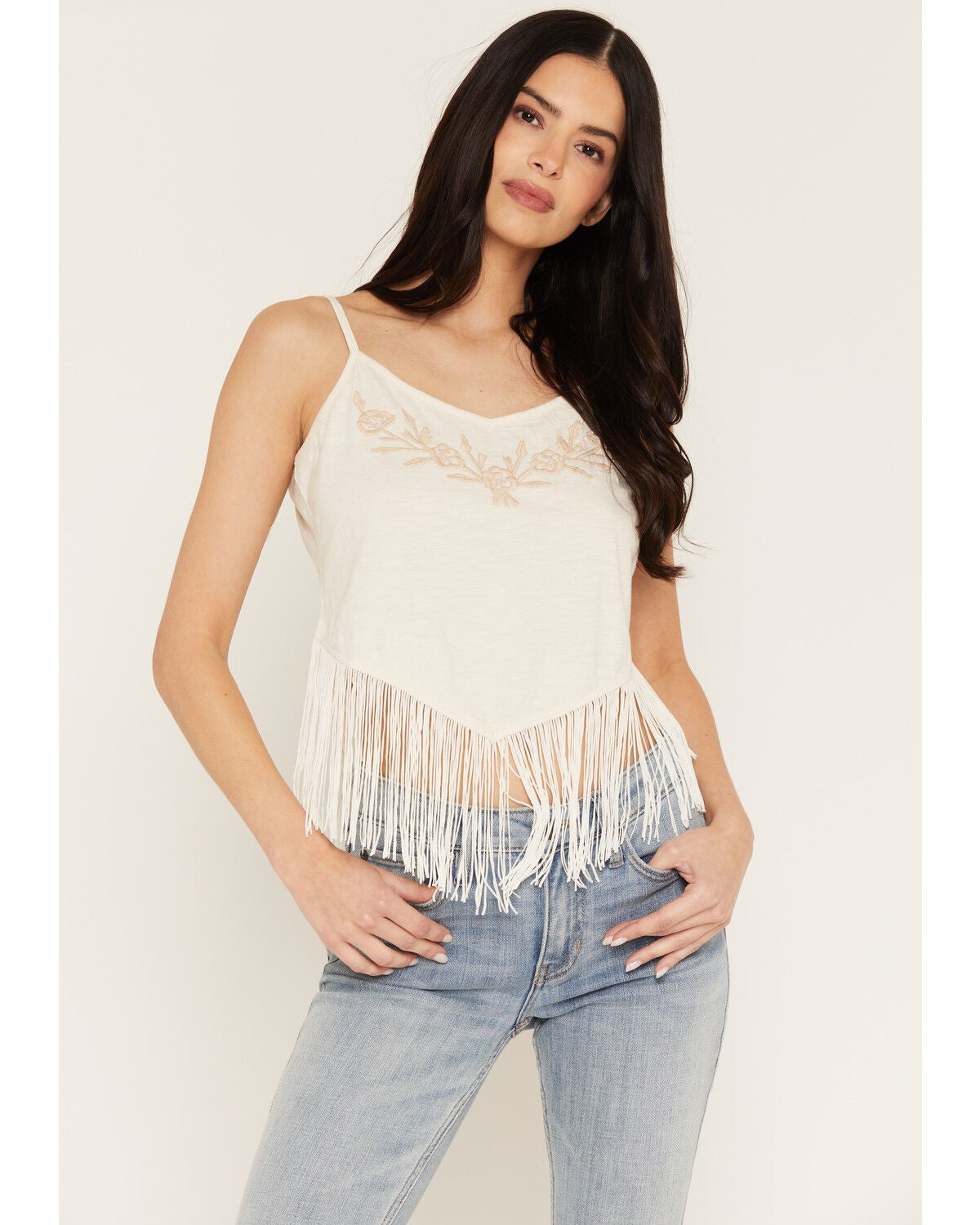
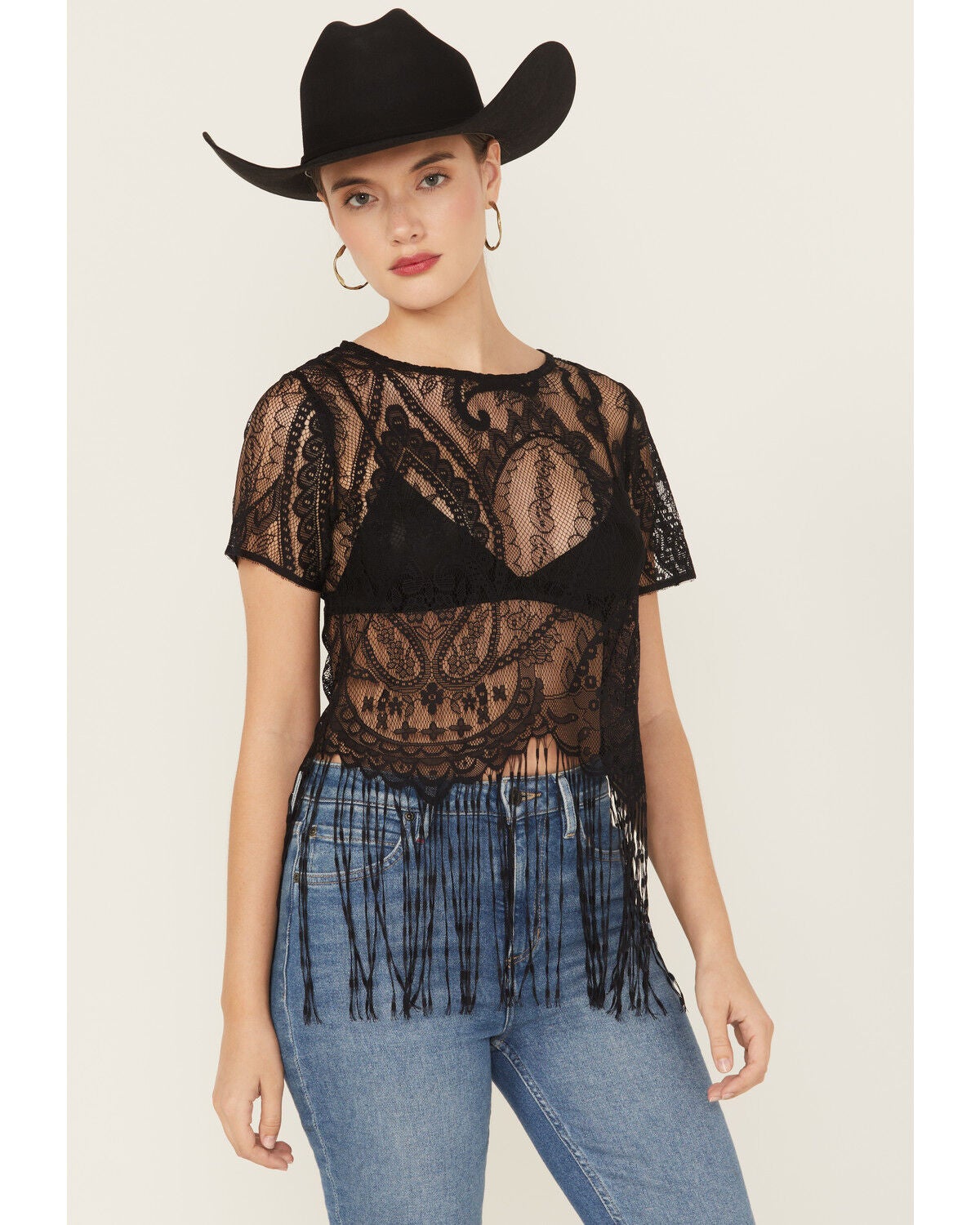
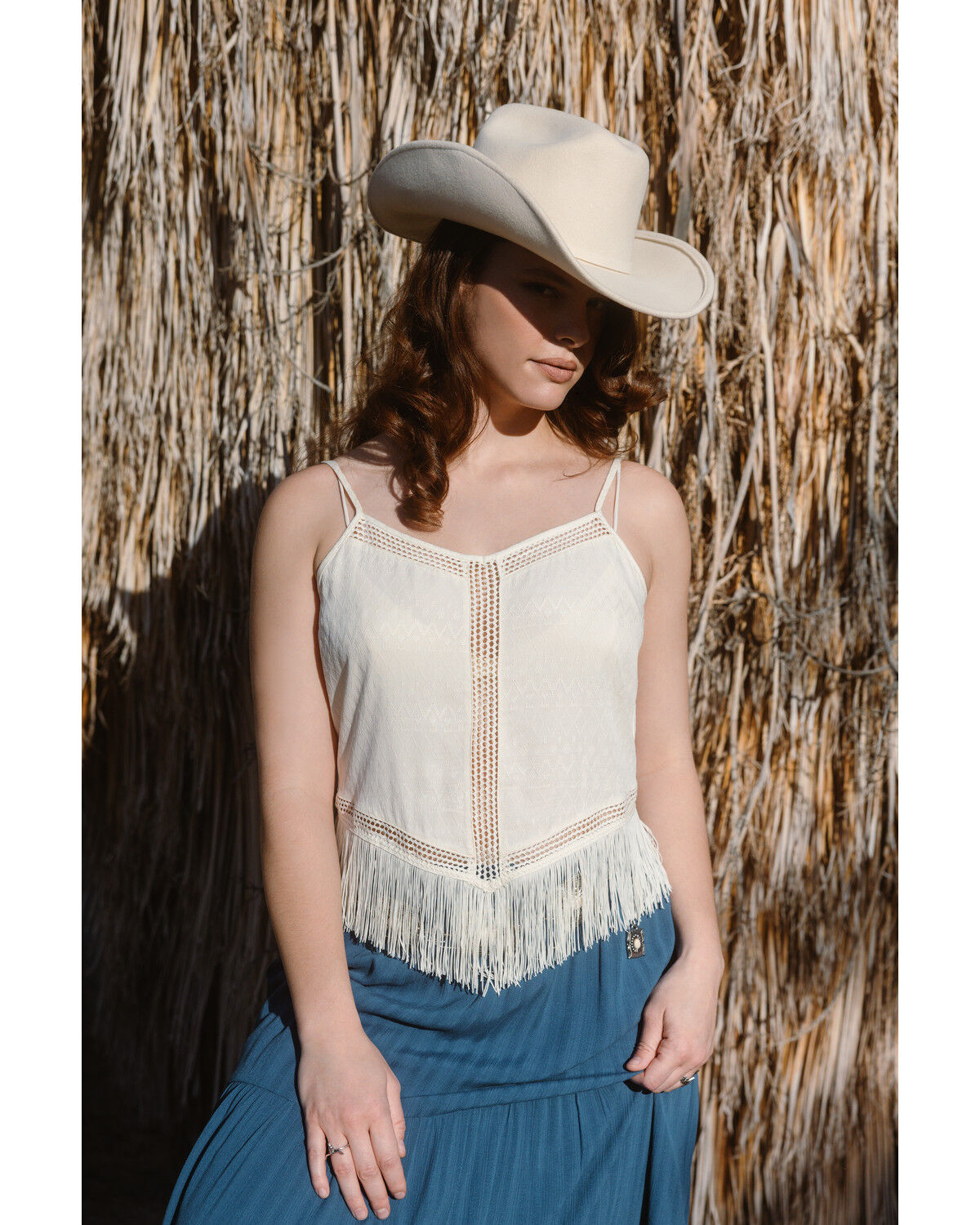
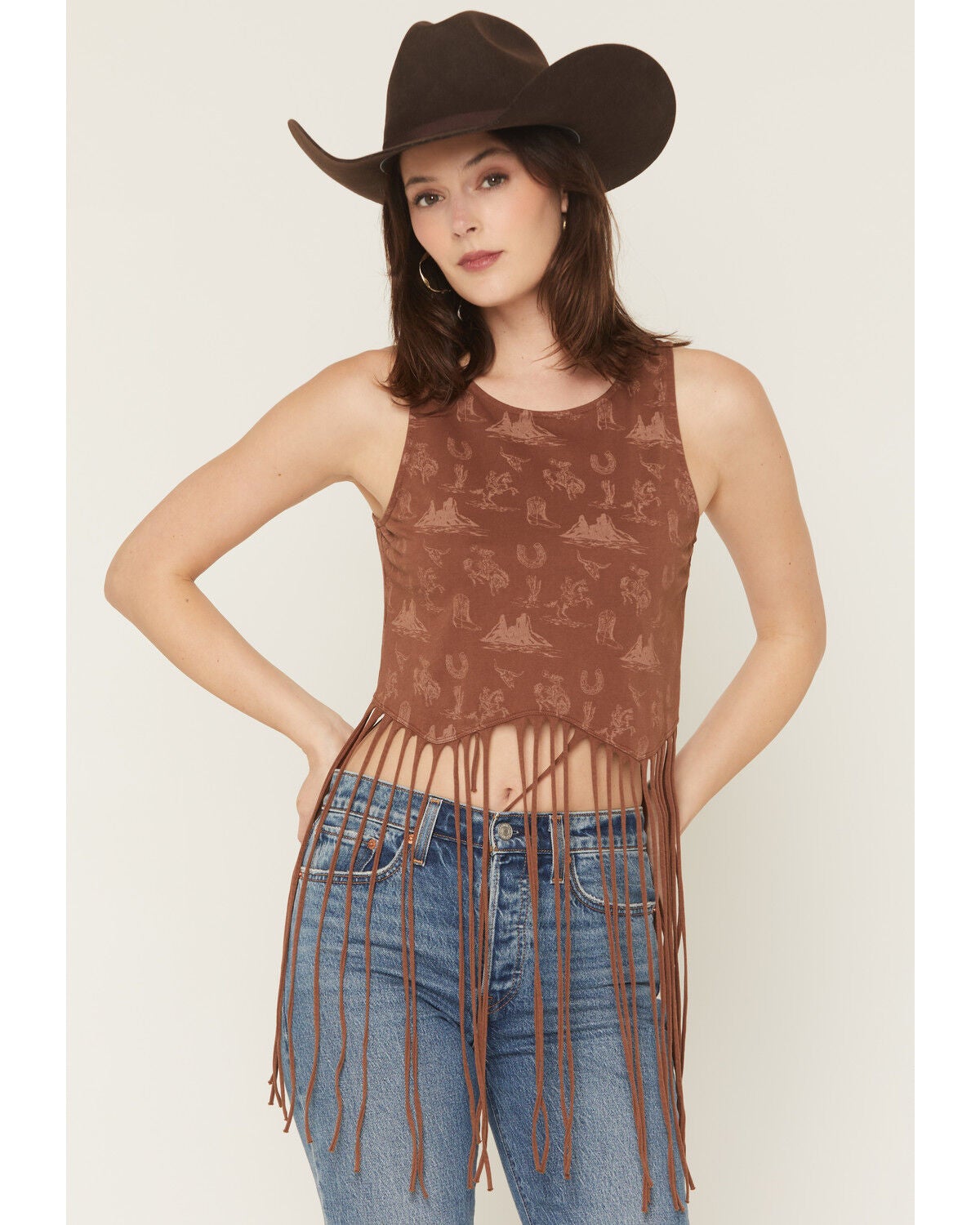
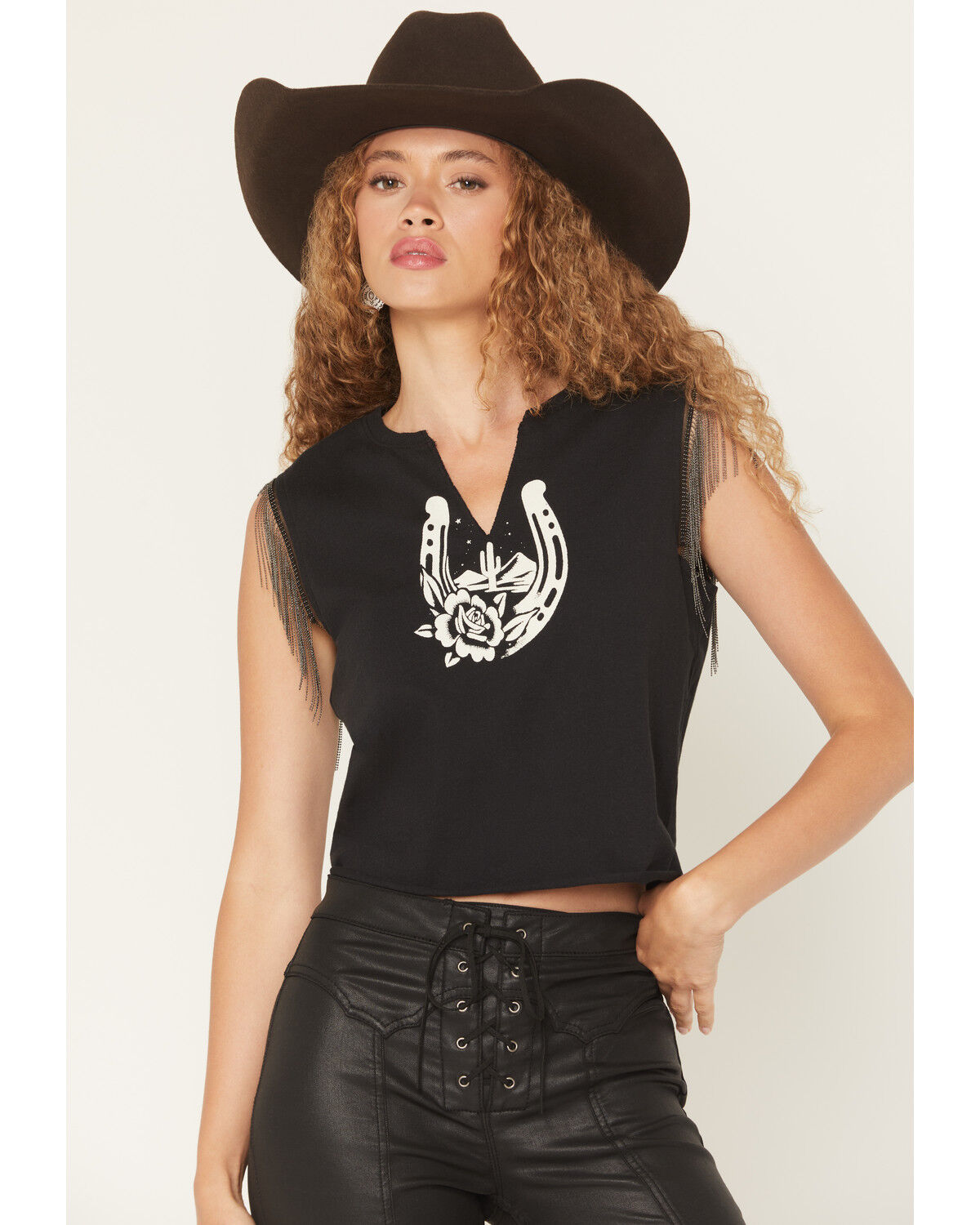
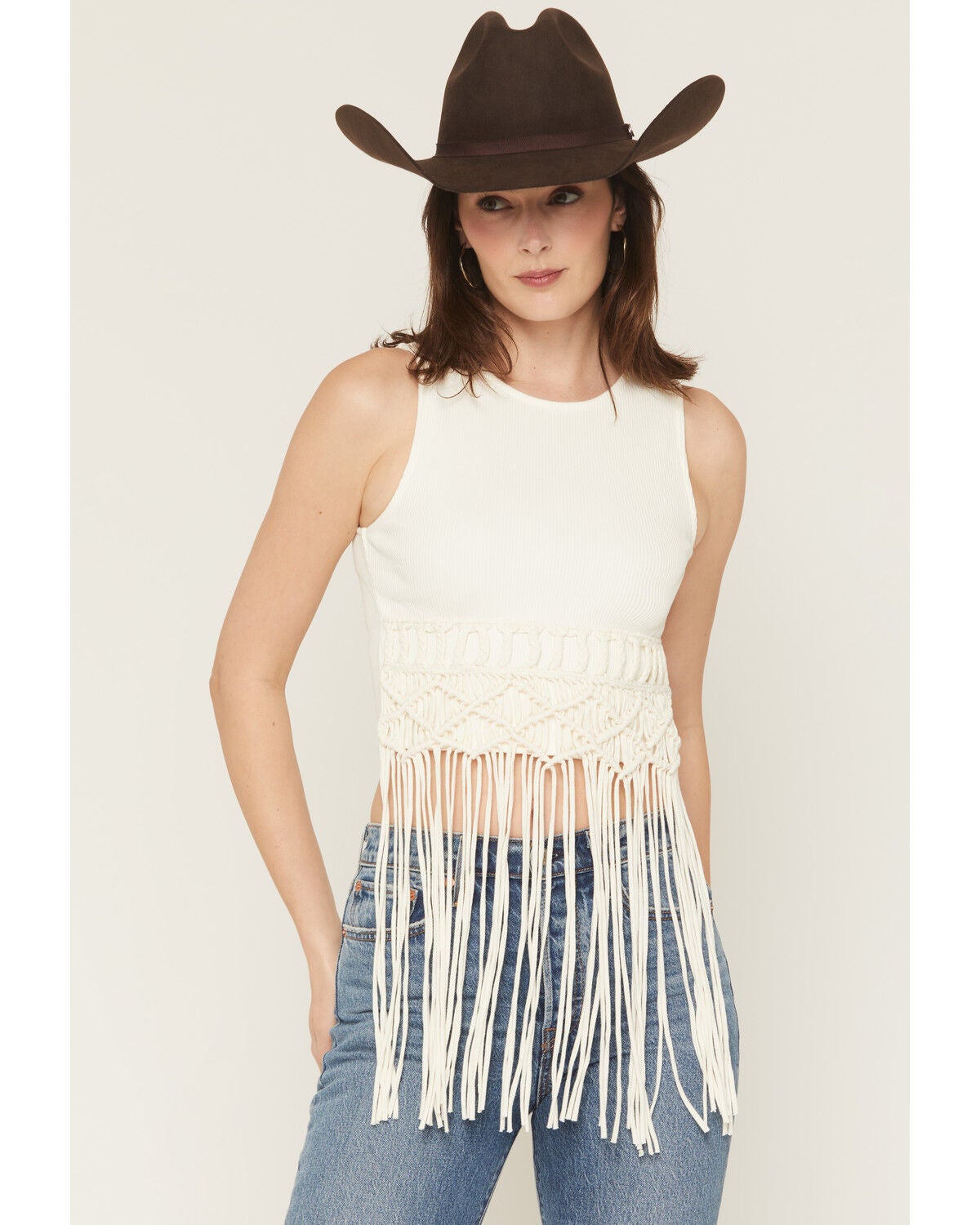
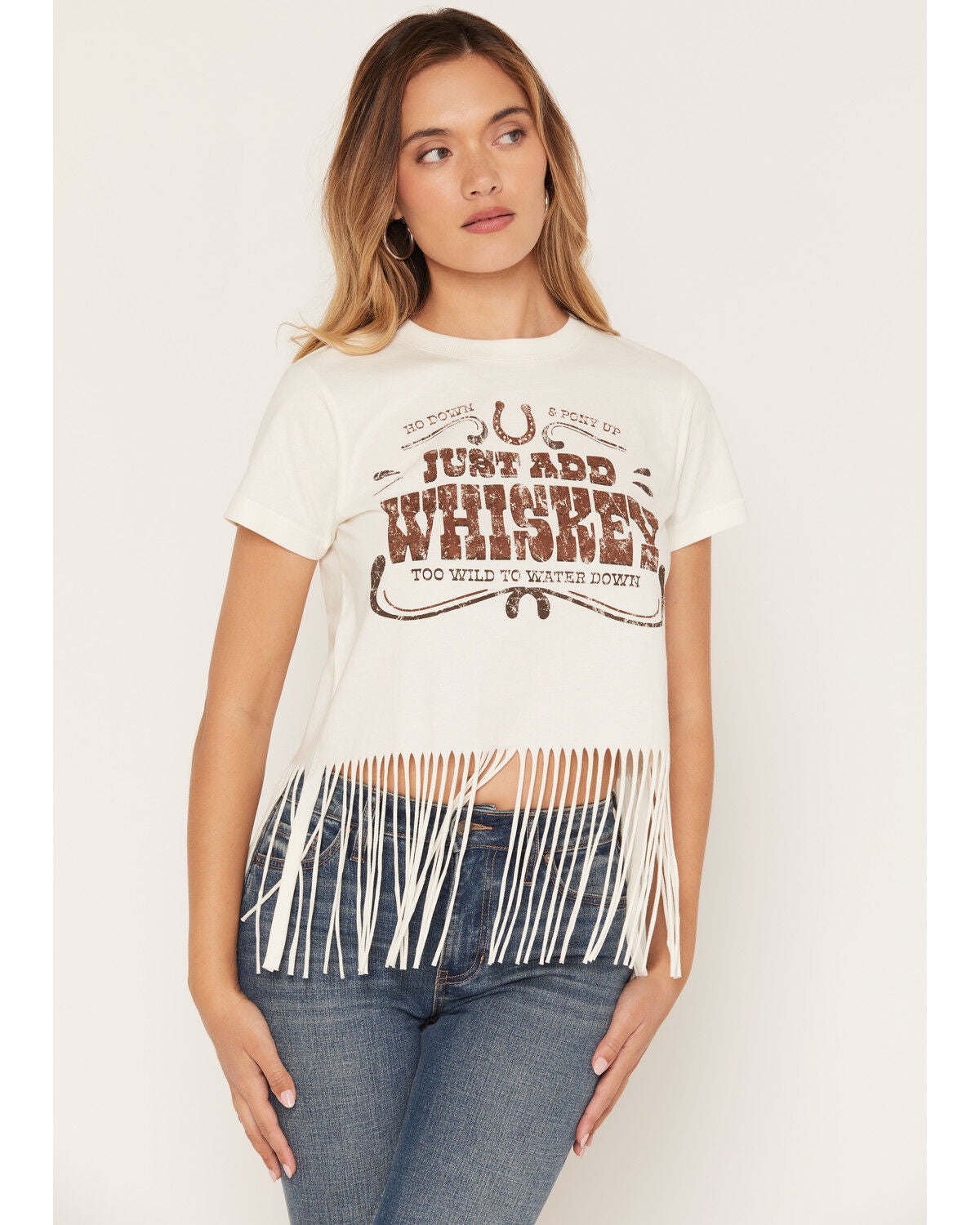
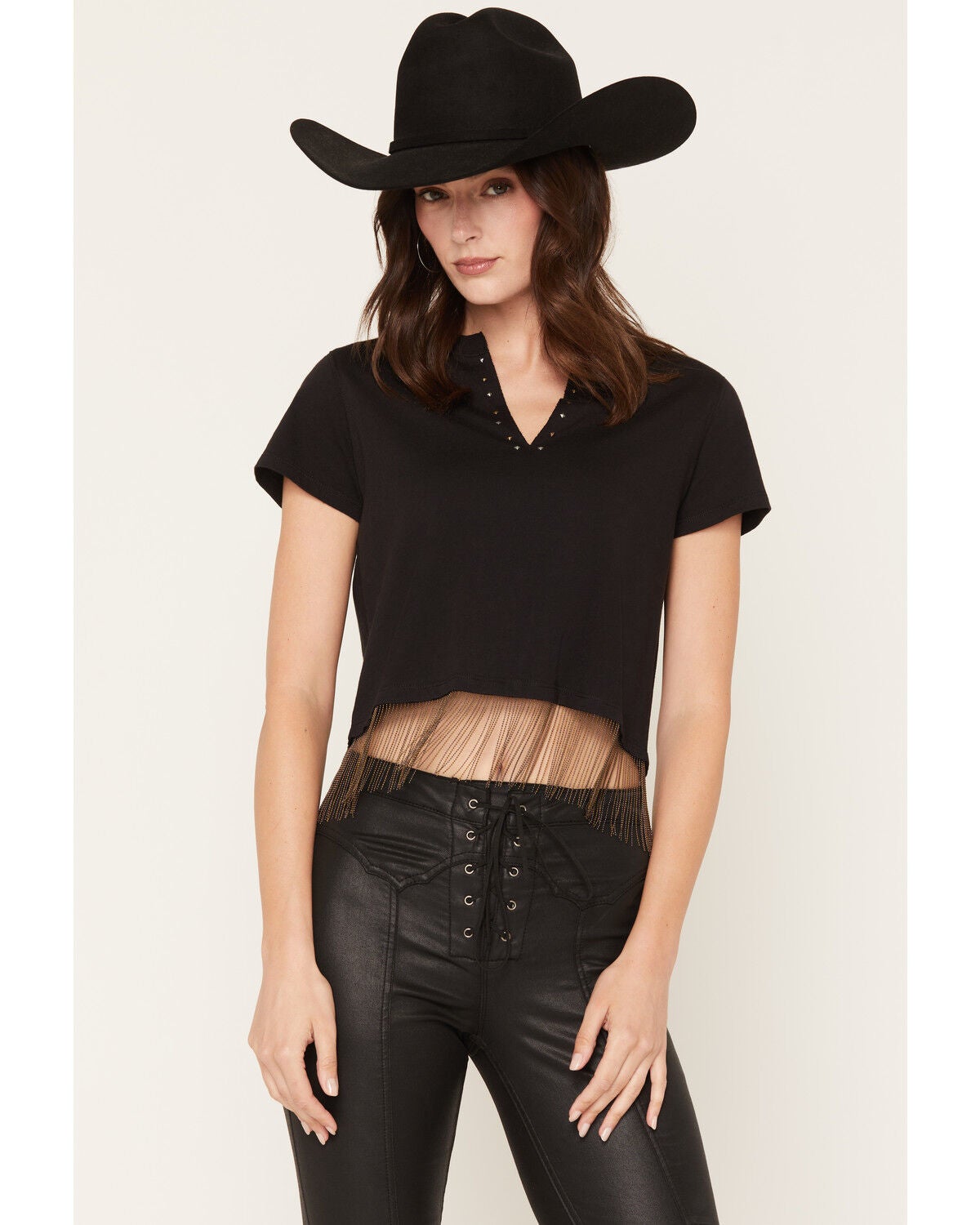
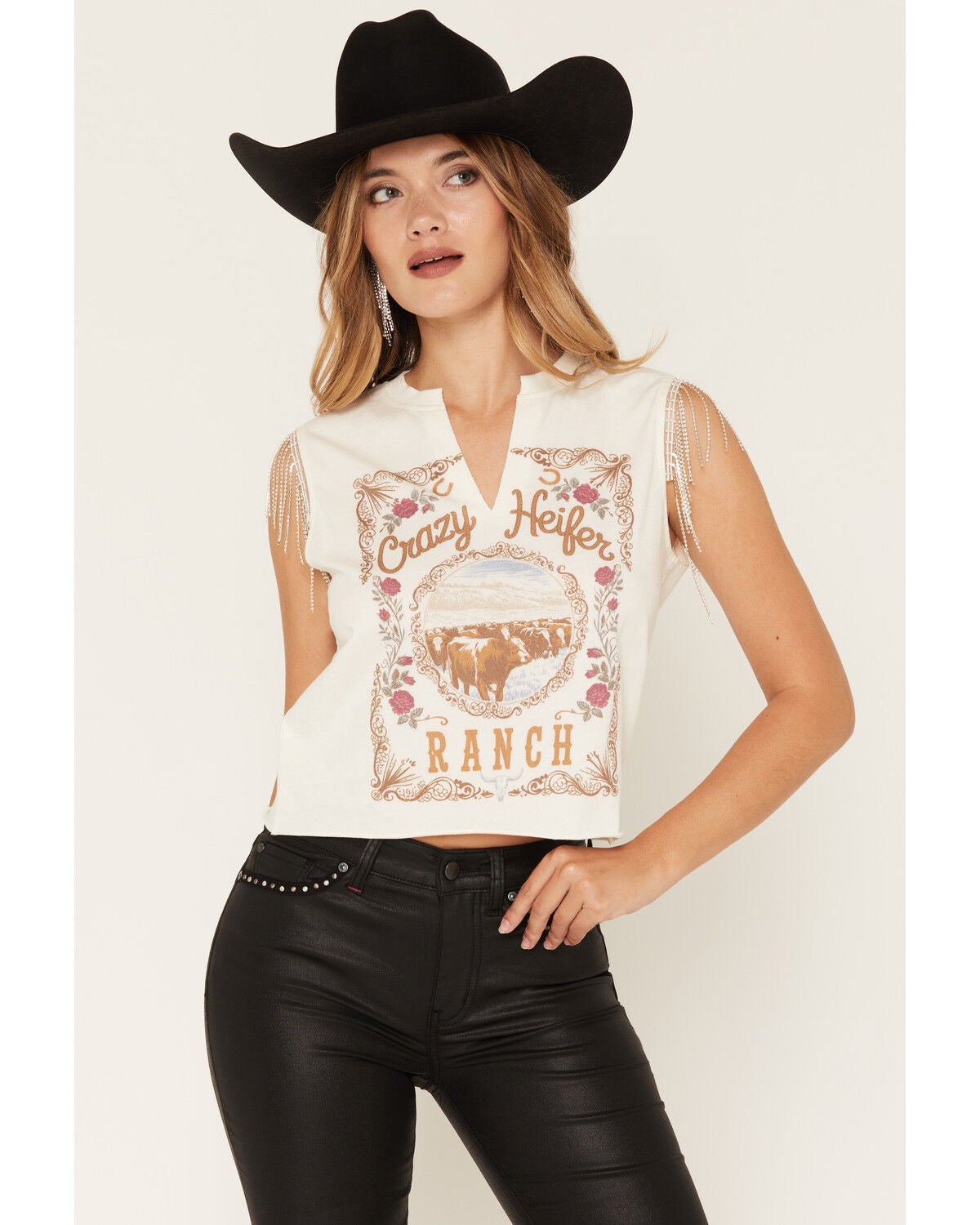
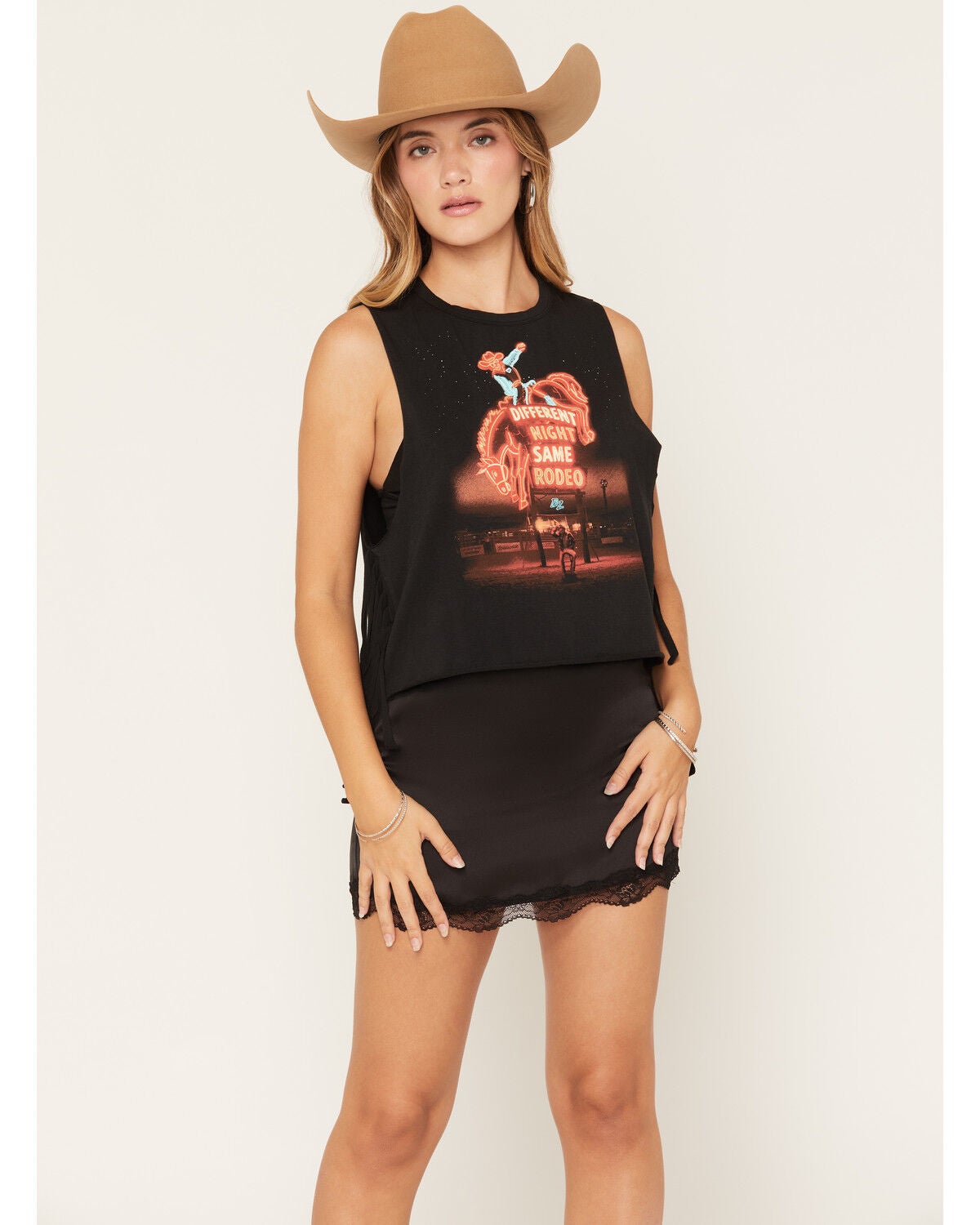
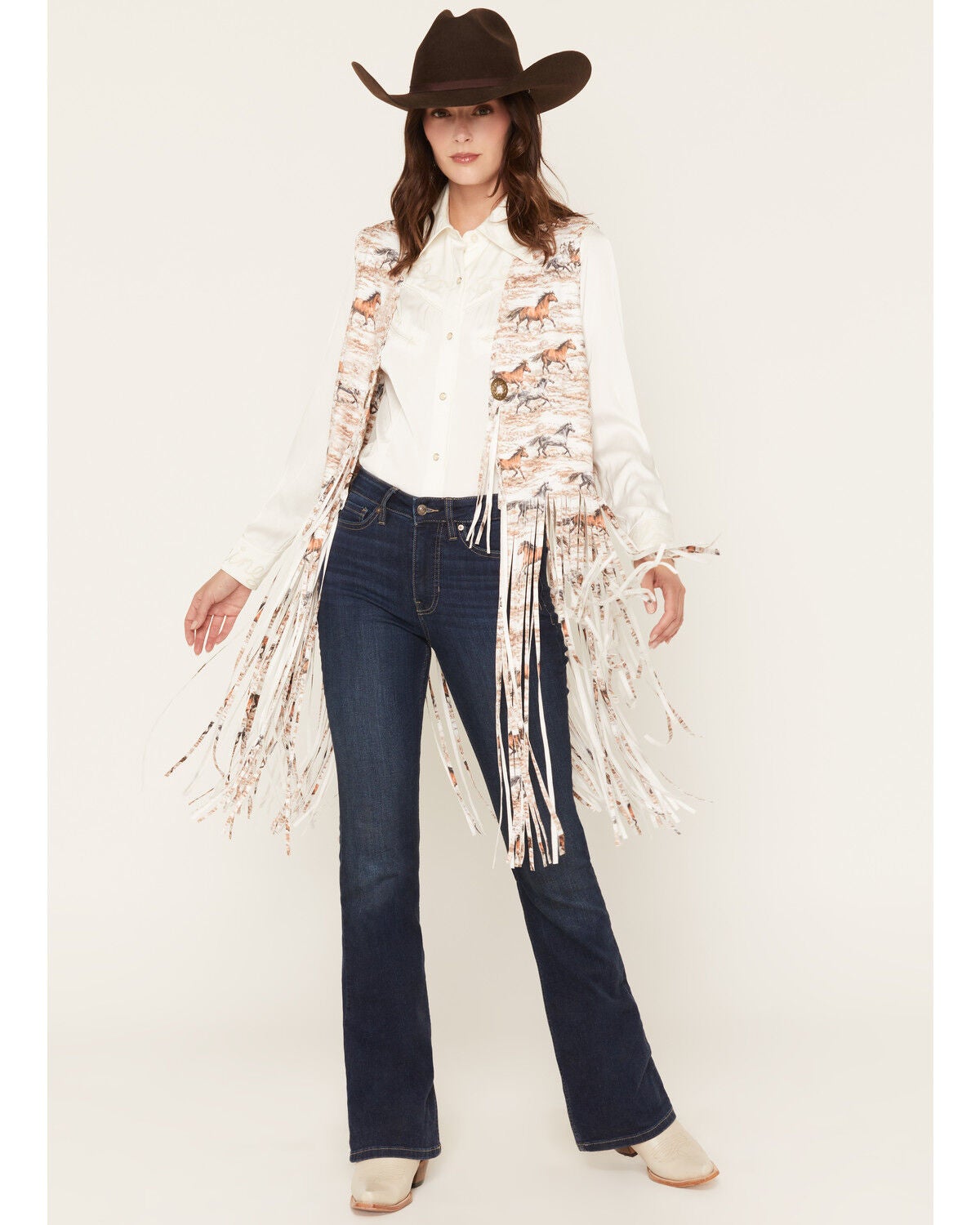
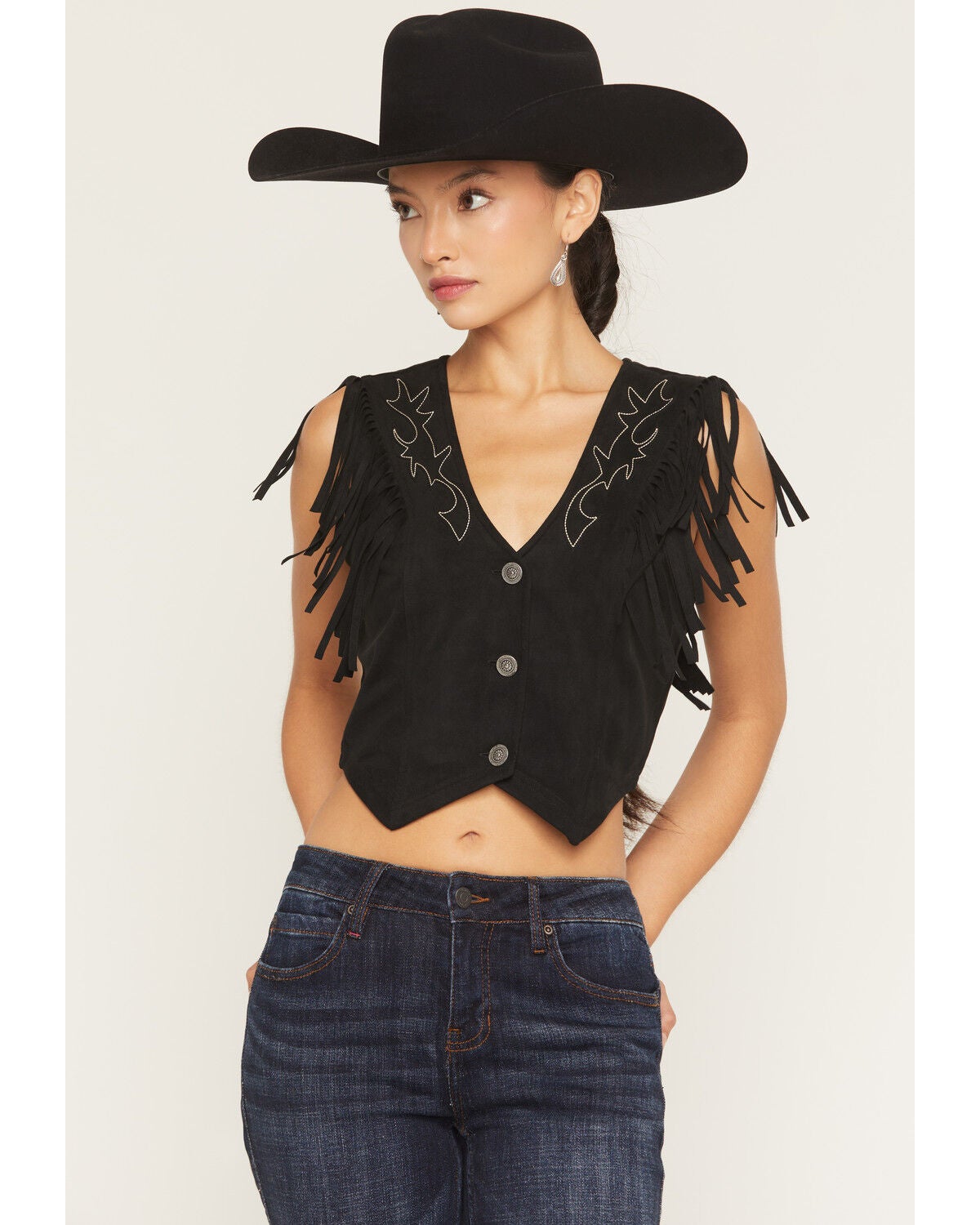
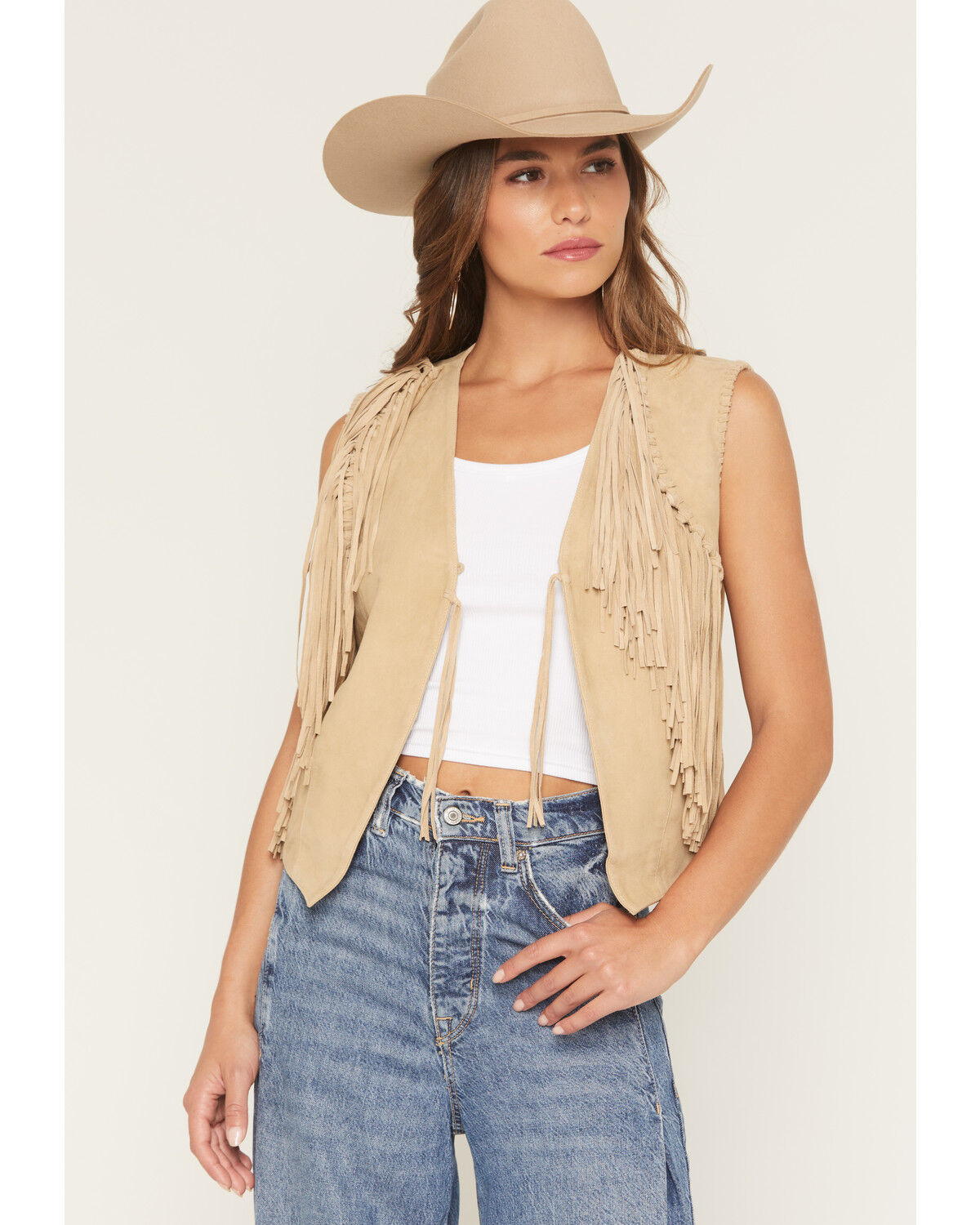
Find ladies fringe tops that bring movement and western style to your wardrobe. Browse women’s tops with fringe details, and choose a look to pair with jeans and boots for everyday wear or a night out.

Shop Your Store: Shop Your Store: Find a Store

(Turn off Shop Your Store to see all items)

(Turn off Shop Your Store to see all items)

close
  • Recommended
  • Lowest Price
  • Highest Price
Skip pass products
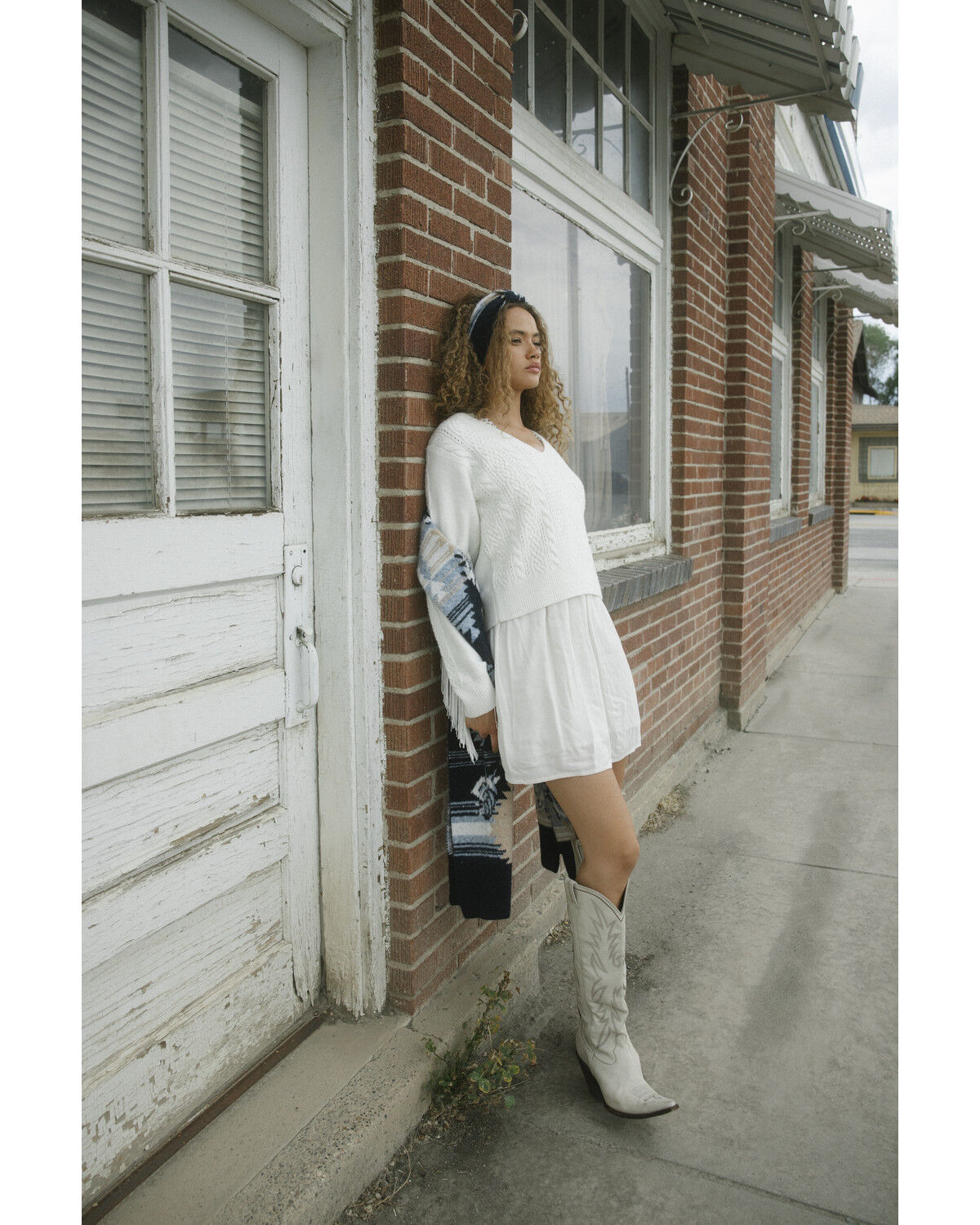
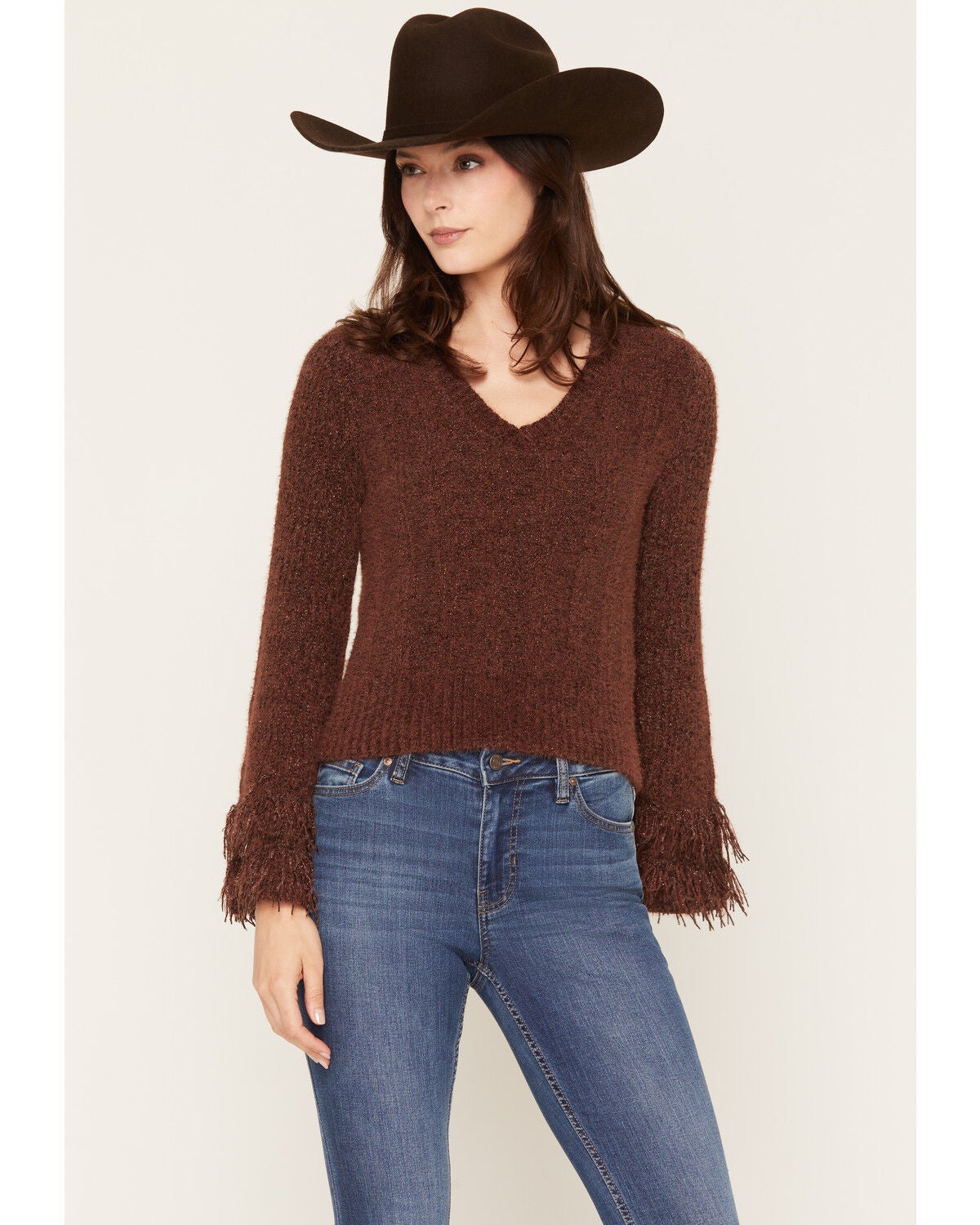
  • Women's Idyllwind Strombury Fringe Sweater
    Original Price $69.95 $52.46
    25% Total Savings

End of products

Ladies Fringe Tops

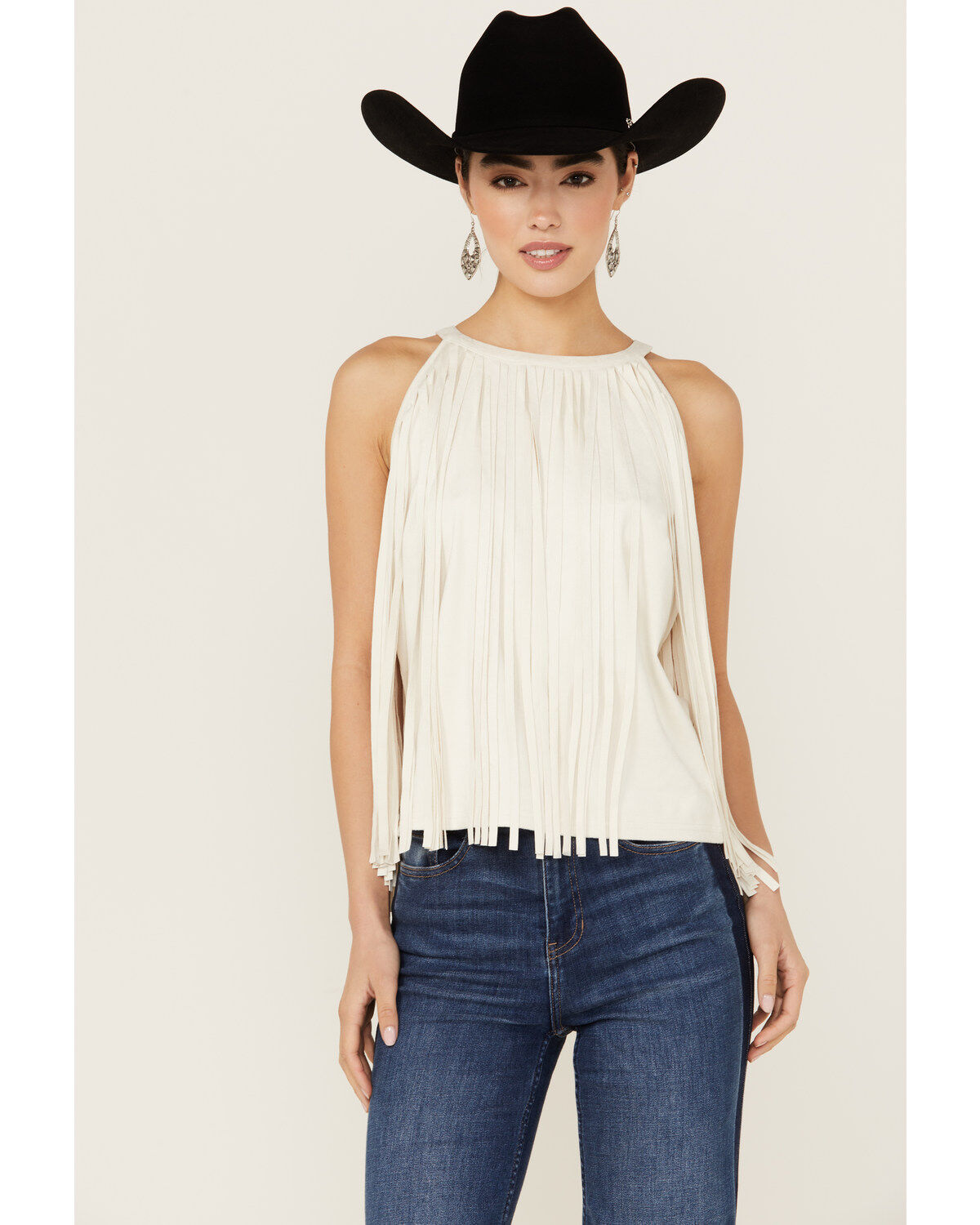
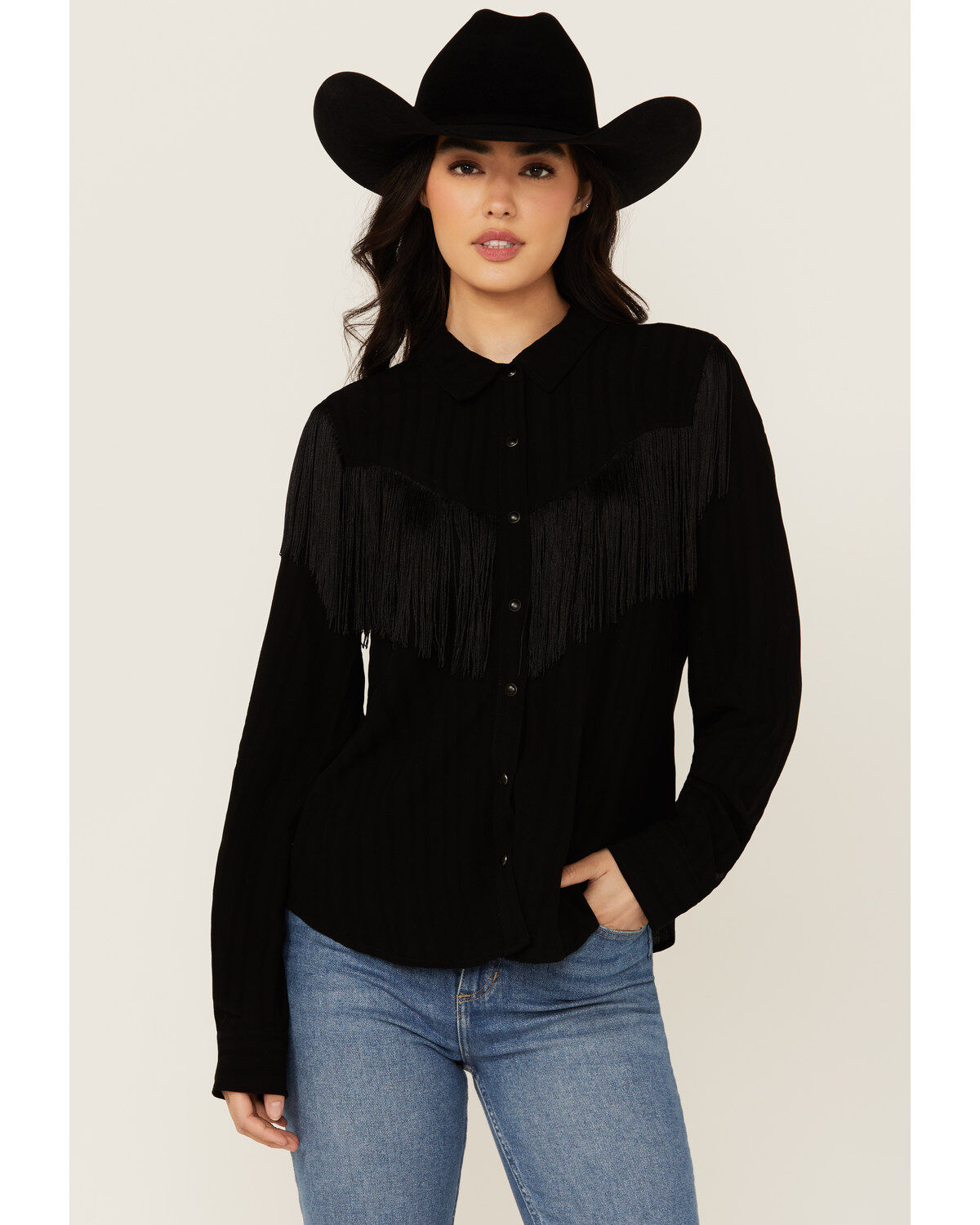
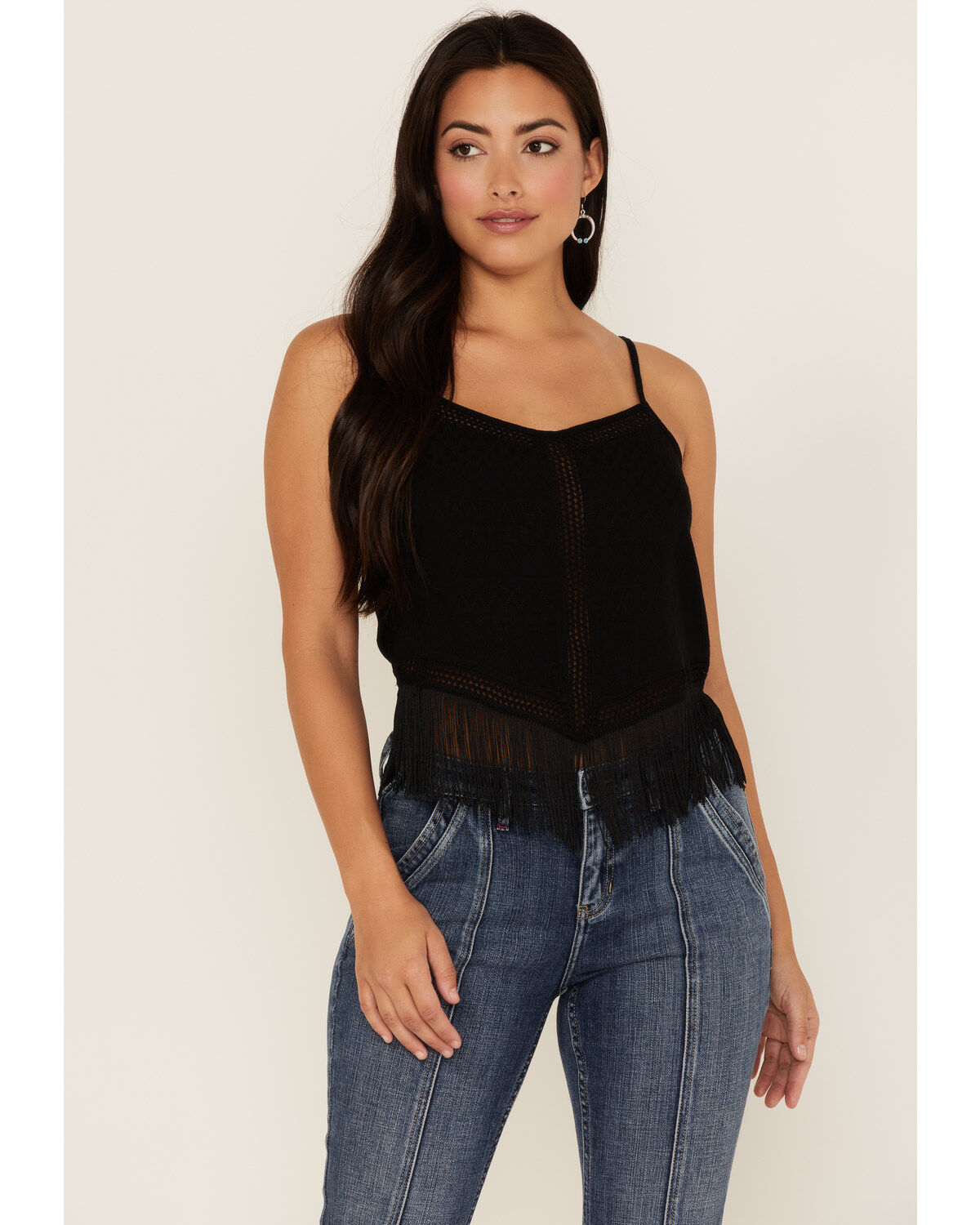
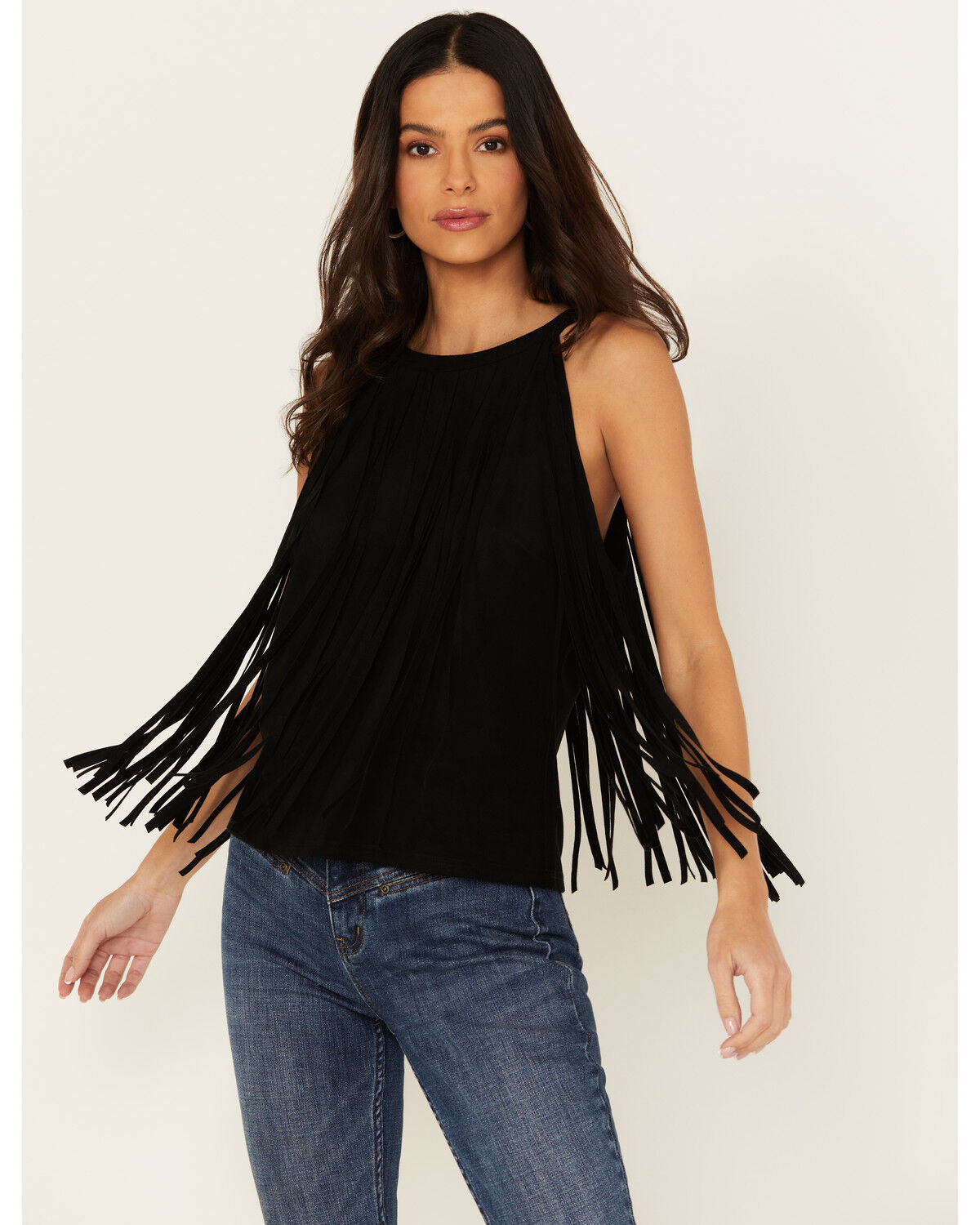
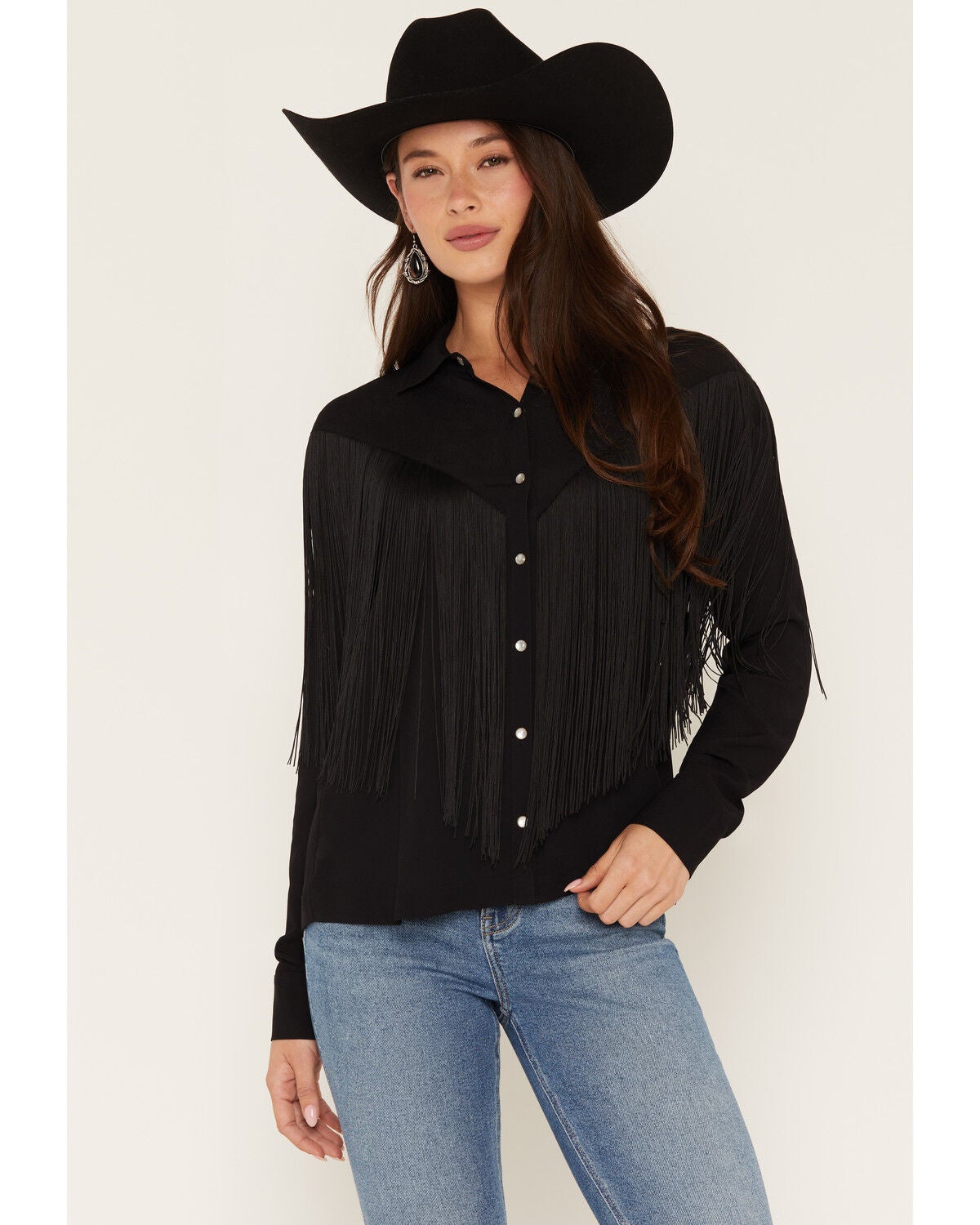
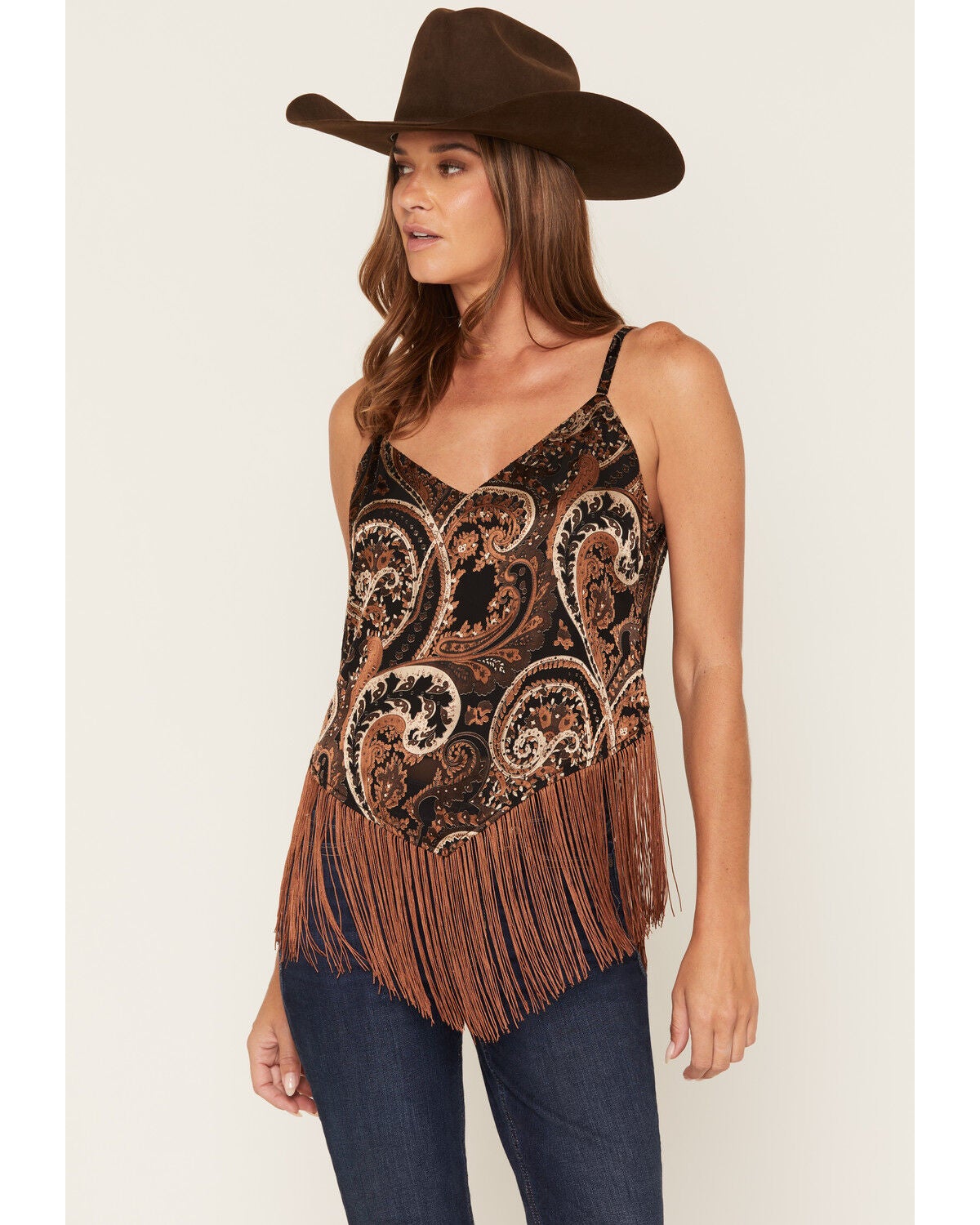
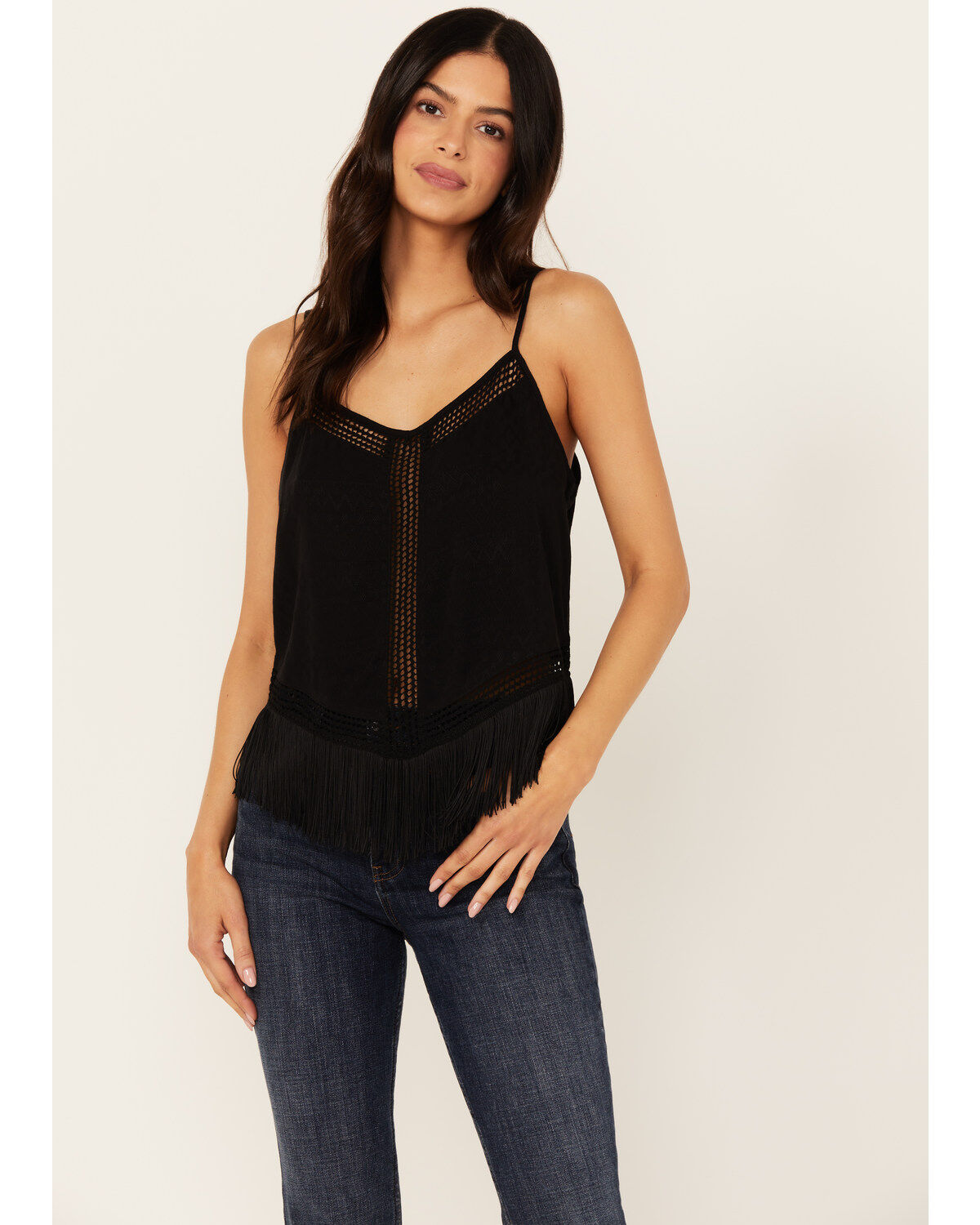
Ladies fringe tops bring movement and texture to western clothing without needing a complicated outfit. Fringe has a long place in western style, and its placement can change the character of a top. A row across the chest emphasizes a yoke, strands along the sleeves move with the arms, and a fringed hem gives a simple silhouette a more defined finish. Short fringe adds subtle texture, while longer strands make movement more noticeable. The underlying shape matters just as much. A fitted knit top sits close to the body, a relaxed blouse gives more room through the waist, and a button-front shirt offers a structured look. Across different styles of fringe tops, the balance between fabric, cut, and trim determines how the garment feels and where it fits into a wardrobe. These tops work for women who wear western clothing every day, as well as those putting together an outfit for a concert, a rodeo, dinner, or a night of dancing. A solid top with fringe across the shoulders can pair naturally with dark jeans and cowboy boots. A more detailed style may need little beyond straightforward denim and a belt. Fringe already draws attention, so the rest of the outfit can stay simple. Neckline shape, sleeve length, and hem placement help determine that balance. A higher neckline leaves more coverage above the fringe, while an open neckline gives necklaces more space. Cropped cuts meet high-rise jeans differently than longer shirts, and a fringed hem may extend well below the main fabric. That distinction matters when judging coverage. The fabric body provides the coverage; the strands add length and movement but do not replace it. For sitting through dinner or spending time on a dance floor, the most useful style is one that feels comfortable in motion and looks right without constant adjustment.

Materials shape both the appearance and the feel of a fringe top. Cotton and cotton blends can offer a familiar, soft feel suited to frequent wear. Jersey knits generally have more give than woven fabrics, though the amount of stretch depends on the fiber blend and construction. Rayon can create a fluid drape, while polyester blends may help a garment hold its shape and resist wrinkling. Neither fiber content nor softness alone tells the whole story. Fabric weight, weave, lining, and the weight of the fringe all affect how a top hangs. A lightweight body with substantial trim may pull differently at the shoulder or hem than a firmer fabric. Faux suede often has a soft, brushed surface that gives fringe a defined shape. Genuine suede has its own texture and care requirements, with less forgiveness for ordinary washing. Material descriptions and care labels provide the clearest basis for choosing between a top intended for regular wear and one that needs more specialized attention. Fit deserves the same consideration. Fringe across the bust can emphasize that area, while sleeve fringe adds movement beyond the garment’s actual width. Shoulder seams should sit comfortably, and armholes need enough room for reaching, driving, or dancing. A fitted style can feel secure without pulling across the chest. On a button-front top, gaps between buttons usually signal that more room is needed through the bust. Relaxed cuts should drape rather than bunch, especially when worn with a belt or tucked into jeans. Length measurements are useful because photographs may not clearly distinguish the fabric hem from the ends of the fringe. Stretch can make a close fit more comfortable, but it does not replace adequate room through the shoulders and upper arms. For layered outfits, a smooth-fitting base helps the fringe remain the main detail, while a roomy outer layer is less likely to catch or compress the strands. These practical differences often matter more than the size printed on the label.

Care and construction have a direct effect on how well fringe holds up over time. Trim moves, brushes against surfaces, and can catch on jewelry, bag hardware, or rough seating. Secure attachment points, even stitching, and neatly finished seams are worth attention, particularly where fringe meets the sleeves or yoke. Long strands may need more attention than short ones, and loosely knotted details can behave differently from fringe cut into a fabric panel. Care should follow the garment label rather than a general rule for western tops. A washable knit body does not necessarily mean every attached detail can handle the same treatment. Heat, agitation, and twisting may affect the fabric, trim, or both. When machine washing is permitted, a mesh laundry bag can help limit tangling, but it does not replace the listed care requirements. Fringe benefits from being arranged gently before drying so the strands do not set in a twisted position. Knit garments may need flat drying to avoid stretching, while structured shirts may hang well when the label allows it. Suede and other specialty materials can require professional cleaning or material-specific treatment. Storage also matters. Crowded drawers can bend fringe, and crowded hangers can leave it caught beneath neighboring garments. Enough space for the trim to hang or lie naturally helps preserve its shape. Jewelry with sharp edges and bags with exposed hardware deserve consideration when getting dressed, especially with long sleeve fringe. These tops can also make thoughtful gifts for women who already enjoy western shirts, cowboy boots, and textured clothing. Familiarity with the recipient’s usual fit, preferred neckline, and care habits makes the choice more personal. Someone who favors simple outfits may appreciate restrained fringe on a comfortable silhouette, while someone who regularly dresses for live music or dancing may prefer more movement. The right top should fit the wearer’s routine as well as her style. Comfortable construction, suitable coverage, and manageable care make fringe easier to wear often, giving a distinctive detail a practical place in an everyday wardrobe.

FAQs