Browse insulated water bottles for work and compare capacity, lid styles, and carrying features. Choose a bottle that suits your commute, workspace, and... access to refills throughout the day.
Read more
Insulated Water Bottles For Work
Browse insulated water bottles for work and compare capacity, lid styles, and carrying features. Choose a bottle that suits your commute, workspace, and... access to refills throughout the day.
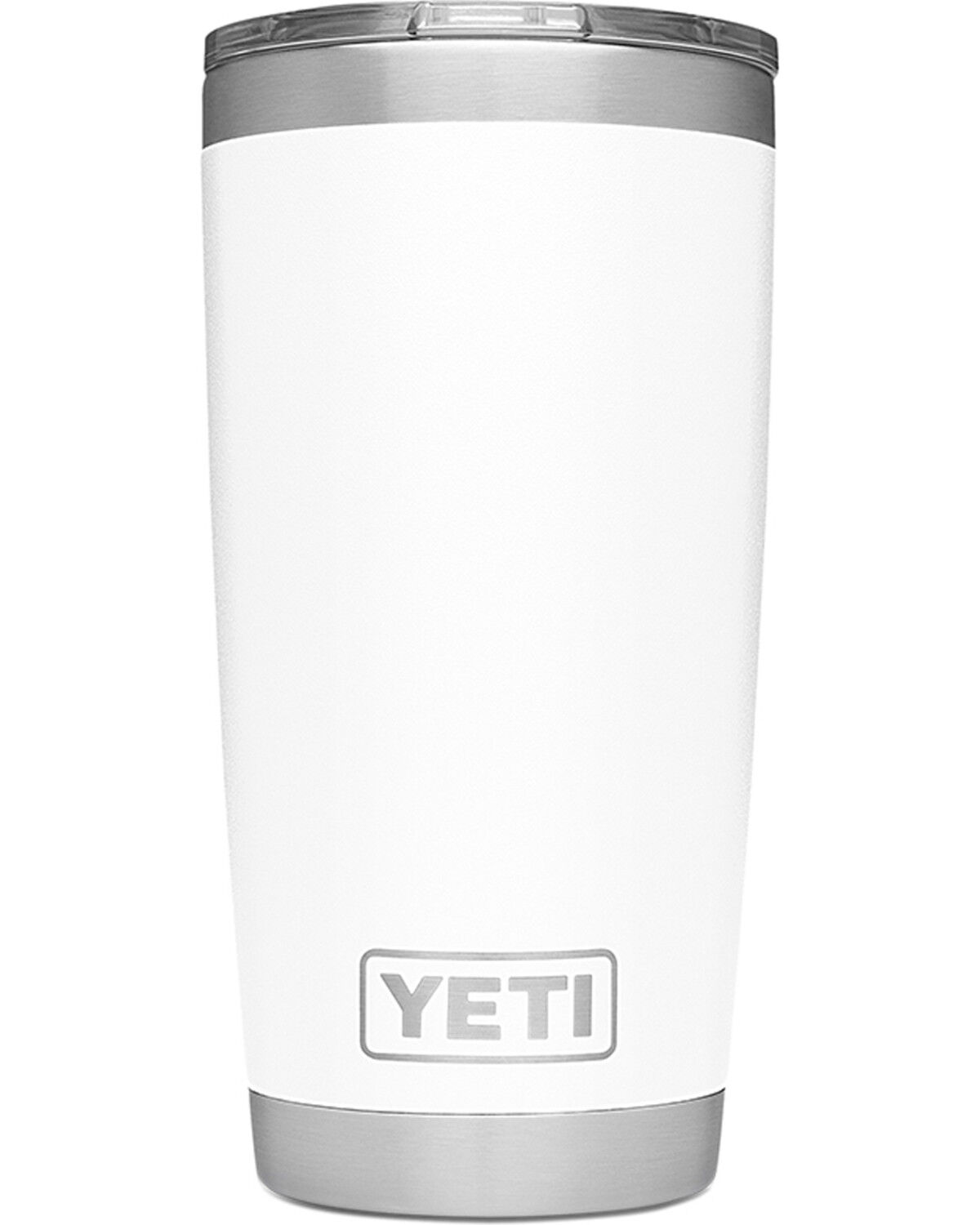
Insulated water bottles for work keep drinking water close through long shifts, early starts, and jobs that move between a truck, a workbench, and the next task. Their main advantage is straightforward: insulated construction slows heat transfer, helping a drink hold its starting temperature longer than it would in an uninsulated container. Double-wall vacuum insulation uses a space between two walls to limit that transfer, while stainless steel gives the bottle a sturdy body suited to repeated daily use. Actual temperature retention depends on the bottle’s design, its lid, how often it is opened, and the contents inside. There is no single retention time that applies to every bottle. For someone checking fence lines, working a warehouse floor, or driving between service calls, the right capacity depends on both the length of the shift and access to drinking water. A smaller bottle is easier to carry on foot and refill throughout the day. A larger bottle holds more between refills but takes up more room and weighs more when full. Water alone weighs about a pound for every 16 fluid ounces, so capacity makes a noticeable difference in a loaded work bag. The bottle’s dimensions matter as much as its stated volume. A wide body may sit well beside a tool chest but not fit a vehicle cup holder. A narrow base can make a bottle easier to place in a console, while overall height determines whether it fits beneath a refill station or inside a lunch bag. Stainless steel interiors are common because they stand up to regular handling and clean readily with proper care. Exterior finishes range from bare metal to coated surfaces, with differences in texture, grip, and resistance to visible wear. The practical fit comes down to where the bottle will ride, where it will sit, and how often it will need to be carried.
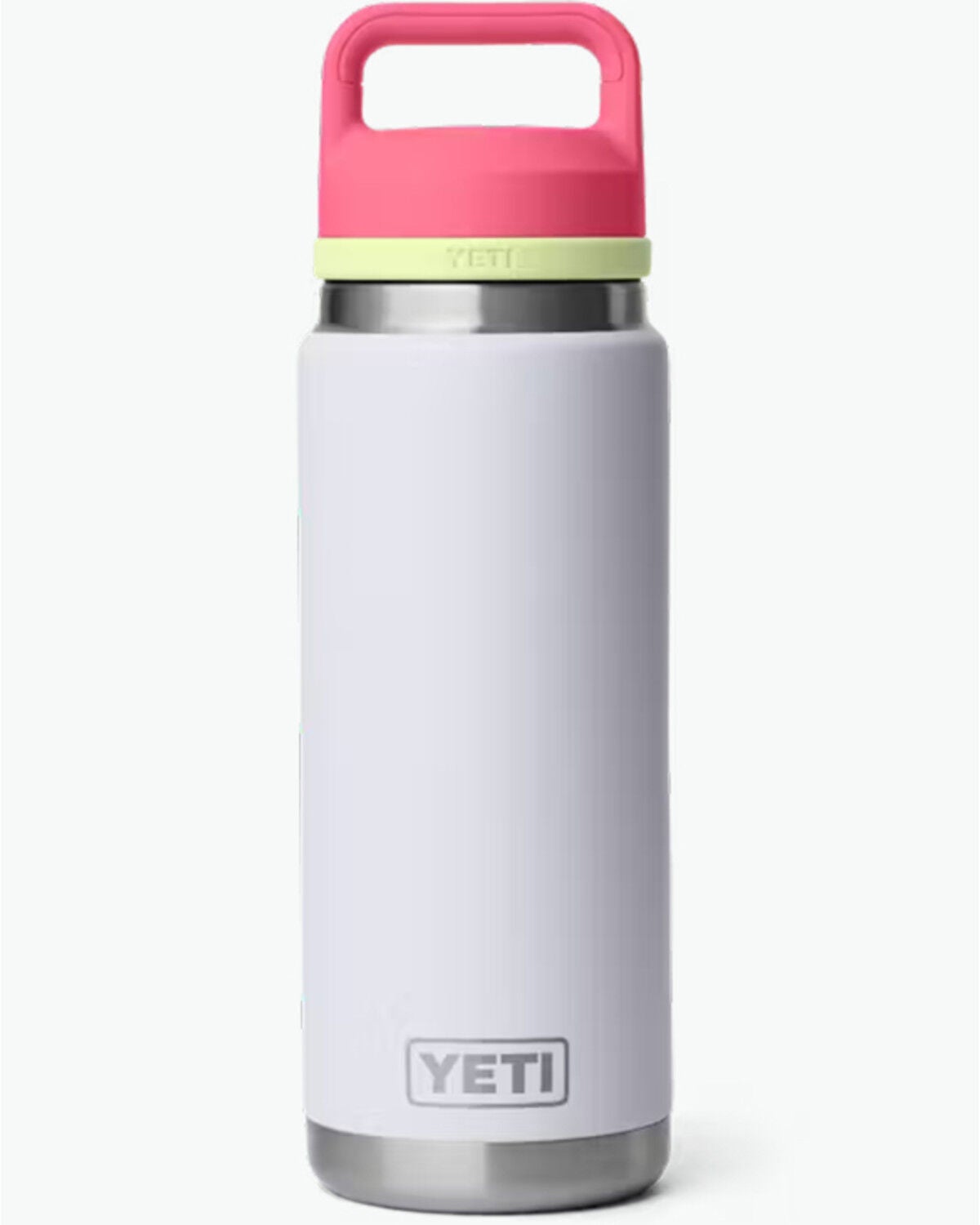
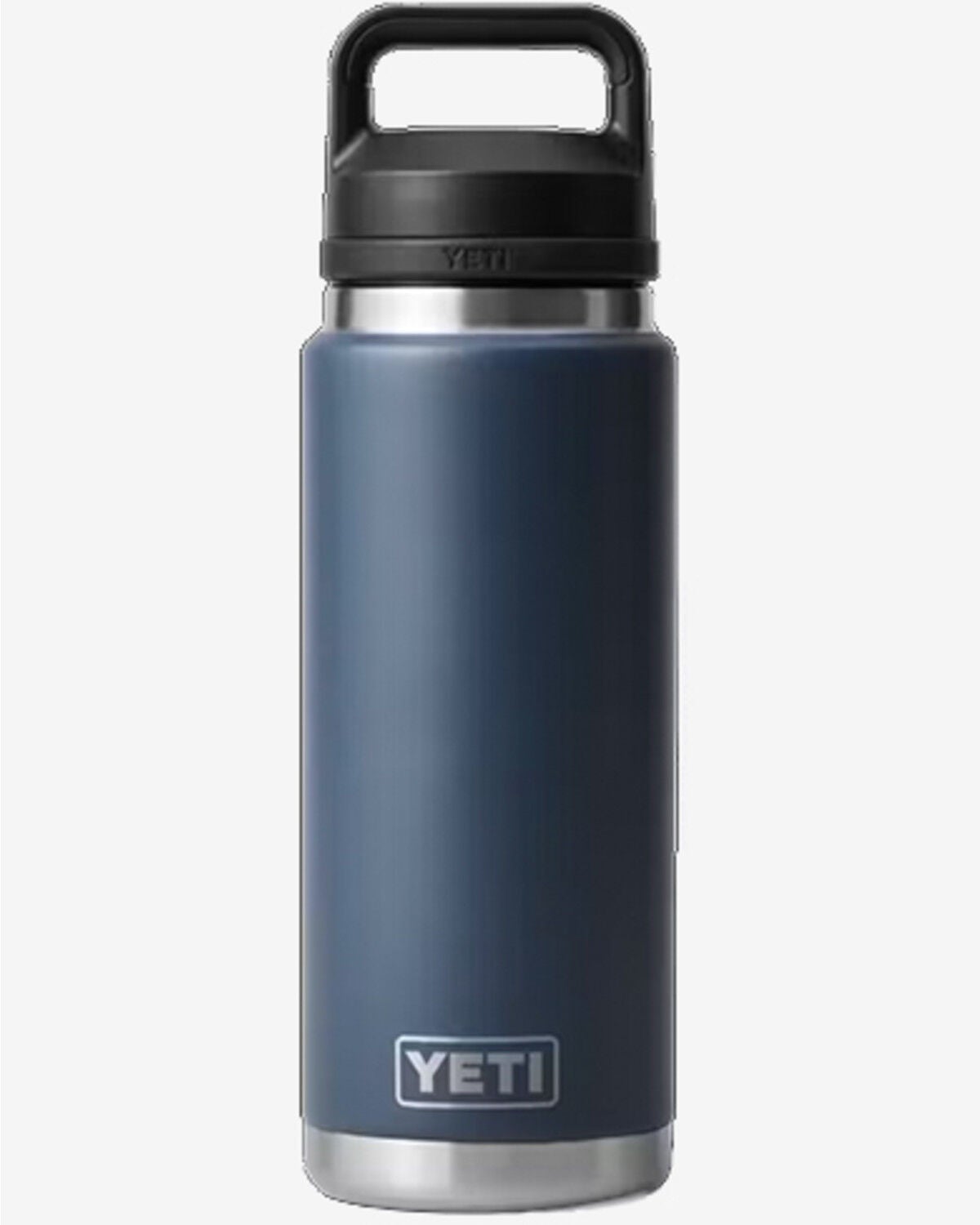
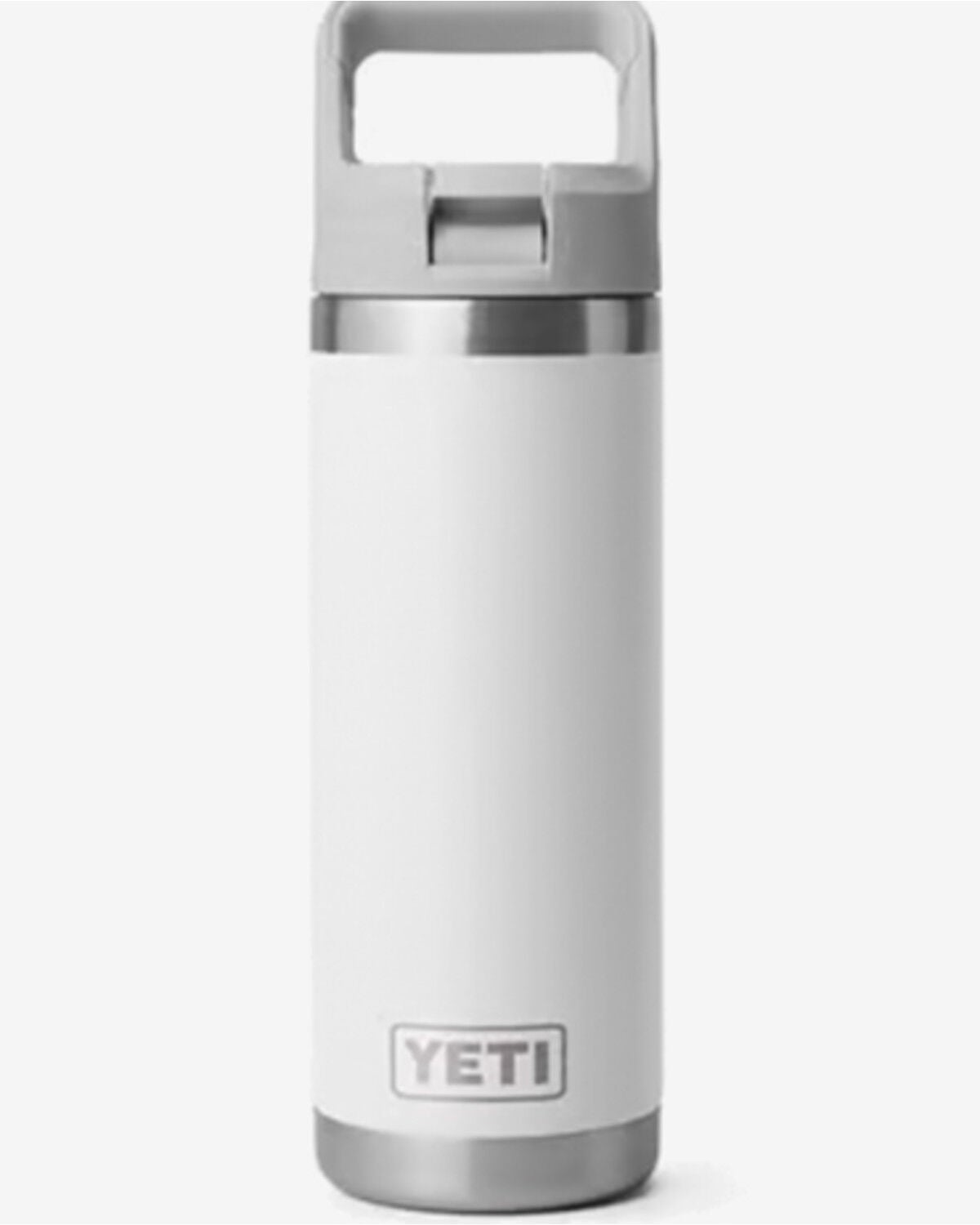
A work water bottle also needs a lid that suits the way it will be used. Screw-top lids can provide a secure closure, while covered drinking spouts help keep the drinking surface protected between uses. Straw lids offer convenient sipping with the bottle upright, and open-mouth or chug-style lids allow a larger drink without a straw. Each design has tradeoffs. A straw assembly adds parts to clean, and a wide opening can be less convenient when taking a quick drink in a parked truck. A handle or carry loop gives fingers a clear place to grip, especially when the other hand is carrying a lunch bag or opening a door. Handle clearance matters for larger hands and work gloves, and the grip should feel secure with the bottle filled rather than empty. A bottle that rides upright on a bench has different demands than one that travels beside clothing or paperwork. Spill resistance does not necessarily mean a lid is leakproof, so closure details deserve attention before a bottle is laid on its side. Threaded lids need to seat evenly, and sealing rings need to remain clean, properly positioned, and undamaged. The same practical thinking applies to durability. Stainless steel handles everyday knocks well, but a hard drop can dent the body, damage the lid, or affect the insulating space. Coatings may show scratches where a bottle rubs against tools or rough surfaces. A stable base helps on a breakroom table or a level workbench, while a dedicated holder keeps the bottle from rolling around a vehicle. On a shop floor, the bottle belongs in an approved drinking area away from chemicals, dust, and moving equipment. For ranch hands, tradespeople, delivery drivers, and workers moving between several locations, dependable access and easy handling often matter more than extra features. A bottle earns its place by being straightforward to carry, open, close, and clean.
Regular care keeps an insulated bottle ready for the next shift. The body, lid, seals, and any straw all need attention because residue can collect in threads, narrow passages, and the underside of a cap. A bottle brush reaches areas that a quick rinse misses, and a small straw brush helps clean drinking tubes. Cleaning methods vary by construction and finish, so dishwasher use should follow the care directions rather than an assumption that every stainless steel bottle can go on the same rack. After washing, the parts should dry fully before the lid is tightened for storage. Leaving a damp bottle closed between shifts can lead to lingering odors. Water is simple to rinse out, but flavored drinks and other beverages may call for more thorough cleaning. Hot liquids require another check: not every bottle or lid is intended for them, and straw lids should not be treated as suitable unless the manufacturer says so. Carbonated drinks can create pressure in a sealed container and also require specific approval. These details matter when one bottle is expected to handle several uses. For everyday work, a simple shape with accessible lid parts can make regular upkeep less of a chore. Insulated water bottles also make practical gifts for someone starting a new job, spending more time on the road, or replacing a worn daily bottle. The most useful choice reflects the recipient’s routine: room in the truck console, distance between refill stops, preferred drinking style, and willingness to clean extra components. A plain finish may suit someone who wants a bottle that blends into a work setup, while a distinct color can make it easier to identify in a shared break area. Alongside a lunch bag, work gloves, and Insulated Boots where the job calls for insulated footwear, a well-matched bottle serves a clear purpose. It keeps a drink within reach without adding unnecessary trouble to the day.