Infant Western Clothes

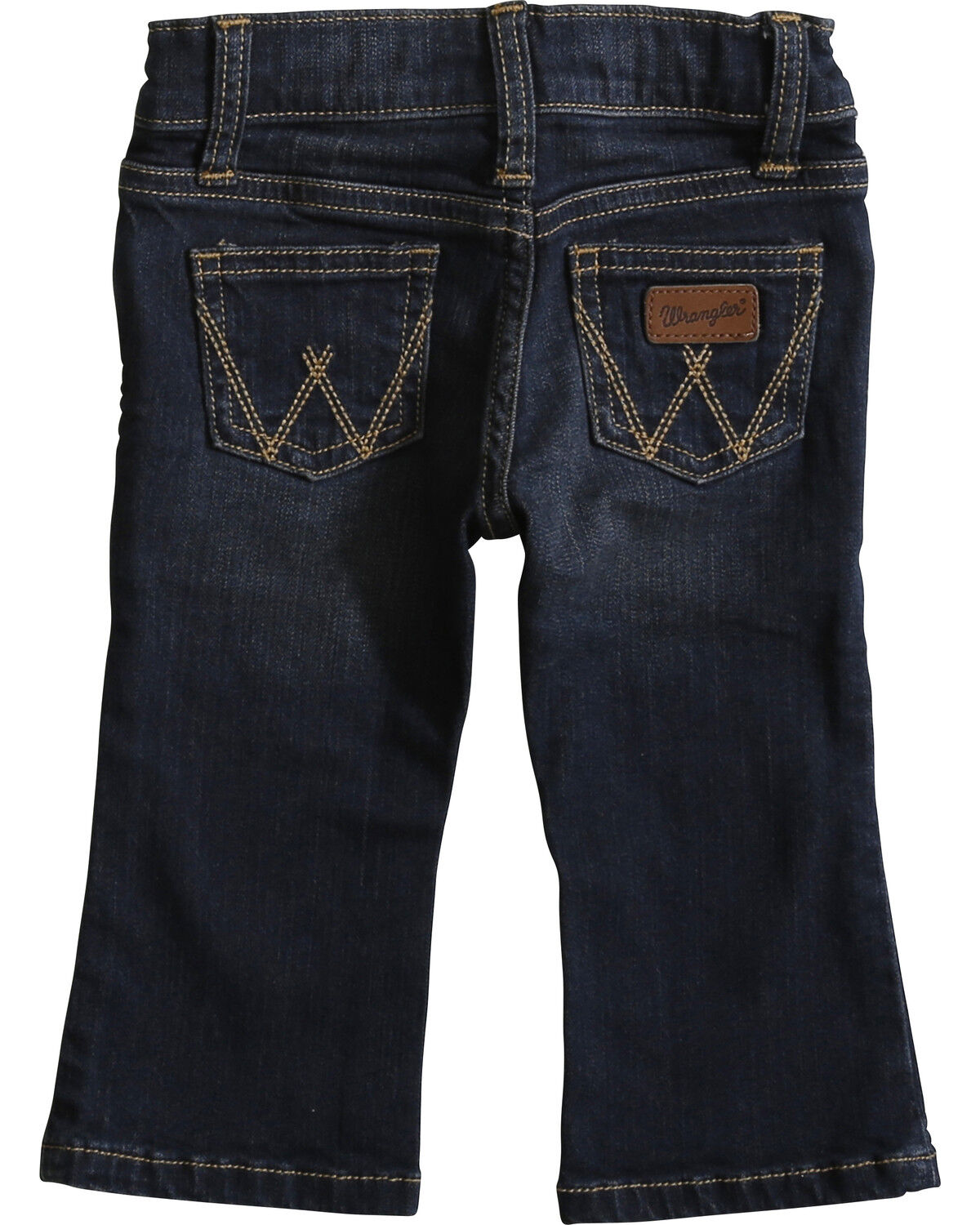
Shop infant western clothes for your little one, with western-inspired baby clothing for everyday wear and family outings. Check individual size guides and product details to find the right fit for your baby.

Read More

Shop Your Store: Shop Your Store: Find a Store

(Turn off Shop Your Store to see all items)

(Turn off Shop Your Store to see all items)

close
  • Recommended
  • Lowest Price
  • Highest Price
Skip pass products
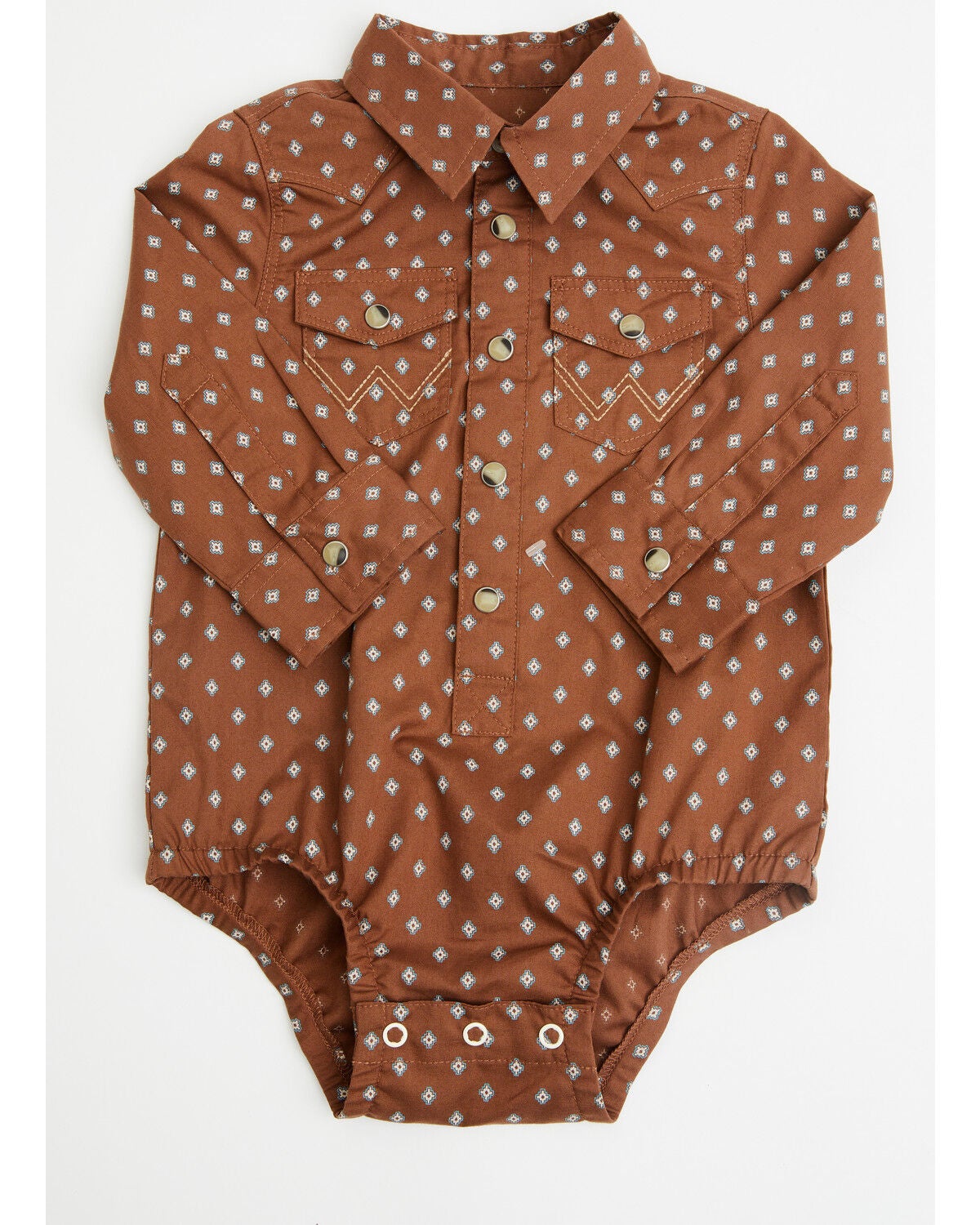
  • Boys' Angel Dear Infant Western Print Long Sleeve Onesie

    Original Price $32.99 $22.97
    30% Total Savings
  • Girls' Angel Dear Infant Cowgirl Boot Long Sleeve Snap Onesie

    Original Price $19.99 $12.97
    35% Total Savings
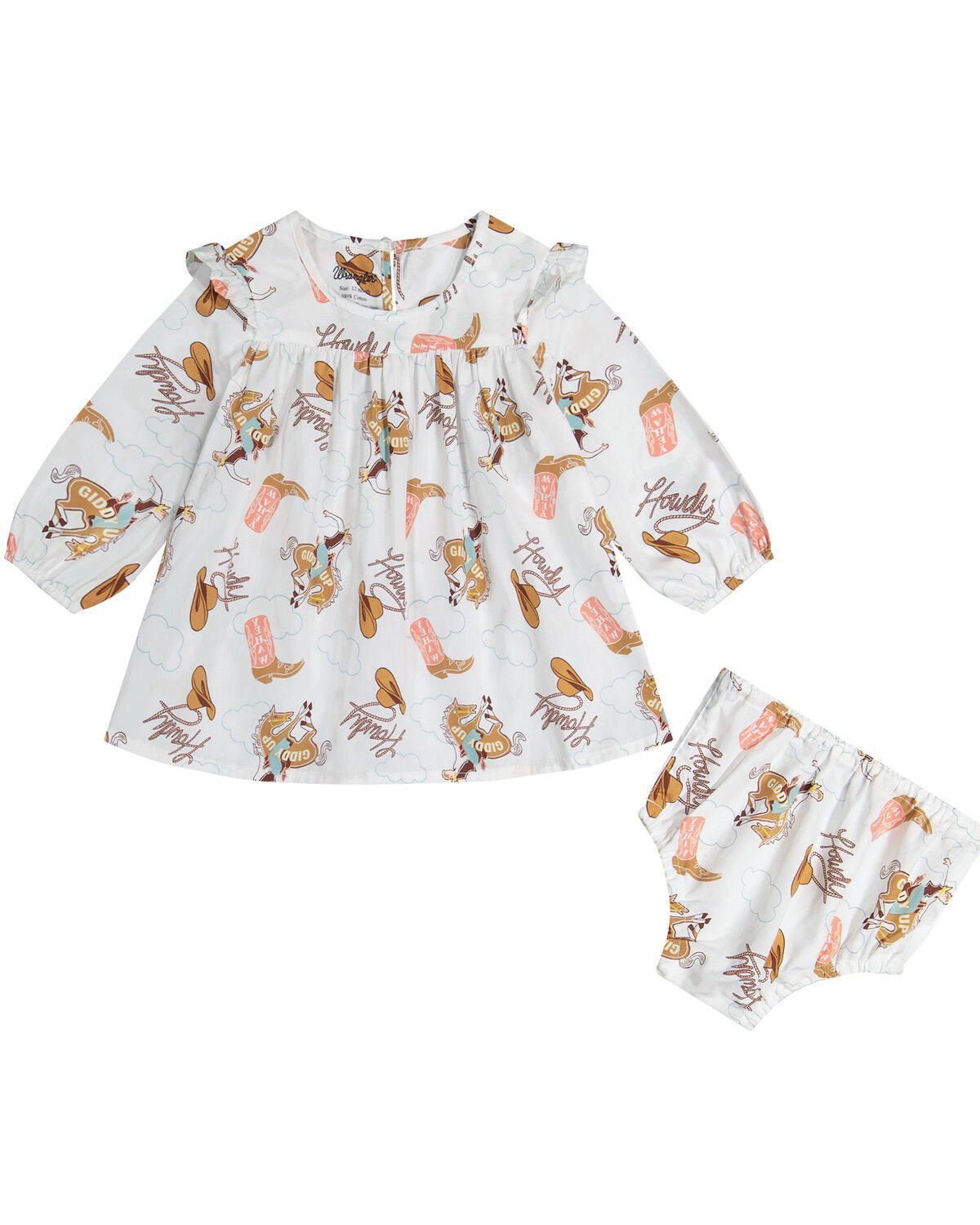
  • Girls' Wrangler Infant Flutter Sleeve Dress

    Original Price $34.99 $17.98
    49% Total Savings
  • Girls' Wrangler Infant Dress Set - 2 Piece

    Original Price $24.99 $12.73
    49% Total Savings
  • Boys' Cody James Infant Onesie & Camo Shorts - 2-Piece Set

    Original Price $34.99 $17.98
    49% Total Savings
  • Girls' Shyanne Infant Printed Short Sleeve Snap Western Onesie

    Original Price $26.99 $13.48
    50% Total Savings
  • Girls' Wrangler Infant Saddle Print Fleece Zip-Up Hooded Jacket

    Original Price $29.99 $14.98
    50% Total Savings

End of products

Infant Western Clothes

Infant western clothes bring familiar western details to clothing made for a baby's everyday routine. Small-scale plaids, curved yokes, decorative stitching, and western-inspired prints give these clothes their character, while soft fabrics and practical openings make them easier to wear. The balance matters. A look that works for a family photograph should also feel comfortable when a baby is being held, stretching out on a blanket, or settling into a caregiver's arms. Infant clothing does not need the weight or stiffness of adult western wear to carry the same style. Supple knits, lightweight woven fabrics, and carefully placed details can give an outfit a western feel without getting in the way of movement. Cotton is a familiar choice for its softness and breathable feel, though the fabric's weight, finish, and construction matter as much as the fiber name. Cotton blends may offer added stretch or help clothing hold its shape through repeated wear. Jersey has a flexible feel that works well for close-fitting pieces, while woven fabrics can give shirts and coordinated outfits a more defined shape. Denim-inspired fabric can add a recognizable western touch, but a baby's clothing should still bend easily at the waist, hips, and knees. Smooth interiors are especially useful where fabric rests against the neck, belly, or legs. Embroidery and decorative stitching are worth considering on the inside as well as the outside, since a rough backing can feel different from the soft fabric around it. Color and pattern also affect how often an outfit gets worn. Simple checks and understated prints can pair easily with other clothing, while a more detailed design can stand on its own for a family visit or portrait. Whether the look is quiet or more distinctly western, the most useful infant clothes keep comfort at the center and let the details do the rest.

Fit is especially important in infant western clothing because babies grow quickly and clothing has to work around a diaper, not just a body measurement. Age ranges provide a starting point, but height and weight measurements offer a clearer comparison with a garment's size chart. Two babies of the same age can need different sizes, and the cut of one style may feel roomier than another. A good fit leaves space through the diaper area without pulling at the shoulders or stretching closures tight. Neck openings should pass over the head comfortably, and sleeves should allow an arm to bend without bunching heavily at the wrist. Around the legs, gentle openings and flexible fabric help clothing stay comfortable during kicking, reaching, and early attempts at crawling. Extra length is not always useful growing room if it covers the hands, gathers under the body, or makes a garment difficult to manage. Western details deserve the same practical attention. A collar should lie comfortably rather than press into the chin, and a waistband should sit smoothly instead of leaving a firm line across the belly. Snaps and other secure closures can make dressing and diaper changes simpler, particularly when they are positioned where a caregiver can reach them without removing the entire outfit. Openings that lie flat are less likely to create an uncomfortable lump when a baby is resting on a caregiver's lap. Construction also matters beyond the first fitting. Even seams, securely attached fasteners, and fabric that recovers after stretching help clothing keep its shape through a busy rotation of wear and washing. Decorations should be firmly attached, and loose ties, trailing cords, or easily detached trim have no place in a baby's everyday outfit. For floor play, simpler designs with flexible fabric are often more practical than heavily decorated clothing. For photographs, comfort still matters; a baby who can move freely is easier to dress and hold. Everyday outfits and sleepwear also serve different purposes, so western styling should not replace clothing designated for sleep when that is the intended use.

Care is part of choosing infant western clothes, especially when an outfit will see frequent diaper changes, feedings, and trips through the laundry. The care label is the best reference for washing temperature, drying method, and any extra attention needed for printed or embroidered details. Machine-washable fabrics can simplify the daily routine, but different materials respond differently to laundering. Some cotton fabrics may shrink, and high heat can affect stretch, shape, and decorative finishes. Turning clothing inside out when appropriate can help limit surface wear on prints, while fastening closures before washing can help prevent snagging on other garments. Thorough drying and regular checks of seams and fasteners help keep clothing ready for another wear. Durability in infant clothing is less about a heavy fabric and more about holding up to frequent handling without becoming stiff, misshapen, or difficult to fasten. For families who prefer a straightforward one-piece outfit, infant western onesies offer a western look in a familiar shape that can be worn on its own or paired with other clothing. Fewer separate pieces can be helpful when getting a baby dressed for a visit with grandparents, a family gathering, or an ordinary day at home. Infant western clothing also makes a thoughtful gift for a baby shower or new arrival, especially for families who already enjoy western dress. A useful gift considers the baby's measurements, the parents' preferred style, and how easily the clothing fits into their laundry routine. Choosing a size with reasonable room to grow can extend its usefulness, provided the garment is not so loose that it interferes with movement. For family portraits, related colors or patterns can connect a baby's outfit with the rest of the family without requiring an exact match. The strongest choices combine a recognizable western look with soft fabric, a comfortable fit, and construction that stands up to everyday care. Those are the details that make an outfit worth wearing beyond the photograph.
Read More

FAQs