Elevate your western wardrobe with our collection of high-rise cowboy jeans. Designed for both style and comfort, these jeans feature a flattering high... waist that pairs perfectly with your favorite cowboy boots. Whether you're working on the ranch or hitting the town, these jeans are versatile enough to take you from day to night with ease. Explore our selection of high-rise cowboy jeans and add a touch of western flair to your closet today.
Read more
High Rise Cowboy Jeans
Elevate your western wardrobe with our collection of high-rise cowboy jeans. Designed for both style and comfort, these jeans feature a flattering high... waist that pairs perfectly with your favorite cowboy boots. Whether you're working on the ranch or hitting the town, these jeans are versatile enough to take you from day to night with ease. Explore our selection of high-rise cowboy jeans and add a touch of western flair to your closet today.
High rise cowboy jeans bring a higher waistline to the familiar construction of western denim. They generally sit at or near the natural waist, with front rises often measuring around 10 to 12 inches in women’s cuts, though measurements vary by size and design. Front rise is measured from the crotch seam to the top of the waistband; the back rise also affects coverage and comfort when sitting or bending. A higher rise can provide more coverage through the waist and keep a tucked shirt in place, but it does not guarantee a gap-free fit. Waistband shape, room through the seat, and the relationship between waist and hip measurements all matter. A contoured waistband can help the denim follow the body without leaving excess space at the back. The right fit stays secure without pressing into the stomach when seated or pulling across the hips when stepping up. Leg shape gives high rise western jeans much of their character. Bootcut denim stays closer through the thigh and opens below the knee to accommodate a boot shaft. For that familiar shape, high rise bootcut jeans offer a balance between a fitted upper leg and room at the hem. Flare jeans create a wider sweep, while trouser cuts generally provide a fuller, straighter line through the leg. Straight-leg denim can also work with cowboy boots, depending on the opening and the width of the shaft. Inseam matters as much as cut: a hem that clears the ground but rests over the boot looks different from one intended to stack slightly. Too much length can drag beneath the heel and wear through. Too little can expose more of the shaft than intended. Back yokes, pocket placement, and stitching add western detail while influencing how the jeans fit through the seat.
Fabric determines how high rise cowboy jeans feel on the first wear and after a full day. All-cotton denim usually has a firmer hand and a more structured shape, gradually softening with use. It may relax at areas of repeated movement, but it does not stretch in the same way as denim blended with spandex or elastane. Stretch denim can make sitting, kneeling, and climbing into a truck more comfortable, especially when the cut is fitted through the hips and thighs. The amount of stretch is only part of the picture. Fabric weight, weave, and construction also affect whether the knees and seat hold their shape or loosen during wear. Blends containing polyester may offer additional shape retention, while cotton contributes the familiar feel of denim. Heavier fabric can stand up well to repeated wear, although weight alone does not establish durability. Secure seams, firmly attached belt loops, and reinforcement at pocket corners help support areas that receive regular strain. For chores and other hands-on tasks, unrestricted movement matters more than a close-fitting appearance. Jeans should allow a full step and a comfortable bend without the waistband slipping or the fabric pulling sharply across the seat. For riders, room through the hips and thighs, suitable leg length, and seam placement deserve particular attention. Sitting in a saddle changes how the rise and hem behave, so a standing fit does not tell the entire story. Denim intended for riding may provide useful construction details, but a western appearance alone does not make every pair suitable for that purpose. Ordinary jeans also are not a substitute for protective clothing required by a job. Wash and finish influence intended use as well. Clean, dark denim can look neat enough for dinner or a workplace that permits jeans. Faded finishes offer a more worn-in appearance. Distressed areas reduce fabric coverage and may be less practical where abrasion is a concern. These differences make western denim useful across casual wear, riding, and everyday work, with the details determining where each style fits best.
A high waist creates a clear place for a belt and buckle, which makes high rise cowboy jeans a natural match for tucked western shirts. The waistband should still fit properly without relying on a belt to gather several inches of extra fabric. A smooth tuck keeps excess shirttail material from bunching beneath the denim, while a shorter untucked shirt leaves more of the waistline visible. A simple knit top or button-front shirt works with the same silhouette without requiring a fully western outfit. Boots change the proportions: a taller heel lifts the hem, while a lower heel lets it sit closer to the ground. That difference can matter when the same jeans are worn with several pairs of footwear. Pocket size and placement are practical details, too, particularly for someone who carries keys or a phone rather than a bag. Care helps preserve both fit and appearance. The garment’s care label is the best reference because cotton denim, stretch blends, and decorative finishes can have different requirements. Washing inside out with similar colors can help limit surface wear and color transfer. Excessive heat may cause shrinkage or affect stretch fibers, so dryer settings matter when maintaining a preferred inseam and fit. Air-drying, when permitted by the label, can reduce heat exposure, though the fabric may feel firmer until worn again. Denim with a deep wash may transfer color before repeated laundering, especially against light upholstery or pale footwear. Small signs of wear at hems, seams, and pocket edges are worth noticing before they become larger repairs. For someone who wears western denim regularly, high rise jeans can also make a practical gift when their preferred fit is known. Waist size alone is not enough; inseam, leg shape, stretch preference, and the boots they wear all help narrow the choice. A rider may value movement and coverage, while someone dressing for everyday errands or an evening out may favor a particular wash and silhouette. The strongest match is denim that fits comfortably, works with familiar footwear, and suits the way it will actually be worn.



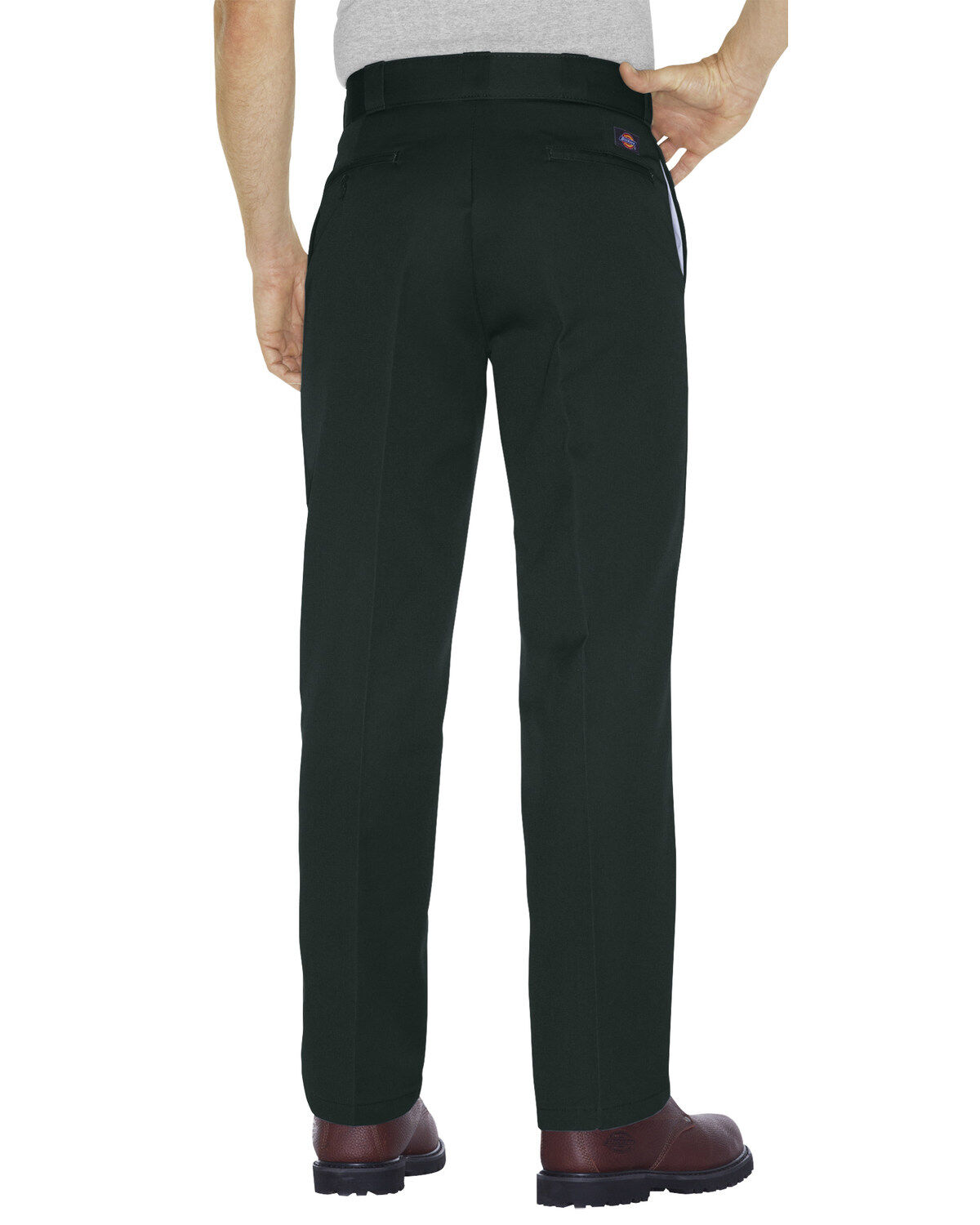 $29.99
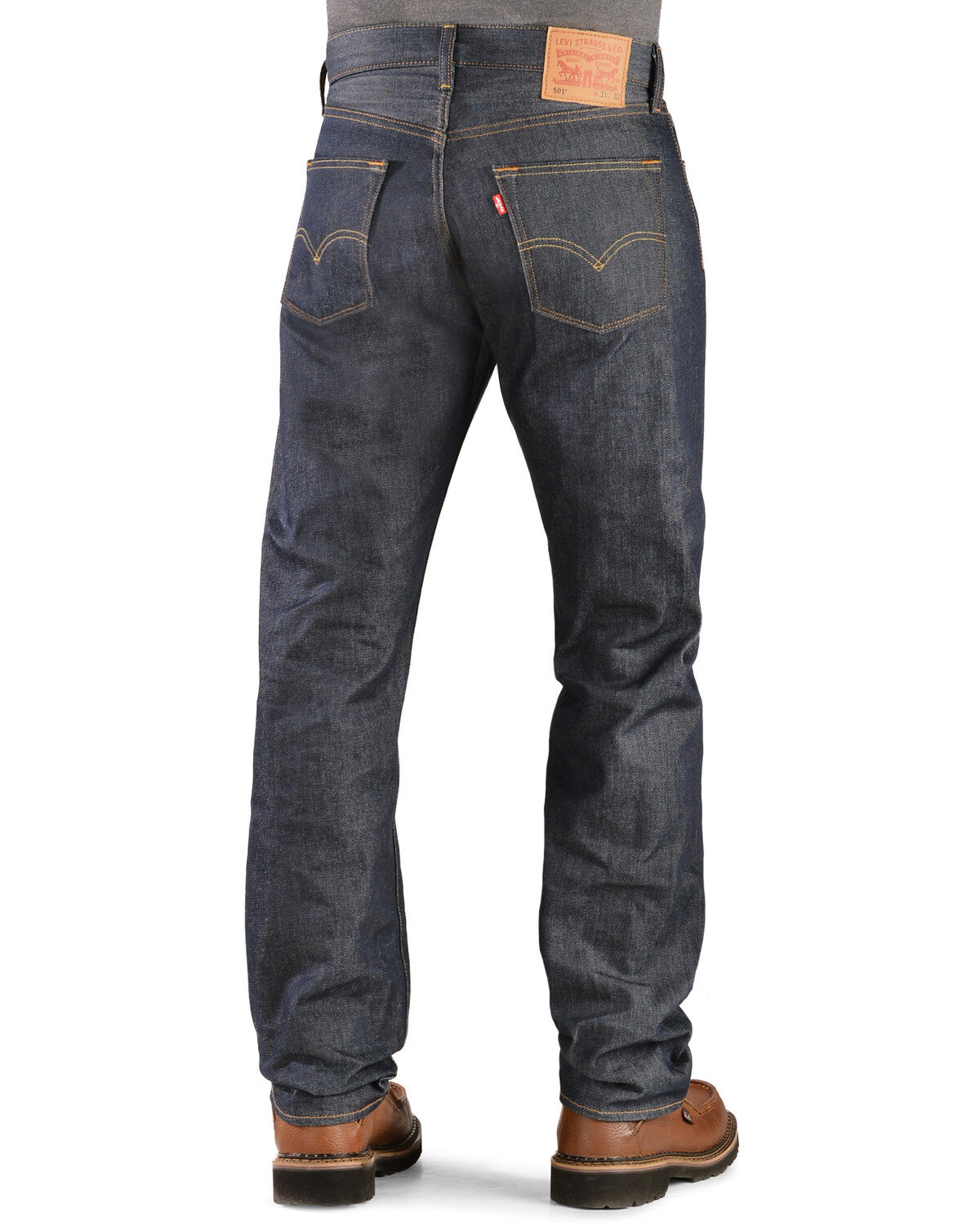 $74.99
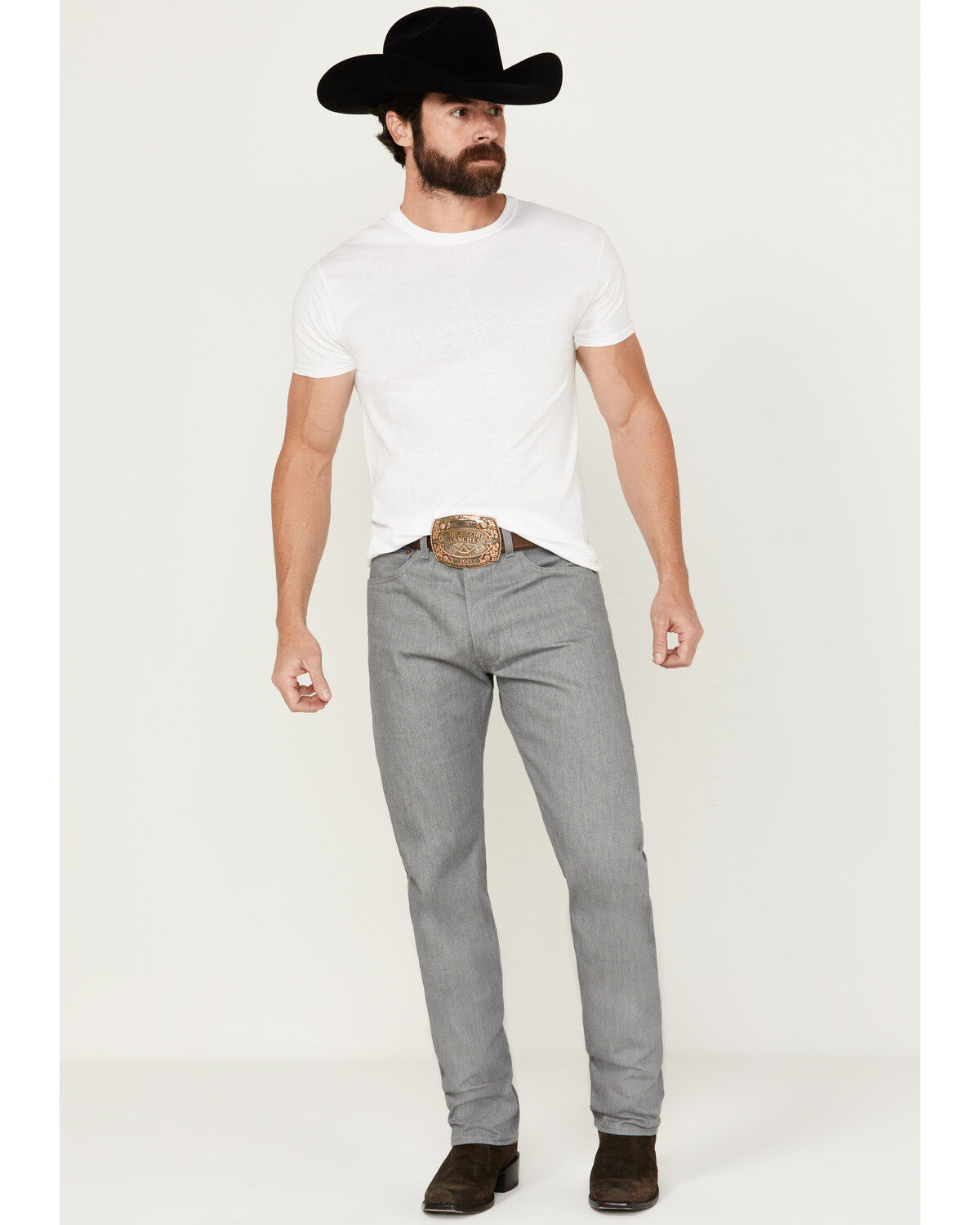 $74.99
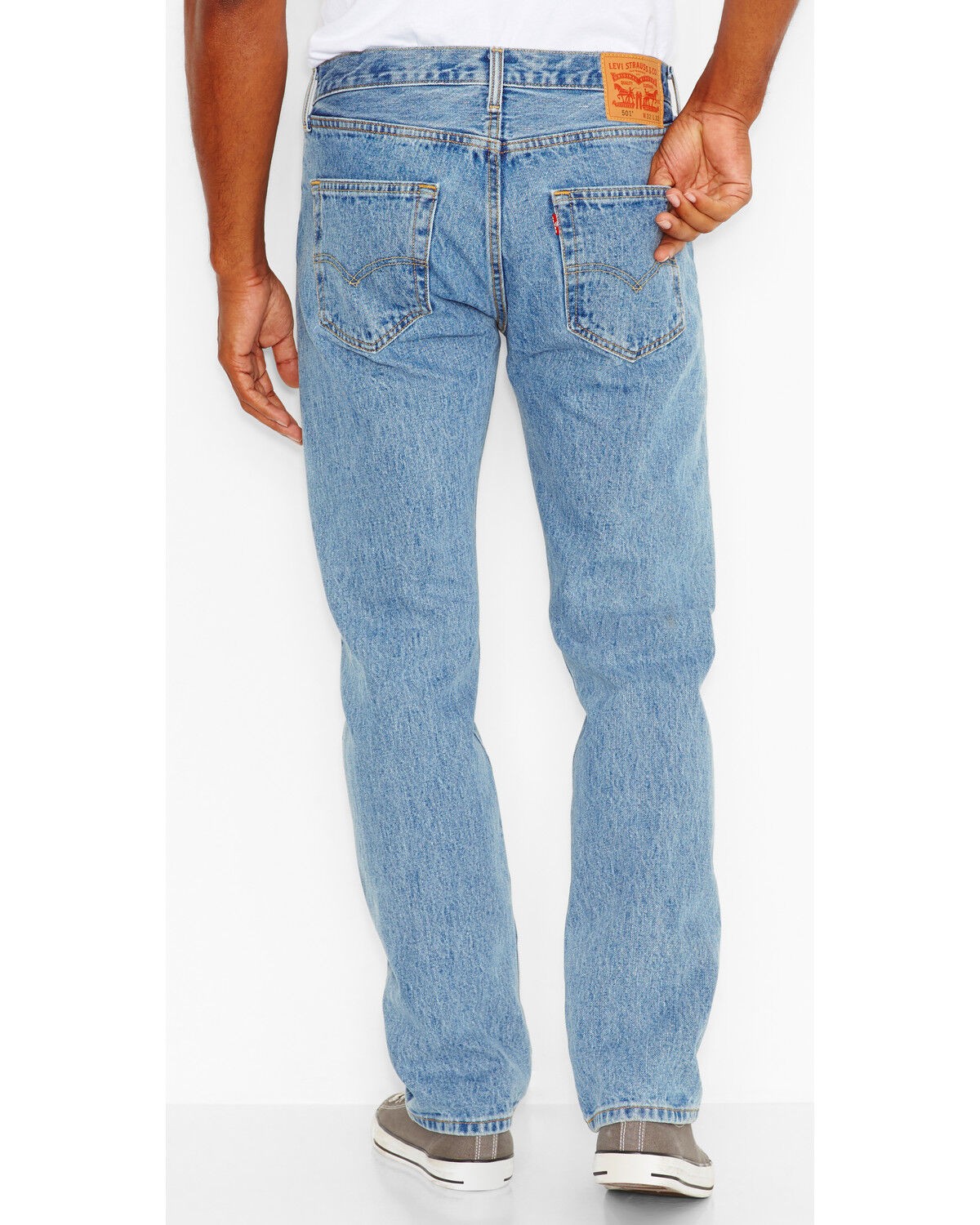 $69.99
 $69.99


