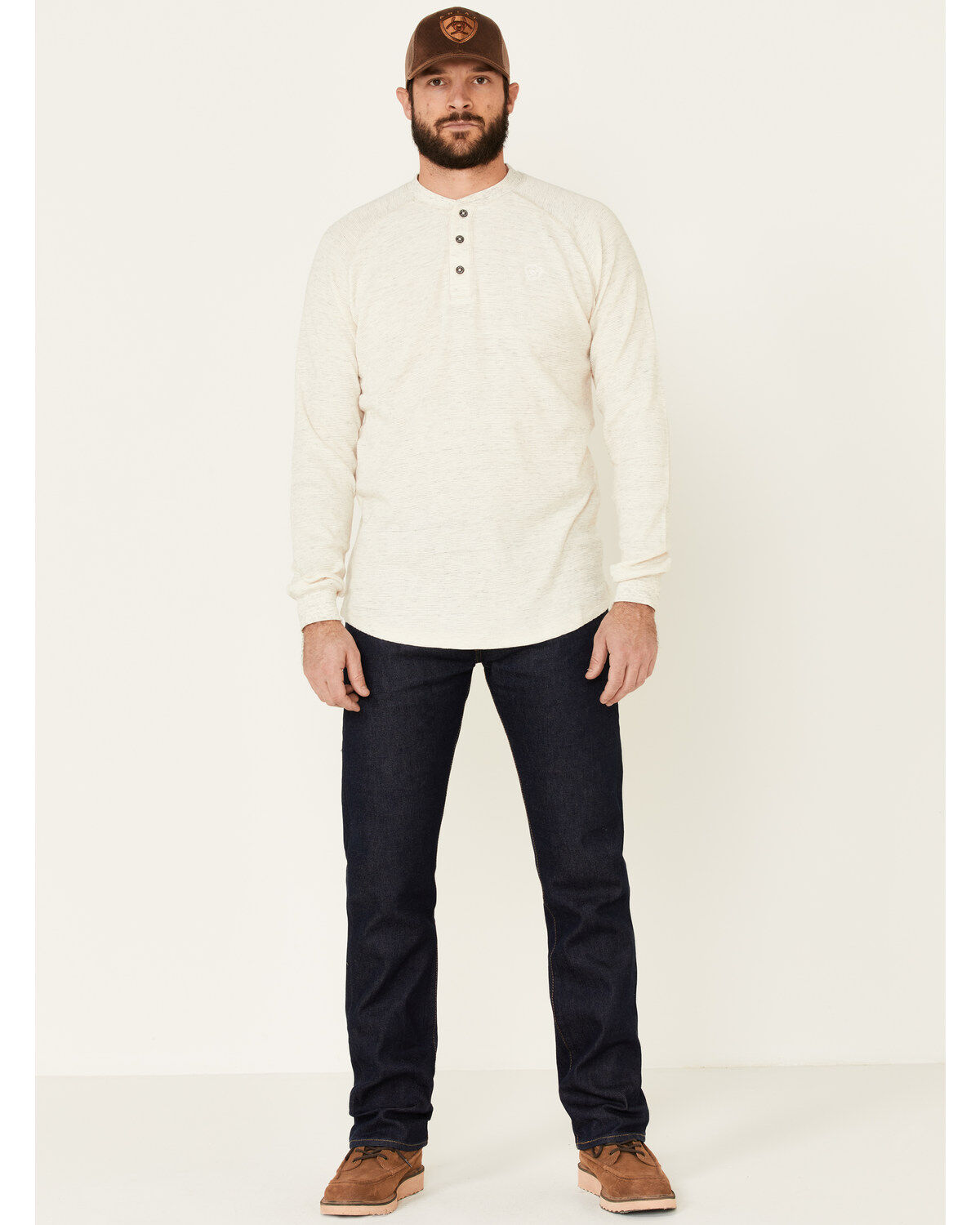
Hard Wearing Denim Jeans

Find hard-wearing denim jeans for work and everyday wear. Browse the selection with your preferred fit and daily routine in mind, and check individual product details to choose the right pair for the job or the weekend.

Read More

Shop Your Store: Shop Your Store: Find a Store

(Turn off Shop Your Store to see all items)

(Turn off Shop Your Store to see all items)

close
  • Recommended
  • Lowest Price
  • Highest Price
Skip pass products

End of products

Hard Wearing Denim Jeans

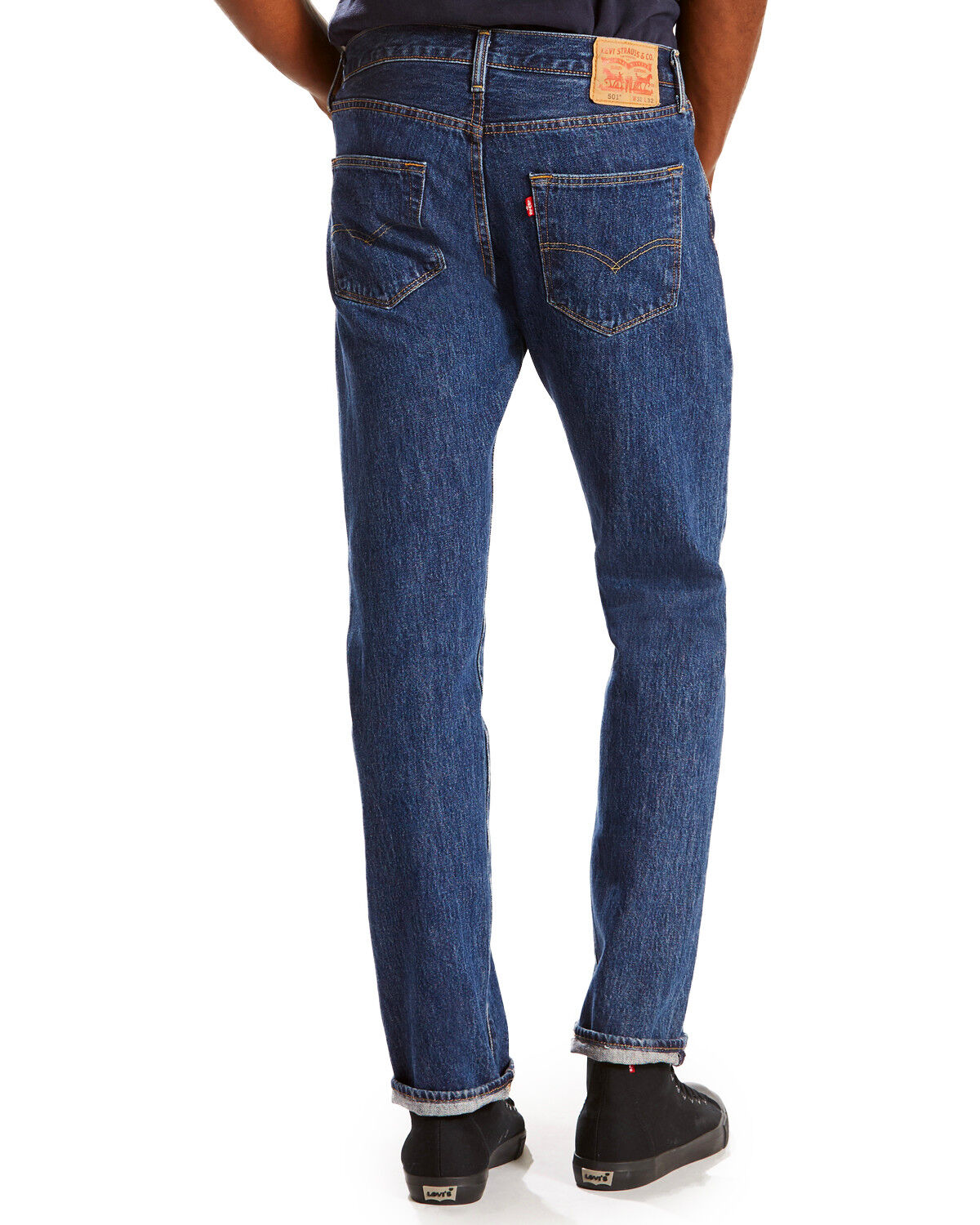
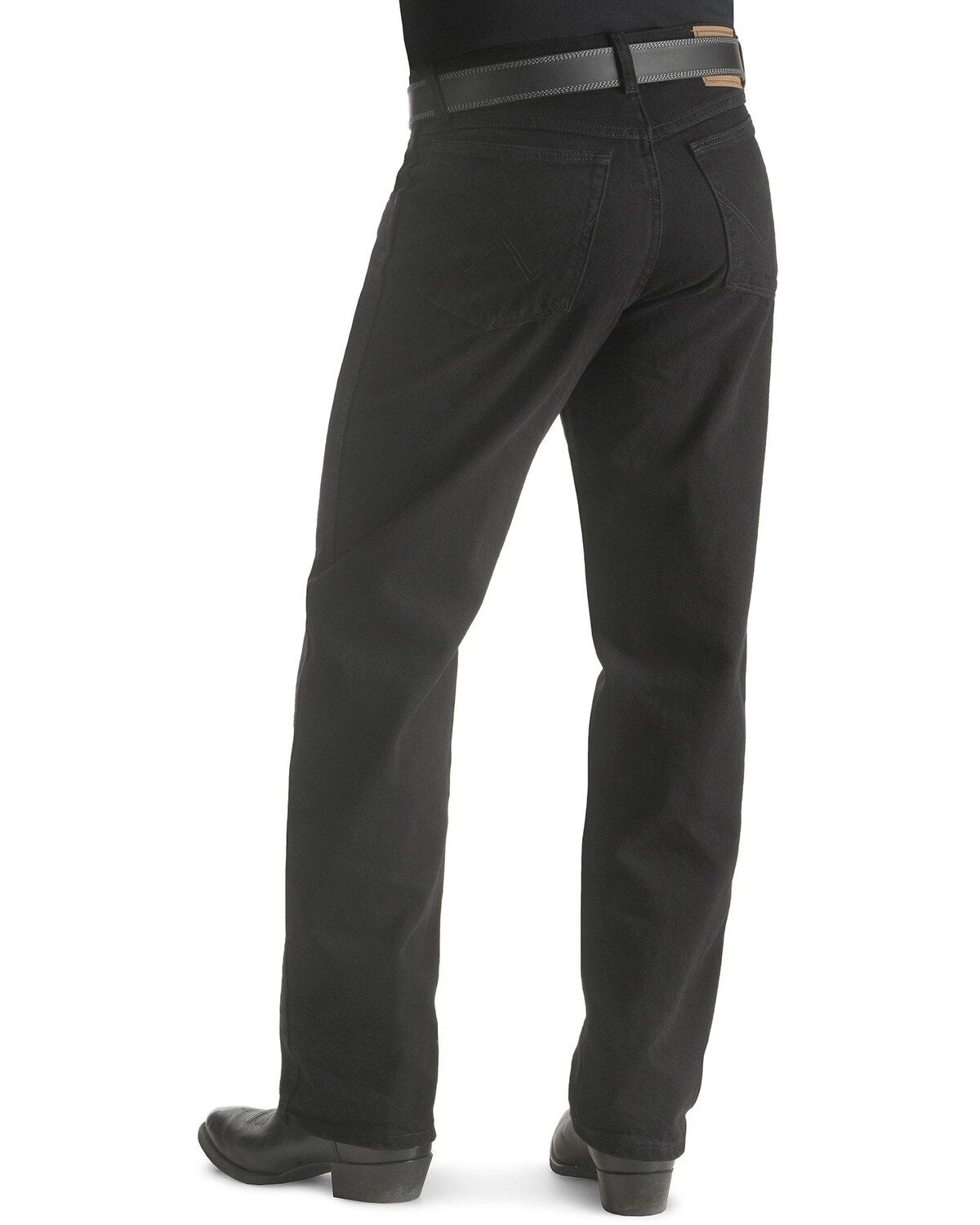
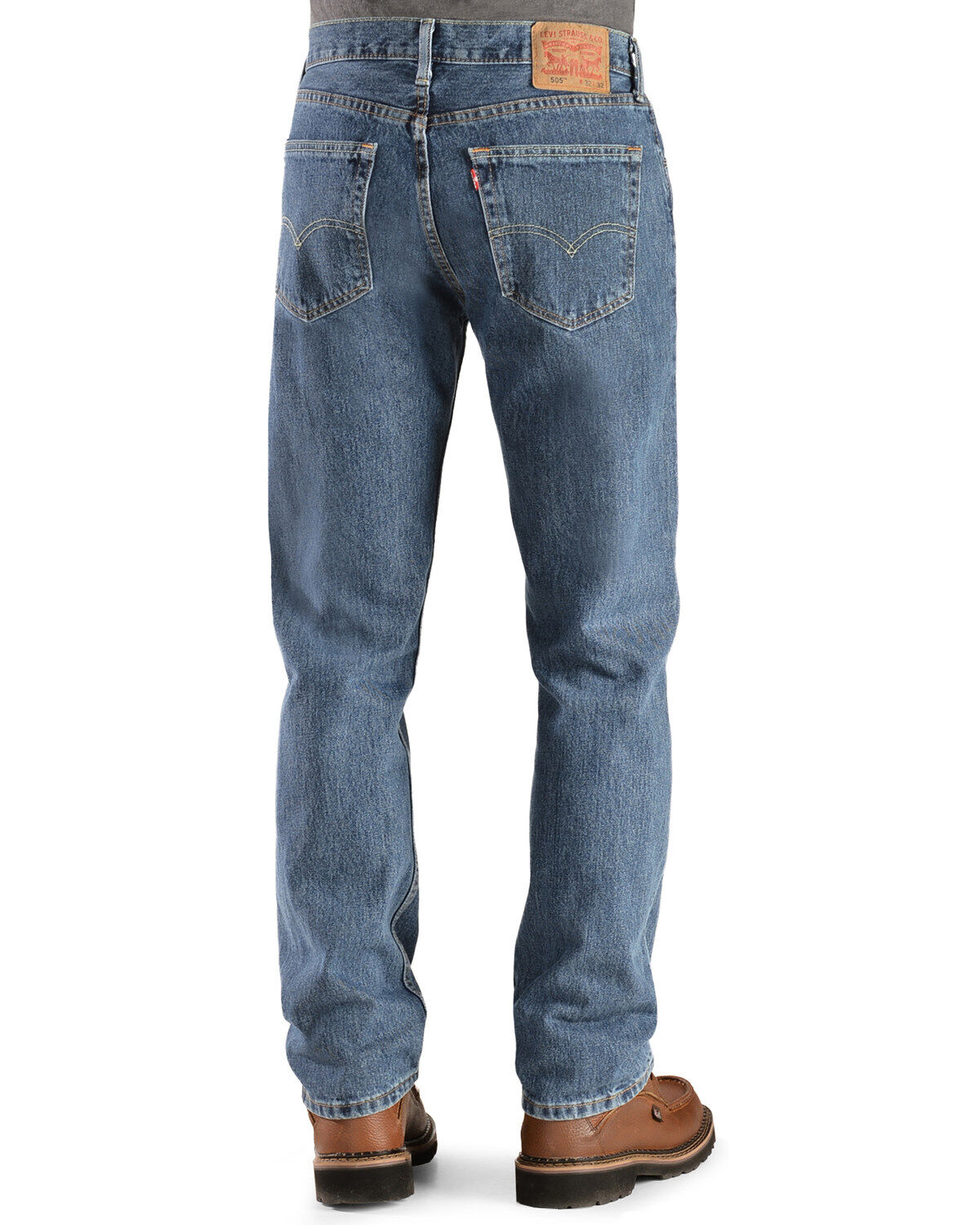
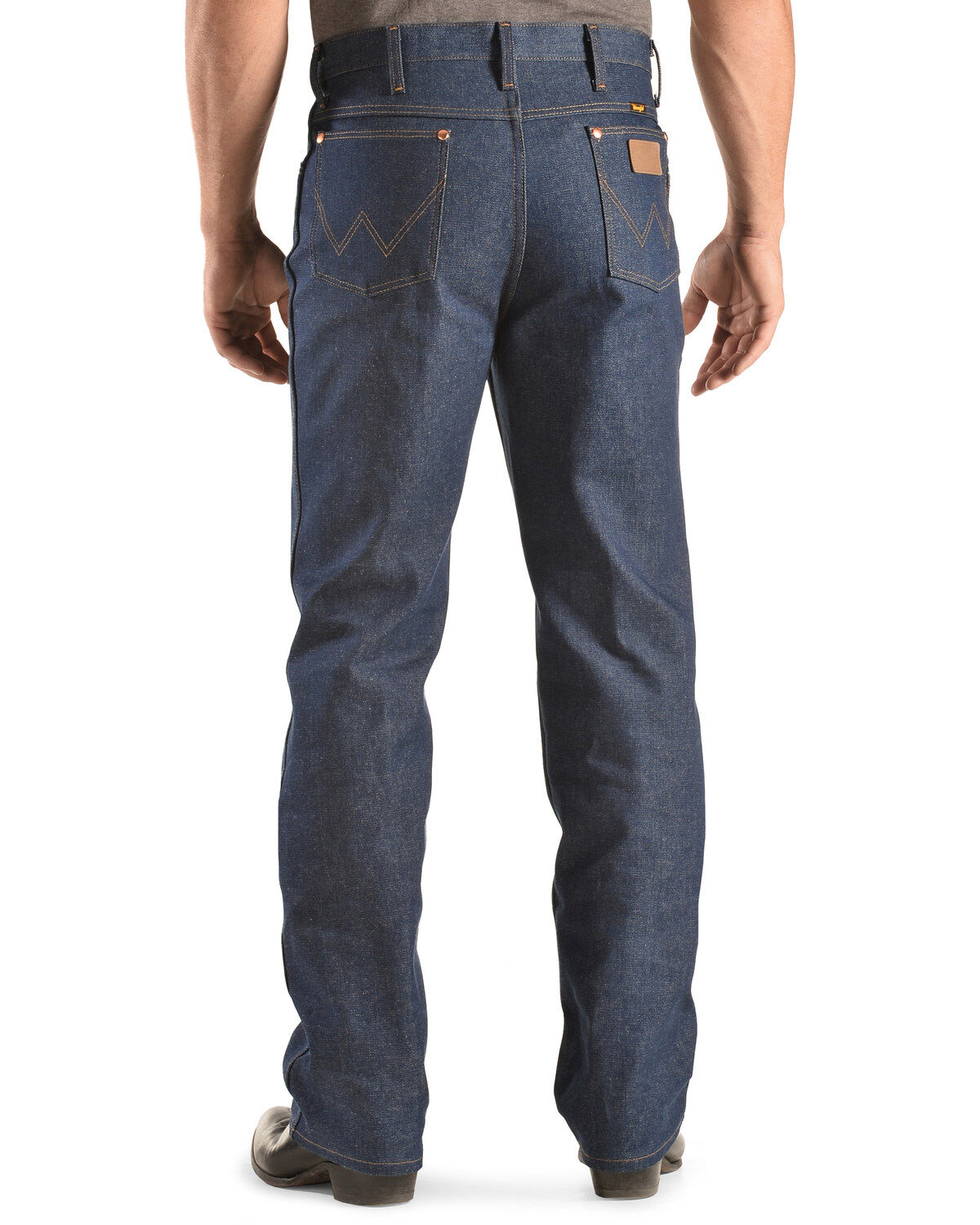
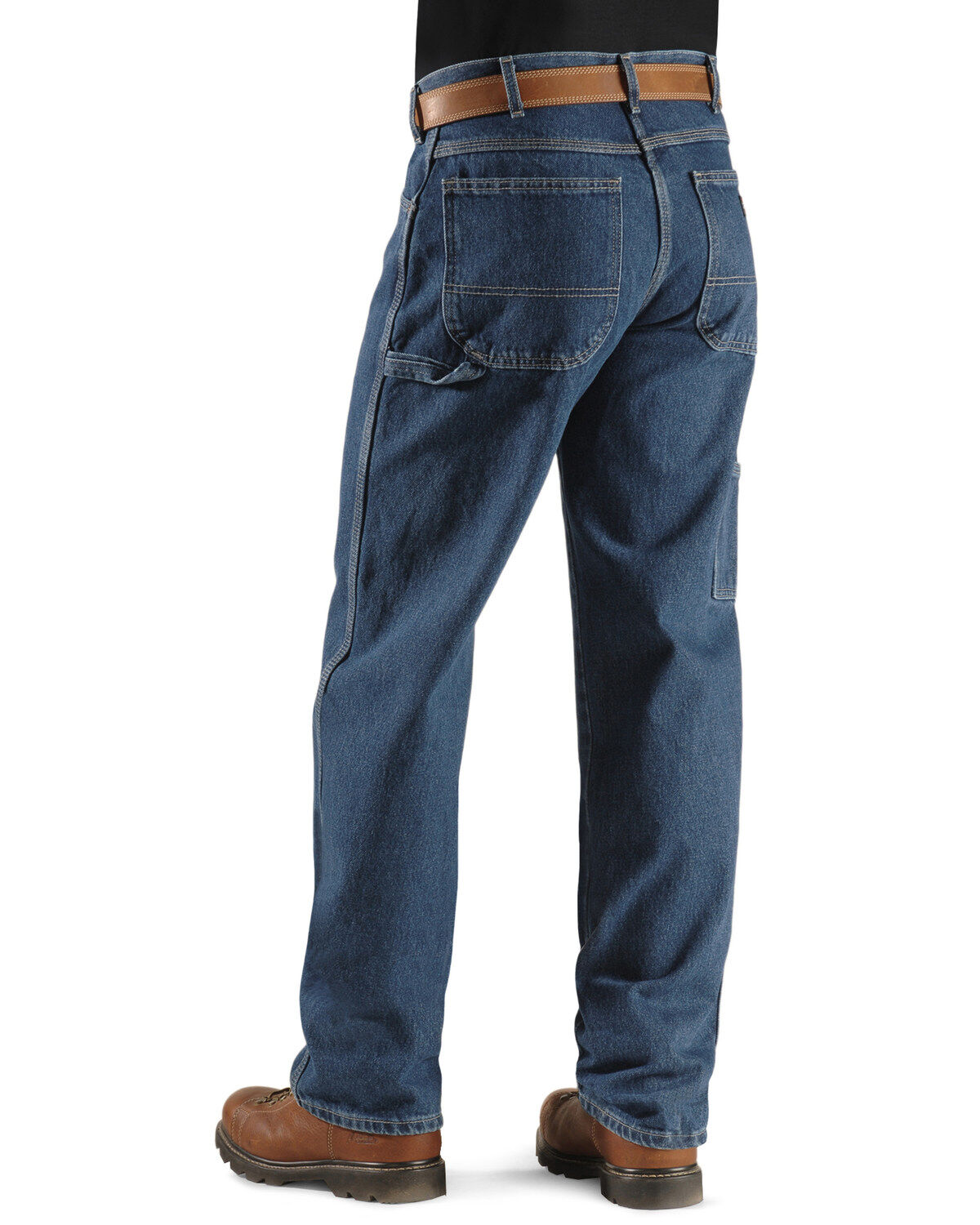
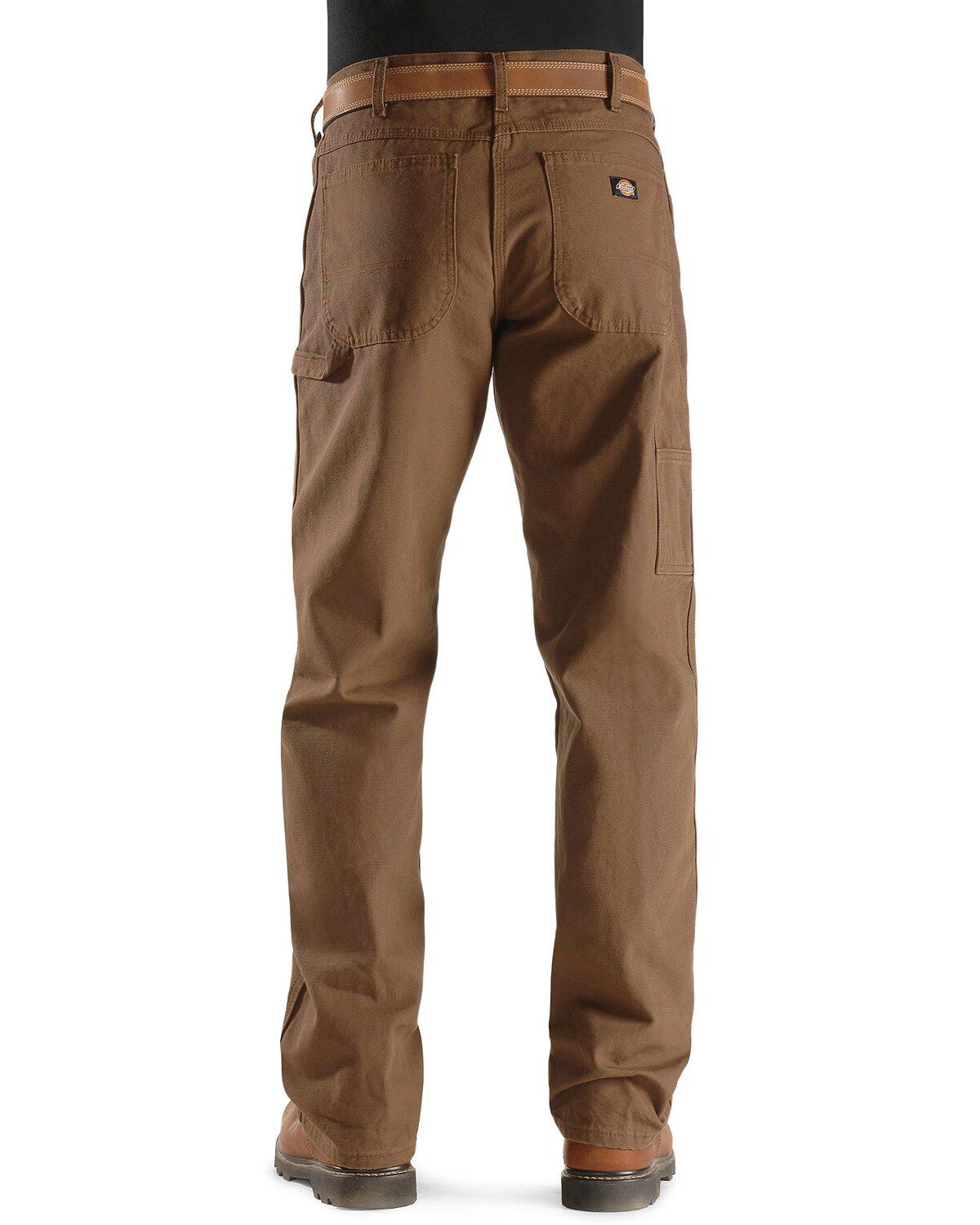
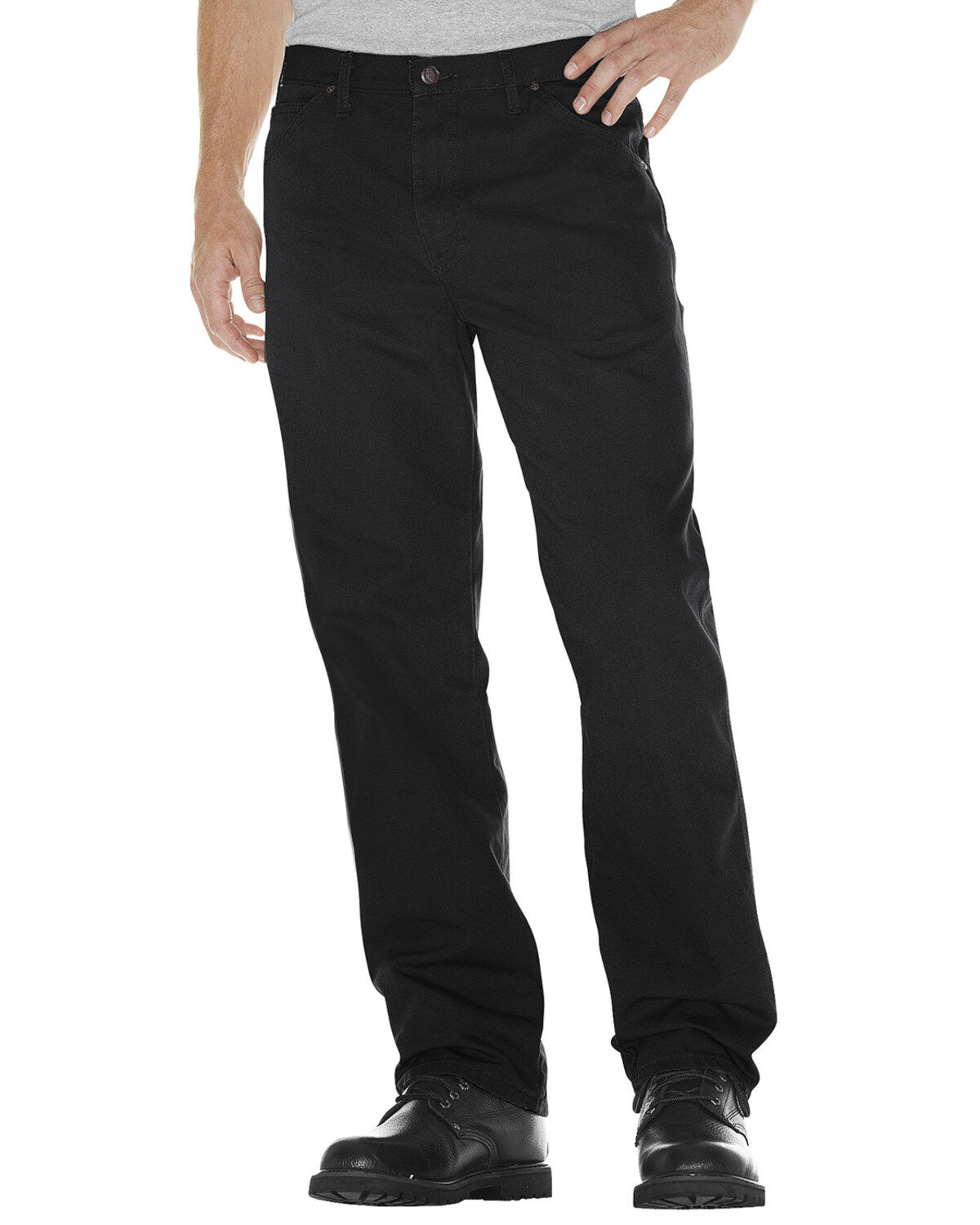
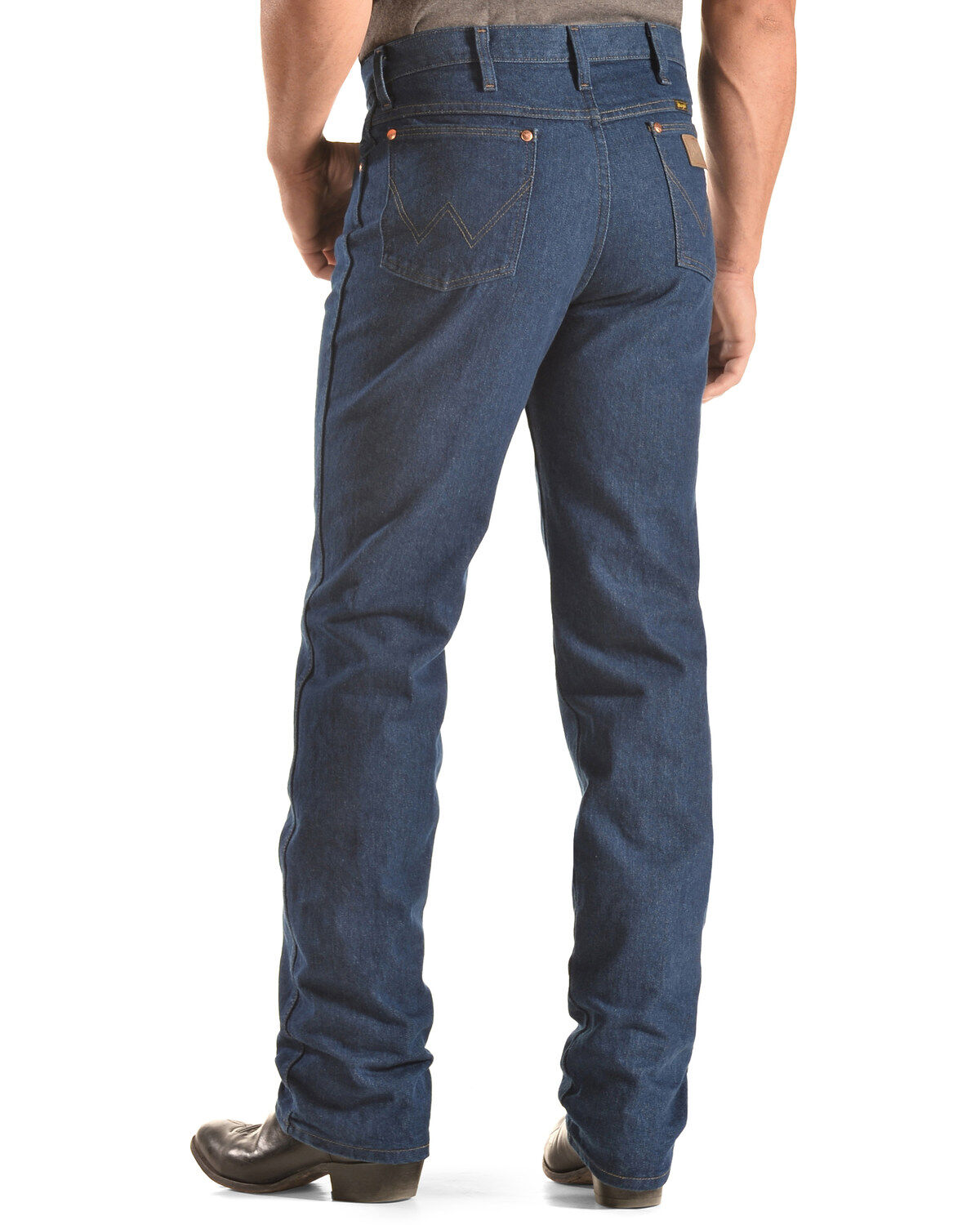
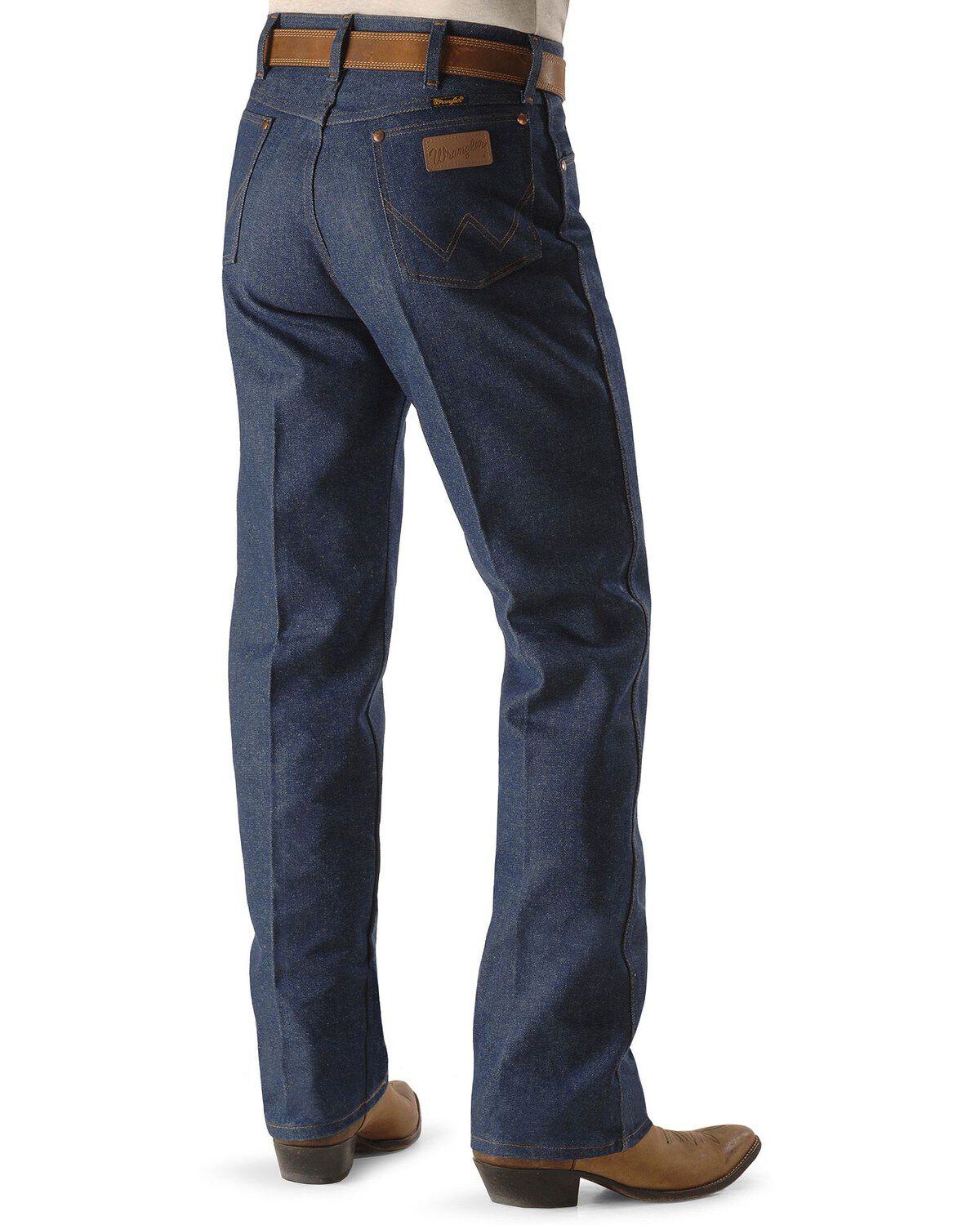
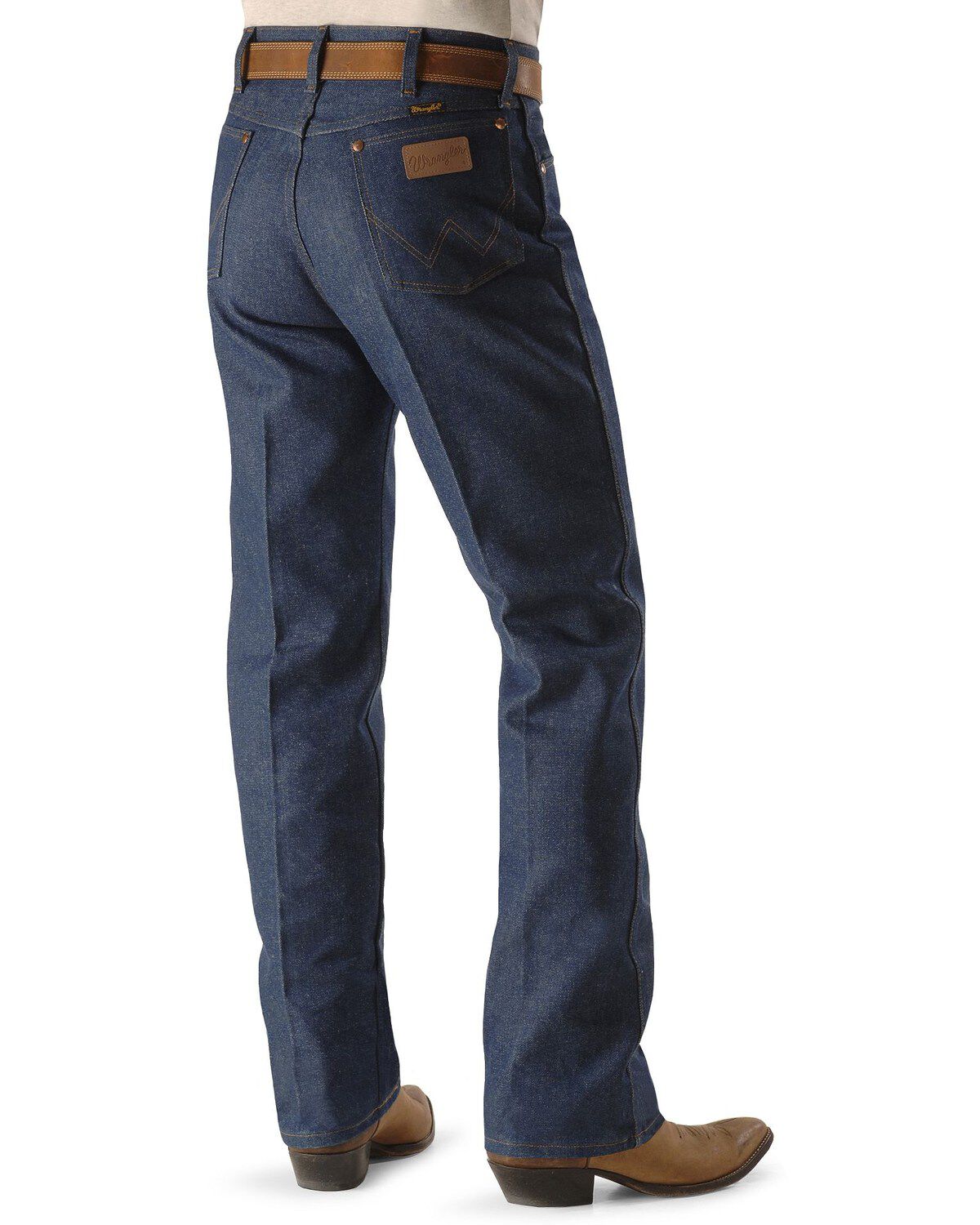
Hard-wearing denim jeans combine sturdy fabric, sound stitching, and a fit that stands up to repeated movement. They belong on the job, around the property, and anywhere a pair of pants has to handle more than a day at a desk. Denim gets much of its strength from its twill weave, with tightly woven yarns creating the familiar diagonal texture. Cotton gives the fabric its substantial feel, while cotton blends can add flexibility or other performance qualities. Fabric weight is one useful measure of construction: denim weight is typically expressed in ounces per square yard, and fabric in the 12- to 16-ounce range often has a substantial feel suited to regular work and everyday wear. Heavier denim can offer greater resistance to abrasion, but weight alone does not determine how long jeans will last. Yarn quality, weave density, stitching, and fit all matter. Ring-spun cotton yarns can provide a strong, smooth foundation, although the finished fabric and garment construction remain more important than any single label. Rigid, 100% cotton denim usually feels firmer at first and gradually conforms to the wearer. Stretch denim includes elastic fibers that help with bending, reaching, and getting in and out of a truck. Neither fabric is automatically the better choice. A person who spends hours kneeling or climbing may value flexibility, while someone who prefers a structured feel may favor all-cotton denim. A small amount of stretch can improve movement without making jeans feel light, but the fabric should also recover its shape rather than stay stretched at the knees or seat. Dark washes, lighter washes, and visible fading describe appearance, not a complete durability rating. For hard daily use, a sound fabric base and well-built seams matter more than whether the finish looks new or broken in.

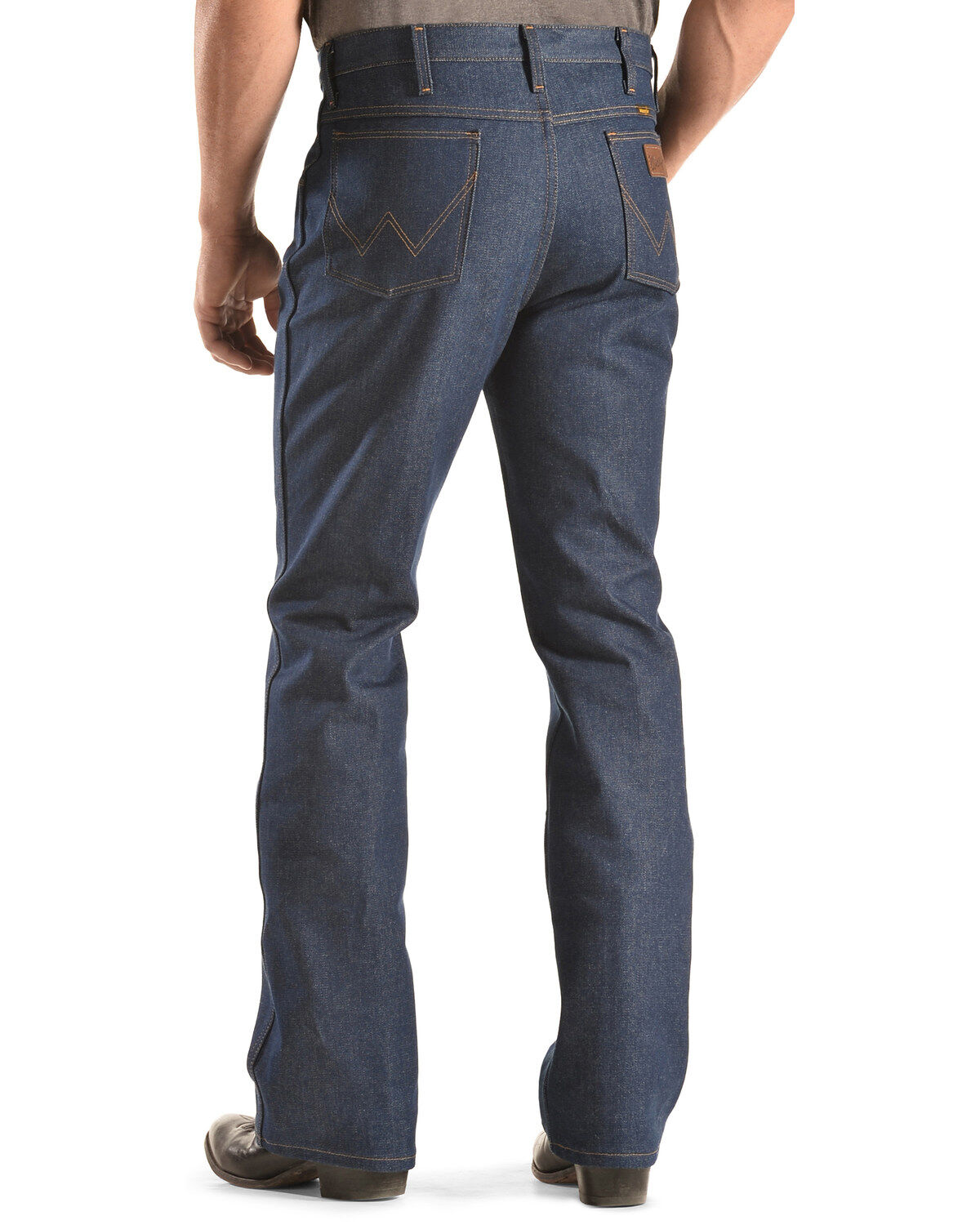
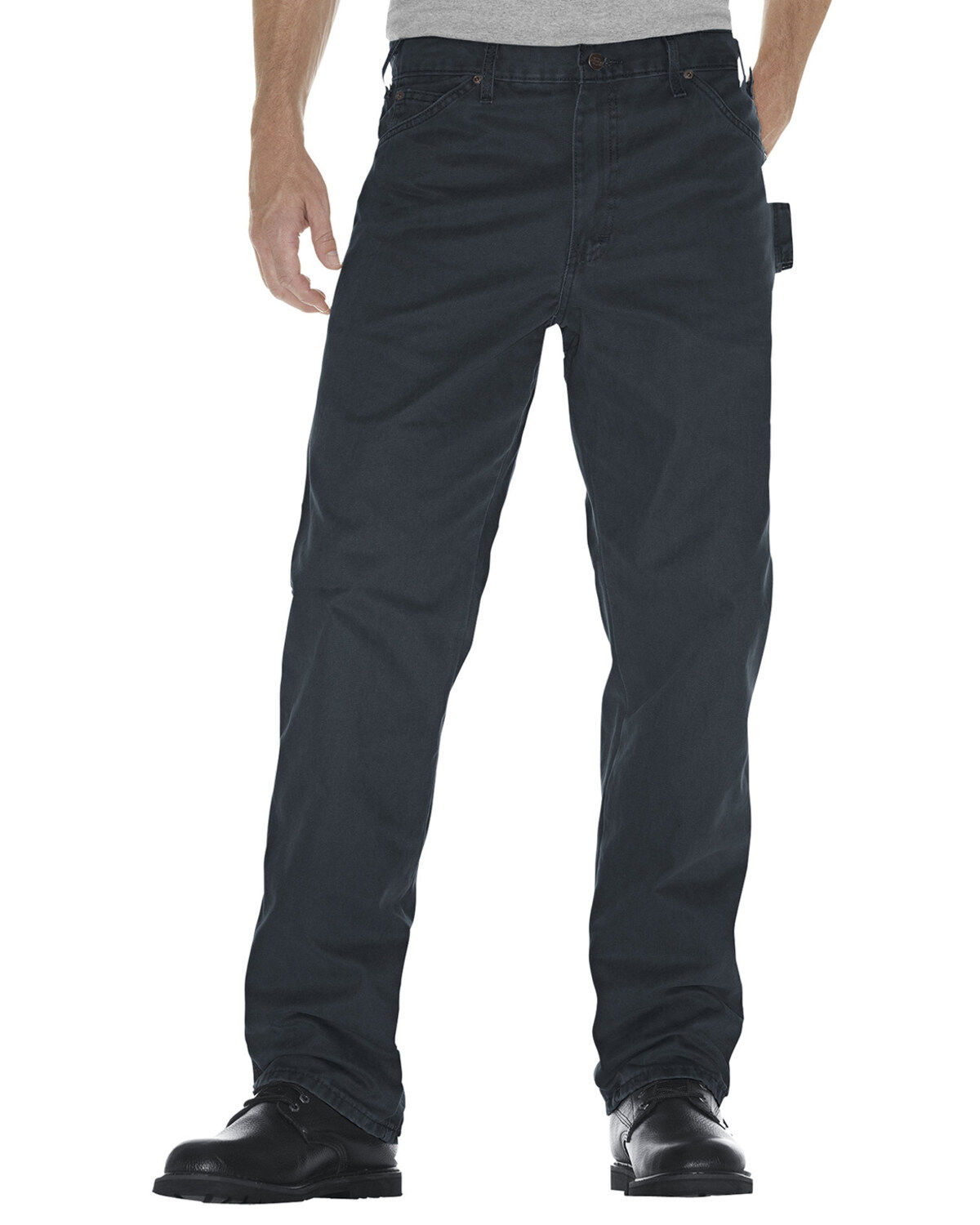
The details that take the most strain deserve the most attention. Pocket corners, belt loops, the crotch seam, and the knees all see repeated pulling or friction. Reinforced stitching at these points can help distribute stress and keep small weaknesses from becoming larger tears. Bar tacks, the short rows of dense stitching often found at pocket openings and belt loops, strengthen areas that get tugged throughout the day. Rivets can serve a similar purpose, though exposed metal may not suit every workplace or surface. Double-knee panels add another layer where kneeling wears fabric down, and reinforced pockets can help withstand the repeated use of tools or other carried essentials. Strong seams should look even, with secure stitching and no loose ends. Extra rows of stitching are useful when they support the garment’s construction; simply adding more stitches does not guarantee stronger jeans. Fit matters just as much. Jeans pulled tight across the seat or thighs place more strain on the fabric each time the wearer crouches or takes a high step. A relaxed fit can provide working room, while a straight leg offers a familiar shape without excess fabric around the lower leg. Bootcut jeans provide more room over a boot shaft, but the hem should still clear the ground instead of dragging under the heel. The right rise keeps the waistband comfortable under a belt and provides coverage when bending. That balance of room, strength, and everyday function is central to Denim Work Jeans. For someone carrying fence supplies, moving lumber, or working at a bench, useful freedom of movement means being able to squat, step, and reach without the waistband biting or the knees binding. Pocket placement also affects comfort. A bulky object pressed against the thigh while sitting or climbing can make even a sturdy pair inconvenient. Practical construction keeps essentials accessible without adding unnecessary bulk or loose fabric that can catch on equipment.

Durable jeans still benefit from straightforward care. The care label should set the rules, especially for stretch blends, particular finishes, and fabrics that may shrink. Washing inside out helps limit surface abrasion and protects the face of the denim from constant rubbing against other garments. Closing the zipper and avoiding an overloaded washer can also reduce unnecessary wear during laundering. Use the recommended water temperature and a measured amount of detergent rather than assuming a stronger wash will produce a better result. Dirt left embedded in the fabric can contribute to abrasion, so jeans used for demanding work should be cleaned when needed, not left dirty simply to preserve their color. High dryer heat can cause shrinkage and shorten the useful life of elastic fibers; drying according to the label helps preserve both fit and flexibility. Work jeans also last better when early damage gets attention. A loose pocket corner or thinning knee is easier to address before it becomes a full tear. Repairs can extend useful wear, provided they do not interfere with workplace requirements or safe movement. Ordinary denim should not be treated as flame-resistant clothing or specialized protective equipment unless it carries the appropriate rating for the task. Hard-wearing jeans make sense for ranch workers, tradespeople, property owners, and anyone who prefers dependable clothing for everyday use. They can also be a practical gift for someone who wears denim often, particularly when the recipient’s waist, inseam, preferred rise, and usual cut are known. A familiar fit is generally more useful than guessing at a different silhouette. For long days on foot, look for enough room through the hips and knees; for regular wear with cowboy boots or work boots, consider how the leg opening sits over the shaft. The strongest pair is not necessarily the heaviest or stiffest. It is the pair whose fabric, construction, and fit match the work, with enough comfort to keep wearing it and enough substance to handle repeated use.
Read More

FAQs