Fringed Coats

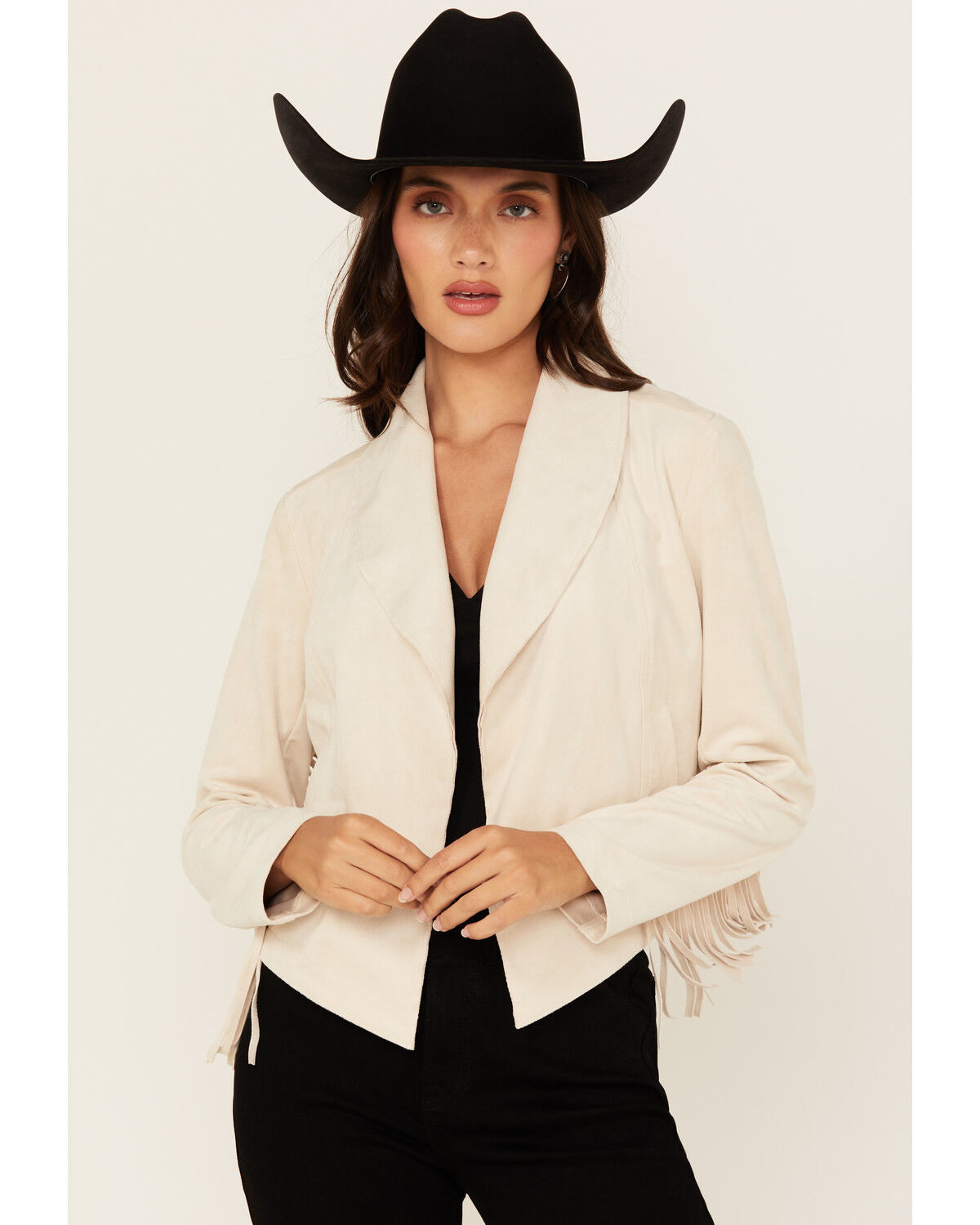
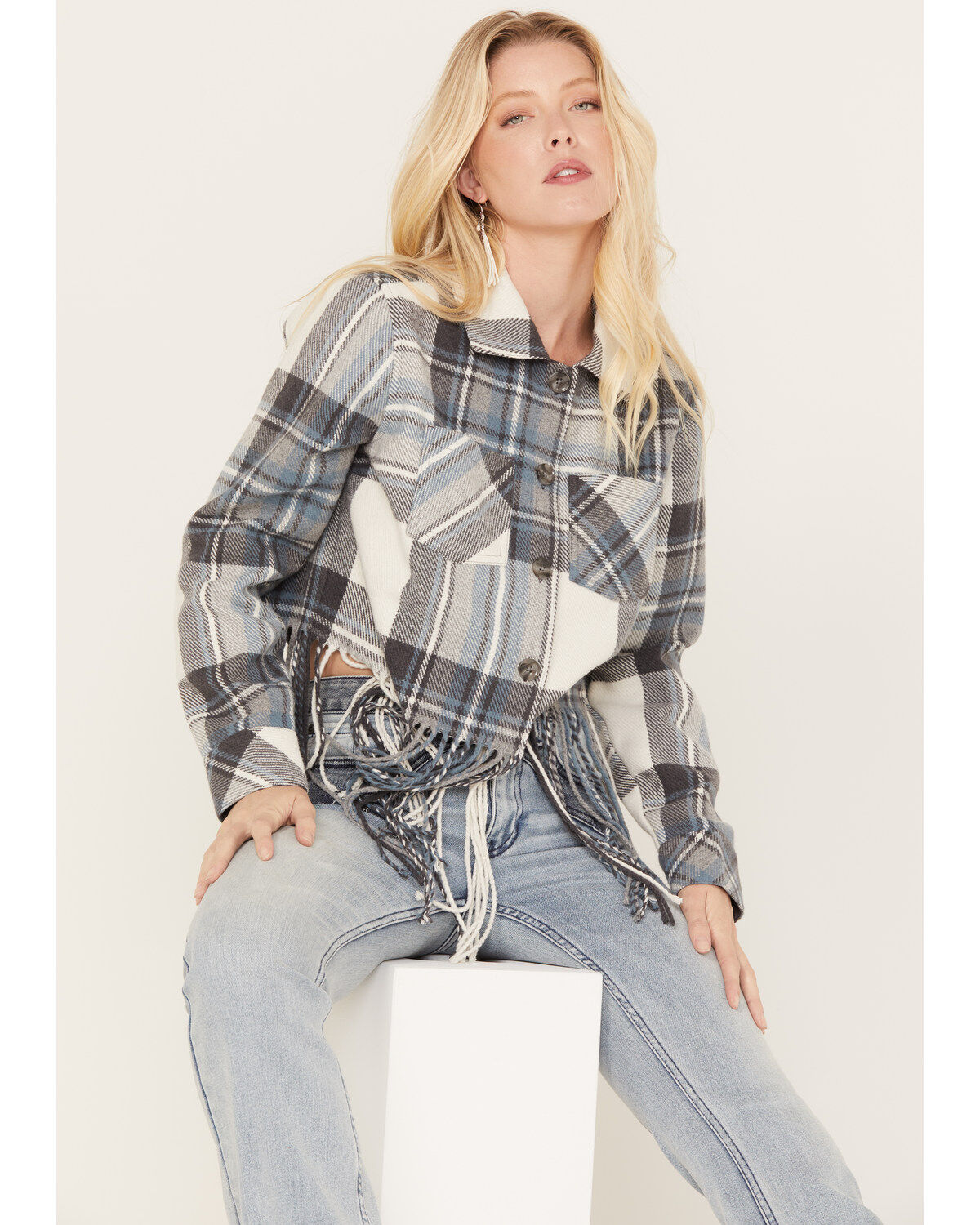
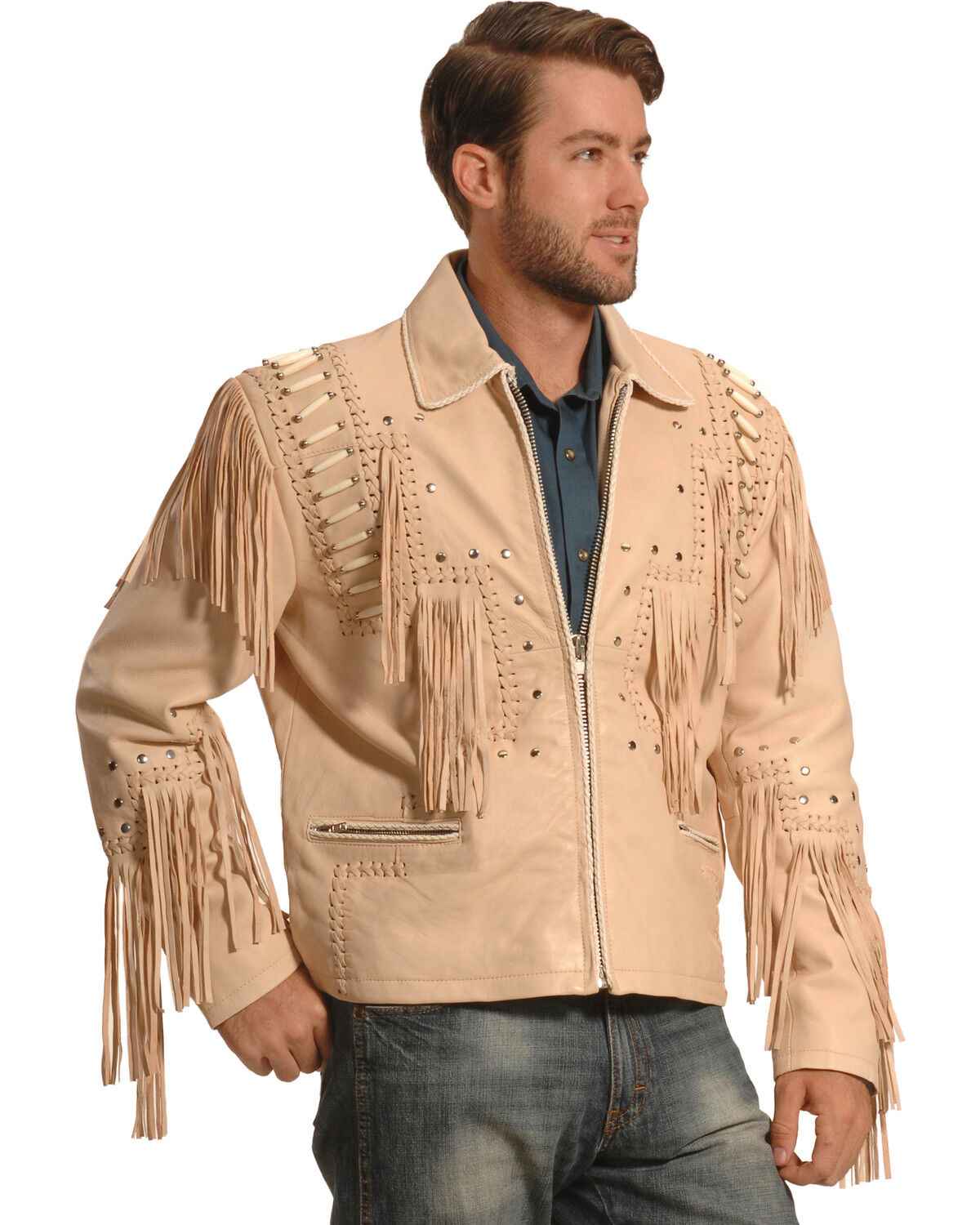
Shop fringed coats for western-inspired outerwear with added texture and movement. Compare coat length and fringe placement to find the look you want, and check the fit with your usual layers in mind.

Shop Your Store: Shop Your Store: Find a Store

(Turn off Shop Your Store to see all items)

(Turn off Shop Your Store to see all items)

close
  • Recommended
  • Lowest Price
  • Highest Price
Skip pass products
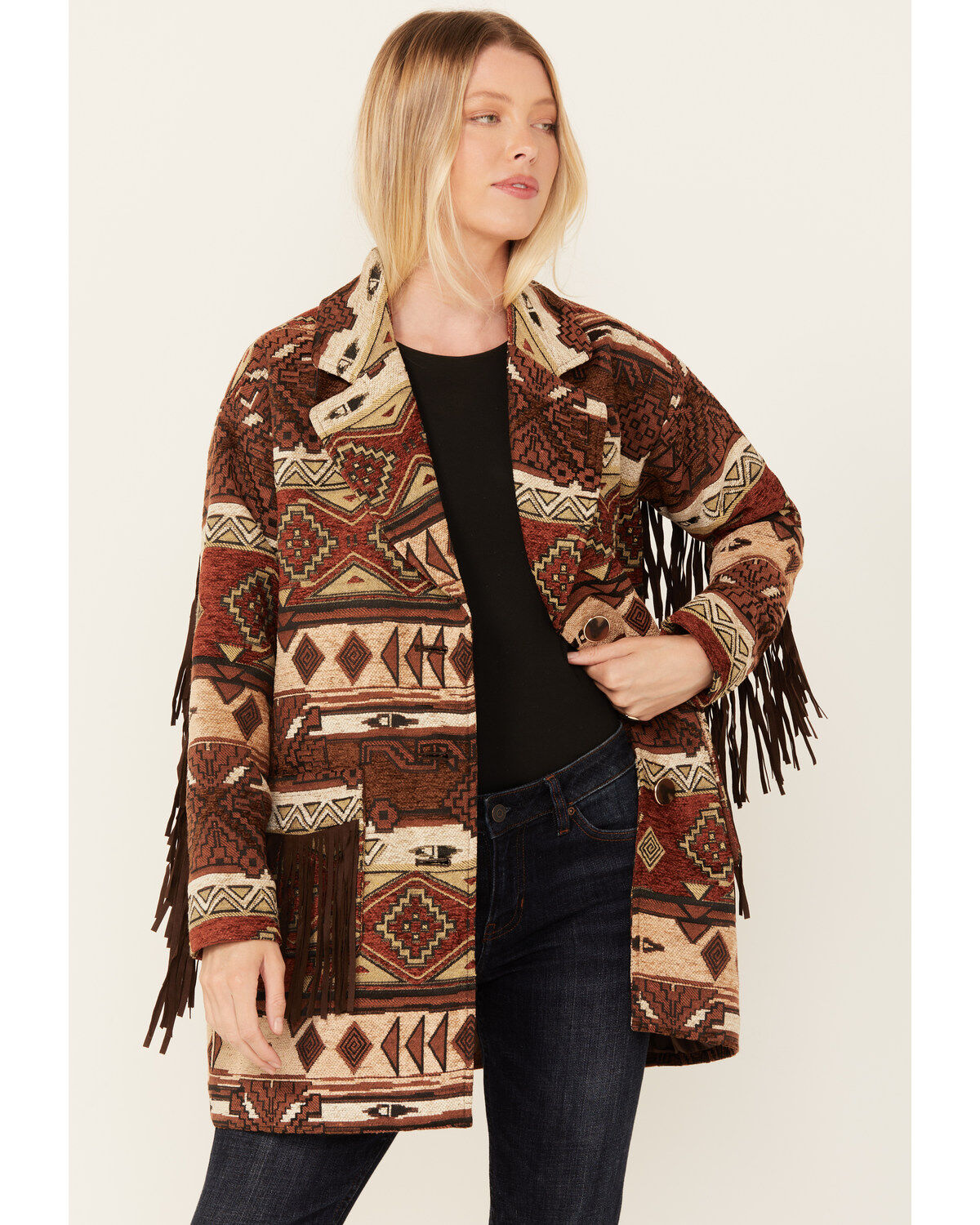
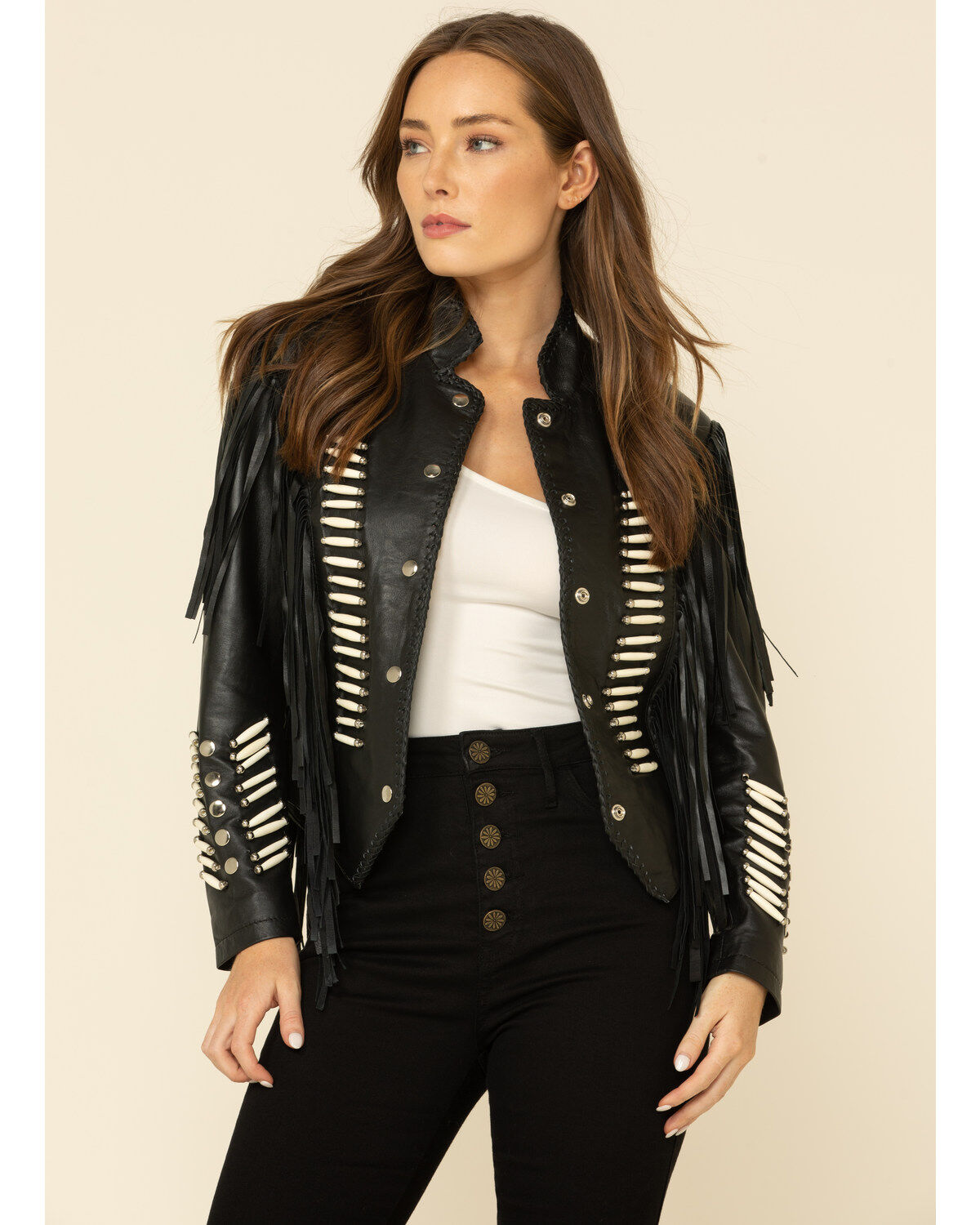
  • Women's Shyanne Tribal Tapestry Fringe Coat
    Original Price $159.99 $110.97
    31% Total Savings
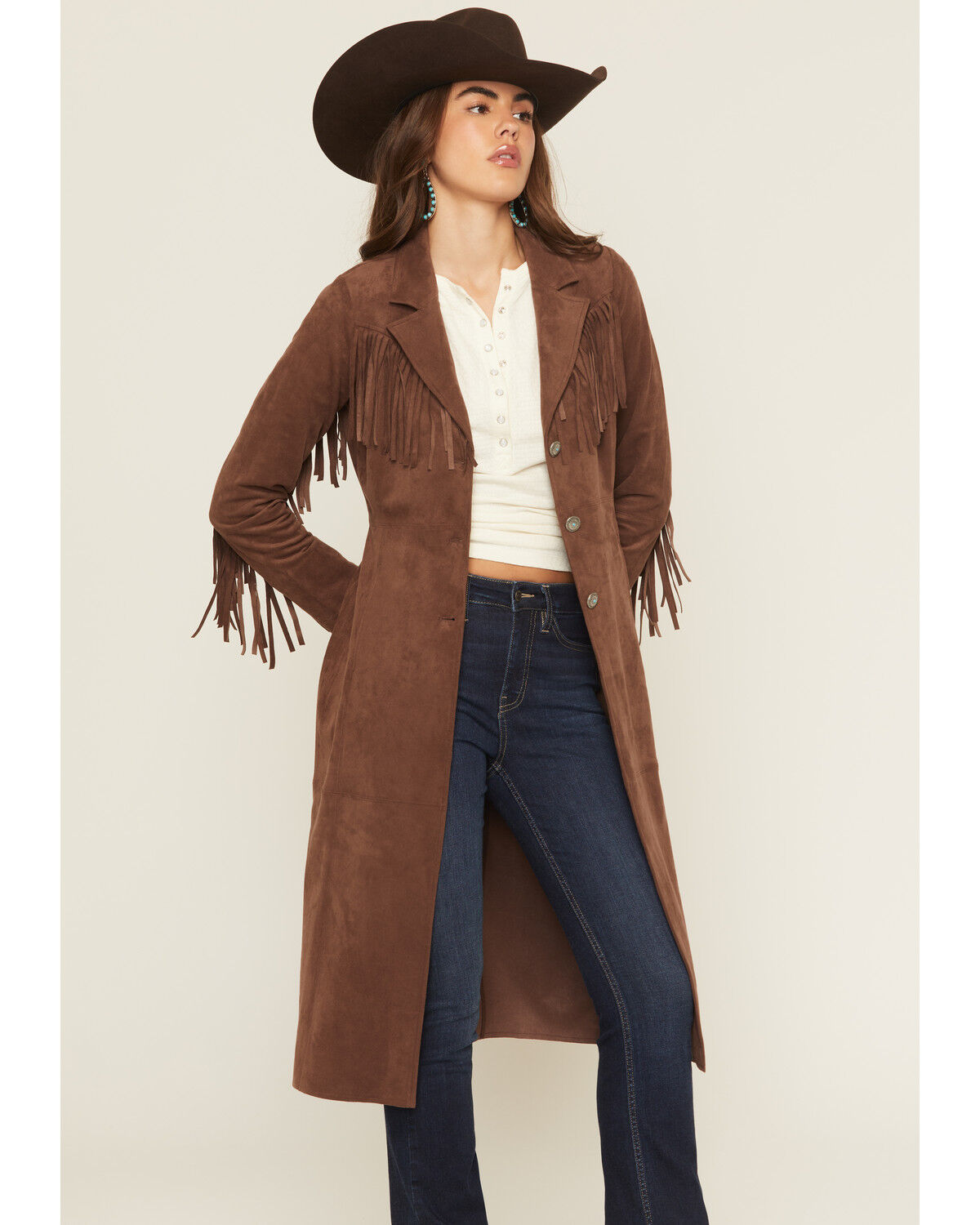
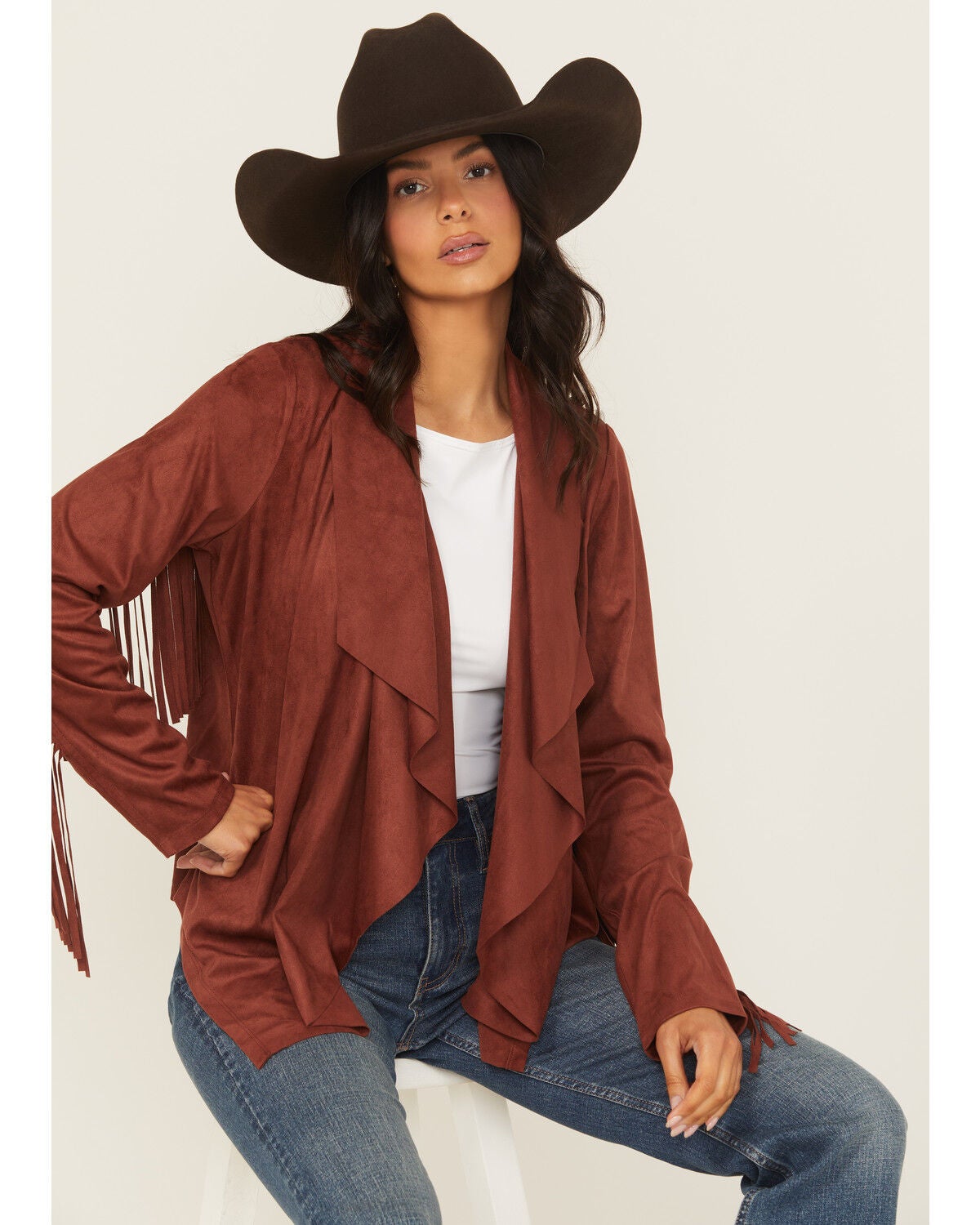
  • Women's Shyanne Faux Suede Fringe Trench Coat
    Original Price $129.99 $89.97
    31% Total Savings
  • Women's Azalea Wang Fringe Faux Leather Coat
    Original Price $129.99 $89.97
    31% Total Savings
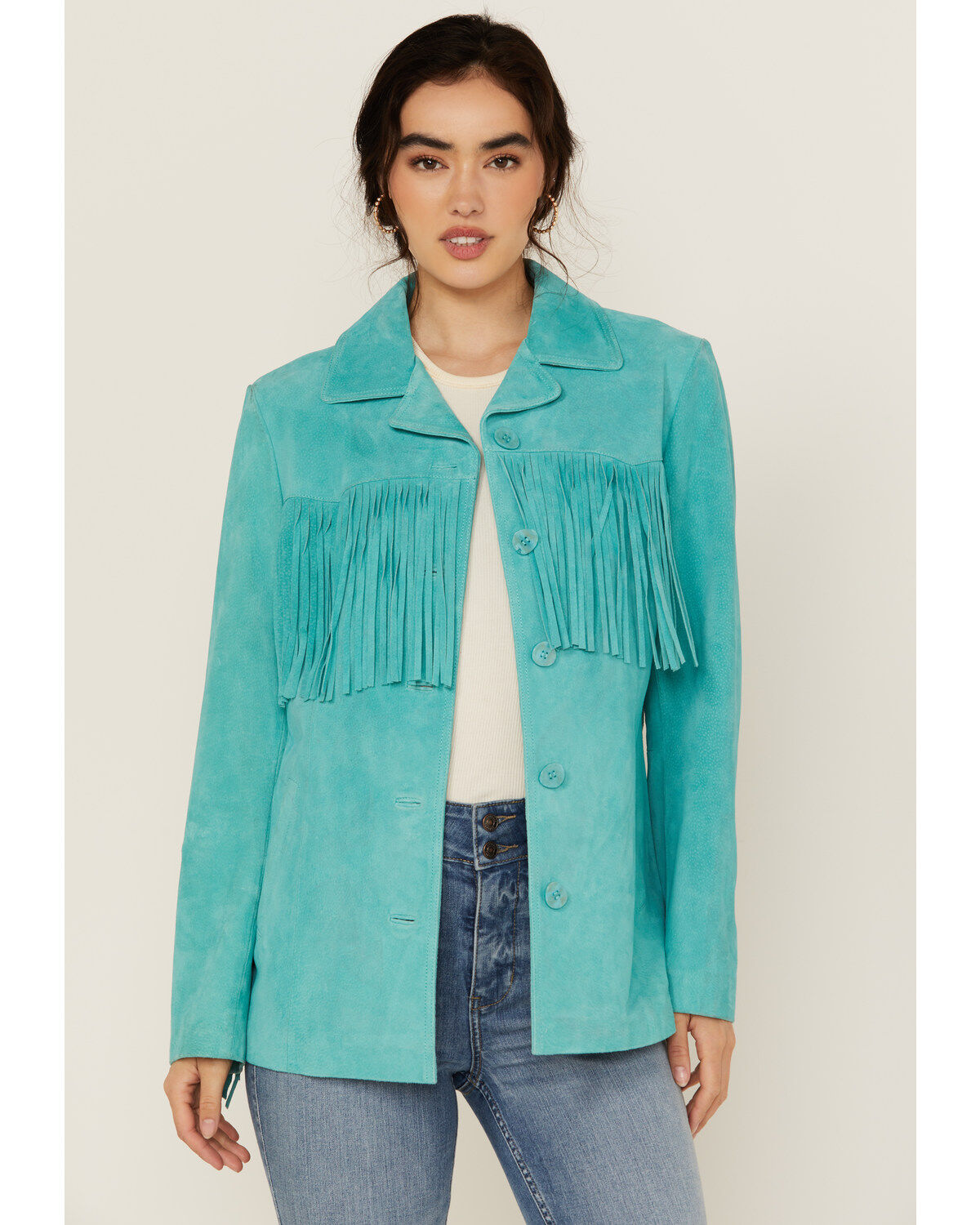
  • Women's Shyanne Faux Suede Fringe Jacket
    Original Price $89.99 $61.97
    31% Total Savings
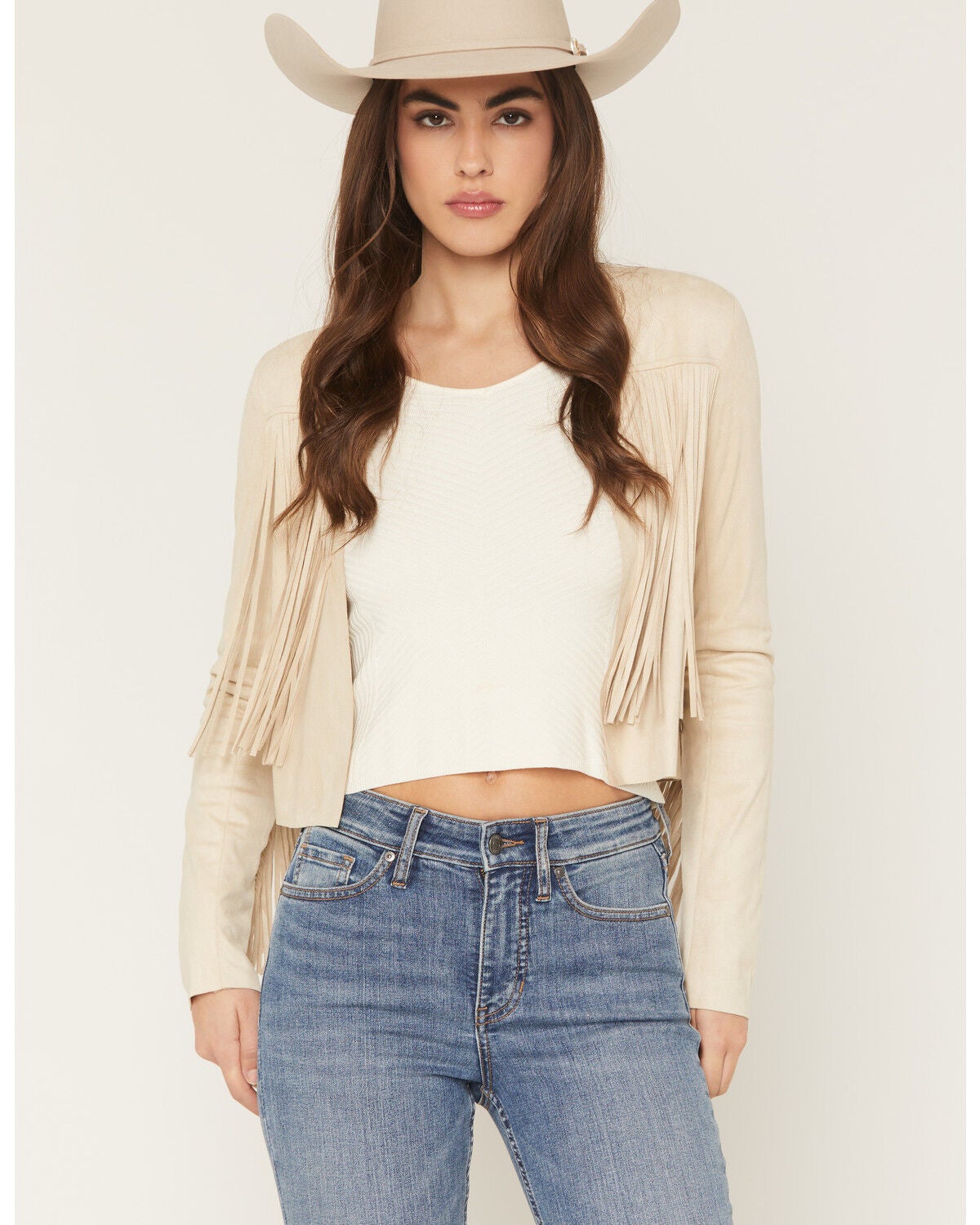
  • Women's Idyllwind Walker Cropped Fringe Jacket
    Original Price $89.99 $61.97
    31% Total Savings
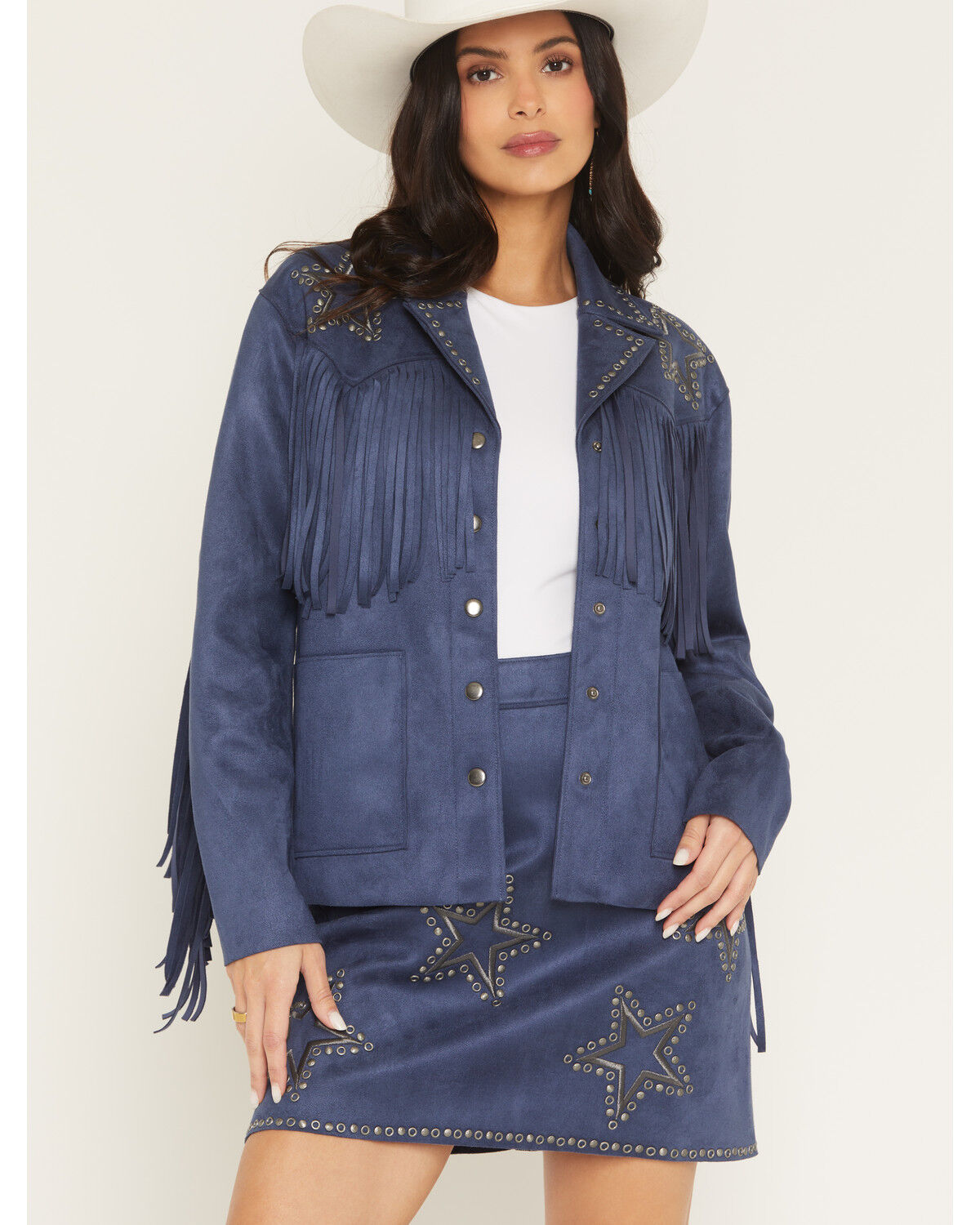
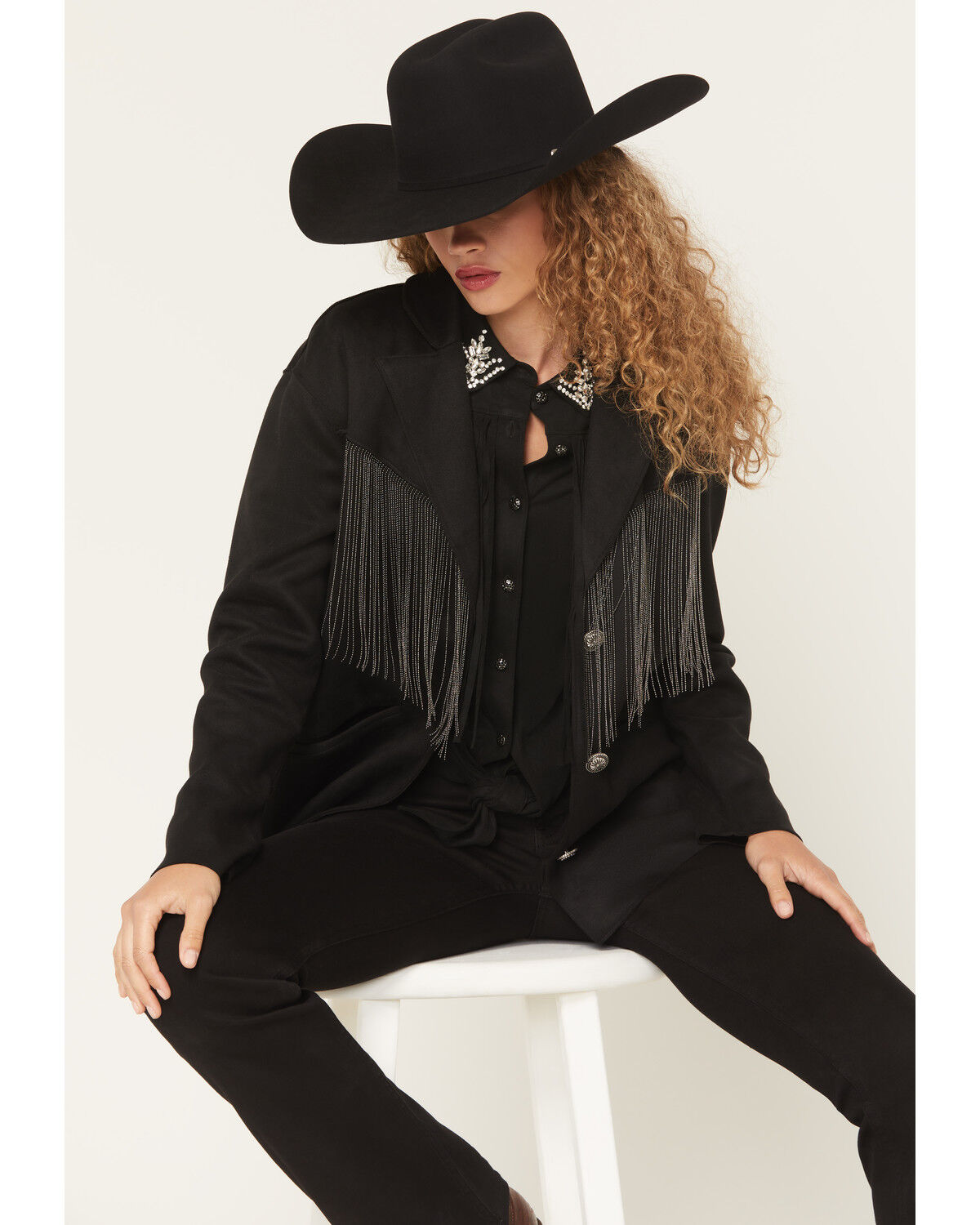
  • Women's Idyllwind Lonestar Fringe and Studded Faux Suede Jacket
    Original Price $129.99 $89.97
    31% Total Savings
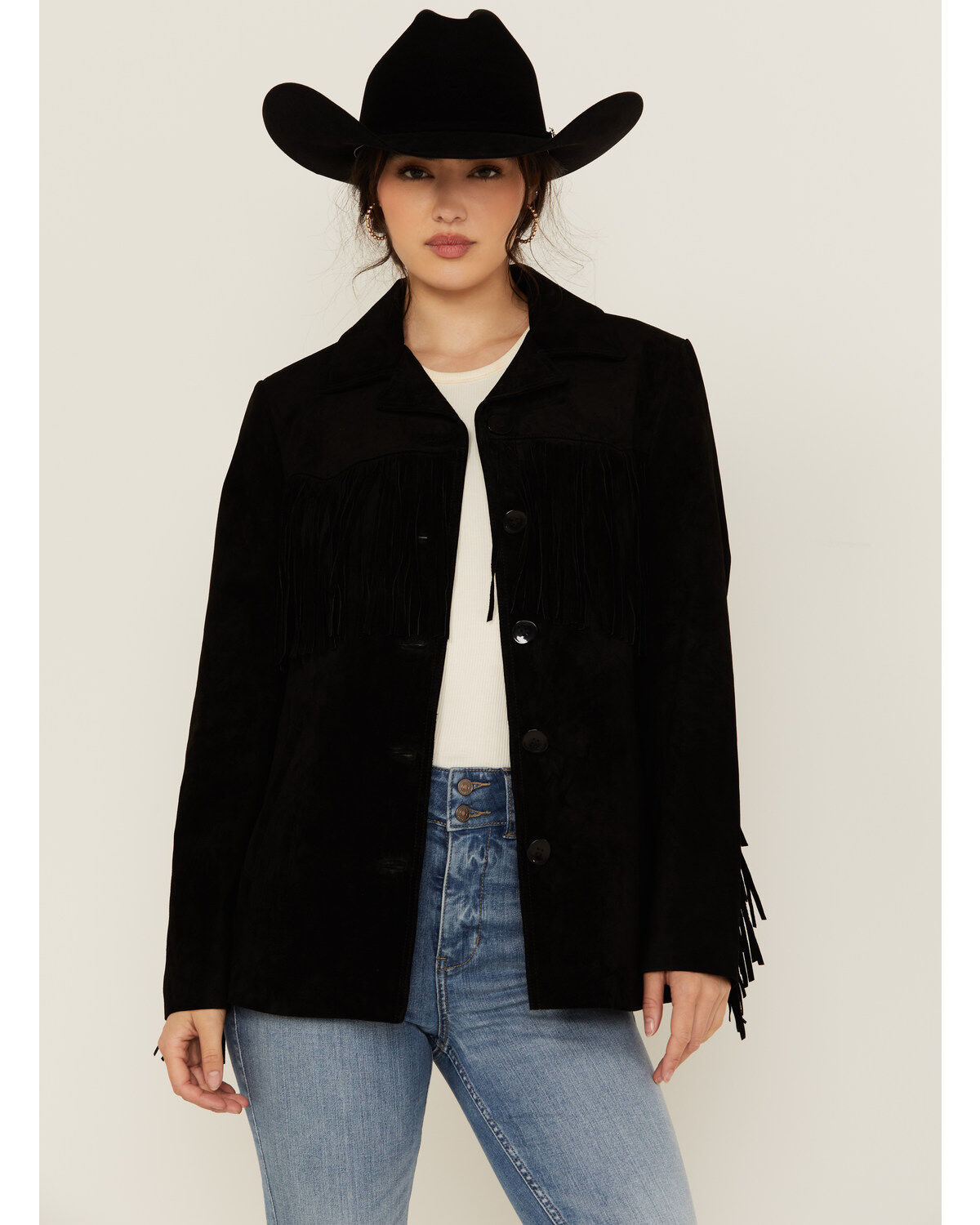
  • Women's Shyanne Cascade Front Faux Suede Fringe Jacket
    Original Price $79.99 $54.97
    31% Total Savings
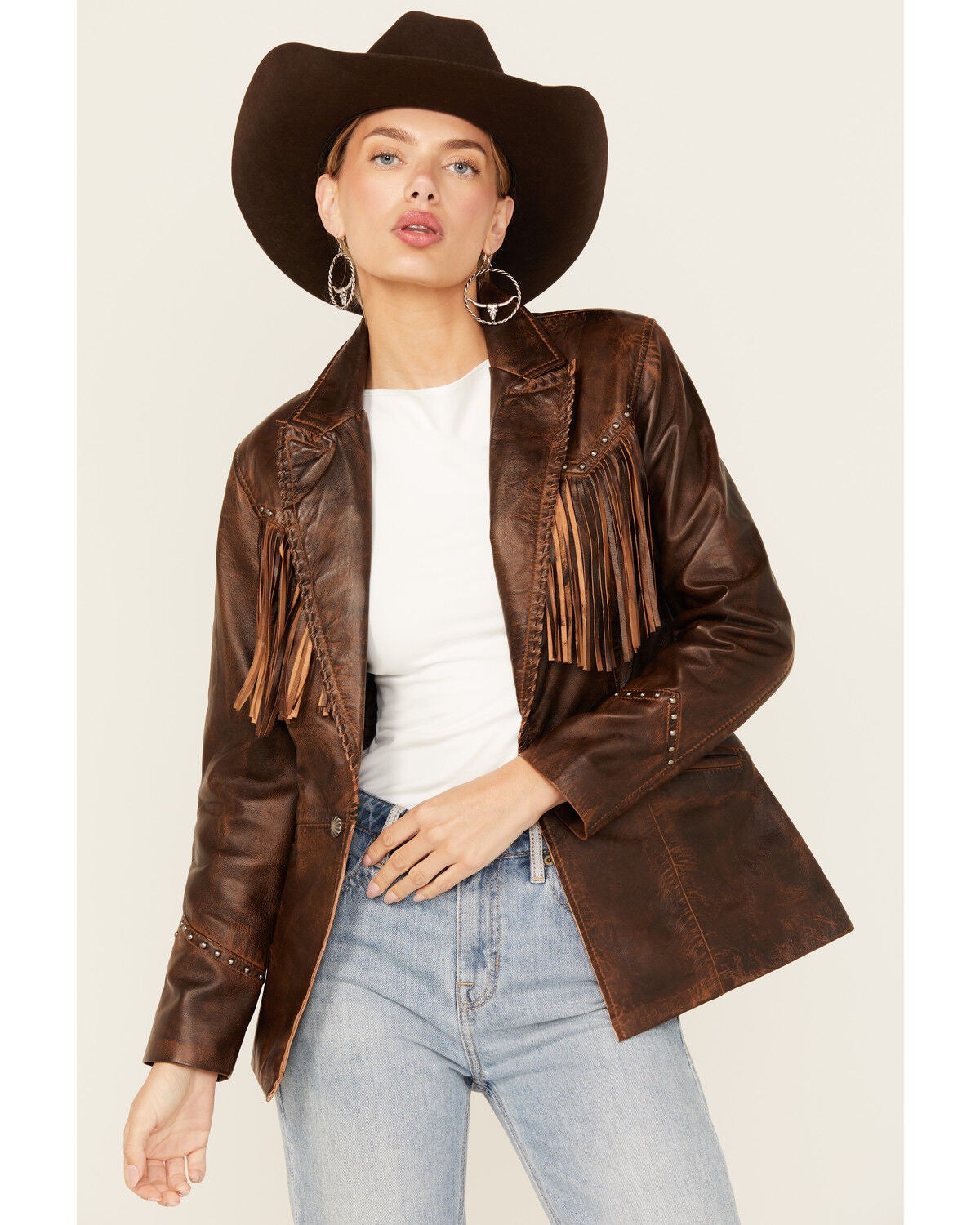
  • Women's Idyllwind Colton Faux Suede Fringe Blazer
    Original Price $119.99 $82.97
    31% Total Savings

End of products

Fringed Coats

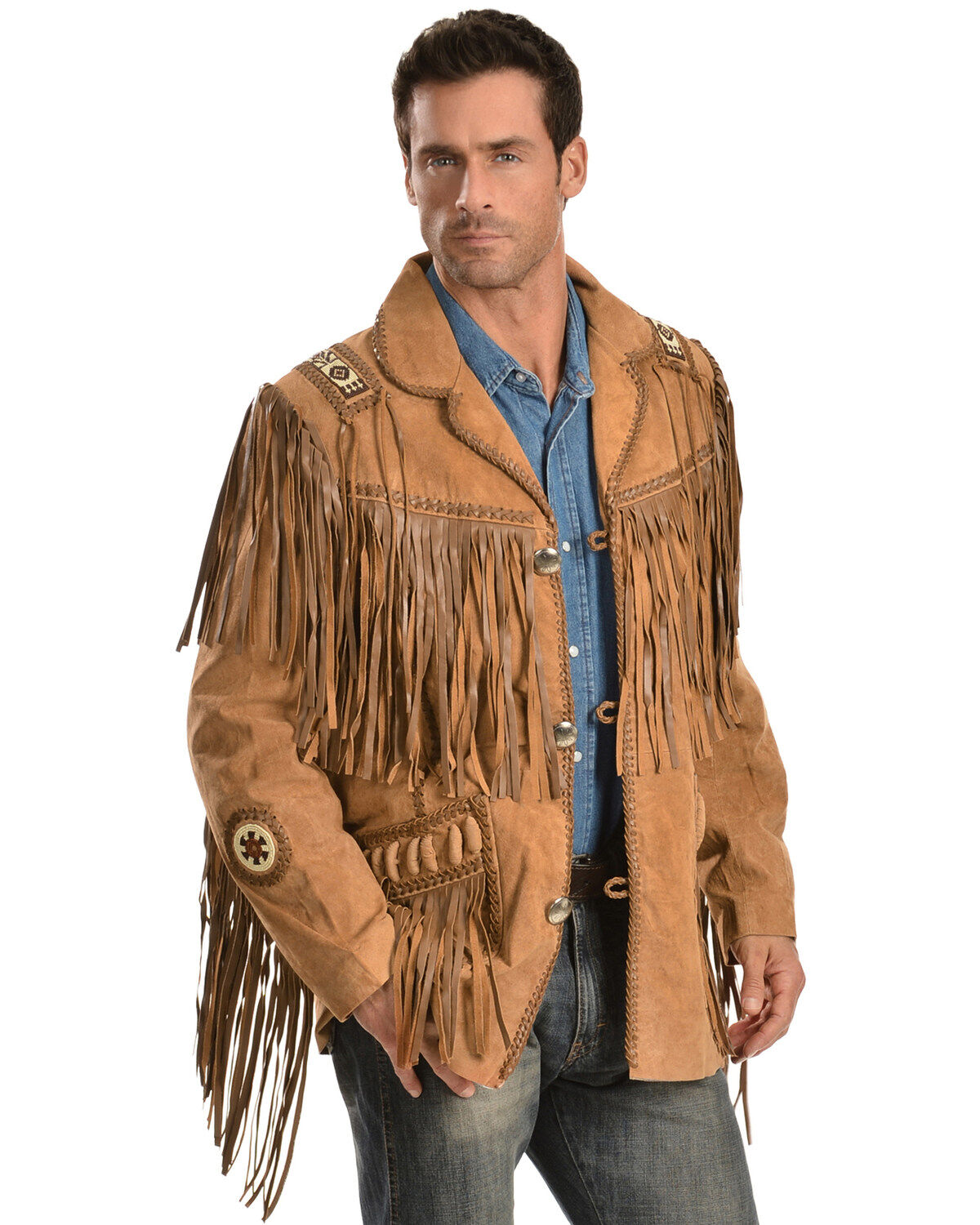
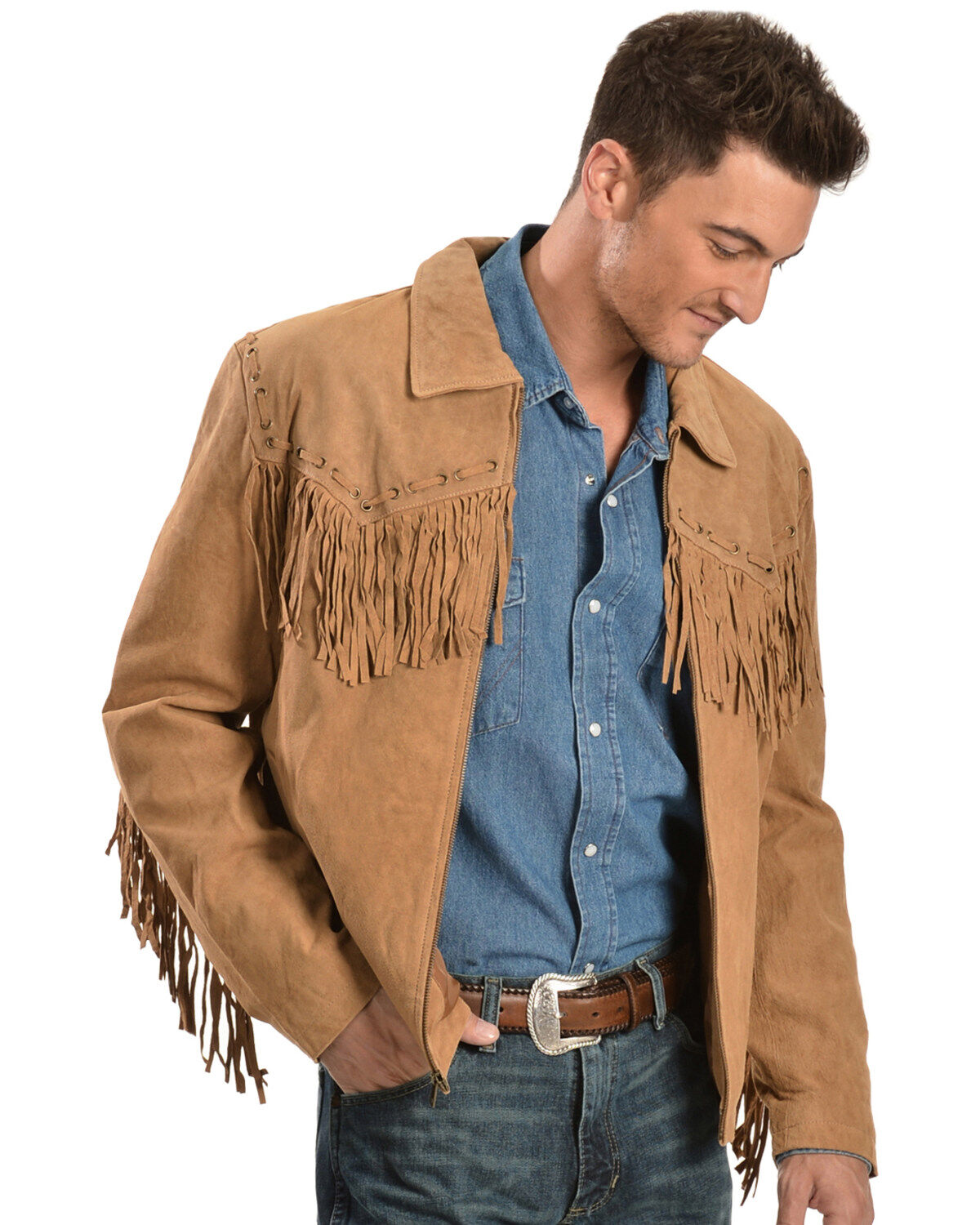
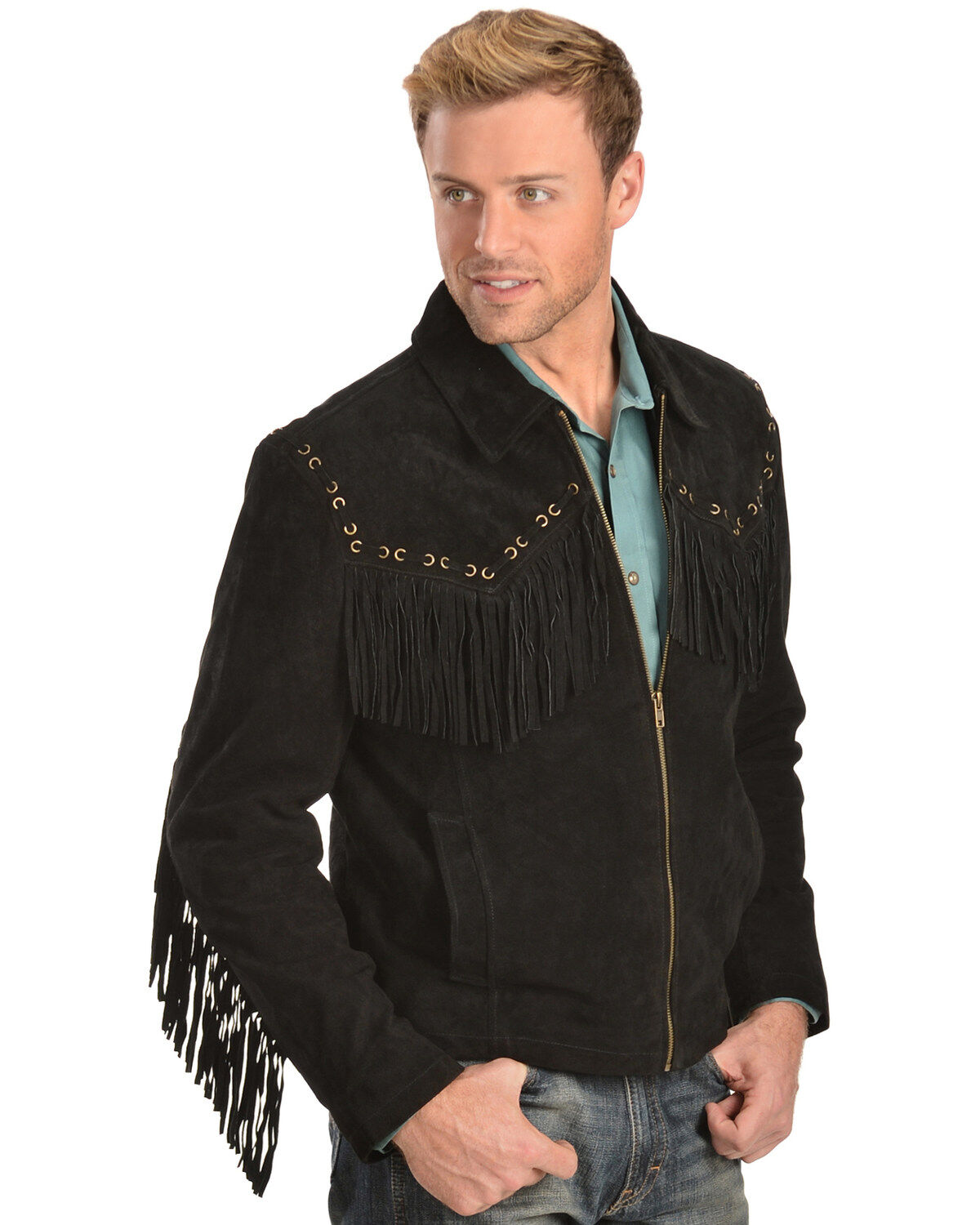
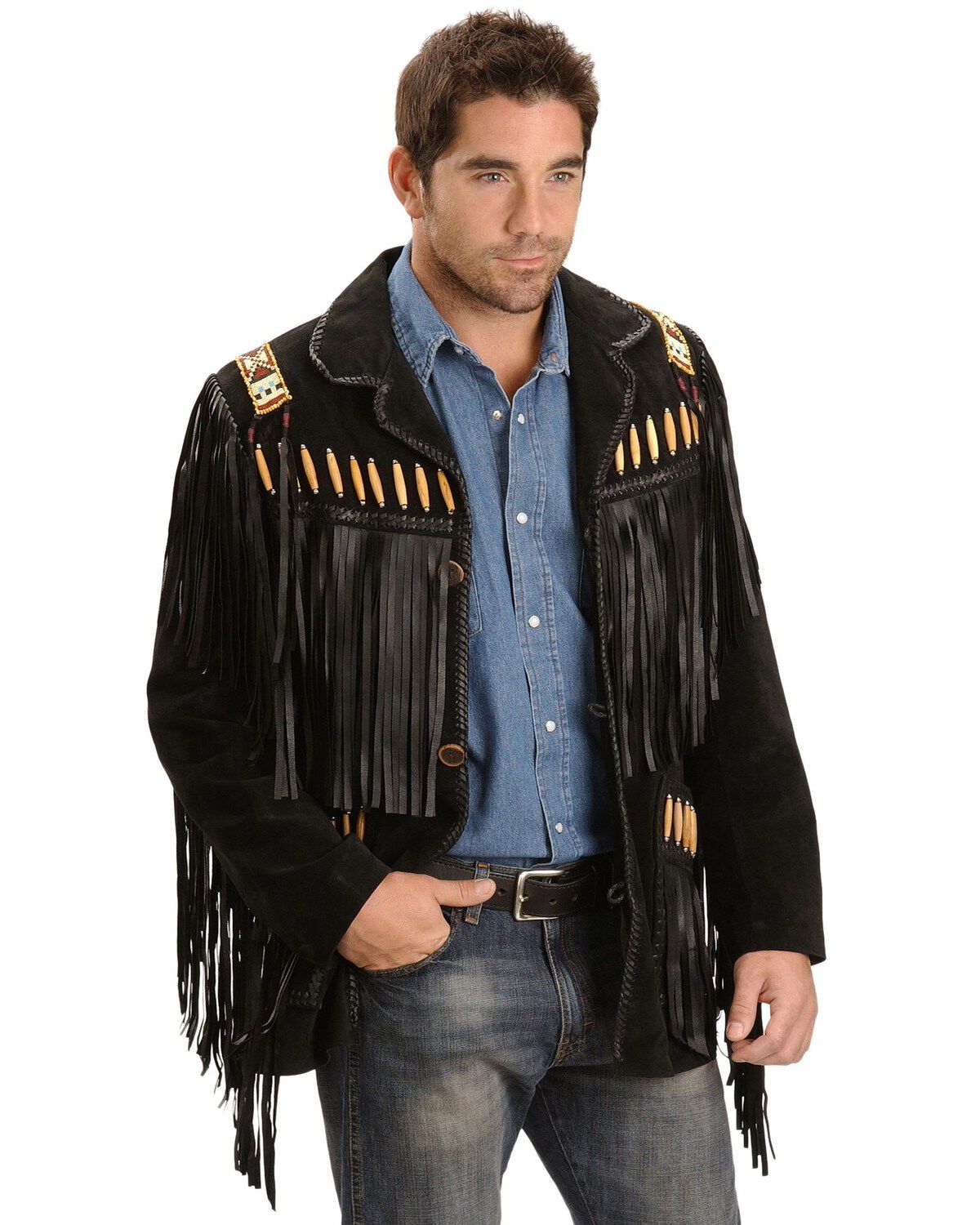
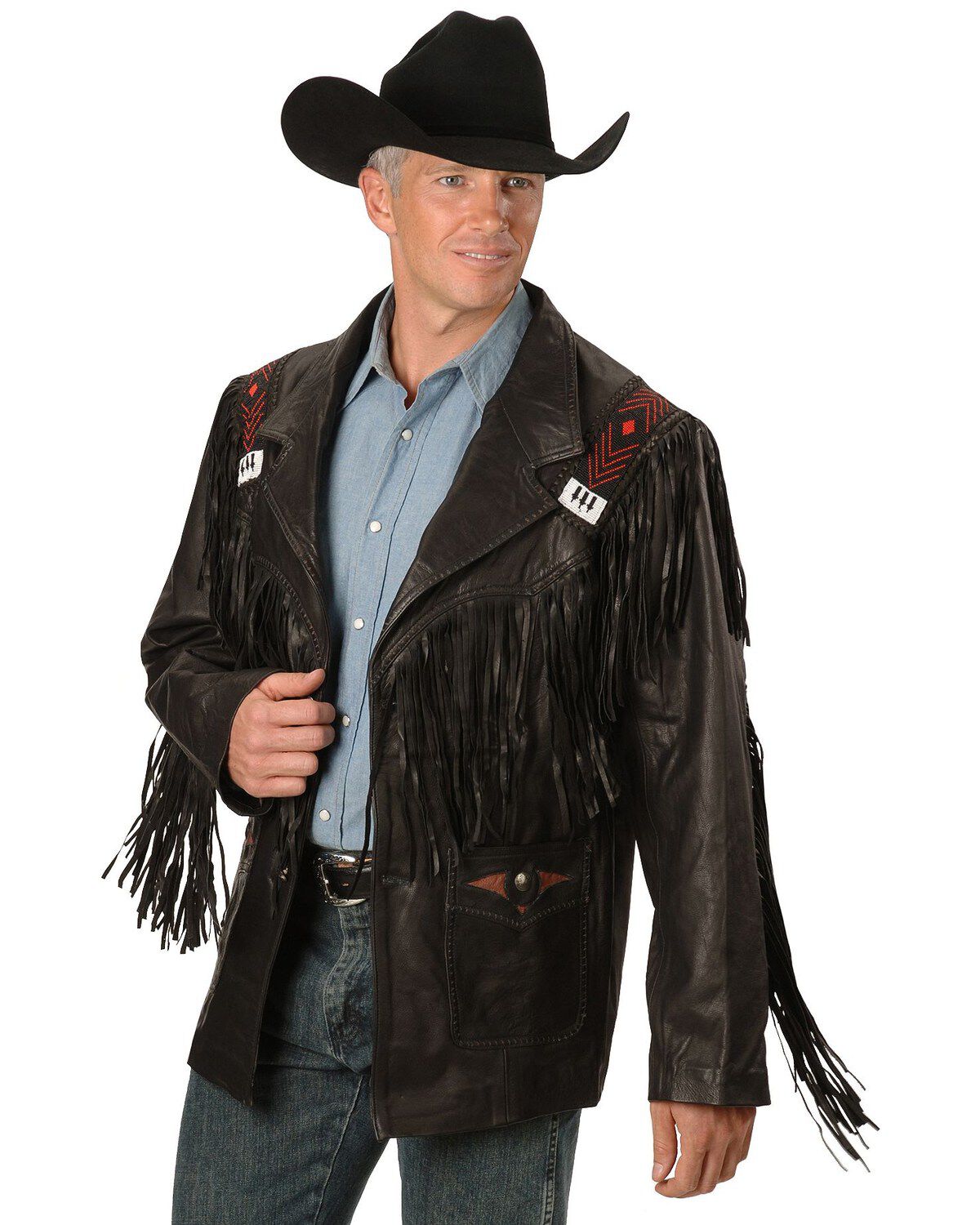
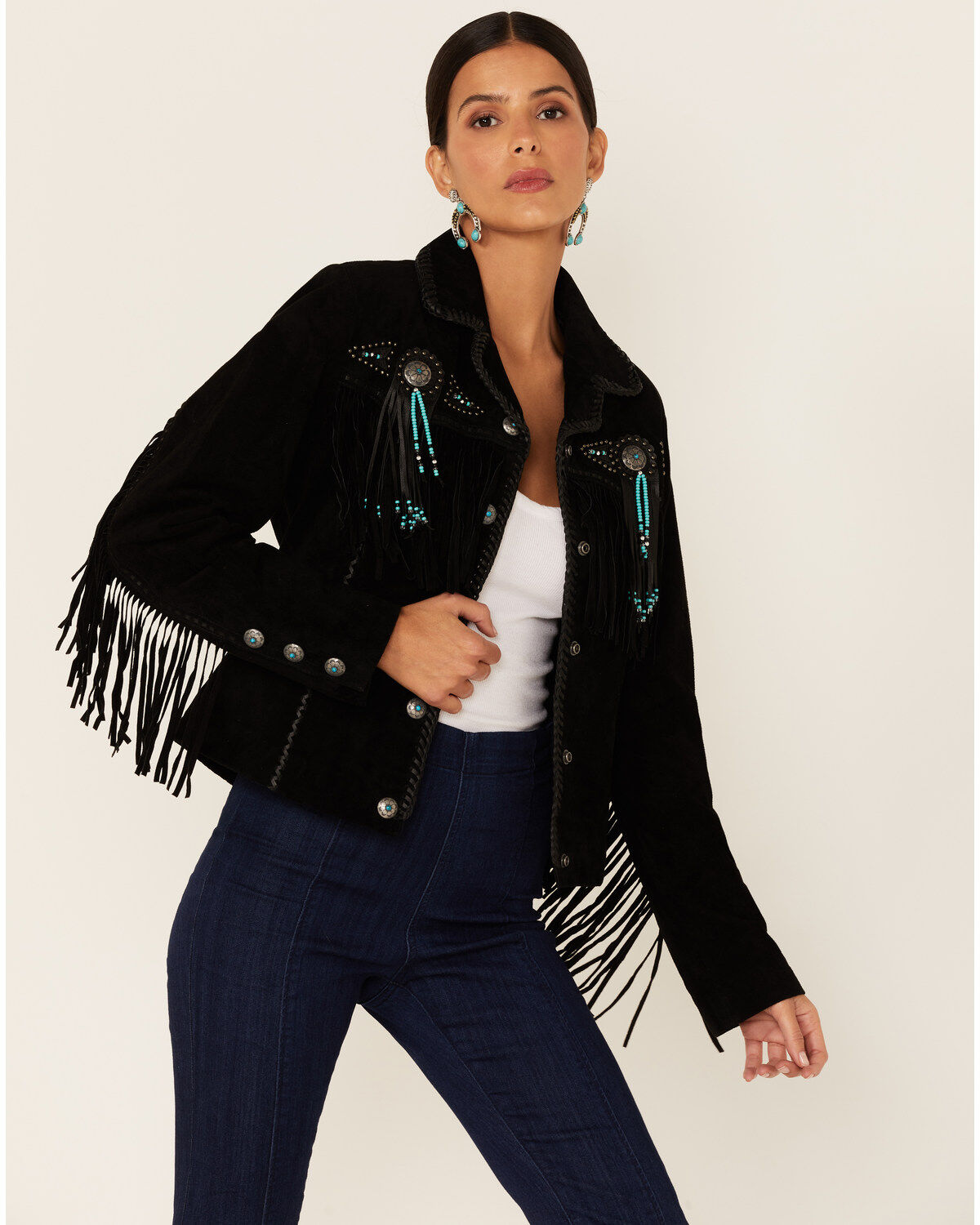
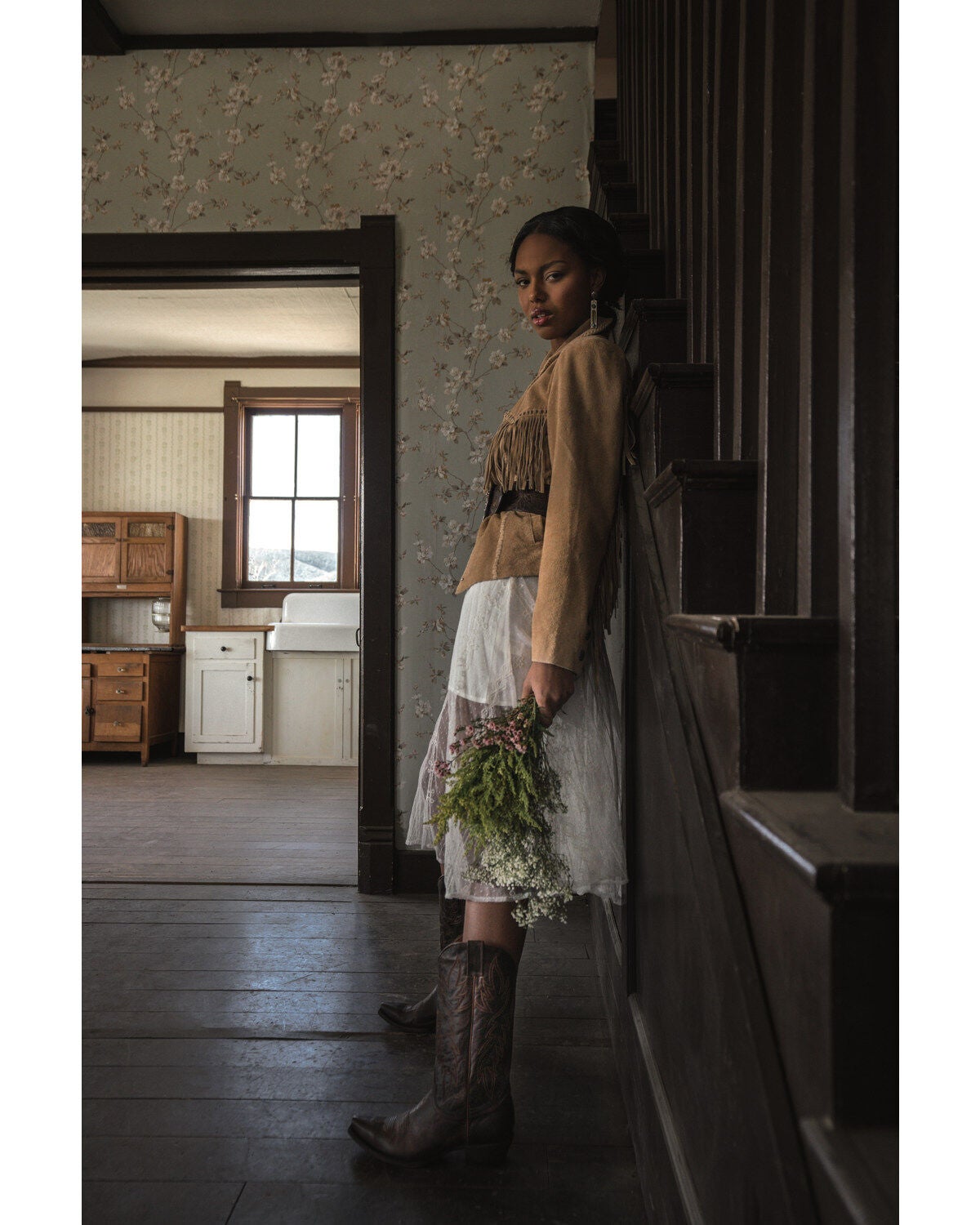
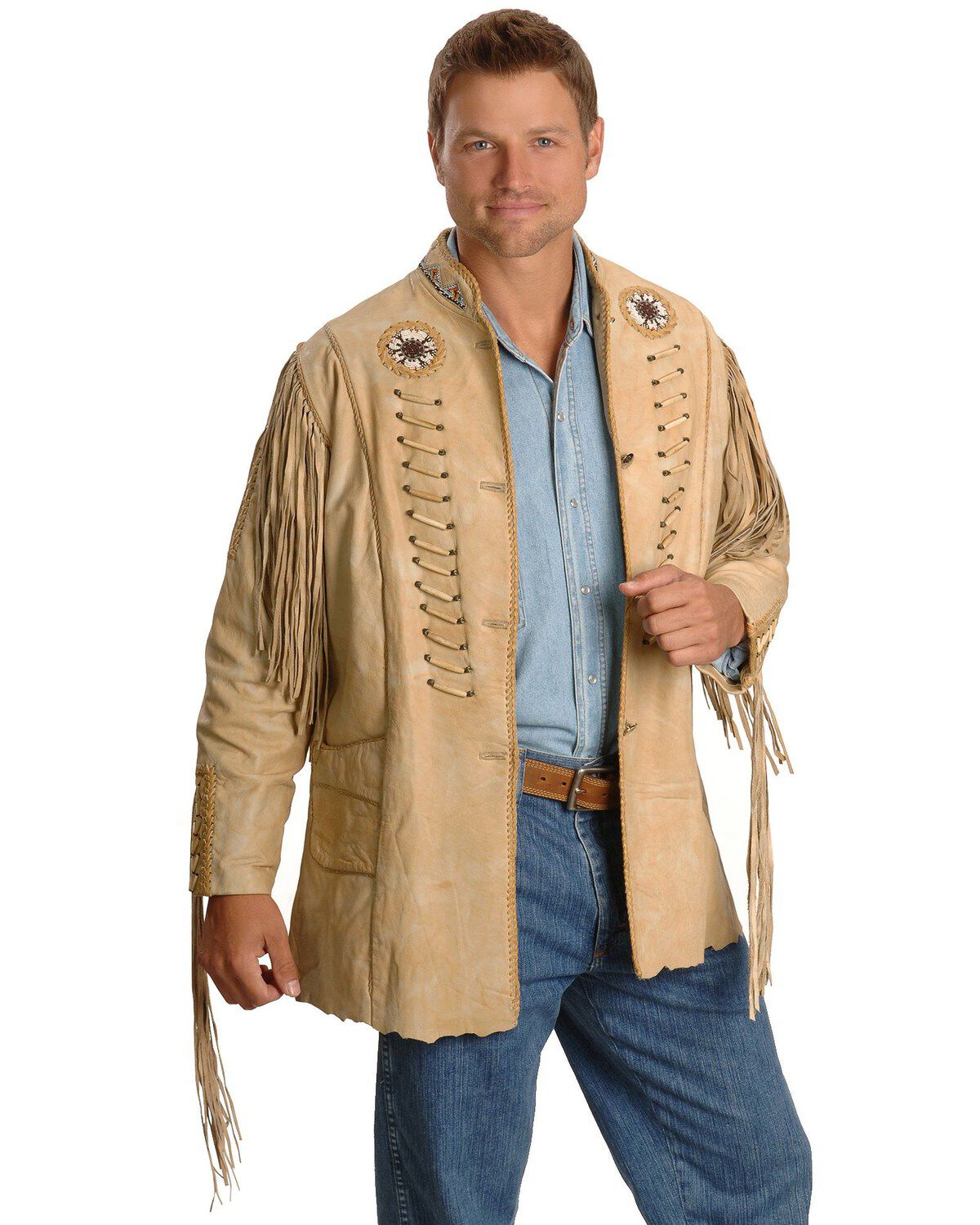
Fringed coats are outerwear finished with narrow strips of leather, suede, fabric, or other trim, often placed across the chest, back, sleeves, or hem. They pair a strong connection to western dress with shapes that work in everyday wardrobes, from straight-cut coats to fitted and belted styles. The fringe adds movement and texture, giving a simple silhouette a distinct outline without relying on a busy print. Its placement makes a difference. A row across the back yoke emphasizes the shoulders, while fringe along the sleeves becomes more noticeable as the arms move. Hem fringe draws attention to the length of the coat and can create a longer visual line. Short trim gives a restrained finish; longer strands make the movement a larger part of the design. Material matters just as much as the fringe itself. Suede has a soft, brushed surface that gives earthy shades depth and a more textured appearance. Smooth leather has a cleaner surface and can develop creases and character with wear, depending on its finish. Fabric coats offer another approach, with woven texture, drape, and weight shaping the overall look. Wool blends, structured cloth, and suede-look materials each behave differently, so the fiber content and care label deserve attention. Fringe may match the body of the coat or create contrast through color or texture. Matching trim tends to keep the outline unified, while contrasting trim makes its placement stand out. Lining also changes the feel of a coat. A smooth lining can make it easier to slip the sleeves over a shirt, while an unlined construction leaves more of the material visible inside. Fringe is a design detail, not a measure of insulation, protection, or strength. Those qualities depend on the main material, construction, and intended use. Together, the cut, surface, and trim determine whether a fringed coat feels suited to regular wear, a concert, a dance, or an occasion that calls for more character than a plain outer layer.

Fit gives fringe room to move without letting the coat overwhelm the person wearing it. Shoulder seams should sit where the design intends, whether that means a defined shoulder or a deliberately relaxed shape. The chest and upper back need enough room for reaching forward, fastening the front, and sitting comfortably. Trying a coat over the kind of clothing worn underneath gives a more useful sense of fit than judging it over a thin shirt alone. A close-fitting sleeve may feel fine with the arms down but pull when reaching for a steering wheel. A very loose sleeve can leave long fringe hanging farther into the hands than expected. Sleeve length should account for both the cuff and any trim extending beyond it. Coat length deserves the same attention. A shorter cut leaves more of a belt and jeans visible, while a longer coat creates a continuous line over trousers or a dress. When seated, the hem should have room to settle without pulling tightly across the hips. Closures affect that shape as well. Buttons, snaps, zippers, and belts each hold the front differently, and a coat should feel comfortable worn the way its owner prefers, open or fastened. For everyday outfits, fringe often works best with a few straightforward pieces: a solid shirt, well-fitting denim, and boots with a clean profile. A coat with substantial sleeve or chest trim already gives the outfit a clear focal point. More restrained fringe can sit comfortably alongside a patterned shirt or a textured knit. Western styling does not require every piece to carry the same details. A fringed coat can look equally natural over dark trousers and a plain top, where the material and cut take the lead. For a sleeveless layer with similar movement, Fringe Vests offer another way to wear the detail while leaving the shirt sleeves visible. The choice comes down to coverage, proportion, and how much of the outfit the outer layer should define.

Durability depends on both the coat body and the way the fringe is made and attached. Evenly cut strands, secure stitching, and well-finished seams are useful details to examine. Fringe cut directly from a leather panel has a different construction from trim sewn onto a separate seam, but either needs enough support at the attachment point to handle normal movement. Long, narrow strands can be more vulnerable to pulling and tangling, especially where they rub against bag straps, chair arms, or seat belts. A fringed coat is generally better suited to everyday wear and social occasions than tasks around moving equipment, where loose trim can catch. Care should follow the label rather than assumptions about the appearance of the material. Suede often needs a suitable brush and material-specific treatment, while finished leather may call for a compatible cleaner or conditioner. Testing any approved treatment in a hidden area helps reveal changes in color or texture before treating a visible panel. Fabric and suede-look coats have their own requirements; a soft surface does not automatically mean an item can go into a washing machine. Fringe should not be tugged into shape, trimmed casually, or exposed to direct heat in an attempt to flatten it. Hanging the coat on a supportive hanger with room around it helps prevent crushing and keeps the trim from being folded beneath other clothing. Before storage, empty the pockets and check for loose threads or caught strands. Professional care may be appropriate when the label calls for it or when a stain involves both the coat material and its trim. For a gift, the recipient’s usual fit, preferred coat length, and willingness to care for the material are more useful than choosing by appearance alone. Someone who favors simple outfits may appreciate short, matching fringe, while someone who regularly wears western clothing may prefer a stronger yoke or sleeve detail. A well-chosen fringed coat should feel comfortable in motion, suit the wearer’s routine, and retain its shape with appropriate care.

FAQs